16 Trending Aesthetic Home Decor Ideas That Photograph as Good as They Look
An aesthetic home doesn’t come from a single trending purchase, but from a handful of consistent techniques applied throughout a space with real intention. This guide walks through sixteen aesthetic home decor ideas covering color, texture, shape, and styling technique that create a cohesive, photographable look regardless of which specific style direction you’re drawn to. By the end, you’ll have specific materials, application methods, and styling approaches to build a home that feels both intentional and genuinely livable.
Trend & Background
Aesthetic-driven home decor has grown alongside visual platforms that reward cohesive, photographable spaces, pushing techniques like color drenching, curated vignette styling, and consistent material threading from professional design circles into everyday home decorating. This has also led to more specific micro-aesthetics, from cottagecore to Japandi to dark academia, each with its own recognizable material and color language that people can draw from directly. This matters now because a genuinely successful aesthetic requires more than a single trending object, making the underlying techniques, repetition, restraint, and material consistency, worth understanding regardless of which specific look you’re chasing.
Key Takeaways
- A strong aesthetic comes from repeating a few consistent choices, like shape, material, or color, rather than chasing every trend at once.
- Techniques like color drenching and curated vignettes work across nearly any specific style direction, from minimalist to maximalist.
- Natural materials and soft, intentional lighting do more to create an aesthetic feel than any single statement purchase.
- A cohesive aesthetic still needs to function for daily life, not just look good in a single styled photo.
1. Color Drenching Technique
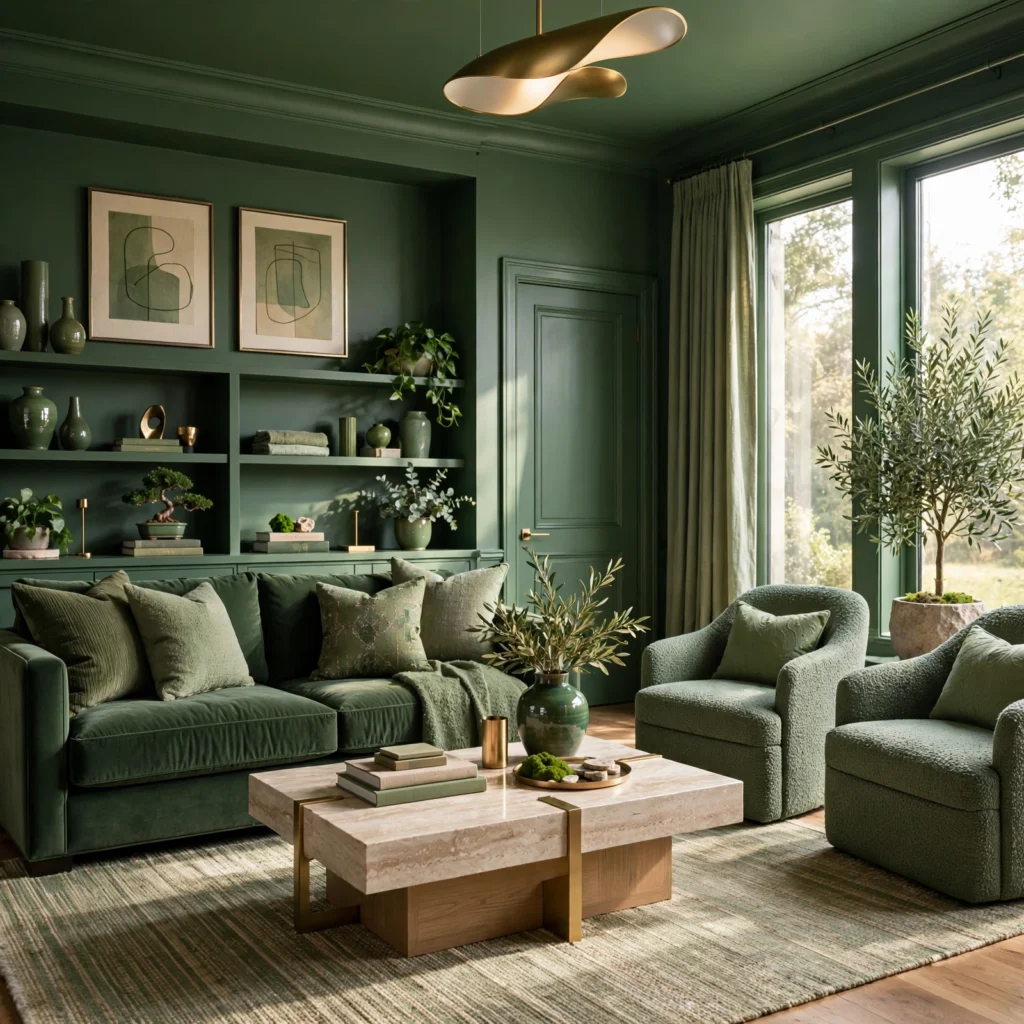
The color drenching technique paints walls, trim, ceiling, and sometimes even built-in furniture all in the same or closely related shade, creating an immersive, enveloping effect rather than the visual break a contrasting white trim typically creates. This approach has become one of the most consistently used techniques across multiple current aesthetic directions, from moody maximalism to soft minimalism, since it works with nearly any color choice. Choosing a mid-saturation color, rather than the most extreme light or dark option, tends to produce the most successful and livable version of this effect.
2. Curated Shelfie Styling
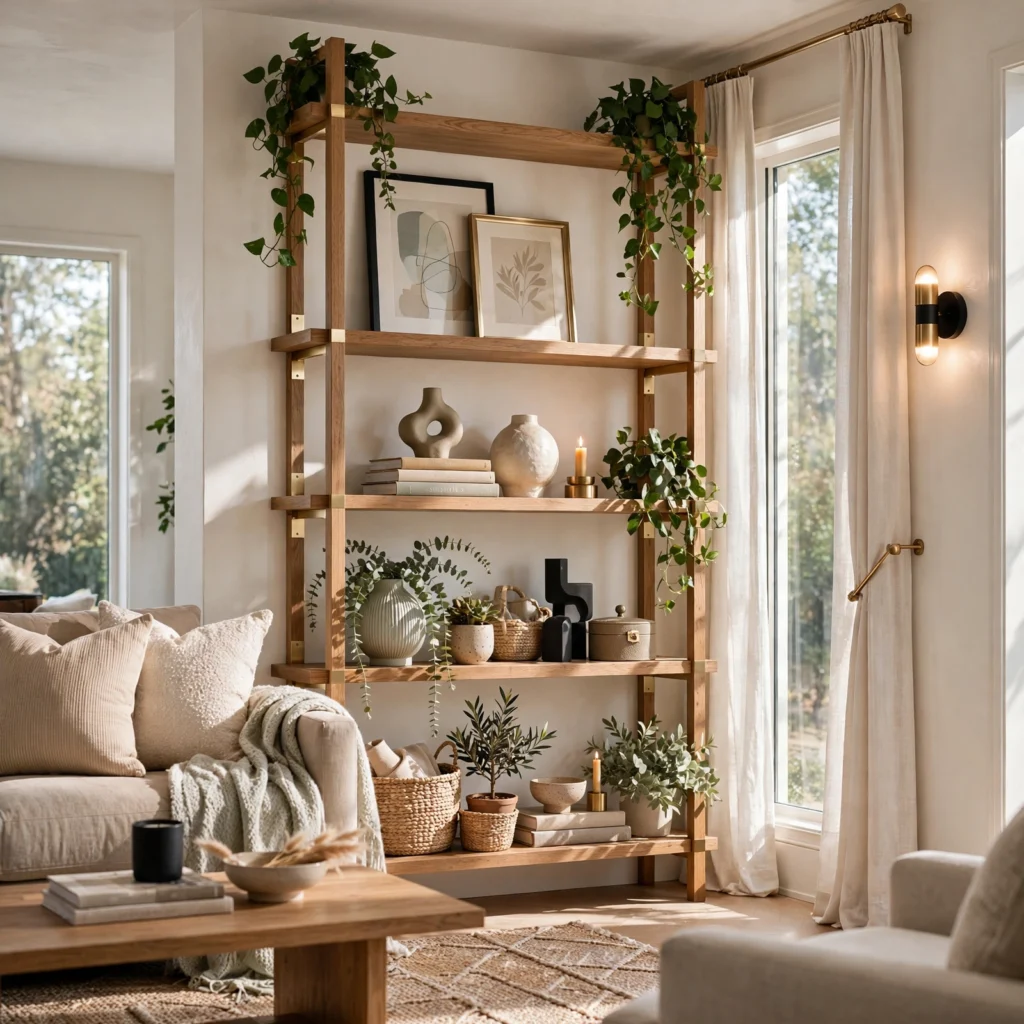
Curated shelfie styling arranges books, small objects, and plants across open shelving with deliberate negative space and varied height groupings, rather than filling every available inch uniformly. This styling technique appears consistently across nearly every aesthetic direction, since the underlying principle, restraint paired with intentional grouping, transfers regardless of specific color or material choices. Photographing the shelf from a few different angles while styling helps confirm the arrangement reads well beyond just straight-on viewing.
| Styling Element | Placement Technique | Visual Effect |
| Vertical book stack | One side of shelf | Height variation |
| Small object on stack | Books beneath | Focal point |
| Negative space | One-third of shelf empty | Visual breathing room |
3. Arched Doorway or Mirror Shape
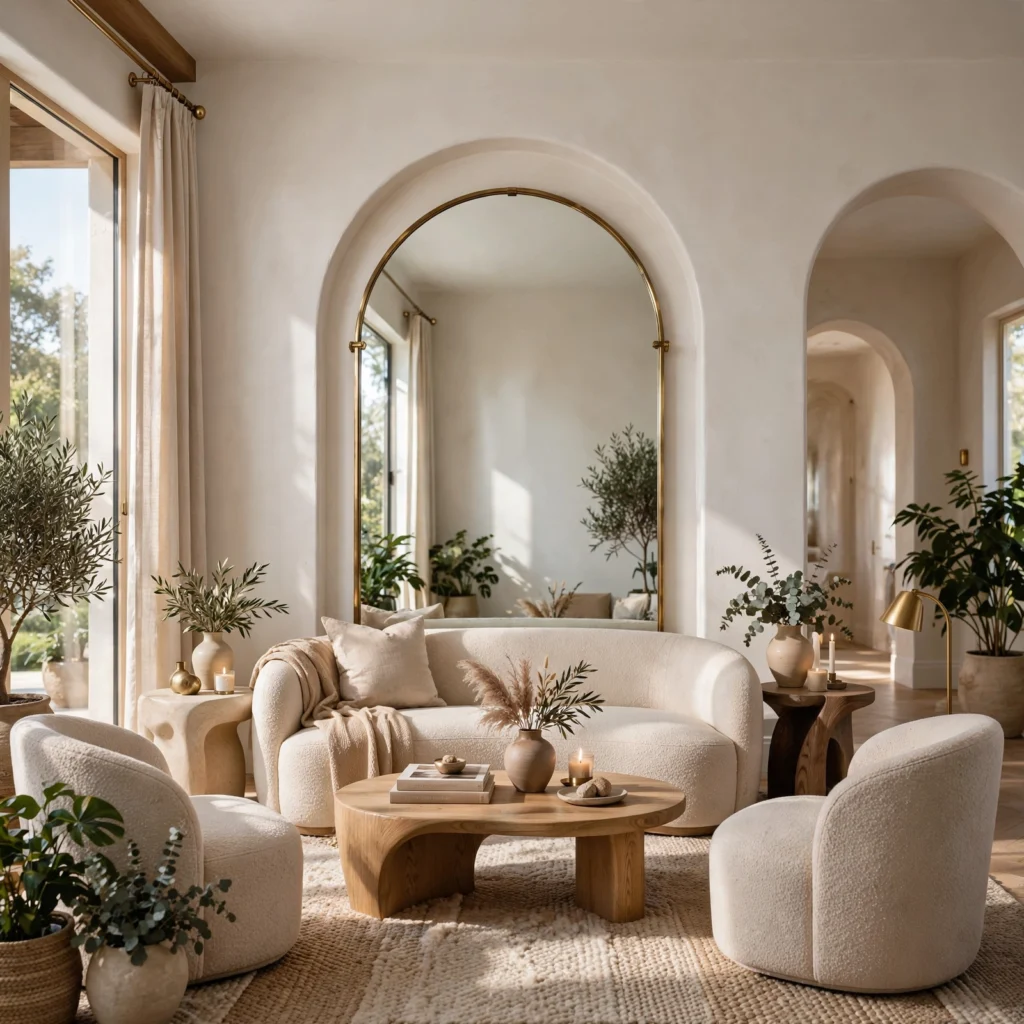
An arched doorway or mirror shape introduces a softer, curved silhouette against the more common rectangular lines found throughout most homes, a shape that has become closely associated with several current aesthetic directions at once. Choosing this arched shape consistently, whether through an actual architectural doorway, a mirror, or a piece of furniture, reinforces the softer geometric language throughout connected spaces. This detail works particularly well repeated two or three times in a single room, rather than appearing as a single isolated arch surrounded by entirely rectangular elements.
4. Aesthetic Home Decor Ideas Textured Plaster Wall
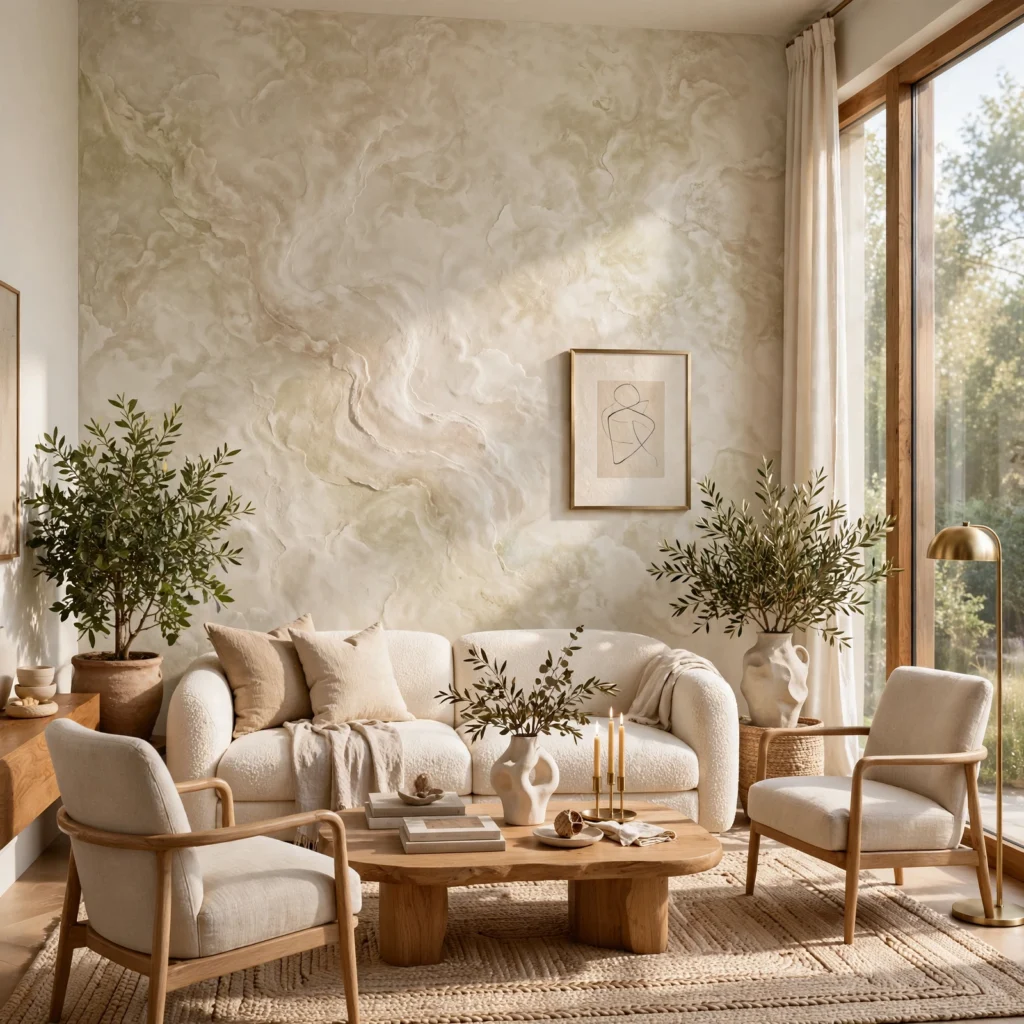
A textured plaster wall applies a hand-troweled or limewash finish to a single accent wall, creating subtle variation and depth that flat paint can’t achieve. This technique has become closely tied to several current aesthetic home decor ideas, particularly those emphasizing natural materials and an artisanal, handmade quality. Choosing a single neutral tone for this treatment, rather than introducing additional color, keeps the focus on the texture itself as the primary visual interest.
5. Dried Botanical Styling
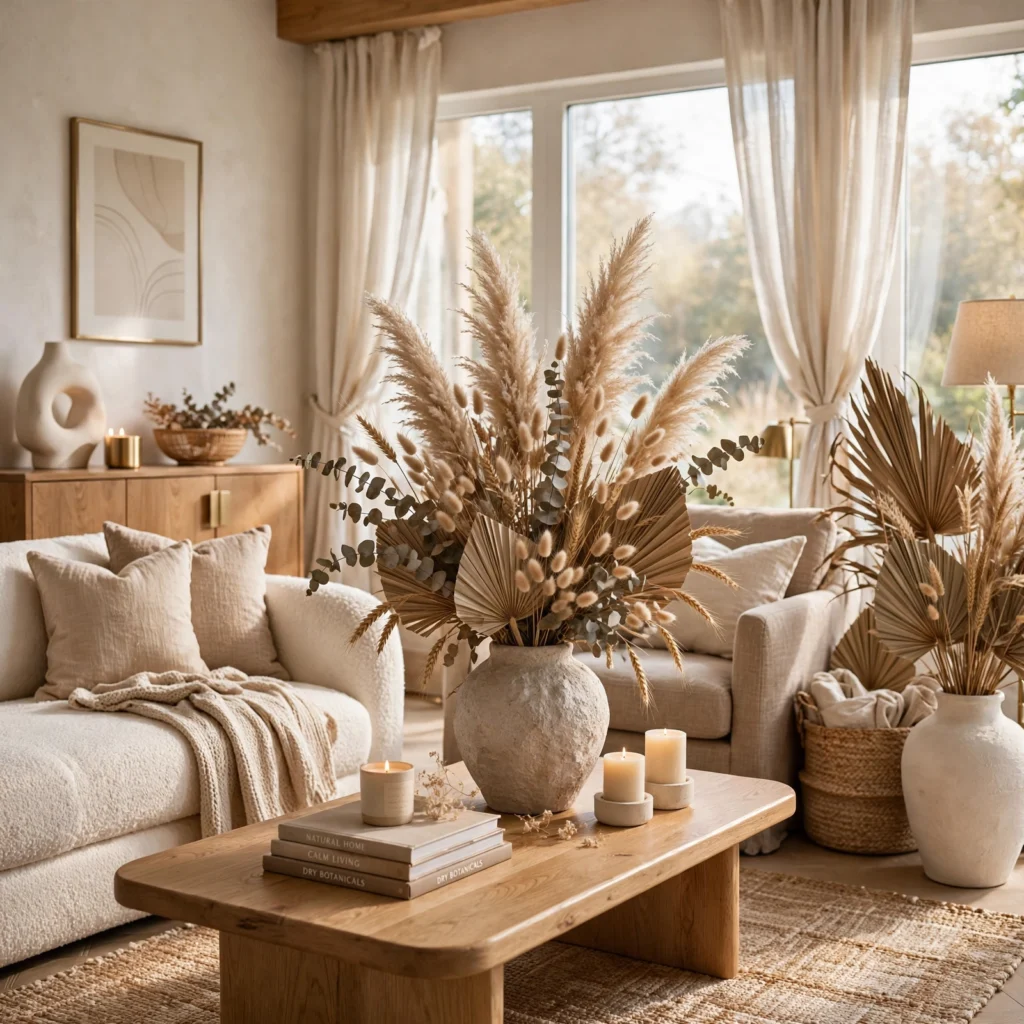
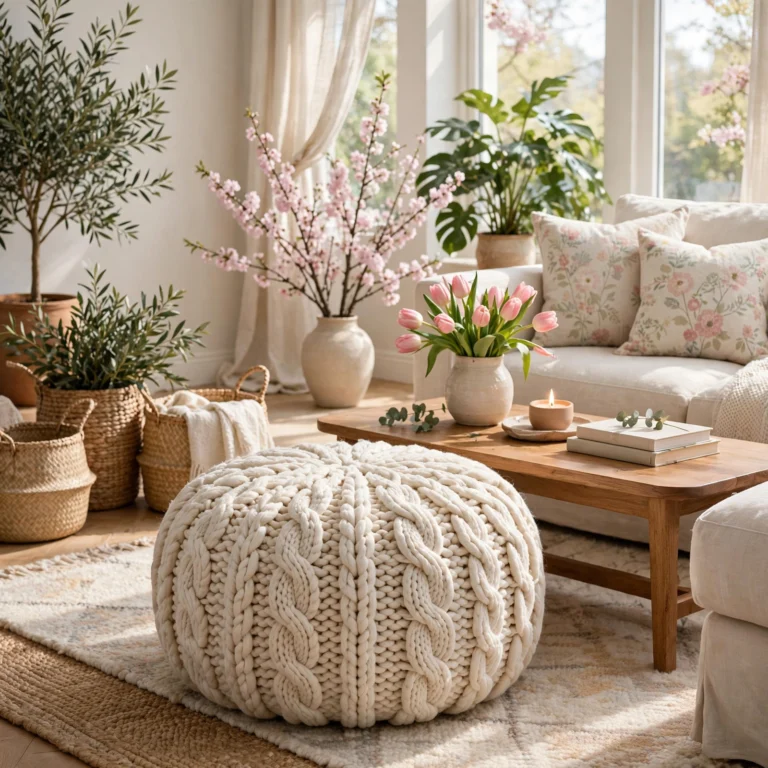
Dried botanical styling uses pampas grass, dried eucalyptus, or preserved florals in place of fresh flowers, offering long-lasting texture and movement without the maintenance fresh arrangements require. This detail has remained consistently popular across multiple aesthetic trend cycles specifically because it photographs well in both bright, airy spaces and moodier, darker rooms alike. Choosing a tall, oversized stem in a simple floor vase creates more visual impact than several smaller arrangements scattered throughout a room.
Looking for more decorating inspiration? Explore our Home Décor Ideas to transform every room in your home.
6. Woven Natural Light Fixture
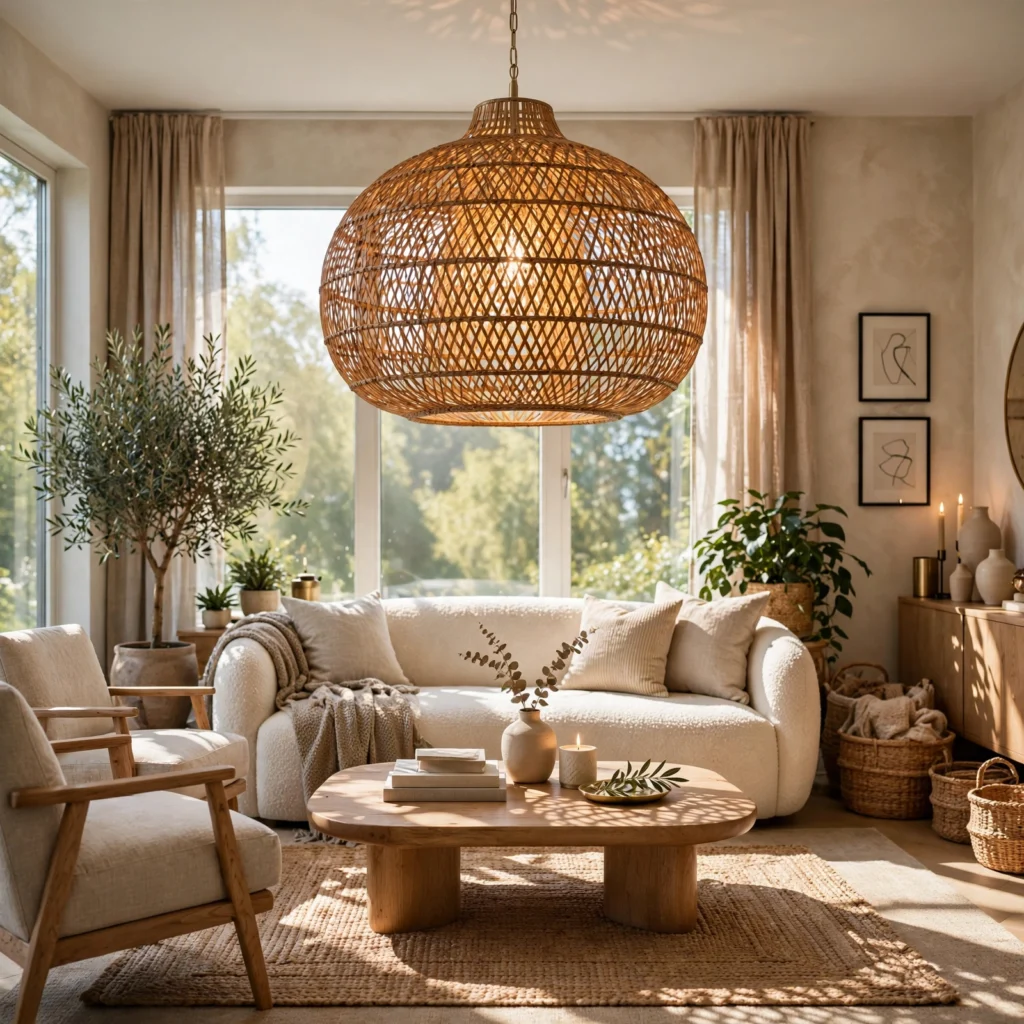
A woven natural light fixture, using rattan, seagrass, or paper in place of a standard metal or glass pendant, introduces organic texture directly into the ceiling plane, an area of the room that often gets overlooked in most decorating efforts. This detail appears across warm minimalist, coastal, and bohemian aesthetic directions alike, making it one of the more versatile single purchases on this list. Choosing a fixture sized appropriately to the room, generally 20 to 24 inches in diameter for a standard dining or living space, prevents it from looking either undersized or overwhelming.
7. Checkerboard Floor Pattern
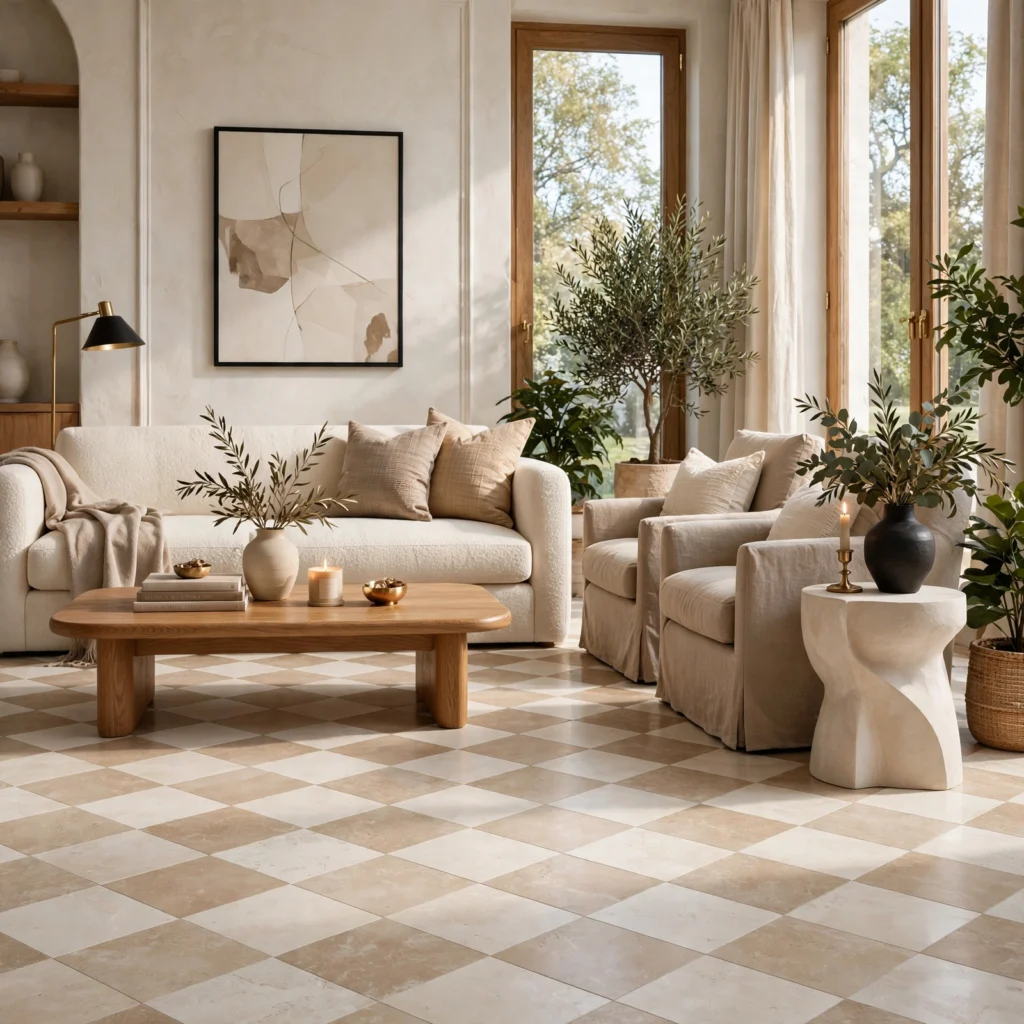
A checkerboard floor pattern, whether through actual tile installation or a painted floor treatment, adds graphic interest to a room’s largest surface, an area typically left in a single uniform material. This pattern has resurfaced across several current aesthetic directions, from vintage-inspired kitchens to more playful, maximalist entryways. Choosing a two-tone combination with enough contrast, like black and white or two closely related neutrals, produces the most successful version of this pattern depending on how bold an effect is desired.
8. Monochromatic Room Styling
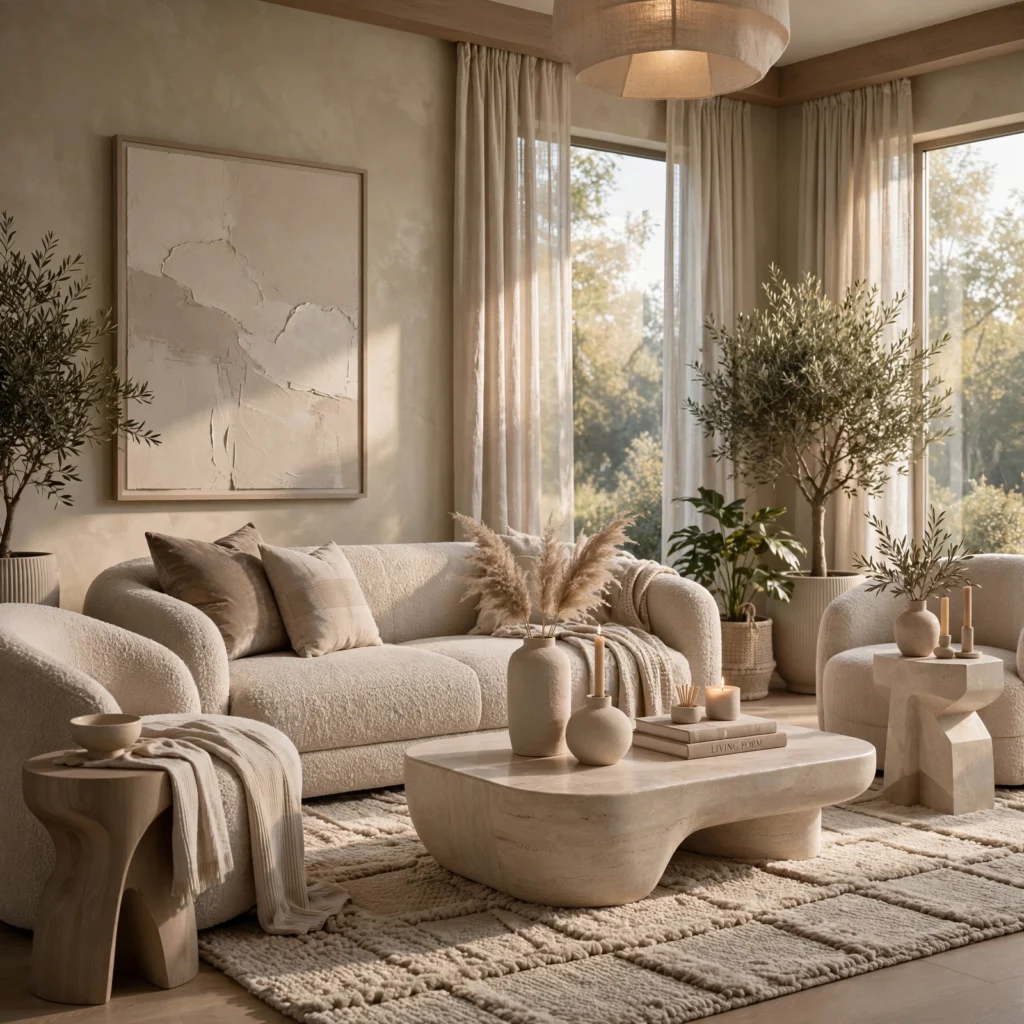
Monochromatic room styling uses varying shades and textures of a single color throughout an entire room, from the walls to the furniture to smaller decor objects, creating a highly cohesive, immersive aesthetic effect. This technique requires more discipline than a typical multi-color room, since every new addition needs to fit within the established tonal range. Introducing texture variation through matte, glossy, and textile finishes within that single color prevents the monochromatic approach from feeling flat despite its narrow color range.
9. Vintage Object Curation
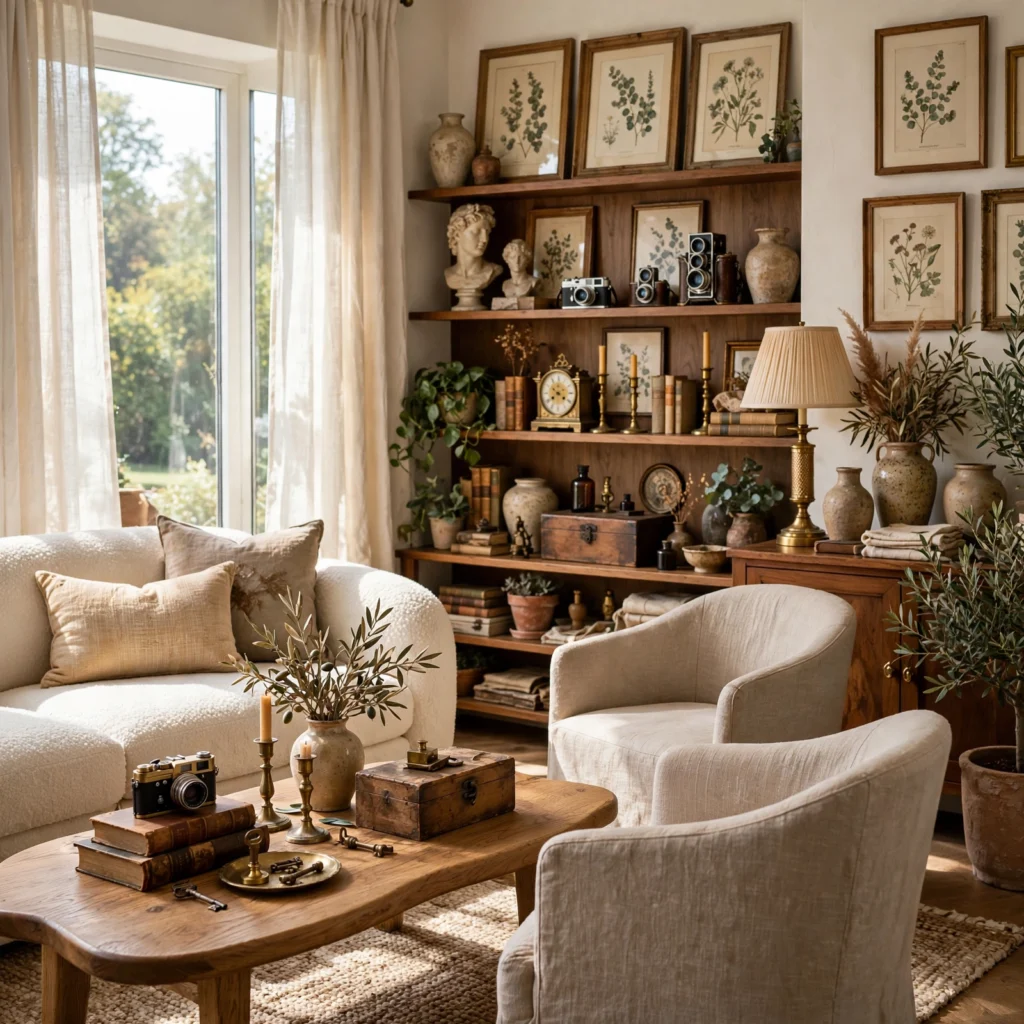
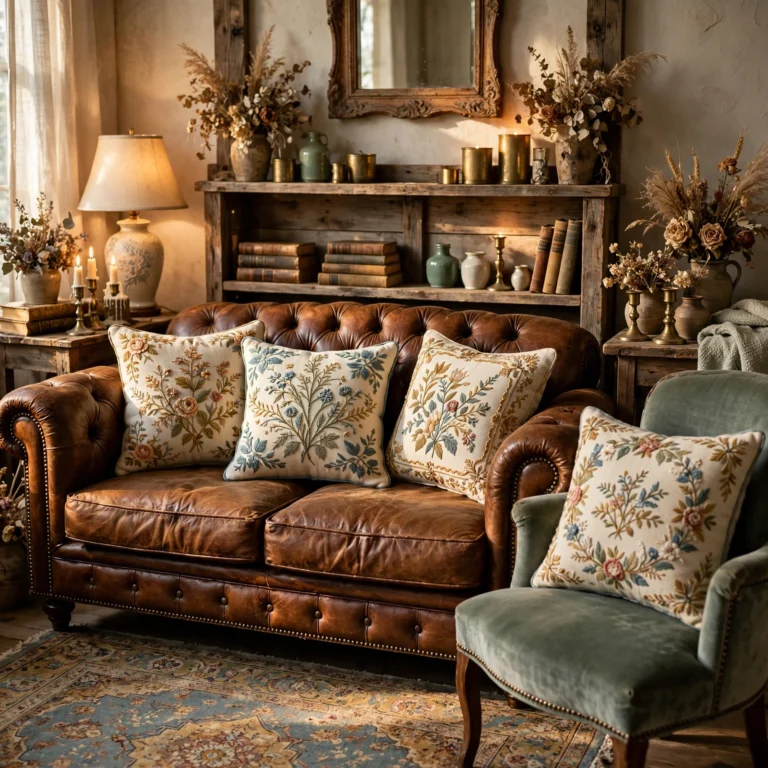
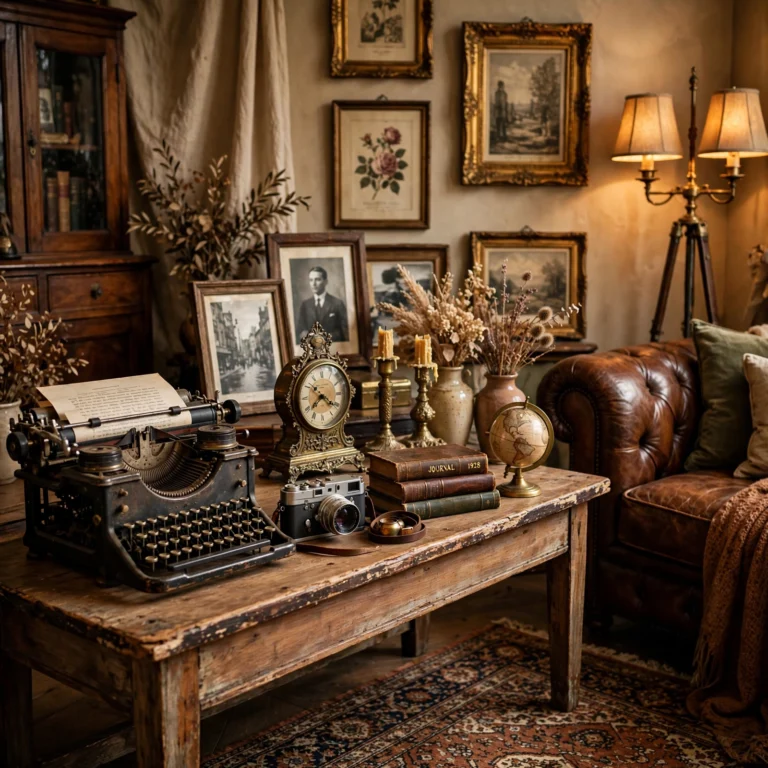
Vintage object curation sources one-of-a-kind items, like an antique mirror, a set of mismatched glassware, or an old wooden crate repurposed as a side table, from secondhand shops and estate sales rather than purchasing new decor exclusively. This approach gives a home genuine character that mass-produced items, however well-designed, typically can’t replicate on their own. Choosing pieces with some functional use, rather than purely decorative objects, keeps this curated collection feeling practical rather than like an untouched display.
10. Layered Neutral Textiles
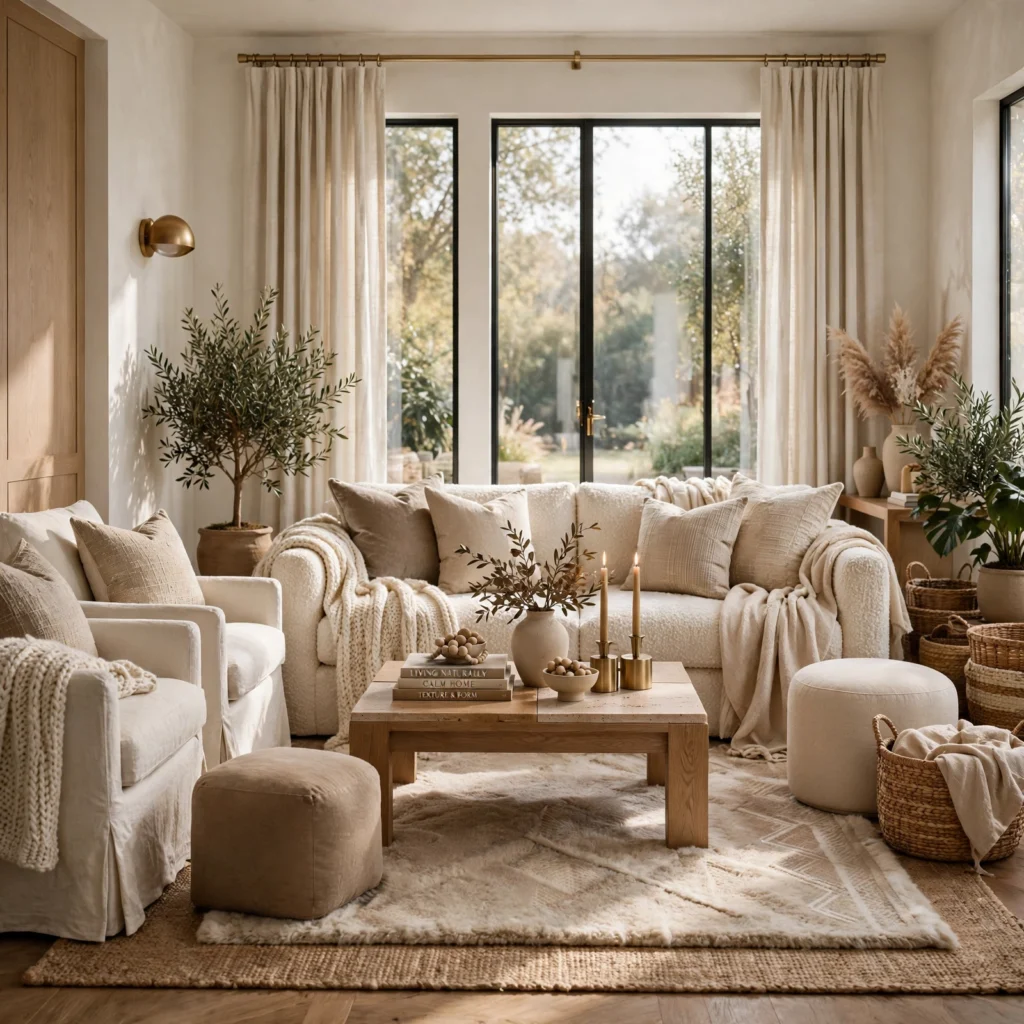
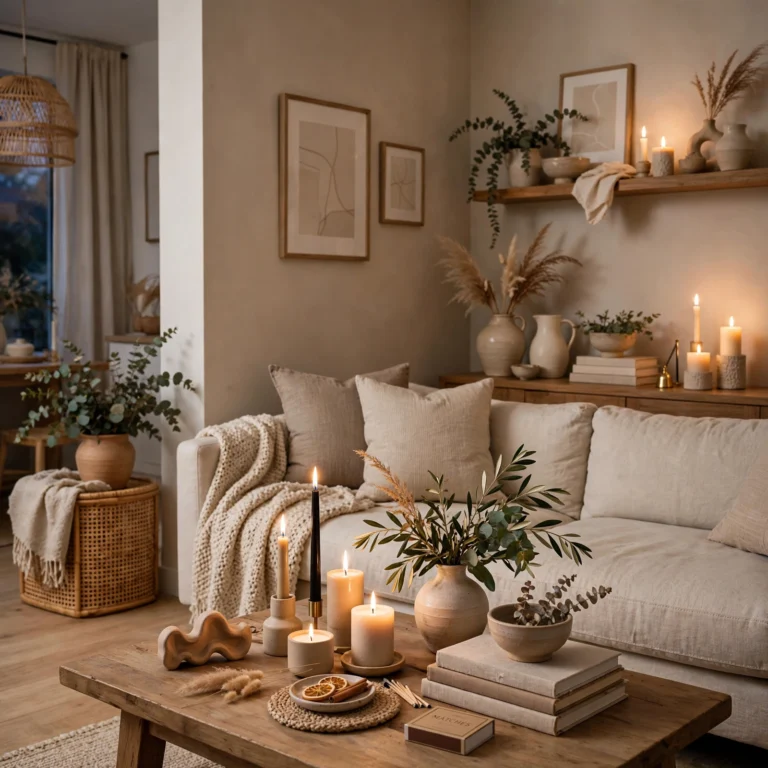
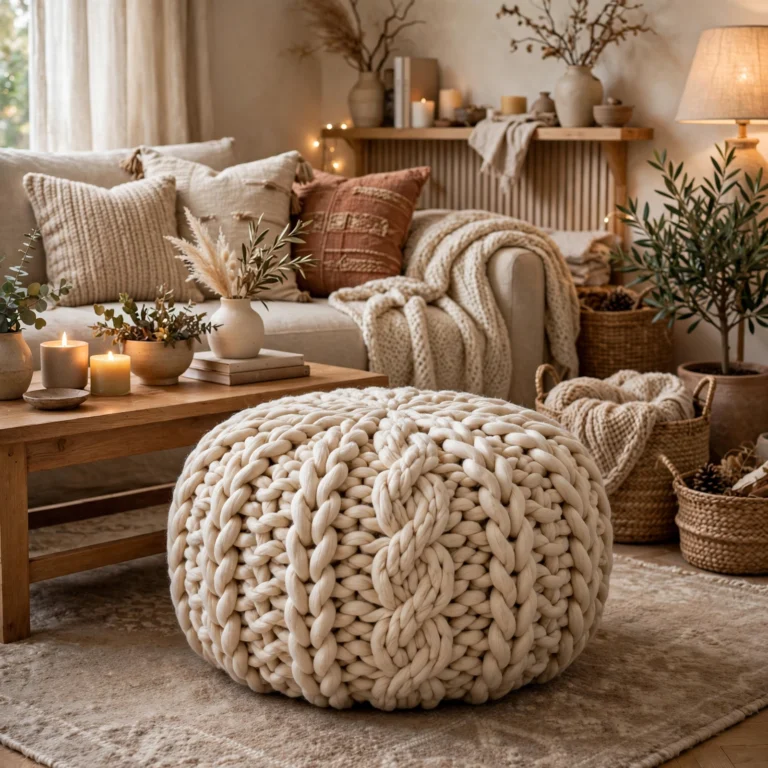
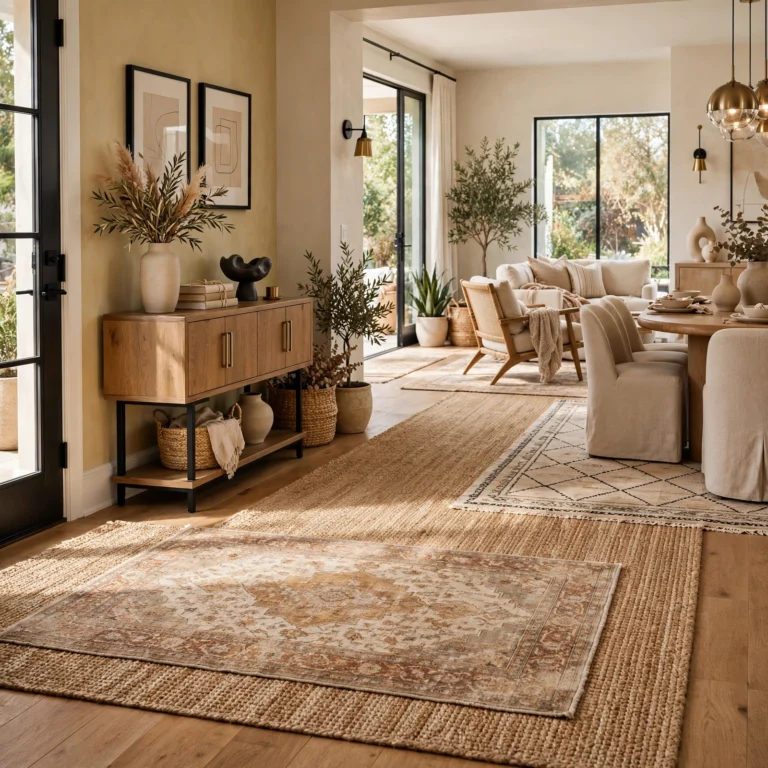
Layered neutral textiles combine varying shades of cream, oatmeal, and warm white across rugs, throws, and upholstery, creating a soft, cohesive base that supports nearly any additional aesthetic direction layered on top. This technique has remained a consistent foundation across many current design trends, since a well-executed neutral base makes bolder color or pattern choices elsewhere in the room read as more intentional. Introducing texture through varied fabric weights, like a boucle throw against a linen sofa, keeps this neutral layering from feeling flat.
11. Statement Ceiling Wallpaper
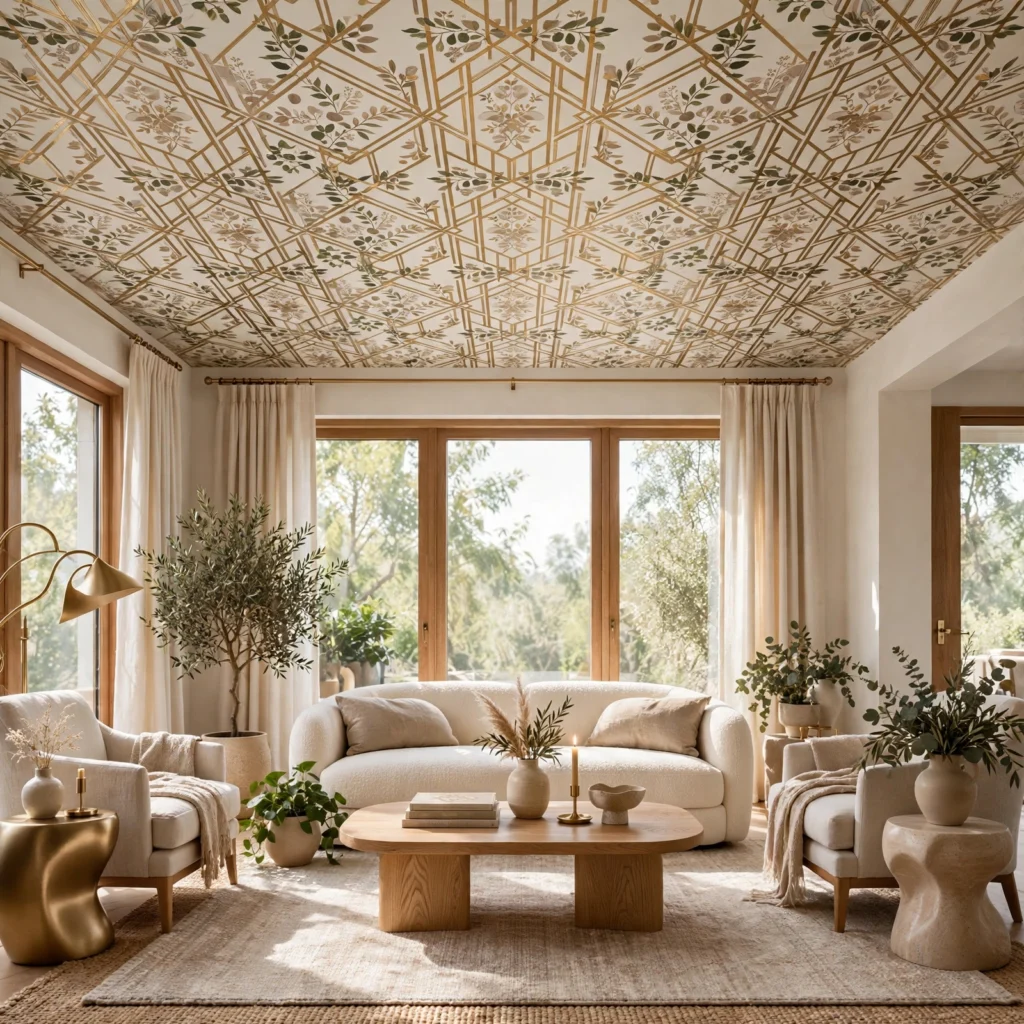
Statement ceiling wallpaper applies a bold pattern to the ceiling rather than the walls, treating the room’s most overlooked surface as a genuine design opportunity rather than an afterthought. This detail has grown in popularity specifically because it adds real visual drama without requiring any change to the room’s wall color or furniture. Choosing a smaller-scale pattern for a lower ceiling, and a bolder, larger-scale pattern for a higher one, keeps the proportions feeling appropriate to the specific room.
12. Curated Coffee Table Vignette
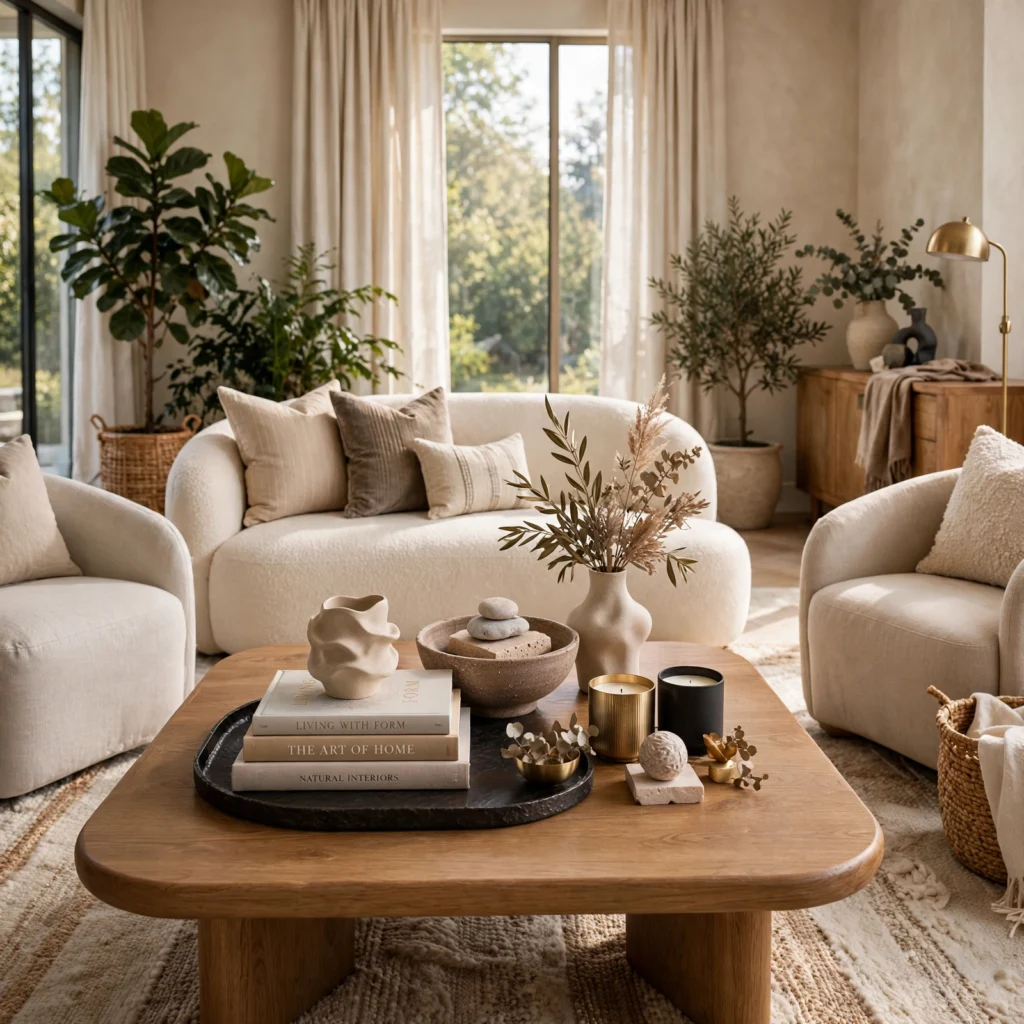
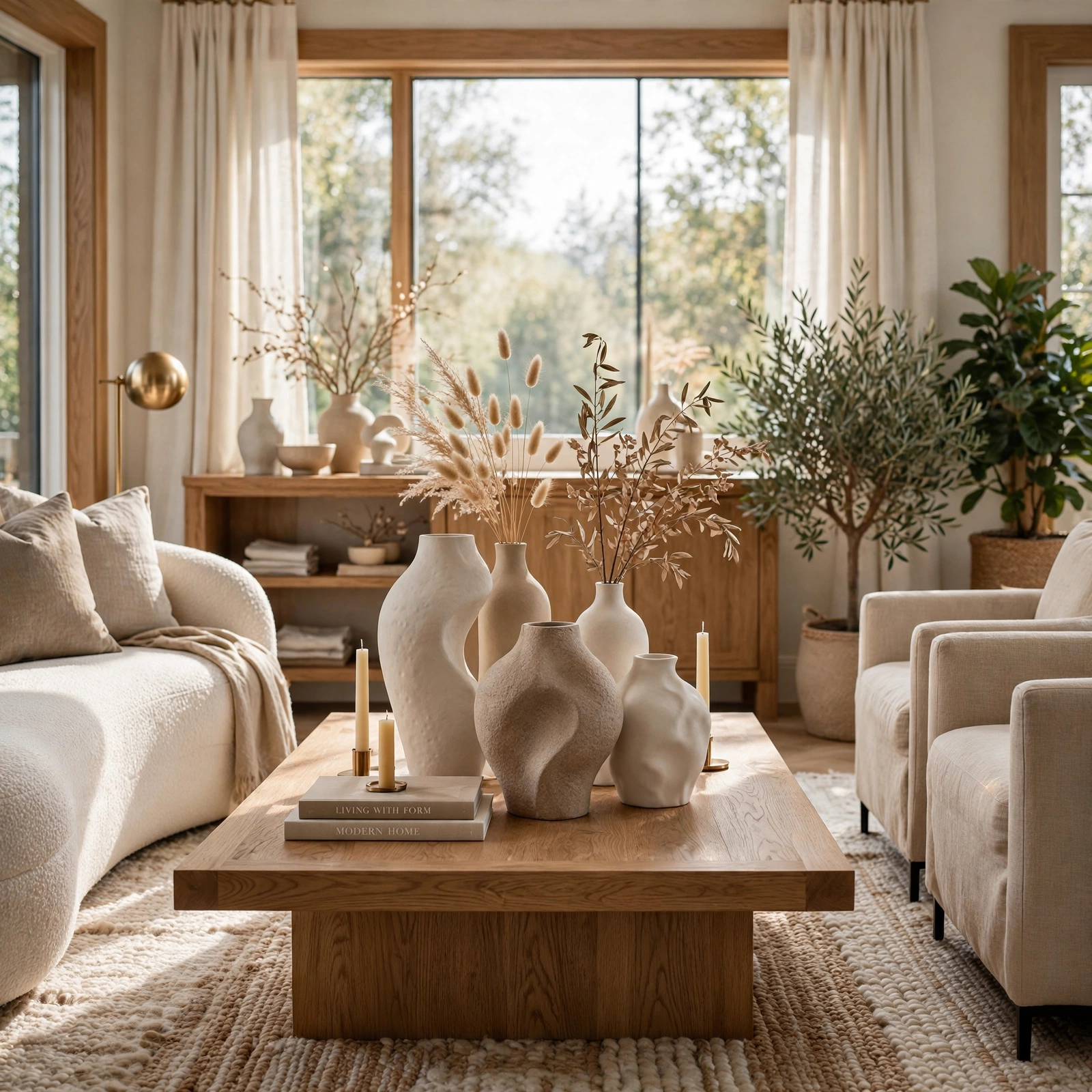
A curated coffee table vignette arranges a stack of art books, a single sculptural object, and a small tray into an asymmetrical, restrained grouping rather than covering the surface with several smaller decorative items. This detail appears across nearly every current aesthetic direction, since the underlying technique, restraint combined with intentional height variation, transfers regardless of the specific style being pursued. Rotating the specific objects seasonally keeps this focal surface feeling current without any furniture changes.
| Vignette Element | Height | Placement |
| Book stack | Medium | One side |
| Sculptural object | Tall | On top of books |
| Small tray | Low | Opposite side |
13. Warm Metal Accent Layering
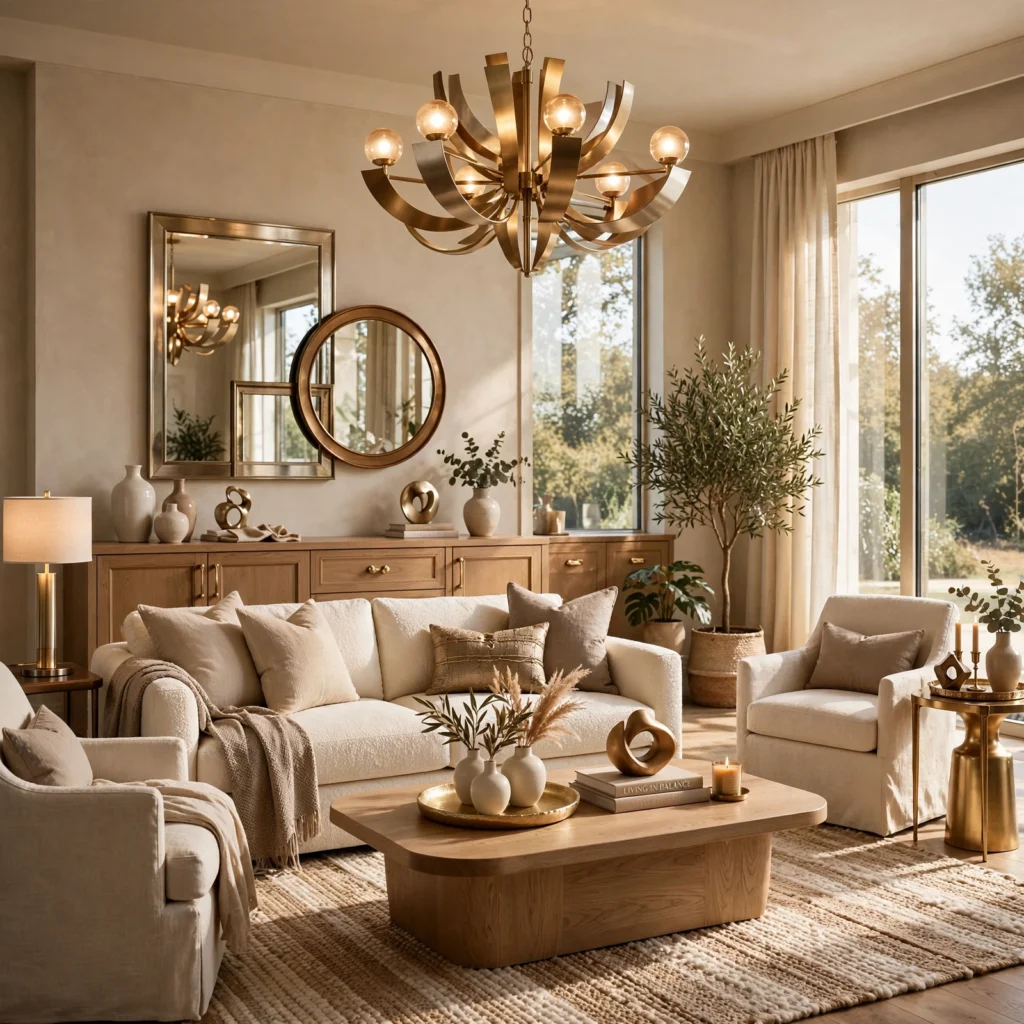
Warm metal accent layering introduces brass, gold, or copper hardware and fixtures throughout a room in varying finishes and levels of shine, from a matte brass lamp base to a more polished gold picture frame. This layered approach to a single warm metal family has replaced the strict single-finish-only rule that dominated design guidance for years. Mixing matte and polished versions of the same warm metal tone, rather than combining entirely different metal families, keeps this layering technique cohesive rather than mismatched.
14. Sculptural Vase Grouping
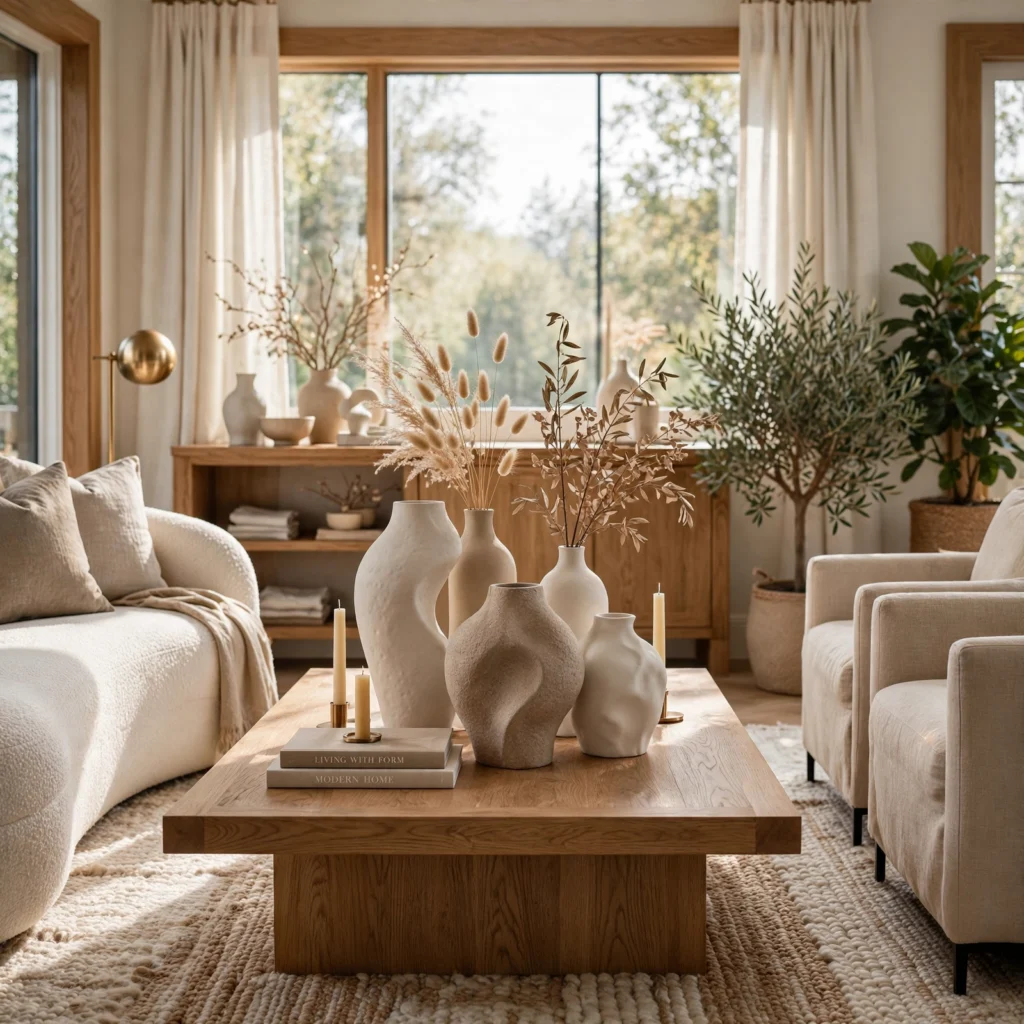
A sculptural vase grouping clusters three to five vases of varying heights, shapes, and materials, like ceramic, glass, and stone, on a shelf or console table, treating the vases themselves as the display rather than requiring florals to complete the arrangement. This technique has grown popular specifically because it offers visual interest without any of the maintenance fresh or dried florals require. Choosing an odd number of vases, with at least one significantly taller than the others, produces the most visually balanced grouping.
15. Soft Ambient Layered Lighting
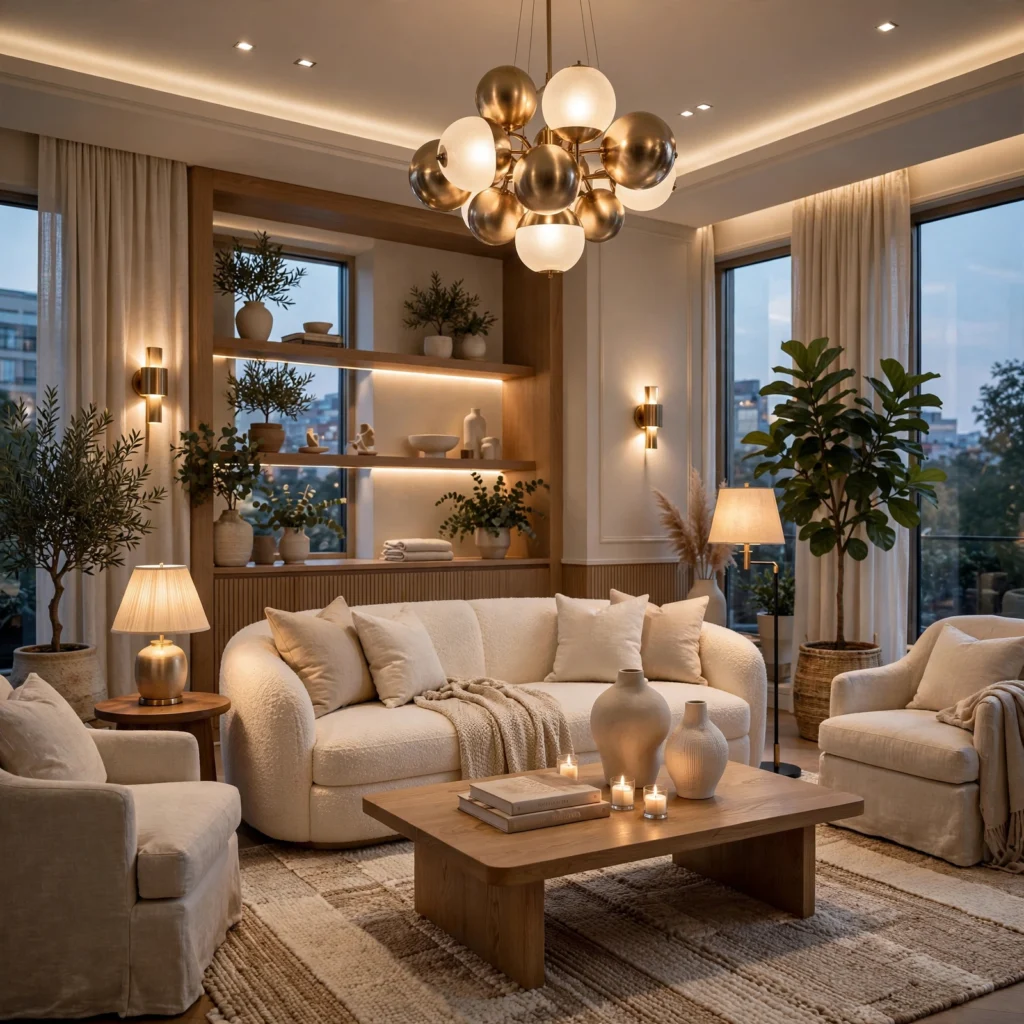
Soft ambient layered lighting combines several smaller, warmer light sources, like a floor lamp, a table lamp, and string lights, rather than relying on a single bright overhead fixture, creating the moody, atmospheric quality associated with many current aesthetic photography styles. This technique matters as much to how a room actually feels to spend time in as it does to how it photographs, since warmer, layered light genuinely changes a space’s mood after dark. Choosing bulbs in the 2400K to 2700K range throughout keeps the various sources feeling cohesive rather than mismatched in color temperature.
16. Repeating Shape Language
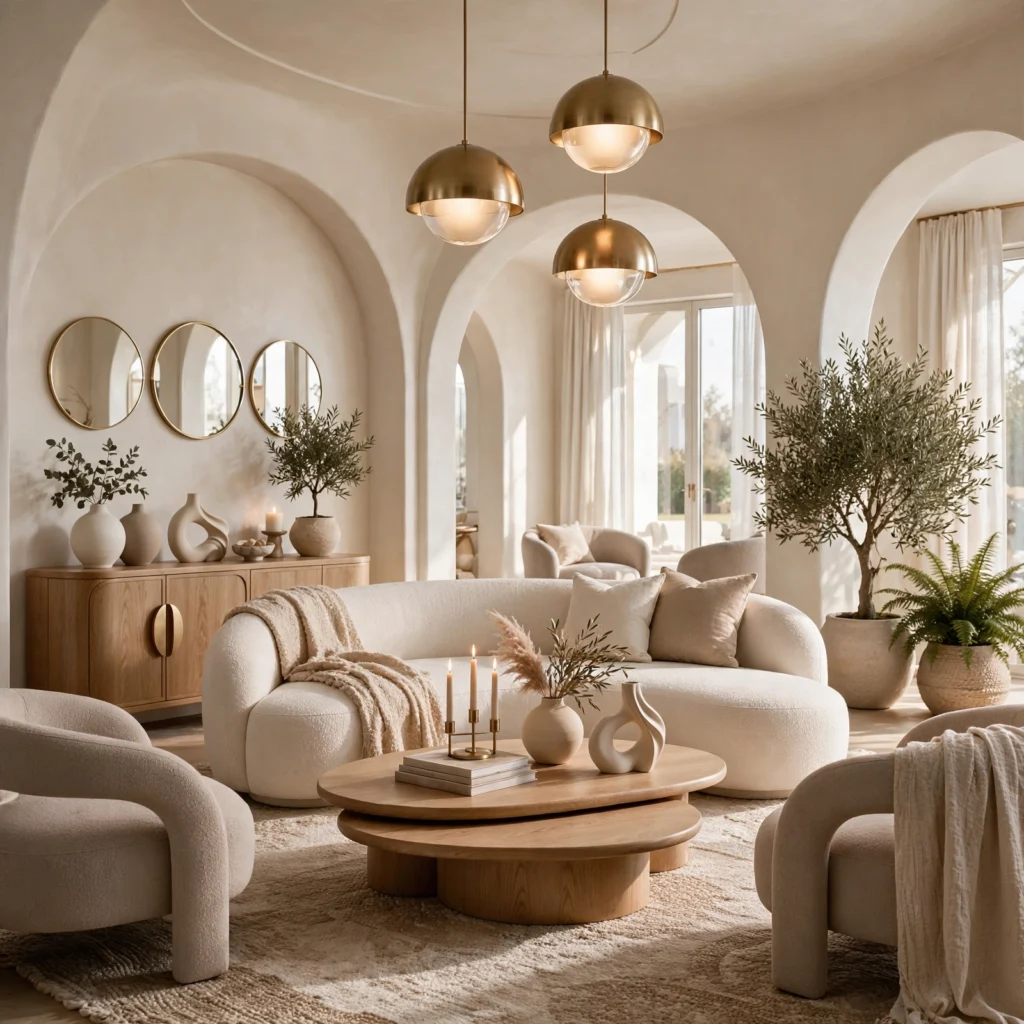
Repeating shape language commits to one dominant silhouette, like curved and rounded forms or clean rectangular lines, across furniture, mirrors, and lighting throughout a room, rather than mixing several competing shapes without any unifying thread. This technique underlies much of what makes a room read as intentionally aesthetic rather than randomly assembled, since a consistent shape vocabulary ties disparate pieces together even when their specific materials or colors vary. Choosing this shape direction early in the planning process makes future purchase decisions considerably easier to evaluate against the established language.
Shop the Look
For this palette, look for a woven rattan pendant light, a set of sculptural ceramic and glass vases in varying heights, an arched brass-framed mirror, a textured limewash paint sample for an accent wall, and a bundle of dried pampas grass for a floor vase. These pieces work together across several of the ideas above without requiring commitment to a single named aesthetic category.
Common Mistake to Avoid
The most common mistake in aesthetic home decor is chasing several different named aesthetics at once, mixing cottagecore florals with dark academia furniture and minimalist lighting in the same room without any unifying thread between them. A space decorated this way often looks like a collection of trending purchases rather than a genuinely cohesive style, even though each individual item might be appealing on its own. Choosing a smaller set of consistent techniques, like a repeating shape language or a color drenching approach, and applying them consistently produces a far more successful aesthetic than chasing every individual trend simultaneously.
FAQs
What aesthetic home decor ideas work across multiple style directions?
Curated shelfie styling, layered neutral textiles, and soft ambient layered lighting all work across multiple aesthetic home decor ideas and named style categories, since these techniques function as underlying principles rather than being tied to one specific look. Warm metal accent layering and repeating shape language are similarly versatile, applying whether the overall direction leans minimalist, maximalist, or somewhere in between. Starting with these flexible, technique-based ideas before committing to a more specific named aesthetic tends to produce a more personalized, lasting result.
How much does it cost to create an aesthetic home decor look?
A budget refresh using curated vignette styling, layered lighting, and a sculptural vase grouping can run under $150 total, while adding a woven pendant light or an arched mirror typically pushes the range to $250–$600. Larger investments like a color-drenched accent wall using premium paint, or a full textured plaster wall treatment, cost more depending on materials and labor, often landing between $500 and $2,000 for a more complete room transformation.
Does aesthetic decor need to match a specific named trend?
Aesthetic decor doesn’t need to match a specific named trend like cottagecore or Japandi exactly, and many of the most successful spaces actually pull techniques from several different named aesthetics while maintaining their own consistent internal logic through color, shape, or material choice. Naming a specific trend can provide helpful starting inspiration, but treating it as a strict checklist rather than a loose reference point tends to produce a more genuinely personal and less generic-feeling result. The underlying techniques matter more than matching any single trend precisely.
How do I keep an aesthetic room from feeling impractical for daily life?
Keeping an aesthetic room practical for daily life generally means prioritizing genuine function alongside visual styling, choosing durable materials for high-use surfaces, and ensuring storage needs are actually met rather than sacrificing them for a purely photogenic arrangement. A curated vignette or a monochromatic palette can still coexist with practical storage and comfortable seating if planned intentionally from the start. Testing how a styled space actually functions for a normal day, not just how it photographs in a single moment, helps catch these practicality gaps before they become frustrating long-term.
What’s the easiest aesthetic home decor idea to try first?
Curated coffee table or shelf vignette styling is generally the easiest aesthetic home decor idea to try first, since it requires only items likely already in the home, like books, a candle, or a small decorative object, rather than any new purchase. This technique also demonstrates the broader principle behind most aesthetic styling, restraint combined with intentional grouping, making it a useful starting point before attempting larger changes like color drenching or a textured wall treatment.
Conclusion
These aesthetic home decor ideas cover everything from a simple vignette rearrangement to larger techniques like color drenching and textured wall treatments, giving you options regardless of which specific style direction appeals to you most. Start with the flexible, technique-based ideas that work across multiple aesthetics, then layer in more specific style choices as your personal direction becomes clearer. Save this guide to Pinterest for later, and check out our related post on home decor ideas for more foundational styling guidance.