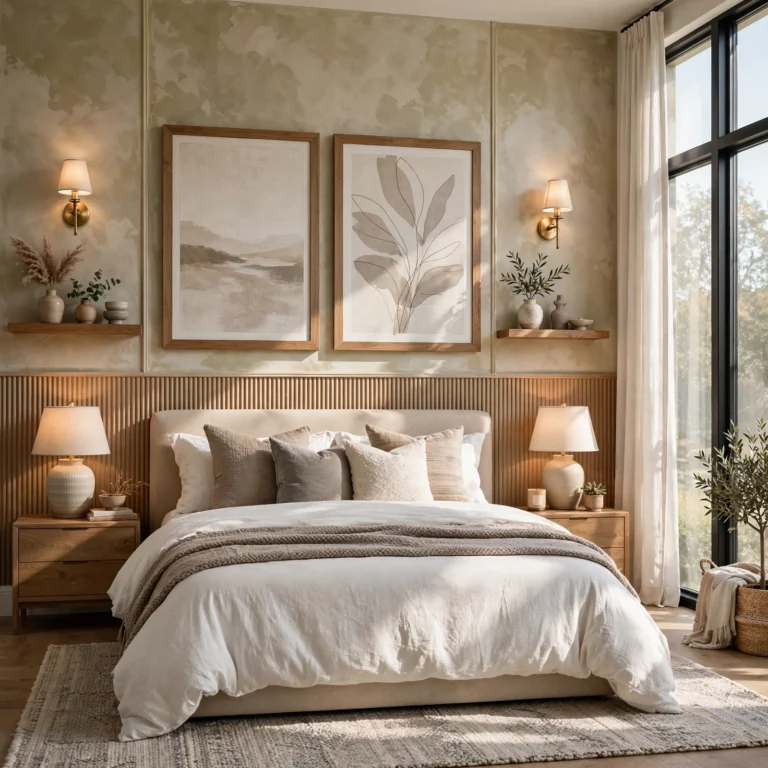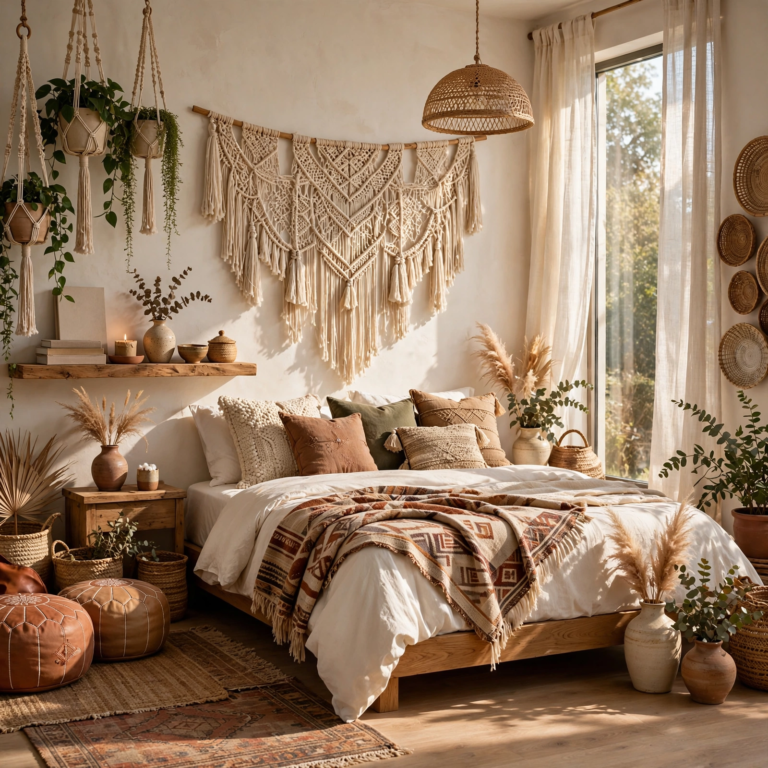
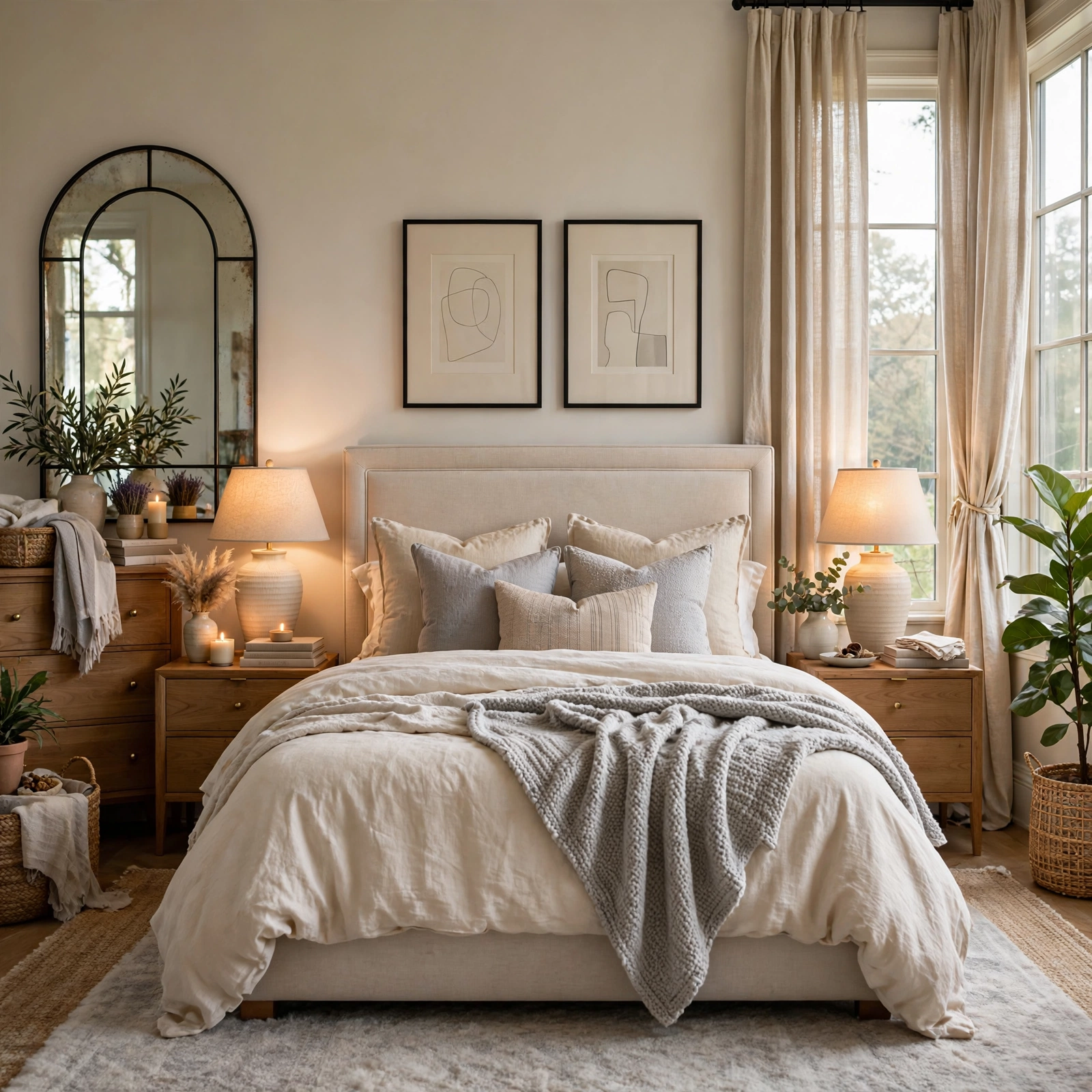
17 Trendy Home Decor Bedroom Ideas for a Fully Finished Room
Home decor bedroom planning works best as a full room approach, considering how color, furniture, lighting, and smaller finishing touches all work together rather than tackling each element in isolation. This list walks through that process step by step, from establishing a cohesive color palette to adding the final personal touches that make a room feel complete.
Trend & Background
Bedroom decorating has increasingly moved toward a more holistic, full room approach rather than treating furniture, textiles, and wall decor as separate, disconnected purchasing decisions. This shift reflects a broader recognition that a room’s individual elements need to work together as a cohesive system, since even well chosen furniture can look disjointed without matching attention paid to lighting, color continuity, and finishing accessories. Personal, evolving touches like rotating seasonal decor or building a memory display have also grown in popularity as part of this trend, treating a bedroom as a space that continues to develop over time rather than one finished in a single decorating pass.
Key Takeaways
- Home decor bedroom choices work best when approached as a full room strategy, starting with a cohesive color story before layering in furniture, textiles, and smaller accessories.
- Lighting, rugs, and art each play a distinct role in a finished bedroom, so treating them as separate layers rather than an afterthought results in a more complete feeling room.
- Balancing furniture scale to the actual room size prevents a bedroom from feeling either overcrowded or sparse and unfinished.
- Personal touches, like a memory display or a seasonal decor rotation, keep a bedroom feeling current and lived in rather than static.
Home Decor Bedroom Ideas
Whether you’re starting a bedroom from scratch or trying to pull together a room that’s accumulated pieces over time without much of an overall plan, these ideas should help you see the full picture.
1. Cohesive Color Story Home Decor Bedroom Ideas
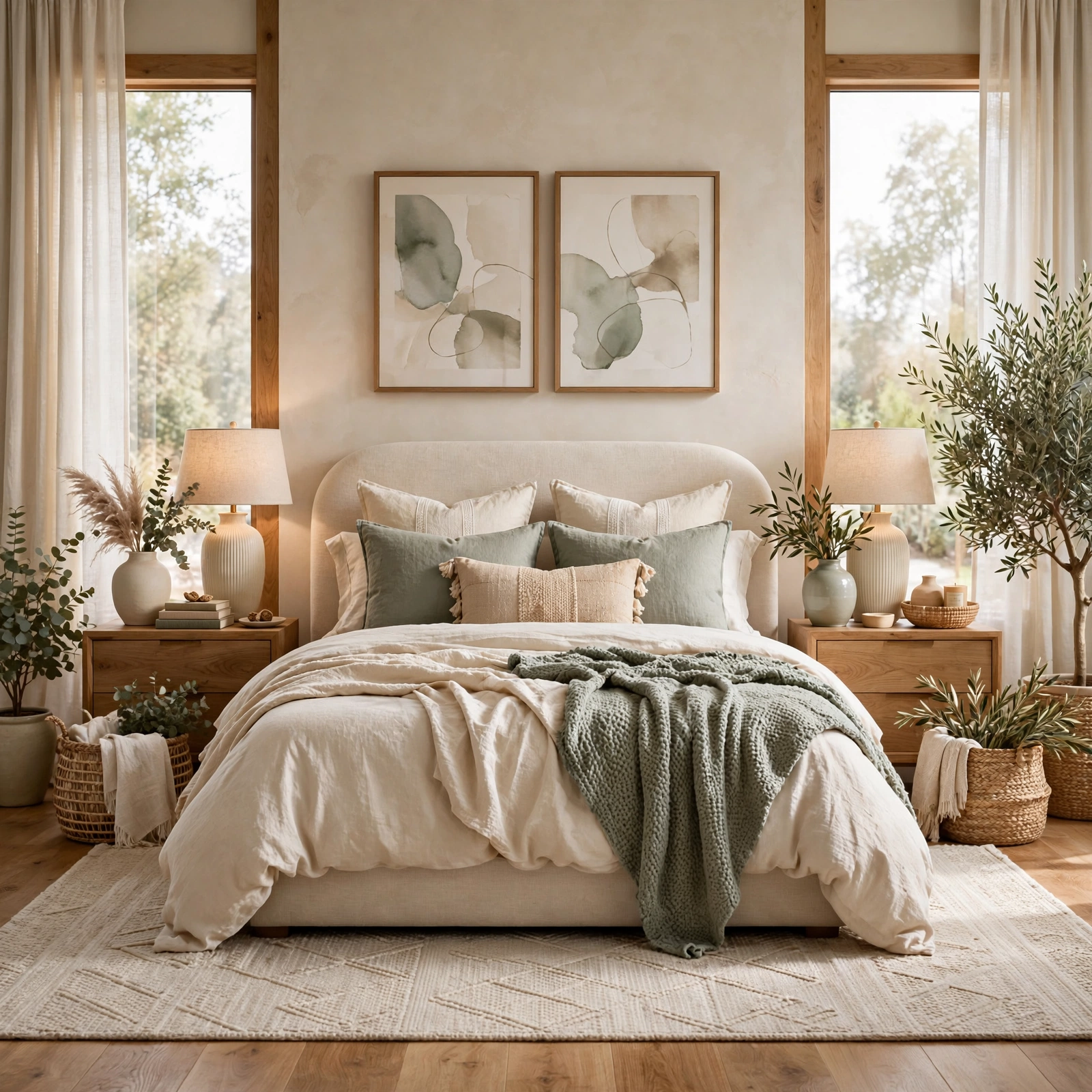
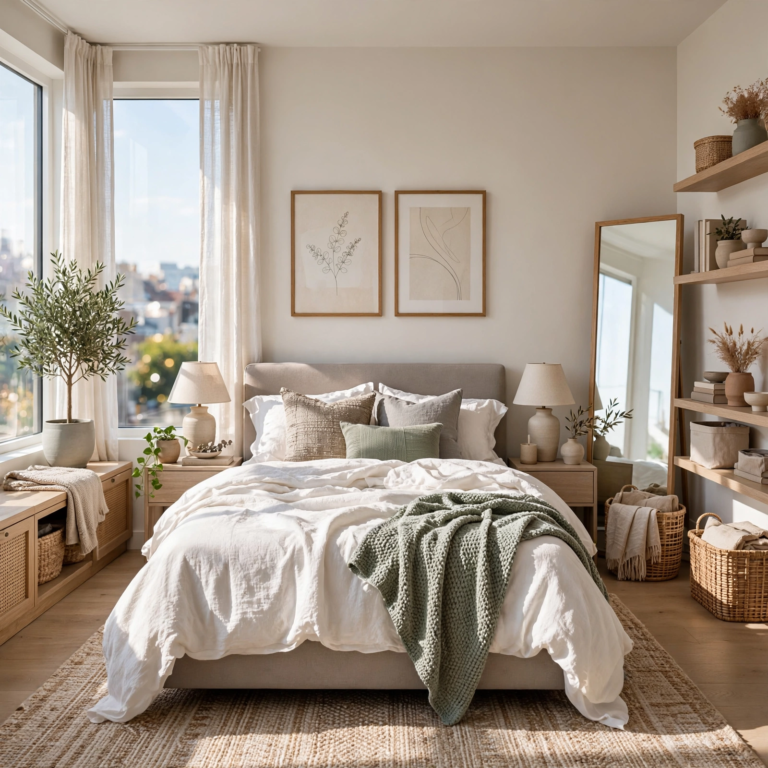
A cohesive color story establishes two or three main colors that repeat across the walls, bedding, and larger furniture pieces, giving every other decor decision in the room a clear framework to work within. Choosing this palette before shopping for individual pieces prevents the common problem of ending up with several attractive items that don’t actually work together once combined in the same space. Building the palette around one dominant neutral, one secondary color, and one accent tone tends to produce a more balanced result than several competing colors of equal visual weight.
| Palette Role | Approx. Usage | Example |
| Dominant Neutral | 60% of room | Warm white, soft gray |
| Secondary Color | 30% of room | Sage green, dusty blue |
| Accent Tone | 10% of room | Terracotta, brass |
2. Statement Headboard Focal Point Home Decor Bedroom Ideas
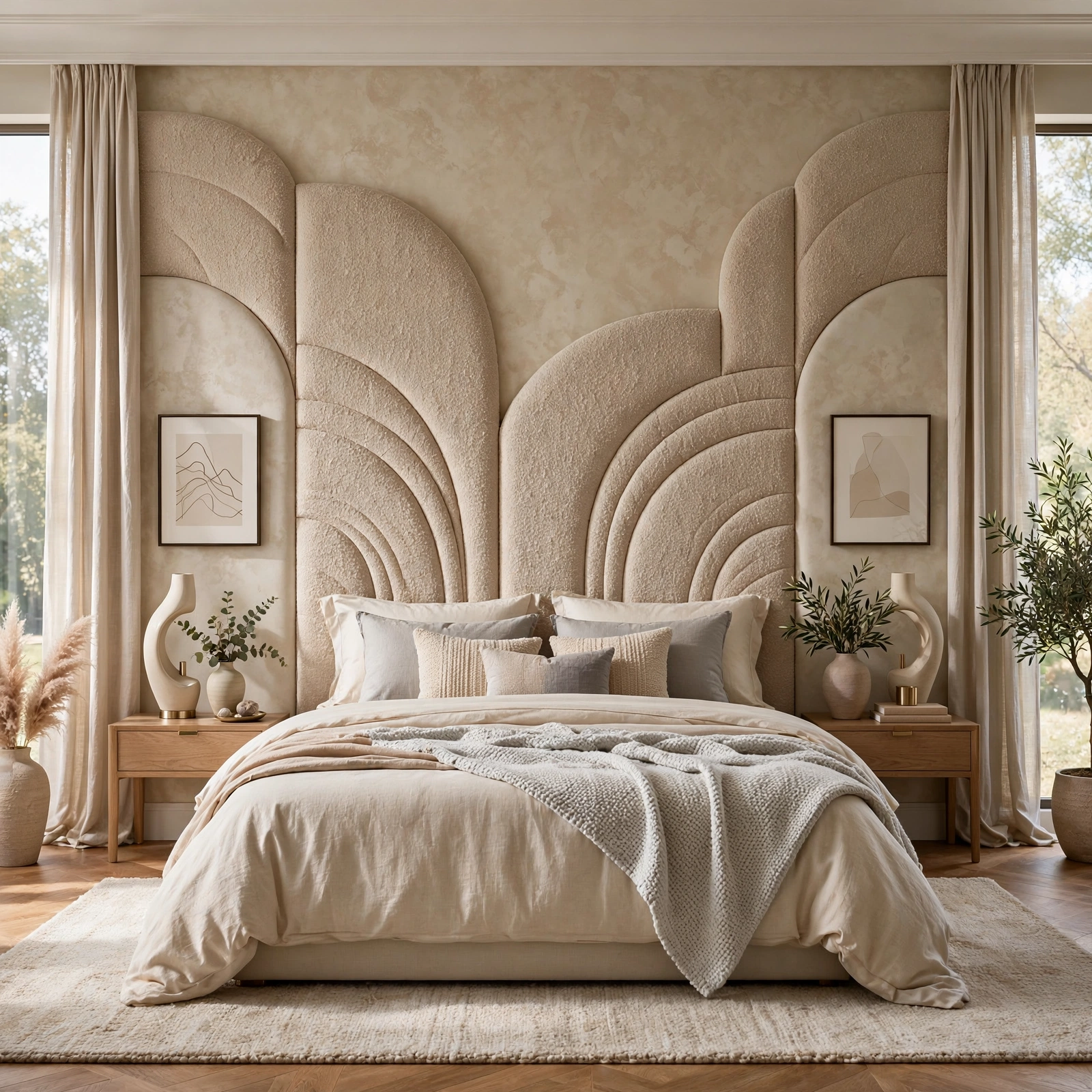
A statement headboard focal point gives the bed, typically the room’s largest piece of furniture, enough visual presence to anchor the entire space rather than blending into the background. An upholstered headboard in a durable fabric like boucle or velvet adds softness, while a wood or woven cane headboard suits a room already built around more natural materials. Because the headboard appears in nearly every view of the room, it’s worth prioritizing this piece over smaller decor purchases when working within a limited budget.
3. Layered Bedding Ensemble Home Decor Bedroom Ideas
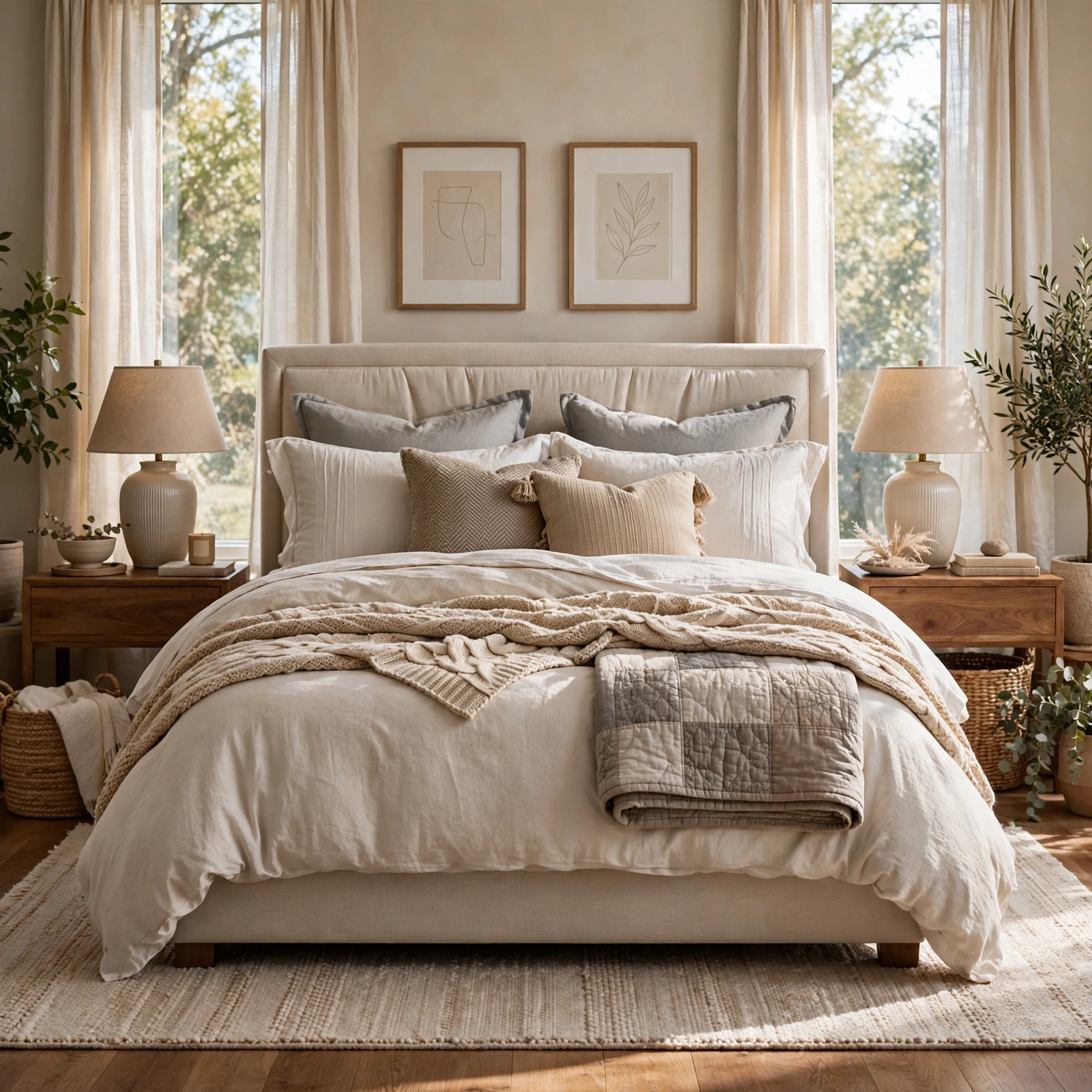
A layered bedding ensemble combines a fitted sheet, a duvet or quilt, and a mix of standard and accent pillows in varying textures and one or two coordinating patterns, rather than a single flat bedspread alone. Mixing a solid colored duvet with one patterned and one textured pillow adds variety without looking chaotic. Keeping the palette limited to two or three coordinating tones across the full bedding arrangement helps the layered look stay cohesive rather than mismatched.
4. Reading Nook Corner Home Decor Bedroom Ideas
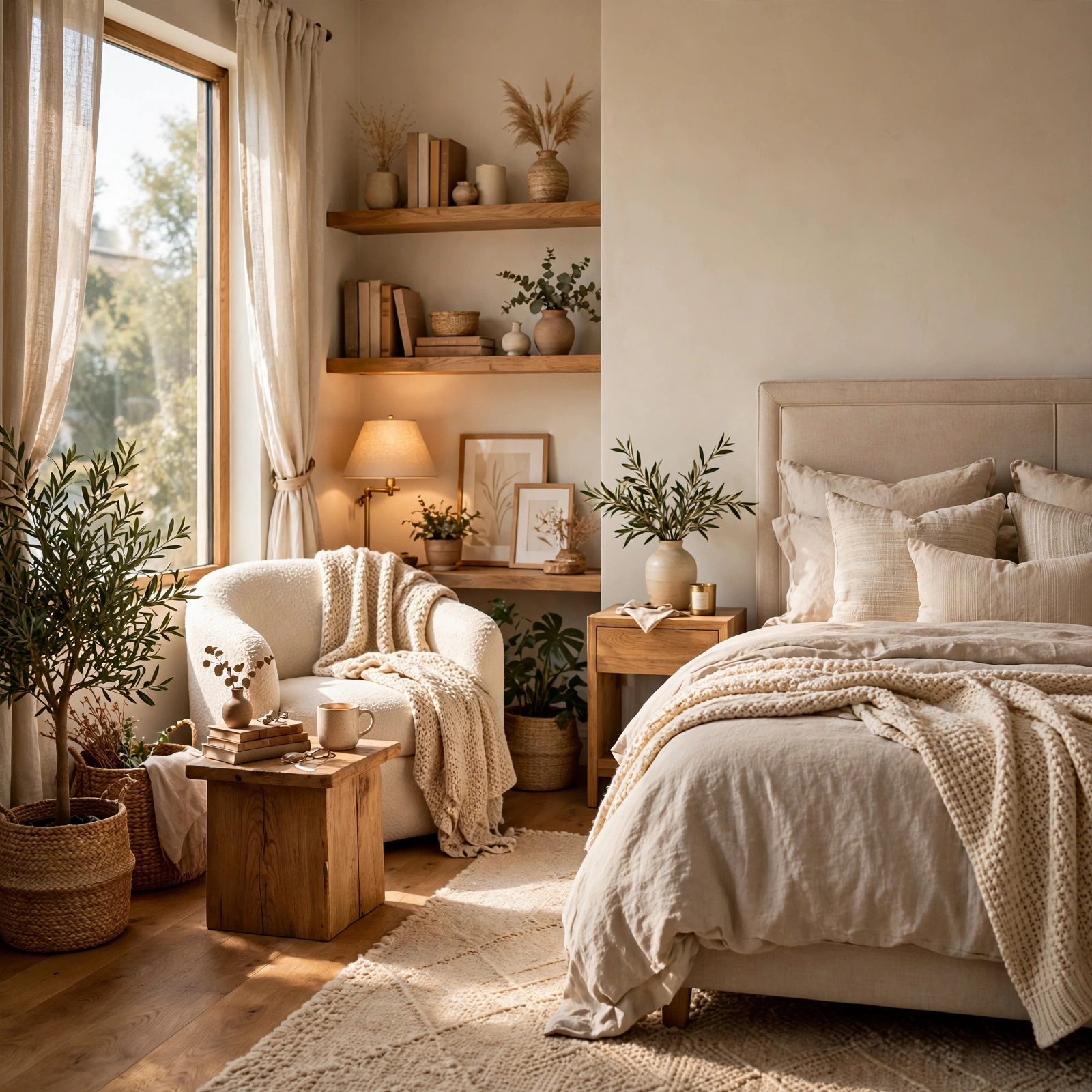
A reading nook corner turns an underused corner of the bedroom into a secondary purpose beyond sleeping, typically furnished with a single accent chair, a small side table, and a floor or table lamp positioned for reading light. This detail works especially well positioned near a window, where natural light supplements the dedicated reading lamp during the day. Even a modest five by five foot corner is enough space to make this addition work in most bedrooms without crowding the room’s main walking paths.
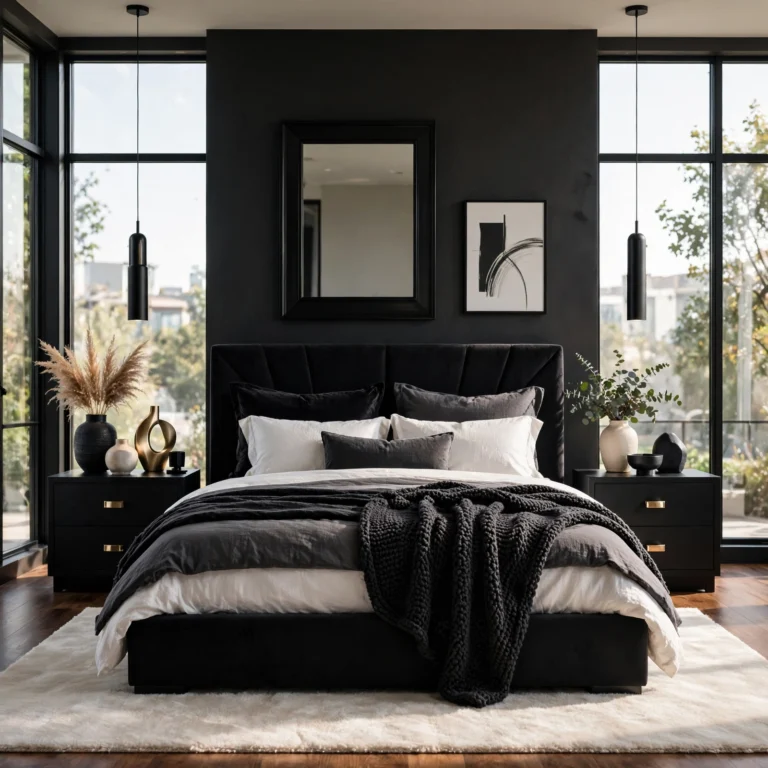
Check Out More About Black Bedroom Decor.
5. Textured Window Treatments Home Decor Bedroom Ideas
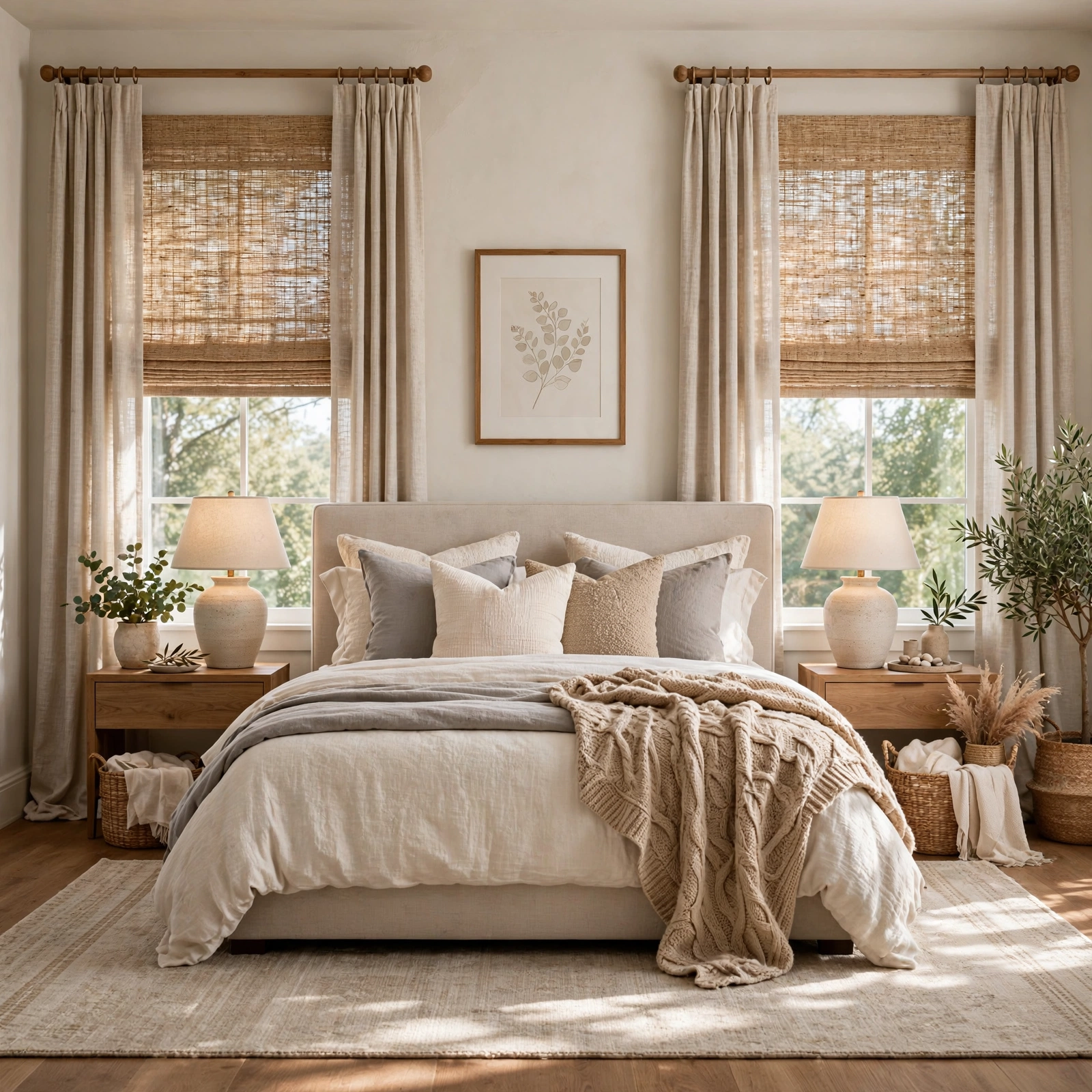
Textured window treatments replace plain, flat curtain panels with a fabric that adds visible texture, such as a linen weave, a subtle jacquard pattern, or a lined velvet, giving the window more presence within the room’s overall design. Hanging the curtain rod a few inches above the window frame and wider than the glass itself makes the window look larger and lets the fabric’s texture read fully once the panels are drawn to the sides. This detail also helps tie the window into the room’s broader material palette, especially when paired with a coordinating textile elsewhere, like a throw blanket or accent pillow.
6. Ambient and Task Lighting Mix Home Decor Bedroom Ideas
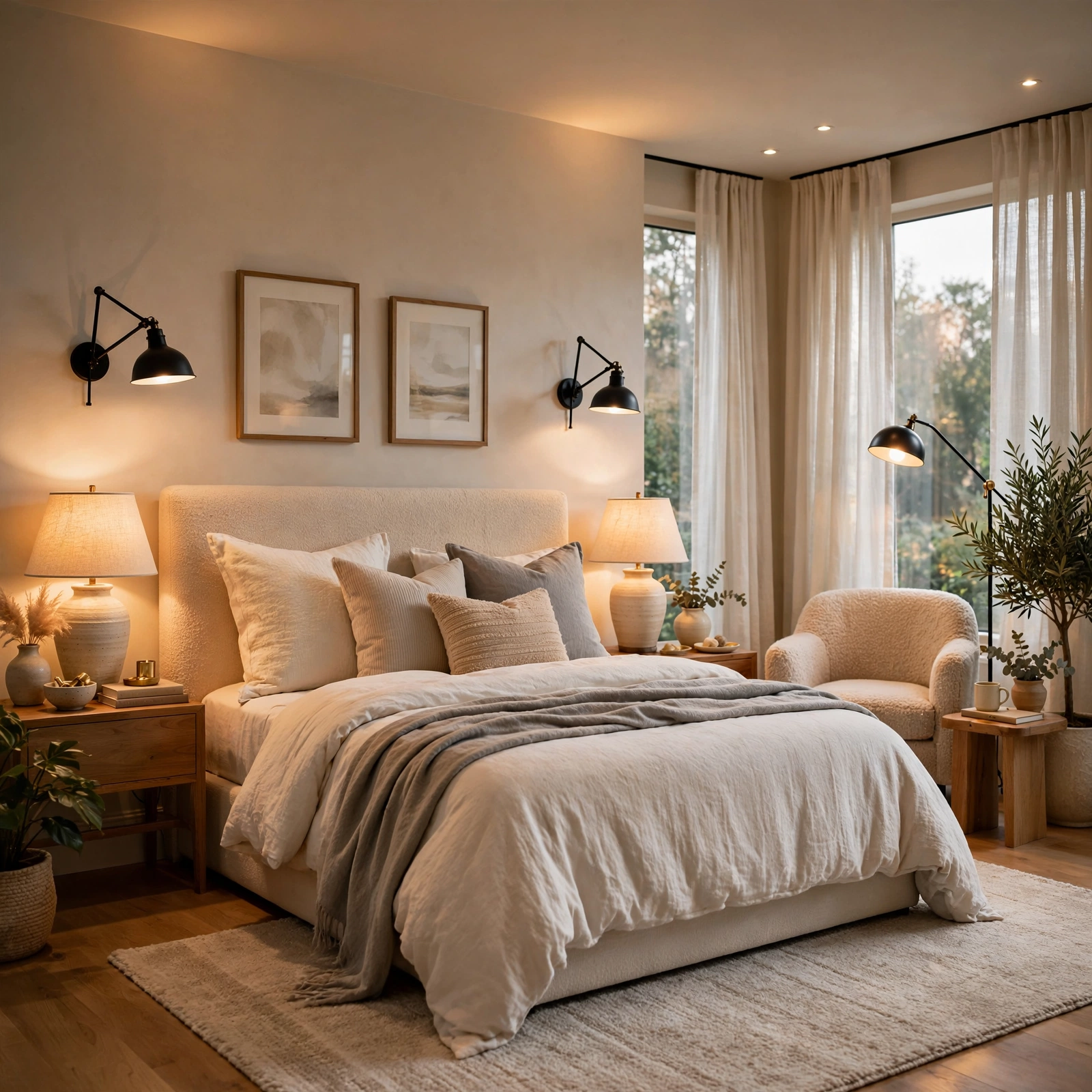
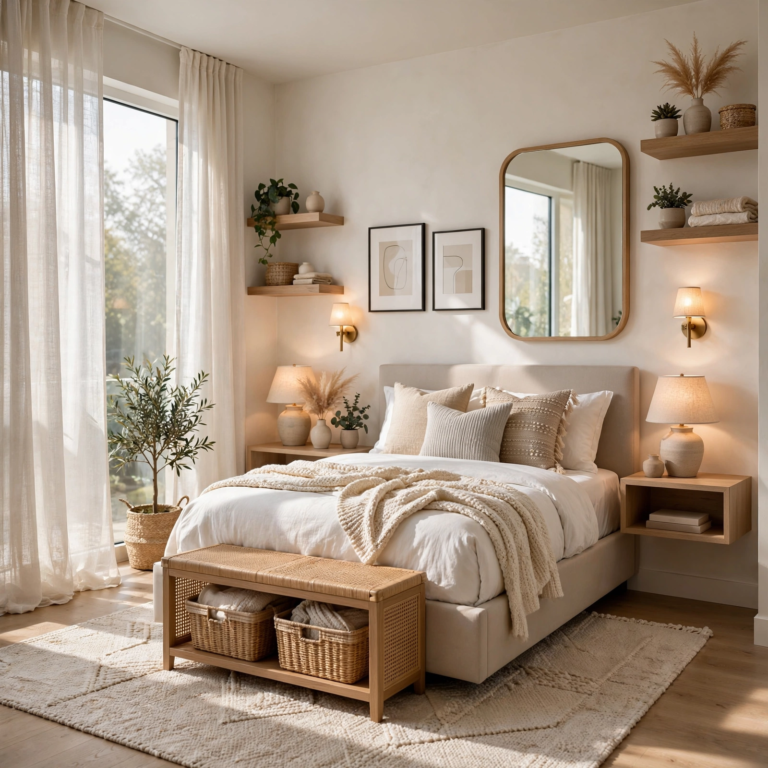
An ambient and task lighting mix combines a primary overhead or ambient light source with more focused task lighting, such as a bedside lamp or a reading sconce, giving the room flexibility to shift between bright and functional or soft and relaxed depending on the time of day. Relying on a single overhead fixture alone tends to create flat, harsh lighting that doesn’t suit a bedroom’s dual role as both a functional space and a place to unwind. Choosing a consistent, warmer bulb temperature across all the room’s light sources keeps the overall lighting feeling cohesive rather than mismatched in tone.
| Lighting Type | Purpose | Typical Placement |
| Ambient (Overhead) | General room illumination | Ceiling fixture |
| Task (Reading) | Focused, functional light | Bedside lamp or sconce |
| Accent (Mood) | Soft, atmospheric glow | String lights, dimmed lamp |
7. Wall Art Above Bed Home Decor Bedroom Ideas
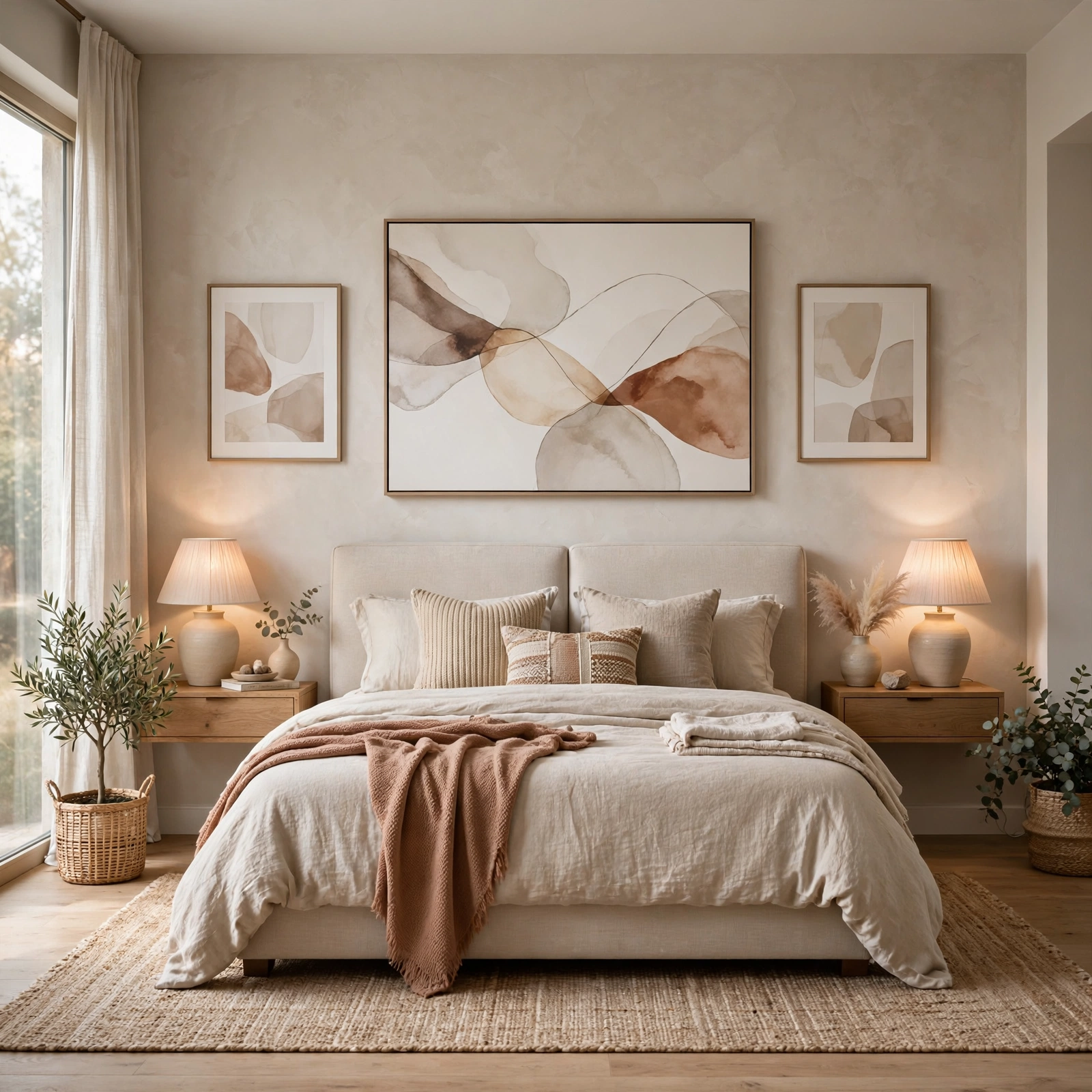
Wall art above the bed fills what’s typically the largest and most visually prominent blank wall in the room, whether through a single oversized piece, a gallery wall arrangement, or a woven tapestry. Sizing the art to roughly two thirds the width of the headboard beneath it generally produces balanced, intentional looking proportions. This detail carries more visual weight than almost any other decor choice in the room, given how directly it sits in view from most angles, including from the doorway.
8. Area Rug Foundation Home Decor Bedroom Ideas
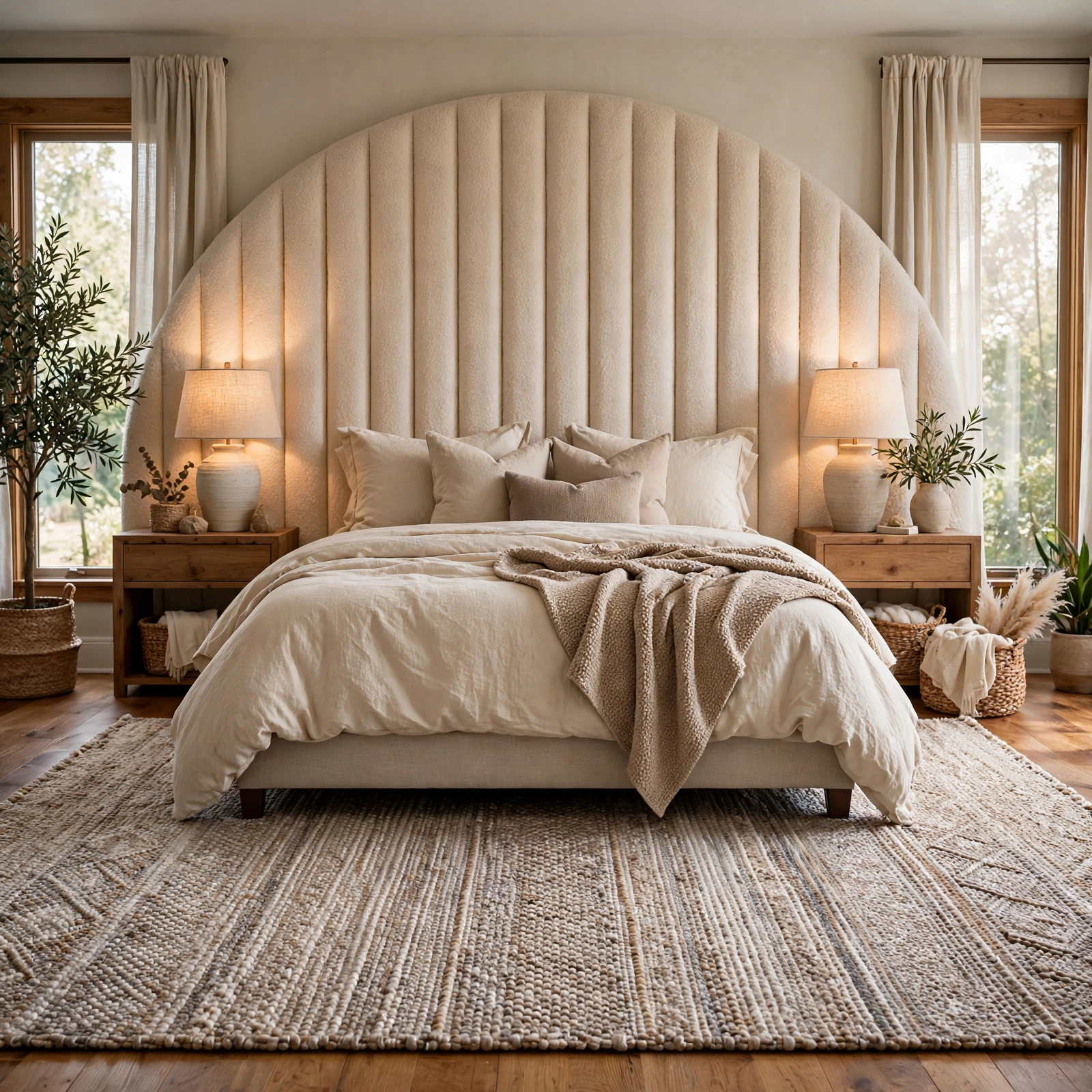
An area rug foundation adds warmth, texture, and color at floor level, extending well beyond the edges of the bed frame rather than being sized to fit only the space directly beneath it. This detail also helps ground the furniture arrangement, giving the room a defined visual boundary rather than furniture appearing to float on a bare or plain floor. Choosing a rug in a material and pattern that complements, rather than competes with, the room’s bedding and wall color keeps the overall palette feeling connected from floor to ceiling.
9. Nightstand Symmetry Home Decor Bedroom Ideas
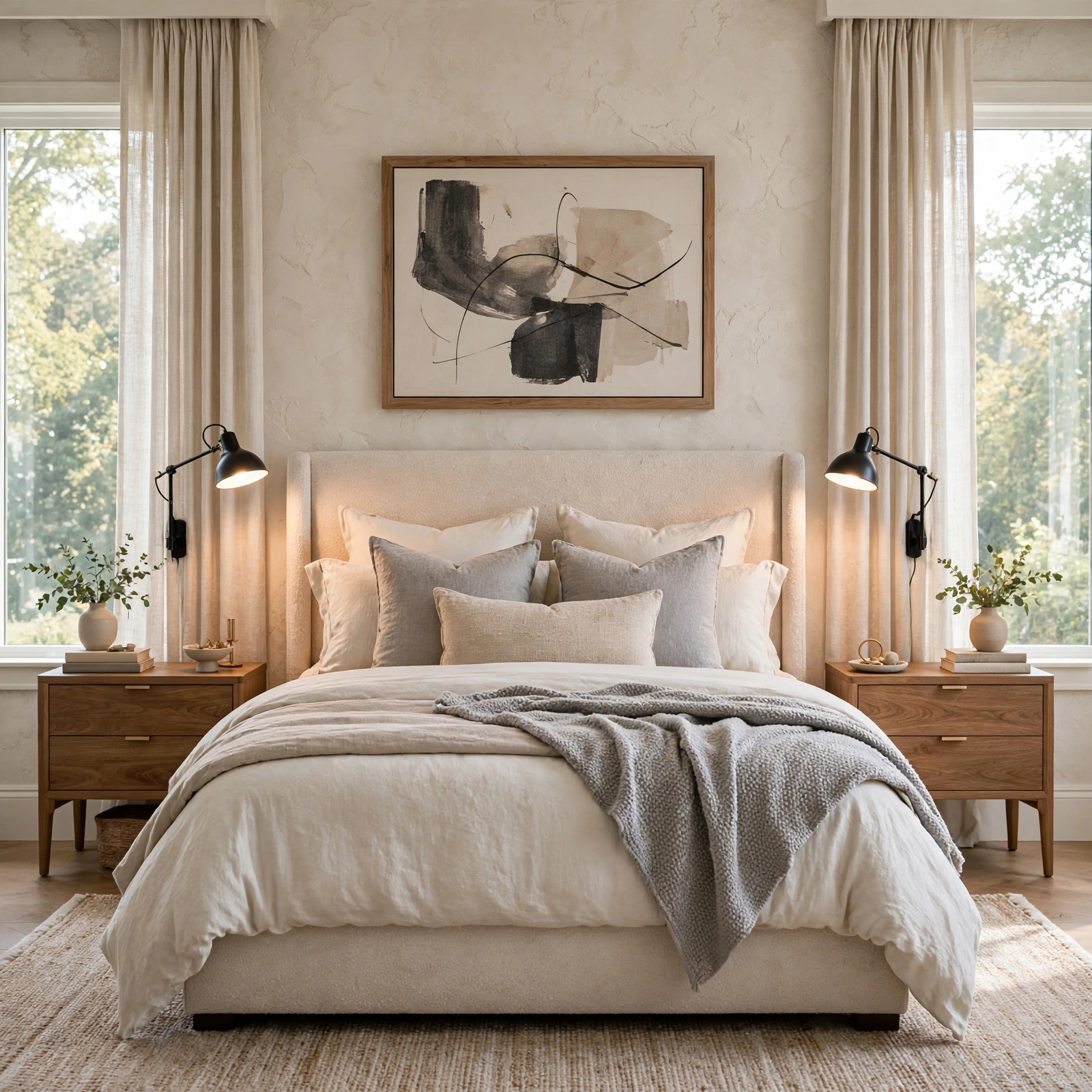
Nightstand symmetry, or an intentional lack of it, is worth deciding early, since matching nightstands with matching lamps create a more formal, balanced look, while mismatched pairs lean into a more collected, eclectic style. Whichever approach you choose, keeping both sides functionally equal, with enough surface space for a lamp, a book, and a phone, matters more for daily use than whether the pieces match exactly. This detail also affects the room’s overall sense of order, since a clearly intentional mismatch reads very differently than nightstands that simply don’t coordinate by accident.
10. Closet Door Upgrade Home Decor Bedroom Ideas
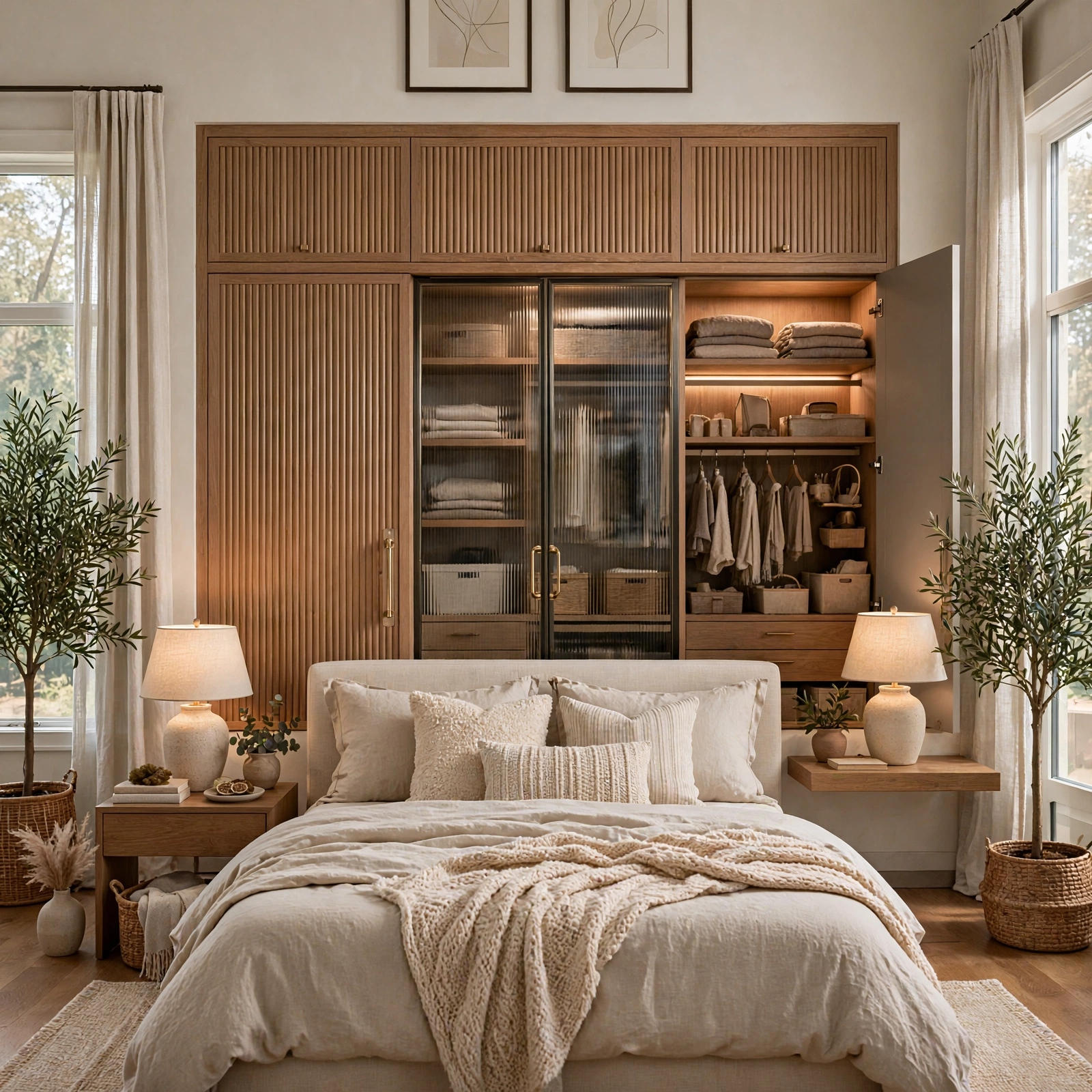
A closet door upgrade replaces a plain, often dated sliding or hollow core closet door with a more considered option, such as a paneled door, a set of curtain panels, or a door painted in a color that complements the room’s palette. This detail is easy to overlook, but a closet door takes up a meaningful portion of wall space in many bedrooms and can look noticeably out of place if it doesn’t receive the same attention as the rest of the room. Even a simple coat of paint matching the room’s trim color can make a significant difference in how finished this often neglected feature appears.
11. Ceiling Detail Accent Home Decor Bedroom Ideas
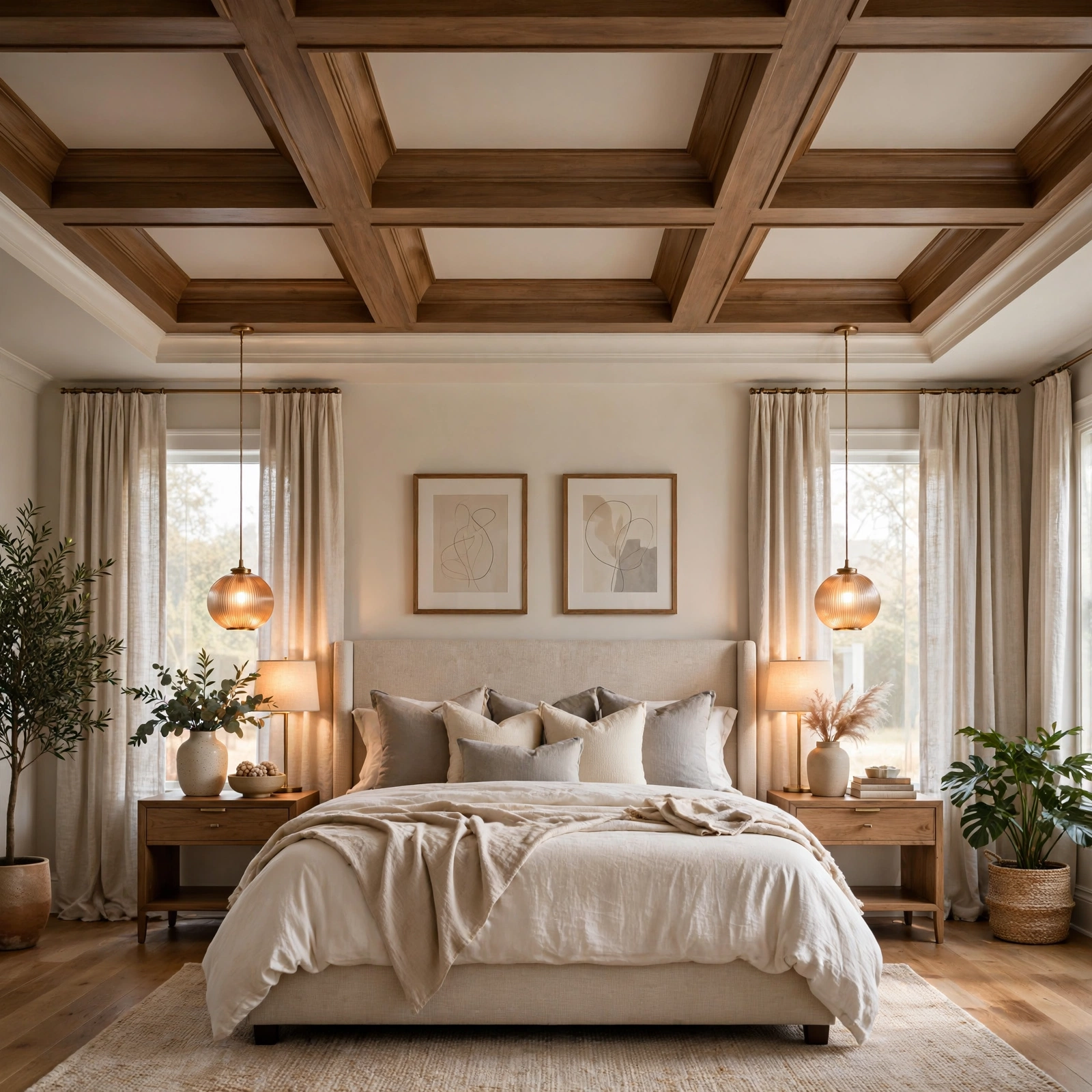
A ceiling detail accent draws attention upward through a painted color, a wallpapered surface, or an architectural detail like exposed beams or a simple molding treatment, adding a fifth surface to the room’s overall design plan beyond just the four walls and floor. This detail works particularly well in a room with higher ceilings that can support the added visual weight without feeling closed in. Even a subtle choice, like painting the ceiling a soft tint of the wall color rather than a stark white, adds a level of intentional detail many bedrooms skip entirely.
12. Seasonal Decor Rotation Home Bedroom Ideas
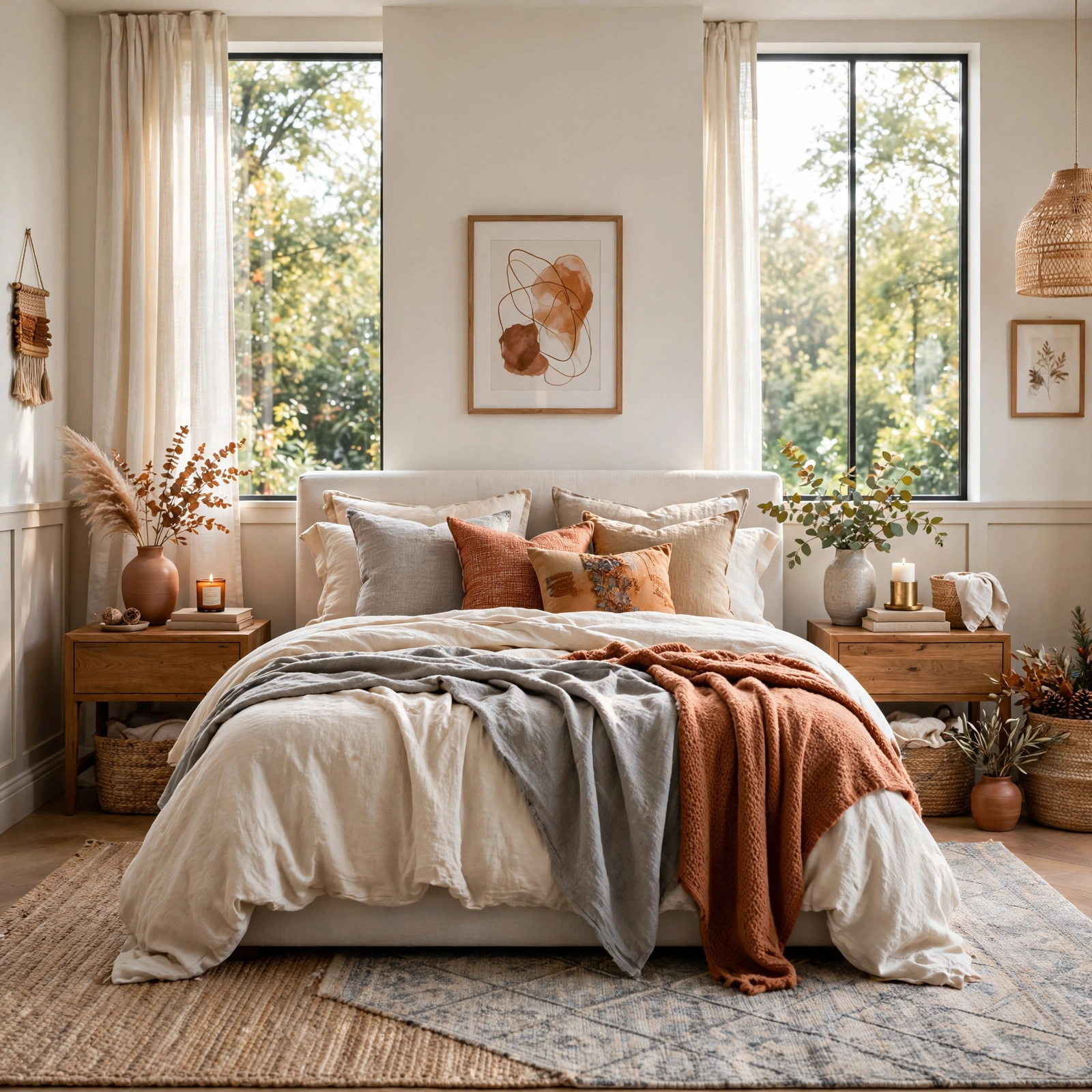
A seasonal decor rotation swaps out a handful of smaller textiles and accessories, such as a throw blanket, pillow covers, or a scented candle, a few times a year to keep the room feeling current without requiring a full redecorating effort. Storing the off season items in a labeled bin makes the rotation process quicker and easier to maintain consistently. This approach also allows for some seasonal color variation, like warmer tones in the cooler months and lighter, brighter accents in the summer, without committing those changes to larger, more permanent elements like furniture or paint.
13. Personal Memory Display Home Decor Bedroom Ideas
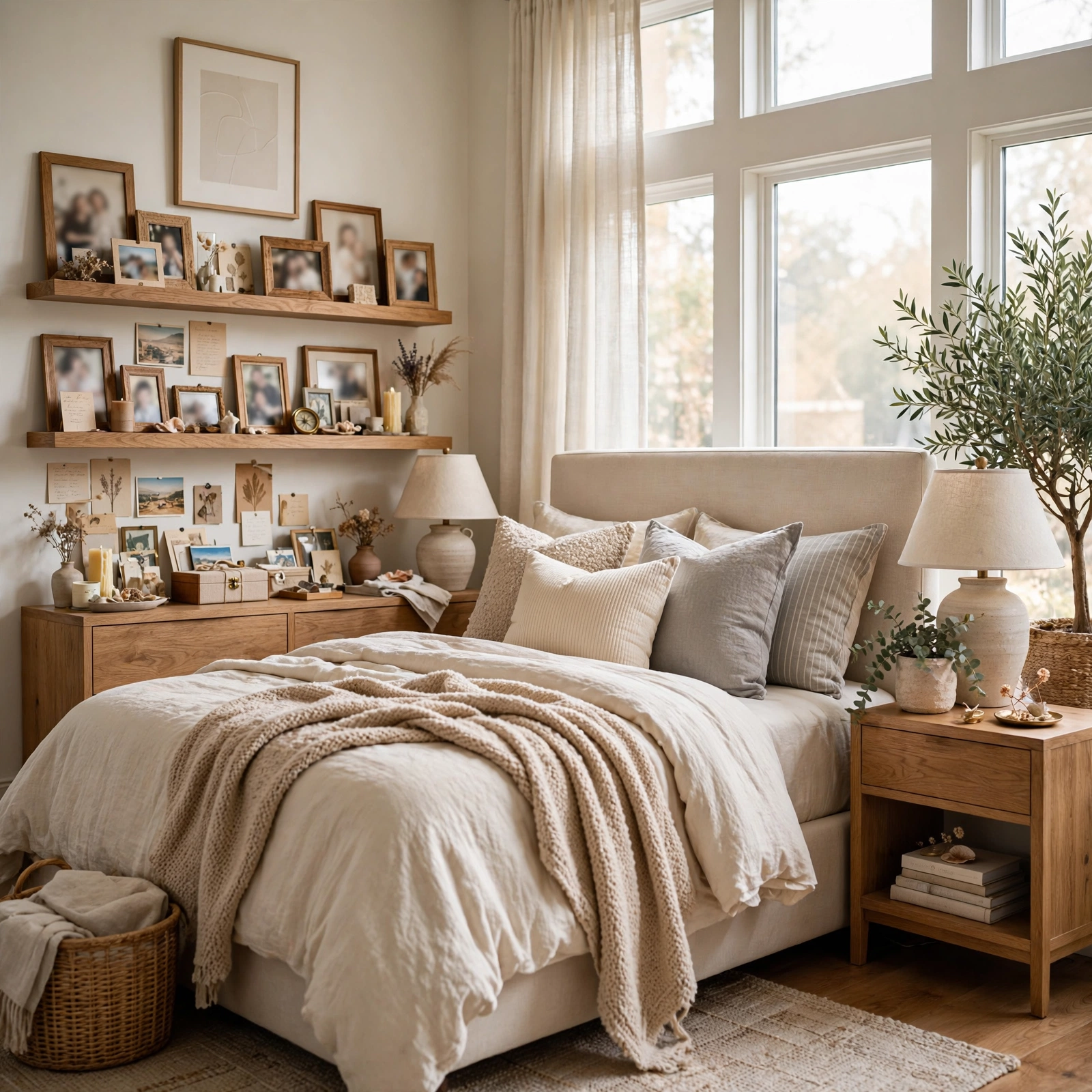
A personal memory display groups photos, travel mementos, or other sentimental items together in one intentional spot, whether on a gallery wall, a dresser vignette, or a dedicated shelf, giving the room a layer of personality beyond purely decorative choices. Rotating or adding to this display periodically keeps it feeling current rather than static, similar to a seasonal decor rotation but focused specifically on personal items rather than general accessories. This detail is often what separates a professionally styled looking room from one that genuinely feels lived in and personal to the people using it.
14. Scent Layering with Candles Home Decor Bedroom Ideas
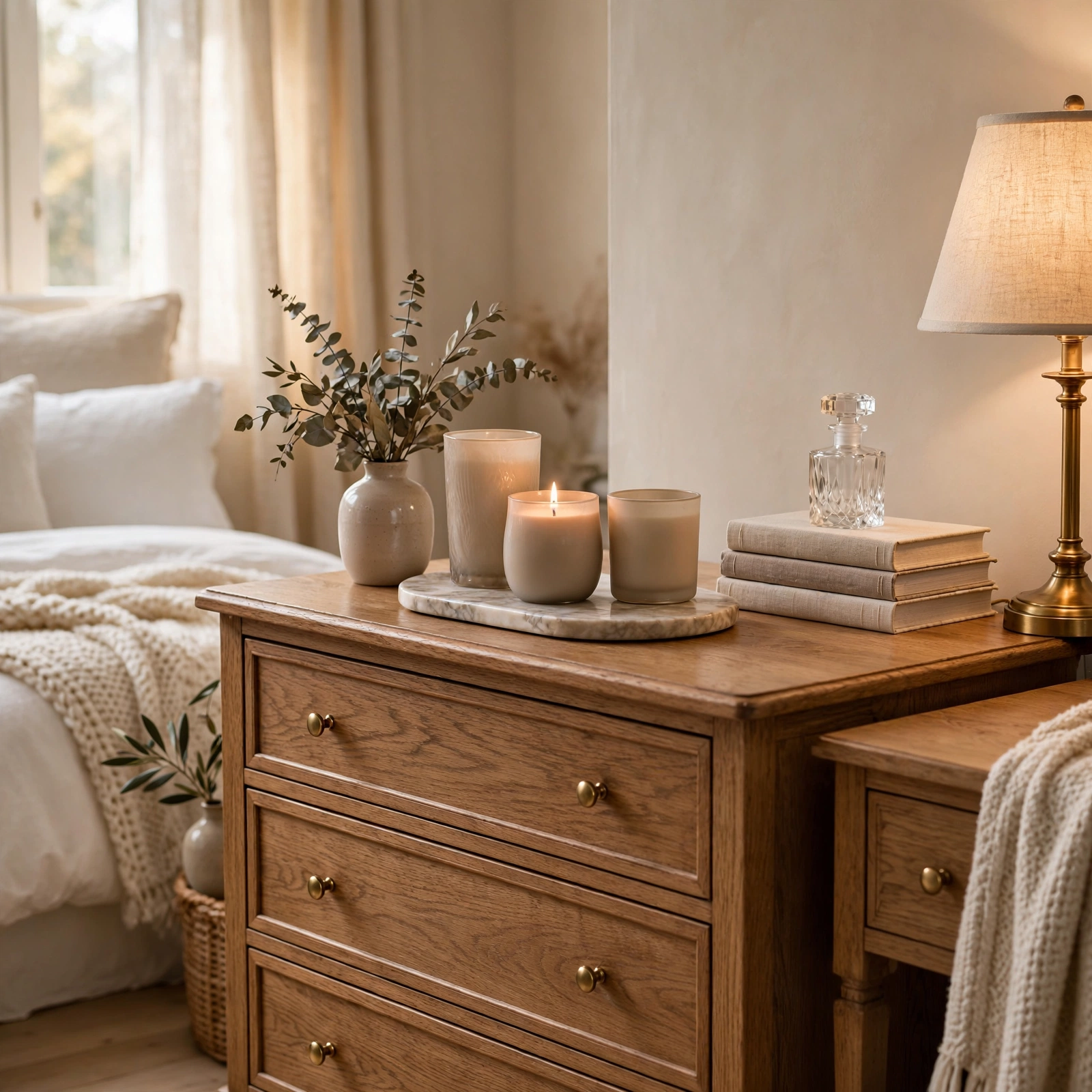
Scent layering with candles adds a sensory dimension to the room that purely visual decor choices can’t provide, using two or three candles in complementary scents placed at different points around the room, such as a nightstand and a dresser. Choosing scents within a related family, like different warm, woody notes rather than combining a fresh citrus with a heavy vanilla, prevents the layered scents from clashing once burned in the same enclosed space. This detail also pairs well with the room’s visual styling, since candle vessels themselves often contribute a decorative element alongside their scent function.
15. Greenery Throughout the Room Home Decor Bedroom Ideas
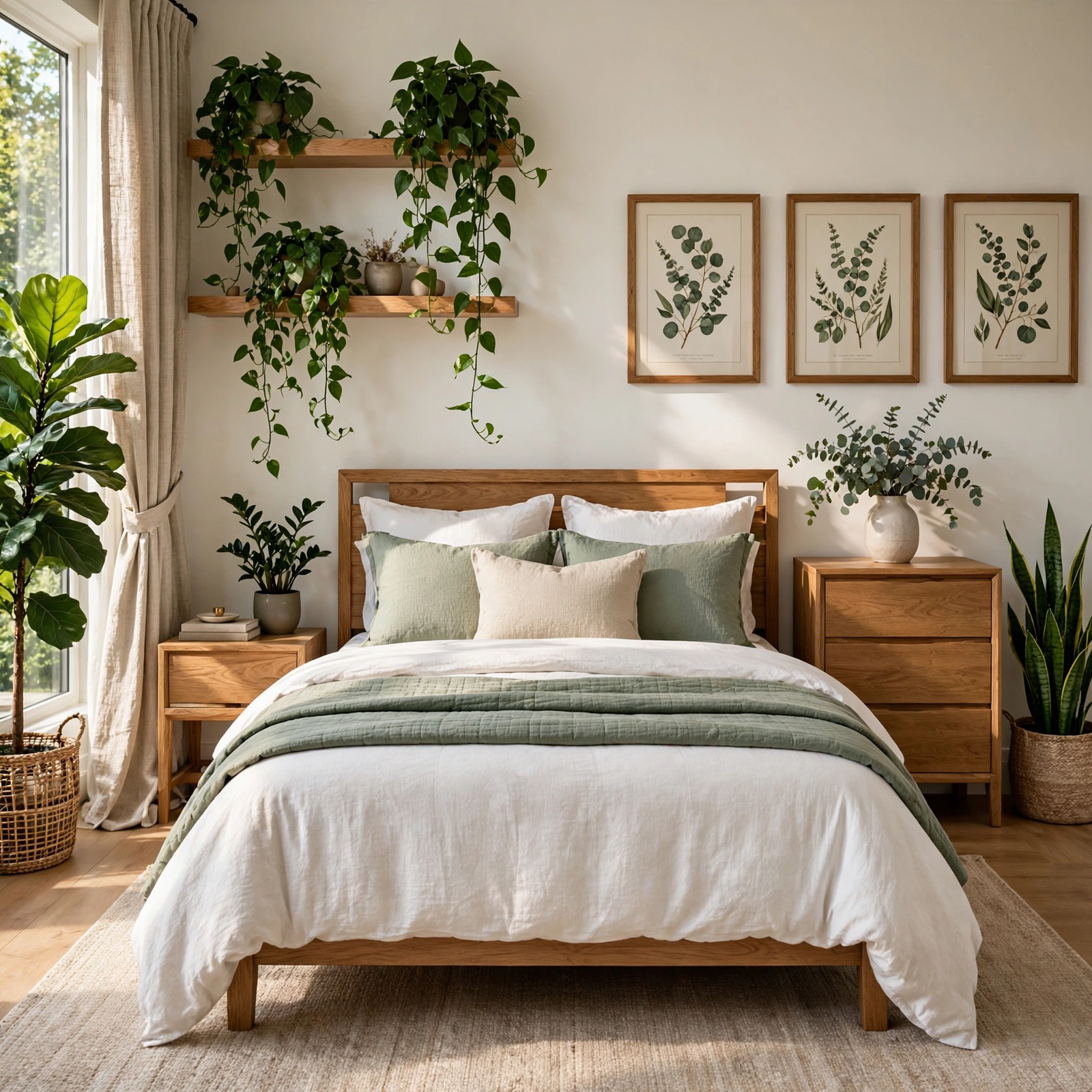
Greenery throughout the room distributes a few plants across different surfaces and heights, rather than concentrating all the room’s greenery in a single large plant, adding a layer of natural texture and softness that balances out the harder surfaces of furniture and hardware. Choosing low maintenance, low light varieties like pothos or a snake plant suits a bedroom’s typically limited natural light better than a plant requiring more direct sun. This detail also introduces a living, changing element to a room that otherwise consists entirely of static, unchanging objects.
16. Furniture Scale Balance Home Decor Bedroom Ideas
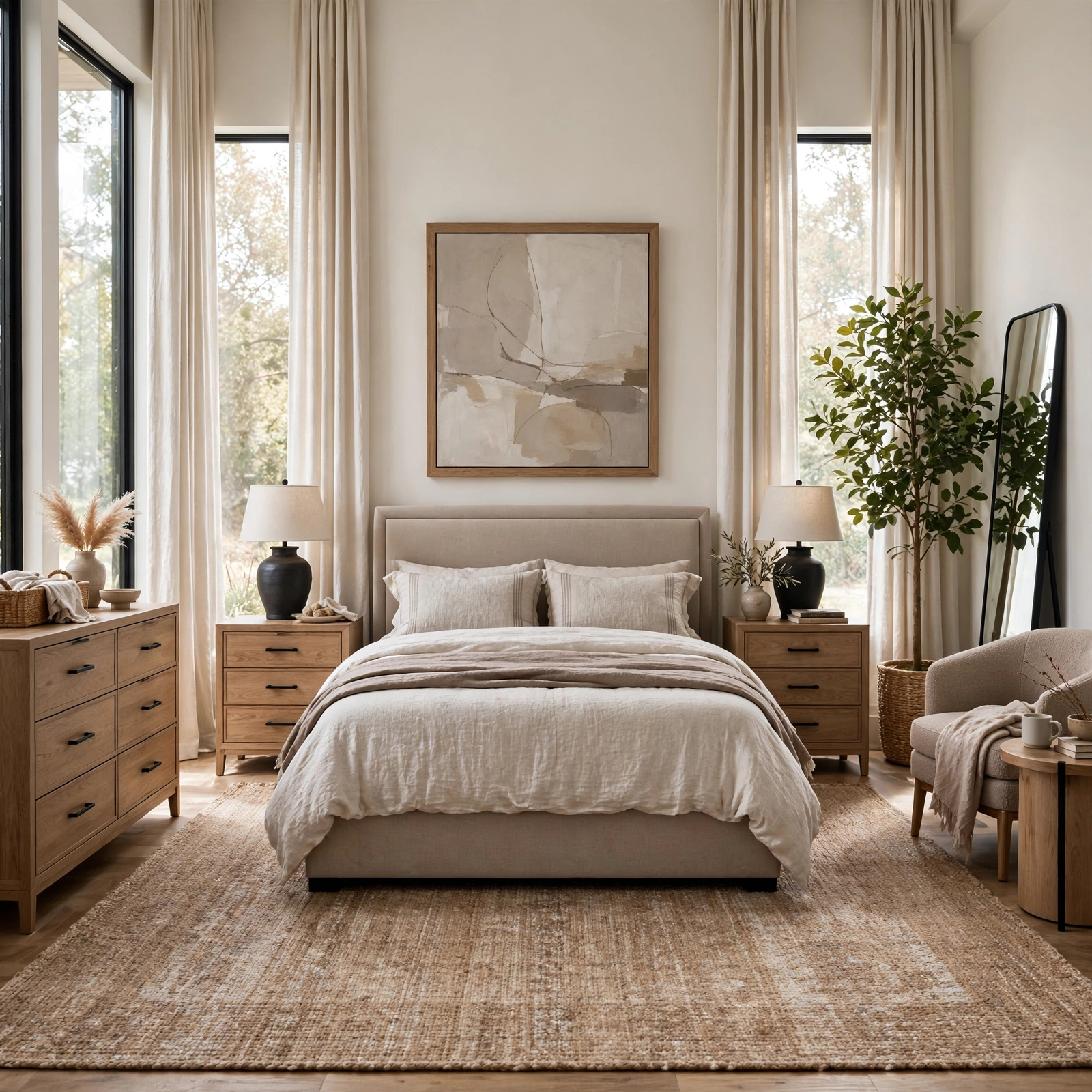
Furniture scale balance ensures that each piece in the room is proportioned appropriately to the space available, since an oversized dresser or an undersized nightstand can throw off the visual balance of an otherwise well decorated room. Measuring the room’s total dimensions and mapping out furniture placement before purchasing new pieces prevents this kind of mismatch from happening after the fact. Leaving adequate walking clearance around each piece, generally at least twenty four to thirty inches where possible, also keeps the room feeling functional rather than simply full.
17. Finishing Touch Accessories Home Decor Bedroom Ideas
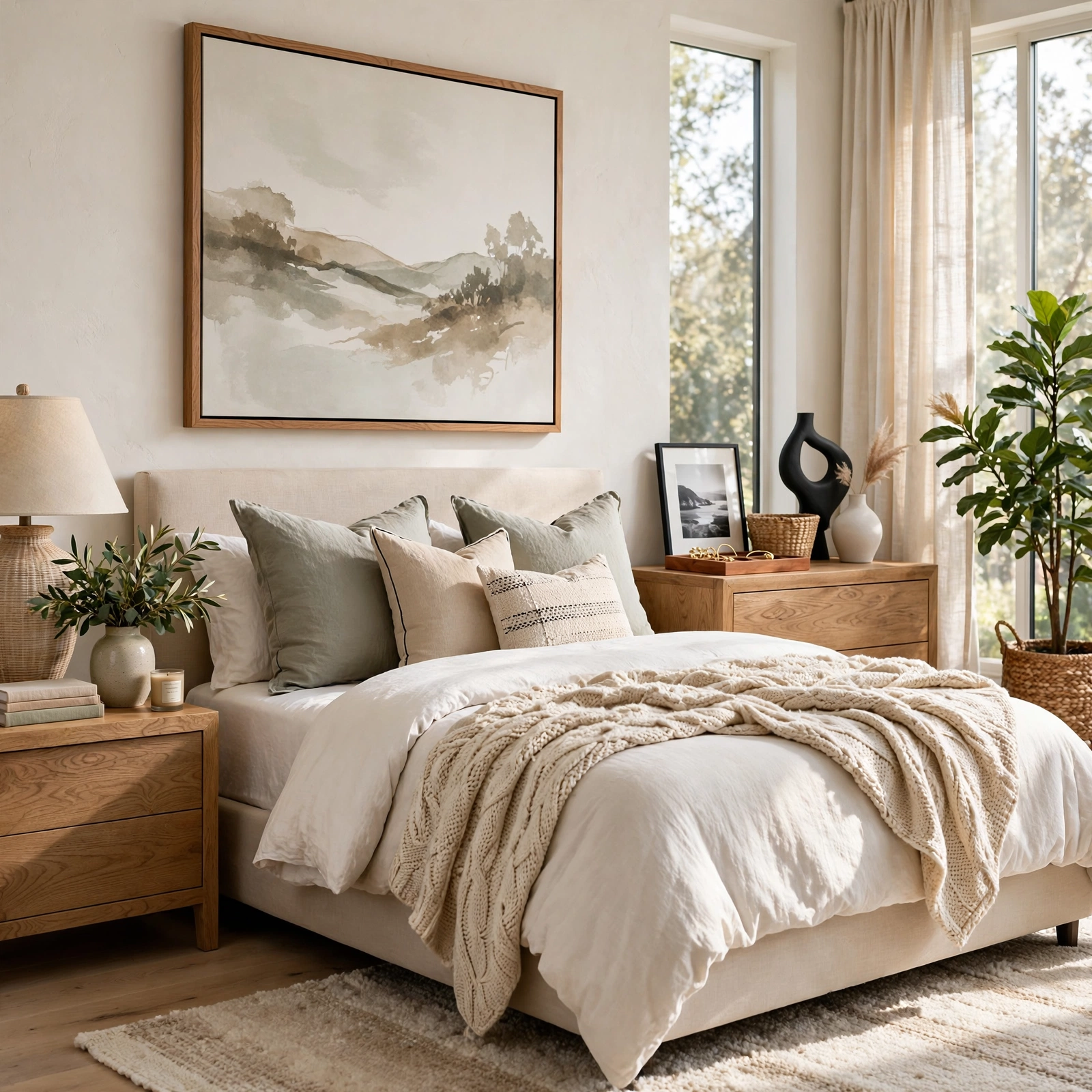
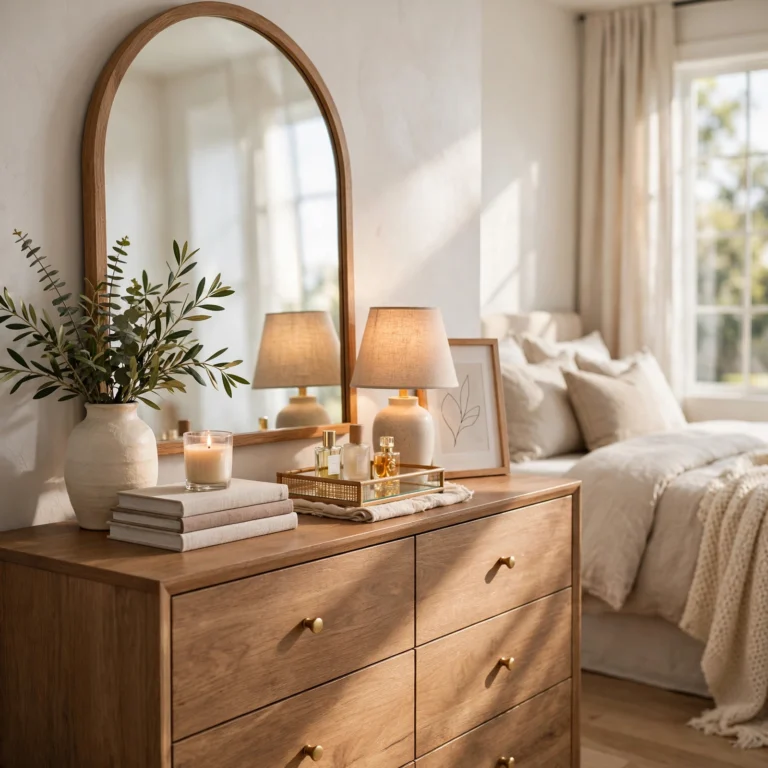
Finishing touch accessories are the smaller, final details added once the larger furniture and textile decisions are settled, such as a tray on the dresser, a stack of books on the nightstand, or a small sculptural object on a shelf. These details often make the biggest difference in how finished a room feels, since they signal a level of intentional care beyond just the functional furniture pieces. Adding these smaller touches gradually, rather than all at once, also allows the room’s personality to develop more naturally over time rather than feeling assembled in a single shopping trip.
Shop the Look
A well decorated bedroom typically builds up in layers rather than being purchased all at once from a single collection. A statement headboard and a cohesive color palette across the bedding establish the room’s foundation. A textured area rug and coordinating window treatments ground the space and tie the walls to the floor. A mix of ambient and task lighting, along with a few plants and a personal memory display, round out the finishing details that make the room feel genuinely complete.
Common Mistake to Avoid
The most common mistake is purchasing furniture, textiles, and decor in an unplanned sequence without first establishing a color palette or an overall vision for the room, which often results in a collection of individually nice items that don’t actually work together once combined. Working through the bigger decisions, like color and the bed itself, before moving on to smaller finishing accessories prevents this kind of piecemeal, disconnected result. Taking the time to plan the full room as one connected system, rather than shopping for each element separately without a clear reference point, produces a noticeably more cohesive finished space.
Frequently Asked Questions
Where should I start when decorating a bedroom from scratch?
Starting with a color palette, then moving to the bed and any other large furniture pieces, generally works better than beginning with smaller decor items, since the bigger choices establish a framework that every subsequent decision can be measured against. Textiles like a rug and curtains typically come next, with smaller finishing accessories added last once the foundational elements are in place.
How much should I spend on bedroom decor versus furniture?
Furniture generally represents the larger portion of a bedroom decorating budget, given the higher individual cost of pieces like a bed frame, dresser, and nightstands compared to smaller decor accessories. That said, allocating even a modest portion of the budget toward finishing details like art, lighting, and textiles makes a noticeable difference in how complete the room feels, since these smaller touches are often what people notice most.
How do I make a bedroom feel more personal rather than like a showroom?
Incorporating a personal memory display, choosing at least a few secondhand or vintage pieces rather than everything new, and allowing some intentional variation rather than a perfectly matched set all help a bedroom feel more personal and lived in. A room built entirely from one single furniture collection, purchased all at once, tends to feel more like a showroom than a space that’s developed naturally over time.
How often should I update my bedroom decor?
There’s no fixed timeline, though rotating smaller accessories like textiles and candles seasonally keeps a room feeling current without requiring a larger investment, while bigger furniture pieces typically only need replacing when they’re worn out or no longer suit the room’s needs. Reassessing the room’s overall color palette and layout every few years, even if no major purchases are made, helps ensure the space continues to reflect current tastes and needs.
What’s the most overlooked detail in bedroom decorating?
Lighting is frequently the most overlooked detail, since many bedrooms rely on a single overhead fixture alone rather than the layered combination of ambient, task, and accent lighting that makes a room feel genuinely finished and adaptable throughout the day. Closet doors and ceiling treatments are also commonly neglected, despite occupying a meaningful amount of visual space within the overall room.
Conclusion
These home decor bedroom ideas work best approached as a connected system, starting with a cohesive color story and the room’s largest furniture pieces before layering in textiles, lighting, and smaller finishing accessories. Taking the time to plan the full room together, rather than shopping for each element in isolation, produces a noticeably more polished and personal final result. Save this post to Pinterest for your next bedroom project, and check out our related post on bedroom decor ideas for more specific styling inspiration.
Author Expertise Note
This list draws on years of helping homeowners plan bedrooms as a complete, cohesive space rather than a collection of separately chosen pieces, with a focus on the sequence and structure that leads to a genuinely finished room.