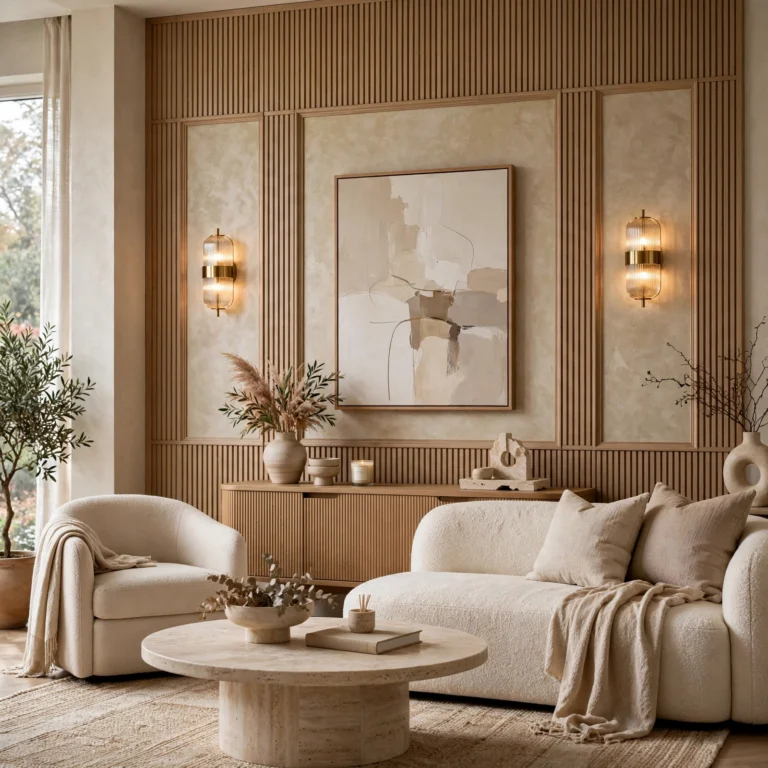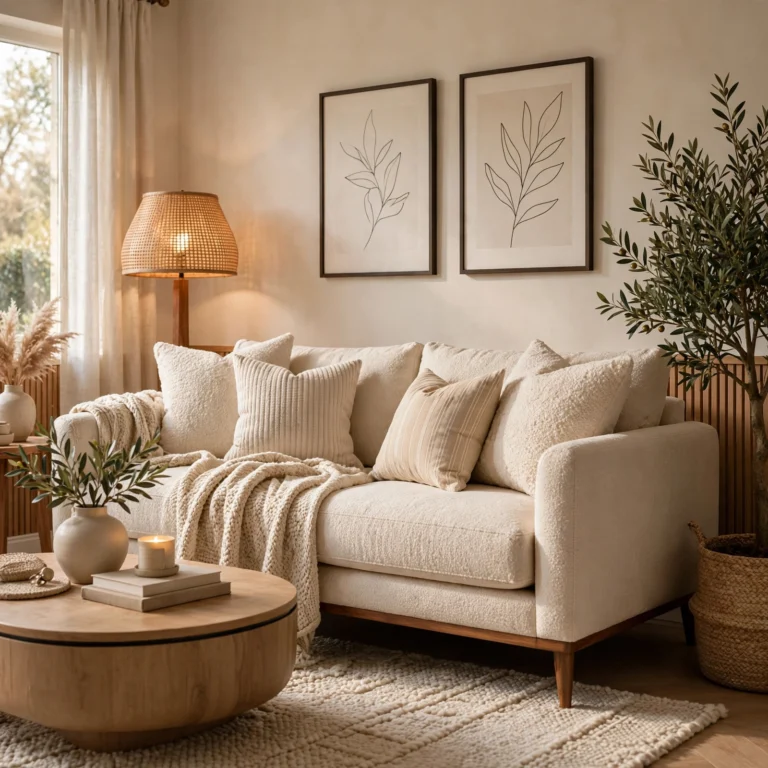
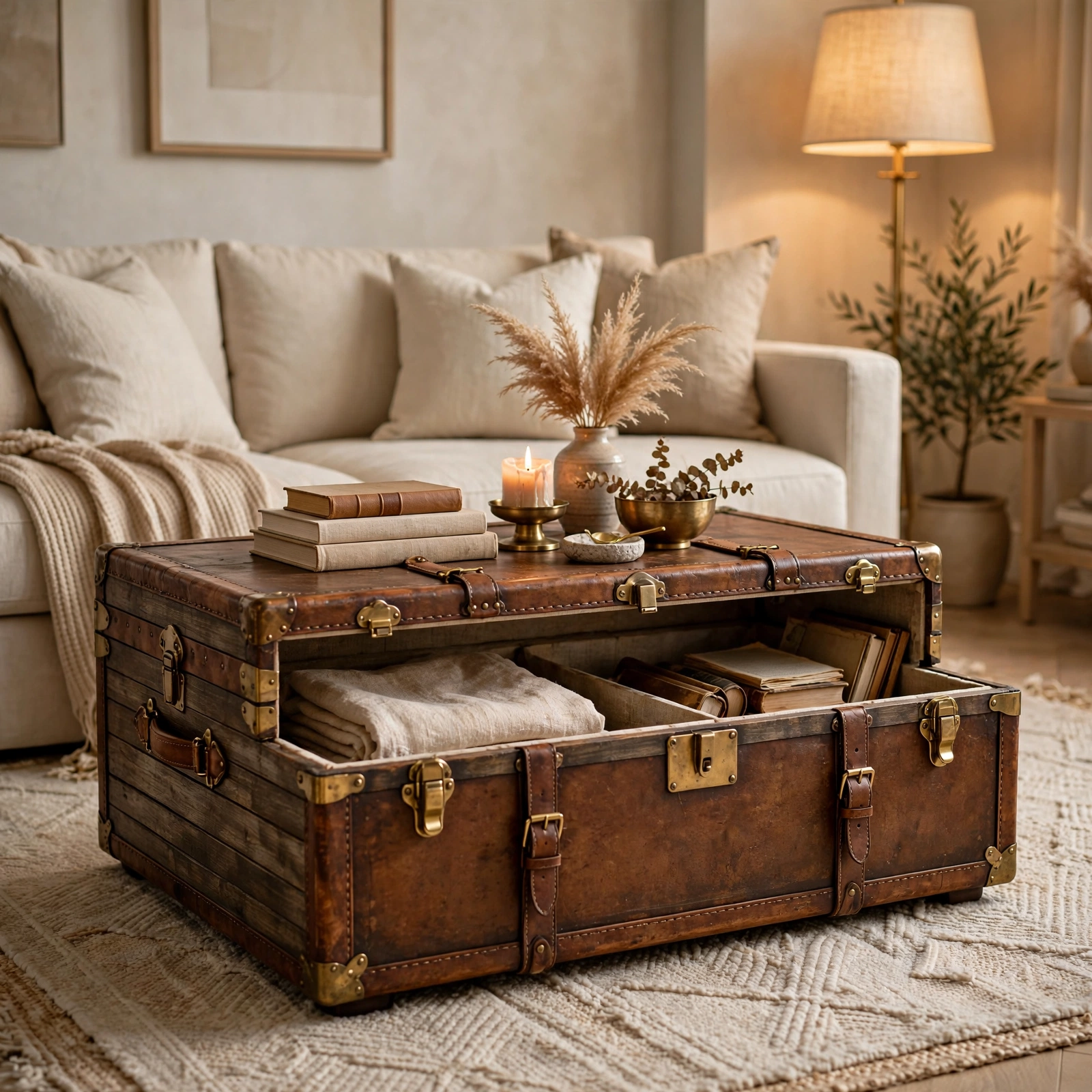
16 Stylish Living Room Furniture Ideas That Actually Work for Every Space and Decorating Style
Furnishing a living room is rarely as simple as picking a sofa and calling it done. Every piece has to work together, hold up to daily use, and still look intentional rather than accidental. This guide covers sixteen living room furniture ideas spanning seating, storage, and layering pieces, so you can build a room that fits your space, your habits, and your budget without starting from scratch or guessing at what belongs where.
Trend & Background
Living room furniture has moved away from matched showroom sets toward layered, collected-over-time looks that mix materials and eras. Curved sofas, sculptural side tables, and warm wood tones have replaced the boxy, uniform furniture groupings that dominated the last decade. This shift matters now because more people are working from home and hosting smaller gatherings, which means furniture needs to flex between relaxing, working, and entertaining without a full room overhaul every time the room’s use changes.
Key Takeaways
- Living room furniture choices should be built around traffic flow and daily habits first, then style second.
- Mixing textures like leather, boucle, wood, and rattan keeps a room from feeling flat or overly matched.
- Multi-purpose pieces such as storage ottomans and modular sectionals solve real space problems in smaller homes.
- Scale and spacing between pieces matter as much as the furniture itself when it comes to comfort and flow.
1. Curved Sofa
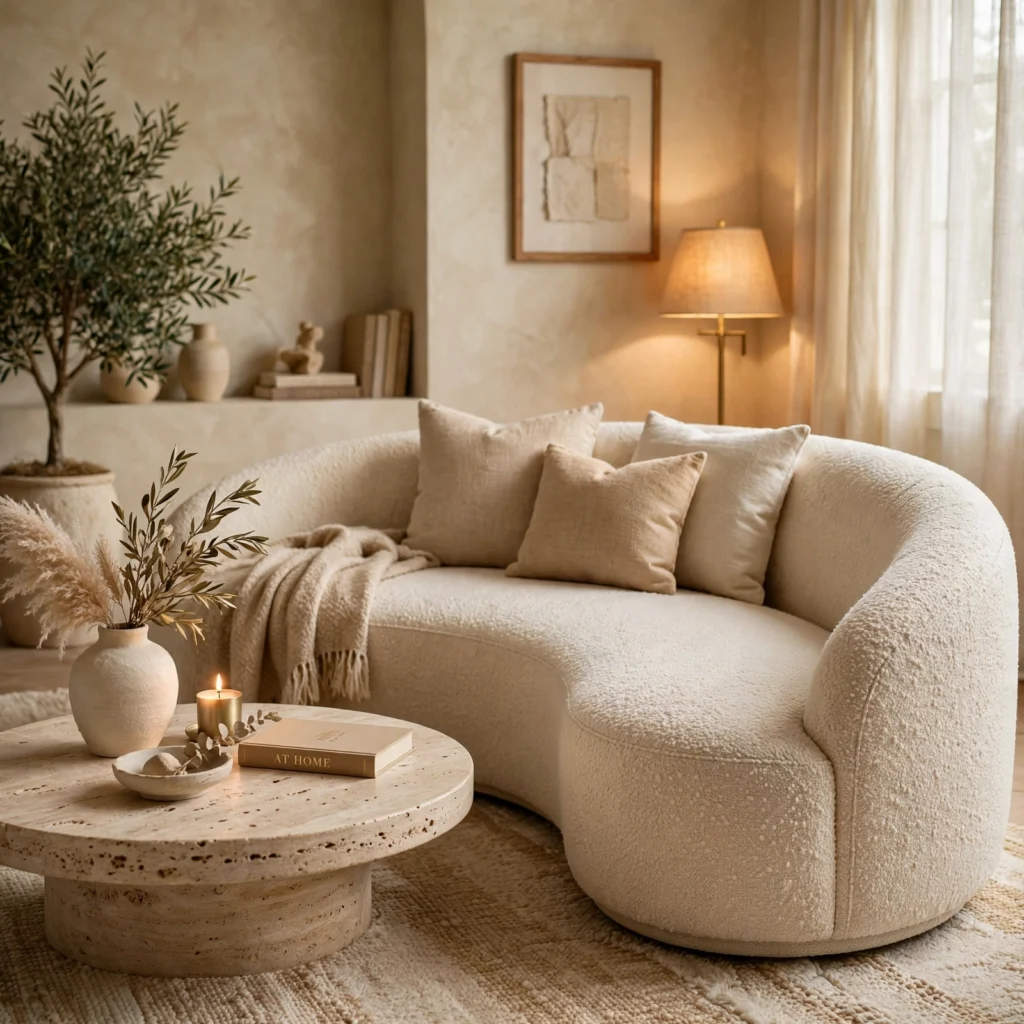
A curved sofa softens a room’s sightlines and works especially well in open-concept spaces where a straight sectional would create hard, boxy angles against the flow of the floor plan. The rounded silhouette also encourages conversation, since seating naturally angles toward the center of the room instead of lining up against a single wall. Boucle or velvet upholstery tends to suit this shape best, emphasizing the soft, sculptural line of the frame.
2. Modular Sectional
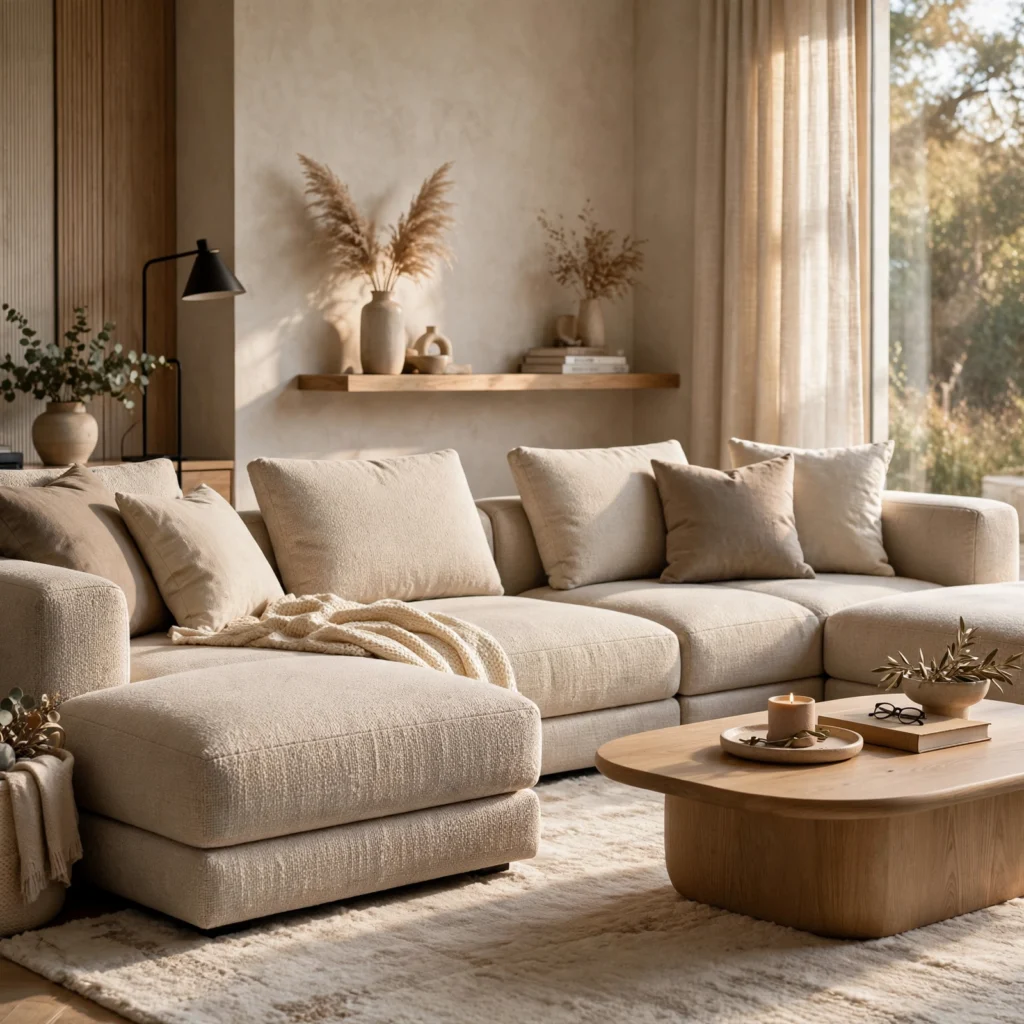
A modular sectional is built from individual pieces that can be rearranged, split apart, or reconfigured entirely as a household’s needs change over time. This makes it a strong fit for renters or growing families who might need an L-shape now and two smaller sofas later. Look for connector clips or interlocking bases so the modules stay put during daily use instead of drifting apart under regular sitting and shifting.
3. Accent Armchair
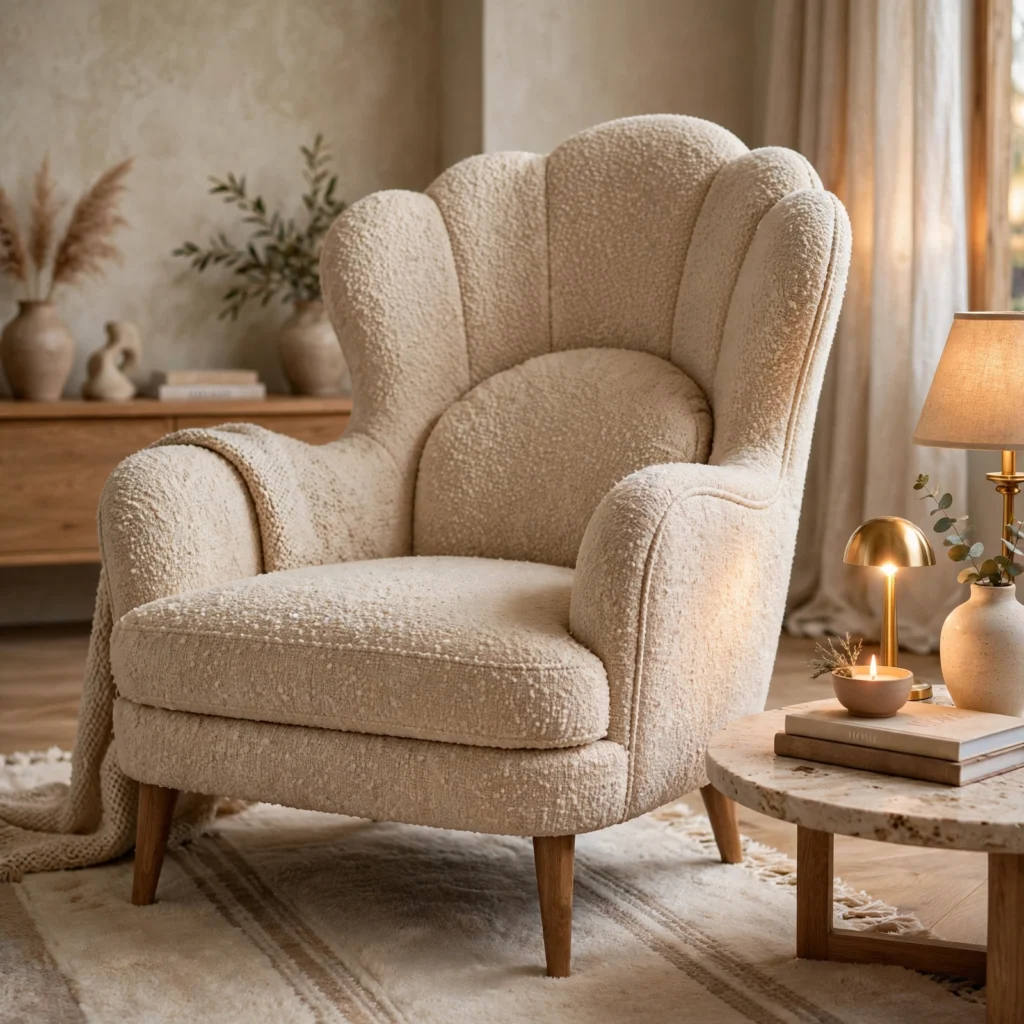
A single accent armchair in a bold fabric or color breaks up a room that leans too neutral, giving the eye somewhere to land without committing to a full reupholster. Placed at an angle near a window or beside a sofa, it also adds flexible extra seating for guests without crowding the main furniture grouping. Velvet, corduroy, and bouclé all read as current choices for this kind of statement piece.
To see more cosy living room CLCK HERE
4. Storage Ottoman
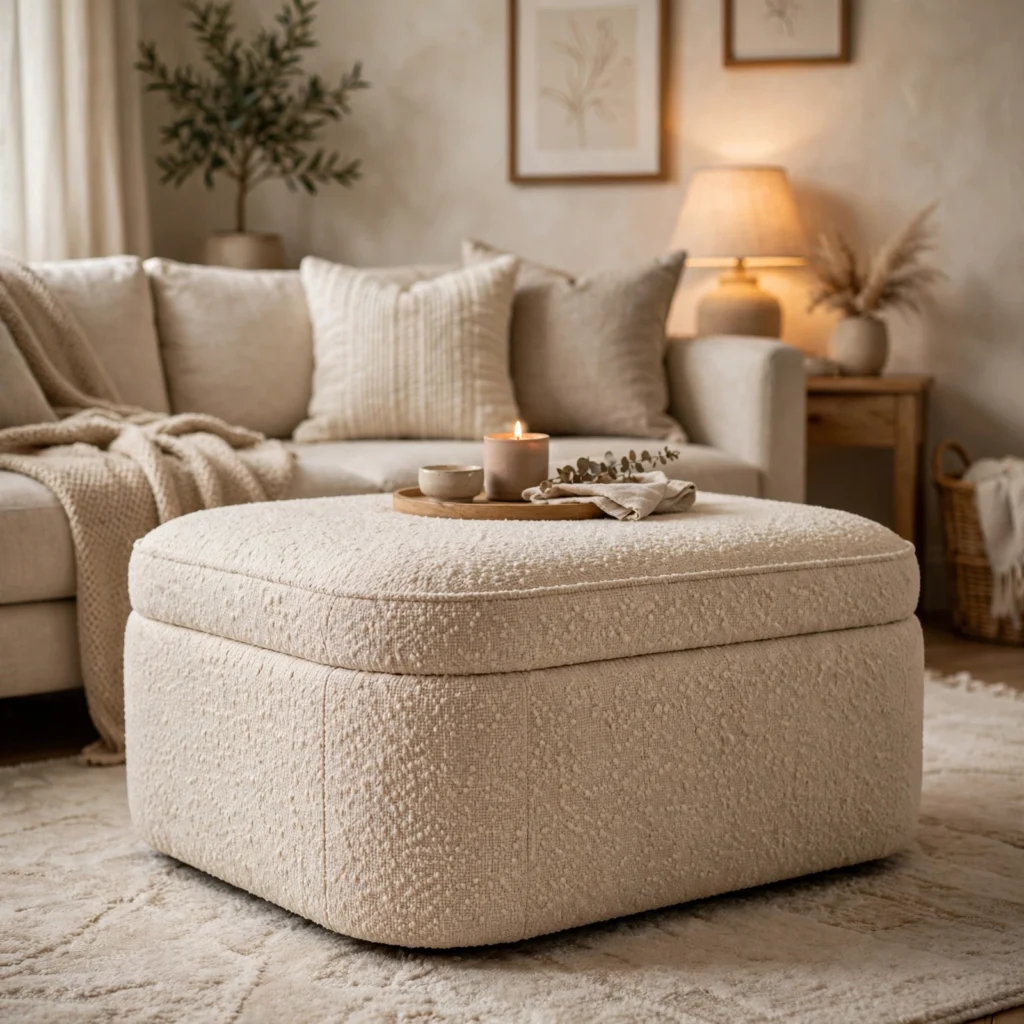
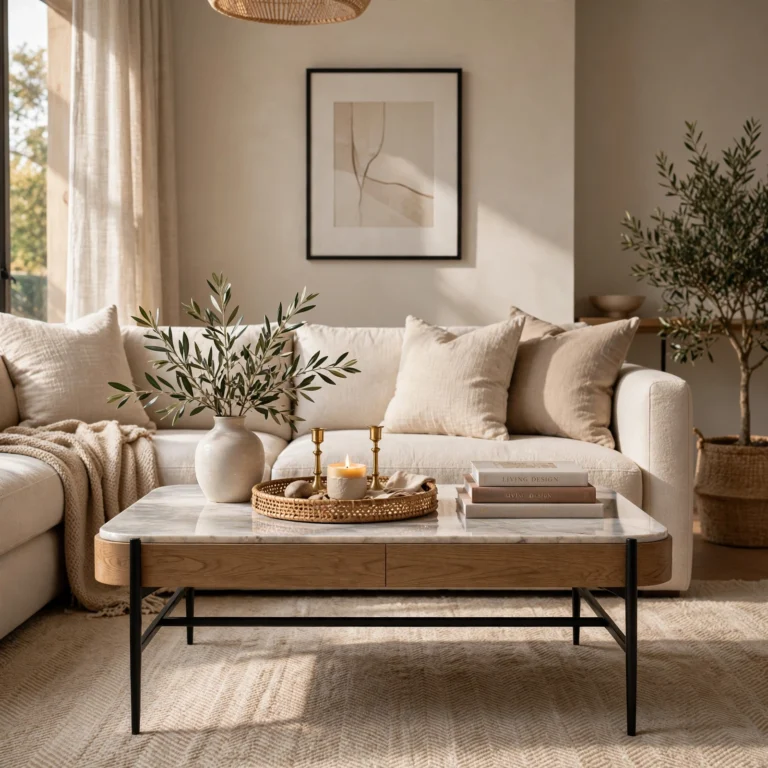
A storage ottoman swaps a hard coffee table for a padded, hinged-top piece that hides blankets, remotes, or toys inside while still functioning as a footrest or extra seat. This works particularly well in smaller living rooms or homes with kids, where visible clutter is a constant battle. Pairing it with a simple wood or acrylic tray on top keeps a flat surface available for drinks when needed.
5. Console Table
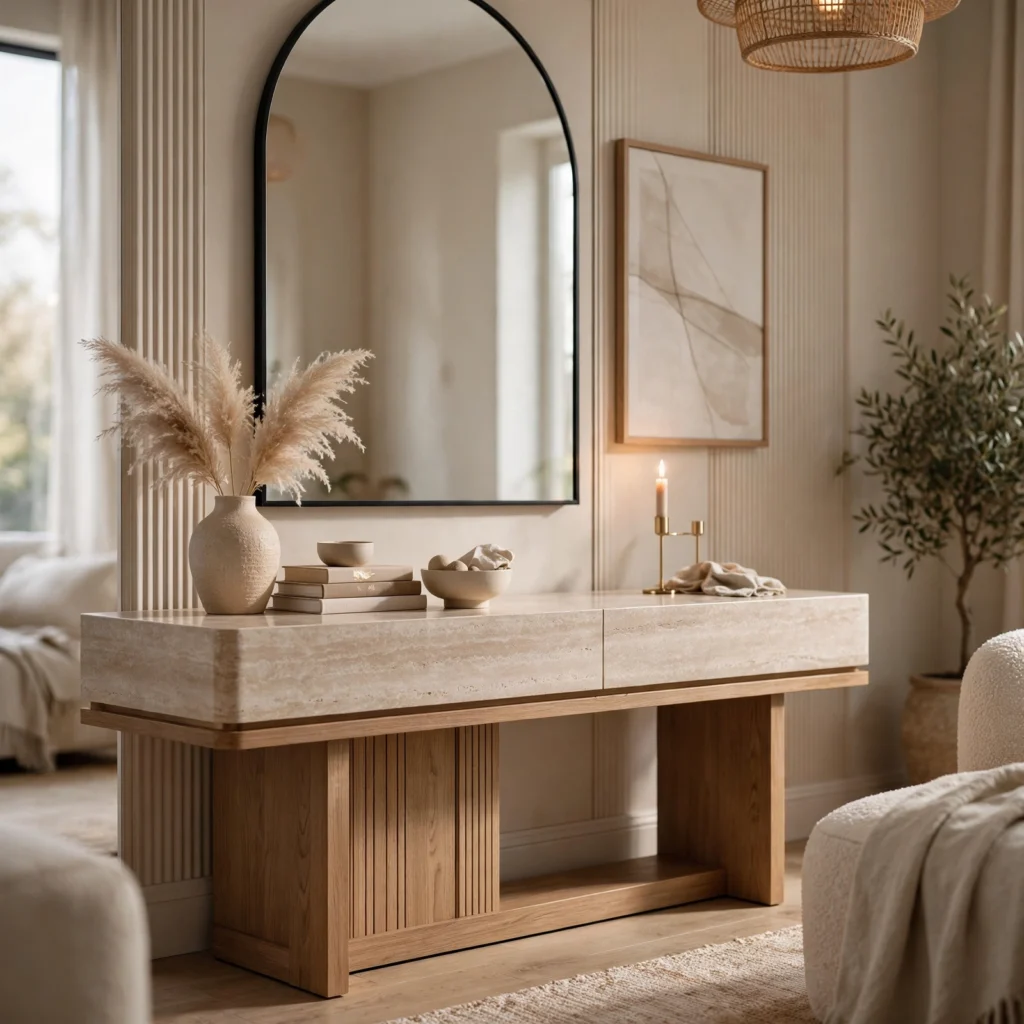
A console table placed behind a sofa or along an entry wall adds display space for lamps, books, or framed photos without eating into the room’s walkable floor area. Its shallow depth, usually 12 to 16 inches, makes it one of the easiest pieces to fit into narrow layouts. Choosing one with a lower shelf adds extra storage for baskets or stacked media without requiring a separate cabinet.
6. Bookshelf Room Divider
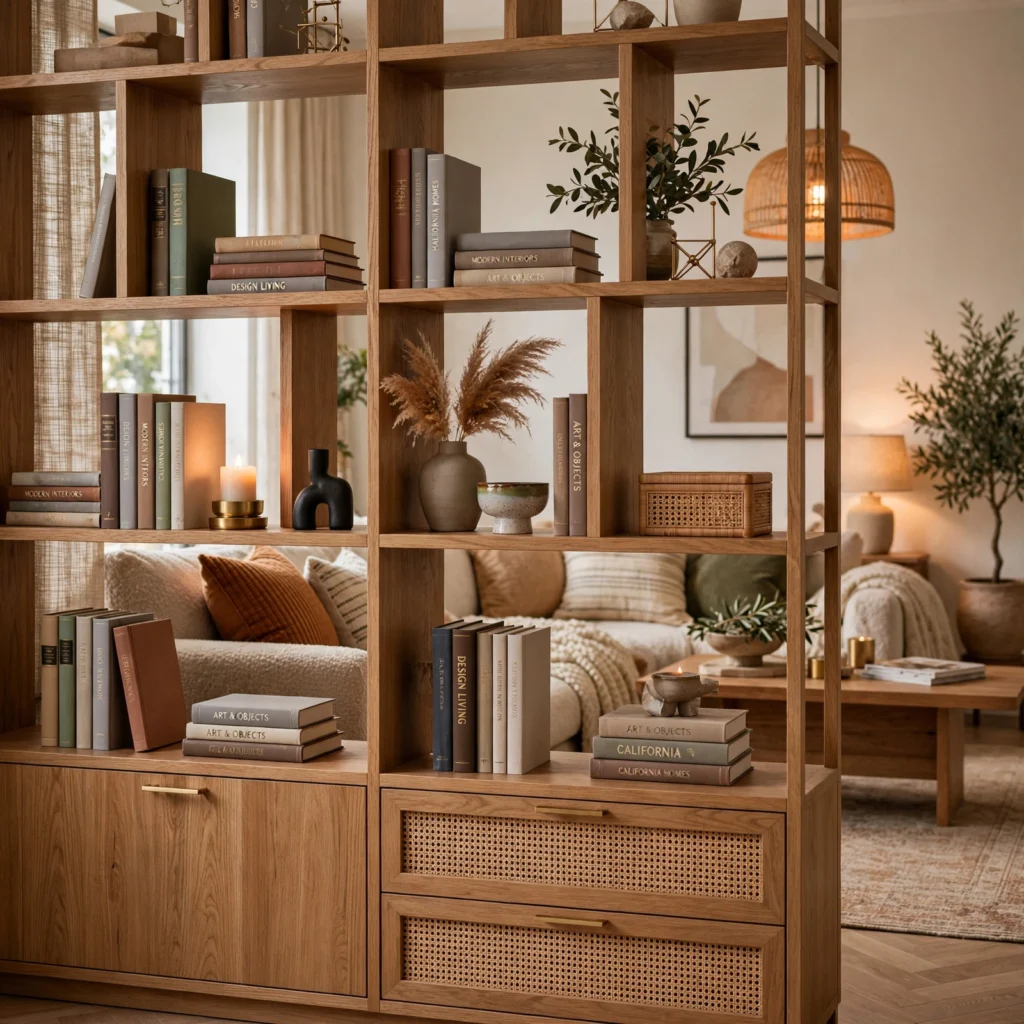
An open-back bookshelf used as a room divider splits a large or open-concept living room into distinct zones, like a reading nook and a main seating area, without the visual heaviness of a solid wall. Books, plants, and decor placed at varying heights keep the piece from feeling like a blank storage unit. This works especially well in studio apartments or homes with combined living and dining spaces.
7. Swivel Chair
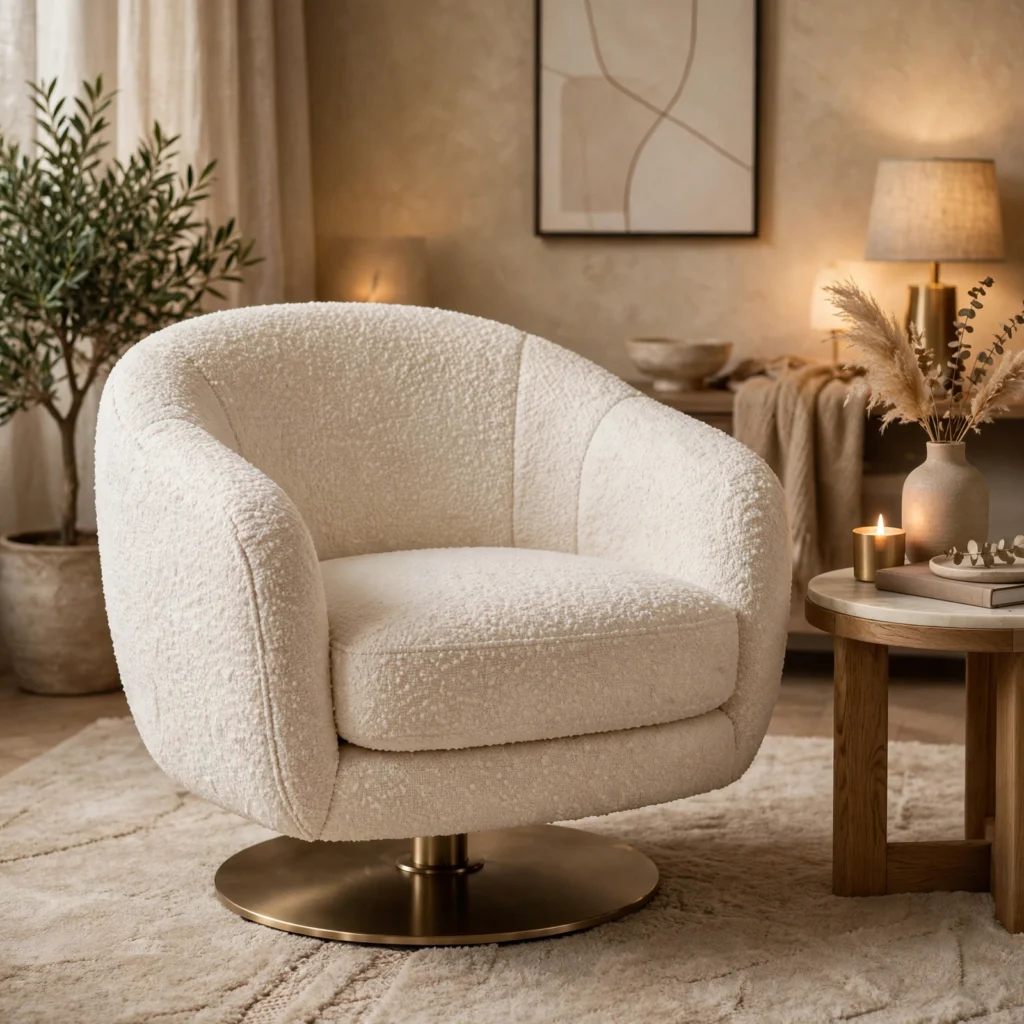
A swivel chair rotates to face the television, a conversation group, or a window view, which makes it one of the more flexible seating options for a small living room that has to serve several functions. Because it takes up a smaller footprint than a loveseat, it fits into corners or awkward gaps other furniture can’t use. Bouclé, leather, and tweed are common upholstery choices for this style right now.
8. Nesting Side Tables
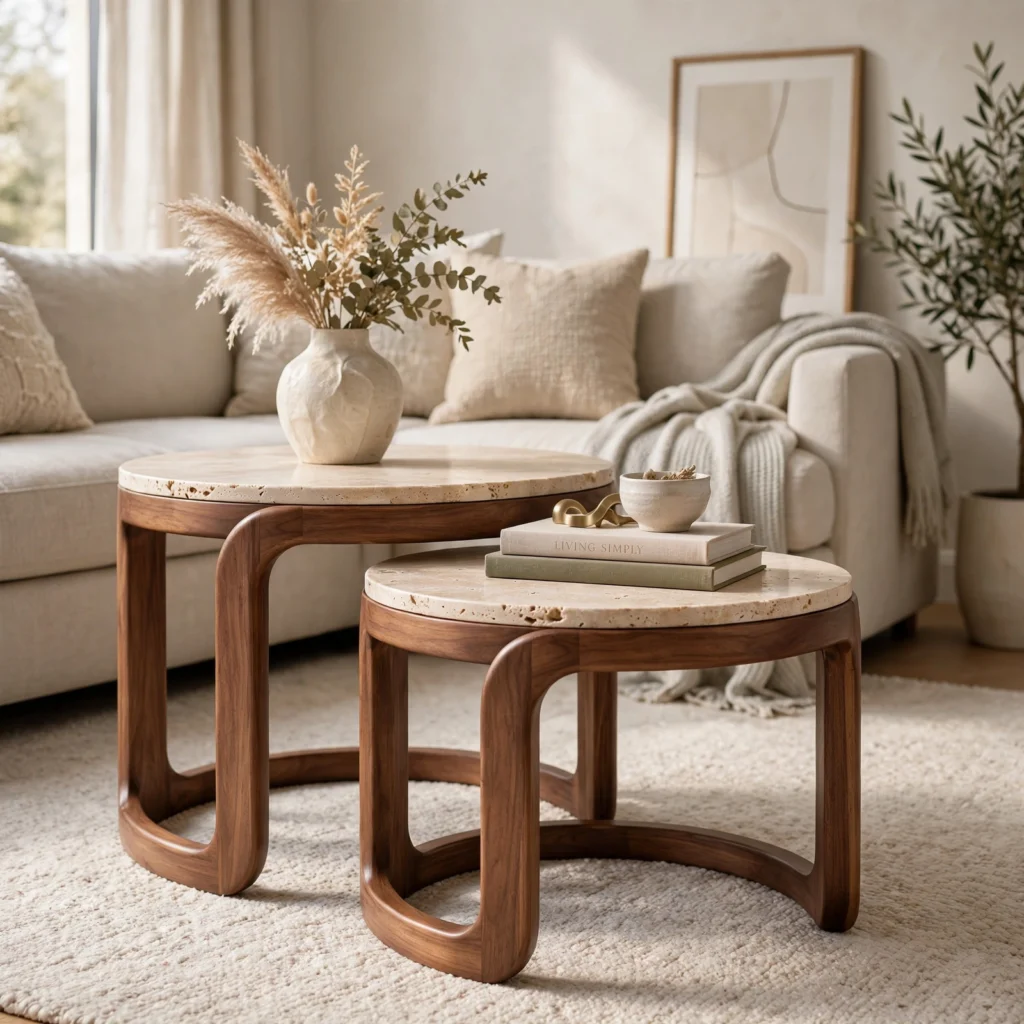
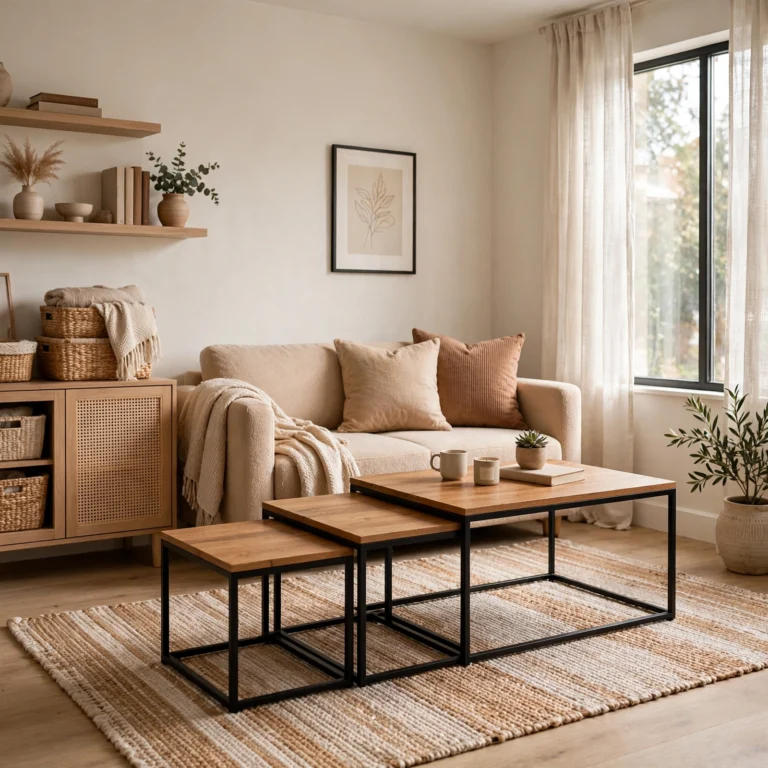
A set of nesting side tables in graduated sizes tucks together when not needed and separates to hold drinks, books, or a laptop during busier moments. This flexibility makes them useful in living rooms that double as a workspace or a spot for guests, since extra surface area appears only when it’s actually needed. Mixed metal and wood finishes on the set also add subtle visual interest to a plain seating area.
| Table Size | Approx. Height | Typical Placement |
| Small | 18″H | Slides fully under larger table |
| Medium | 20″H | Beside an armchair |
| Large | 22″H | Main side table by the sofa |
9. Media Console
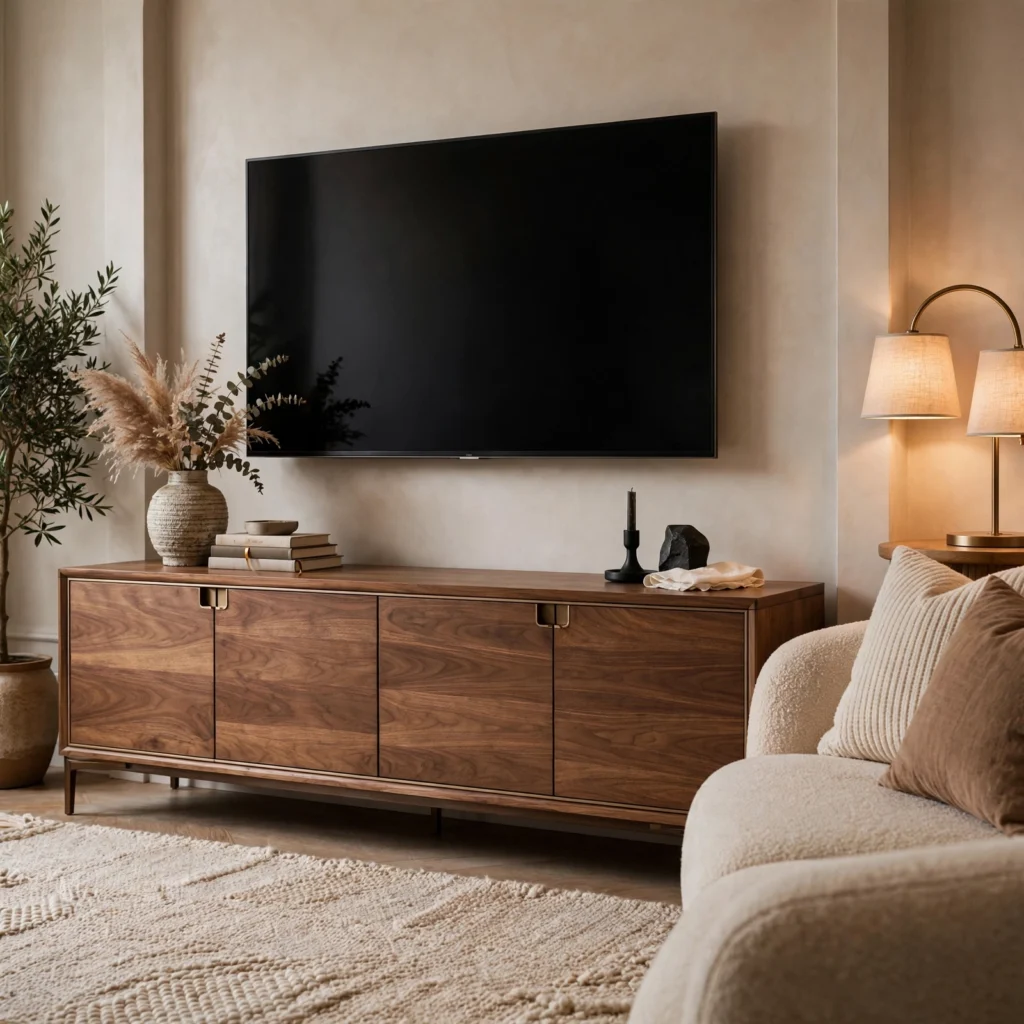
A low media console anchors the wall opposite the main seating area, holding a television along with hidden storage for cables, game consoles, or streaming devices. Choosing a console with closed cabinets rather than open shelving keeps electronics and cords out of view, which matters most in smaller rooms where every surface is visible from the seating area. Wood tones like walnut or white oak keep the piece from feeling purely utilitarian.
10. Floor Lamp Trio
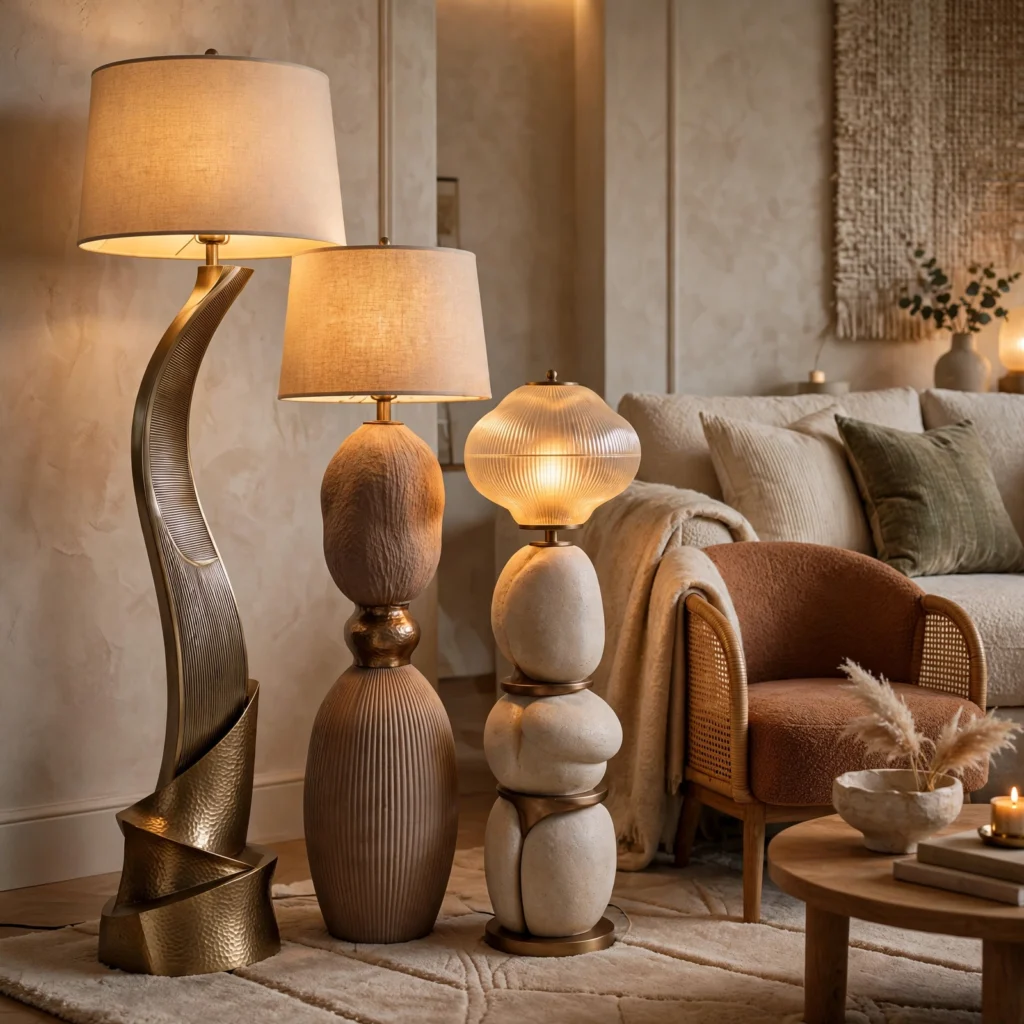
Layering two or three floor lamps at different heights around a living room replaces the flat wash of a single overhead fixture with softer, more directional light. Placing one beside a reading chair, one behind a sofa, and one in a darker corner evens out the room’s lighting without requiring an electrician. Warm-toned bulbs around 2700K keep the effect cozy rather than clinical, especially in the evening.
11. Woven Bench
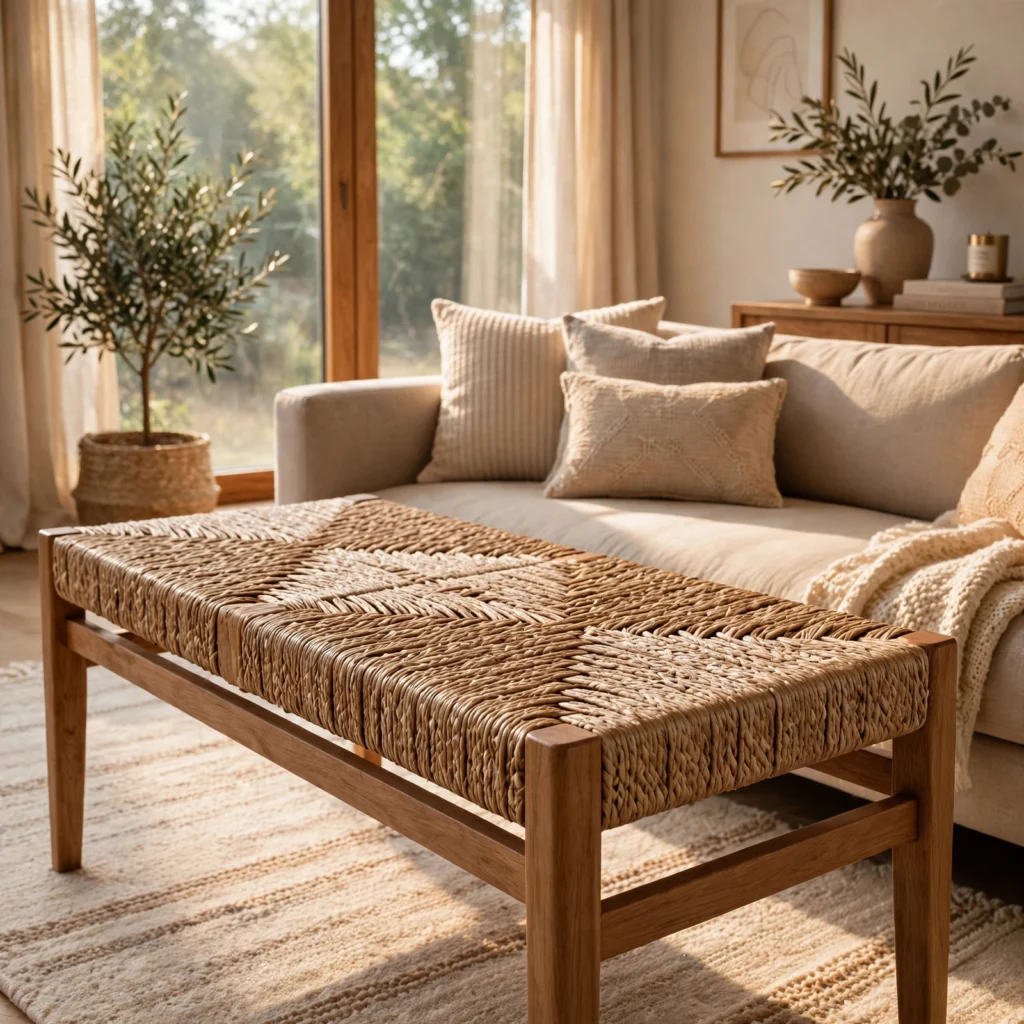
A woven rattan or seagrass bench works as flexible extra seating at the foot of a sectional or along a wall, pulling into the center of the room only when guests arrive. Its light, airy construction keeps it from visually crowding a small space the way an upholstered piece might. This style pairs naturally with coastal, boho, or Japandi-influenced living rooms already leaning on natural materials elsewhere.
12. Gallery Wall Shelving
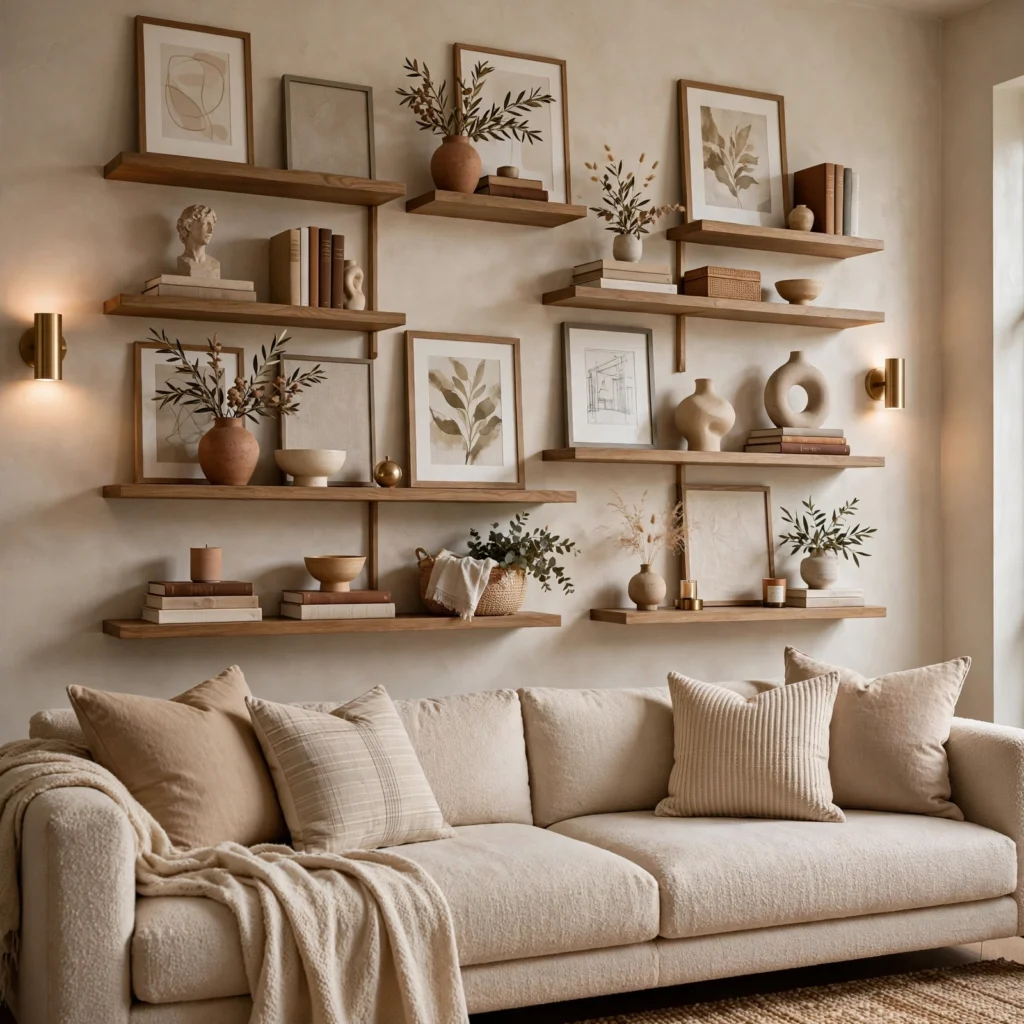
Floating shelves arranged in a gallery-style cluster give a living room vertical storage and display space without the bulk of a full bookshelf against the wall. Mixing frame sizes, plants, and small decor objects across two or three shelf heights keeps the arrangement from looking like a straight, predictable row. This works particularly well above a console table or sofa where floor space is already limited.
13. Living Room Furniture Layout Rug
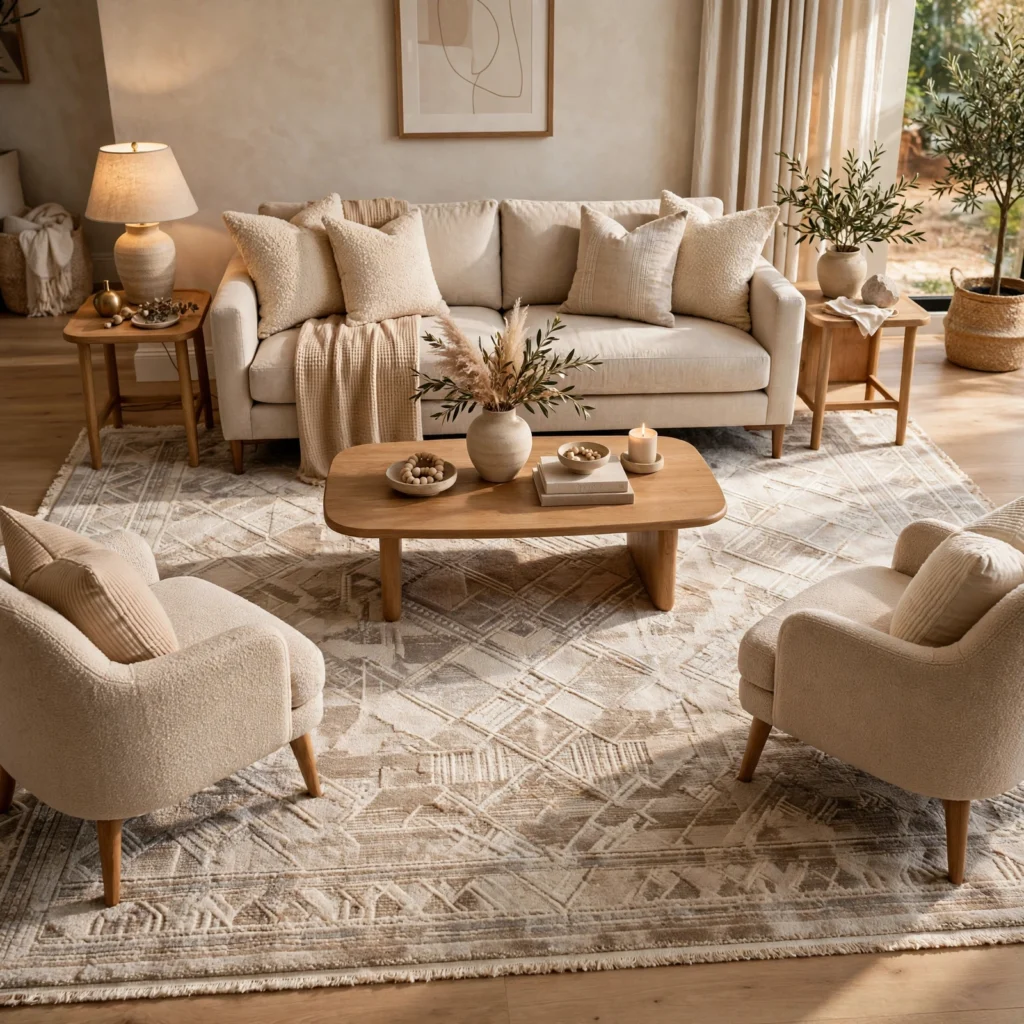
A properly sized rug anchors a living room furniture layout by defining the seating area and tying mismatched pieces together visually. The front legs of every major piece, sofa, chairs, and ottoman, should rest on the rug so the grouping reads as one cohesive zone instead of floating separately across the floor. Wool and jute blends tend to hold up best under the daily traffic of a main living space.
14. Trunk Coffee Table
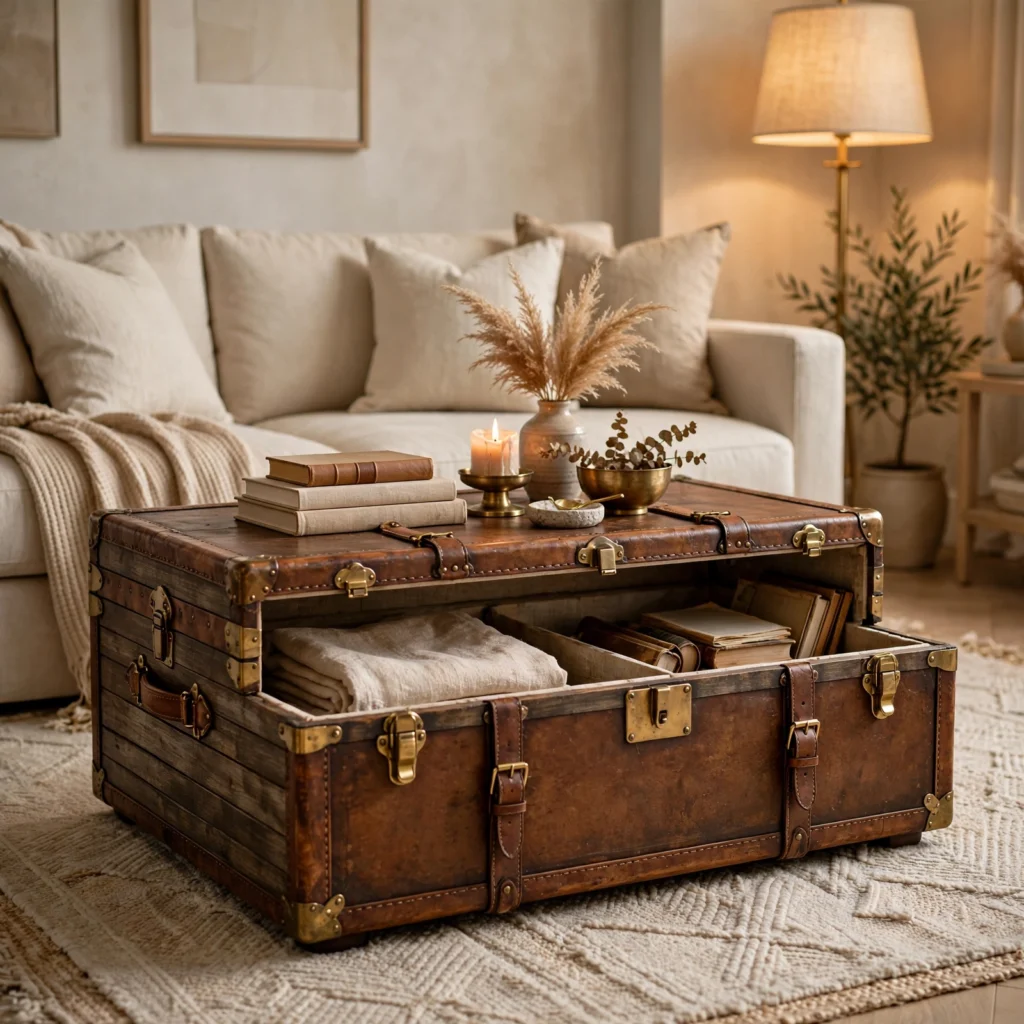
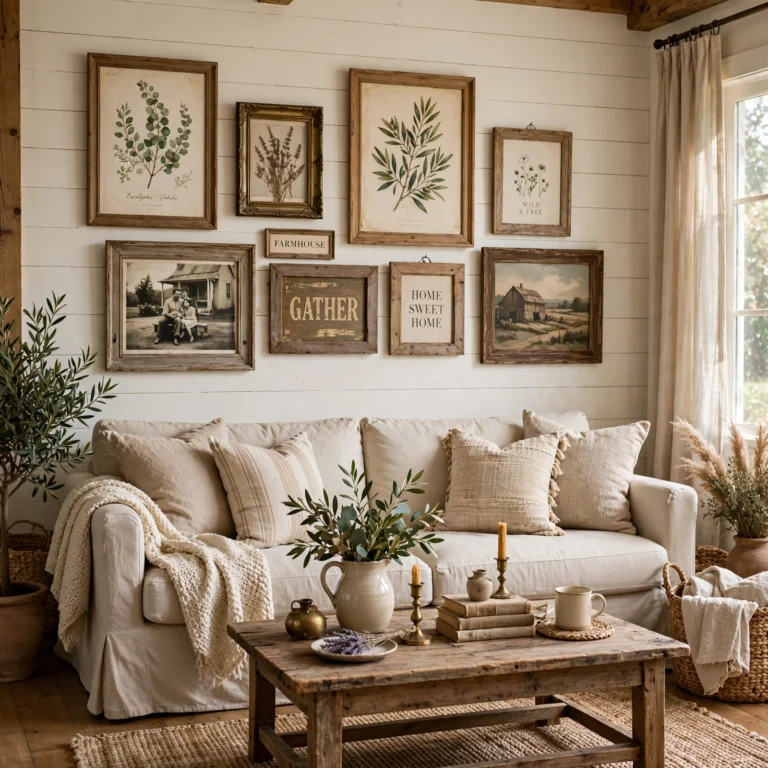
A vintage-style trunk used as a coffee table brings storage and visual texture at once, with worn hardware and a lid that lifts for hidden blanket or game storage. It fits naturally into farmhouse, industrial, or eclectic-vintage living rooms, and its solid form holds up well as a footrest during casual lounging. Look for reinforced corners and a flat lid surface so it stays sturdy for daily use as a table.
15. Daybed Seating
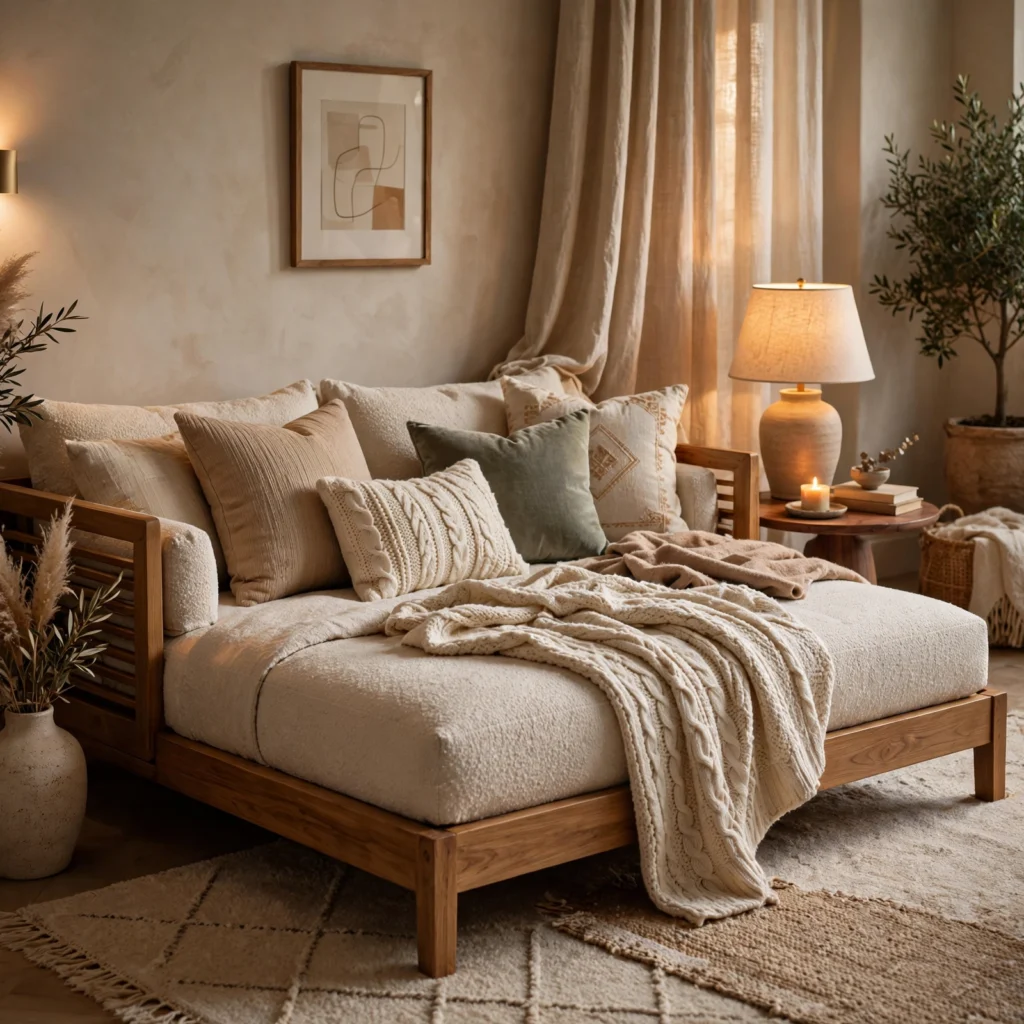
A daybed placed along a living room wall adds a lounging spot distinct from the main sofa, useful for napping, reading, or hosting an overnight guest without a dedicated guest room. Its slim profile compared to a full sofa makes it a practical fit for narrow or multi-purpose rooms. Bolster pillows along the back turn it into functional seating during the day and a bed when needed at night.
16. Sculptural Accent Table
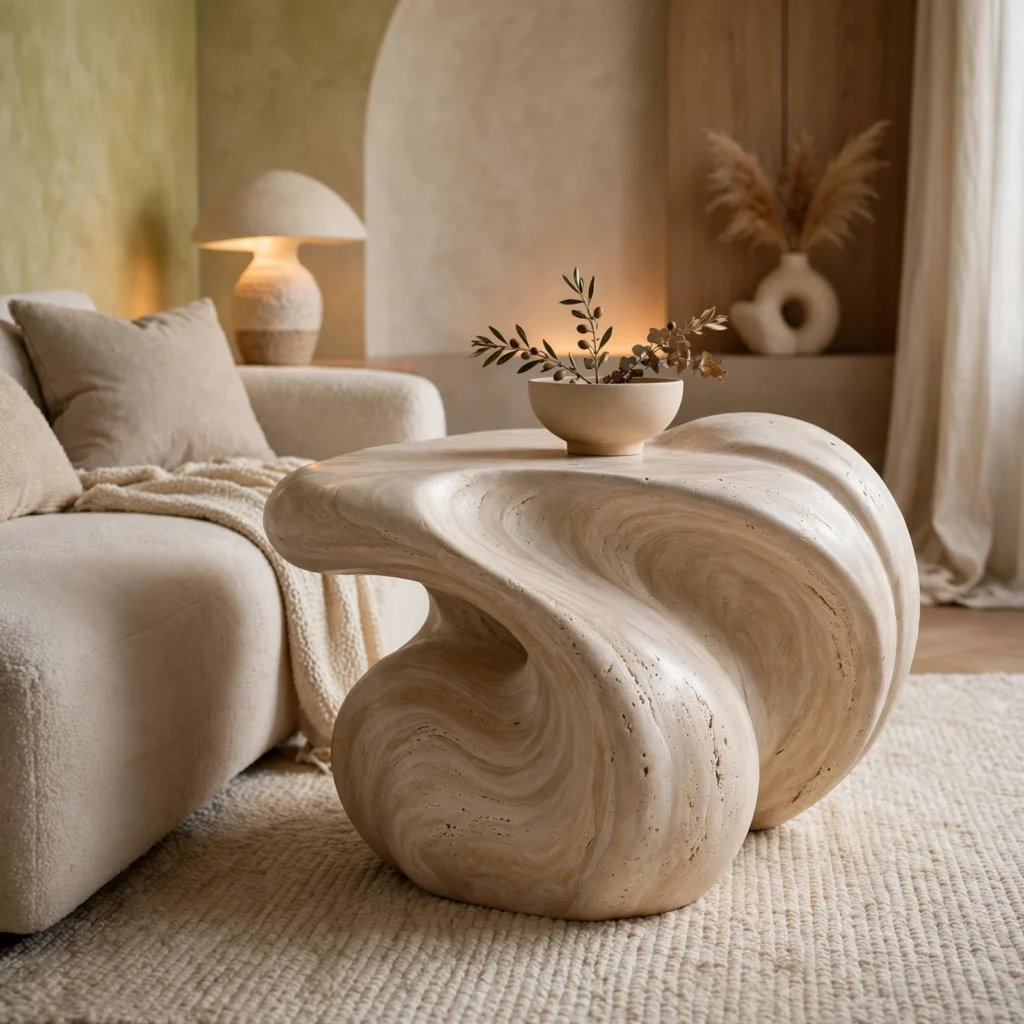
A sculptural side table in stone, concrete, or cast resin acts as a small piece of art within the room, standing apart from the more functional furniture around it. Placed beside a chair or at the end of a sectional, it holds a drink or a small plant while adding an organic, irregular shape that contrasts with the straight lines of most upholstered pieces. This works well as a subtle style anchor in an otherwise minimal room.
Shop the Look
For a curved sofa, look for boucle or velvet options in the 80 to 100-inch range for most standard living rooms. Storage ottomans in performance fabric hold up well to daily use and pet claws. Nesting side tables in mixed wood and metal finishes are widely available at mid-range price points, and a wool-jute blend rug in an 8-by-10 or 9-by-12 size fits most standard seating layouts without overwhelming the floor.
Common Mistake to Avoid
The most common mistake is buying every piece of living room furniture at once from a single matched set, which often leaves a room looking like a showroom display rather than a lived-in space. Mixing at least one or two pieces with a different material, era, or finish, like a vintage trunk beside a modern sectional, gives the room depth and keeps it from feeling flat or overly coordinated the moment guests walk in.
FAQs
What furniture is essential for a living room?
A sofa, a coffee or center table, and at least one additional seating piece like an armchair cover the basics for most living rooms. Beyond that, a media console or TV stand, a rug to anchor the layout, and one or two side tables round out a functional setup. Lighting, including a floor or table lamp, is often overlooked but makes a noticeable difference in daily comfort.
How much space should be left between living room furniture?
Aim for 30 to 36 inches of walking space between major furniture pieces so the room stays easy to move through. Between a sofa and a coffee table, 14 to 18 inches is typically comfortable for both legroom and reaching items on the table. Tighter spacing works in smaller rooms but should never fully block a natural walking path.
What is the best layout for a small living room?
Floating furniture slightly away from the walls, rather than pushing everything to the perimeter, often makes a small living room feel larger by creating a defined central zone. Choosing furniture with visible legs instead of solid skirting also helps the floor read as more open. Multi-purpose pieces like a storage ottoman or nesting tables reduce the total furniture footprint needed.
Should all living room furniture match?
No, matching every piece exactly tends to make a room feel stiff and impersonal rather than warm. A better approach is choosing a shared color palette or material thread, like consistent wood tones or a repeated metal finish, while allowing individual pieces to vary in shape and era. This keeps the room cohesive without looking like a single showroom purchase.
How do I arrange furniture around a fireplace?
Position the main seating, typically the sofa, facing the fireplace directly or at a slight angle so it remains the focal point of the room. Flanking armchairs on either side create a balanced, symmetrical grouping, while a rug underneath ties the whole seating area together. Keep at least 12 inches of clearance between any furniture and the fireplace surround for safety and airflow.
Conclusion
Building out a living room furniture plan works best when comfort and daily function guide the decisions, with style layered on top rather than driving every choice. From a curved sofa as the anchor piece to a woven bench for flexible extra seating, small details like spacing and material mix make the room feel finished. Save this guide to Pinterest for later, or check out our related post on center table styling for more layout inspiration.
Author Expertise Note
This guide draws on years of furnishing real client living rooms, where layout mistakes and material wear show up fast once daily life actually moves into the space.