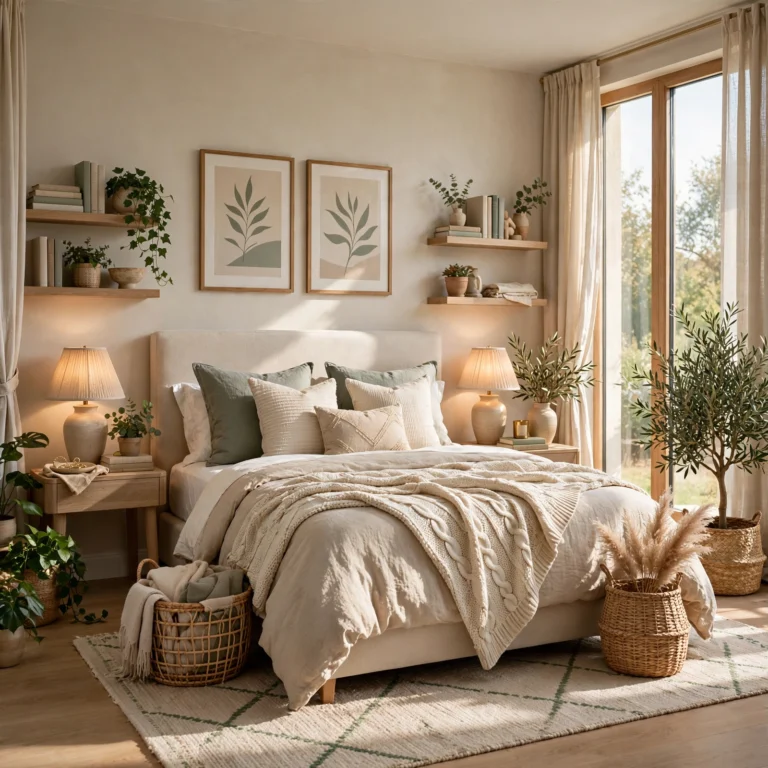
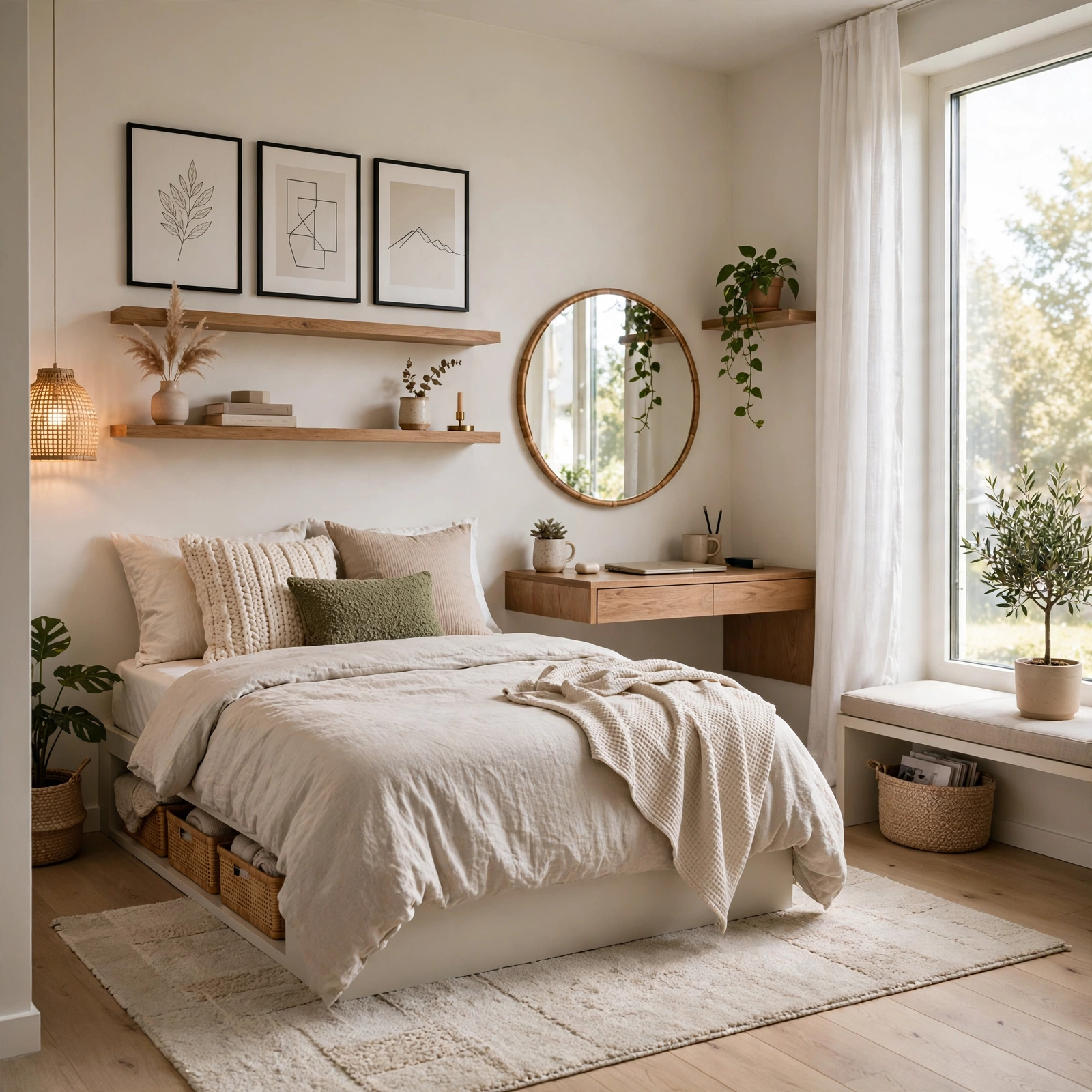
14 Trending Small Room Decor Techniques for a More Open, Bright, and Spacious Feel
Making a small room feel considered takes a different set of techniques than decorating a larger space, since every choice carries more visual weight in a tighter footprint. This guide walks through fourteen small room decor techniques covering furniture proportion, color continuity, and concealed storage that work in bedrooms, home offices, or any compact room in the house. By the end, you’ll have specific materials, sizing guidance, and styling approaches to make a small room feel calmer and more open without adding square footage.
Trend & Background
Small room decor has increasingly borrowed techniques from professional staging and compact European apartment design, prioritizing visual continuity and furniture scale over simply fitting standard-size pieces into a smaller footprint. This reflects a broader recognition that a small room’s perceived size depends as much on color, sightlines, and furniture proportion as it does on the room’s actual measurements. This matters now because more people are living in smaller homes generally, making these techniques relevant well beyond just a single guest room or studio apartment.
Key Takeaways
- Visual continuity, through matching wall and trim colors, does more to open up a small room than any single furniture piece.
- Furniture with visible legs, rather than pieces that sit flush to the floor, keeps sightlines open in a tight room.
- Scaled-down versions of standard decor, from art to rugs, prevent a small room from feeling overwhelmed by oversized pieces.
- Concealed storage solutions matter as much as visible decor in keeping a small room feeling calm rather than cluttered.
1. Continuous Wall and Trim Color
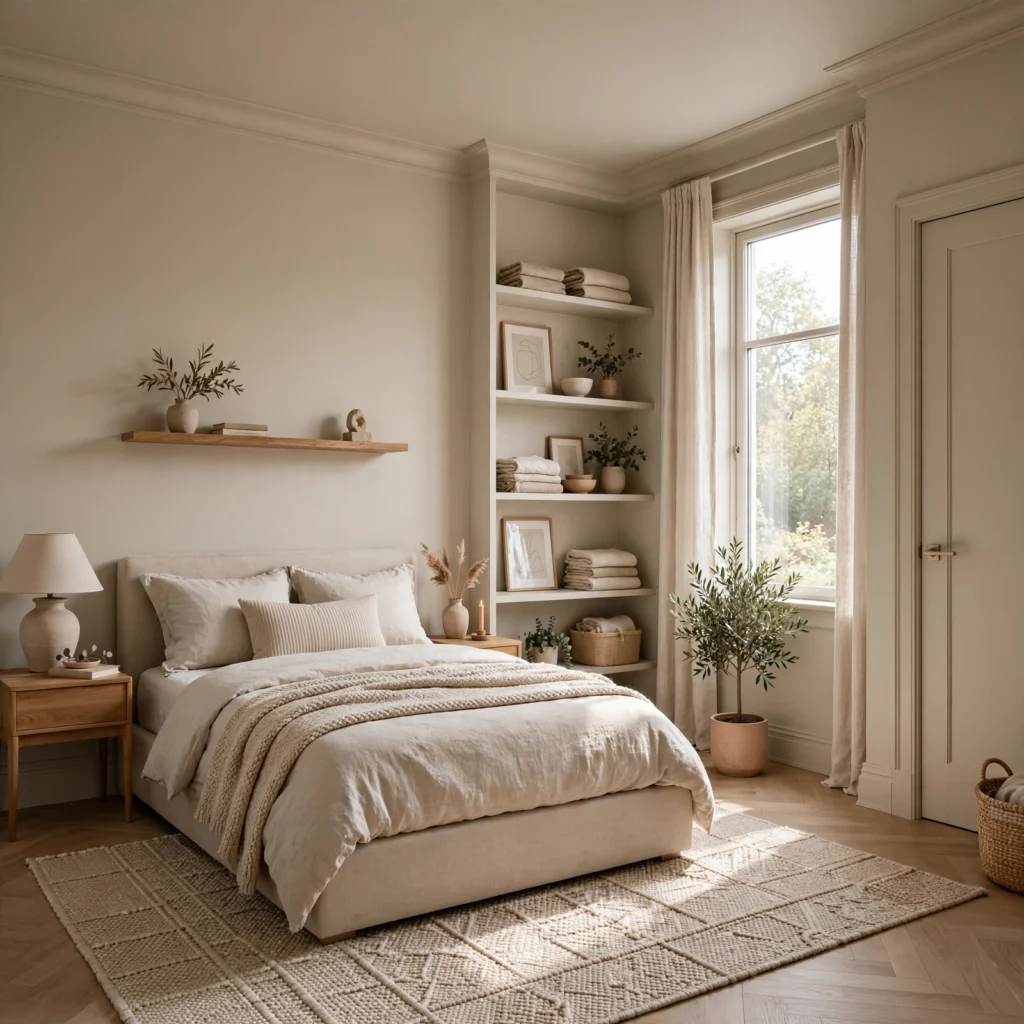
Continuous wall and trim color paints the walls, baseboards, and door frames all in the same shade, removing the visual break that contrasting white trim against a colored wall typically creates. This technique makes a small room’s boundaries feel less defined, since the eye doesn’t stop at each trim line the way it would with high contrast. Choosing a mid-tone rather than a stark white or very dark color for this continuous treatment tends to produce the most convincing sense of expanded space.
2. Furniture With Exposed Legs
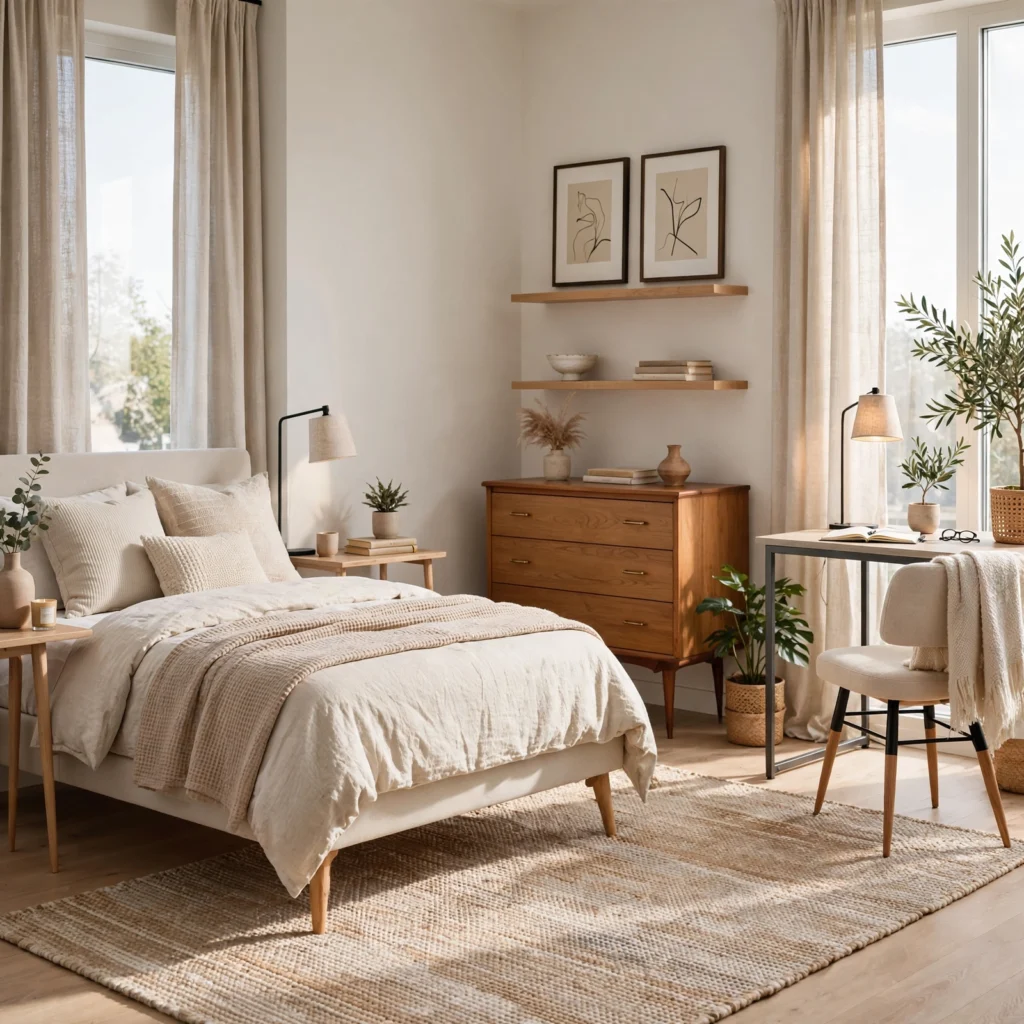
Furniture with exposed legs, rather than upholstered pieces that sit flush to the floor, keeps sightlines open beneath the furniture, letting more of the actual floor remain visible even when the room is fully furnished. This works particularly well for a sofa, bed frame, or armchair in a small room, since visible floor space reads as more open than a solid, grounded silhouette. Choosing slim, tapered legs over bulky turned wood legs further reinforces this lighter visual effect.
3. Small Room Decor Scaled-Down Art
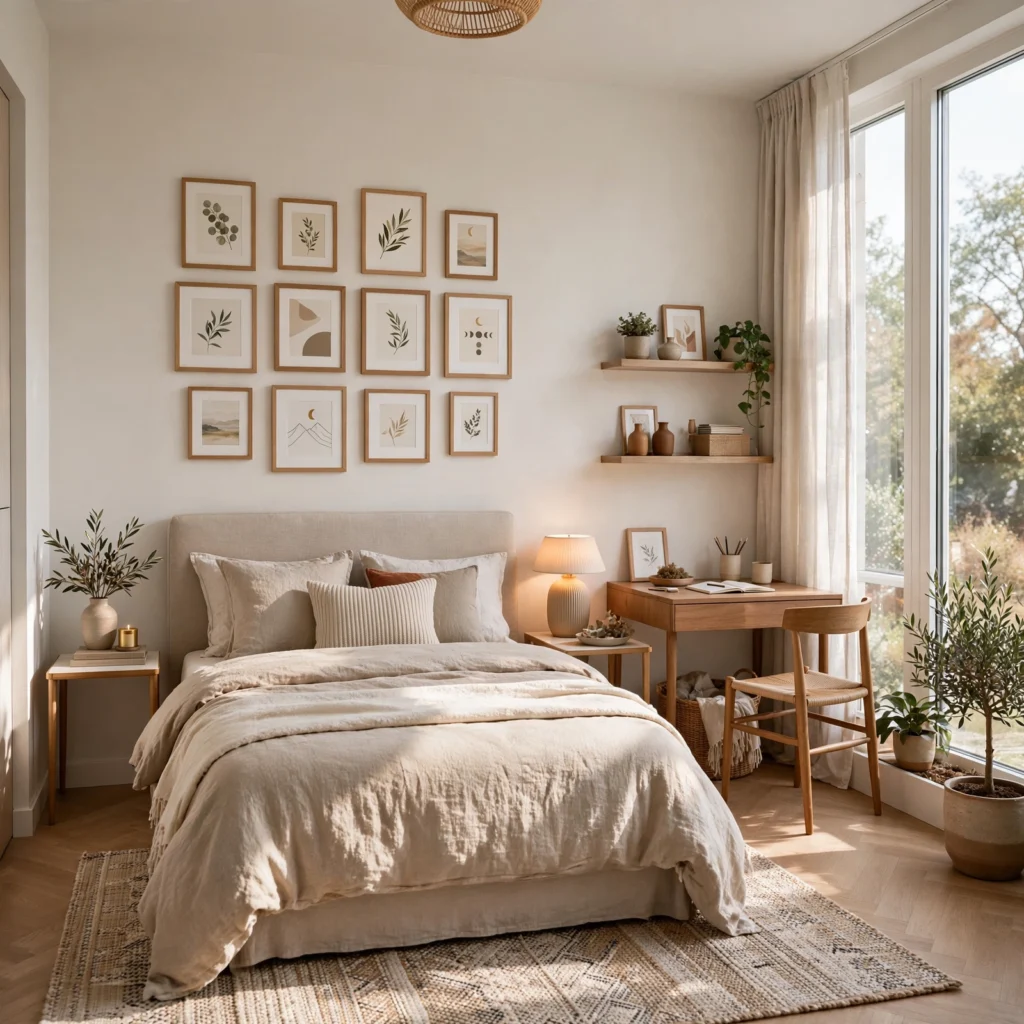
Scaled-down art uses smaller framed pieces sized proportionally to a small room’s actual wall space, rather than the oversized statement art often recommended for larger rooms. This approach to small room decor keeps individual pieces from overwhelming a compact wall, while grouping two or three smaller pieces together can still create visual interest without requiring more square footage than the wall has to offer. Choosing thin frame profiles, rather than chunky, heavy molding, keeps the overall grouping feeling light.
| Wall Size | Recommended Art Size | Grouping Style |
| Under 4 feet wide | 8×10 to 11×14 inches | Single piece or pair |
| 4–6 feet wide | 11×14 to 16×20 inches | Grouped trio |
| 6+ feet wide | 16×20 and larger | Gallery grouping |
4. Under-Furniture Concealed Storage
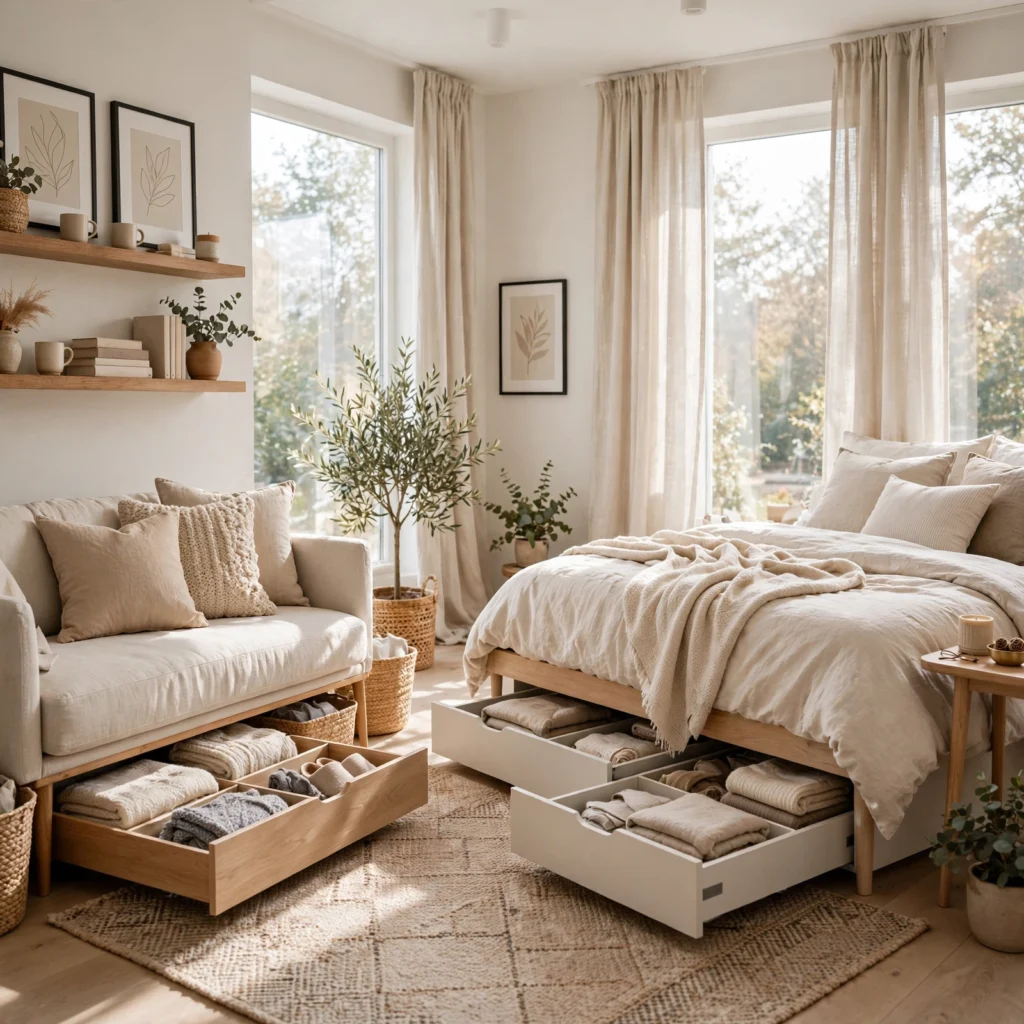
Under-furniture concealed storage uses ottomans, storage benches, or bed frames with built-in drawers to hide everyday items without requiring a separate dresser or cabinet in a room that can’t spare the floor space. This keeps visible surfaces clearer, which matters more in a small room where clutter reads as more overwhelming relative to the limited space available. Choosing pieces where the storage function isn’t visually obvious, like a bench that simply looks like seating, keeps the room’s overall look from feeling purely utilitarian.
In order to see more options for christmas decor ideas diy CLICK HERE
5. Vertical Striping Through Curtains
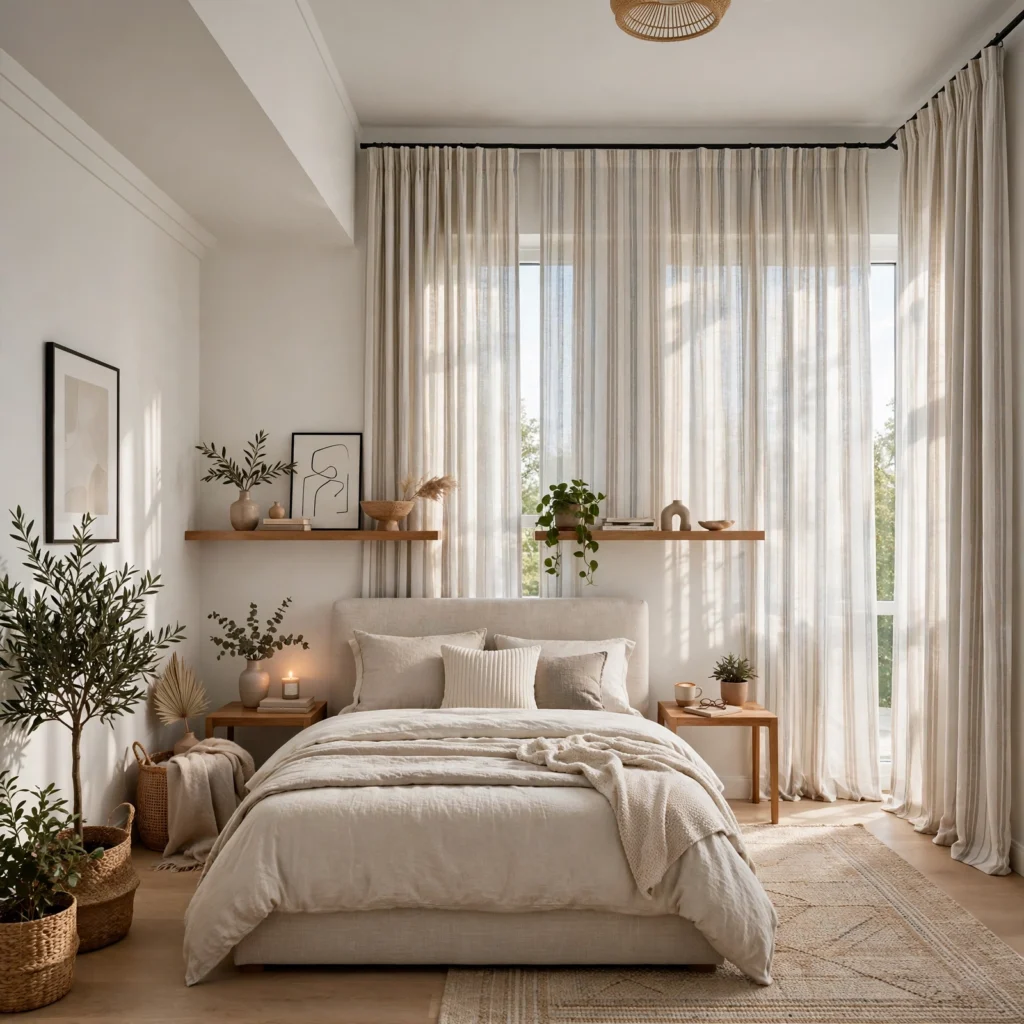
Vertical striping through floor-to-ceiling curtains, mounted above the actual window frame and extending to the floor, draws the eye upward and makes a small room’s ceiling height feel taller than it actually is. Choosing a curtain color close to the wall color, rather than a strongly contrasting pattern, keeps the vertical line feeling like a continuation of the wall rather than a visual break. This technique works in any small room with at least one window, regardless of the room’s specific function.
6. Single Large Mirror Placement
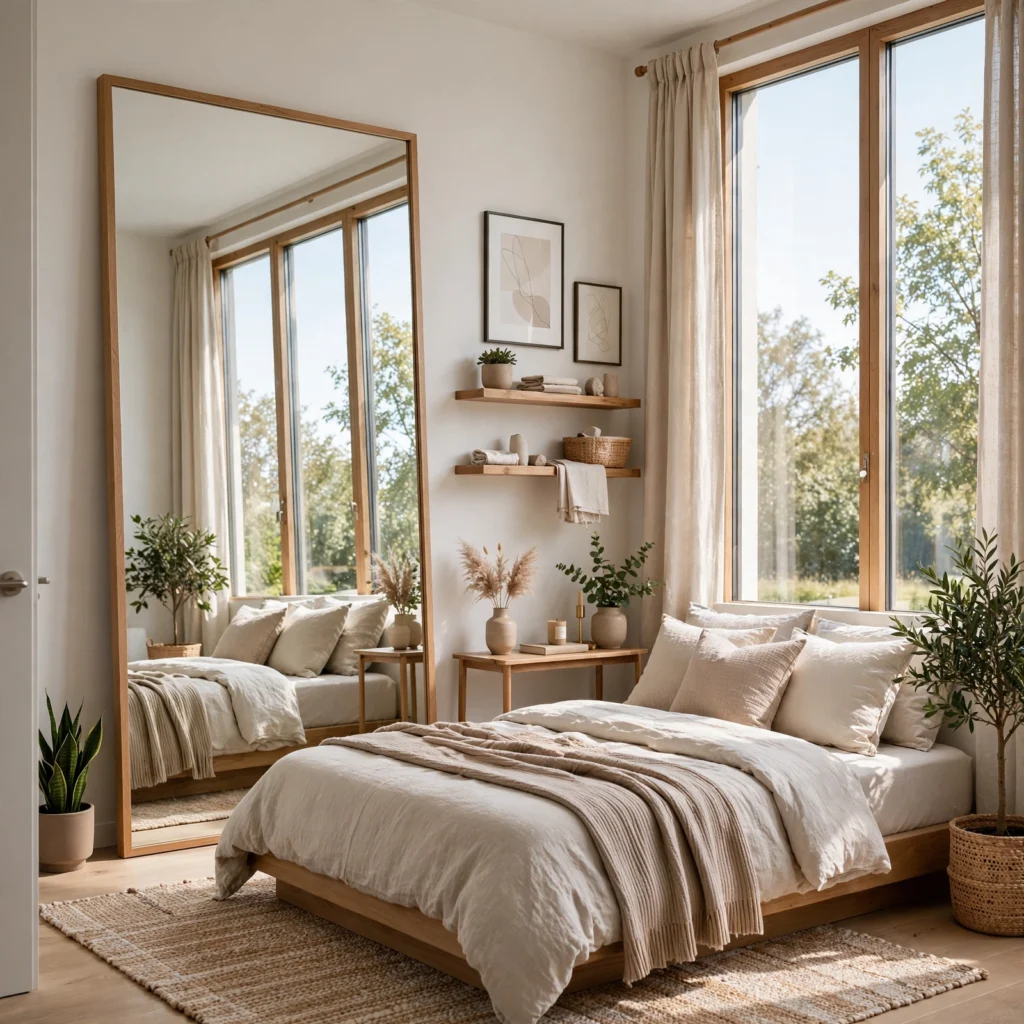
A single large mirror, rather than several smaller ones, placed opposite a window or a main light source reflects the most usable light back into a small room and creates one clean, uninterrupted visual expansion rather than a fragmented effect. Choosing a frameless or thin-framed mirror keeps the reflective surface as the focal point rather than a bulky frame competing for attention. This technique works in bedrooms, home offices, or any small room with a defined light source to reflect.
7. Layered Textiles in a Single Tone
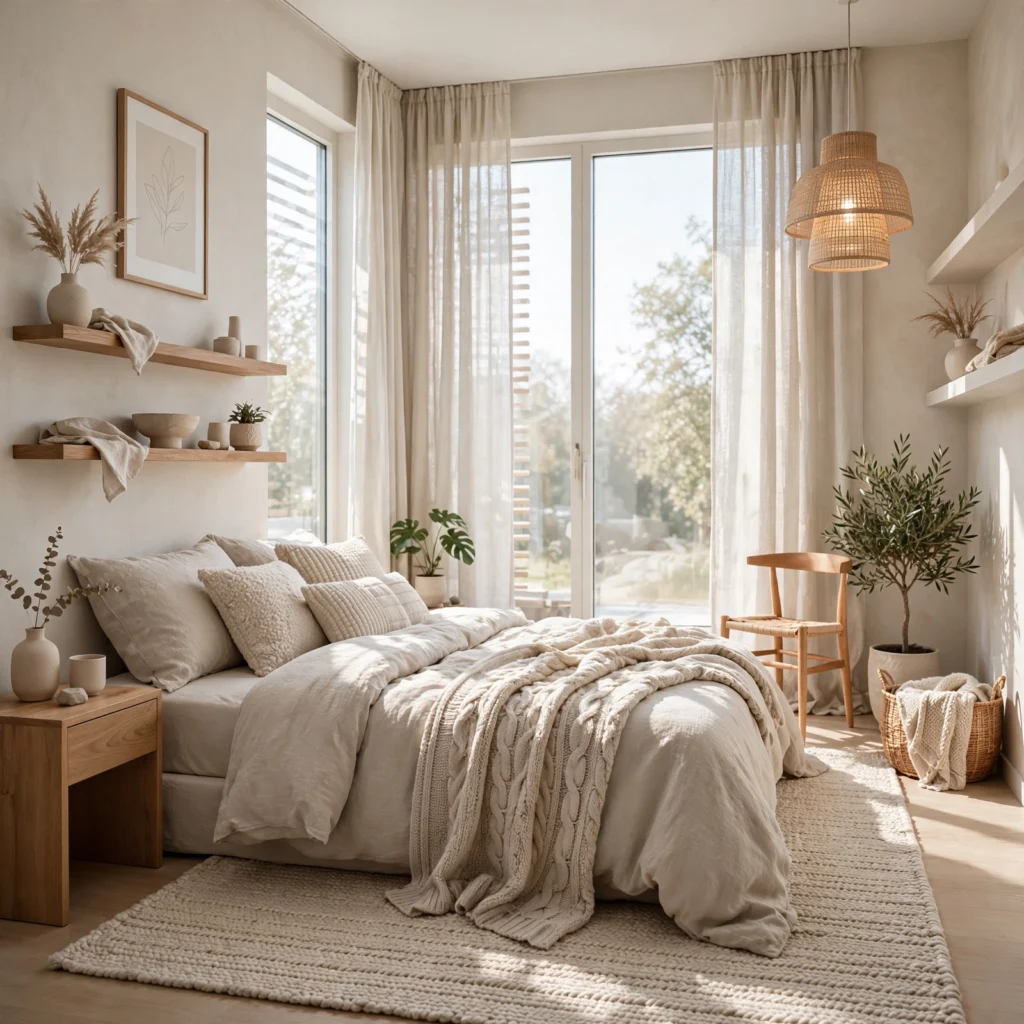
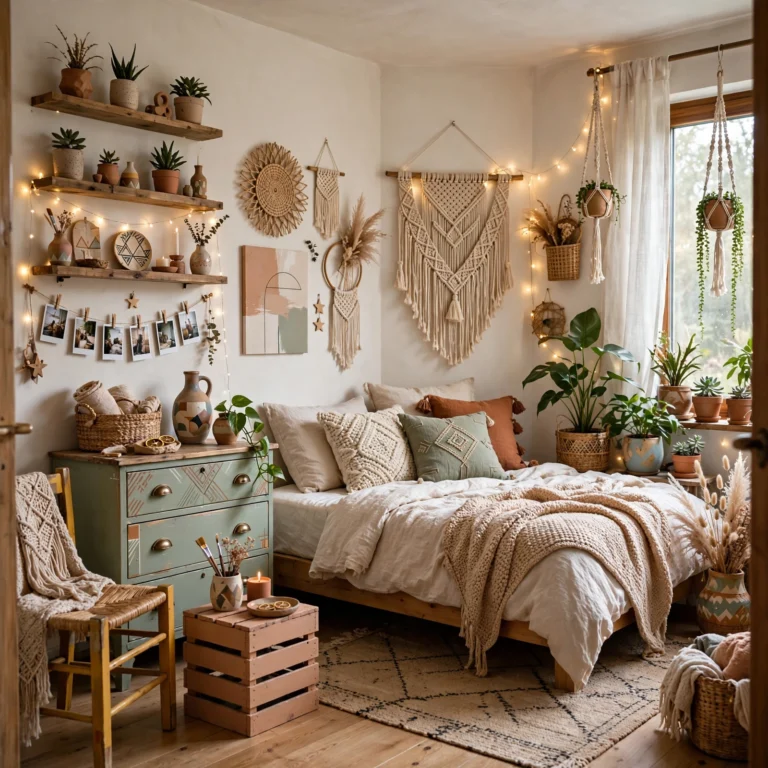
Layered textiles in a single tone, through bedding, a throw, and a rug all in varying shades of the same color, add texture and depth without introducing the visual breaks multiple competing colors would create in a small room. This monochromatic layering technique reads as more cohesive and calming than a room with several distinct colors fighting for attention. Choosing different textures, like a knit throw against smooth linen bedding, keeps the single-tone approach from feeling flat despite its limited color range.
8. Recessed or Flush Wall Storage
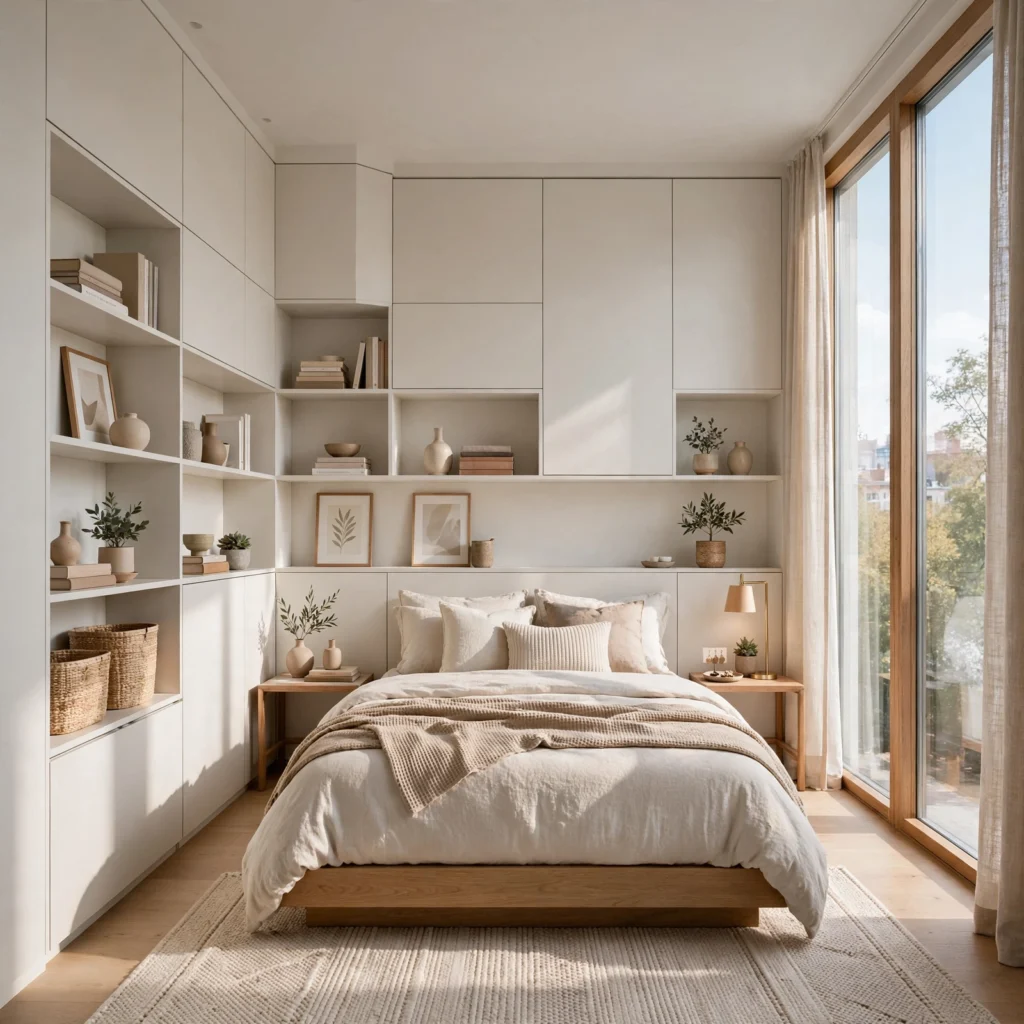
Recessed or flush wall storage builds shelving or cabinetry into the depth of the wall itself, rather than adding furniture that protrudes into the room’s already limited floor space. This works particularly well in a room with a closet or an adjacent wall cavity that can accommodate the recessed depth, common in older homes with thicker interior walls. Choosing this built-in approach over freestanding storage furniture reclaims floor space a small room genuinely can’t spare.
9. Consistent Flooring Throughout
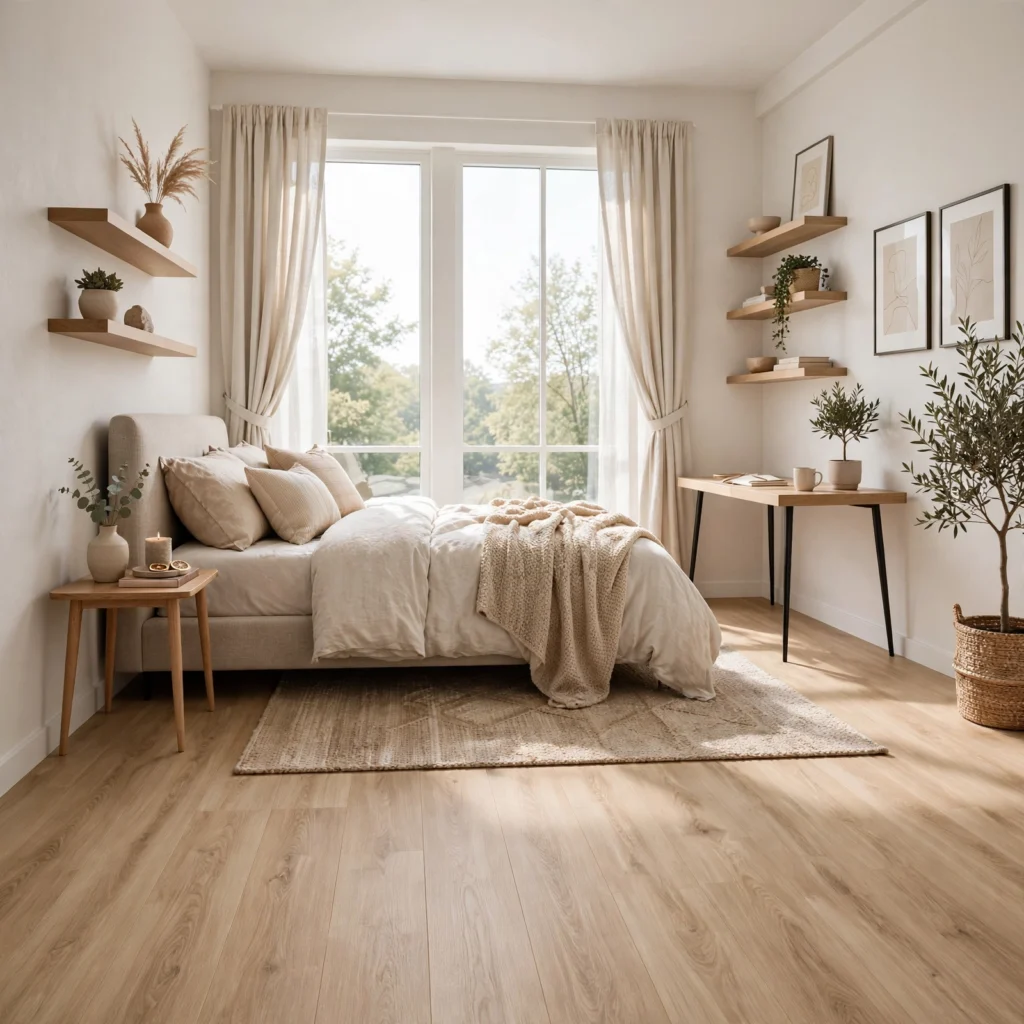
Consistent flooring throughout, extending the same material from a small room into an adjacent hallway or connected space, removes the visual boundary a change in flooring material would otherwise create at the doorway. This technique makes the small room feel like a continuation of the larger home rather than a clearly separated, contained box. Where flooring can’t be physically changed, choosing a rug in a similar tone to the adjacent room’s flooring achieves a softer version of the same effect.
10. Slim-Profile Furniture Silhouettes
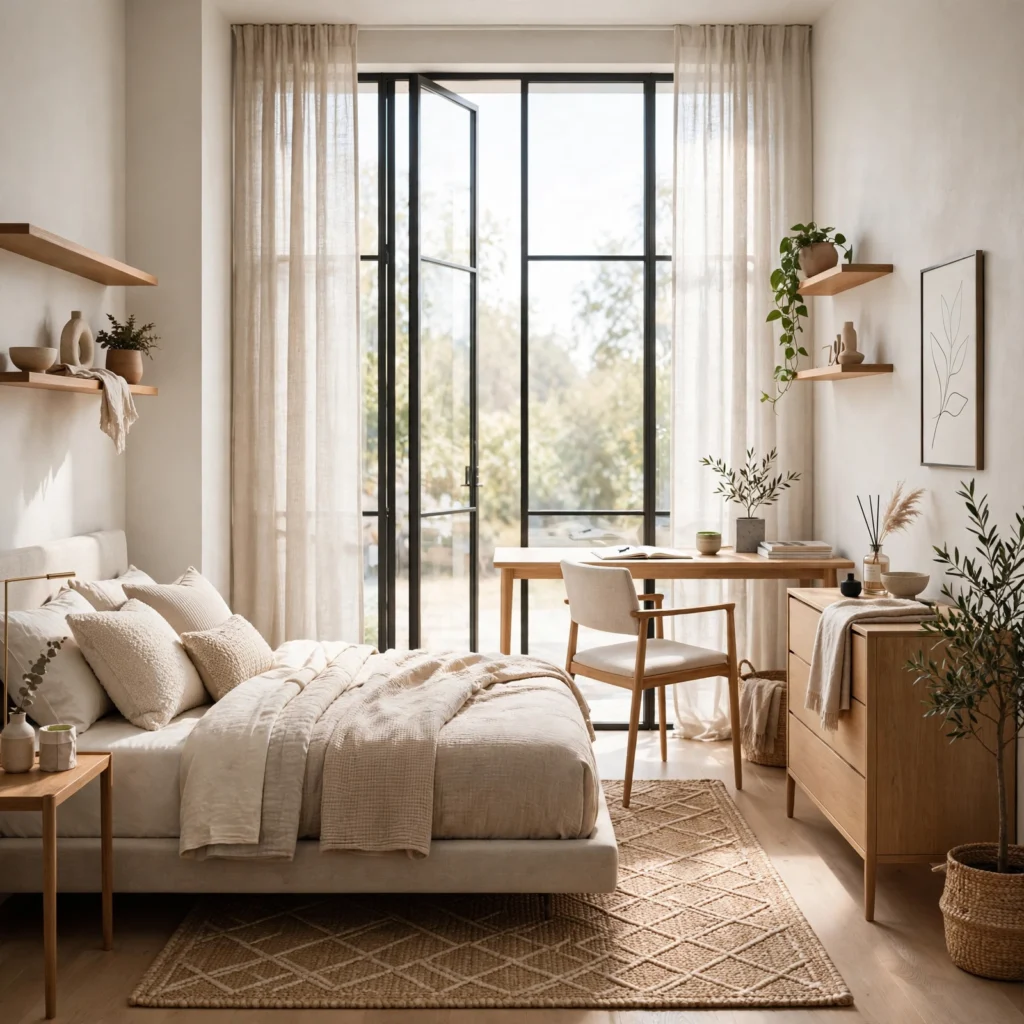
Slim-profile furniture silhouettes, choosing chairs, tables, and storage pieces with a narrower depth than standard furniture, free up meaningful floor space in a small room without necessarily sacrificing the piece’s actual function. A slim console table or a narrow-depth accent chair both provide real use while taking up noticeably less physical space than their standard-size counterparts. Measuring the room’s actual clearance before choosing furniture depth, rather than assuming standard sizing will fit, prevents an oversized piece from overwhelming the space.
| Furniture Type | Standard Depth | Slim Profile Depth |
| Accent chair | 32–36 inches | 26–30 inches |
| Console table | 16–18 inches | 10–12 inches |
| Bookshelf | 12–14 inches | 8–10 inches |
11. Concealed Cord and Cable Management
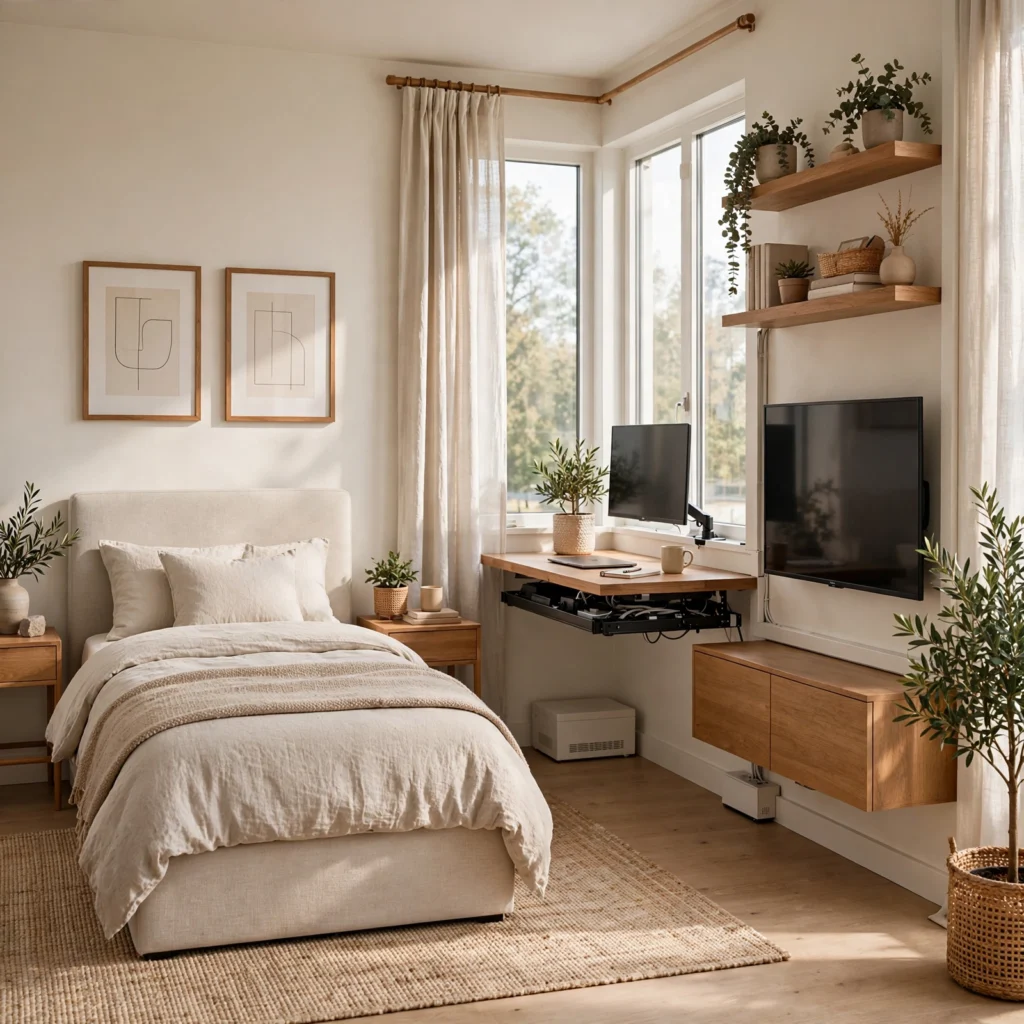
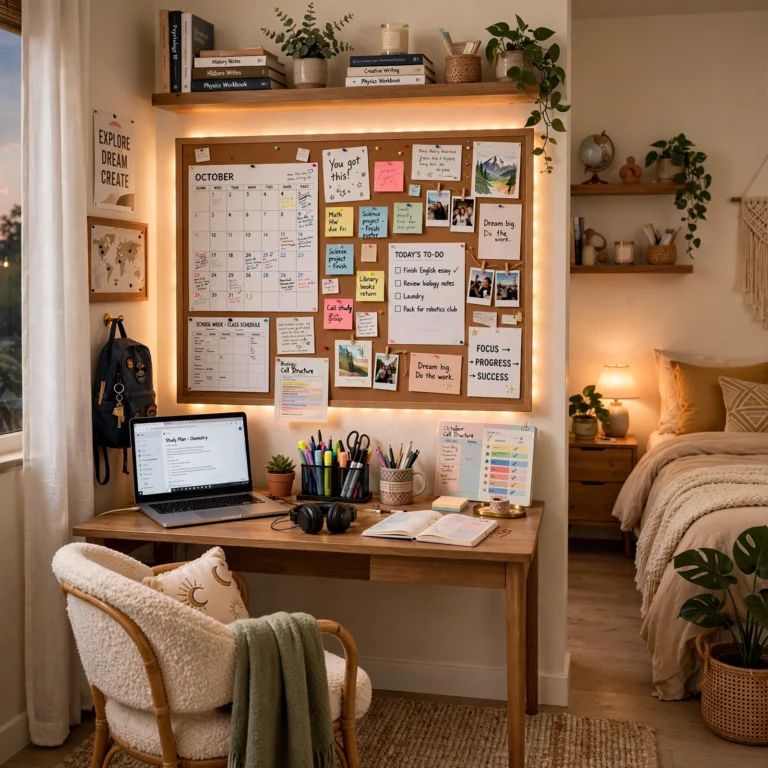
Concealed cord and cable management routes visible cords behind furniture or through a cable sleeve, removing a small but persistent source of visual clutter that becomes more noticeable in a tight room with less space to distract the eye elsewhere. Choosing a cord cover that matches the wall color keeps any remaining visible cable runs from standing out. This detail matters more in a small home office or bedroom with several electronics than in a room with minimal electrical equipment.
12. Light-Diffusing Window Treatment
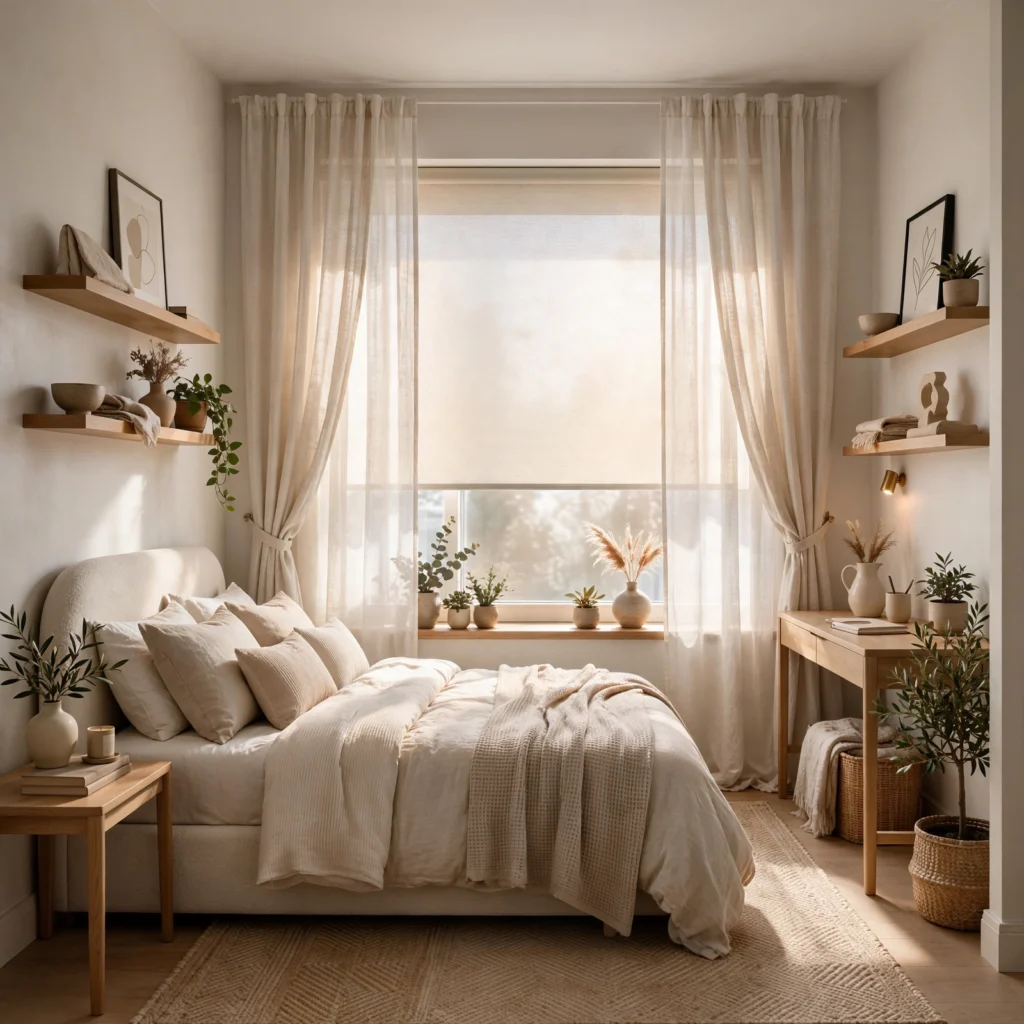
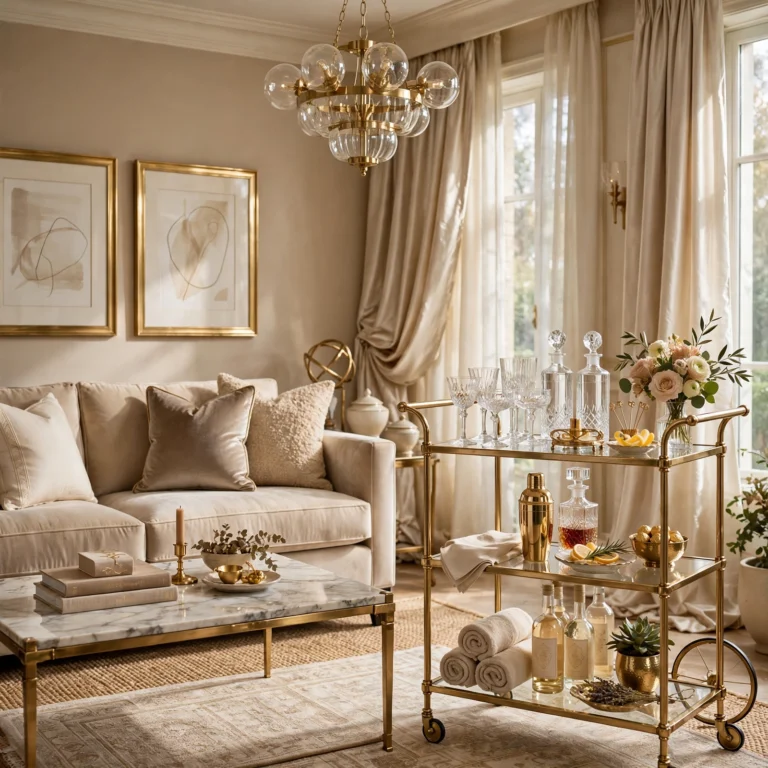
A light-diffusing window treatment, like a sheer linen curtain or a light-filtering roller shade, maximizes the amount of natural light reaching a small room while still providing some privacy, unlike heavier blackout curtains that block light even when open. This works particularly well in a small room with limited natural light sources to begin with, since every bit of available daylight matters more in a compact space. Choosing a treatment in a color close to the wall keeps the window from becoming a visual break in the room’s continuity.
13. Grounded Rug Sizing
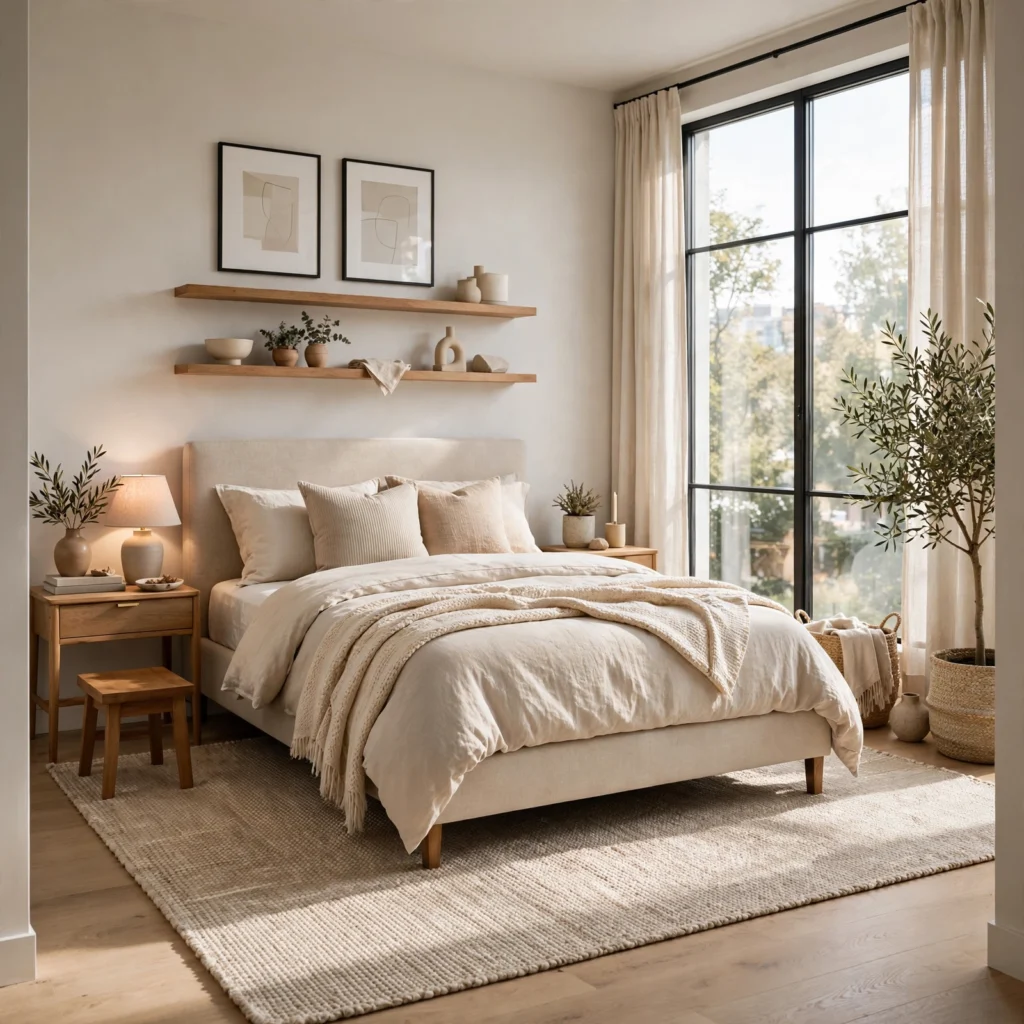
Grounded rug sizing chooses a rug large enough that all furniture legs, or at least the front legs of major pieces, stay on the rug rather than floating on bare floor beyond its edges. An undersized rug, floating in the middle of the room with furniture pushed beyond its borders, actually makes a small room feel more disjointed and smaller than skipping a rug altogether. Measuring the room and furniture layout before purchasing ensures the rug size matches the actual furniture arrangement rather than guessing based on the room’s total square footage.
14. Negative Space as a Design Choice
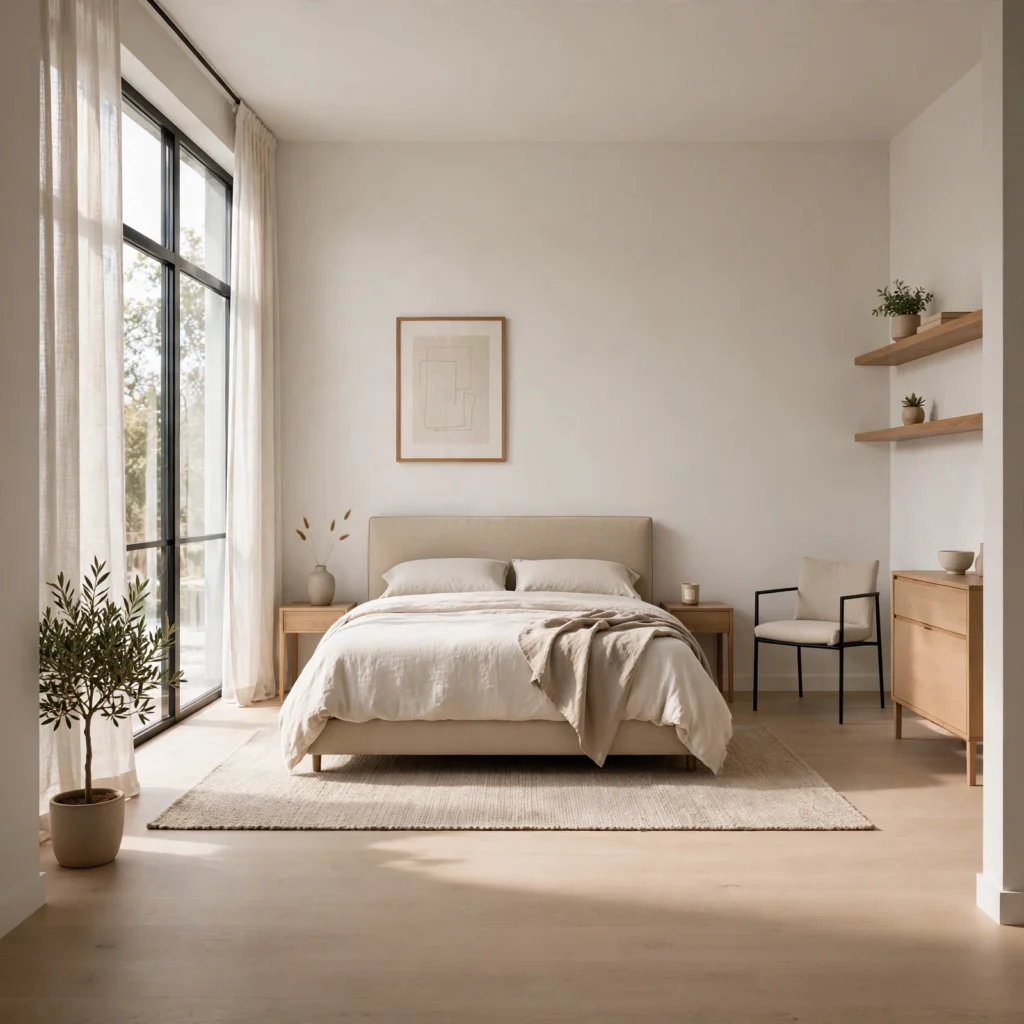
Negative space as a deliberate design choice leaves certain walls, shelves, or corners of a small room intentionally bare, rather than filling every available surface with decor or storage. This restraint gives the eye a place to rest, which paradoxically makes a small room feel less crowded than one where every inch is visually occupied. Choosing one or two focal areas to decorate fully, while leaving the rest of the room simpler, produces a more calming and spacious feeling than distributing decor evenly across every surface.
Shop the Look
For this palette, look for a slim-profile accent chair with exposed tapered legs, a large frameless mirror sized to reflect the room’s main window, a set of scaled-down framed art in thin profiles, a properly sized area rug that extends beneath furniture front legs, and sheer linen curtains mounted floor to ceiling. These pieces work together across several of the techniques above without requiring any structural changes to the room.
Common Mistake to Avoid
The most common mistake is filling every visible surface and wall with decor in an effort to make a small room feel personal and finished, which often has the opposite effect and makes the space read as cluttered and even smaller than it actually is. A room with art on every wall, several textiles in competing colors, and furniture without any visible floor space beneath it all compete for attention rather than working together. Choosing restraint, through techniques like negative space and a limited color palette, produces a calmer and more genuinely spacious-feeling result.
FAQs
What small room decor techniques make the biggest visual difference?
Continuous wall and trim color, a single large mirror placed opposite the main light source, and furniture with exposed legs tend to make the biggest visual difference, since all three techniques work by removing visual breaks and keeping sightlines open throughout the room. Grounded rug sizing is a close fourth, since an undersized rug is one of the most common ways a small room ends up looking more disjointed than it needs to. These four techniques together address most of what makes a small room feel cramped in the first place.
Does a small room decor refresh need to cost a lot?
A small room decor refresh doesn’t need to cost much, since techniques like continuous wall color, negative space as a design choice, and layered textiles in a single tone rely more on paint and existing items than new purchases. Larger investments, like slim-profile furniture or a properly sized area rug, cost more but aren’t required to see a real improvement in how open the room feels. Many of the most effective techniques on this list are more about restraint and planning than about spending money.
How does furniture leg style affect how big a room feels?
Furniture with exposed, visible legs allows more of the actual floor to remain visible even when a room is fully furnished, which reads as more open than furniture that sits flush to the ground and visually blocks that floor space from view. This effect matters more in a small room, where every visible inch of floor contributes proportionally more to the room’s overall sense of openness than it would in a larger space. Choosing slim, tapered legs over bulky ones further reinforces this lighter, more open visual effect.
Should I skip a rug in a very small room?
Skipping a rug entirely in a very small room is sometimes better than choosing one sized too small for the furniture arrangement, since an undersized rug floating beneath just a coffee table, with furniture legs extending beyond its edges, tends to make the room look more fragmented than no rug at all. If floor space allows for a properly sized rug that extends beneath at least the front legs of major furniture pieces, that grounded sizing generally does add warmth and definition. The key factor is correct sizing relative to the furniture, not simply whether to include a rug.
How much wall space should stay empty in a small room?
Most small room styling benefits from leaving roughly a third of the wall space intentionally bare or lightly decorated, reserving the remainder for a few well-chosen focal points like a single large mirror or a small grouping of scaled-down art. Filling every available wall with decor tends to make a small room feel busier and more visually crowded than its actual square footage requires. This restraint, sometimes called negative space, gives the eye places to rest throughout the room rather than constant visual stimulation.
Conclusion
These small room decor techniques cover everything from a simple paint continuity trick to larger furniture and rug sizing decisions, giving you a full framework regardless of your room’s specific function or square footage. Start with wall color continuity and furniture leg style, since those two techniques require the least investment while making a noticeable difference, then layer in mirror placement and rug sizing as the room comes together. Save this guide to Pinterest for later, and check out our related post on small room decor ideas for more furniture-specific guidance.