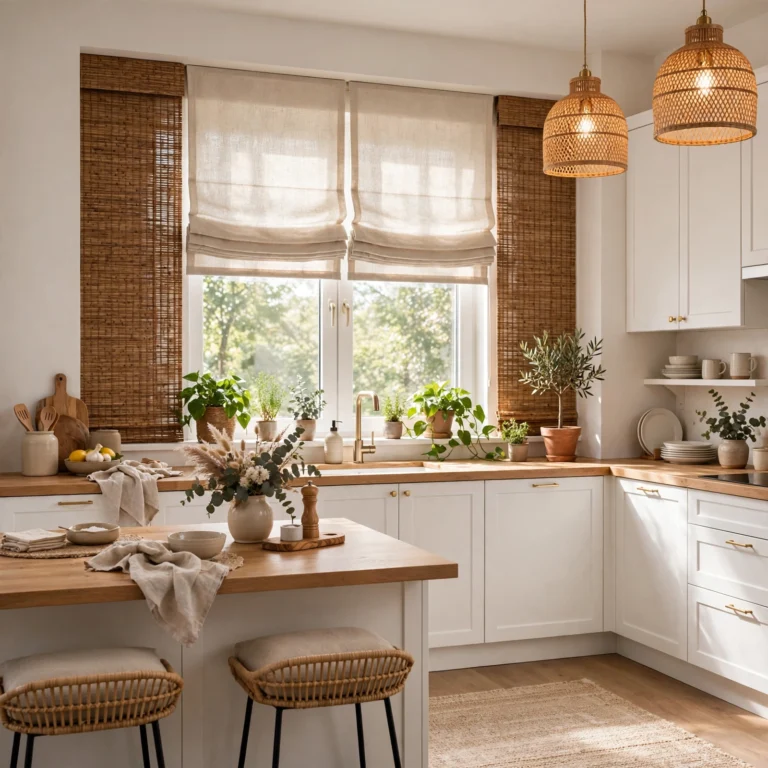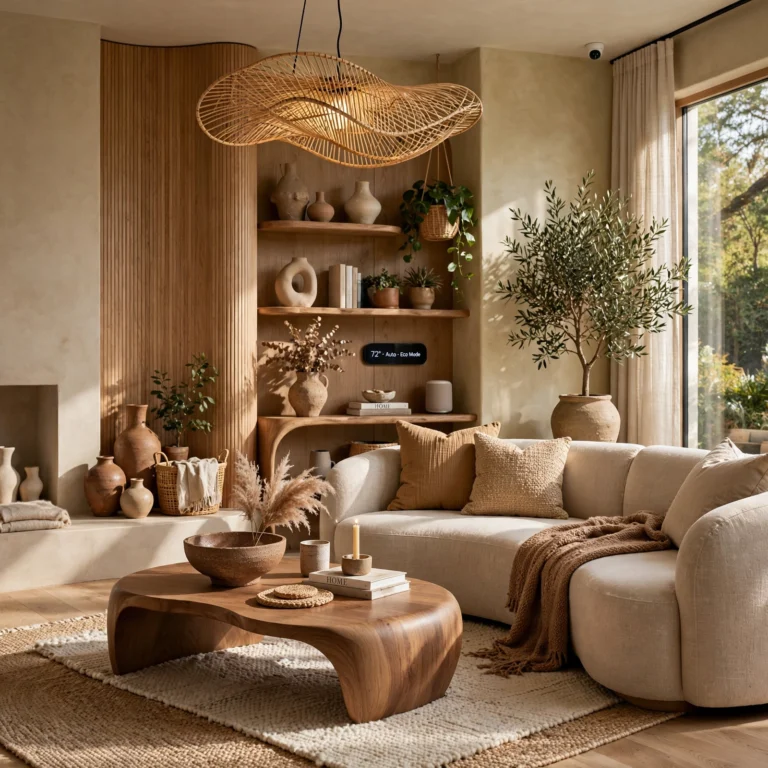
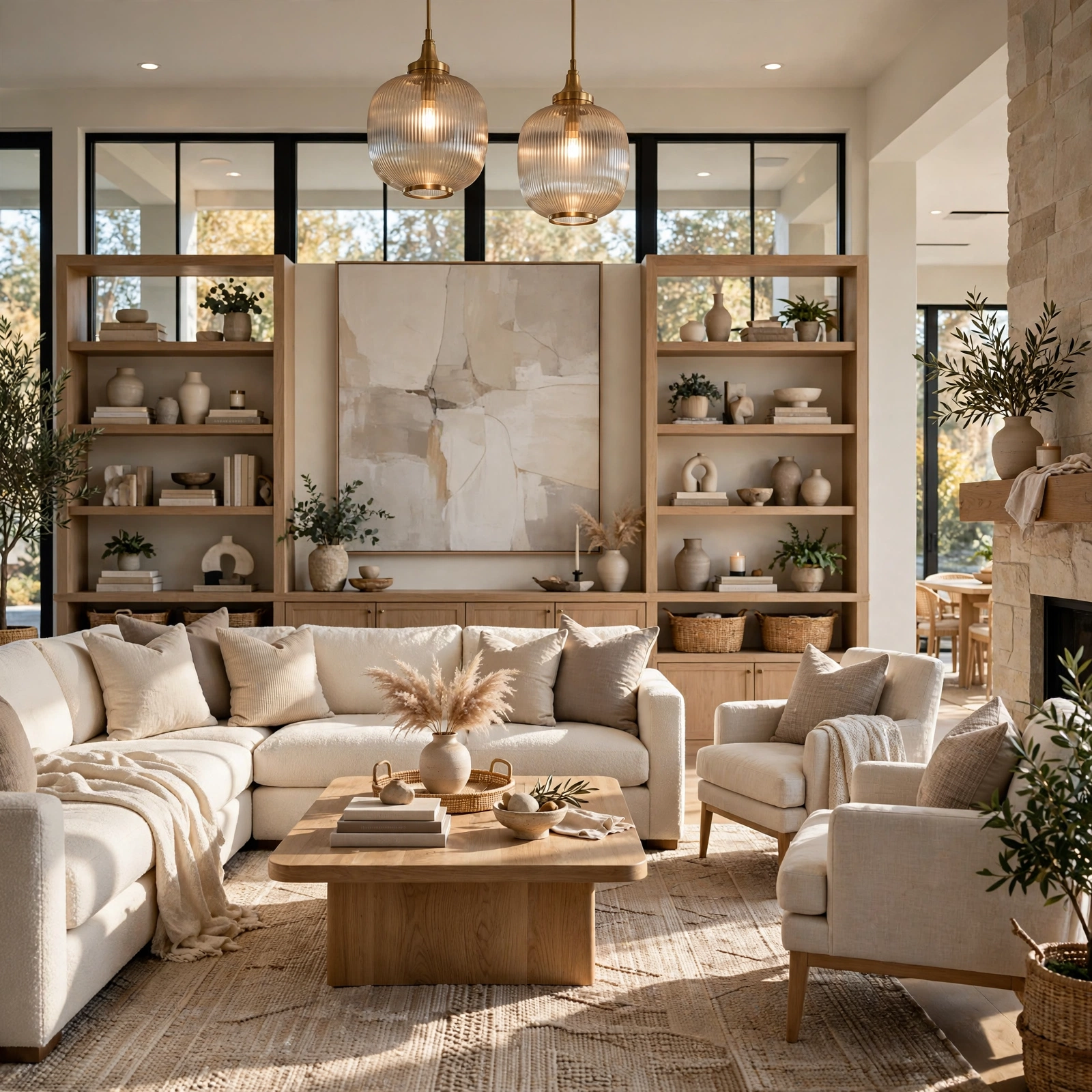
15 Trendy Home Interior Design Living Room Ideas That Work Together
Home interior design living room planning benefits from the same foundational principles that apply throughout a home, but with specific considerations unique to this particular room’s role as a space for both everyday relaxation and hosting guests. This list walks through the furniture, lighting, and styling choices that shape a living room specifically, from anchoring the space with a properly sized coffee table to layering window treatments for both privacy and light control.
Trend & Background
Living room design has increasingly prioritized flexibility, favoring modular and sectional seating that can adapt to different hosting scenarios over a fixed, formal furniture arrangement that only works well for one specific use case. This reflects how living rooms function today, often serving as a home’s primary gathering space for everything from quiet evenings to larger get togethers, rather than a more formal, occasional use room as it may have functioned in previous decades. At the same time, layered lighting and a mix of curated textiles have become standard expectations for a well designed living room, moving beyond a single overhead fixture and a matched furniture set toward a more considered, multi source approach throughout the space.
Key Takeaways
- Home interior design living room choices work best built around one clear focal point, whether that’s a fireplace, a media wall, or a piece of statement art.
- Layering seating, lighting, and textiles gives a living room the flexibility to function well for both everyday use and hosting guests.
- A properly sized area rug and coffee table do more to anchor a living room’s furniture arrangement than most people initially expect.
- Living plants and a curated pillow or throw mix are some of the lowest cost ways to keep a living room feeling current and personal over time.
Home Interior Design Living Room Ideas Worth Trying
Whether you’re furnishing a living room from scratch or refreshing one that’s never quite felt finished, these ideas should help you build a space that functions as well as it looks.
1. Sectional Sofa for Flexible Seating Living Room Ideas
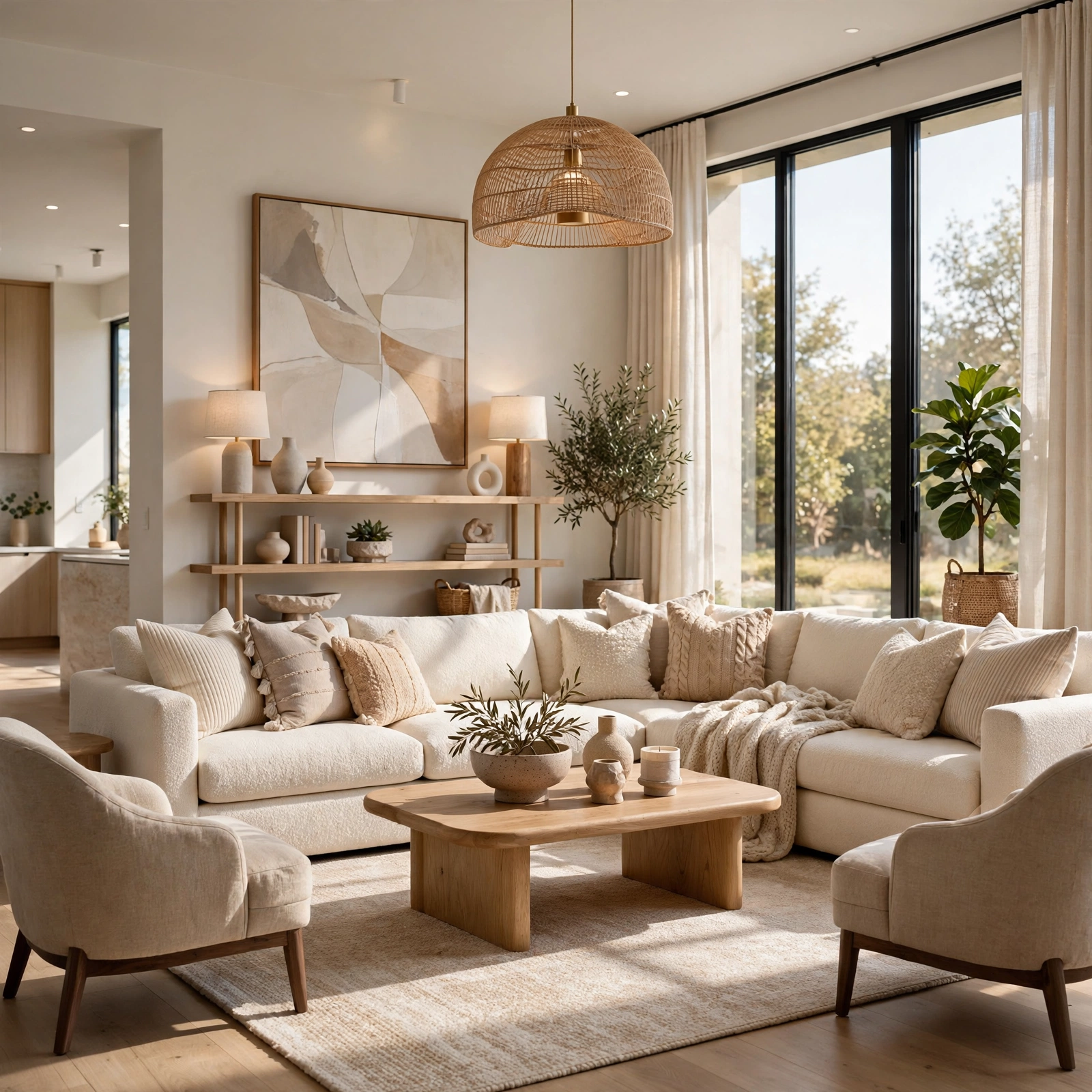
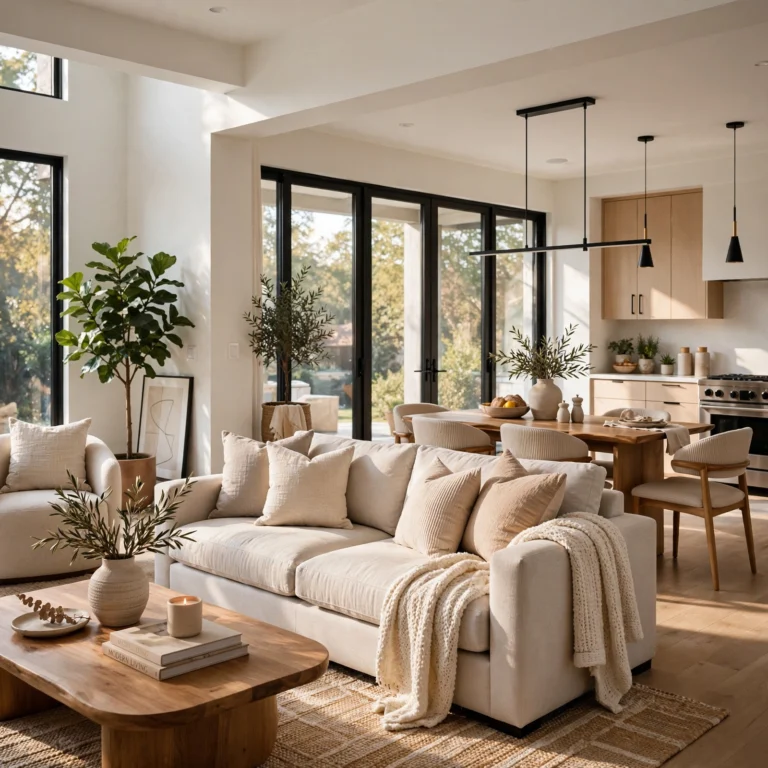
A sectional sofa for flexible seating provides generous seating capacity within a footprint that can be configured to fit a specific room’s layout, whether that’s an L shape tucked into a corner or a straight configuration along one wall. This furniture choice works particularly well for a living room that regularly hosts groups, since a section typically seats more people comfortably than an equivalent combination of a sofa and separate chairs. Choosing a sectional with a chaise or ottoman component adds a lounging option beyond standard upright seating.
| Living Room Element | Primary Function | Common Placement |
| Sectional Sofa | Flexible group seating | Anchoring the main zone |
| Coffee Table | Central surface | Center of seating arrangement |
| Area Rug | Grounds furniture | Beneath front legs of seating |
2. Coffee Table as Central Anchor Living Room Ideas
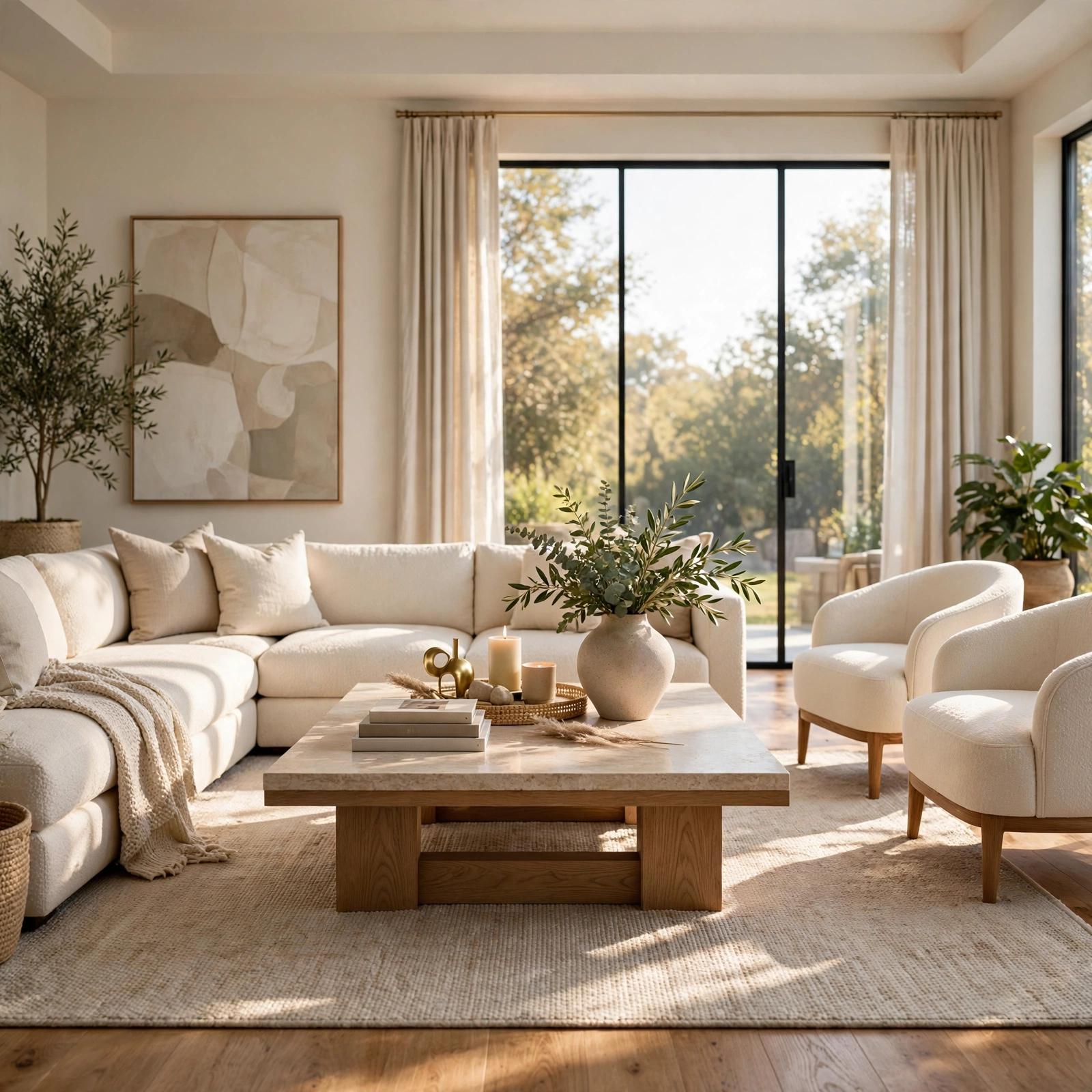
A coffee table as the central anchor sits at the heart of the living room’s main seating arrangement, providing a functional surface for drinks, books, or a decorative tray while also visually grounding the furniture grouped around it. Sizing the table appropriately, generally about two thirds the length of the sofa it’s paired with, keeps the proportions feeling balanced rather than either overwhelming or lost within the surrounding furniture. Choosing a table height roughly level with or slightly lower than the seating cushions keeps the piece genuinely functional for everyday use.
3. Layered Area Rug Zones Living Room Ideas
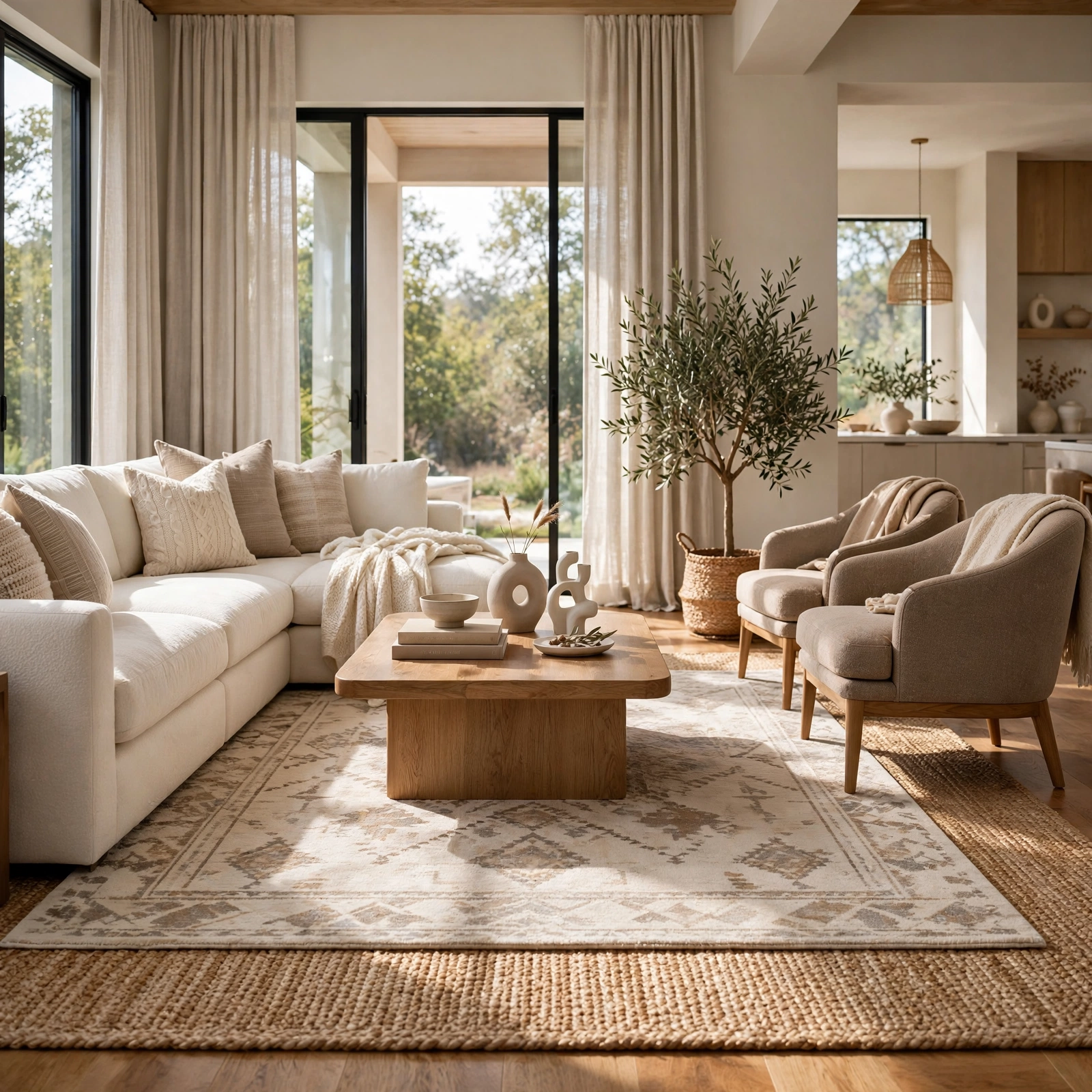
Layered area rug zones use a rug, or occasionally two layered rugs, to define the living room’s main seating area, extending at least partially beneath the front legs of the sofa and chairs rather than floating disconnected in the room’s center. This detail visually unifies the furniture grouping and adds warmth and sound absorption that hard flooring alone doesn’t provide. Sizing the rug generously, rather than settling for an undersized option that only reaches the coffee table, produces a more cohesive, grounded result throughout the seating area.
See More About Home Interior Design.
4. Media Console Styling Living Room Ideas
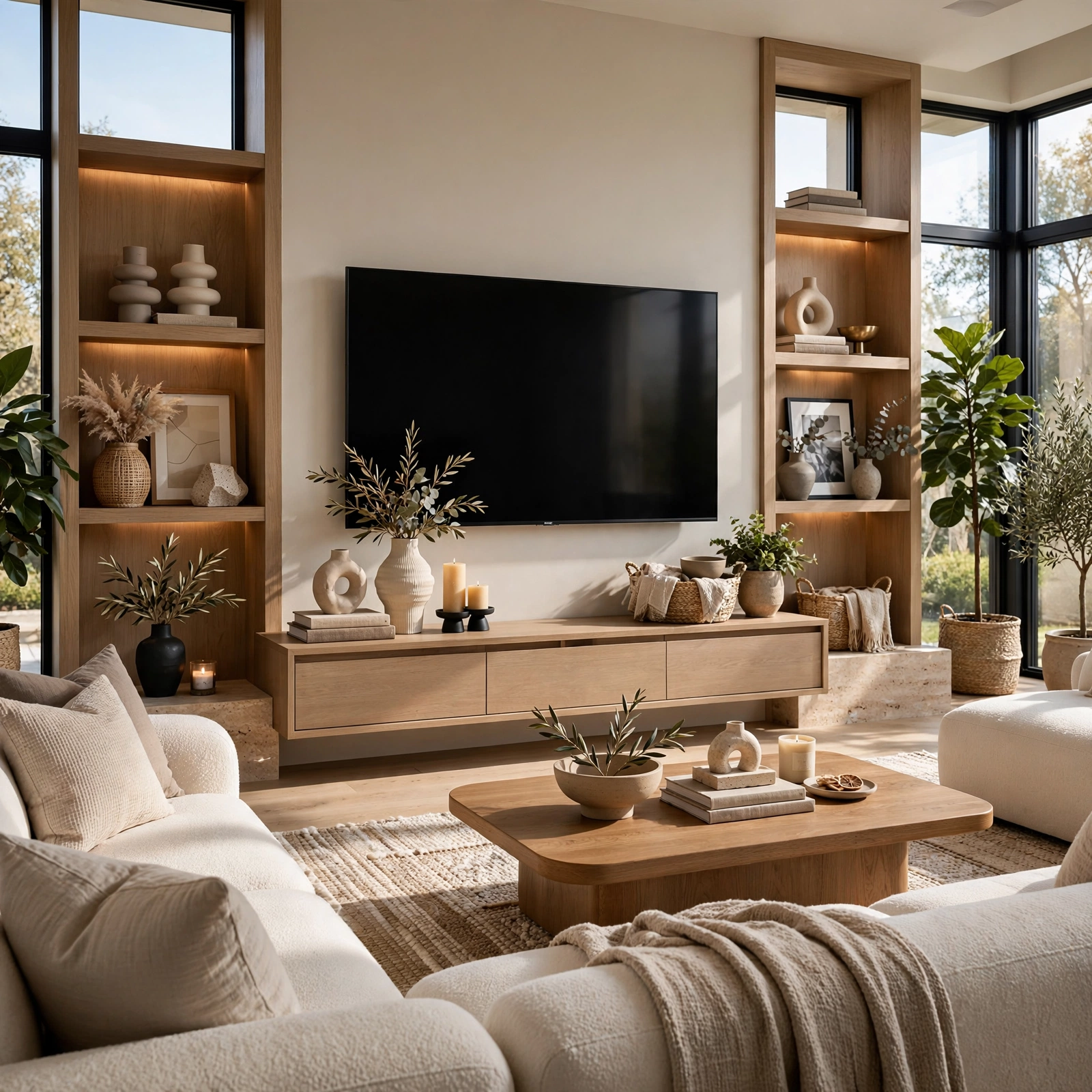
Media console styling arranges a television, media components, and decorative objects together on a console or credenza, balancing the necessary technology with a genuinely styled surface rather than letting cables and equipment dominate the visual presentation. Concealing cords through a cable management system or a console with built in routing keeps this practical necessity from undermining the room’s overall polish. Adding a few books, a small plant, or a decorative object alongside the media equipment prevents the console from reading as purely technical and function driven.
5. Accent Chair Pairing Living Room Ideas
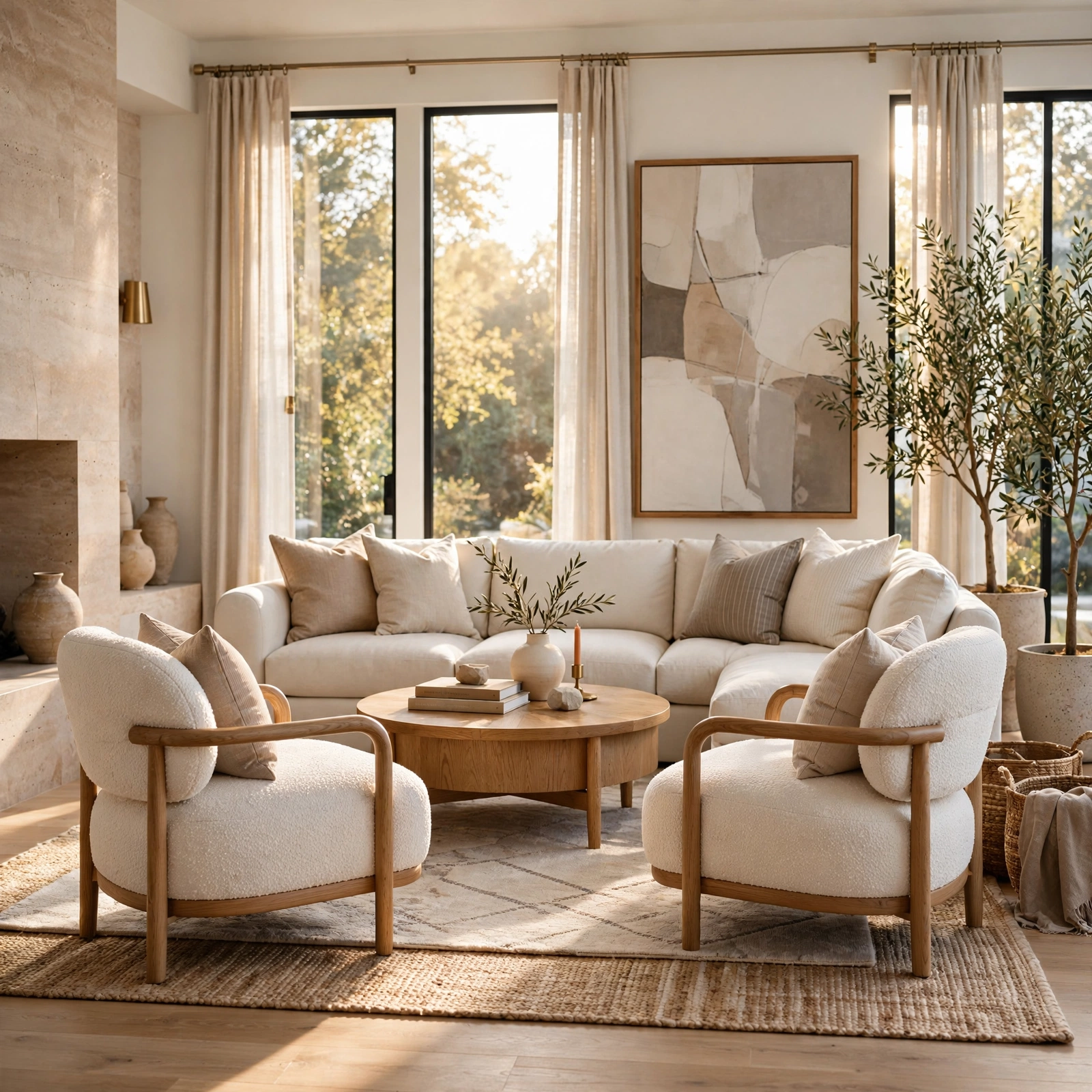
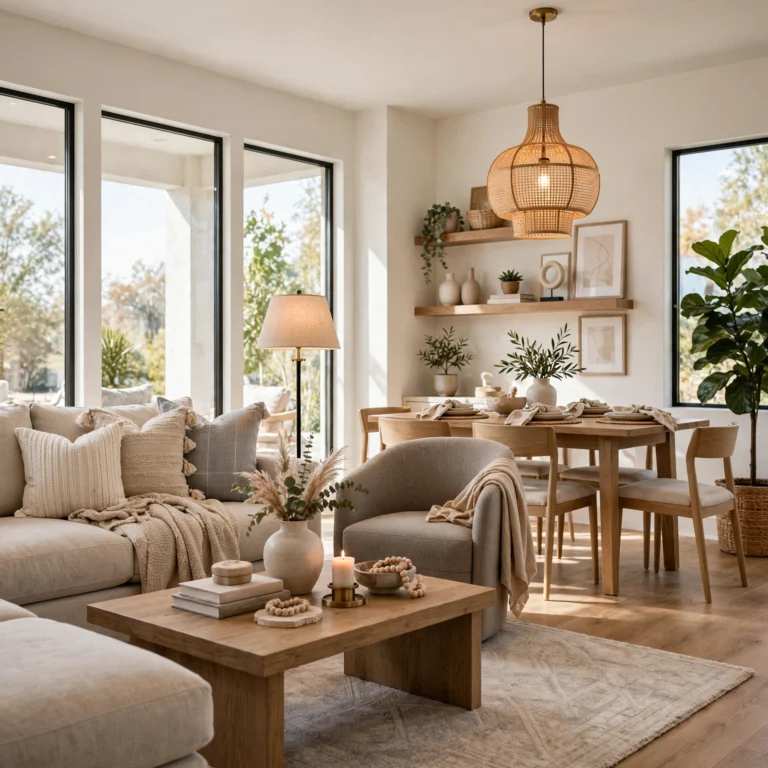
Accent chair pairing adds one or two chairs in a material or color distinct from the main sofa, providing both additional seating and a bit of visual contrast within the room’s overall furniture arrangement. Choosing chairs that share some connecting element with the sofa, such as a complementary color or a similar leg style, keeps the pairing feeling intentional rather than randomly assembled. This detail works particularly well angled toward the sofa rather than positioned to face away from the room’s main seating area, supporting the conversational flow a living room typically needs to function well.
6. Gallery Wall Above Sofa Living Room Ideas
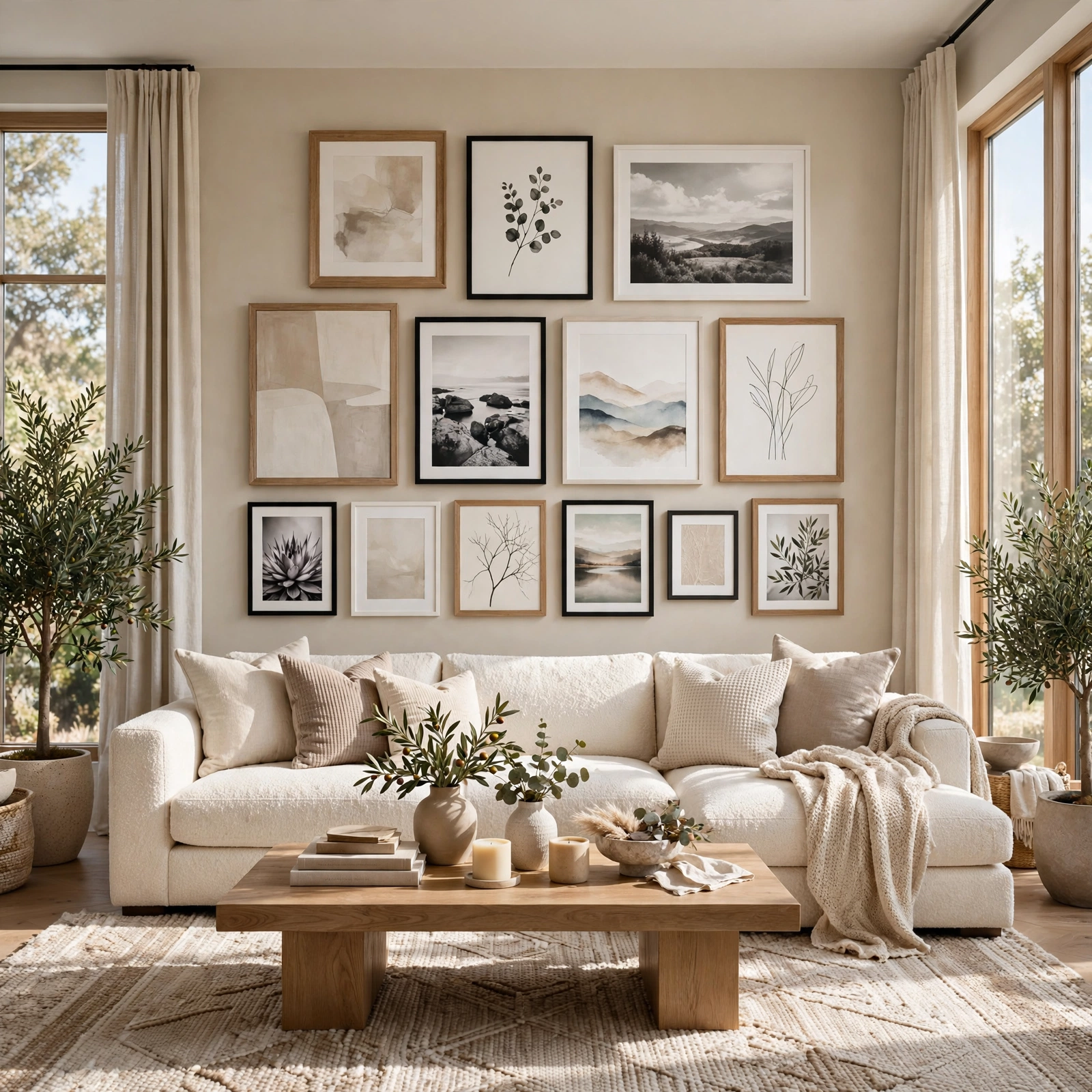
A gallery wall above the sofa fills what’s typically the largest and most visually prominent blank wall in the living room, whether through a curated collection of framed art, family photos, or a mix of both. Sizing the overall gallery arrangement to roughly two thirds the width of the sofa beneath it produces balanced, intentional looking proportions. This detail carries considerable visual weight in the room, given how directly it sits in view from most seating positions and from the room’s main entry point.
7. Statement Floor Lamp Living Room Ideas
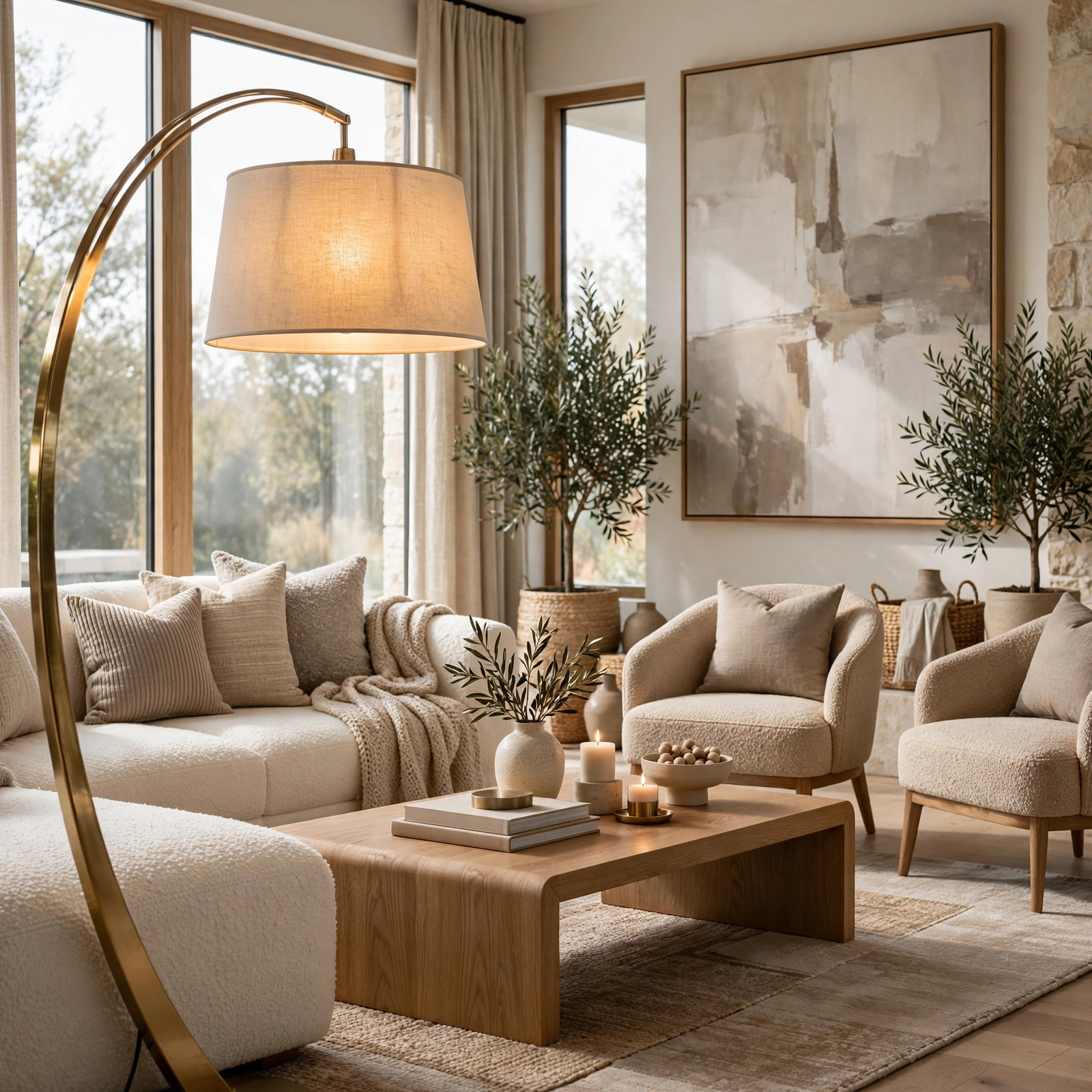
A statement floor lamp adds both function and a decorative silhouette to a living room corner or reading nook that might otherwise remain underutilized, supplementing the room’s overall lighting plan beyond a single central overhead fixture. Choosing a lamp with an interesting base material or shape, rather than a purely utilitarian design, allows this functional piece to also serve as a genuine decorative element within the room. Positioning the lamp near a chair intended for reading ensures it provides genuinely useful task lighting in addition to its visual contribution.
8. Built In Bookshelf Wall Living Room Ideas
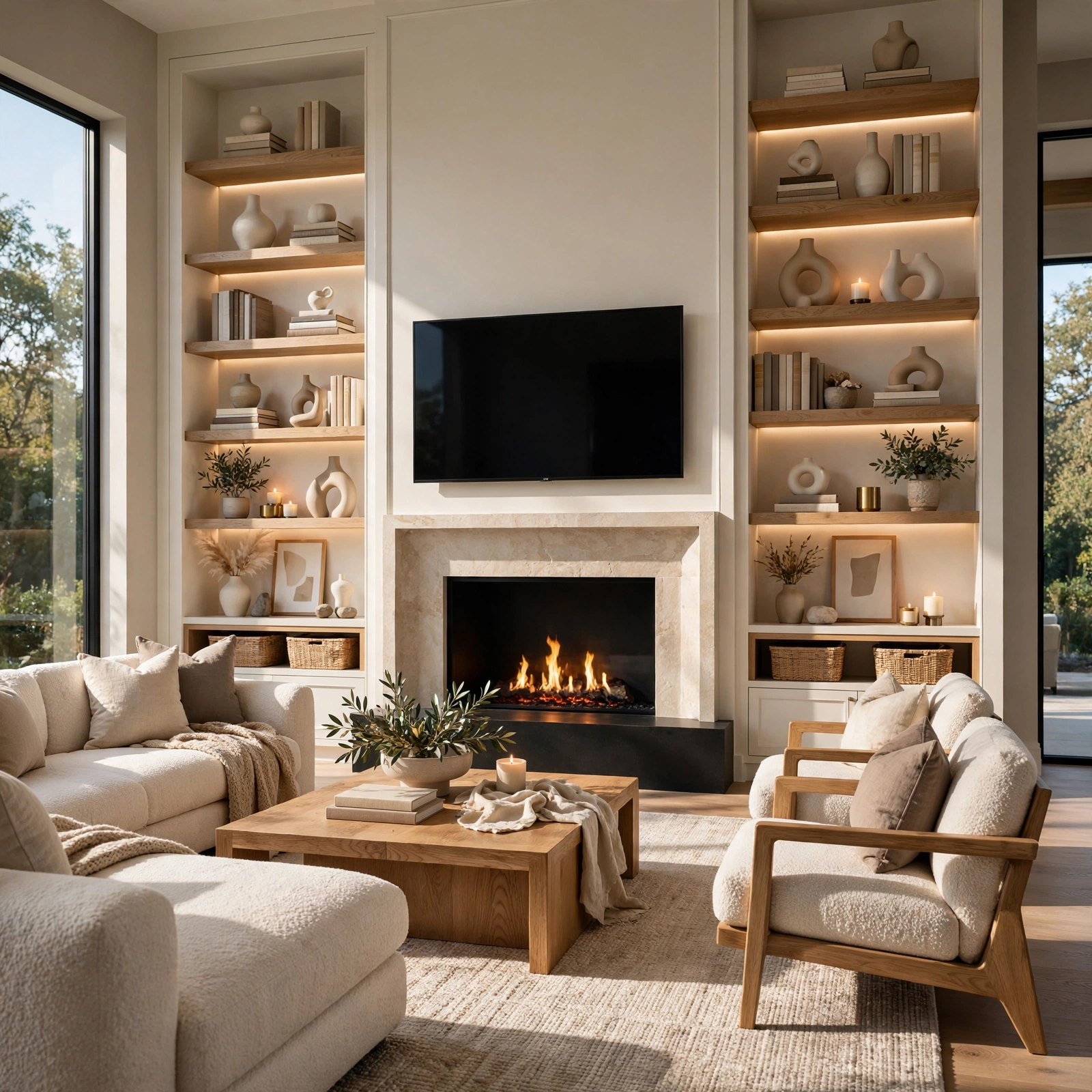
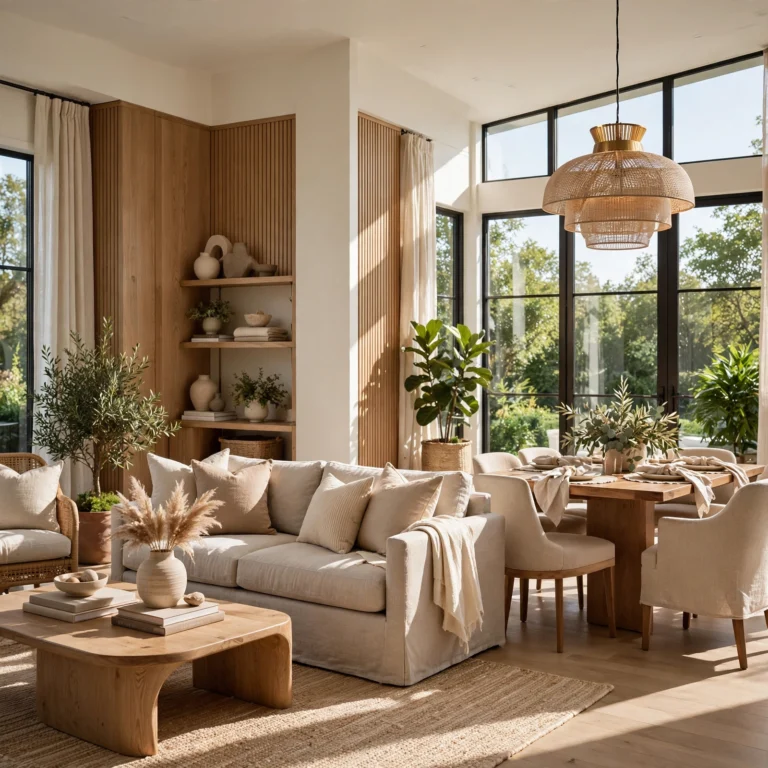
A built in bookshelf wall lines one section of the living room with floor to ceiling shelving, providing storage and display space for books, decor, and media while also adding architectural interest to what might otherwise be a plain wall. This detail works particularly well flanking a fireplace or television, framing that central feature with symmetrical or balanced shelving on either side. Styling the shelves with a mix of stacked and upright books, alongside a few decorative objects and some intentional negative space, keeps the display from looking either too sparse or overly cluttered.
| Living Room Focal Point | Best Paired With | Common Room Type |
| Fireplace | Flanking bookshelves | Traditional, formal |
| Media Wall | Console styling | Casual, family focused |
| Statement Art | Accent lighting | Contemporary, gallery style |
9. Fireplace as Focal Point Living Room Ideas
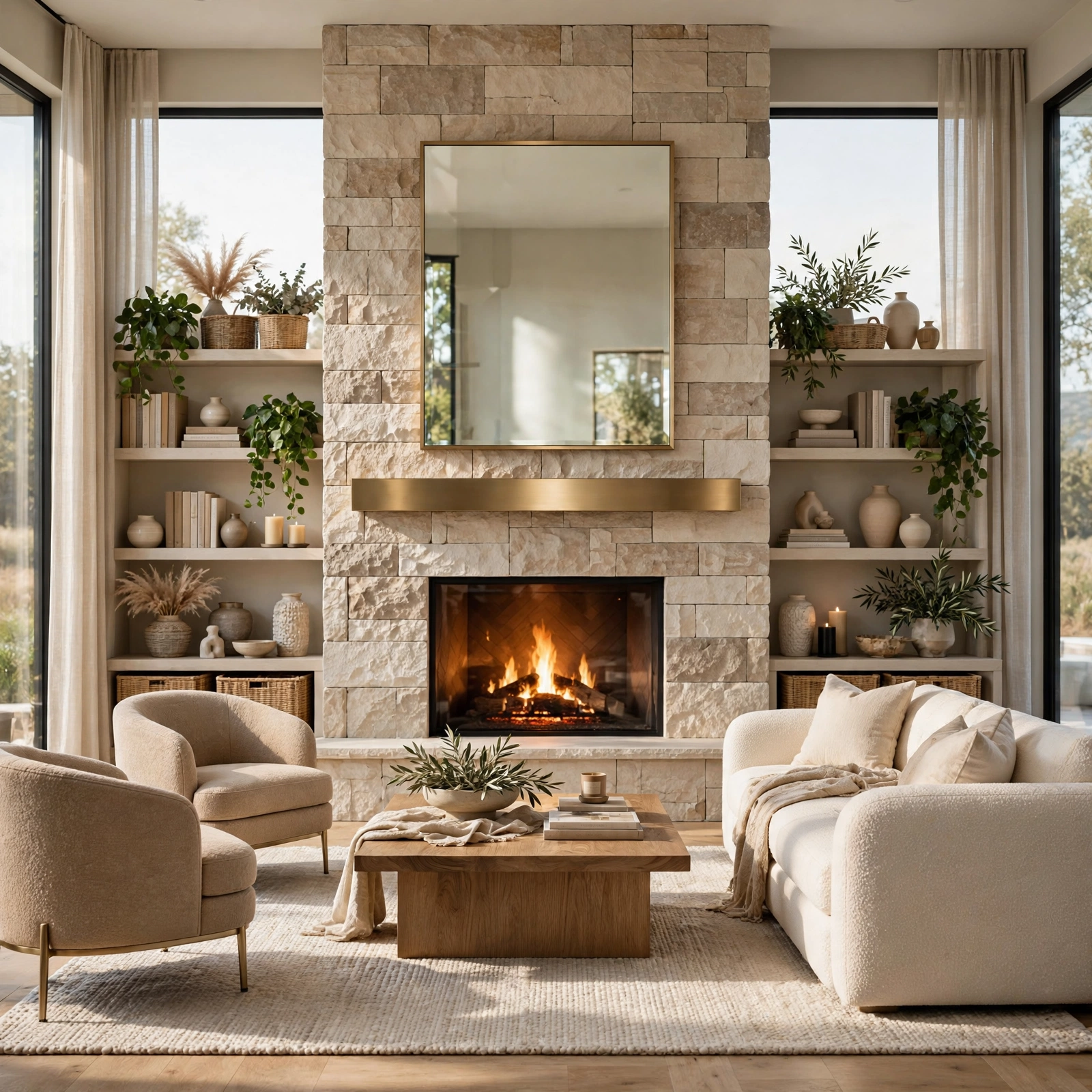
A fireplace as the focal point organizes the living room’s furniture arrangement around this architectural feature, positioning the main seating pieces to face or angle toward it rather than defaulting to a television centered layout. This detail works particularly well in a home with an existing fireplace, since the feature already provides a natural anchor without requiring any additional design intervention beyond thoughtful furniture placement. Adding a mantel display with a few coordinated decorative objects reinforces the fireplace’s role as the room’s clear visual centerpiece.
10. Window Treatment Layering Living Room Ideas
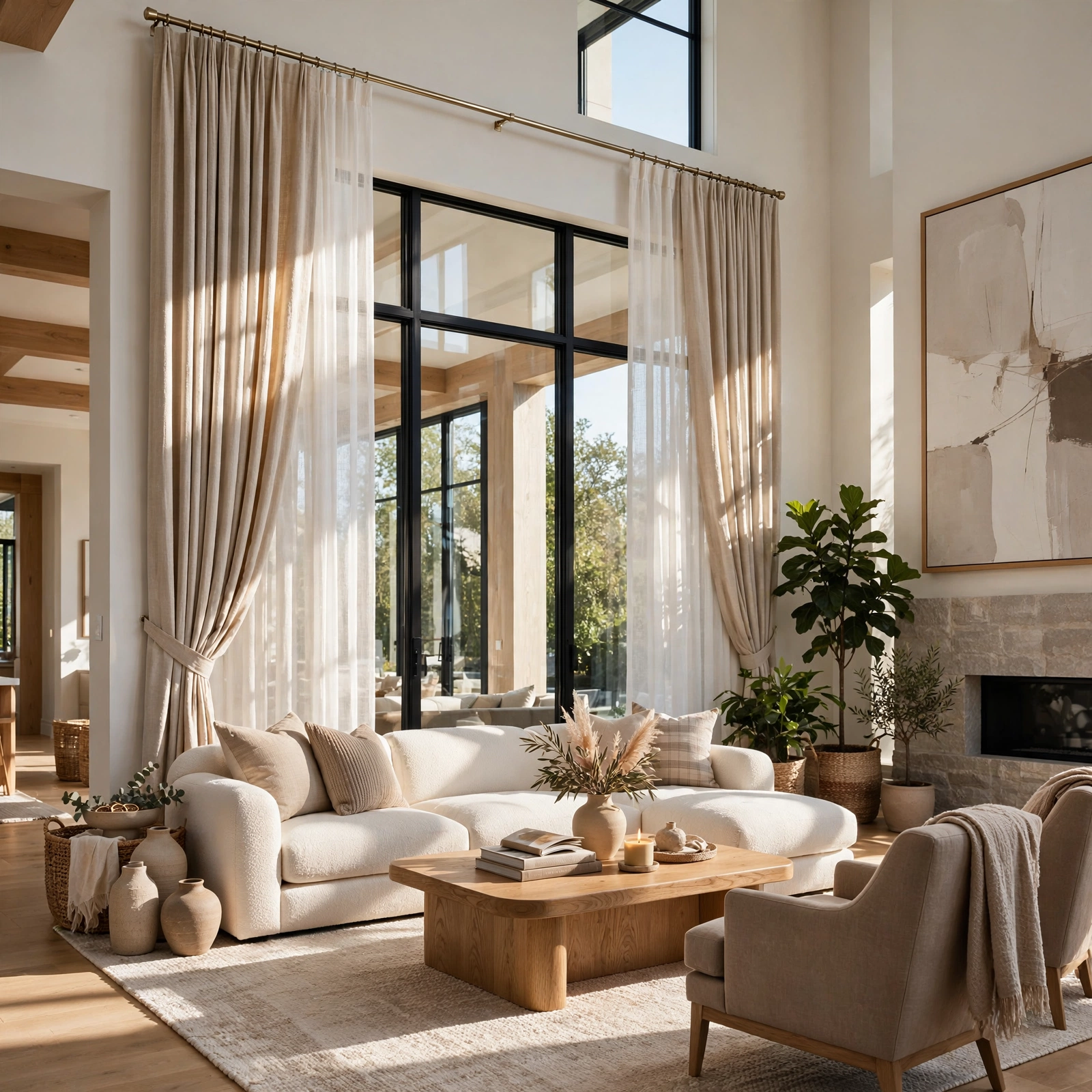
Window treatment layering combines a functional element, like a blackout or privacy liner, with a decorative outer curtain panel, providing both practical light and privacy control alongside a considered visual detail at the window. Hanging the curtain rod a few inches above the window frame and wider than the glass itself makes the window appear larger and allows the panels to fully clear the glass when opened. This detail significantly affects how finished a living room feels, since bare or mismatched windows can undercut an otherwise well designed room.
11. Side Table Functional Pairing Living Room Ideas
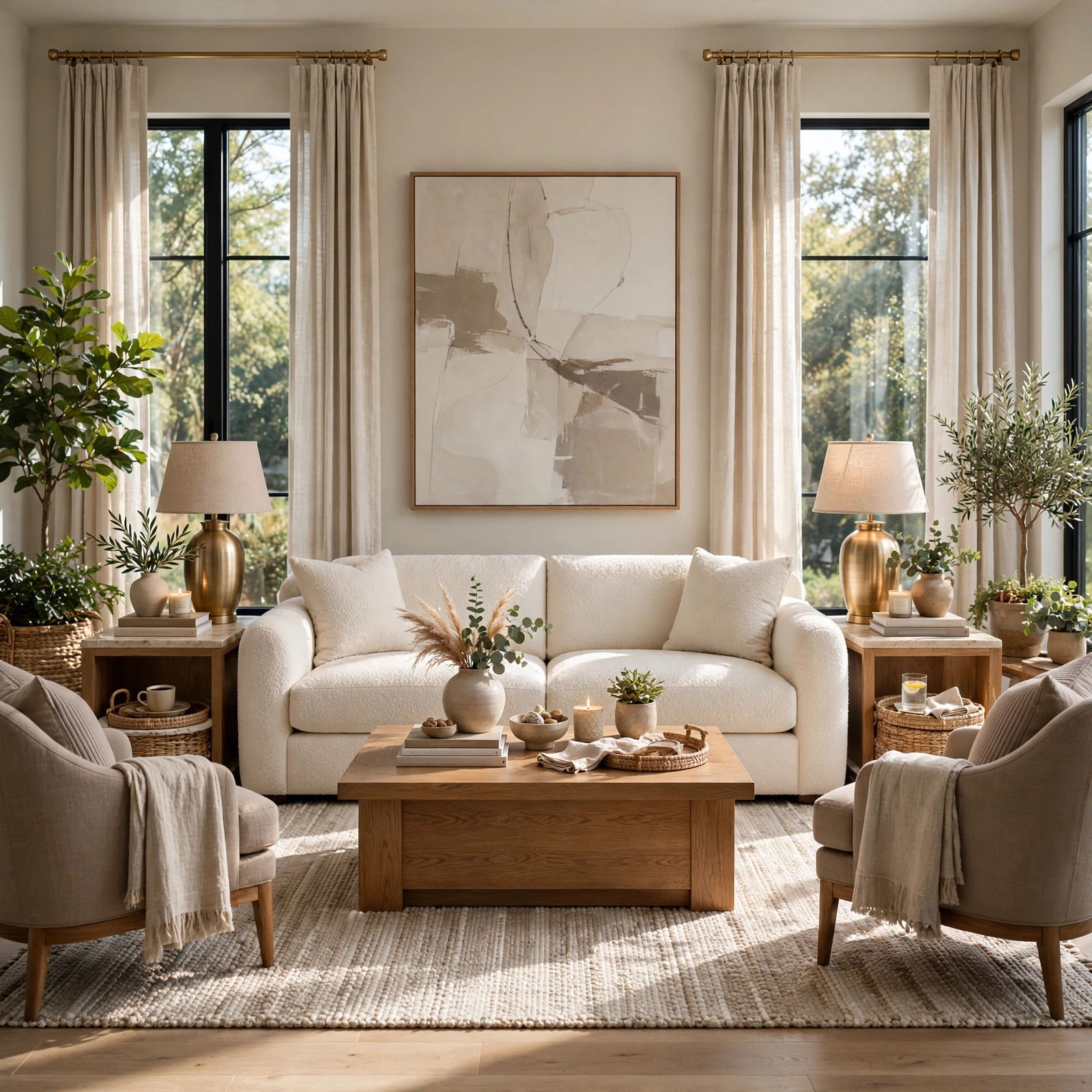
Side table functional pairing places a small table beside each major seating piece, providing a surface for a drink, a book, or a lamp within easy reach without requiring someone to lean toward the central coffee table. This detail directly supports the room’s everyday function, since a living room without adequate surface area near each seat tends to feel less comfortable regardless of how attractive the furniture itself might be. Choosing side tables at a height roughly level with the adjacent seat’s armrest keeps the pairing genuinely useful.
12. Ottoman as Multi Use Piece Living Room Ideas
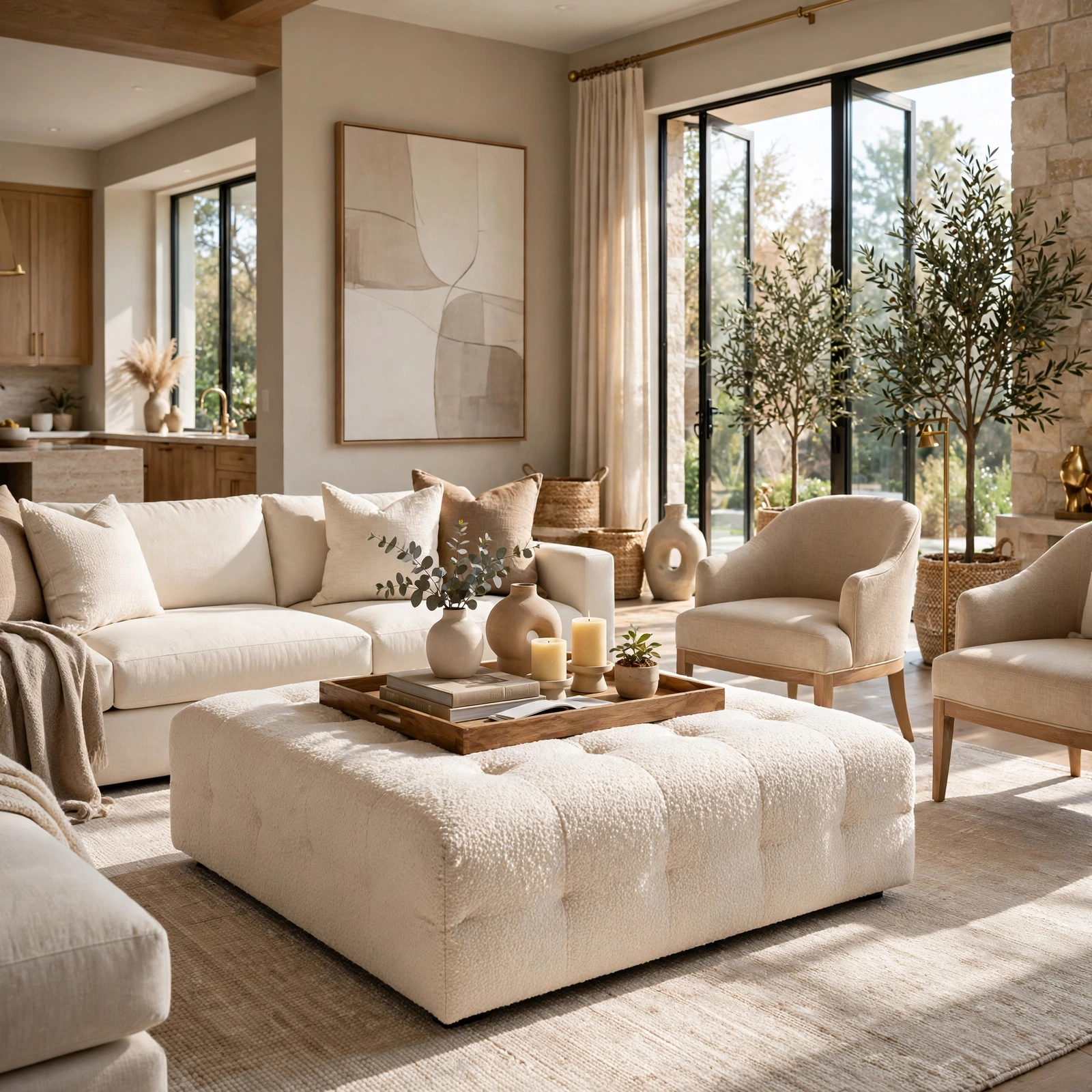
An ottoman as a multi use piece serves as a footrest, additional seating, or an alternative surface to a traditional coffee table, depending on the specific room’s needs and the ottoman’s chosen style. A storage ottoman in particular adds hidden capacity for blankets or remote controls, combining function with the piece’s more visible role in the room’s furniture arrangement. This detail works especially well in a smaller living room, where a single multi purpose piece can replace what might otherwise require two or three separate furniture items.
13. Throw Pillow Curated Mix Living Room Ideas
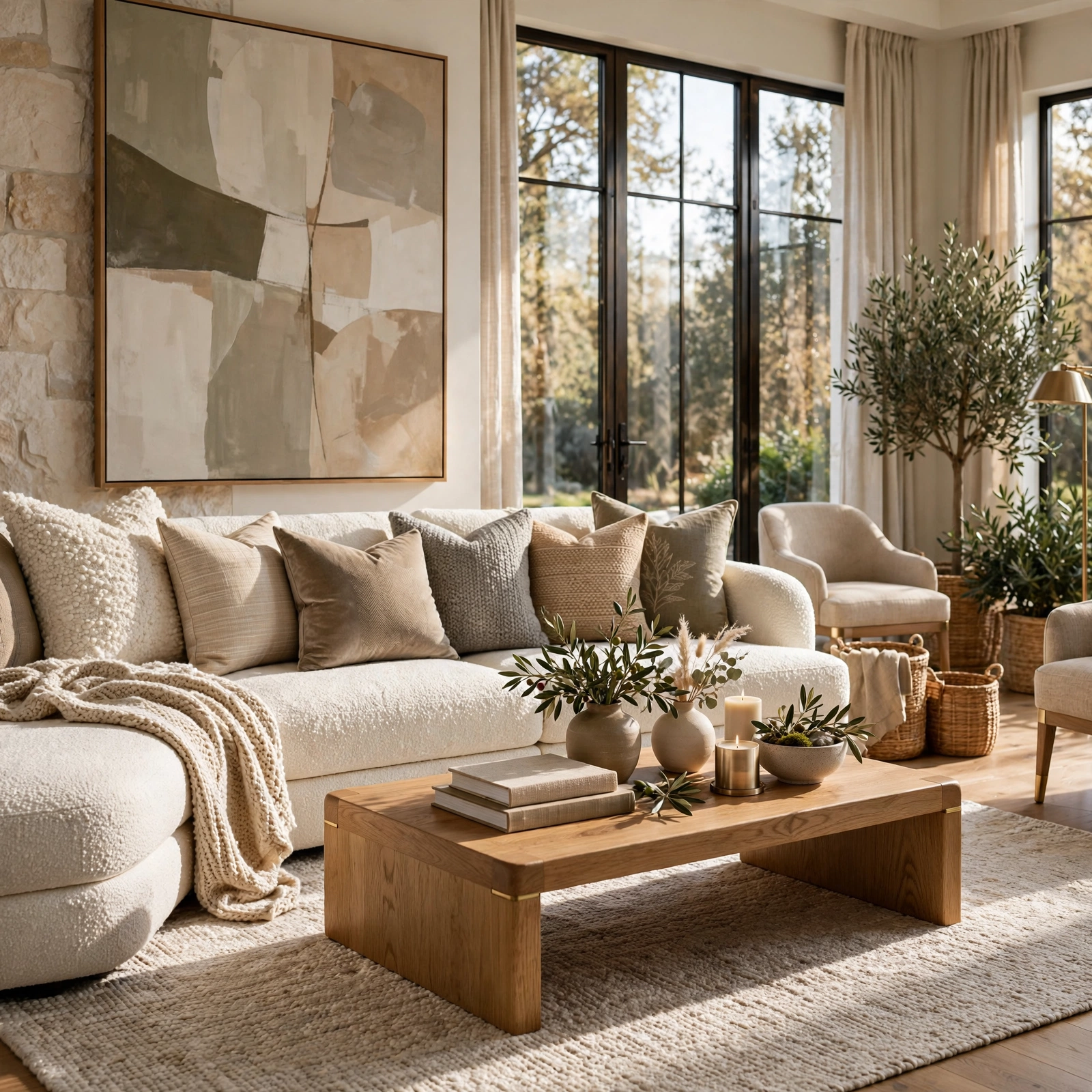
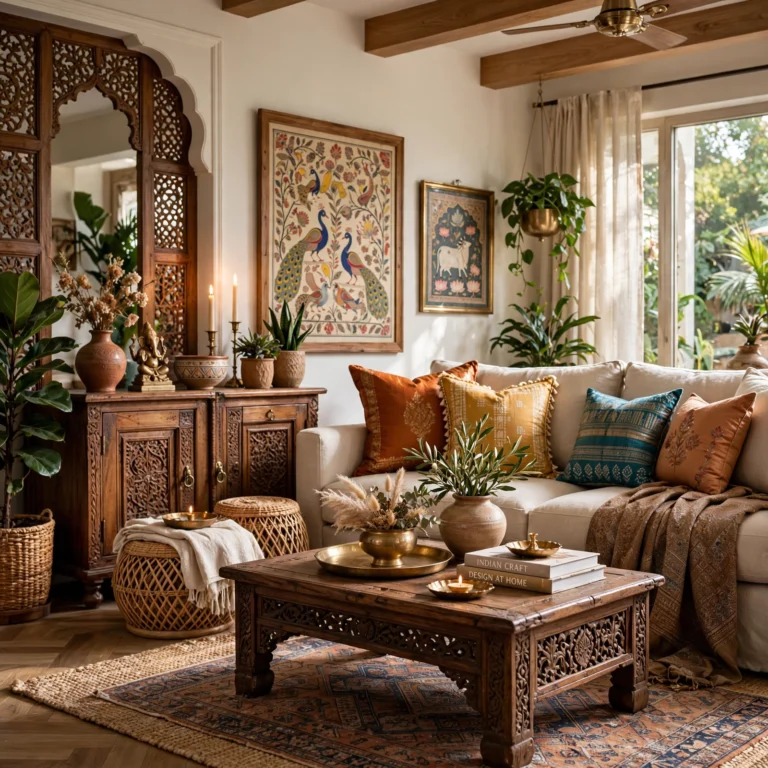
A throw pillow curated mix combines a few different sizes, textures, and patterns across the sofa and any accent chairs, rather than relying on a single matched set purchased all at once. Keeping the overall color palette limited to two or three coordinating tones across the full mix helps this layered approach read as intentional rather than mismatched. This detail is one of the most affordable and easily updated elements in the entire room, making it a practical way to refresh the space’s look without a larger furniture investment.
14. Console Table Behind Sofa Living Room Ideas
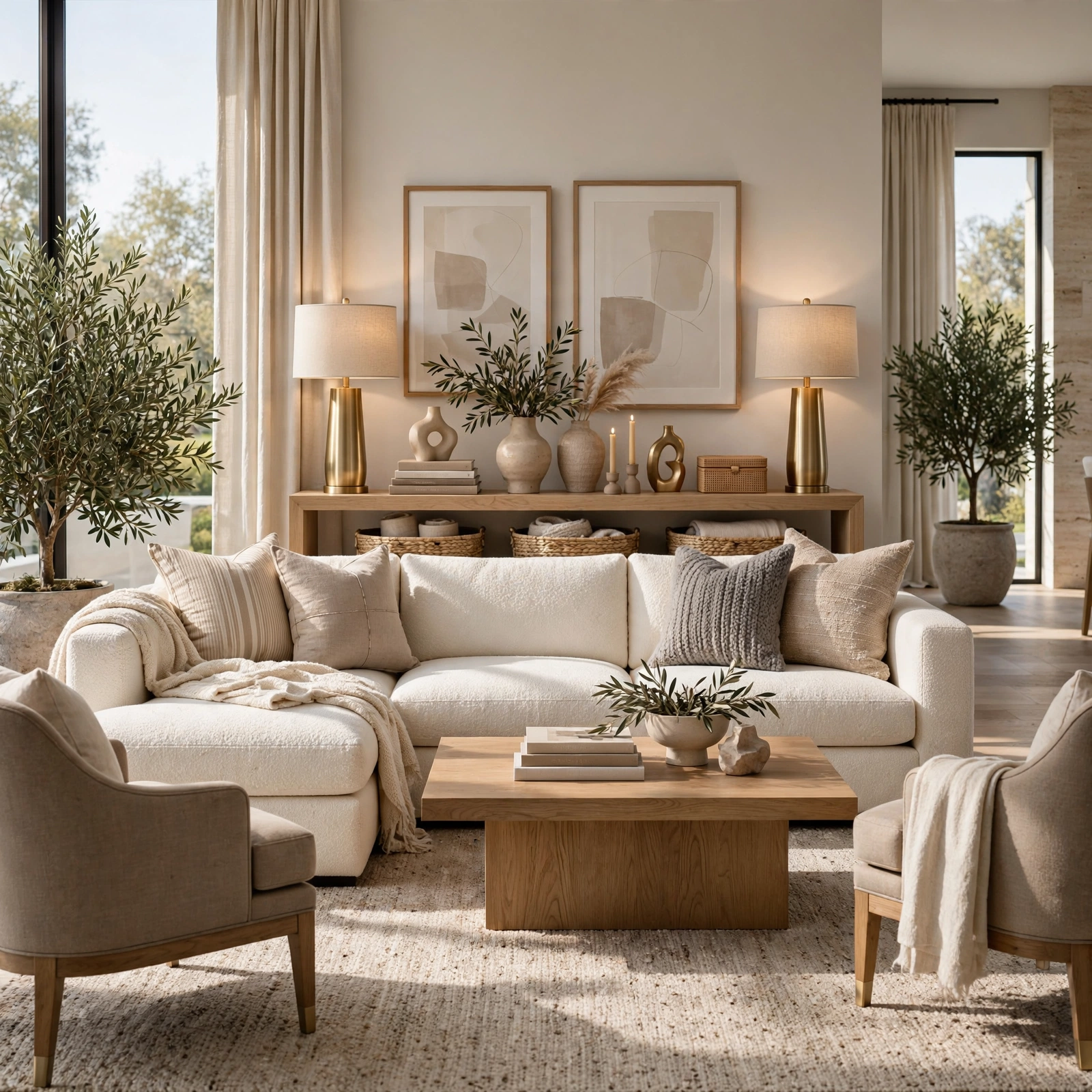
A console table behind the sofa adds a functional surface and additional visual layering when a sofa is positioned away from a wall, floating within the room rather than pushed against the perimeter. This detail works particularly well in a larger living room or an open floor plan, where a floating sofa arrangement helps define the living area without a physical wall separating it from adjacent spaces. Styling the console with a lamp, a small stack of books, and a decorative object turns this practical addition into a genuine styling opportunity as well.
15. Indoor Plant Grouping for Life Living Room Ideas
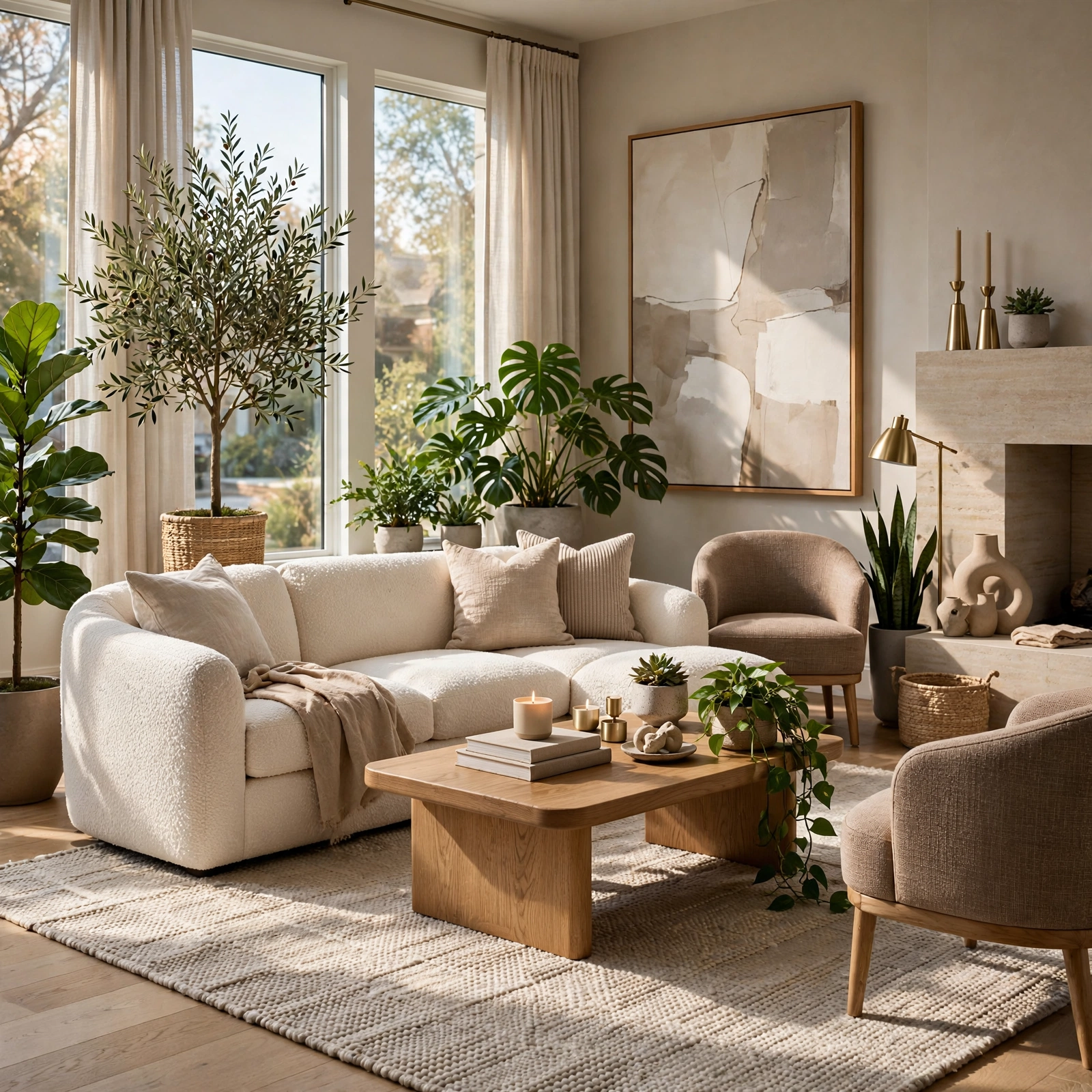
An indoor plant grouping for life adds a cluster of plants at varying heights throughout the living room, softening the space’s harder furniture surfaces with organic, living texture. Choosing a mix of a taller floor plant, a medium tabletop plant, and a smaller accent plant creates visual variety within the grouping rather than relying on a single uniform plant size throughout. This detail also introduces a changing, living element to a room that otherwise consists primarily of static furniture and decor.
Shop the Look
A well designed living room typically combines a clear focal point with layered seating, lighting, and textiles rather than furnishing the room around a single centered television alone. A sectional or sofa paired with one or two accent chairs, arranged around a properly sized coffee table and anchored by a generous area rug, establishes the room’s core seating zone. A gallery wall or fireplace mantel display provides the visual focal point, while a statement floor lamp and layered window treatments round out the room’s lighting and finishing details.
Common Mistake to Avoid
The most common mistake is pushing every piece of furniture against the room’s perimeter walls, leaving the center of the living room empty and undermining the conversational, inviting quality this room is generally meant to provide. This layout instinct, while understandable as a way to maximize open floor space, often results in a living room that feels more like a waiting area than a genuine gathering space. Floating furniture inward and angling seating pieces toward each other, even if it means sacrificing some open floor space, produces a considerably more functional and welcoming living room arrangement.
Frequently Asked Questions
How far apart should living room seating be for good conversation?
Living room seating positioned within about eight feet of each other, and angled toward rather than directly across from one another, generally supports comfortable conversation without requiring people to raise their voices or strain to see each other. Seating arranged in a rough U shape or L shape around a central coffee table tends to achieve this spacing more naturally than furniture lined up flat against opposite walls.
What size rug works best under a living room sofa?
A rug that extends at least beneath the front legs of the sofa and any accent chairs, generally requiring at least an eight by ten foot size for a standard living room seating arrangement, keeps the furniture grouping feeling anchored and cohesive. A smaller rug that only fits beneath a coffee table, without reaching any of the surrounding seating, tends to make the room feel visually disconnected between the furniture and the floor treatment.
Should my living room be arranged around the television or the fireplace?
Whether to prioritize the television or the fireplace as the room’s main focal point depends on your household’s actual daily habits, since a family that primarily uses the living room for movie nights benefits from a television centered layout, while a household that entertains more or uses the fireplace regularly might prefer that feature as the anchor instead. Some living rooms successfully balance both by positioning seating at an angle that keeps each feature reasonably visible without fully centering either one.
How do I choose accent chairs that go with my existing sofa?
Choosing accent chairs that share at least one connecting element with the sofa, such as a complementary color, a similar leg finish, or a related fabric texture, helps the pairing feel intentional even when the two pieces aren’t an exact matched set. Bringing a fabric swatch or photo of your existing sofa when shopping for accent chairs makes this kind of coordinated pairing considerably easier to achieve successfully.
What’s the most important lighting to add to a living room besides an overhead fixture?
A floor or table lamp positioned near any seating meant for reading provides essential task lighting that overhead fixtures alone typically can’t adequately supply, given how directly overhead light creates shadows for close up activities like reading. Adding at least one additional lamp, beyond just the primary overhead fixture, significantly improves both the room’s function and its evening ambiance.
Conclusion
These home interior design living room ideas build a space around a clear focal point, layered seating and lighting, and a few well chosen finishing details like a curated pillow mix and living plants. Float furniture inward toward a central conversation area rather than pushing everything to the walls, and prioritize a properly sized rug and coffee table to anchor the whole arrangement. Save this post to Pinterest for your next living room project, and check out our related post on home interior design for the foundational principles that apply across every room in the house.
Author Expertise Note
This list draws on years of helping homeowners furnish living rooms that function well for daily life and hosting alike, with a focus on choices that balance comfort, flow, and genuine visual polish.