14 Trending Home Decor Ideas to Personalize Every Corner
A well-decorated home rarely comes from a single big purchase, but from a collection of smaller, consistent choices applied across every room and transition space. This guide walks through fourteen home decor ideas covering entryways, mixed furniture eras, styling techniques, and seasonal refresh strategies that work regardless of which specific room you’re focused on. By the end, you’ll have specific materials, placement guidance, and styling approaches to bring more personality into a home without a full room-by-room renovation.
Trend & Background
Home decor has moved toward a more personal, collected-over-time aesthetic, mixing vintage finds with newer pieces rather than committing to a single matched furniture set throughout the house. This reflects a broader move away from purely trend-driven decorating toward homes that reflect individual history and taste, supported by more accessible secondhand and vintage marketplaces than were available in past decades. This matters now because more people are staying in their current homes longer rather than moving frequently, making a home’s decor worth developing gradually and thoughtfully rather than completing it all at once.
Key Takeaways
- Small, repeatable styling techniques, like tray grouping and layered lighting, apply across nearly every room in the house.
- Mixing vintage and new pieces gives a home more character than committing entirely to one furniture era or style.
- Entry and transition spaces deserve as much decor attention as the rooms people spend the most time in.
- Rotating a small set of decor pieces seasonally keeps a home feeling current without ongoing furniture investment.
1. Layered Entry Console Styling
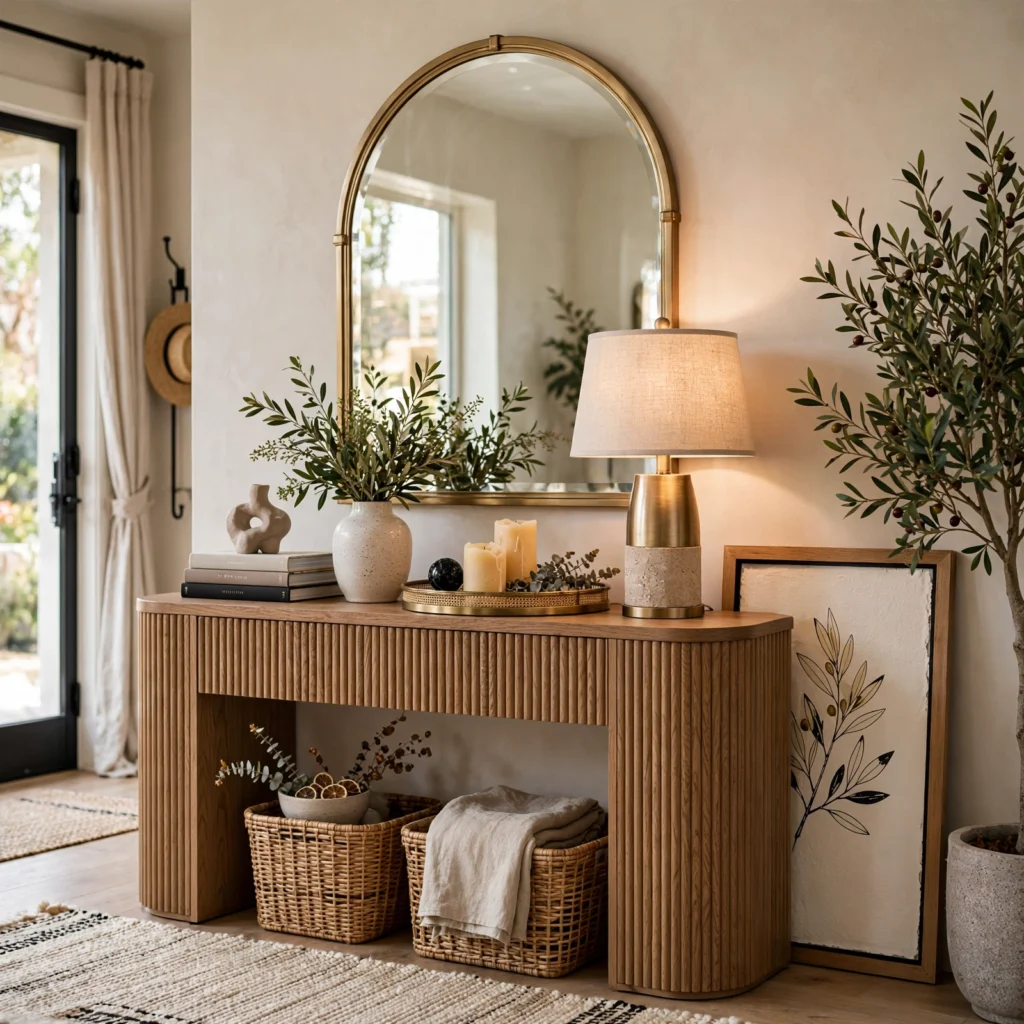
Layered entry console styling arranges a mirror, a small tray for keys, and a single decorative object on the console table just inside the front door, giving this transitional space the same styling attention typically reserved for a living room or bedroom. This first impression area sets the tone for the rest of the home, making it worth more consideration than it often receives. Choosing a console with some storage, like a drawer or a lower shelf, keeps the surface itself from becoming cluttered with daily mail and keys.
2. Mixed Vintage and New Furniture
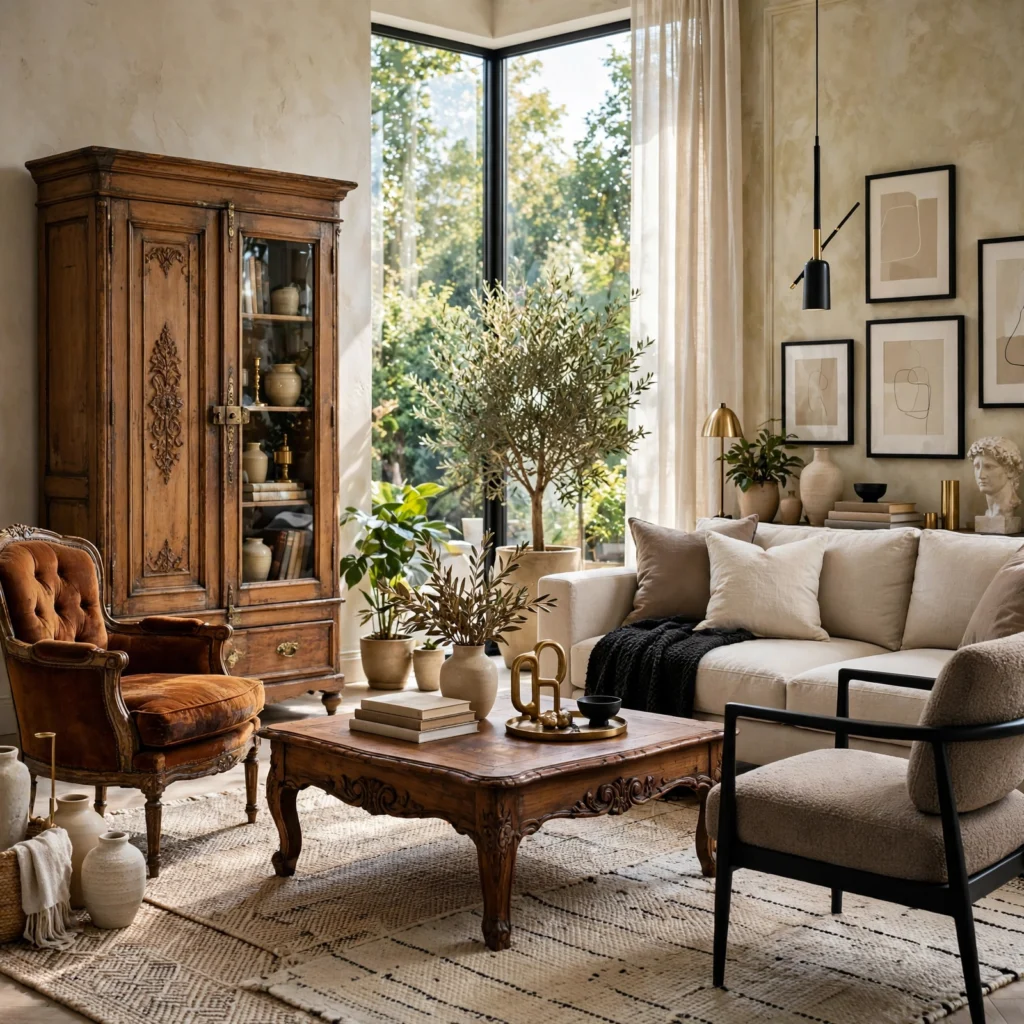
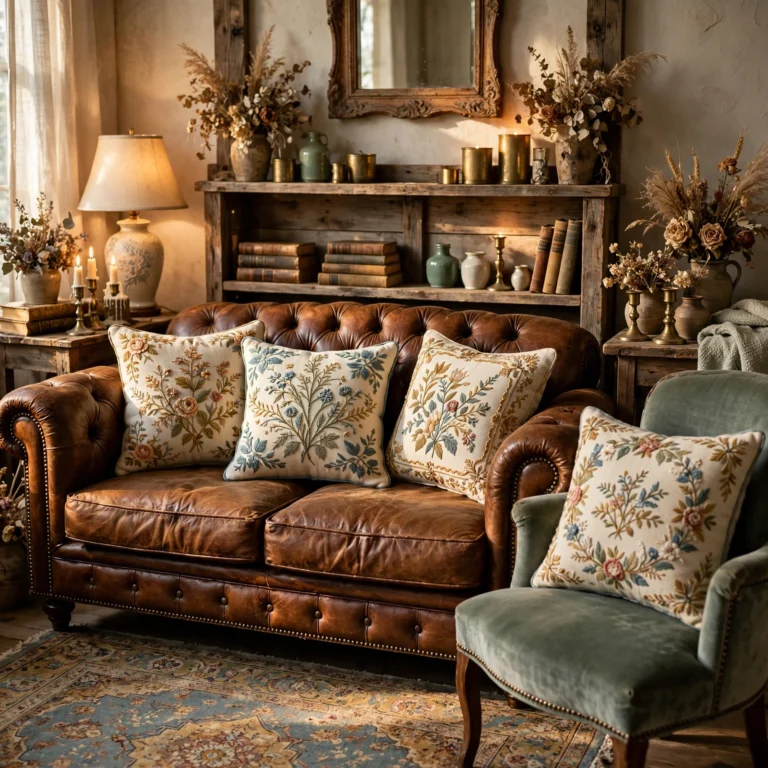
Mixing vintage and new furniture pairs a secondhand or inherited piece, like an antique dresser or a mid-century chair, alongside newer furniture, rather than furnishing an entire room from a single matched collection. This approach gives a home more depth and personal history than an entirely new furniture set typically provides. Choosing one or two vintage anchor pieces per room, rather than filling the space entirely with older furniture, keeps the mix feeling intentional rather than accidental.
| Vintage Piece Type | Best Paired With | Room Suggestion |
| Wood dresser | Modern hardware update | Bedroom or entryway |
| Upholstered chair | New reupholstery fabric | Living room accent |
| Wood side table | Contemporary lamp | Living room or bedroom |
3. Home Decor Ideas Layered Doorway Styling
Layered doorway styling adds a small runner rug, a hook for bags or coats, and a piece of art or a mirror near frequently used interior doorways, treating these transition points as worth decorating rather than leaving them entirely bare. This approach to home decor ideas extends styling attention beyond just the main rooms into the connective spaces that get used daily but often go overlooked. Choosing a smaller-scale runner or art piece proportional to the narrower doorway space keeps this detail from feeling out of place.
4. Repeating Color Thread Technique
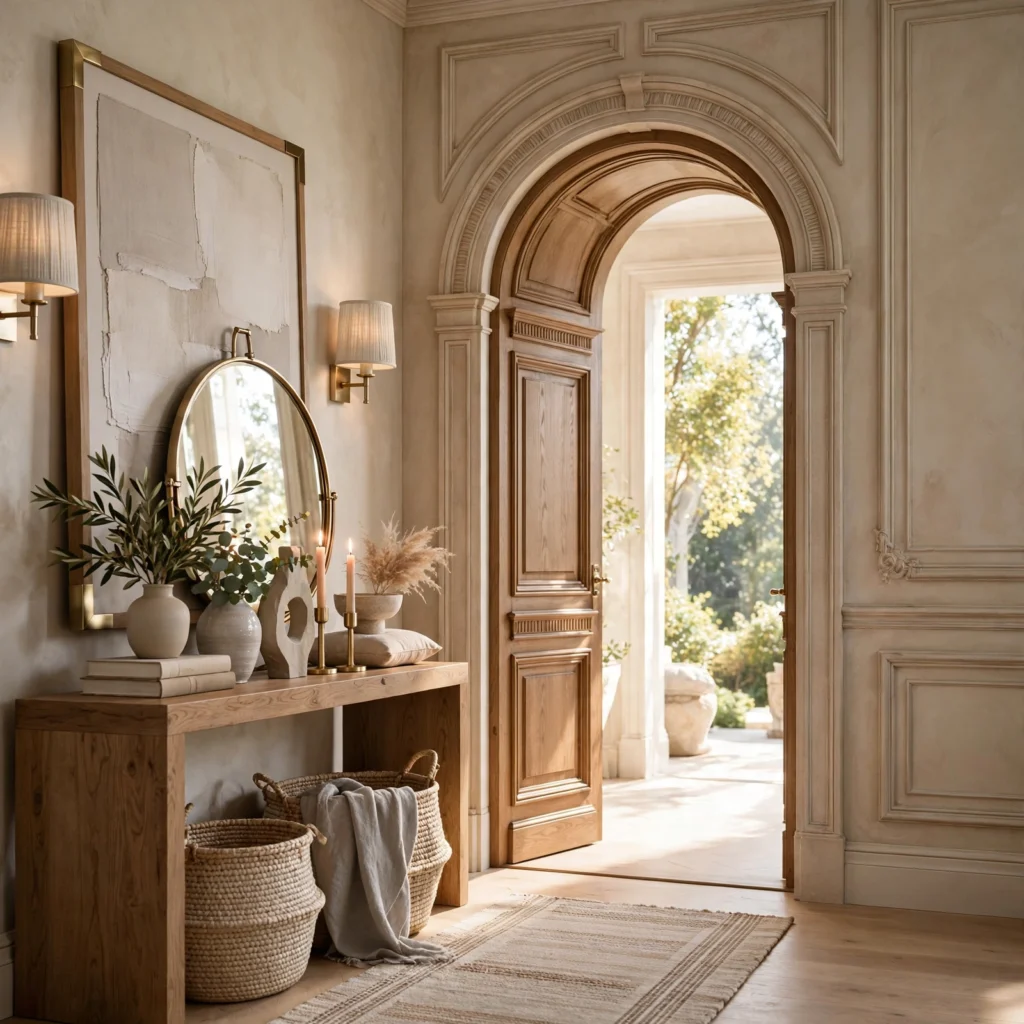
The repeating color thread technique introduces one consistent accent color, through smaller decor objects like vases, candle holders, or picture frames, across several different rooms rather than confining a color choice to just one space. This creates a subtle sense of flow throughout the home without requiring every room to match closely in overall style. Choosing a color that works across varying room palettes, like a warm brass or a muted terracotta, makes this thread easier to weave through diverse spaces successfully.
5. Curated Bookshelf Arrangement
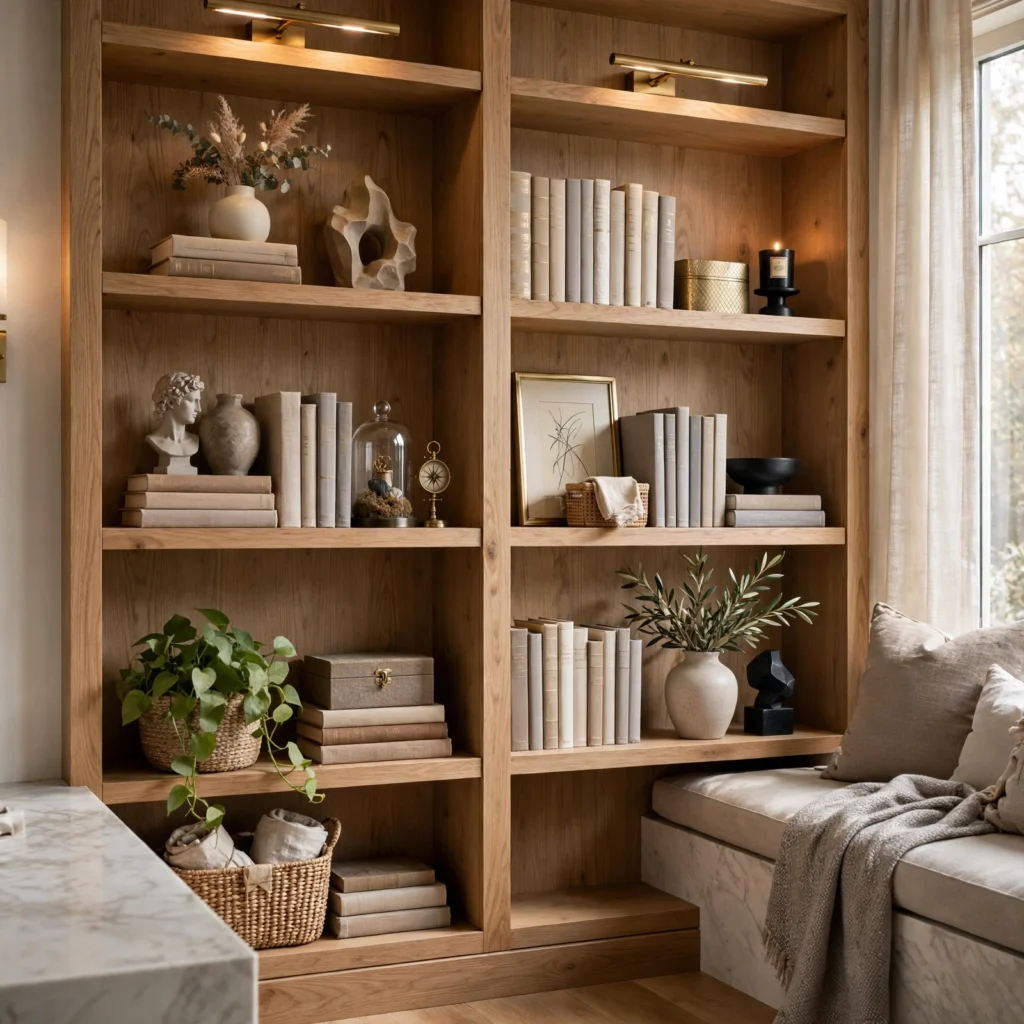
A curated bookshelf arrangement mixes books, framed photos, and small decorative objects across open shelving, using a combination of vertical stacks and horizontal groupings rather than lining every shelf uniformly with spines facing outward. Leaving roughly a third of the shelf space empty, or filled with a single object, prevents the arrangement from looking overcrowded. This styling technique applies to a home office, a living room, or a hallway nook equally well, making it one of the more versatile ideas on this list.
Looking for more decorating inspiration? Explore our kitchen design to transform.
6. Seasonal Object Rotation
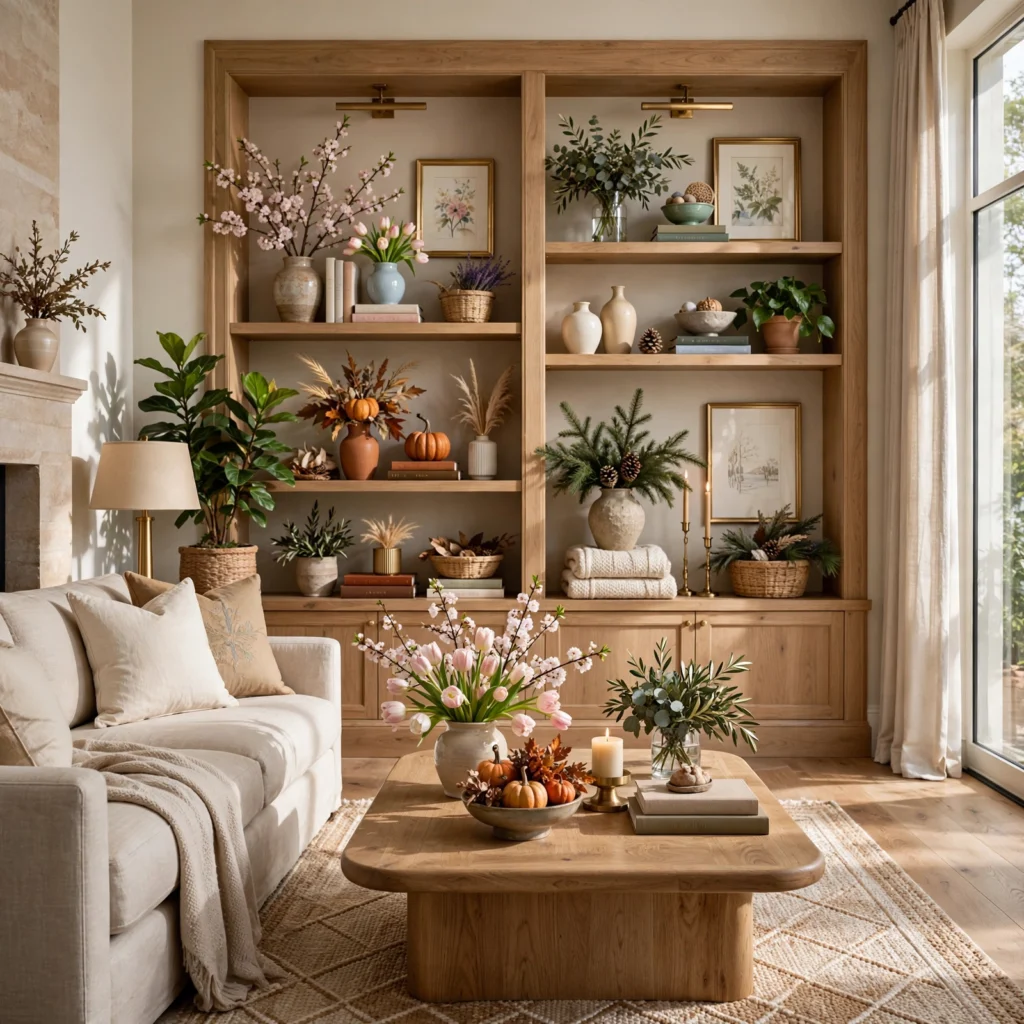
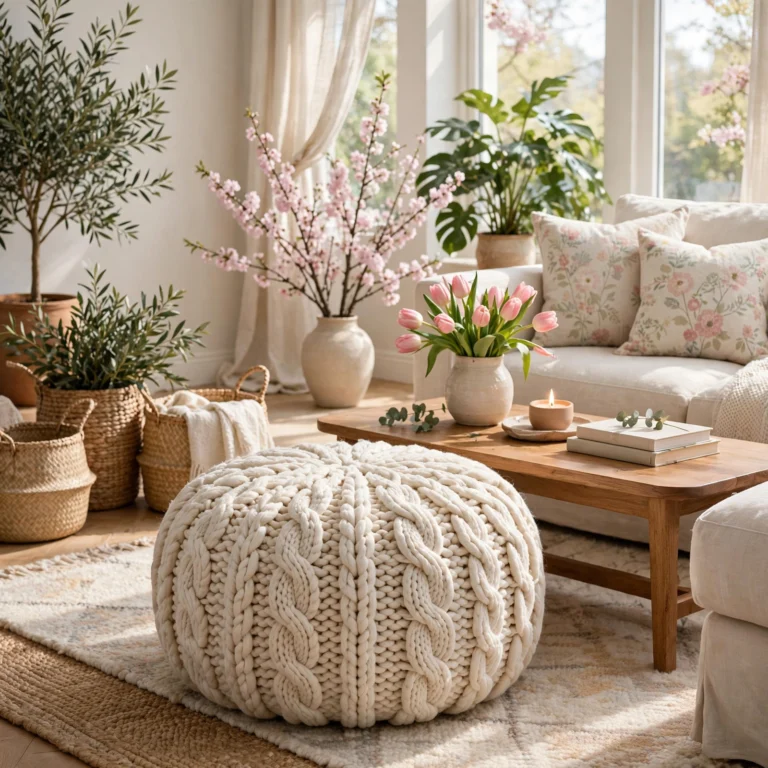
Seasonal object rotation swaps a small set of decorative items, like a vase’s contents, a few throw pillows, or a tray’s centerpiece, every few months throughout the year, keeping key surfaces feeling current without any larger furniture or paint changes. Storing the off-season items in a labeled bin makes this rotation simple to manage consistently. This low-cost habit does more to keep a home feeling attended to throughout the year than most single larger purchases.
7. Wall-Mounted Ledge Art Display
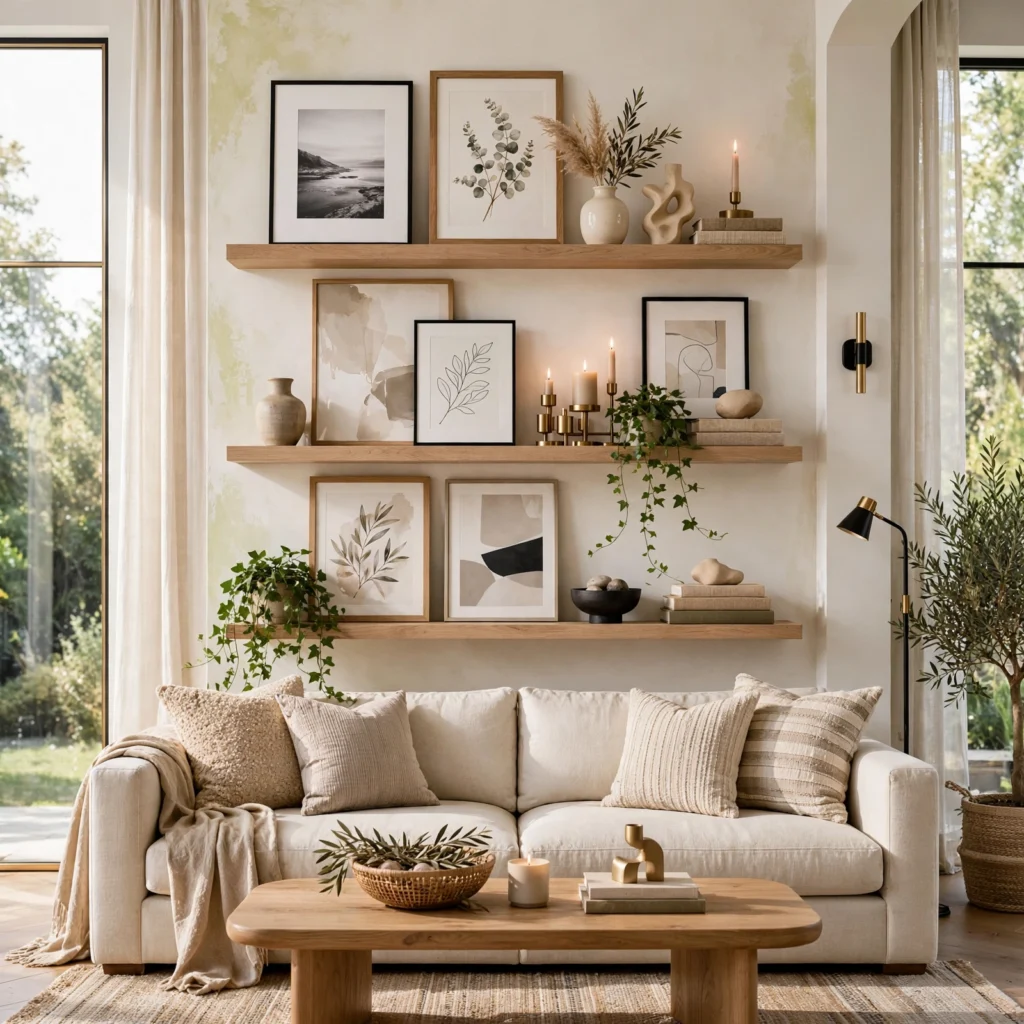
A wall-mounted ledge art display uses a thin floating shelf to lean framed art or photos against the wall rather than hanging them fixed in place, offering more flexibility to rearrange or swap pieces without repeated nail holes. This technique works in a hallway, above a console table, or in a home office equally well. Layering a smaller frame in front of a larger one adds visual depth to the arrangement beyond what a single flat display could achieve.
8. Textural Layering Across Rooms
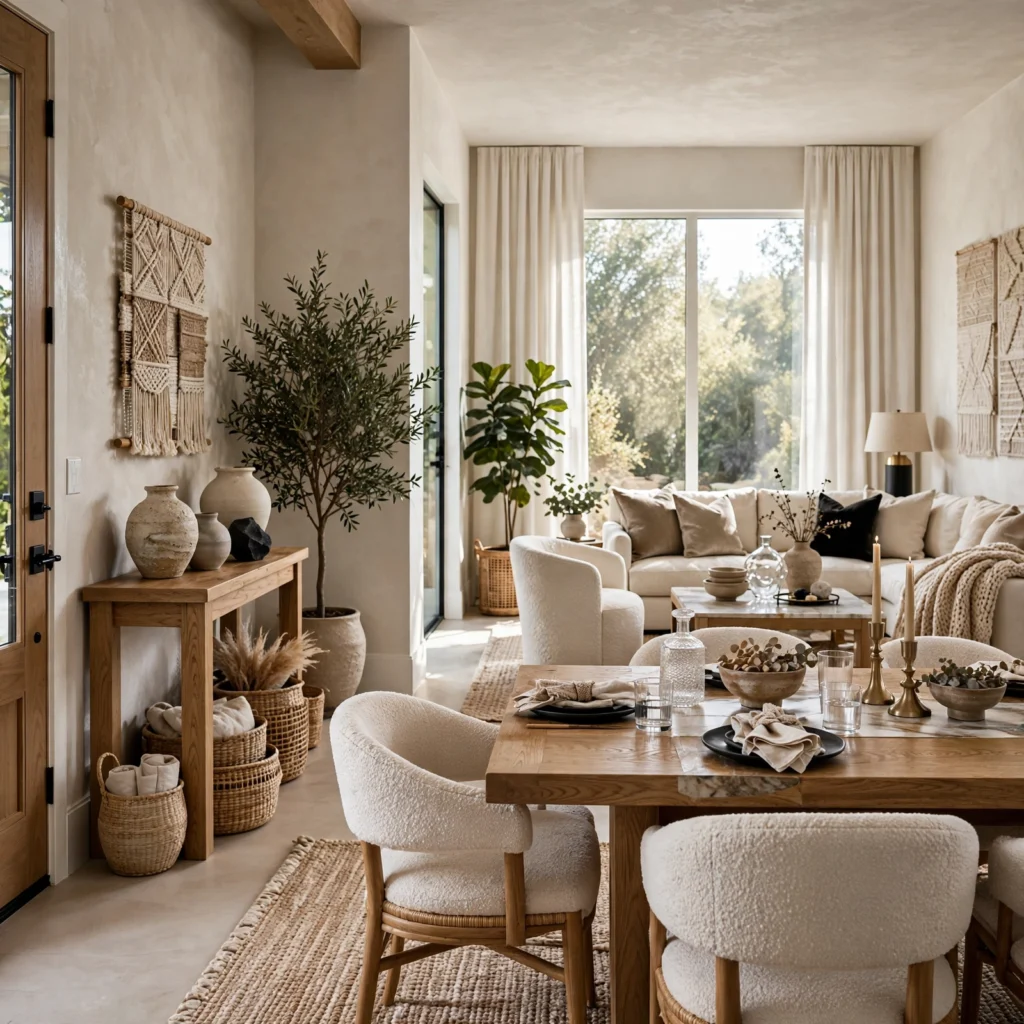
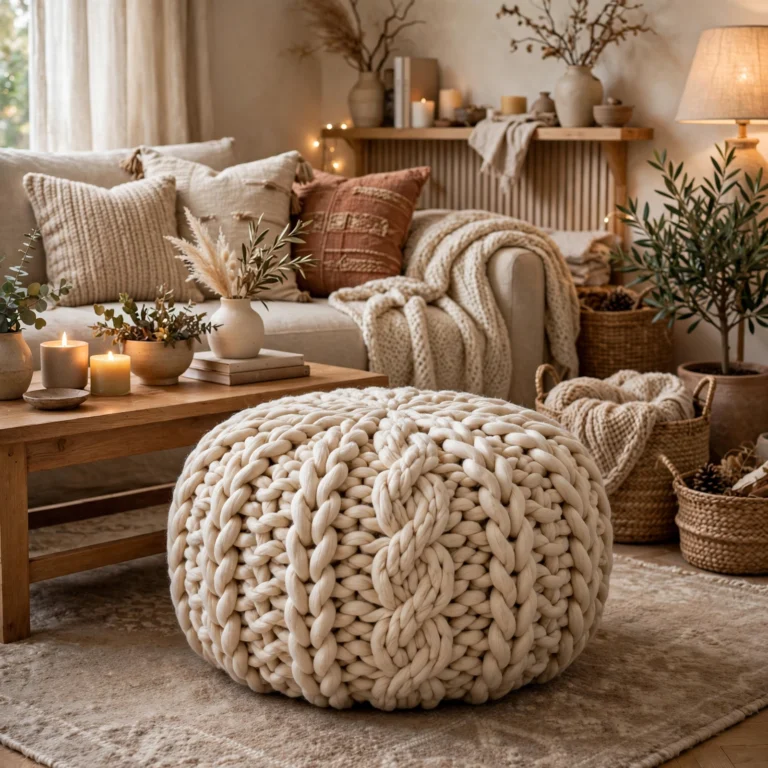
Textural layering across rooms introduces a consistent mix of materials, like natural wood, woven baskets, and soft textiles, throughout the home’s connected spaces rather than concentrating texture variety in just one showcase room. This creates a cohesive tactile experience moving from room to room, even when specific colors or furniture styles shift between spaces. Choosing at least two or three different textures per room, rather than relying on a single material throughout, keeps each individual space from feeling flat.
| Texture Type | Material Examples | Application |
| Natural fiber | Jute, rattan, seagrass | Rugs, baskets, lighting |
| Soft textile | Boucle, linen, knit | Pillows, throws |
| Hard natural | Wood, stone, ceramic | Furniture, decor objects |
9. Statement Light Fixture Per Room
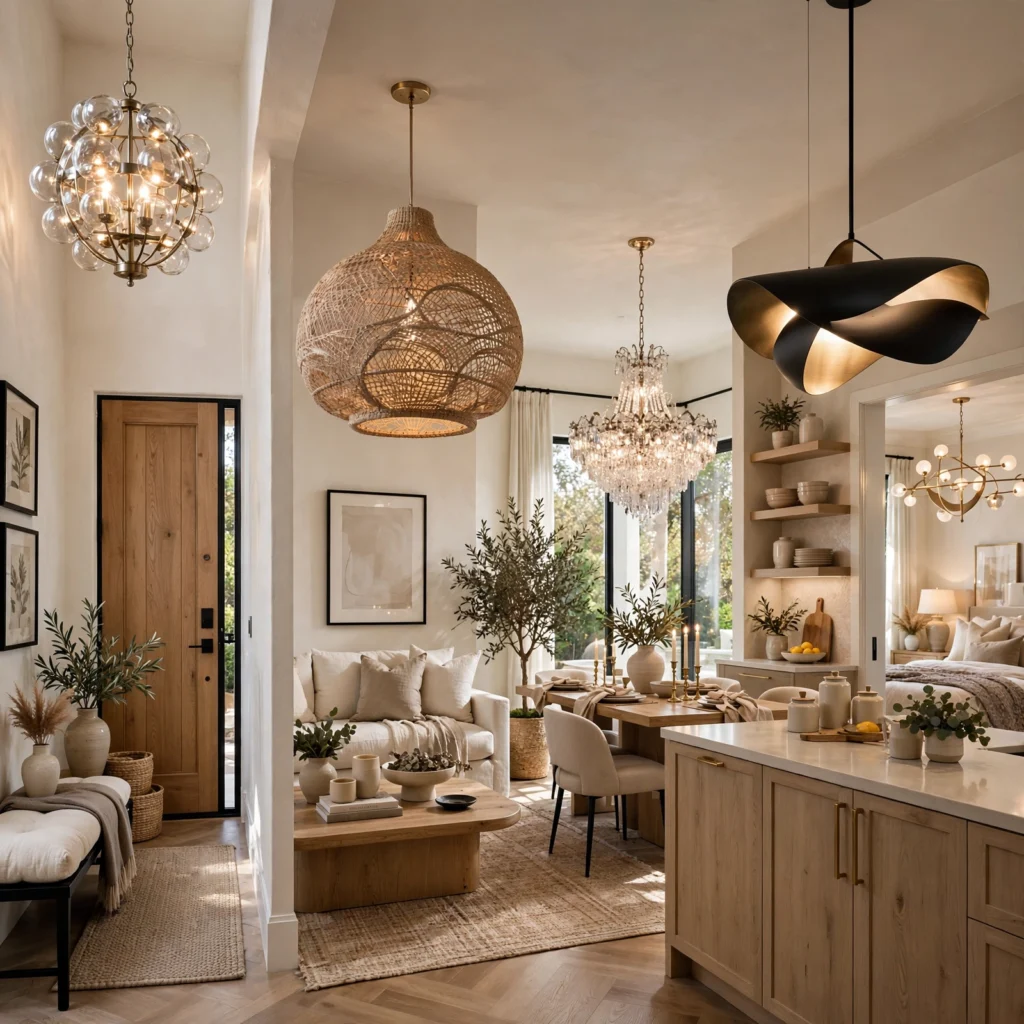
A statement light fixture per room chooses one distinctive lighting piece, whether a sculptural pendant or an unusual table lamp, for each major room rather than relying on generic builder-grade fixtures throughout the house. This approach gives every room a clear point of visual interest overhead, an area of the home that often stays undecorated despite carrying real visual weight. Varying the fixture style slightly between rooms, while keeping a consistent metal finish throughout, balances individuality with overall home cohesion.
10. Personal Object Integration Throughout
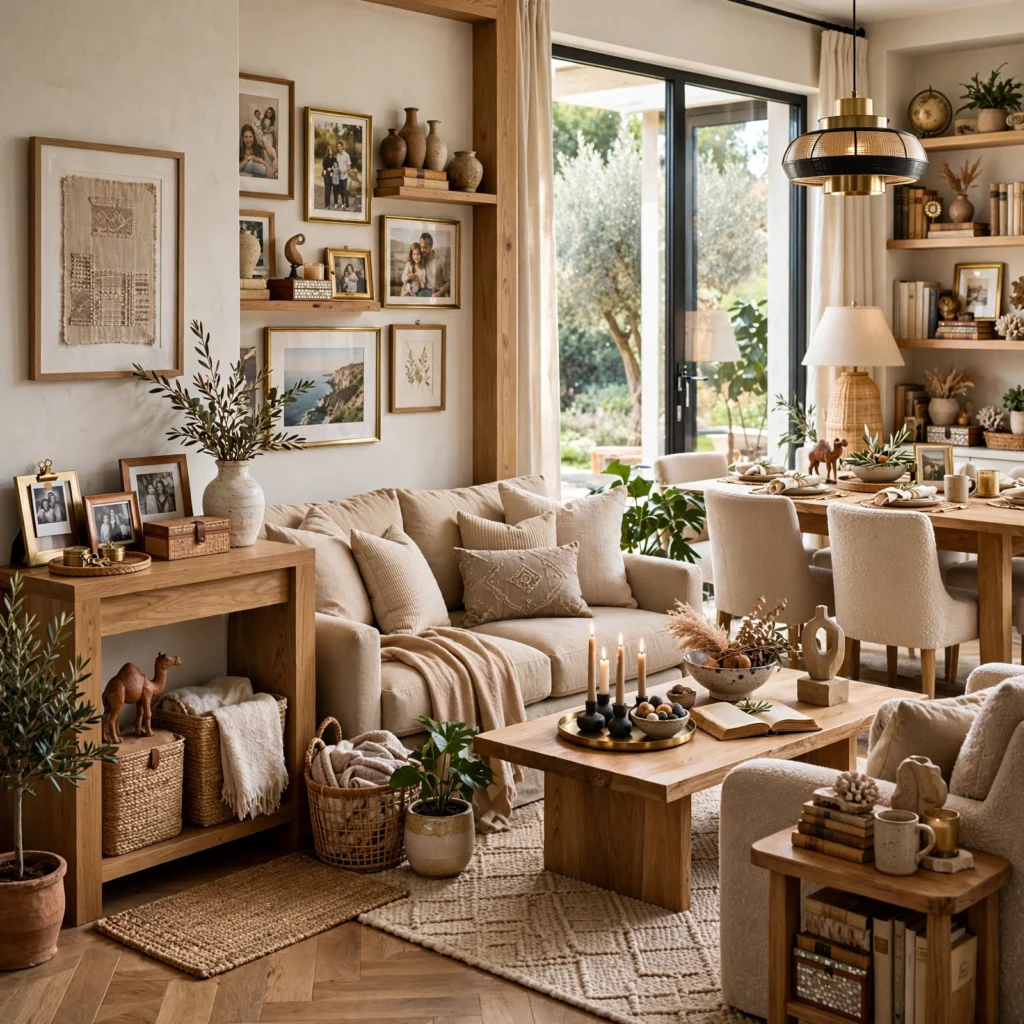
Personal object integration weaves meaningful items, like travel souvenirs, family photos, or handmade pieces, into the decor of multiple rooms rather than concentrating them all in one display area or storing them away separately from more obviously decorative choices. Placing one or two personal pieces per major room gives the whole home a layer of authenticity that purchased decor alone can’t replicate. This detail often matters more to how a home actually feels lived-in than any single trend-driven purchase.
11. Consistent Hardware Finish Thread
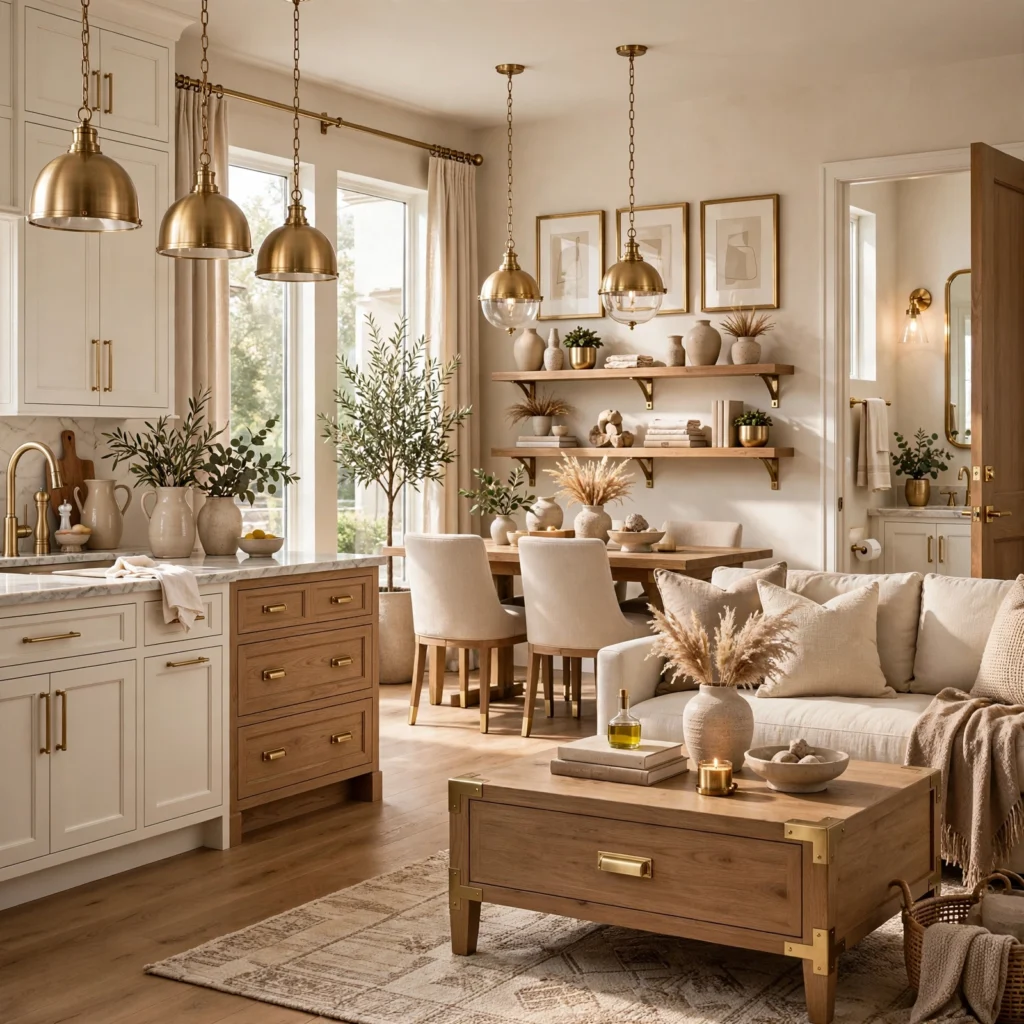
A consistent hardware finish thread carries the same metal tone, like matte black or warm brass, across cabinet pulls, light fixtures, and picture frames throughout connected spaces, creating a subtle but effective sense of unity moving through the home. This technique works even when furniture style and color palette vary considerably from room to room, since hardware finish operates as a quieter, more consistent design thread. Choosing this finish early and applying it consistently as new pieces get added over time simplifies future decor decisions.
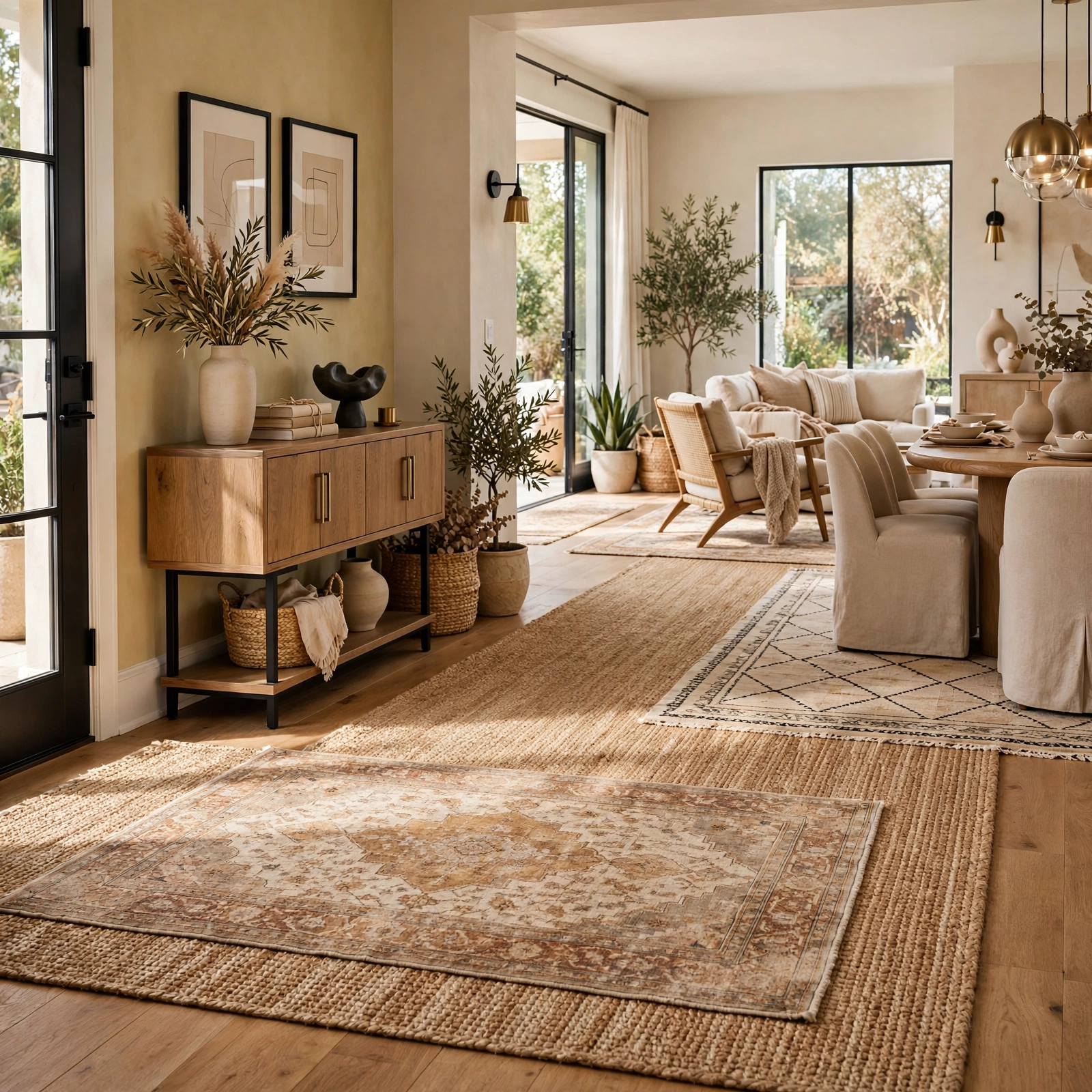
12. Layered Rug Placement in Transition Areas
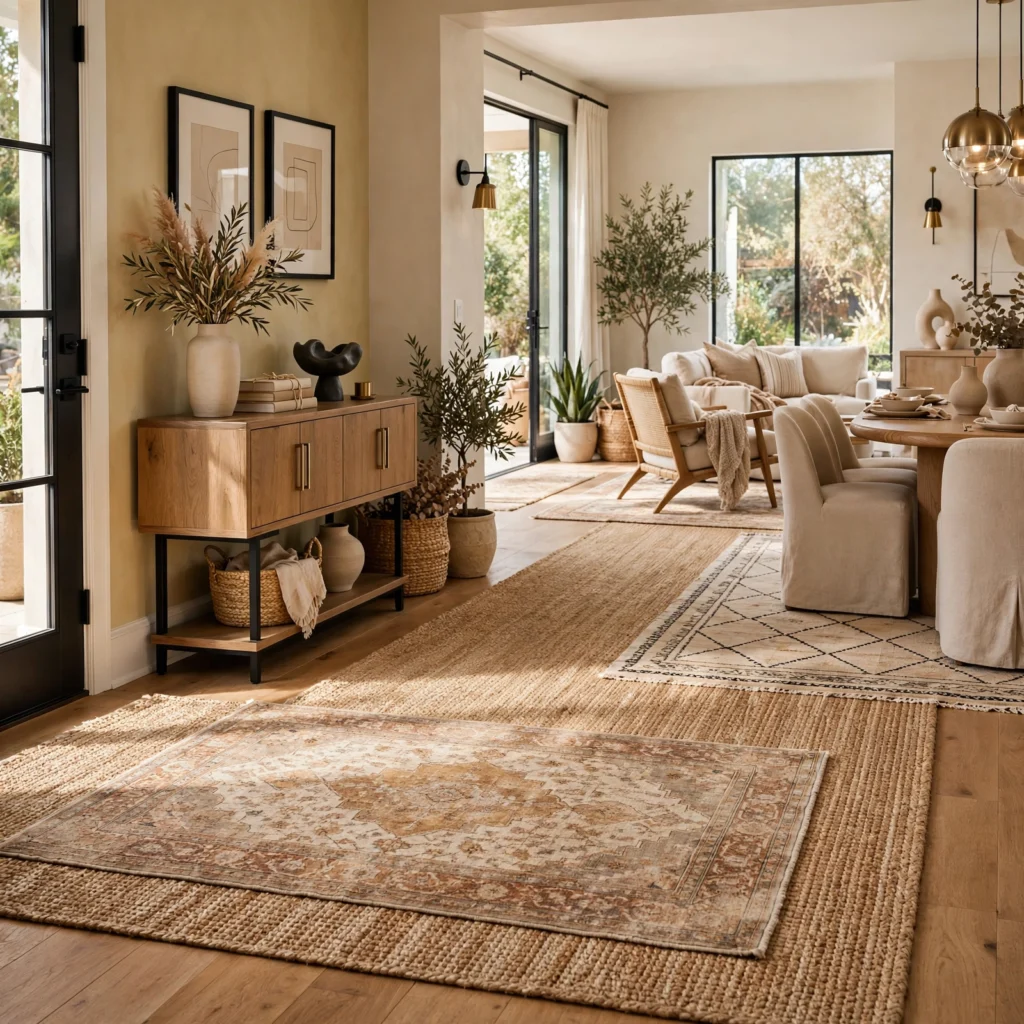
Layered rug placement in transition areas, like hallways and entryways, adds warmth and defines these often-overlooked spaces the same way a rug anchors a living room’s seating area. Choosing a durable, low-pile rug suited to higher foot traffic keeps this application practical despite the added wear these spaces typically see. This detail extends a home’s overall styling attention into connective spaces that otherwise tend to feel like an afterthought compared to the main rooms.
13. Framed Family Photo Wall
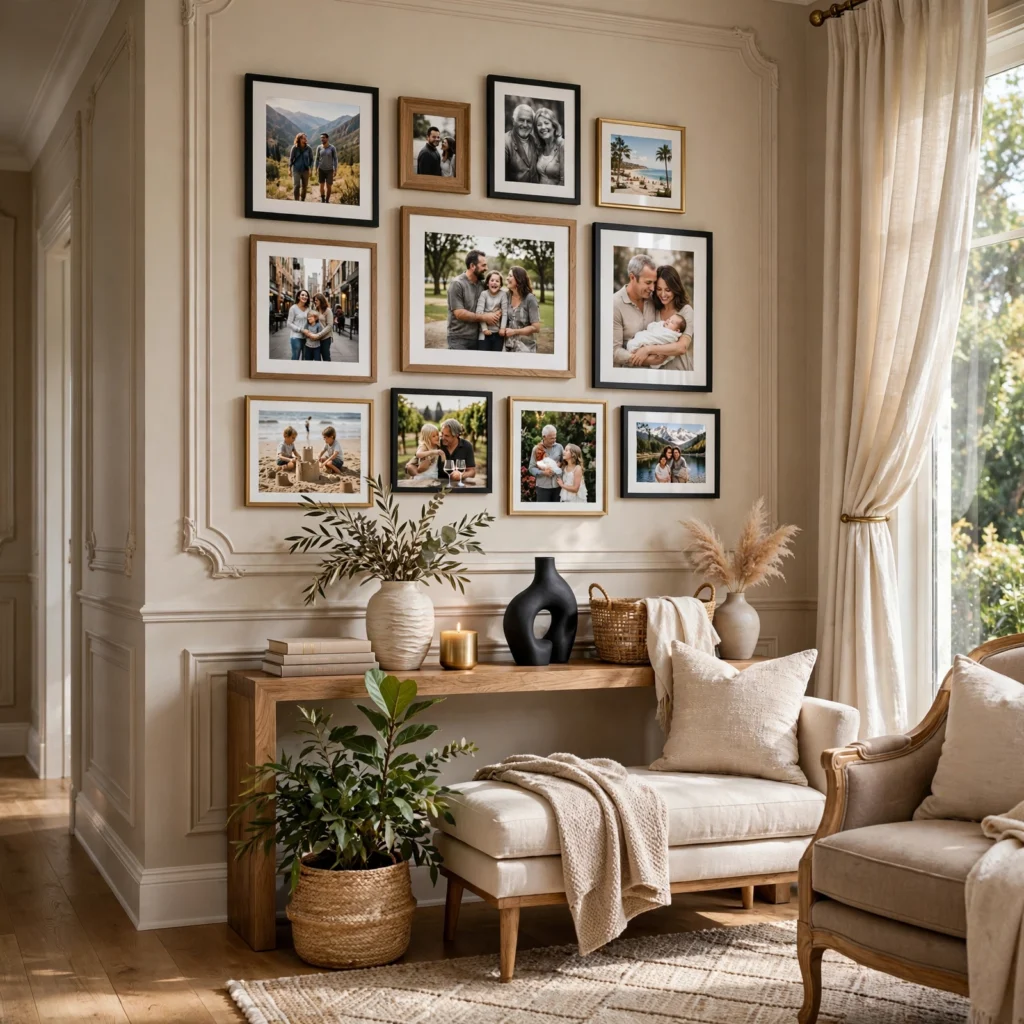
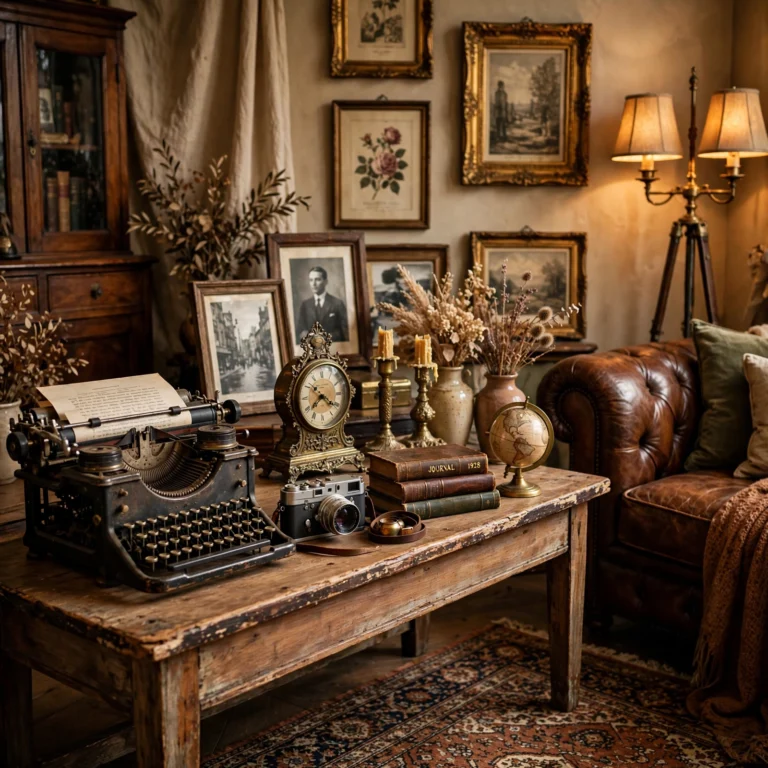
A framed family photo wall groups photos in mixed frame sizes and finishes along a stairway, hallway, or a section of living room wall, giving the home a personal narrative that purchased art alone can’t replicate. Choosing a consistent frame color, even with varying sizes and photo orientations, keeps the grouping feeling cohesive rather than scattered. Updating this display periodically as new photos accumulate keeps it feeling current rather than becoming a static, unchanging fixture.
14. Scent Consistency Across Main Living Spaces
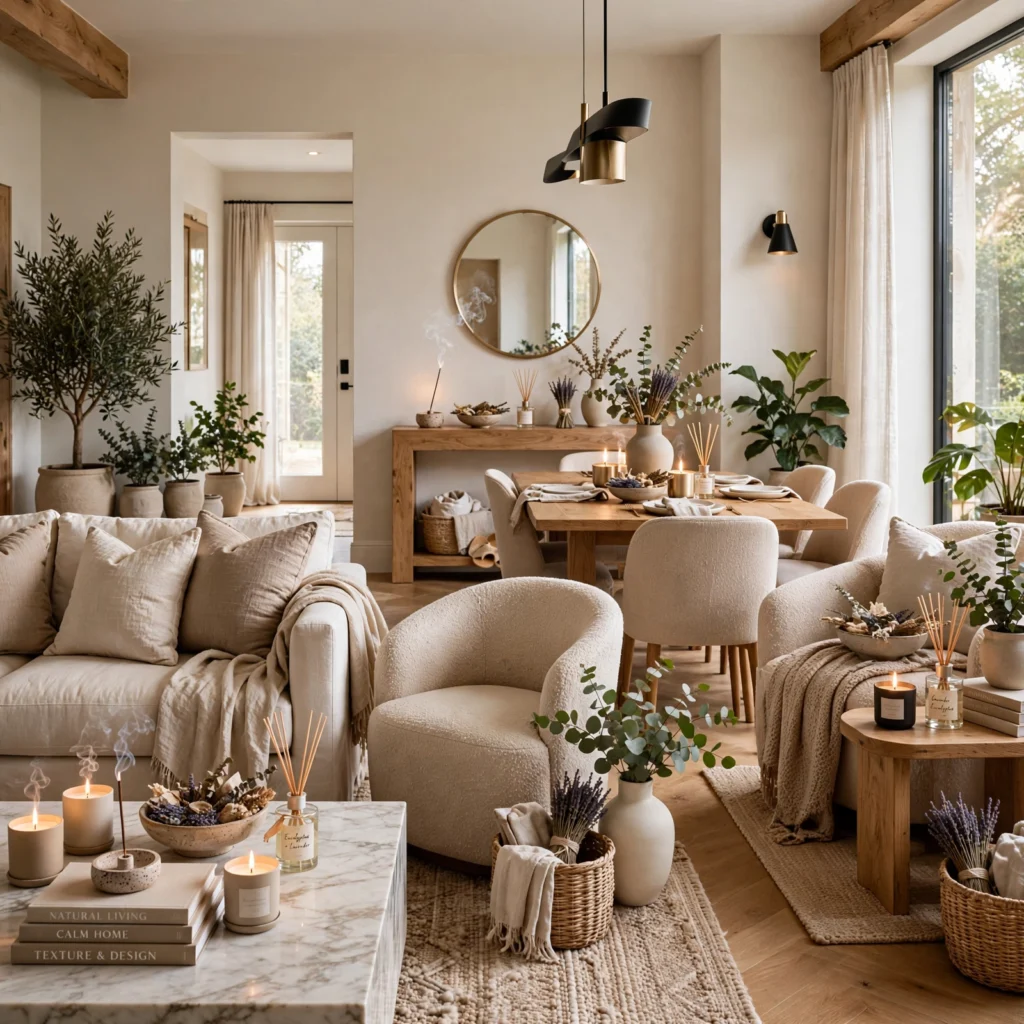
Scent consistency across main living spaces uses one or two complementary candle or diffuser scents throughout connected rooms, rather than several competing fragrances in different spaces that can clash when doors stay open between them. This detail is easy to overlook but affects how a home actually feels to move through, beyond what’s purely visible. Choosing a versatile, not overly specific scent, like a subtle woodsy or citrus note, works well across most connected living areas without feeling too strong in any single room.
Shop the Look
For this palette, look for a console table with drawer storage for the entryway, a set of mixed vintage and new picture frames, warm brass hardware pulls for cabinets throughout the home, a durable low-pile runner rug for hallways, and a rotating seasonal decor bin for storing off-season textiles and small objects. These pieces work together across several of the ideas above without requiring a full home renovation.
Common Mistake to Avoid
The most common mistake in whole-home decorating is treating each room as a completely separate design project, resulting in a house where individual spaces look fine on their own but don’t read as connected or cohesive when moving from one room to the next. A home decorated this way often has jarring transitions at doorways, where color palette, hardware finish, or overall style shifts abruptly without any consistent thread tying the spaces together. Applying at least one or two repeating elements, like a color thread or a consistent hardware finish, throughout connected spaces produces a noticeably more unified result.
FAQs
What home decor ideas work best for someone just starting to decorate?
Layered entry console styling, seasonal object rotation, and a repeating color thread all work particularly well for someone just starting to decorate, since these ideas require relatively little investment while establishing habits and techniques that scale up as budget and confidence grow. Mixing in one or two vintage pieces early also helps a new home avoid looking like everything came from a single matched furniture set. Starting with these smaller, technique-focused ideas tends to produce better long-term results than a single large furniture purchase made without an overall plan.
How much does it cost to update home decor throughout a whole house?
A budget refresh using seasonal object rotation, a repeating color thread through small accessories, and a framed family photo wall can run under $150 total, while adding statement lighting fixtures or a runner rug for hallways typically pushes the range to $300–$800 per room addressed. A more comprehensive whole-home refresh incorporating mixed vintage furniture, consistent hardware throughout, and updated lighting in every major room costs significantly more, often landing between $2,000 and $8,000 depending on how many rooms and pieces are involved.
How do I mix vintage and new furniture without it looking mismatched?
Mixing vintage and new furniture without a mismatched result generally works best by choosing one or two vintage anchor pieces per room, rather than filling an entire space with older furniture, and updating hardware or reupholstering vintage pieces in more current fabric to bridge the two eras. Keeping a consistent color palette and material thread between the old and new pieces also helps them feel intentionally paired rather than randomly combined. This approach produces a collected, personal look rather than either a fully matched showroom feel or a disjointed mix of unrelated styles.
Does every room in the house need to follow the same decor style?
Every room doesn’t need to follow the same exact decor style, but maintaining a few consistent threads, like color, hardware finish, or overall material palette, throughout connected spaces helps a home feel cohesive even when individual rooms have distinct personalities. This balance allows for personal variation room to room, particularly in more private spaces like a bedroom or home office, while still avoiding the disjointed feeling that comes from a house with no unifying elements at all. Most successful home decor plans balance individual room character with at least some whole-home consistency.
How often should home decor be updated?
Smaller decor elements, like throw pillows, seasonal accents, and small tabletop styling, generally benefit from updating every few months to keep spaces feeling current, while larger furniture and paint choices typically stay in place for several years at a time. This tiered approach, frequent small refreshes alongside infrequent larger changes, tends to keep a home feeling considered without requiring constant major investment. Building small styling updates into a regular seasonal habit makes this ongoing refresh feel manageable rather than like a recurring large project.
Conclusion
These home decor ideas cover everything from a simple entry console rearrangement to a fuller whole-home styling strategy involving mixed furniture eras and consistent color threads, giving you options regardless of your budget or how much of the house you’re ready to address. Start with the techniques that apply across multiple rooms, like a repeating color thread or consistent hardware finish, then layer in room-specific updates as time and budget allow. Save this guide to Pinterest for later, and check out our related post on room decor ideas for more space-specific styling guidance.