17 Trending Cosy Living Room Ideas for a Warm, Relaxed Home
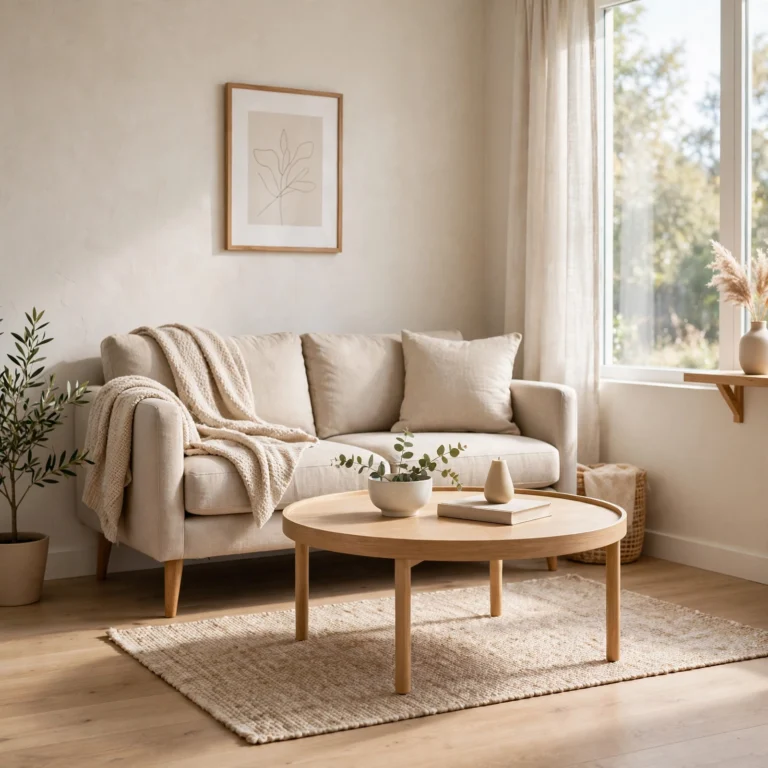
There’s a particular kind of room that makes you want to sink into the sofa and stay there all evening, and that feeling doesn’t happen by accident. A cosy living room is built through deliberate choices in texture, lighting, and layout that work together to soften hard edges and slow the pace of a space. This guide walks through seventeen cosy living room ideas covering furniture, lighting, textiles, and small details that turn an ordinary room into one people actually want to linger in.
Trend & Background
Interest in cosy, comfort-driven interiors has grown steadily as more people spend time working and relaxing at home rather than treating the living room as a formal, rarely-used space. The Danish concept of hygge popularised the idea that warmth and comfort deserve as much design attention as aesthetics, and that thinking has since spread well beyond Scandinavian interiors. It matters now because homes are being asked to do more, work, rest, entertaining, all in the same rooms, and a genuinely cosy living room supports that shift far better than a purely showroom-styled one.
Key Takeaways
- A cosy living room relies on layered textures, warm lighting, and soft seating rather than any single statement piece.
- Natural materials like wool, wood, and linen create tactile warmth that keeps a room feeling inviting year-round.
- Lighting layers, floor lamps, table lamps, and candles, do more to build cosiness than overhead fixtures alone.
- Small additions like a chunky throw or a reading nook can shift the mood of a room without a full redesign.
1. Chunky Knit Throw Blanket
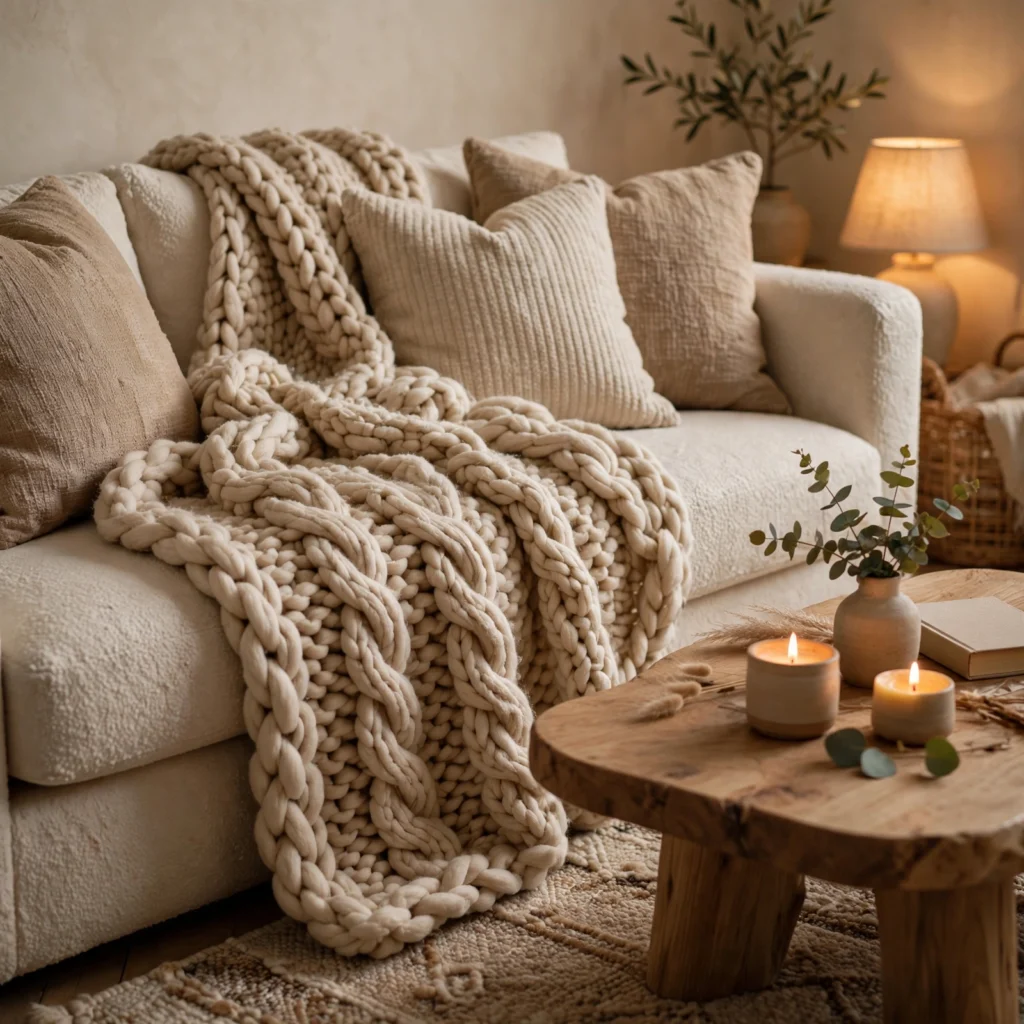
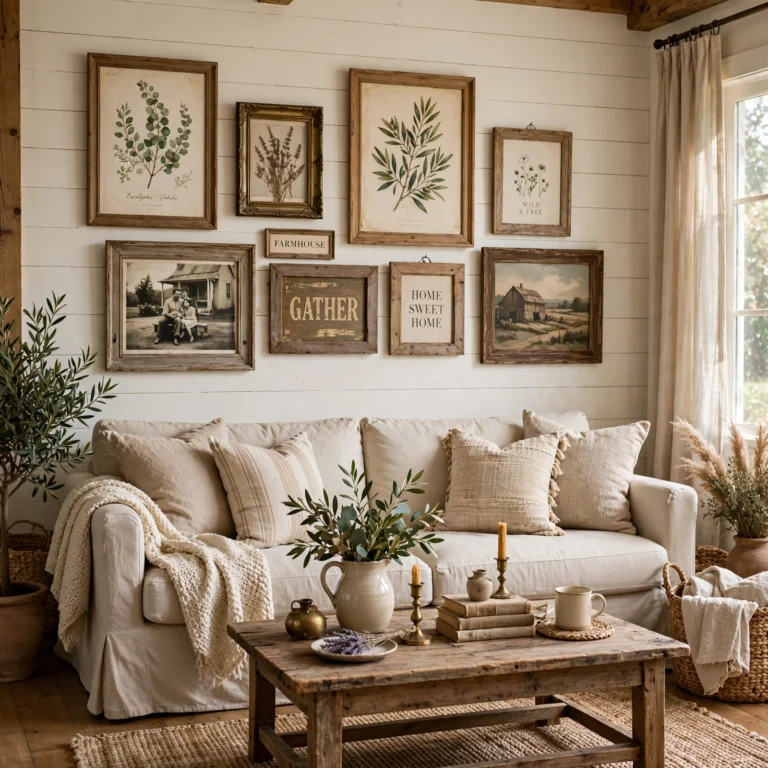
Draping a chunky knit throw over the arm of a sofa or the back of an armchair instantly adds texture and an invitation to curl up. Choose a natural fibre like wool or a wool-acrylic blend in a warm neutral or muted color to avoid clashing with existing decor. The oversized stitch pattern reads as tactile even from across the room. Fold it loosely rather than perfectly for a more lived-in, relaxed appearance.
2. Layered Floor Lamp Lighting
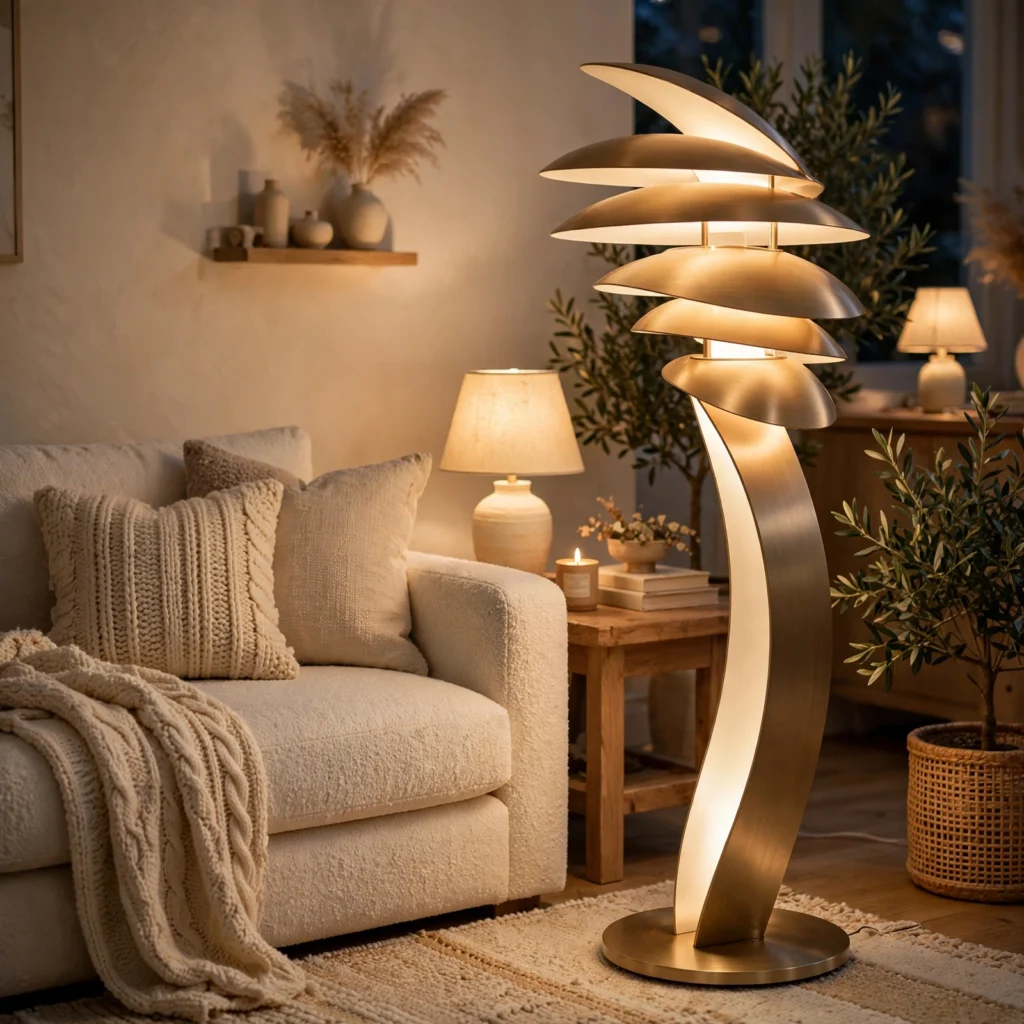
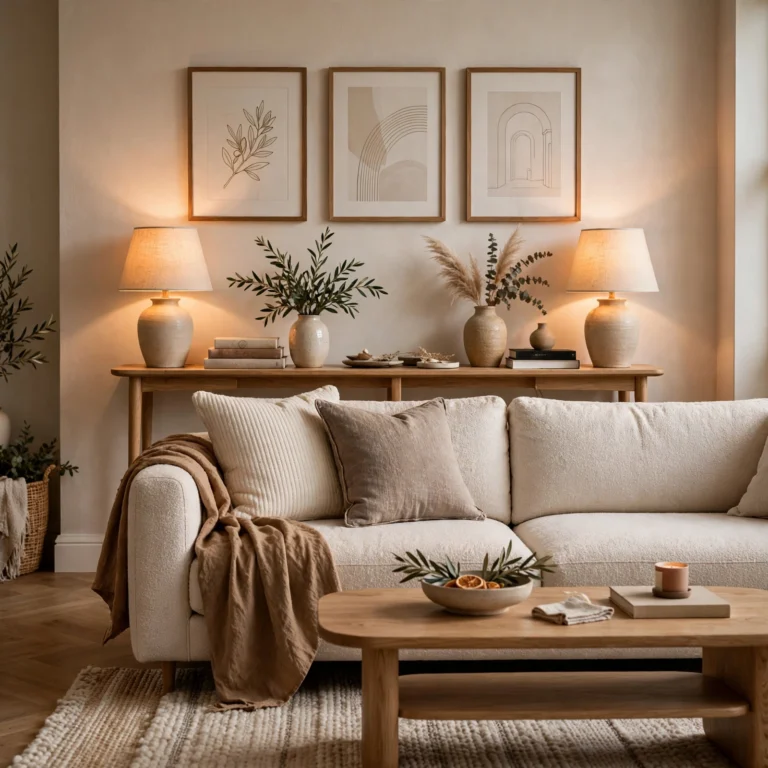
Swapping harsh overhead lighting for a floor lamp positioned near the seating area changes the entire mood of a cosy living room. Choose a warm bulb temperature around 2700K rather than a cool white, and position the lamp so light pools downward rather than glaring across the room. Pair it with a second light source, like a table lamp on a side table, so no single fixture has to do all the work.
| Light Source | Best Placement | Recommended Bulb Temp |
| Floor lamp | Beside armchair or sofa end | 2700K warm white |
| Table lamp | Side table or console | 2700K–3000K |
| Candles | Coffee table or mantel | N/A, flame warmth |
3. Oversized Floor Cushions
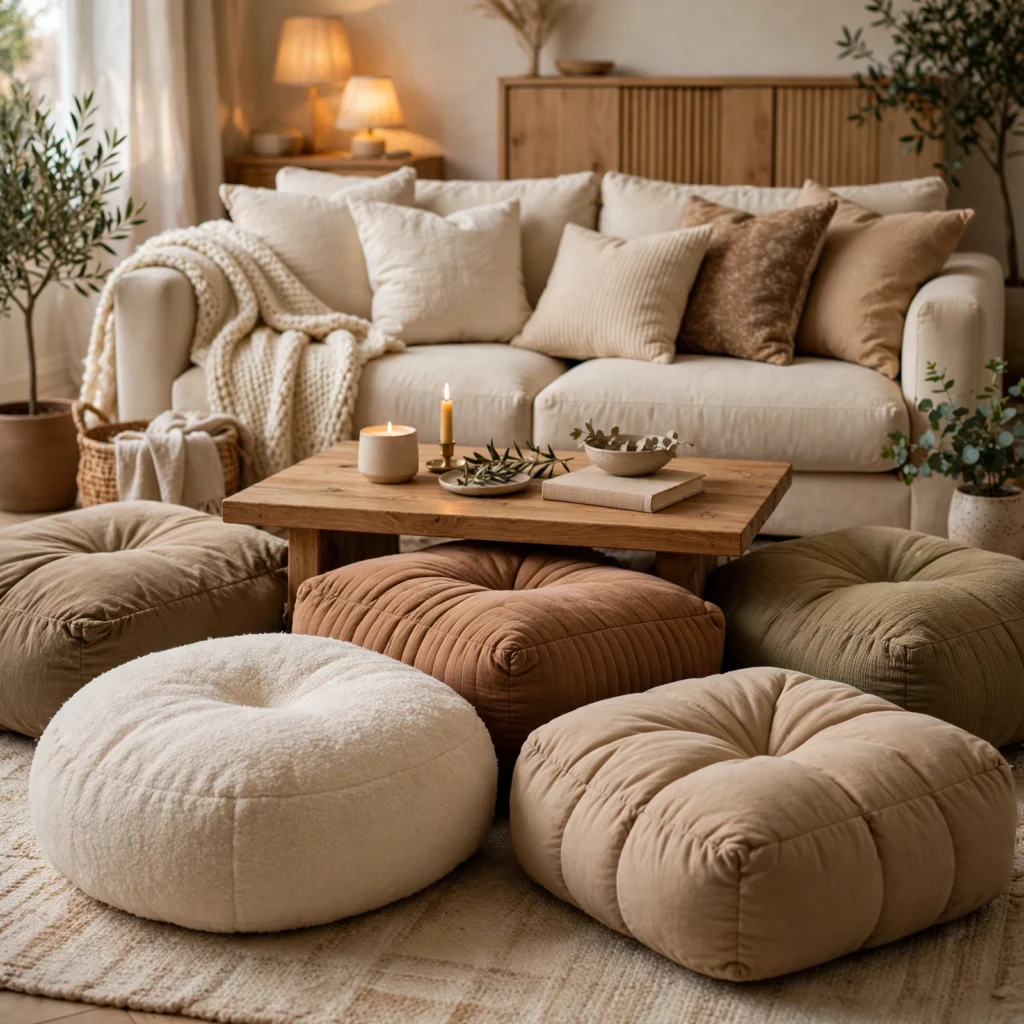
A pair of oversized floor cushions near the coffee table gives extra low seating for movie nights or casual gatherings. Choose a durable fabric like cotton canvas or corduroy in a warm earth tone. Floor cushions also make a living room feel more flexible and less formal, since they can be pulled out for guests and tucked away against a wall or under a console table when not in use.
To see more couches living room CLICK HERE
4. Wood-Burning Fireplace or Stove
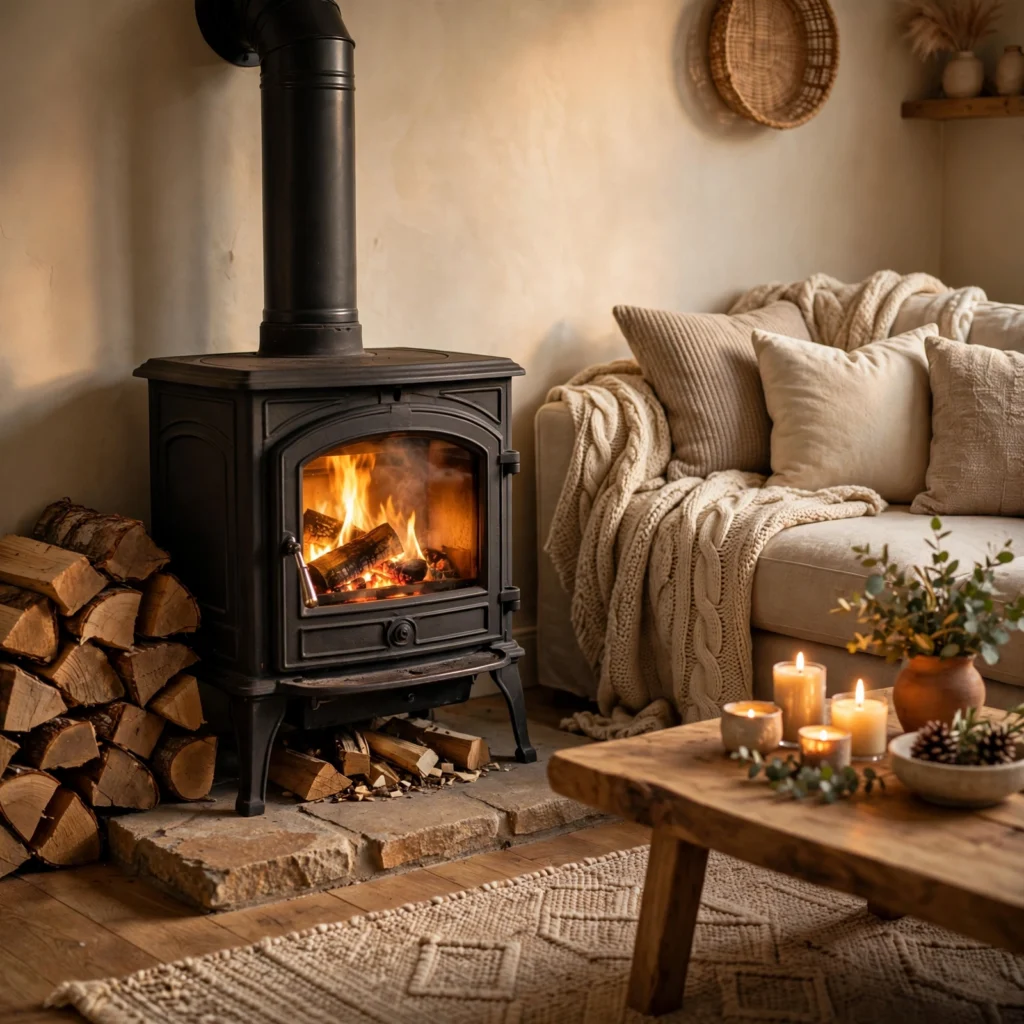
Nothing anchors a cosy living room quite like real or simulated fire. A wood-burning stove or classic fireplace becomes the natural gathering point, especially when paired with a stone or brick hearth. For homes without a working fireplace, an electric insert with realistic flame effects can achieve much of the same ambience. Arrange seating in a loose semicircle facing the fireplace to reinforce it as the room’s emotional center.
5. Soft Area Rug Layering
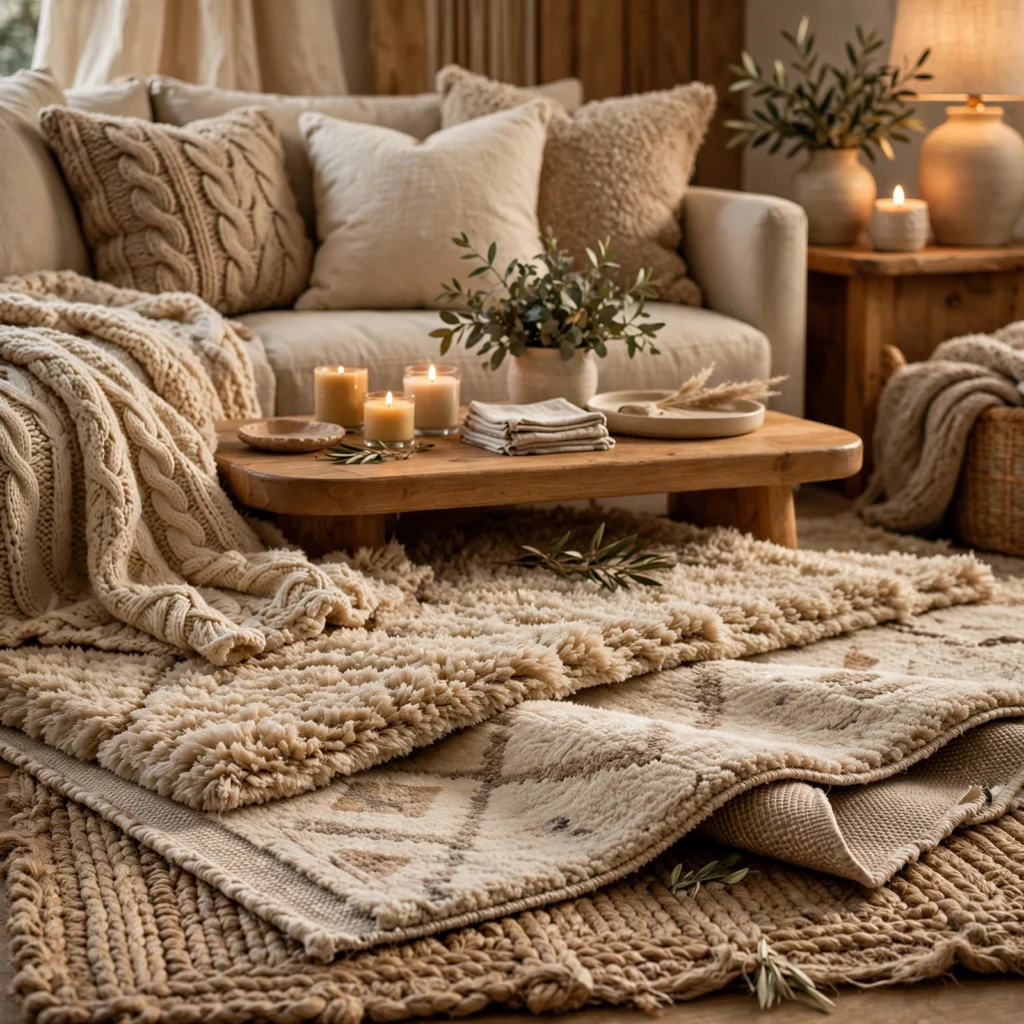
Layering a smaller patterned or textured rug over a larger neutral base rug adds visual depth and extra softness underfoot. Wool and shag-style rugs work particularly well for cosy spaces since they hold warmth and muffle sound. Make sure the top rug is large enough to anchor the seating group, at minimum reaching just under the front legs of the sofa and chairs, so the layering reads as intentional rather than accidental.
6. Deep Sectional Sofa
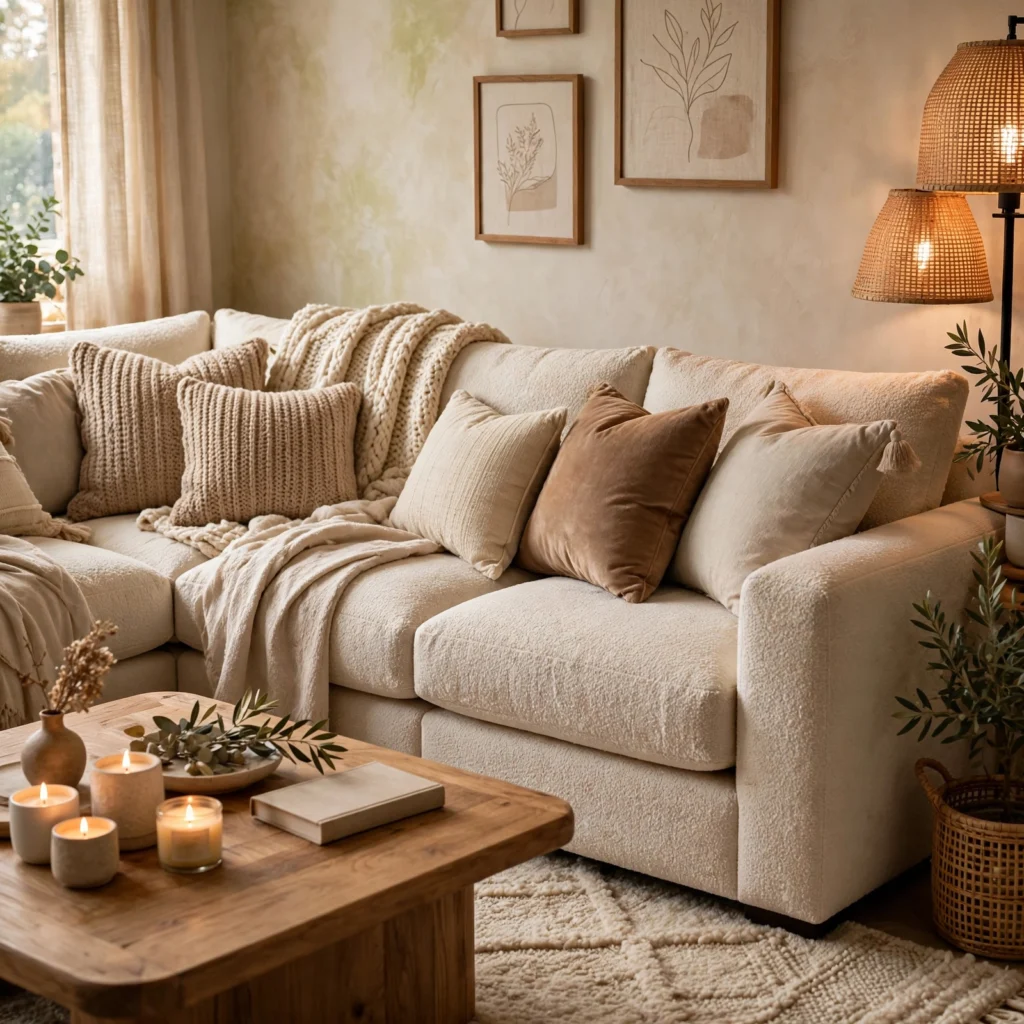
A deep-seated sectional sofa with plush cushions encourages the kind of sprawled-out lounging that defines a cosy living room. Look for a seat depth of at least 40 inches and down-blend or high-density foam cushions that hold their shape while still feeling soft. Upholster in a soft-touch fabric like chenille or brushed velvet rather than a stiff, formal weave, since texture plays as much of a role in comfort as the actual cushion fill.
7. Warm Wall Color Palette
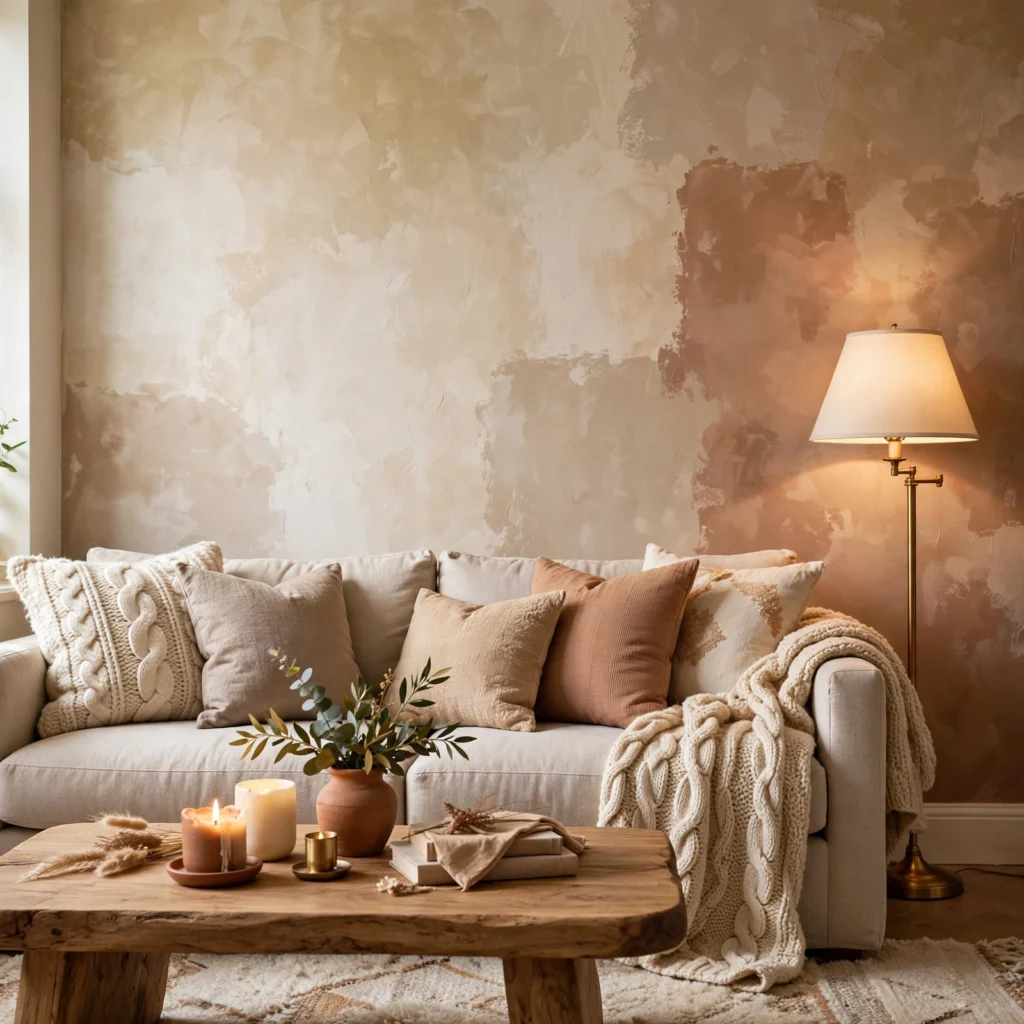
Painting walls in warm neutrals like terracotta, caramel, or deep clay immediately makes a room feel smaller and more enveloping in the best way. These tones absorb light differently than stark white, creating a softer glow throughout the day. Pair warm walls with matte or eggshell finishes rather than high-gloss paint, since sheen can make a room feel colder and more reflective than a cosy living room calls for.
8. Reading Nook Corner
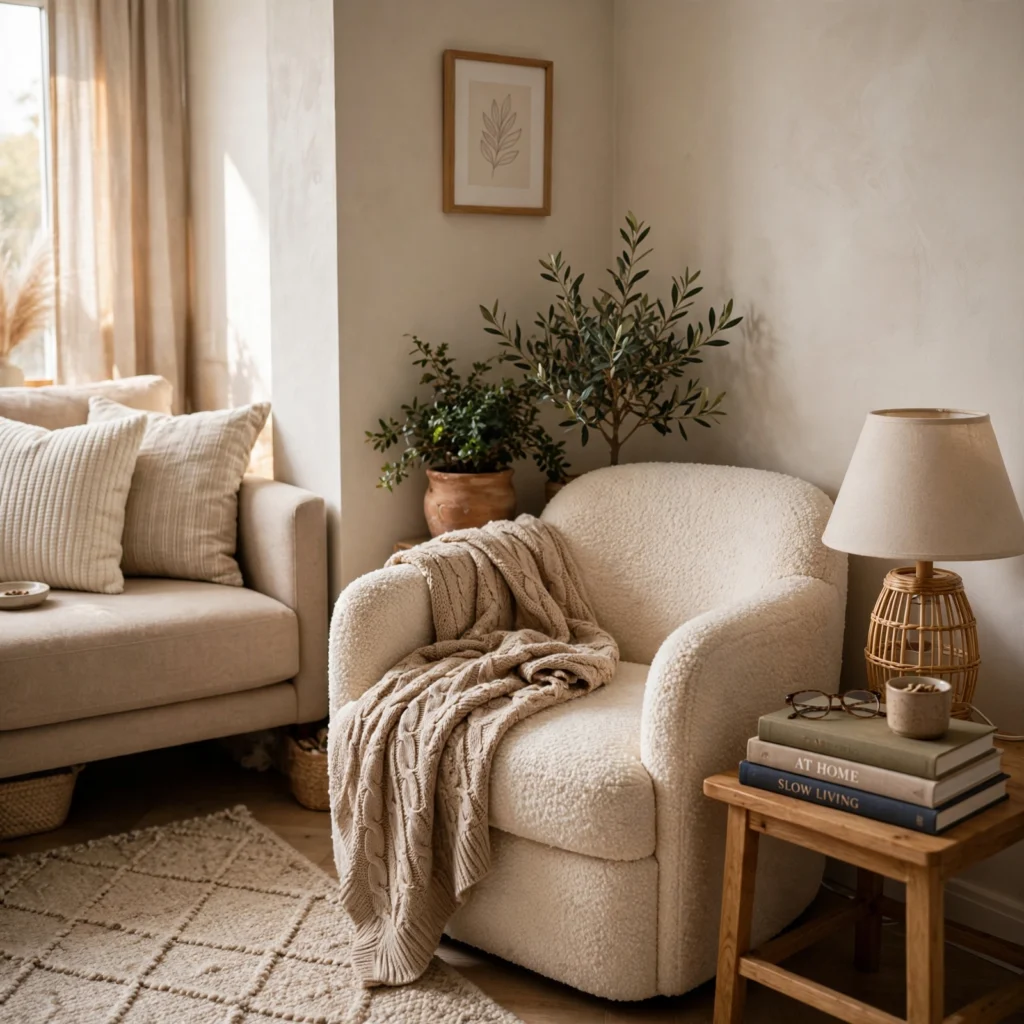
A single armchair tucked into a corner near a window, paired with a small side table and a dedicated reading lamp, creates a quiet retreat within the larger room. Add a footstool or ottoman for extra comfort and a small basket for current books or magazines. This nook doesn’t need to be large, just well-lit and slightly separated from the main seating area so it feels like its own small escape.
9. Wool Throw Pillows
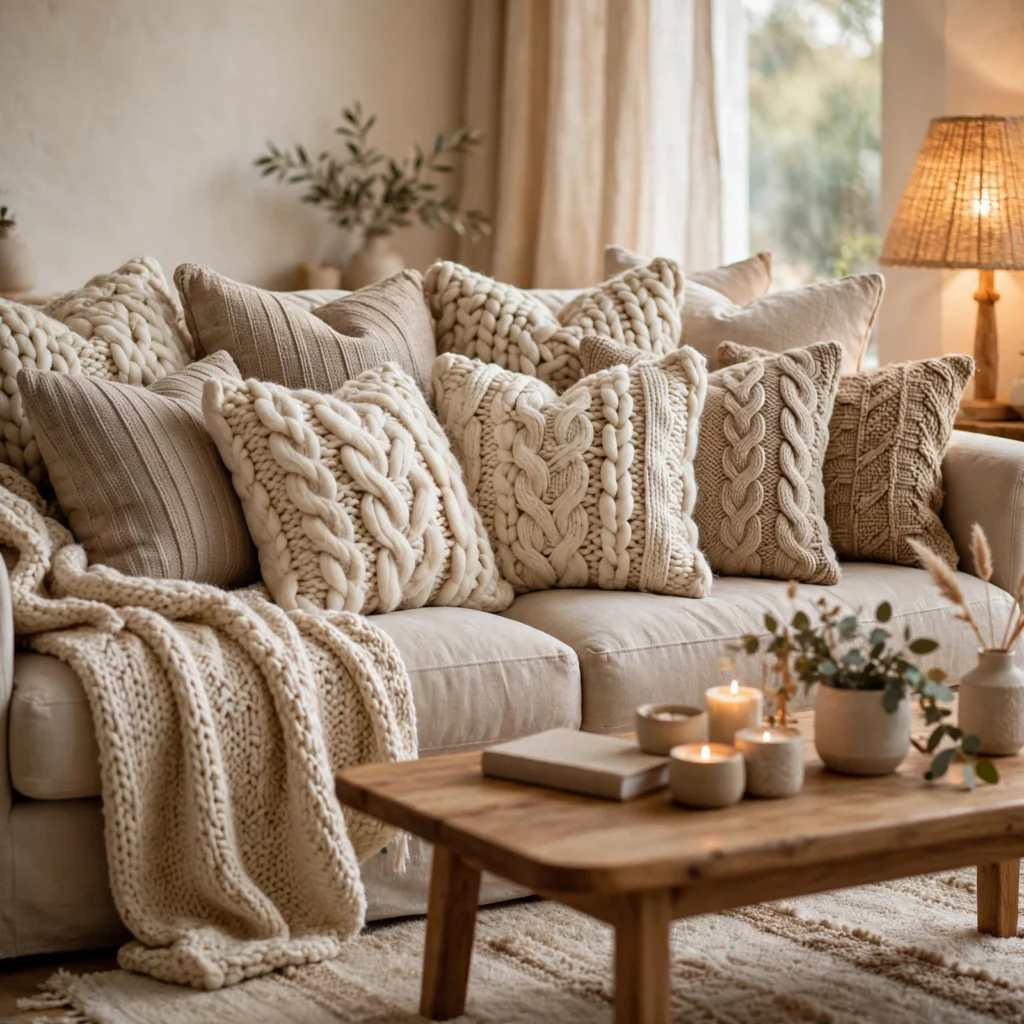
Swapping out flat, decorative-only pillows for ones filled with genuine down or a down-alternative blend makes an enormous difference in how inviting a sofa feels. Choose wool or bouclé covers in varied but complementary tones, mixing two or three textures rather than a single matching set. Pillows should look slightly squishable and imperfect, not stiffly propped, since that relaxed styling is part of what signals genuine cosiness rather than staged comfort.
10. Bookshelf Styling with Warm Wood
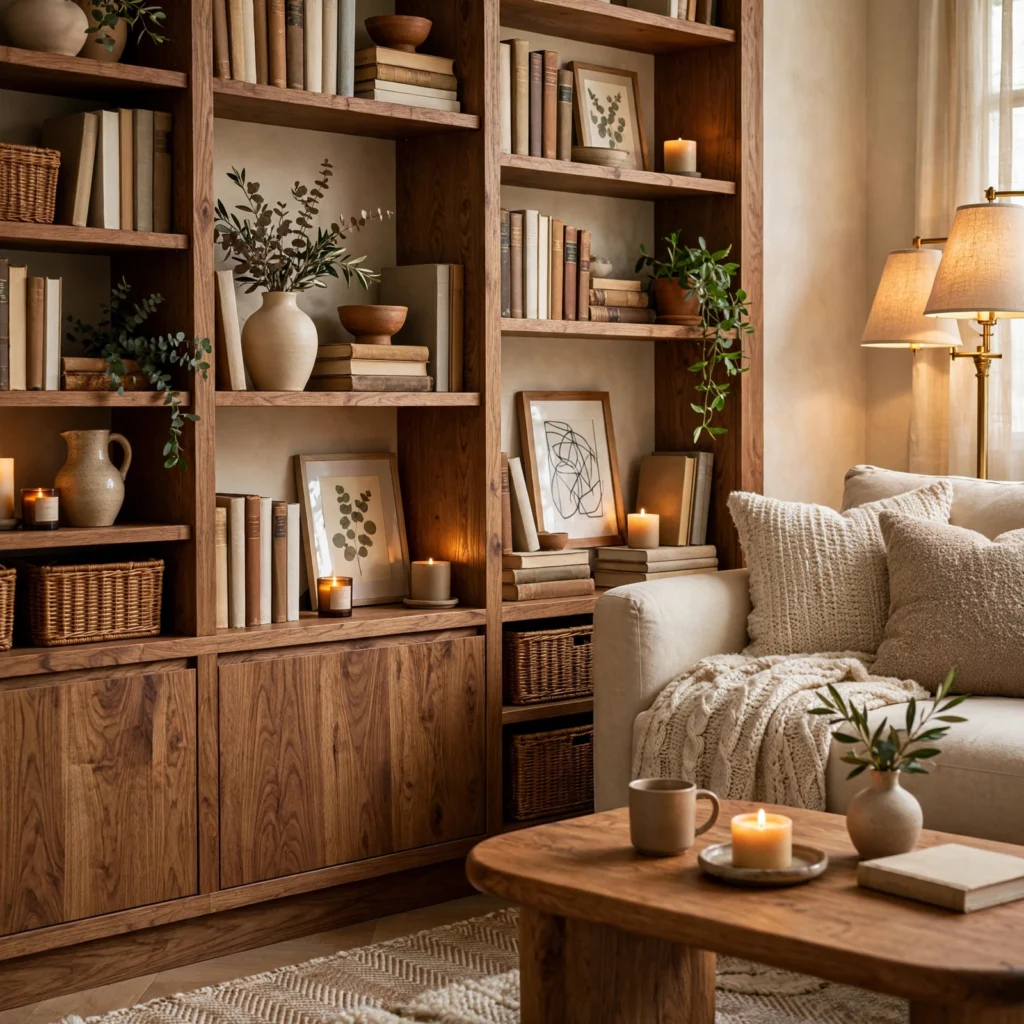
Open wood shelving filled with books, small plants, and a few personal objects adds warmth and personality to a cosy living room. Choose a warm wood tone like walnut or honey oak rather than a cool gray finish. Avoid overly styled, symmetrical arrangements; let books lean and stack unevenly, and mix in a few textured objects like a woven basket or ceramic vase for a collected, lived-in feel.
11. Linen Curtains in Soft Neutrals
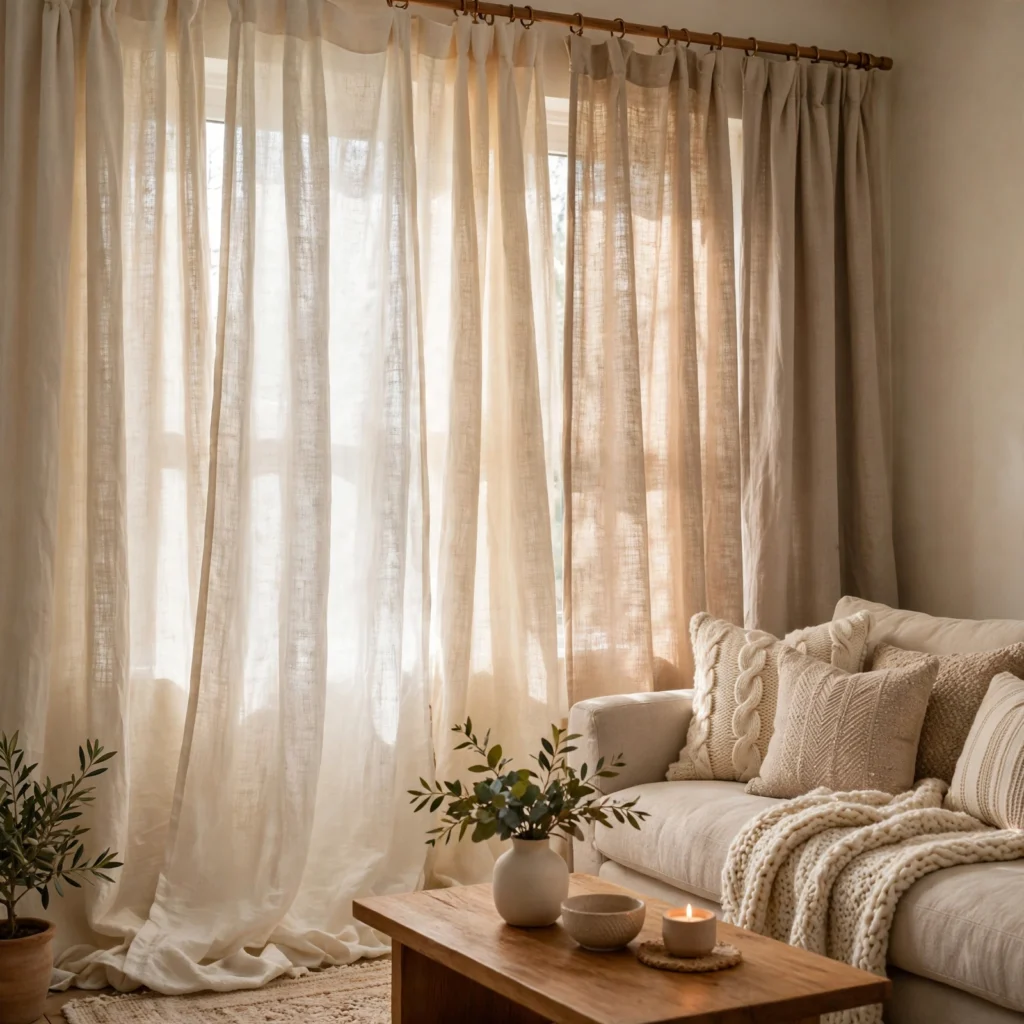
Floor-length linen curtains in warm ivory, terracotta, or soft taupe filter daylight while adding softness around window frames. The slightly wrinkled texture of linen fits a relaxed, cosy aesthetic better than crisp or shiny fabrics. Hang curtains close to the ceiling to make the room feel taller, and choose a rod in a warm wood or aged brass finish rather than cool chrome hardware.
12. Candle Grouping on Coffee Table
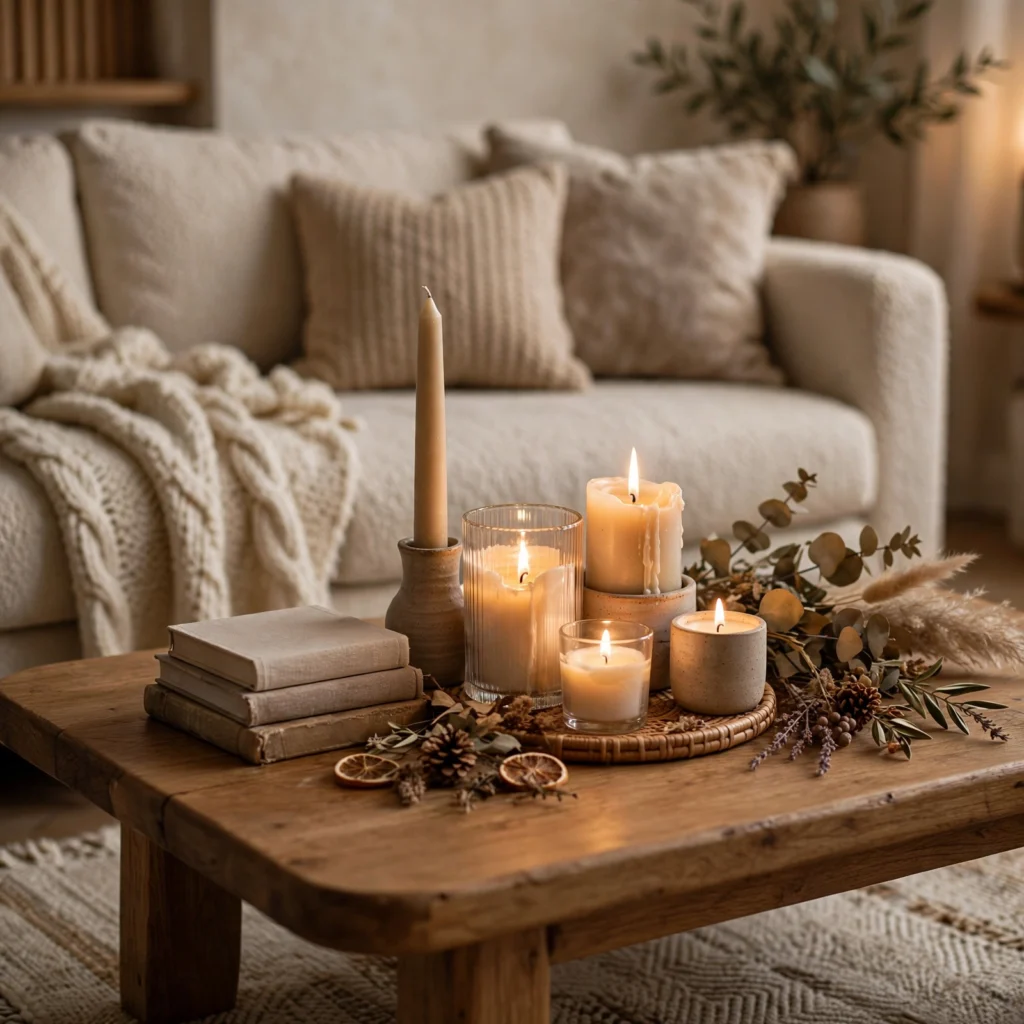
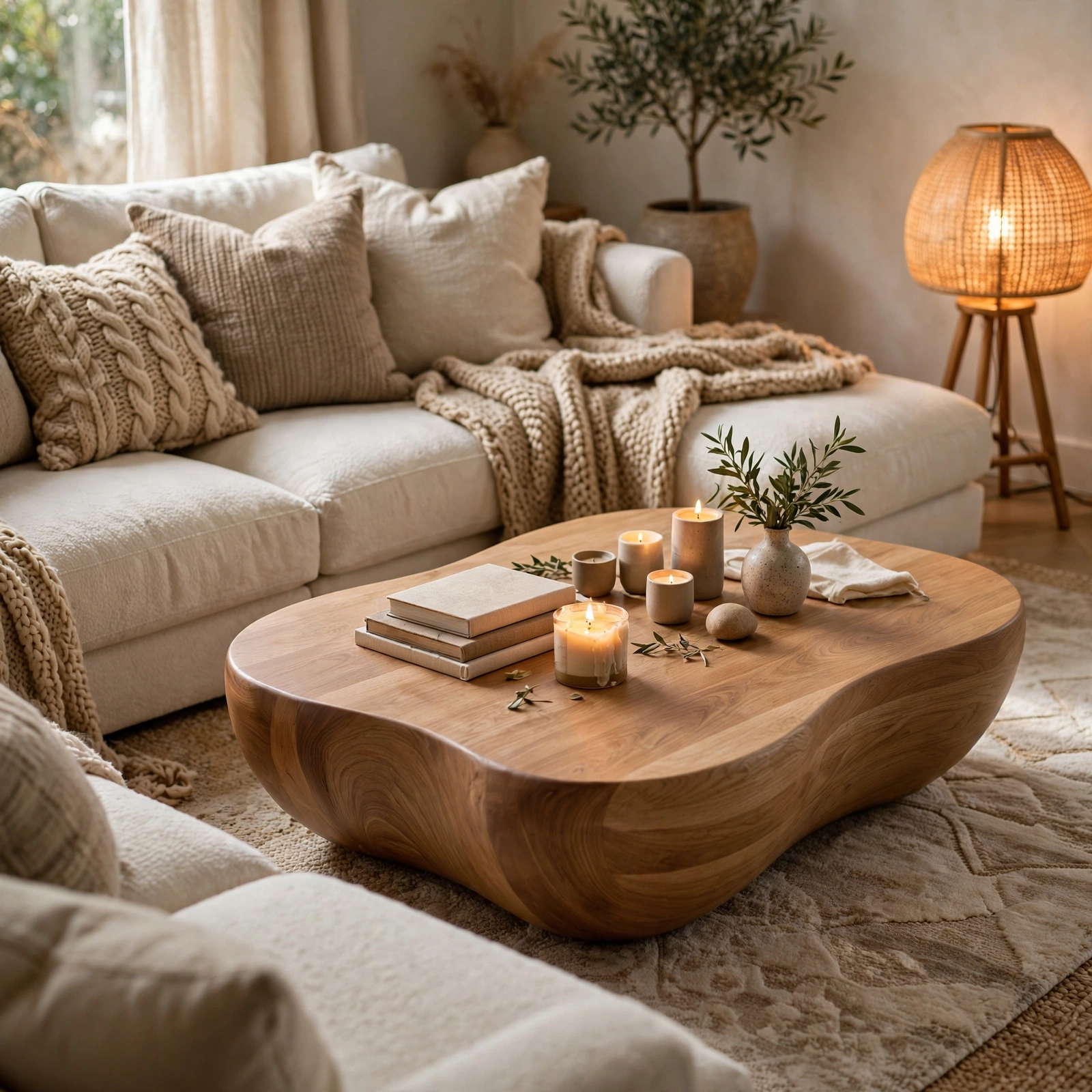
Grouping three or four candles of varying heights on a tray at the center of the coffee table adds warm, flickering light that no lamp can fully replicate. Choose unscented or lightly scented soy candles if the room is used often, since strong fragrance can become overwhelming. This small styling choice signals cosiness immediately and costs very little compared to furniture or lighting upgrades.
13. Textured Throw Blanket Basket
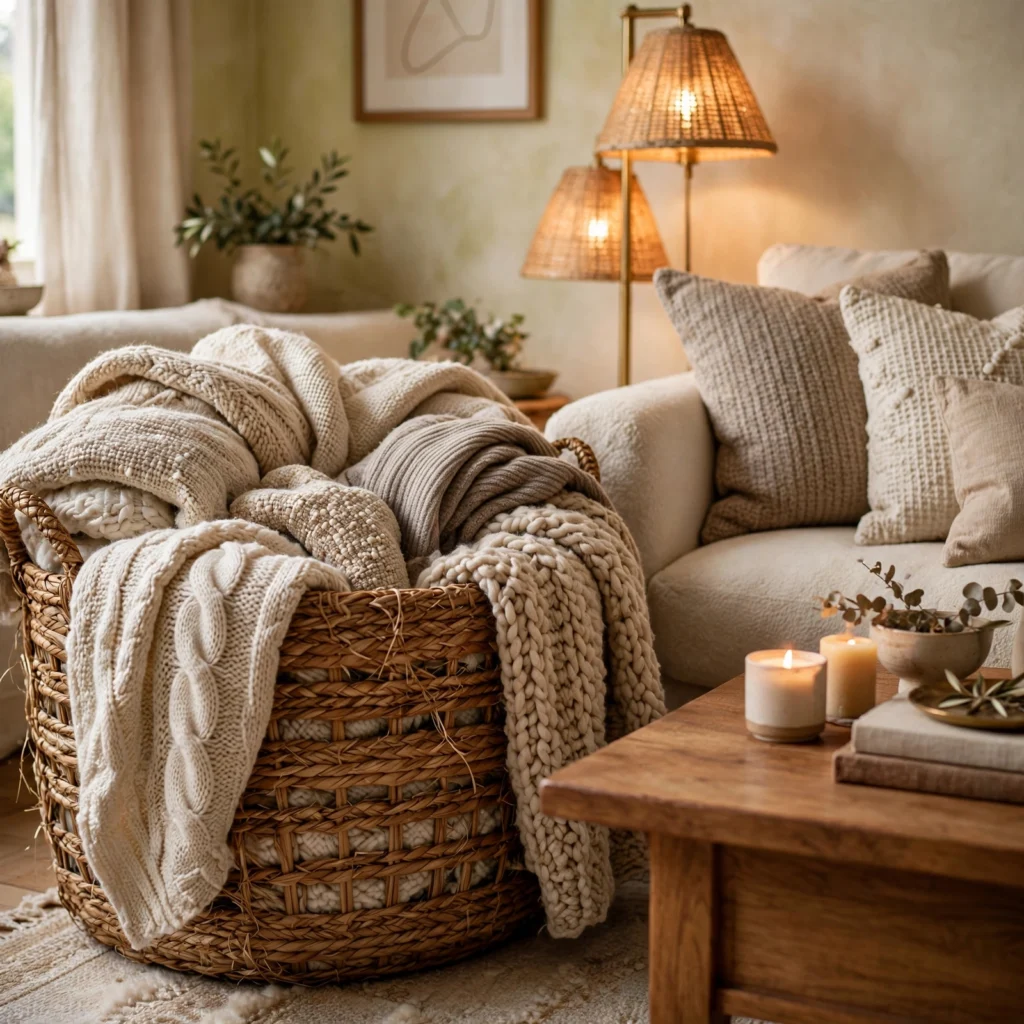
A woven basket positioned beside the sofa, filled with two or three extra throw blankets, keeps warmth within arm’s reach and doubles as a styling element. Choose a basket in natural rattan or seagrass to add another organic texture to the room. This small addition also solves a practical storage problem, since folded blankets on the sofa arm can start to look cluttered once there’s more than one.
14. Cosy Living Room Window Seat
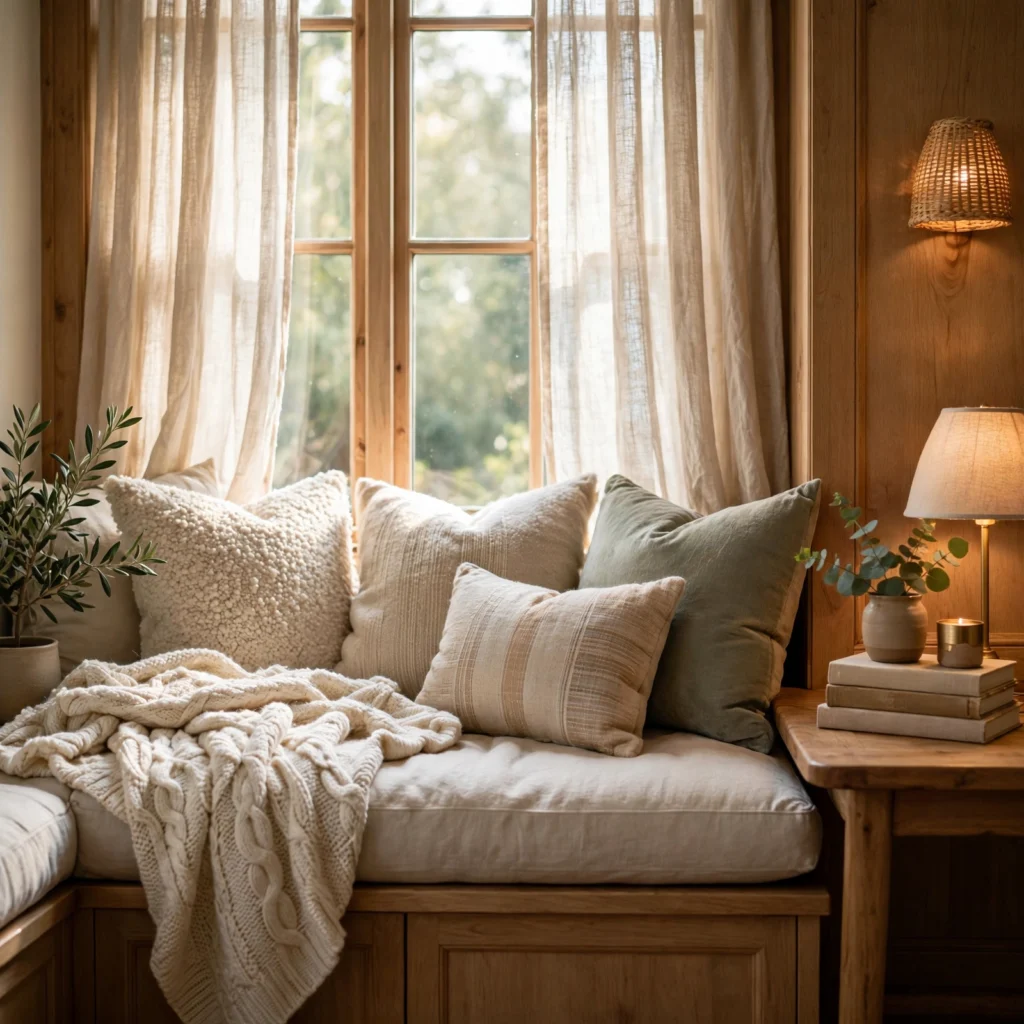
Building or styling a window seat with a thick cushion and a row of throw pillows turns an underused architectural nook into one of the most inviting spots in a cosy living room. Add a small shelf above for books or a reading lamp, and use the same warm color palette as the rest of the space so the nook feels integrated rather than separate. This spot works particularly well in bay windows or deep window sills.
15. Low Coffee Table with Rounded Edges
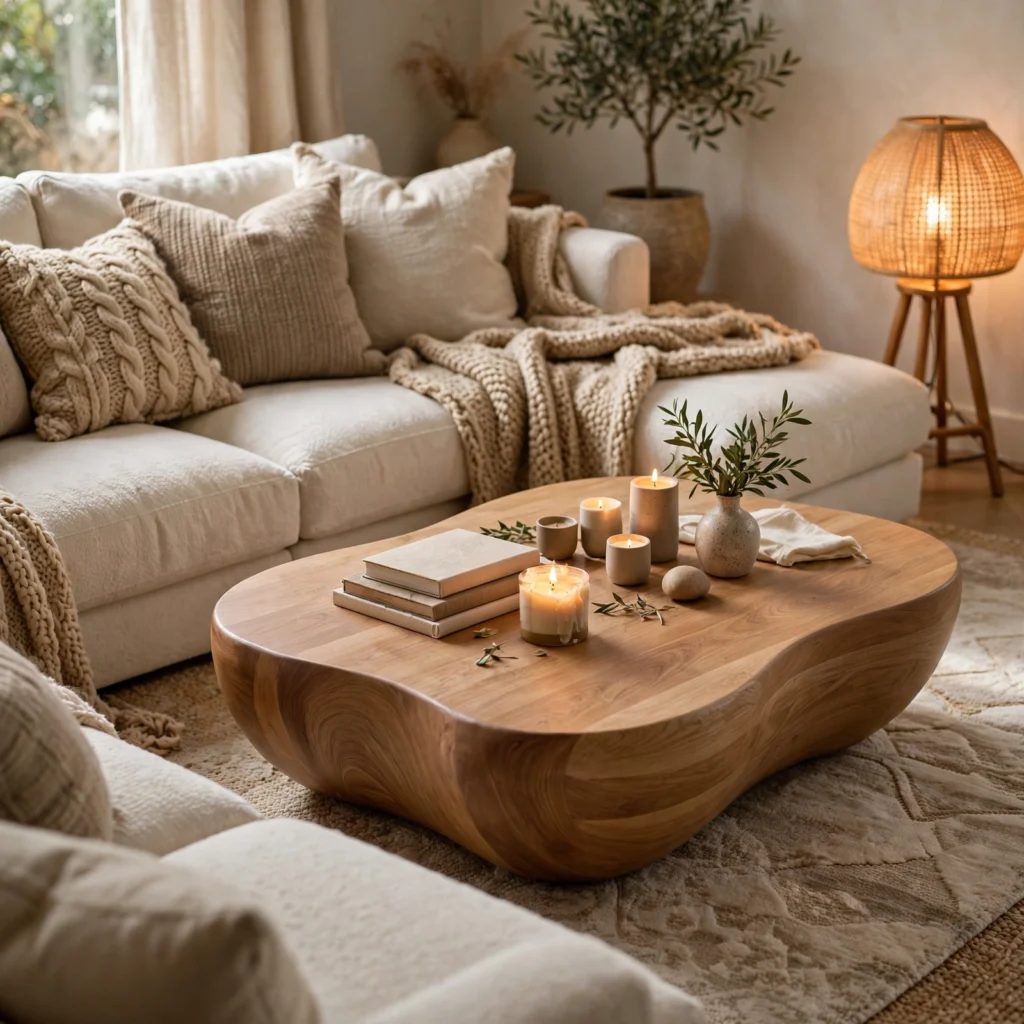
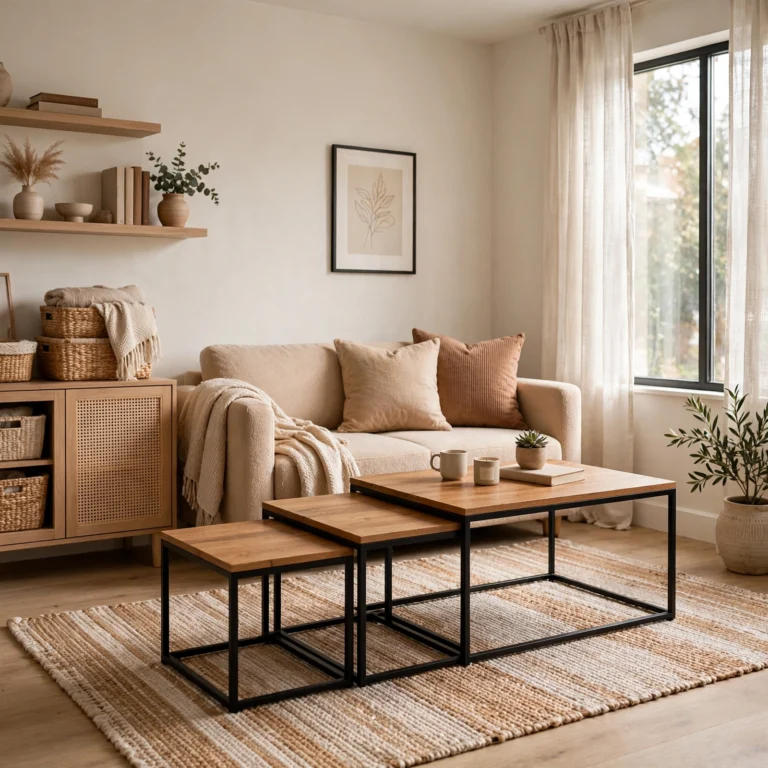
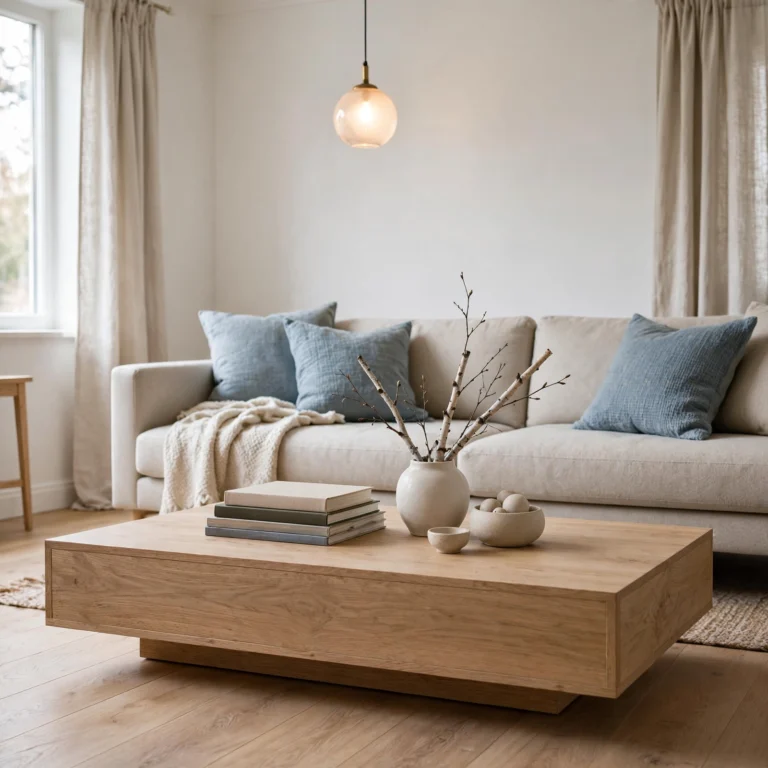
A low, rounded-edge coffee table in warm wood or rattan softens the room’s overall geometry compared to sharp-edged glass or metal options. The lower height also encourages a more relaxed, floor-adjacent way of sitting and gathering. Choose a table with some visible grain or texture, and keep the surface loosely styled with a tray, a small stack of books, and a candle rather than leaving it bare.
16. Dimmable Overhead Lighting
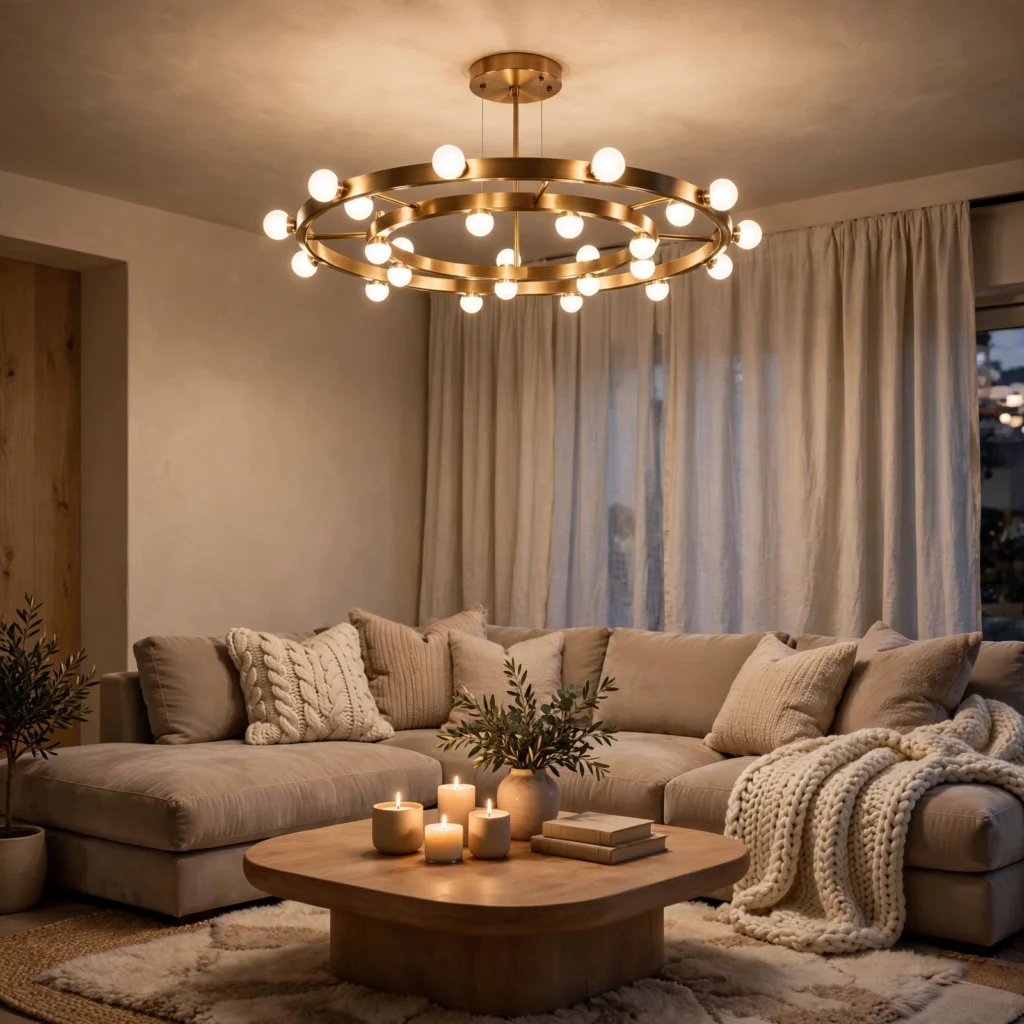
For evenings when ambient lamps alone aren’t quite enough, installing a dimmer switch on the main overhead fixture allows light levels to shift gradually as the day winds down. Pair a dimmed overhead light with warm-toned bulbs rather than cool white ones. This flexibility means the same room can function brightly for daytime tasks and then soften considerably for evening relaxation without needing separate fixtures.
17. Faux Fur Accent Throw
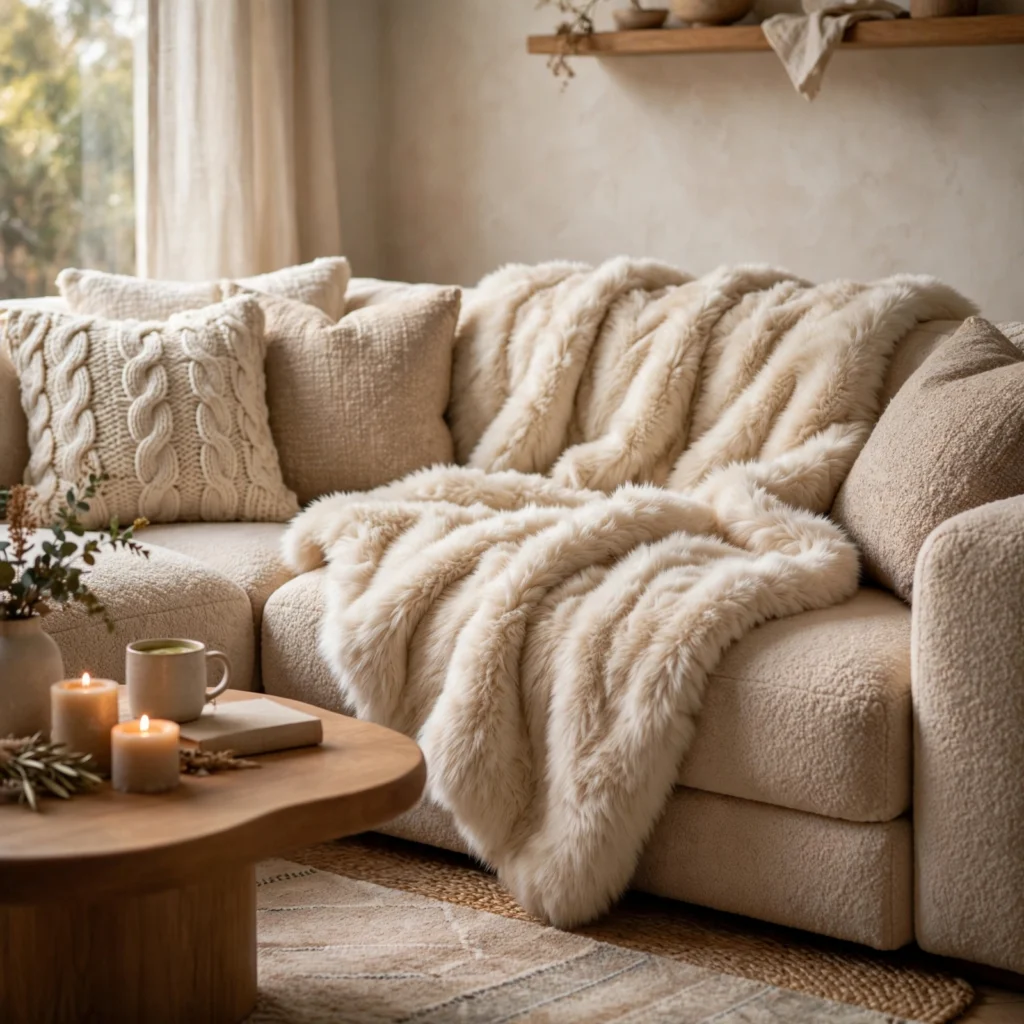
A single faux fur throw draped over an accent chair or ottoman adds a plush, tactile focal point without overwhelming the room. Choose a natural color like cream, taupe, or charcoal so it blends with the existing palette rather than standing out as a novelty piece. This works particularly well layered over a plainer wool throw, giving the seating area two distinct textures to look at and touch.
Shop the Look
Consider a chenille sectional sofa in warm taupe paired with a wool-blend area rug layered over a jute base. Add a rattan coffee table, a floor lamp with a linen shade, and a woven basket filled with extra throw blankets. Finish the room with a grouping of soy candles and two or three bouclé throw pillows in complementary warm tones.
Common Mistake to Avoid
The most common mistake is relying entirely on one bright overhead light instead of layering warmer, lower sources throughout the room. A single ceiling fixture on full brightness flattens the space and makes even well-chosen furniture feel sterile. Swapping in floor lamps, table lamps, and candles at varying heights does more to create genuine cosiness than almost any furniture purchase, and it costs far less than most people assume.
FAQs
What makes a living room feel cosy?
A cosy living room combines warm, layered lighting, soft natural textures like wool and linen, and a warm color palette rather than stark white or cool gray tones. Deep, comfortable seating and a low coffee table also contribute by encouraging a more relaxed posture. None of these elements alone creates the effect; it’s the combination of soft materials, gentle light, and a slightly imperfect, lived-in styling approach that reads as genuinely cosy.
What colors make a room feel cosier?
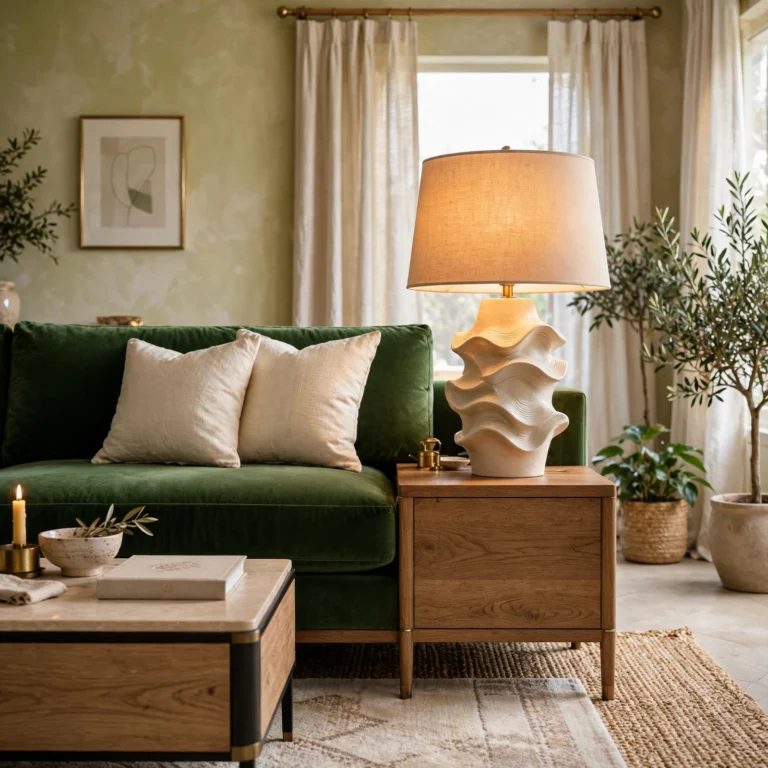
Warm neutrals like terracotta, caramel, deep clay, and warm taupe tend to make rooms feel more enveloping than cool grays or stark white. These tones absorb and reflect light differently, creating a softer overall glow. Deeper accent shades like rust or forest green can also work well on a single wall or piece of furniture, adding richness without making the room feel dark or closed in during daytime hours.
How do I make my living room cosy on a budget?
Start with lighting and textiles rather than furniture, since these changes cost the least and have the biggest visual impact. A few new throw pillows, a chunky knit blanket, a floor lamp with a warm bulb, and a grouping of candles can transform a room for well under the cost of a new sofa. Layering an affordable area rug over existing flooring also adds warmth quickly and inexpensively.
Is a cosy living room the same as hygge style?
Cosy living room design overlaps significantly with hygge, the Danish concept centered on comfort, warmth, and simple pleasures, but it isn’t strictly identical. Hygge tends to emphasize minimal, uncluttered spaces alongside natural materials and candlelight, while a broadly cosy living room can incorporate more pattern, color, and personal collections. Both share a core focus on soft textures, warm lighting, and rooms designed for genuine relaxation rather than pure visual display.
What fabrics work best for a cosy living room?
Natural and textured fabrics like wool, bouclé, chenille, and linen create the tactile warmth central to cosy design. These materials have visible texture and a soft, slightly imperfect drape that reads as inviting rather than formal. Avoid stiff, glossy, or overly structured fabrics like some synthetic blends or leather-look vinyl, which tend to feel colder to the touch and visually harder compared to natural fiber alternatives.
Conclusion
A cosy living room comes together through layered lighting, natural textures, and a handful of warm-toned details rather than any single big-ticket purchase. Start with a throw blanket, a floor lamp, and a few candles before considering larger furniture changes, and let the room build warmth gradually over time. Save this guide to Pinterest for later reference, and check out our related post on small living room layout ideas for more room-by-room inspiration.
Author Expertise Note
Written by an interior design writer who has spent the past six years covering comfort-focused home styling, with hands-on experience sourcing textiles and lighting for residential living space.