16 Trending Must-Try Christmas Decor Ideas Tree for Decorating Your Tree Like a Pro
The Christmas tree carries more decorating pressure than almost any other single item in the house, and a few technique-focused adjustments can make a noticeable difference in how finished it looks. This guide walks through sixteen christmas decor ideas tree styling can use, covering lights, ribbon, ornament placement, and the often-overlooked base and topper. By the end, you’ll have specific techniques, material suggestions, and layering strategies to build a tree that looks considered from every angle rather than just decorated in a hurry.
Trend & Background
Tree styling has moved away from single-color, uniformly spaced ornament displays toward layered, textured trees that mix finishes, scales, and materials throughout the branches. This reflects the same broader shift toward natural materials and mixed textures showing up across home decor generally, with wood, dried botanicals, and mercury glass now appearing on trees that once relied primarily on plastic and shiny glass ornaments. This matters now because the tree typically serves as the visual centerpiece for weeks of daily life and photos, making the technique behind how it’s decorated worth more attention than simply purchasing more ornaments each year.
Key Takeaways
- Layering ornaments by size and finish, rather than hanging everything the same distance from the trunk, gives the tree more depth.
- A cohesive ribbon and garland strategy pulls the whole tree together more than ornaments alone.
- Lighting technique, including bulb placement and color temperature, affects the tree’s overall glow more than the number of ornaments.
- The tree topper and skirt often get the least attention, despite carrying real visual weight in photos and in person.
1. Layered Light Placement
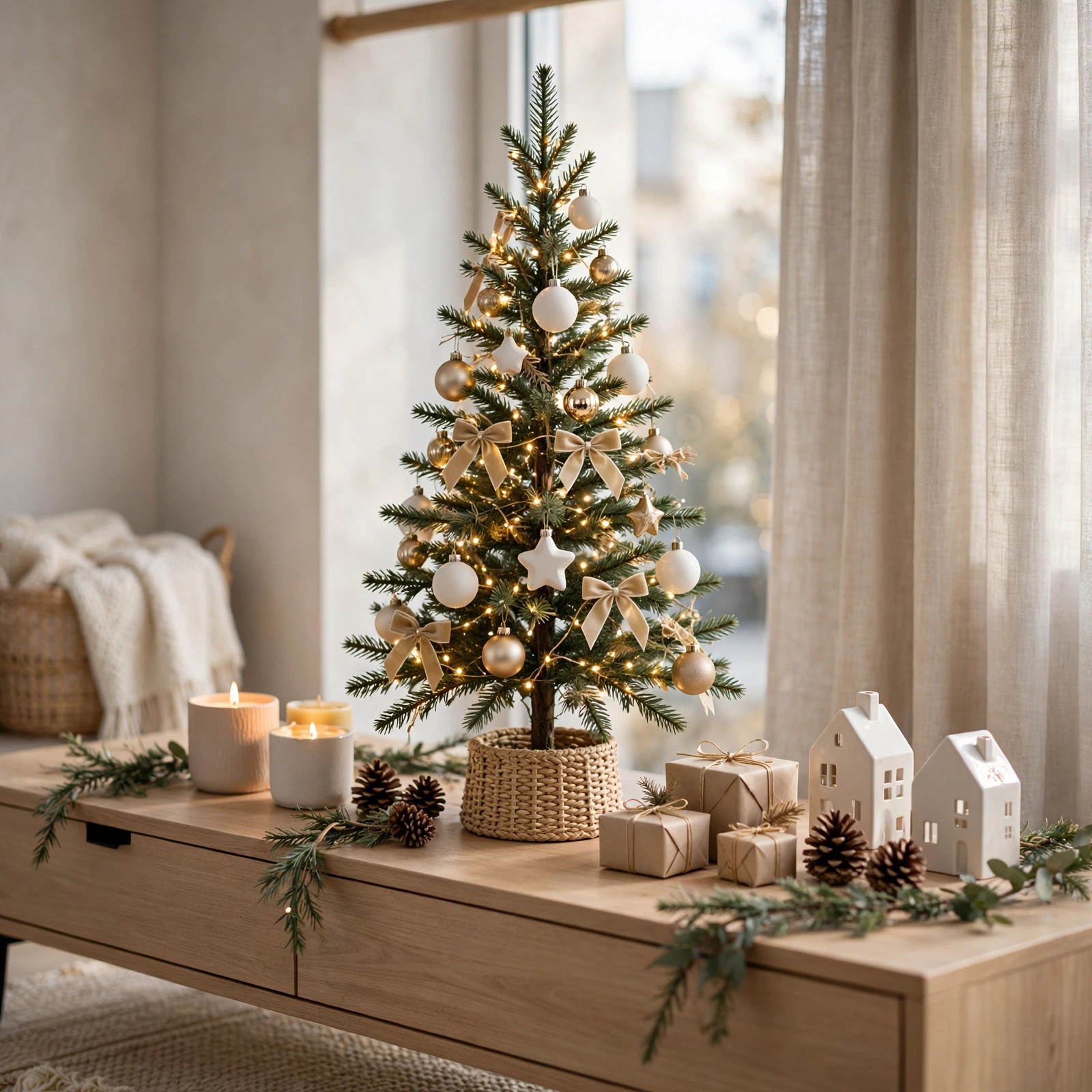
Layered light placement pushes string lights deep into the interior branches of the tree, close to the trunk, rather than only wrapping lights around the outer tips where most people stop. This technique creates a glow that comes from within the tree rather than sitting purely on the surface, giving the whole structure more depth once the room lights go down. Using roughly 100 lights per vertical foot of tree height provides enough coverage for this deeper layering technique without leaving visible gaps.
| Tree Height | Recommended Light Count | Placement Style |
| 5–6 feet | 400–600 lights | Wrap trunk and inner branches first |
| 7 feet | 700 lights | Layer inner and outer branches evenly |
| 8+ feet | 900–1000 lights | Full depth wrap top to bottom |
2. Ribbon Spiral Technique
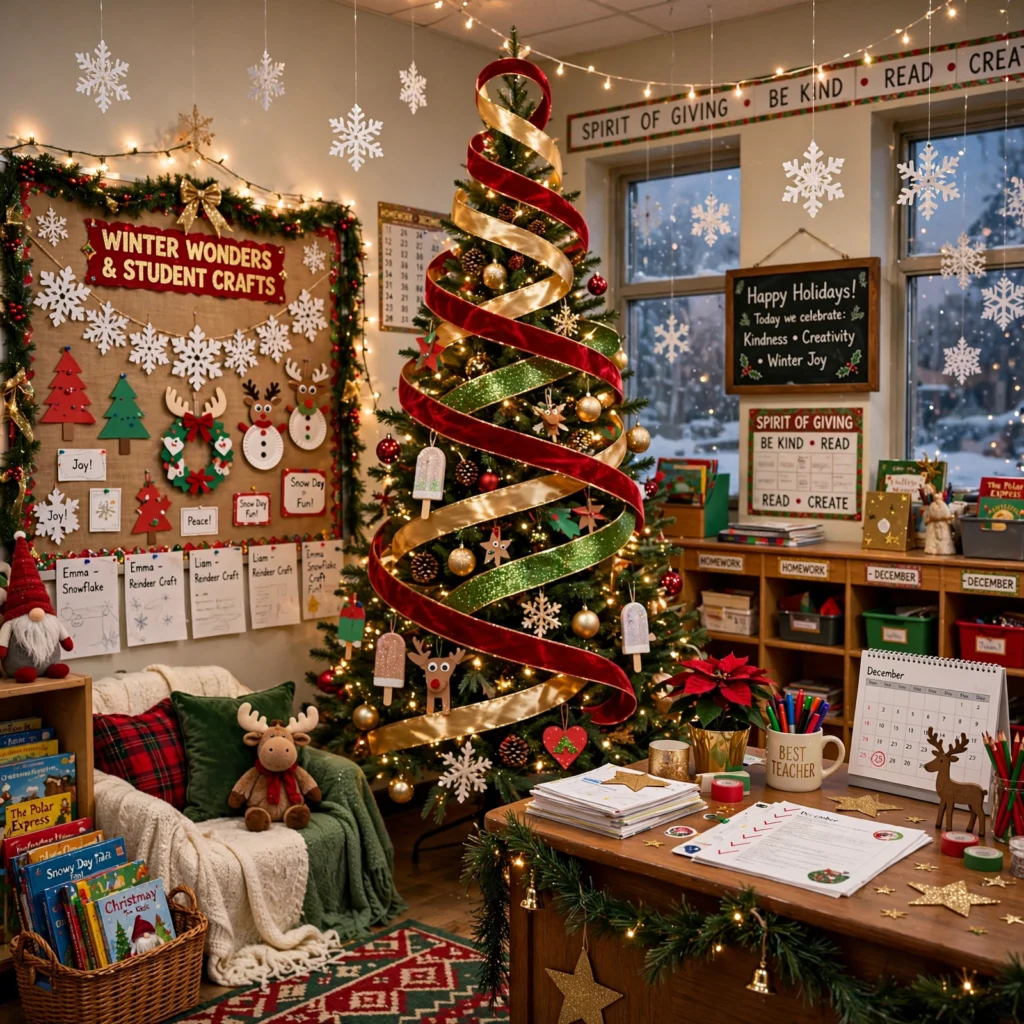
The ribbon spiral technique wraps a length of wired ribbon in a loose diagonal spiral from the top of the tree to the base, rather than tying individual bows scattered throughout the branches. Wired ribbon holds its shape better than unwired ribbon, allowing the loops and folds to stay puffed rather than collapsing flat within a few days. This technique adds a continuous visual line down the tree that pulls the whole design together more effectively than ribbon used only in isolated spots.
3. Mixed Ornament Scale Layering
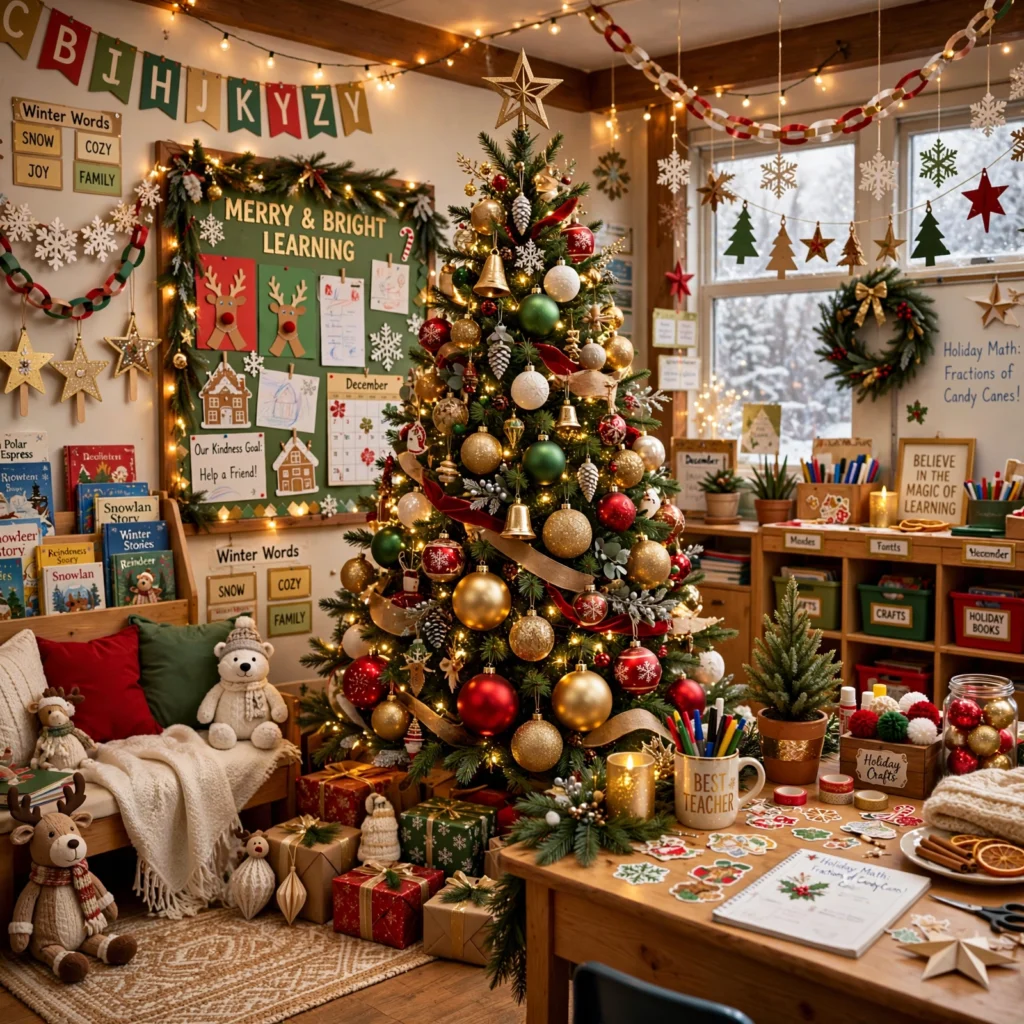
Mixed ornament scale layering places larger ornaments, typically 3 to 4 inches, deeper into the tree near the trunk, with medium ornaments in the middle branches and the smallest ornaments toward the outer tips. This mimics how natural elements like pinecones and fruit tend to sit on a real tree, creating a more organic, dimensional look than uniform ornament sizing throughout. Following this scale pattern also makes it easier to judge where gaps remain once the bulk of the ornaments are hung.
4. Christmas Decor Ideas Tree Topper Refresh
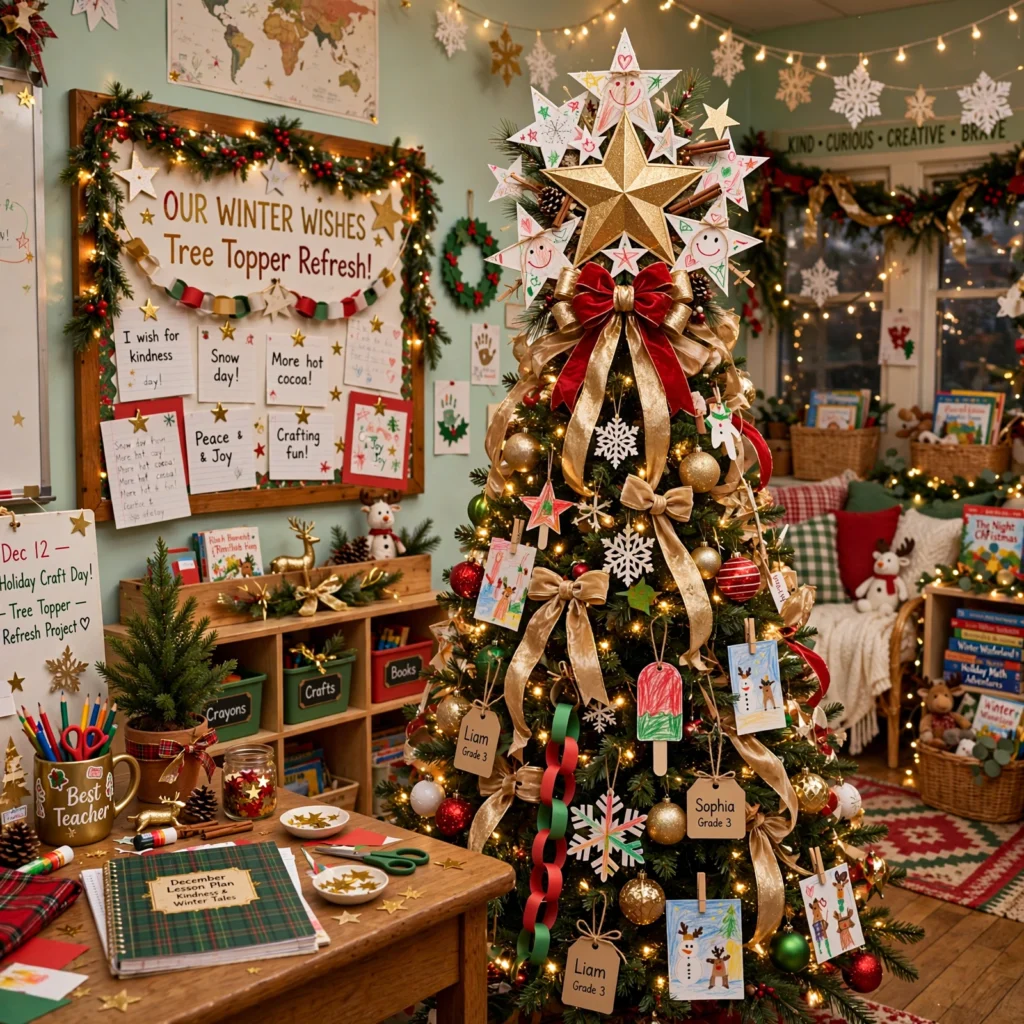
A tree topper refresh replaces a dated or damaged star or angel with an updated option, like an oversized bow, a cluster of picks in the tree’s color palette, or a simple finial in a metallic finish that matches other accents throughout the room. Sizing the topper proportionally to the tree, generally 10 to 12 inches tall for a 7-foot tree, keeps it from looking undersized once placed at the very top. This small update is one of the more overlooked christmas decor ideas tree stylists tend to skip, despite how much visual weight the topper carries in every photo of the finished tree.
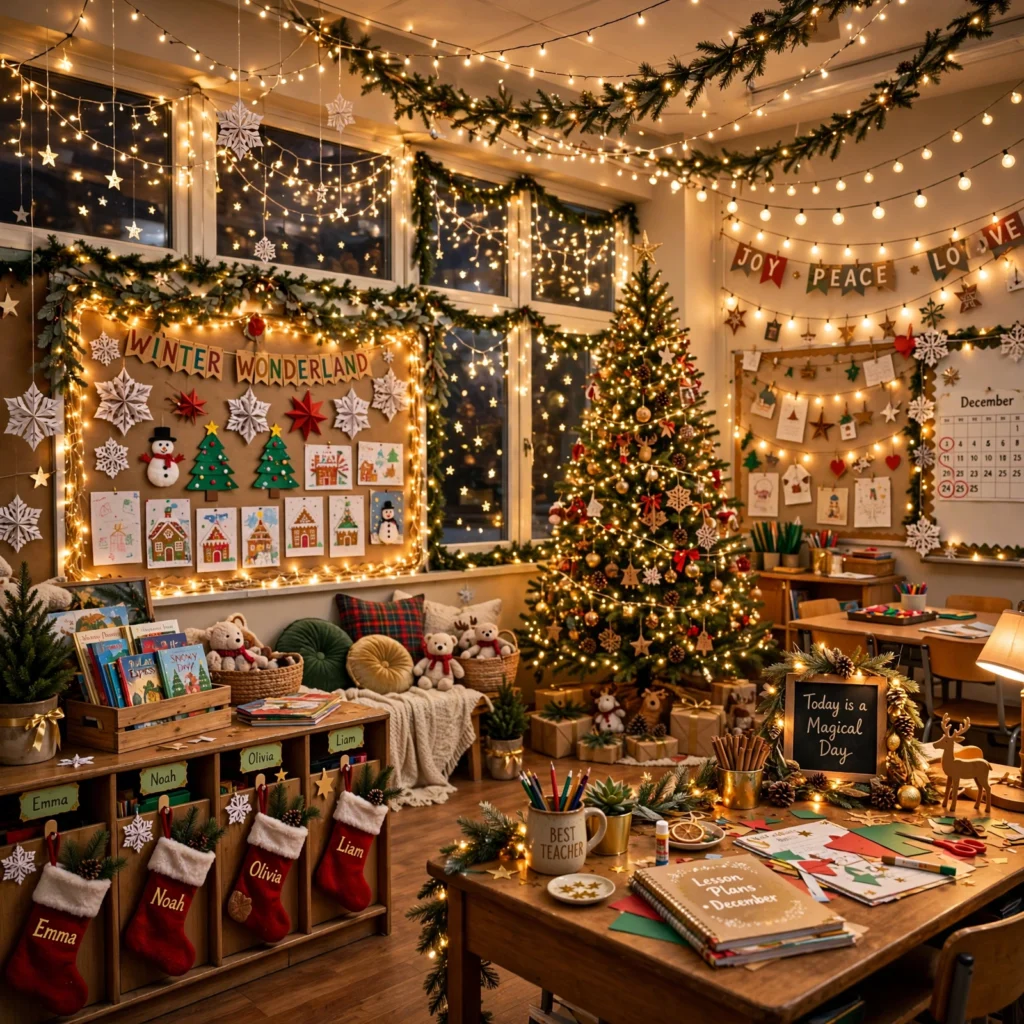
To see more options for christmas decor ideas for classroom CLICK HERE
5. Floral Pick Filler Technique
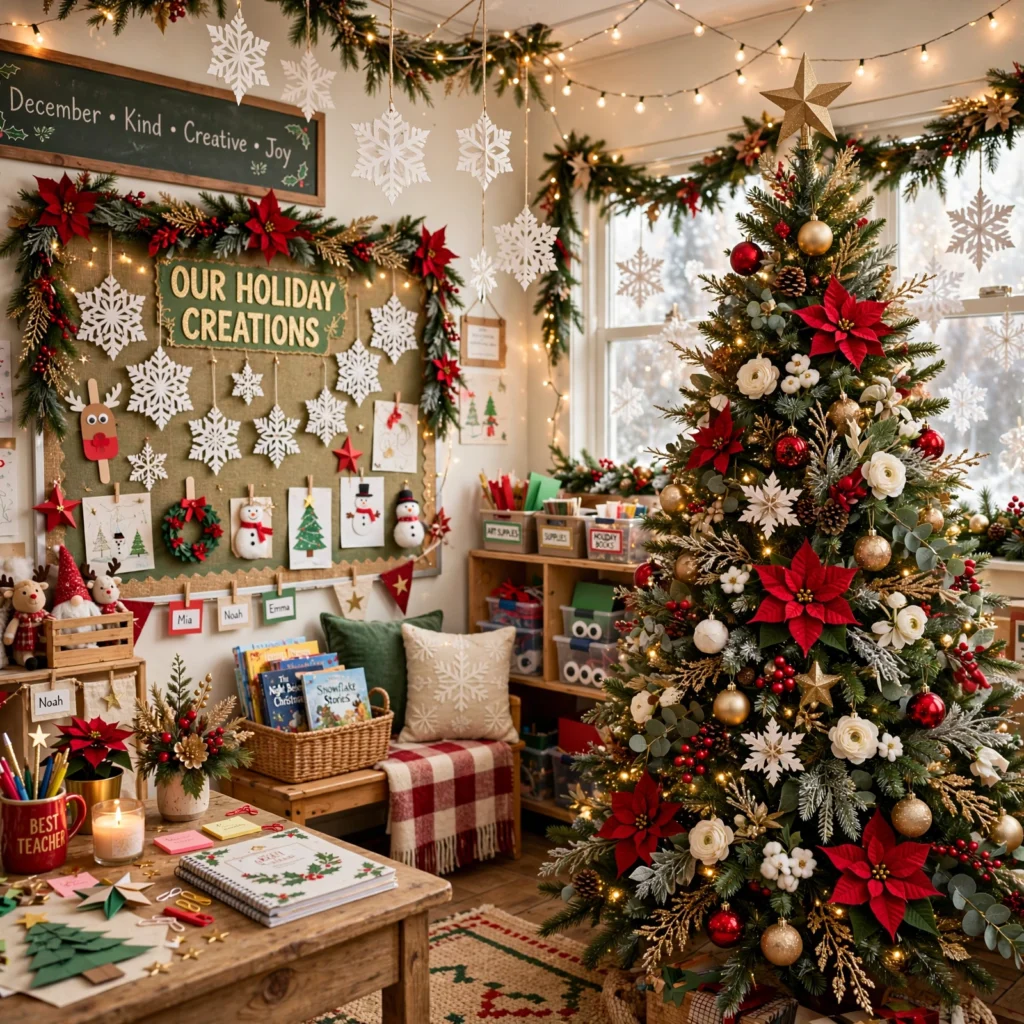
The floral pick filler technique tucks small stems of berries, faux pine, or dried florals into gaps between ornaments, using thin wire stems that push directly into the branch structure. This fills visual holes left after ornaments and lights are placed, without needing to buy additional ornaments to cover the same space. Grouping three to five picks in a cluster, rather than spacing single stems evenly throughout, creates a more natural, garden-inspired look than scattered individual picks.
6. Monochromatic Ornament Palette
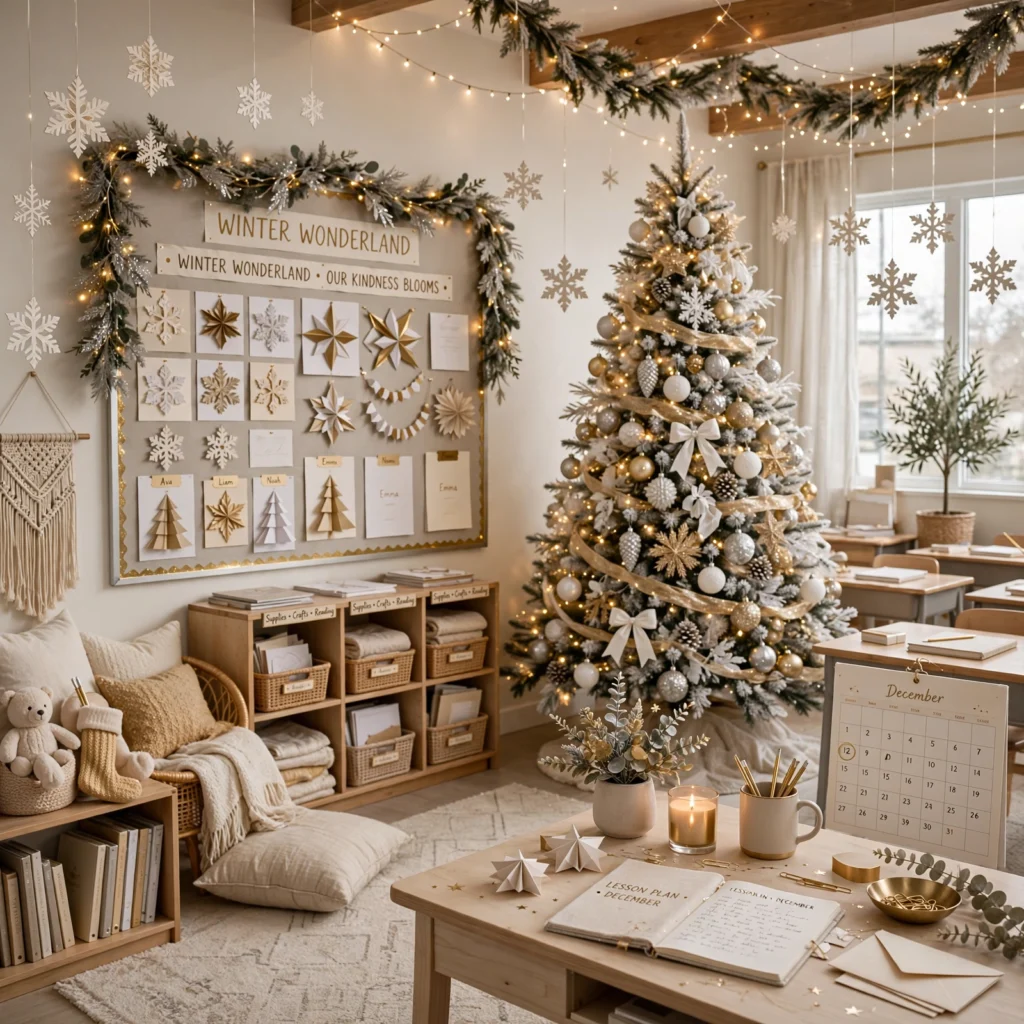
A monochromatic ornament palette uses varying shades and finishes of a single color, like different tones of gold or a mix of cream and ivory, across the entire tree rather than combining several distinct colors. This approach photographs more cohesively and tends to feel more sophisticated than a multi-color tree, since the eye isn’t pulled between competing hues. Mixing matte, glossy, and metallic finishes within that single color keeps the monochromatic approach from feeling flat or one-dimensional.
7. Nested Ornament Clusters
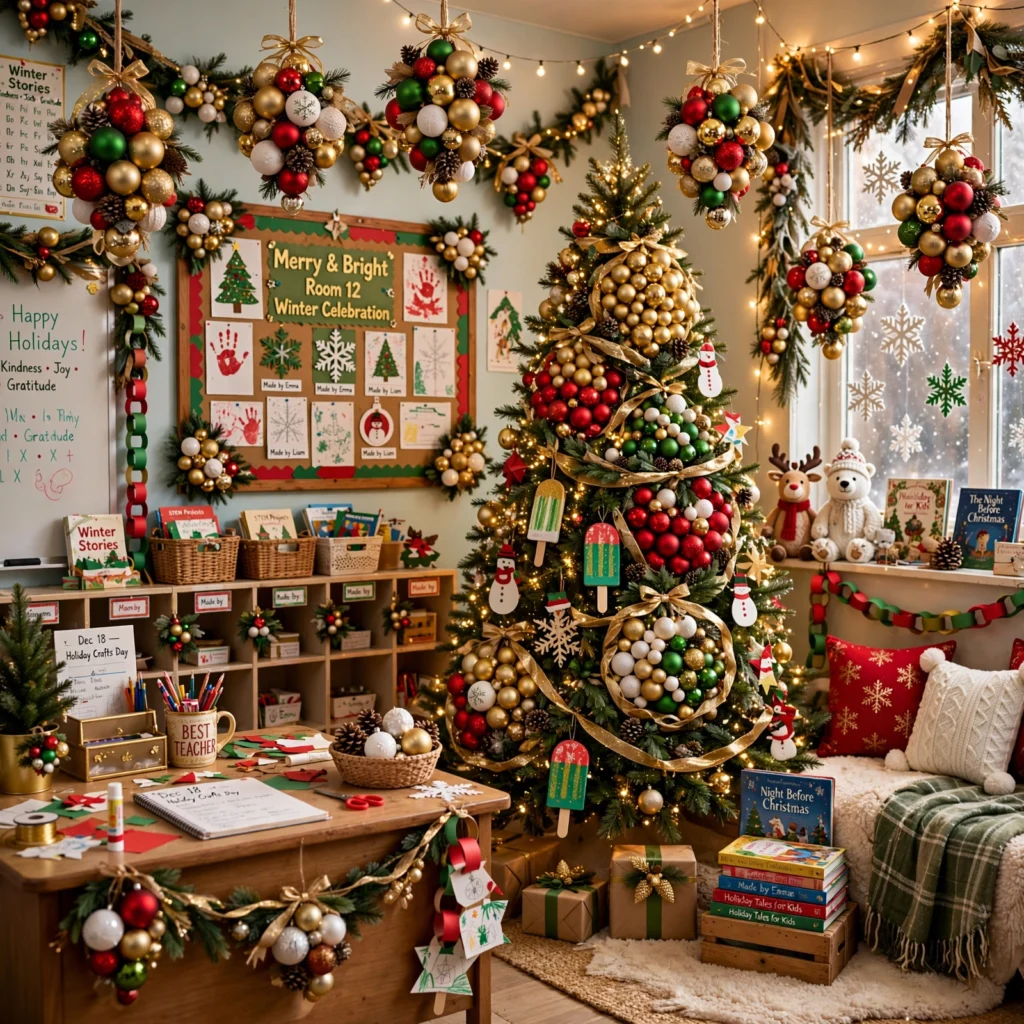
Nested ornament clusters group three to five ornaments of varying sizes together on a single branch using floral wire, rather than hanging each ornament individually and evenly spaced. This technique creates small focal points throughout the tree that draw the eye, similar to how a bouquet groups flowers rather than spacing single stems apart. Concentrating a few of these clusters at eye level, where the tree gets the most direct viewing, has more visual impact than spreading them evenly from top to bottom.
8. Wired Pick Branch Extension
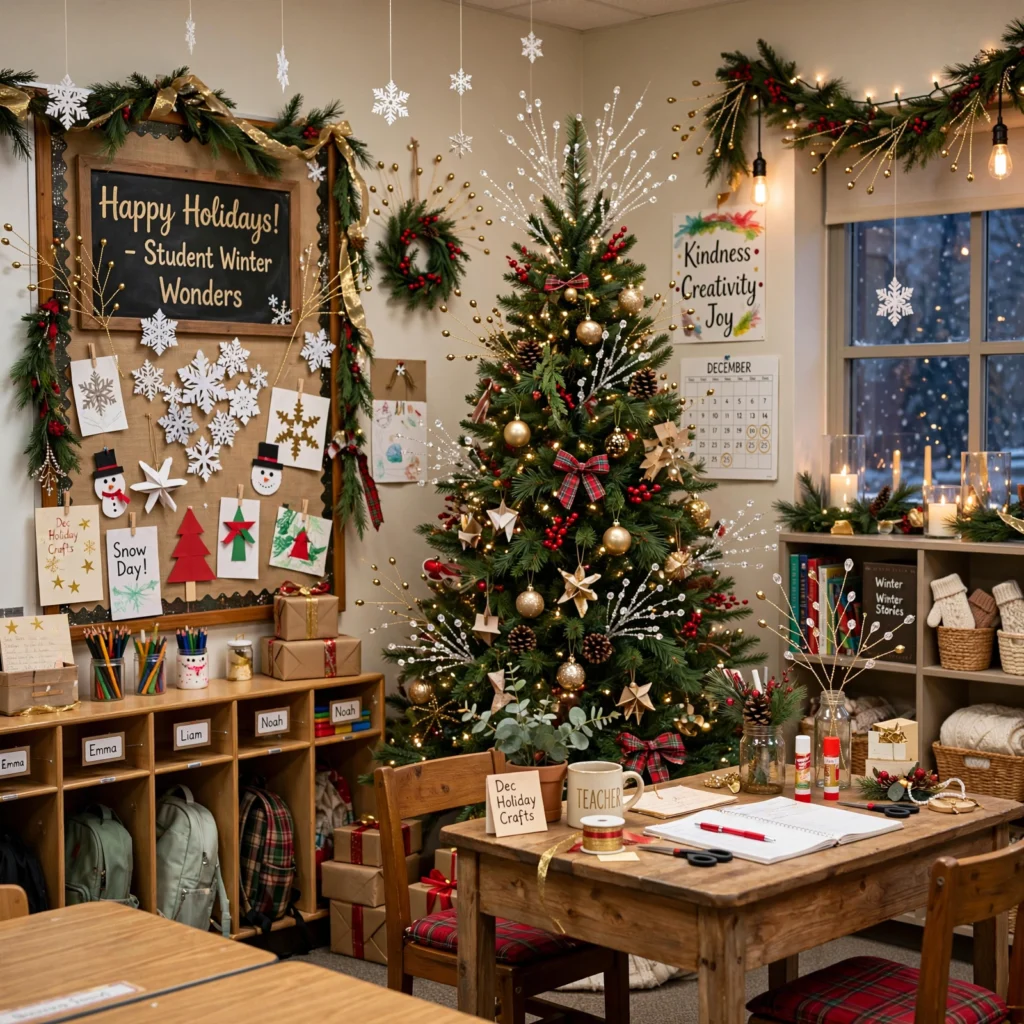
A wired pick branch extension adds faux stems, like berry sprigs or small pine picks, to thin or sparse areas of an artificial tree where the branch density falls short compared to a real tree. Wiring the picks directly onto existing branches, rather than resting them loosely, keeps them secure through the full season of handling and gift placement underneath. This technique works particularly well on a budget artificial tree that otherwise looks noticeably less full than a higher-end version.
9. Tree Skirt Layering
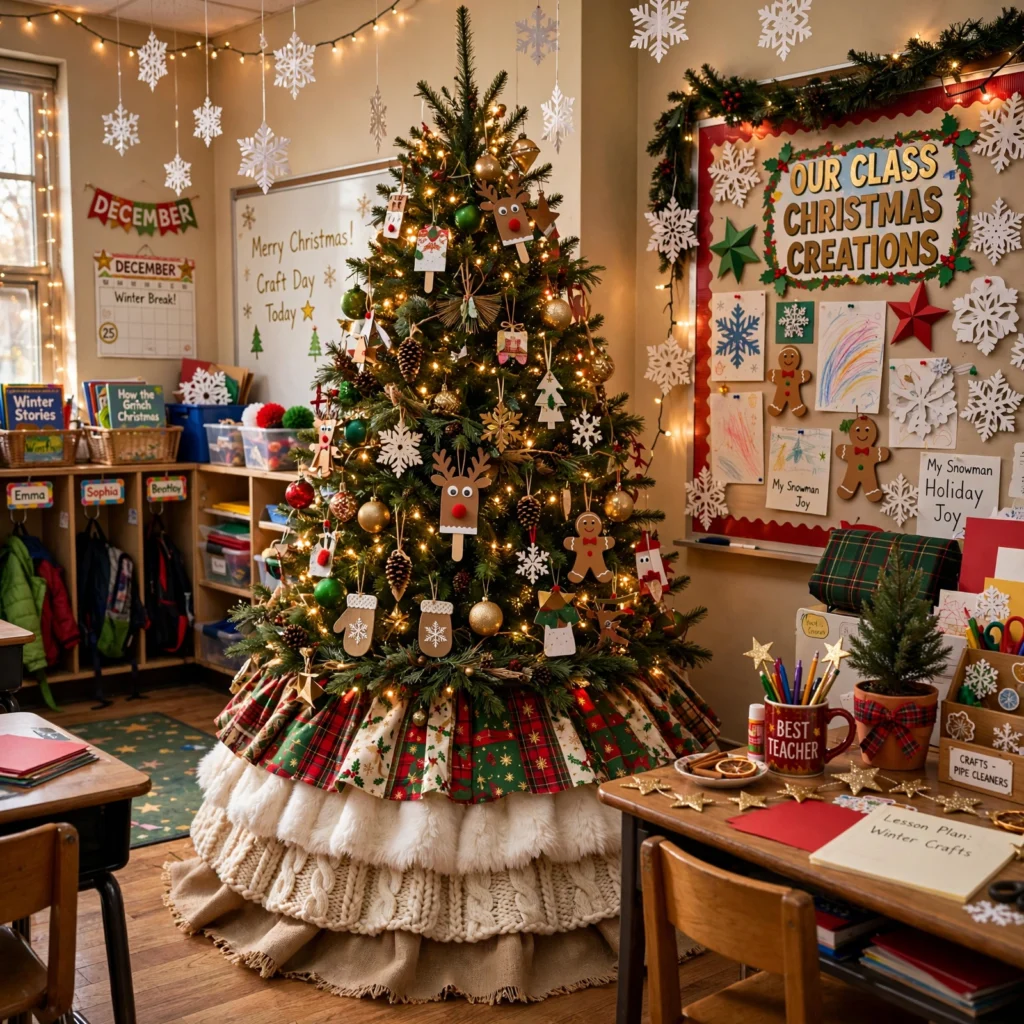
Tree skirt layering places a smaller decorative fabric, like a burlap runner or a strip of faux fur, over a base skirt for added texture at the foot of the tree rather than relying on a single flat skirt. This draws attention to the base of the tree, an area that carries significant visual weight once gifts start accumulating throughout December. Choosing layers in coordinating rather than matching tones keeps the base looking intentional instead of mismatched against the ornaments above.
10. Woodland-Inspired Natural Ornaments
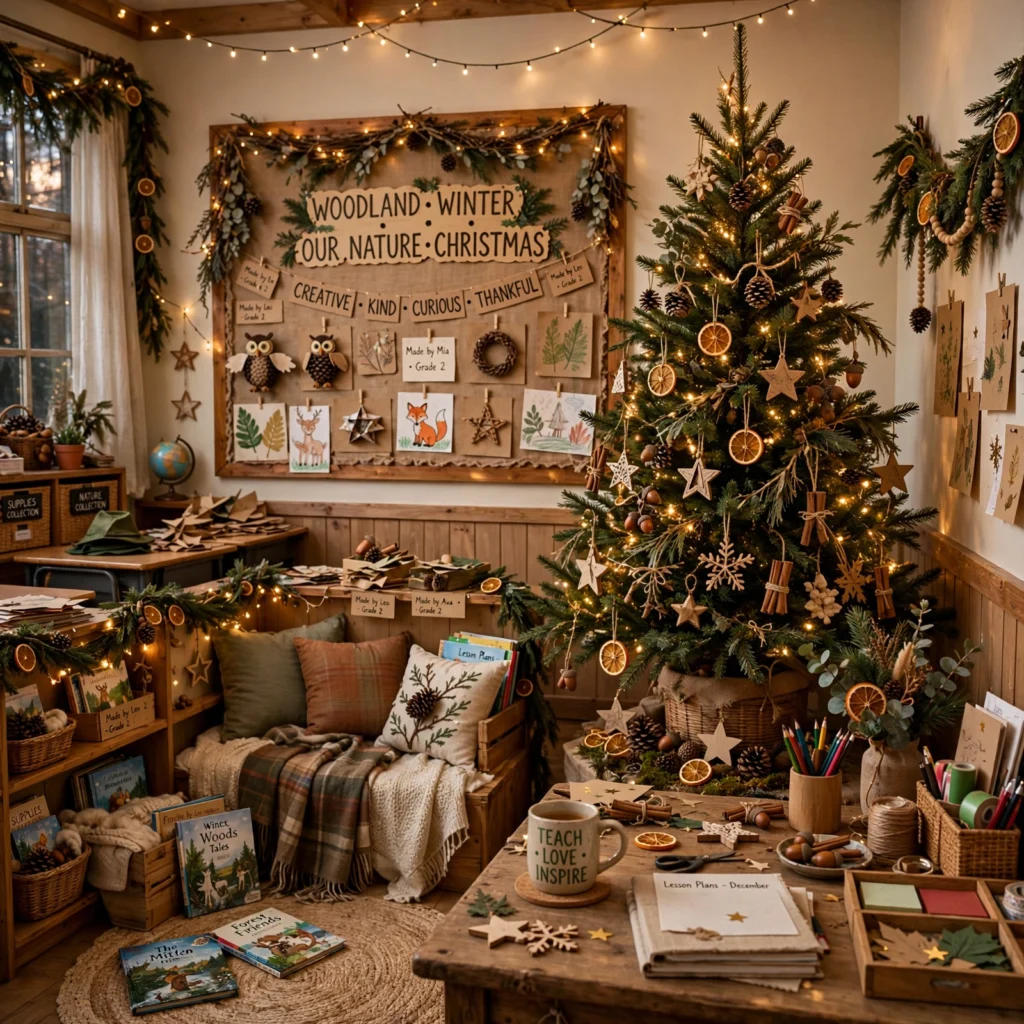
Woodland-inspired natural ornaments, including pinecones, wood slice discs, and small bundles of dried herbs, bring an organic material mix onto the tree that pairs well with a more muted, natural color palette. These ornaments typically weigh more than standard glass or plastic versions, so reinforcing branch tips with small ornament hooks rather than the built-in loops prevents sagging under the added weight. This idea works particularly well combined with a cream or sage ribbon spiral for a fully coordinated natural look.
11. Backlit Star or Icon Ornaments
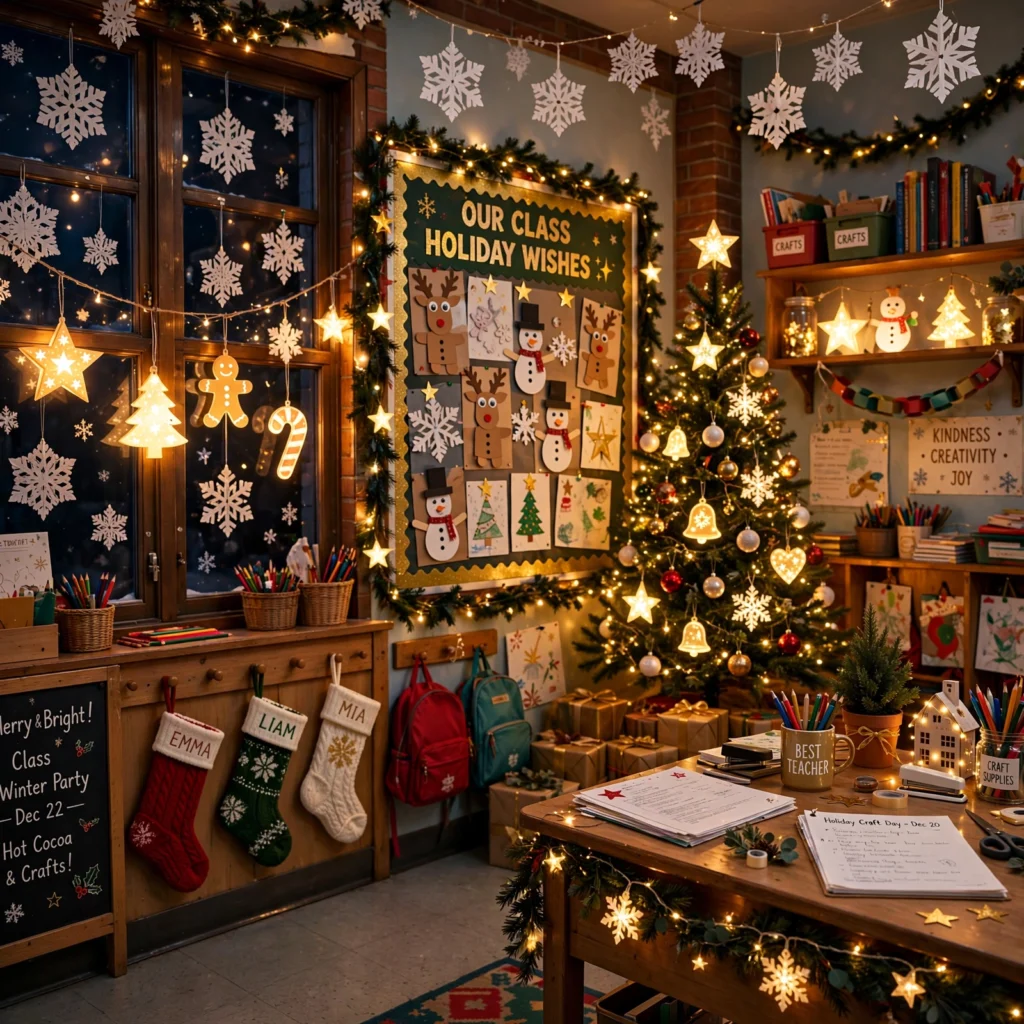
Backlit star or icon ornaments use small battery-operated LED lights tucked behind a translucent glass or acrylic ornament, creating a subtle internal glow distinct from the tree’s overall string lights. Placing a handful of these throughout the tree, rather than covering the whole structure, keeps the effect feeling special rather than overdone. This technique adds a layer of lighting variety beyond the standard string lights wrapped around the branches.
12. Metallic Accent Stem Bundles
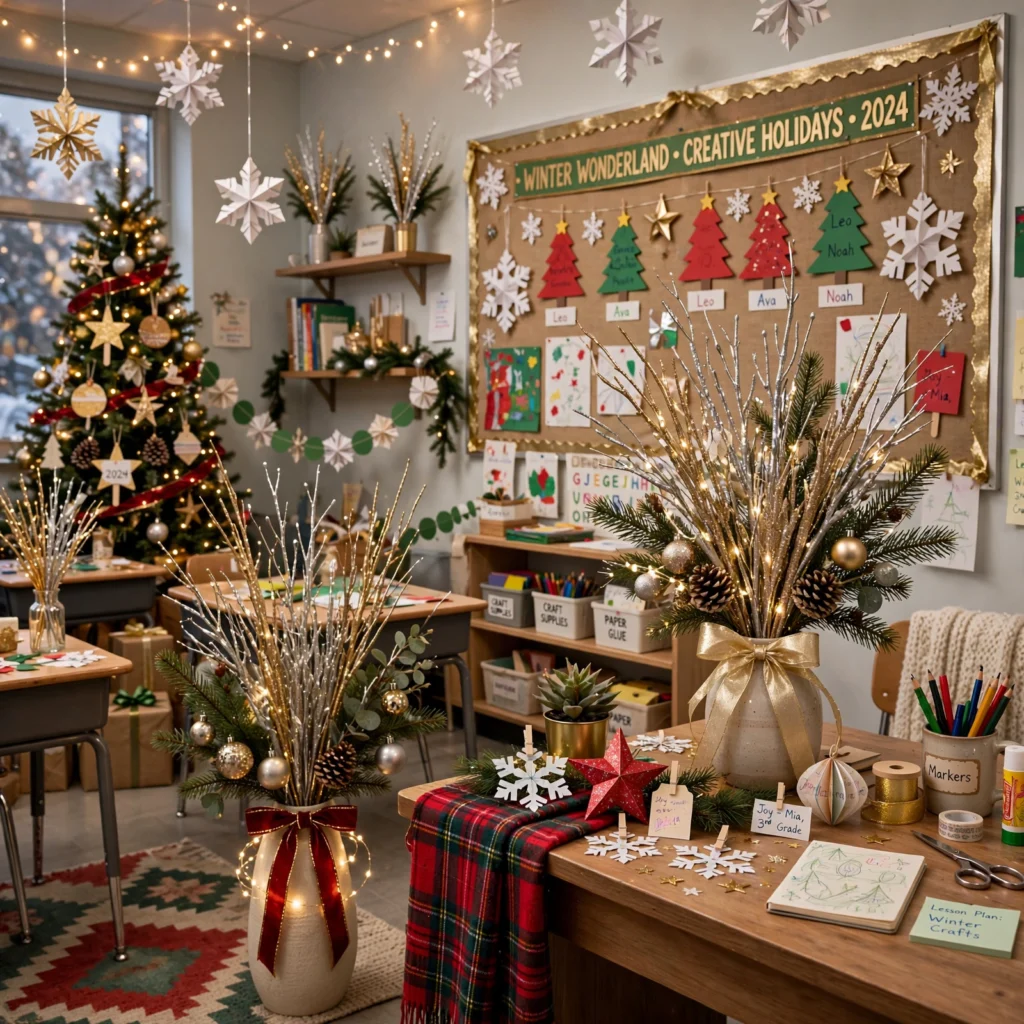
Metallic accent stem bundles group faux branches finished in gold, silver, or copper into clusters tucked among the greenery, adding a reflective element that catches the tree’s lighting differently than matte ornaments. Concentrating these metallic bundles toward the upper third of the tree, where more light naturally hits, maximizes how much the reflective finish stands out. This technique works well as a smaller accent rather than covering the full tree, since too much metallic material can compete with the tree lights themselves.
13. Themed Sectional Zones
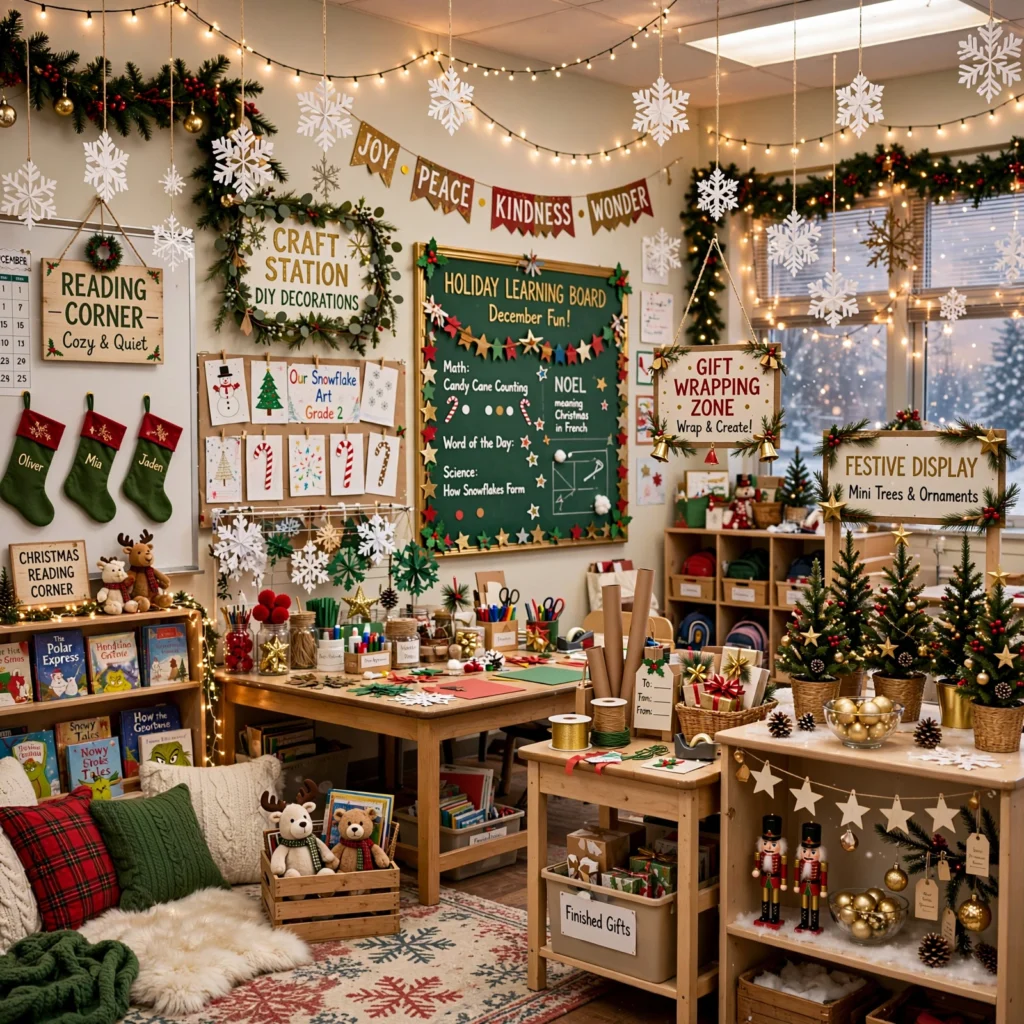
Themed sectional zones divide the tree into two or three horizontal bands, each with a slightly different ornament focus, like natural materials near the base, mixed metallics in the middle, and lighter glass ornaments toward the top. This structured approach gives large trees, especially those over 7 feet, a sense of order that can otherwise get lost with too many ornament types applied randomly throughout. Blending the transition zones between sections, rather than creating a hard visual break, keeps the technique from looking segmented.
14. Oversized Statement Ornaments
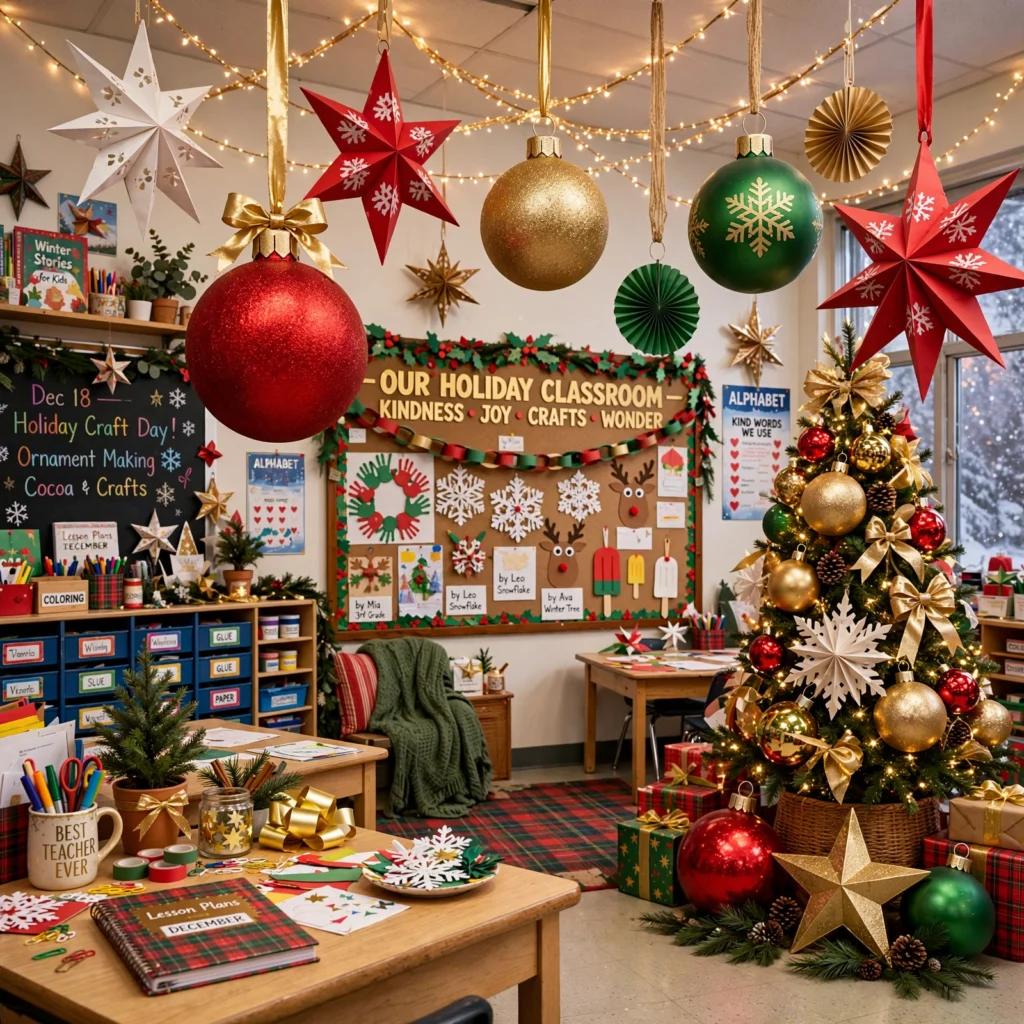
Oversized statement ornaments, in the 5 to 8 inch range, hang at strategic focal points throughout the tree rather than being used as the primary ornament type across every branch. These larger pieces work best placed toward the interior of the tree where the branch structure can support the added weight, and spacing them with visual breathing room prevents the tree from looking crowded around each large piece. A handful of these statement ornaments does more to establish a tree’s overall character than dozens of smaller, uniform ornaments alone.
15. Base Wrap Fabric Technique
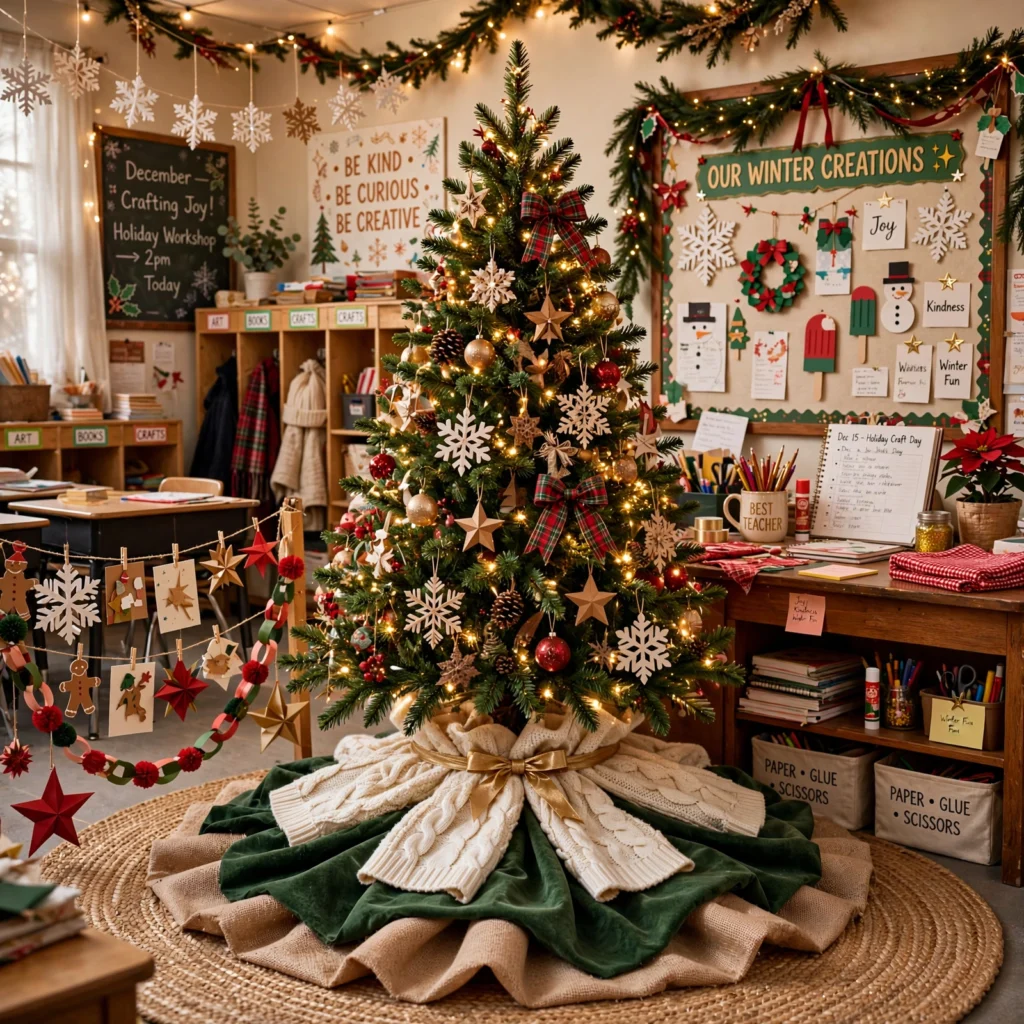
The base wrap fabric technique wraps a length of burlap, linen, or patterned fabric directly around the visible portion of the tree stand and trunk before placing a tree skirt on top, hiding any gaps between the skirt and the stand itself. Securing the fabric with small pins or a hot glue gun keeps it in place through the season without shifting each time gifts are added or removed. This small technique addresses a spot most trees leave looking unfinished, since the gap between the skirt and the actual trunk often stays visible without this extra layer.
16. Asymmetrical Focal Branch Styling
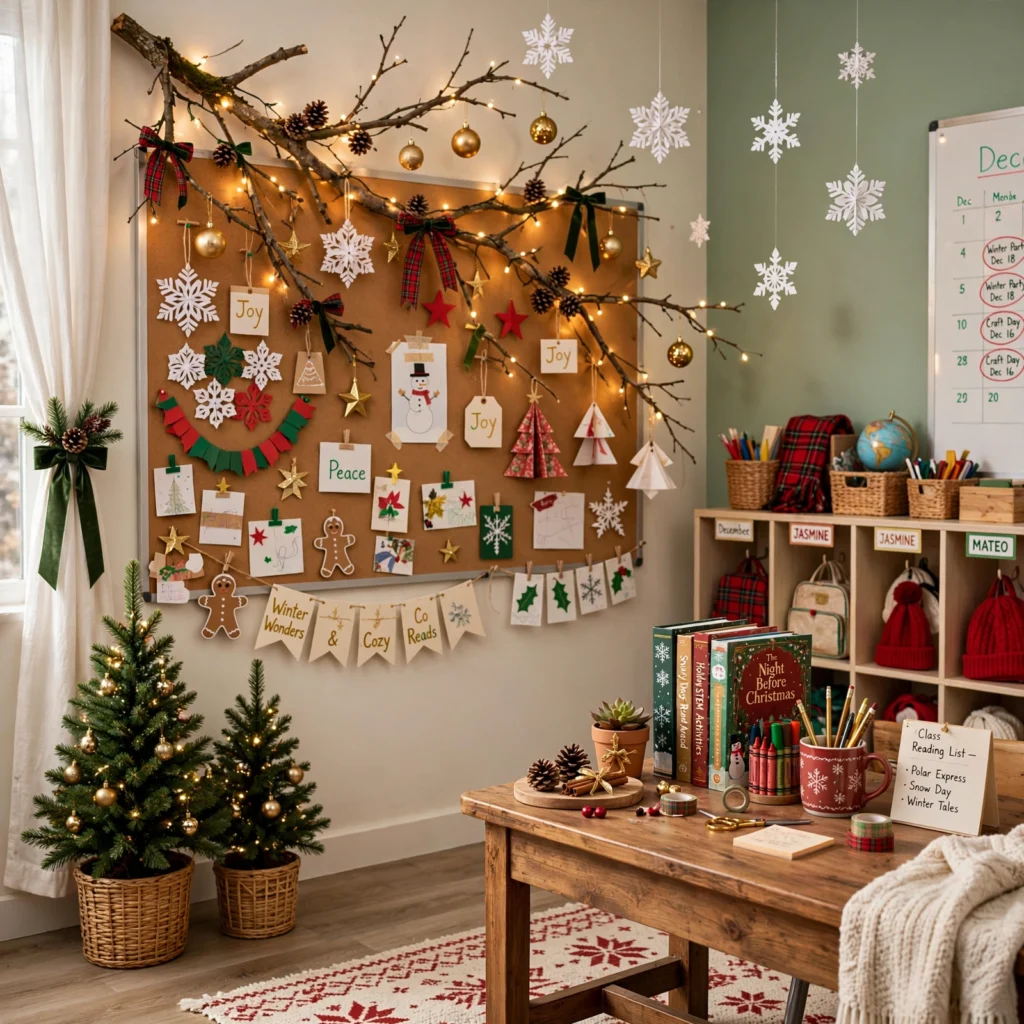
Asymmetrical focal branch styling identifies two or three key branches, generally at slightly different heights around the tree, and concentrates the most detailed ornament clusters, ribbon work, and lighting there rather than distributing effort perfectly evenly throughout. This mimics how a professionally styled tree draws the eye to specific points rather than reading as uniformly busy from every angle. Standing back from the tree periodically while decorating helps identify where these focal points are naturally forming as the work progresses.
Shop the Look
For this palette, look for a spool of wired velvet ribbon in a neutral tone, a set of mixed-finish glass and wood ornaments in three graduated sizes, a bundle of faux berry and pine floral picks, a burlap or faux fur layered tree skirt, and a set of battery-operated backlit star ornaments. These pieces work together across several of the ideas above without requiring a full ornament collection replacement.
Common Mistake to Avoid
The most common mistake in tree styling is hanging every ornament at the same distance from the trunk and roughly the same spacing apart, which creates a flat, uniform look regardless of how many ornaments actually go on the tree. This approach tends to leave the interior branches bare while overcrowding the outer tips, missing the depth that layered placement and light wrapped closer to the trunk can create. Stepping back from the tree periodically while decorating, rather than working continuously without pausing, makes it easier to catch these gaps before the tree is considered finished.
FAQs
What christmas decor ideas tree styling techniques make the biggest visual difference?
Layered light placement, pushing lights deep into the interior branches rather than only the outer tips, tends to make the biggest overall difference, since it establishes the tree’s foundational glow before any ornaments go on. Mixed ornament scale layering, placing larger ornaments deeper into the tree and smaller ones toward the tips, is a close second in terms of visual impact. Both techniques focus on structure and depth rather than simply adding more individual ornaments to the tree.
How many ornaments does a tree actually need?
Most stylists suggest roughly 12 to 15 ornaments per vertical foot of tree height as a starting guideline, though the exact number depends heavily on ornament size and the specific look being built. A tree relying more on ribbon, floral picks, and lighting technique can use fewer ornaments overall while still looking full, since those elements fill visual space differently than ornaments alone. Starting with fewer ornaments and adding gradually, rather than hanging the full collection at once, makes it easier to judge when the tree actually looks finished.
What is the best way to fix a sparse-looking artificial tree?
A sparse-looking artificial tree benefits most from the wired pick branch extension technique, adding faux stems directly onto existing branches to fill gaps in density that budget or older trees often have compared to higher-end versions. Layered light placement pushed deep into the remaining branch structure also helps disguise thin spots, since the added glow distracts from visible gaps. Fluffing and separating each branch tip by hand before adding any lights or ornaments also makes a noticeable difference in how full the tree appears.
How do I keep tree ribbon from looking messy?
Keeping tree ribbon looking neat generally comes down to using wired ribbon rather than unwired, since the wire allows loops and folds to hold their shape rather than collapsing flat within a few days. The ribbon spiral technique, wrapping continuously in a loose diagonal line from top to bottom, also tends to look more intentional than several separate bows tied at random points. Securing the ribbon with small floral pins at a few points along its length keeps it from sliding or sagging as ornaments and lights get added around it.
Should ornaments be spaced evenly across the whole tree?
Ornaments generally look better clustered and layered rather than spaced perfectly evenly across the entire tree, since even spacing tends to flatten the overall design and miss the depth that grouping and varied placement can create. Nested ornament clusters and mixed scale layering both intentionally break from uniform spacing to build more visual interest at specific points throughout the branches. A tree with a few concentrated focal areas, rather than uniform coverage everywhere, tends to read as more professionally styled overall.
Conclusion
These christmas decor ideas tree techniques cover everything from lighting fundamentals to smaller finishing touches like the base wrap and topper, giving you a full framework regardless of the ornaments and materials you already own. Start with light placement and ornament scale layering, since those two techniques do the most to establish the tree’s overall depth, then build in ribbon, picks, and smaller details as time allows. Save this guide to Pinterest for later, and check out our related post on christmas decor ideas for living room spaces for more seasonal styling guidance.