14 Space-Saving Kids Bedroom Ideas That Balance Fun and Function
Kids bedroom ideas are all about creating a space that feels fun, safe, and easy to grow with as your child gets older. The best designs balance playful elements like bright colors or themed décor with practical features such as smart storage and durable furniture. Bunk beds, reading nooks, and wall art are popular ways to add personality without cluttering the room. Soft rugs, blackout curtains, and good lighting also help make the space comfortable for both play and sleep. Storage matters a lot here too, since toys, books, and clothes need a home that keeps the room tidy. Many parents choose flexible layouts that can be updated as their child’s interests change over time.
Trend & Background
Children’s rooms have shifted away from themed decor that a child outgrows quickly, moving instead toward flexible layouts that adapt as kids age. Multi functional furniture, like storage beds and modular shelving, has become the norm because families are working with smaller square footage in newer homes and apartments. There’s also a growing preference for calming color palettes over saturated primary colors, driven partly by research linking room environment to sleep quality. Parents are prioritizing longevity and adaptability over trend driven design choices this year.
Stunning Kids Bedroom Ideas
This guide walks through fourteen layout, furniture, and decor concepts that work for toddlers through preteens, along with product suggestions, a common mistake to sidestep, and answers to the questions parents search most often.
1. Bunk Bed with Built In Ladder Bedroom Ideas
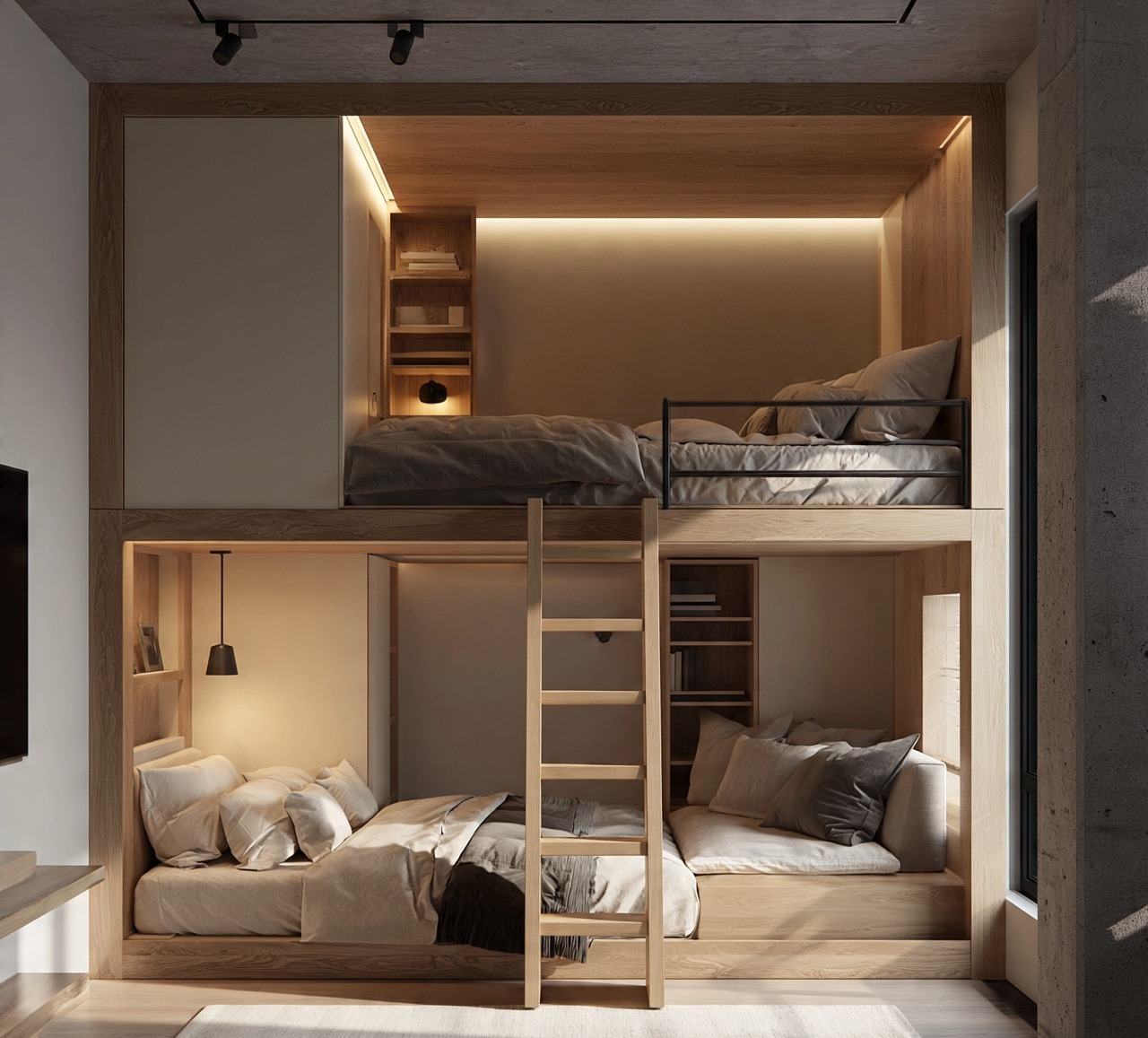
A bunk bed with a built in ladder is one of the most space efficient solutions for shared kids’ rooms. Solid wood or powder coated steel frames hold up to years of climbing and jumping, and integrated ladders reduce tripping hazards compared to detachable versions. Many models include guardrails on the top bunk and drawer storage underneath the lower bed. This setup works particularly well in rooms under 120 square feet where floor space needs to stretch for play or study areas.
2. Loft Bed with Desk Underneath Bedroom Ideas
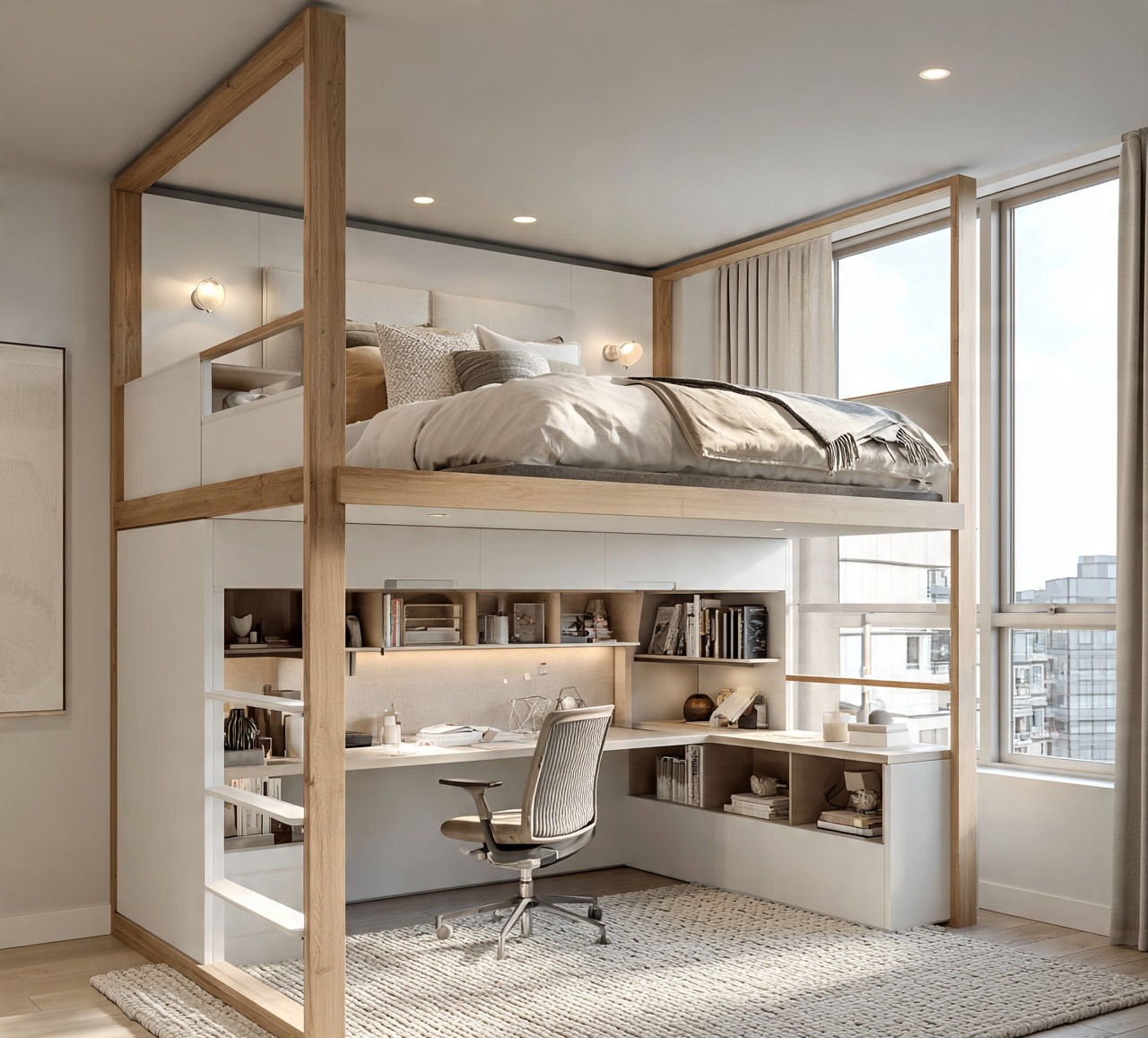
A loft bed with a desk underneath turns unused vertical space into a functional study nook. This layout suits kids aged seven and up who need a dedicated homework spot but don’t have room for a separate desk and bed. Look for frames with a minimum clearance of 45 inches between the mattress and desktop for comfortable seating. Pairing the desk with a task lamp and a corkboard keeps school supplies organized without eating into floor space.
3. Canopy Bed Frame Bedroom Ideas
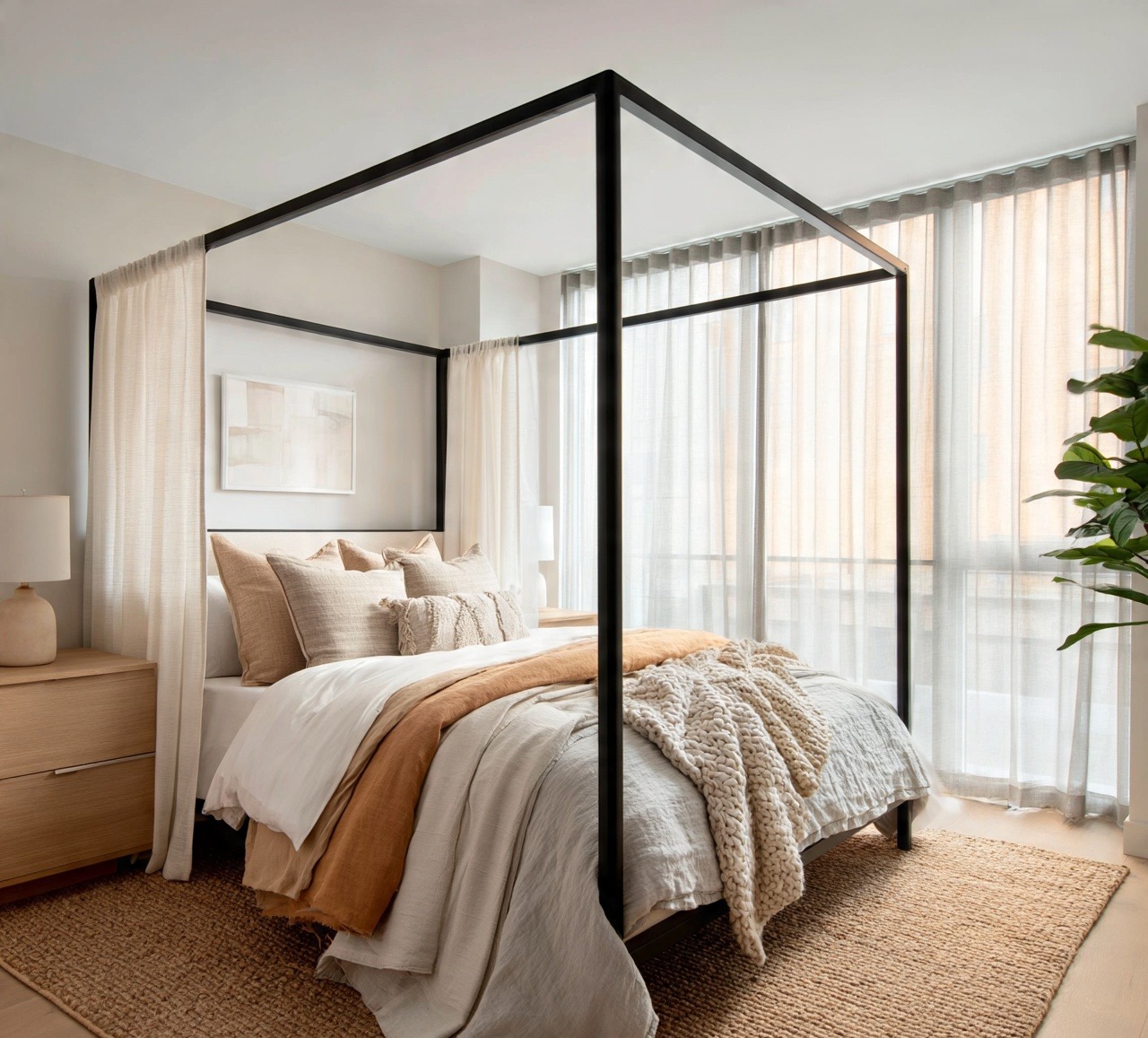
A canopy bed frame adds a soft, storybook quality to a child’s room without relying on themed decor that gets outgrown. Metal frames with a matte black or brass finish read as more sophisticated than plastic versions, which means the bed can transition from toddler years into the preteen phase. Draping a sheer canopy fabric over the frame softens the room’s lighting and gives younger kids a cozy, tent like reading spot. This works especially well paired with string lights along the frame’s top rail.
Check Out More About Minecraft Bedroom Ideas.
4. Built In Window Seat Bedroom Ideas
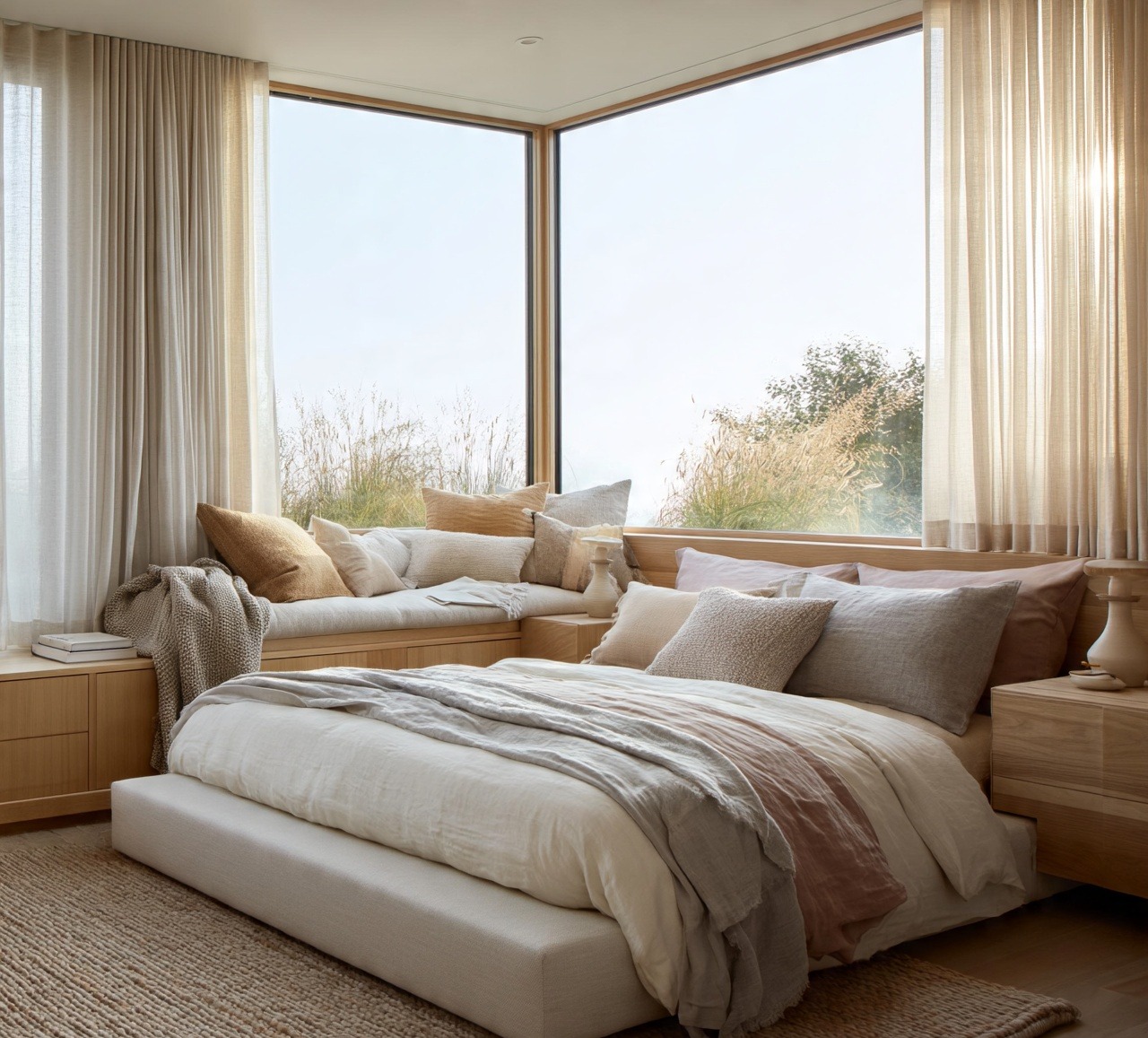
A built in window seat converts an underused window nook into reading or play space while adding hidden storage underneath. Carpenters typically build these with a hinged or drawer based lid, giving parents a place to stash out of season clothing or extra bedding. Cushioning the seat with a durable, washable fabric like canvas or performance velvet keeps it kid friendly. This idea works best in older homes with deep window sills or bay windows.
5. Floating Wall Shelves Bedroom Ideas
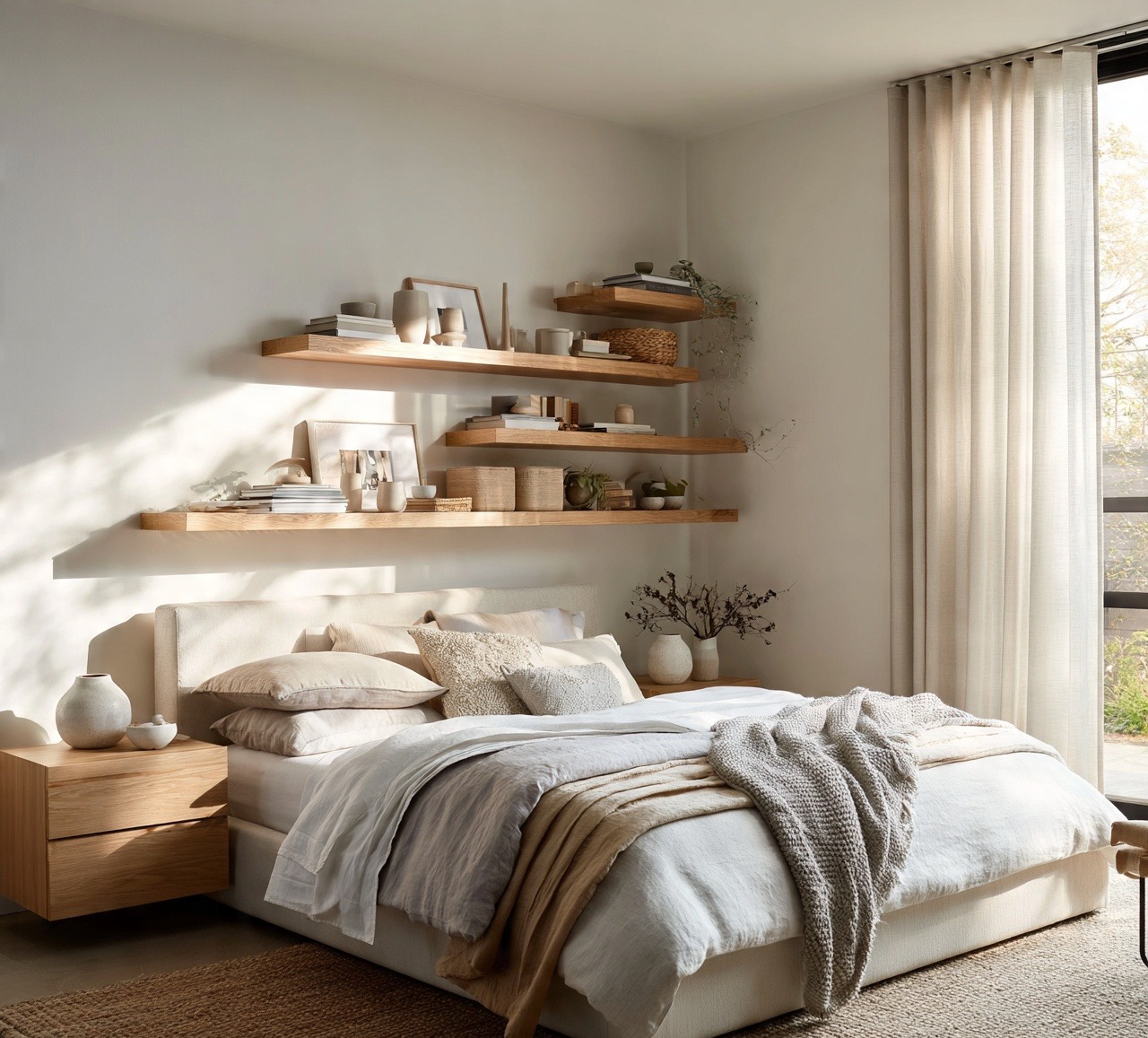
Floating wall shelves keep books, toys, and trophies visible and accessible without taking up floor space that kids need for play. Installing them at varying heights lets younger children reach lower shelves independently while taller shelves hold display items. Painted MDF or solid pine shelves in a color that matches the trim tie the storage into the room’s overall design instead of looking like an afterthought. Anchoring shelves into wall studs is essential given how often kids pull on furniture.
6. Trundle Bed Idea
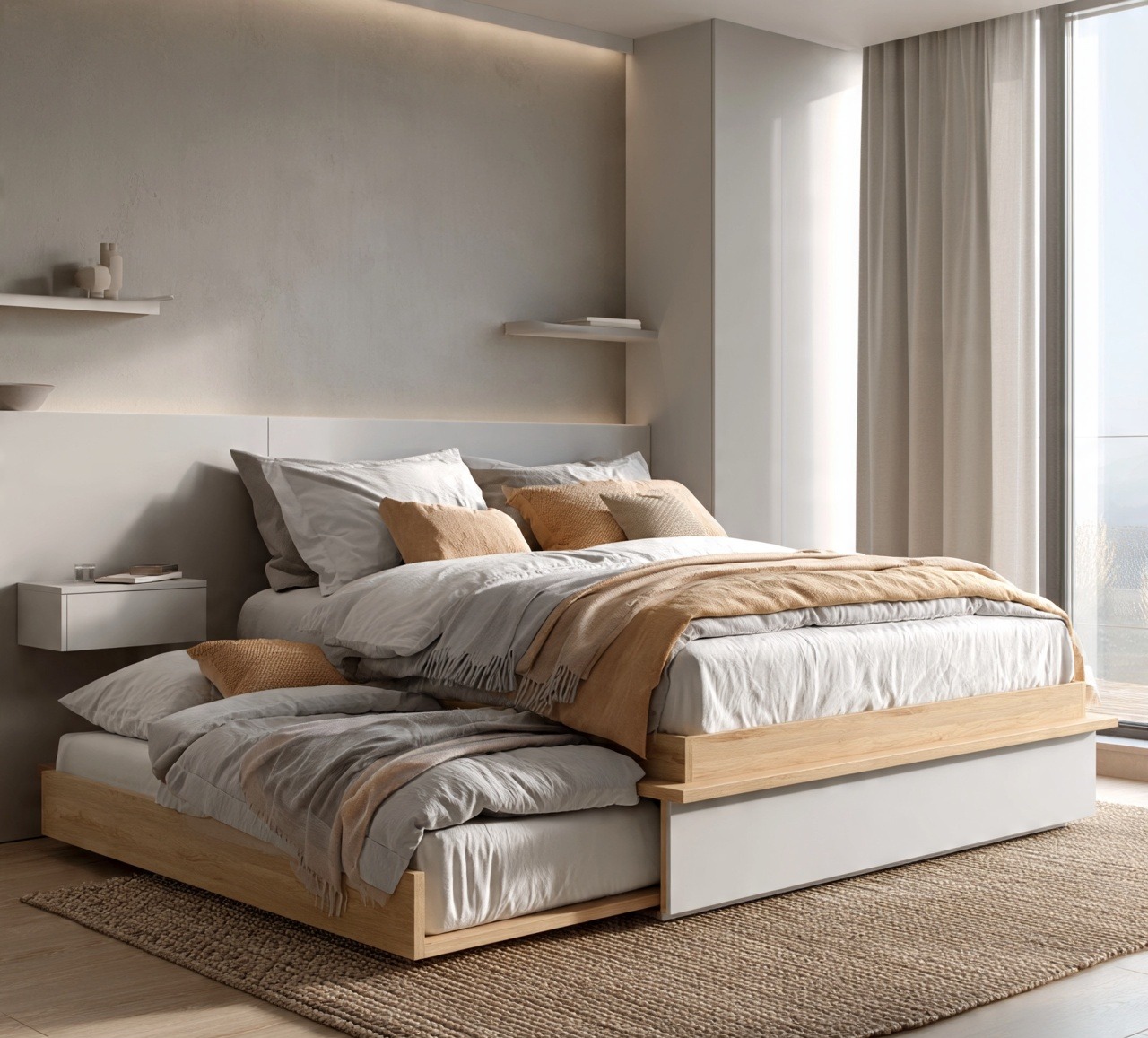
A trundle bed solves the sleepover problem without requiring a permanently made up second bed in the room. The lower mattress rolls out on casters and tucks away underneath the main bed frame during the day, keeping the room’s footprint unchanged. This option suits smaller bedrooms where a bunk bed would feel too permanent or where siblings don’t share a room full time. Choosing a trundle with a mattress at least 5 inches thick keeps the pull out option comfortable for regular use.
| Bed Type | Best Room Size | Age Range | Sleepover Friendly |
| Bunk Bed | Under 120 sq ft | 6+ | Yes, built in |
| Loft Bed | 100 150 sq ft | 7+ | No |
| Trundle Bed | Any size | 4+ | Yes, pull out |
| Canopy Bed | 120+ sq ft | 3+ | No |
7. Chalkboard Accent Wall Bedroom Ideas
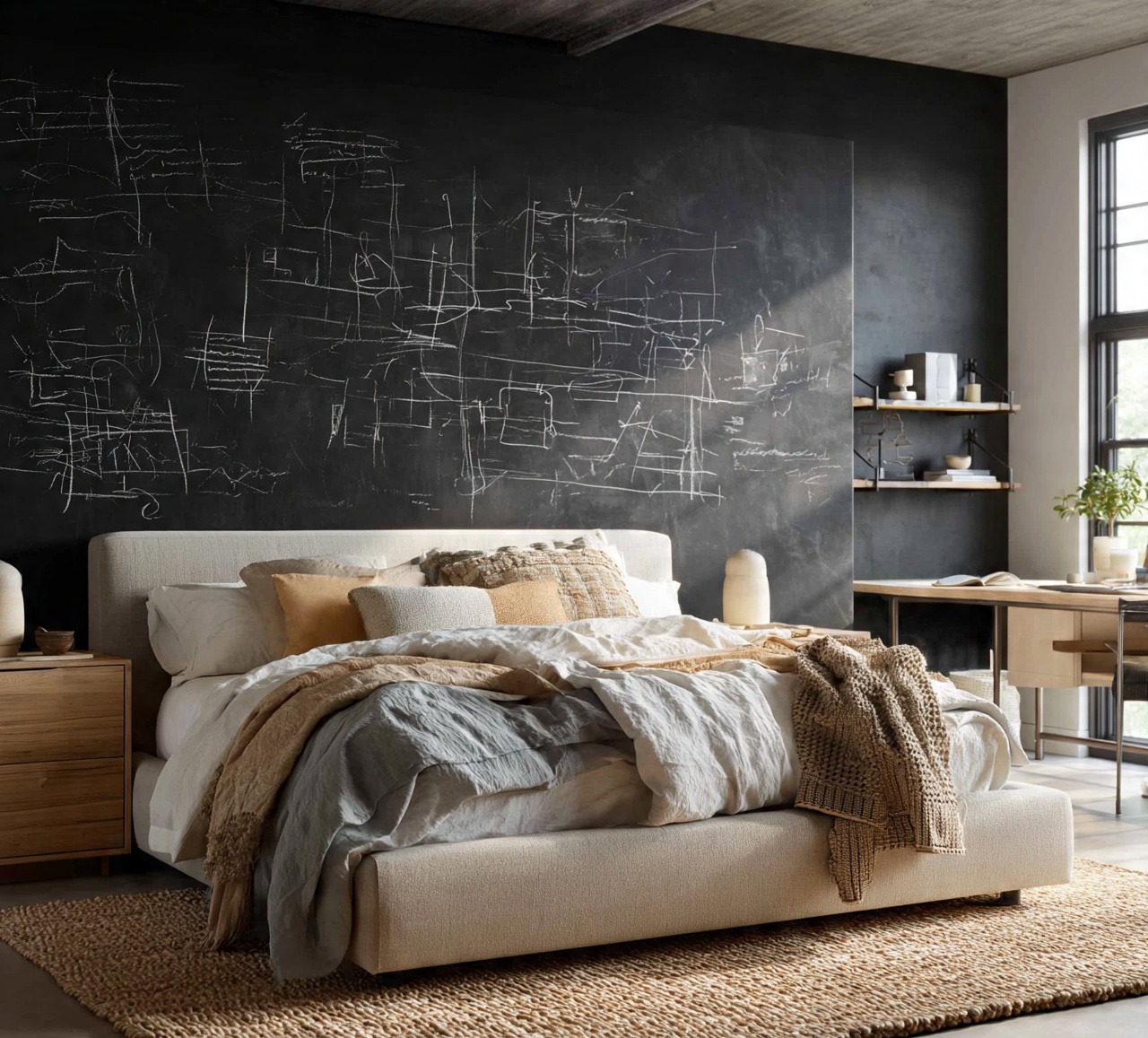
A chalkboard accent wall gives kids a designated spot to draw and doodle without parents worrying about crayon marks spreading across the room. Chalkboard paint applied to a single wall or a large framed panel keeps the mess contained and easy to wipe clean. This idea works well behind a desk or play table where kids naturally gravitate toward drawing. Pairing the wall with a shallow chalk tray at the base makes cleanup faster and keeps supplies from scattering.
8. Modular Storage Cubes Bedroom Ideas
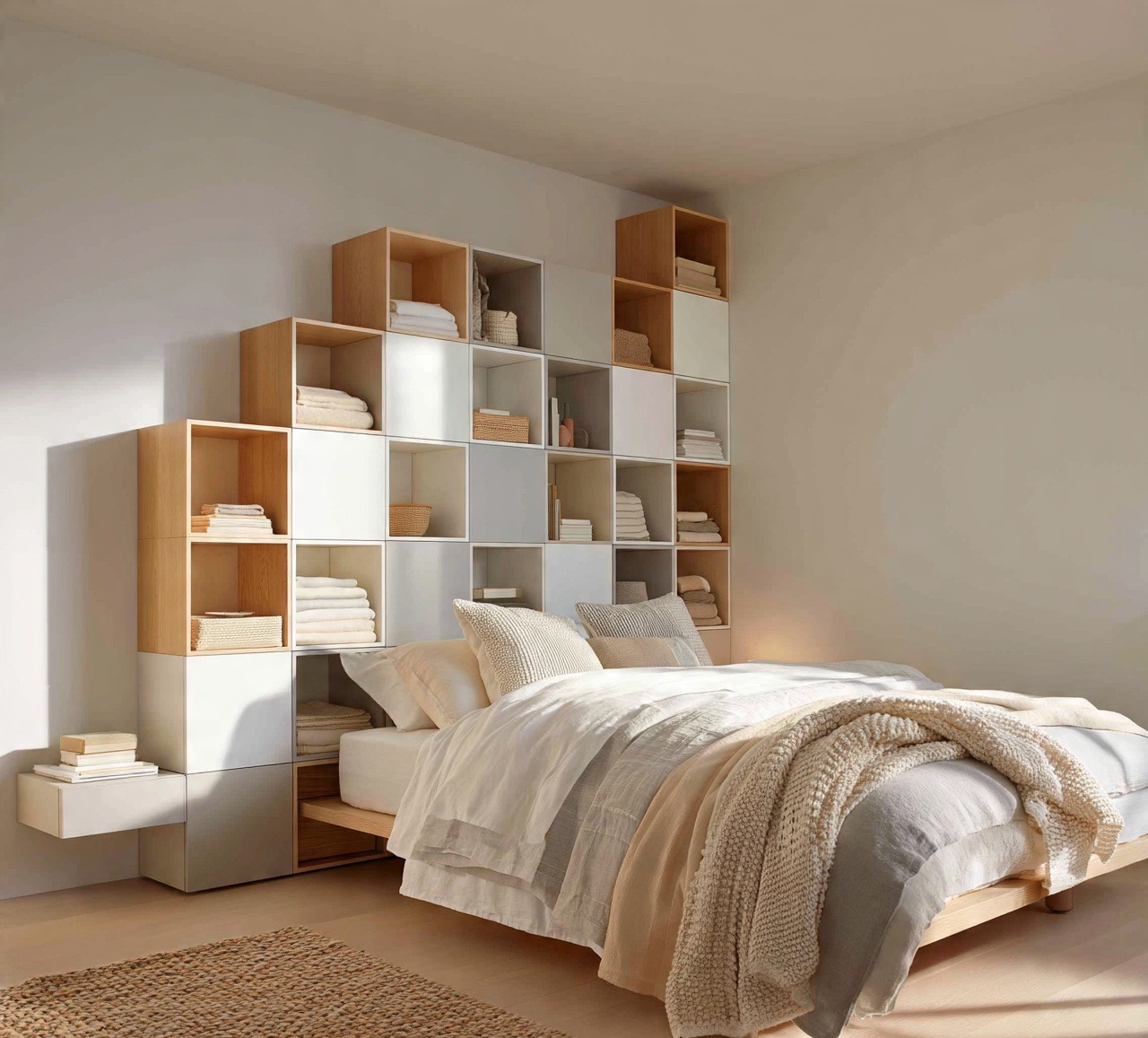
Modular storage cubes let kids sort toys, books, and clothing into open bins that are easy for even toddlers to use independently. Stacking cube units in a 3×3 or 4×2 configuration against a wall creates a flexible system that can expand as a child’s belongings grow. Fabric bins in solid colors keep the look tidy compared to clear plastic, which tends to look cluttered even when organized. This system also adapts easily when a room transitions from nursery to big kid bedroom.
9. Reading Nook with Tent Canopy Bedroom Ideas
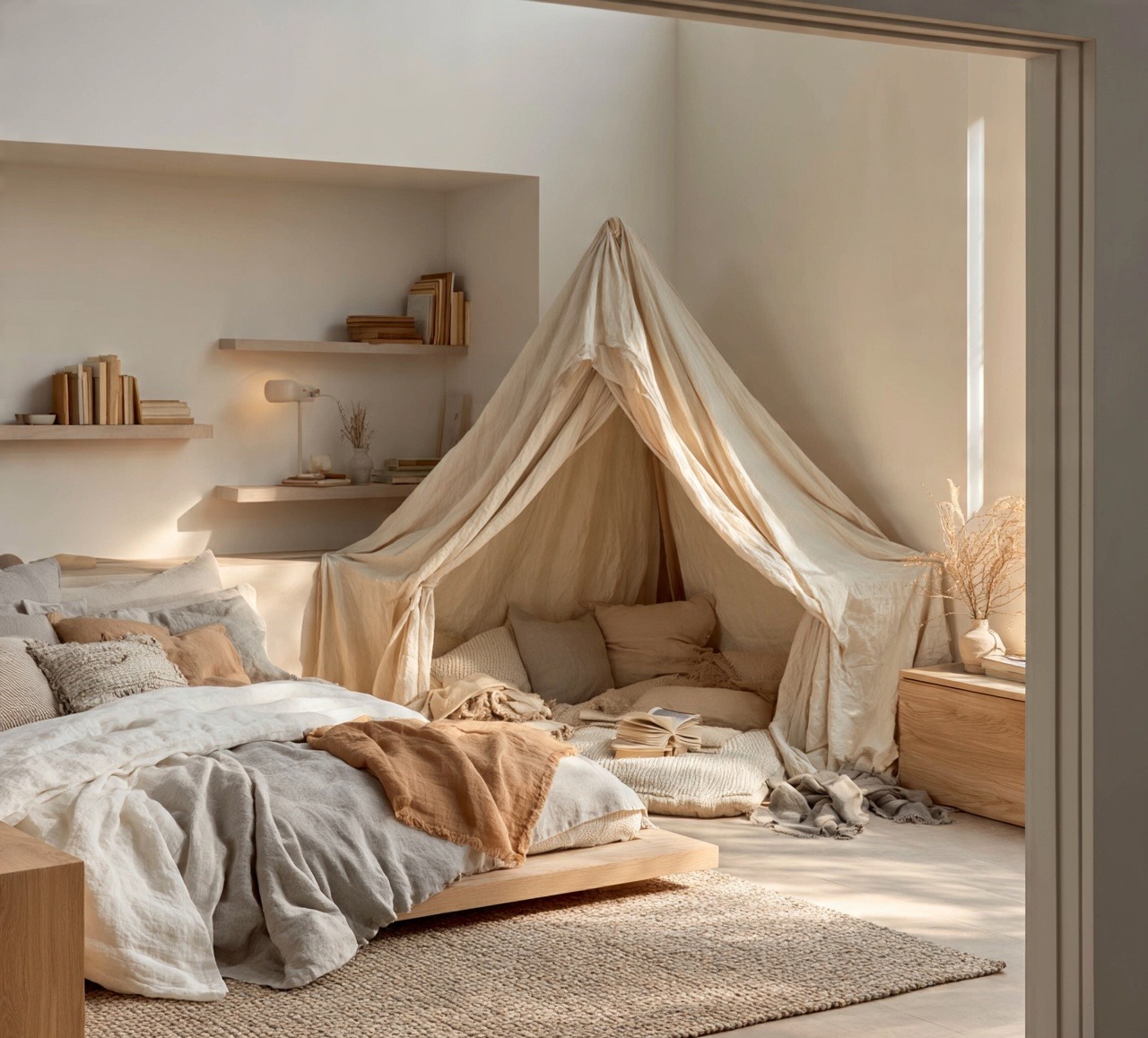
A reading nook with a tent canopy carves out a small, enclosed space that feels private within a shared or open bedroom layout. A simple A frame tent frame draped with cotton fabric, paired with a floor cushion and a battery powered lantern, creates an inviting corner for independent reading. This works especially well tucked into an unused corner or under a sloped ceiling where standing furniture wouldn’t fit. Rotating a small basket of books nearby keeps the space functional rather than purely decorative.
10. Daybed with Trundle Bedroom Ideas
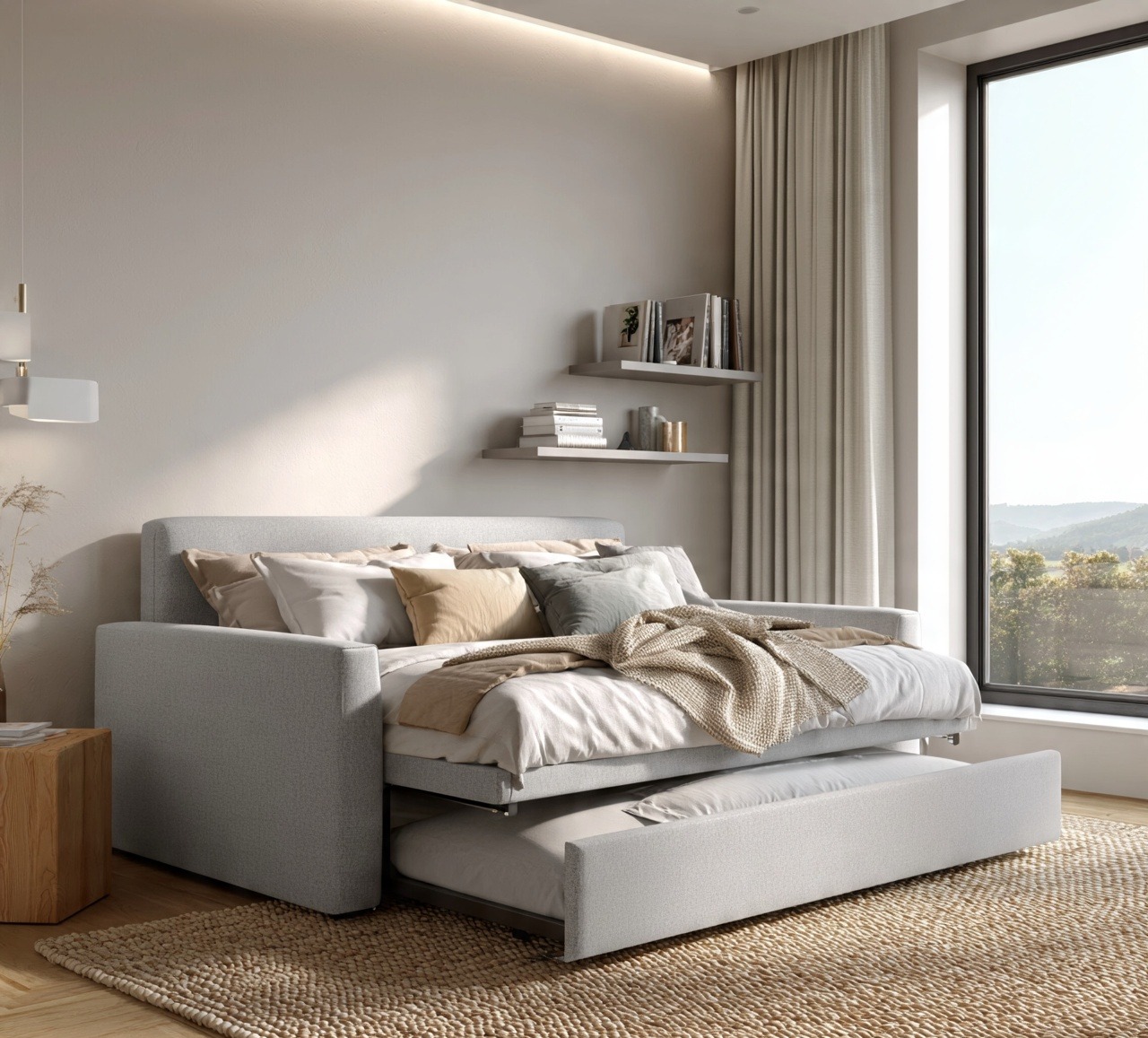
A daybed with trundle functions as seating during the day and sleeping space at night, making it a strong choice for rooms that double as playrooms or guest spaces. The daybed frame typically sits against a wall like a sofa, with bolster pillows softening the look during waking hours. Pulling out the trundle at bedtime or for sleepovers adds a second sleeping surface without permanently committing floor space to it. Metal frames in matte finishes tend to outlast wood frames under daily use.
11. Growth Chart Wall Decal Bedroom Ideas
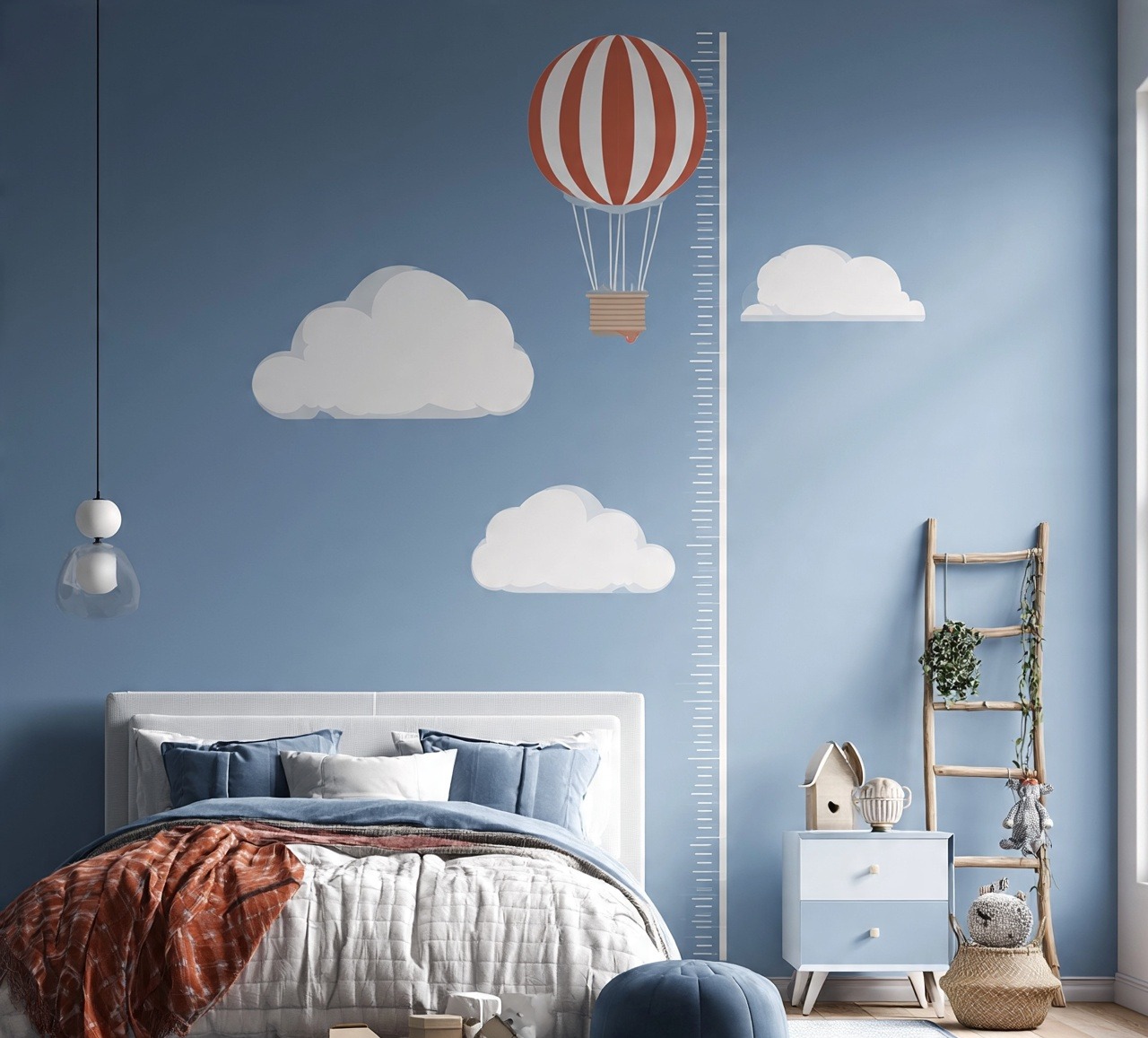
A growth chart wall decal tracks a child’s height over the years while doubling as a piece of wall decor that doesn’t require repainting or patching nail holes. Vinyl decals in a ruler or tree branch design apply directly to the wall and peel off cleanly if the room gets redecorated later. This works well near a doorway or closet wall where height marks won’t be blocked by furniture. Writing dates directly next to each mark turns the decal into a keepsake by the time the child moves out.
12. Under Bed Rolling Storage Bins Bedroom Ideas
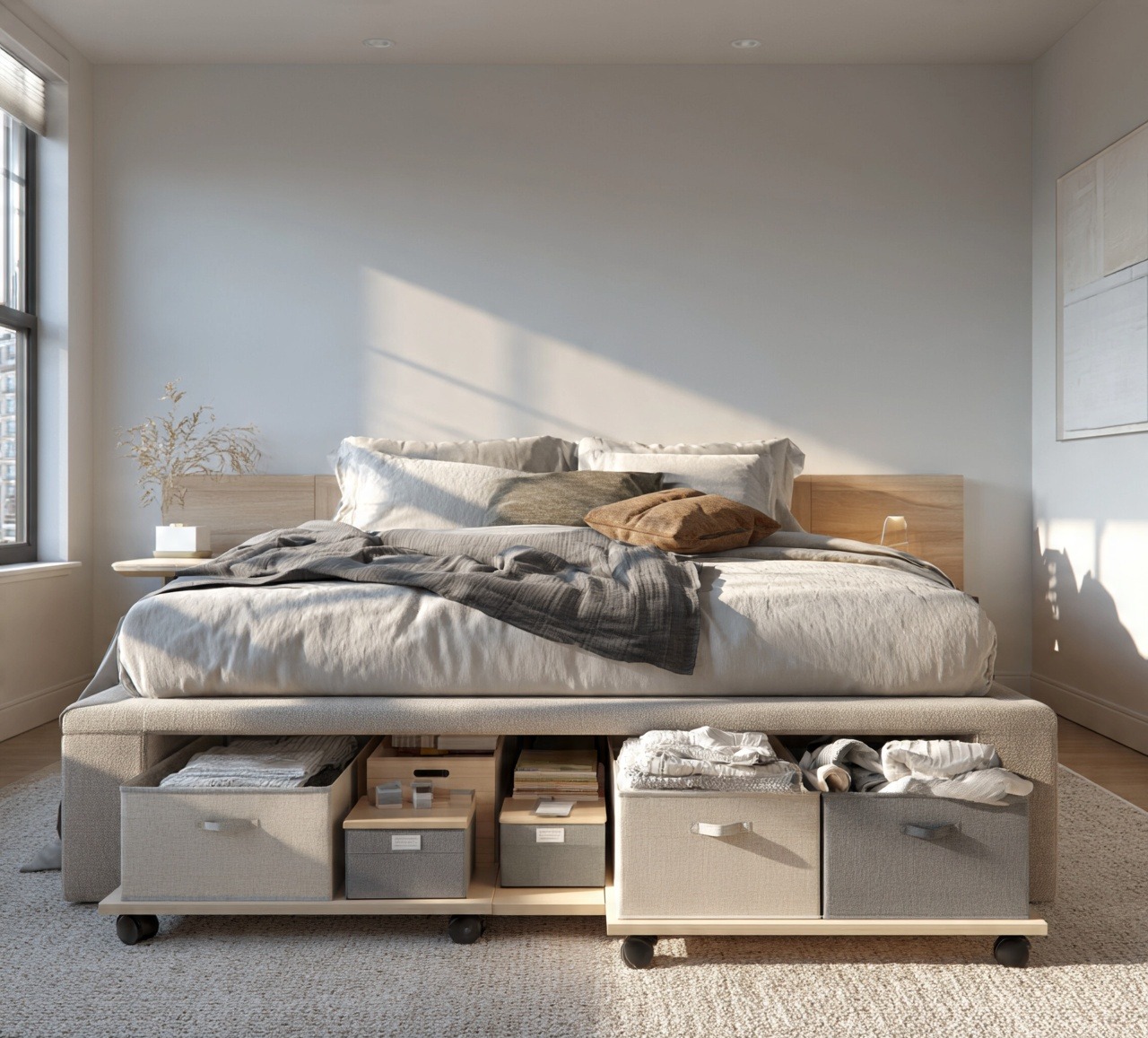
Under bed rolling storage bins take advantage of dead space beneath standard bed frames, which often sit 8 to 10 inches off the ground. Bins with wheels or a low profile base let kids pull them out independently to access seasonal clothing, extra linens, or toy overflow. Clear bins with labeled lids work better than opaque ones since kids can see contents without opening every container. This system pairs well with a bed frame that has at least 10 inches of clearance for standard sized bins.
13. Peg Rail Organization System Bedroom Ideas
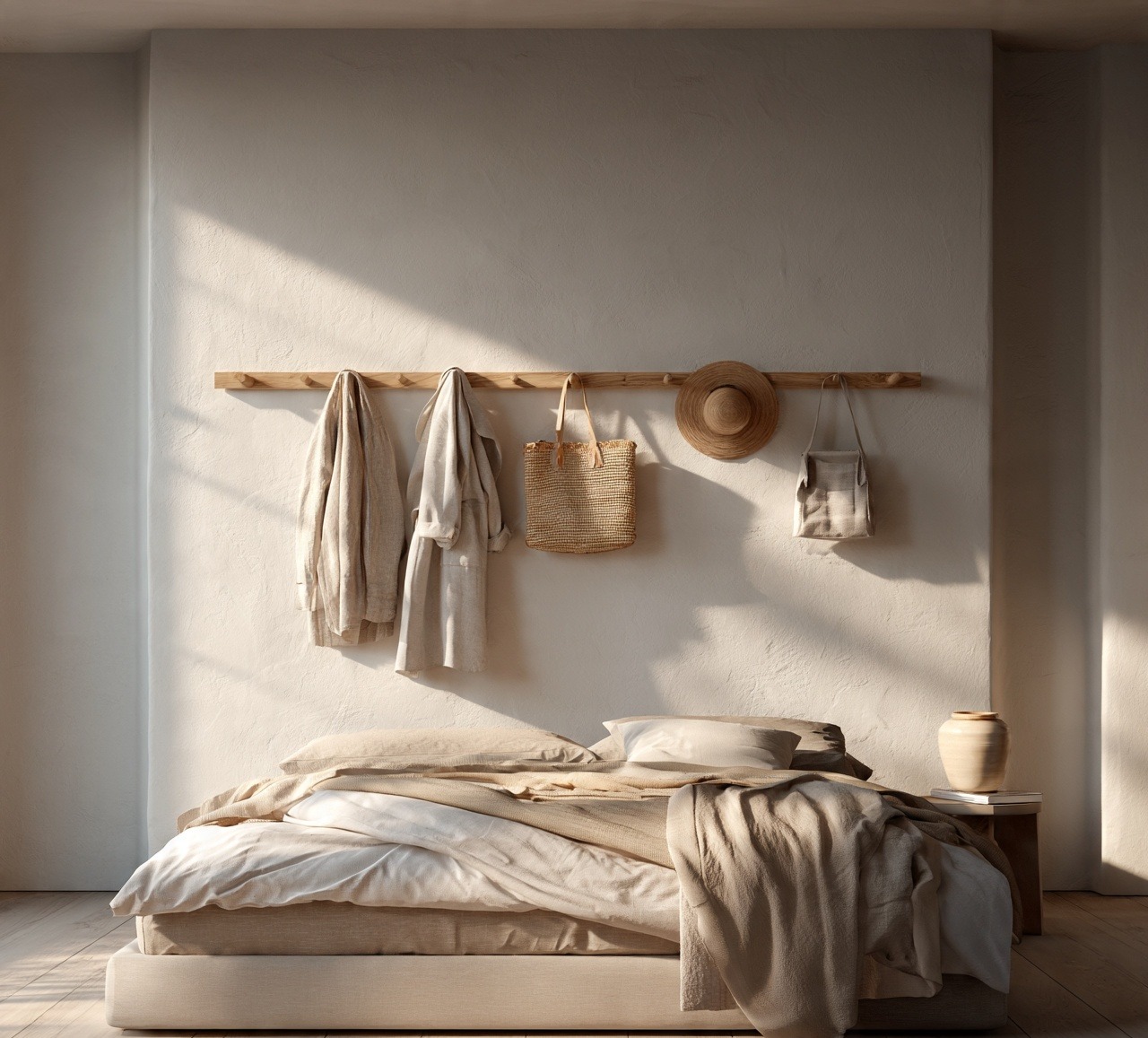
A peg rail organization system mounts a horizontal wooden rail with wooden or metal pegs at a height kids can reach on their own. Hanging backpacks, jackets, and costume accessories from the pegs keeps items off the floor and visible instead of buried in a closet. Installing the rail at two different heights accommodates both younger and older siblings sharing a room. Solid beech or oak rails hold up better than particleboard versions under repeated daily use.
14. Statement Ceiling Light Fixture Bedroom Ideas
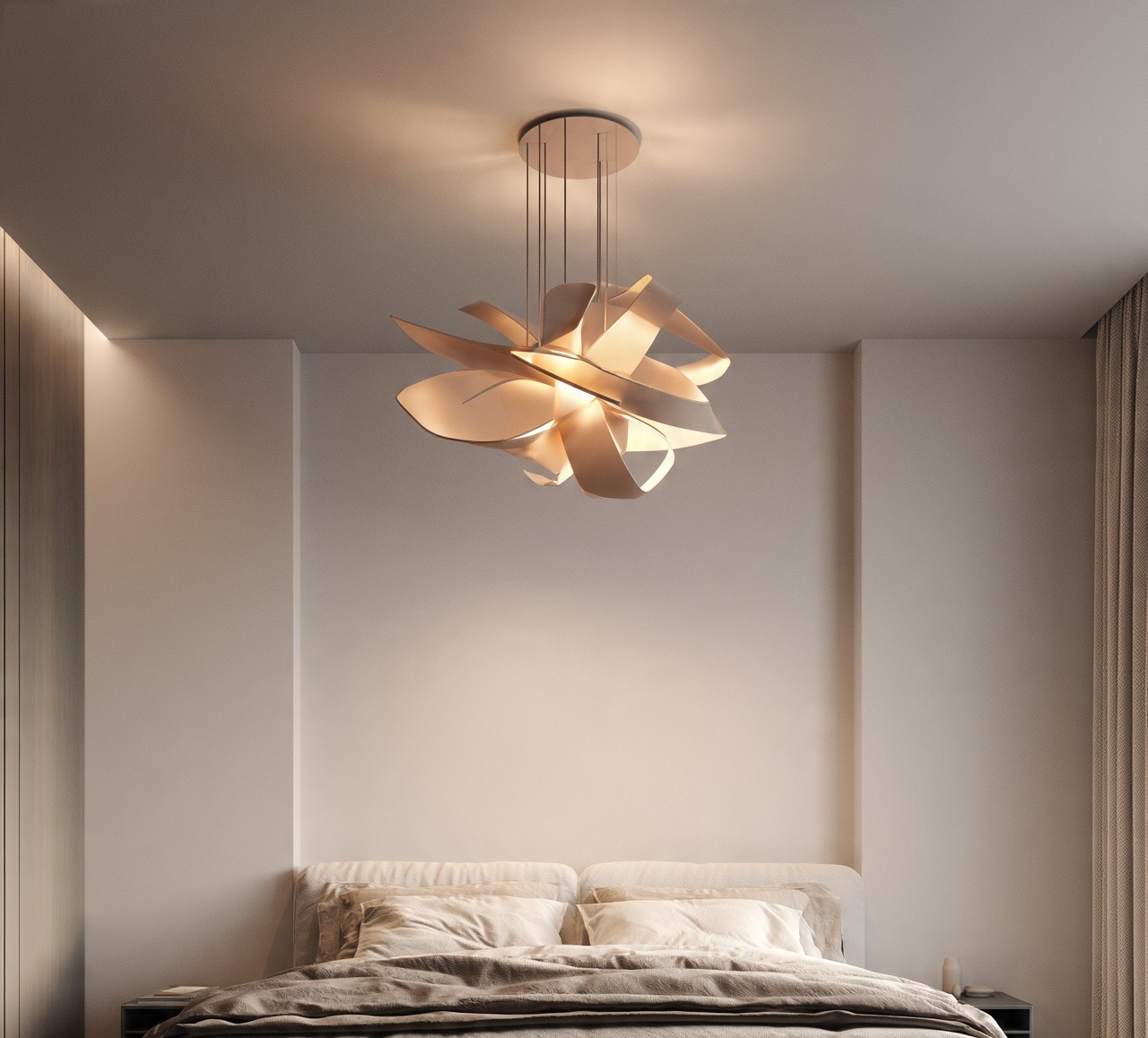
A statement ceiling light fixture becomes a focal point that doesn’t require repainting walls or swapping out furniture as a child’s taste changes. A geometric pendant, a cloud shaped flush mount, or a small chandelier in a durable acrylic material adds personality overhead where it’s out of reach of curious hands. This idea works in nearly any kids bedroom ideas plan since lighting sits above the furniture layout and doesn’t compete with floor space. Pairing the fixture with a dimmer switch makes it practical for both playtime and wind down routines.
Shop the Look
A powder coated metal bunk bed frame in matte black anchors a shared room with an industrial edge. Fabric storage cubes in navy and mustard add color without clashing with painted walls. A cotton canopy tent panel in natural linen softens corners for a reading nook. A vinyl growth chart decal in a tree branch design works as both decor and a functional keepsake. A geometric acrylic pendant light rounds out the room with a modern focal point overhead.
Common Mistake to Avoid
The most common mistake parents make is choosing furniture and decor themed too specifically around a current favorite show, character, or color phase. A child’s interests shift within a year or two, but a wall mural or themed bed frame is expensive and difficult to update. Opting for a neutral base solid colored walls, simple bed frames, versatile storage and layering in personality through swappable items like bedding, art prints, or removable decals keeps the room relevant far longer without a full redo.
Frequently Asked Questions
What is the best bed type for a small kids’ bedroom?
A loft bed or bunk bed works best for small kids’ bedrooms because both lift the sleeping surface off the floor, freeing space underneath for a desk, storage, or play area. Trundle beds are a close second since the second mattress stays hidden until needed. Measuring the room’s ceiling height before choosing a loft or bunk bed matters, since most models require at least 8 feet of clearance for safe use.
How do I organize toys in a small kids’ room?
Modular storage cubes paired with labeled fabric bins are the most effective way to organize toys in a small kids’ room. Sorting by category rather than by toy type building blocks in one bin, art supplies in another makes cleanup faster for younger kids who can’t yet read labels. Under bed rolling bins handle overflow items that aren’t used daily, keeping the main play area from feeling cluttered.
What colors work best for a kids bedroom?
Soft, muted tones like sage green, dusty blue, and warm terracotta work better long term than saturated primary colors because they don’t feel babyish as a child grows older. These shades also pair easily with colorful bedding, art, and toys without competing for visual attention. Testing a sample swatch on the wall under both natural and lamp light helps confirm the color reads correctly at different times of day.
How much should I budget for a kids bedroom makeover?
A modest kids bedroom makeover using paint, new bedding, and a few storage pieces typically costs less than replacing major furniture, while a full redesign with a new bed frame, built ins, and lighting runs significantly higher. Prioritizing the bed and storage system first, then layering in decor like a growth chart decal or accent wall, allows the room to come together in stages without one large upfront expense.
At what age should a child’s room stop having a theme?
Most children start moving away from character themed decor between ages seven and nine, preferring rooms that reflect their own evolving interests rather than a licensed theme. Transitioning to a neutral base with swappable accents around this age instead of a full theme makes future updates easier and less costly, since only smaller items like bedding or wall art need replacing as tastes continue to shift.
Conclusion
These kids’ bedroom ideas prove that a well designed room doesn’t have to choose between practicality and personality built in storage, flexible bed frames, and a neutral color base can hold up through years of changing interests. Save this guide to Pinterest for later, and check out our related post on small bedroom storage solutions for more space saving inspiration.