16 Beautiful Living Room Aesthetic Ideas to Elevate Your Home Style and Create a Warm, Stylish, and Inviting Space
Deciding on a living room aesthetic is less about following one trend and more about picking a handful of consistent choices color, material, texture and repeating them with intention. This guide breaks down sixteen distinct directions, from warm minimalism to dark academia, so you can identify which one matches how you actually want the room to feel and function, then apply it room by room.
Trend & Background
Interior design has moved away from matching furniture sets toward curated, personality-driven rooms built around a specific mood or era. Social platforms have accelerated this shift, turning aesthetics like cottagecore, Japandi, and grandmillennial into shorthand that shoppers search for directly rather than describing loosely. This matters now because it’s easier than ever to build a room around a defined aesthetic using widely available furniture and paint lines, rather than hiring a full design team to achieve a cohesive look.
Key Takeaways
- A cohesive living room aesthetic comes from repeating two or three materials, tones, or shapes throughout the room rather than mixing too many trends at once.
- Texture, lighting, and color palette matter as much as furniture choice when it comes to setting a room’s overall mood.
- Popular directions right now include warm minimalism, coastal grandmother, Japandi, and moody maximalism, each built around specific materials and color rules.
- Small styling details, like curated shelf objects and layered lighting, often do more for a room’s character than large furniture purchases.
1. Warm Minimalism
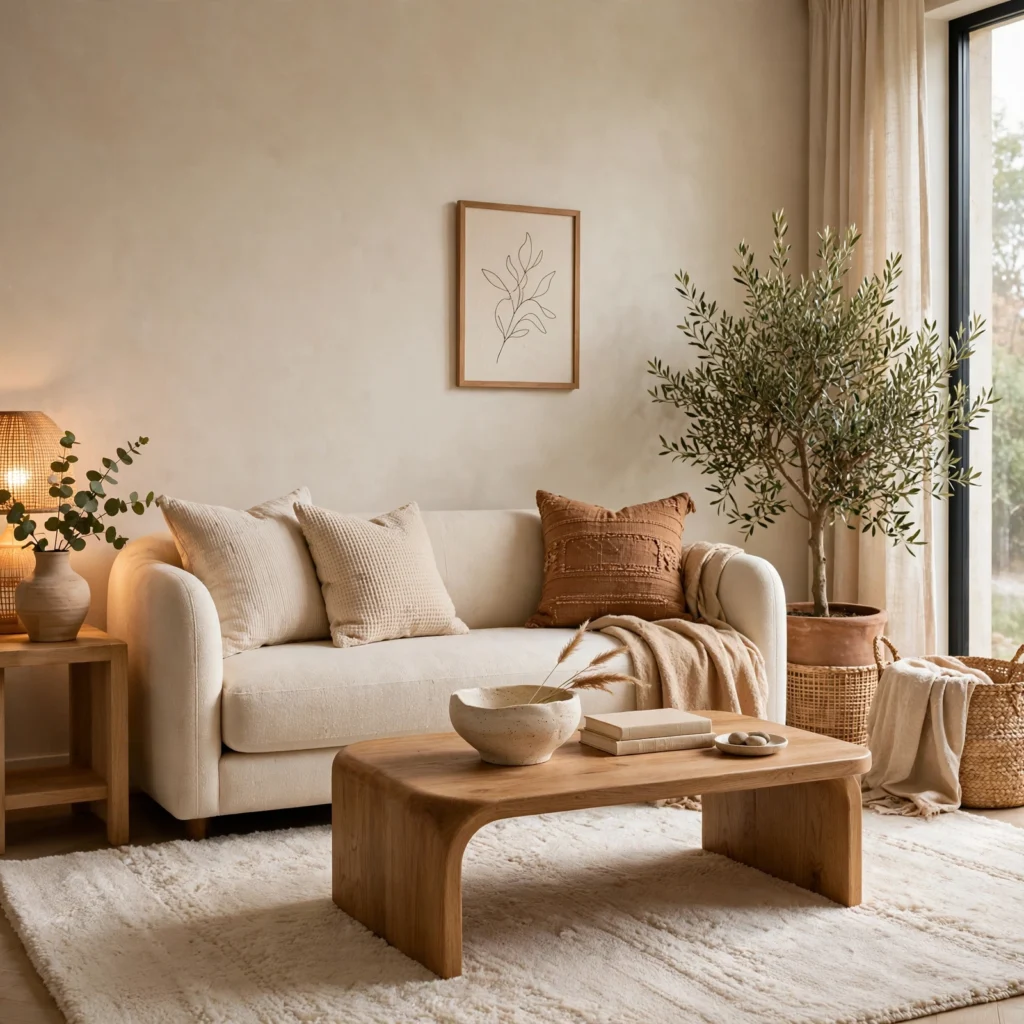
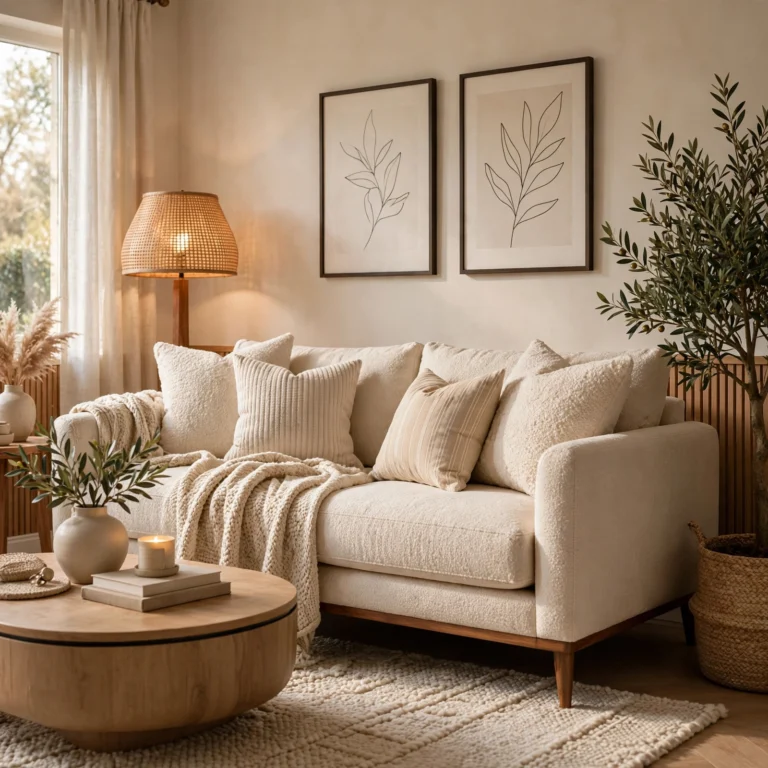
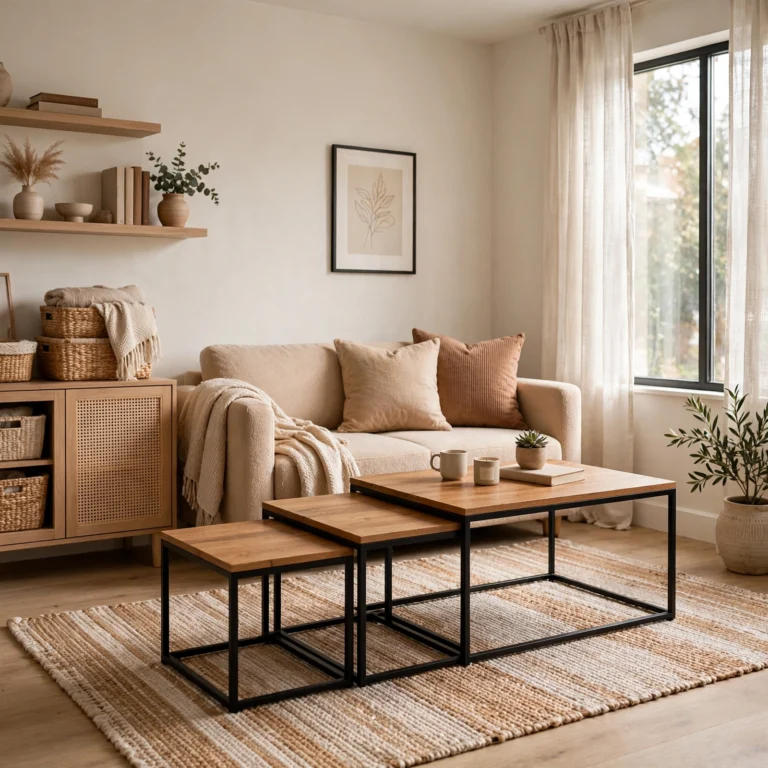
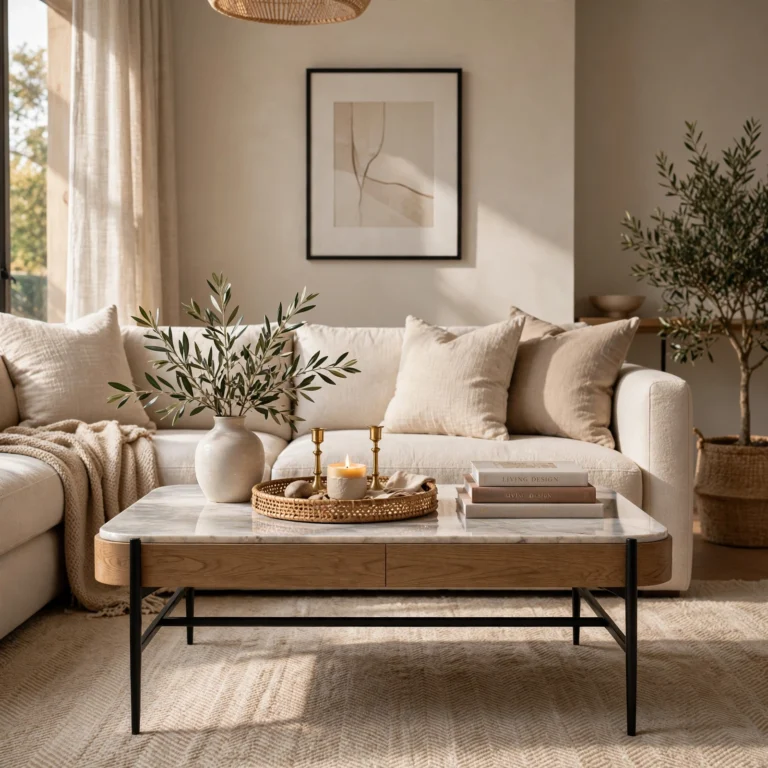
Warm minimalism strips a room down to a few well-chosen pieces while avoiding the cold, sterile feeling associated with stark white minimalism. Natural materials like white oak, linen, and unglazed ceramic replace glossy finishes, and the palette stays in creams, taupes, and soft browns. The goal is a room that feels calm and uncluttered without reading as empty, which usually means investing in fewer, higher-quality pieces rather than filling every surface.
2. Japandi Fusion
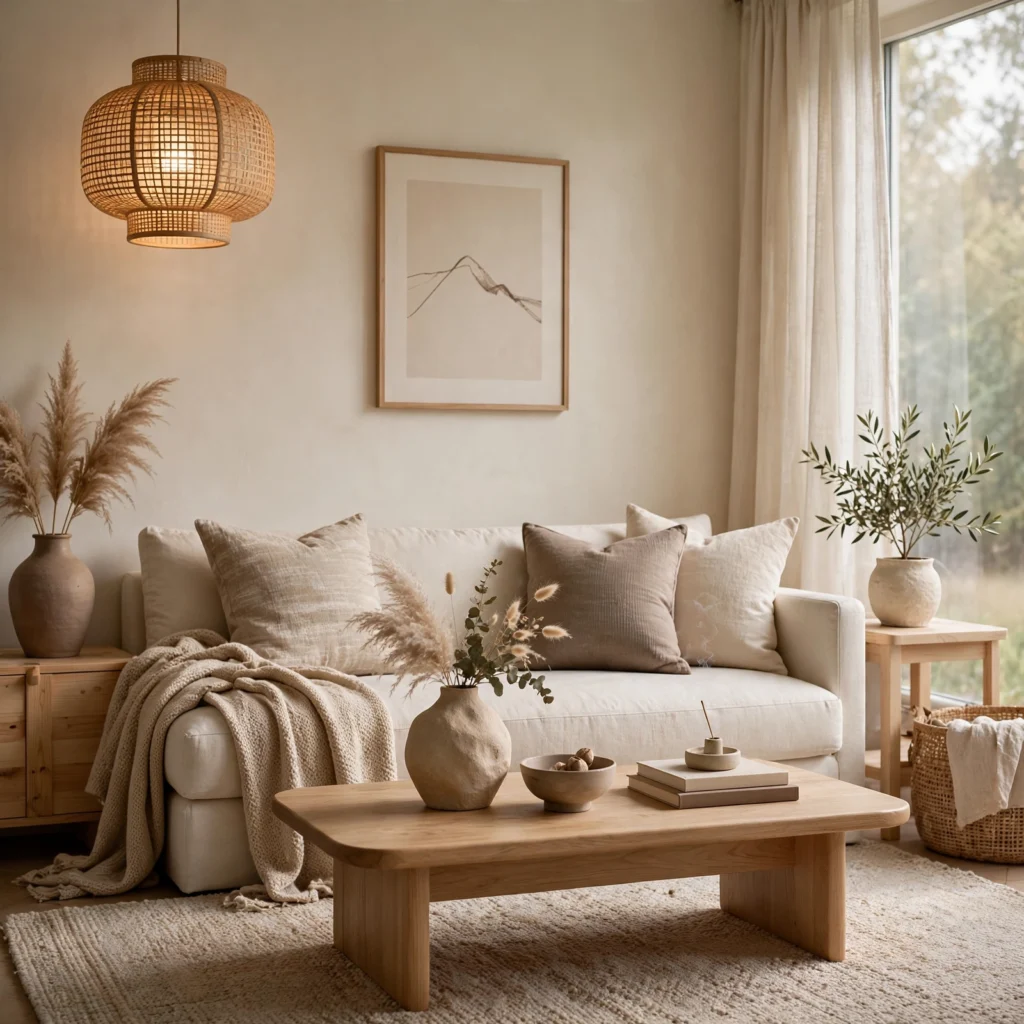
Japandi blends Japanese minimalism with Scandinavian coziness, pairing low-profile wood furniture with muted, earthy tones and a handful of natural textures like rattan or wool. Clean lines stay dominant, but the room avoids feeling austere thanks to soft textiles and warm lighting. This style works particularly well in smaller rooms since it relies on negative space and restraint rather than statement pieces to create visual interest.
For more ideas modern farmhouse living room
3. Coastal Grandmother
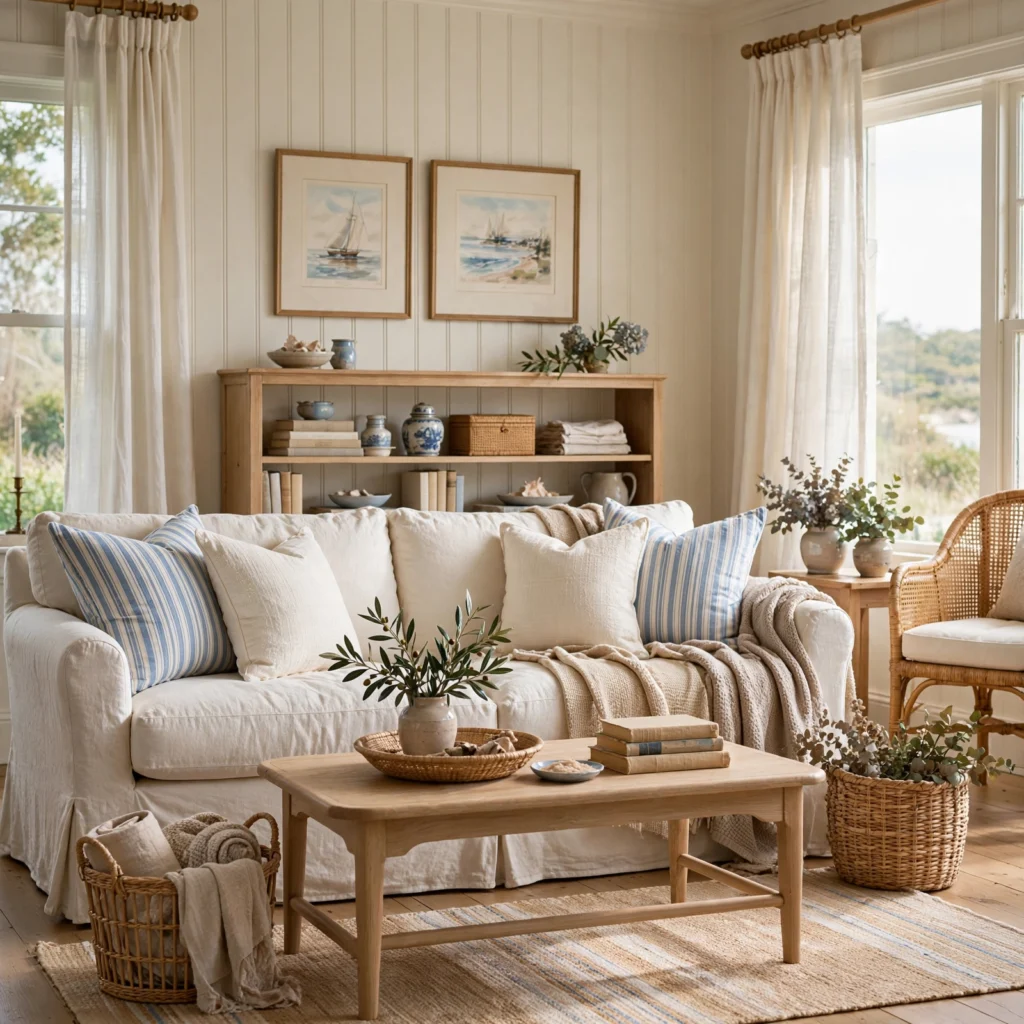
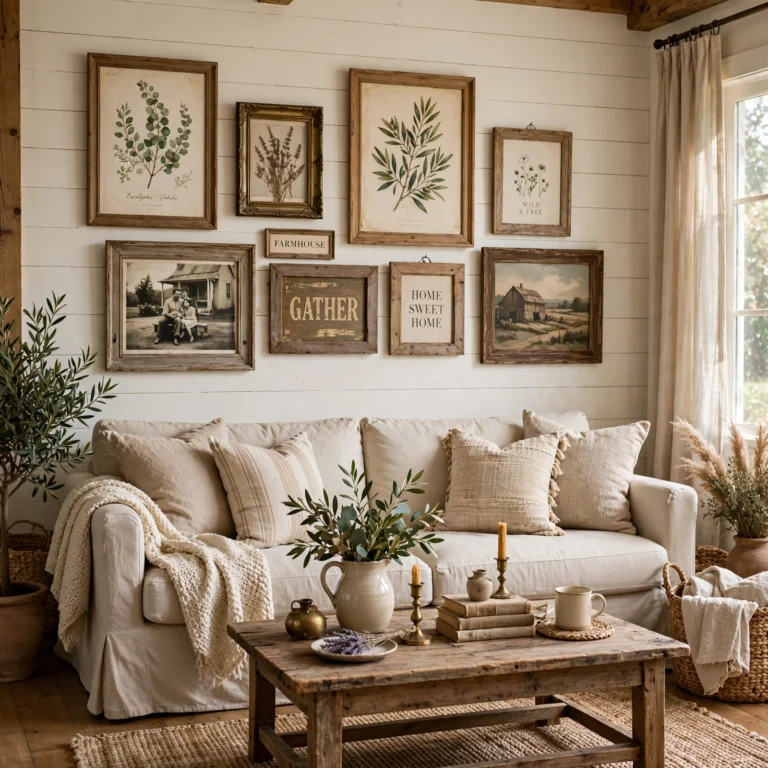
Coastal grandmother leans into slipcovered linen sofas, woven baskets, and a soft palette of cream, sage, and dusty blue rather than the nautical stripes of traditional coastal decor. Layered textiles like a chunky knit throw and a jute rug add warmth, while brass or rattan accents keep the room from feeling too crisp. It’s an aesthetic built around comfort first, with furniture chosen for how lived-in it looks rather than how polished it appears.
4. Dark Academia
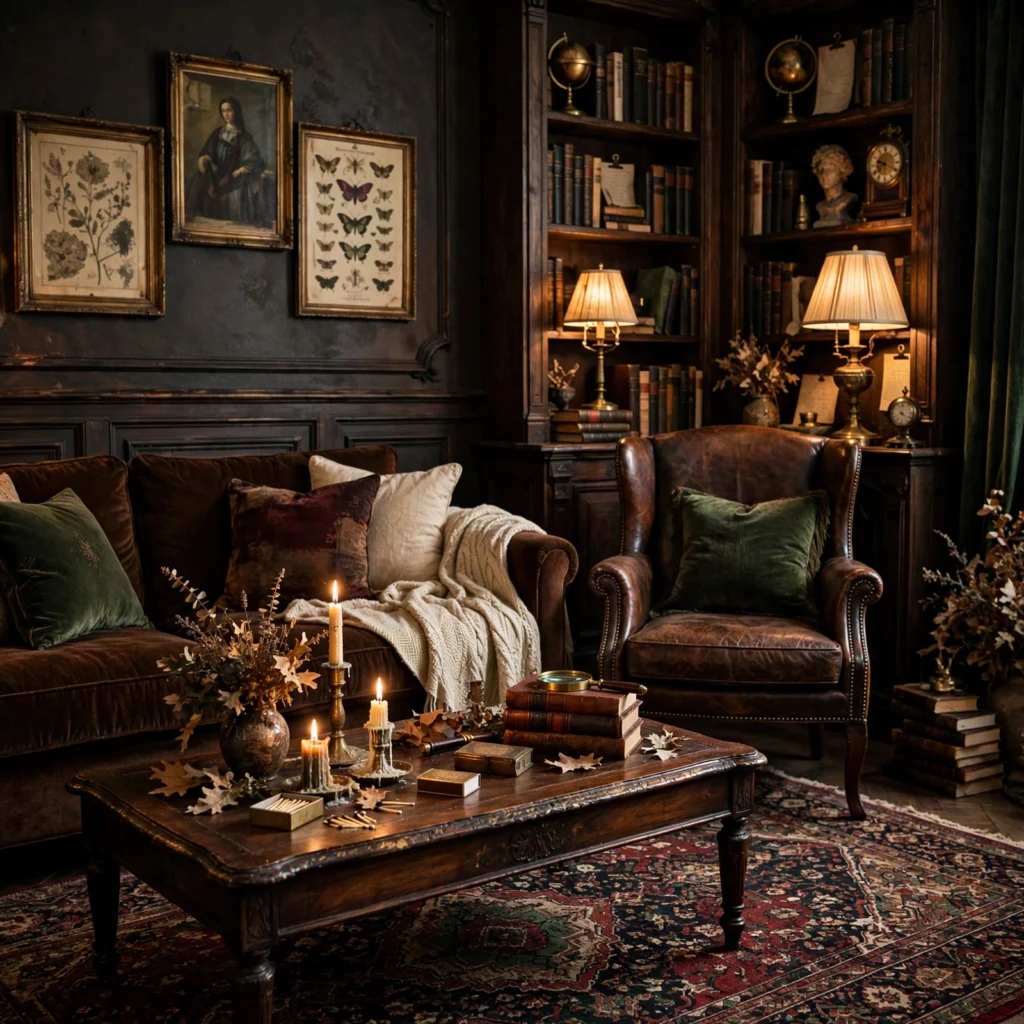
Dark academia pulls from library and study-room imagery, favoring deep wood tones like mahogany or walnut, leather upholstery, and a palette of burgundy, forest green, and charcoal. Built-in or freestanding bookshelves become a focal point, often styled with a mix of hardcover books and small objects rather than left sparse. Brass reading lamps and heavy drapery complete the mood, making the room feel intentionally moody rather than simply dark.
5. Grandmillennial
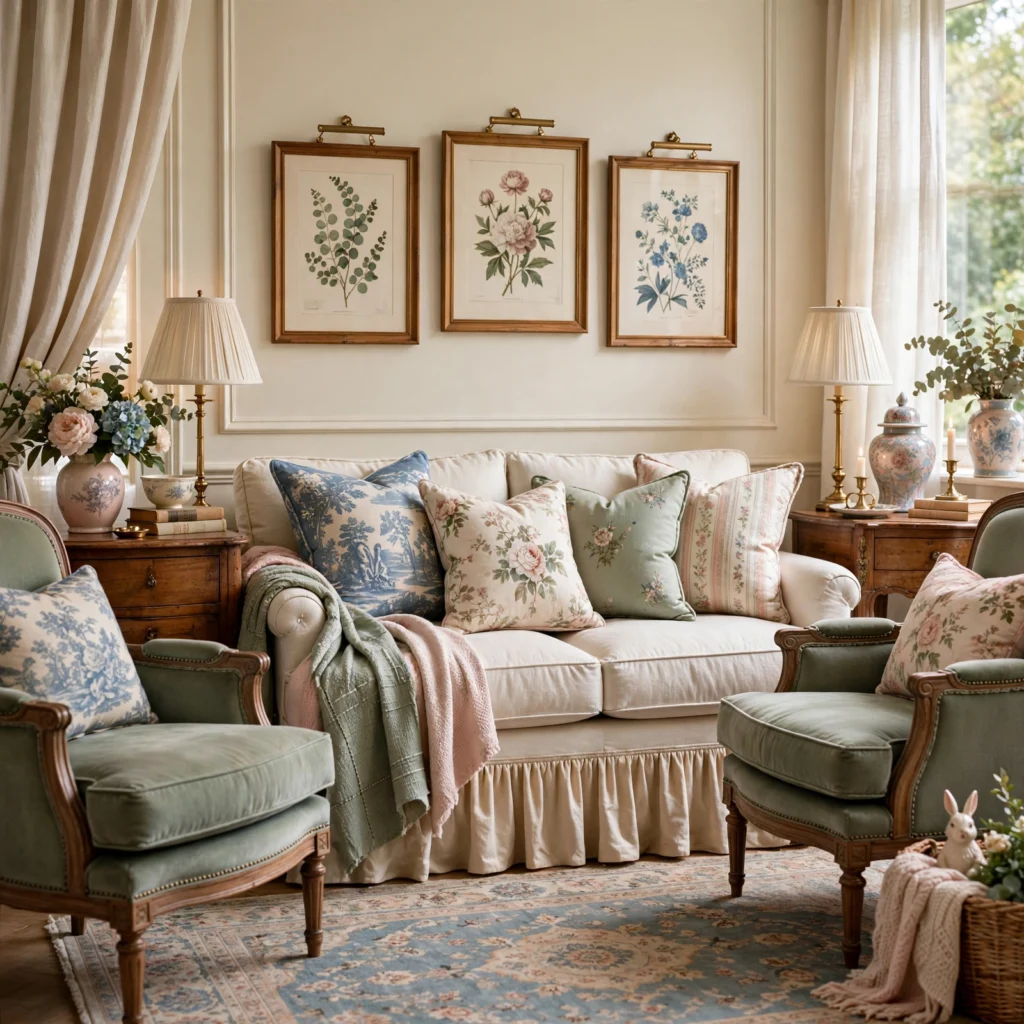
Grandmillennial style updates traditional, floral-heavy decor with a more playful, curated edge, mixing chintz or block-print fabric with modern lighting and cleaner furniture silhouettes. Pleated lampshades, scalloped edges, and needlepoint pillows nod to a previous generation’s formal living rooms without feeling dated. The result works best when one or two traditional statement pieces are balanced against simpler, contemporary furniture rather than layering pattern on pattern throughout.
6. Living Room Aesthetic Color Palette
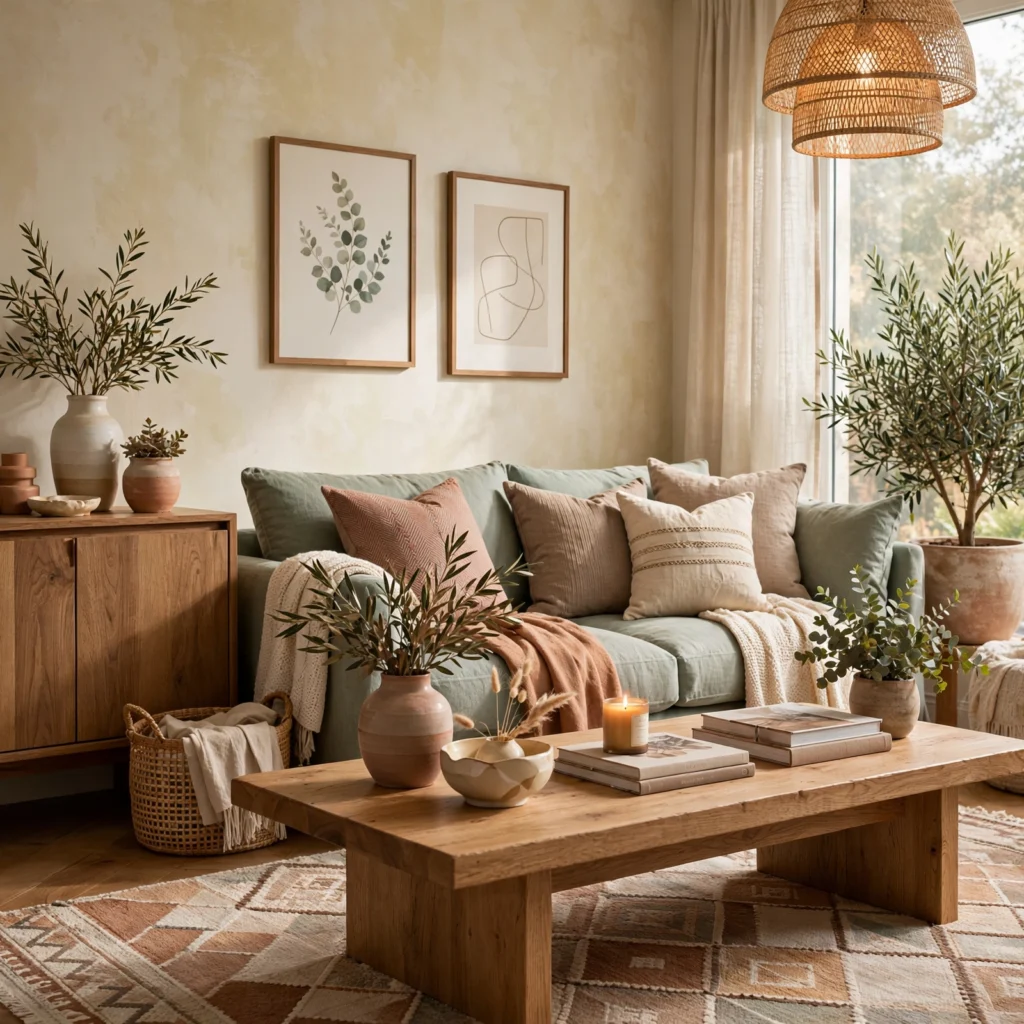
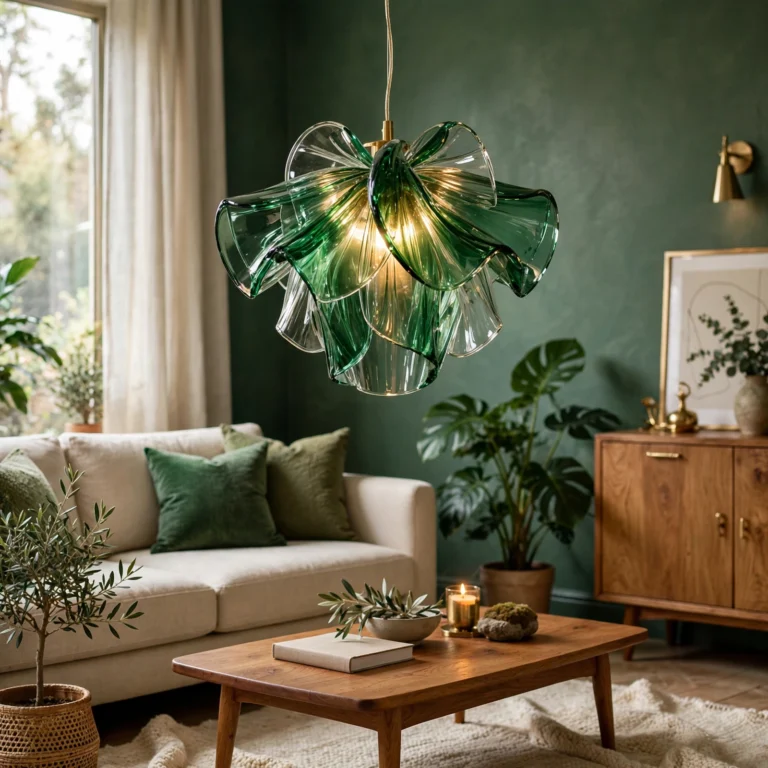
Choosing a living room aesthetic color palette before buying furniture keeps every later decision anchored to the same mood, whether that’s a warm neutral scheme or a moodier jewel-tone direction. Most cohesive rooms use one dominant neutral, one secondary tone, and one accent color used sparingly through pillows or art. Testing paint swatches against existing flooring and daylight at different times of day prevents costly mismatches once furniture is in place.
| Palette Style | Dominant Tone | Accent Color |
| Warm Minimalism | Cream / taupe | Terracotta |
| Coastal Grandmother | Off-white | Sage green |
| Dark Academia | Charcoal / walnut | Burgundy |
| Japandi | Beige / natural wood | Deep indigo |
7. Curated Bookshelf Styling
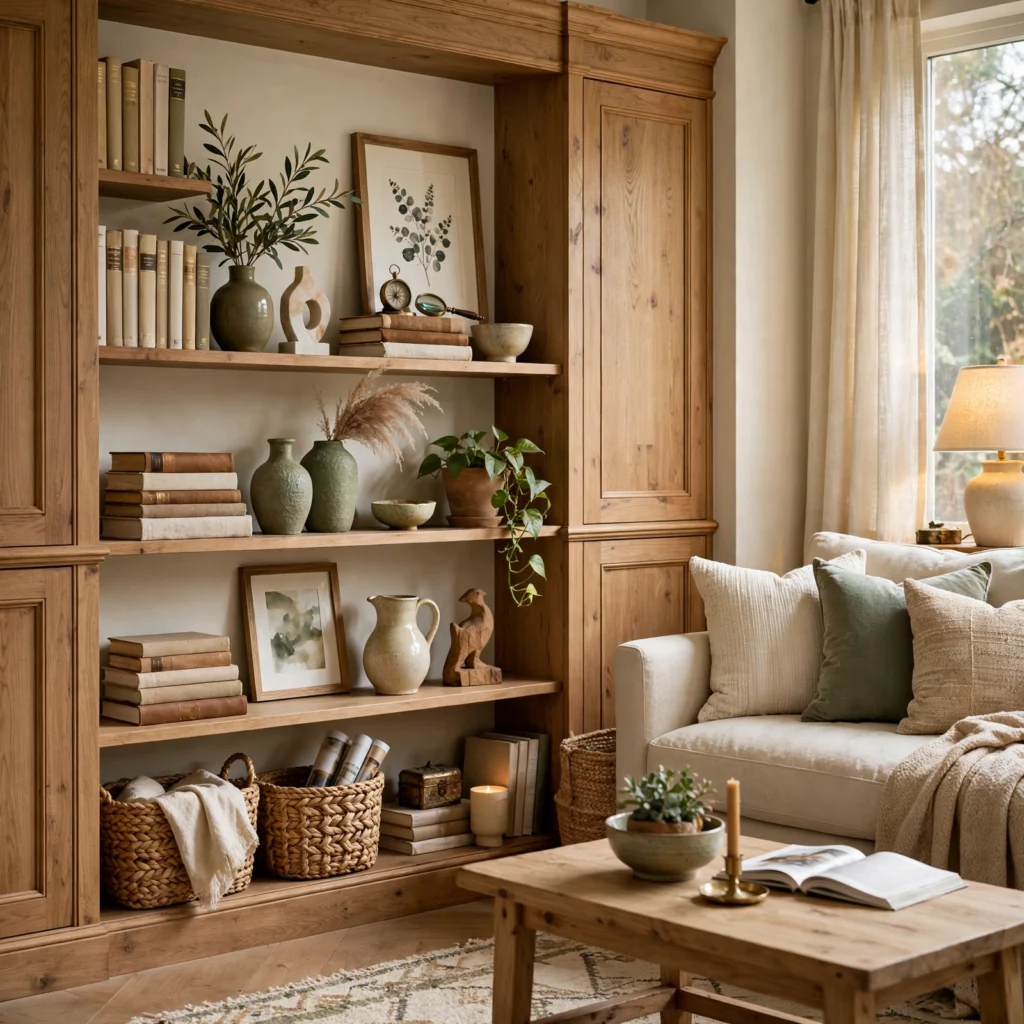
Styling a bookshelf with intention, rather than filling every shelf edge to edge, turns it into one of the strongest aesthetic anchors in the room. Grouping books by color or height, mixing in ceramics and small framed art, and leaving visible negative space on at least one shelf keeps the arrangement from looking cluttered. Rotating a few objects seasonally is an easy way to refresh the room’s character without buying new furniture.
8. Boucle Accent Chair
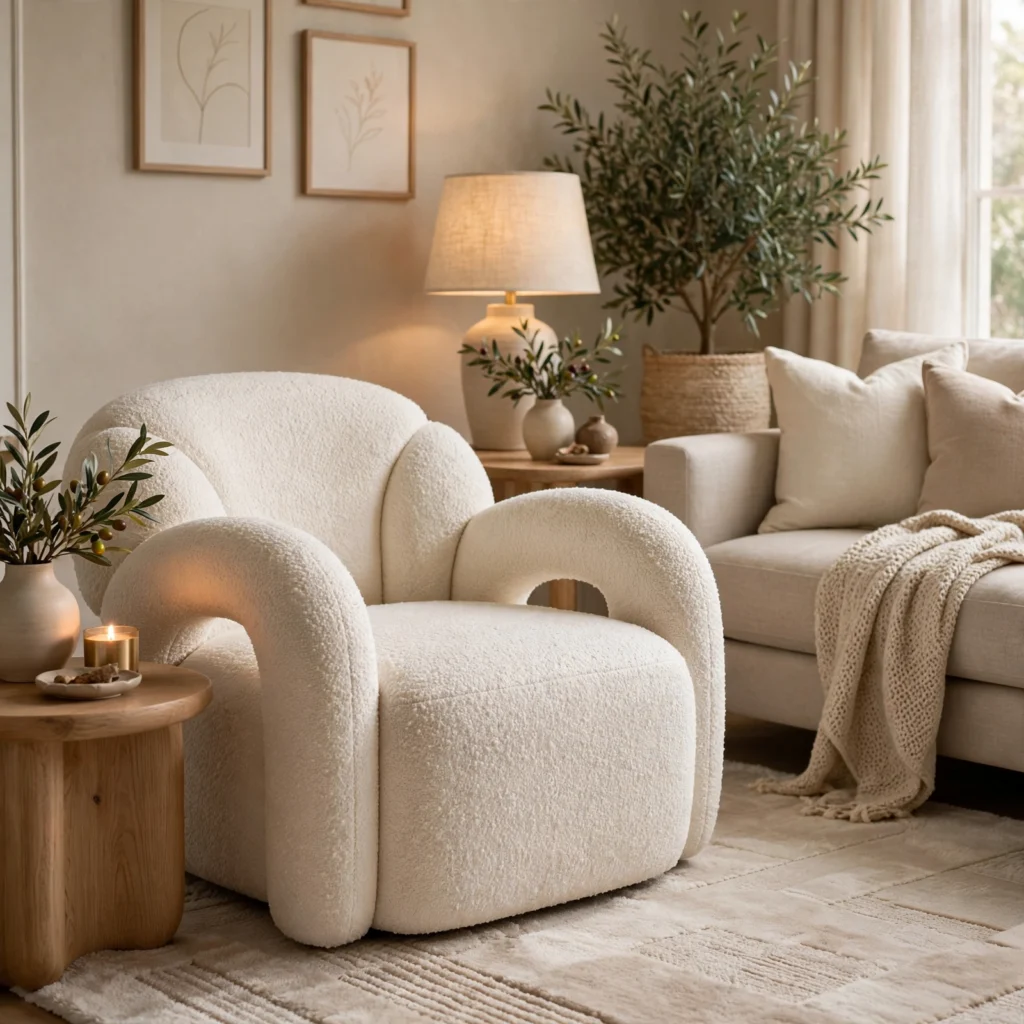
A boucle-upholstered accent chair adds texture and a soft, sculptural silhouette that works across several aesthetics, from warm minimalism to Scandinavian-leaning rooms. Its nubby texture reads as tactile and current without depending on a bold pattern or color, which makes it easy to pair with an existing sofa. Placed near a window or reading lamp, it also gives the room a secondary seating zone beyond the main sofa arrangement.
9. Plaster-Finish Walls
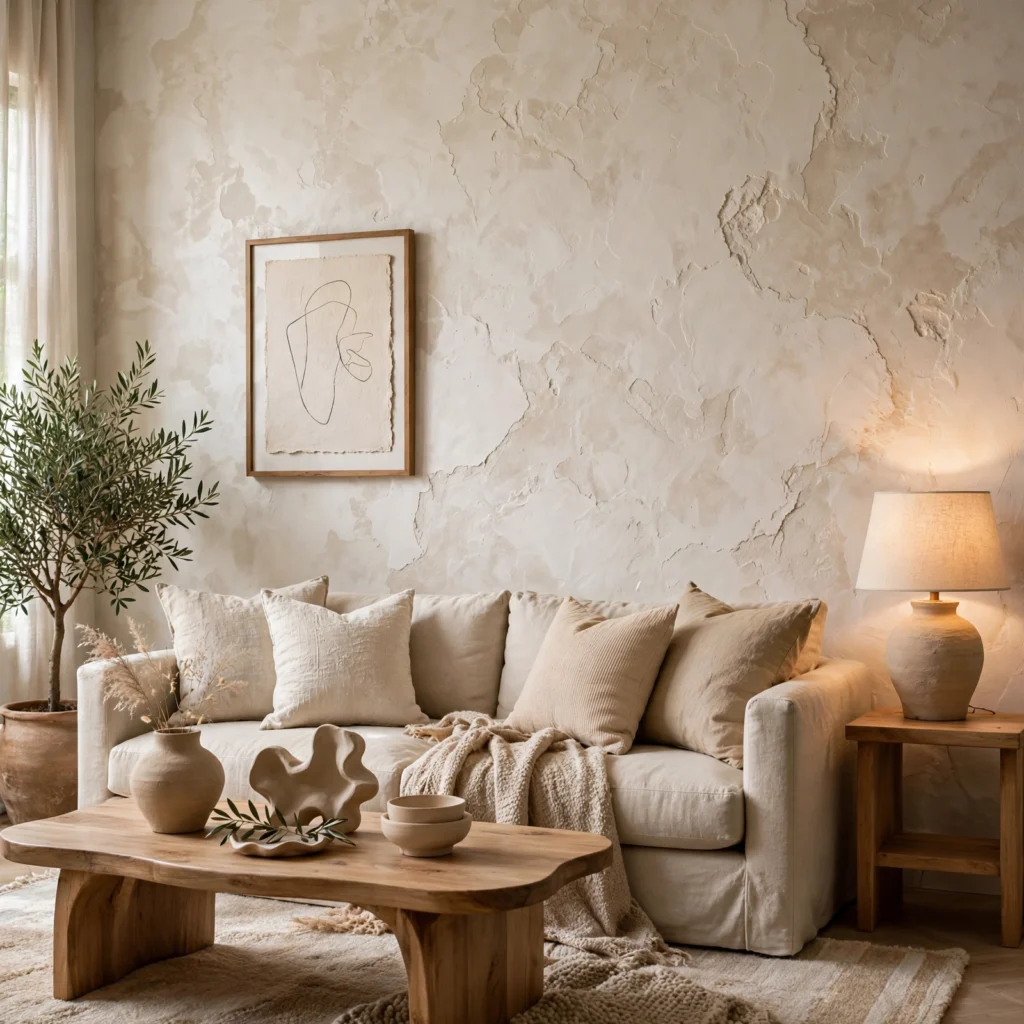
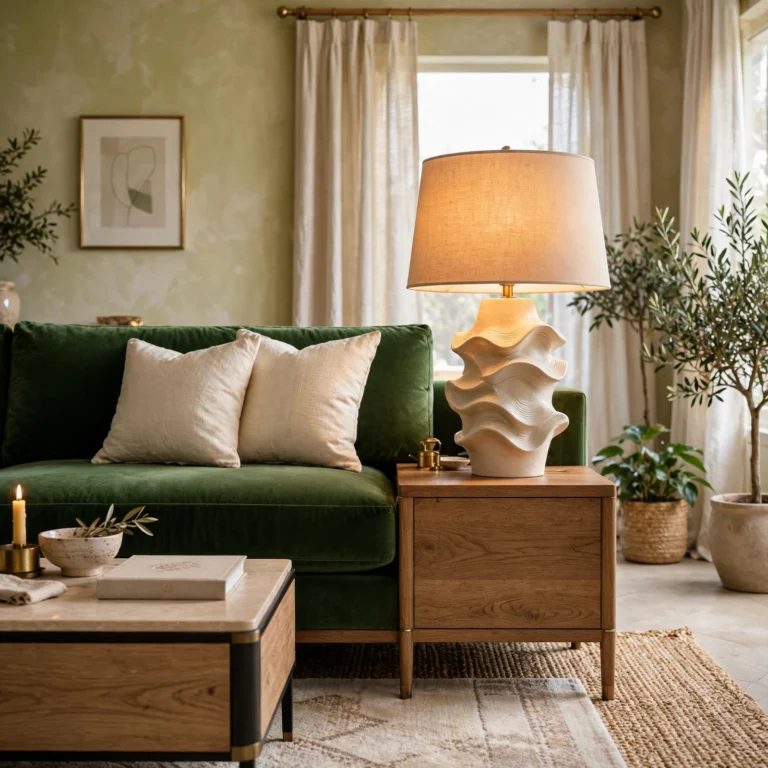
A limewash or Venetian plaster wall finish adds subtle texture and depth that flat paint can’t replicate, catching light differently throughout the day. It works especially well as a backdrop for a fireplace or media wall, where the texture becomes a quiet focal point rather than competing with furniture. Because the finish is typically applied in earthy, muted tones, it pairs naturally with warm minimalism, Japandi, and coastal-leaning color palettes.
10. Vintage Persian Rug
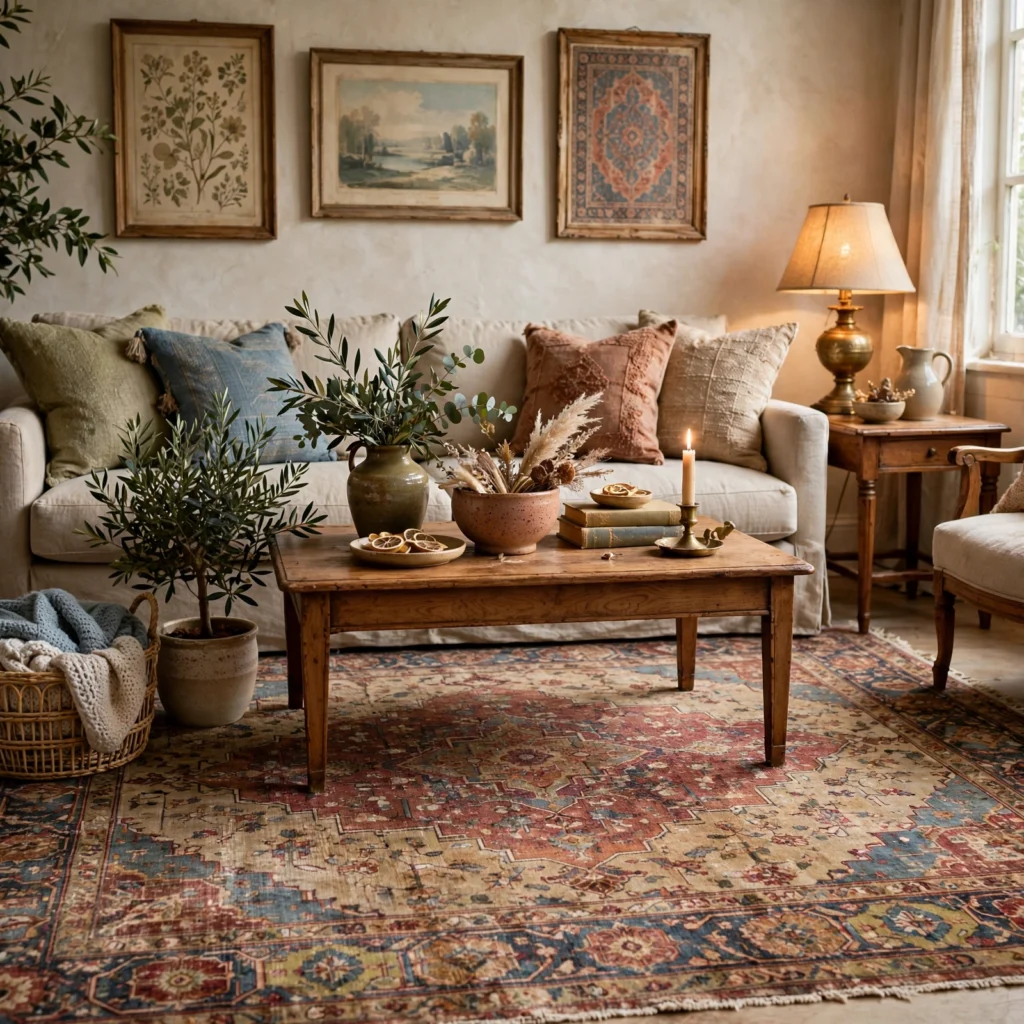
An antique or vintage-style Persian rug introduces pattern, color history, and worn-in texture that a new, uniformly dyed rug can’t replicate. Its irregular fading and intricate motif work as a grounding element in rooms that otherwise lean minimal, giving the space a collected-over-time feel. Pairing it with simpler, solid-colored furniture keeps the rug as the clear focal point rather than competing with other patterns in the room.
11. Layered Lighting Plan
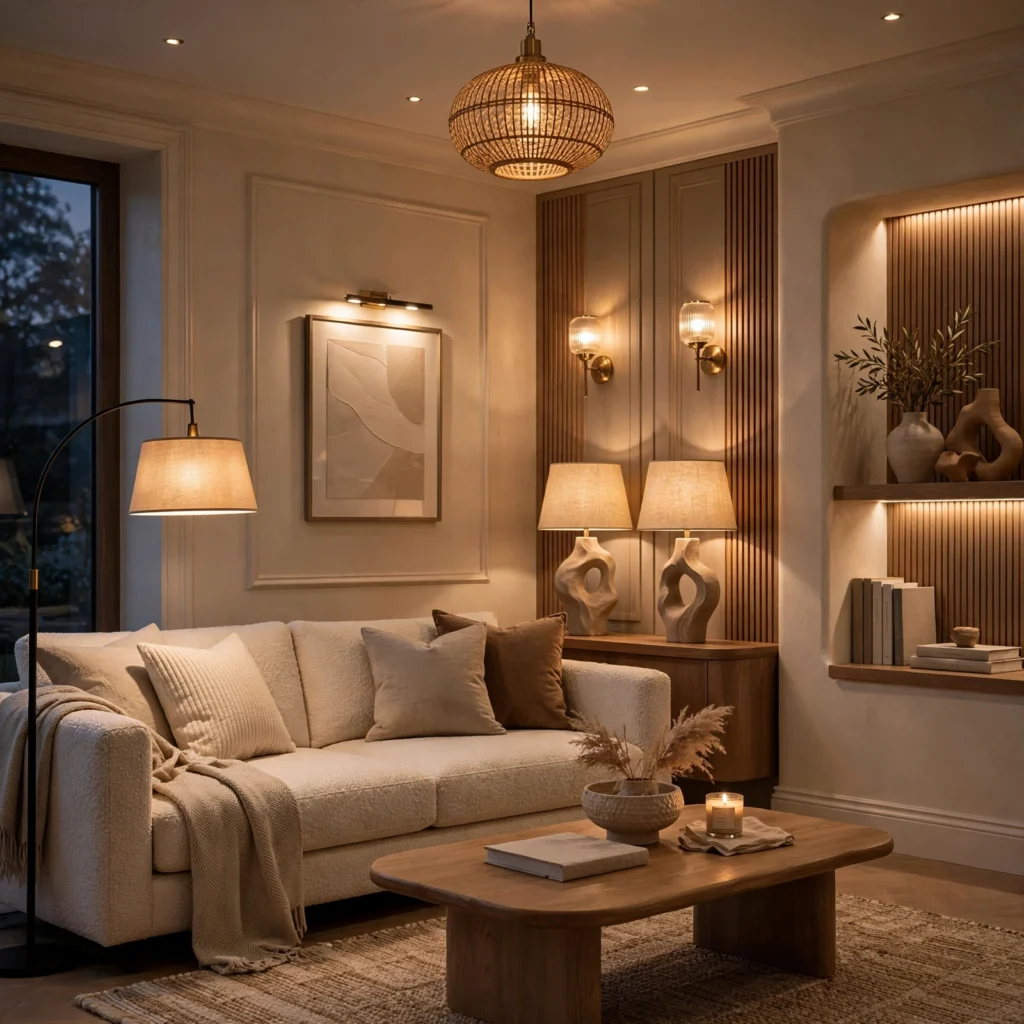
Relying on a single overhead fixture flattens a room’s mood, while a layered plan combining ambient, task, and accent lighting builds depth throughout the evening. A dimmable floor lamp, a table lamp near the seating area, and picture lights over artwork each serve a different purpose and can be adjusted independently. Warm bulbs in the 2700K to 3000K range keep the lighting consistent with most cozy, aesthetic-driven color palettes.
| Lighting Type | Purpose | Placement |
| Ambient | Overall room light | Ceiling or floor lamp |
| Task | Reading or work | Table lamp near seating |
| Accent | Highlighting decor | Picture light or sconce |
12. Fluted Wood Paneling
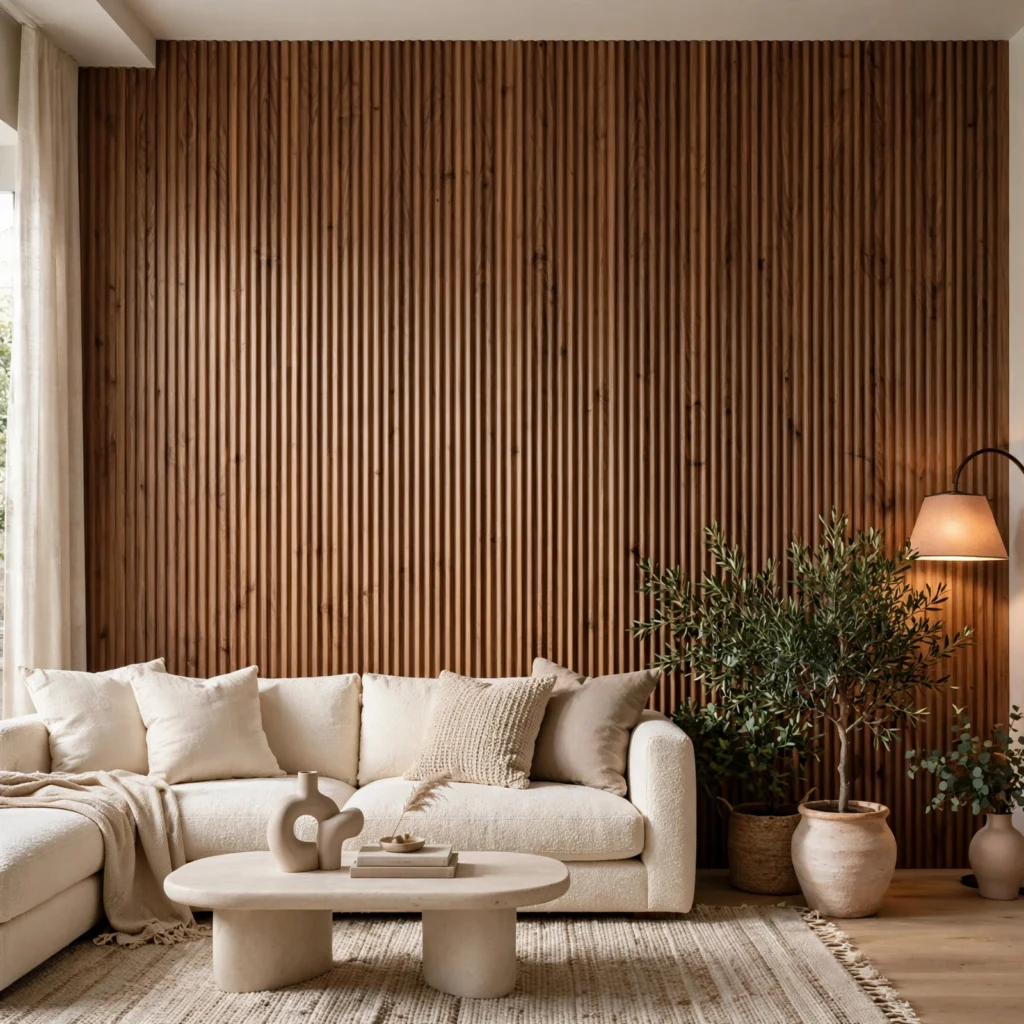
Fluted or reeded wood paneling applied to a media wall or fireplace surround adds architectural texture without requiring a full renovation, since pre-made panels can be installed over existing drywall. The vertical grooves catch shadow and light in a way that flat wood doesn’t, giving the wall dimension even in a neutral tone. It pairs particularly well with warm minimalism and Japandi aesthetics, where texture carries more visual weight than color.
13. Gallery Wall Arrangement
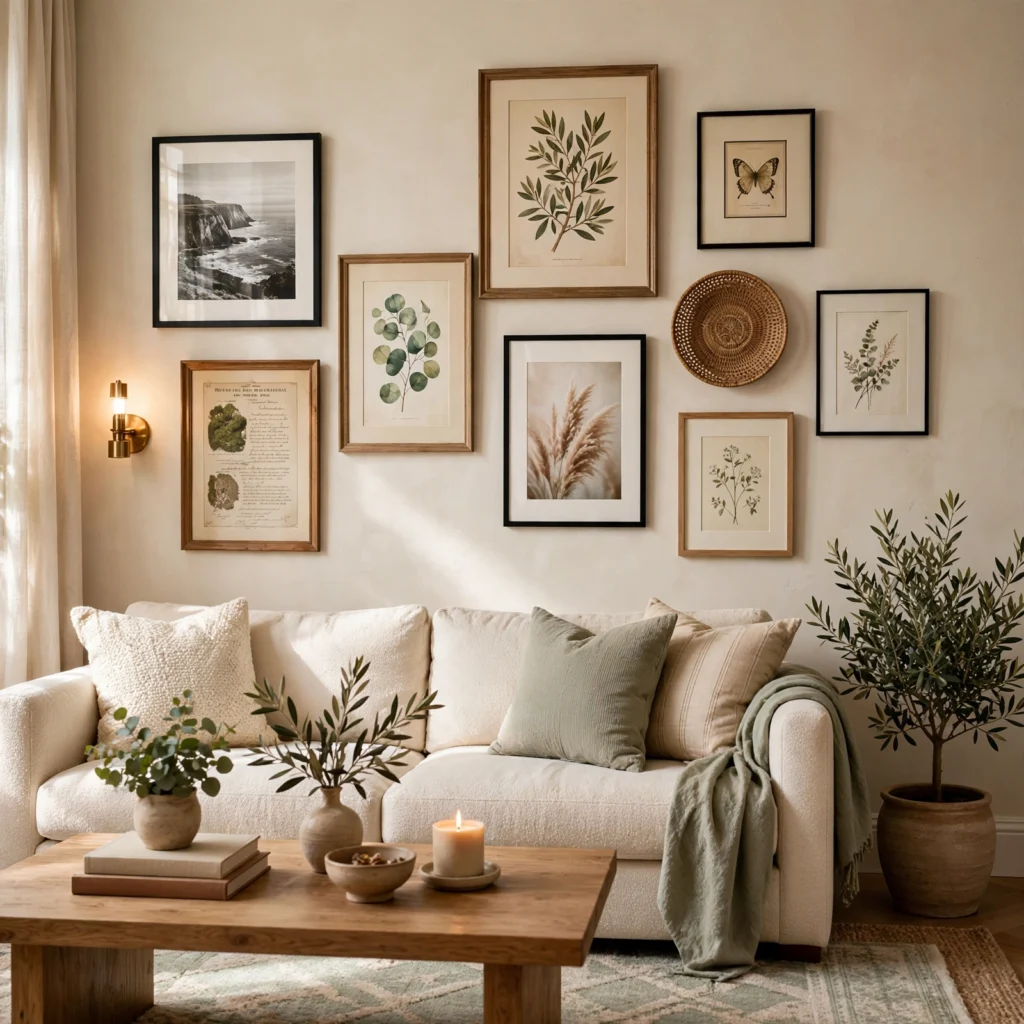
A gallery wall built from mismatched frame sizes and a mix of art, photography, and small objects adds personality and breaks up a large blank wall without requiring one oversized statement piece. Keeping the frame finishes limited to one or two tones, like brass and black, ties the arrangement together despite the variety in content. Laying the pieces out on the floor first, before hanging anything, makes it easier to adjust spacing and balance.
14. Sculptural Floor Lamp
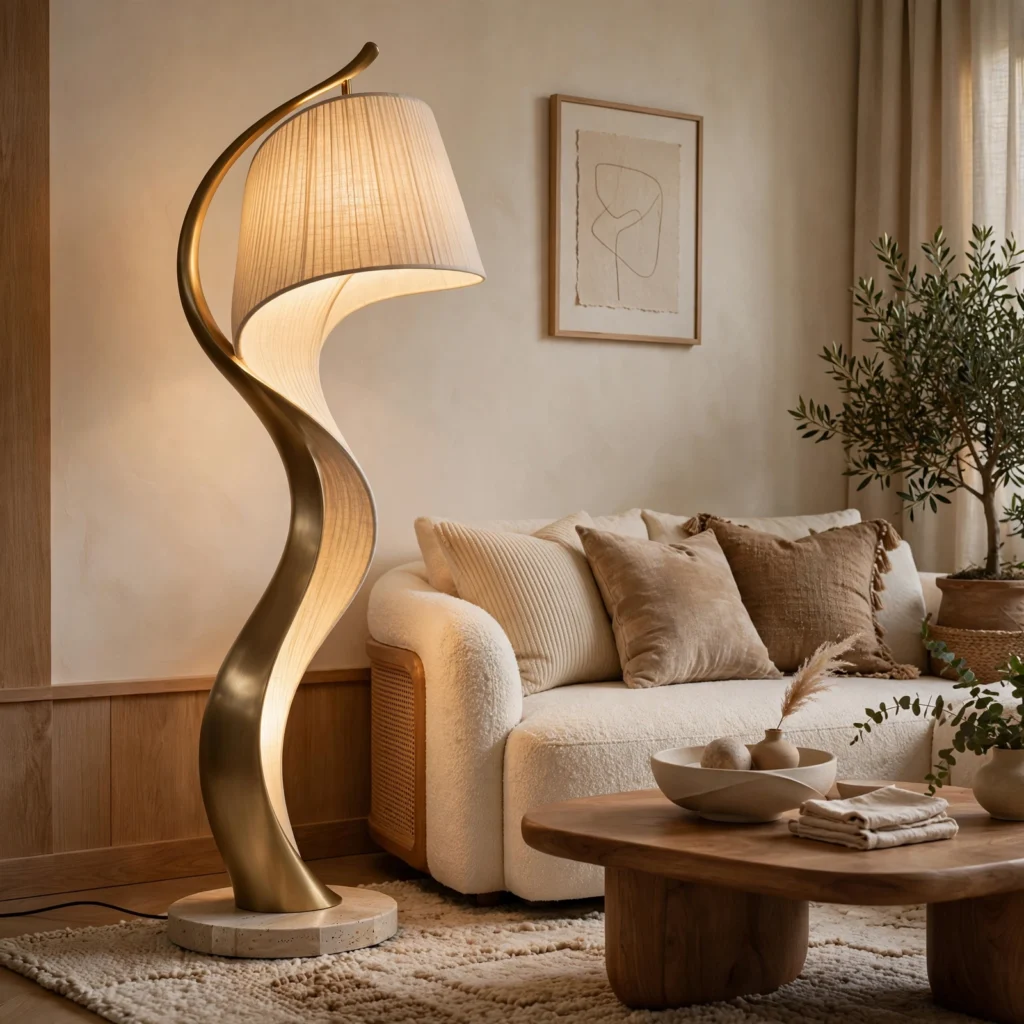
A sculptural, oversized floor lamp works as both a lighting source and a piece of decor, filling an empty corner that would otherwise need a side table or plant. Curved arc lamps or arched paper-shade designs add a soft, organic shape that contrasts nicely against the straight lines of most sofas and bookshelves. Because it draws the eye upward, it also makes ceilings feel taller in rooms with more modest proportions.
15. Vintage Brass Hardware
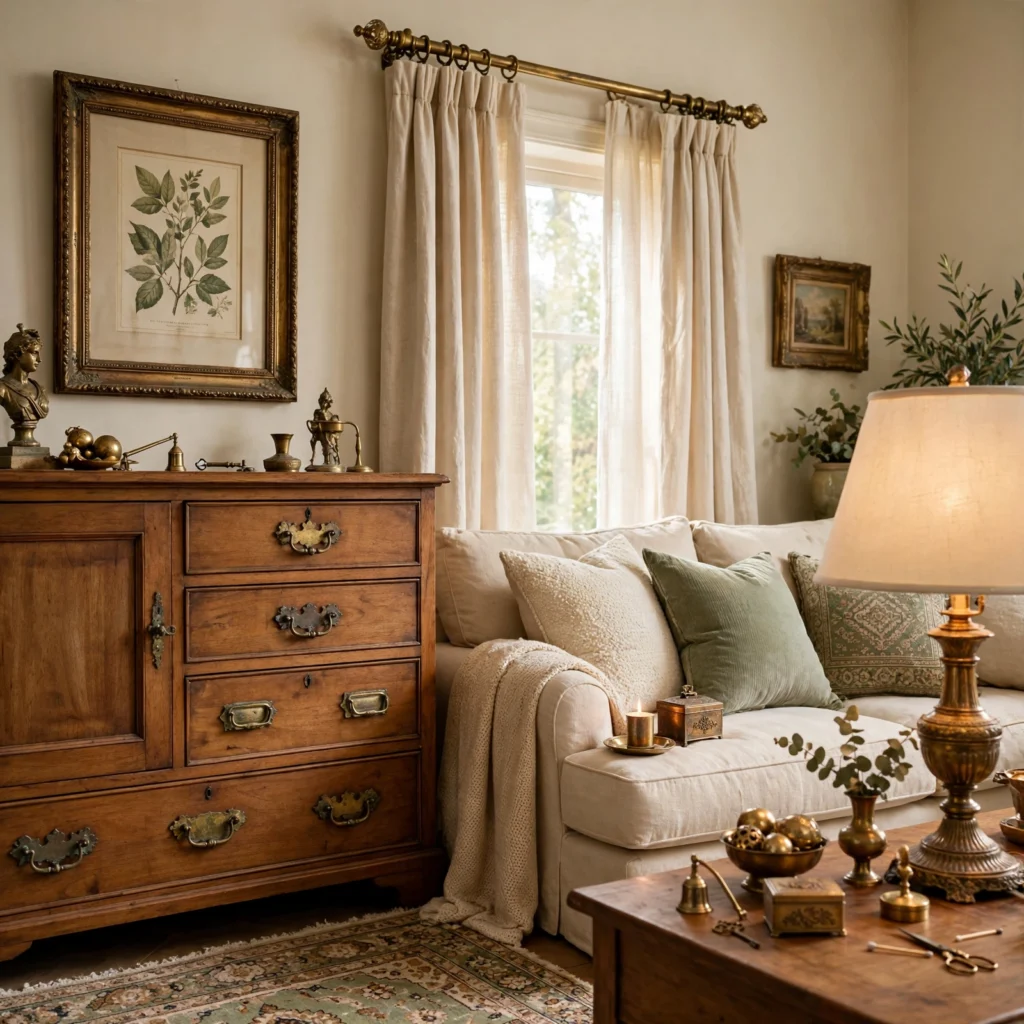
Swapping out builder-grade hardware and fixtures for aged or unlacquered brass adds a warm, collected detail that ties smaller elements of the room together, from cabinet pulls to curtain rods. Unlike polished brass, the unlacquered finish develops a natural patina over time, which fits naturally into aesthetics that favor a lived-in, layered look. It’s a low-cost update that has an outsized effect on how finished the room feels overall.
16. Statement Coffee Table Book Stack
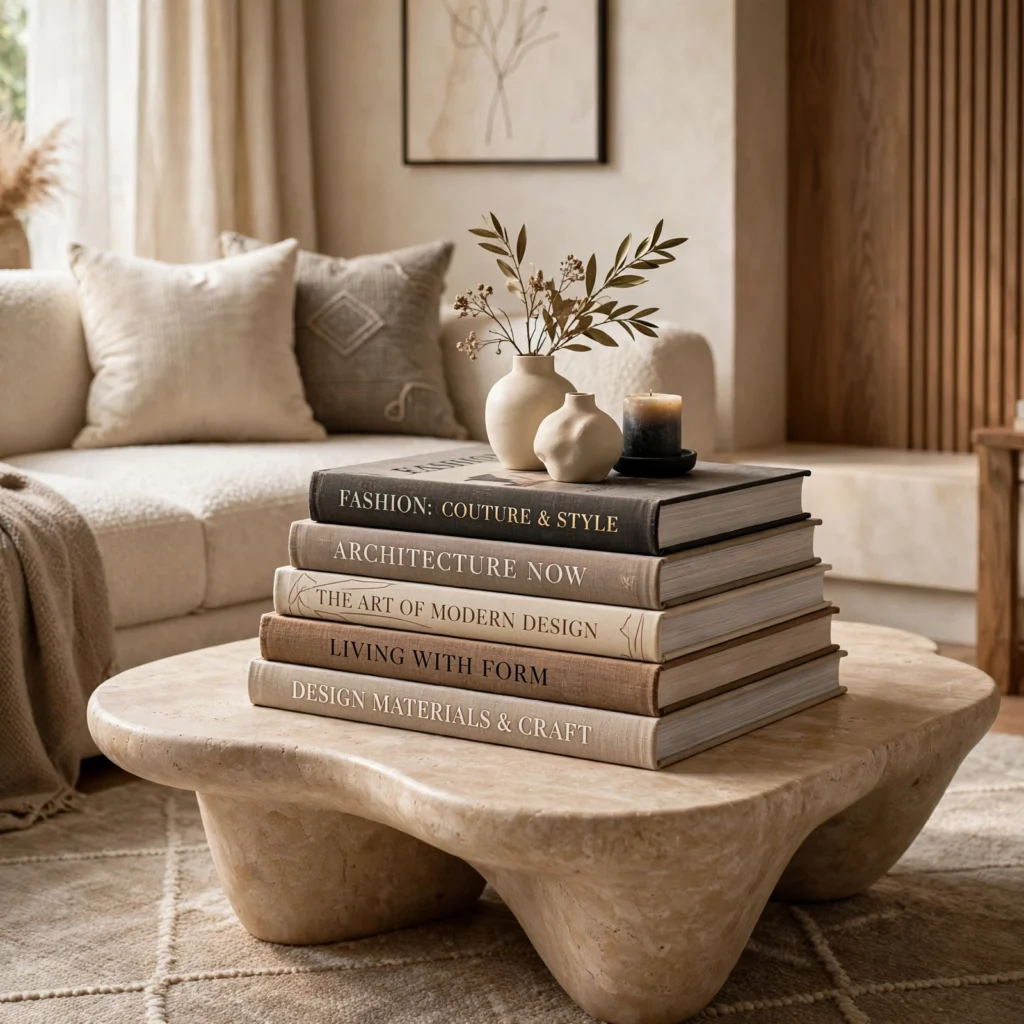
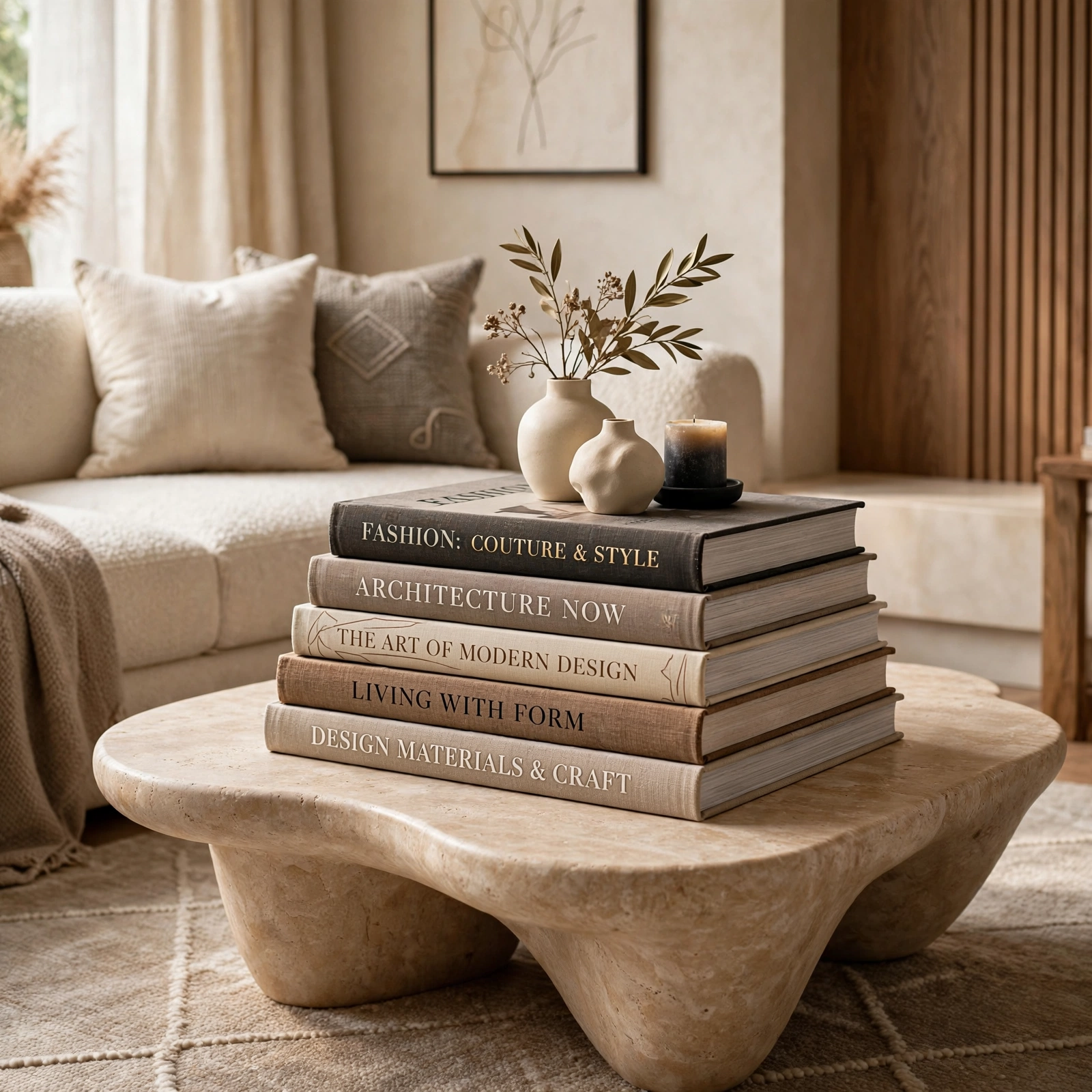
A curated stack of oversized coffee table books, chosen for their cover color and spine design rather than just their content, adds an easy layer of personality to a table or shelf. Pairing the stack with one small object on top, like a ceramic bowl or candle, keeps the arrangement from looking accidental. Rotating titles seasonally is a simple, inexpensive way to keep the room’s styling feeling current.
Shop the Look
A boucle swivel chair in oatmeal or stone works as an anchor piece across several aesthetics on this list, paired with a limewash-finish accent wall panel for texture. Add an arched brass floor lamp near the reading corner and a vintage-style Persian area rug in rust or indigo to ground the seating area. Finish the room with a set of mixed-tone gallery frames and a stack of linen-bound coffee table books to complete the styling.
Common Mistake to Avoid
The most common mistake when chasing a living room aesthetic is mixing too many trends at once, pulling one piece from Japandi, another from dark academia, and a third from coastal grandmother without a shared color or material thread. The result usually looks disjointed rather than curated. Picking one primary aesthetic direction and allowing only small, intentional departures from it keeps the room feeling cohesive instead of like a showroom floor of unrelated trends.
FAQs
How do I figure out my living room aesthetic?
Start by collecting images of rooms you’re drawn to and looking for repeated patterns in color, material, and furniture shape rather than focusing on individual pieces. Most people gravitate toward two or three consistent aesthetics, like warm minimalism and coastal grandmother, rather than one rigid category. Narrowing to a defined color palette and one or two signature materials, like white oak or brass, usually clarifies the direction faster than browsing furniture alone.
What is the most popular living room aesthetic right now?
Warm minimalism and Japandi have remained consistently popular because they photograph well and adapt easily to different room sizes and budgets. Both rely on natural materials and a restrained color palette, which makes them easier to commit to than trend-driven looks that can feel dated within a few years. Coastal grandmother and dark academia also remain strong, appealing to people who want a more textured, personality-driven room.
How do you make a living room look more expensive?
Layered lighting, natural materials like solid wood and linen, and a restrained color palette generally read as more expensive than a room filled with trendy, low-cost accessories. Investing in a few larger pieces, like a well-made sofa or a vintage rug, rather than spreading a budget across many small items, also elevates the overall look. Consistent hardware finishes throughout the room, rather than a mix of metals, add a surprising amount of polish.
Can you mix different living room aesthetics?
Mixing aesthetics works best when the styles share an underlying material or color logic, like pairing warm minimalism with Japandi since both lean on natural wood and muted palettes. Combining aesthetics with conflicting color stories, such as dark academia and coastal grandmother, usually requires more careful editing to avoid a disjointed room. Choosing one dominant style and borrowing only a few accents from a second is generally the safer approach.
How often should you update a living room aesthetic?
There’s no fixed timeline, but many people refresh smaller elements like pillows, art, and lighting every one to two years while keeping larger furniture investments in place for five to ten years. Rotating accessories seasonally is a lower-cost way to keep the room feeling current without a full redesign. Sticking to a consistent color palette across updates makes each refresh easier since new pieces will naturally coordinate with what’s already there.
Conclusion
Building a living room aesthetic comes down to consistency more than any single trend, so picking one or two directions from this list and applying them with restraint will do more for the room than chasing every idea at once. Save this guide to Pinterest for reference while you shop, and check out our related post on small living room layouts for more room-specific styling tips.
Author Expertise Note
This guide comes from years spent styling and restyling rental and owned living rooms across several aesthetic phases, testing which changes actually hold up in daily use versus which ones only work for a photo.