15 Must-Try Pink Bathroom Decor Ideas That Instantly Brighten Your Bathroom
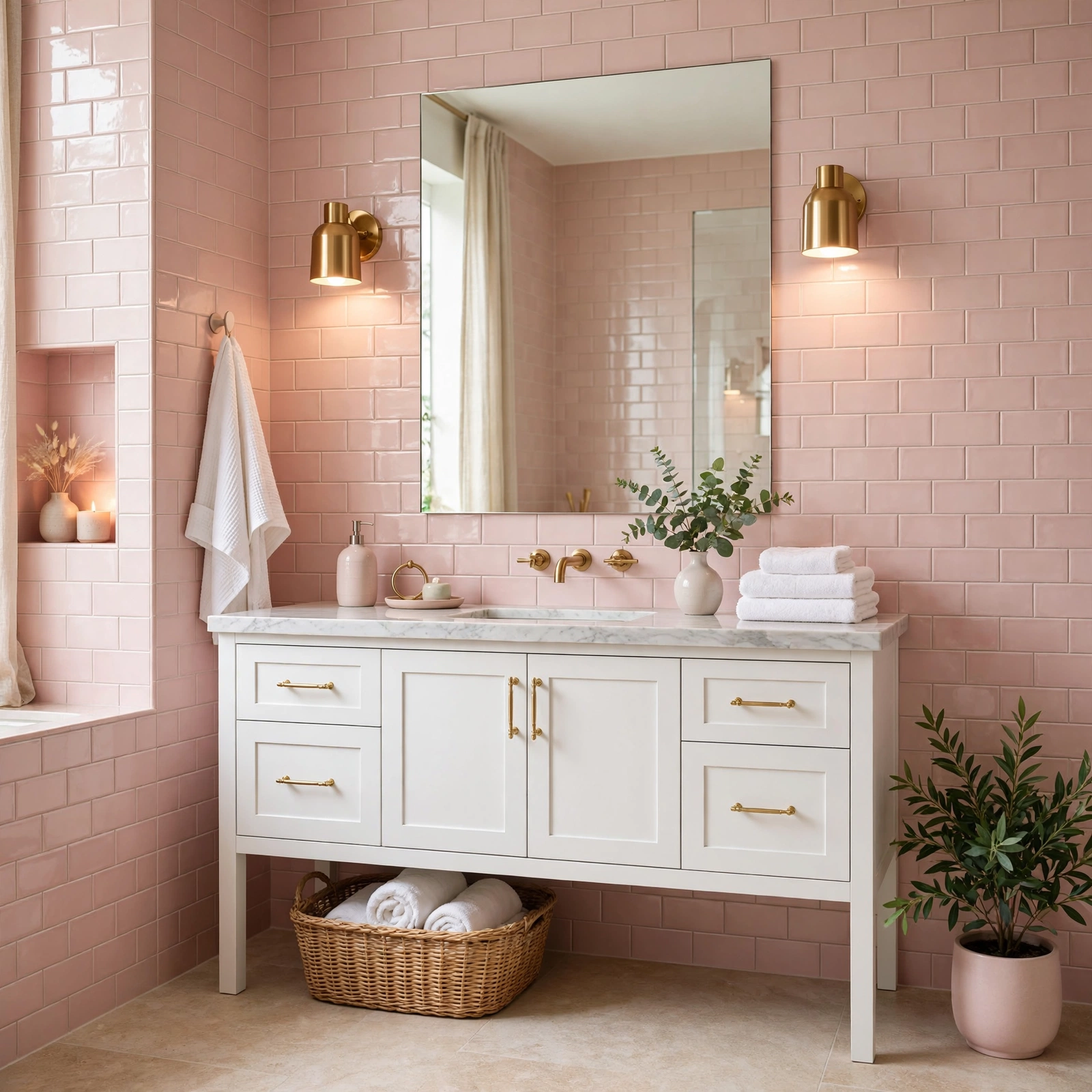
Pink bathroom decor has moved past its 1950s reputation and become one of the most requested palettes in renovation photos today. Homeowners are pairing dusty rose tile with matte black hardware, or salmon paint with brass faucets, to create rooms that feel warm instead of saccharine. This guide walks through fifteen practical ways to bring pink into a bathroom, from full tile installations to small accessory swaps, so you can find an approach that matches your budget, your risk tolerance, and the style of the rest of your home.
Trend & Background
Pink tile first appeared in American bathrooms during the mid-twentieth century, when manufacturers like Crane and Kohler produced full suites of colored fixtures. That era’s pink porcelain became a design punchline for decades, but renovators are now hunting down and restoring those original tubs and sinks rather than ripping them out. At the same time, newer shades terracotta-leaning blush, muted mauve, and warm salmon are showing up in new construction and remodels because they photograph well and pair easily with natural materials like oak, brass, and unlacquered stone, making pink feel current instead of retro.
Key Takeaways
- Pink bathroom decor works in both bold, saturated finishes and soft, muted tones, so it fits traditional and modern spaces alike.
- Material choices like marble, terrazzo, and ceramic tile matter more than the color itself when it comes to lasting appeal.
- Pairing pink with brass, black, or warm wood keeps the palette from feeling overly sweet or dated.
- Small doses a vanity, a mirror frame, or towels let you test the trend before committing to tile or paint.
1. Blush Pink Subway Tile
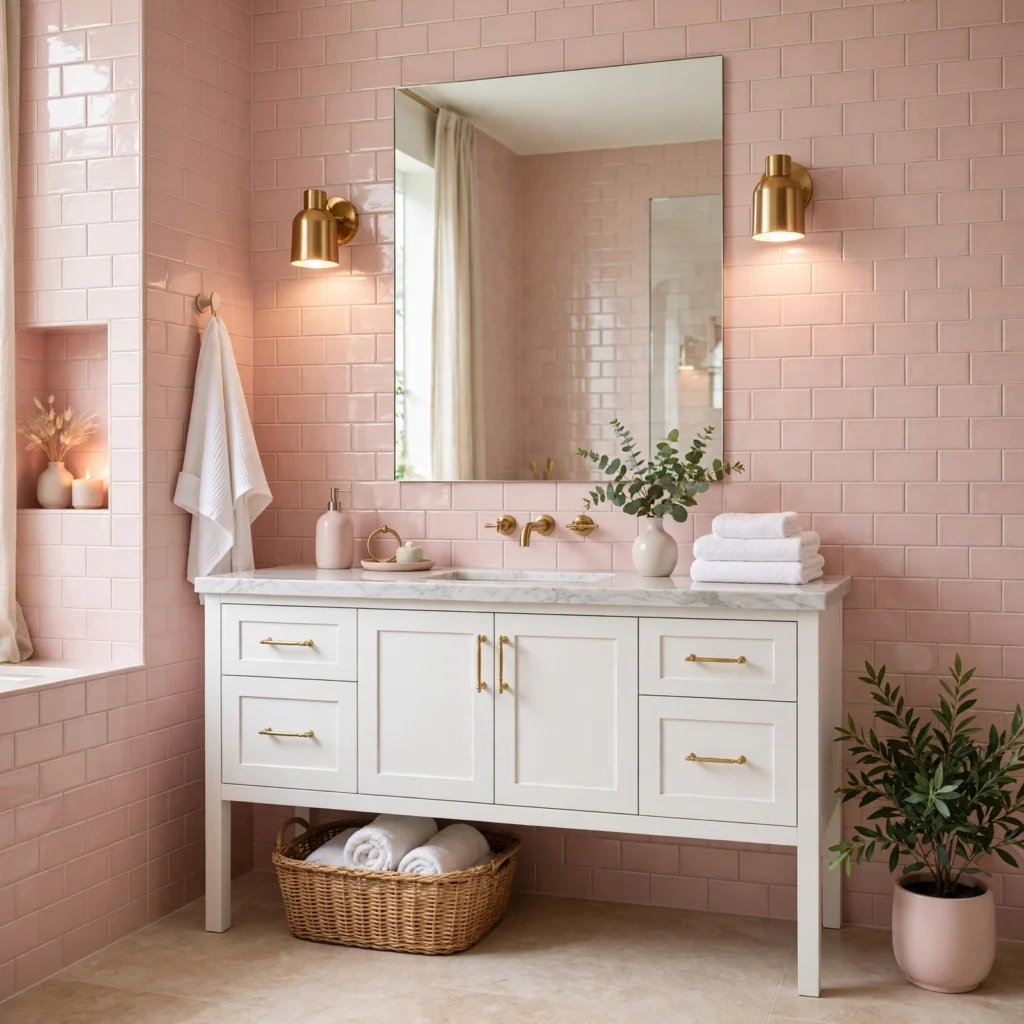
Blush subway tile brings a soft wash of color to a shower surround or backsplash without overwhelming the room, since its matte or gloss finish reflects light differently depending on the grout color chosen. Standard 3×6 inch pieces installed in a classic running-bond pattern read as timeless rather than trendy, while a herringbone layout adds movement for a more custom look. Pair it with white grout for a crisp finish or a warm grey grout for something moodier and less precious.
| Tile Size | Best Use | Approx. Cost per Sq Ft |
| 2×4 in | Shower niche, accent strip | $8–$14 |
| 3×6 in | Full shower surround | $6–$12 |
| 4×8 in | Half-wall wainscoting | $7–$13 |
2. Dusty Rose Vanity Cabinet
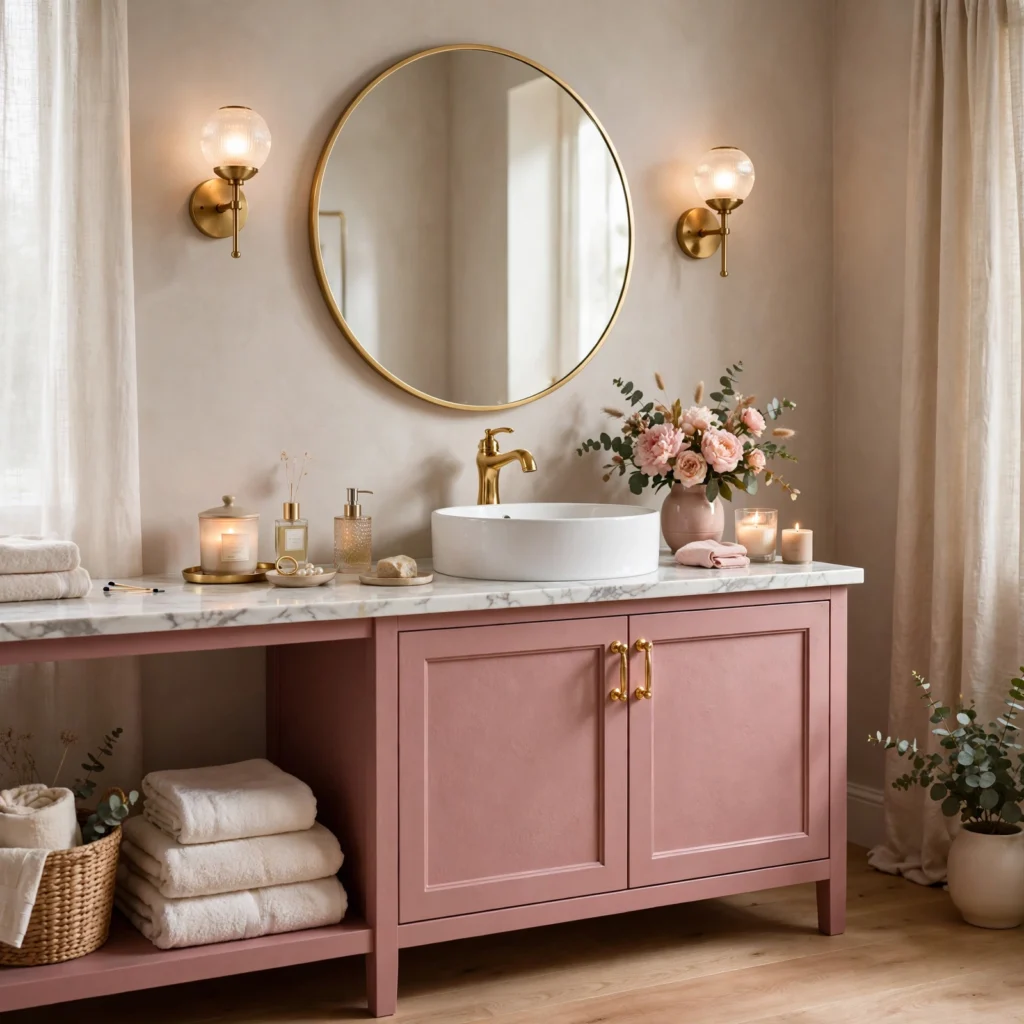
A dusty rose vanity cabinet anchors the room with color while keeping walls and floors neutral, which makes it one of the easiest ways to test a pink palette without a full renovation. Choose a satin or eggshell lacquer finish on solid wood or plywood construction so the color holds up to bathroom humidity over time. Pairing the cabinet with a white quartz or marble countertop and unlacquered brass pulls keeps the overall look grounded rather than overly playful.
To see more options for ideas for small bathroom decor CLICK HERE
3. Terrazzo Pink Countertop
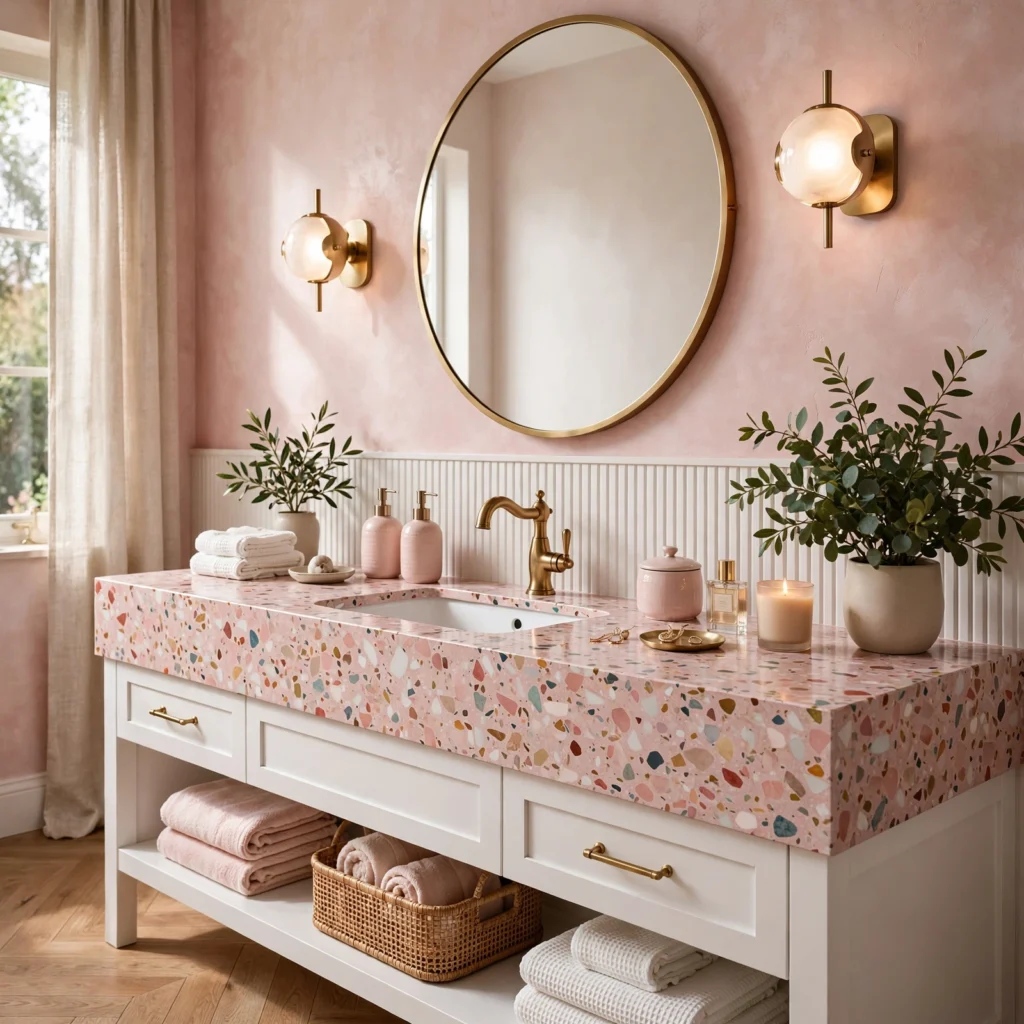
Terrazzo countertops flecked with pink, white, and grey chips give a vanity texture and depth that a solid-color surface can’t match, and the speckled pattern hides water spots and toothpaste splatter better than plain stone. This material works especially well in a room with simple white walls and black fixtures, since the terrazzo becomes the visual focal point. Ask for a resin-based terrazzo if budget is a concern, since it costs less than a poured cement version.
4. Pink Marble Accent Wall
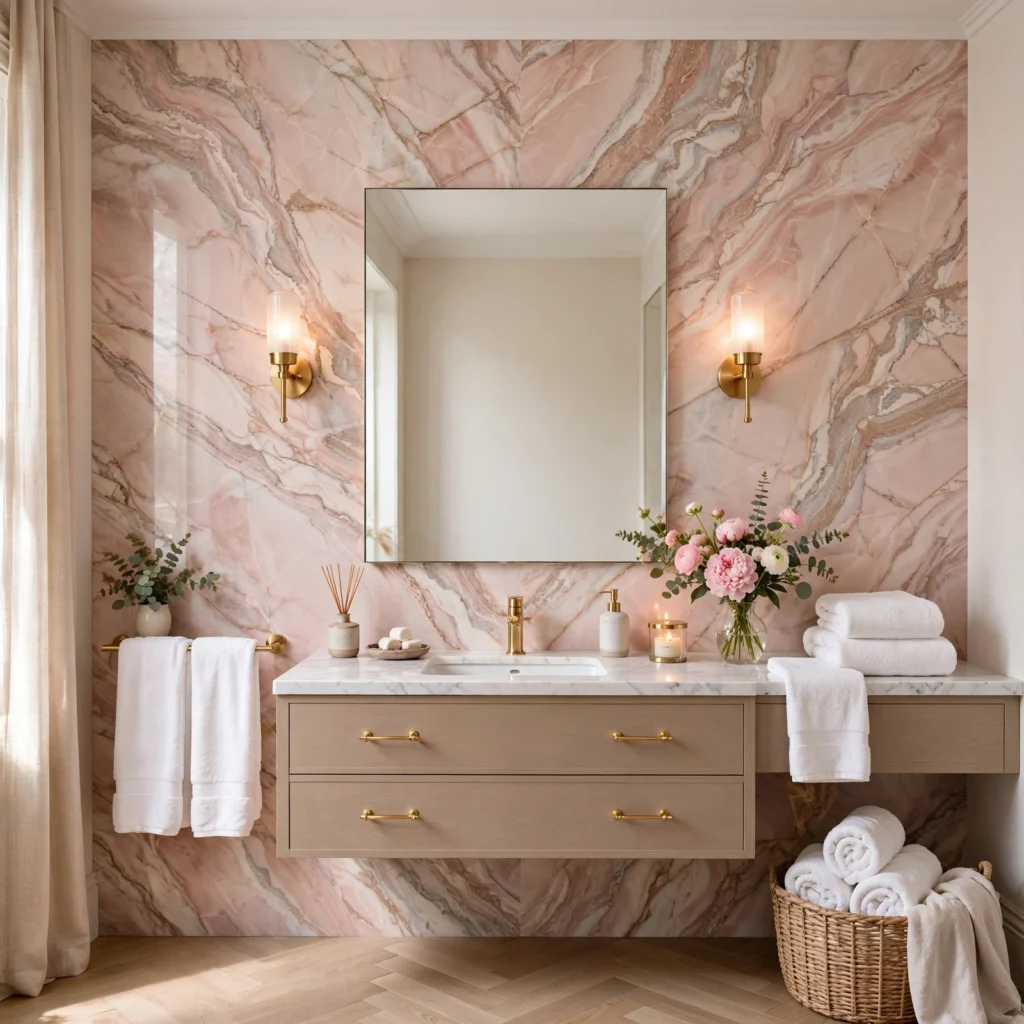
A single wall clad in pink-veined marble, such as Norwegian rose or Portuguese pink, turns a bathroom into a genuine design statement without the cost of tiling the entire room. Large-format slabs minimize grout lines and let the natural veining read like artwork behind a floating vanity or freestanding tub. Because marble is porous, a penetrating sealer applied every twelve to eighteen months keeps the surface resistant to staining from soap and hard water.
5. Millennial Pink Wallpaper
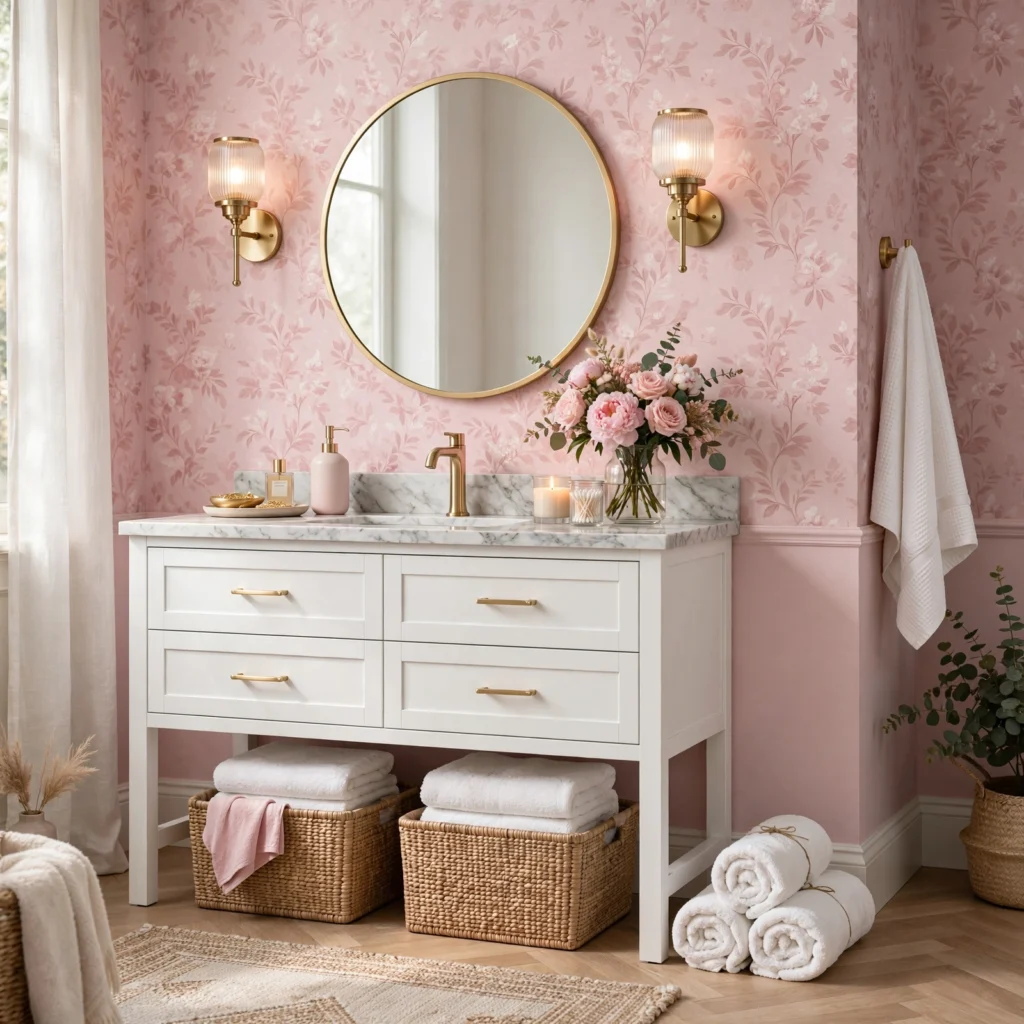
Wallpaper in a muted millennial pink tone covers a powder room or dry area of a bathroom with color and pattern in an afternoon, which makes it one of the fastest ways to commit to the trend. Look for vinyl-coated or grasscloth-backed papers rated for moderate humidity, and keep application away from direct shower spray zones. A subtle textured or dot pattern adds interest without competing with brass sconces or a patterned floor tile.
6. Rose Gold Fixtures
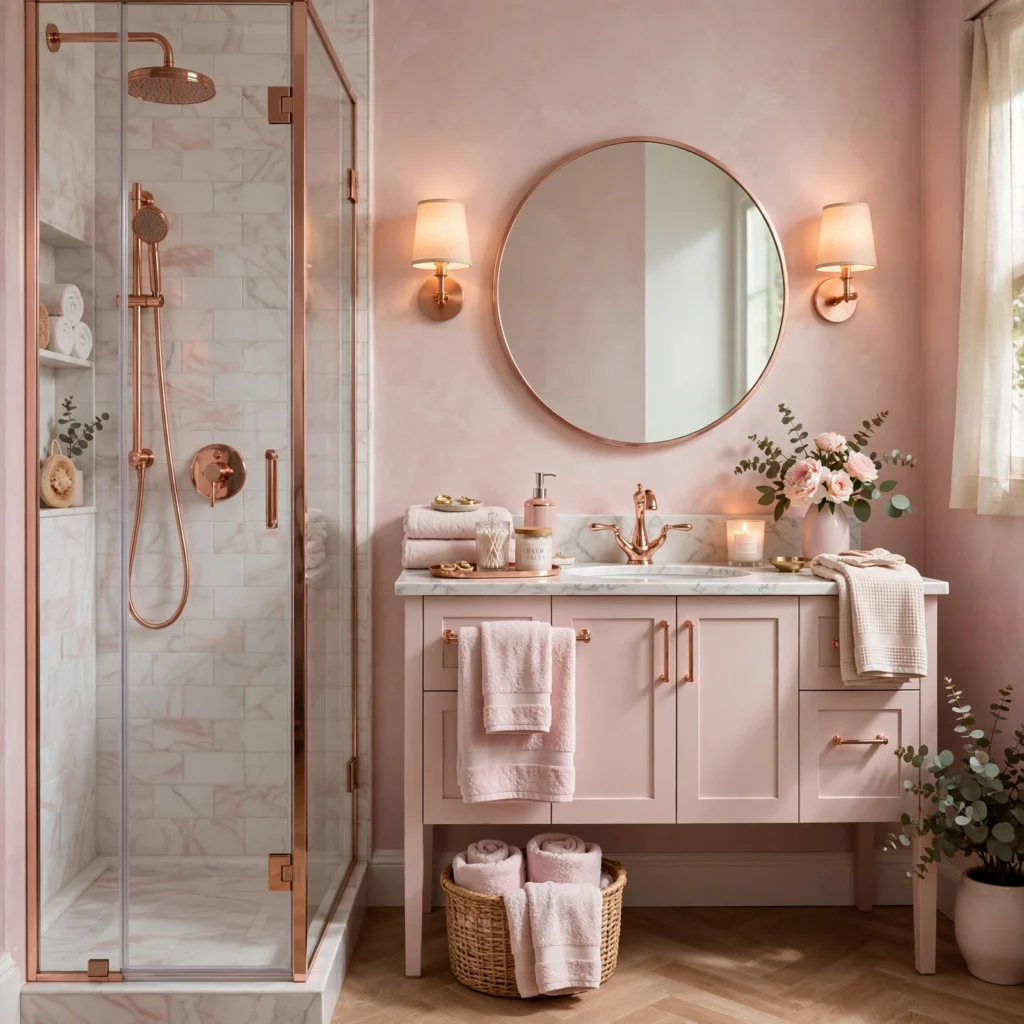
Rose gold faucets, showerheads, and cabinet hardware introduce a warm pink undertone through metal rather than paint or tile, which suits renters or anyone hesitant to commit to color on a permanent surface. The finish pairs naturally with white subway tile, marble, and warm wood vanities, and it tends to age gracefully compared to trend-driven paint colors. Stick to one metal finish throughout the room so the fixtures read as intentional rather than mismatched.
7. Pink Penny Tile Flooring
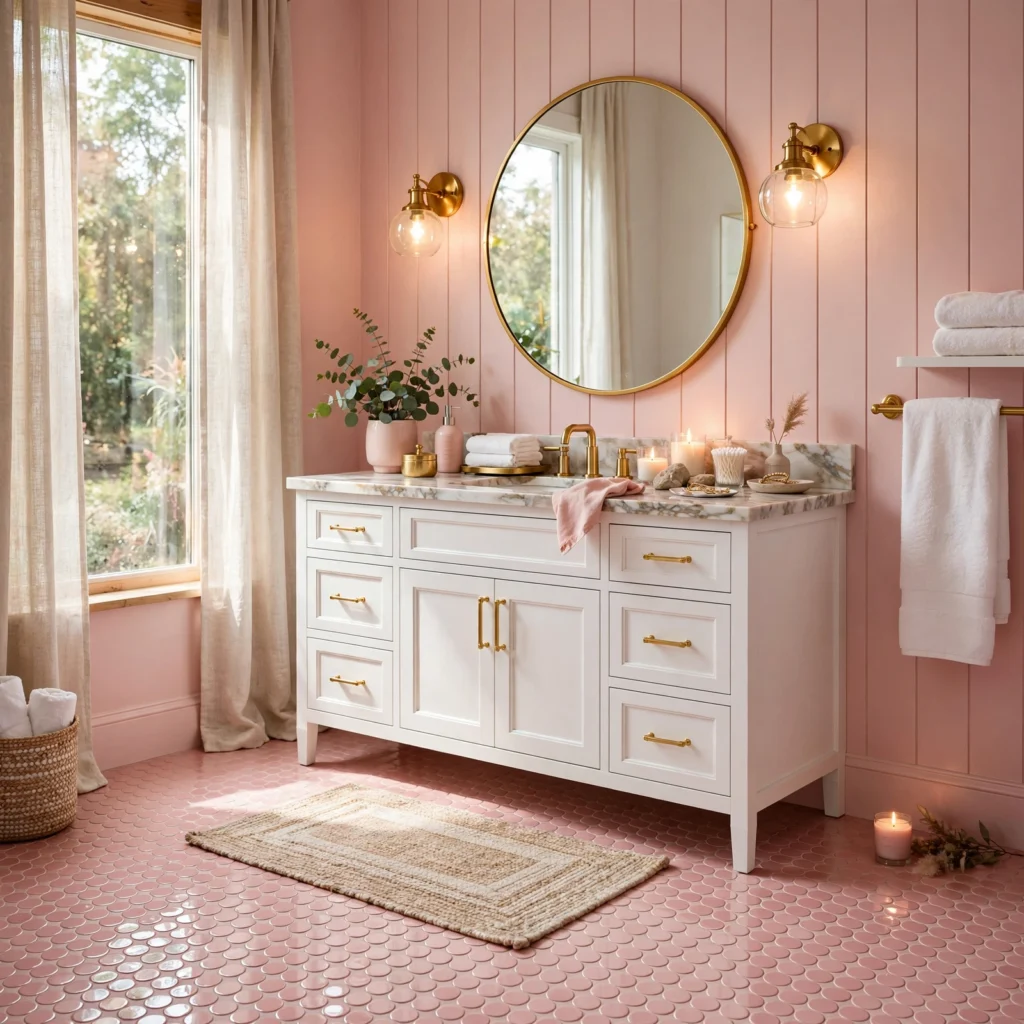
Penny round tile in a blush or dusty rose shade covers a bathroom floor with texture and slip resistance, since the small format and many grout lines create natural traction underfoot. This flooring style suits both vintage-inspired and contemporary bathrooms, especially when paired with white fixtures and black penny tile accents forming a border or dot pattern. Because the pieces are small, expect a longer installation time and a higher labor cost than large-format tile.
| Flooring Option | Slip Resistance | Typical Install Time |
| Pink Penny Tile | High | 2–3 days |
| Large-Format Pink Porcelain | Moderate | 1 day |
| Pink Terrazzo Slab | Moderate | 1–2 days |
8. Mauve Grasscloth Wallpaper
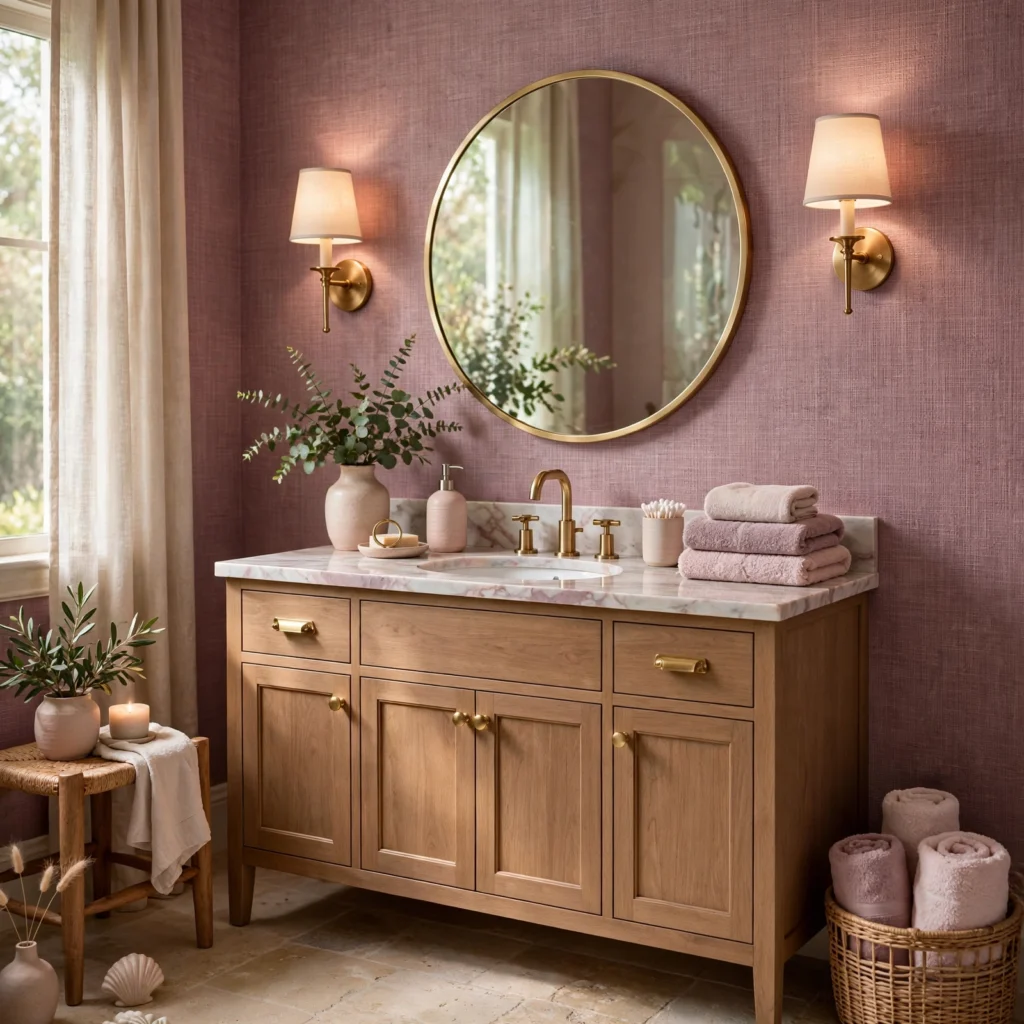
Grasscloth wallpaper in a mauve or dusty pink tone adds natural texture that reads more sophisticated than a flat paint color, since the woven fibers catch light differently across the wall. This option works best in a powder room or a bathroom with strong ventilation, as grasscloth is more sensitive to moisture than vinyl paper. Frame the installation with simple white trim and a brass mirror to keep the overall palette from leaning too rustic.
9. Pink Freestanding Bathtub
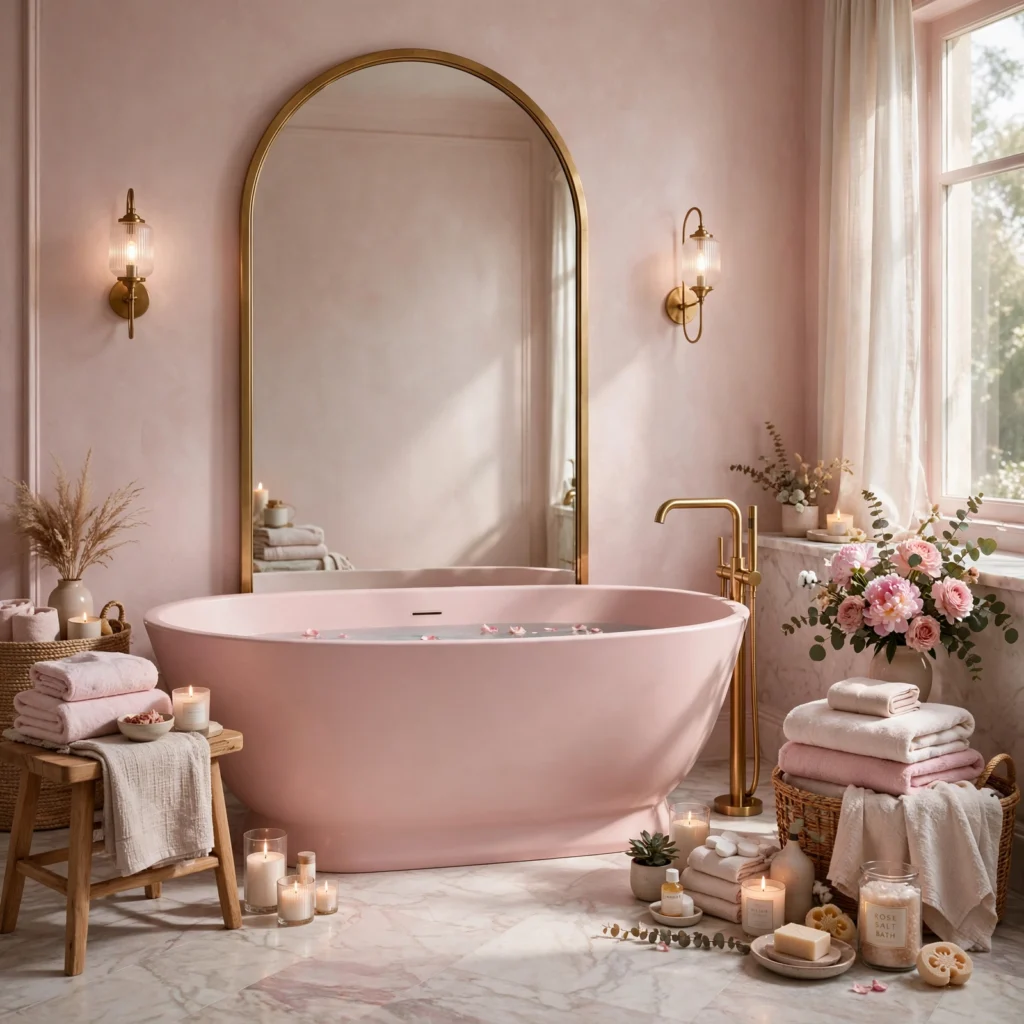
A freestanding tub finished in a soft pink exterior, whether cast iron, acrylic, or solid surface, becomes the centerpiece of a primary bathroom and works especially well in a room with otherwise neutral tile and walls. Choose a matte finish for a more contemporary feel or a glossy lacquer for something closer to the mid-century originals collectors seek out. Position the tub near a window or under a statement light fixture so it gets the visual attention it deserves.
10. Salmon Pink Paint
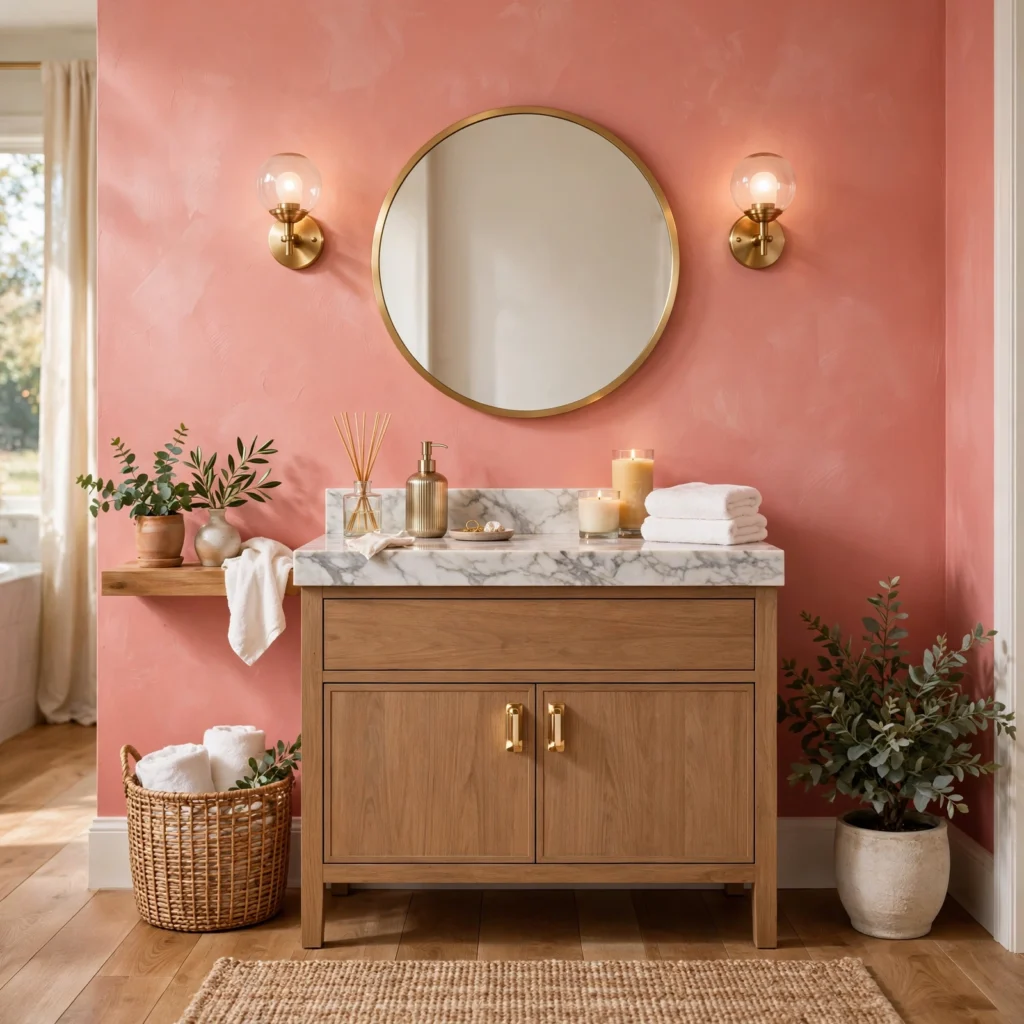
Salmon-toned paint on walls or cabinetry gives a warmer, more grounded version of pink than a cooler blush, and it holds up especially well against black hardware, brass fixtures, and warm wood accents. Choose a satin or semi-gloss finish in a bathroom-rated paint formula so the surface resists moisture and is easy to wipe down. This approach costs far less than tile or stone, making it a reasonable way to test the color before a larger renovation.
11. Pink Geometric Floor Tile
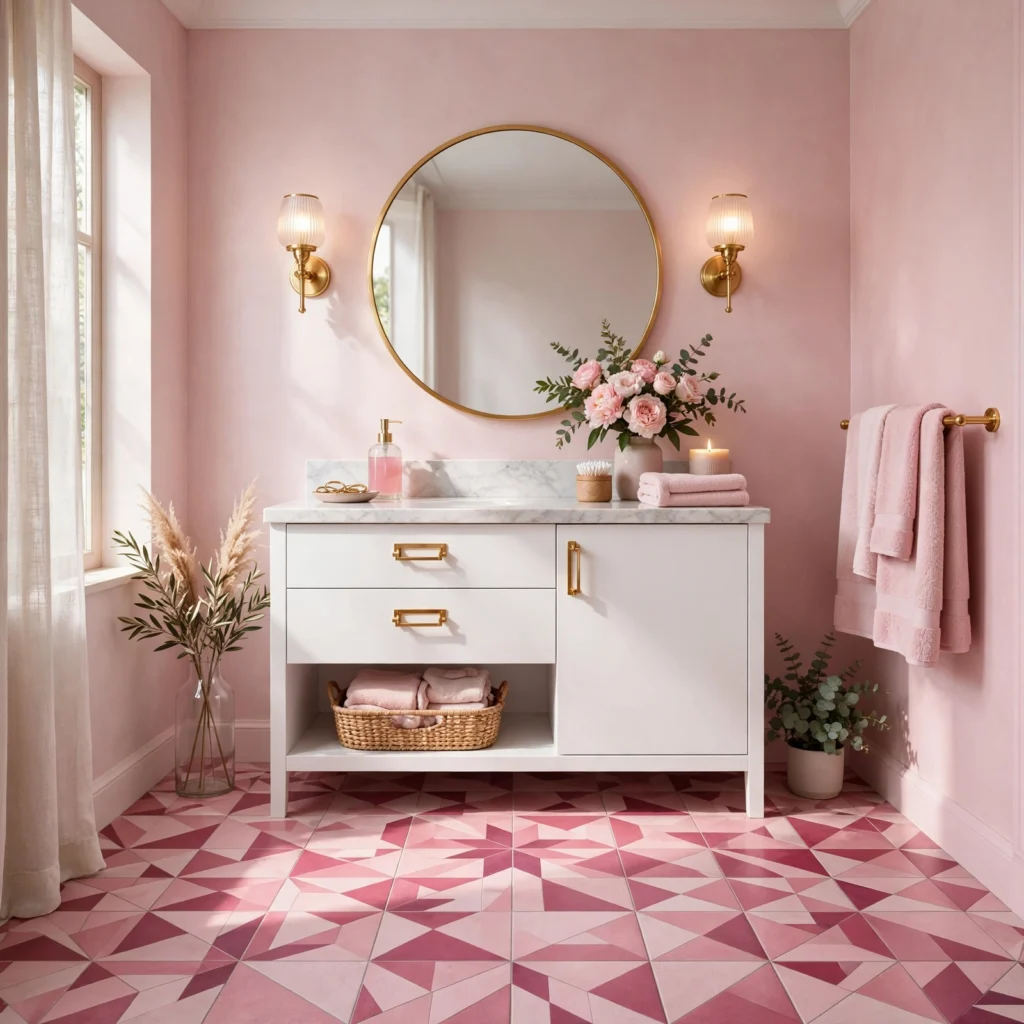
Encaustic-style cement tile featuring a geometric pattern in pink, white, and terracotta brings pattern and color to the floor while keeping walls simple, which suits smaller bathrooms that can’t handle busy tile in every surface. These tiles are typically 8×8 inches and require sealing before and after grouting to prevent staining, since cement is more porous than porcelain. Balance a busy floor pattern with solid-color walls and plain white fixtures so the room doesn’t feel overcrowded.
12. Blush Linen Shower Curtain
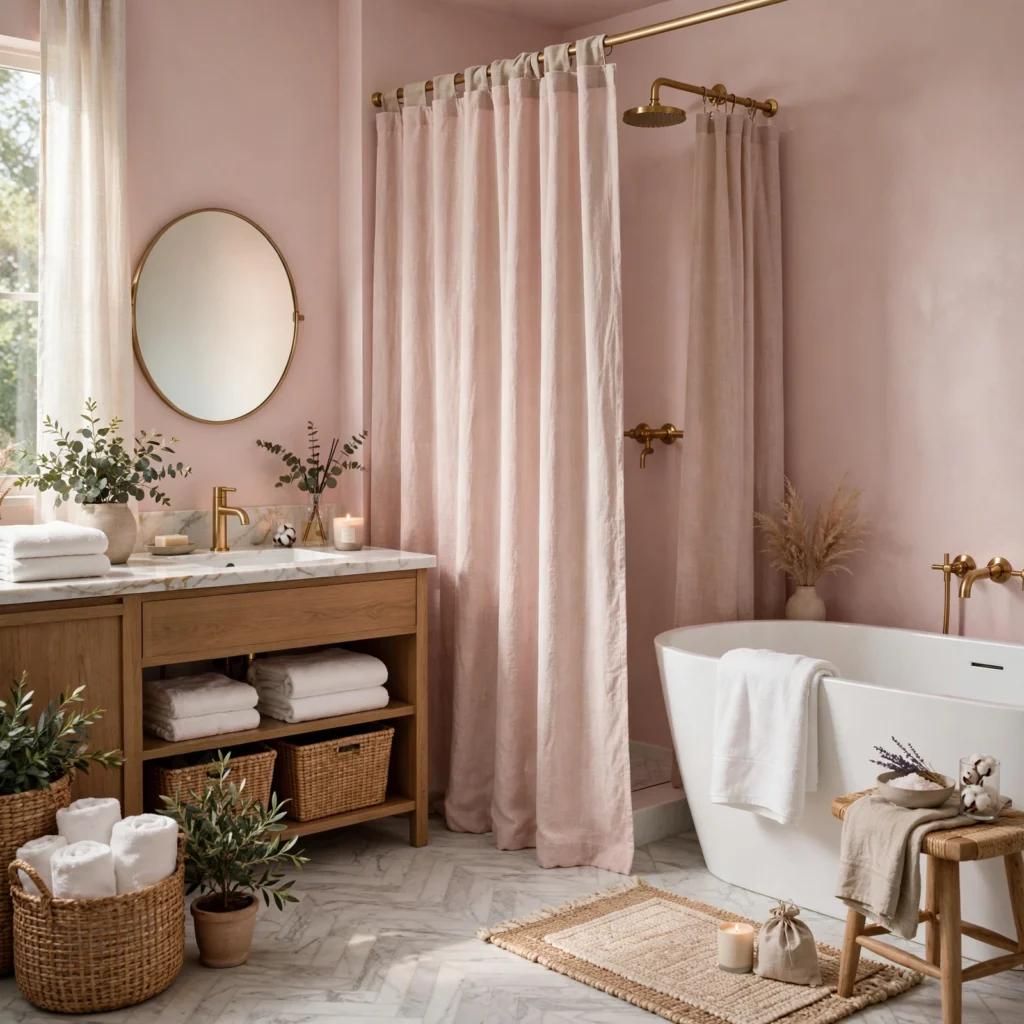
A linen shower curtain in a soft blush shade introduces color and texture without any permanent installation, making it ideal for renters or anyone updating a rental-friendly bathroom on a tight budget. Linen’s slightly rumpled texture reads more considered than a flat cotton or polyester curtain, and it pairs naturally with brass rings and a matching bath mat. Rotate the curtain seasonally if you want to experiment with different pink tones throughout the year.
13. Coral Pink Vanity Mirror
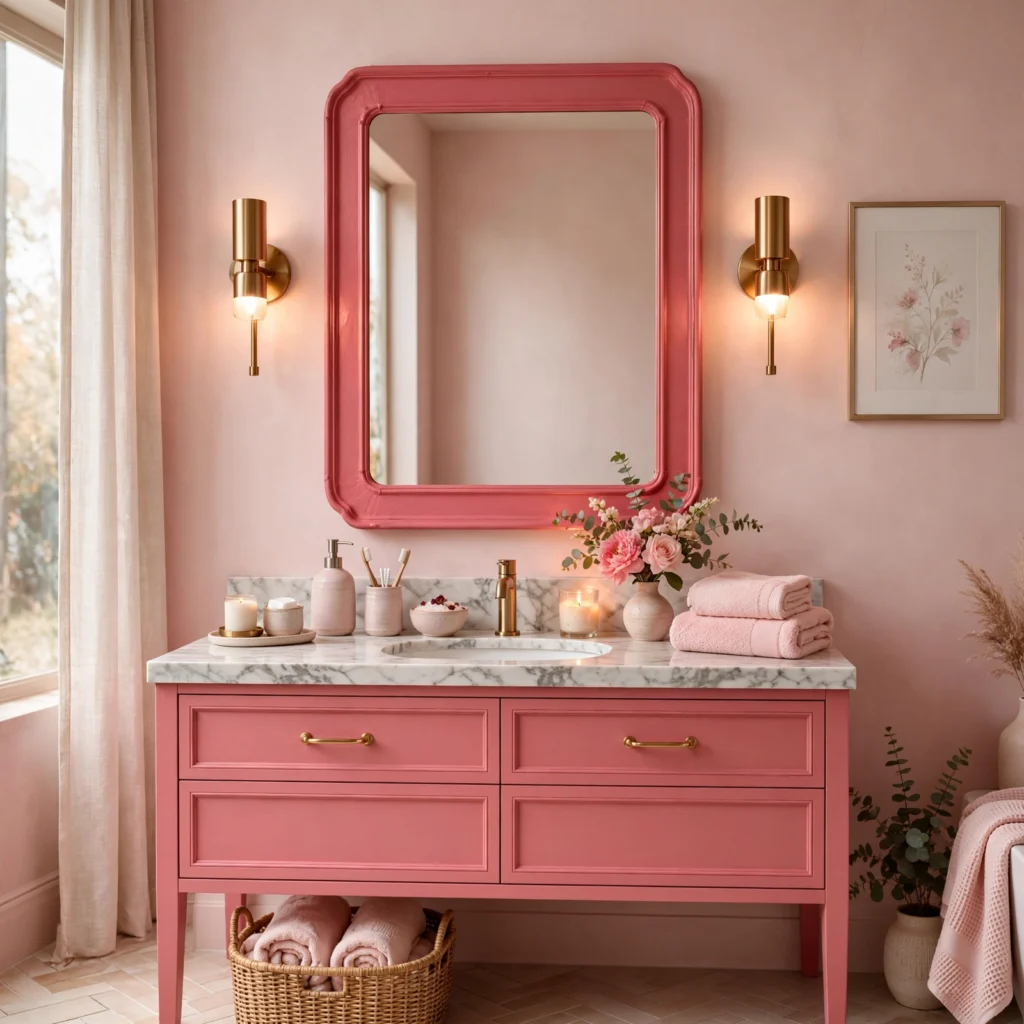
A vanity mirror with a coral pink frame, whether in wood, resin, or powder-coated metal, adds a pop of color at eye level without touching walls, floors, or fixtures at all. Round or arched mirror shapes soften the geometry of a typically boxy bathroom and photograph particularly well against white subway tile. This is one of the lowest-commitment ways to bring pink into a shared or guest bathroom that needs to stay broadly neutral.
14. Pink Ceramic Sink Basin
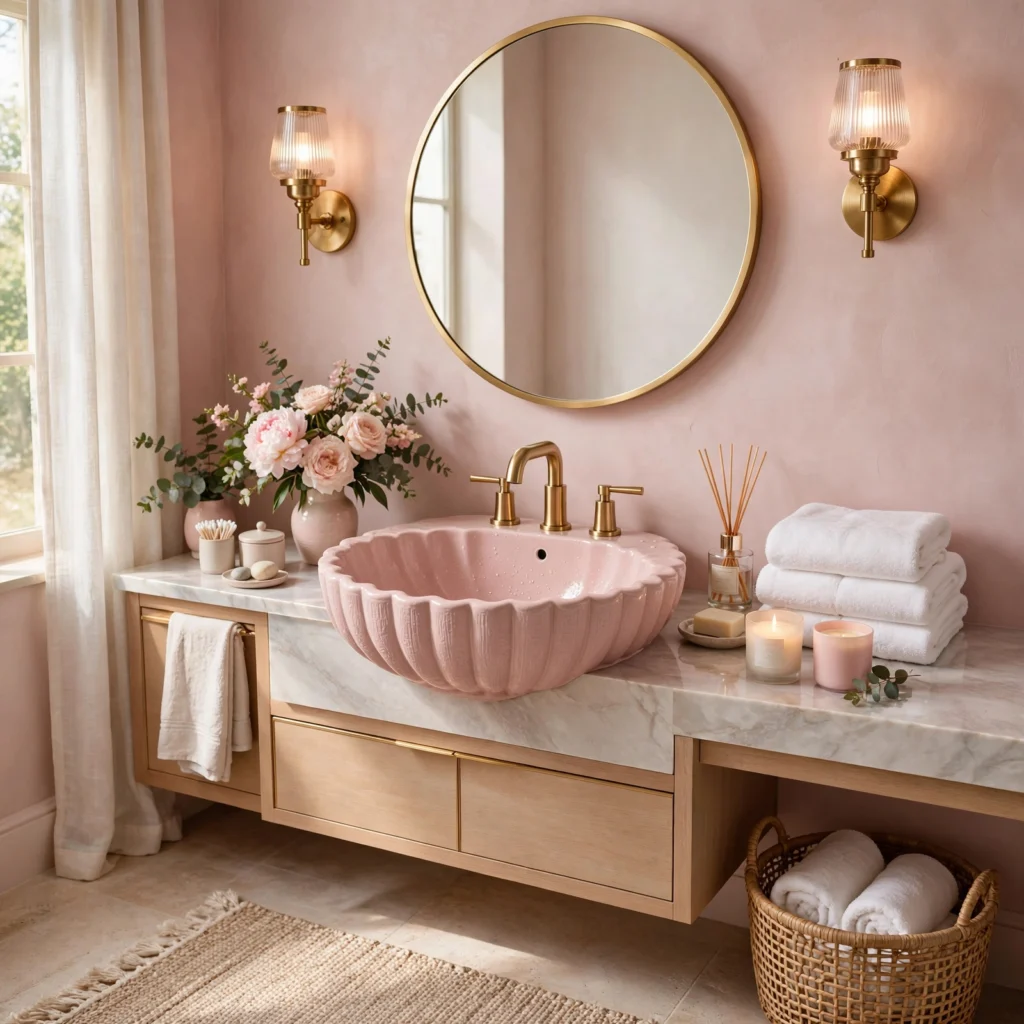
A vessel or drop-in sink basin in ceramic pink gives a vanity a focal point that’s easy to swap out later if your taste changes, unlike tile or paint that covers a larger surface area. Pair a glossy pink basin with a matte black or brushed brass faucet for contrast, and choose a simple white or wood countertop so the sink itself stays the star of the design. This upgrade typically takes a single afternoon for a plumber to install.
15. Dusty Pink Towel Set
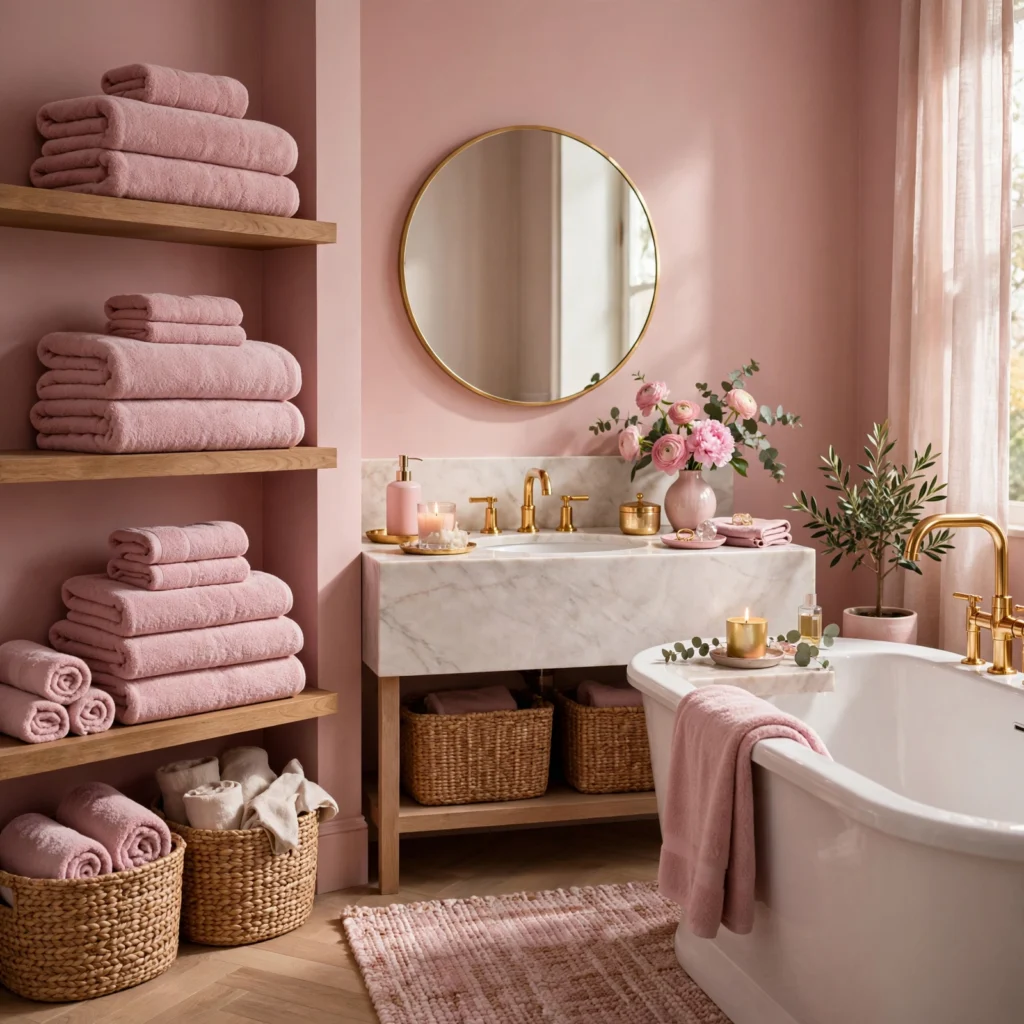
Dusty pink towels, bath mats, and robes bring the color into the room through soft goods that are simple to wash, replace, or store away entirely if you want to change the palette later. Choose a Turkish cotton or organic cotton terry for absorbency and a longer lifespan than budget polyester-cotton blends. Layering two shades of pink, such as a blush hand towel with a deeper rose bath mat, adds depth without requiring any renovation at all.
Shop the Look
Look for a brushed brass single-handle faucet to pair with any of the tile or paint ideas above, along with an unlacquered brass towel bar that will develop a soft patina over time. A ribbed glass pendant light adds warmth over a pink vanity, while a round rattan-framed mirror softens the room’s hard surfaces. Finish the space with a set of Turkish cotton towels in a dusty rose shade and a simple white ceramic soap dispenser to keep the palette from feeling one-note.
Common Mistake to Avoid
The most common mistake with pink bathroom decor is choosing a single, uniform hue for every surface walls, tile, and accessories all in the same cotton-candy pink which quickly reads as juvenile rather than designed. Instead, vary the tone across the room: a dusty rose tile paired with blush textiles and warm white walls creates depth that a monochrome pink scheme can’t achieve. Skipping a grounding neutral like black, white, or wood also leaves the room feeling flat and overly sweet.
FAQs
Does pink bathroom decor make a small bathroom feel smaller?
Not necessarily, since lighter pink tones like blush or dusty rose reflect light in a similar way to soft neutrals and won’t visually shrink a room the way a dark saturated color might. The key is limiting pink to one or two surfaces, such as a vanity or an accent wall, while keeping the floor and remaining walls in a lighter shade. Large mirrors and adequate lighting matter more to a small room’s perceived size than the color choice itself.
What colors pair best with pink in a bathroom?
Black, brass, and warm wood tones consistently pair well with pink because they add visual weight and prevent the room from feeling overly soft or one-dimensional. White is the safest neutral partner and works with nearly every pink shade, while sage green or terracotta can work as a secondary accent color for a more layered, collected look. Avoid pairing pink with cool grey, which tends to make warmer pink tones look muddy.
Is pink bathroom tile hard to resell a house with?
Full pink tile installations, especially in a bathtub or full shower surround, can be polarizing to future buyers and may factor into resale conversations, particularly in more conservative housing markets. Using pink in movable or replaceable elements like paint, a vanity, or accessories reduces that risk significantly, since those choices are easy for a new owner to update. If resale is a near-term concern, keep pink to accents rather than permanent tile.
What’s the difference between millennial pink and dusty rose?
Millennial pink is a cooler, more muted pastel shade that gained popularity in the mid-2010s, while dusty rose leans warmer and slightly deeper, closer to a faded terracotta-pink. Dusty rose tends to pair more easily with brass and warm wood tones, while millennial pink often shows up alongside cooler metals like chrome or polished nickel. Both fall under the broader pink family but read differently depending on the lighting and materials around them.
How do I add pink to a bathroom without a full renovation?
Textiles, a painted vanity, a new mirror frame, or swapped-out hardware are all ways to introduce pink without touching tile, plumbing, or flooring. Start with the lowest-cost, most reversible changes towels, a shower curtain, or paint before committing to anything permanent like tile or a colored tub. This approach also lets you live with the shade for a few weeks and confirm it still works before a larger investment.
Conclusion
Pink bathroom decor works best when it’s treated as one part of a layered palette rather than the whole story, whether that means a single tiled wall, a painted vanity, or simply a new set of towels. Start small, pair your chosen shade with a grounding neutral like black or warm wood, and expand from there once you know the tone works in your space. Save this guide to Pinterest for reference, and check out our related post on bathroom tile trends for more ideas.