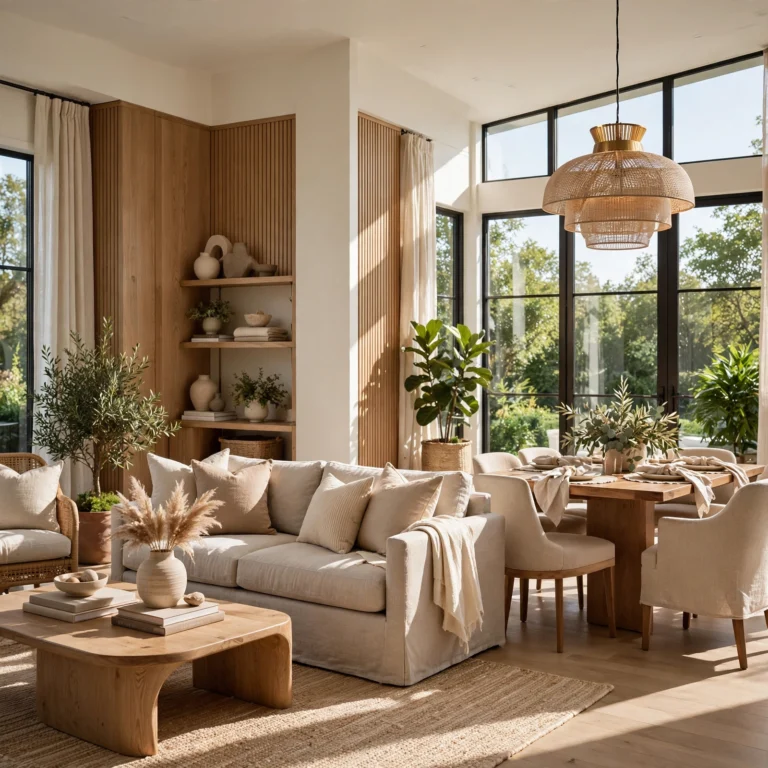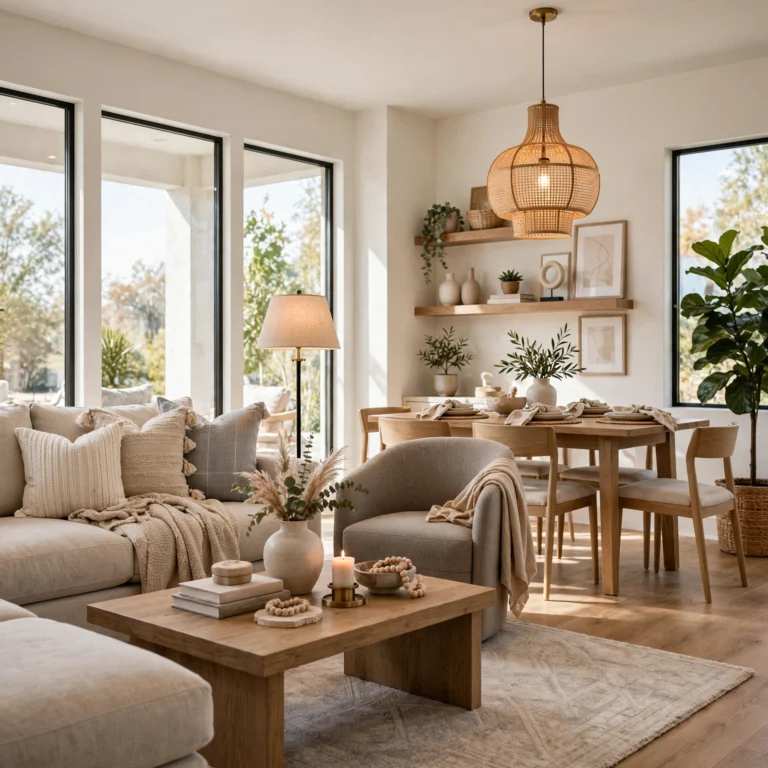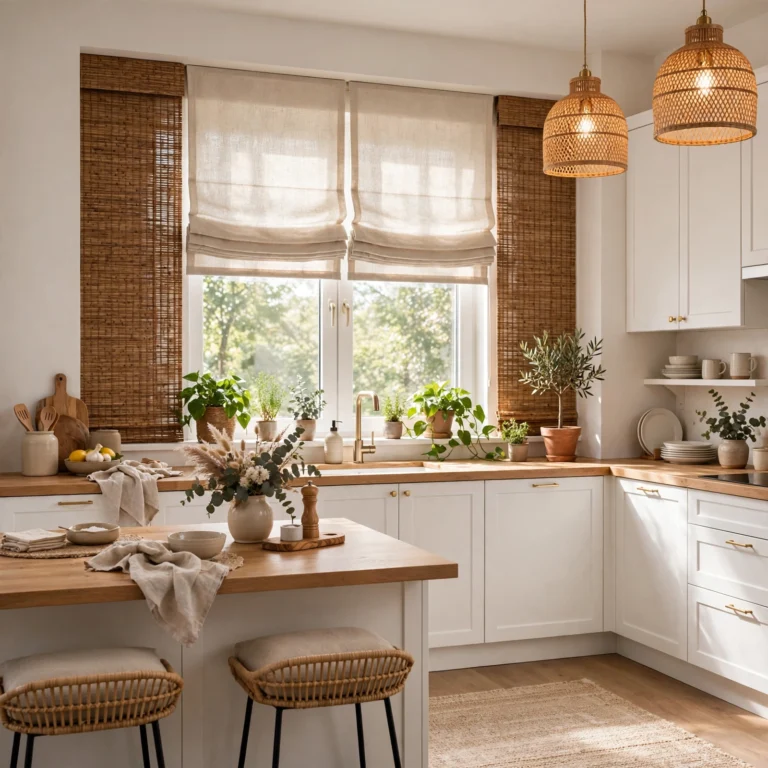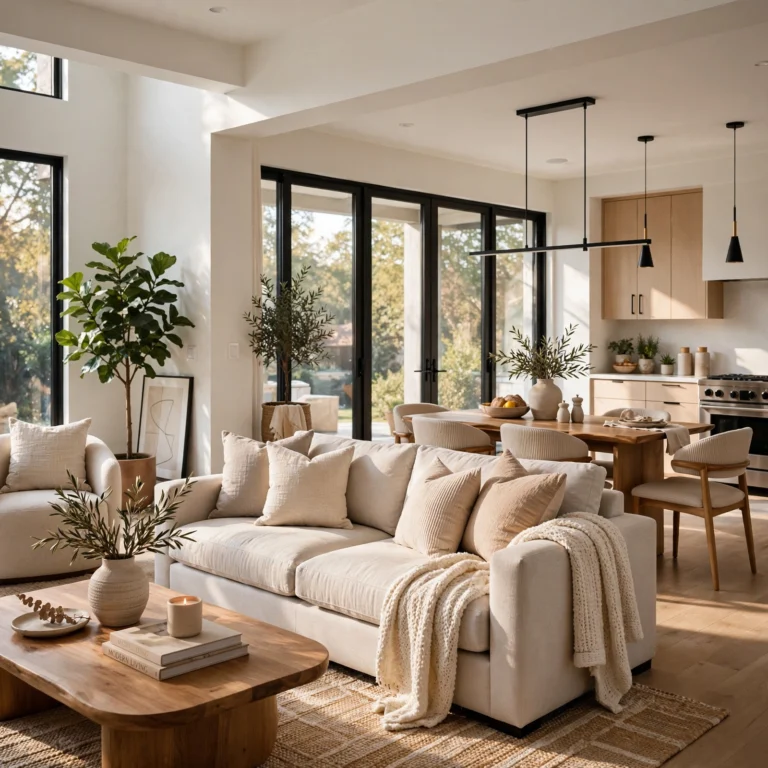
15 Home Interior Design 2026 Trends Worth Knowing
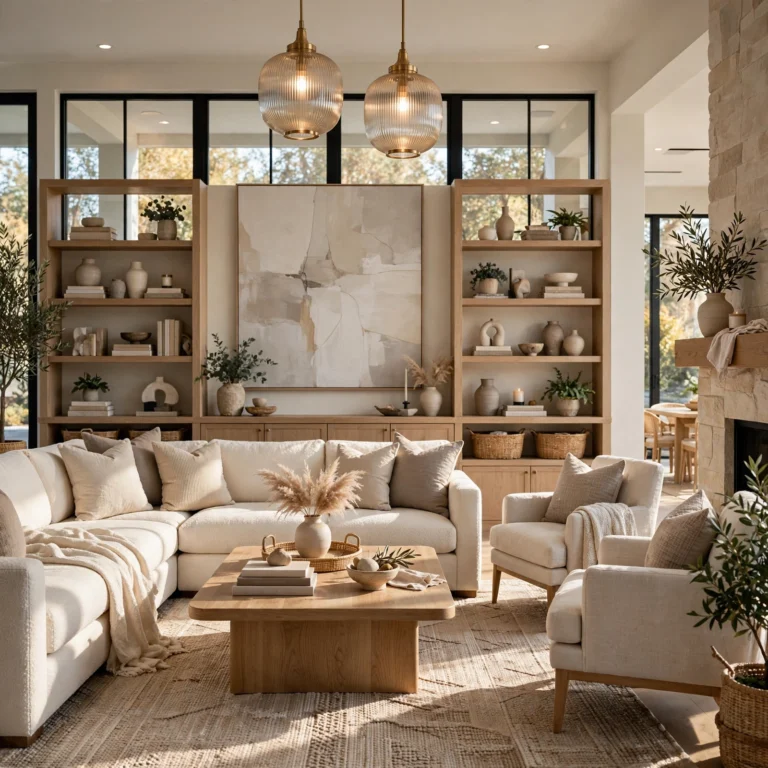
Home interior design 2026 trends have moved decisively past the muted, monochromatic look that dominated the previous decade, embracing saturated color, textured materials, and rooms built around genuine personality rather than a safe, resale focused neutral palette. This list breaks down the specific trends shaping homes this year, drawing on reporting from major design platforms and industry trend reports, from color drenched rooms to a renewed interest in natural, sustainable materials.
Trend & Background
Industry trend reports from sources including Houzz, Thumbtack, and Ruggable have converged on a few consistent themes for 2026. Bolder patterns and colors are appearing across drapery, rugs, furniture, and pillows, alongside grooved wall and ceiling paneling in bold colors. At the same time, homeowners are increasingly prioritizing remodeling and working with existing spaces over new construction, with ultra modern design giving way to more nature inspired, earthy approaches. This shift reflects a broader move toward homes that feel personal and layered rather than trend neutral, with several reports noting a renewed appetite for pattern, saturated color, and materials with genuine texture and history.
Key Takeaways
- Home interior design 2026 trends move firmly away from all white, all gray interiors toward saturated color, moody tones, and rooms with genuine personality.
- Ceilings have become a legitimate design surface this year, often called the “fifth wall,” rather than a blank space left unaddressed.
- Natural and sustainable materials continue gaining ground over plastic and synthetic options, reflecting a broader shift in what homeowners prioritize.
- Several 2026 trends revisit past design eras, from Art Deco geometry to medieval inspired copper and dark paint, filtered through a more current sensibility.
Home Interior Design 2026 Trends Ideas For You
Whether you’re planning a full renovation or just want to update a room with what’s currently resonating, these trends should give you a clear picture of where interior design is heading in 2026.
1. Color Drenched Rooms Home Interior Design
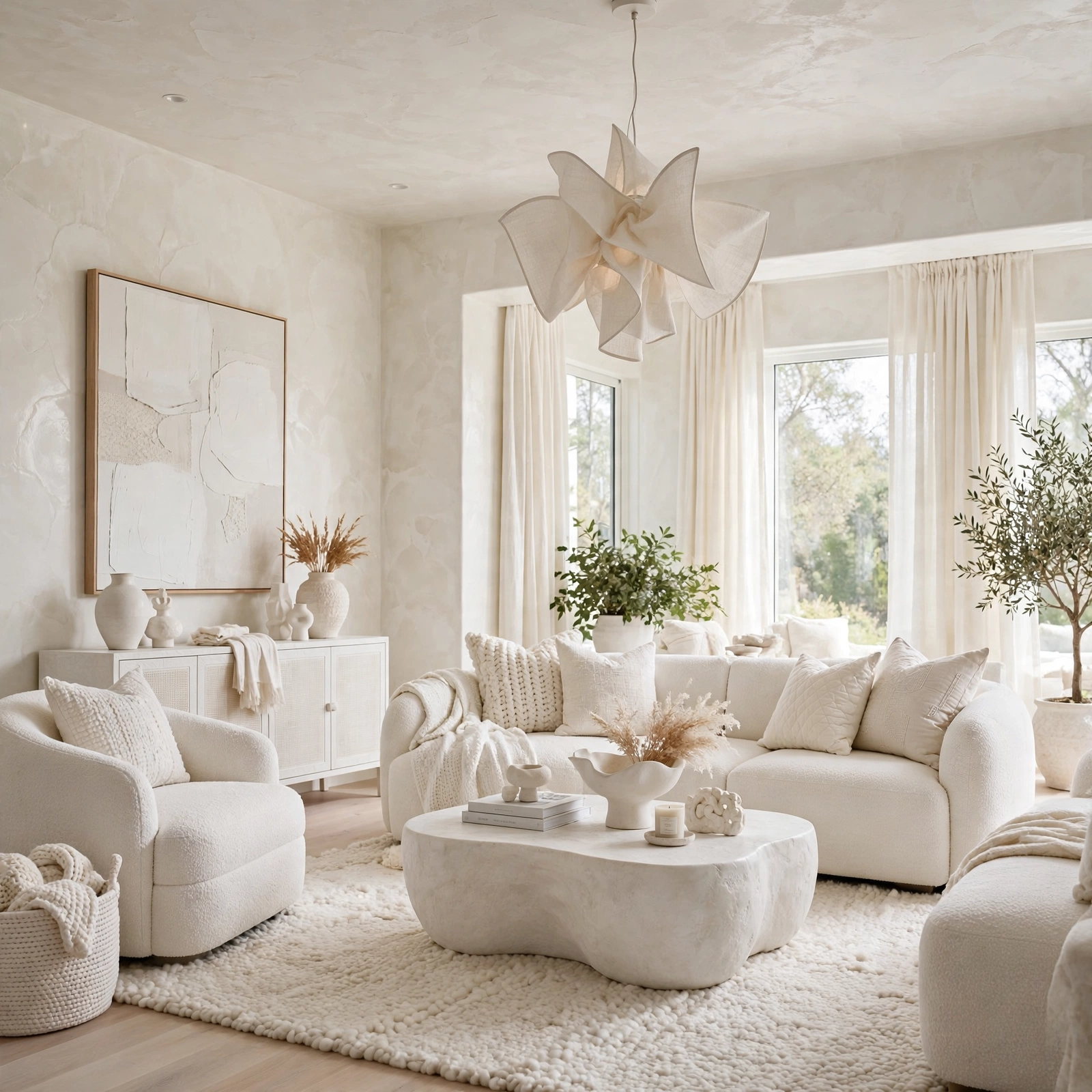
Color drenched rooms use a single saturated hue applied in varying shades throughout one space, creating a cohesive, immersive look rather than a neutral backdrop with occasional color accents. This trend works particularly well for anyone wanting a bold, statement making room without needing to coordinate multiple different colors. Going monochrome with a softer pastel, or balancing an intense hue with neutral accents, keeps this approach from feeling overwhelming in a smaller space.
| 2026 Trend | Core Shift | Best Applied To |
| Color Drenched Rooms | Single saturated hue throughout | Bedrooms, powder rooms |
| Statement Ceilings | Ceiling as a design surface | Dining rooms, entryways |
| Moody Earth Tones | Rich color replacing gray | Living rooms, kitchens |
2. Nature Inspired Green and Blue Palettes Home Interior Design
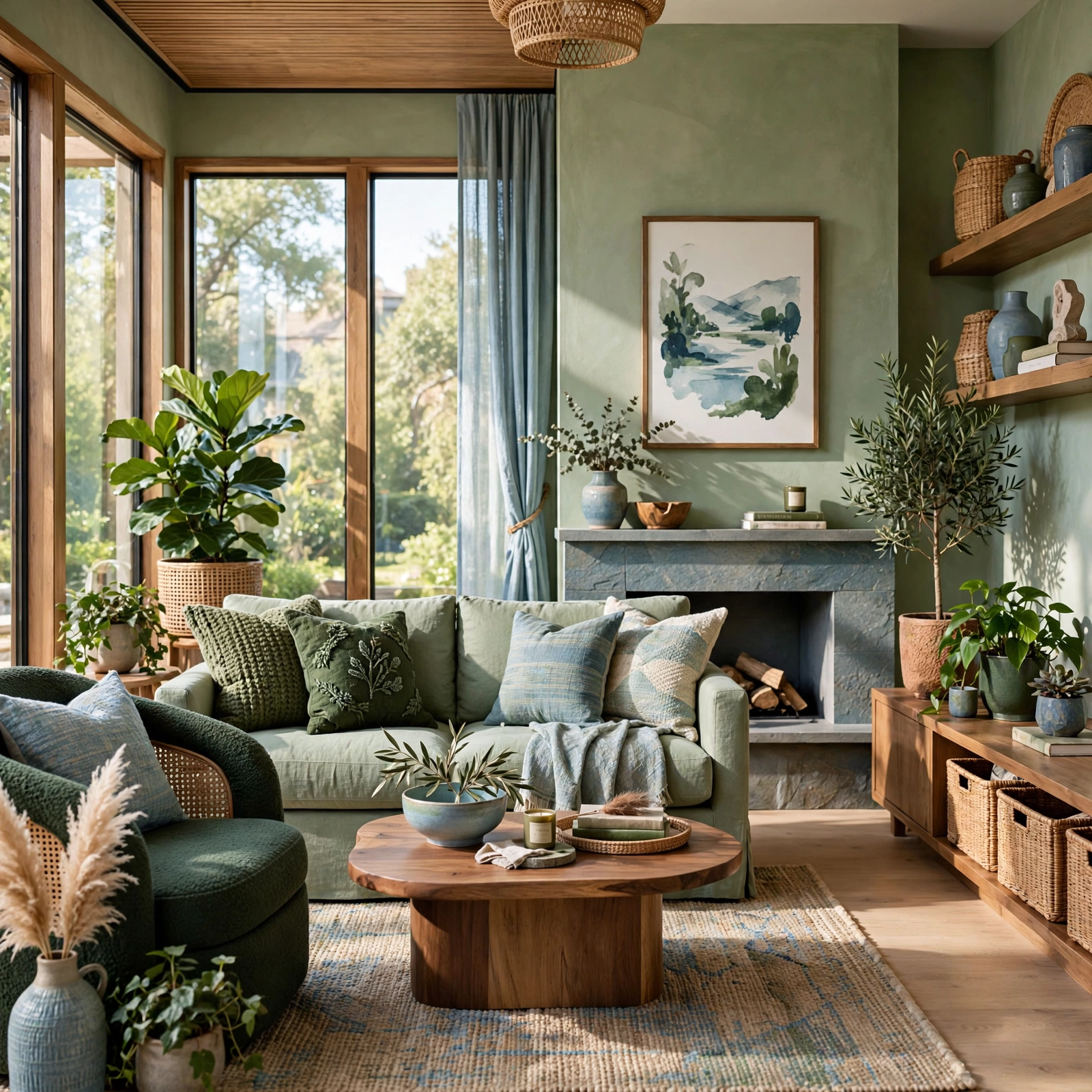
Nature inspired green and blue palettes have expanded significantly this year, with the color palette moving beyond last year’s earthy hues into greens and blues of all shades, particularly in kitchens and bathrooms. Industry data backs this shift clearly; the National Kitchen & Bath Association’s 2026 trend reports found that 71 percent of designers now prefer a colorful kitchen over the long standard all white design. This trend works well for anyone ready to move past white cabinetry toward a kitchen with more personality and depth.
3. Stunning Statement Ceilings Home Interior Design
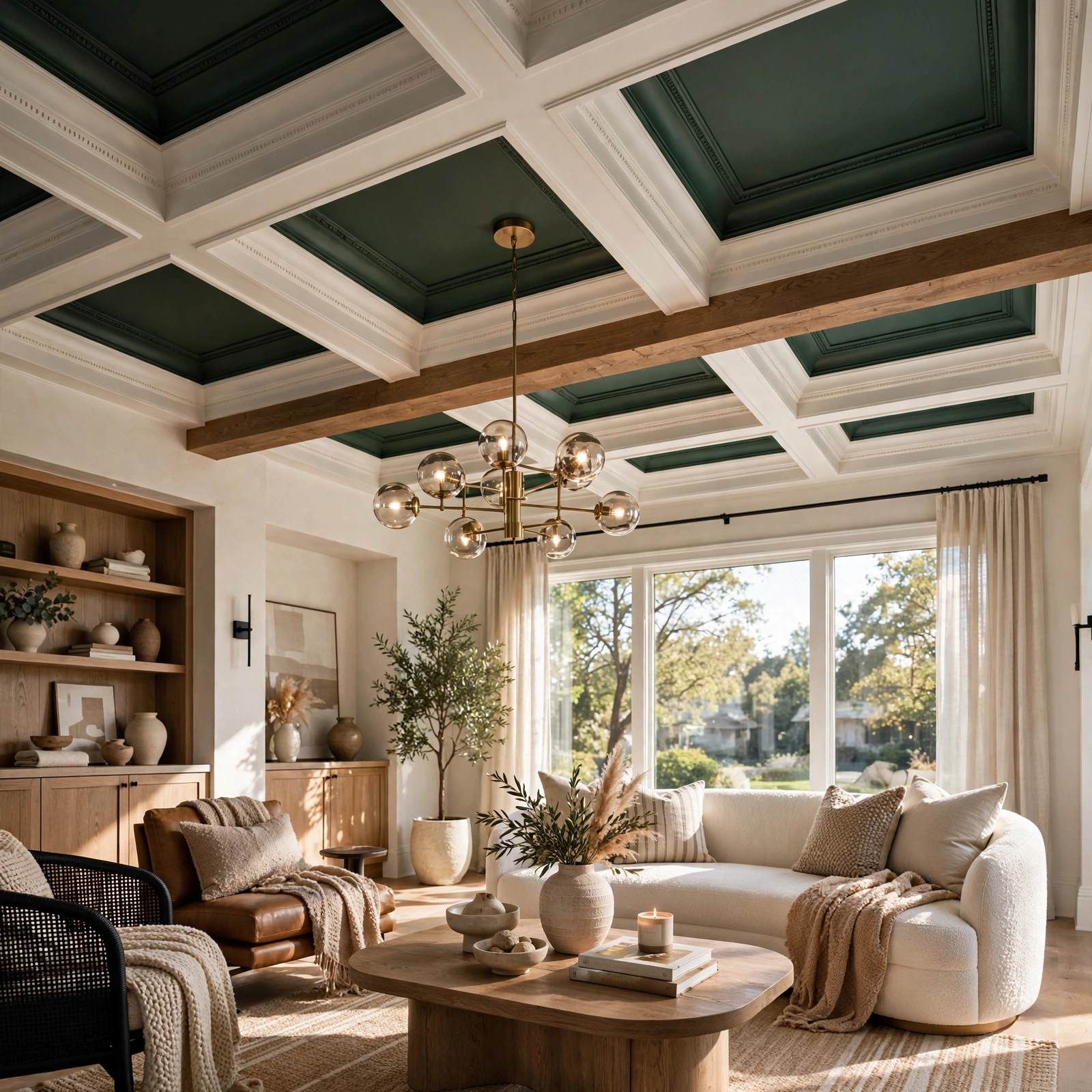
Stunning statement ceilings treat the ceiling as a genuine design opportunity rather than a blank, overlooked surface. Designers describe the ceiling as the “fifth wall,” noting that painting it, adding wallpaper, or introducing texture creates depth and can highlight existing architectural features like moldings or beams. This detail works particularly well in a dining room or entryway, where the ceiling is often more directly visible and can anchor the room’s overall design.
4. Moody Earth Tones Interior Home Design
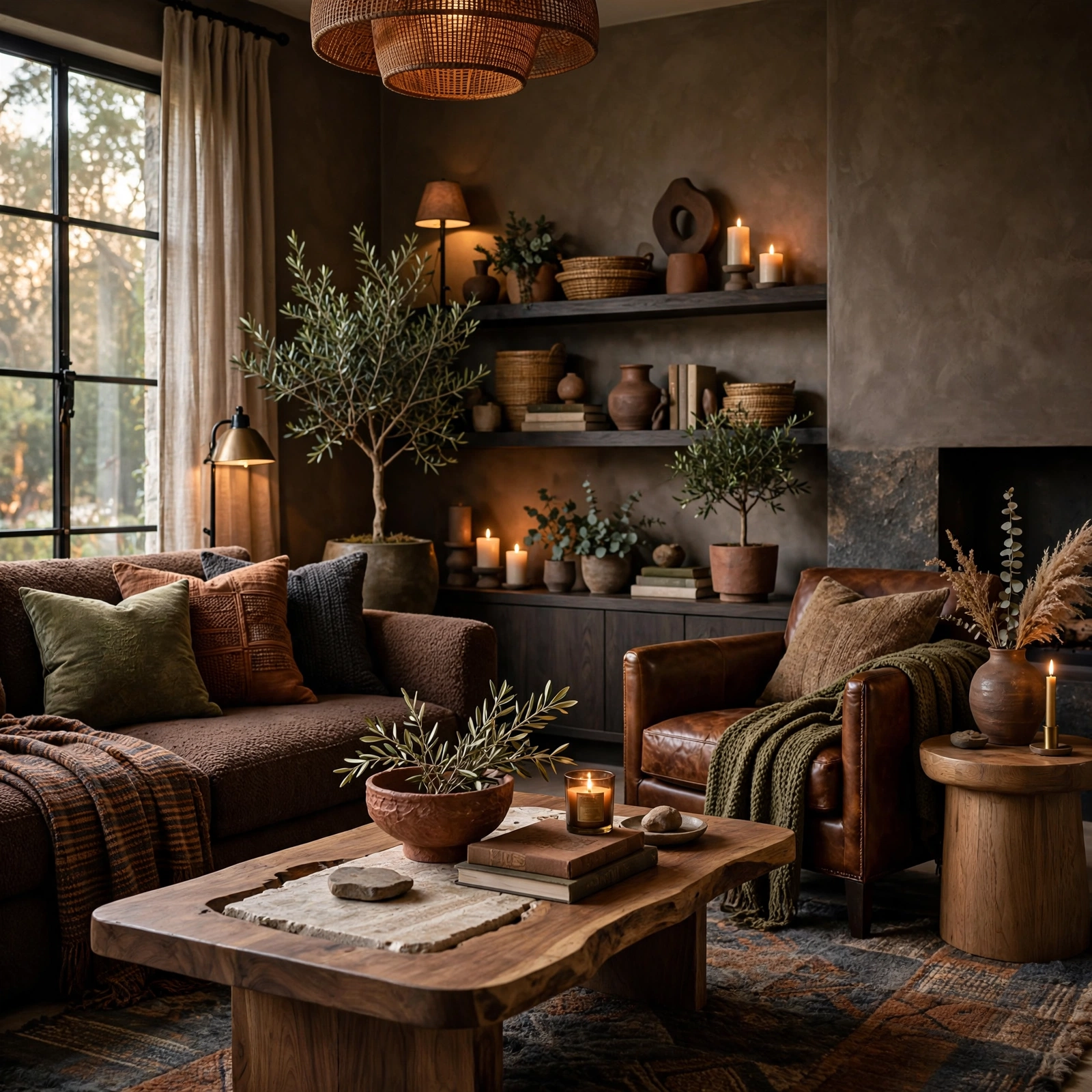
Moody earth tones have replaced the gray and white palettes that dominated the previous decade, with designers reporting a clear shift toward chocolate, burgundy, indigo, and deep green appearing throughout kitchens, furniture, and fabric. This trend also affects furniture choices directly, since gray fabric sofas are increasingly being replaced by rich leathers and velvets in deeper tones. This shift works well for anyone looking to update a room with an easy, high impact paint or textile change.
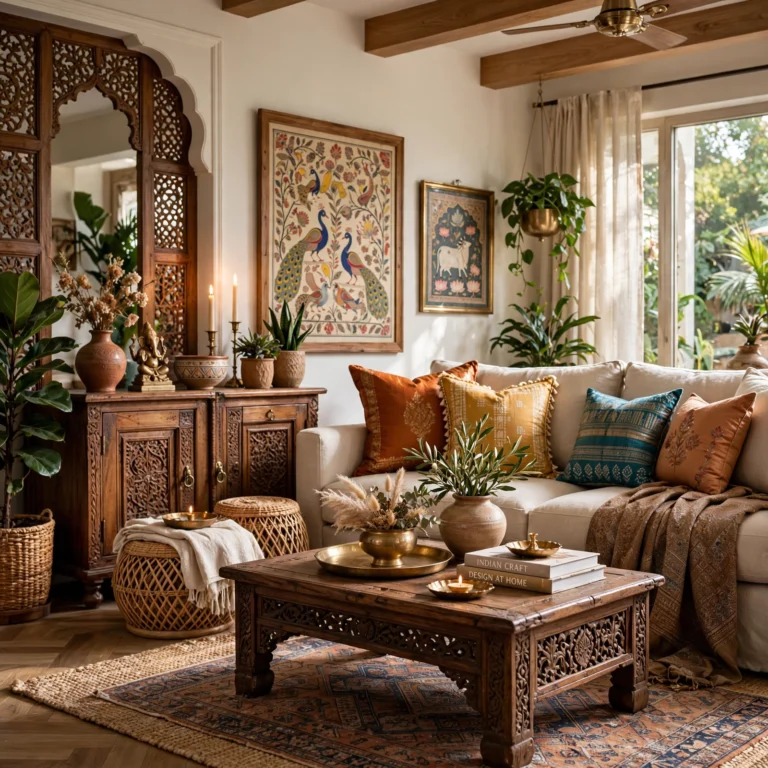
Learn More About Home Interior Design Indian.
5. Grooved Wall and Ceiling Paneling Home Interior Design
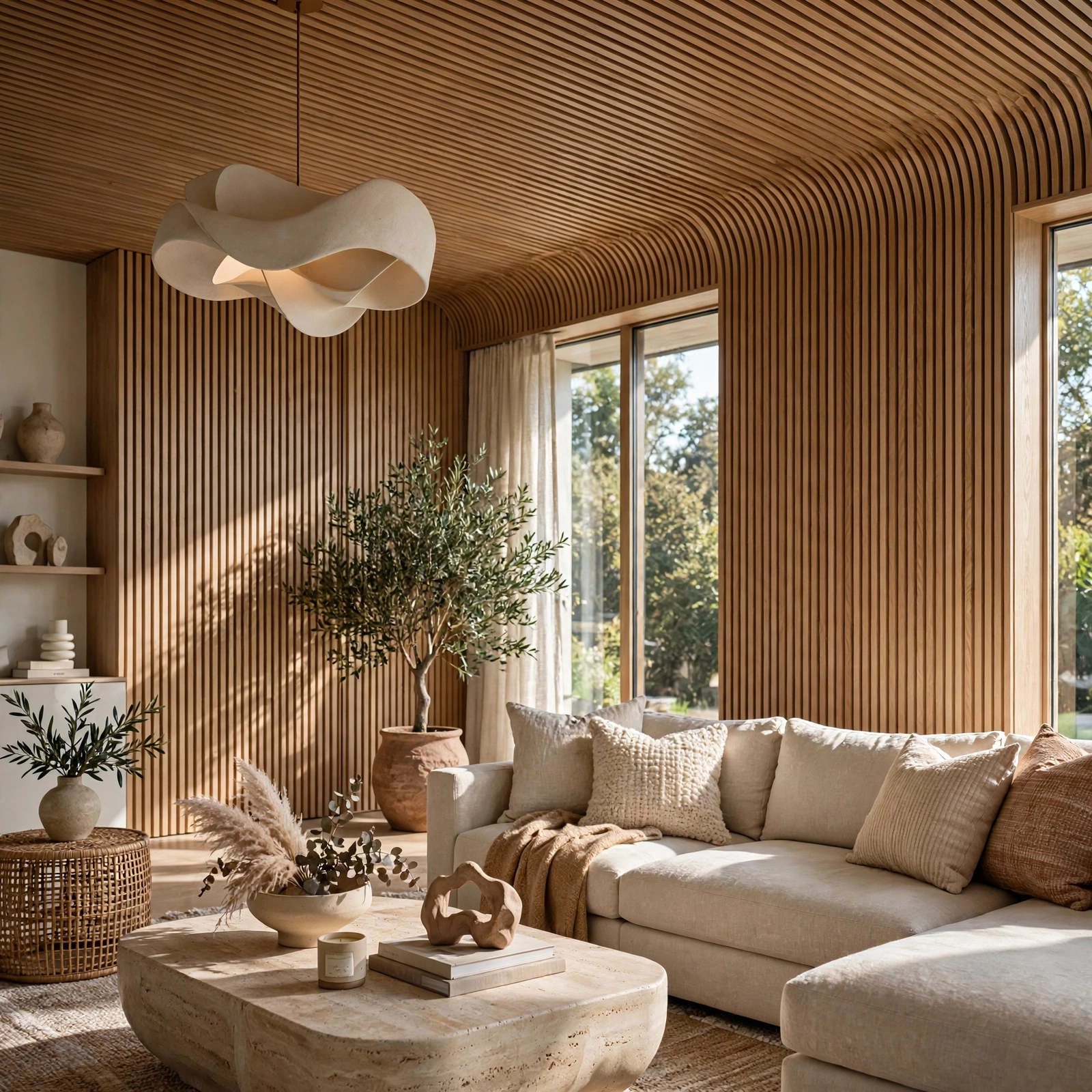
Grooved wall and ceiling paneling adds dimensional texture to a room’s surfaces, and this year the technique is showing up in bold colors rather than the more subdued, natural wood tones this detail has traditionally used. This trend pairs well with the broader move toward pattern, since more pattern is also appearing across drapery, rugs, furniture, and pillows this year. This detail works particularly well as an accent wall treatment, adding architectural interest without a full room commitment.
| Material Trend | 2026 Direction | Reason for Shift |
| Cabinet Fronts | Woven and mesh detailing | Adds texture, breaks up expanses |
| Furniture Materials | Natural, untreated wood | Sustainability concerns |
| Wall Treatment | Grooved paneling in bold color | Pattern and texture combined |
6. Vintage Inspired and Collected Look Furniture Home Interior Design
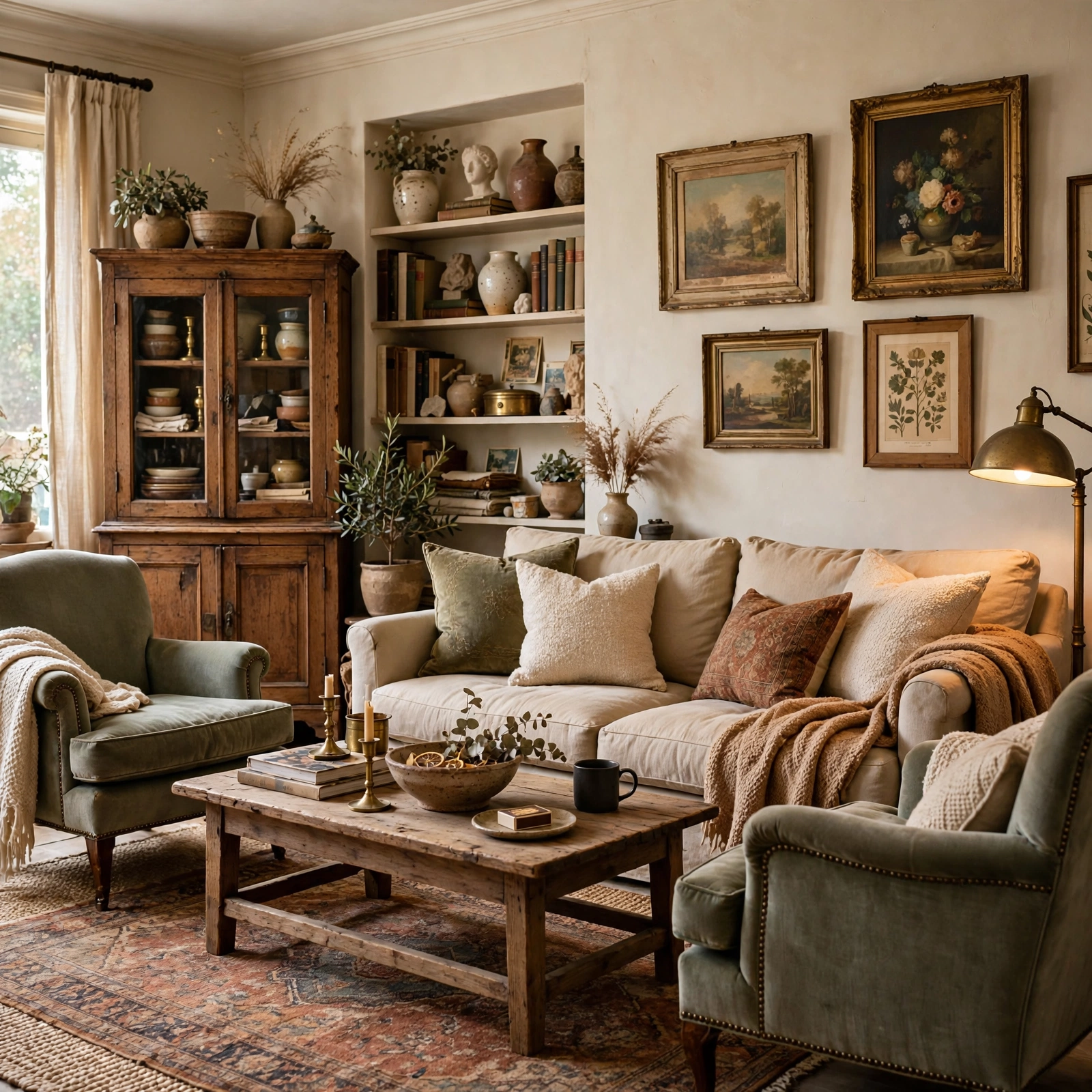
Vintage inspired and collected look furniture continues gaining ground as homeowners favor pieces that feel gathered over time rather than purchased as a single matched set. Kitchen design in particular reflects this shift, with rich wood cabinets, moody historical paint colors, natural countertop materials like soapstone and butcher block, and wood ceiling beams all contributing to a collected look that appears pieced together over time. This approach works well for anyone drawn to a home that feels personal and evolved rather than uniformly new.
7. Woven and Mesh Cabinet Fronts Interior Design
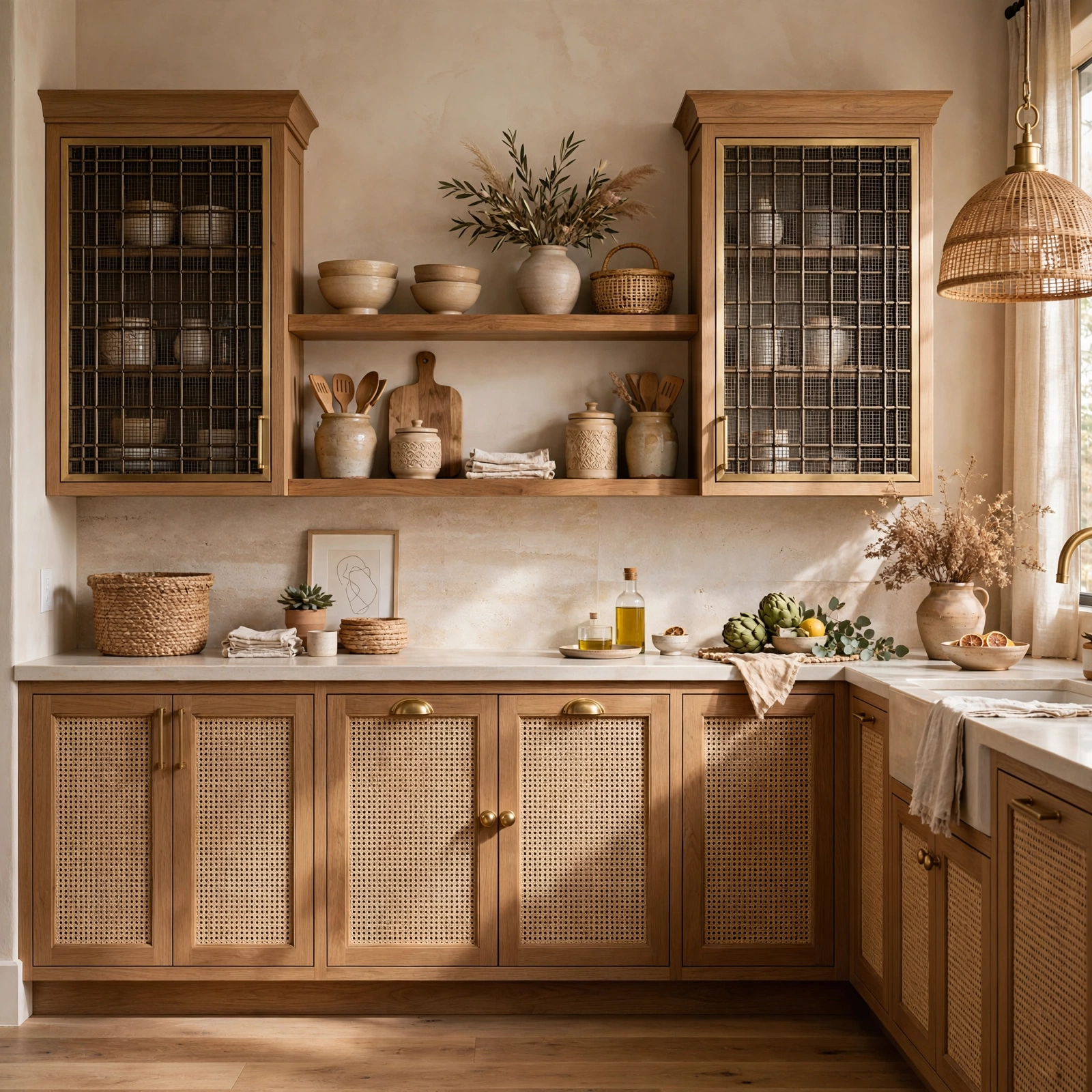
Woven and mesh cabinet fronts bring texture into kitchen and bathroom cabinetry, with designers noting this detail is being used specifically to break up large expanses of cabinets, especially in kitchens. This trend softens what can otherwise be a very flat, uniform cabinet wall, adding warmth without requiring a full material change throughout the kitchen. This detail works particularly well applied to just a few cabinet fronts rather than the entire run, keeping the woven texture as an accent.
8. English Style Kitchens with Range Alcoves Home Interior Design
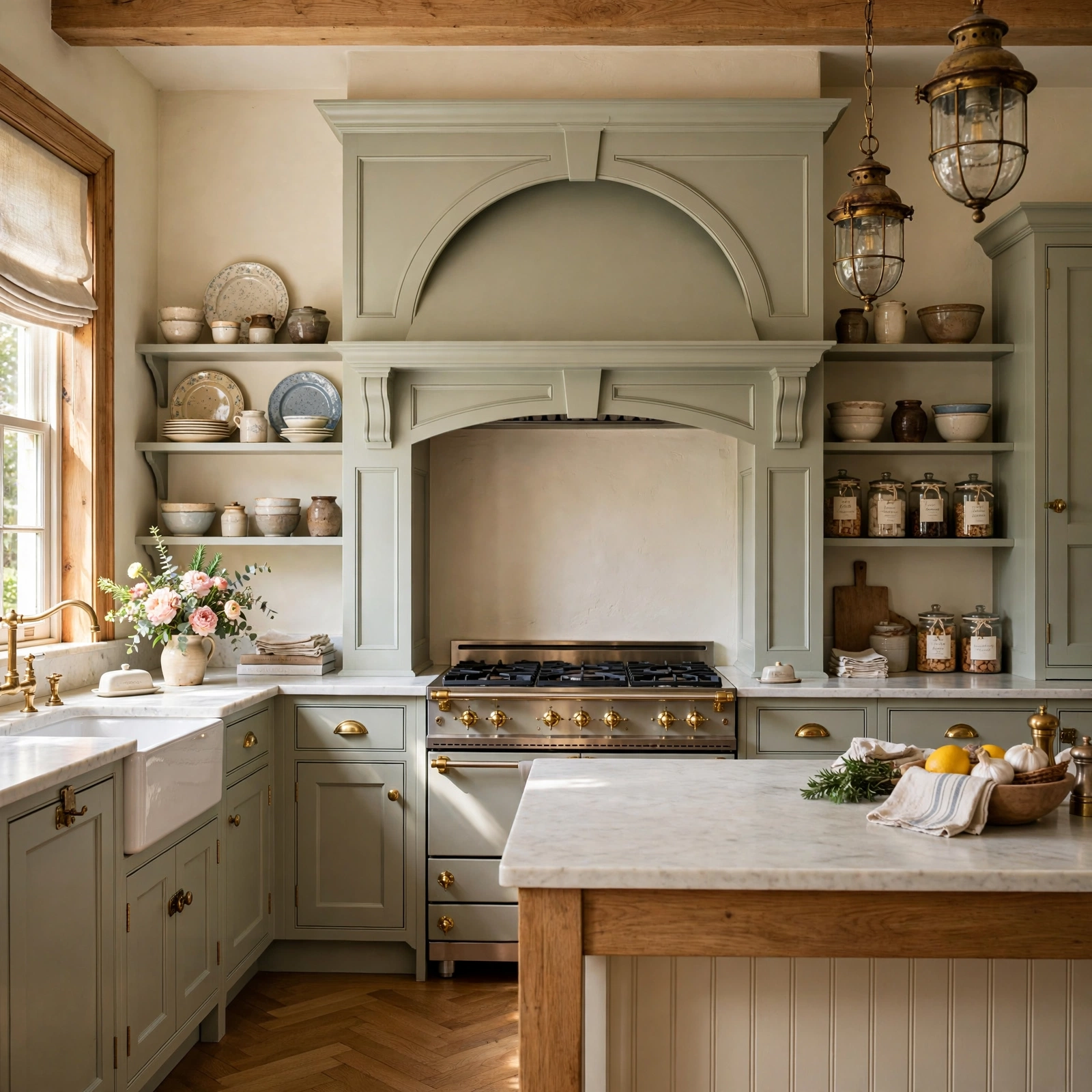
English style kitchens with range alcoves bring a more traditional, architecturally detailed approach to kitchen design, with a range alcove creating a picturesque focal point and a natural stopping point for a striking backsplash design. This trend moves away from the fully flat, seamless kitchen wall toward one with genuine architectural recessing and detail. This approach works particularly well in a kitchen renovation with the flexibility to reconfigure cabinetry around a recessed range placement.
9. Wet Rooms and Spa Style Bathrooms Home Interior Design
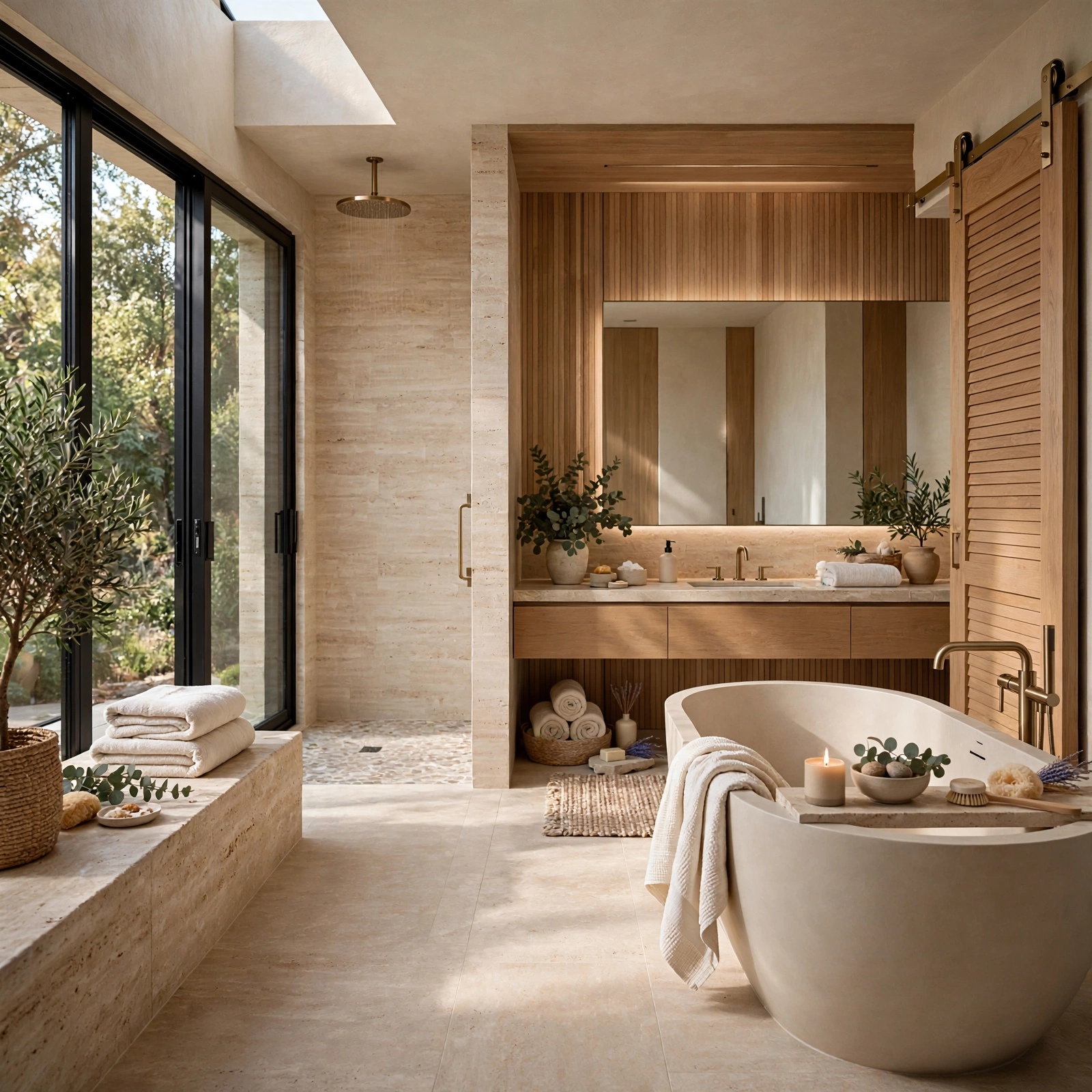
Wet rooms and spa style bathrooms continue trending upward, with shower rooms designed to allow steam and sauna features alongside aromatherapy and chromotherapy elements, transforming the bathroom into a genuine wellness space rather than a purely functional room. This trend reflects a broader wellness focus running through several 2026 design reports. This detail works particularly well in a primary bathroom renovation with adequate space and waterproofing budget to support a fully open, curbless shower design.
10. Reflective Materials and Mirror Drenching Home Interior Design
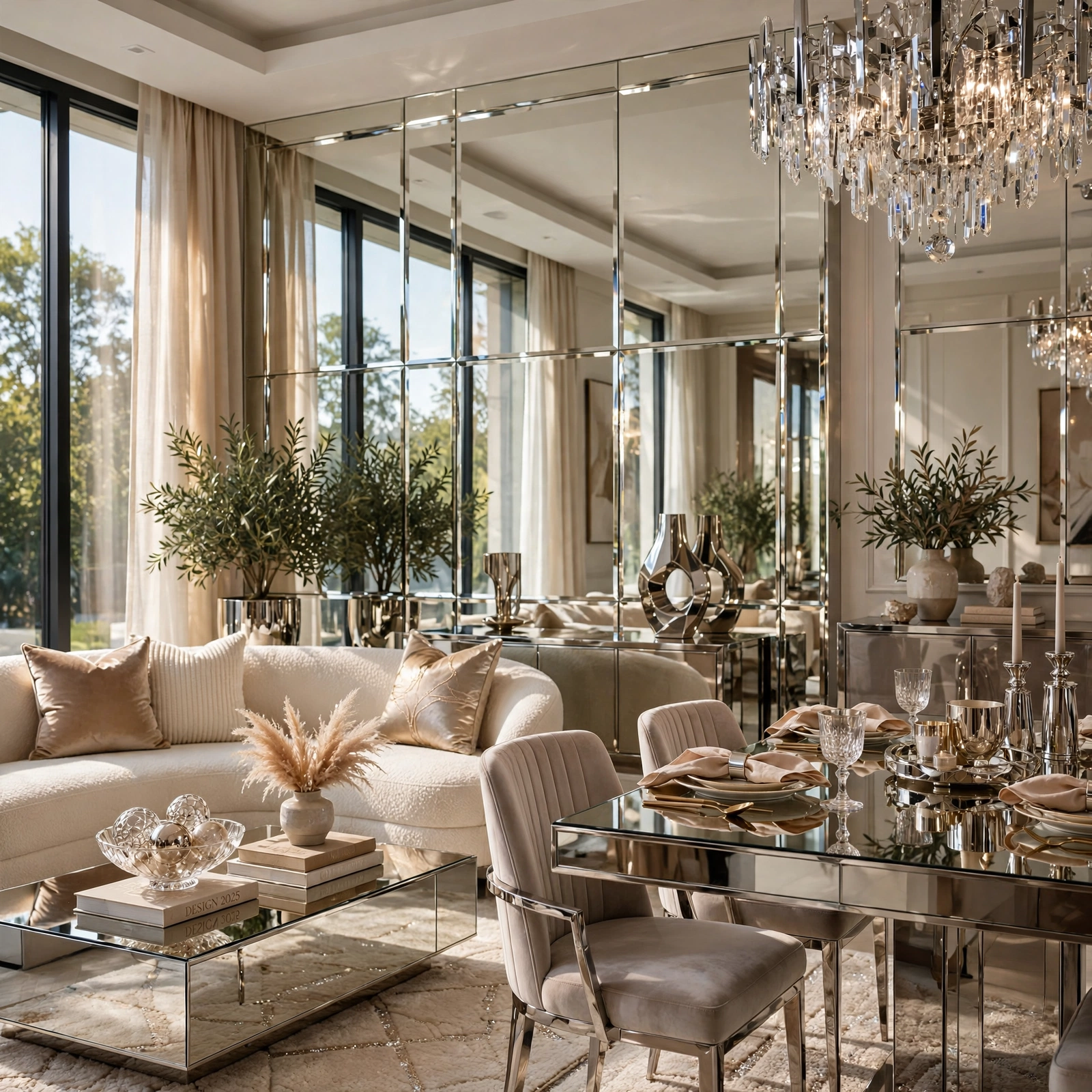
Reflective materials and mirror drenching bring high gloss paint and strategic mirror placement into rooms specifically to add energy and play with a space’s perceived depth, with some designers noting smoked mirror sections used to help set a mood in a fully mirror drenched room for more experimental homeowners. This trend works as a more dramatic alternative to the flatter, matte finishes that have dominated recent years. This detail works particularly well in a smaller room, where the reflective quality can meaningfully affect the sense of available space.
11. Sustainable and Natural Materials Home Interior Design
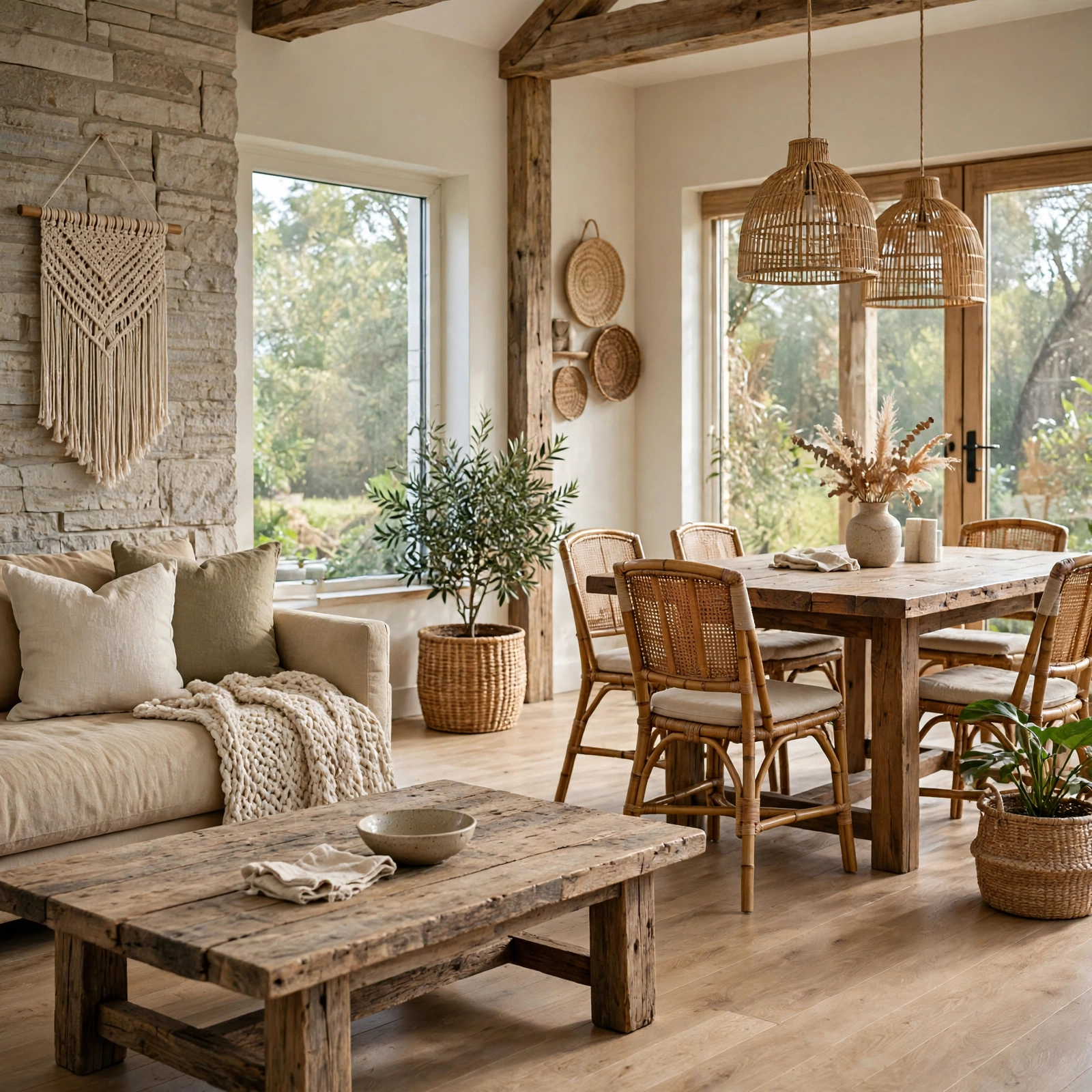
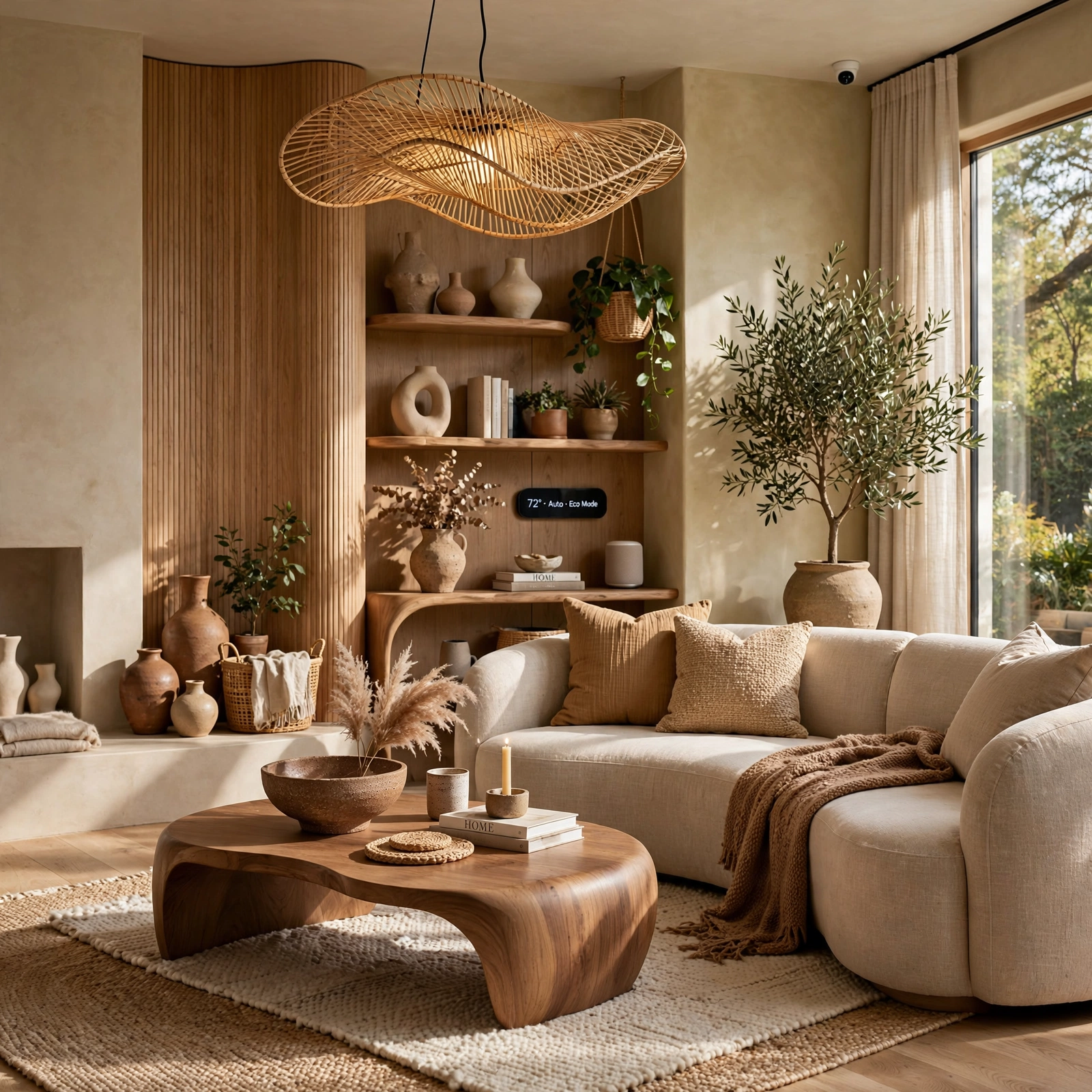
Sustainable and natural materials continue displacing plastic and synthetic options throughout the home, with industry experts reporting that homeowners are becoming more conscious of the materials they use and increasingly opting for natural, untreated wood over plastic and synthetic alternatives. This shift extends to furniture materials as well, with vegan leathers and non toxic materials becoming standard considerations rather than niche choices. This trend works well for anyone prioritizing both design and environmental impact in their next furniture or material purchase.
12. Multifunctional Smart Furniture Home Interior Design
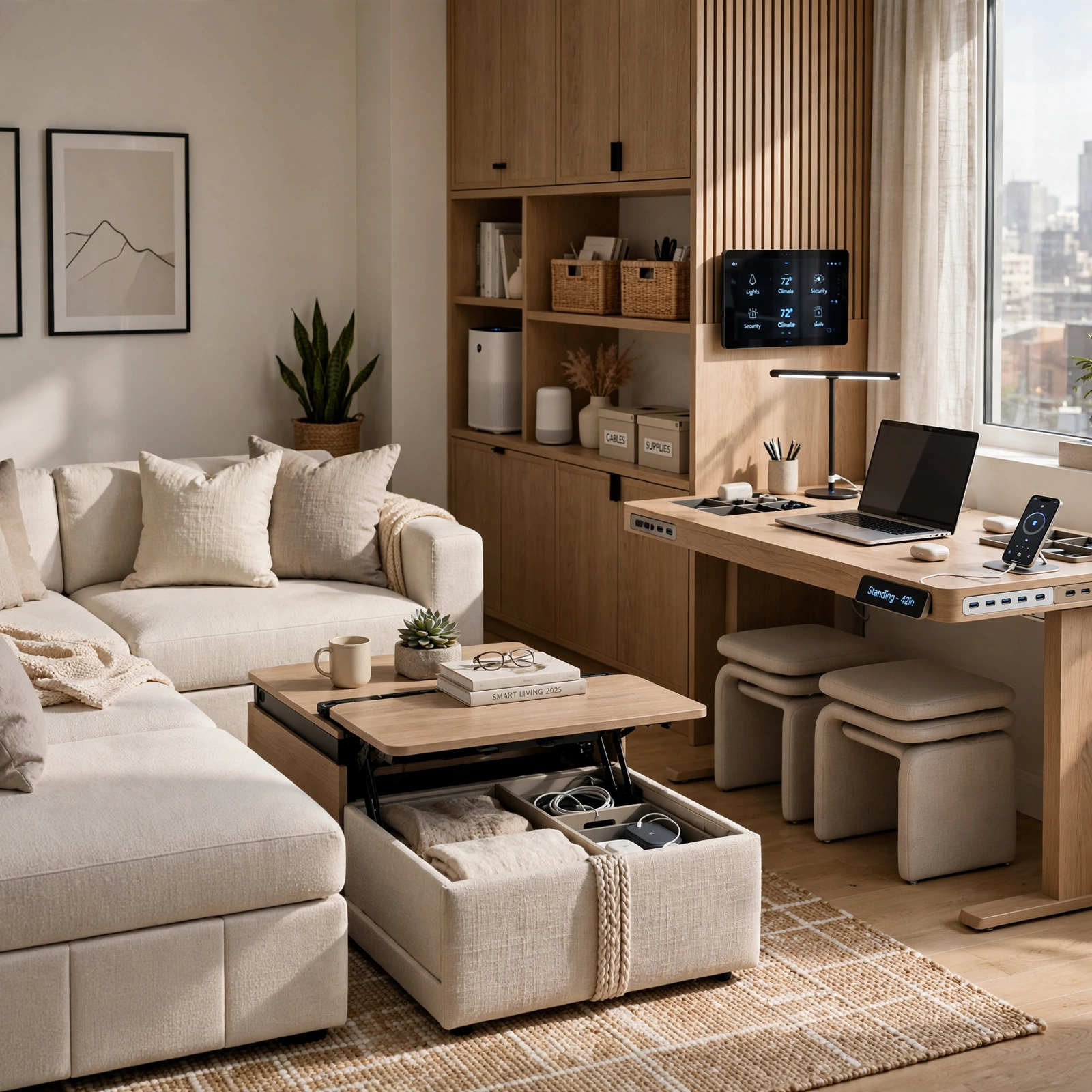
Multifunctional smart furniture integrates technology into pieces without compromising their design, reflecting how interior design in 2026 is combining style with functionality, sustainability, and wellness throughout the home. This trend spans everything from furniture with built in charging to smart lighting that shifts with mood and interactive furniture that simplifies daily life. This detail works particularly well in a smaller home or apartment, where multifunctional pieces help a limited footprint work harder.
13. Art Deco Reimagined Home Interior Design
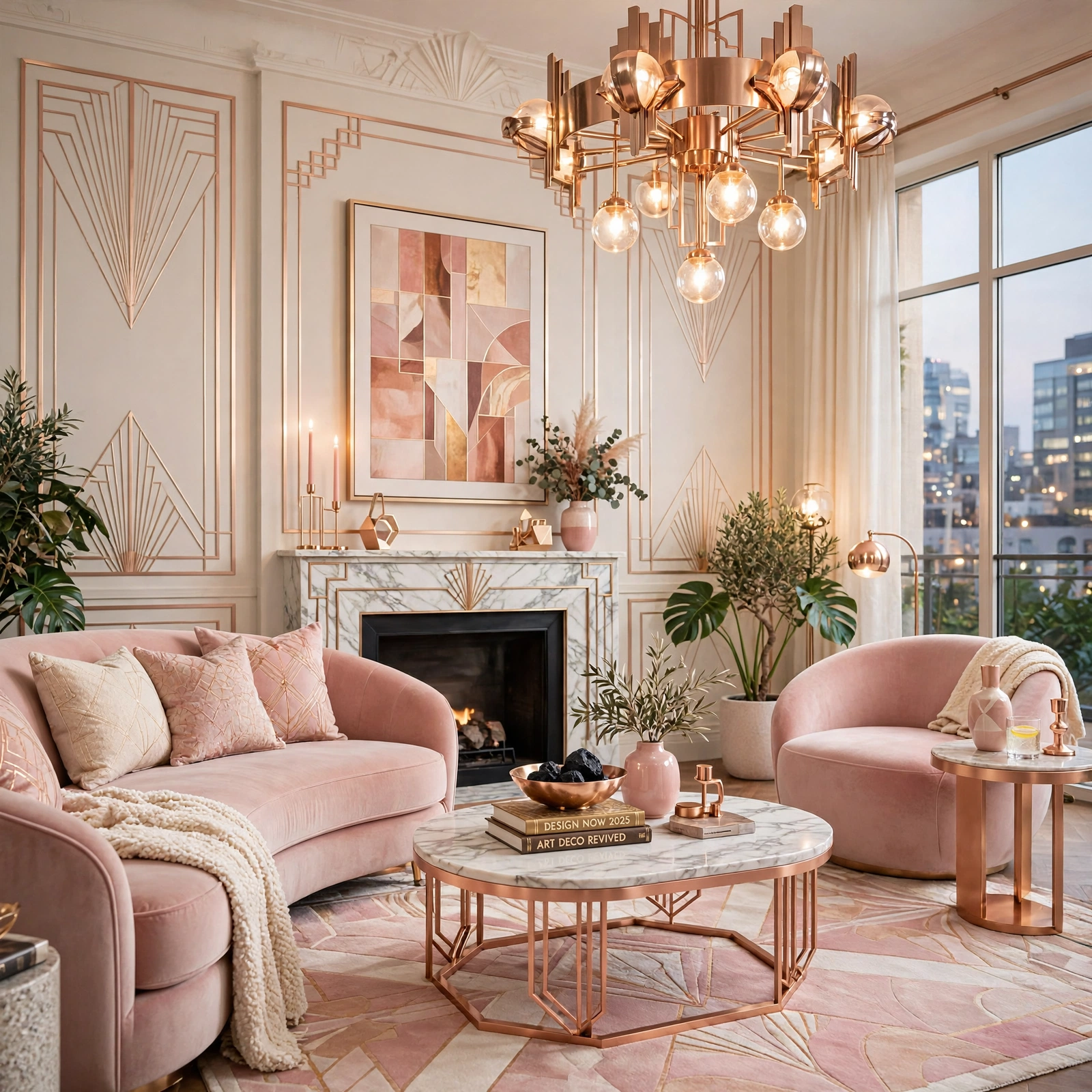
Art Deco reimagined brings back sleek geometric shapes and vertical lines, offering fresh takes on classic Art Deco design with a joyful, nostalgic quality that feels both classic and contemporary. This trend works particularly well as a bold, glamorous accent within a smaller space, like a powder room or a home bar, rather than committing an entire home to the style. This detail pairs naturally with the broader move toward metallic accents and reflective materials trending this year.
14. New Industrial with Aged Materials Home Interior Design
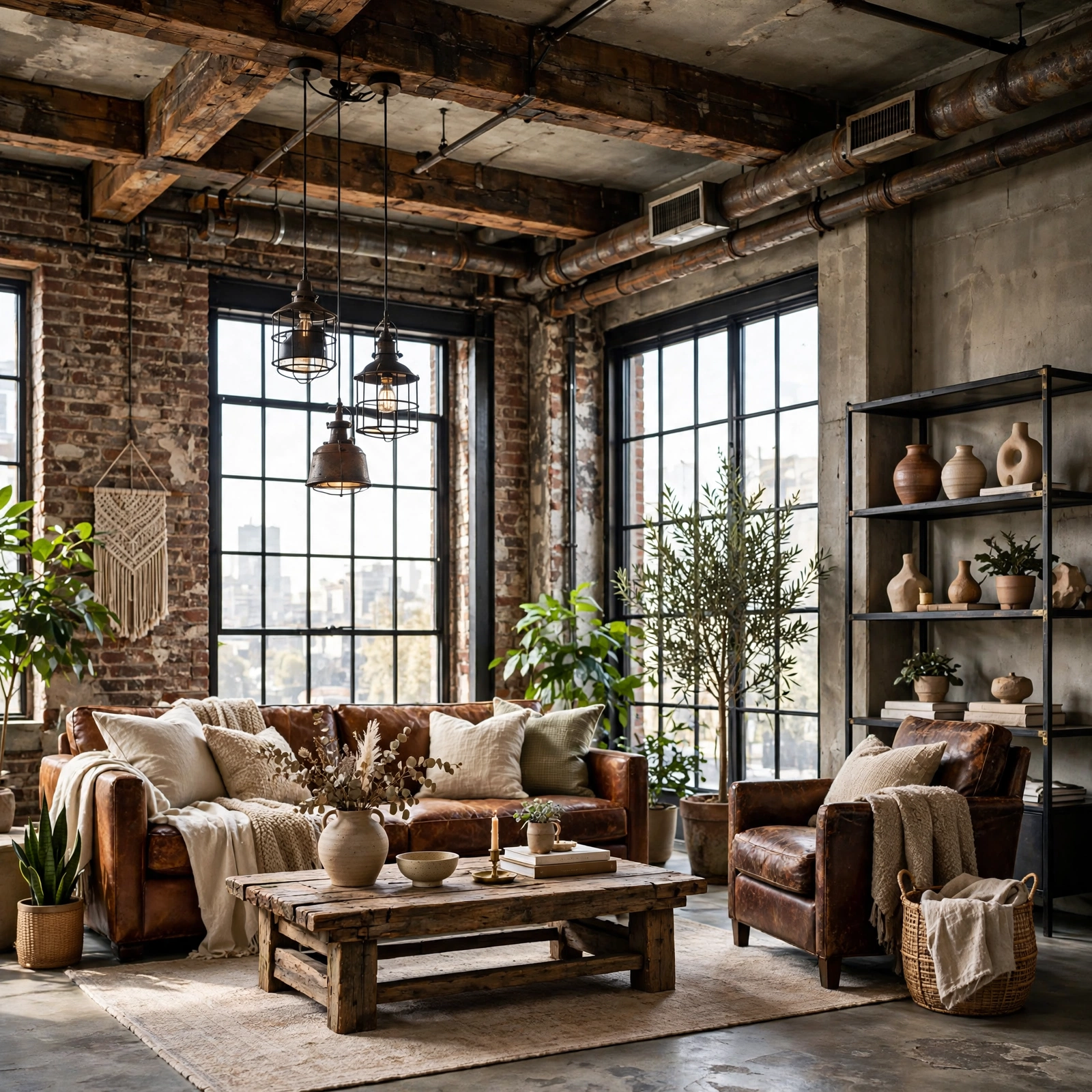
New industrial design has evolved from its earlier, more polished interpretation toward one that celebrates the beauty of decay, incorporating aged materials, weathered textures, and subtle color accents for a more refined, layered look. This updated take feels considerably warmer and more livable than the harder edged industrial style popular a decade ago. This trend works particularly well in a converted loft or a home with existing exposed brick or steel elements already in place.
15. Archaic Modernity Home Interior Design
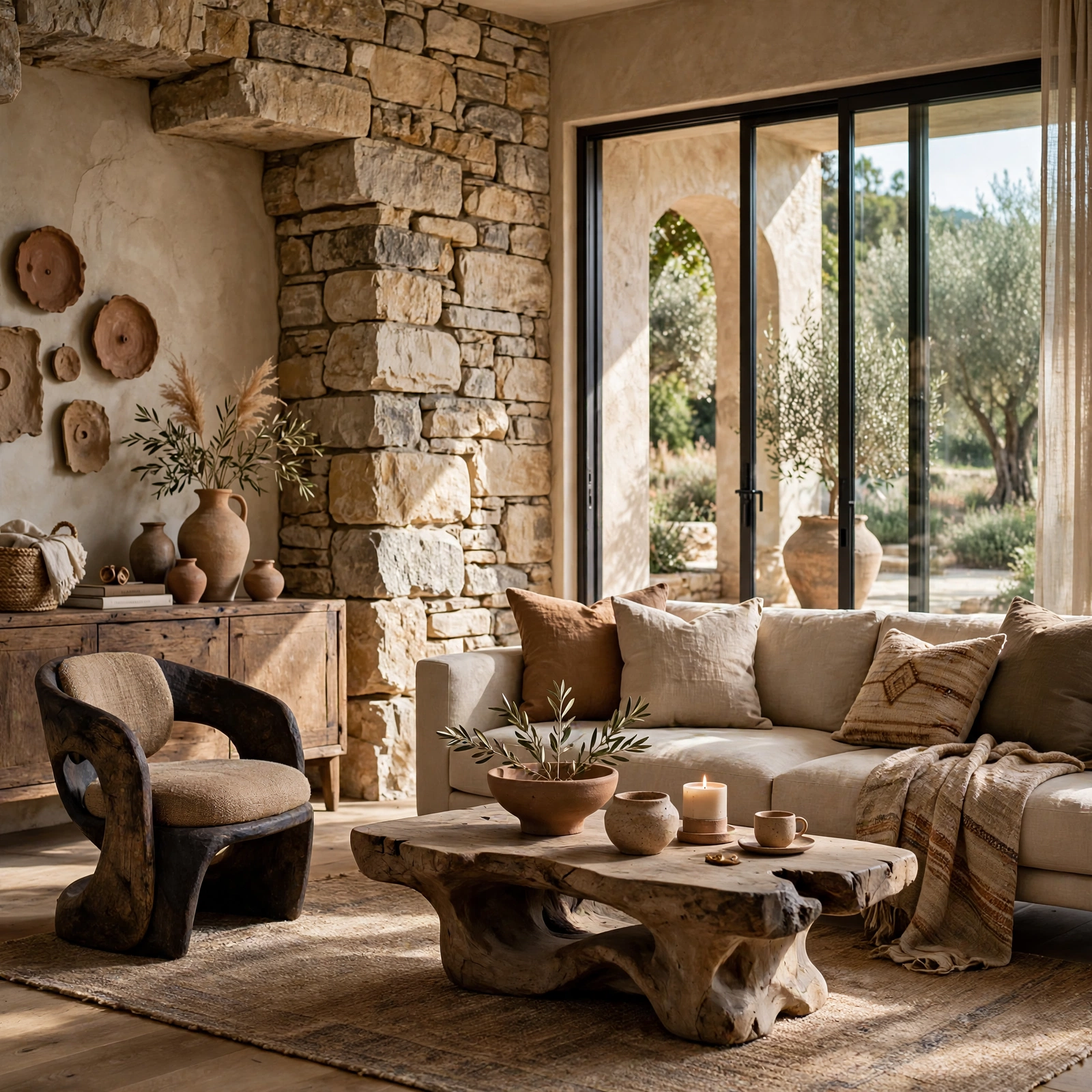
Archaic modernity blends ancient design principles with a current sensibility, focusing on raw materials, softly rough textures, and natural forms, often featuring rich, warm colors and soft materials that bring an organic, grounded quality into a room. This trend works well alongside the broader nature inspired direction running through several other 2026 trends on this list. This detail suits anyone drawn to a home that feels timeless and tactile rather than sleek and machined.
Shop the Look
A room built around 2026’s key trends typically layers a saturated color choice with natural, textured materials rather than relying on any single trend alone. A color drenched wall paired with a statement ceiling treatment establishes a bold, current foundation. Woven cabinet fronts or grooved paneling add texture, while vintage inspired furniture and natural, sustainable materials throughout keep the room feeling collected rather than uniformly new. A touch of reflective material or an Art Deco inspired accent piece rounds out the space with a bit of current glamour.
Common Mistake to Avoid
The most common mistake is chasing every trend on this list at once rather than selecting the ones that genuinely suit your home’s existing architecture and your own daily habits. A room combining color drenching, mirror drenching, Art Deco geometry, and new industrial textures all at once risks feeling chaotic rather than intentionally current. Choosing two or three trends that complement each other, such as moody earth tones paired with natural materials and a statement ceiling, produces a more successful, cohesive result than attempting to incorporate everything trending this year simultaneously.
Frequently Asked Questions
Are gray and white interiors officially out of style in 2026?
Gray and white interiors haven’t disappeared entirely, but multiple industry reports agree the color has shifted toward richer, more saturated tones this year, with designers specifically noting relief at moving away from the gray and white palettes that dominated the 2010s. A home currently in gray or white isn’t outdated, but homeowners planning an update are increasingly choosing color over another neutral palette.
Is it worth investing in a trend that might not last?
Focusing on trends tied to more permanent, foundational choices, like natural materials or sustainable furniture, tends to hold value longer than a trend based purely on a specific color or pattern that could feel dated within a few years. Applying more fleeting trends, like a specific paint color or a bold accent detail, to smaller, easily changed elements protects your investment if the specific trend fades.
What 2026 trend works best for someone on a limited budget?
A statement ceiling treatment, such as paint alone rather than wallpaper or added molding, and a shift toward richer, moodier paint colors throughout a room are both among the more budget friendly ways to incorporate 2026’s key trends without a significant investment. Both changes can typically be completed as a weekend project without requiring new furniture or structural work.
Do these trends apply to renters as well as homeowners?
Several of these trends, including color choices through removable wallpaper or paint where permitted, natural material accessories, and multifunctional furniture, work well for renters without requiring any permanent changes to the space. Larger structural trends, like a fully reconfigured English style kitchen or a wet room bathroom conversion, are better suited to homeowners with the ability to make permanent renovations.
How long do interior design trends like these typically last?
Interior design trends generally cycle over several years rather than disappearing after a single season, though the specific intensity of a trend, such as exactly how saturated a color palette gets, tends to soften somewhat as the trend matures. Trends rooted in genuine material quality and sustainability, rather than a specific decorative motif alone, tend to have the most staying power beyond the initial trend cycle.
Conclusion
These home interior design 2026 trends move decisively toward color, texture, and genuine material quality, replacing the muted, monochromatic look that defined homes for much of the previous decade. Choose a handful of trends that suit your home’s existing architecture and your own daily habits, rather than attempting to incorporate everything at once. Save this post to Pinterest for your next home project, and check out our related post on home interior design for the foundational principles worth applying regardless of which specific trends come and go.
Author Expertise Note
This list draws on current reporting from major design and industry trend sources, with a focus on changes that reflect genuine shifts in how people are actually choosing to live in and decorate their homes this year.