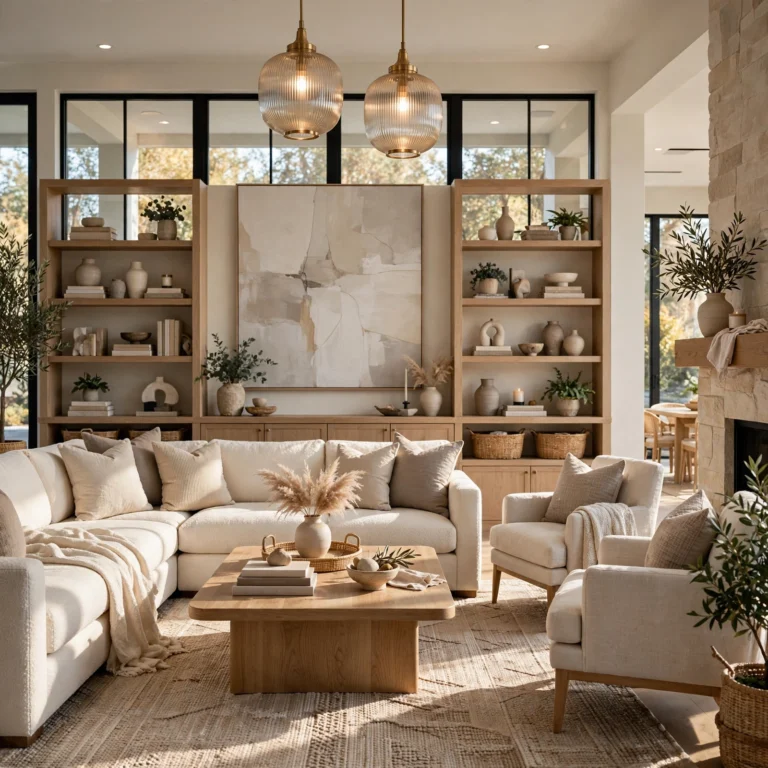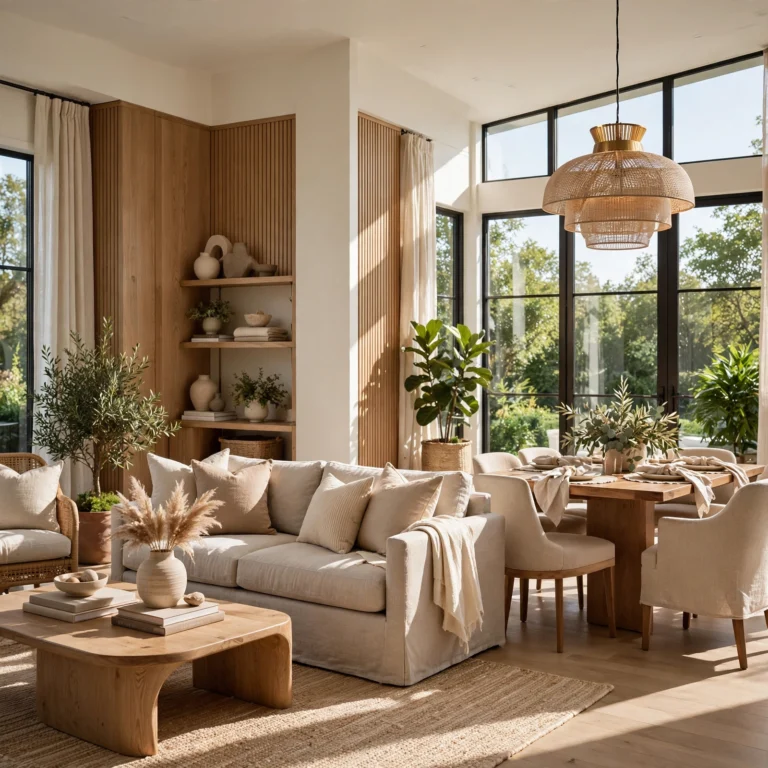
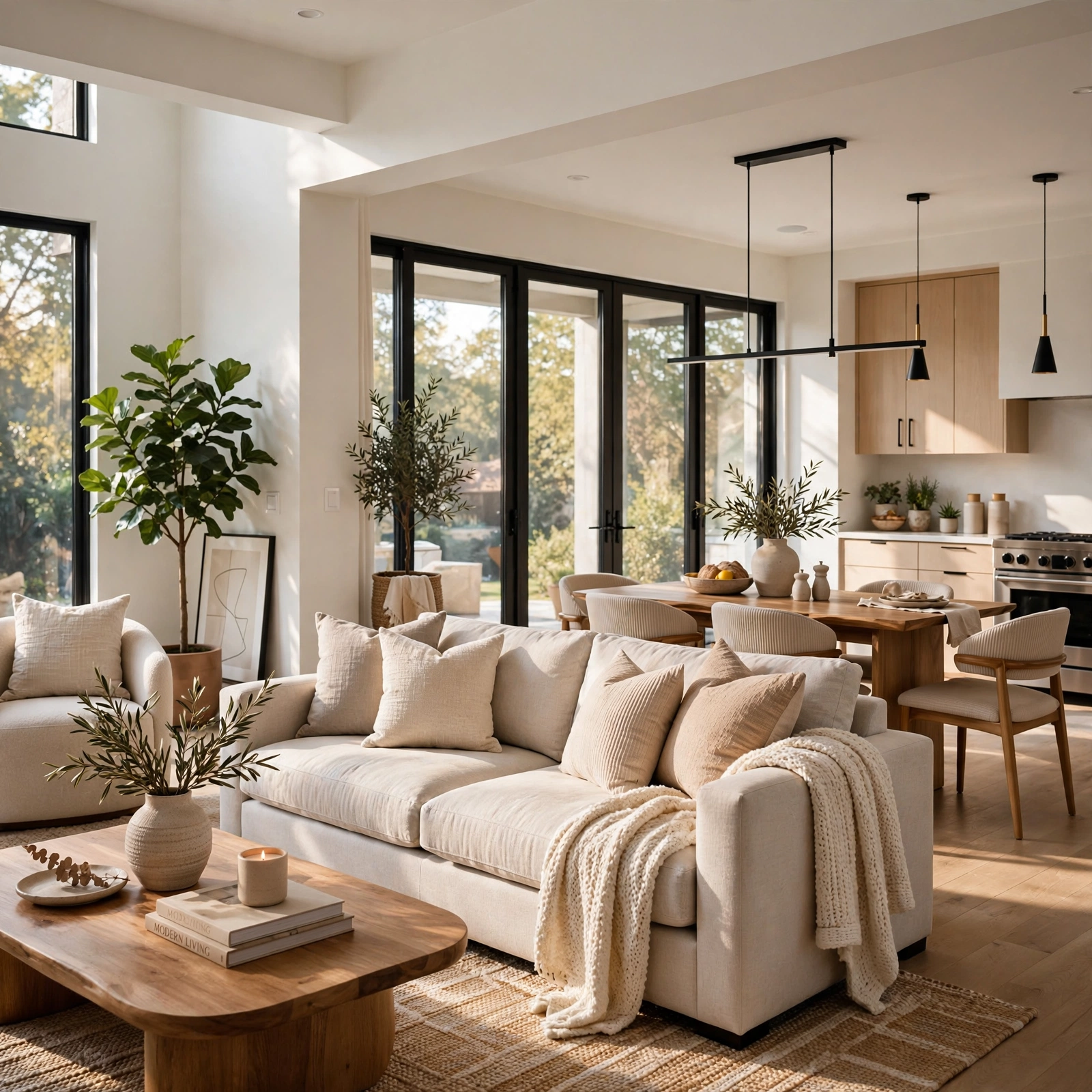
14 Trendy Modern Home Interior Design Ideas Room by Room
Modern home interior design takes its foundational principles, clean lines, restraint, and a considered material palette, and applies them differently across a home’s various rooms, from a waterfall edge kitchen island to a minimalist fireplace surround. This list moves through specific rooms and details, covering how modern design translates into a kitchen, a home office, an entryway, and beyond.
Trend & Background
Modern home interior design has increasingly moved beyond a single, uniform look applied identically throughout a house, instead adapting its core principles to each room’s specific function and daily use. This has meant softer, warmer interpretations in bedrooms and living spaces, while kitchens and bathrooms have leaned into modern design’s more technical, precision driven qualities through features like waterfall countertops and flush, integrated storage. This room specific evolution reflects a broader maturation of modern design generally, moving past its earlier, sometimes overly rigid application toward a more livable, nuanced approach that still holds onto the style’s core clean lined identity.
Key Takeaways
- Modern home interior design applies its core principles, clean lines and restraint, differently depending on the room’s specific function, from a kitchen island to a home office nook.
- Warm minimalism, balancing restraint with tactile materials like wood and textiles, keeps modern spaces from feeling cold or uninviting.
- Integrated, flush storage solutions do more to maintain a modern room’s clean lines than any single furniture choice alone.
- A curated, edited approach to art and accessories suits modern design better than filling every surface, even in rooms meant for daily, practical use.
Modern Home Interior Design Ideas Worth Trying
Whether you’re renovating room by room or trying to bring a scattered home into a more cohesive modern direction, these ideas should help you see how the style adapts to different practical needs throughout the house.
1. Low Profile Platform Furniture Modern Home Interior Design
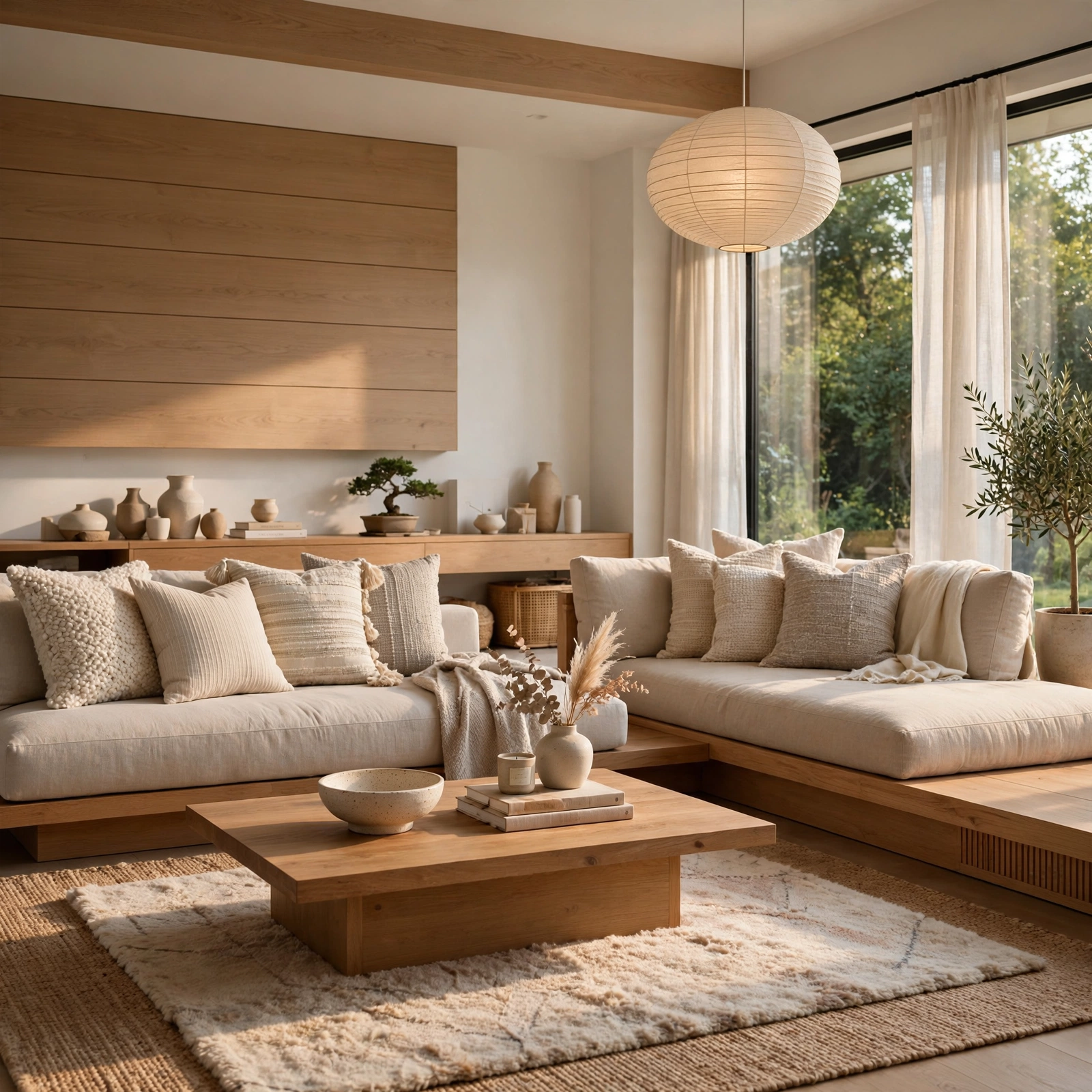
Low profile platform furniture keeps beds, sofas, and seating pieces closer to the ground, using a minimal or entirely absent visible base rather than tall, ornate legs or a bulky upholstered frame. This detail works particularly well in a room with lower ceilings, since the reduced furniture height helps maintain a sense of proportion and openness. Choosing platform pieces in a warm wood tone, rather than a cooler material alone, keeps this minimal silhouette from feeling severe.
| Room | Modern Detail | Function |
| Bedroom | Low platform bed | Visual openness |
| Kitchen | Waterfall island | Seamless statement surface |
| Living Room | Integrated wall storage | Clean, uninterrupted lines |
2. Statement Kitchen Island in Waterfall Stone Interior Design
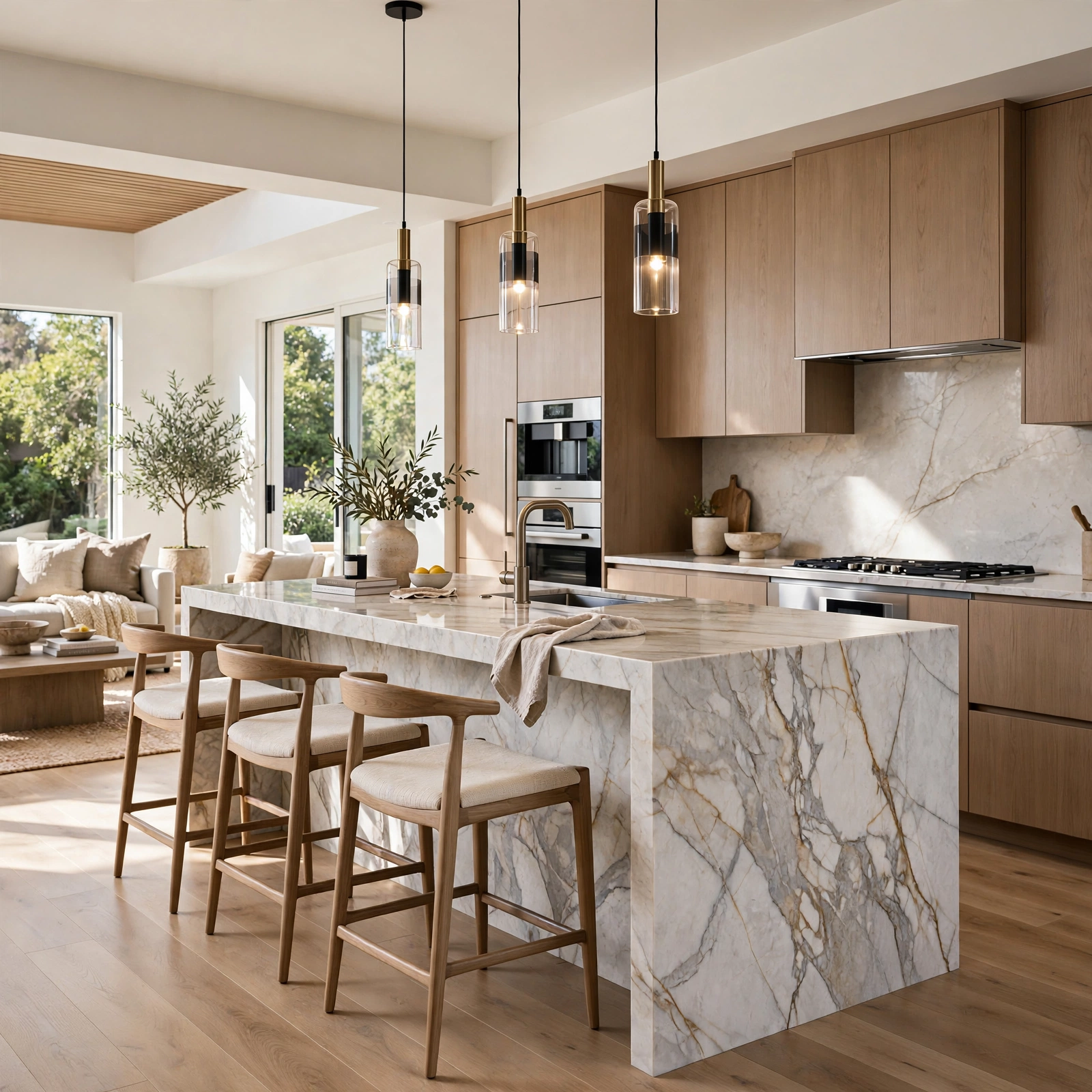
A statement kitchen island in waterfall stone extends a single slab of stone or quartz down both sides of the island, creating a continuous, seamless surface from countertop to floor without a visible seam at the corner. This detail has become one of the clearest signatures of a modern kitchen, given how directly it reinforces the style’s preference for clean, uninterrupted lines. Choosing a stone with subtle, consistent veining, rather than a busy pattern, keeps the waterfall effect reading as calm and cohesive rather than visually competing with itself at the corner join.
3. Minimalist Fireplace Insert Modern Home Interior Design
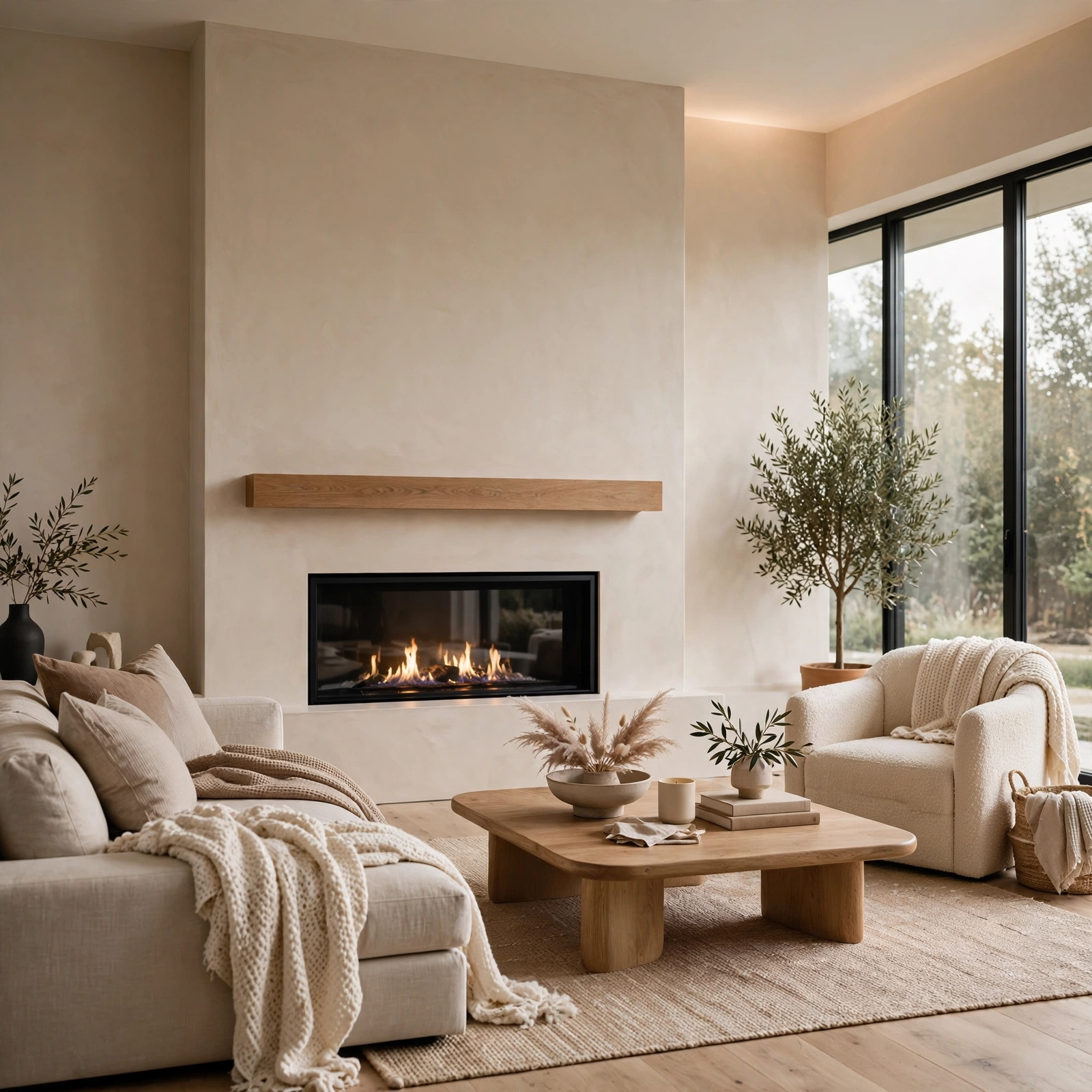
A minimalist fireplace insert replaces a traditional, ornate mantel and surround with a simple, flush linear fireplace set directly into the wall, often extending edge to edge without any surrounding trim or hearth ledge. This detail works particularly well in a modern living room, serving as the room’s focal point without introducing any competing decorative detail. Choosing a fireplace with a simple black or stone surround, rather than an elaborate mantel, keeps the feature consistent with the room’s overall restrained material palette.
Learn More About Home Interior Design 2026 Trends.
4. Integrated Wall Storage Modern Home Interior Design
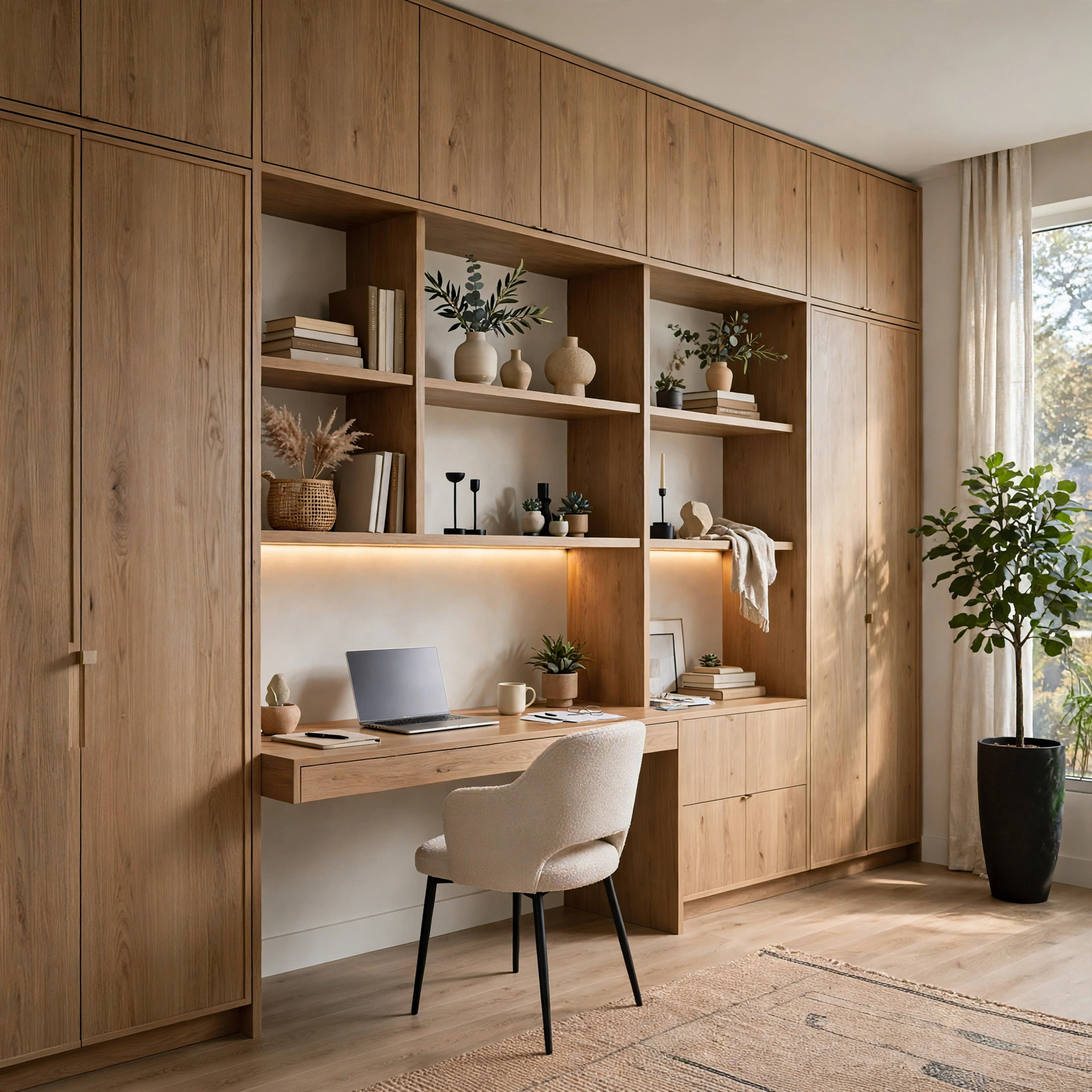
Integrated wall storage builds cabinetry flush with the surrounding wall surface, often without visible hardware, so the storage nearly disappears into the architecture rather than reading as a distinct furniture piece. This detail works well throughout a home, from a living room media wall to a bedroom closet system, reinforcing modern design’s preference for clean, uninterrupted surfaces. Choosing a push to open mechanism, rather than visible pulls, maintains this flush, integrated appearance even when the storage is in active daily use.
5. Modern Powder Room as Design Statement Interior Design Ideas
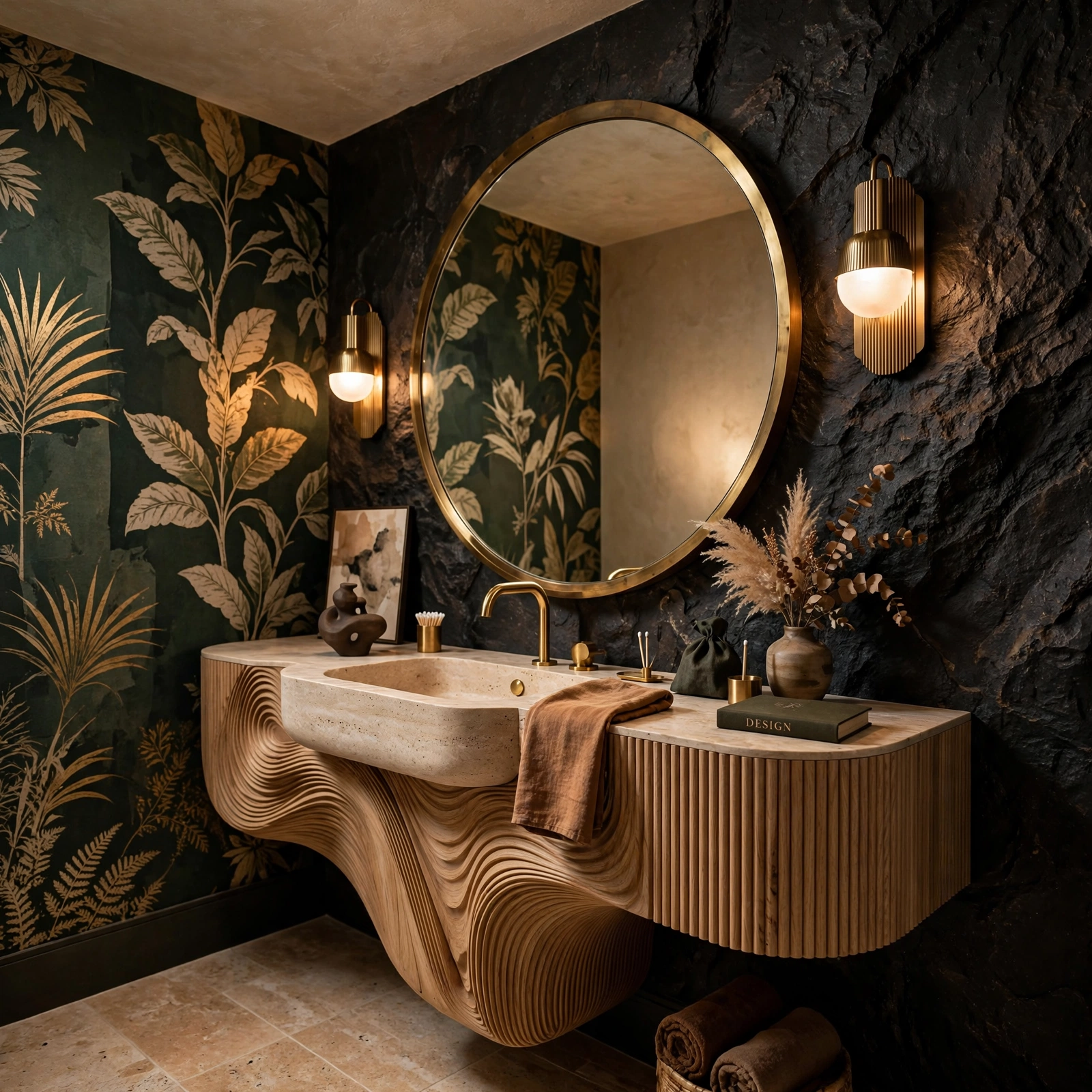
A modern powder room as a design statement treats this smaller, guest facing space as an opportunity for a bolder, more concentrated design choice, such as a single striking stone slab wall or a sculptural vessel sink, given the room’s limited but high impact square footage. This detail works particularly well because a powder room’s smaller scale allows for a more dramatic material or fixture choice than might feel appropriate throughout a larger, more frequently used bathroom. Choosing one clear statement element, rather than several competing details, keeps this small room feeling curated rather than overdesigned.
6. Sculptural Staircase Railing Modern Interior Design
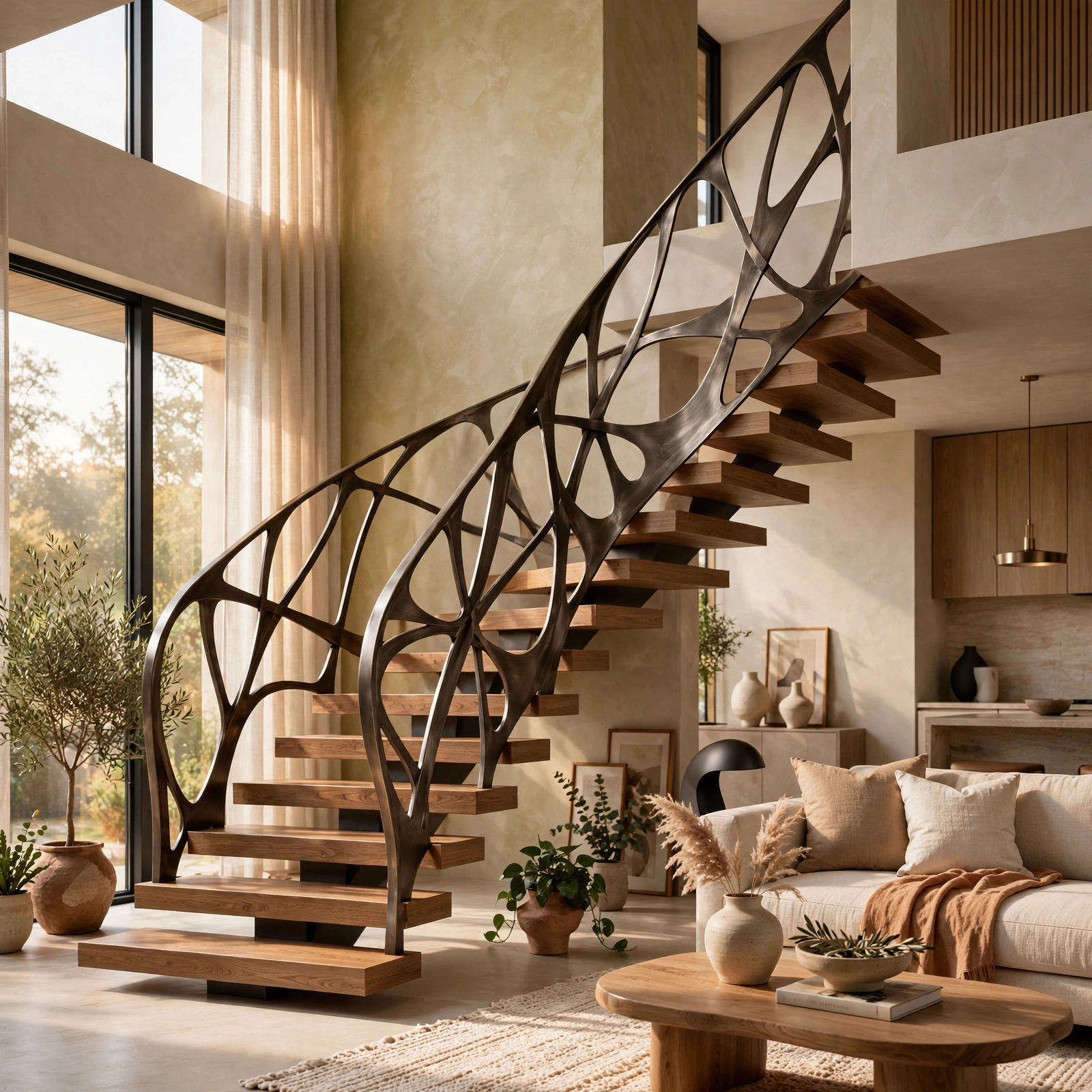
A sculptural staircase railing treats the stair railing as a genuine design feature, using minimal glass panels, thin metal rods, or a solid, sculptural wood or metal form rather than a traditional, more ornate baluster and handrail system. This detail works particularly well in a home with an open floor plan, where the staircase is visible from multiple angles and functions as a genuine architectural focal point. Choosing a railing material that echoes another metal or material finish used elsewhere in the home ties this feature into the broader design scheme.
7. Warm Minimalism Balance Modern Home Interior Design
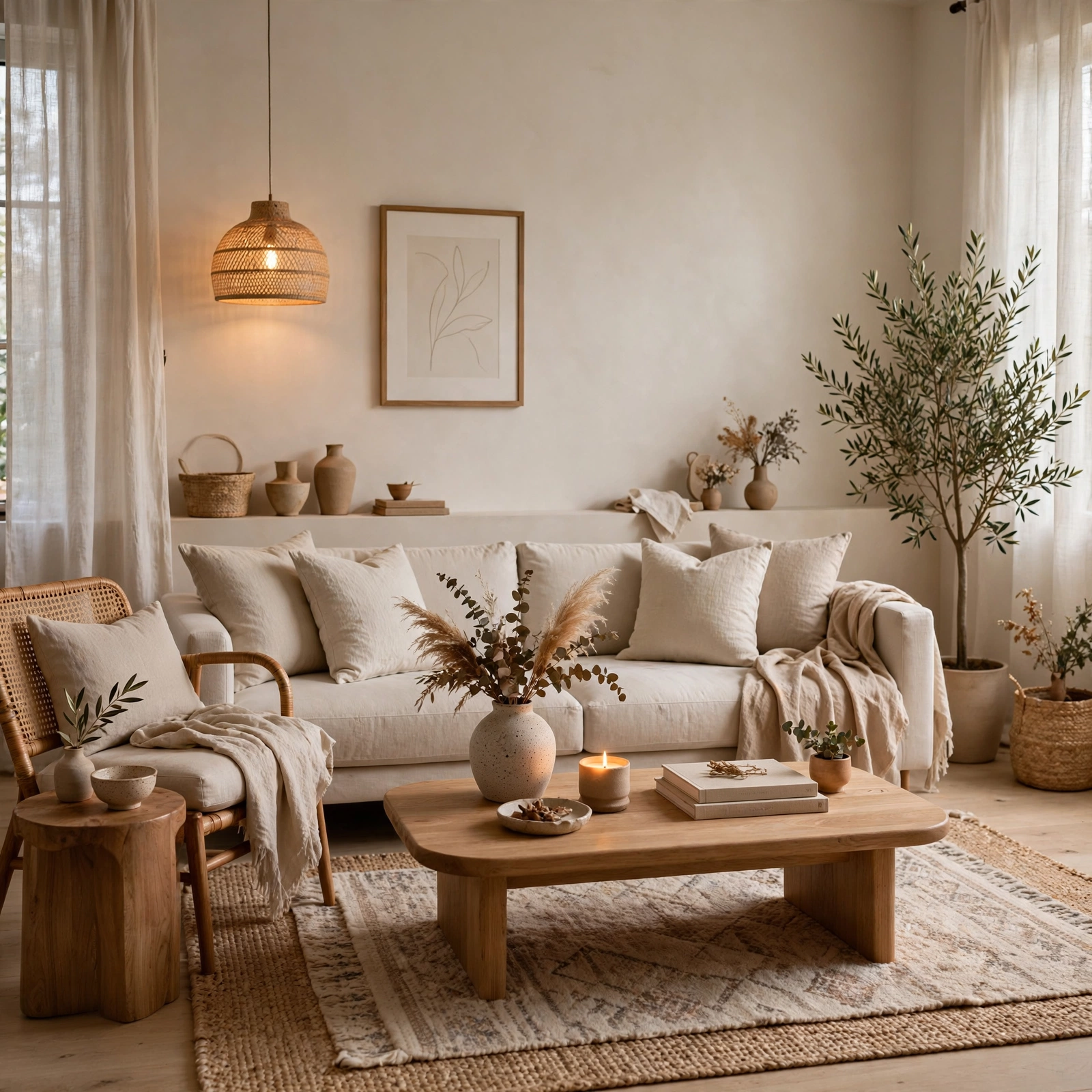
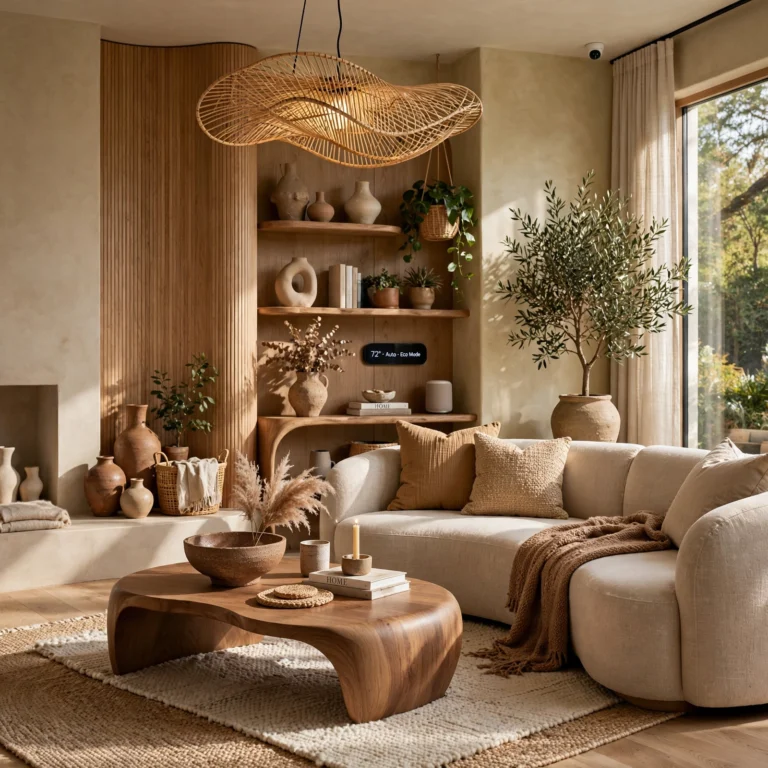
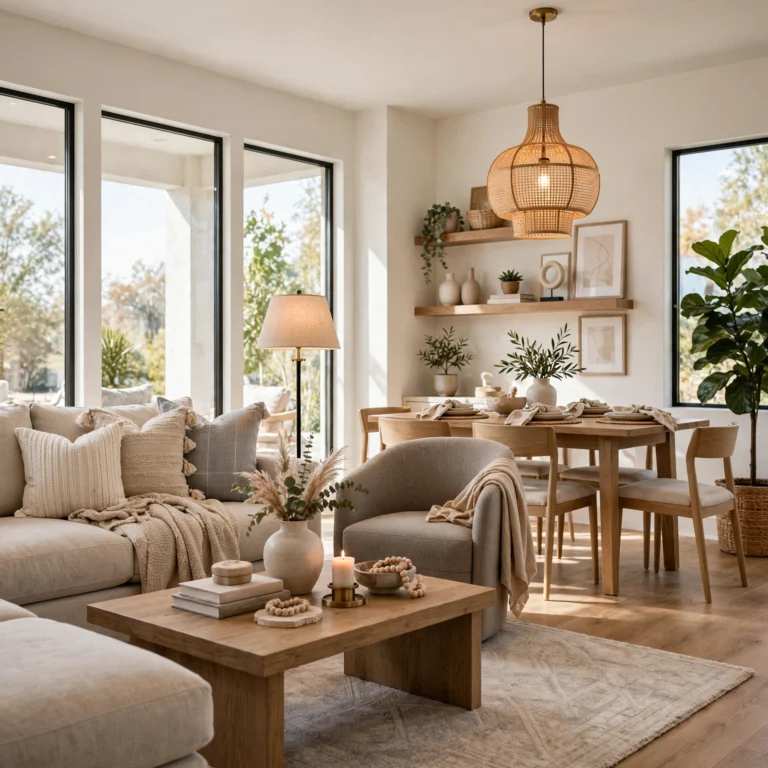
Warm minimalism balance takes modern design’s core restraint and pairs it deliberately with tactile, warmer materials like wood, linen, and wool, preventing the overall look from tipping into the cold, sterile territory that modern design sometimes risks. This detail works throughout every room in a modern home, serving as a guiding principle rather than a single specific feature. Choosing at least one warm material touch in every room, whether a wood ceiling detail or a woven textile, keeps the modern aesthetic feeling genuinely livable rather than purely visual.
| Warm Material | Cool Counterpart | Balance Achieved |
| Natural Wood | Polished Concrete | Grounded, not cold |
| Wool Textiles | Glass, Metal | Tactile softness |
| Linen Upholstery | Leather, Lacquer | Approachable comfort |
8. Modern Outdoor Living Room Extension Interior Design Ideas
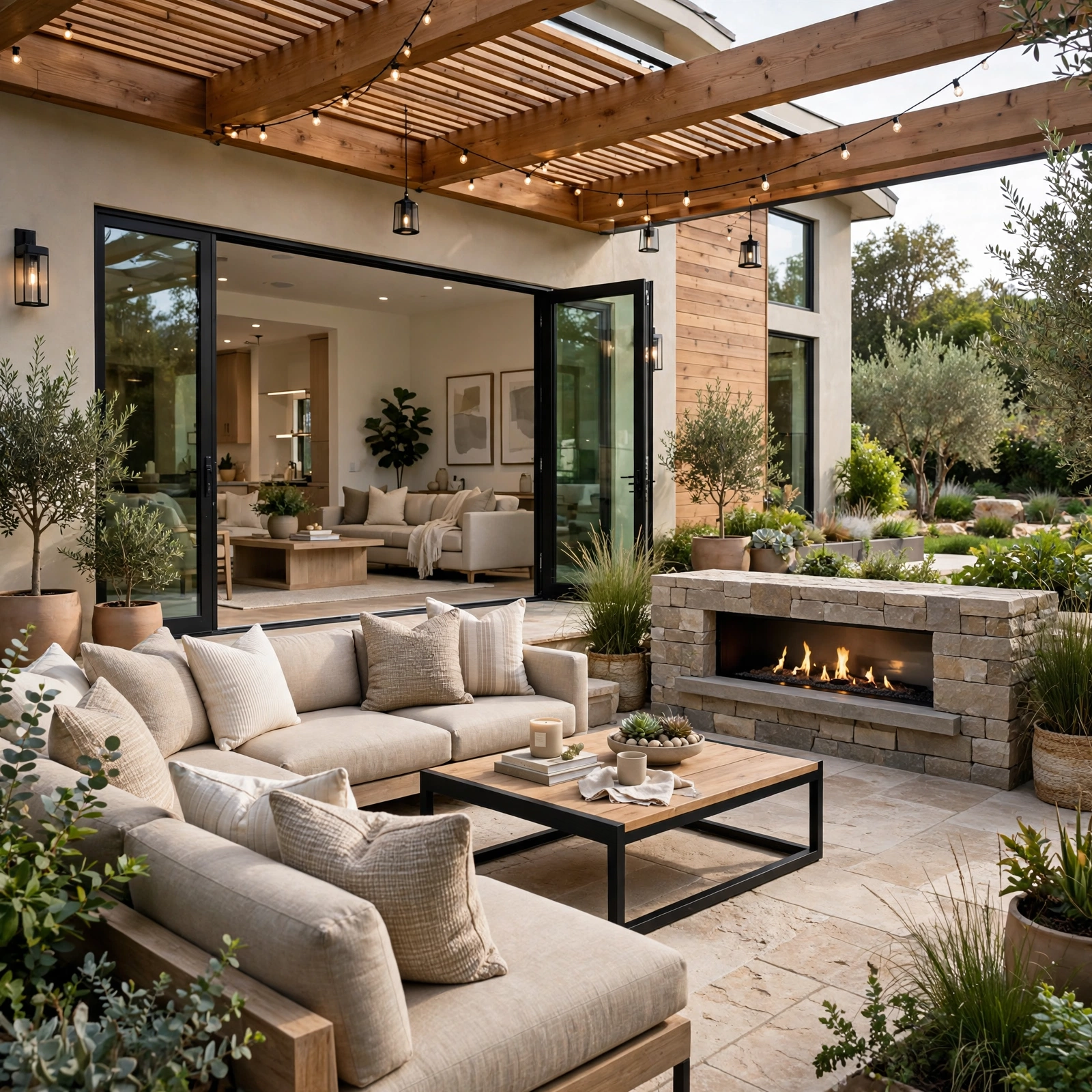
A modern outdoor living room extension continues the home’s interior material and furniture language onto an adjacent patio or deck, using large sliding or folding glass doors to blur the transition between the two spaces. This detail works particularly well in a climate with an extended mild season, treating the outdoor space as genuine additional square footage rather than a separate, disconnected area. Choosing outdoor furniture with the same clean lined, low profile silhouette used indoors maintains the modern aesthetic’s consistency across this transition.
9. Curated Art Collection Display Modern Home Interior Design
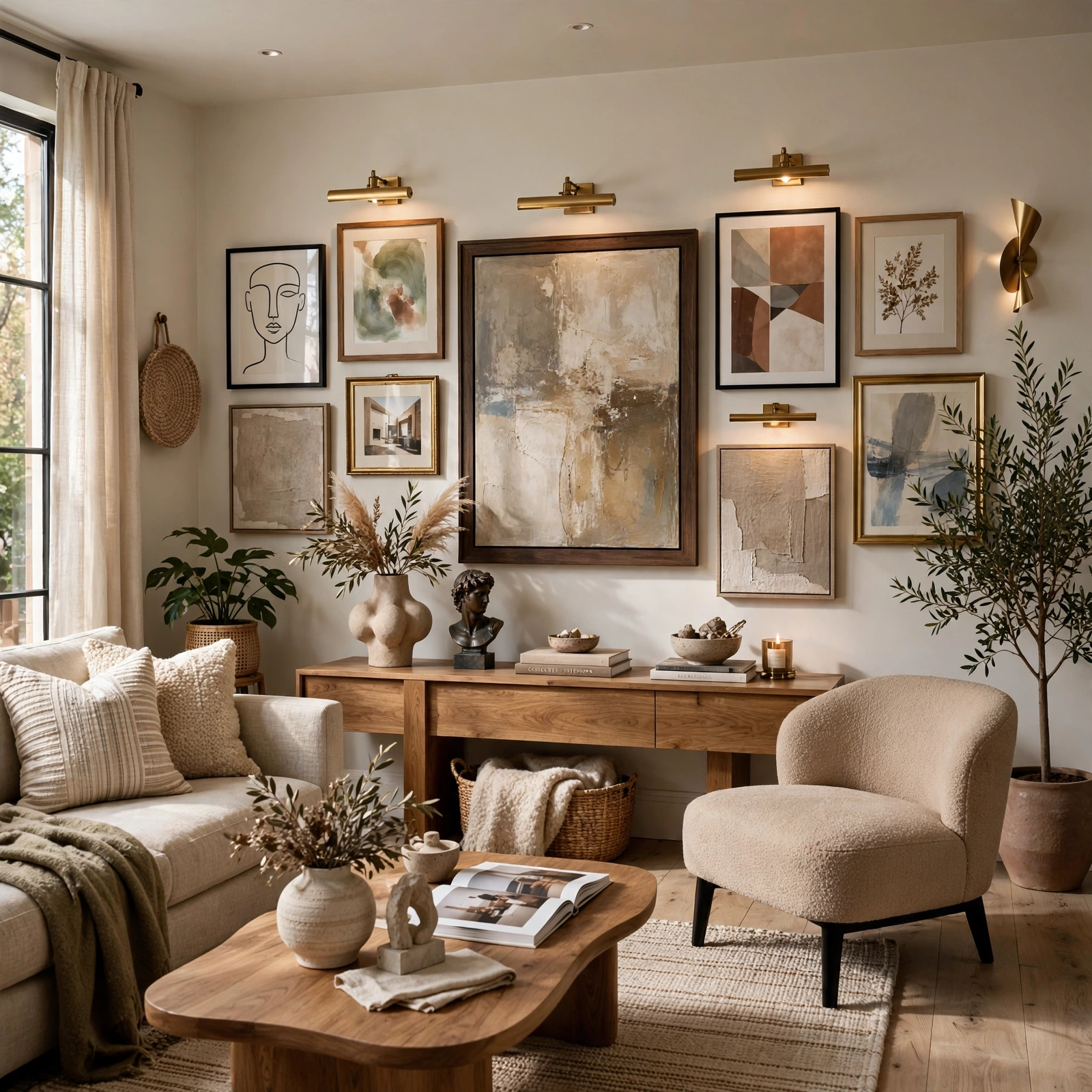
A curated art collection display hangs a smaller, carefully chosen selection of art throughout the home, giving each piece adequate surrounding wall space rather than filling every available surface with decoration. This approach suits modern design’s overall preference for restraint and negative space, treating each art piece as a genuine focal point rather than one of many competing visual elements. Choosing art with a connection to the room’s material or color palette, even if the specific pieces vary in style, keeps this curated display feeling intentional rather than randomly assembled.
10. Modern Kitchen Open Shelving Mix Interior Design
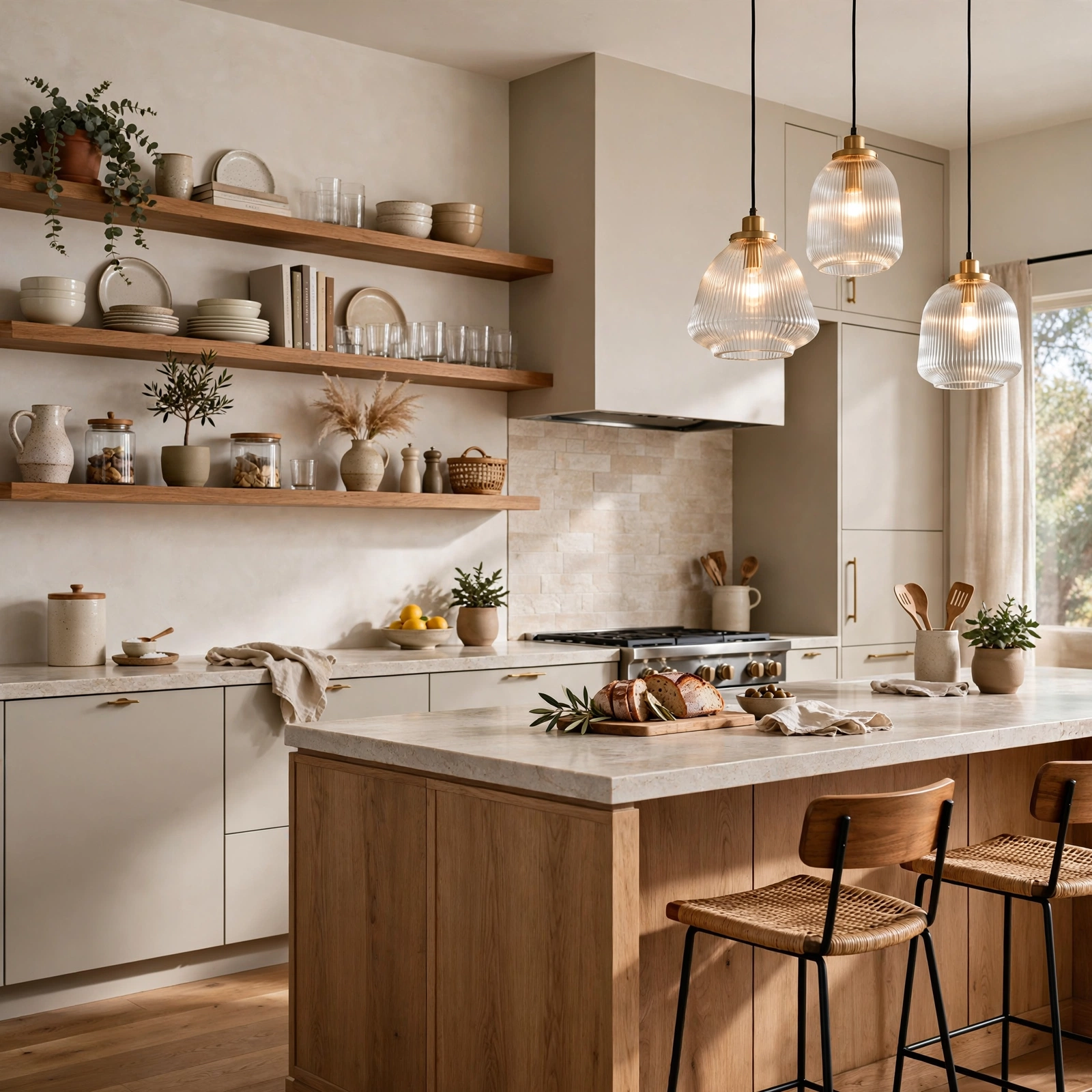
A modern kitchen open shelving mix pairs a section of handleless, flush cabinetry with an adjacent area of open shelving, balancing modern design’s preference for clean lines with a bit of genuine visual interest and personal display. This detail works particularly well styled with a limited, cohesive selection of ceramics and glassware rather than a full, cluttered collection of everyday dishware. Choosing open shelving in the same material as the surrounding cabinetry, whether wood or a painted finish, keeps this mixed approach feeling cohesive rather than mismatched.
11. Statement Modern Fireplace Surround Home Interior Design
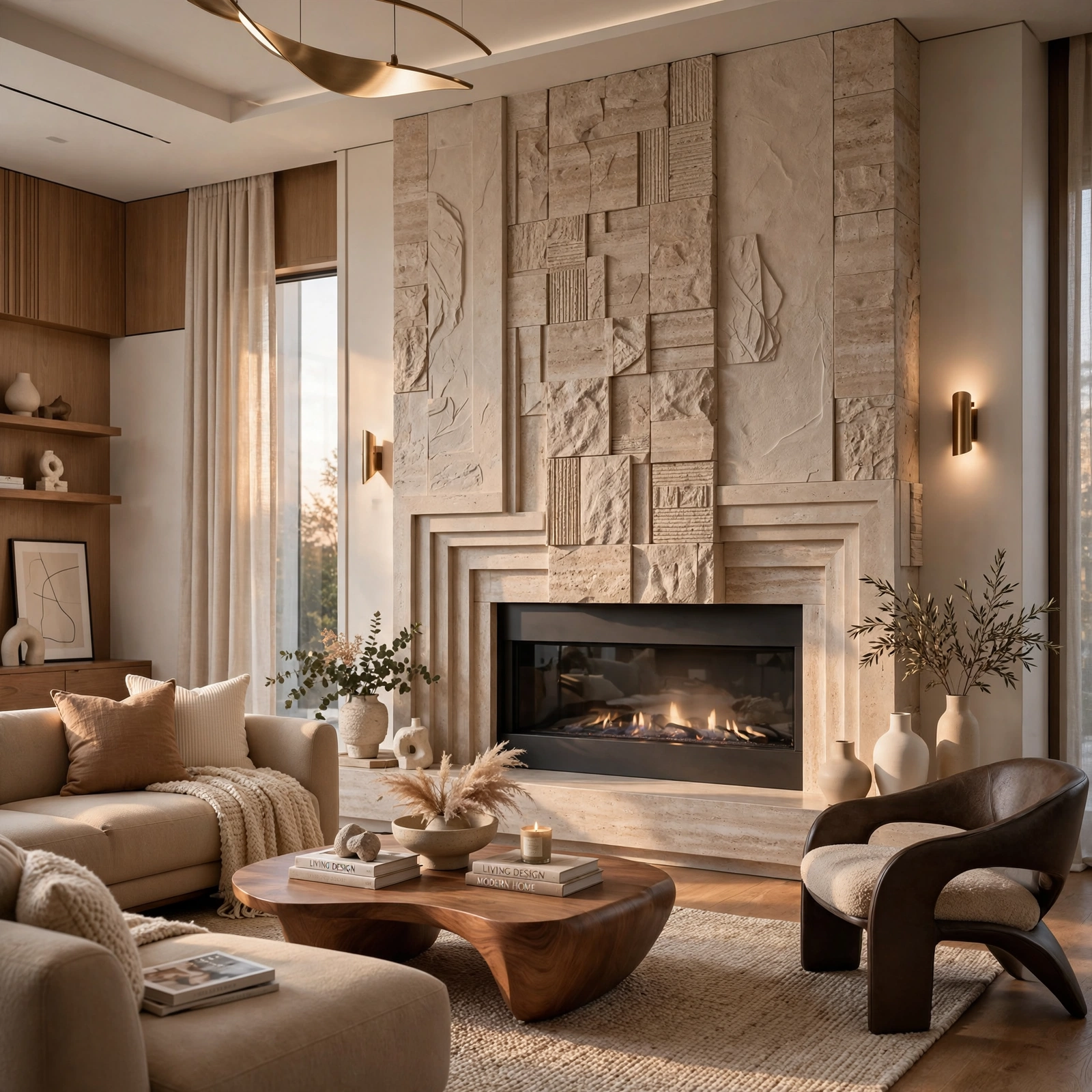
A statement modern fireplace surround extends a single material, like large format porcelain tile or a natural stone slab, from floor to ceiling around the fireplace opening, creating a bold, cohesive backdrop distinct from the more common shorter, mantel height surround. This detail works particularly well as the room’s clear focal point, especially in a living room with adequate ceiling height to support the surround’s full vertical extension. Choosing a material with subtle veining or texture, rather than a completely flat, uniform surface, adds depth without disrupting the clean, minimal overall look.
12. Textural Neutral Layering Modern Home Interior Design Idea
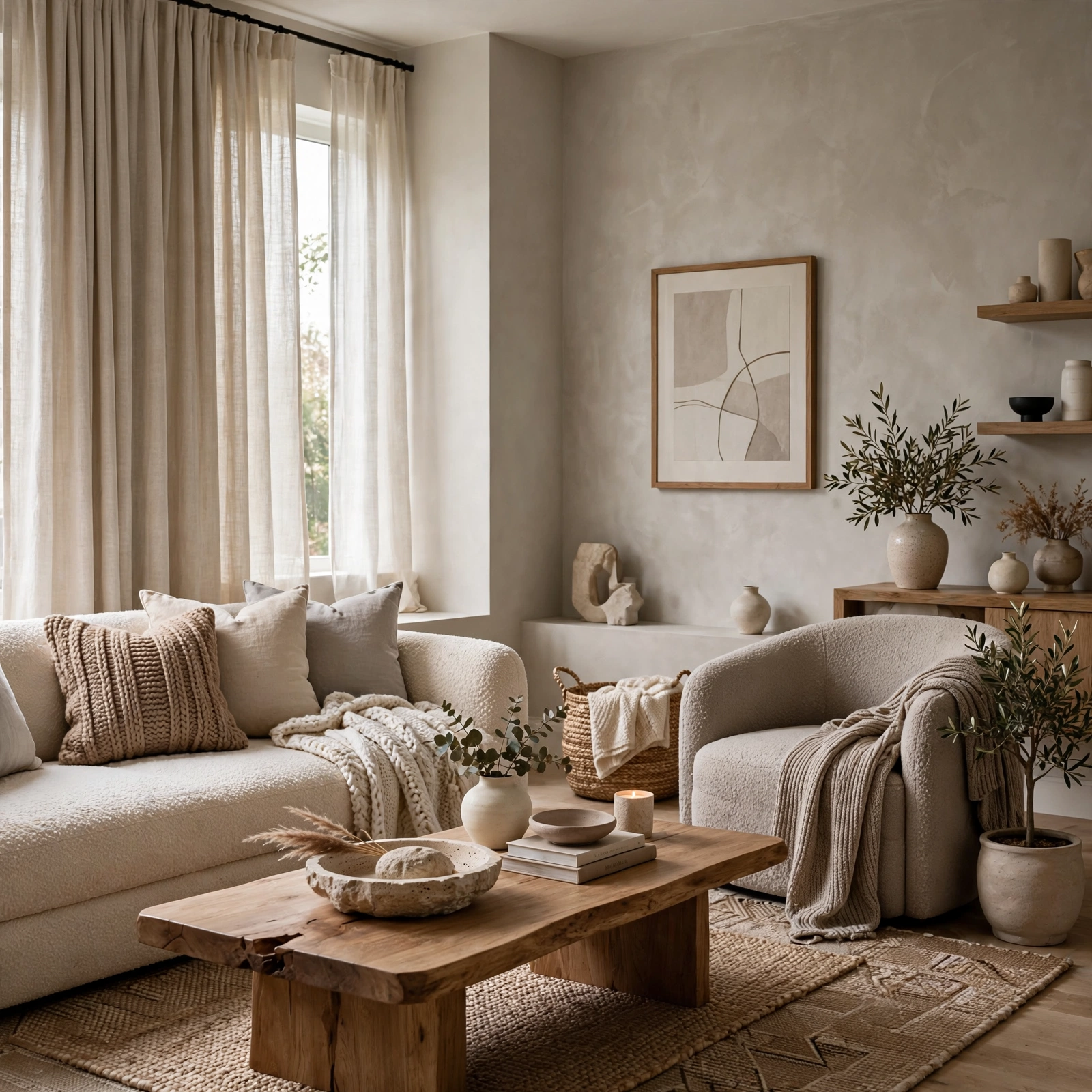
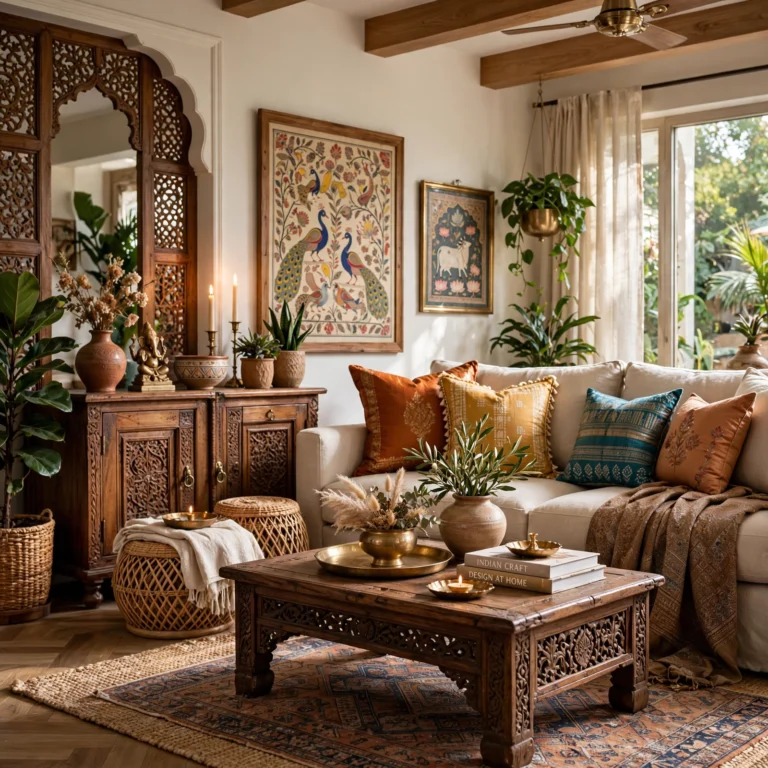
Textural neutral layering builds a room’s material palette around a range of different textures within the same neutral color family, such as a smooth linen sofa, a nubby wool rug, and a matte ceramic vase, relying on texture rather than color to create visual interest. This approach works especially well in a fully neutral, monochromatic modern room, where texture becomes the primary tool for preventing the space from feeling flat. Introducing at least three distinct textures within any single room keeps this layered approach genuinely effective.
13. Modern Home Office Nook Integration Interior Design Idea
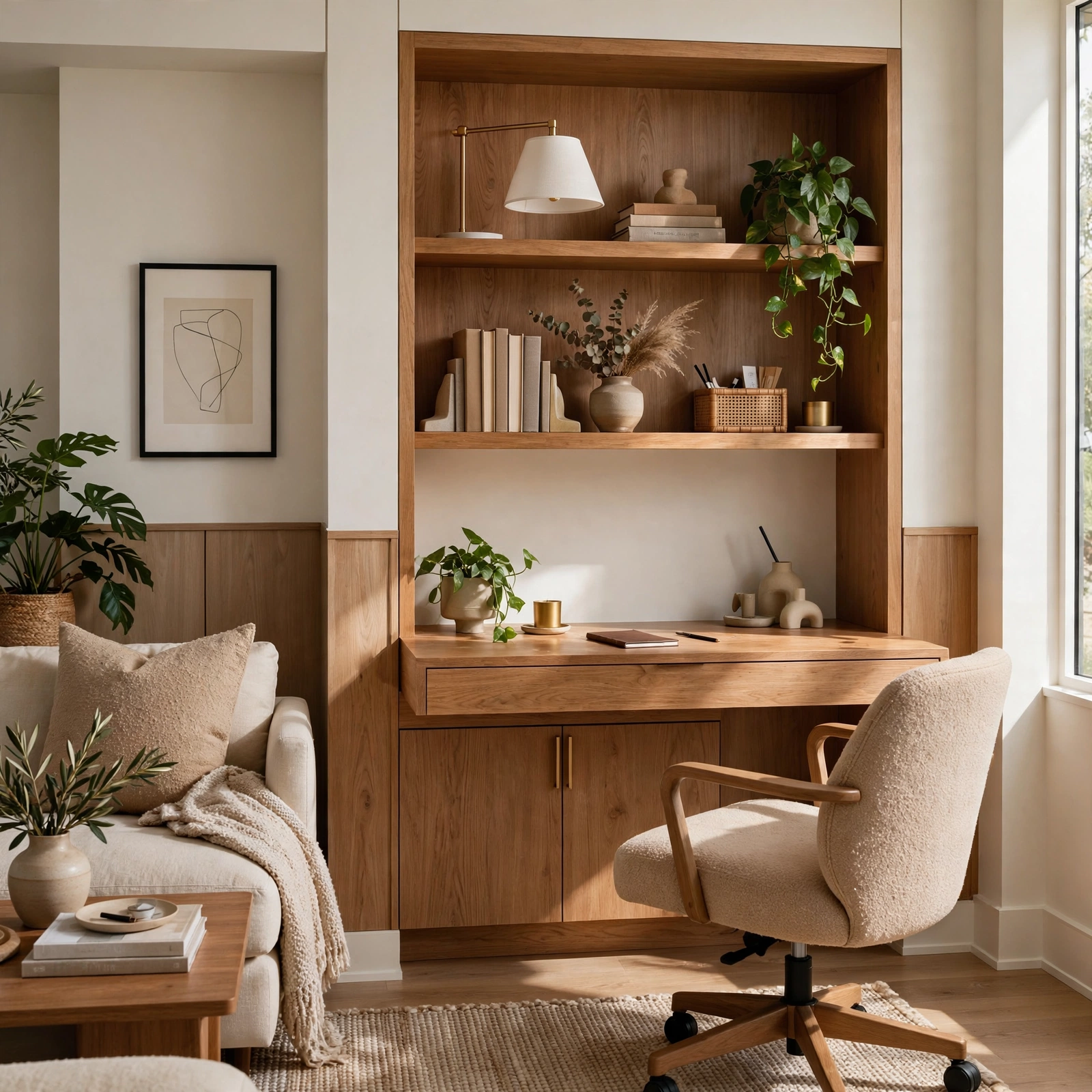
A modern home office nook integration builds a compact workspace directly into an existing room, such as a bedroom closet conversion or a living room built in, rather than dedicating an entire separate room to this function. This detail reflects how modern homes increasingly need to accommodate remote work without sacrificing a full room to that single purpose. Choosing a nook that can be visually concealed, such as behind a sliding panel or within closed cabinetry, maintains the surrounding room’s clean, uncluttered appearance when the workspace isn’t in active use.
14. Minimalist Entryway Drop Zone Modern Home Interior Design
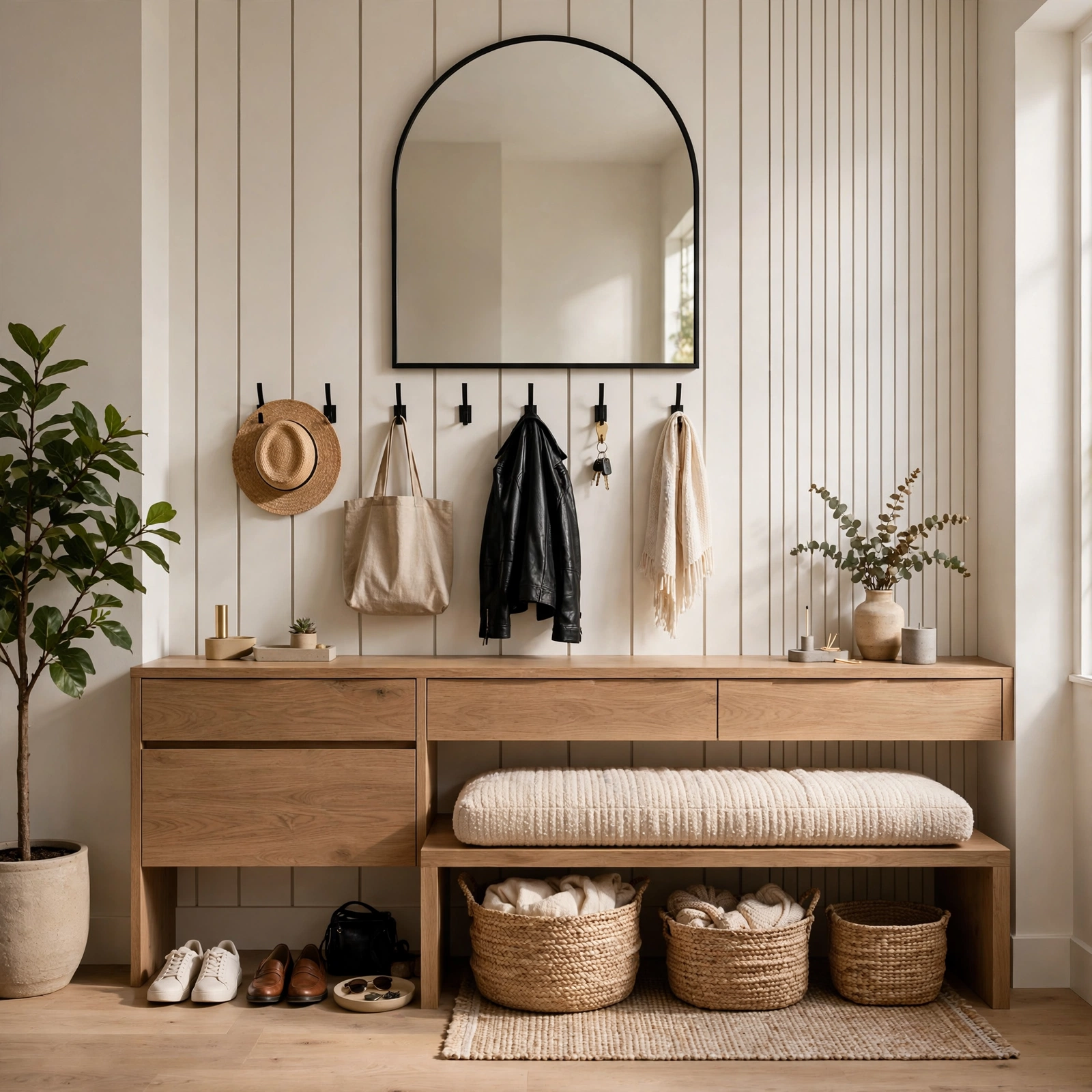
A minimalist entryway drop zone provides a clean, functional landing spot for keys, mail, and bags immediately inside the front door, using a simple floating shelf or a slim console table rather than a bulkier, more traditional entry table. This detail works particularly well in a modern home, where even a highly functional, frequently used space benefits from the same restrained material and furniture choices applied throughout the rest of the house. Choosing a design with concealed storage, like a drawer or a closed cabinet section, keeps daily clutter contained without disrupting the entryway’s clean overall appearance.
Shop the Look
A well executed modern home applies its core principles consistently but adapts the specific details to each room’s function. A waterfall kitchen island and integrated wall storage establish clean lines in the most heavily used spaces. A minimalist fireplace insert and a sculptural staircase railing anchor the living areas with genuine architectural focal points. Warm minimalism, achieved through wood tones and textured textiles layered throughout, keeps every room feeling livable rather than purely visual.
Common Modern Home Interior Design Mistake to Avoid
The most common mistake is applying modern design’s restraint uniformly and rigidly across every room without adapting to that specific space’s actual function, resulting in a home office or entryway that looks sleek but doesn’t accommodate the practical clutter of daily life. A minimalist entryway without any concealed storage, for example, often ends up visibly cluttered with shoes and bags despite the room’s clean design intention. Building genuine, concealed function into every room’s modern design, rather than prioritizing visual restraint at the expense of practicality, produces a home that stays looking intentional even during actual daily use.
Frequently Asked Questions
Does every room in a modern home need to follow the exact same color palette?
Every room doesn’t need an identical color palette, though maintaining a consistent overall restraint and a related material thread throughout the home, even as specific colors vary slightly by room, keeps a modern home feeling cohesive from space to space. A shared neutral base with room specific accent choices tends to work better than either a fully uniform palette or entirely disconnected room by room color schemes.
How do I make a modern kitchen feel warm rather than clinical?
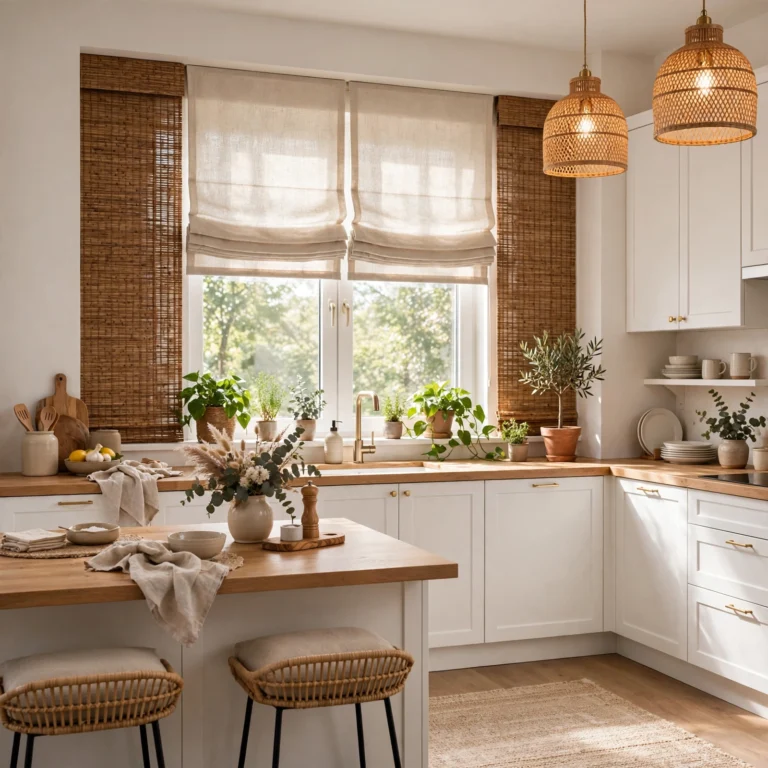
Incorporating wood tones through cabinetry, open shelving, or bar stools, alongside warmer lighting and a few textured accessories like ceramic bowls or woven baskets, helps a modern kitchen feel warm rather than clinical despite its clean lines and minimal detailing. Balancing the kitchen’s harder surfaces, like stone countertops and metal fixtures, with at least one or two warmer material touches makes a meaningful difference in the room’s overall feel.
Is integrated, handleless cabinetry worth the extra cost?
Integrated, handleless cabinetry typically costs more than standard cabinetry with visible hardware, given the more precise engineering required for the push to open mechanisms, though many homeowners find the resulting clean, uninterrupted look worth that additional investment for a genuinely modern kitchen or bathroom. A more budget conscious alternative uses simple, minimal bar style pulls in a matte black or brushed finish, achieving a similar clean look at a lower cost.
Can a small home successfully achieve a modern design aesthetic?
Modern design’s emphasis on restraint and clean lines actually suits a small home particularly well, since the style’s minimal approach to furniture and decor helps a limited footprint feel more open rather than cluttered. Multifunctional, integrated storage solutions, like a concealed home office nook, also help a small modern home accommodate practical needs without sacrificing the style’s overall clean aesthetic.
How do I add a home office to a modern home without a dedicated room?
Building a compact office nook into an existing closet, a living room built in, or an underused corner, then concealing it behind a sliding panel or cabinet doors when not in use, allows a modern home to accommodate remote work without dedicating an entire separate room to that function. This approach keeps the surrounding room’s clean, restrained appearance intact during the majority of the day when the workspace isn’t actively being used.
Conclusion
These modern home interior design ideas show how the style’s core principles, clean lines, restraint, and a considered material palette, adapt across a home’s various rooms and their specific practical needs. Balance modern design’s characteristic minimalism with genuine, concealed function and at least a few warm material touches in every room to keep the aesthetic feeling livable rather than purely visual. Save this post to Pinterest for your next home project, and check out our related post on home interior design for the broader foundational principles that support this specific style throughout your home.
Author Expertise Note
This list draws on years of helping homeowners translate modern design’s core principles into room specific, genuinely functional choices rather than a single rigid look applied without regard for how each space actually gets used.