15 Clever Christmas Tree Ideas Simple Enough for a Single Afternoon
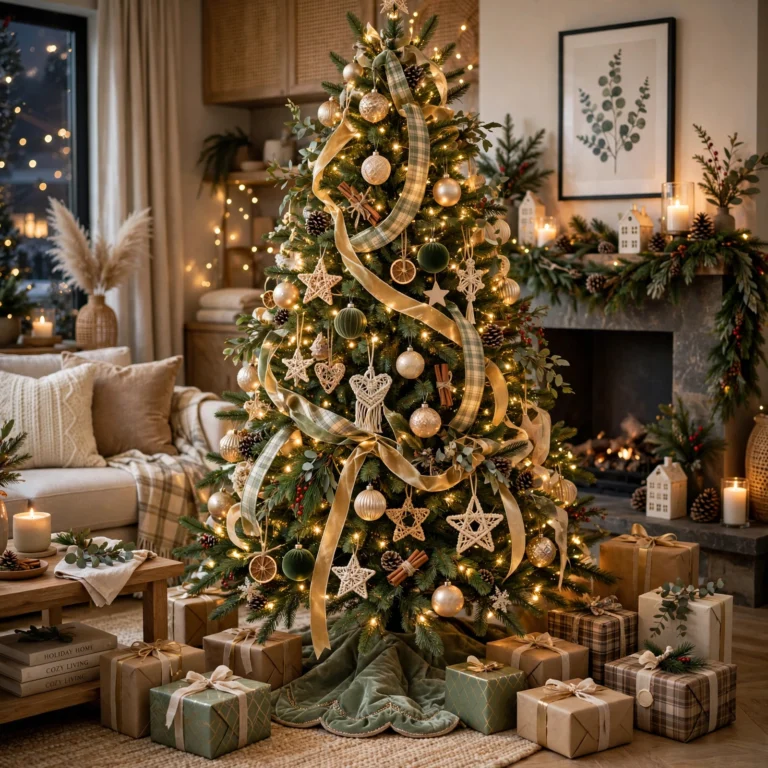
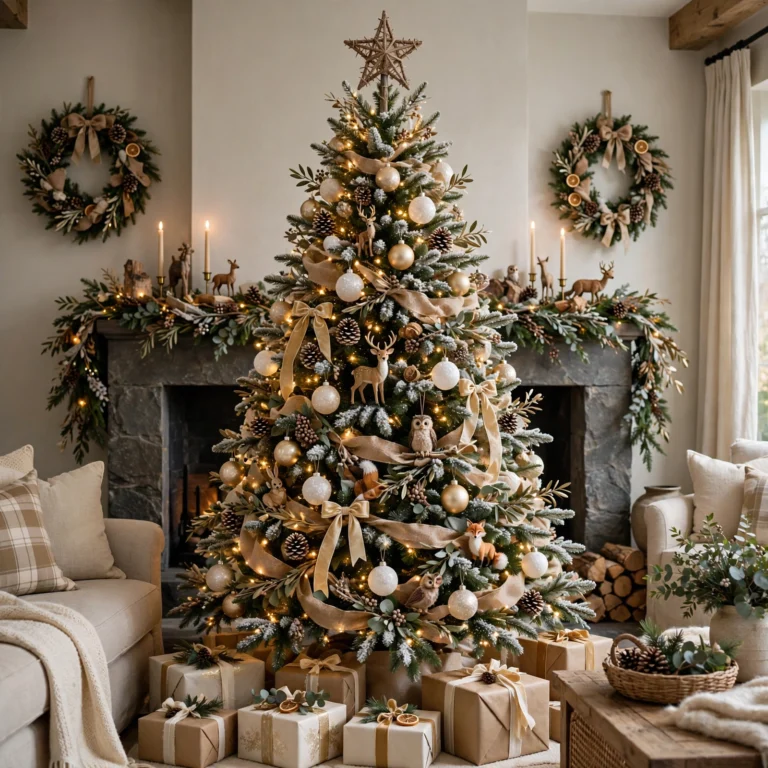
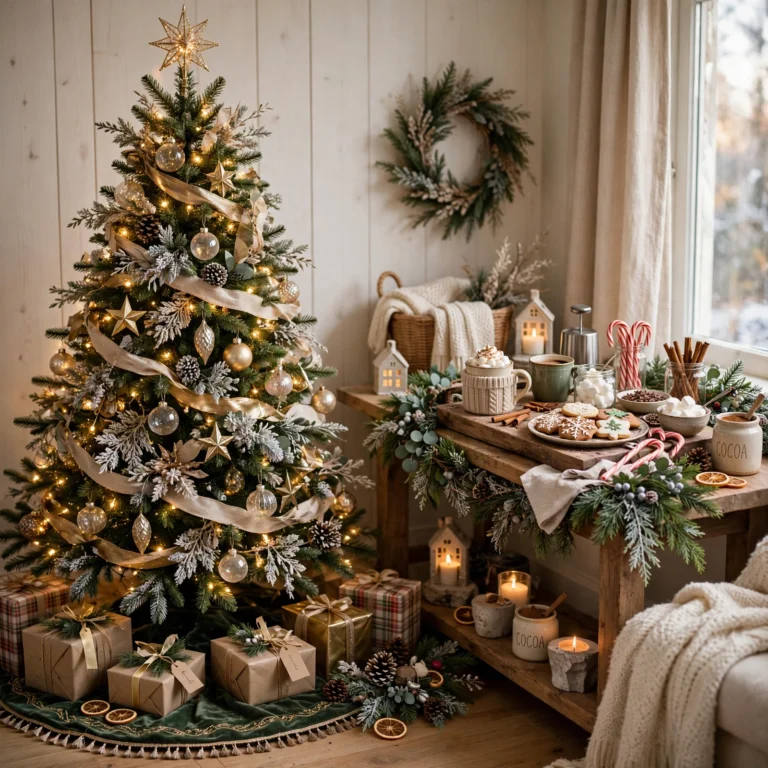
A simple Christmas tree doesn’t have to mean an underdecorated one, and most of the difference between a tree that looks intentionally minimal versus one that looks unfinished comes down to a few consistent choices rather than sheer quantity of decorations. Good christmas tree ideas simple approaches lean on one or two materials done well, a single ribbon color, one ornament finish, rather than trying to layer in everything at once. This guide walks through fifteen low-effort ideas, each with real time and cost estimates, so you can decorate a tree in an afternoon without it reading as sparse or rushed.
Trend & Background
Simpler Christmas trees have grown more popular alongside a broader shift toward less cluttered, more considered holiday decor generally, moving away from the maximalist, every-surface-covered trees that were common in past decades. Part of this shift is practical, smaller homes and busier schedules leave less time and space for elaborate, multi-layer trees, and part of it reflects a genuine style preference for restraint over abundance. Getting a simple tree right still requires some structure, though, since a tree with too few decisions made about
Key Takeaways
- Fifteen approaches built around fewer materials and less time, without the tree looking bare or unfinished
- Budget and time estimates are included so you can match an idea to an actual free afternoon
- A reference table covers minimum ornament and light counts so a simple tree still reads as complete
- Five FAQs cover budget, how few ornaments a tree can really use, and what to skip entirely
1. Christmas Tree Ideas Simple Single Color Ornaments
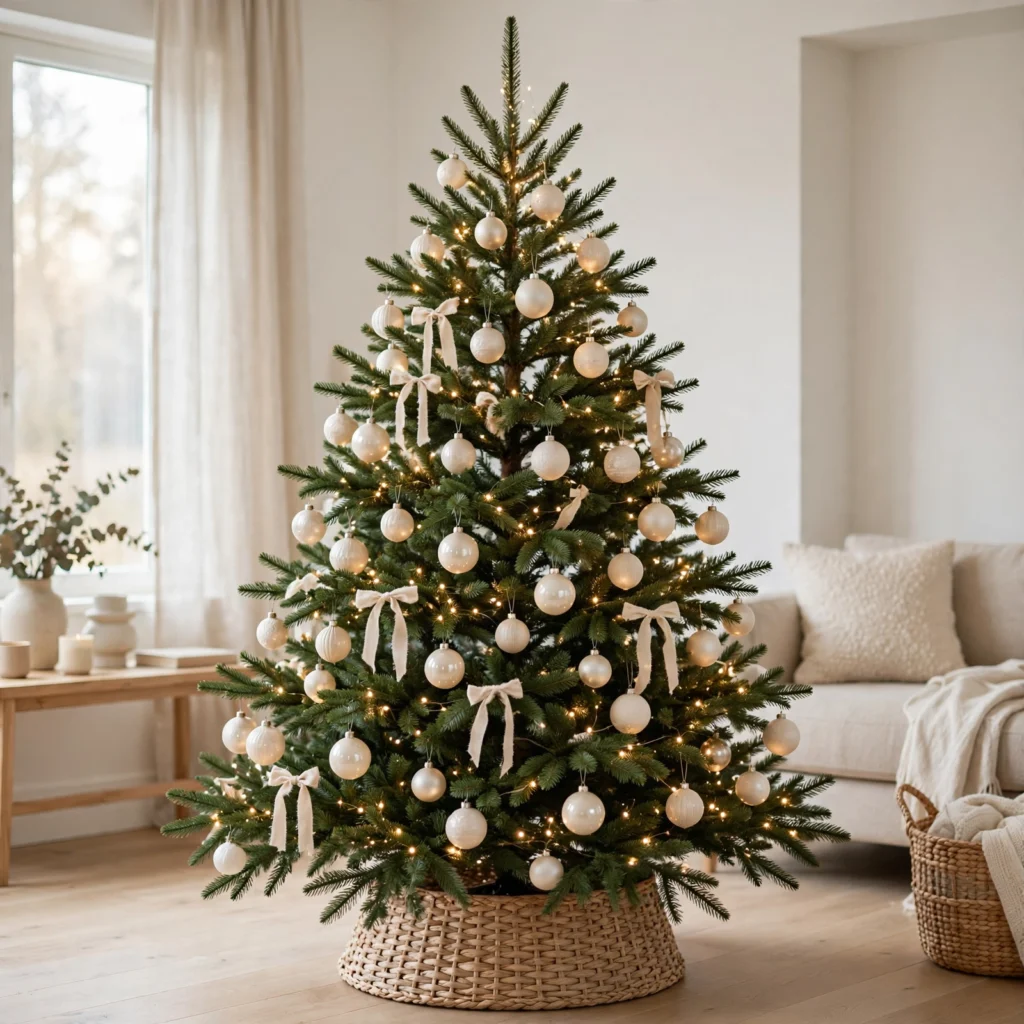
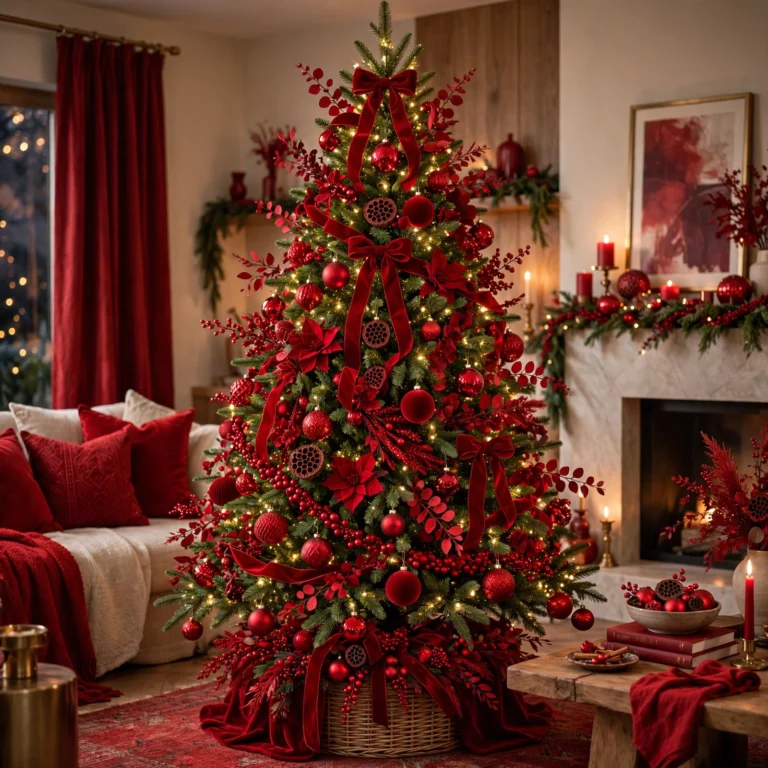
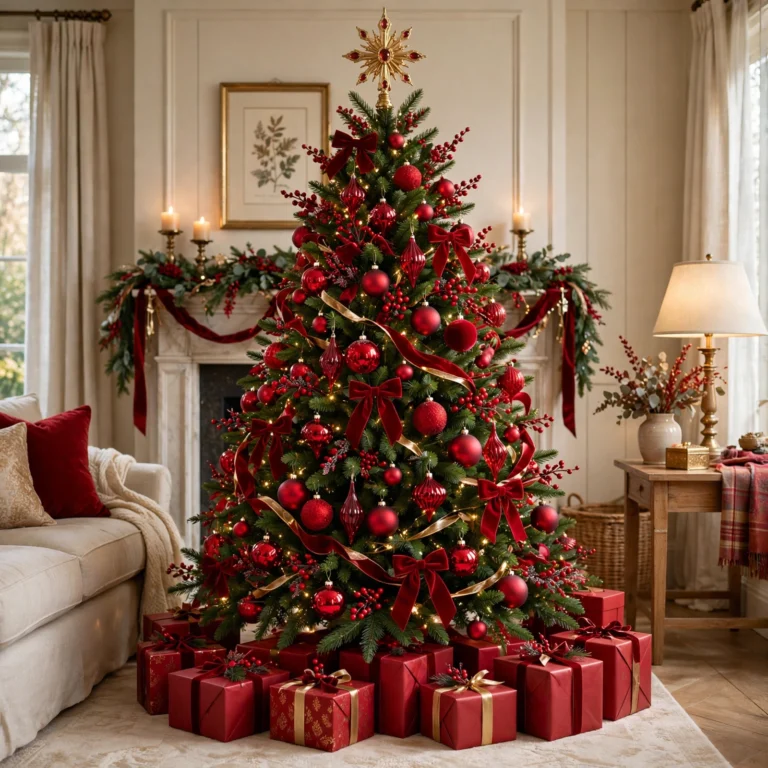
Filling a tree entirely with one ornament color, all red, all gold, or all white, is one of the fastest ways to make a tree look cohesive without spending time coordinating multiple colors or finishes together. Vary the ornament size slightly, mixing two-inch and three-inch balls in the same color, so the tree still has some visual texture despite the single-color approach. This idea typically takes under an hour to execute once the ornaments are purchased, and a single large box of matching ornaments usually costs less than assembling a multi-color mix from several sets.
| Tree Height | Minimum Ornament Count | Minimum Light Count |
| 6 ft | 60–80 ornaments | 300–400 lights |
| 7–7.5 ft | 80–110 ornaments | 400–500 lights |
| 8+ ft | 110–140 ornaments | 500–700 lights |
2. Ribbon-Only Tree
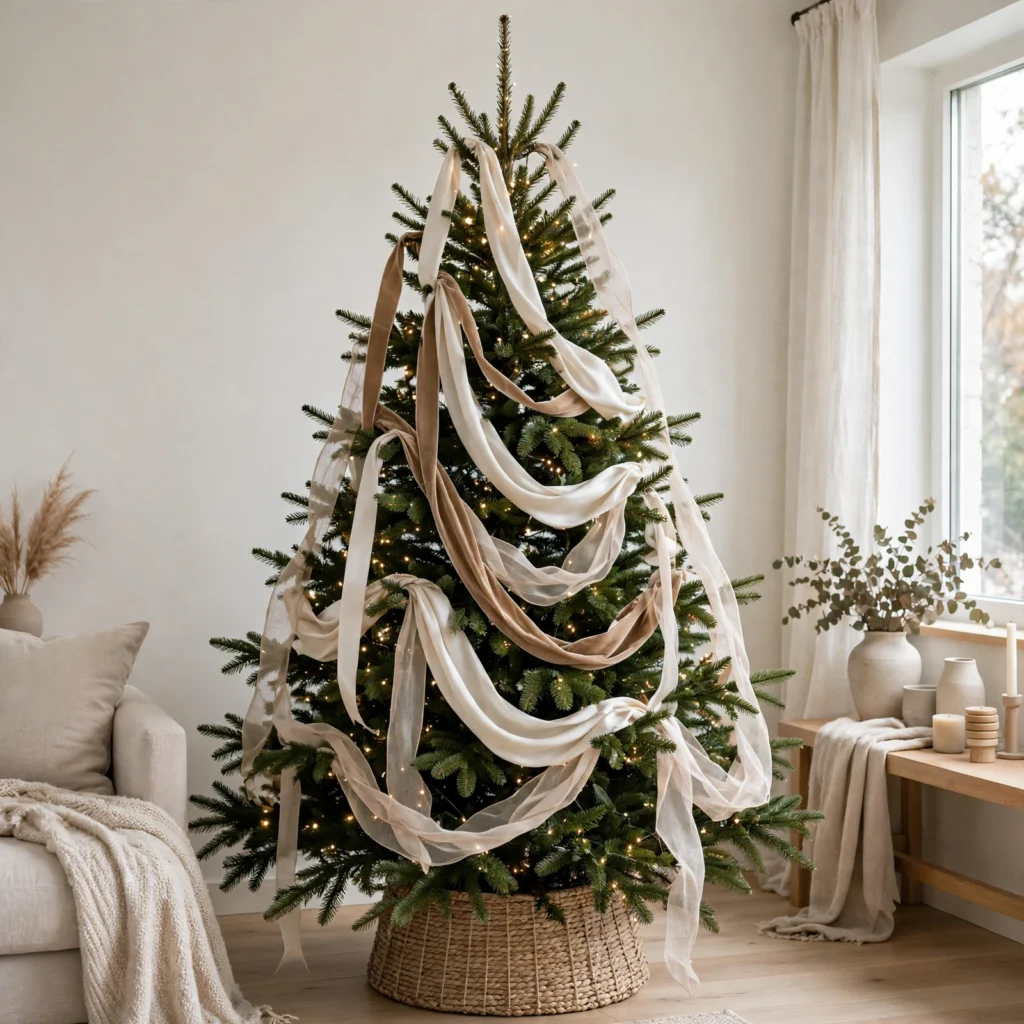
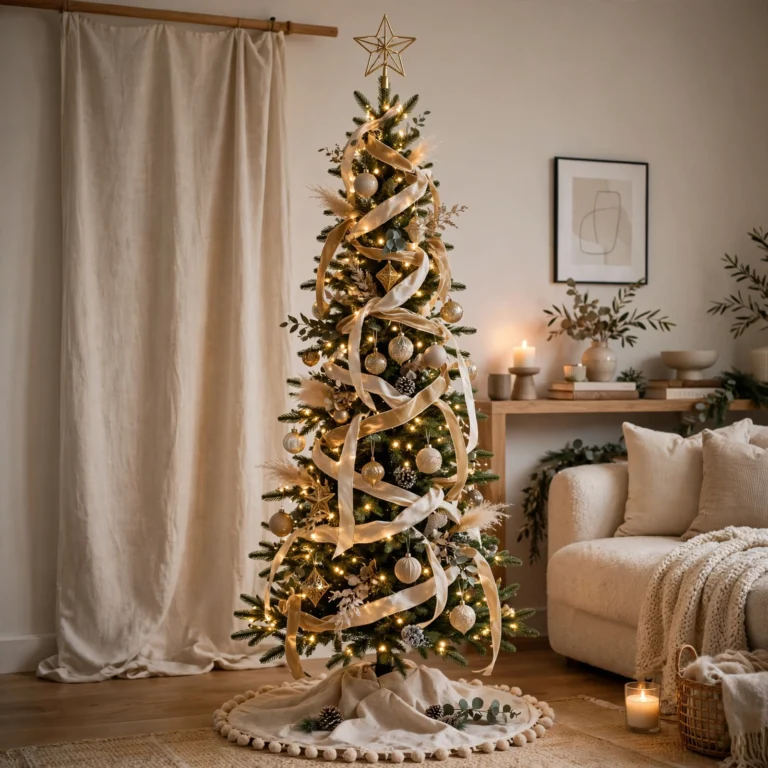
Relying primarily on a single wide ribbon spiraled around the tree, with only a handful of ornaments scattered in for accent, cuts decorating time significantly compared to a fully ornament-covered tree. Choose one ribbon color and width, four to six inches wide, and spiral it loosely from top to bottom in a consistent pattern rather than tight, even wraps. This approach works especially well on a tree that will mostly be viewed from a distance, like one in an entryway or near a window, where the ribbon’s bold pattern reads clearly without needing dense ornament coverage.
3. Lights-Only Minimalist Tree
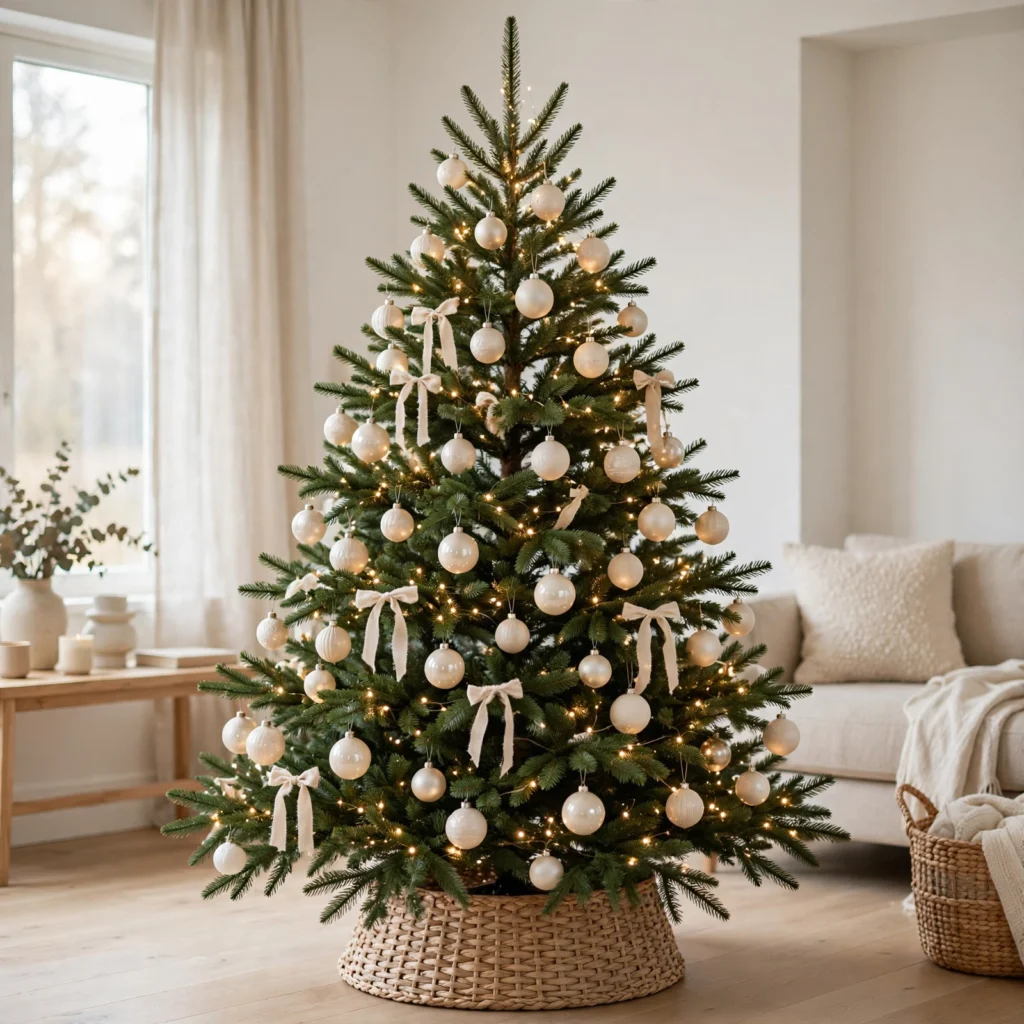
Decorating a tree with warm white lights alone, no ornaments, ribbon, or garland at all, is the simplest and fastest approach on this entire list, taking as little as thirty minutes for a standard-sized tree. This works particularly well for a Scandinavian or modern-leaning home already decorated with restraint elsewhere, since the tree’s simplicity matches rather than contrasts with the rest of the space. Layering lights deep into the branches rather than only at the tips remains important even in this stripped-down approach, since even light distribution is what keeps the tree from looking unfinished.
In order to see more options for christmas tree decorating ideas CLICK HERE
4. Two-Ingredient Natural Tree
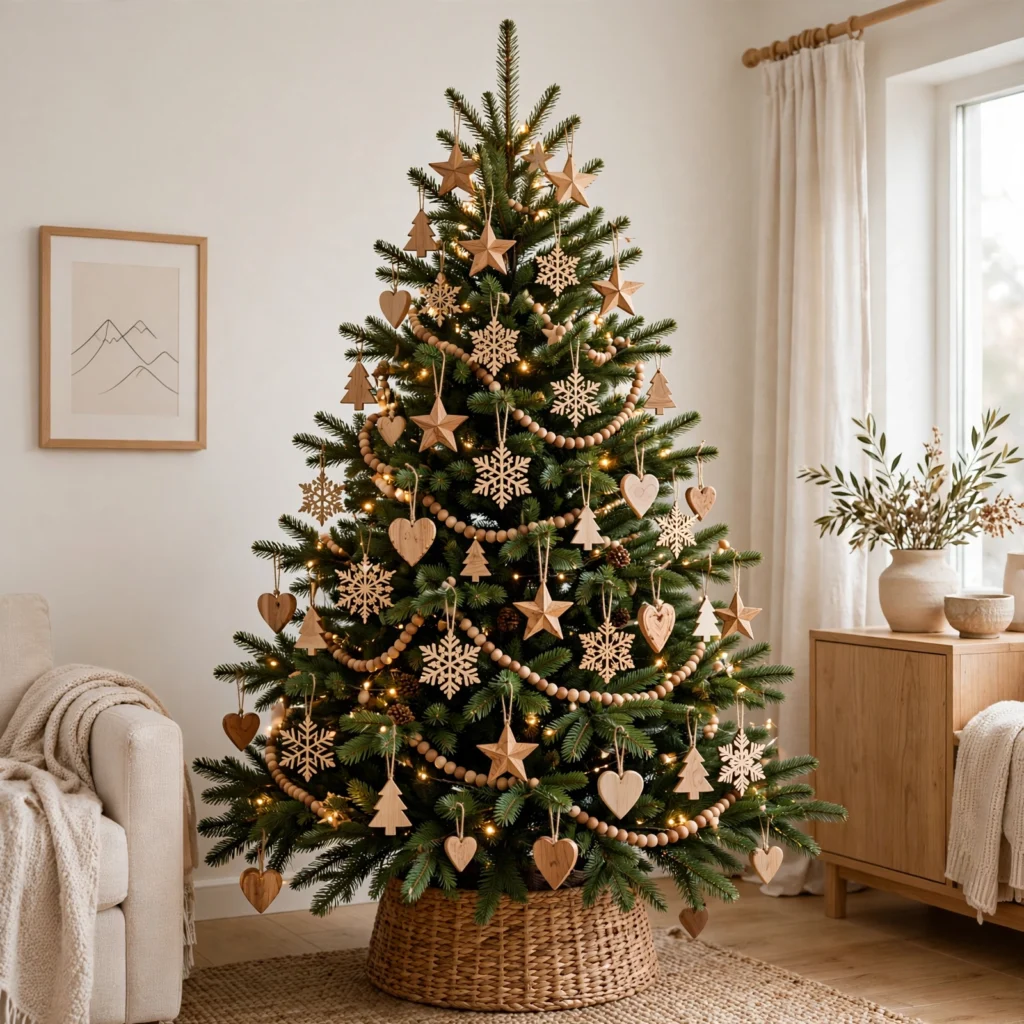
Combining just two natural elements, pinecones and a simple greenery pick, tucked directly into the branches alongside warm white lights, creates a rustic, low-effort tree without a single purchased ornament. Space pinecones evenly throughout the tree rather than clustering them in one area, and tuck greenery picks deep into the branches near the trunk for added fullness. This approach costs very little if pinecones are gathered locally, and it typically takes under an hour to complete once the lights are already strung.
5. Bare Branch Accent Only
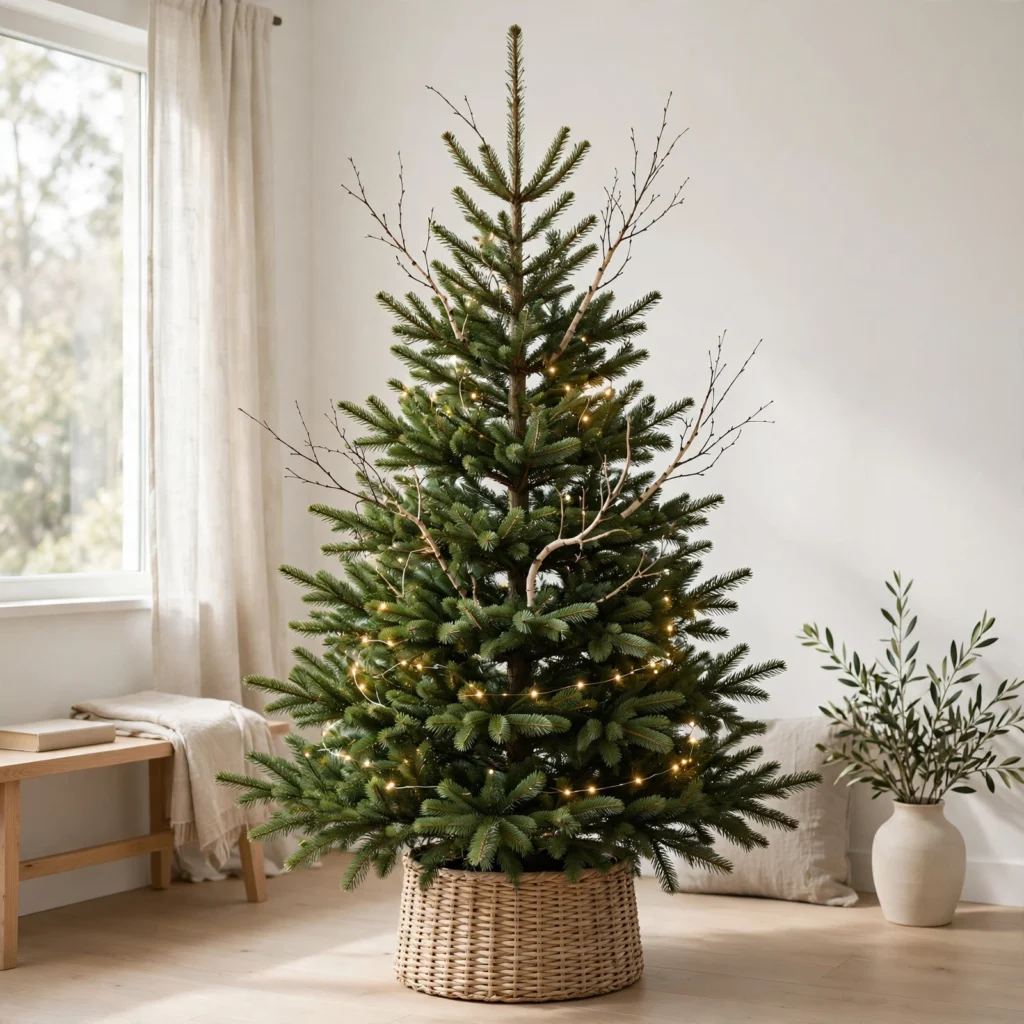
Placing a smaller number of larger, more special ornaments with intentional spacing between them, rather than filling every visible gap, treats the tree’s own branches as part of the overall look rather than something to be fully covered. This works especially well with a genuinely nice artificial tree with realistic branch texture, since the tree itself becomes part of the visual interest rather than something to hide. Keep spacing between ornaments roughly even throughout the tree so the sparser look reads as deliberate rather than like decorating simply ran out partway through.
6. All Natural Wood Ornaments
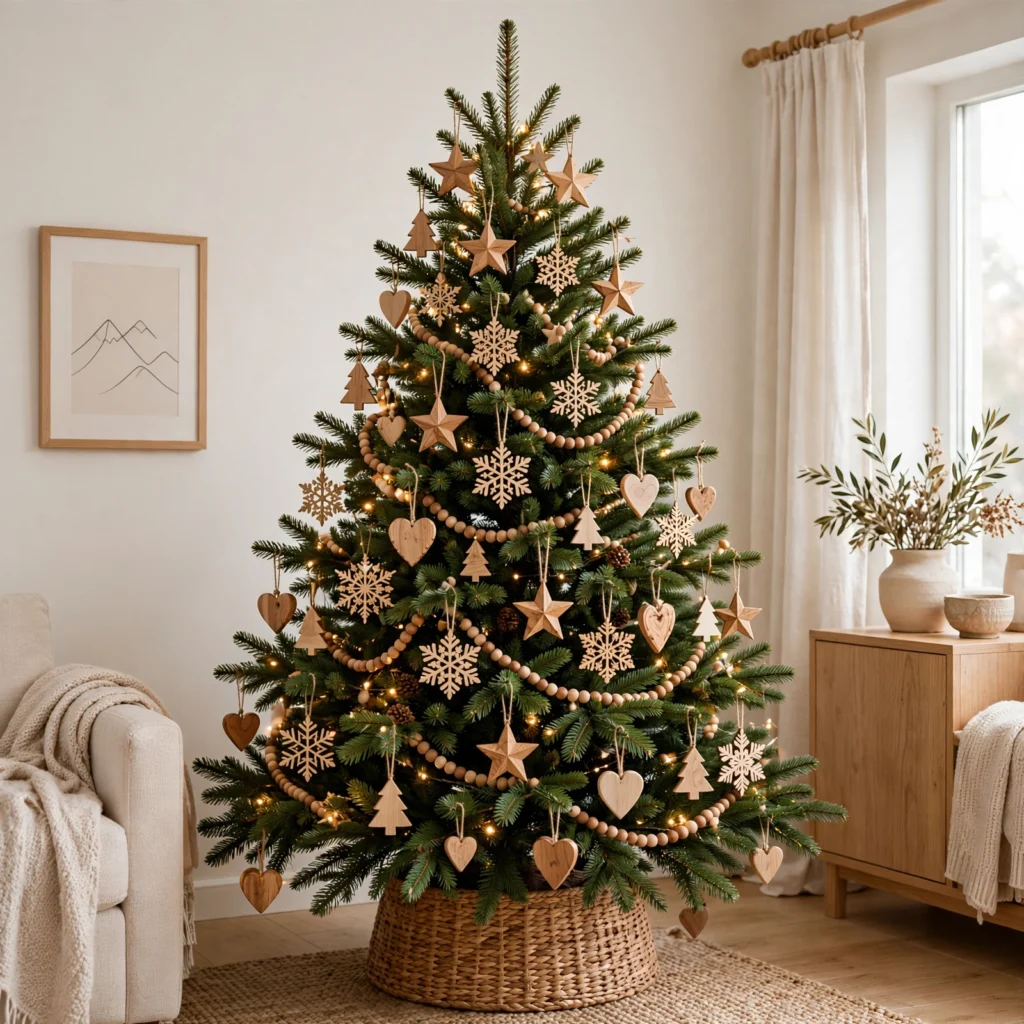
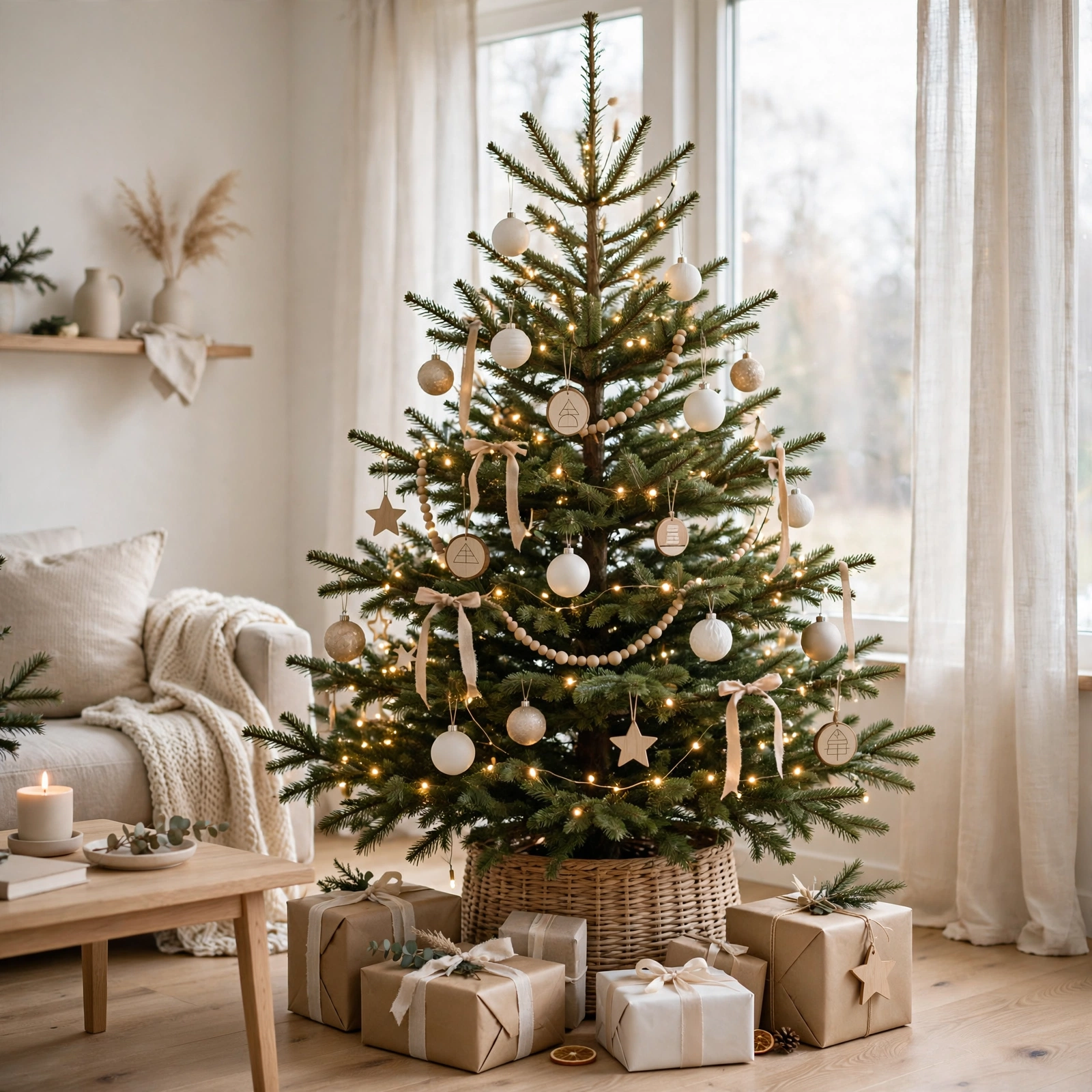
Using only wood slice or wood bead ornaments, without mixing in glass, plastic, or fabric pieces, keeps a tree’s material palette simple and coordinated with minimal decision-making required while shopping. Pair with a plain jute or twine ribbon rather than a patterned fabric one, since a single natural material family throughout the tree reinforces the simplicity of the overall approach. This theme typically costs less than glass or specialty ornament sets, and wood pieces store well between seasons without the breakage risk glass ornaments carry.
7. Store-Bought Pre-Lit Tree, No Additions
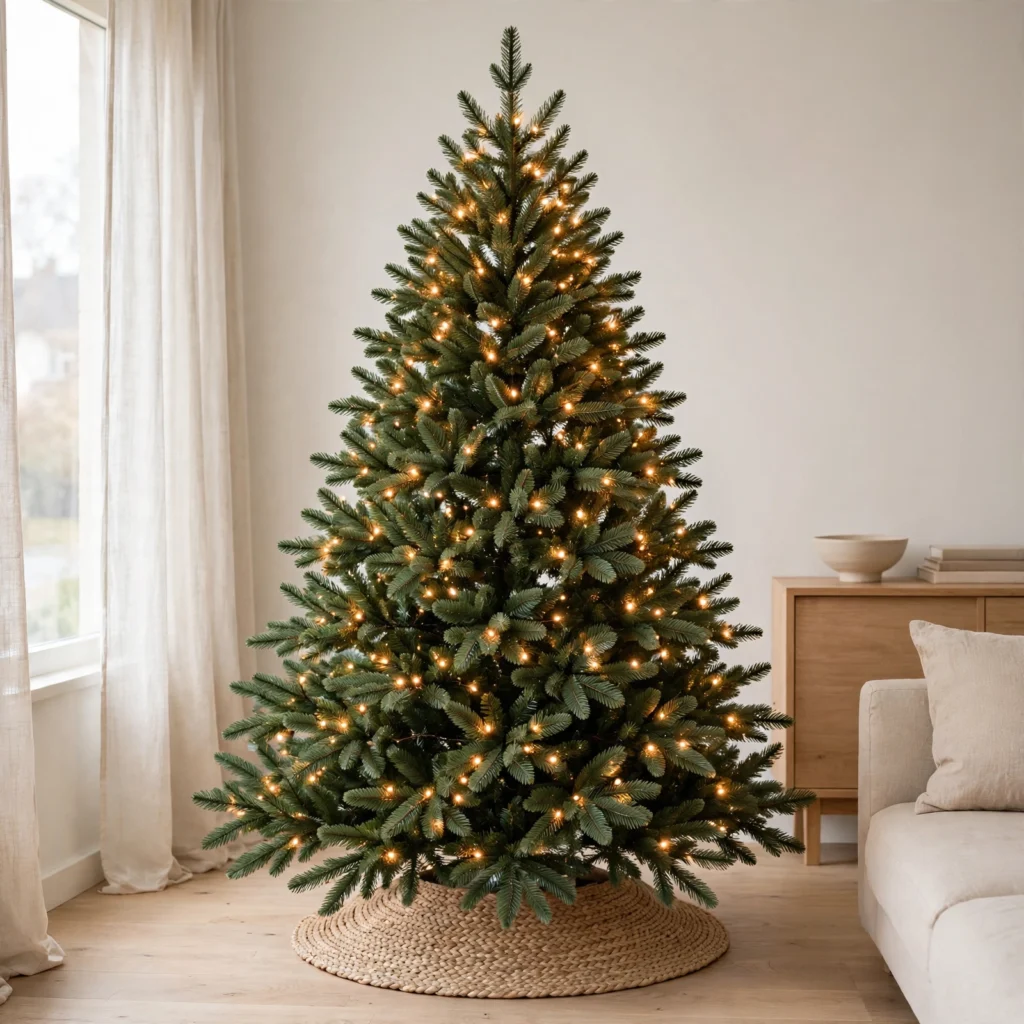
Leaving a quality pre-lit artificial tree completely undecorated, relying on the built-in lights alone, is a genuinely valid simple option rather than a placeholder until you have time to finish decorating. This works best with a tree that has realistic branch texture and warm white lights already built in, since a lower-quality or sparse tree needs additional decoration to look complete in a way a nicer tree doesn’t. This is also the fastest option on the entire list, requiring literally zero additional time or purchases beyond setting the tree up.
8. Single Statement Garland
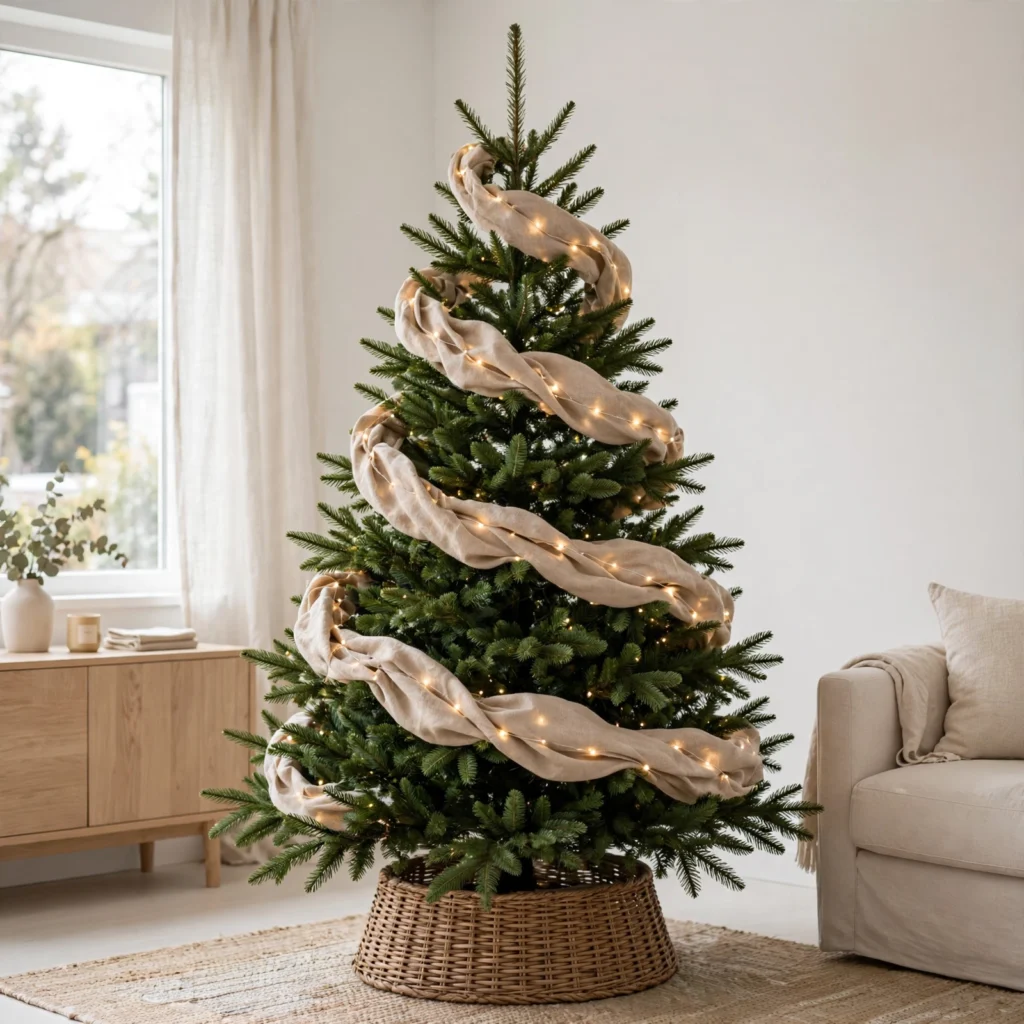
Wrapping a single continuous garland, a simple gold bead strand, a popcorn garland, or a strand of small string lights with an interesting bulb shape, around the tree without adding traditional ball ornaments simplifies the decorating process to one material applied in one continuous motion. This approach takes under an hour for most tree sizes, since there’s no need to place and adjust dozens of individual ornaments one at a time. A single garland color also guarantees the finished tree reads as cohesive without requiring any additional color coordination decisions.
9. Monochromatic White and Silver
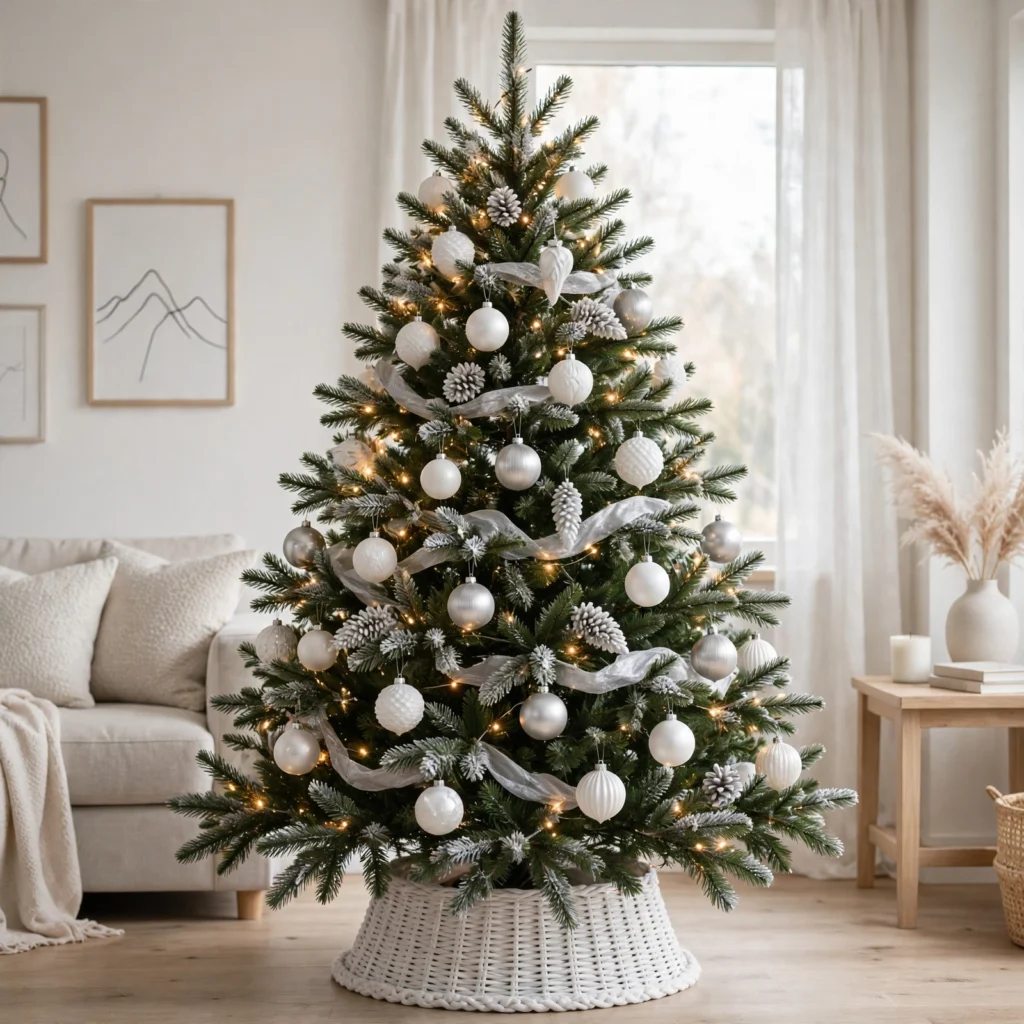
Combining white and silver ornaments only, without introducing a third color, keeps a tree’s palette simple while still allowing some variation between the two closely related tones. Mix matte white, glossy silver, and a few clear glass ornaments for texture within this limited palette, since finish variation adds visual interest without requiring additional colors. This combination also tends to photograph particularly well under warm string lights, since the cooler white and silver read as crisp rather than flat against the warmer light temperature.
10. Kids’ Craft Ornament Tree
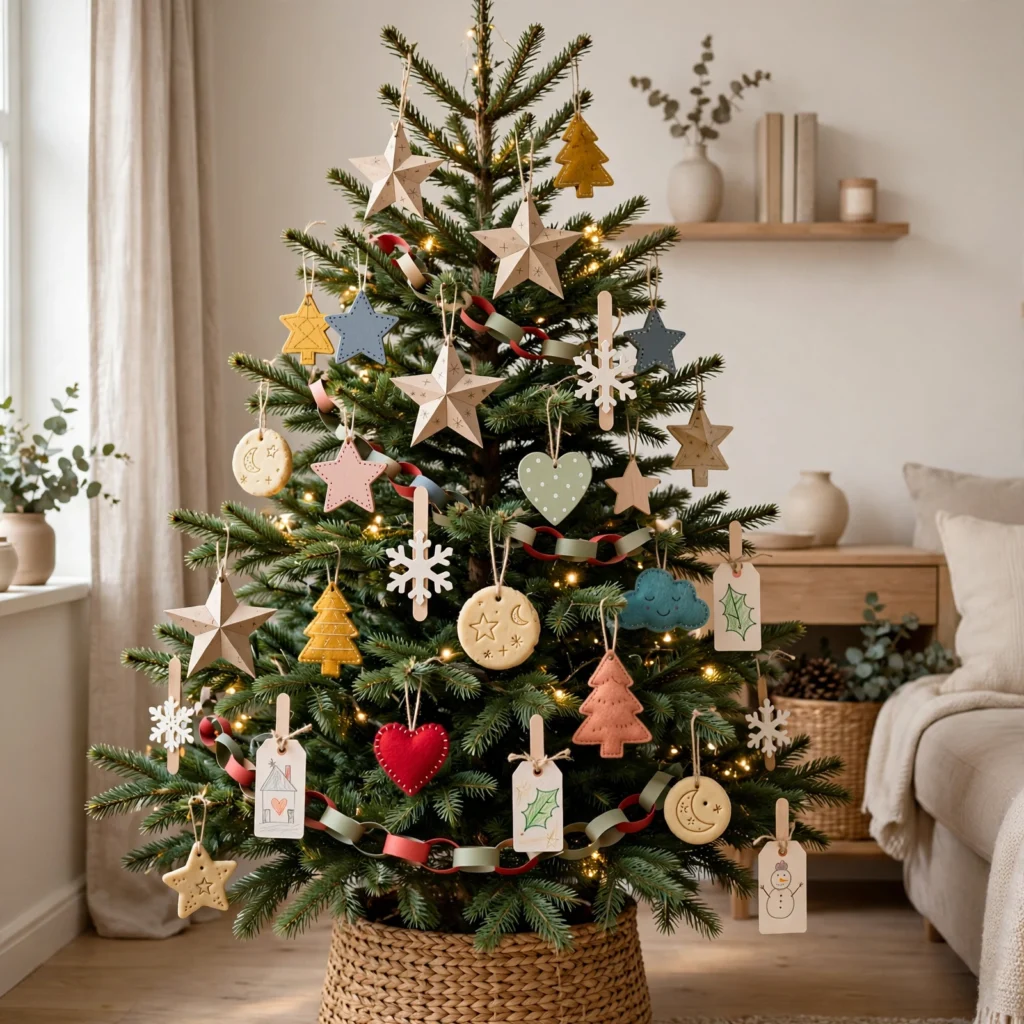
Filling a tree primarily with kids’ handmade ornaments, paper crafts, salt dough shapes, or simple popsicle stick decorations, sidesteps the need to purchase and coordinate a matching ornament set entirely. Add a simple ribbon in one color as the only purchased material, since the handmade ornaments themselves provide plenty of visual variety without needing additional coordination. This approach costs very little beyond basic craft supplies and turns the actual tree-decorating process into a low-pressure family activity rather than a project requiring careful planning.
11. Single Bow Cluster Focus
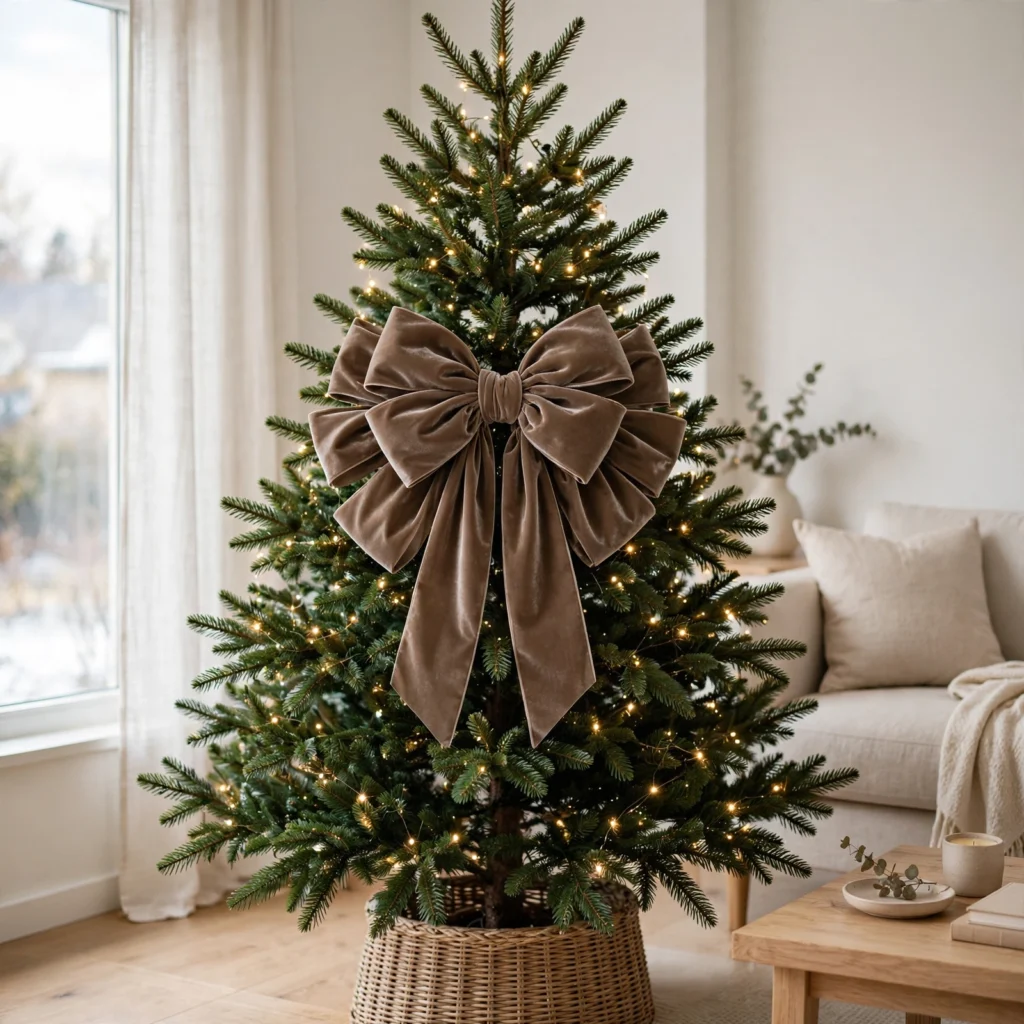
Adding just three or four large ribbon bows spaced evenly down the front of the tree, with warm white lights but no additional ornaments, delivers visual impact with minimal material and time investment. Secure each bow directly to a sturdy branch with floral wire so it holds its shape and position through the season. This approach uses a fraction of the ribbon a full spiral wrap would require, and the entire tree can typically be finished in well under an hour once the lights are already strung.
12. Existing Ornament Edit
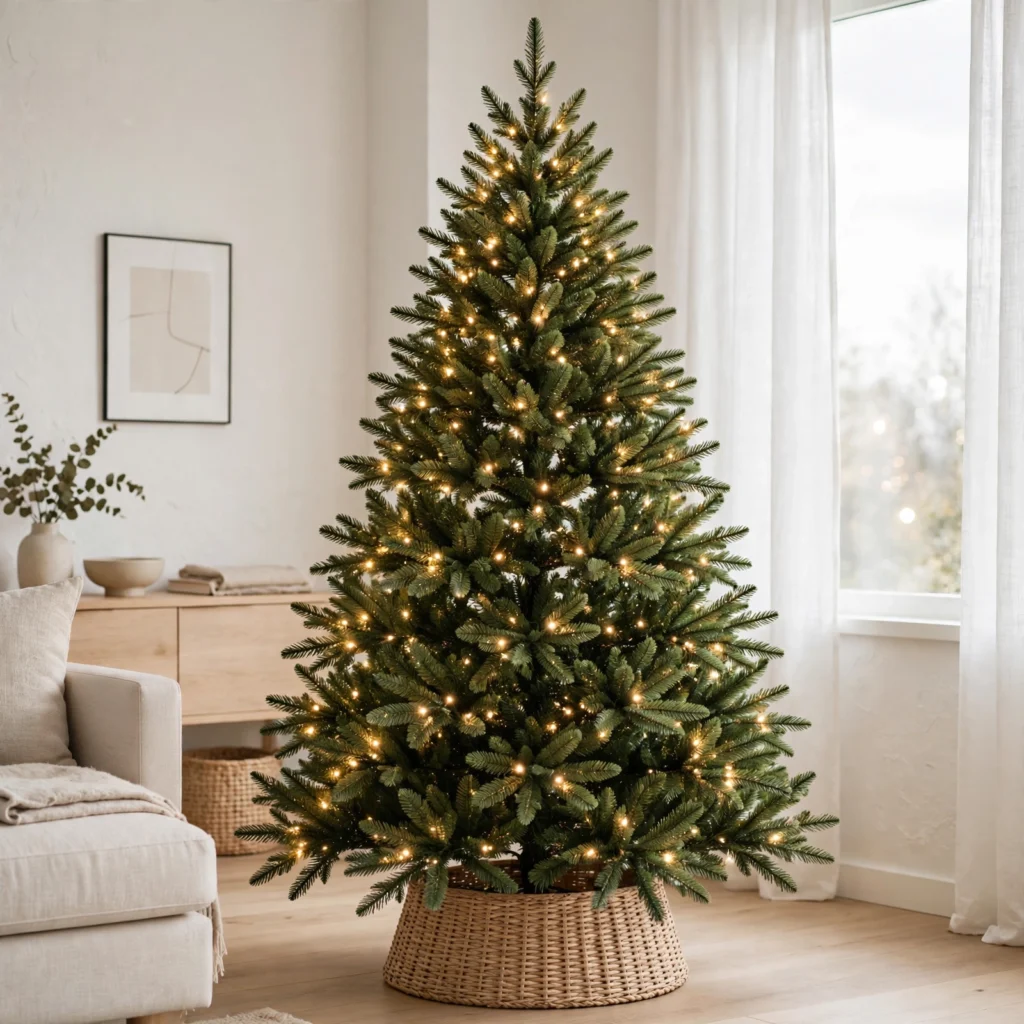
Rather than buying anything new, sorting through ornaments already owned and using only the best third, removing damaged, mismatched, or overly worn pieces, simplifies a tree using materials already on hand. This approach costs nothing and often results in a more cohesive-looking tree than using every ornament accumulated over the years, since editing naturally removes the pieces that clashed or felt out of place. Store the unused ornaments separately in case you want to rotate them back in during a future season with a different overall theme.
13. Single Fresh Greenery Wrap
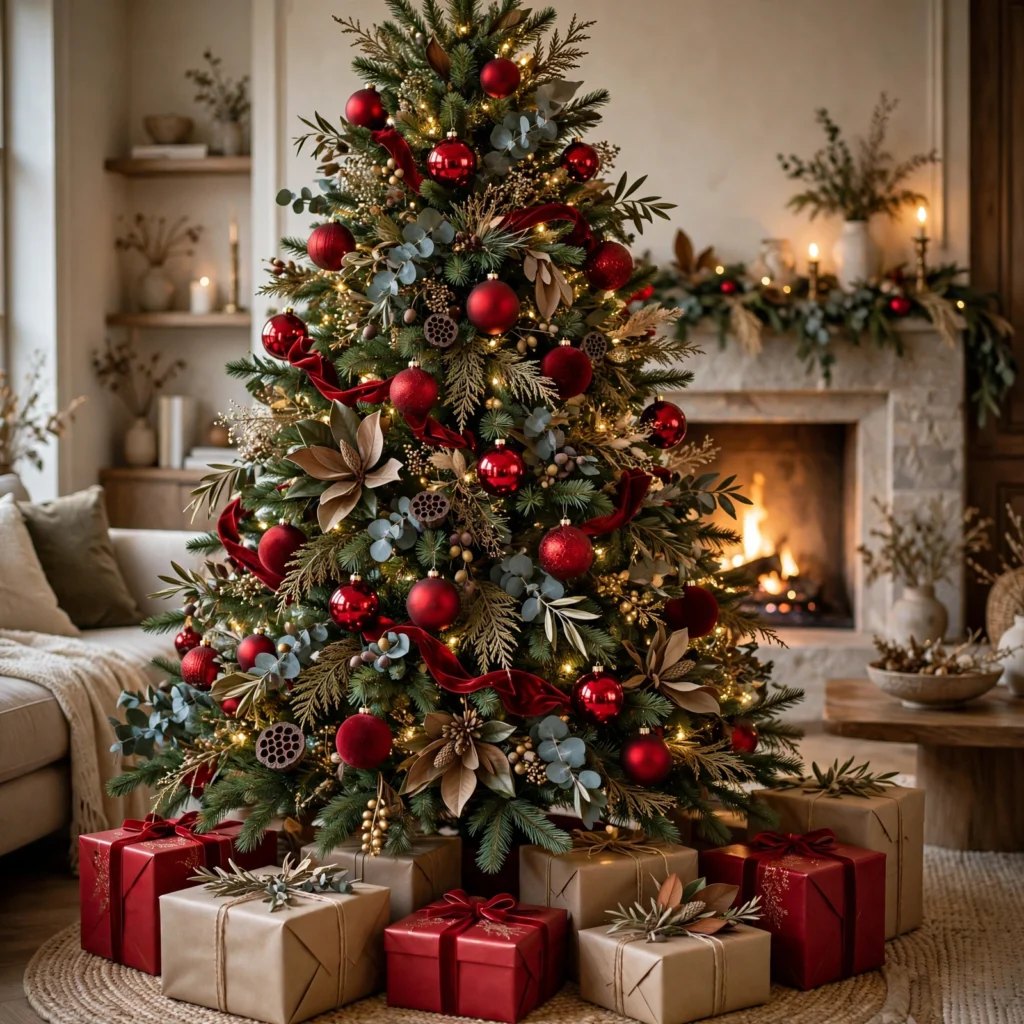
Wrapping a single strand of fresh or faux greenery garland loosely around an artificial tree, alongside its built-in lights, adds texture and a more natural look without requiring ornaments or ribbon at all. This approach works particularly well layered over a flocked or already-textured tree, since the greenery adds depth without competing with the tree’s existing visual interest. A single roll of pre-lit garland typically costs under forty dollars and takes about twenty minutes to wrap around a standard-sized tree.
14. Two-Ornament-Size Rule
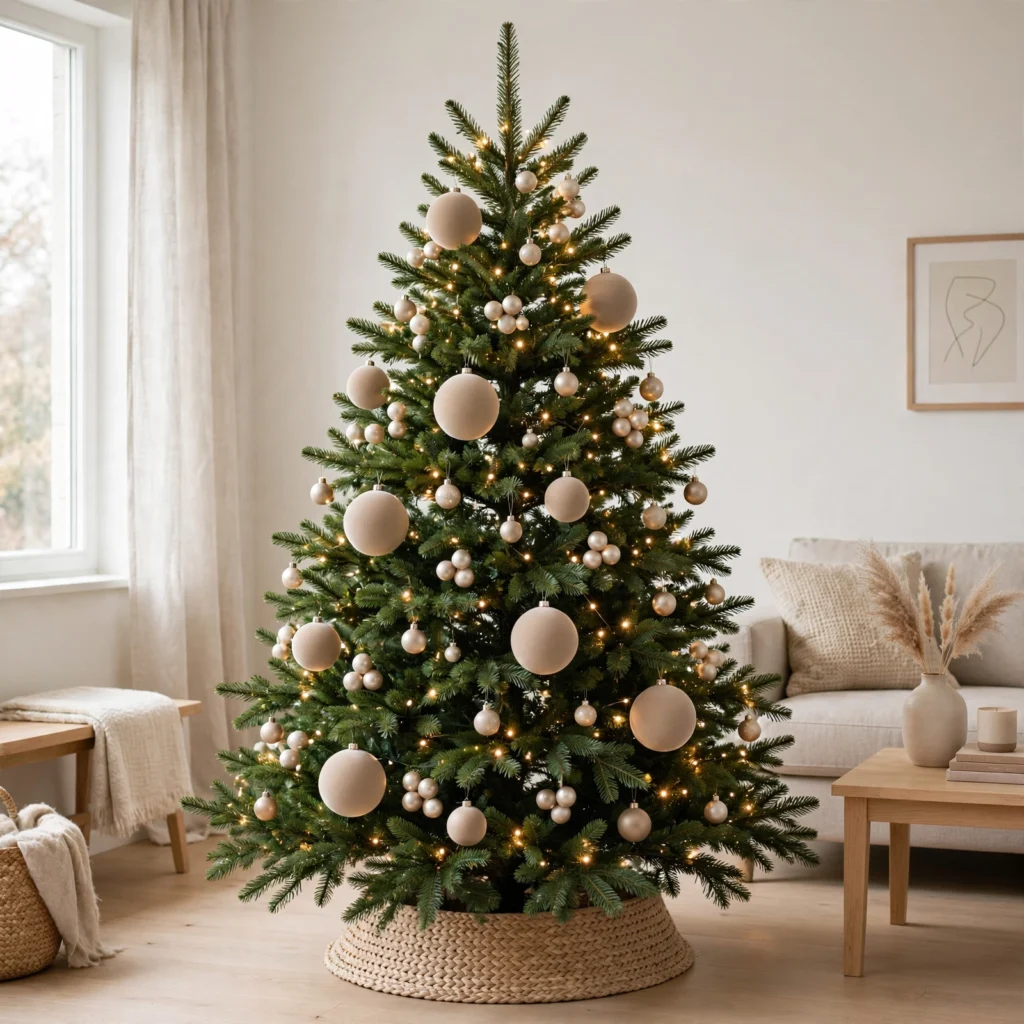
Limiting ornament purchases to just two sizes, a two-inch and a four-inch ball in the same color or finish, rather than mixing several different sizes, simplifies both the shopping process and the placement decisions once decorating begins. Place the larger ornaments deeper in the tree near the trunk and the smaller ones toward the outer branch tips, following a simple, repeatable size-based rule rather than making individual placement judgment calls for dozens of differently sized pieces. This constraint speeds up decorating time considerably compared to working with an unlimited size range.
15. No-Topper Finish
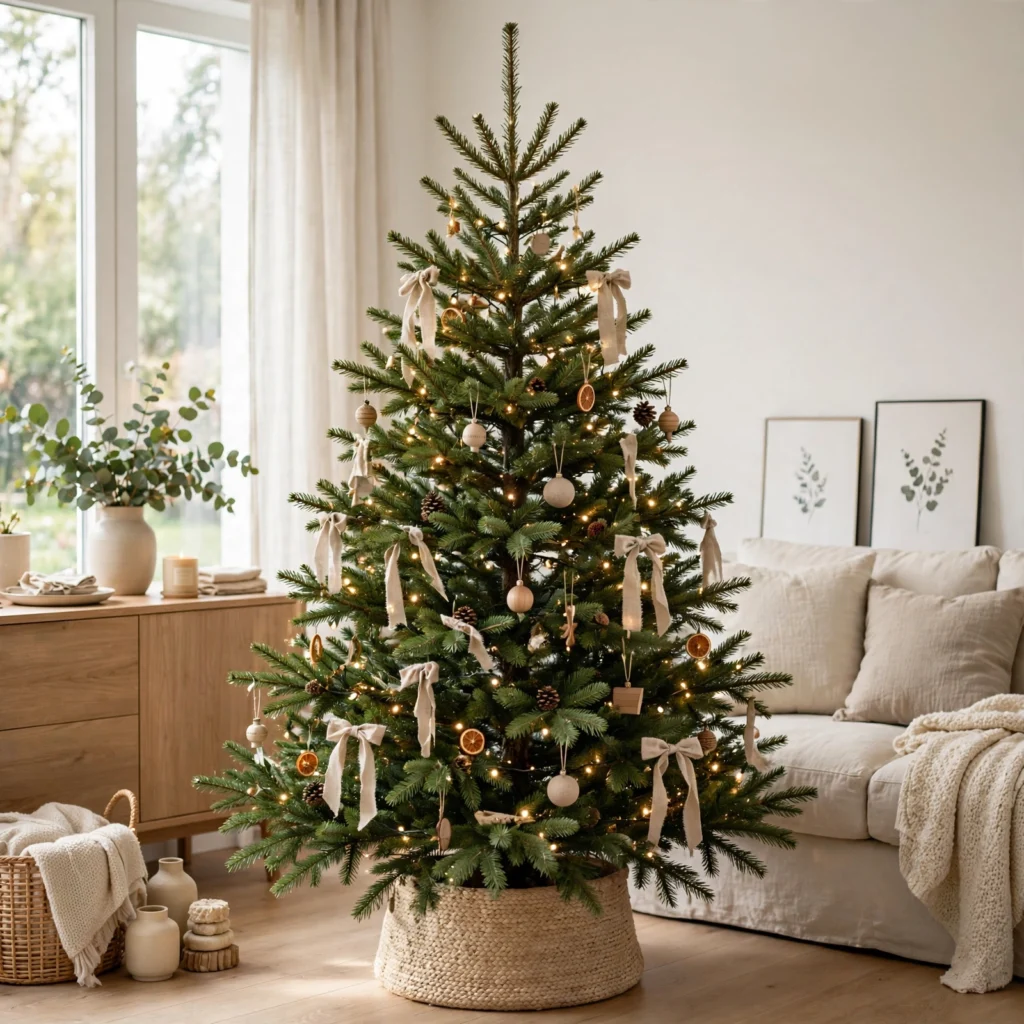
Skipping a tree topper entirely, letting the top branch stand on its own or simply looping a bit of extra ribbon or a few extra lights around the peak, removes one more decision and purchase from the overall decorating process. This works best on a tree with a naturally well-shaped top branch, since a topper is traditionally used partly to disguise a less attractive or bare top section. This is also a genuinely current, minimalist look rather than simply an incomplete one, particularly paired with other simple approaches from this list like a single ribbon color or lights-only decorating.
Shop the Look
For single-color ornament sets, look at options from Balsam Hill or a craft store like Michaels for a range of finishes within one color family. Wide ribbon in four to six inch widths from a craft store covers the ribbon-only tree idea directly. Wood slice ornaments and simple twine ribbon for the natural wood theme are easiest to source through a craft store or an online marketplace like Etsy. Quality pre-lit trees with realistic branch texture from Balsam Hill or King of Christmas make the no-additions approach genuinely viable, and simple gold bead garland from a craft store rounds out the single garland idea.
Common Mistake to Avoid
The most common mistake with christmas tree ideas simple approaches is confusing simple with sparse, skipping enough decoration that the tree ends up looking unfinished rather than intentionally minimal. A genuinely simple tree still needs a baseline of lights, roughly the counts in the reference table above, and at least one consistent decorative element, whether that’s a single ornament color, one ribbon, or a natural material like greenery, applied evenly throughout. Removing decoration entirely without replacing it with something, even something small and repeated, is what tips a simple tree into looking like decorating simply didn’t get finished.
How few ornaments can a Christmas tree actually use?
A tree can look intentionally minimal with as few as thirty to fifty ornaments on a standard six to seven foot tree, provided the lighting is adequate and the ornaments are placed with even, deliberate spacing rather than clustered randomly. Several ideas on this list, like the lights-only or ribbon-only approaches, use essentially zero traditional ball ornaments and still read as complete, since they replace ornament density with a different consistent decorative element instead. The key factor isn’t a specific minimum count, but whether the tree has some coherent decorative logic applied evenly throughout.
How much should I budget for a simple Christmas tree?
Several ideas on this list, editing existing ornaments, a kids’ craft tree, or leaving a nice pre-lit tree undecorated, cost nothing beyond what’s already owned. Single-material approaches like a ribbon-only tree or a single-color ornament tree typically cost between fifty and one hundred fifty dollars, since you’re only purchasing one type of material rather than coordinating several. This makes simple trees generally more budget-friendly than elaborate, multi-layer themes, in addition to requiring significantly less time to put together.
How long does it take to decorate a simple Christmas tree?
Most of the ideas on this list take between thirty minutes and two hours, compared to the several hours a fully layered, multi-material tree with lights, ribbon, garland, and a large ornament collection typically requires. The lights-only and no-topper approaches are the fastest, often under thirty minutes total, while ideas involving ribbon placement or natural greenery tucking generally fall in the one to two hour range. Having lights already strung on a pre-lit artificial tree cuts significant time off nearly every idea on this list.
What should I skip entirely on a simple Christmas tree?
Skipping garland entirely alongside ribbon is usually the first thing to cut, since layering both tends to compete rather than complement each other, and most simple approaches only need one or the other, not both. A tree skirt with a busy pattern is also worth simplifying to a plain fabric in one color, since a patterned skirt can visually compete with an otherwise restrained tree above it. Multiple ornament colors and finishes are the next thing to consolidate, since narrowing to one or two colors total speeds up both shopping and placement decisions significantly.
Does a simple Christmas tree look cheap or unfinished?
A simple tree only reads as cheap or unfinished when it lacks a consistent decorative logic, not simply because it uses fewer materials or less time than a more elaborate tree. A tree with adequate, evenly distributed lighting and one clear decorative choice, a single ribbon color, one ornament finish, or a natural greenery wrap, generally reads as intentionally restrained rather than incomplete. The ideas on this list that skip decoration entirely, like leaving a quality pre-lit tree bare, work specifically because the tree itself is well-made enough to stand on its own without needing to disguise anything.
Conclusion
The fifteen ideas above cover single-material approaches, natural elements, and genuinely minimal finishes, giving you enough range to decorate a tree quickly without it looking unfinished. Whether you start with a single ribbon color or leave a quality pre-lit tree completely undecorated, the goal of any christmas tree ideas simple approach is a tree built around one clear, consistent choice rather than an attempt to layer in everything at once. Save this list to Pinterest for your next holiday season, or check our related post on slim christmas tree ideas decorating for more space-specific tree guidance.