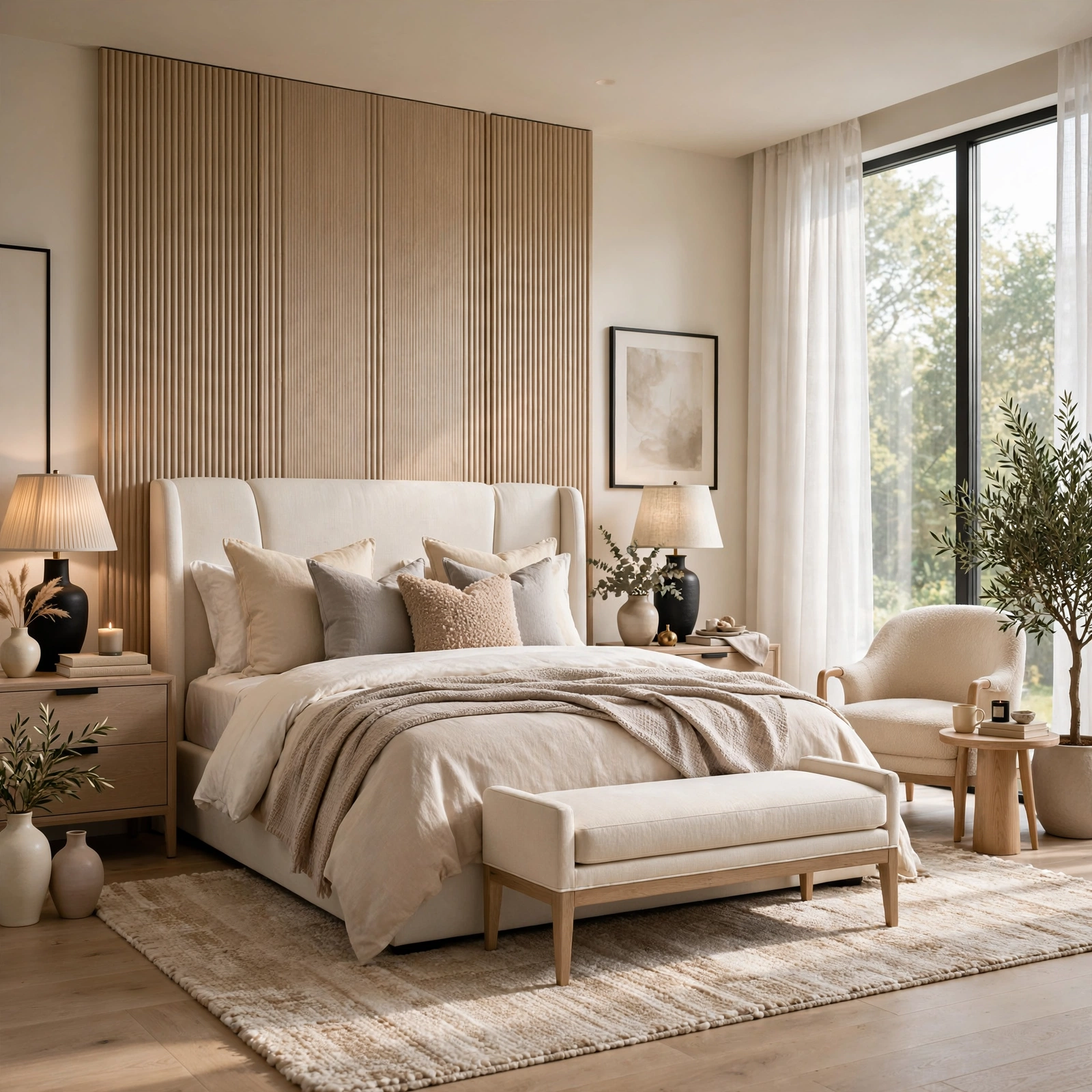
13 Fresh Bedroom Inspirations to Transform Your Sleep Sanctuary
Scrolling through endless bedroom inspirations often leaves you with more screenshots than actual direction for your own space. This guide narrows things down to thirteen ideas that go beyond surface-level aesthetics, covering real dimensions, material choices, and placement details you can act on right away. Whether you’re working with a cramped studio or a larger primary suite, the sizing guidance and budget breakdowns here are meant to remove the guesswork from your next redesign. You’ll learn how to choose the right bed frame for your room’s footprint, which wood tones pair well together, and where lighting actually belongs. Instead of chasing trends that fade within a season.
Trend & Background
Bedroom design has shifted away from matched furniture sets toward curated, personal spaces built from mixed materials and vintage modern pairings. Walnut and oak tones are replacing cool grays, while textured linens and boucle upholstery add tactile warmth that photographs poorly but feels noticeably different in person. This matters now because smaller apartment bedrooms demand multi functional furniture, and buyers increasingly research pieces online before purchasing, making detailed, dimension specific guidance more valuable than generic style boards.
Key Takeaways
- 13 distinct bedroom inspirations covering furniture, lighting, color, and layout strategies for any style preference
- Comparison tables included for bed sizing, budget tiers, and lighting placement to simplify decision making
- Practical execution tips paired with real material names so ideas are easy to shop and install
- Common mistakes and FAQs address sizing, spacing, and style pairing questions readers frequently search for
Bedroom Inspirations Worth Trying
Whether you’re working with a cramped studio or a larger primary suite, you’ll find sizing guidance, budget breakdowns, and styling tips that turn a vague mood board into a bedroom that actually functions for daily life.
1. Built In Nightstands Bedroom Inspirations
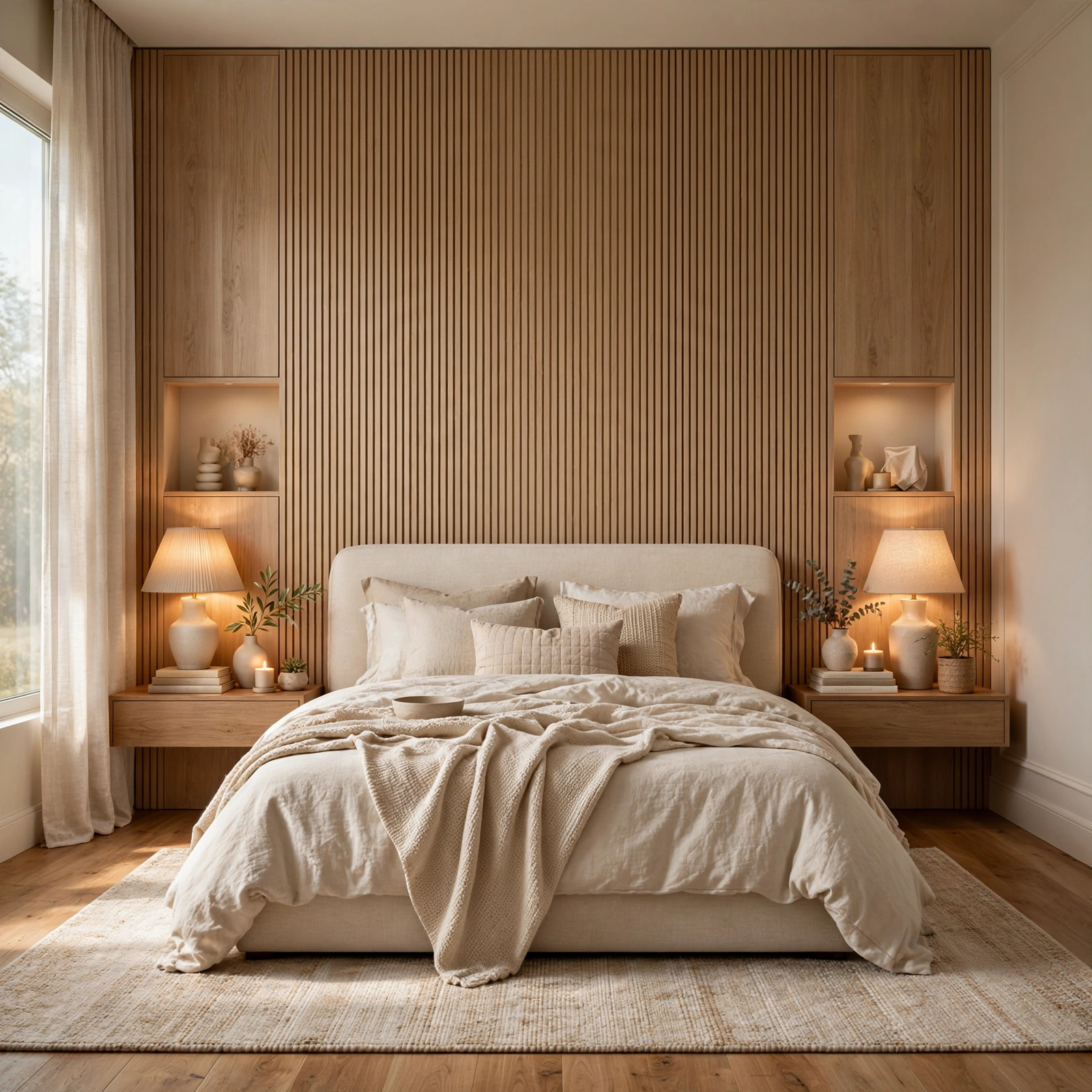
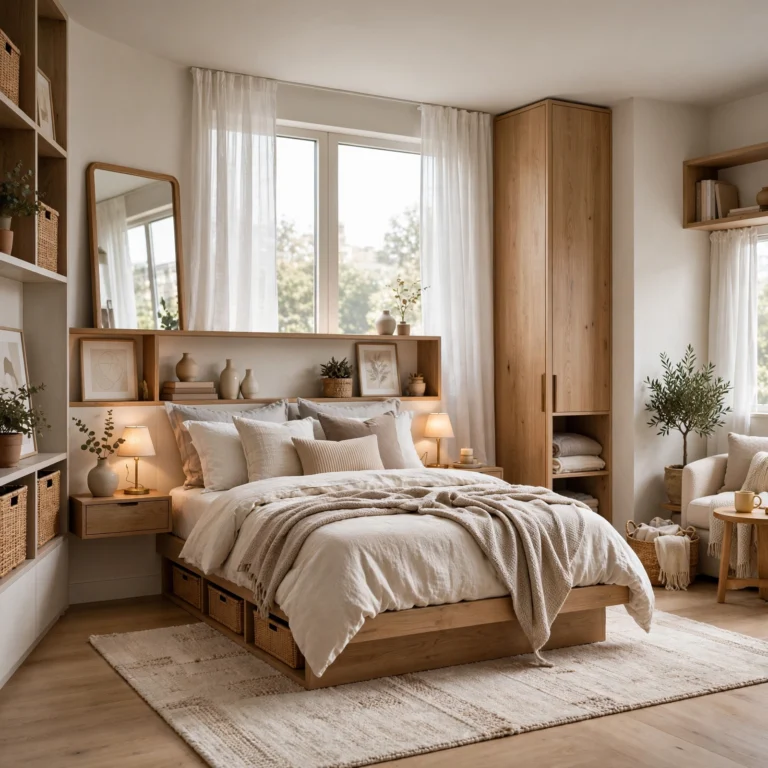
Built in nightstands replace freestanding tables with wall mounted or headboard integrated shelving, freeing floor space in narrow rooms. Carpenters typically construct these from plywood with a laminate or painted MDF finish, then add a floating shelf profile 18 to 20 inches wide. This works especially well in rooms under 100 square feet, where a traditional nightstand eats into walking clearance. Pair with a wall sconce above each shelf to skip table lamps entirely and keep the surface clutter free.
2. Canopy Bed Frame Bedroom Inspirations
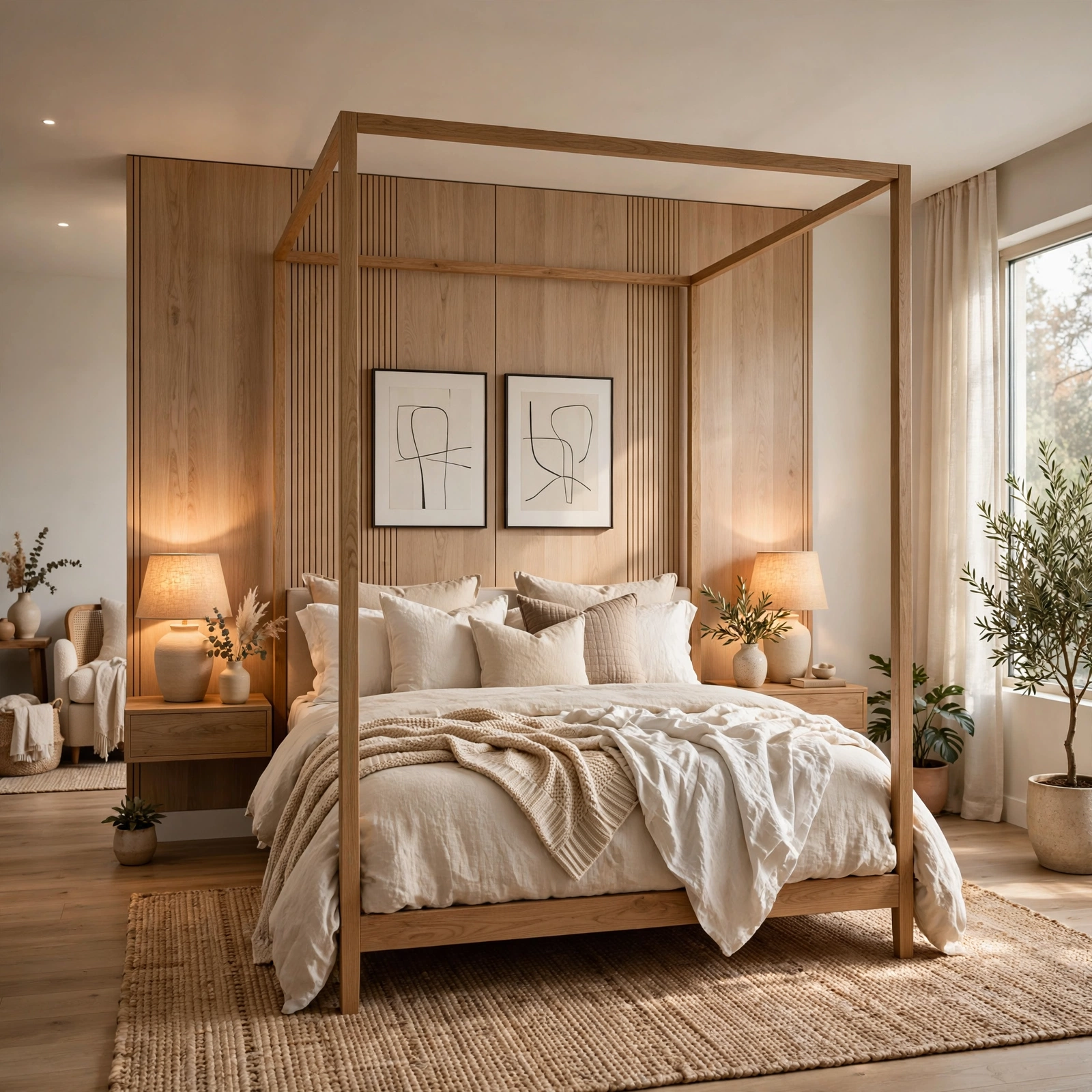
A canopy bed frame introduces height and drama without requiring extra floor footprint, since the structure builds vertically around the existing bed dimensions. Iron frames suit industrial or transitional rooms, while turned wood posts read more traditional. Drape sheer linen or cotton voile panels loosely rather than pulling them taut, which softens the silhouette. Ceiling height of at least 8 feet is recommended so the frame doesn’t visually crowd the room or make it feel shorter than it is.
3. Floating Wall Shelves Bedroom Inspirations
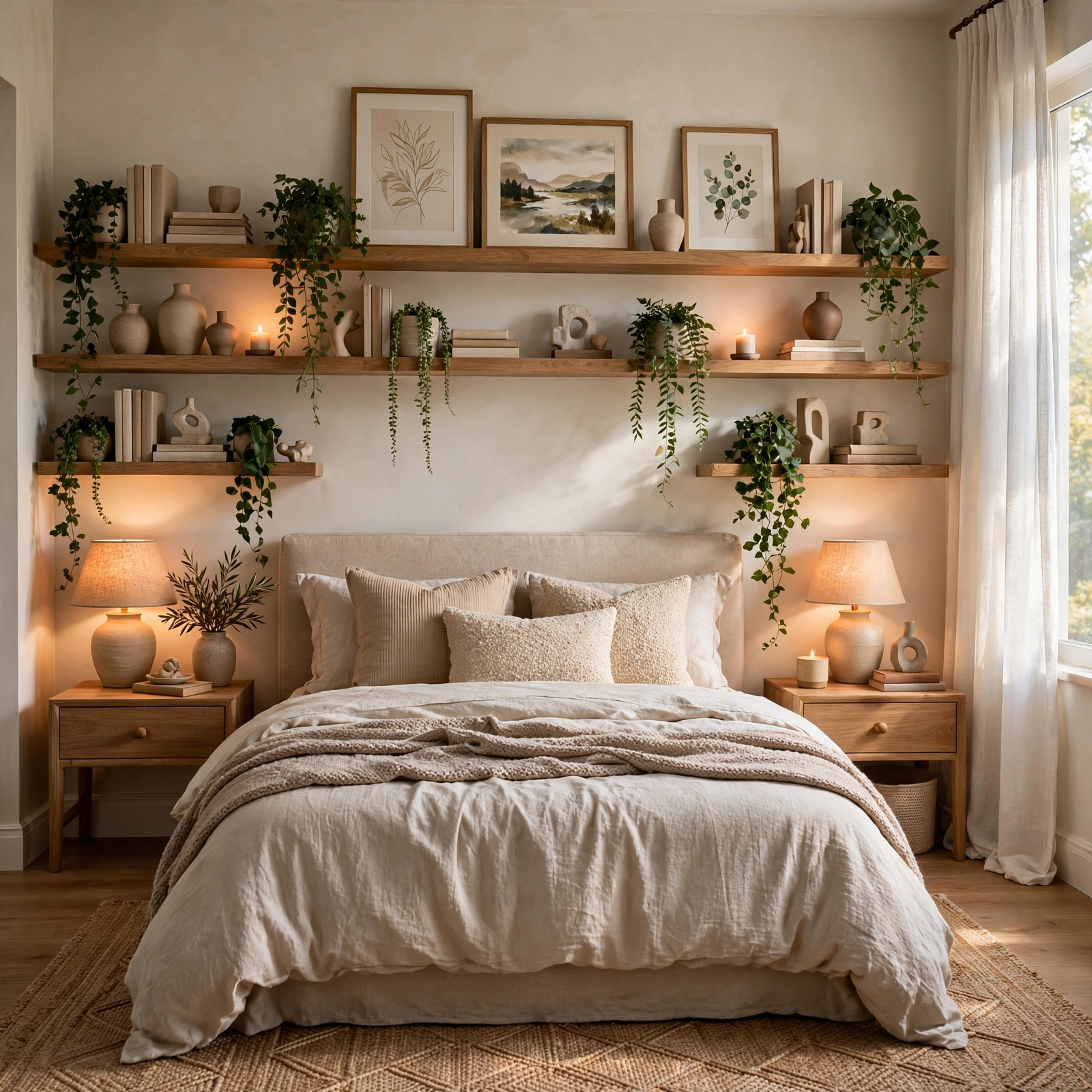
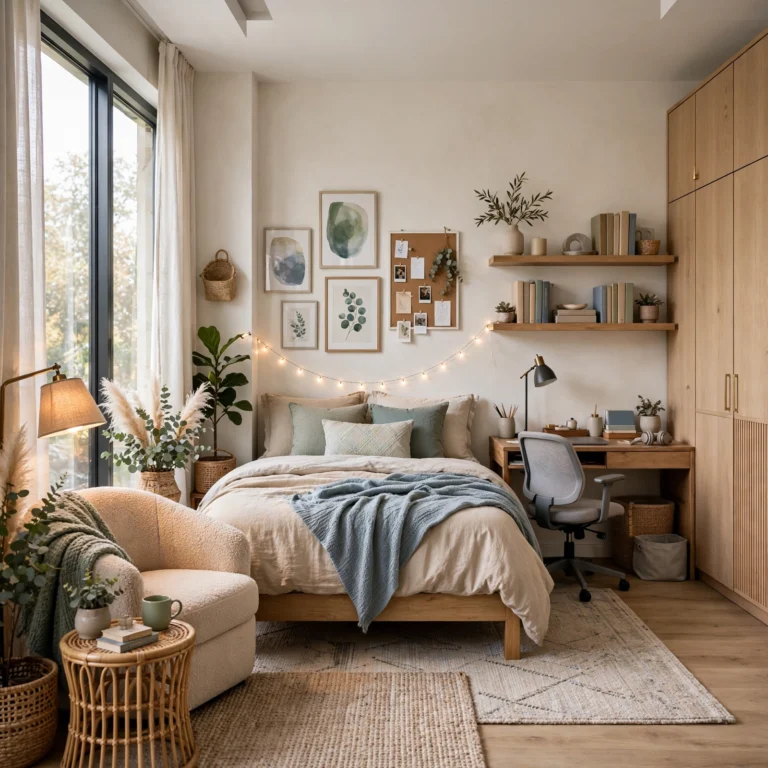
Floating wall shelves mounted above a dresser or bed create display space without consuming square footage on the floor. Oak or walnut veneer shelves in 24 to 36 inch lengths hold books, framed photos, or small plants without visual bulk. Install using concealed floating brackets rated for at least 20 pounds, and stagger two or three shelves at slightly different heights rather than lining them up evenly, which reads as more intentional and less like standard retail shelving.
4. Layered Textile Bedding Bedroom Inspirations
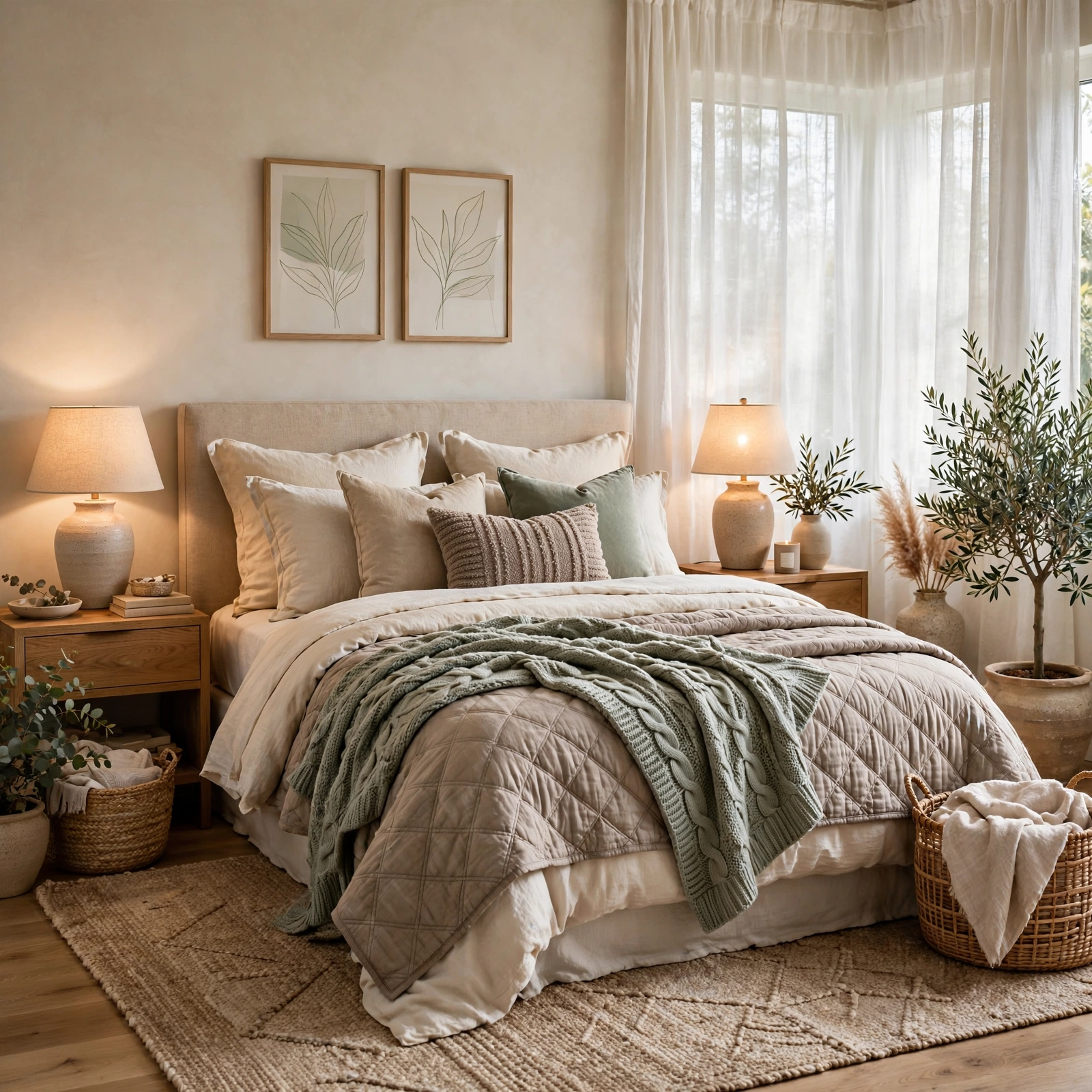
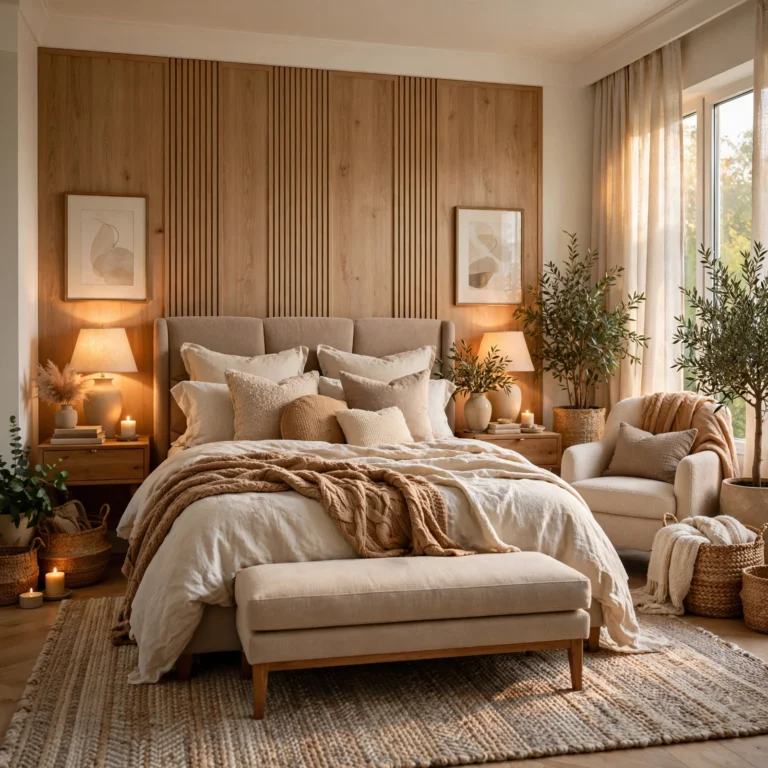
Layered textile bedding combines a fitted sheet, duvet, quilted coverlet, and a folded throw at the foot of the bed, each in a different weave or weight. Mixing linen, waffle knit cotton, and wool creates visual depth even within a single color family like oatmeal or clay. This approach costs less than buying a matched designer set and lets you rotate pieces seasonally. Avoid matching every pattern exactly, since slight variation in texture is what makes the layering look curated rather than accidental.
See More About Bathroom Decor.
5. Scandinavian Bedroom Inspirations
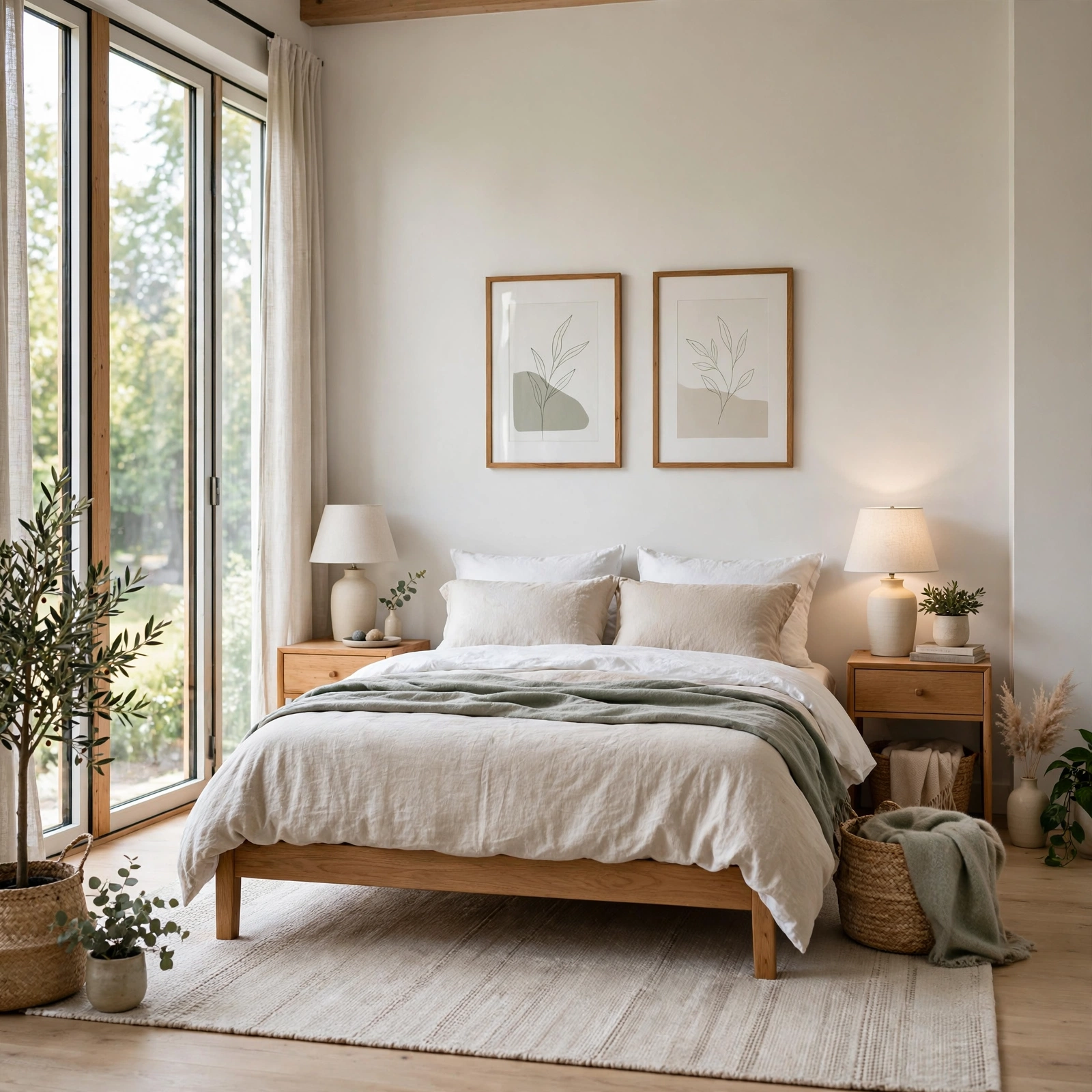
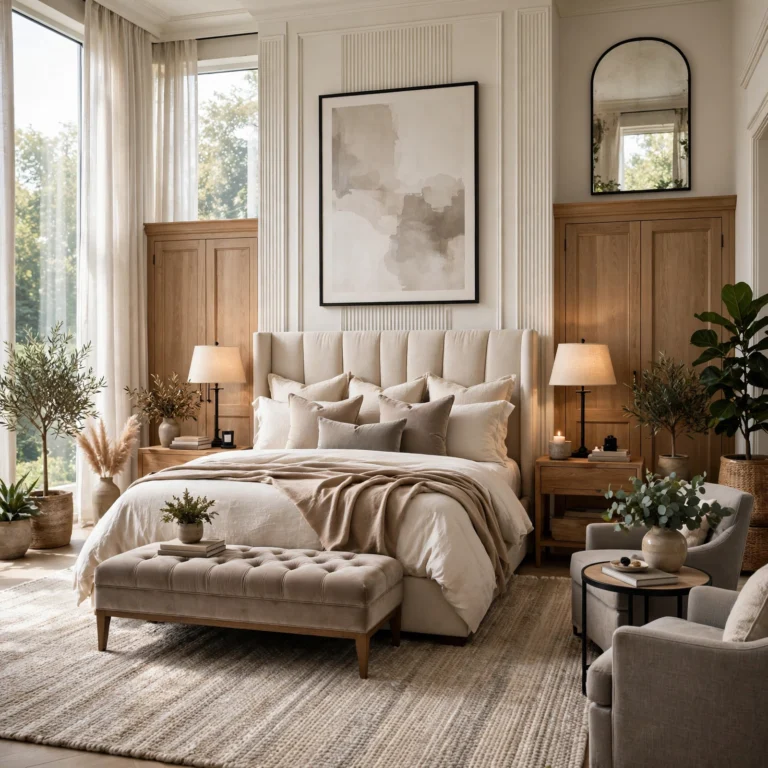
Scandinavian bedroom inspirations rely on pale ash or birch wood tones, white or off white walls, and minimal ornamentation to keep the space feeling open and calm. Furniture typically has tapered legs and clean joinery rather than heavy carved detailing. Add one wool or sheepskin accent rug beside the bed to introduce warmth against light flooring. This style suits rooms with strong natural light, since the pale palette can feel flat or cold in spaces lacking daylight exposure.
6. Statement Headboard Wall Bedroom Inspirations
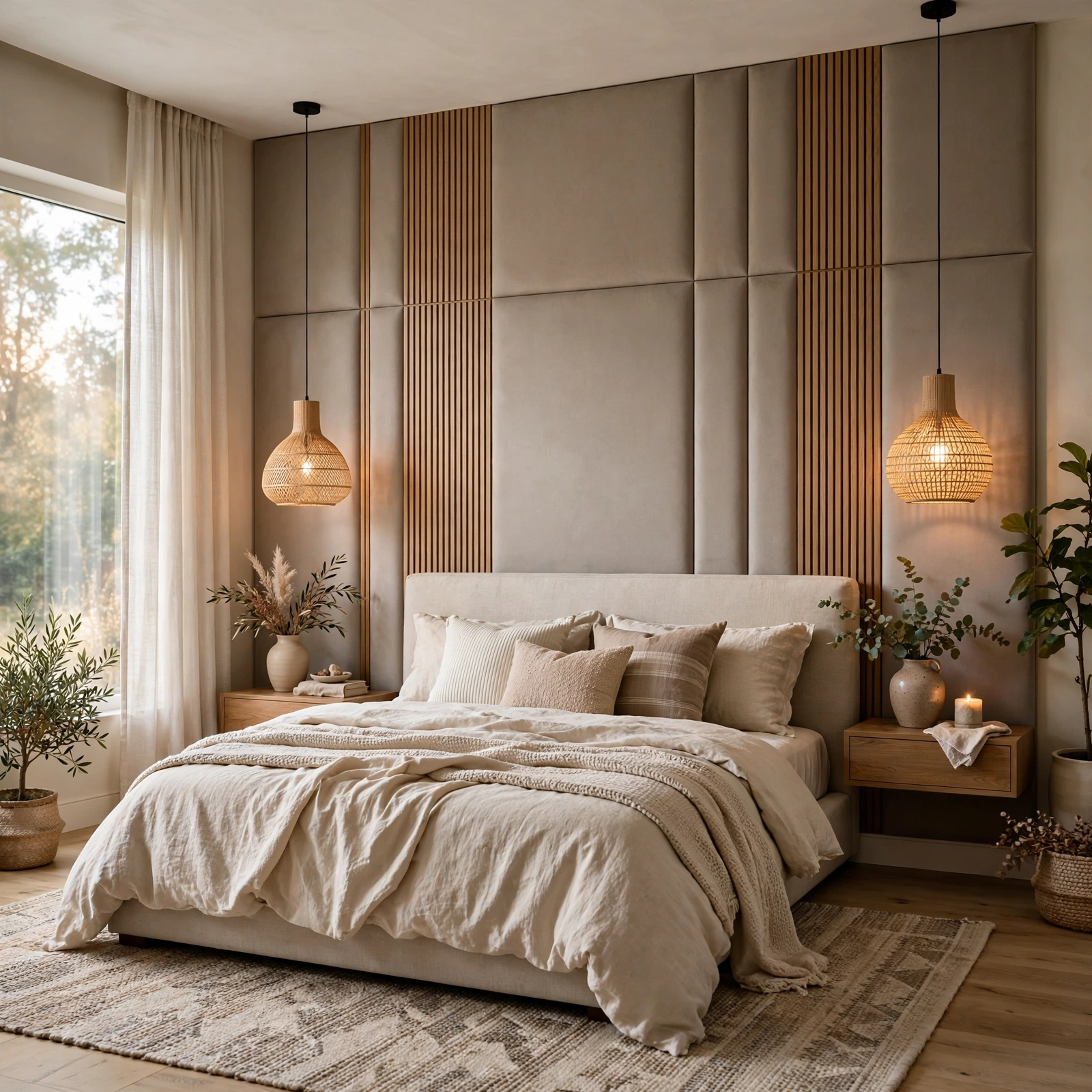
A statement headboard wall uses an oversized upholstered panel, reclaimed wood paneling, or a bold paint color confined to the wall behind the bed, rather than treating all four walls the same. Boucle or velvet upholstery in a deep forest green or rust tone adds texture without overwhelming a small room. If painting instead, choose a wall at least 10 feet wide so the color block doesn’t feel cramped. This technique draws the eye immediately to the bed as the room’s focal point.
7. Rattan and Wicker Accents Bedroom Inspirations
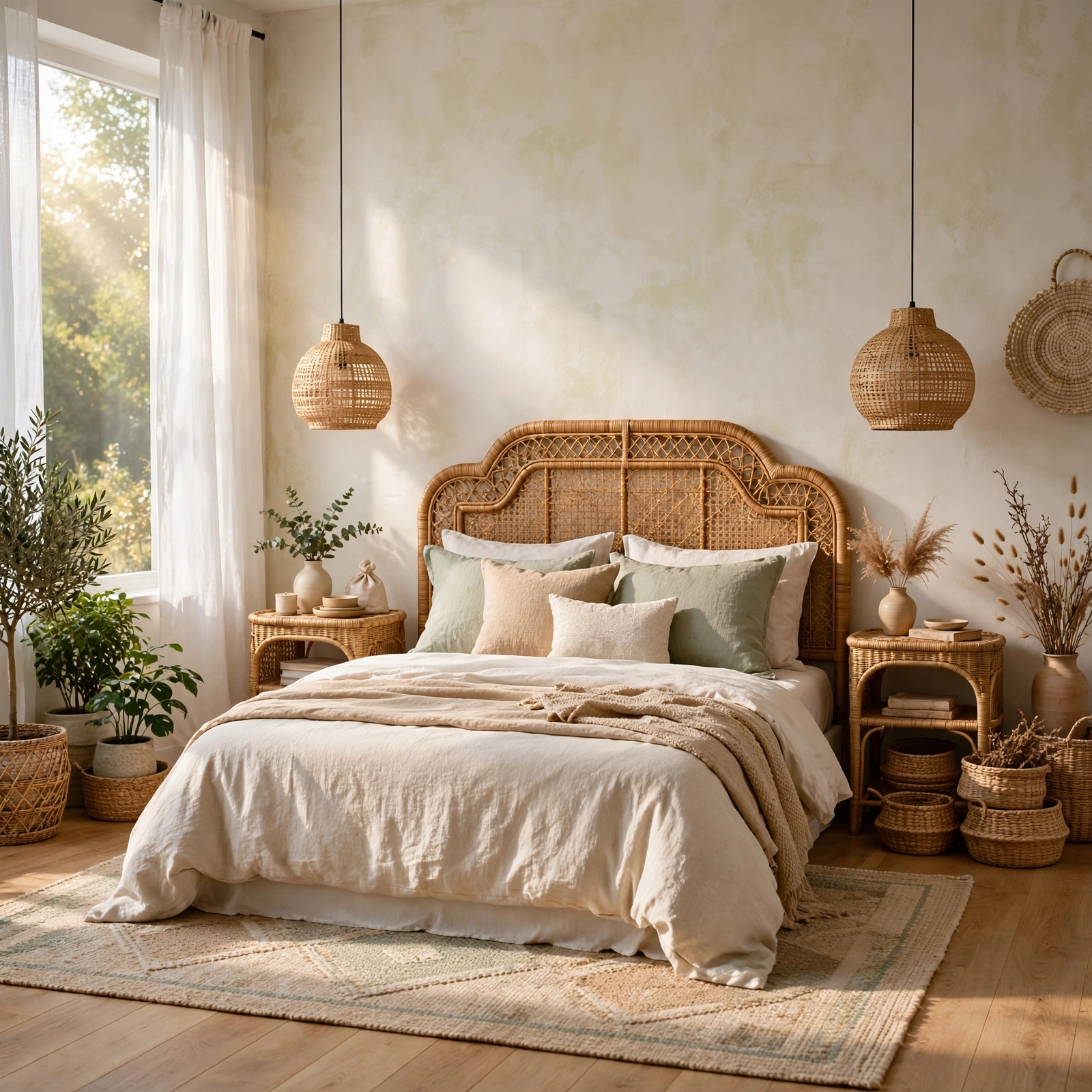
Rattan and wicker accents bring organic texture through headboards, pendant lampshades, or a bedside chair without committing to a full boho theme. Natural rattan pairs well with warm wood tones like teak or acacia, while painted white wicker suits coastal or cottage style rooms. These materials work particularly well in humid climates since rattan resists warping better than solid wood. Keep metal or glass accents nearby to balance the visual weight, since an all rattan room can start to feel busy.
8. Bed Size and Room Ratio Bedroom Inspirations
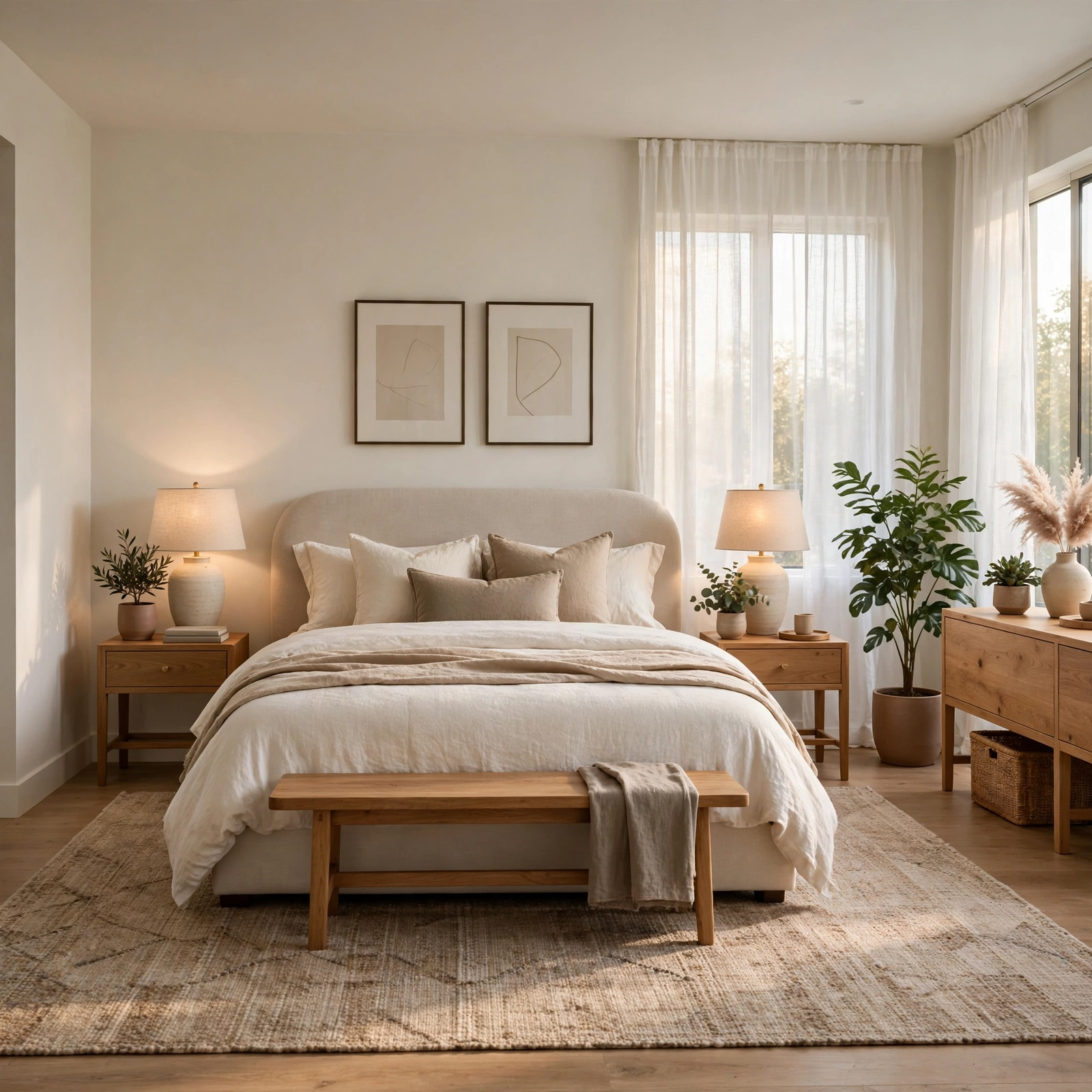
Choosing the correct bed size relative to room dimensions prevents a bedroom from feeling cramped or oddly empty. A queen bed generally needs a room at least 10 by 10 feet to allow comfortable walking space on both sides, while a king requires closer to 12 by 12 feet. Smaller rooms under 9 by 9 feet typically suit a full or twin XL frame better, especially when additional furniture like a dresser or desk needs to fit comfortably.
| Bed Size | Dimensions | Minimum Room Size |
| Twin XL | 38″ x 80″ | 7′ x 10′ |
| Full | 54″ x 75″ | 9′ x 9′ |
| Queen | 60″ x 80″ | 10′ x 10′ |
| King | 76″ x 80″ | 12′ x 12′ |
9. Warm Neutral Color Palette Bedroom Inspirations
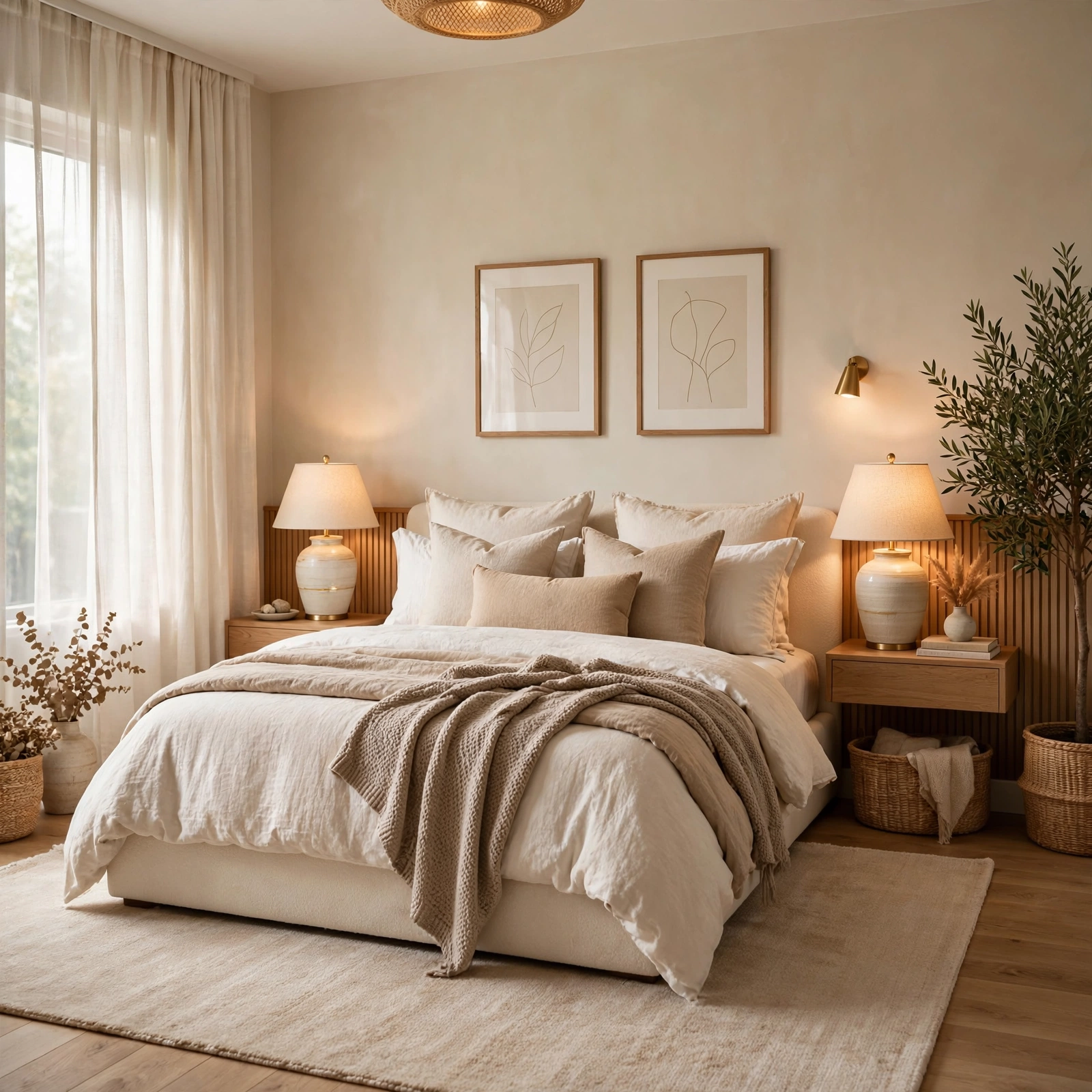
A warm neutral color palette moves beyond flat white or gray, using tones like terracotta, sand, and warm greige to make a bedroom feel enveloping rather than clinical. Paint the ceiling a shade lighter than the walls to keep the room from feeling boxed in, and introduce contrast through a walnut bed frame or brass hardware. This palette photographs well in most lighting conditions and pairs easily with both linen and velvet textiles without clashing undertones.
10. Vintage Brass Lighting Bedroom Inspirations
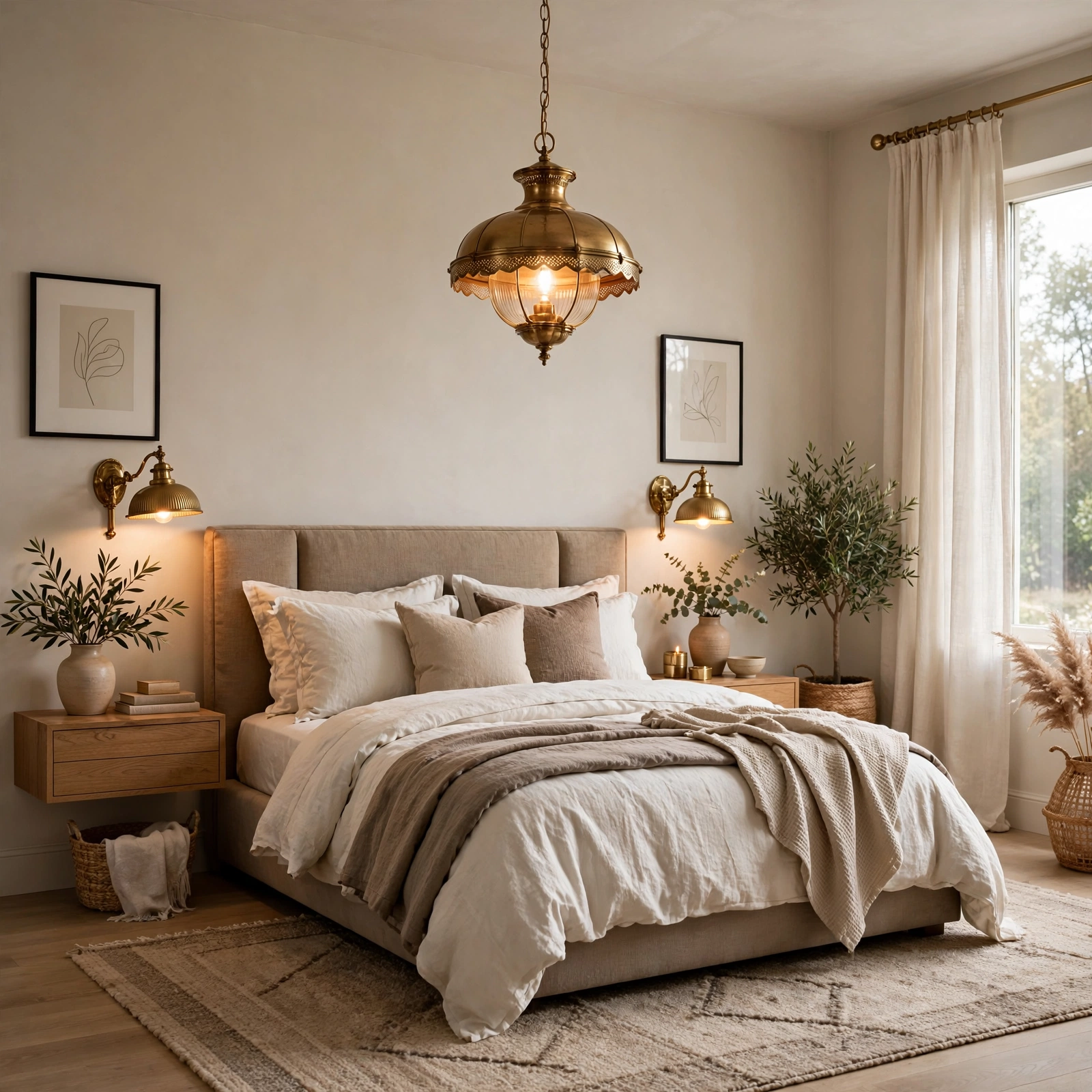
Vintage brass lighting fixtures, whether a swing arm wall sconce or an unlacquered brass table lamp, add warmth and a collected over time feel that new matched lighting sets often lack. Unlacquered brass develops a natural patina over months of use, which many designers prefer over the permanently shiny lacquered finish. Position sconces roughly 24 inches above the mattress line so reading light hits at shoulder height. Thrifted or antique store fixtures typically cost less than new designer equivalents.
11. Under Bed Storage Drawers Bedroom Inspirations
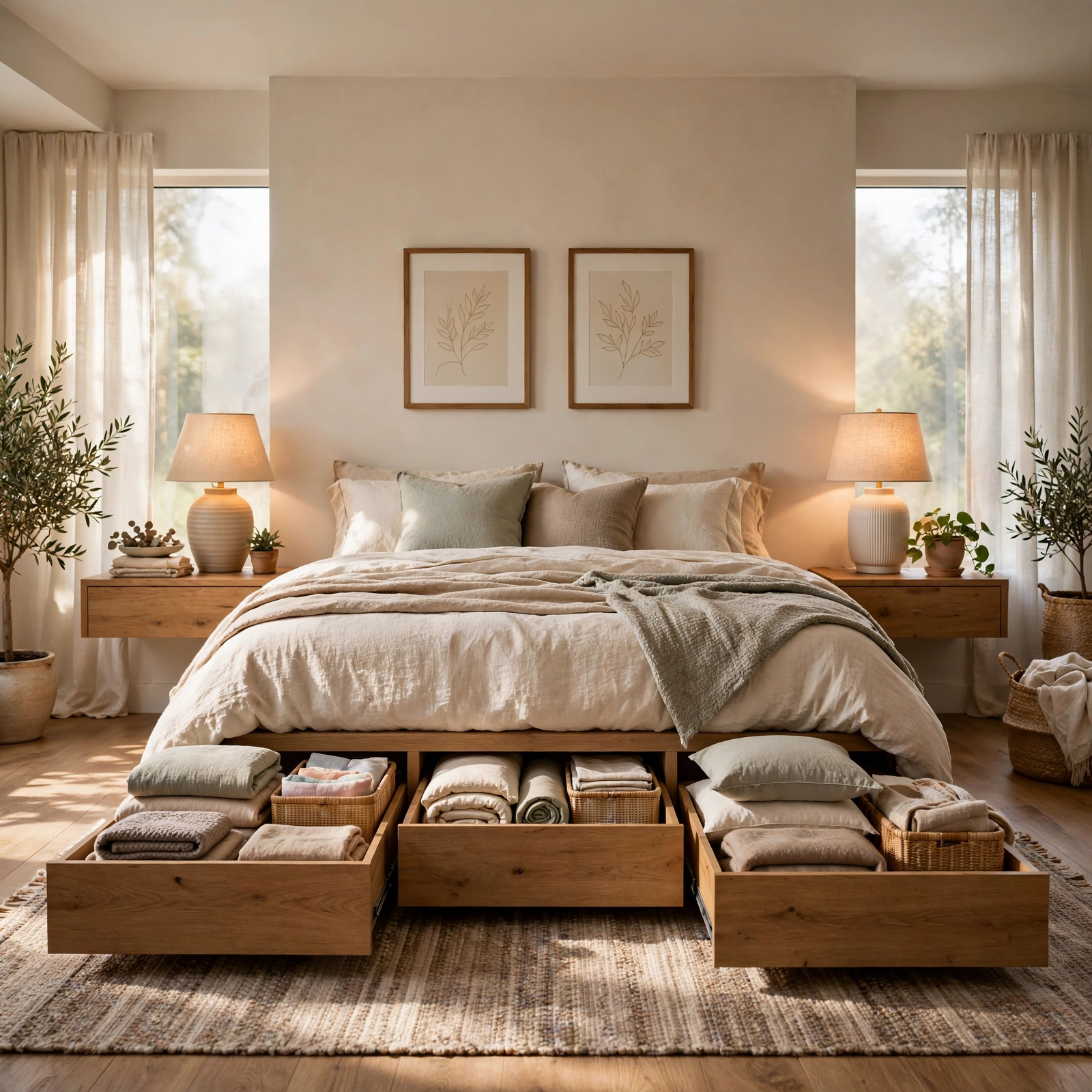
Under bed storage drawers make use of vertical clearance beneath a platform frame, offering space for out of season clothing or extra linens without needing a separate dresser. Look for a bed frame with at least 7 inches of clearance to fit standard rolling storage bins comfortably. This solution works particularly well in studio apartments or shared rooms where closet space is limited. Choose drawers with sealed lids if storing textiles long term to prevent dust accumulation underneath the mattress.
12. Budget Tier Bedroom Refresh Inspirations
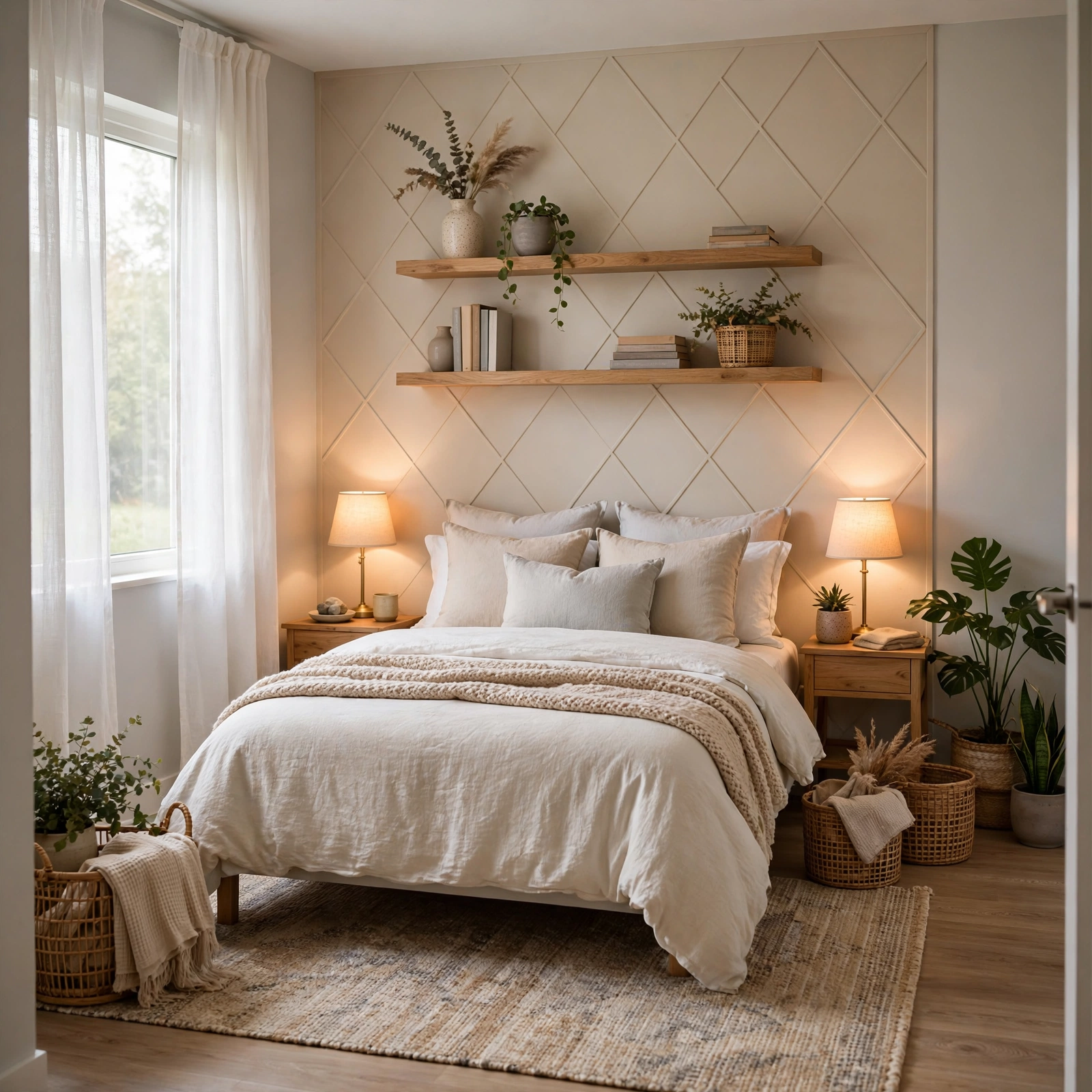
Refreshing a bedroom can range from a simple textile swap to a full furniture overhaul, and knowing which budget tier fits your goals helps prioritize spending. A modest refresh might focus on bedding and lighting alone, while a mid range update adds a headboard and rug, and a full renovation includes new furniture and paint. Setting a tier before shopping prevents overspending on accent pieces while neglecting the larger furniture that has more visual impact.
| Budget Tier | Typical Spend | Focus Areas |
| Modest Refresh | $150–$400 | Bedding, throw pillows, one lamp |
| Mid Range Update | $500–$1,200 | Headboard, rug, wall art |
| Full Renovation | $2,000+ | New bed frame, paint, dresser, lighting |
13. Gallery Wall Arrangement Bedroom Inspirations
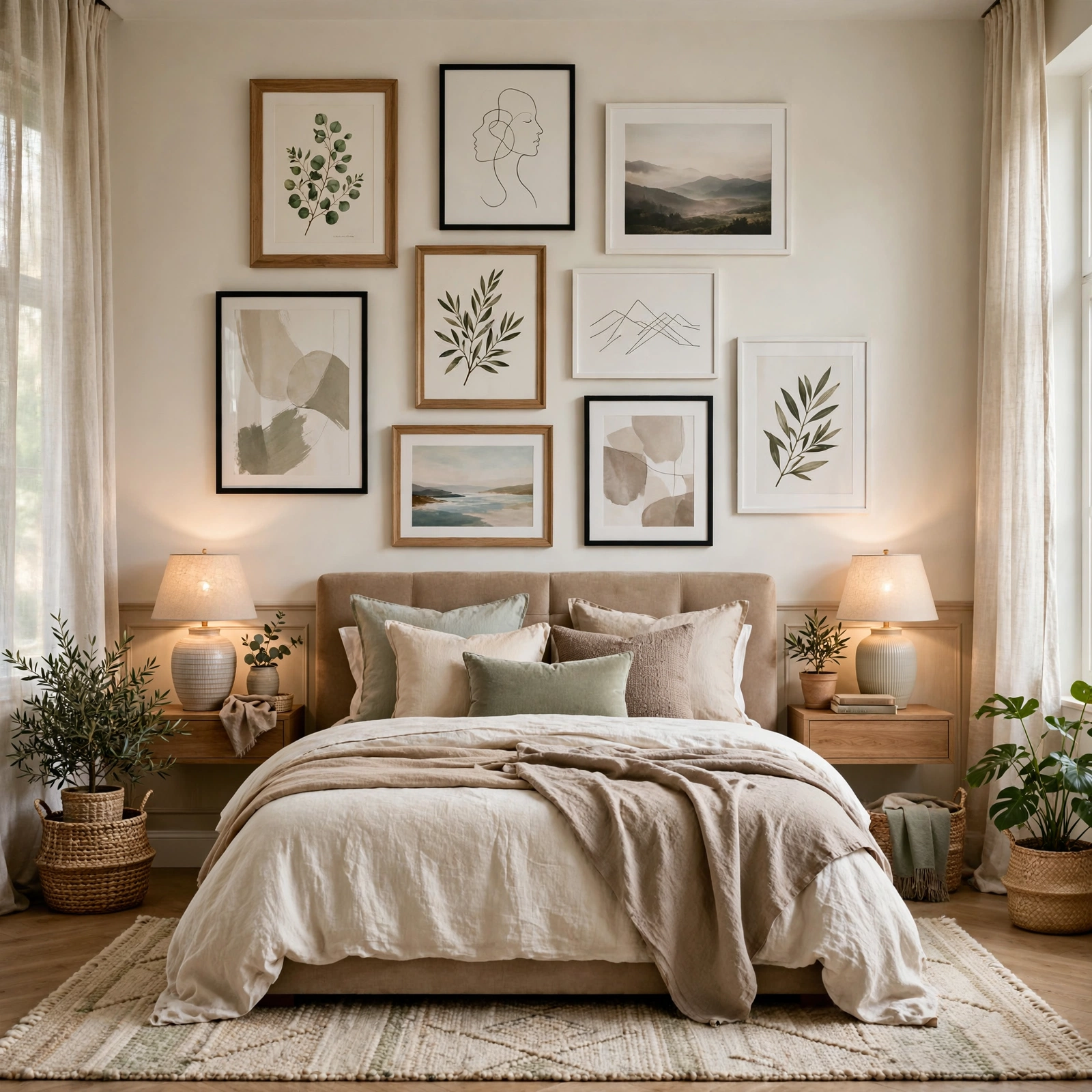
A gallery wall arrangement above the dresser or beside the bed brings personality into the room through mixed frame sizes and finishes rather than a single large art piece. Combine black metal, natural wood, and thin brass frames in odd numbers, typically five or seven pieces, for a balanced but informal layout. Leave 2 to 3 inches between frames for a cohesive cluster look. This approach costs less than one oversized statement piece and allows for easy swapping as tastes change.
Shop the Look
For a room built around these bedroom inspirations, start with a solid oak platform bed frame paired with an unlacquered brass swing arm sconce for reading light. Add a hand knotted wool area rug in a warm oat tone to ground the space, along with a linen duvet set in clay or sage. Finish with two or three floating oak shelves above the dresser for books and small decor without adding bulk to the floor plan.
Common Mistake to Avoid
The most common mistake is choosing furniture scale without measuring the room first, which results in a bed frame or dresser that technically fits but leaves no comfortable walking space. Many buyers also select all matching furniture sets, which can make a room feel like a hotel rather than a lived in space. Measure walking clearance around the bed, aiming for at least 24 inches on each accessible side, before finalizing any furniture purchase or headboard installation.
Frequently Asked Questions
What size rug works best under a bedroom bed?
A rug should extend at least 18 to 24 inches beyond each side of the bed frame so it’s visible when standing beside the mattress. For a queen bed, an 8 by 10 foot rug typically works well, while a king bed suits a 9 by 12 foot size. Placing the rug only at the foot of the bed is a common alternative in smaller rooms where full coverage isn’t possible.
How do I mix wood tones in a bedroom?
Mixing wood tones works best when you keep undertones consistent, pairing warm woods like oak and walnut together rather than combining warm and cool tones in the same room. A general rule is to repeat each wood tone at least twice, such as a walnut bed frame and matching nightstand, so the mix reads as intentional rather than mismatched leftover furniture from different sets.
What color should a small bedroom be painted?
Small bedrooms generally benefit from warm, light neutrals like soft sand or pale greige, which reflect more light than stark white without feeling cold. Painting trim the same color as the walls, rather than bright white, can also make a small room feel larger by removing visual breaks. Darker accent walls still work in small rooms if paired with adequate lighting and a lighter ceiling color.
How much clearance should be left around a bed?
Interior designers generally recommend at least 24 inches of walking clearance on each side of the bed and 30 inches at the foot if a dresser or walkway is nearby. Rooms smaller than this often benefit from a platform bed without a traditional frame, which visually reduces bulk. Skipping this measurement is one of the most frequent causes of a bedroom feeling cramped after a furniture purchase.
Is a canopy bed practical for a small bedroom?
A canopy bed can work in a small bedroom if the frame is slim, such as iron rather than thick wood posts, since it adds height without requiring extra floor space. Sheer fabric panels rather than heavy drapery also keep the frame from feeling overwhelming. Ceiling height matters more than floor square footage here, so rooms with at least 8 foot ceilings handle a canopy frame more comfortably.
Conclusion
These bedroom inspirations offer a starting point for a room that reflects your actual habits and space constraints, not just a trend cycle. Whether you start with a single statement headboard wall or work through a full budget tiered renovation, measuring first and choosing real materials over vague style labels will make the biggest difference. Save this guide to Pinterest for reference, and check out our related post on small bedroom layout ideas for more space specific guidance.