18 Trending Home Decor Items Worth Adding to Create a Cozy, Stylish Home
Finding the right home decor items can be the difference between a room that feels finished and one that still feels like it’s missing something, even after the furniture is in place. This guide covers eighteen categories of items from lighting to textiles to small tabletop pieces that consistently add warmth and character to a space, along with guidance on how to choose and style each one so it works with what’s already in the room.
Trend & Background
Interior design has increasingly shifted toward layering smaller, curated pieces over buying matched furniture sets, which has made individual decor items more important to how a room ultimately feels. Handmade ceramics, vintage-inspired lighting, and natural textiles have become especially popular as homeowners look for pieces with more character than mass-produced accessories. This matters now because a room built entirely from large furniture purchases often still feels unfinished, while a smaller, well-chosen set of decor items is usually what gives a space its actual personality.
Key Takeaways
- The right home decor items add texture, warmth, and personality to a room without requiring a full furniture overhaul.
- Small, repeatable categories like lighting, vases, and textiles usually deliver the biggest visual impact for the lowest cost.
- Sticking to a consistent material palette across items, like wood, brass, and ceramic, keeps a room feeling curated rather than cluttered.
- Budget matters less than pairing a handful of well-chosen pieces in complementary tones outperforms a large collection of mismatched ones.
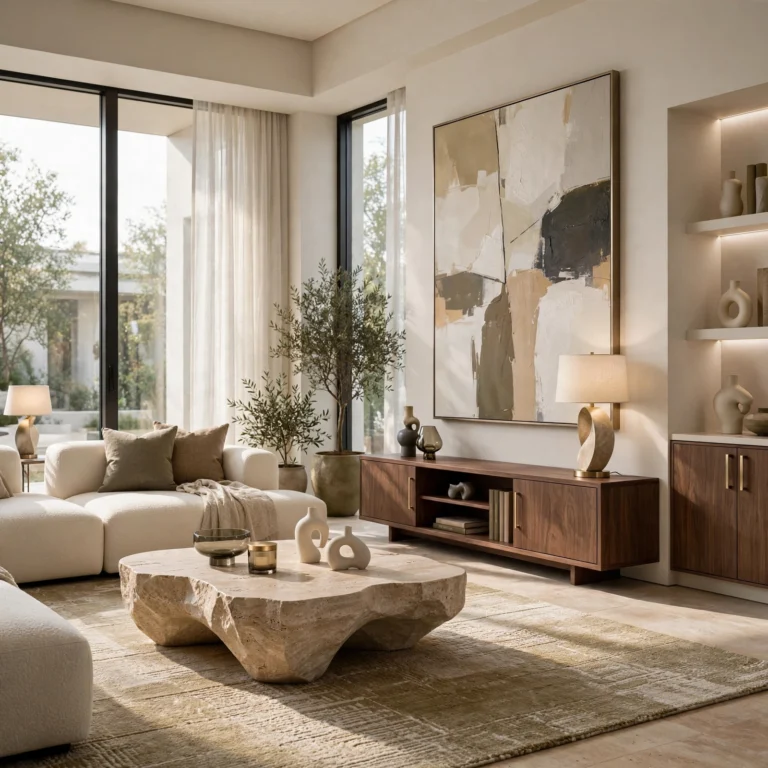
1. Ceramic Table Lamp
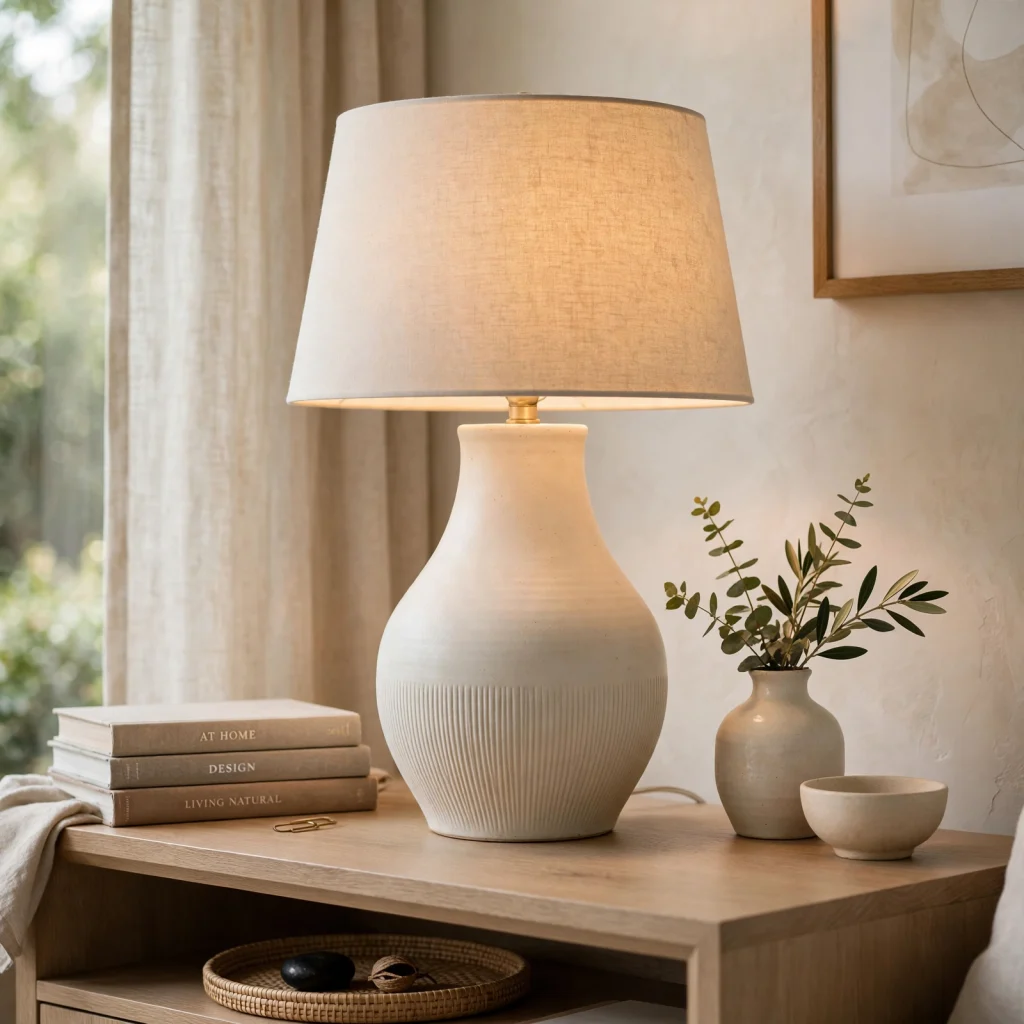
A ceramic table lamp adds a soft, rounded silhouette that contrasts nicely against the straighter lines of most furniture, while its glazed finish introduces subtle color or texture to a side table. Choosing a lamp in a warm, speckled, or matte glaze rather than a glossy finish keeps the piece feeling handmade rather than mass-produced. Pairing it with a linen or rattan shade adds warmth to the light itself, not just the fixture’s appearance.
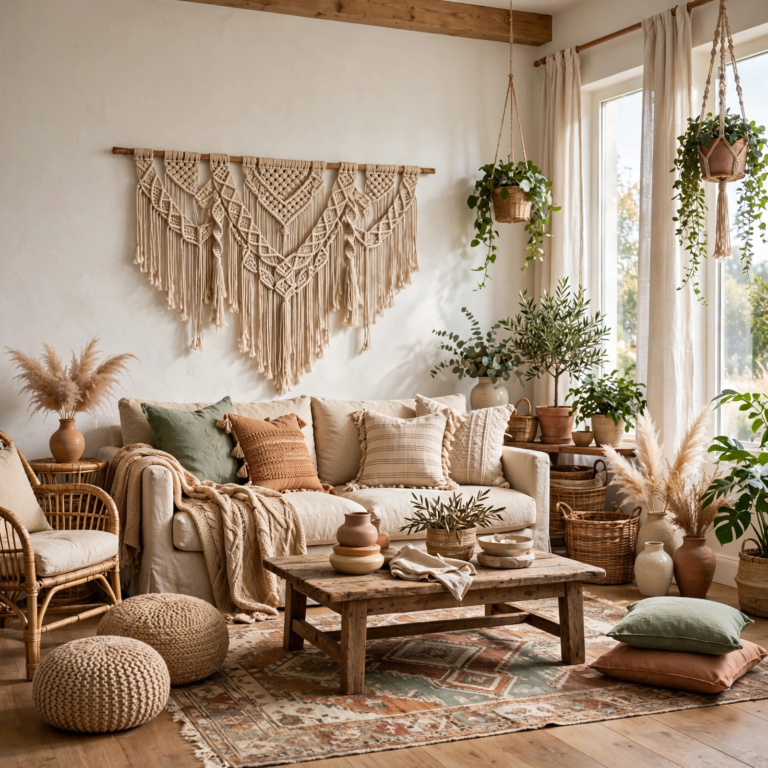
2. Woven Wall Hanging
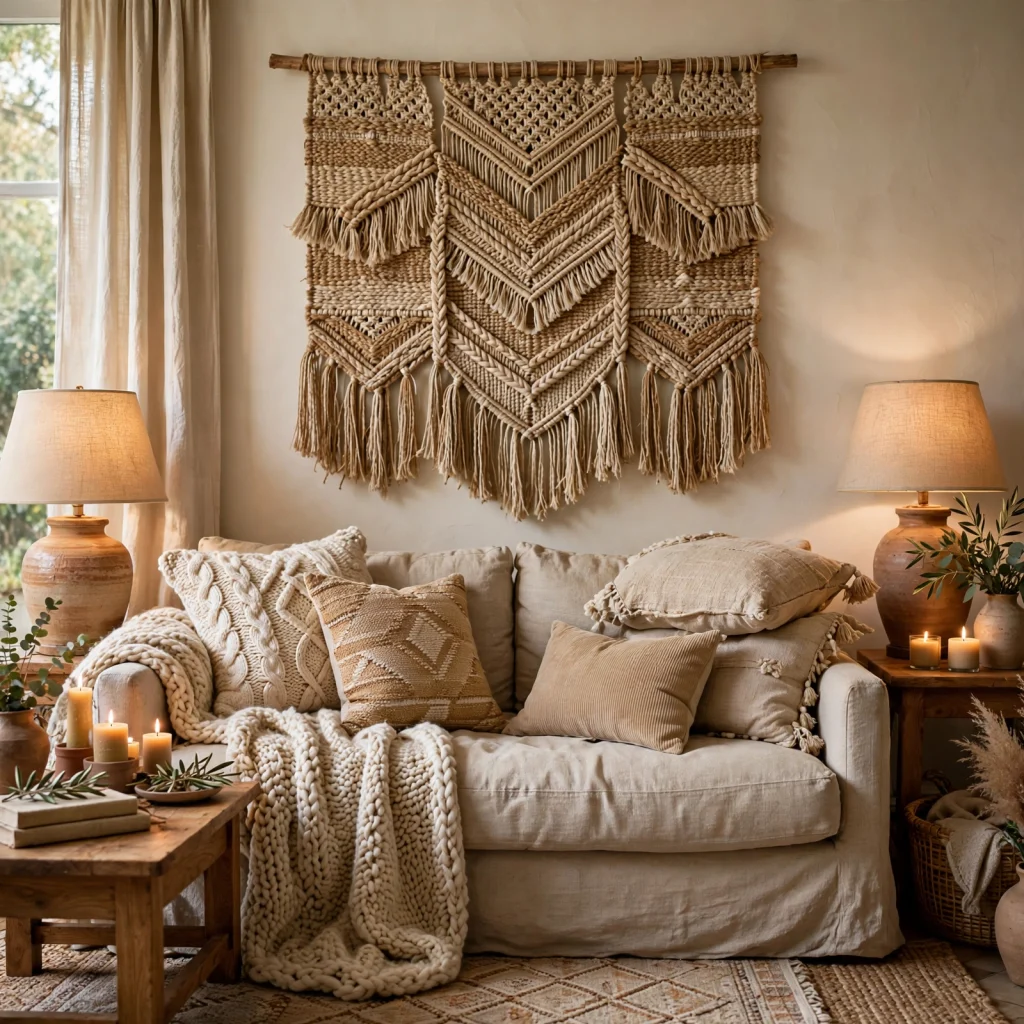
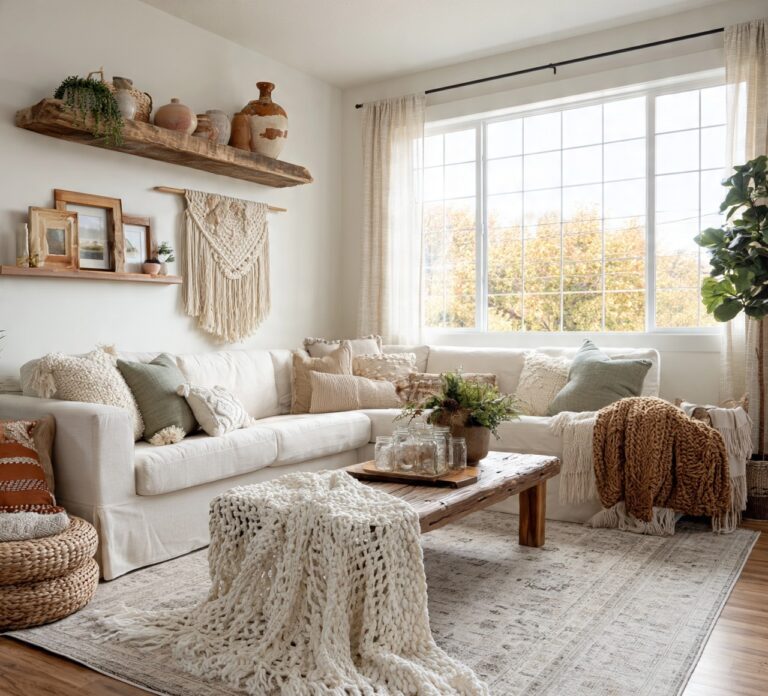
A woven wall hanging, whether a simple macrame piece or a textured fiber art panel, fills empty wall space with texture instead of relying solely on framed art. Its irregular, handmade quality adds a organic softness that pairs well with wood furniture and natural textiles elsewhere in the room. Hanging it above a console table or reading chair gives it a defined spot to anchor rather than floating in an unrelated part of the wall.
3. Brass Candle Holders
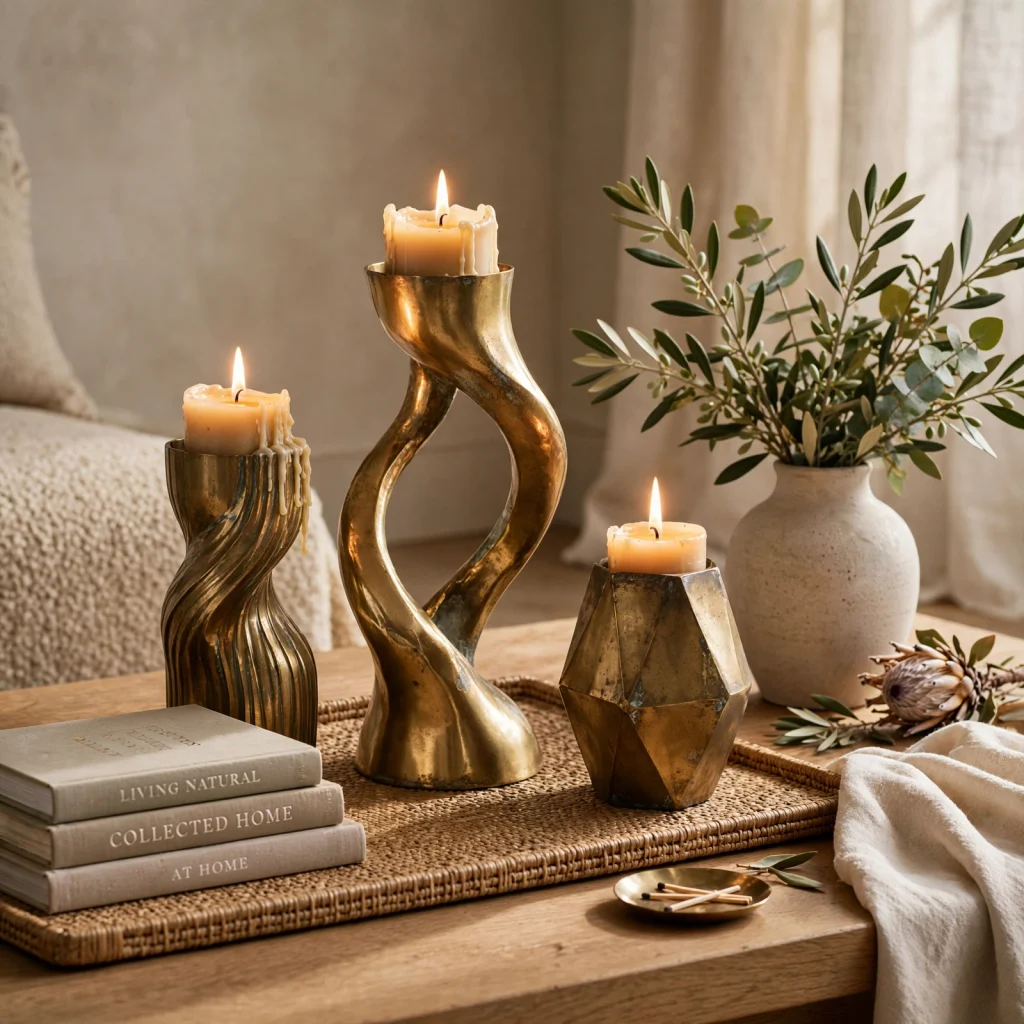
A set of brass candle holders in varying heights adds a small but noticeable layer of warmth to a coffee table, mantel, or dining table without taking up much surface space. Unlacquered brass develops a natural patina over time, which fits well into rooms built around a collected, lived-in aesthetic rather than a polished, showroom look. Grouping three holders of different heights together generally reads as more intentional than a single matched pair.
To see more home decor aesthetic CLICK HERE
4. Sculptural Vase
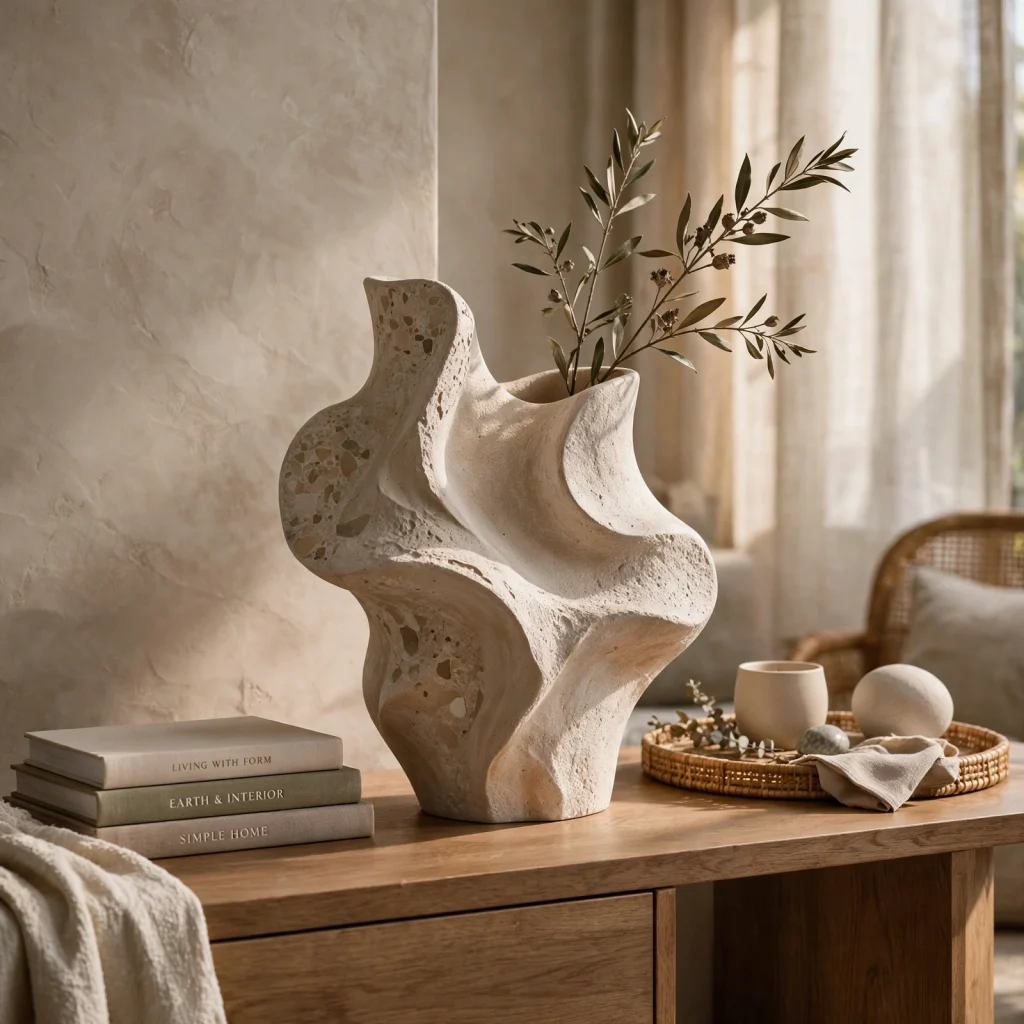
A sculptural, irregularly shaped vase works as a decor item on its own, even without flowers, thanks to its form and glaze rather than its function. Placing it on a bookshelf or coffee table as a solo object, rather than always filling it with stems, lets its shape do the visual work. Choosing one in a warm, earthy glaze keeps it flexible enough to pair with most existing color palettes in a room.
5. Home Decor Items Budget Breakdown
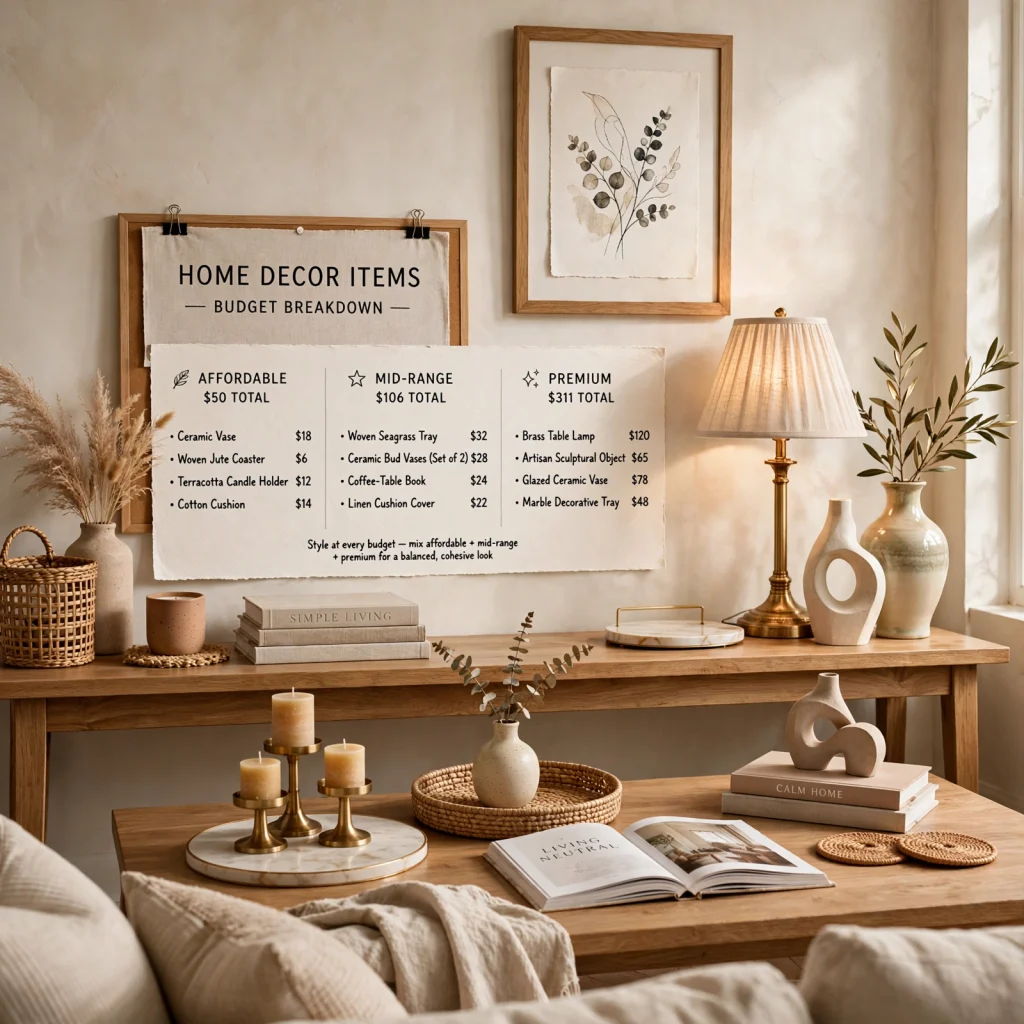
Understanding where to spend and where to save on home decor items makes it easier to build a full room without overspending on every category at once. Larger, higher-impact pieces like lighting and rugs generally justify a bigger investment, while smaller tabletop items like vases and candle holders can be sourced more affordably without sacrificing the room’s overall look. Spreading purchases across a few categories, rather than filling every surface at once, also keeps the room from feeling overdecorated.
| Category | Budget Tier | Splurge Tier |
| Table Lamp | $40–$80 | $150–$300 |
| Area Rug | $100–$250 | $400–$800 |
| Vase or Bowl | $15–$40 | $60–$150 |
| Wall Art | $30–$70 | $150–$400 |
6. Layered Throw Pillows
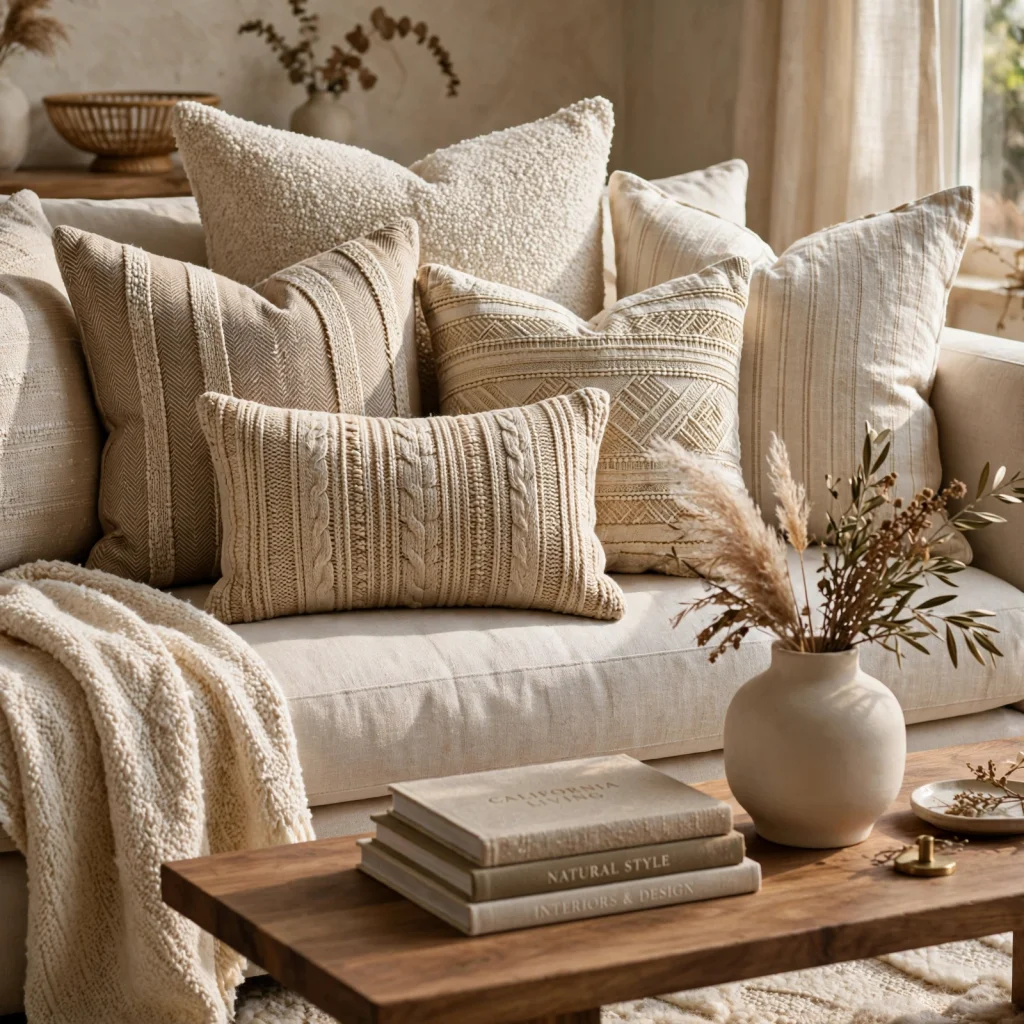
Two or three throw pillows in varying textures, like linen, boucle, and a woven pattern, add depth to a sofa or bed without requiring a matched set. Mixing sizes, such as one larger square pillow with a smaller lumbar pillow, generally looks more intentional than uniform pairs. Choosing tones that pull from elsewhere in the room, like a rug or piece of art, keeps the pillows feeling connected rather than randomly placed.
7. Vintage Mirror
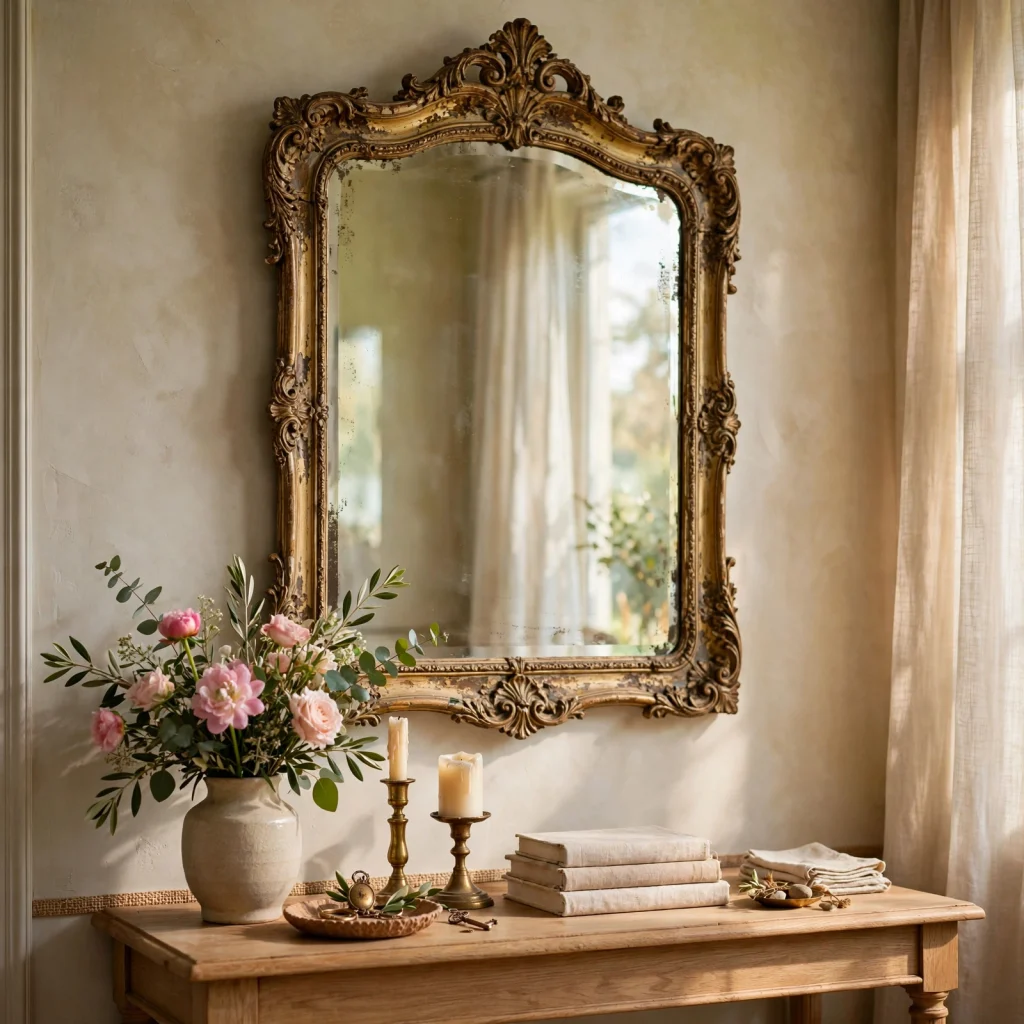
A vintage or vintage-style mirror adds both function and a decorative frame detail, often in a material like aged brass, carved wood, or rattan that a standard flat mirror wouldn’t offer. Leaning a larger mirror against a wall rather than hanging it creates a more casual, collected look, while a smaller mirror works well grouped with other wall decor. Its reflective surface also helps bounce light around a room, which is a practical bonus beyond its decorative value.
8. Rattan Storage Basket
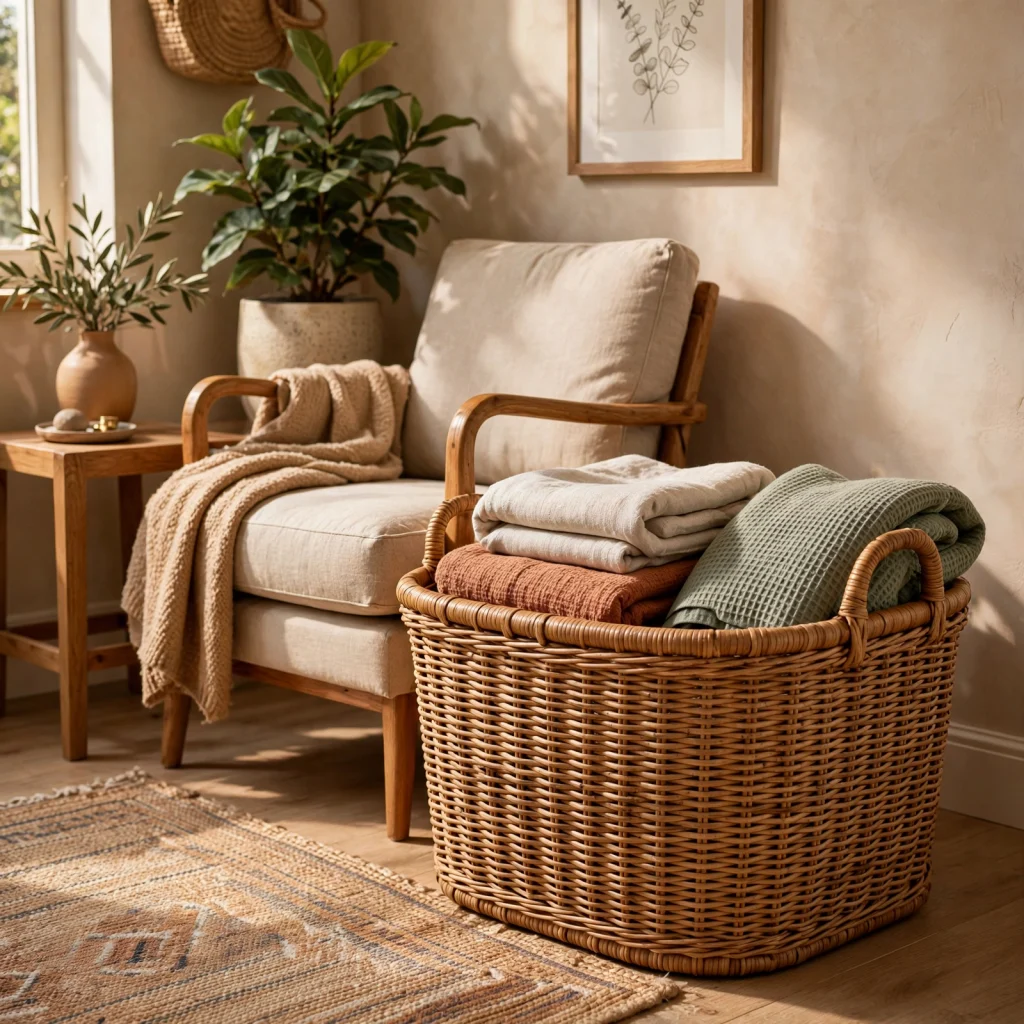
A woven rattan or seagrass basket adds practical storage for blankets, magazines, or toys while contributing natural texture to a room that might otherwise rely entirely on smooth, hard surfaces. Grouping two or three baskets of different sizes in a corner or beside a sofa is more visually interesting than a single oversized basket. Its warm, neutral tone also makes it easy to pair with almost any existing color palette in the room.
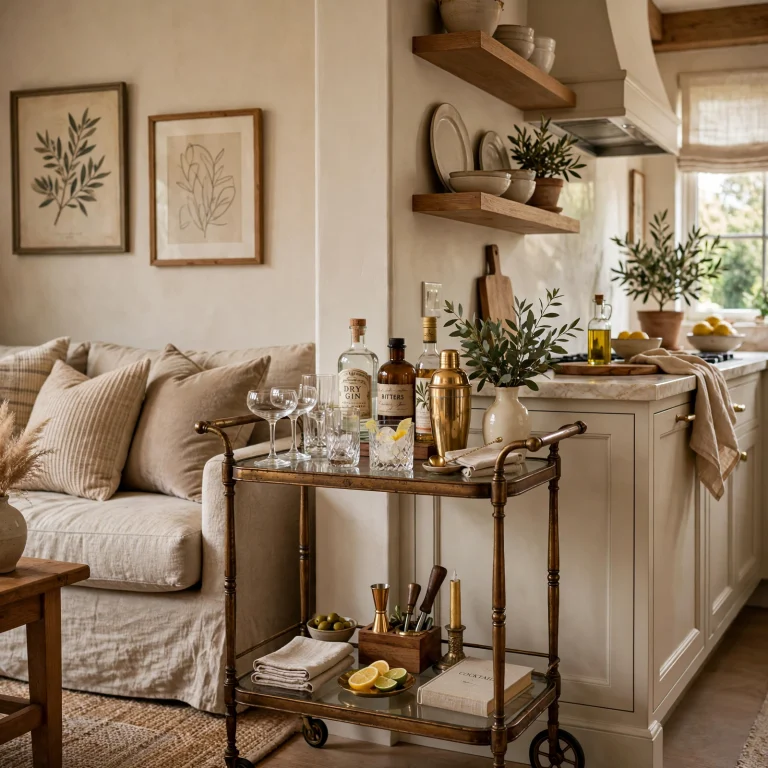
9. Framed Botanical Print
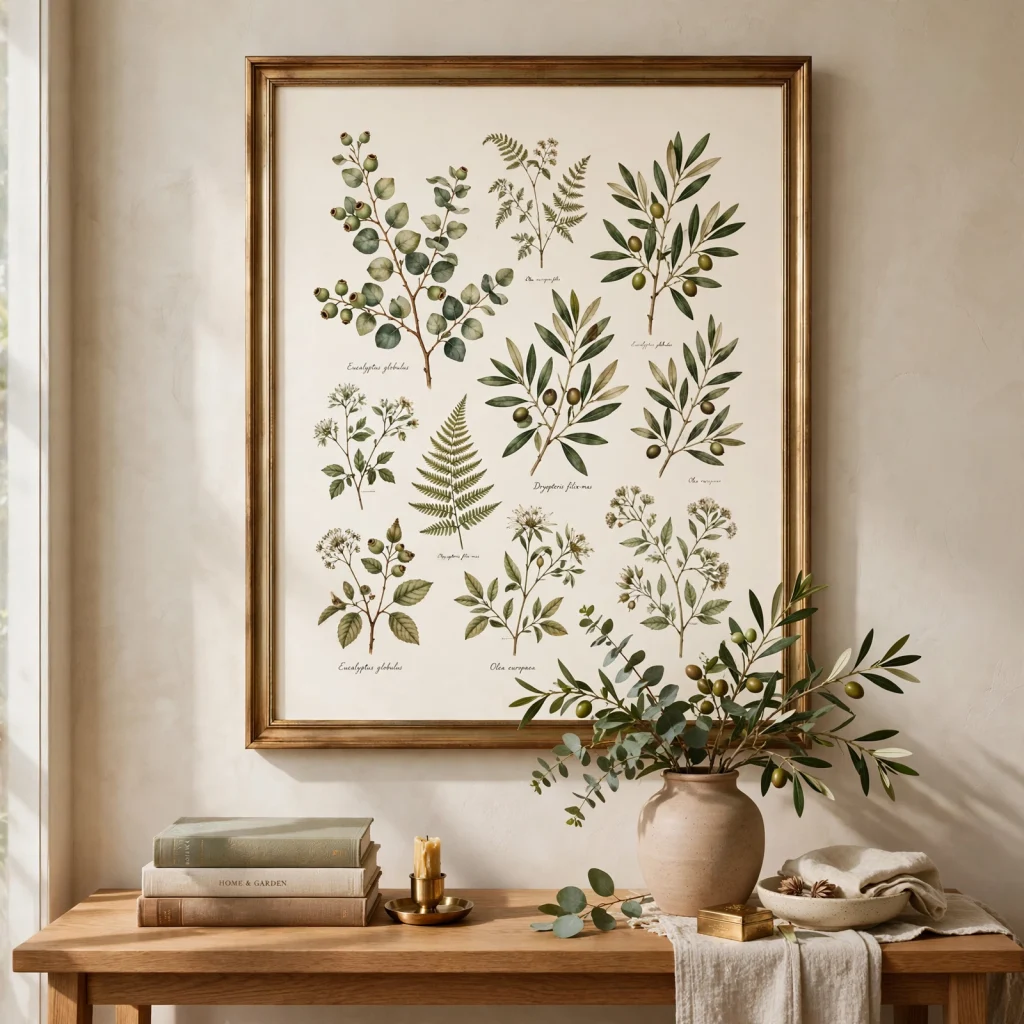
A framed botanical or line-art print adds color and personality to a wall without requiring a full gallery wall commitment. Choosing a print with a cream or neutral background keeps it flexible enough to work in a room with an evolving color palette. A single large print often has more visual impact than several small ones scattered across a wall, especially above a sofa or console table where it can act as a focal point.
10. Statement Bookends
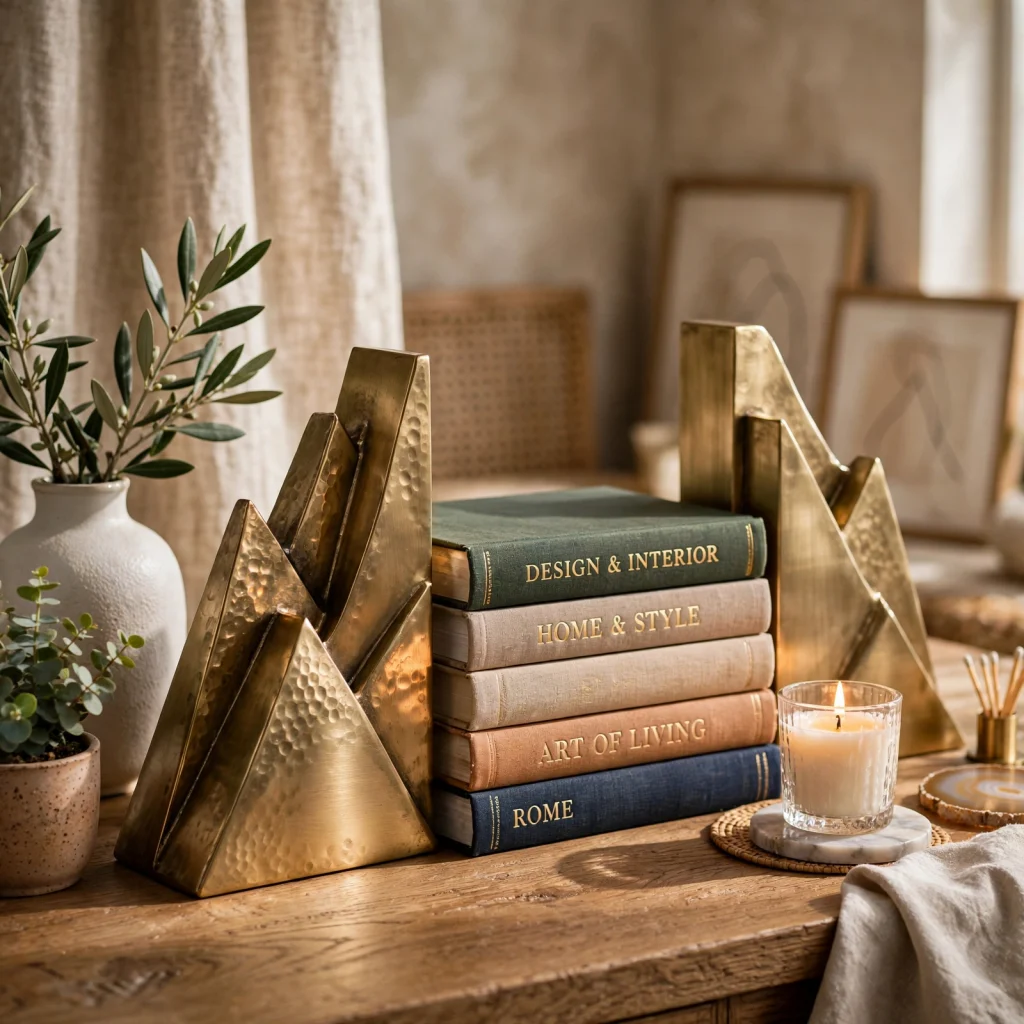
A pair of sculptural bookends, in a material like marble, brass, or turned wood, turns a stack of books into a styled vignette rather than a purely functional stack on a shelf. Choosing bookends with an interesting shape, rather than a plain geometric block, adds a small but noticeable design detail to a bookshelf or console table. Pairing them with a mix of hardcover books and a small object, like a candle or small vase, rounds out the styling.
11. Textured Throw Blanket
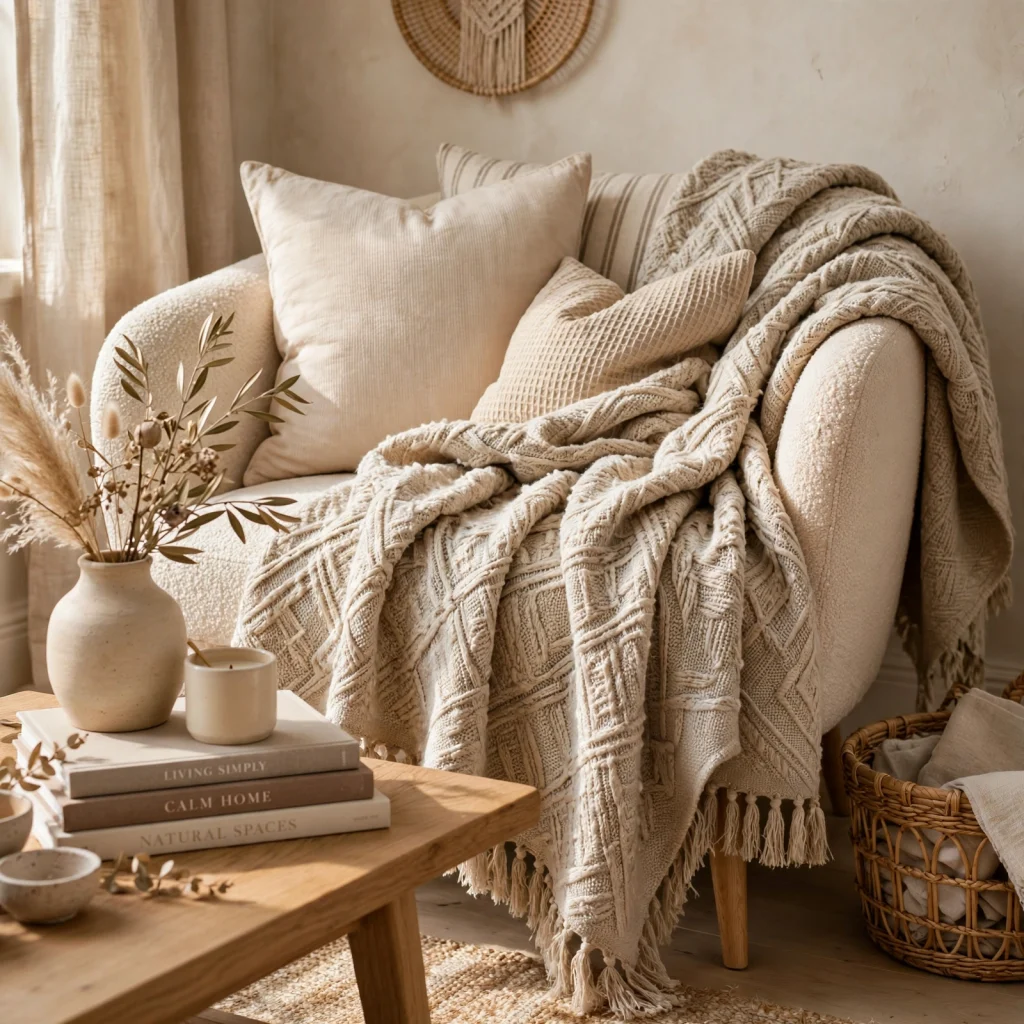
A chunky knit or woven wool throw blanket draped over the arm of a sofa or the foot of a bed adds both warmth and texture in one of the simplest, lowest-cost decor updates available. Choosing a color that complements rather than matches the existing upholstery keeps the blanket from disappearing visually into the furniture. Folding it loosely, rather than perfectly, gives the space a more relaxed, lived-in feeling.
12. Dried Flower Arrangement
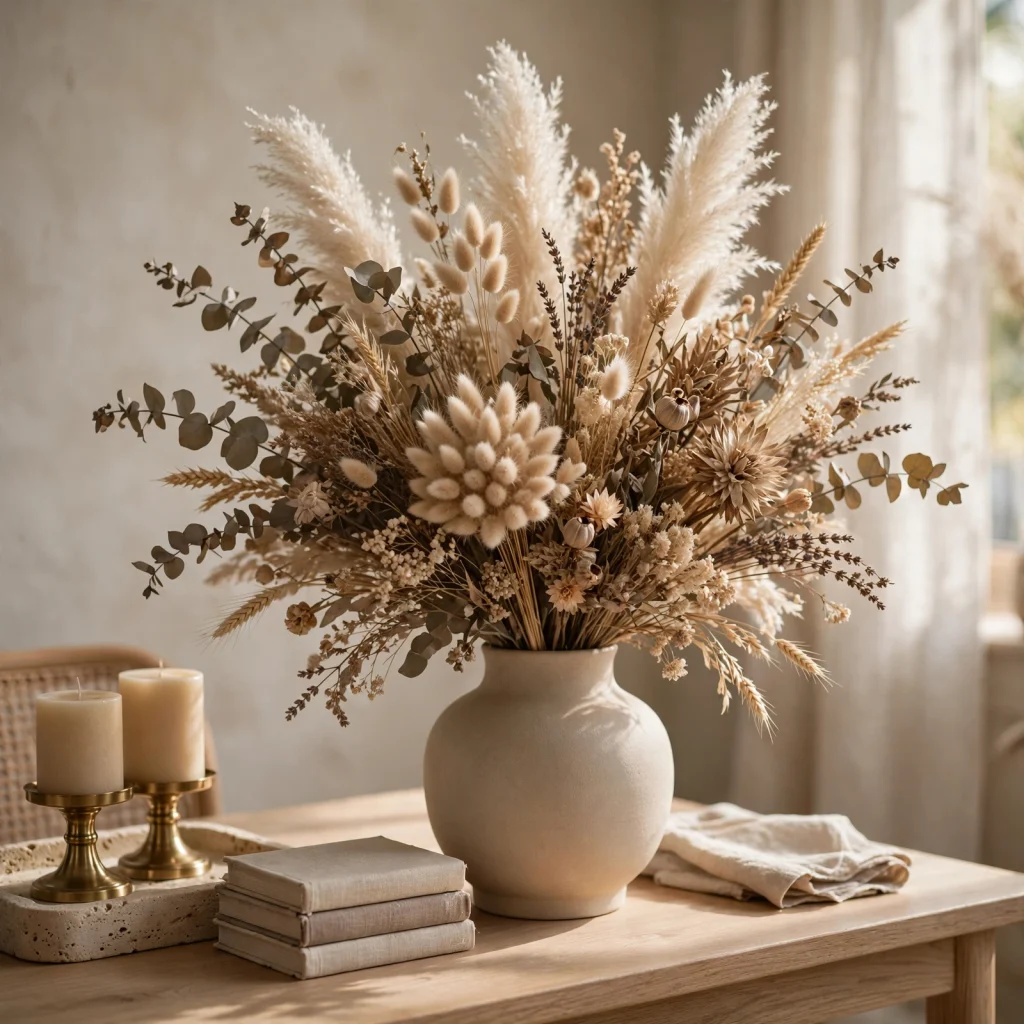
A dried or preserved flower arrangement, such as pampas grass or dried eucalyptus, adds organic texture to a room without the maintenance a fresh arrangement requires. Choosing stems in a neutral, muted tone keeps the arrangement flexible enough to fit into most existing color palettes. Placing it in a simple ceramic or glass vase, rather than an ornate one, keeps the focus on the texture of the stems themselves.
13. Wooden Serving Tray
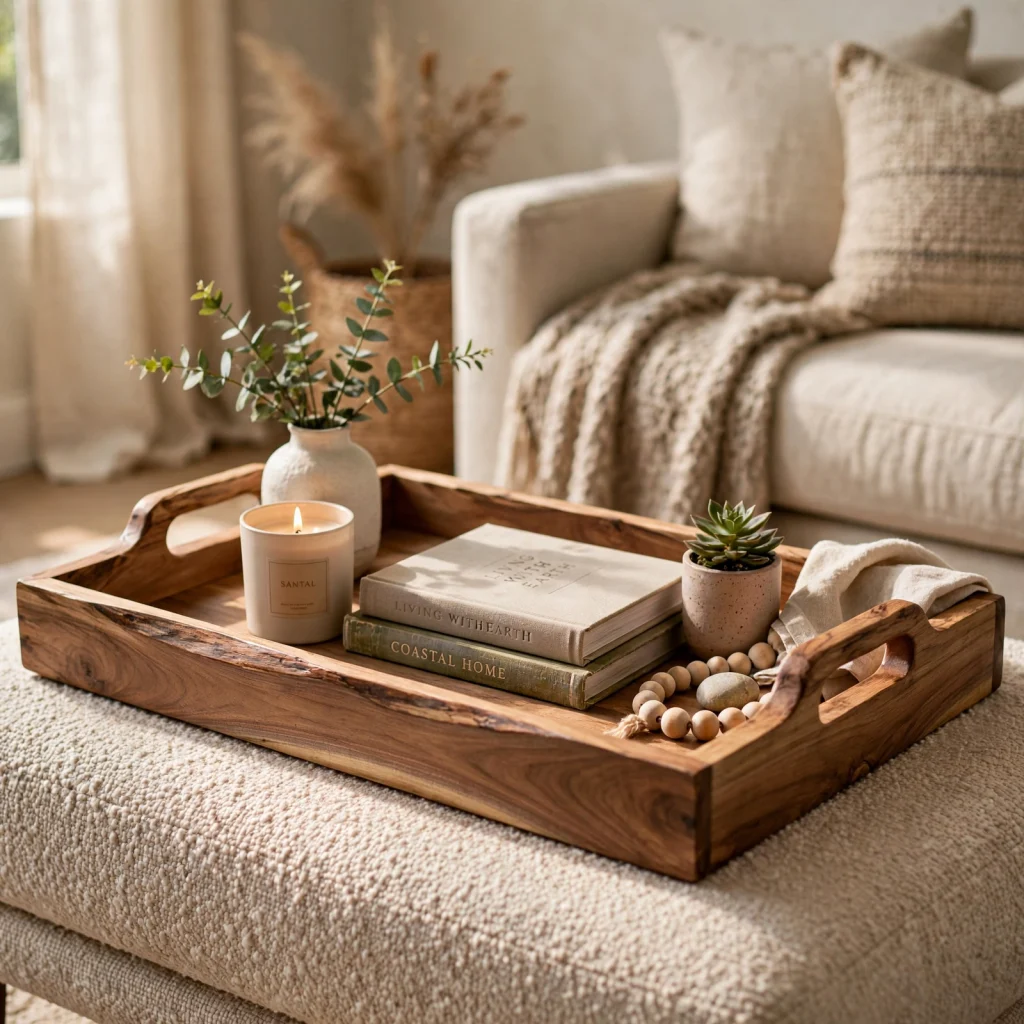
A wood serving tray works as both a functional piece for coffee table styling and a decorative base for grouping smaller objects like candles, books, or a small plant. Choosing a tray with a visible wood grain, like walnut or acacia, adds warmth that a plain lacquered tray wouldn’t offer. Using it to corral a coffee table’s smaller items also keeps the surface looking tidy rather than cluttered with individual pieces.
14. Decorative Bowl
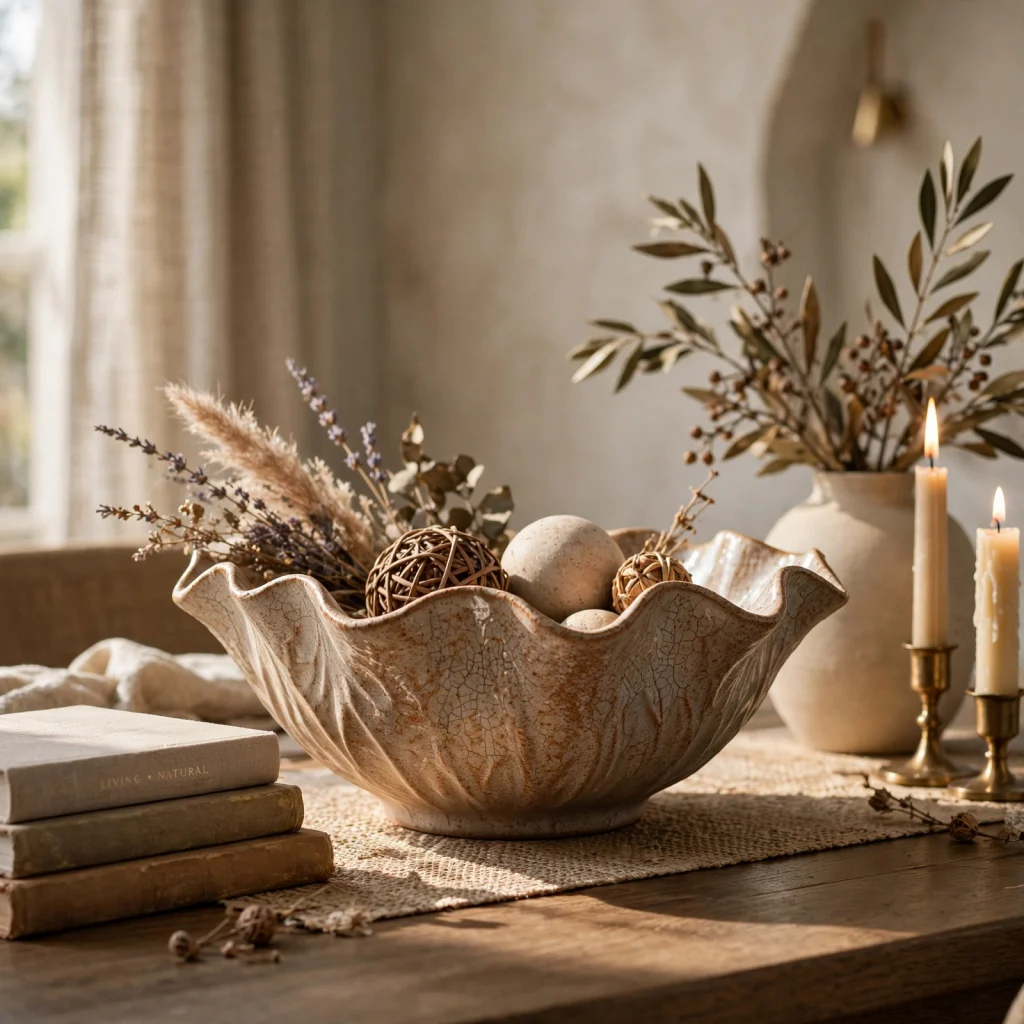
A ceramic or wood decorative bowl placed on a coffee table or console gives loose items like keys, remote controls, or small trinkets a defined home instead of letting them scatter across the surface. Choosing one with an irregular, handmade shape adds more visual interest than a perfectly uniform bowl. It also works well left empty as a purely sculptural object on a shelf or entry table.
15. Table Runner
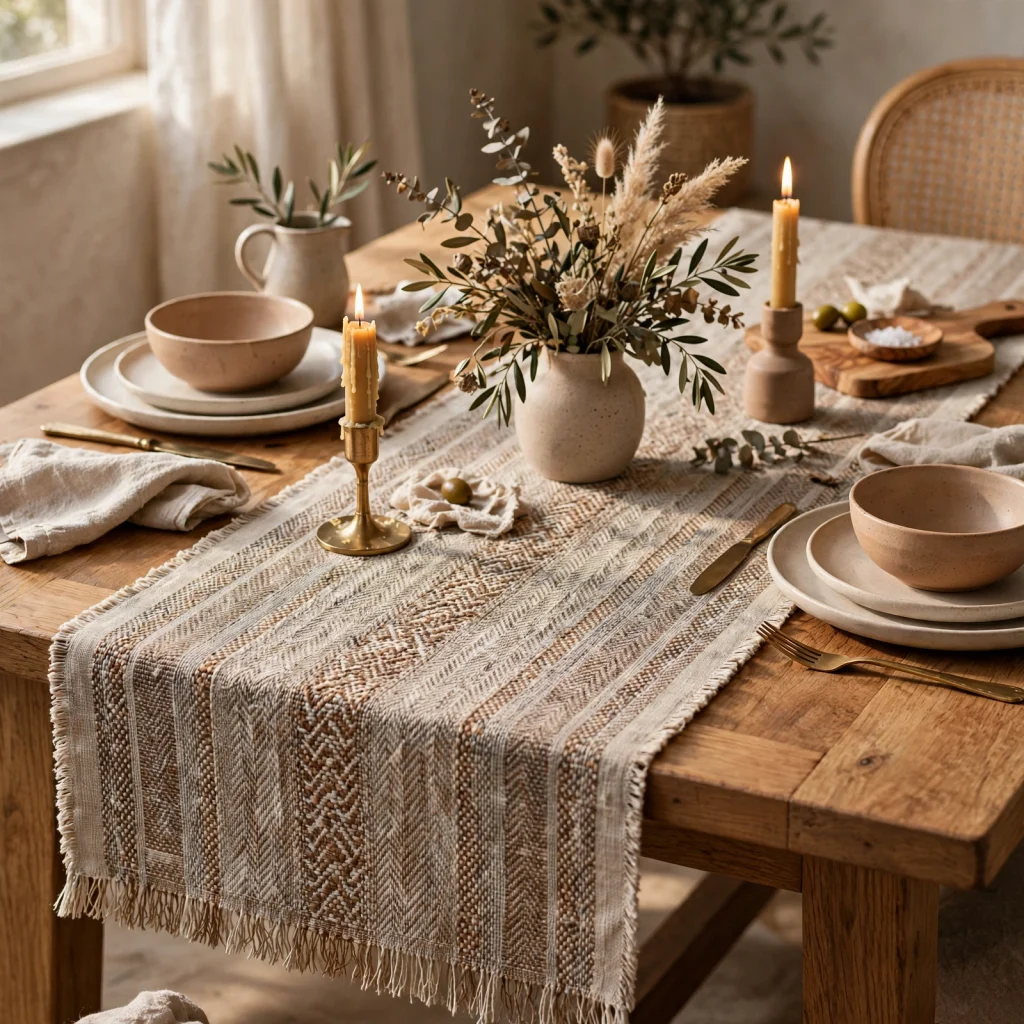
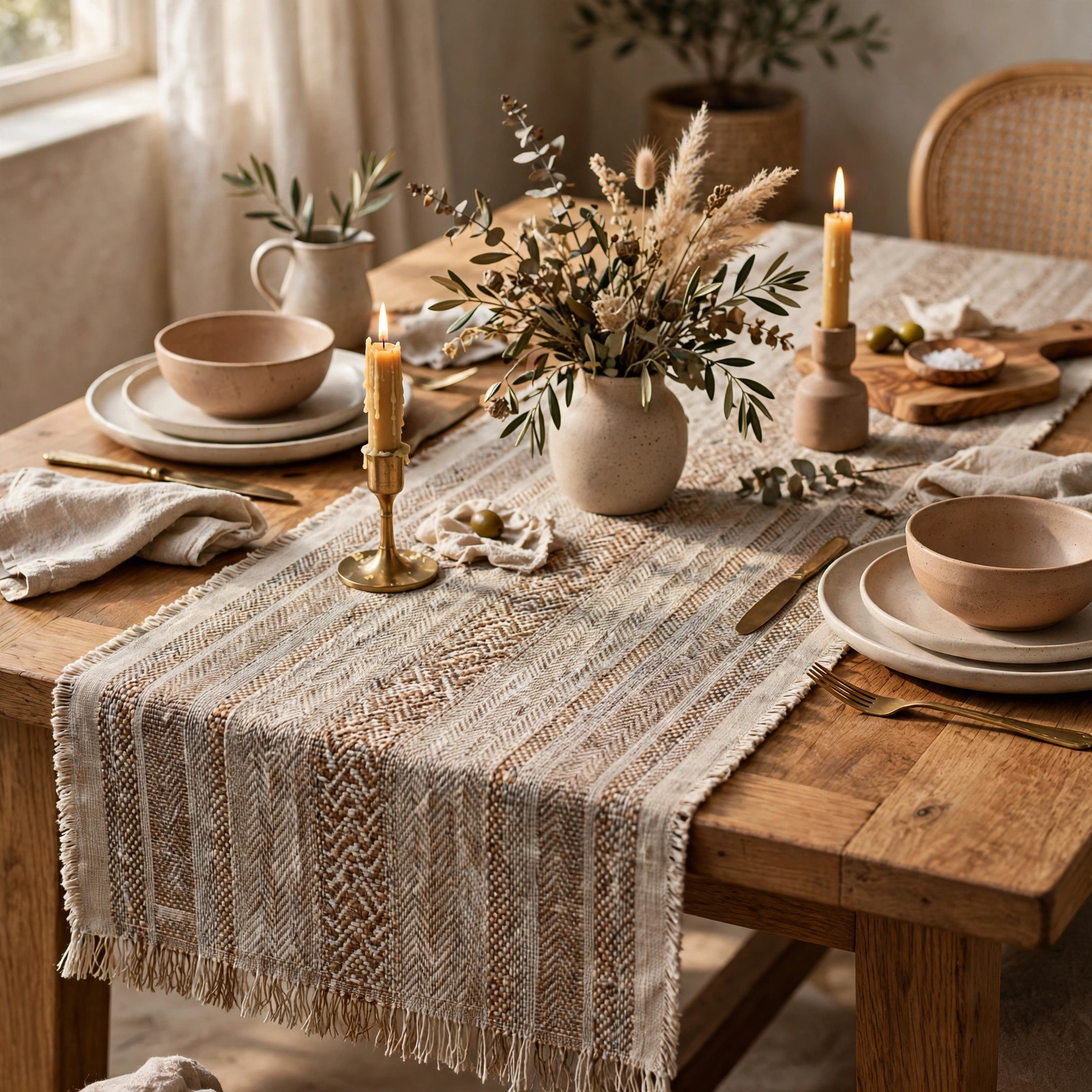
A linen or woven table runner adds texture and a defined visual line to a dining or console table without requiring a full tablecloth. Choosing a runner in a neutral tone with subtle texture, like a waffle weave or slubbed linen, keeps it flexible enough to use year-round rather than swapping seasonally. Layering a few smaller objects, like a vase or candle holders, on top of the runner rather than directly on the table adds another layer of styling.
16. Wall Sconce Lighting
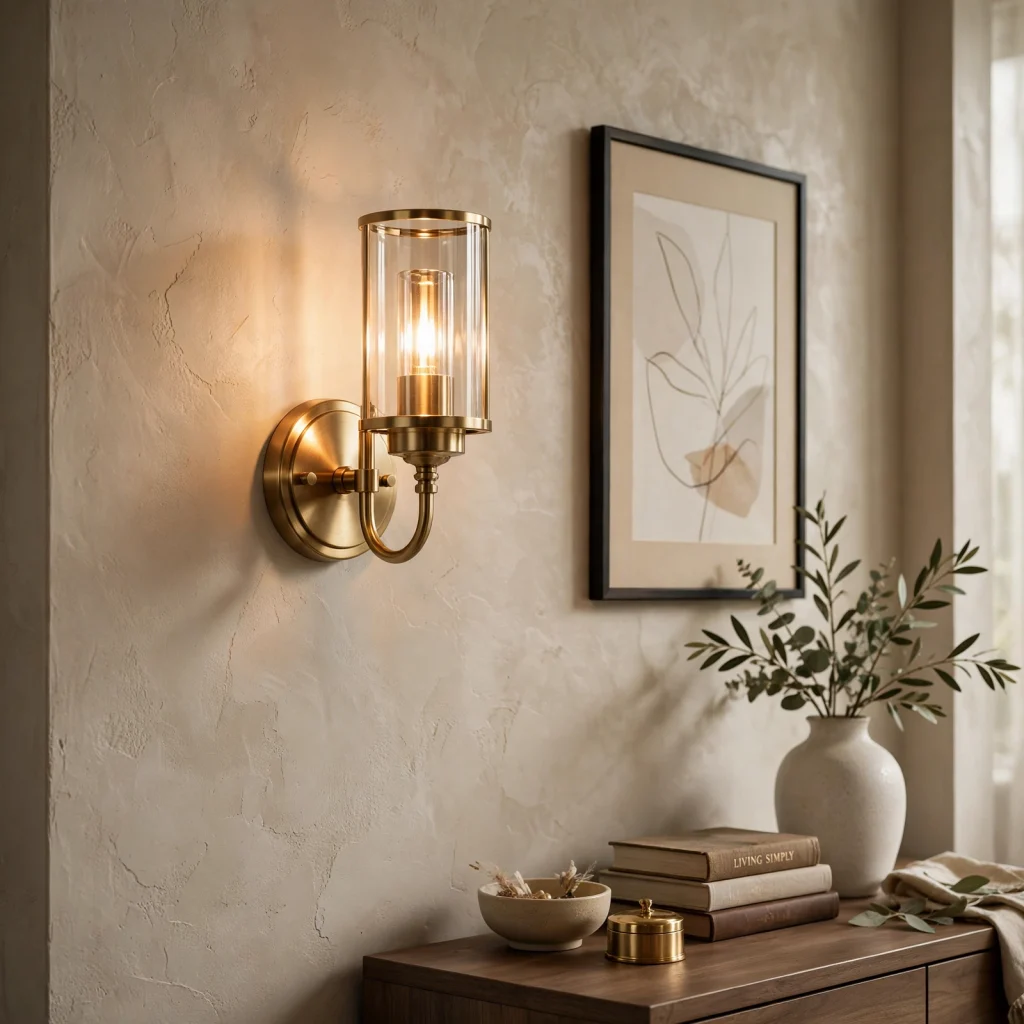
A pair of wall sconces flanking a mirror, artwork, or bed adds a layered lighting source that a single overhead fixture can’t replicate on its own. Choosing a sconce in a warm metal finish, like brass or bronze, ties the fixture into the room’s other hardware and lighting choices. Because sconces free up surface space that a table lamp would otherwise occupy, they’re especially useful in smaller rooms with limited tabletop real estate.
17. Faux Fur Accent Rug
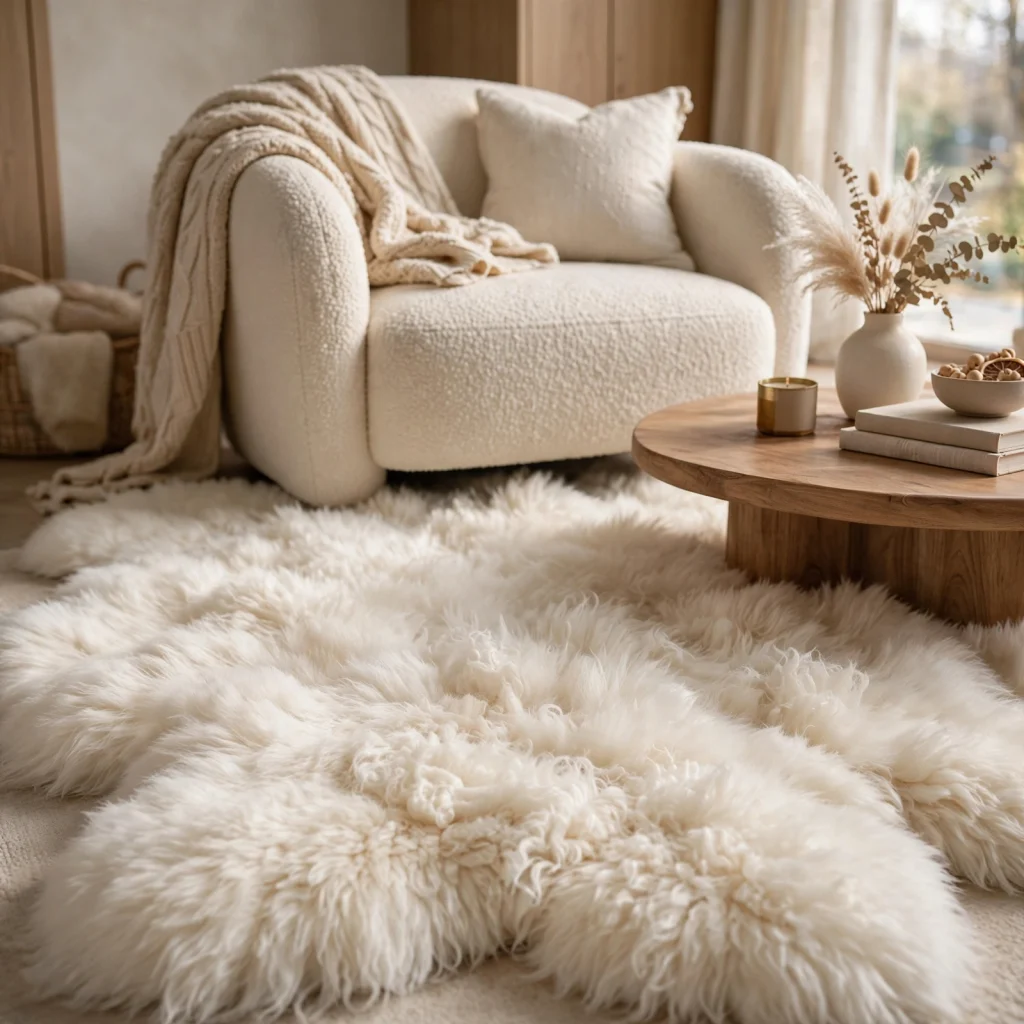
A small faux fur or sheepskin accent rug adds a soft, tactile layer when placed near a reading chair or at the foot of a bed, without the commitment of a full room-sized rug. Its texture contrasts well against flatter materials like wood flooring or a woven jute rug underneath it. Choosing a neutral, natural-looking tone keeps it from reading as overly novelty or costume-like in an otherwise grounded room.
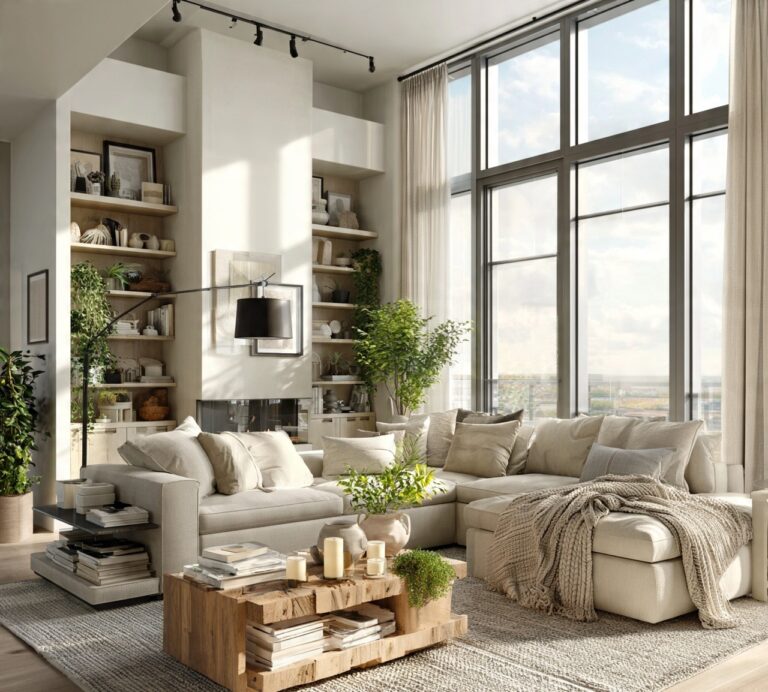
18. Curated Bookshelf Objects
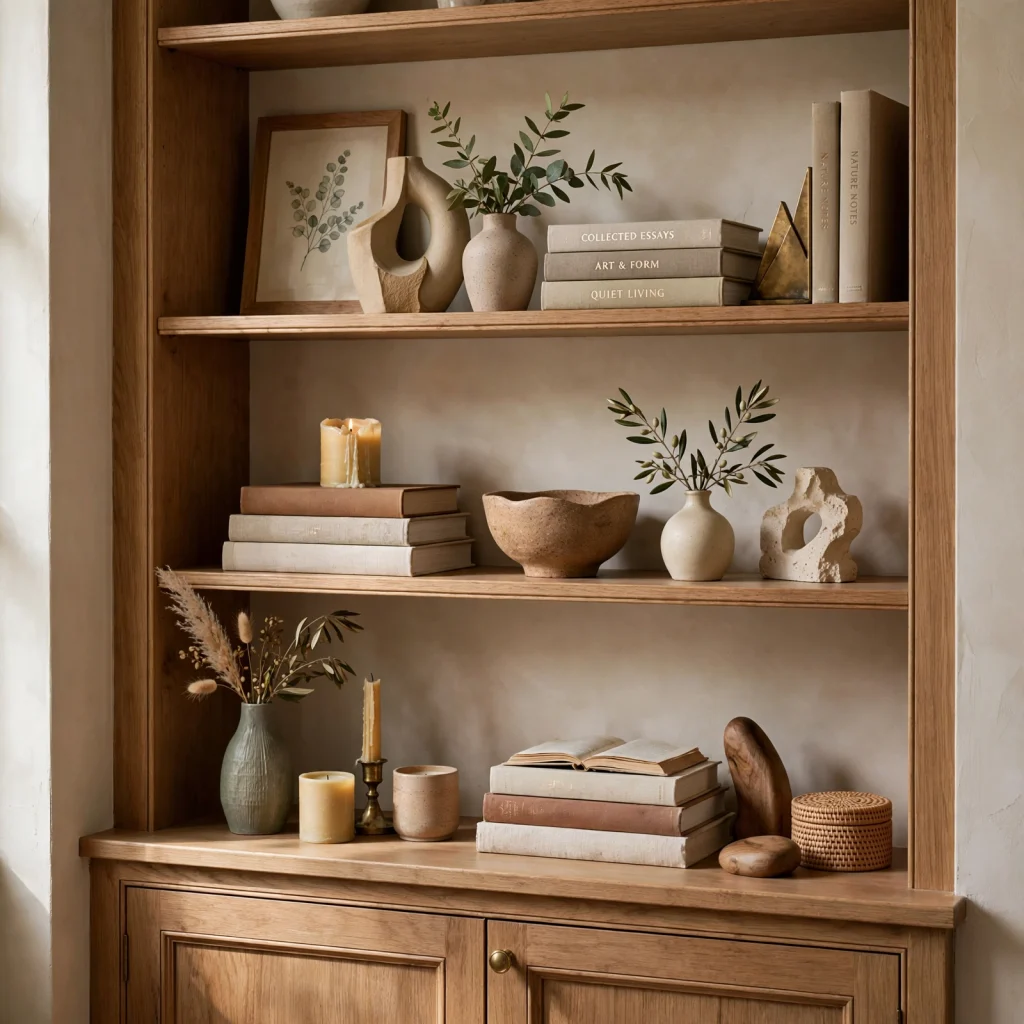
A small rotating collection of objects a candle, a small sculpture, a stack of books, a single plant turns an open shelf into a styled vignette rather than empty or overcrowded storage. Grouping items in odd numbers, like three or five, and varying their heights generally creates a more balanced arrangement than evenly spaced, matched pairs. Leaving some negative space on the shelf keeps the styling from feeling cluttered, even with several objects grouped together.
Shop the Look
A ceramic speckled-glaze table lamp pairs well with a set of unlacquered brass candle holders and a walnut wood serving tray for the coffee table. Add a woven rattan storage basket and a chunky knit throw blanket in a warm neutral tone for texture near the seating area. Round out the room with a framed botanical print, a small sculptural vase, and a pair of brass bookends styled on an open shelf.
Common Mistake to Avoid
The most common mistake when shopping for home decor items is buying too many small pieces at once without a shared color or material thread, which usually results in a room that feels cluttered rather than curated. Items purchased individually, without considering what’s already in the space, often end up competing rather than complementing each other. Building a short list of two or three materials, like wood, brass, and ceramic, before shopping keeps every new piece working toward the same overall look.
FAQs
What are the most important home decor items to start with?
Lighting, a rug, and a few tabletop pieces like a vase or tray generally have the biggest impact for the effort involved, since they touch multiple senses and surfaces in a room at once. Textiles like throw pillows and blankets are a close second, since they’re relatively inexpensive and easy to swap out later. Starting with these categories before smaller decorative objects usually gives a room its foundational look faster.
How many decor items are too many in one room?
There’s no fixed number, but a good rule of thumb is to leave visible negative space on at least half of any given shelf, table, or surface, rather than filling every inch. If it’s hard to find a single object’s outline because it’s surrounded by others, the surface likely has too many items grouped together. Editing down to a few well-chosen pieces per surface usually reads as more intentional than a fully packed display.
What materials work well together for home decor items?
Wood, brass, and ceramic form one of the most reliable combinations, since all three read as warm and natural without clashing in temperature or finish. Adding one contrasting texture, like woven rattan or a knit textile, rounds out the palette without introducing a fourth competing material. Sticking to two or three core materials across all decor items in a room is generally more cohesive than mixing five or six different finishes.
Are cheap home decor items worth buying?
Lower-cost decor items can absolutely work well, particularly for smaller pieces like candle holders, bowls, or vases where the shape and color matter more than the material’s cost. Splurging tends to make more sense on higher-impact, longer-lasting pieces like lighting or a rug, since those get more daily use and are harder to replace. Mixing budget and higher-cost pieces within the same room is common practice, even in professionally designed spaces.
How often should you update home decor items in a room?
Smaller items like pillows, throws, and tabletop objects can reasonably be refreshed every season or two without much cost, while larger pieces like lighting or rugs typically last several years before needing an update. Rotating a few objects on a shelf or coffee table is one of the easiest ways to keep a room feeling current without a larger purchase. Keeping a consistent material palette across updates makes each refresh easier since new pieces will naturally coordinate.
Conclusion
The right home decor items don’t need to be expensive or numerous to make a real difference in how a room feels, as long as they share a consistent material and color story. Start with one or two categories from this list, like lighting or textiles, before layering in smaller tabletop pieces. Save this guide to Pinterest for later, and check out our related post on living room aesthetic ideas for more direction on pulling a full room together.
Author Expertise Note
This guide comes from years of sourcing and styling decor items across multiple homes, testing which small purchases actually made a visible difference in a room versus which ones ended up unused in a drawer.