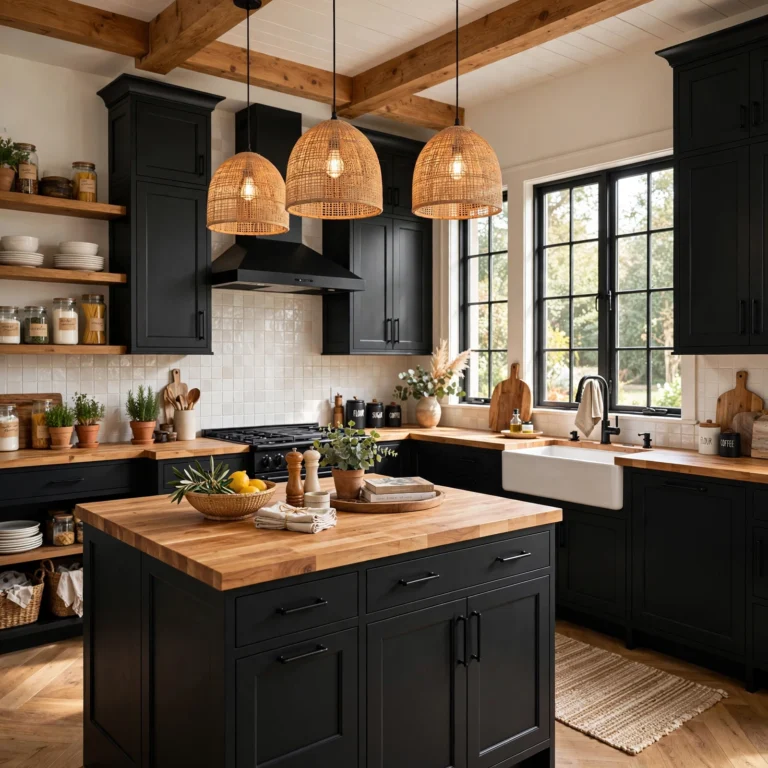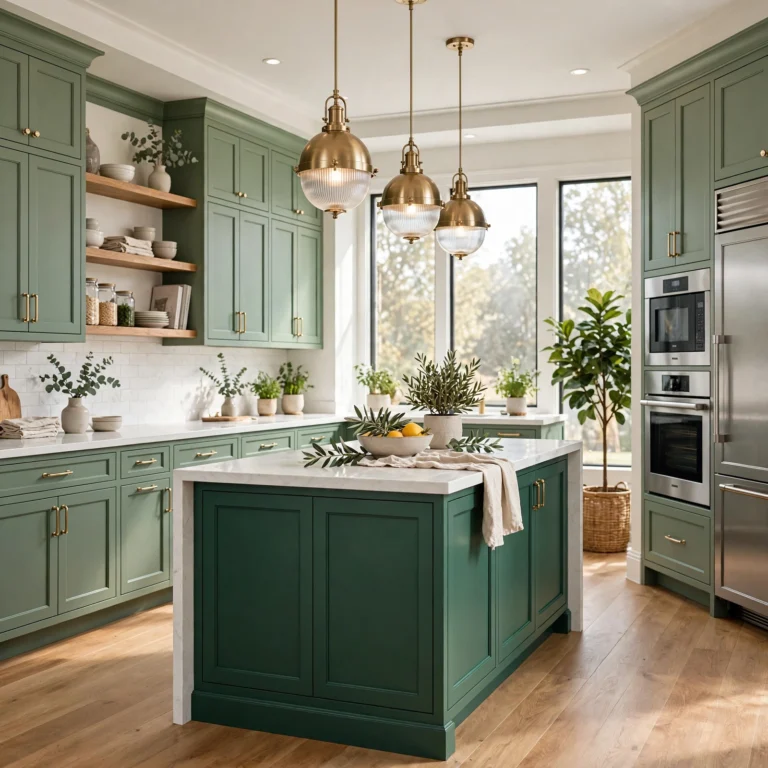
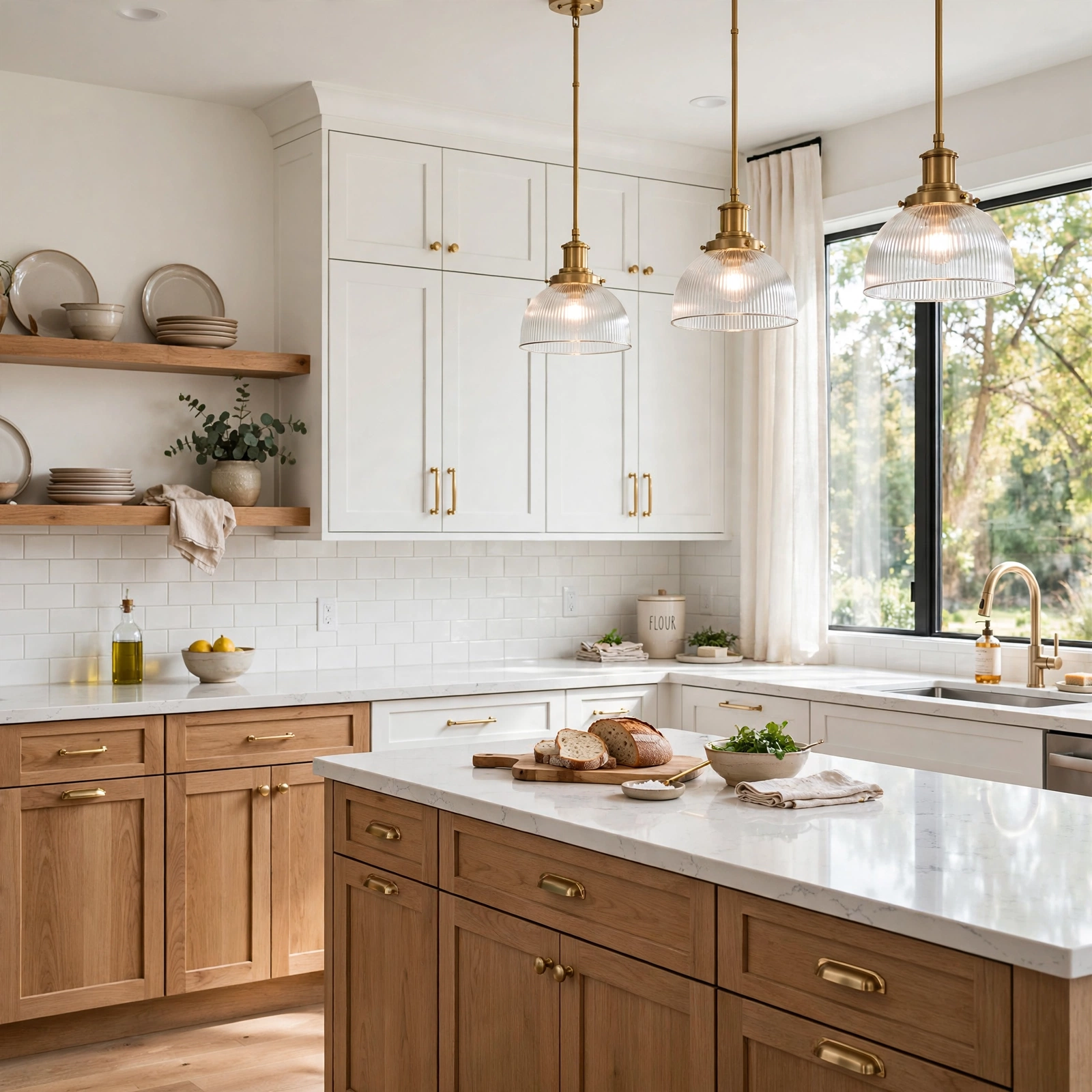
14 Trending Kitchen Cabinets Makeover Ideas for a Budget-Friendly Refresh
A kitchen cabinets makeover offers a way to dramatically change a kitchen’s look without the expense or disruption of a full renovation, yet many homeowners aren’t sure which combination of updates will produce the biggest visual impact. This guide walks through fourteen distinct makeover directions, each tied to a specific technique, material, or hardware choice so you can picture the finished kitchen before starting a single project. By the end, you’ll have a clear shortlist of ideas matched to your budget, timeline, and existing kitchen layout.
Trend & Background
Kitchen cabinet makeovers have grown in popularity as renovation costs have risen, pushing homeowners toward updating existing cabinet boxes through paint, refacing, or hardware changes rather than full replacement. This matters now because cabinet-specific paint formulations and adhesive veneer products have improved significantly, making a DIY or lower-cost professional makeover far more durable and realistic than it was several years ago. Combining a few targeted updates, such as new paint paired with updated hardware and open shelving, has become the leading approach for achieving a renovation-level transformation without a renovation-level budget.
Key Takeaways
- A kitchen cabinets makeover can transform a space for a fraction of the cost of a full renovation or replacement.
- Painting, refacing, and hardware swaps remain the three most reliable makeover techniques for 2026 kitchens.
- Combining two or three smaller updates, rather than one large change, often produces the most noticeable transformation.
- Planning around existing countertops and flooring prevents the most common mistake in a cabinet makeover project.
1. Cabinet Repaint in a New Color
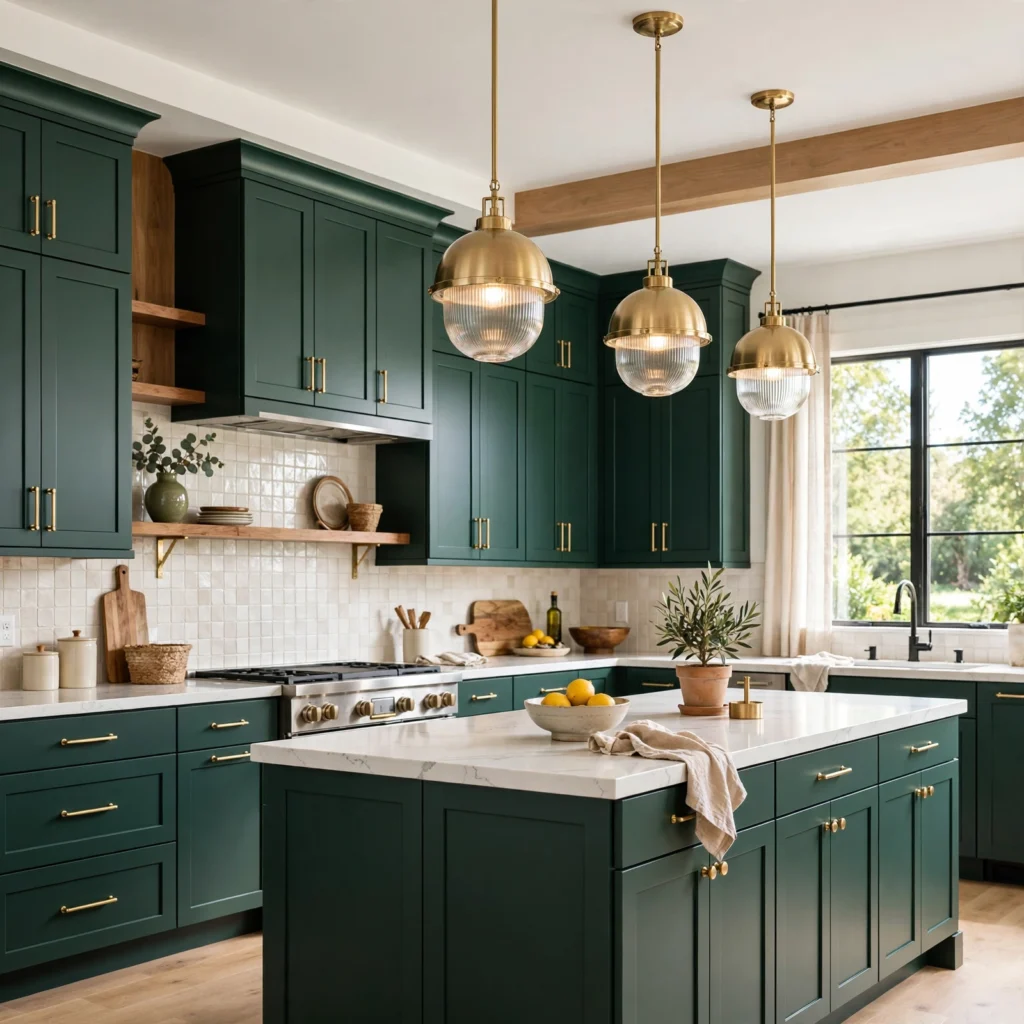
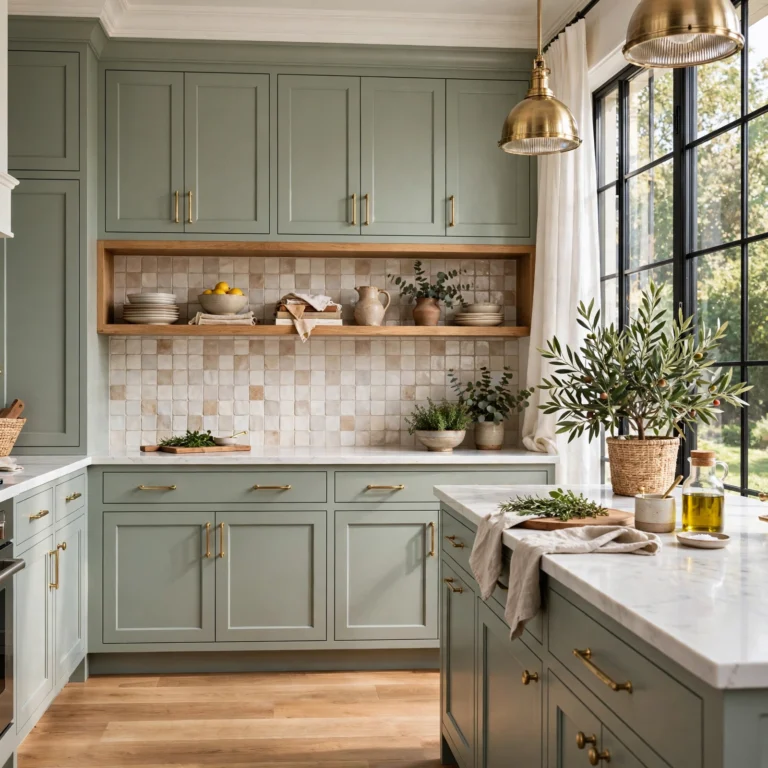
Repainting existing cabinet boxes in a new color remains the single most impactful and cost-effective kitchen cabinets makeover technique available, transforming the entire room’s tone without touching layout or structure. This approach suits any cabinet material as long as the existing finish is properly prepped beforehand. Choose a durable cabinet-specific enamel paint, and apply at least two thin coats after sanding and priming for a smooth, long-lasting finish that resists daily kitchen wear.
2. Hardware Swap Only
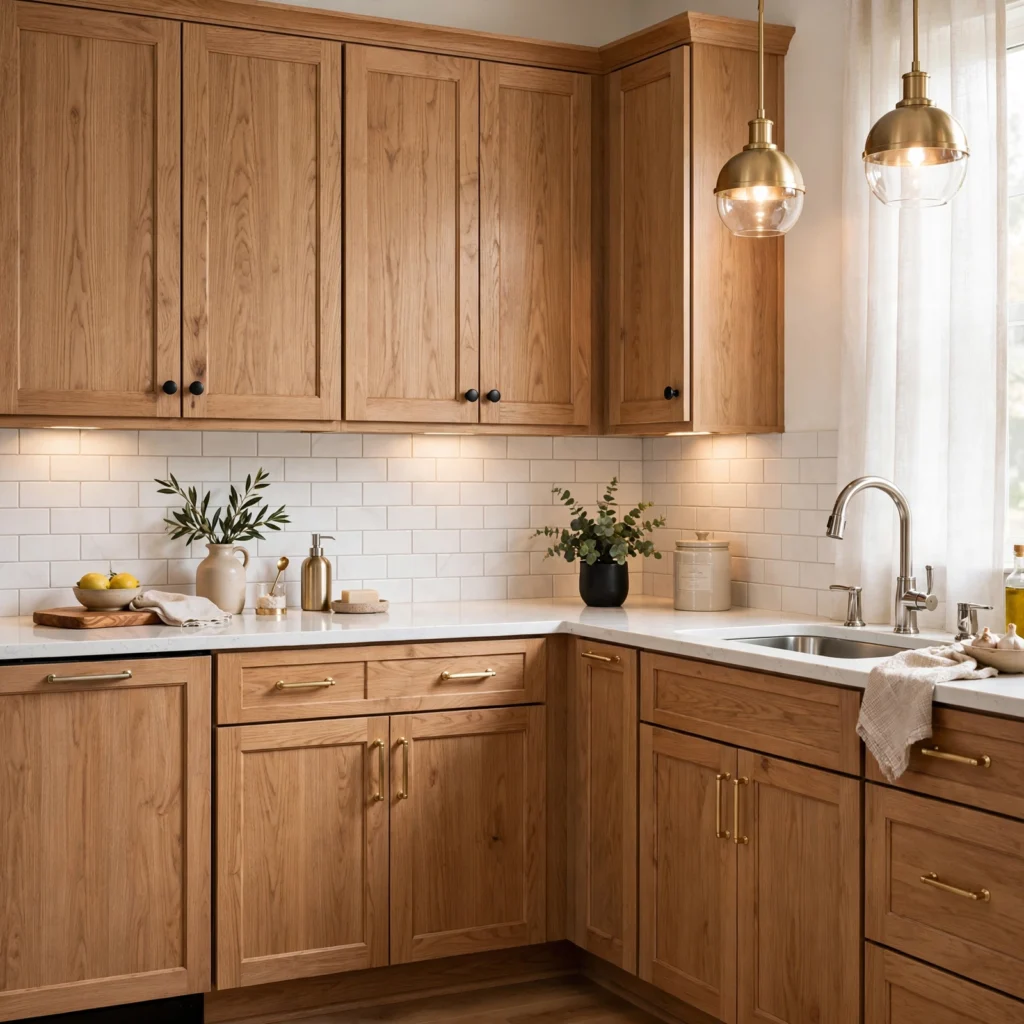
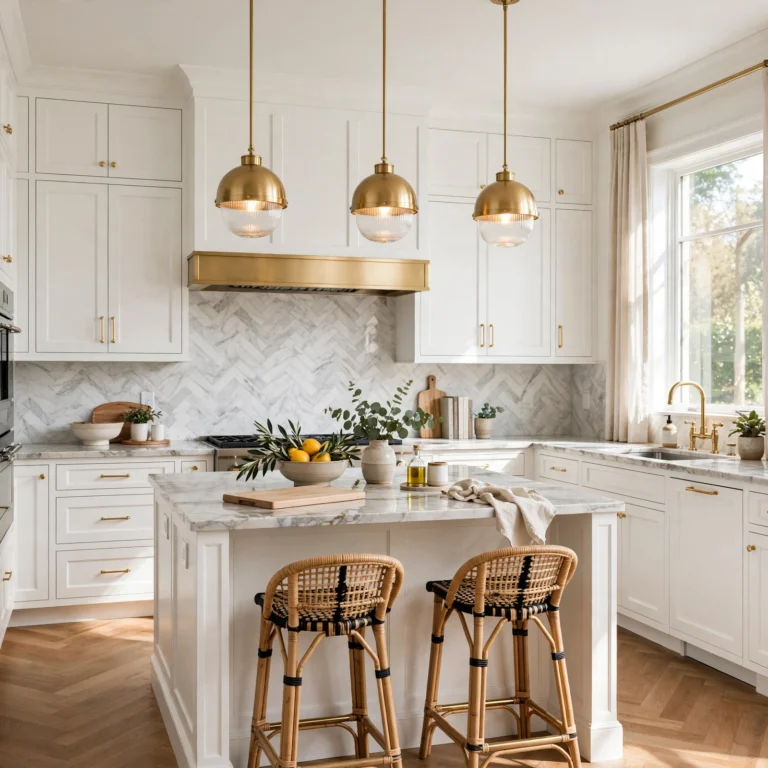
Replacing dated cabinet knobs and pulls with updated hardware in a new finish or shape is one of the fastest and least expensive kitchen cabinets makeover projects, often completed in a single afternoon. This approach suits cabinets in otherwise good condition that only need a style refresh rather than a full repaint. Choose a hardware finish like brushed brass or matte black that complements the kitchen’s existing fixtures, and confirm new hardware will cover any existing screw holes if the placement differs from the old pieces.
To see more oprions painted kitchen cabinets
3. Cabinet Door Refacing
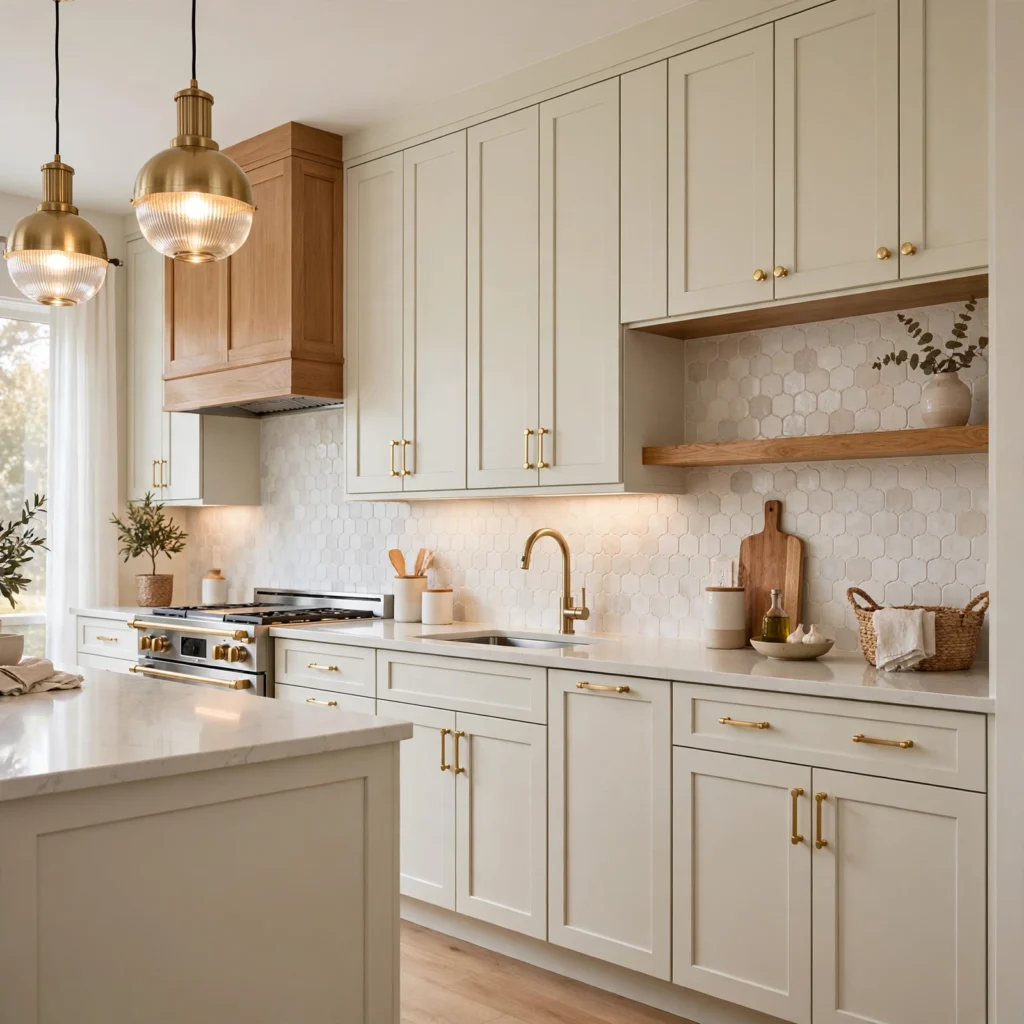
Cabinet refacing, which replaces only the door and drawer fronts while keeping the existing cabinet boxes in place, offers a full style change at a lower cost than complete replacement. This approach suits cabinets with structurally sound boxes but outdated door styles, such as ornate raised panels. Choose a simple shaker-style replacement door for the most versatile, timeless look, and confirm the new doors are measured precisely to match the existing box openings before ordering.
4. Open Shelving Conversion
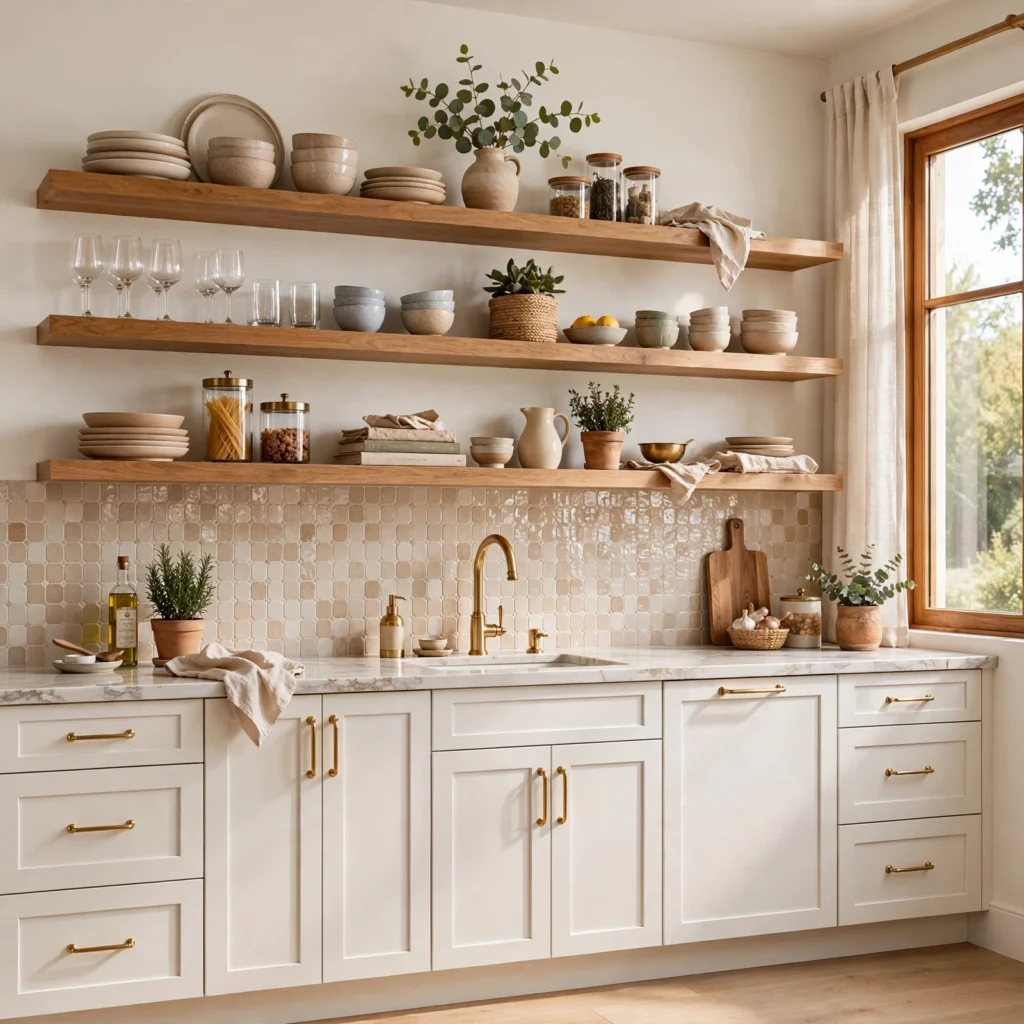
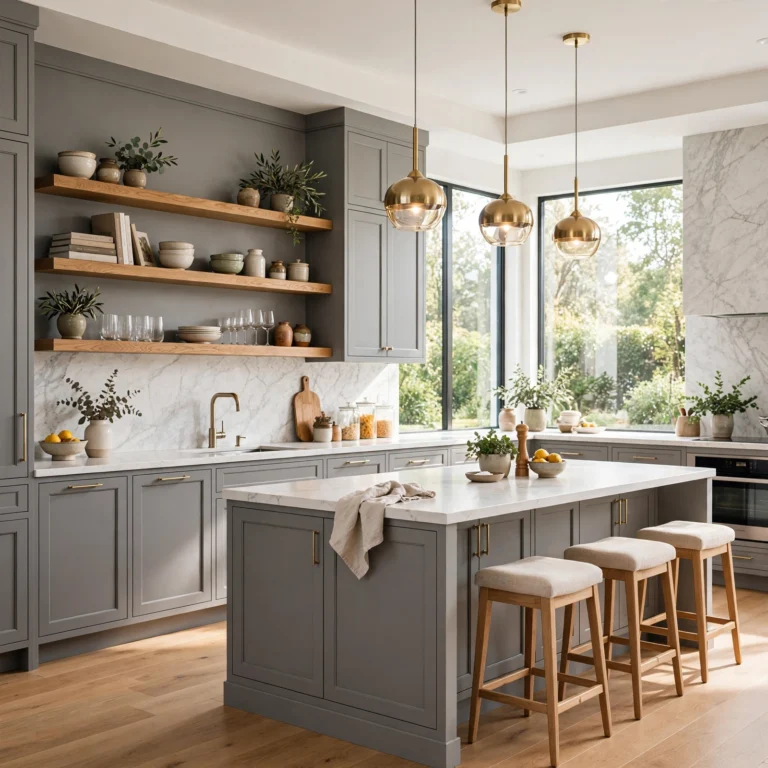
Removing a section of upper cabinet doors, or replacing a full upper cabinet with floating wood shelves, introduces visual lightness and a display opportunity as part of a broader kitchen cabinets makeover. This approach suits kitchens wanting a mix of open and closed storage rather than an entirely enclosed upper cabinet run. Choose one section of the kitchen for the conversion rather than removing all upper doors, and style the resulting shelves with a curated, coordinated collection of dishware.
5. Two-Tone Repaint Makeover
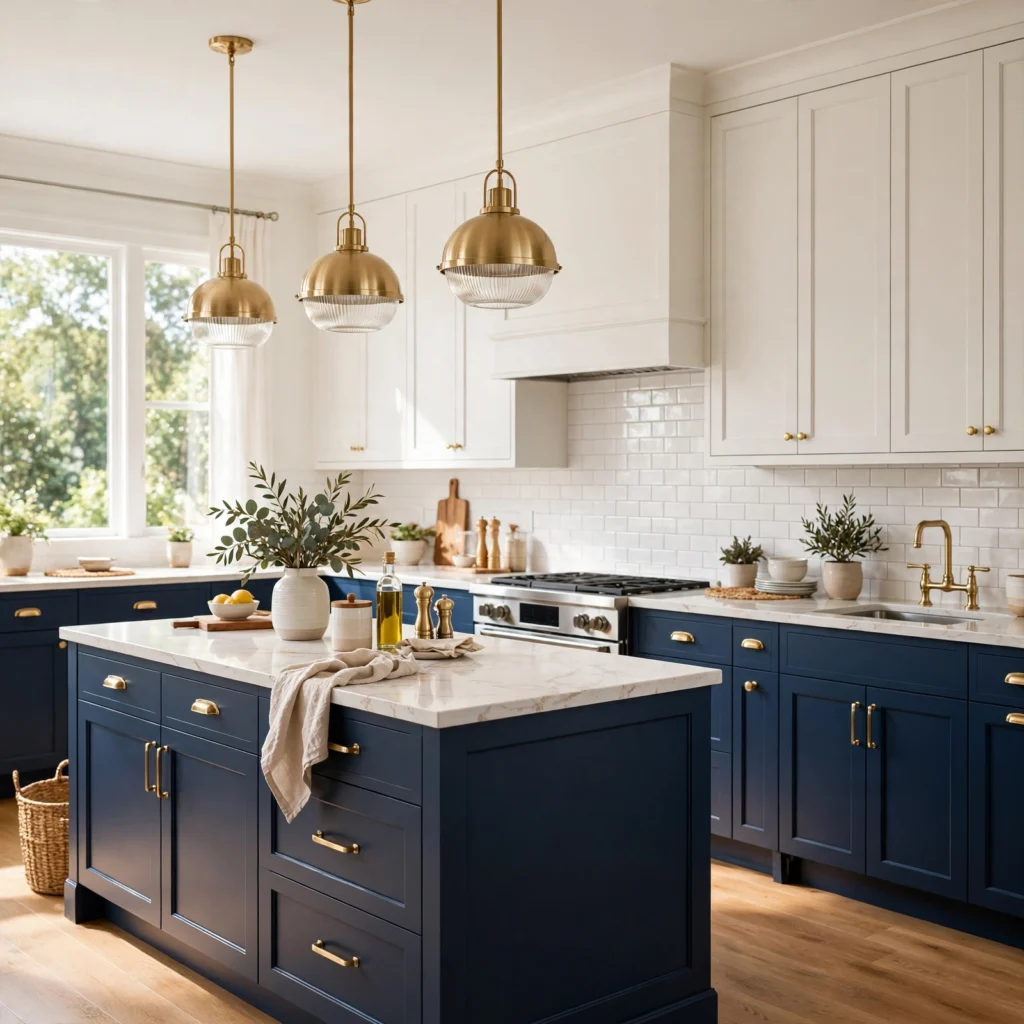
Painting lower cabinets a different color than the upper cabinets, most commonly a darker lower tone paired with a lighter upper tone, adds visual interest to a kitchen cabinets makeover without requiring any structural changes. This approach suits kitchens of nearly any size, since the lighter uppers keep the space feeling open while the darker lowers ground the room. Choose a navy, charcoal, or forest green for the lowers, and keep the transition point consistent throughout the kitchen for a cohesive result.
6. Cabinet Door Trim and Molding Addition
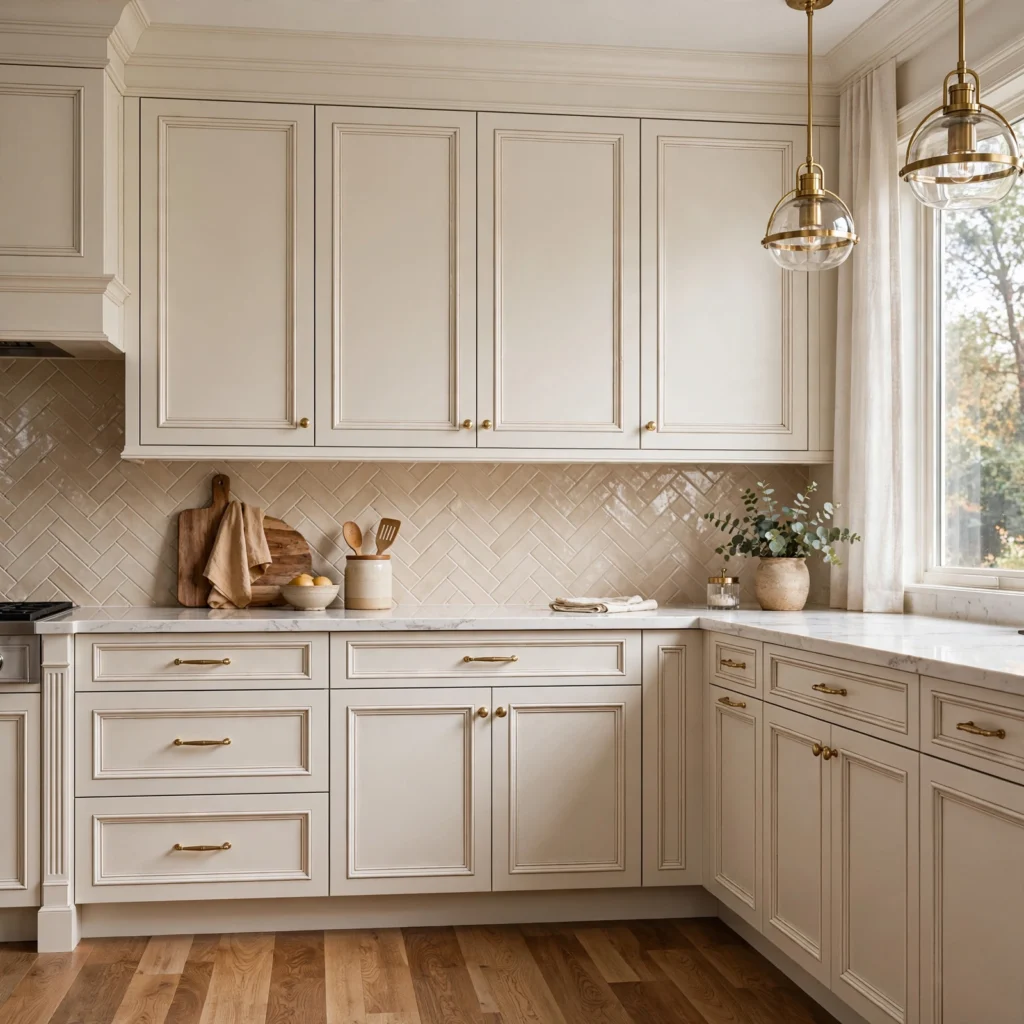
Adding simple trim or molding details to flat, builder-grade cabinet doors introduces a more custom, higher-end look without replacing the doors entirely. This approach suits kitchens with plain slab or flat-panel cabinets wanting more architectural detail. Measure and cut the trim pieces to fit within each door’s existing panel, and caulk and paint the trim to match the cabinet color for a seamless, integrated finished look. The table below compares common makeover techniques by cost and time investment.
| Technique | Typical Cost | Time Investment | Skill Level |
| Hardware Swap | $-$$ | 1 afternoon | Beginner |
| Repaint | $$-$$$ | 1 weekend | Intermediate |
| Refacing | $$$-$$$$ | Several days | Professional |
| Open Shelving | $-$$ | 1 weekend | Intermediate |
7. Statement Island Repaint Makeover
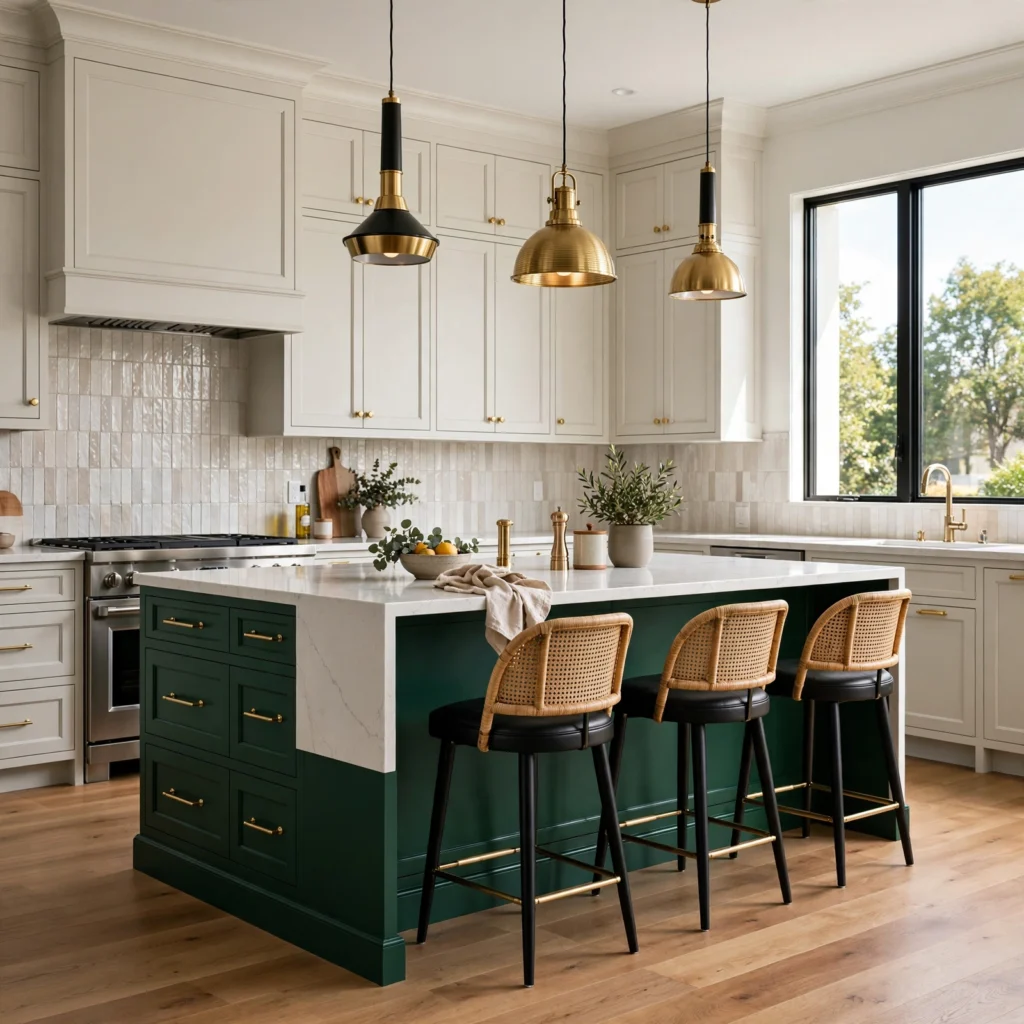
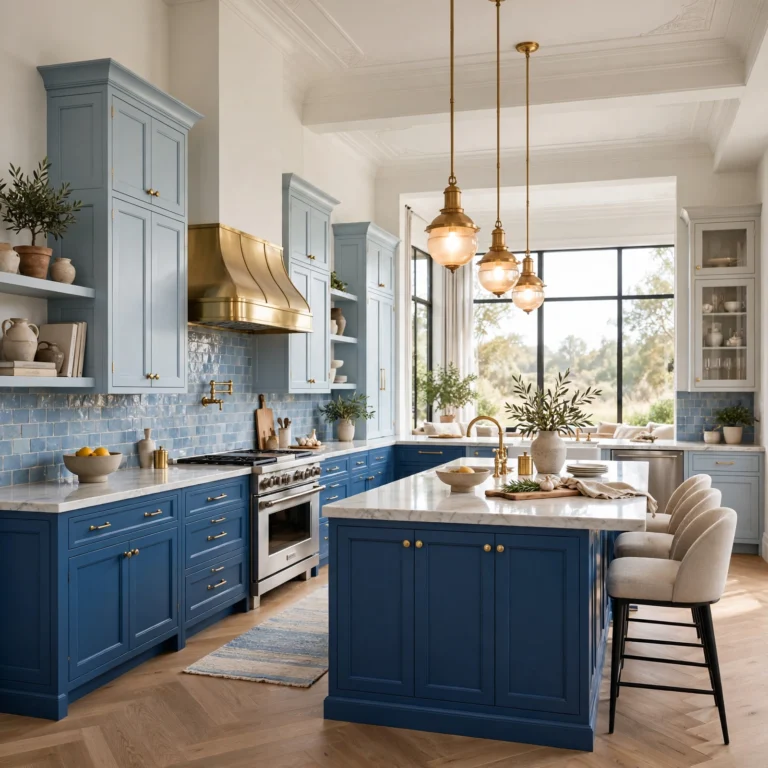
Painting only the kitchen island a bold, contrasting color while leaving the surrounding perimeter cabinets untouched creates a focal point makeover without the time or cost of repainting the entire kitchen. This approach suits kitchens where the island already serves as the central gathering space. Choose a color that contrasts moderately with the surrounding cabinetry, such as a deep green or navy against white perimeter cabinets, and match the island’s hardware finish to the accent color’s undertone.
8. Glass Panel Insert Conversion
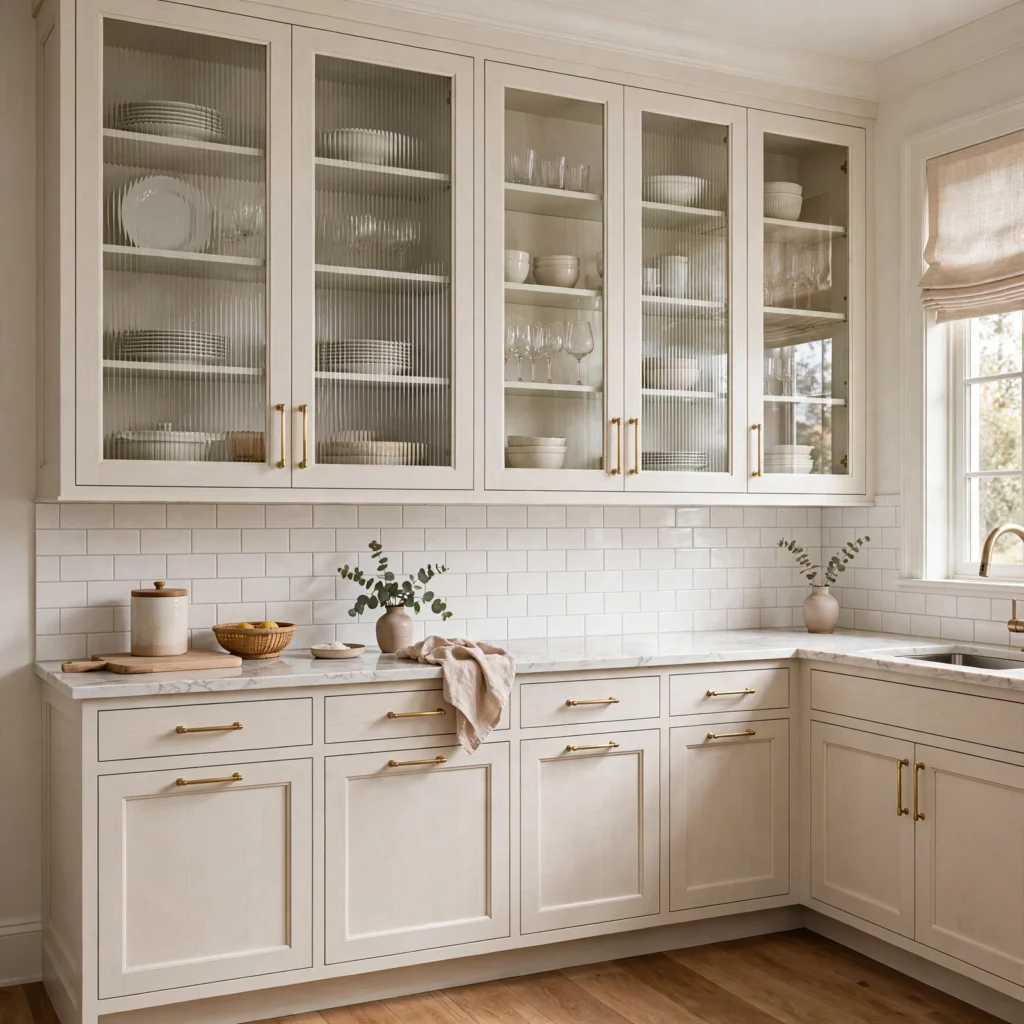
Removing the solid center panel from a few upper cabinet doors and replacing it with glass introduces visual lightness and a display opportunity as part of a targeted kitchen cabinets makeover. This approach suits cabinets with a recessed panel door style that can accommodate a router-cut glass insert. Choose fluted or reeded glass for a softer, less exposed look, and limit the glass conversion to a few doors near the sink or a display-worthy section rather than the entire upper run.
9. Cabinet Interior Organization Refresh
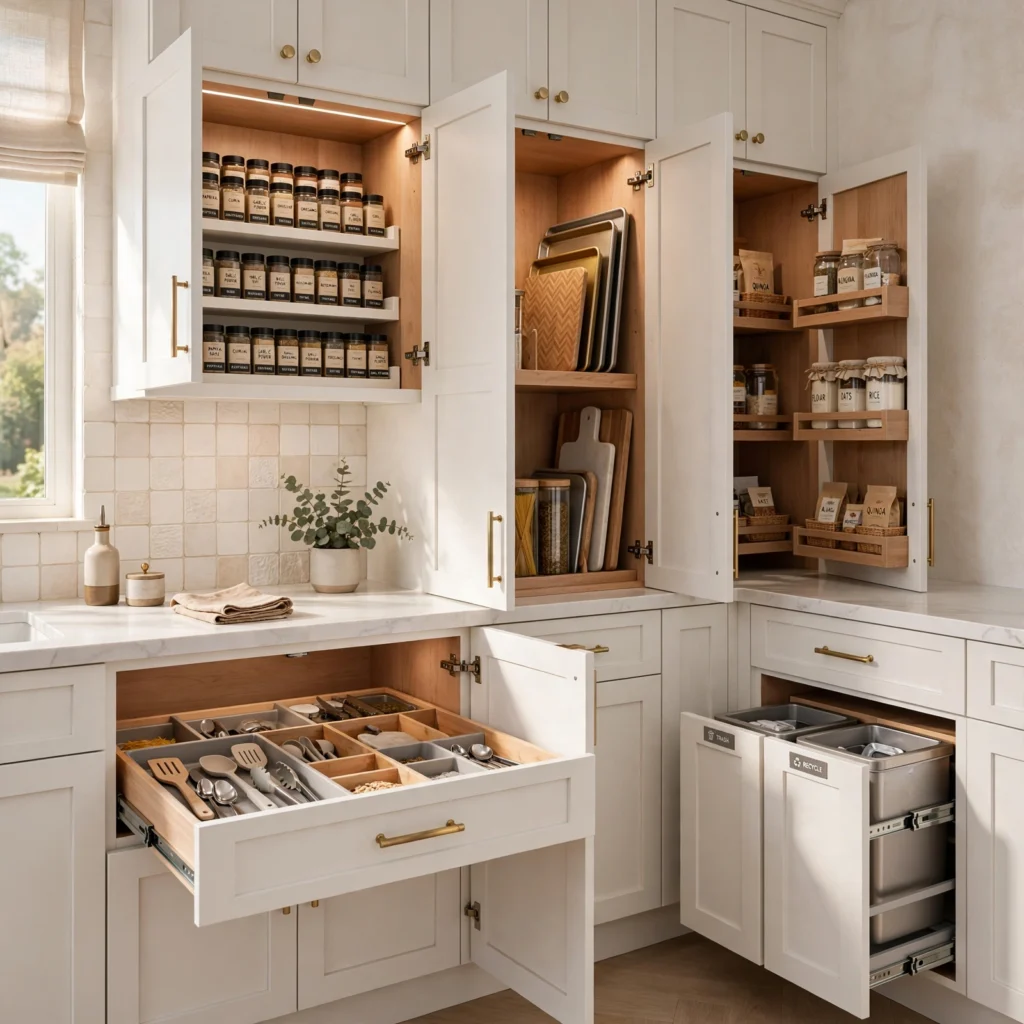
Adding pull-out drawers, adjustable shelving, or drawer dividers inside existing cabinet boxes improves daily function as part of a kitchen cabinets makeover, even though the change isn’t visible from outside the kitchen. This approach suits homeowners prioritizing usability alongside visual updates. Measure each cabinet’s interior dimensions carefully before ordering organizational inserts, and prioritize the most frequently used cabinets, such as those near the stove or sink, for the first round of upgrades.
10. Under-Cabinet Lighting Addition
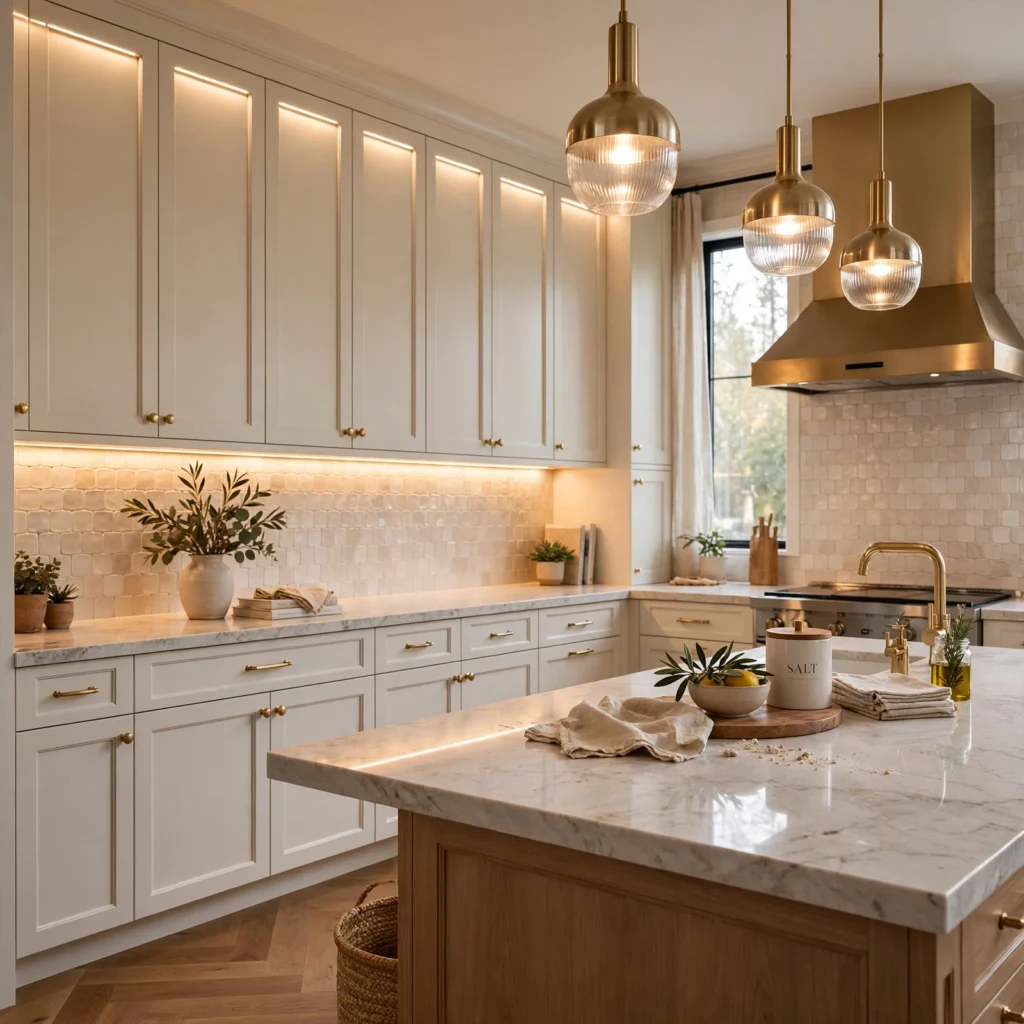
Installing LED strip lighting beneath upper cabinets adds both function and ambiance as part of a kitchen cabinets makeover, illuminating countertops while also making the cabinets themselves appear more finished and intentional. This approach suits kitchens with existing upper cabinets that currently rely solely on overhead lighting. Choose a warm-toned LED strip around 2700 kelvin, and run the wiring along the underside of the cabinet where it remains hidden from the primary sightline.
11. Cabinet Toe-Kick Update
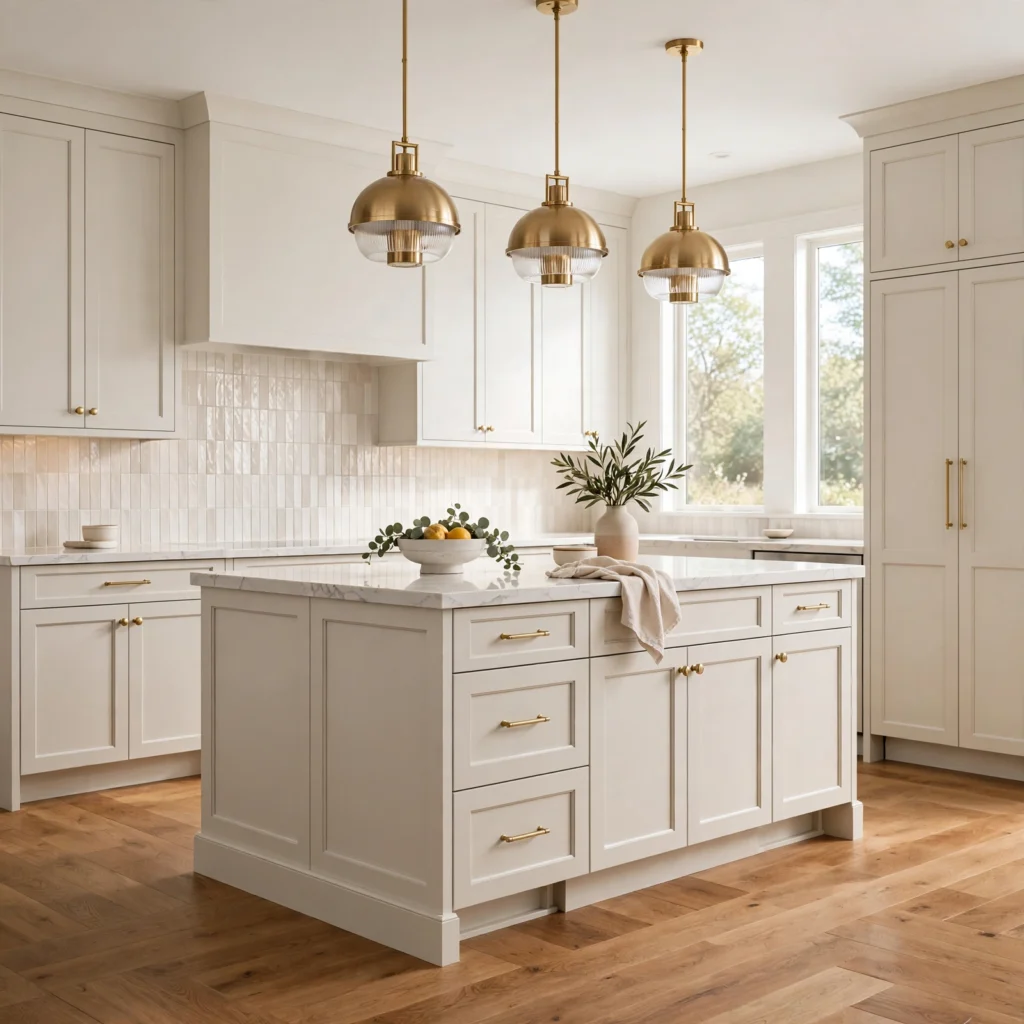
Replacing or repainting the toe-kick panel at the base of kitchen cabinets, and optionally adding integrated lighting, refreshes a frequently overlooked section of a kitchen cabinets makeover. This approach suits kitchens with a scuffed, outdated, or mismatched toe-kick that stands out against newly updated cabinetry above it. Choose a paint or material that matches or intentionally contrasts with the main cabinet color, and consider adding a slim LED strip for a subtle glow along the floor.
12. Peel-and-Stick Cabinet Wrap
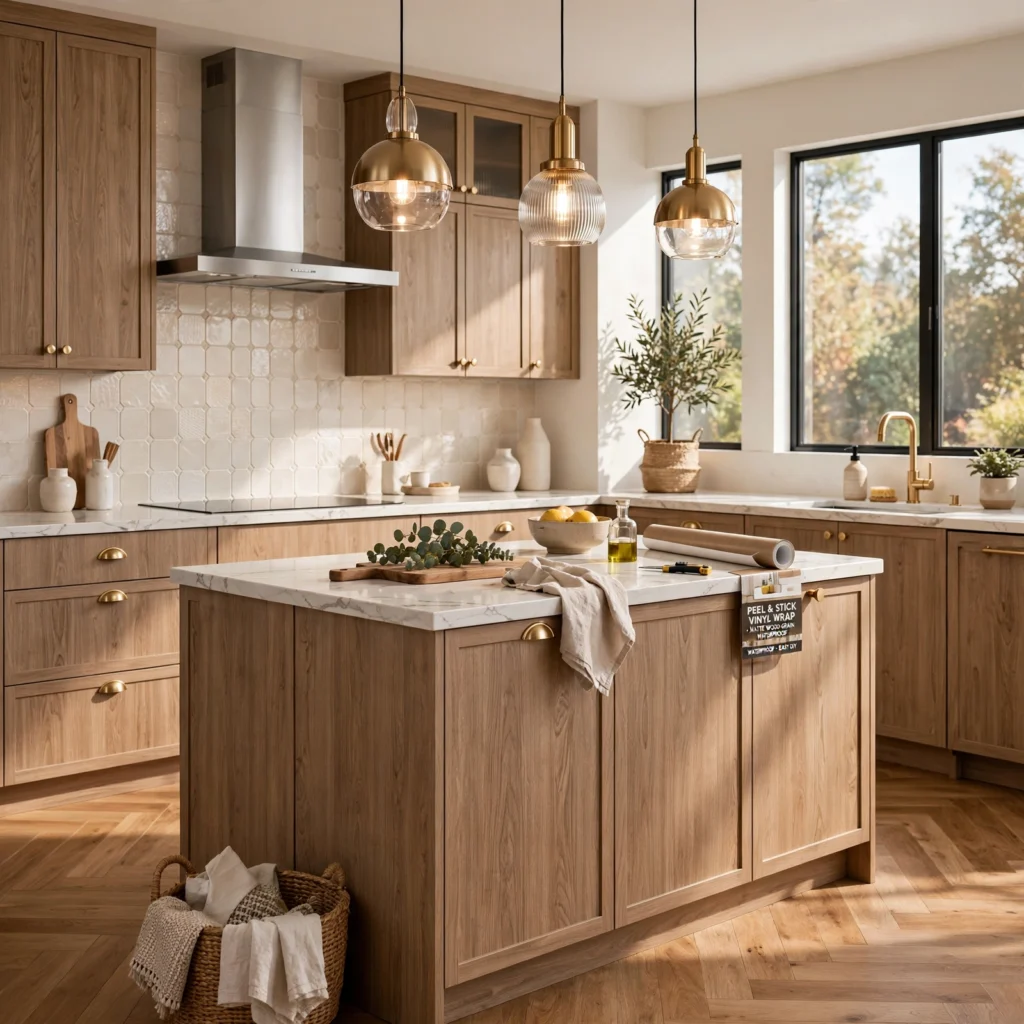
Peel-and-stick vinyl or laminate cabinet wraps offer a temporary, renter-friendly kitchen cabinets makeover option that mimics the look of painted or wood-finished cabinets without any permanent alteration. This approach suits renters or homeowners wanting a fully reversible update. Choose a matte finish wrap for the most realistic appearance, and apply it to clean, dry cabinet surfaces using a smoothing tool to prevent bubbling or peeling at the edges over time.
13. Crown Molding Addition to Uppers
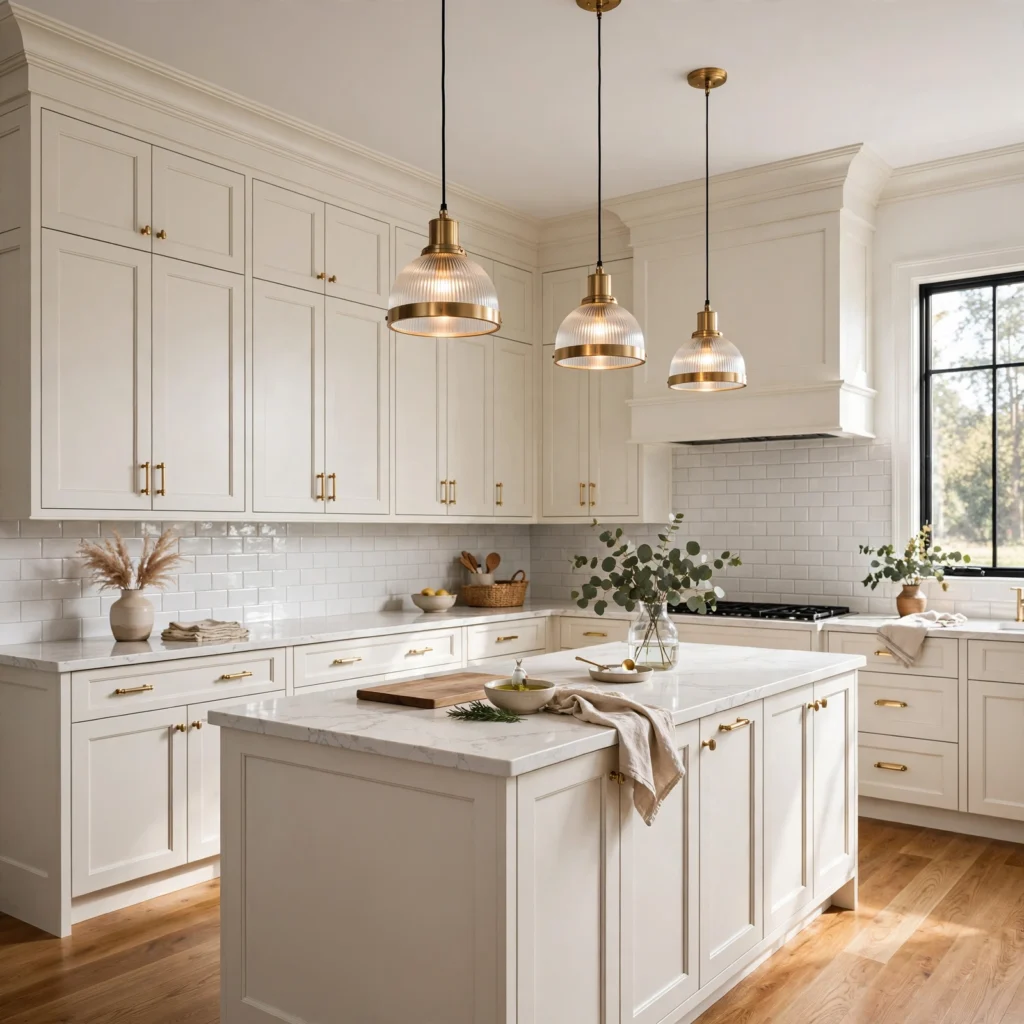
Adding crown molding along the top of upper cabinets that currently stop short of the ceiling creates a more custom, built-in appearance as part of a kitchen cabinets makeover. This approach suits kitchens with a visible gap between the top of the cabinets and the ceiling that currently collects dust or looks unfinished. Choose a molding profile that complements the cabinet door style, and paint it to match the cabinet color for a seamless, integrated transition to the ceiling line.
14. Mixed Material Cabinet Front Update
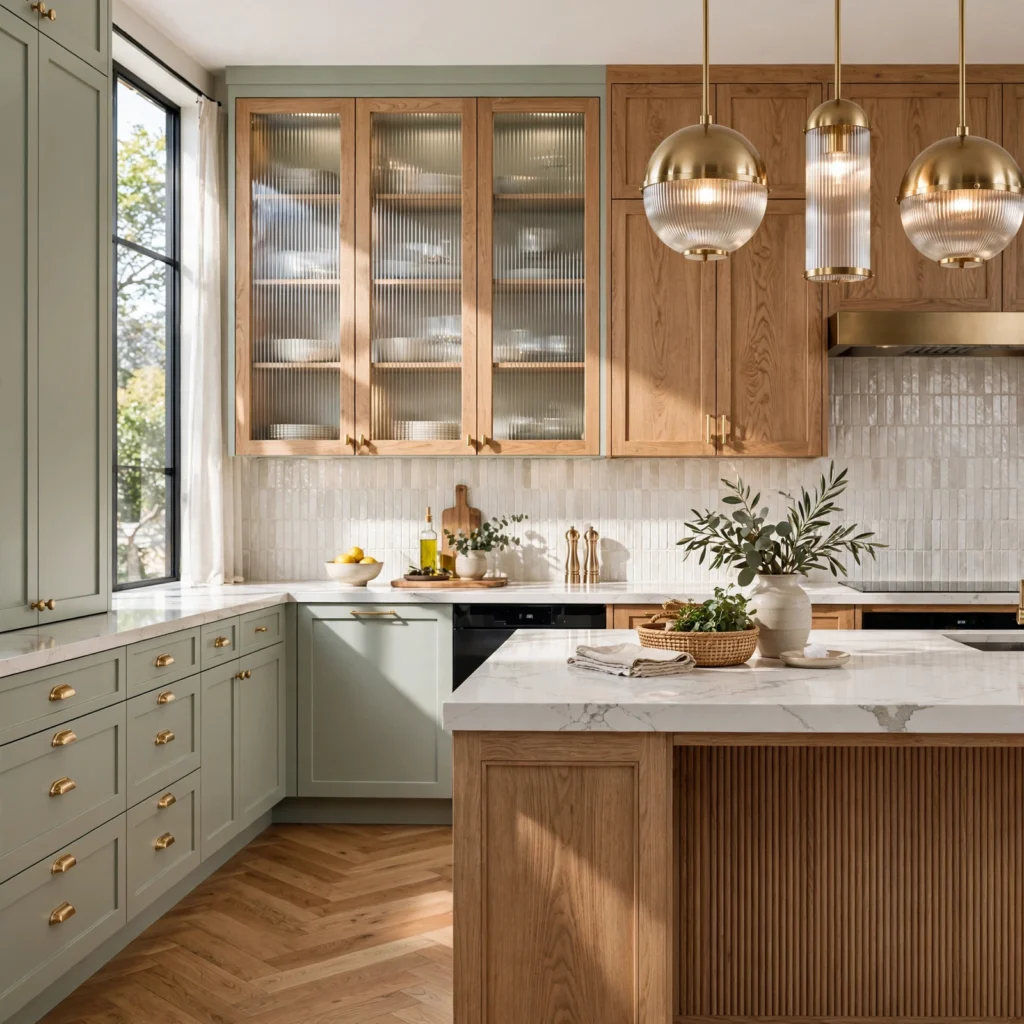
Replacing a section of cabinet doors with a different material, such as rattan cane inserts or a wood veneer, introduces texture variation as part of a kitchen cabinets makeover without repainting the entire kitchen. This approach suits an island or a small run of cabinets wanting a distinct accent from the surrounding doors. Choose one material addition rather than several competing textures, and keep the surrounding cabinetry simple so the updated section reads as an intentional focal point.
Shop the Look
For a repaint and hardware makeover, look for a durable cabinet enamel paint in a warm neutral, brushed brass bar pulls, and a matching brass cabinet knob set. For an open shelving conversion, white oak floating shelf brackets, a curated set of ceramic dishware, and warm LED under-cabinet lighting complete the update. Those pursuing a two-tone island makeover can start with navy cabinet paint for the island, white paint for the perimeter, and brushed nickel hardware throughout.
Common Mistake to Avoid
The most common mistake with a kitchen cabinets makeover is tackling every possible update at once without a clear plan, which often results in a disjointed look or an unfinished project when time and budget run out midway. Prioritizing two or three complementary updates, such as a repaint paired with new hardware and under-cabinet lighting, produces a more cohesive and complete transformation than spreading effort too thin across too many simultaneous changes.
People Also Ask
What is the cheapest way to do a kitchen cabinets makeover?
Swapping outdated hardware for new knobs and pulls is the cheapest kitchen cabinets makeover option, often costing under one hundred dollars and completed in a single afternoon. Combining this with a DIY repaint using cabinet-specific enamel paint provides a more dramatic transformation while still remaining significantly cheaper than professional refacing or full replacement.
How long does a kitchen cabinets makeover take?
A hardware swap can be completed in a single afternoon, while a full DIY repaint typically takes one full weekend accounting for sanding, priming, and drying time between coats. Professional refacing projects generally take several days to a week, depending on the size of the kitchen and the number of doors being replaced.
Can I do a kitchen cabinets makeover myself?
Yes, many kitchen cabinets makeover techniques, including hardware swaps, repainting, and open shelving conversions, are achievable as DIY projects with basic tools and patience. More involved techniques like full refacing or glass panel insert conversions often benefit from professional help to ensure precise measurements and a polished final result.
Is refacing cabinets cheaper than replacing them?
Yes, cabinet refacing is generally significantly cheaper than full cabinet replacement, since the existing cabinet boxes remain in place and only the doors, drawer fronts, and sometimes end panels are replaced. This makes refacing a strong middle-ground option for kitchens wanting a complete style change without the cost and disruption of a full renovation.
What makeover technique makes the biggest visual difference in a kitchen?
Repainting cabinets in a new color, particularly when paired with updated hardware, tends to produce the most noticeable visual transformation relative to its cost among kitchen cabinets makeover techniques. Combining a repaint with a secondary update, such as open shelving or under-cabinet lighting, further amplifies the overall impact without requiring a full renovation budget.
Conclusion
A kitchen cabinets makeover offers one of the most effective ways to transform a kitchen’s look on a limited budget and timeline, and any of these fourteen directions provides a solid starting point depending on your existing cabinets, countertops, and available time. Save this guide to Pinterest for reference while planning your project, and check out our related post on choosing the right paint sheen for high-traffic rooms.
Author Expertise Note
Written by a design writer who has spent the last six years testing paint swatches, cabinet finishes, and makeover techniques in real client homes before recommending any approach in print.