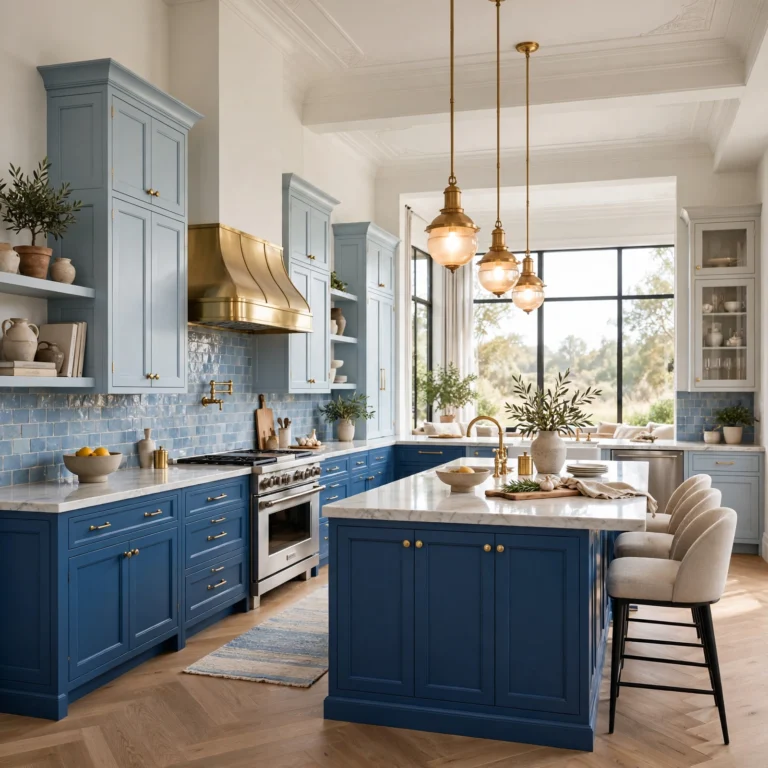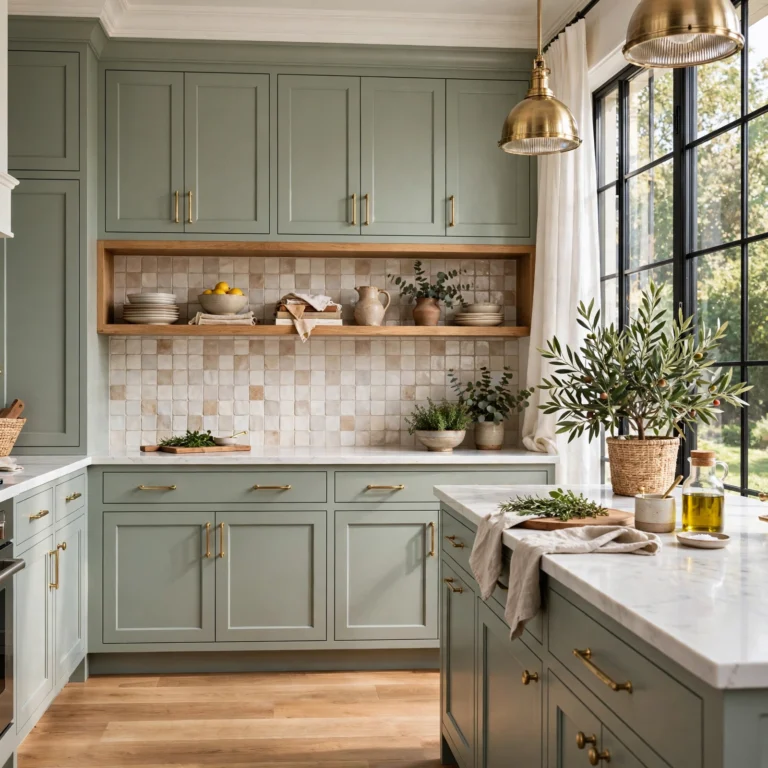
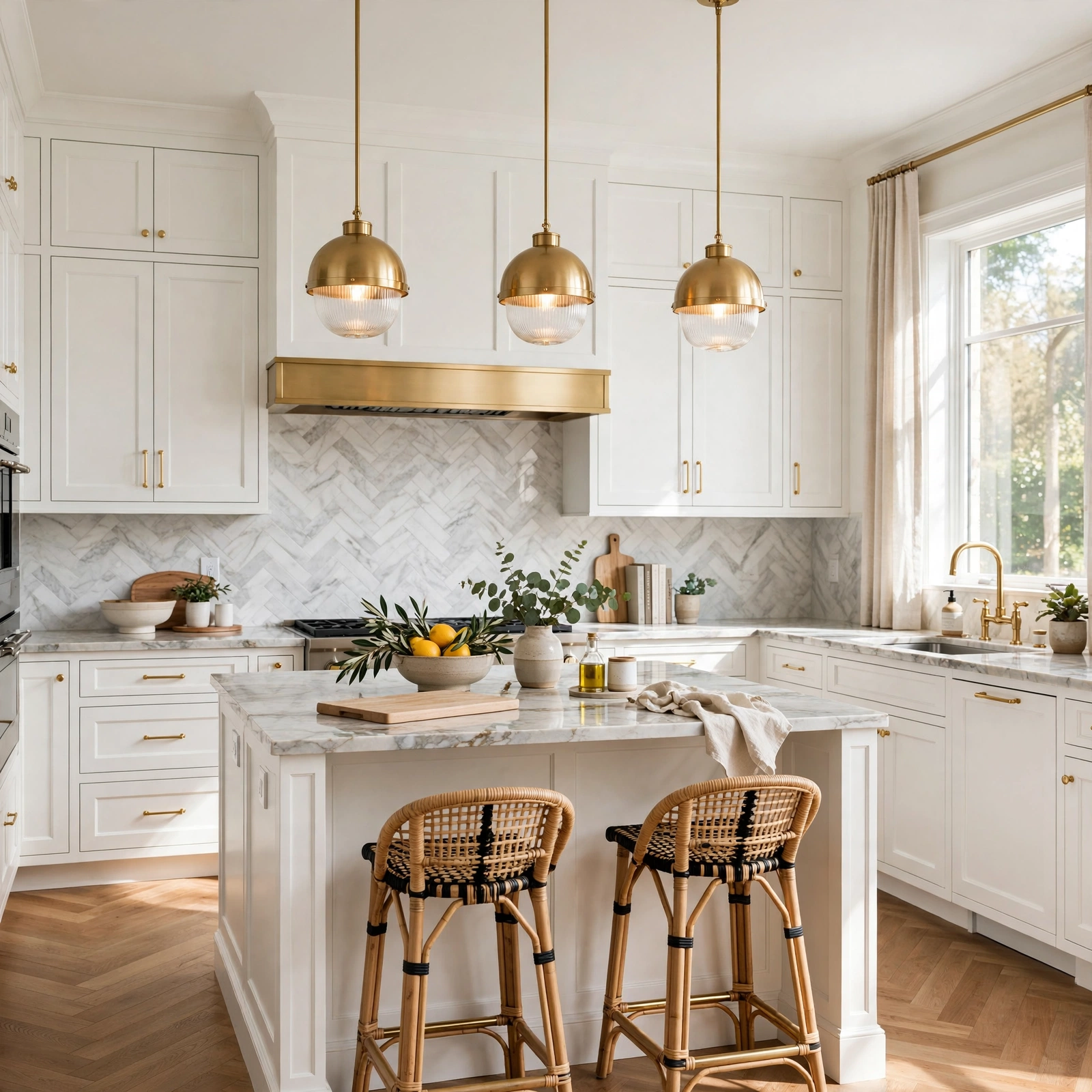
16 Trending Gorgeous White Cabinets Kitchen Ideas for a Modern Timeless Kitchen
White has remained the most enduring choice for kitchen cabinetry, even as bolder colors like navy, green, and charcoal have gained ground in recent years. This post walks through sixteen specific, real ways to build a white cabinets kitchen that feels intentional rather than generic, covering exact shades, hardware pairings, countertop combinations, and layout tricks. Whether you’re repainting existing cabinets or planning a full remodel, you’ll come away with concrete direction instead of a vague white-on-white mood board.
Why a White Cabinets Kitchen Still Works Now
White kitchen cabinetry has stayed popular for decades because it functions as a true neutral, adapting easily to shifting countertop, flooring, and hardware trends without needing to be repainted. Paint brands have responded by expanding their white lines to include more warm, creamy options alongside the cooler, blue-based whites that were more common a decade ago. This matters now because homeowners increasingly want a kitchen that feels timeless rather than trend-driven, and white, done with the right texture and warmth, delivers that longevity better than most bolder color choices.
Key Takeaways
- White cabinets kitchen designs range from warm, creamy off-whites to crisp, cool whites, and the undertone you choose changes the entire mood of the room.
- Pairing white cabinetry with the right metal hardware, countertop, and backsplash matters more than the shade of white itself for a cohesive, finished look.
- Adding texture through paneling, hardware, and lighting keeps an all-white kitchen from feeling flat or clinical.
- Warm, layered lighting and natural materials currently outperform stark, single-source lighting for keeping a white kitchen feeling inviting rather than sterile.
1. Warm Cream Shaker Cabinets
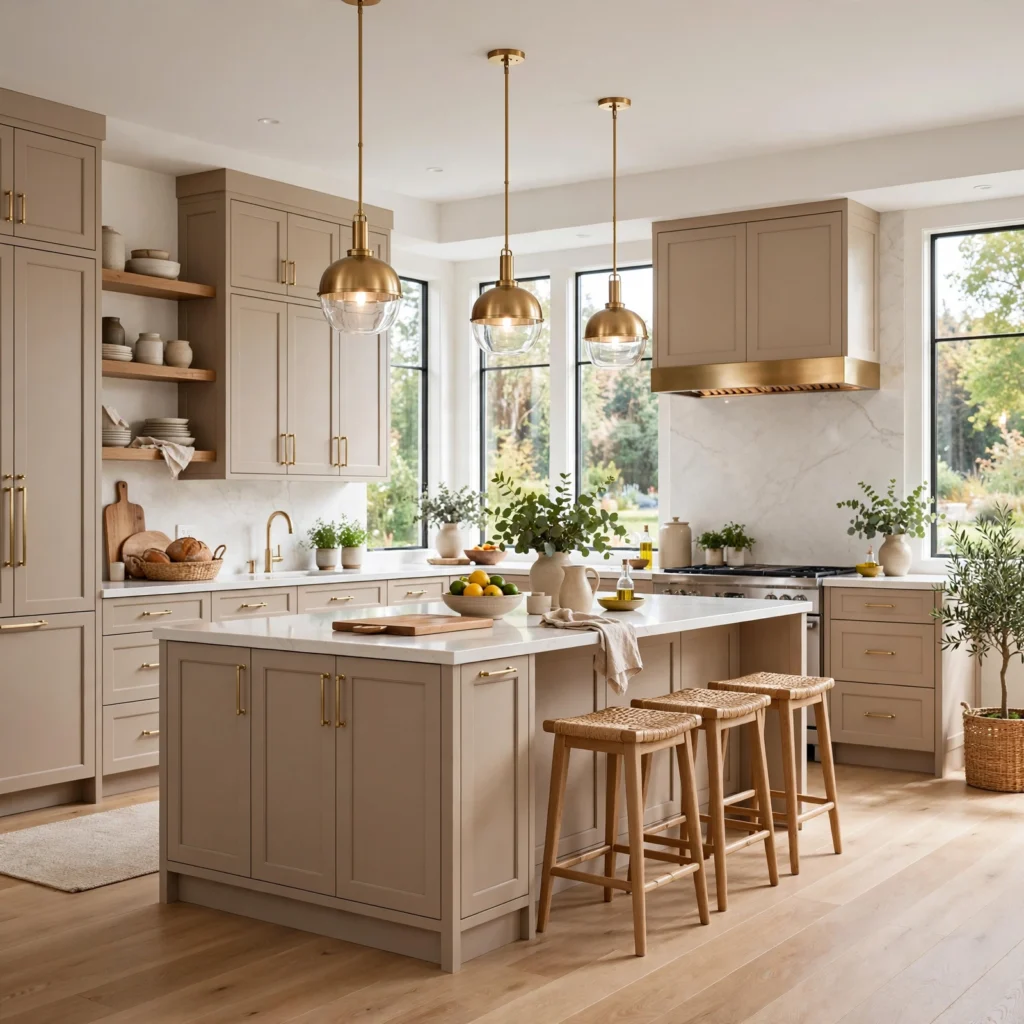
Warm cream shaker cabinets use an off-white with a subtle yellow or beige undertone, giving the kitchen a softer, more livable look than a stark, cool white. The recessed-panel shaker door style keeps the color from feeling flat, which is part of why this pairing remains one of the most requested combinations among cabinet painters. Cream tends to look best with brushed nickel or unlacquered brass hardware, both of which complement the warm undertone better than cool chrome.
2. White Cabinets With Wood Island
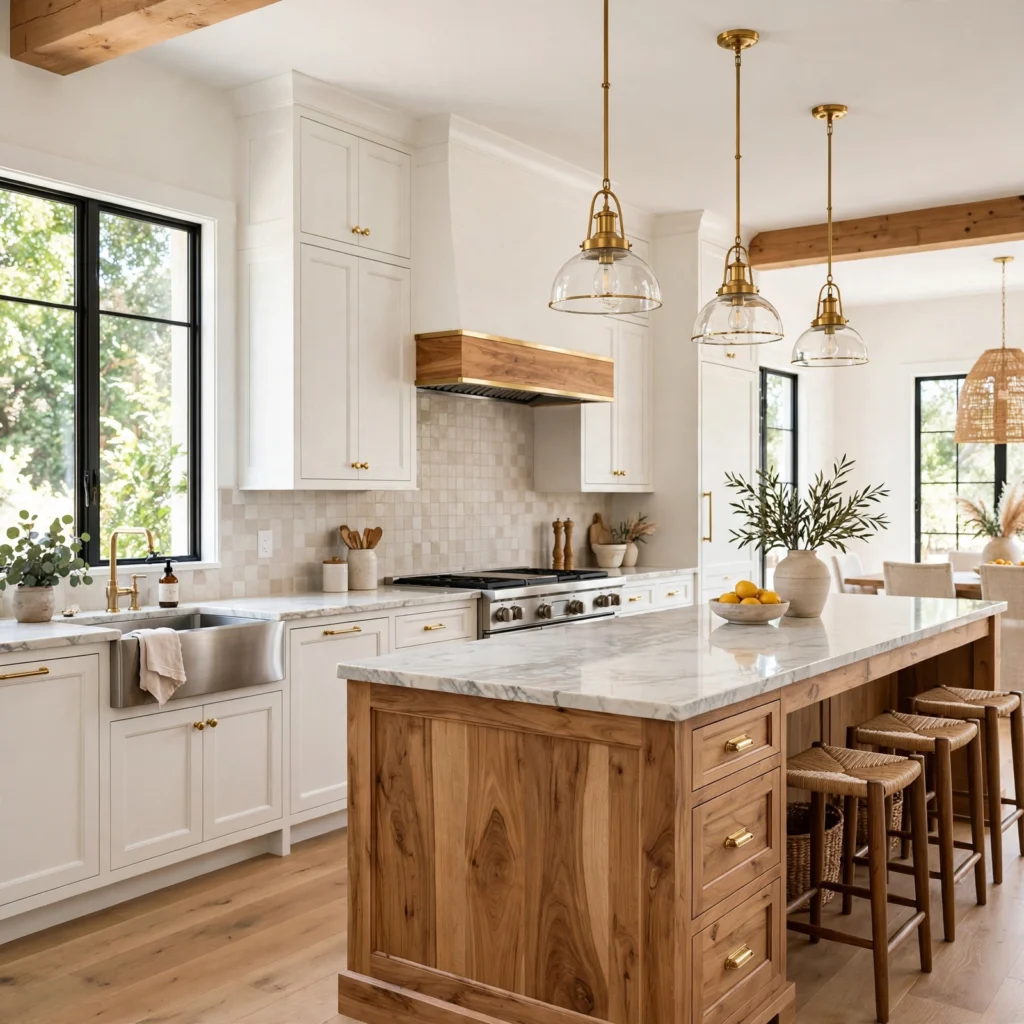
A wood-tone island set against white perimeter cabinets is one of the most popular ways to break up an all-white kitchen without introducing a second paint color. This layout keeps the room feeling bright while giving the island the visual weight to function as a natural focal point. Pairing the wood island with a white or light stone countertop on the perimeter, and a butcher block or stone top on the island itself, sharpens the contrast further.
| Kitchen Size | Island Approach | Perimeter Finish |
| Under 150 sq ft | Wood lower only | White upper cabinets |
| 150–250 sq ft | Full wood island | White perimeter |
| 250+ sq ft | Wood island + shelving | White with wood accents |
3. Slab-Front White Cabinets
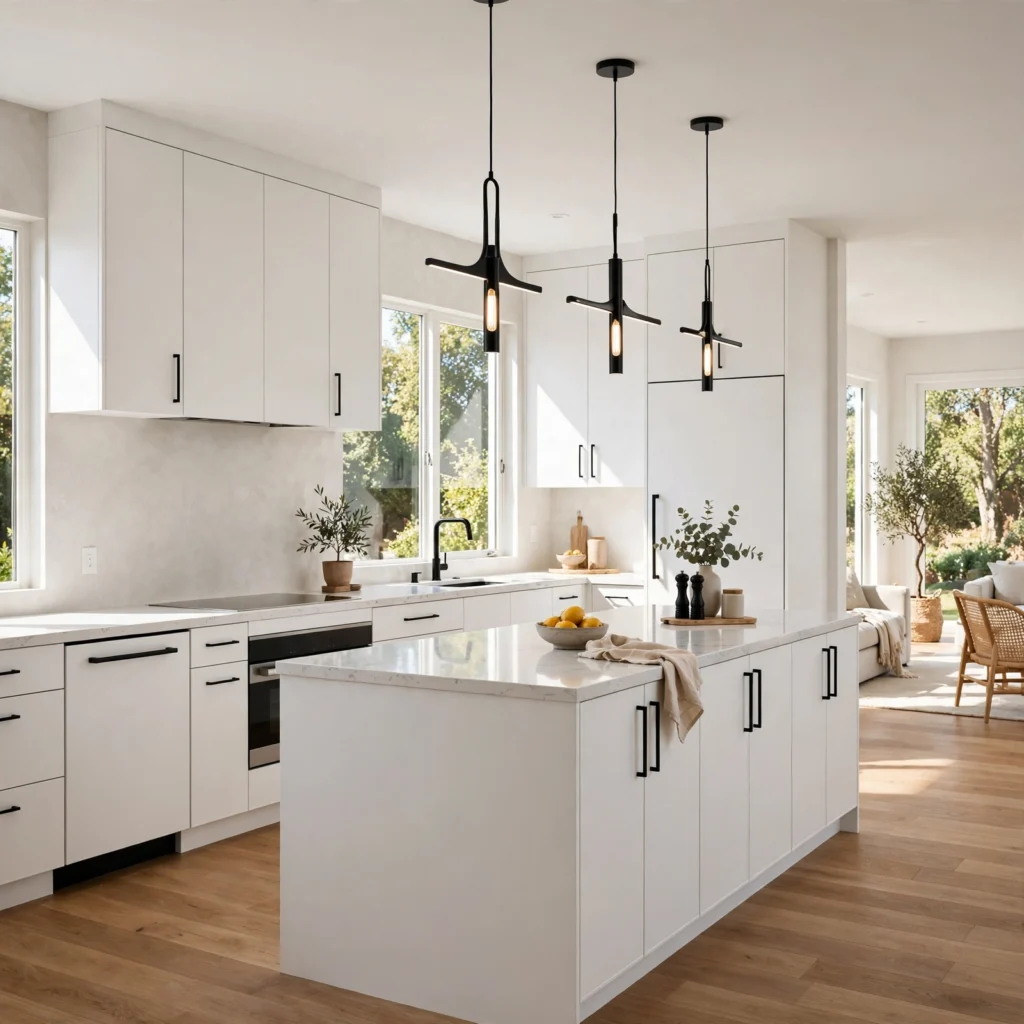
Slab-front white cabinets, flat and free of any panel detailing, give a kitchen a sleek, minimalist look that reads as distinctly modern rather than traditional. Because there’s no raised or recessed detailing to catch shadow, this door style relies more heavily on hardware and lighting to add visual interest. Choosing a slightly warmer white here, rather than a stark, cool one, keeps the flat surface from feeling clinical.
4. White Cabinets With Black Hardware
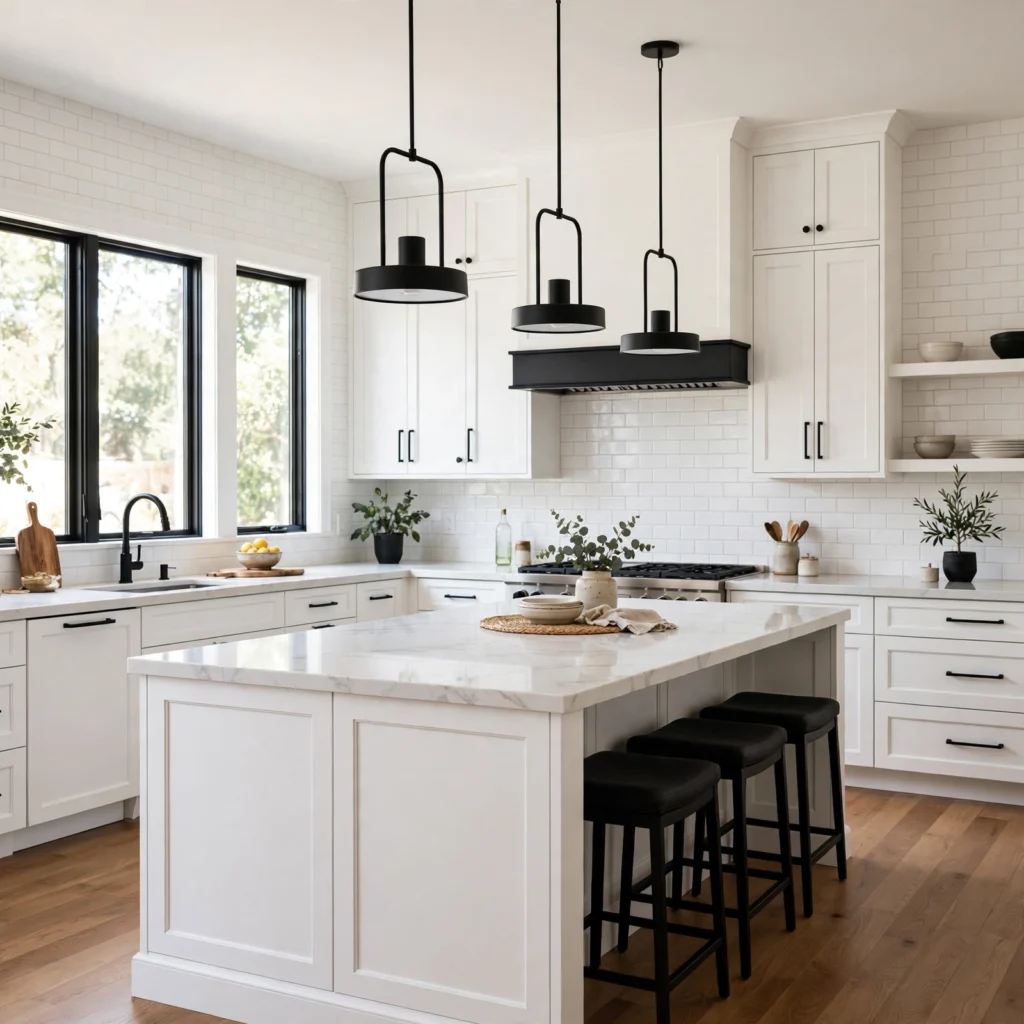
Matte black hardware, whether knobs, bin pulls, or a black faucet, offers strong contrast against white cabinetry, giving the kitchen a clean, modern feel without introducing any additional color. This pairing works especially well on slab-front or shaker cabinets alike, since the black reads clearly against the white regardless of door style. Extending the black to window frames or light fixtures ties the look together further.
To see more wood kitchen cabinets
5. White Cabinets With Brass Hardware
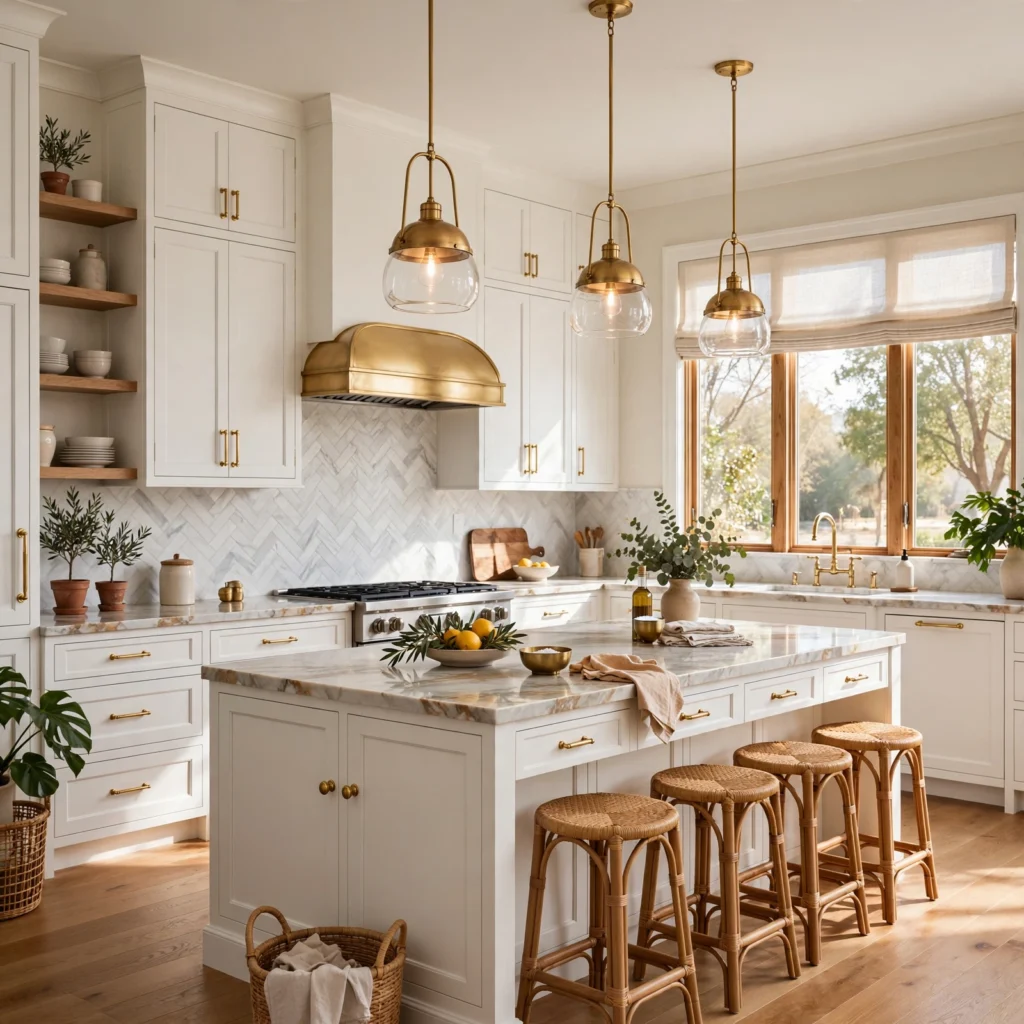
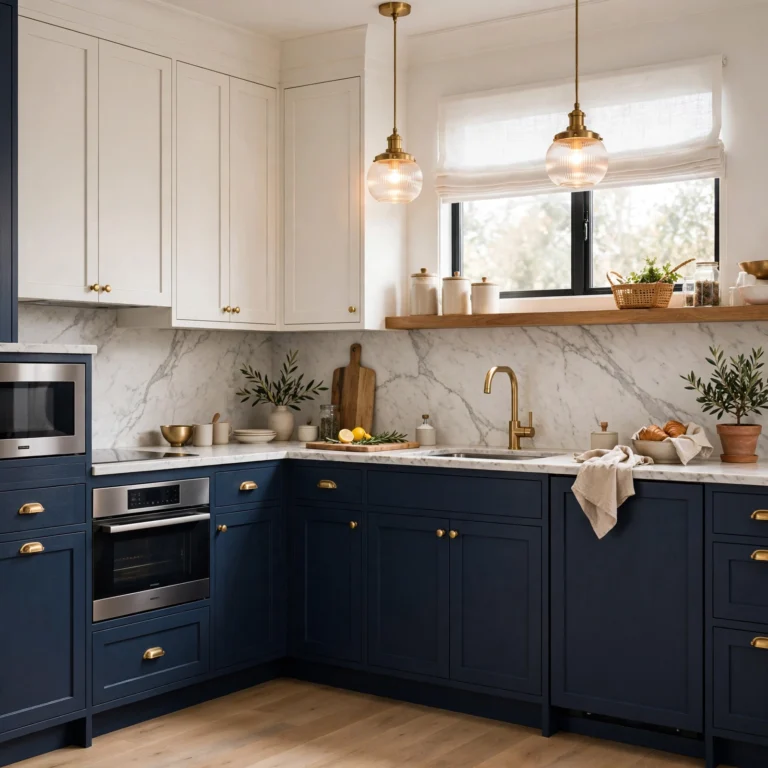
Unlacquered or brushed brass hardware adds warmth to a white cabinets kitchen, softening what could otherwise feel like a stark, all-white palette. Brass knobs and bin pulls in particular develop a soft patina over time that many designers prefer over the uniform shine of polished brass. This pairing suits both traditional shaker-style white cabinets and more modern slab-front versions, making it one of the most flexible hardware choices available.
| Hardware Finish | Best With | Style Fit |
| Unlacquered brass | Warm, cream-toned white | Traditional, transitional |
| Matte black | Cool, crisp white | Modern |
| Brushed nickel | Neutral white | Contemporary |
6. White Cabinets With Marble Countertop
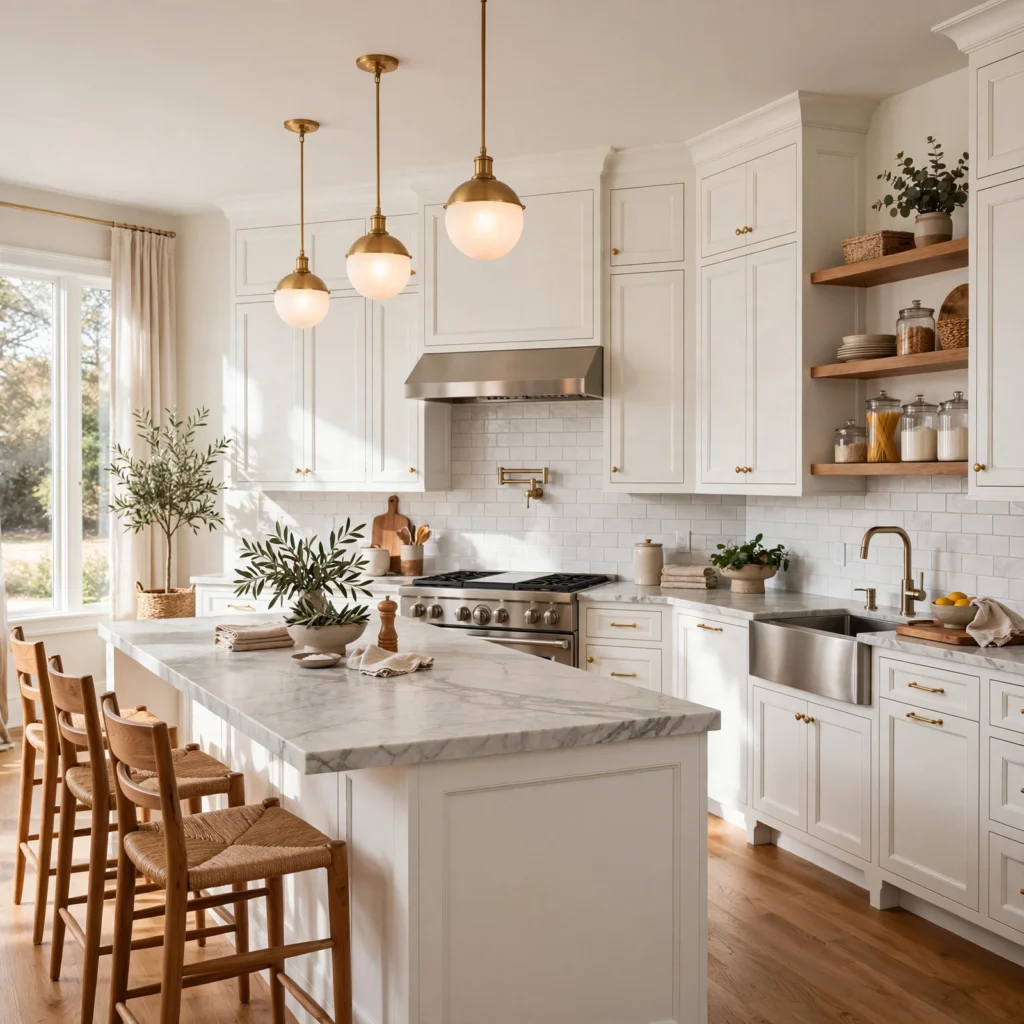
A marble countertop, particularly Carrara or Calacatta with soft grey veining, adds movement and depth to an all-white kitchen that a solid-color quartz alone can’t replicate. The veining keeps the palette from feeling flat or monotone, and it echoes any brass or black hardware used elsewhere in the room. A honed rather than polished finish keeps the stone from feeling too glossy against matte white cabinetry.
7. Two-Tone White and Wood Kitchen
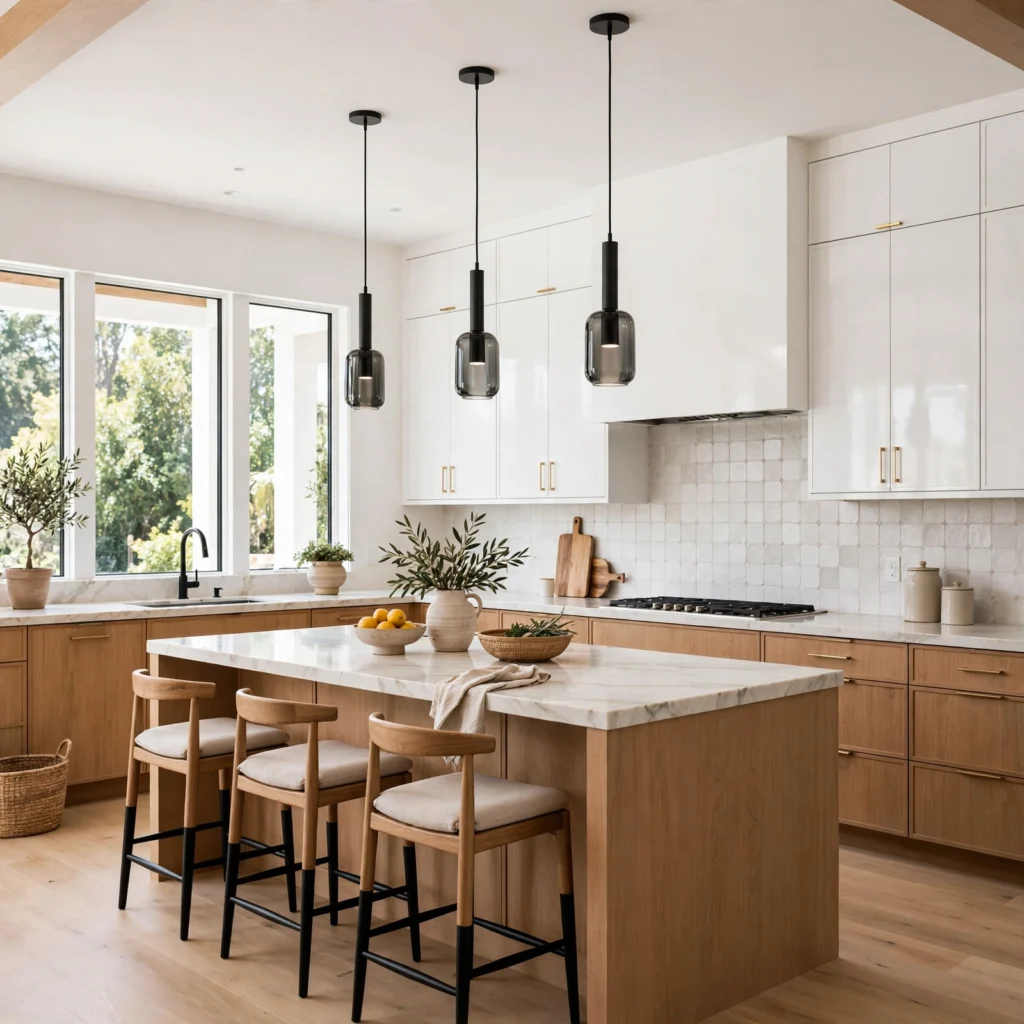
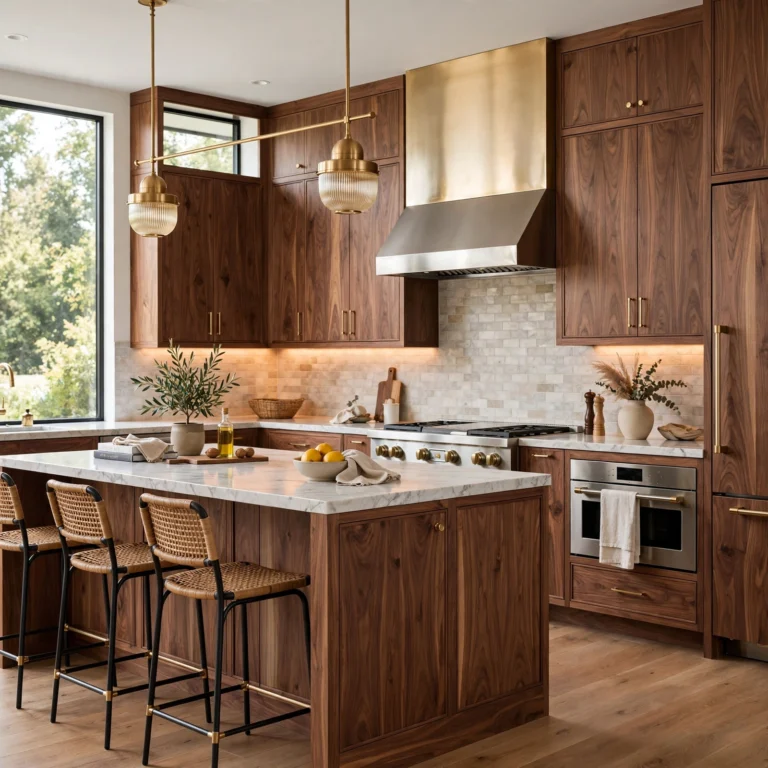
Pairing white cabinets with warm wood-tone lower cabinets or open shelving keeps the kitchen feeling grounded rather than sterile, which matters most in kitchens with cooler, blue-based white cabinetry. This combination often shows up as wood on the island or lower run with white uppers, or as wood open shelving mixed with white closed cabinetry. Choosing a wood tone with warm undertones, like white oak or walnut, keeps the pairing from feeling disconnected.
8. White Cabinets With a Textured Backsplash
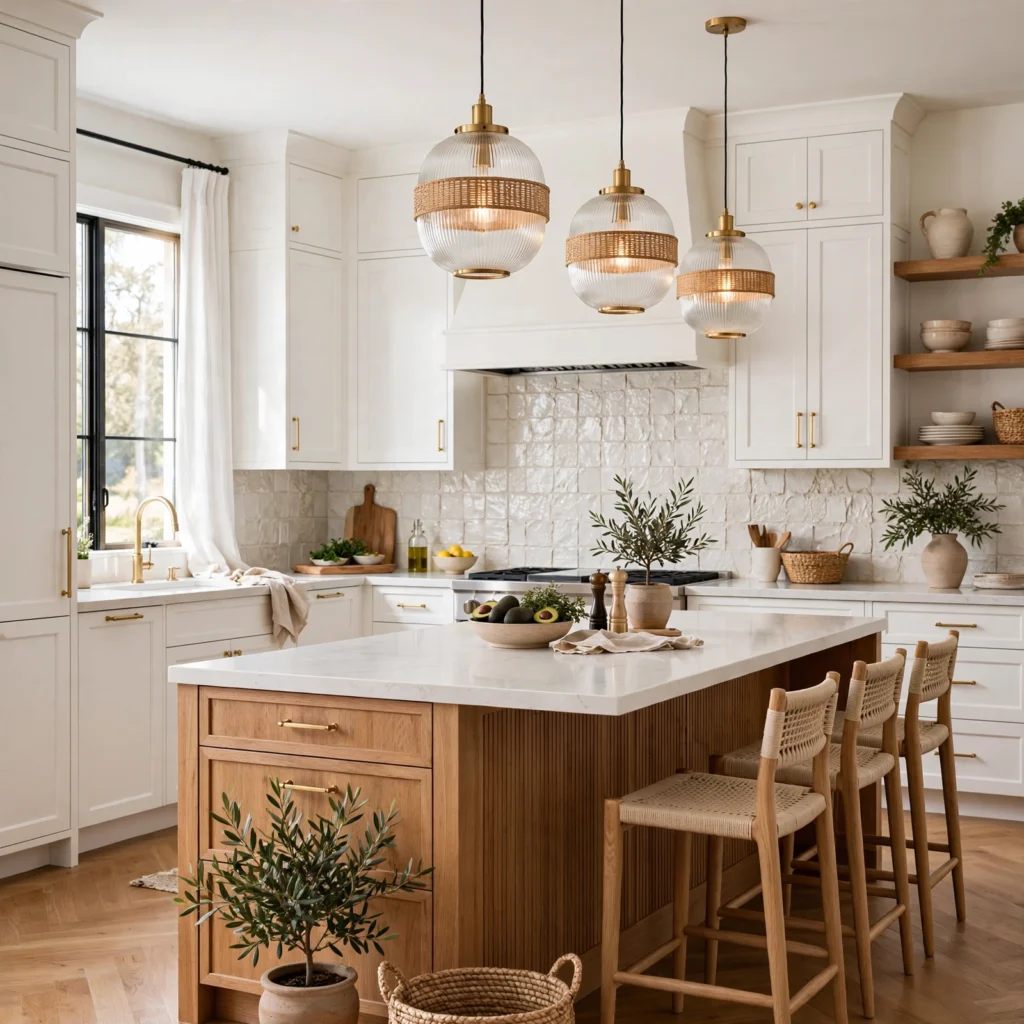
A textured tile backsplash in handmade zellige or fluted ceramic tile adds subtle light-catching texture that keeps a white kitchen from feeling flat, especially when the tile is chosen in a soft white or cream tone close to the cabinetry. The slight variation in each individual tile mimics the handcrafted look found in higher-end custom kitchens, elevating the backsplash from builder-grade to designed.
9. White Cabinets With Fluted Detailing
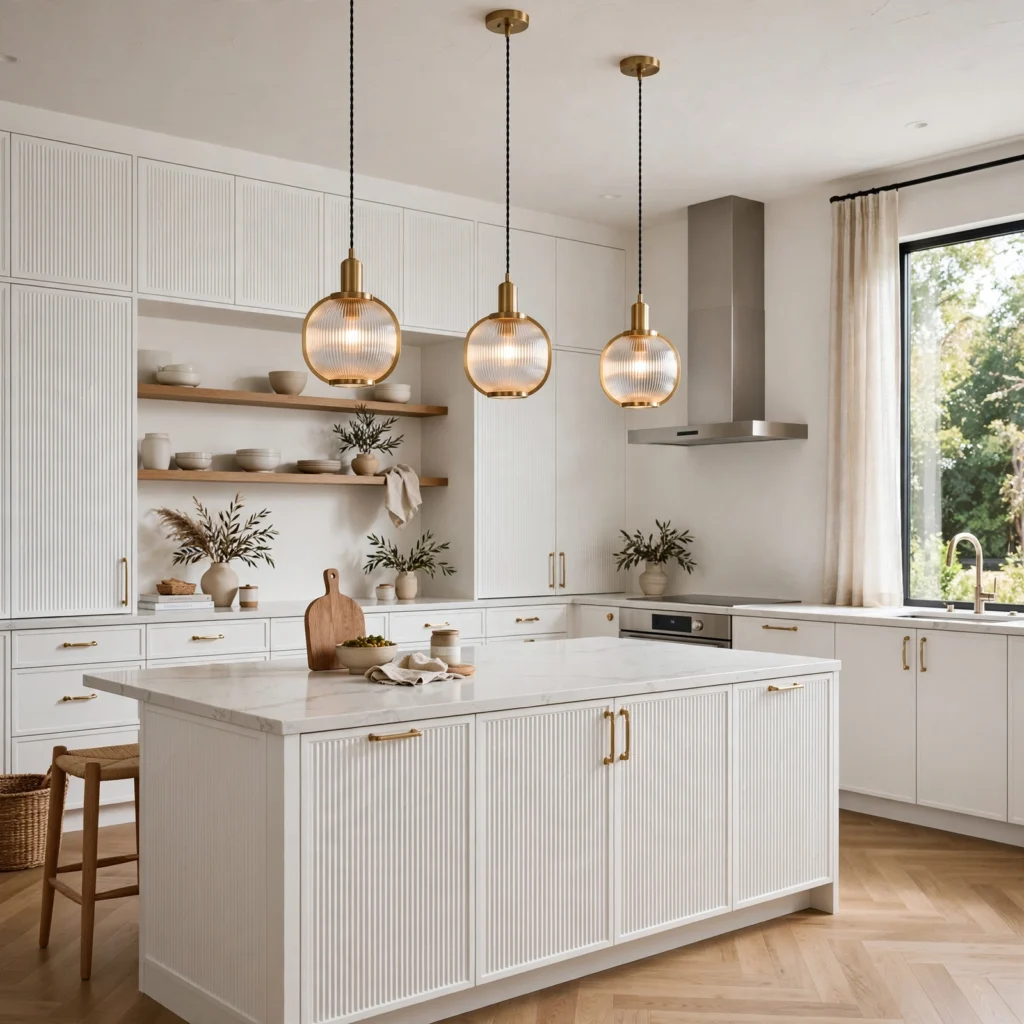
Fluted white cabinet fronts, cut with vertical grooves across the door or drawer face, add texture and a subtle play of light and shadow that a flat slab door doesn’t offer on its own. This detailing is often reserved for a single feature element, such as an island end panel or a bar cabinet, rather than applied across every door in the kitchen, keeping the cost and visual weight in check.
10. White Butler’s Pantry With a Bold Accent
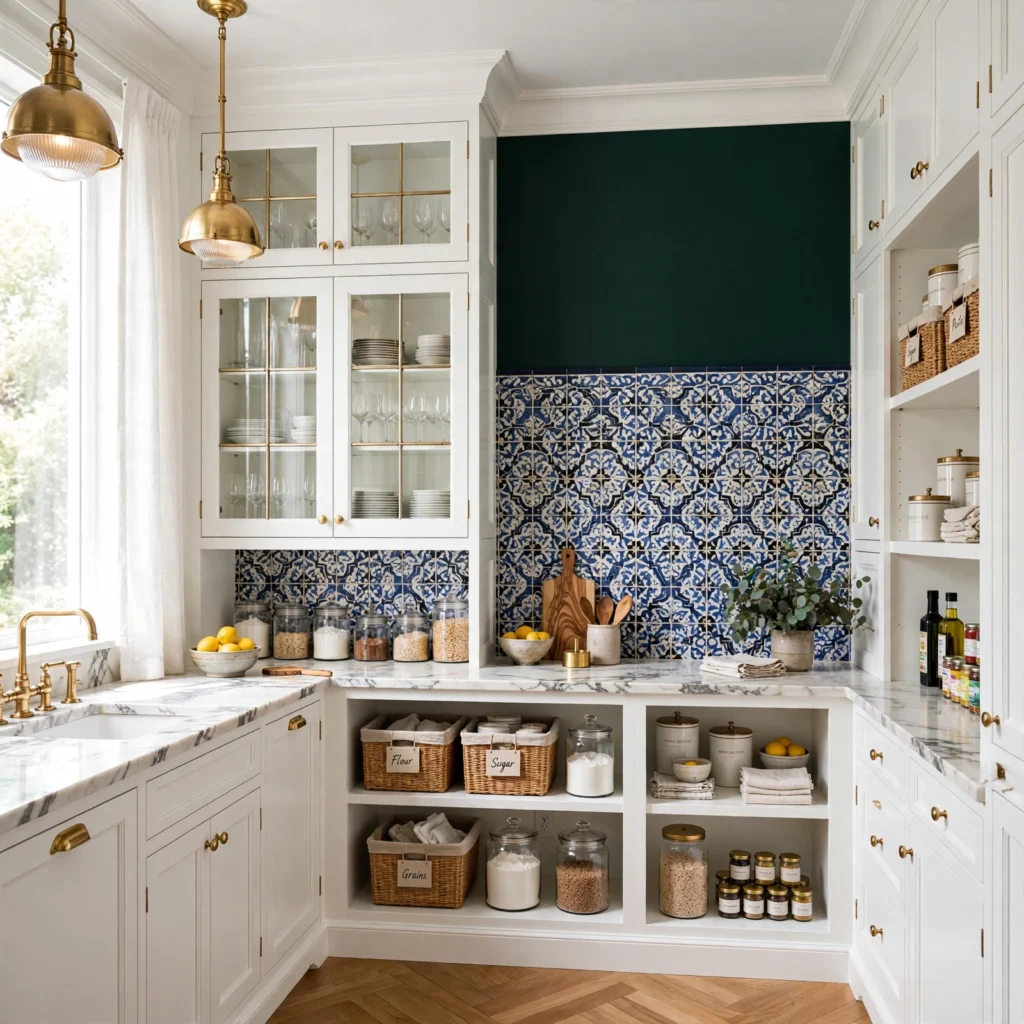
A white butler’s pantry with one bold accent, such as a deep green or navy interior, gives homeowners a place to introduce color without affecting the resale-friendly main kitchen. Glass-front upper cabinets in this space let the accent color show through without hiding dishware entirely. This approach has become especially popular in kitchens that open into dining rooms, since the pantry doubles as a serving and display area during entertaining.
11. White Cabinets With Open Wood Shelving
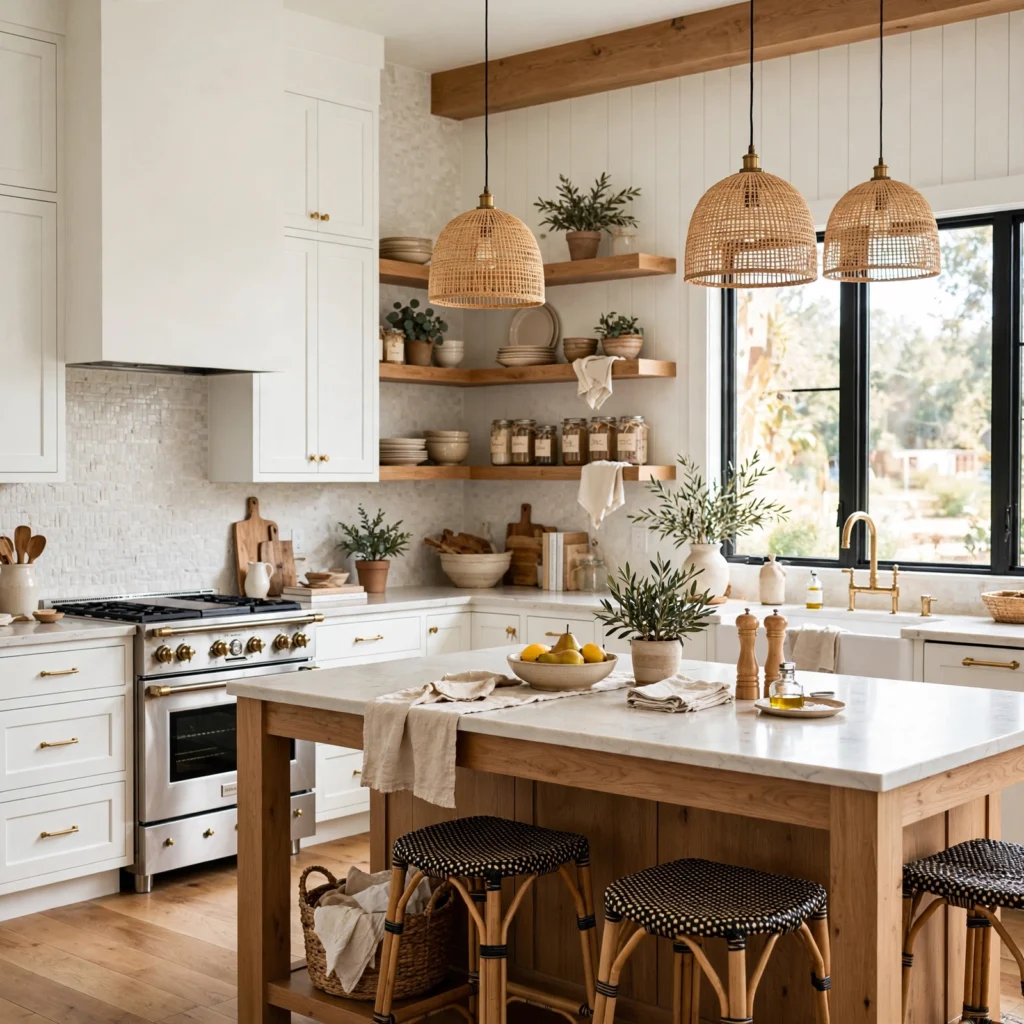
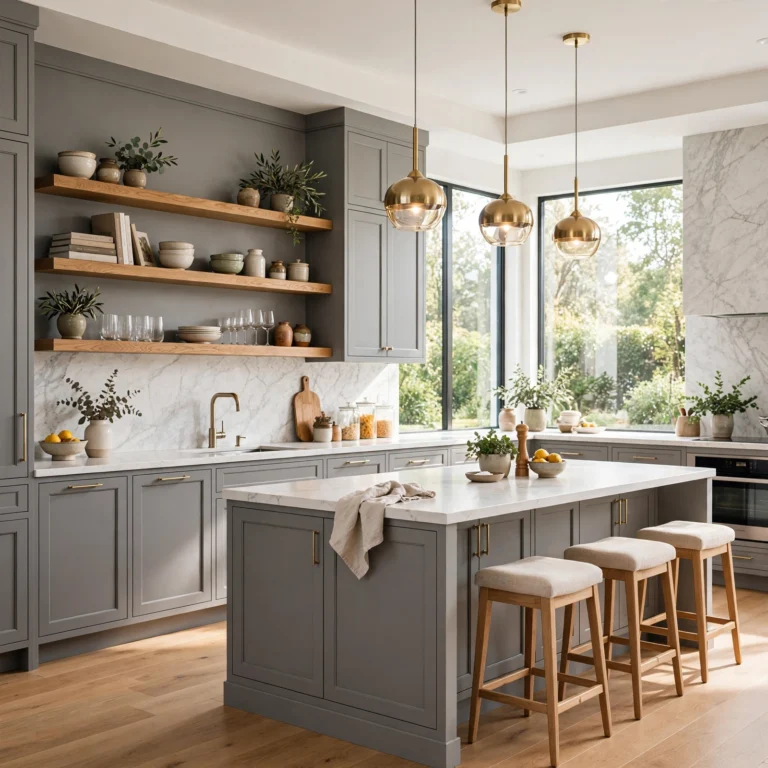
Open wood shelving, mounted in place of upper cabinets, breaks up a wall of white, closed doors and introduces a natural material that keeps the kitchen from feeling too uniform overall. This works particularly well flanking a range hood, where two shelves balance the visual weight of the hood without requiring additional white cabinetry. Keeping the styling on these shelves sparse, rather than fully loaded, keeps the look intentional rather than cluttered.
12. White Cabinets With a Statement Range Hood
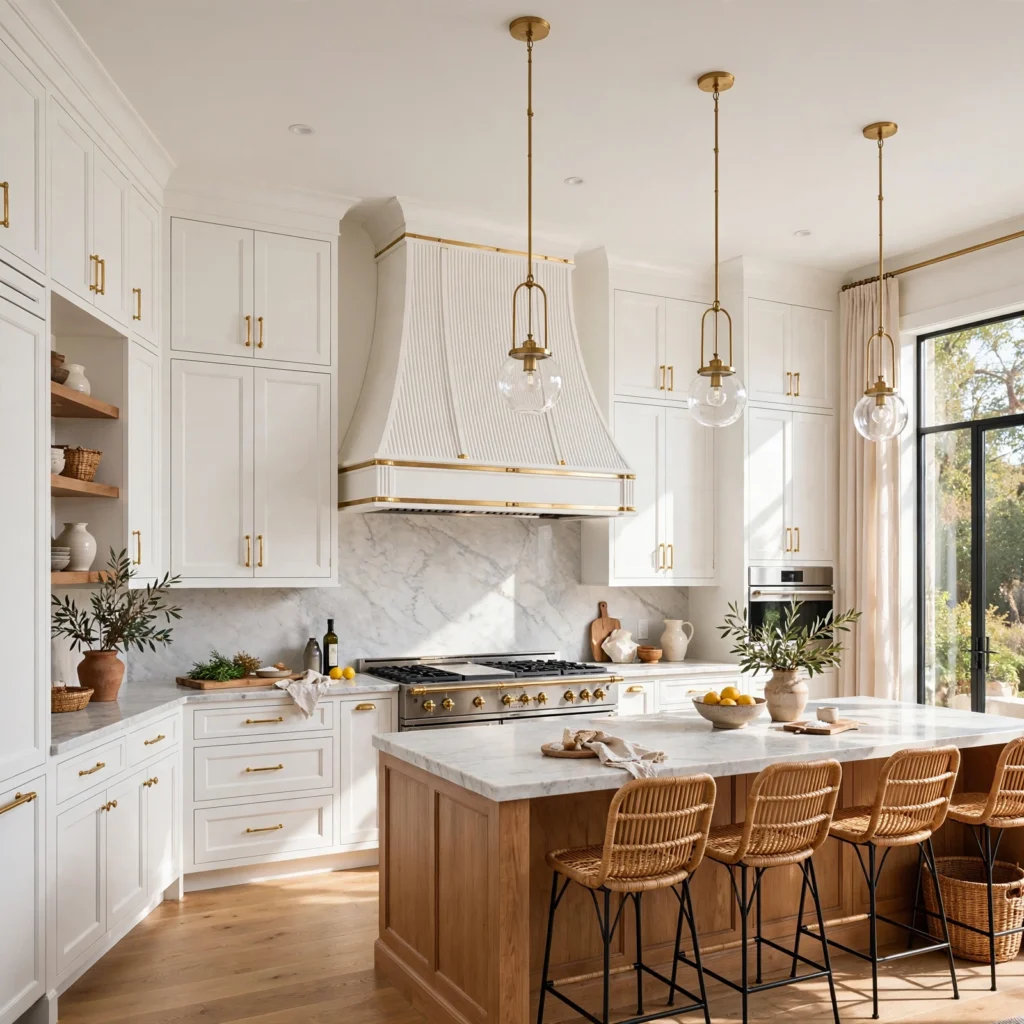
A range hood clad in wood, plaster, or a contrasting tile against white surrounding cabinetry gives the kitchen a clear focal point above the range. This works especially well in an otherwise minimal white kitchen, since the hood becomes the primary visual anchor in the cooking zone rather than blending into the surrounding cabinetry the way an all-white hood would.
13. White Cabinets With Terracotta Floor Tile
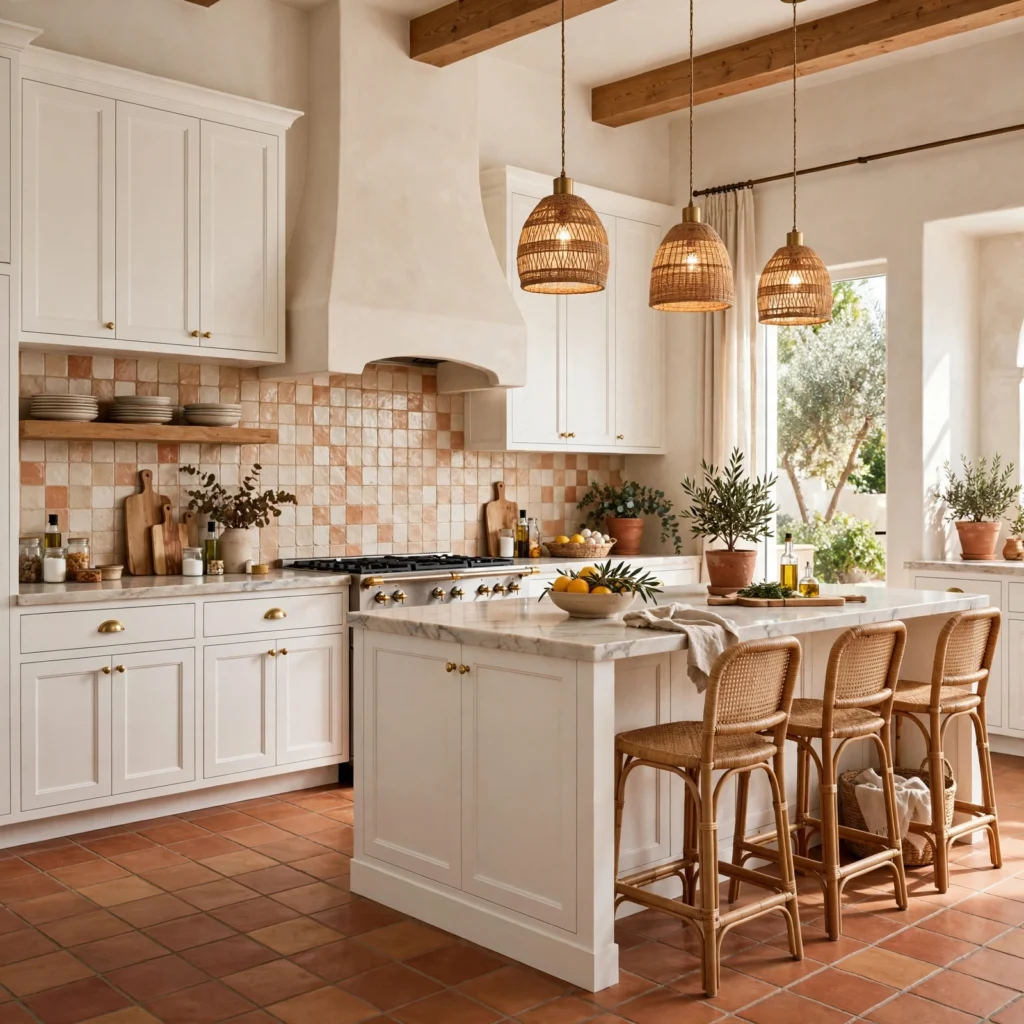
White cabinets paired with terracotta or clay-toned floor tile bring warmth into a kitchen that might otherwise feel cool or clinical, especially when the cabinetry leans toward a crisper, blue-based white. Warmer, cream-toned white works particularly well here, since it echoes the warmth of the terracotta rather than competing against it. This pairing suits kitchens that open onto a patio or outdoor dining space.
14. White Cabinets With a Waterfall Marble Edge
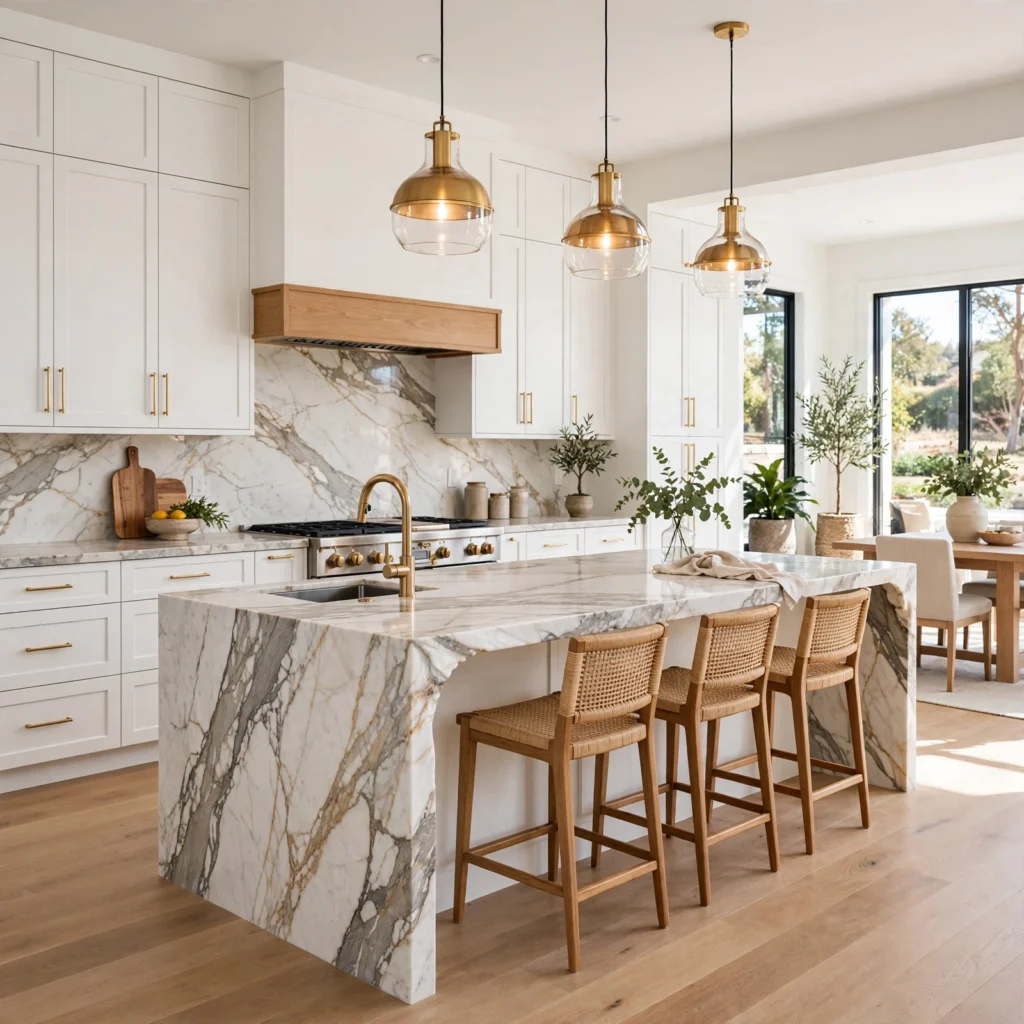
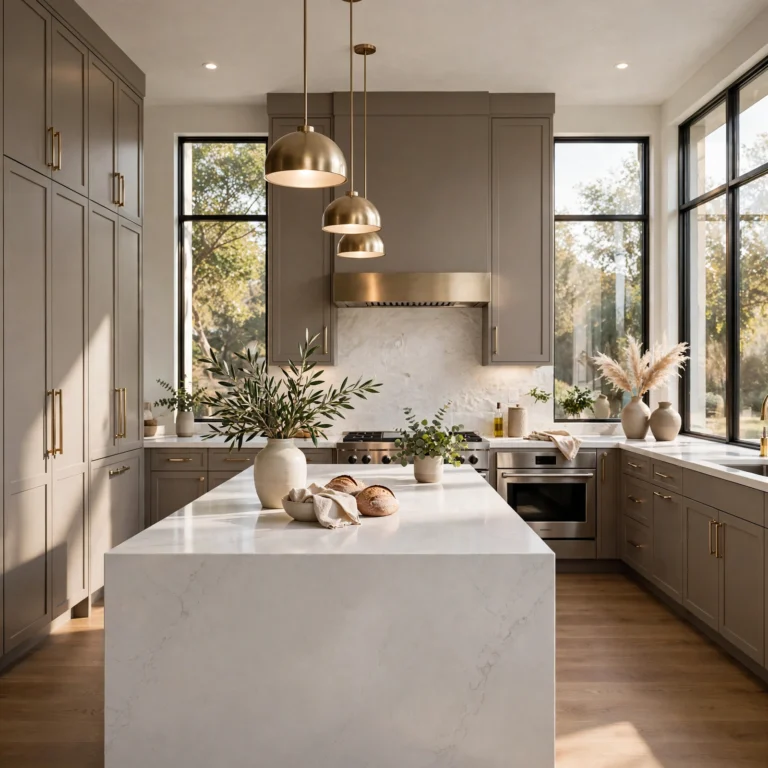
A waterfall edge, where marble or quartz wraps continuously down the side of a white-cabinet island rather than stopping at a standard countertop overhang, creates a single unbroken plane of stone that reads as high-end, custom design rather than standard cabinetry. This detail works particularly well against white cabinetry, since the stone’s veining stands out clearly without competing with a busier cabinet color.
15. White Cabinets With Layered Lighting
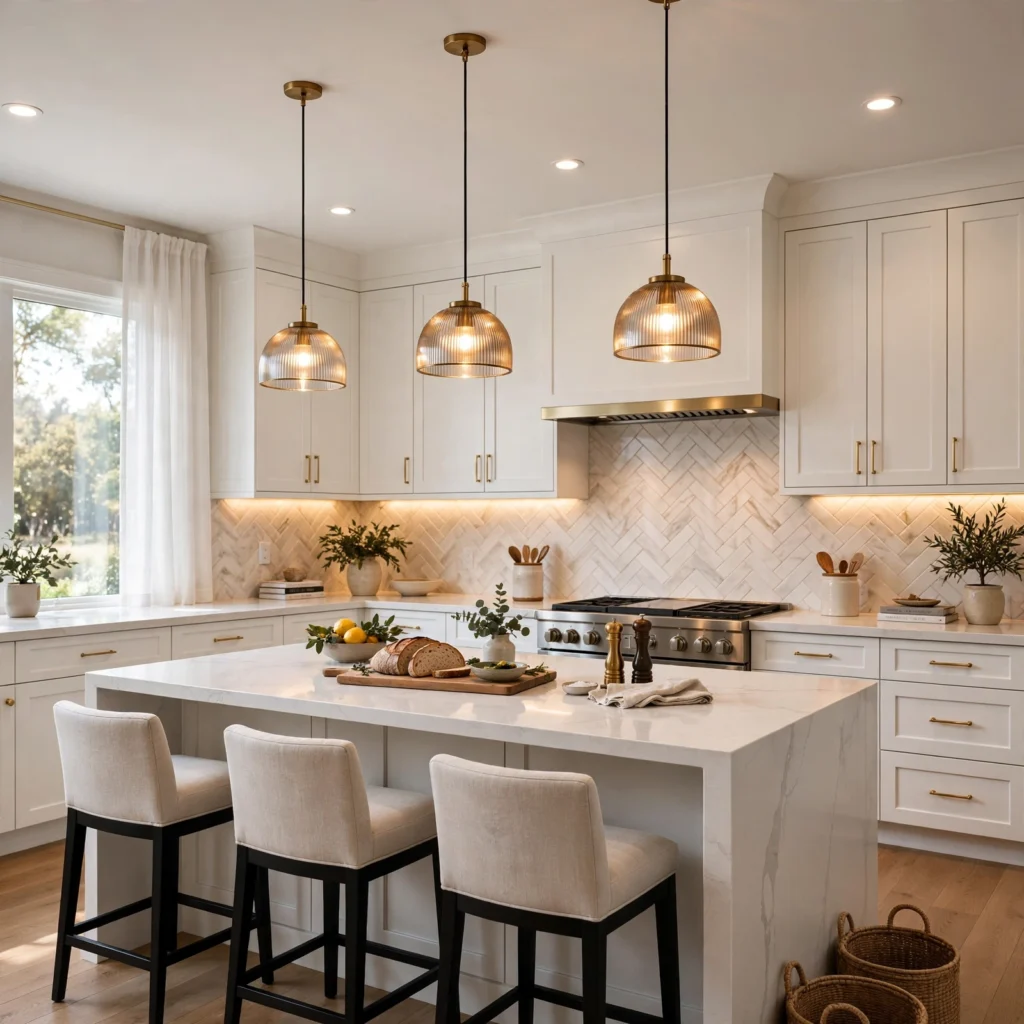
Layered lighting, including under-cabinet task lighting, pendant fixtures over the island, and accent lighting over open shelving, keeps an all-white kitchen from feeling flat or overly bright under a single harsh overhead source. Warm-white bulbs rather than cool daylight tones are generally more flattering against white cabinetry and help the kitchen feel inviting rather than clinical, particularly in the evening.
16. White Cabinets With Antique Brass Fixtures
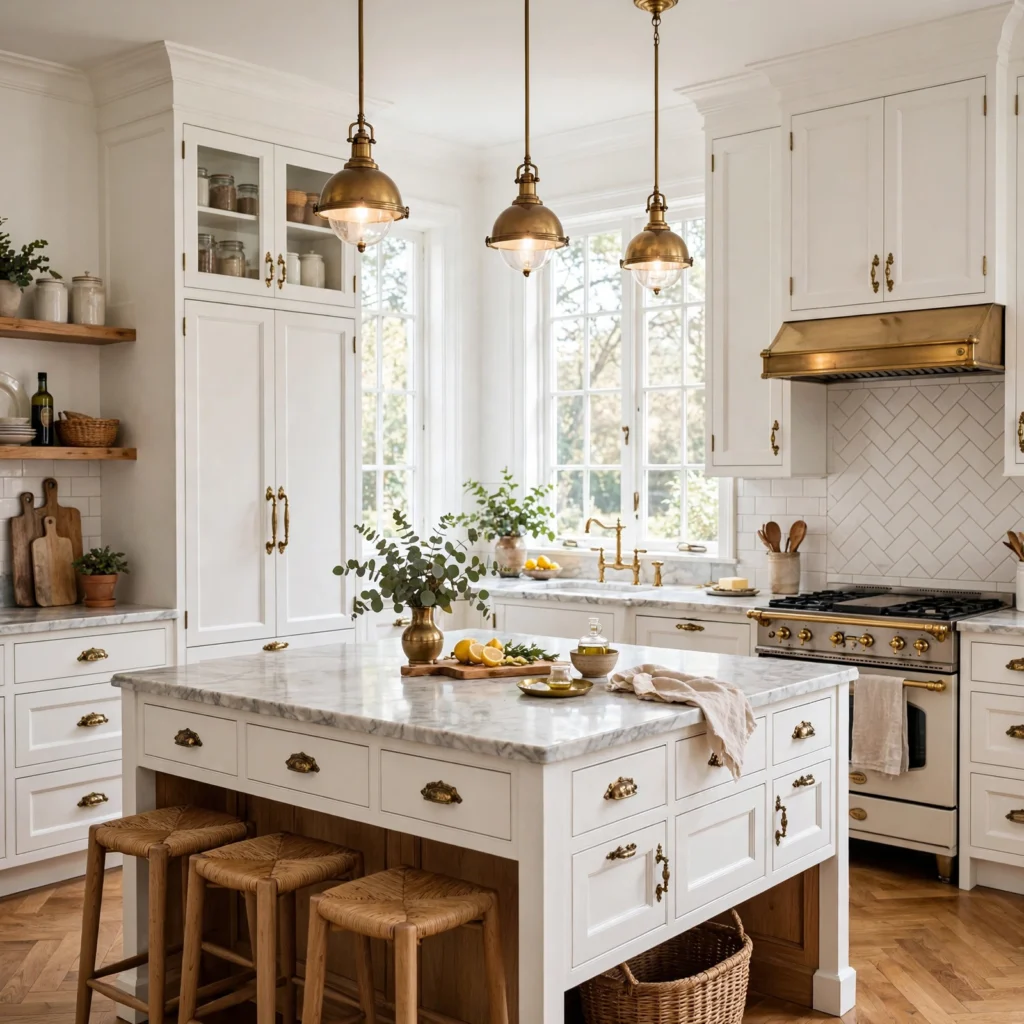
Antique or unlacquered brass fixtures, including the faucet, cabinet pulls, and light fixtures, introduce a warm, slightly aged metal tone that keeps an all-white kitchen from feeling too sterile or new. Because the finish naturally develops a soft patina over time, it suits kitchens designed to feel collected and lived-in rather than freshly installed, and it pairs especially well with warm, cream-toned white cabinetry.
Shop the Look
Start with a quart of warm cream or crisp white cabinet-grade paint in a matte or eggshell finish, a set of unlacquered brass bin pulls and knobs, a Carrara-style honed marble countertop slab, a handmade zellige tile in soft white for the backsplash, and a set of wood floating shelves for open storage. These five elements cover paint, hardware, surfaces, and storage without requiring a full kitchen renovation.
Common Mistake to Avoid
The most common mistake is choosing a white shade under warm kitchen lighting at the paint store and then discovering it looks distinctly yellow, pink, or blue once it’s on the cabinets under the kitchen’s actual lighting. Always test a large sample swatch directly on the cabinets and view it at different times of day before committing. A related mistake is pairing every surface in the kitchen with the same cool or warm white, which removes all contrast and makes the room feel flat rather than layered and considered.
People Also Ask
What is the most popular shade of white for kitchen cabinets?
Warm, creamy whites with subtle beige or yellow undertones are currently the most requested shade, largely because they feel softer and more livable than a stark, cool white. This warmer tone also pairs more easily with wood flooring and brass hardware without clashing. Crisp, cooler whites remain popular in more modern or minimalist kitchens, particularly when paired with black or chrome hardware for added contrast.
Do white cabinets kitchen designs go out of style?
White cabinetry has stayed in favor longer than almost any other kitchen color because it functions as a true neutral, adapting easily to changing countertop, flooring, and hardware trends over time. Choosing a warm, timeless shade rather than a very cool or stark white, and adding texture through paneling, hardware, or lighting, helps a white kitchen avoid feeling flat or dated compared to bolder color trends.
What color countertop goes best with white cabinets?
White or light gray marble and quartz, particularly with visible veining, are the most popular countertop pairings because the veining adds movement and depth that solid-color surfaces can’t replicate against all-white cabinetry. Butcher block and warm wood countertops also work well, especially paired with cream-toned white cabinets, for a softer, more organic look. Darker countertops like black granite create strong, deliberate contrast against white cabinetry.
Are white cabinets hard to keep clean in a kitchen?
White cabinets show fingerprints and smudges near handles more visibly than darker colors, particularly in a glossy finish, though a matte or eggshell sheen helps minimize this. Choosing a slightly warmer, off-white shade rather than a stark, bright white can also make minor marks less noticeable day to day. Regular wiping near handles and the areas around the stove and sink keeps white cabinetry looking fresh longer.
What hardware color works best with white cabinets?
Unlacquered or brushed brass is a popular choice for warm, cream-toned white cabinetry, since its gold tone adds warmth that keeps the kitchen from feeling too stark. Matte black is the more common pairing for cooler, crisper white cabinets, offering strong contrast without introducing additional color. Brushed nickel and chrome also work well, particularly in more contemporary or minimalist white kitchens.
Conclusion
These sixteen approaches to building a white cabinets kitchen show just how much range the color offers, from a single wood-tone island to a full antique-brass-and-marble kitchen layered with texture throughout. Start small if you’re unsure, a wood island or a butler’s pantry accent is a low-risk way to add contrast before committing further. Save this guide to Pinterest for your next kitchen update, and check out our related post on two tone kitchen cabinet ideas for more layout inspiration.
Author Expertise Note
Written by a design writer who has covered kitchen and cabinetry trends for home publications for several years, working closely with cabinet painters and kitchen designers to track which white shades and finishes actually hold up over time.