17 Trending Home Decor Aesthetic Ideas to Create a Beautiful, Stylish Space
Choosing a home decor aesthetic gives every future purchase and design decision a clear direction, instead of a room slowly filling up with mismatched pieces that never quite feel cohesive together. From the clean lines of Scandinavian design to the layered richness of maximalism, each aesthetic carries its own color logic, material vocabulary, and mood. This guide walks through seventeen home decor aesthetic ideas, covering what defines each style and how to bring it into a real, livable space rather than a showroom fantasy.
Trend & Background
Social platforms have accelerated how quickly home decor aesthetics spread and evolve, with named styles like cottagecore, dark academia, and Japandi moving from niche online communities into mainstream design conversation within just a few years. This matters now because homeowners increasingly want their space to reflect a specific identity or mood rather than following generic “on-trend” decorating advice. Understanding the defining features of different aesthetics helps people make more confident, cohesive choices instead of buying pieces that look good individually but clash once placed together.
Key Takeaways
- A home decor aesthetic works best when built around one dominant style rather than mixing too many competing looks at once.
- Color palette, material choice, and lighting are the three elements that most clearly define any given aesthetic.
- Popular aesthetics range from minimalist and Japandi to maximalist and cottagecore, each suited to different lifestyles and spaces.
- Committing to a consistent aesthetic across furniture, textiles, and accessories makes a home feel intentional rather than accidental.
1. Scandinavian Minimalism
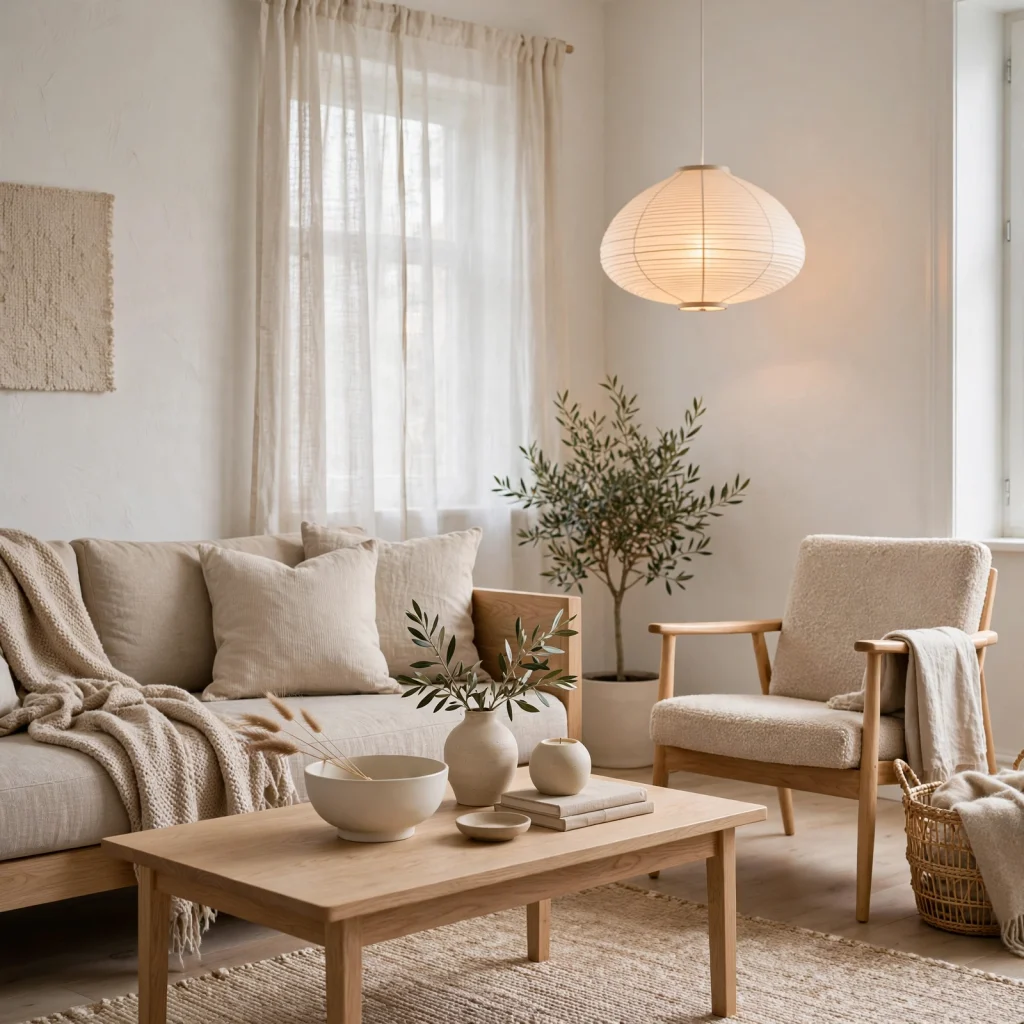
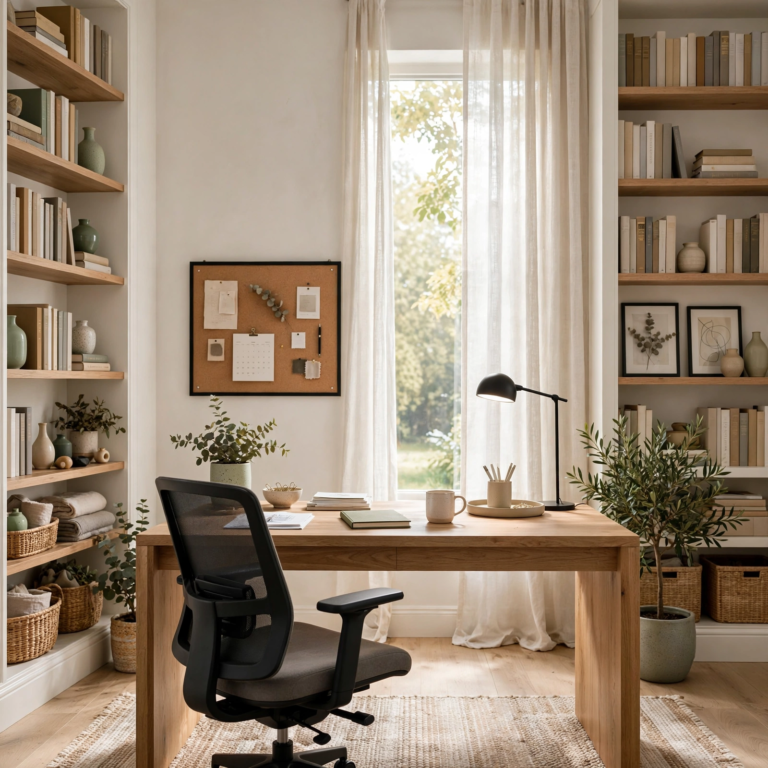
Scandinavian style centers on light wood tones, white or pale gray walls, and furniture with clean, functional lines free of excess ornamentation. Textiles stay simple, often in wool or cotton, and clutter is kept to a minimum so each object earns its place. Natural light plays a major role, so sheer curtains and uncovered windows are common. This aesthetic suits people who want a calm, uncluttered home that still feels warm rather than sterile or cold.
2. Japandi Fusion
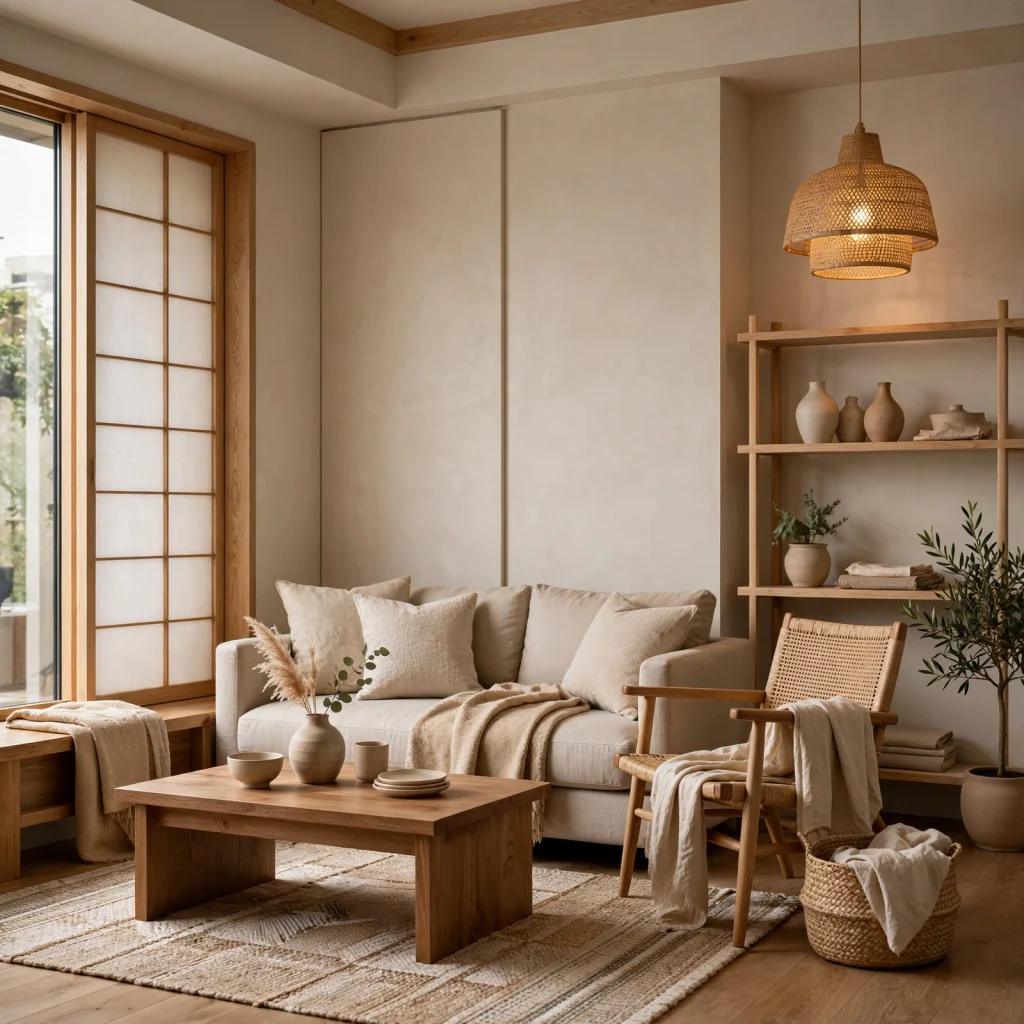
Japandi blends Japanese wabi-sabi principles with Scandinavian functionality, resulting in a palette of muted earth tones, natural wood, and handcrafted ceramics. Furniture tends to sit lower to the ground, and imperfect, organic textures are valued over polished uniformity. Negative space is treated as a design element rather than something to fill. This aesthetic works particularly well for people drawn to both minimalism and a slightly warmer, more tactile sensibility than pure Scandinavian style offers.
3. Cottagecore Charm
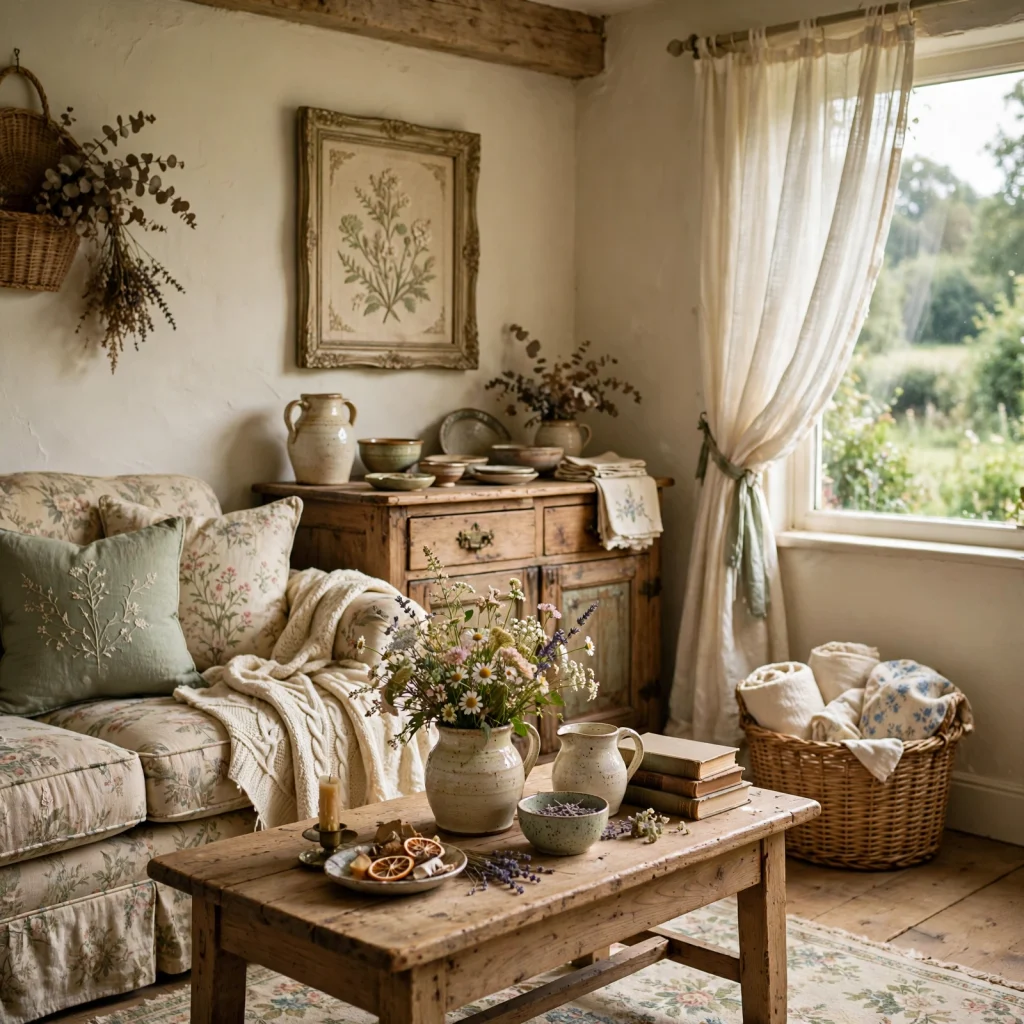
Cottagecore draws from romanticized rural living, featuring floral fabrics, vintage furniture, dried flower arrangements, and softly worn wood finishes. Gingham, lace, and hand-me-down-style pieces all fit naturally within this aesthetic. Kitchens and living rooms often display open shelving with mismatched ceramics rather than matching sets. This style suits homes that want a nostalgic, slightly whimsical feel, and it pairs especially well with natural light and greenery throughout the space.
To see more luxury home decor
4. Dark Academia
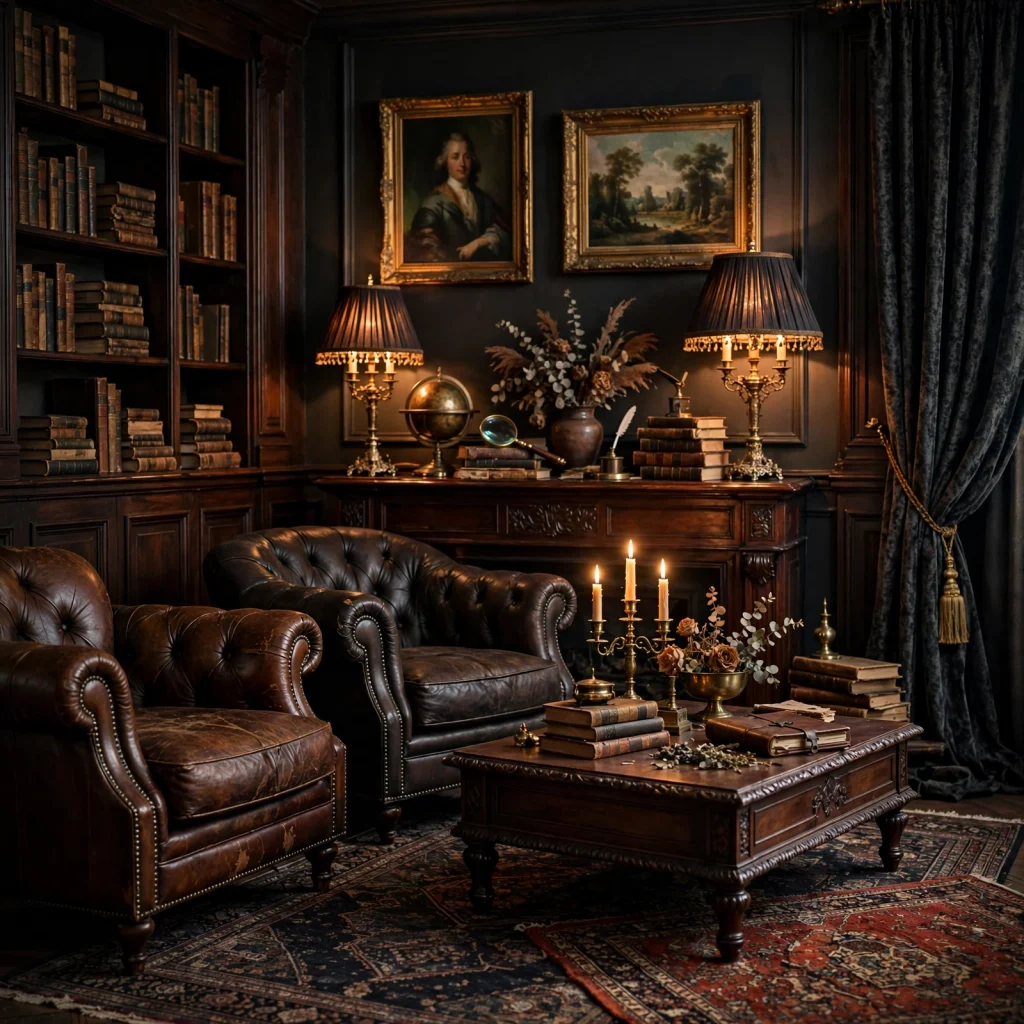
Dark academia pulls from old university libraries and classic literature, favoring deep wood tones, leather furniture, and rich colors like burgundy, forest green, and charcoal. Bookshelves become a central design feature, often styled with stacked hardcovers and vintage objects like globes or brass lamps. Lighting stays warm and moody rather than bright. This aesthetic suits people who want their home to feel intellectual, atmospheric, and a little dramatic without tipping into full gothic territory.
5. Coastal Grandmother Style
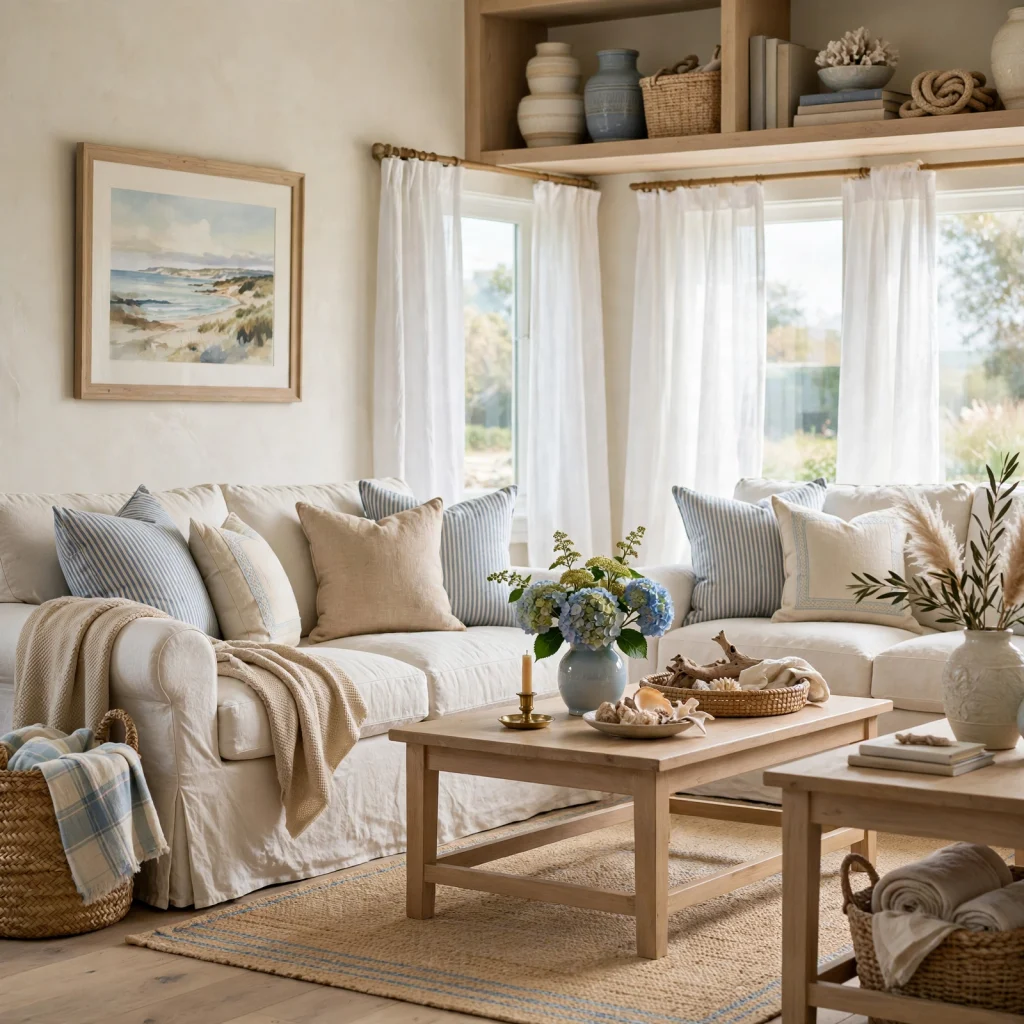
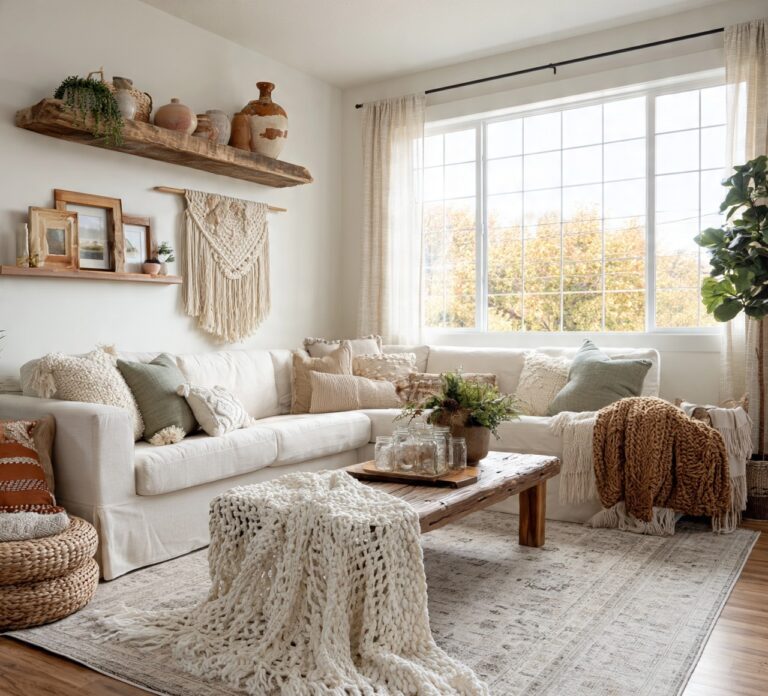
Coastal grandmother style combines relaxed beach-house comfort with an elevated, slightly vintage sensibility, featuring linen slipcovers, woven baskets, and a palette of cream, sage, and soft blue. Furniture tends to look inherited rather than newly purchased, with rattan and wicker appearing frequently. Fresh flowers and citrus in glass bowls are common styling details. This aesthetic works well for people who want their home to feel both breezy and comfortably lived-in.
6. Modern Maximalism
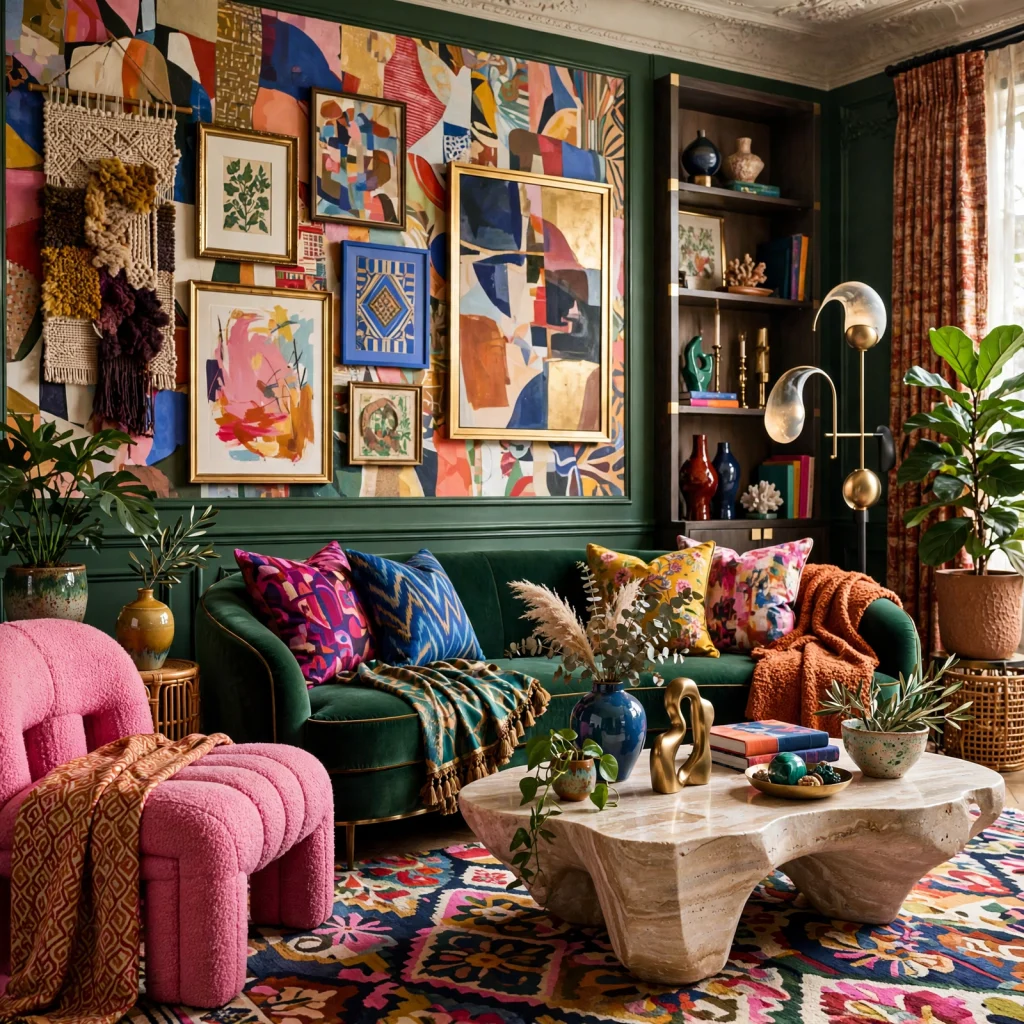
Maximalism rejects minimalist restraint entirely, layering bold patterns, rich colors, and collected objects across every surface with confidence. Wallpaper, patterned rugs, and gallery walls all appear frequently, often mixing eras and styles rather than sticking to one period. The key to executing maximalism successfully is a unifying color thread that ties the layered patterns together, since without it the look can tip from intentional into chaotic.
| Aesthetic | Color Palette | Key Materials |
| Scandinavian Minimalism | White, pale gray, light wood | Oak, wool, cotton |
| Dark Academia | Burgundy, forest green, charcoal | Leather, dark walnut, brass |
| Coastal Grandmother | Cream, sage, soft blue | Linen, rattan, wicker |
| Modern Maximalism | Bold, layered, saturated | Velvet, mixed metals, print |
7. Industrial Loft Style
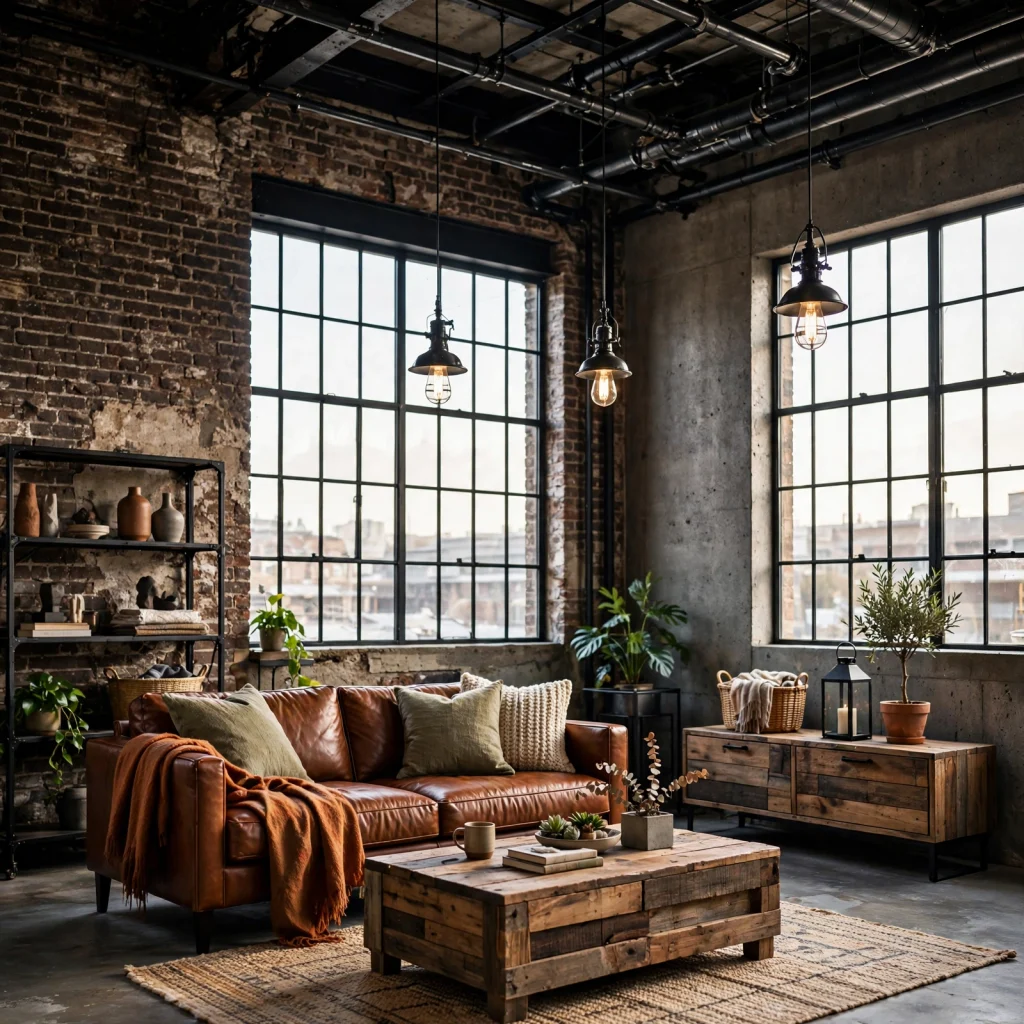
Industrial style embraces exposed brick, concrete floors, and visible ductwork or piping as intentional design features rather than flaws to hide. Furniture leans toward raw metal, distressed leather, and reclaimed wood, often with a slightly utilitarian silhouette. Lighting fixtures frequently feature exposed Edison bulbs and black metal frames. This aesthetic suits converted warehouse spaces or urban apartments looking to lean into their existing architectural bones rather than soften them.
8. Bohemian Eclectic
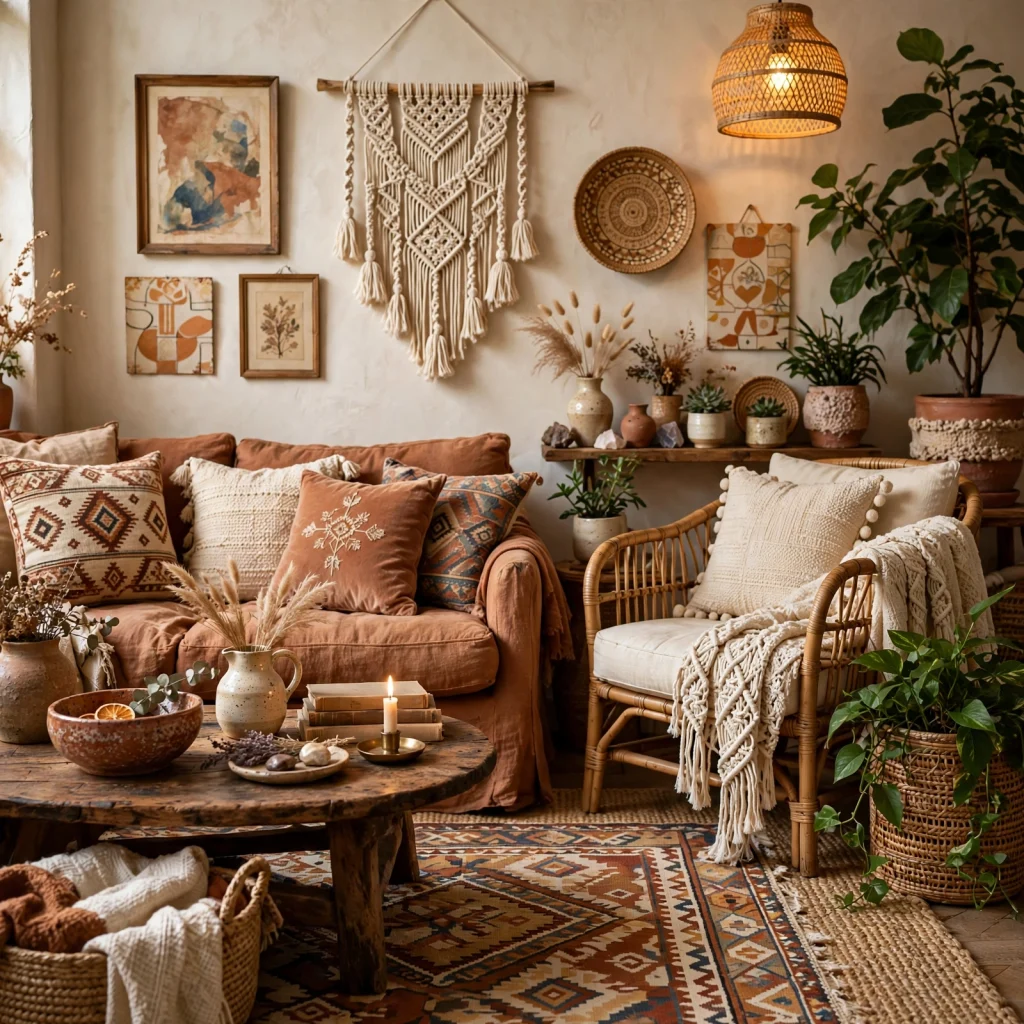
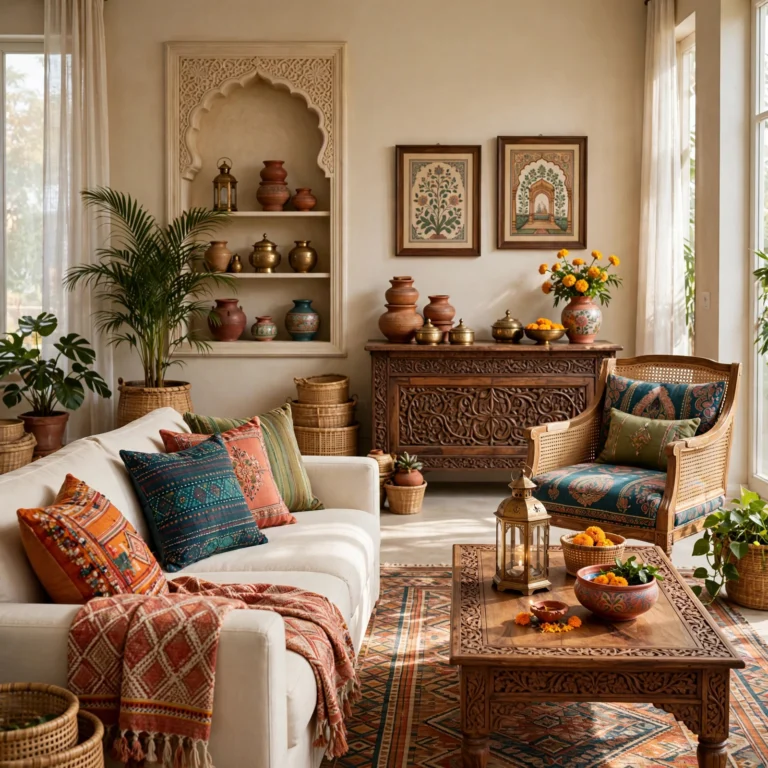
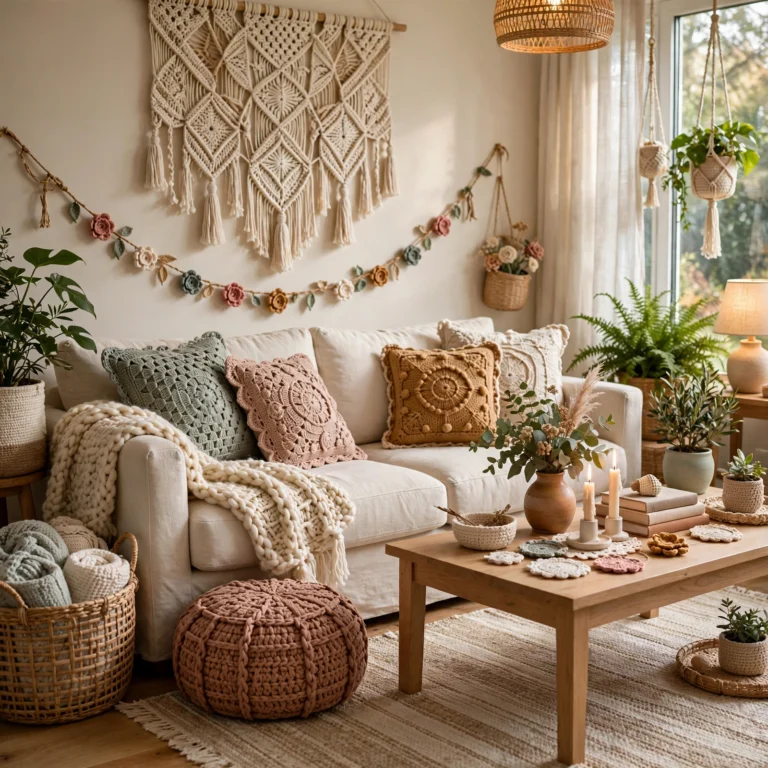
Bohemian style layers global textiles, macrame, rattan furniture, and abundant plants into a warm, collected space that feels gathered over years of travel and personal discovery. Rugs often overlap, and patterns mix freely across pillows, throws, and wall hangings. Color palettes lean toward warm earth tones with occasional jewel-toned accents. This aesthetic suits people who want their home to feel personal, textural, and slightly unstructured rather than tightly curated.
9. Mid-Century Modern
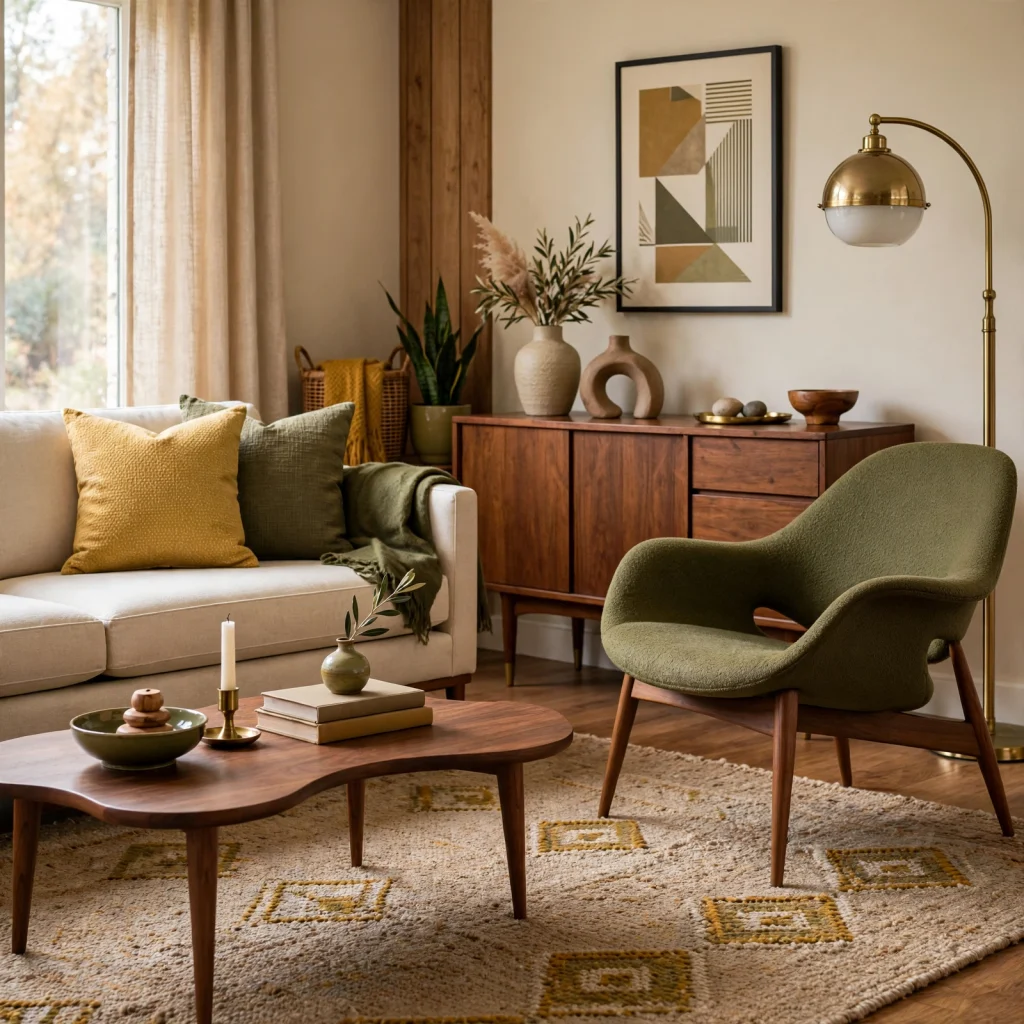
Mid-century modern design features tapered wood legs, organic curved silhouettes, and a color palette of mustard, burnt orange, and olive green paired with warm walnut tones. Furniture pieces are often iconic, low-profile, and functional, with an emphasis on clean geometric shapes. Statement lighting, like a sculptural pendant or an arc floor lamp, plays a significant role. This aesthetic suits people drawn to retro design with a timeless, still-relevant structural logic.
10. French Country Elegance
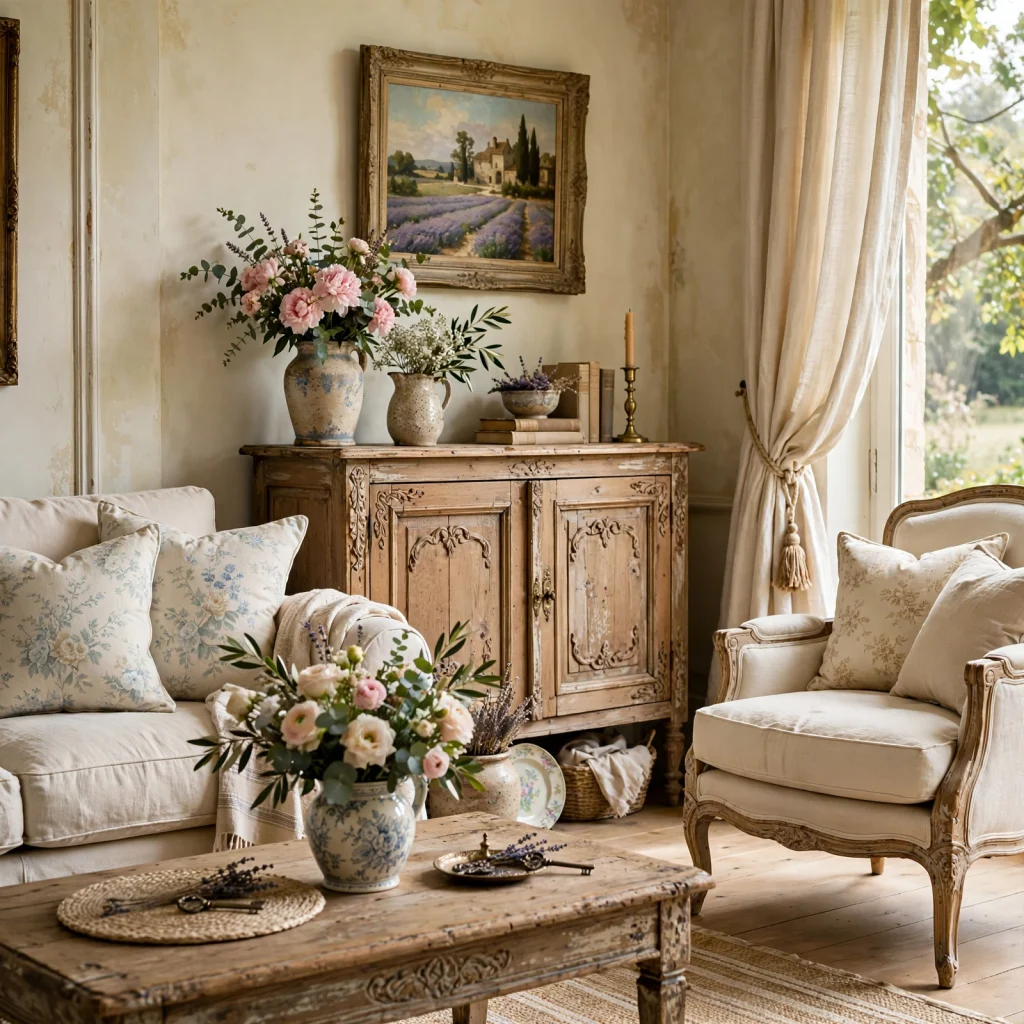
French country style combines rustic wood furniture with softer, more refined touches like toile fabric, gilded mirrors, and pale blue or buttery yellow walls. Wrought iron accents and woven baskets appear alongside more polished elements like crystal chandeliers. The overall effect balances farmhouse warmth with a touch of old-world sophistication. This aesthetic suits homes that want rustic charm without leaning fully into a stripped-down, purely utilitarian farmhouse look.
11. Contemporary Neutral
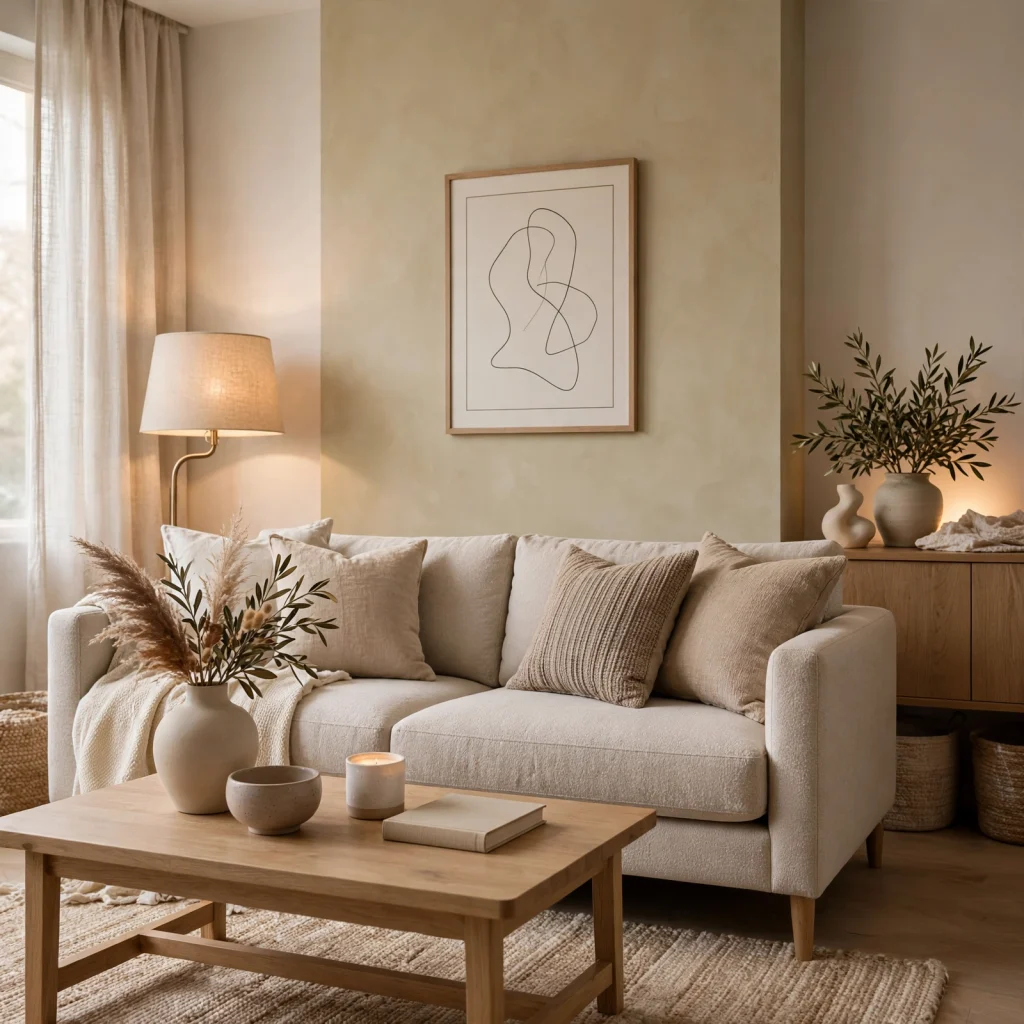
Contemporary neutral design favors a tonal palette of beige, taupe, and off-white layered through varied textures rather than color contrast. Furniture silhouettes stay simple and current, avoiding both ornate detailing and overly retro shapes. Interest comes from material variation, boucle, linen, natural stone, rather than pattern or bold color. This aesthetic suits people who want a calm, resale-friendly home decor aesthetic that photographs well without feeling trend-locked to any specific era.
12. Grandmillennial Style
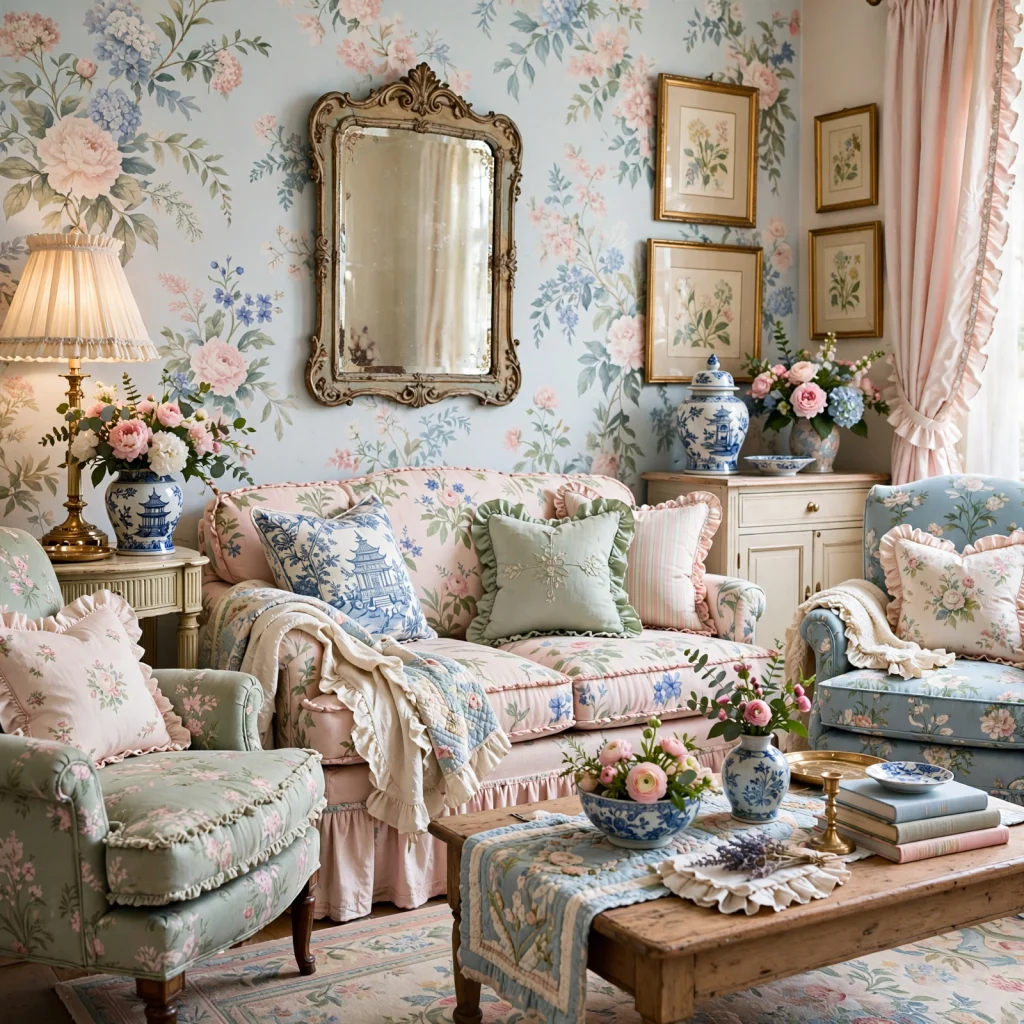
Grandmillennial style updates traditional, heirloom-inspired decor with a younger sensibility, mixing chintz fabric, needlepoint pillows, and skirted furniture with more current color choices and lighter styling. Scalloped edges, ruffled lampshades, and ginger jar vases are recurring motifs. The result reads as traditional but not stuffy. This aesthetic suits people who appreciate classic, collected decor but want it to feel current rather than frozen in a specific decade.
13. Warm Minimalism
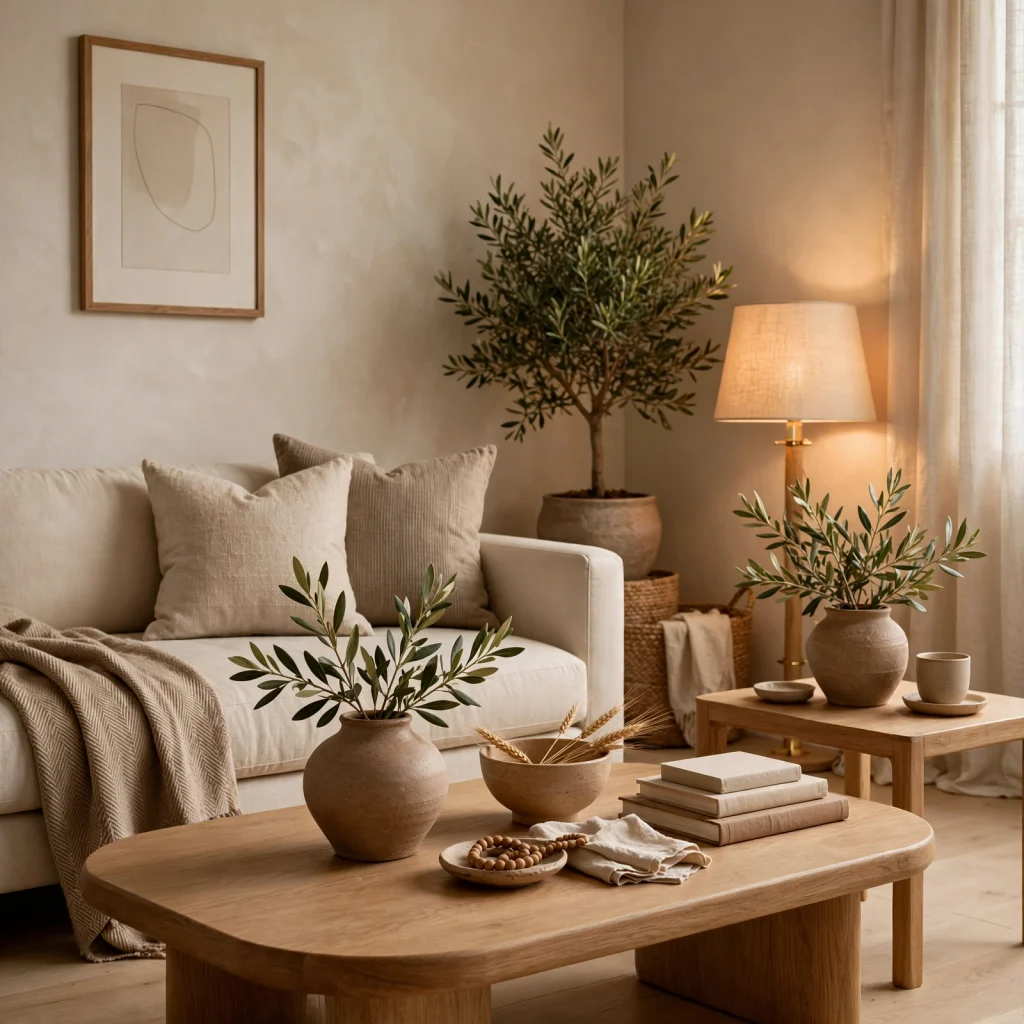
Warm minimalism softens the starker edges of pure minimalism by introducing warm wood tones, textured linen, and soft ambient lighting while still keeping clutter and ornamentation to a minimum. Color palettes lean toward cream, terracotta, and soft brown rather than stark white and gray. This aesthetic suits people who like the discipline of minimalist design but want their home to feel inviting and lived-in rather than clinical or overly austere.
14. Art Deco Glamour
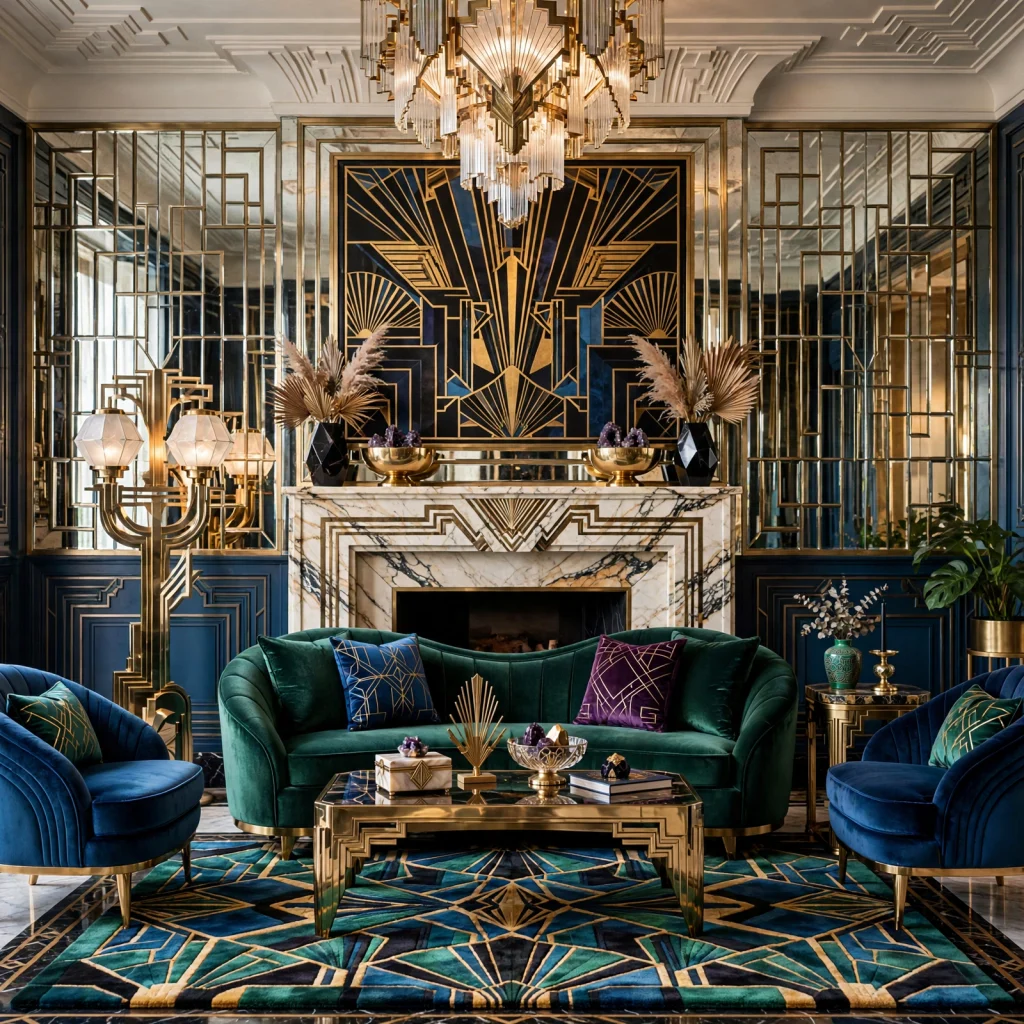
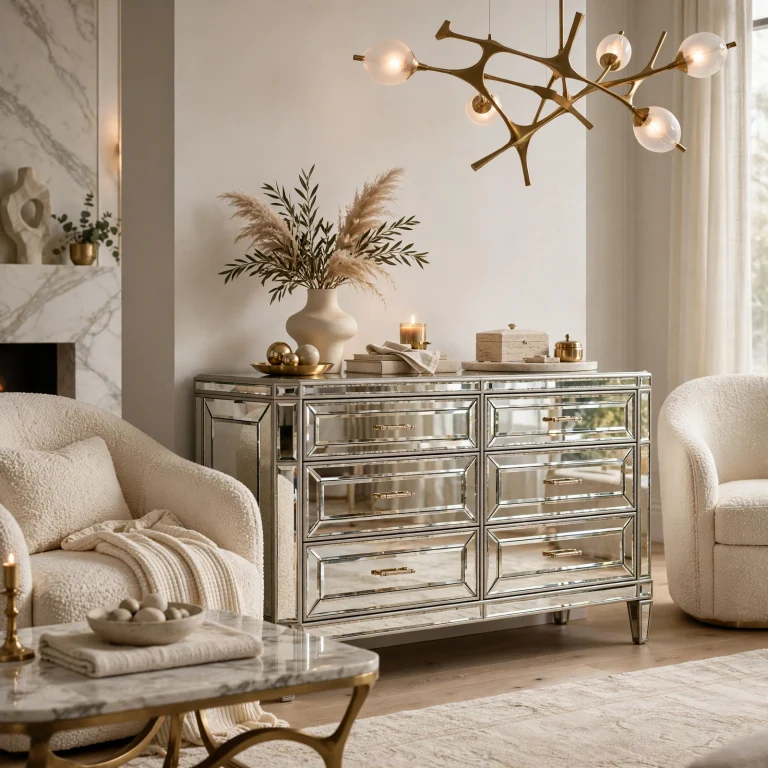
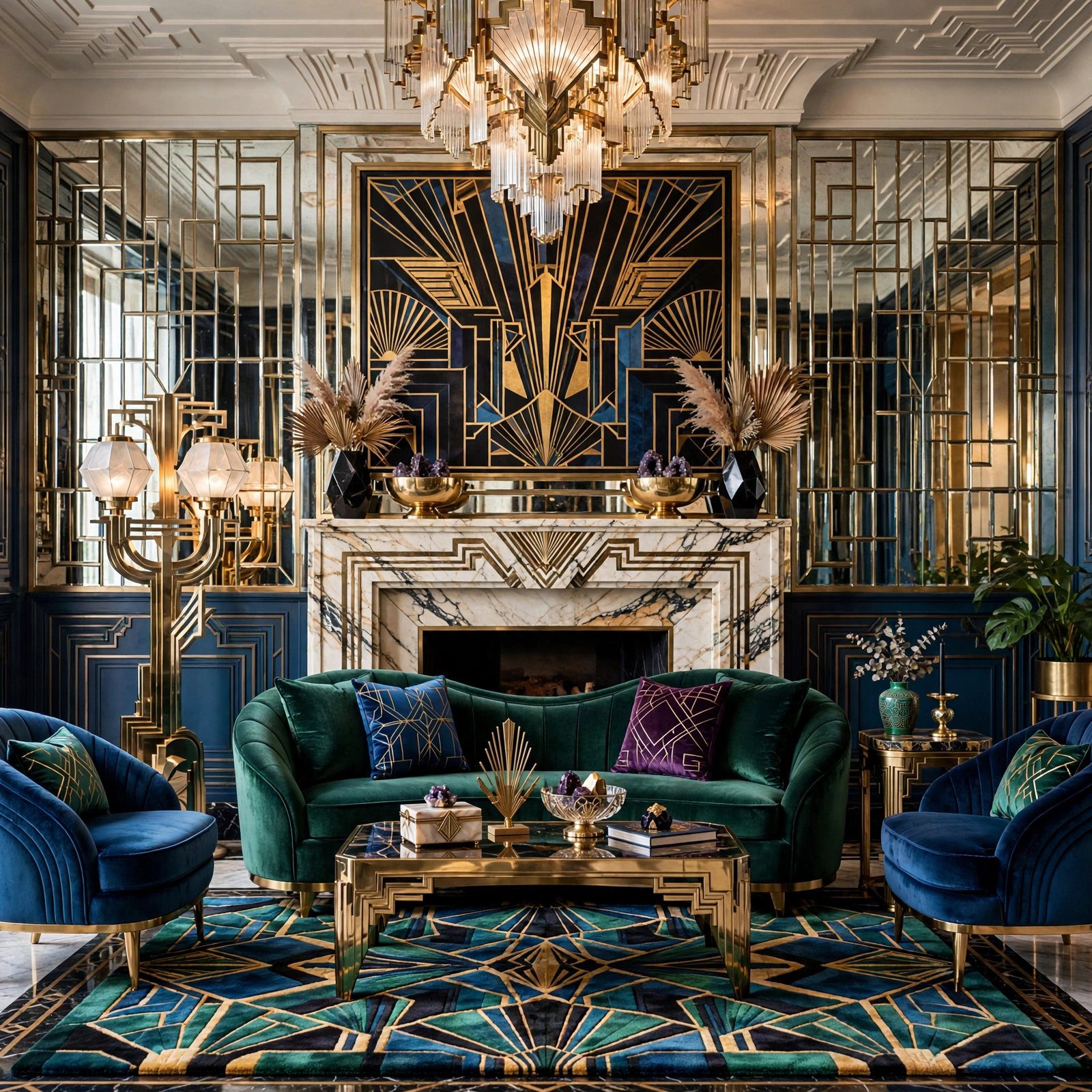
Art deco style features bold geometric patterns, rich jewel tones like emerald and sapphire, and lavish materials such as brass, velvet, and lacquered wood. Mirrored surfaces and symmetrical layouts reinforce the era’s sense of glamour and precision. Statement lighting with fan or sunburst motifs often anchors a room. This aesthetic suits people who want a dramatic, formal home decor aesthetic with clear historical roots and a strong sense of visual structure.
15. Rustic Cabin Style
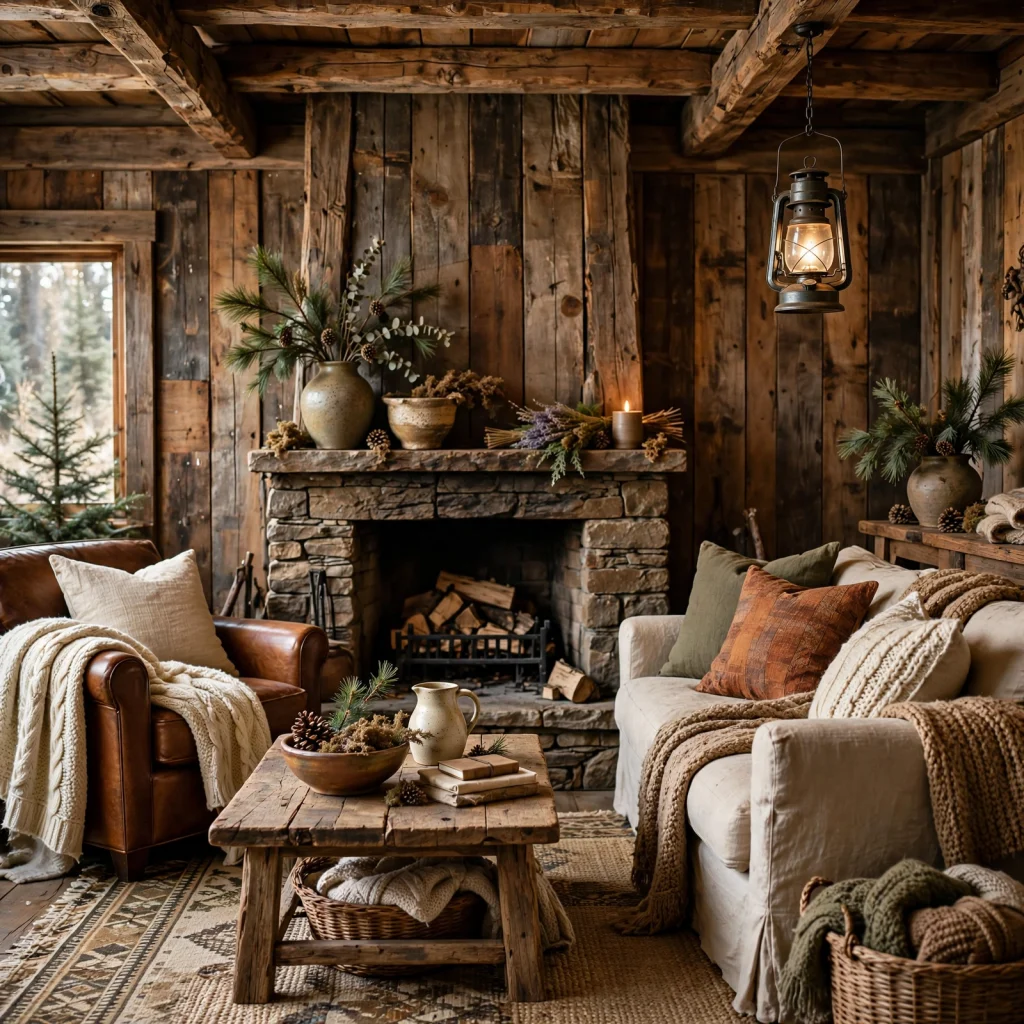
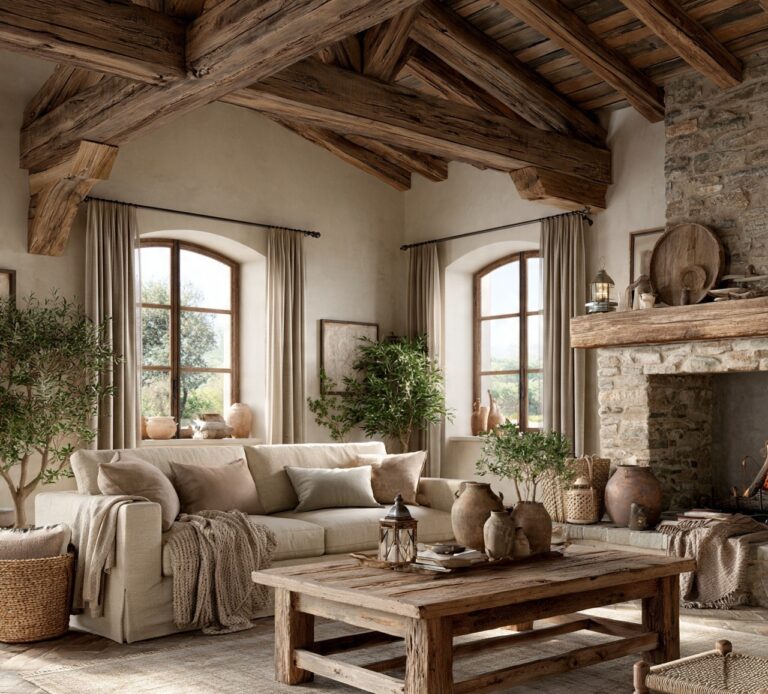
Rustic cabin style leans into raw, natural materials like exposed log walls, stone fireplaces, and heavy timber furniture with minimal refinement. Plaid and buffalo check textiles appear frequently alongside taxidermy-style decor or antler accents in more traditional interpretations. Lighting stays warm and low, often from wall sconces or a central fireplace. This aesthetic suits mountain homes or anyone wanting a distinctly outdoorsy, unpolished home decor aesthetic.
16. Soft Romantic Vintage
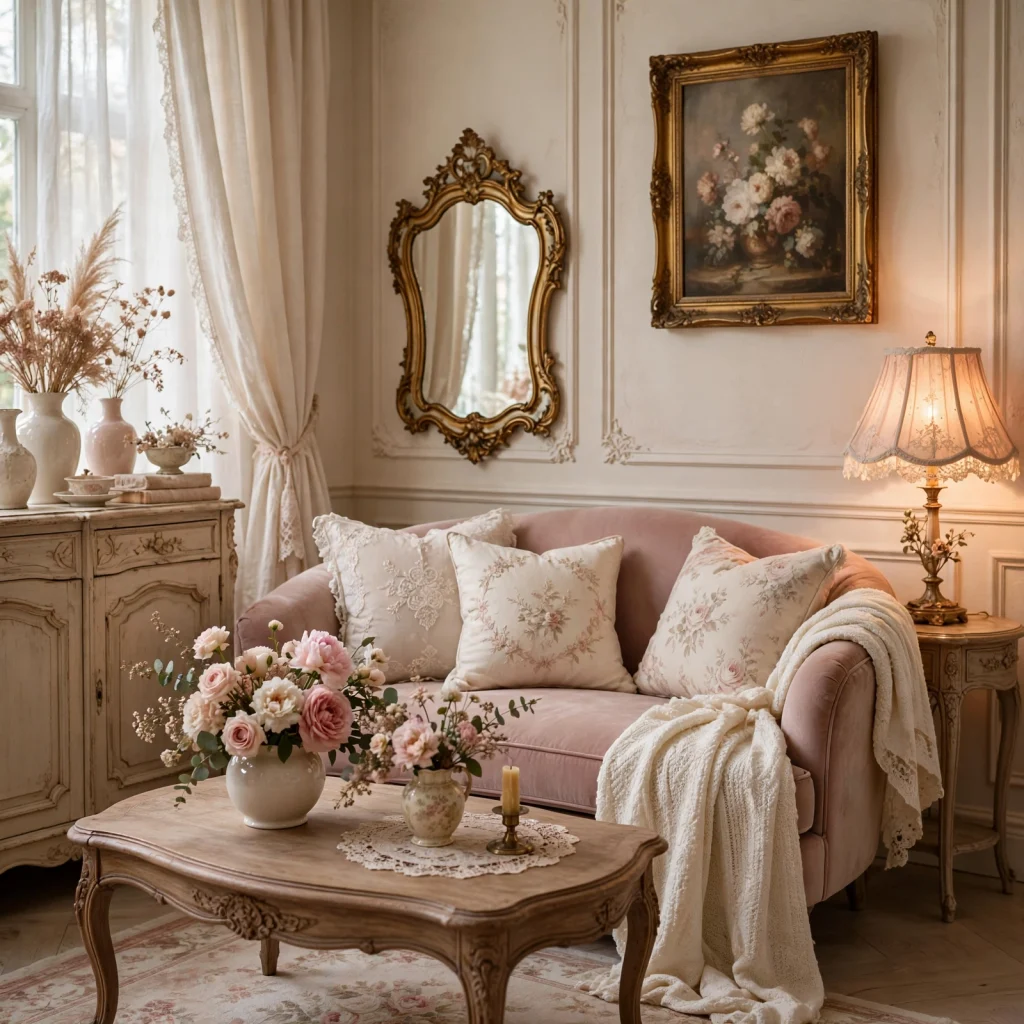
Soft romantic vintage design combines pastel color palettes, ruffled and lace textiles, and antique furniture with curved, feminine silhouettes. Floral wallpaper and delicate glassware reinforce the nostalgic mood, often drawing from early-to-mid-20th-century references. Brass and gold hardware finish the look with a touch of polish. This aesthetic suits people drawn to softer, more delicate spaces that still feel curated rather than overly sweet or costume-like.
17. Urban Jungle Botanical
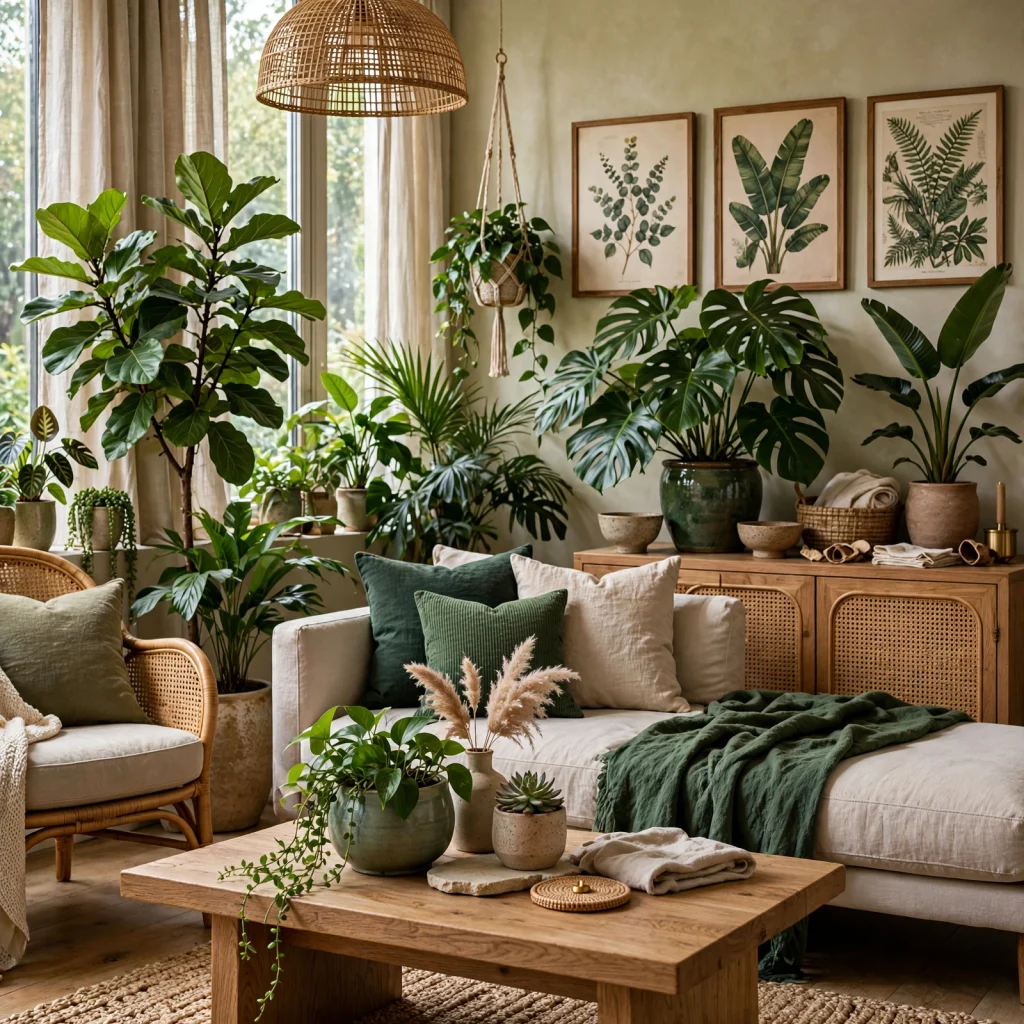
Urban jungle style fills a home with an abundance of houseplants, from trailing pothos to statement fiddle leaf figs, paired with rattan furniture and natural wood tones. Green becomes the dominant accent color throughout textiles and accessories. Woven plant hangers and ceramic pots in earthy glazes tie the botanical elements together. This aesthetic suits plant enthusiasts who want their home decor aesthetic to feel alive, textural, and constantly evolving.
Shop the Look
Consider a low-profile walnut sofa frame paired with boucle or linen cushions for a warm minimalist base, then layer in a rattan accent chair and a set of ceramic vases for texture. Add a sculptural arc floor lamp, a vintage brass mirror, and a patterned wool area rug to anchor the space. Finish with a mix of trailing houseplants in earthy glazed pots to tie the palette together.
Common Mistake to Avoid
The most common mistake is borrowing pieces from too many different aesthetics at once without a unifying color palette or material thread to hold them together. A mid-century chair, a bohemian rug, and industrial lighting can technically coexist, but without shared tones or textures the room reads as disorganized rather than eclectic. Choosing one dominant aesthetic and allowing only small, intentional accents from other styles keeps a home decor aesthetic feeling cohesive rather than accidental.
FAQs
How do I choose a home decor aesthetic that fits me?
Start by looking at colors, textures, and rooms you’re naturally drawn to in photos, whether that’s minimalist and calm or layered and maximalist. Consider your lifestyle too; a home with kids or pets may lean toward more durable, forgiving materials than delicate vintage pieces. Pinning or saving images over a few weeks often reveals a pattern in color palette and mood that points clearly toward one or two aesthetics worth pursuing.
Can I mix two home decor aesthetics together?
Yes, many well-designed homes blend two complementary aesthetics, such as Japandi and warm minimalism, rather than sticking rigidly to one. The key is choosing styles that already share some overlap in color palette or material, like natural wood or muted tones, so the combination feels intentional. Mixing aesthetics that pull in opposite directions, like dark academia and coastal grandmother, tends to create visual tension rather than a cohesive look.
What is the most popular home decor aesthetic right now?
Warm minimalism and Japandi have both seen sustained popularity, largely because they balance a calm, uncluttered feel with enough natural texture to avoid feeling cold or sterile. Contemporary neutral design also remains popular for its broad appeal and resale value. That said, popularity shifts fairly quickly on social platforms, so choosing an aesthetic based on personal preference tends to hold up better long-term than chasing whatever is currently trending.
How much does it cost to redecorate around a new aesthetic?
Costs vary widely depending on how much existing furniture can be reused versus replaced. A budget refresh built around new textiles, lighting, and accessories can often be done for a few hundred dollars, while a full furniture overhaul easily reaches several thousand. Starting with paint color, lighting, and a few key textiles before replacing large furniture pieces is usually the most cost-effective way to shift a room’s aesthetic.
Does my home decor aesthetic need to be the same in every room?
Not necessarily, though most well-designed homes maintain at least a loose thread of consistency, like a shared color palette or material, moving from room to room. A bedroom leaning into soft romantic vintage can still coexist with a warm minimalist living room if both spaces share similar wood tones or neutral undertones. Complete aesthetic whiplash from room to room tends to feel disjointed when moving through the home.
Conclusion
Settling on a clear home decor aesthetic gives every future design decision a sense of direction, turning a house full of individually nice things into a space that actually feels cohesive. Start by identifying which one or two styles from this list resonate most, then build outward from color palette and material rather than buying piece by piece. Save this guide to Pinterest for later reference, and check out our related post on cosy living room ideas for more room-specific inspiration.
Author Expertise Note
Written by an interior design writer who has spent the past six years researching and writing about residential style trends, with hands-on experience helping homeowners translate mood boards into livable spaces.