12 Trending Bedroom Ideas for Small Rooms for Teens
Finding bedroom ideas for small rooms for teens that hold up past the first few weeks means planning around how a teenager actually uses the space, not just how it photographs. A small teen room has to flex between sleeping, studying, and hosting friends, often all within the same hundred square feet or less. This guide covers twelve practical ideas for layout, furniture, and storage that give a compact teen bedroom real function and personality without needing a bigger footprint to work with.
Why Small Teen Room Design Keeps Evolving
More households are converting dens, offices, or shared spaces into bedrooms for teens as home sizes shrink and families adjust to available square footage. This has pushed furniture design toward pieces that can shift roles, like a daybed that seats friends by day and sleeps one at night, rather than single-purpose items that only work one way. Teens are also taking a bigger role in shaping their own rooms, which has made modular, easy-to-change decor more popular than the fixed, parent-selected finishes that defined teen bedrooms in the past.
Key Takeaways
- A room split into clear zones, like sleep, study, and hangout, works better in a small teen room than one open, undivided layout.
- Furniture that folds, stacks, or tucks away gives a small teen room flexibility that fixed pieces can’t match.
- Personal touches work best layered on top of a neutral base, so the big furniture doesn’t need replacing as taste changes.
- Storage placed at a teen’s actual reach and habits gets used far more consistently than storage chosen for looks alone.
1. Zoned Rug Layout
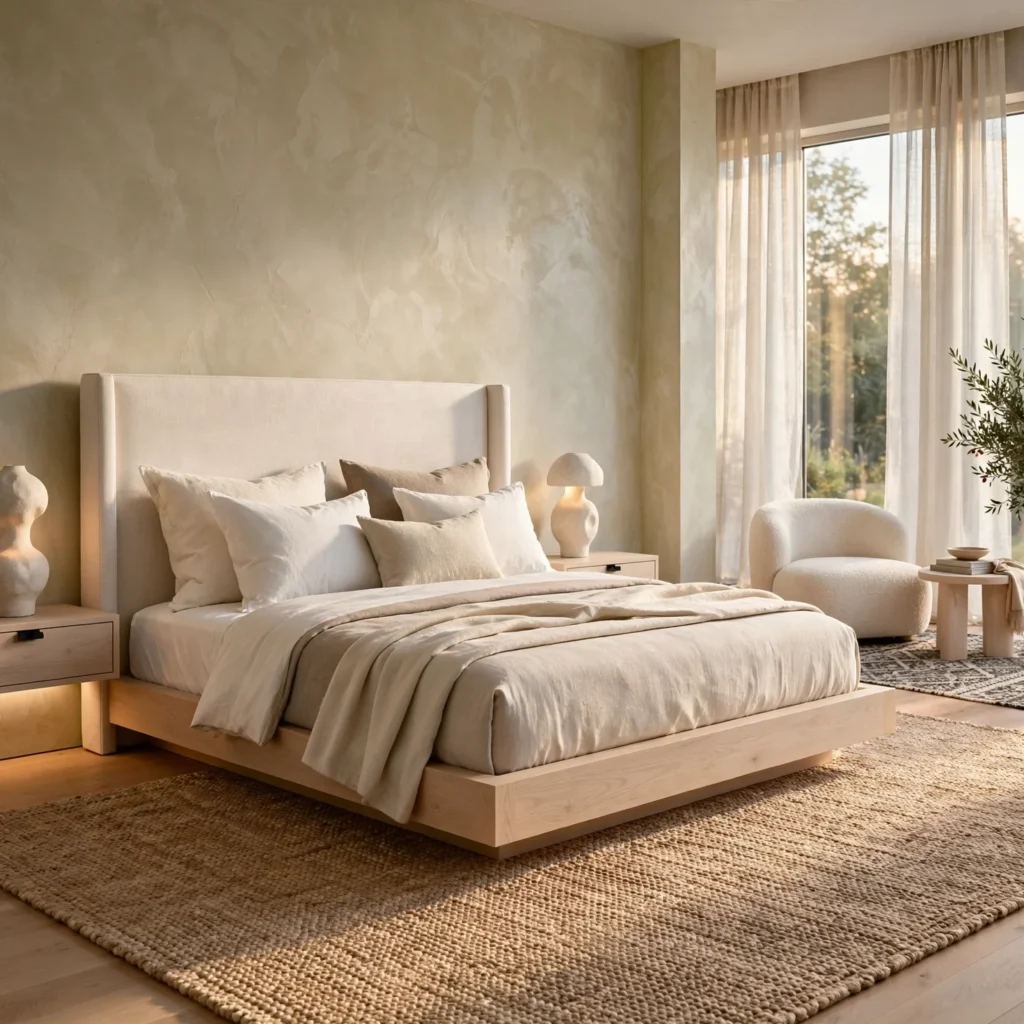
Using two different rugs, one under the bed and a smaller one near a desk or reading chair, visually splits a small teen room into distinct areas without any physical divider taking up space. This works especially well in a single open room that needs to handle both sleep and study, since the rug boundary signals a shift in function without a wall or curtain. Choose rugs in coordinating tones rather than matching ones so each zone still reads as its own space.
| Room Size | Zone Split | Best Layout |
| Under 90 sq ft | Sleep + study only | Rug or furniture line |
| 90-120 sq ft | Sleep + study + hangout | Rug plus low shelf divider |
| 120+ sq ft | Full three-zone split | Curtain or bookshelf divider |
2. Trundle Daybed Setup
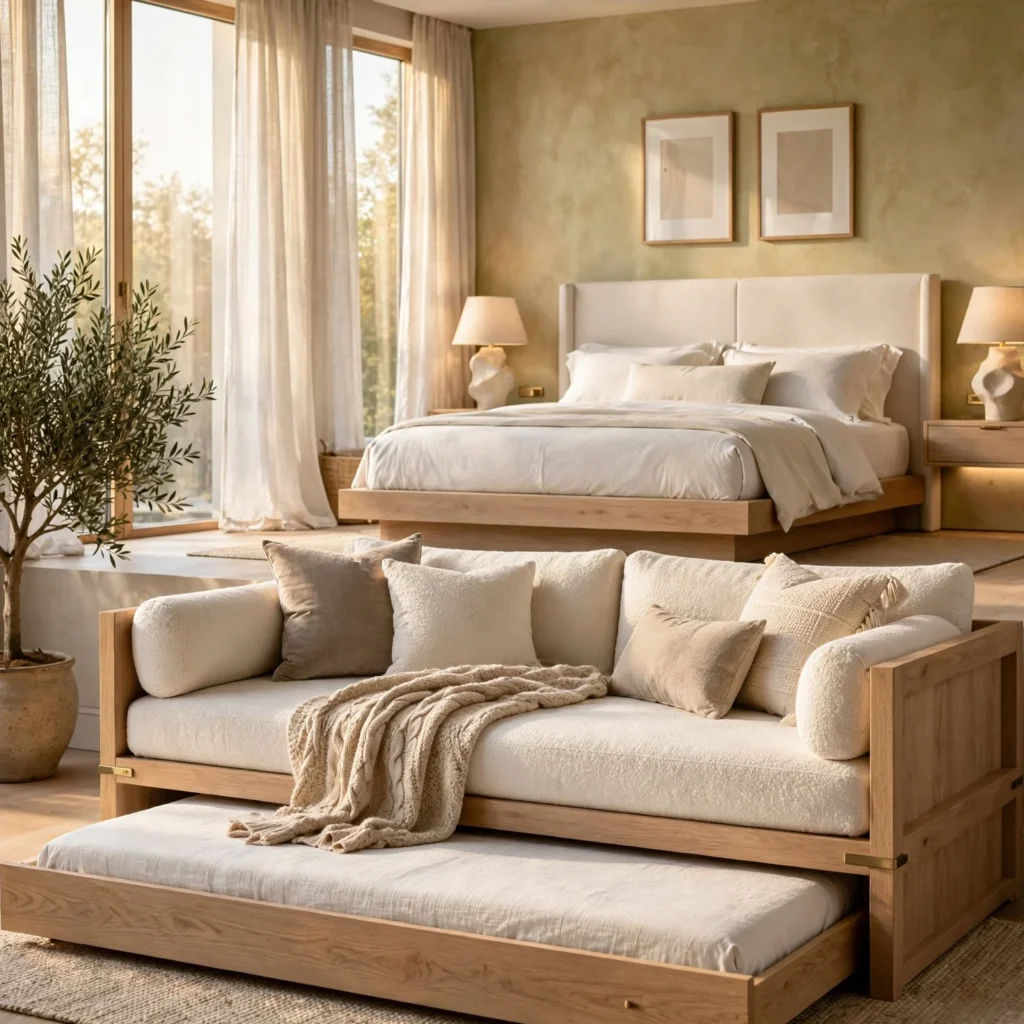
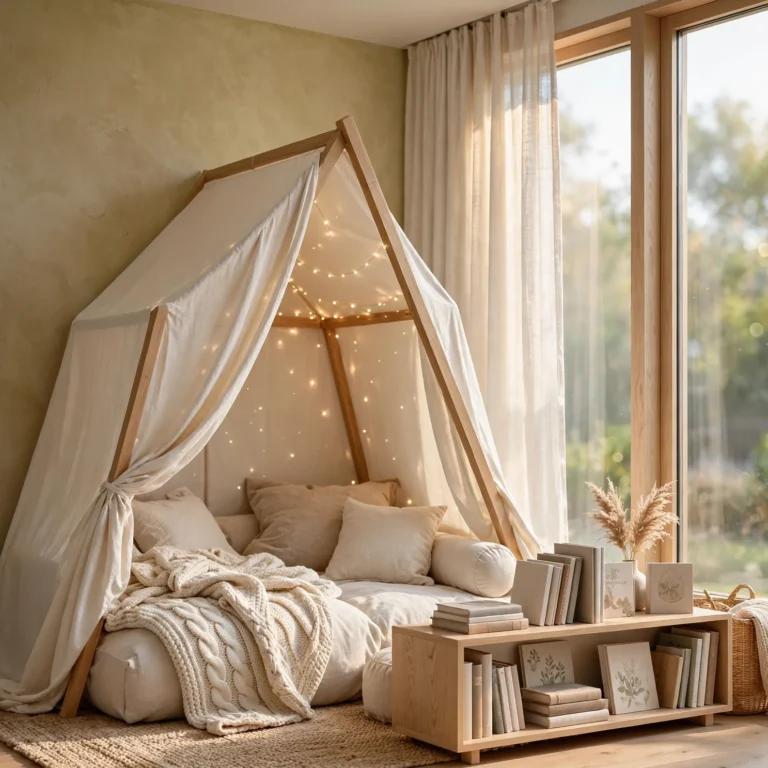
A daybed with a pull-out trundle underneath gives a small teen room a couch-like feel during the day while quietly holding a second sleeping spot for sleepovers. This setup works well because it avoids the bulk of a permanent bunk bed while still solving the occasional need for extra sleeping space. Push it against the room’s longest wall and style it with pillows so it reads as seating first, keeping the trundle tucked away until it’s actually needed.
3. Fold-Flat Wall Desk
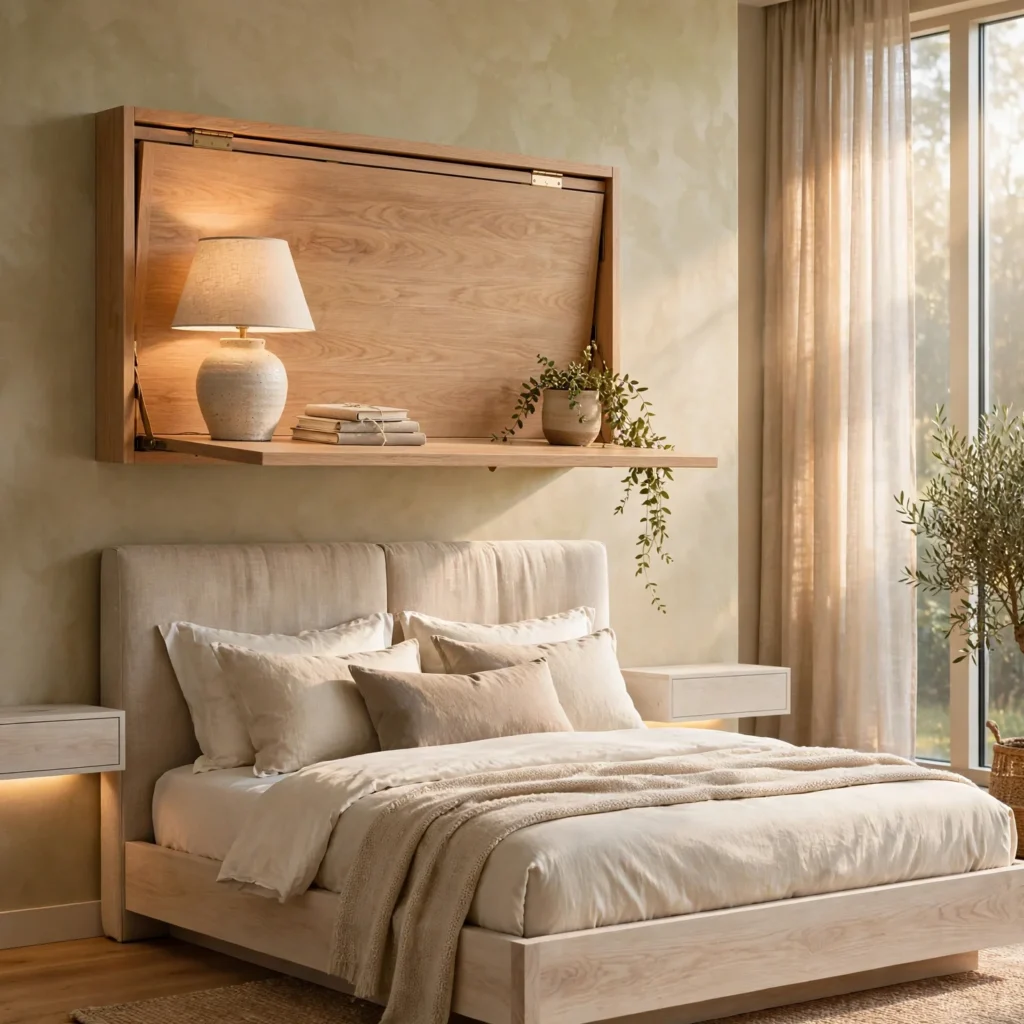
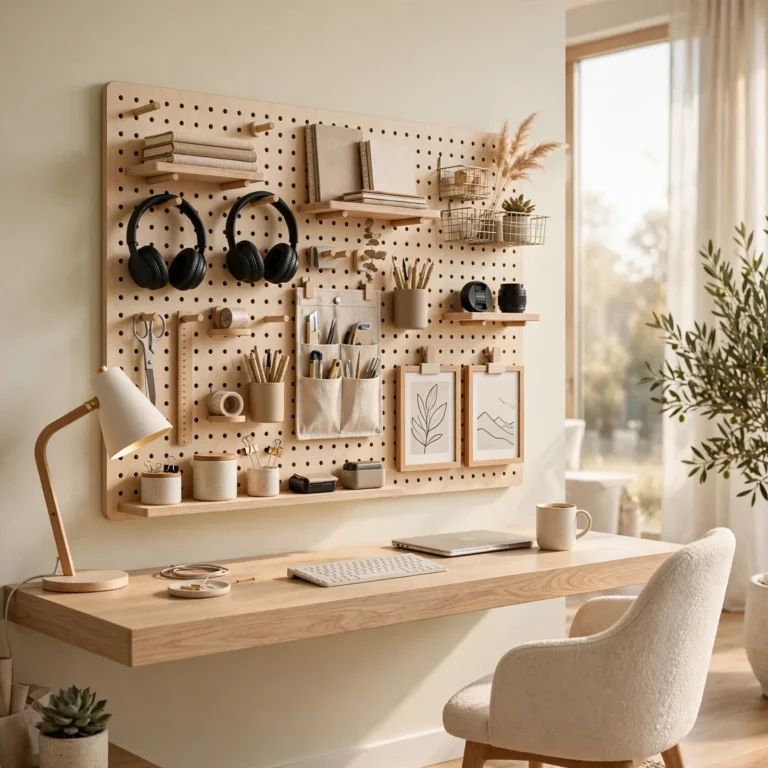
A desk that hinges flat against the wall when not in use gives a small teen room a full study surface during homework hours without permanently claiming floor space the rest of the day. This is especially useful for teens whose rooms double as a hangout spot for friends, since the desk can disappear to open up floor space in seconds. Mount it at standard desk height with a chair that tucks fully underneath or folds separately for storage.
4. Bookshelf Room Divider
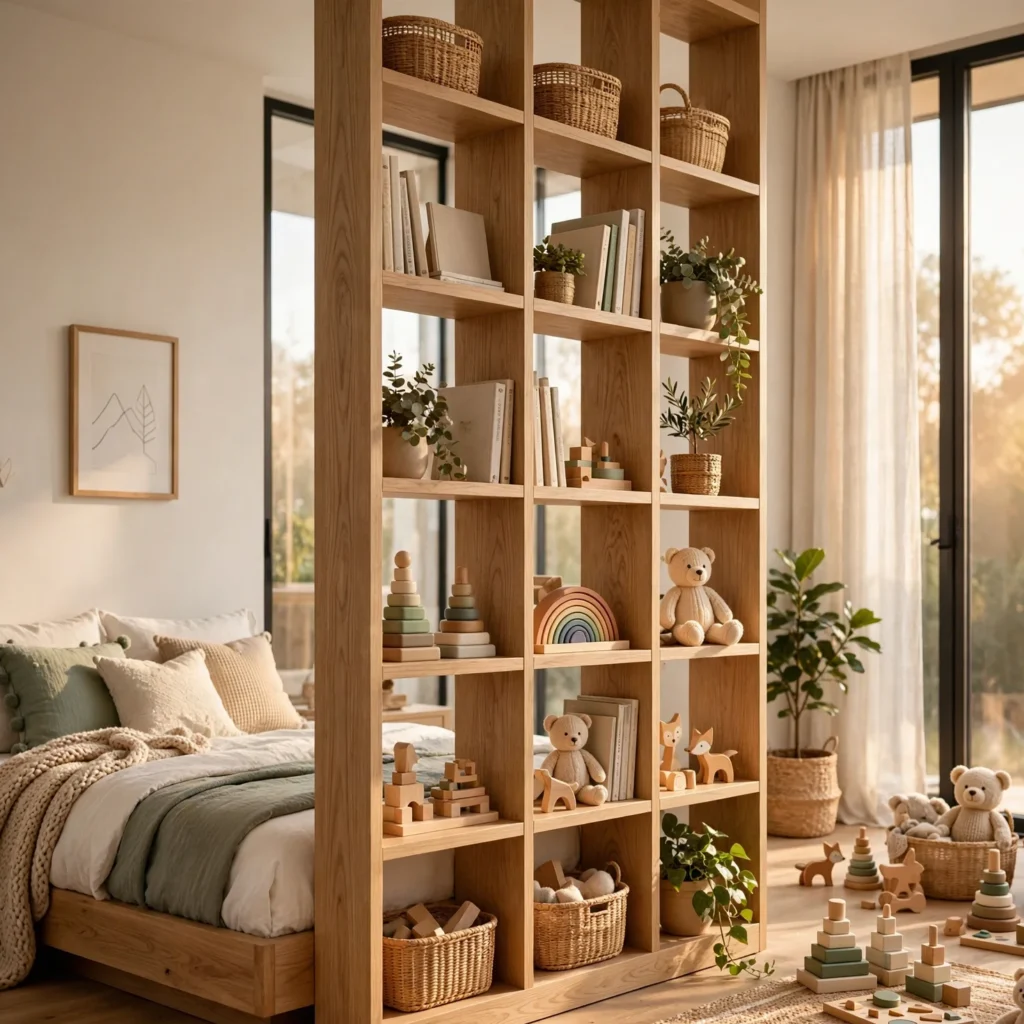
A low, open-backed bookshelf placed perpendicular to a wall splits a small teen room into two zones while still letting light pass through and storing books or personal items at the same time. This works better than a solid divider in a small space, since it doesn’t block light or make the room feel physically cut in half. Keep the shelf under shoulder height so it defines the space without closing it off visually.
5. Under-Bed Drawer Storage
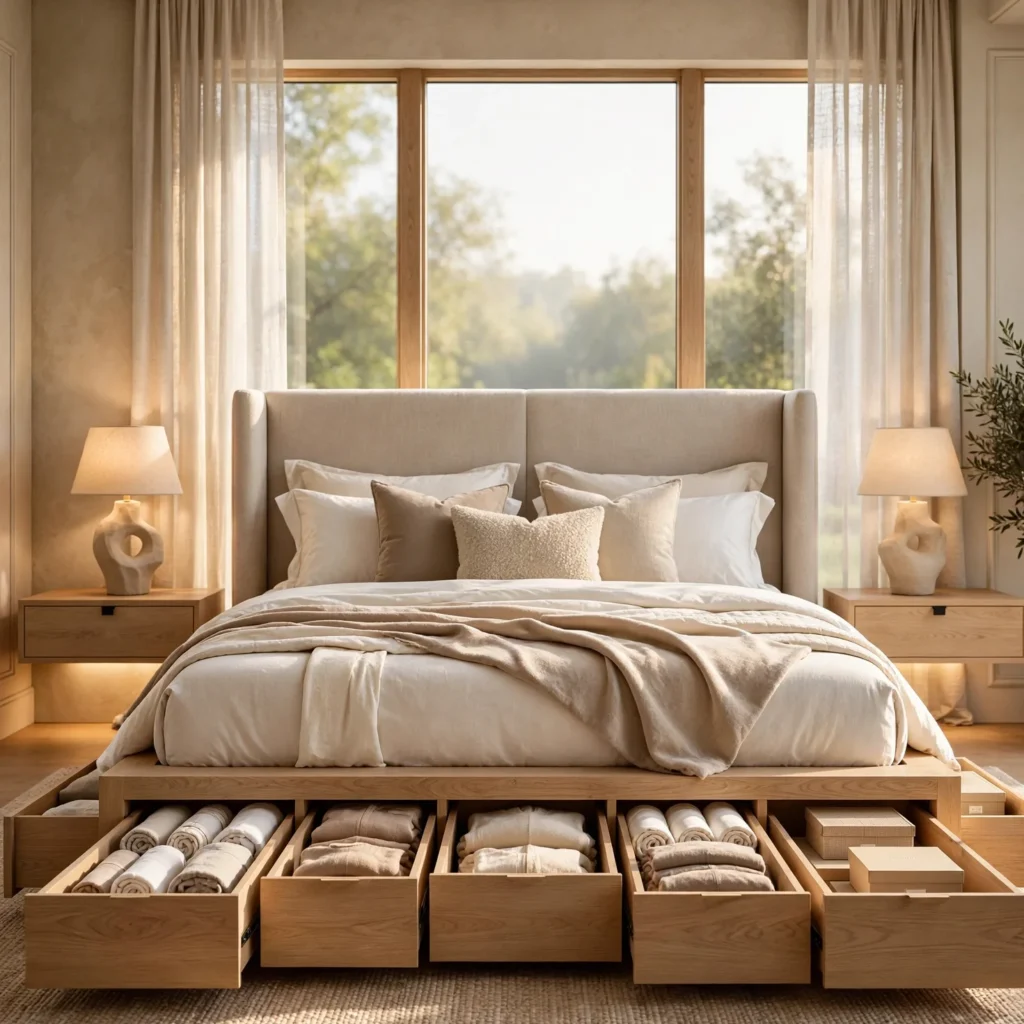
A bed frame with built-in drawers gives a small teen room extra storage for clothing, shoes, or hobby gear without adding a separate dresser to an already tight floor plan. This tends to get used more consistently than loose under-bed bins, since drawers on glides are easier to open and close without disturbing the mattress. It works particularly well for teens with sports equipment or art supplies that need a home but not daily access.
Make your bedroom feel brighter and more spacious with our small bedroom ideas for men, featuring sleek furniture and contemporary décor.
6. Corner Vanity and Mirror
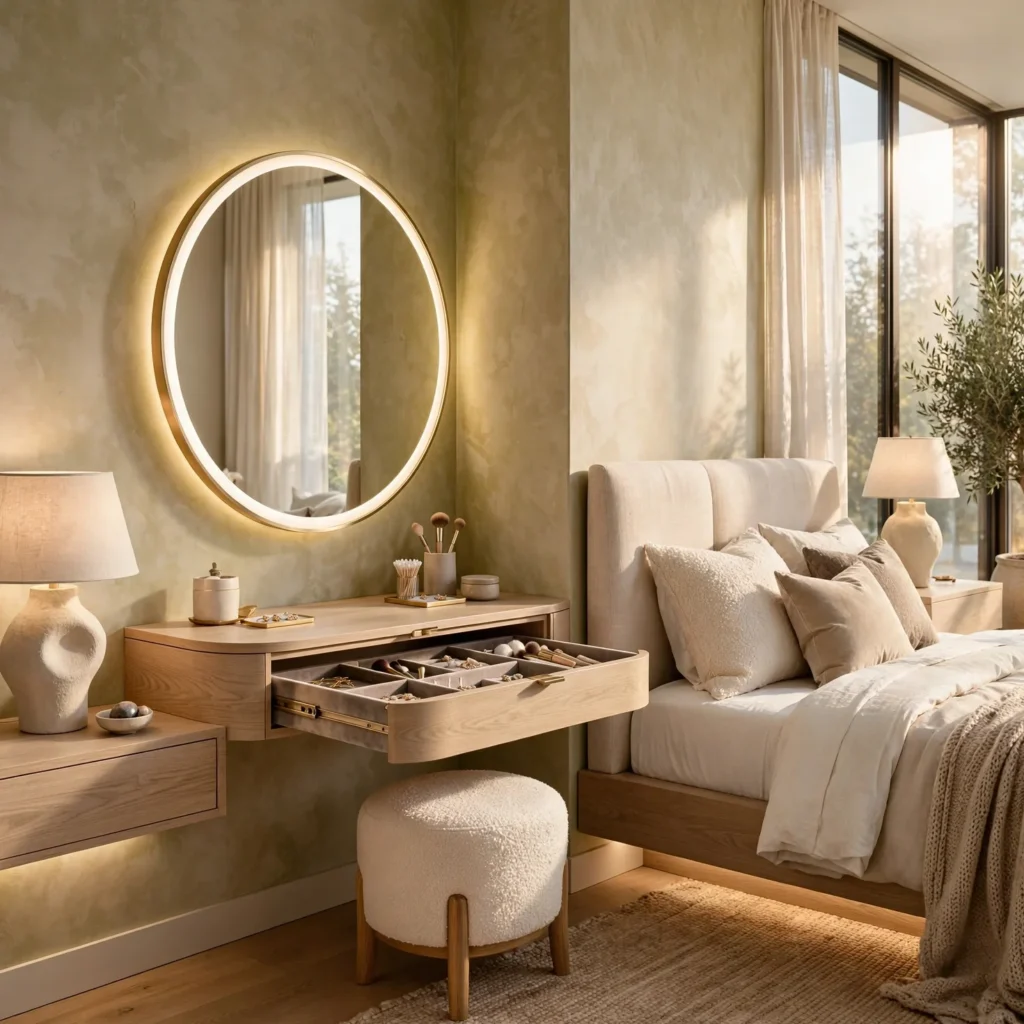
A slim vanity table tucked into an unused corner, paired with a wall-mounted mirror above it, gives a teen a dedicated spot to get ready without needing a full dresser and separate mirror setup. This consolidates two functions into one small footprint, which matters in a room where every corner needs to count. Add a single drawer or small tray for daily items so the vanity surface doesn’t become a catch-all for loose clutter.
7. Peel-and-Stick Accent Wall
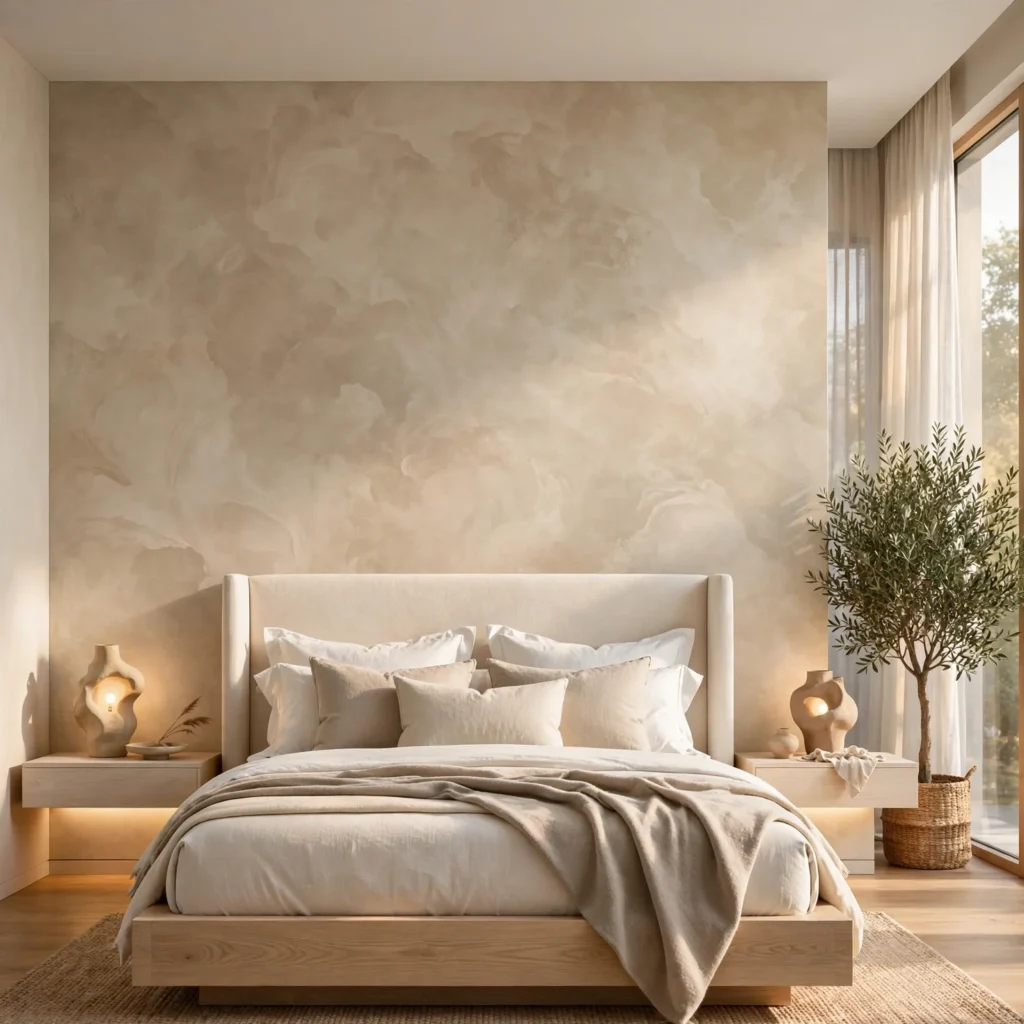
Applying removable wallpaper to one wall, most often behind the bed, gives a small teen room a strong dose of personality without the cost or commitment of paint or permanent wallpaper. This is a favorite for teens because it can be swapped out again in a year or two as their taste shifts, without leaving damage behind. A small-scale pattern tends to suit a compact room better than a large, busy print that can make the space feel more closed in.
8. Stackable Storage Cubes
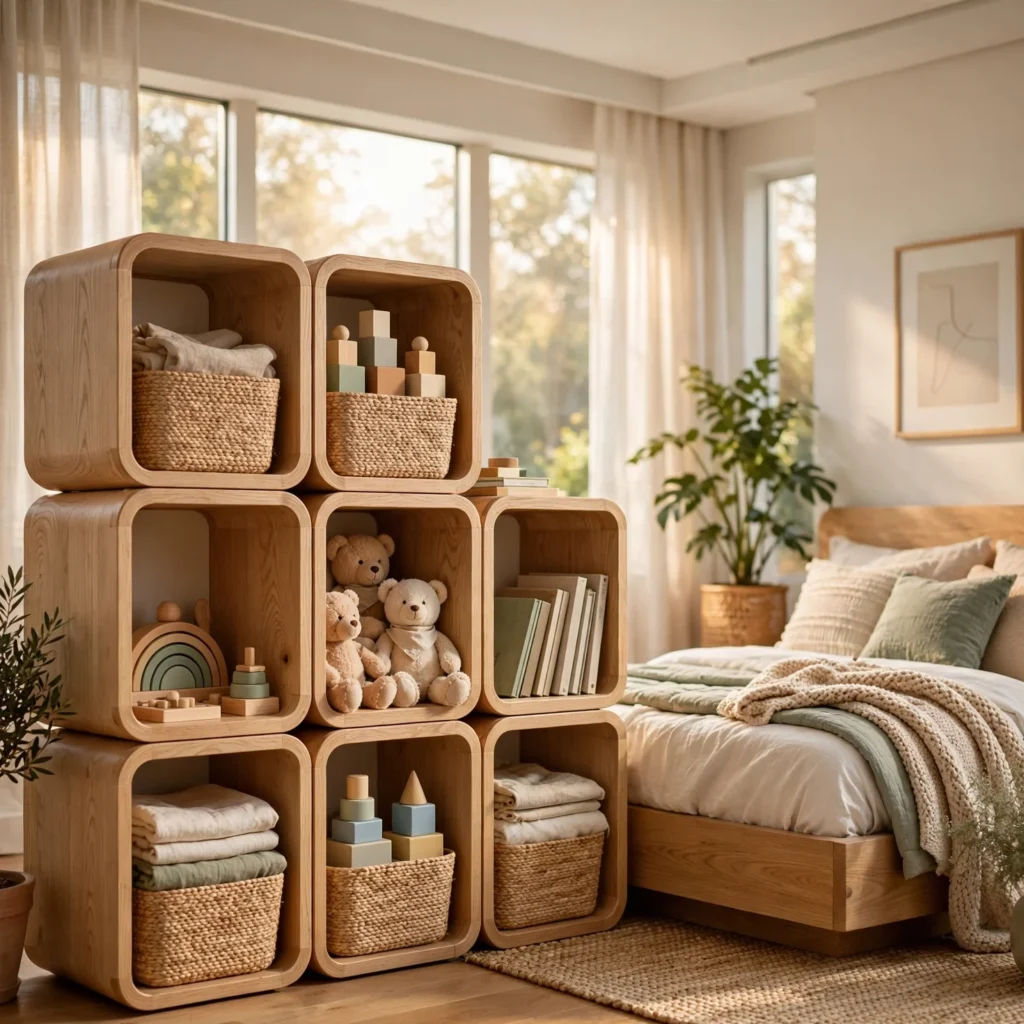
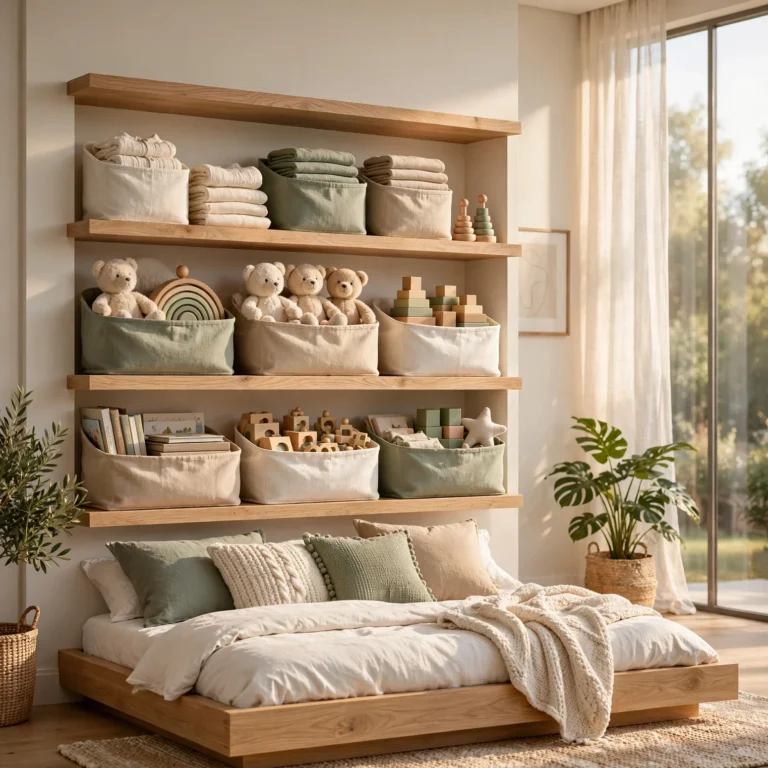
Modular cubes that can be stacked, split apart, or rearranged give a small teen room storage that adjusts as belongings shift from toys to clothes, books, and gear over the years. Unlike a fixed dresser, cubes can be reconfigured without buying new furniture each time storage needs change. Choose a size sturdy enough to double as a step stool or extra seating, so each cube earns its place in a room with limited square footage.
9. Wall-Mounted Charging Shelf
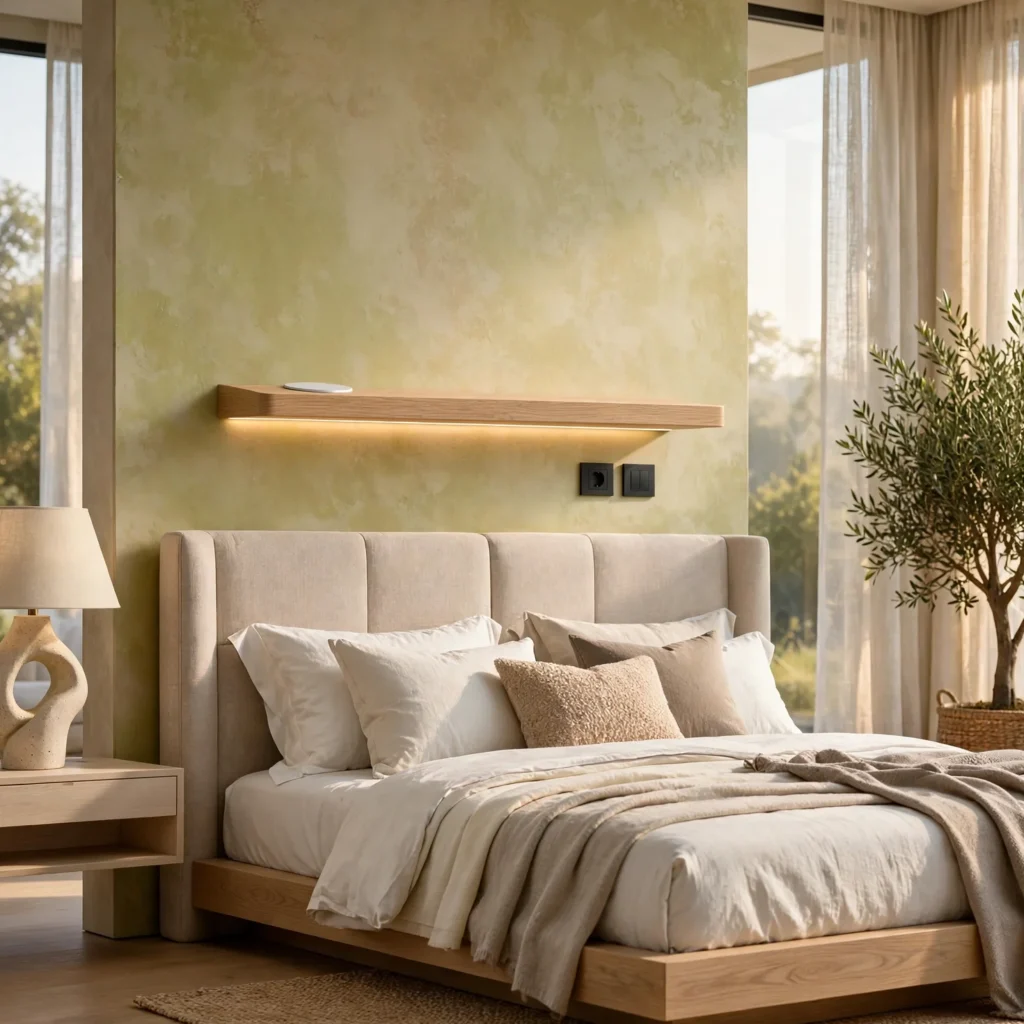
A small shelf with a built-in outlet or power strip keeps phones, tablets, and headphones charging in one spot off the desk and nightstand, both of which are already competing for surface space in a small teen room. This also helps establish a habit of putting devices in the same place each night, cutting down on the daily search for a charger. Mount it within easy reach of the bed so it works for overnight charging as well as daytime use.
10. Floating Corner Shelves
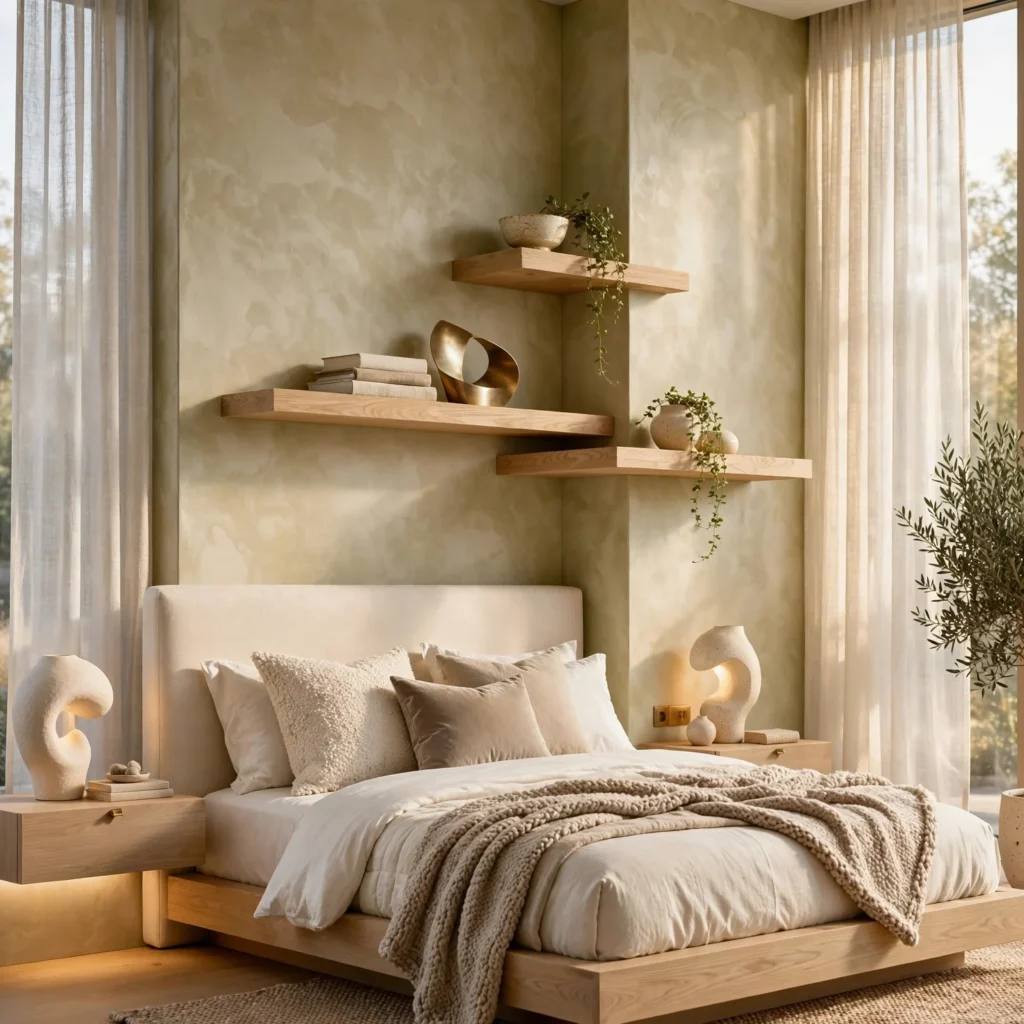
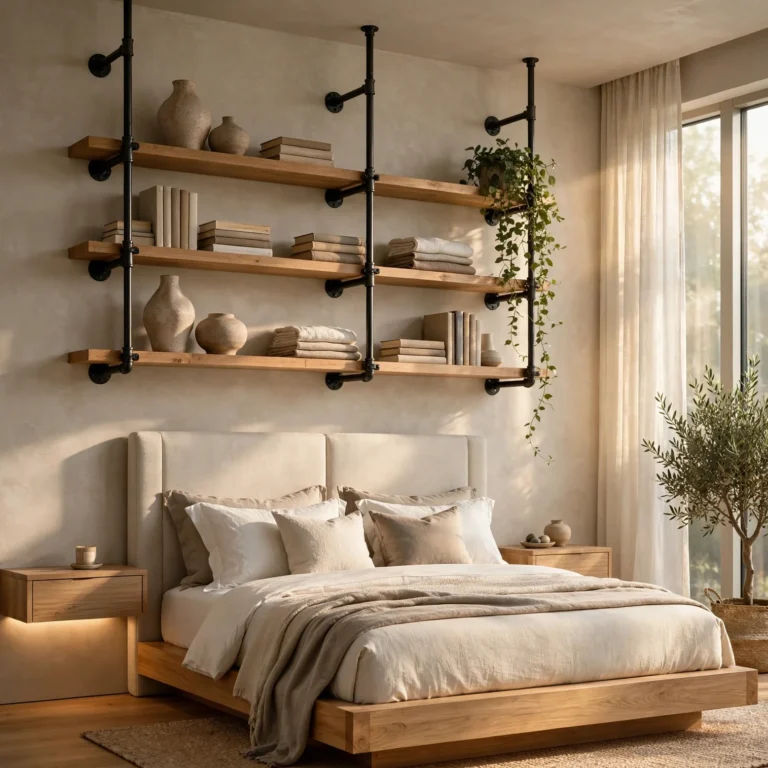
Angled floating shelves installed in a corner use space that’s typically wasted in a small teen room, holding books, trophies, or personal items without taking up any floor footprint. This works especially well above a desk or vanity, where a teen needs storage within reach but doesn’t have room for a tall bookcase. Stagger two or three shelves at different heights rather than filling the entire corner, so the display stays organized rather than crowded.
11. LED Accent Lighting
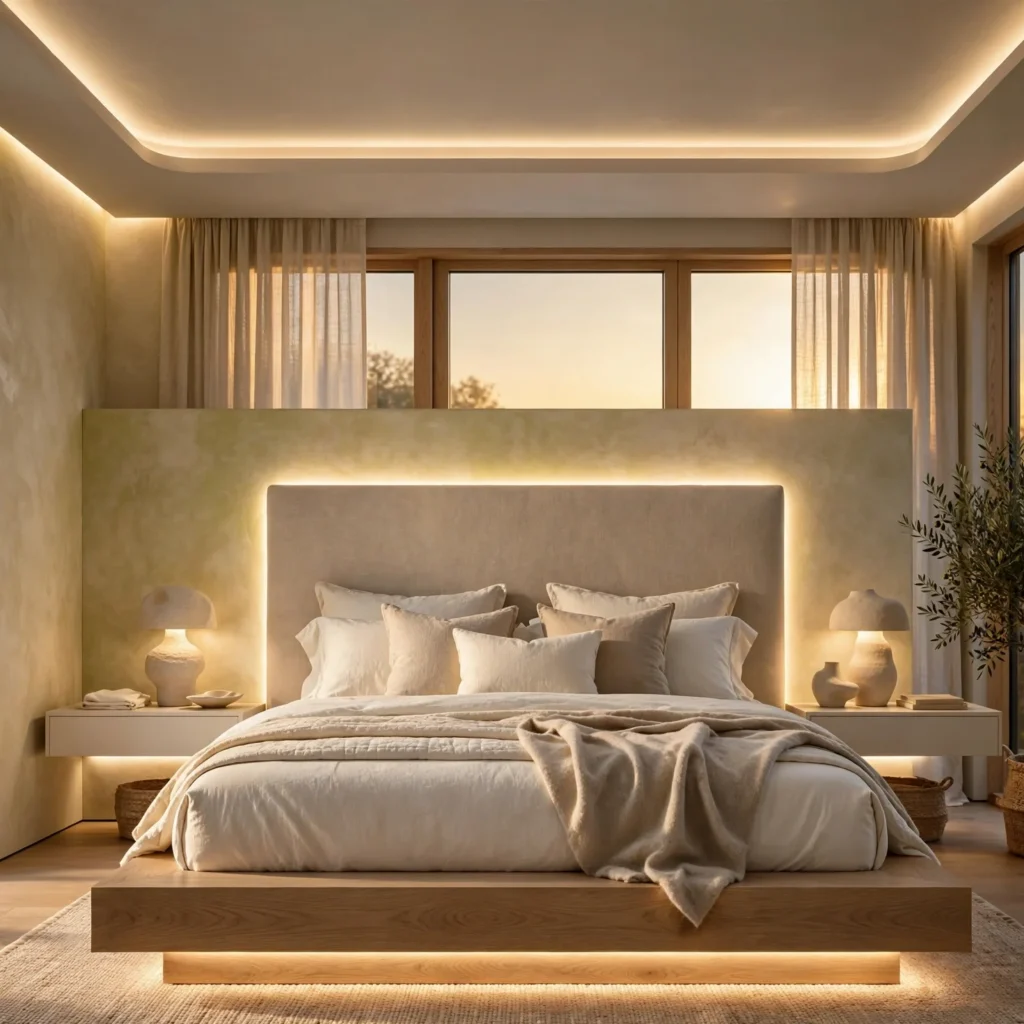
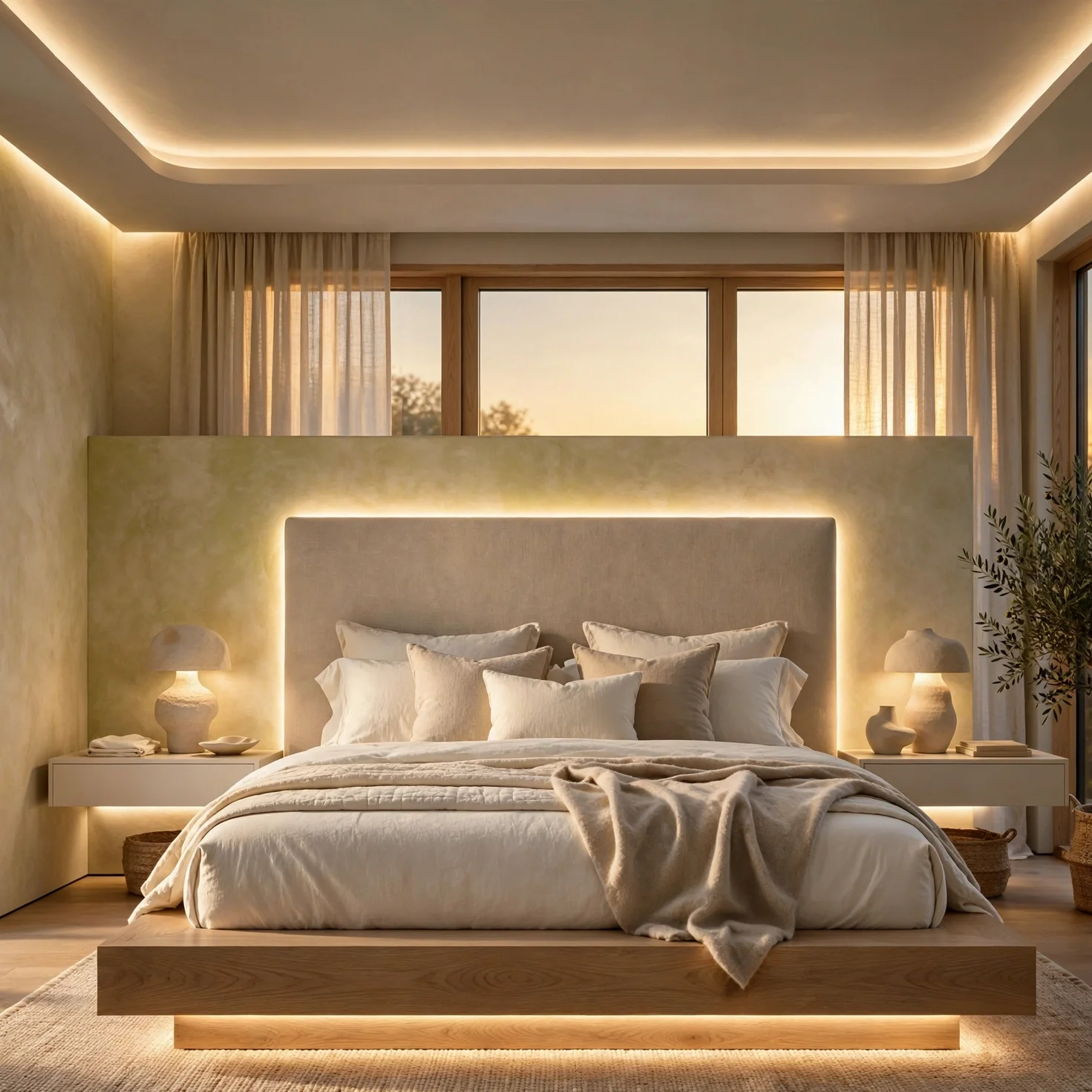
LED strip lighting installed along a headboard, desk edge, or shelf gives a small teen room a customizable glow that can shift for studying, relaxing, or hanging out with friends, all without an extra lamp taking up surface space. Most strips are removable and battery or plug powered, so they don’t require any wall damage or rewiring. Keep the lighting along one or two defined edges rather than scattered throughout the room for a more intentional look.
12. Behind-the-Door Storage
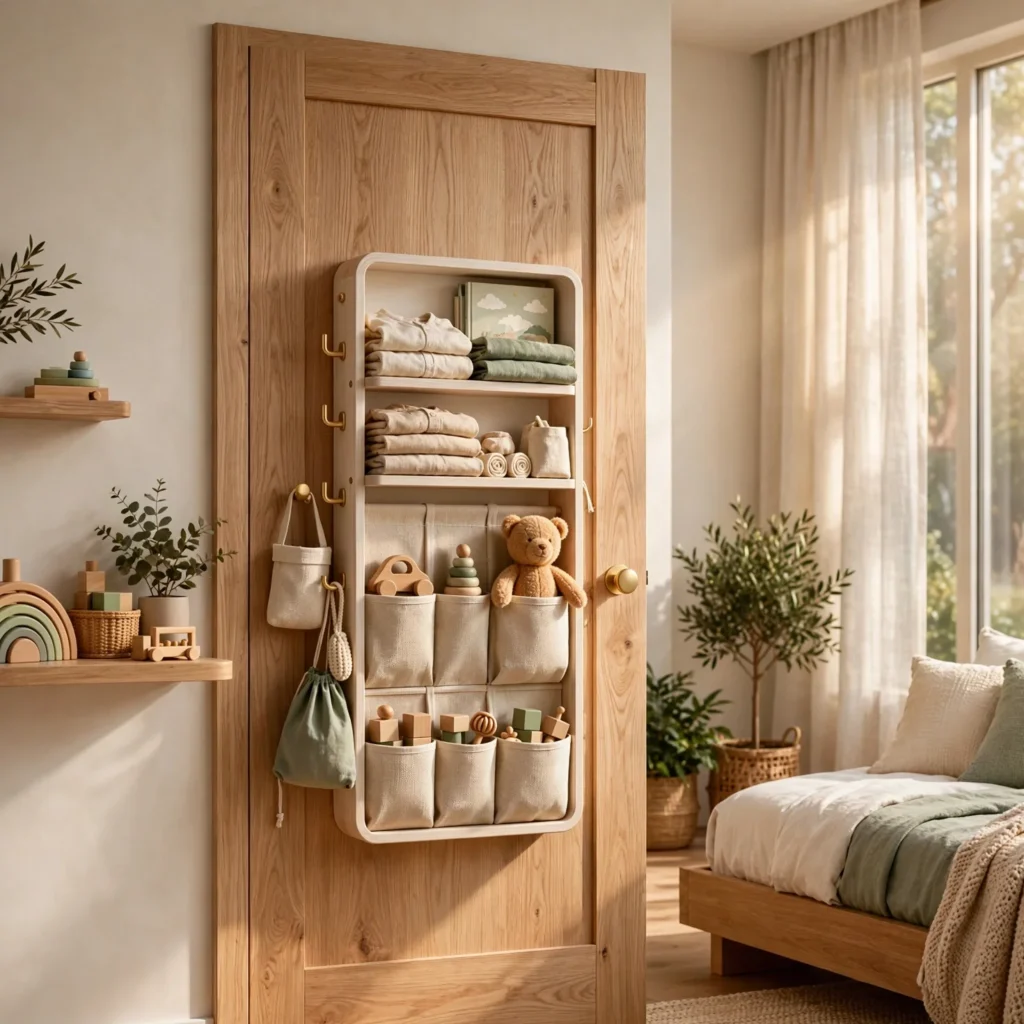
A hanging organizer or hook rack mounted on the back of the bedroom door claims wall space that almost no other furniture placement can use, holding bags, shoes, or accessories without touching the room’s actual floor plan. This is one of the simplest additions to a small teen room, since it works in rentals and shared spaces without any real installation. Choose a canvas or over-the-door style that hangs flat so it doesn’t interfere with the door closing.
Shop the Look
A daybed frame with a pull-out trundle anchors the room as both seating and sleep space. Add a fold-flat wall desk for homework, a set of stackable storage cubes for a growing wardrobe, an LED strip light kit along the headboard, and a peel-and-stick wallpaper panel behind the bed to round out the personality without committing the whole room to one look.
Common Mistake to Avoid
The most common mistake in small teen room design is trying to fit full-sized versions of every piece of furniture a teen might want, from a large desk to a full dresser to extra seating, into a footprint that can’t actually support all three. Prioritizing which functions matter most, usually sleep and study first, then layering in hangout space only if room remains, prevents a small room from ending up overcrowded and harder to keep organized than if fewer, better-chosen pieces had been used from the start.
Frequently Asked Questions
How do I fit a study space into a small teen room?
A fold-flat wall desk or a compact corner desk are the two most space-efficient options for adding a study area to a small teen room, since both avoid permanently claiming floor space the way a full-sized desk would. Pairing either option with wall-mounted shelving above it keeps school supplies organized without needing a separate bookcase nearby.
What’s the best way to divide a small teen room into zones?
A low, open-backed bookshelf or a rug placed under specific furniture groupings tends to work better than a solid wall or curtain, since both let light and sightlines pass through while still signaling a shift from one area to another. This keeps a small room from feeling physically chopped up while still giving each zone its own identity.
Can a small teen room still have space for friends to hang out?
A daybed styled with pillows, a bean bag or floor cushion in an open corner, and keeping the center of the room as clear as possible all help a small teen room double as a casual hangout spot without needing dedicated extra seating furniture. Removing any unnecessary furniture from the walking path also makes the space feel more open when friends are over.
How much should be spent on furniture that a teen might outgrow?
Choosing furniture in neutral tones and simple shapes, rather than pieces tied to a specific trend or hobby, tends to extend how long it stays useful, even as a teen’s interests shift. Bigger investments like a bed frame or desk are worth prioritizing quality and neutrality, while smaller, trend-driven items like wall decor or bedding are easier and cheaper to swap out as needed.
What storage works best for a teen who shares a small room?
Labeled bins, stackable cubes, and a closet system with clearly separated sections tend to work best in a shared small teen room, since dividing storage by person reduces daily friction over whose belongings are where. Under-bed drawers assigned to each teen individually can also help keep shared floor space from becoming a mix of both teens’ items.
Conclusion
The best bedroom ideas for small rooms for teens come down to giving each function, sleep, study, and hangout, its own clear space, even if that space is small. Start with a flexible piece like a daybed or fold-flat desk, then build zones and storage around how the room actually gets used day to day. If this was helpful, save it to Pinterest for later or check out our related guide on small bedroom storage solutions for more space-saving ideas.