12 Small Room Ideas Bedroom Owners Will Love
Finding the right small room ideas bedroom owners can actually live with means balancing comfort against square footage that never quite feels like enough. A cramped layout doesn’t have to mean a cluttered one, and the difference usually comes down to a handful of deliberate choices rather than a full renovation. This guide walks through twelve practical updates covering furniture, color, lighting, and layout, so you can make a compact bedroom feel calmer, roomier, and genuinely functional without knocking down a single wall.
Why Small Bedroom Design Matters Now
Interest in compact bedroom design has grown alongside smaller apartment sizes, multigenerational households, and guest rooms that now double as home offices. Renters especially are searching for solutions that don’t involve permanent changes, favoring furniture and layout tricks over construction work. At the same time, interior trends have shifted toward multifunctional pieces and quieter, uncluttered palettes, partly because compact spaces photograph better when they aren’t visually busy. That mix of practical need and aesthetic preference is why space-saving bedroom design keeps gaining momentum this year.
Key Takeaways
- Furniture that pulls double duty, like storage beds and fold-down desks, matters more than square footage in a small bedroom.
- Light wall colors, mirrors, and layered lighting create the illusion of a larger room without any construction.
- Vertical storage keeps the floor clear, which does more for a small room than adding extra furniture ever will.
- Bed size and placement affect daily flow more than any single decor choice you’ll make.
1. Storage Bed Frame
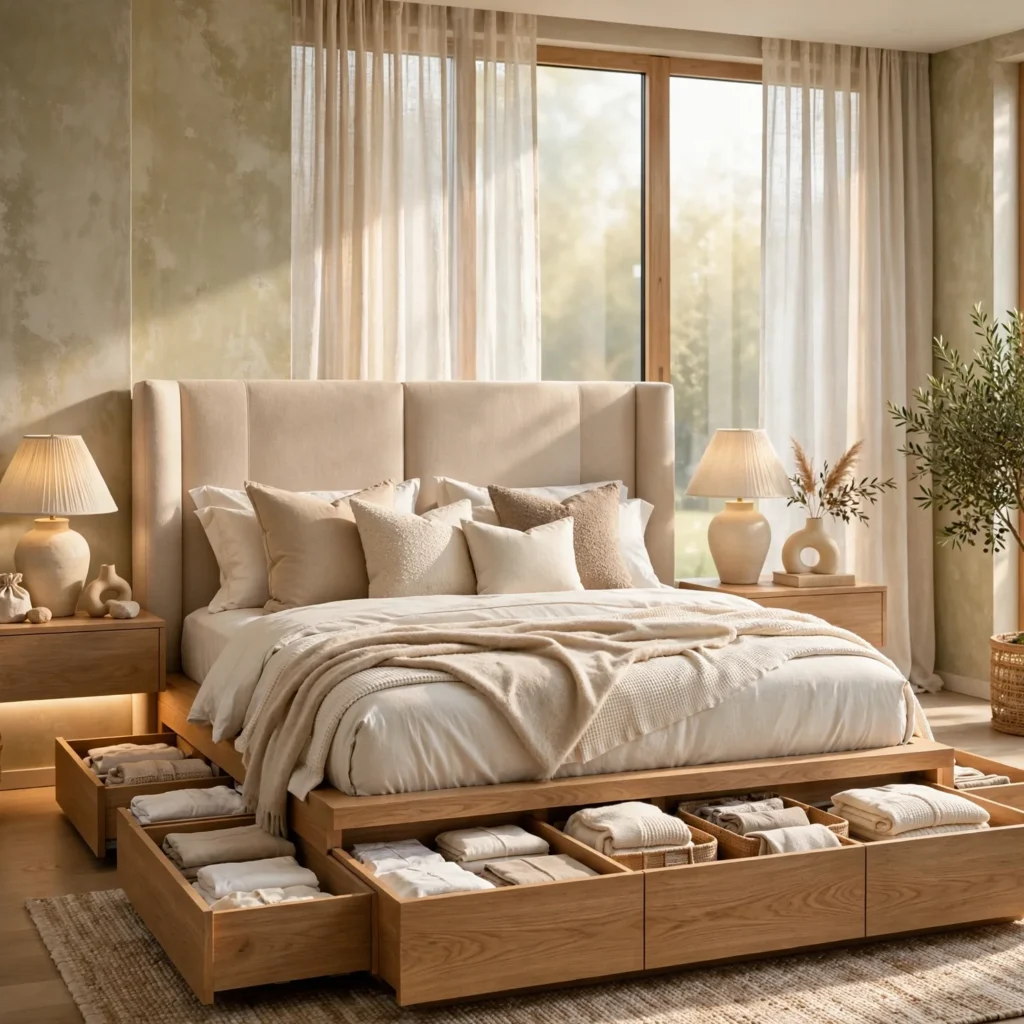
A bed frame with built-in drawers underneath turns wasted under-bed space into real storage without adding a single extra piece of furniture. This works especially well in bedrooms too small for a dresser, since folded clothing, linens, or seasonal items can live inside the frame itself. Look for platform styles with drawers on smooth glides rather than lift-up lids, since drawers are easier to access daily without having to move the mattress or bedding around.
| Bed Size | Dimensions | Best For |
| Twin | 38″ x 75″ | Single sleeper, tightest rooms |
| Full | 54″ x 75″ | Single sleeper wanting more room |
| Queen | 60″ x 80″ | Couples, moderate small rooms |
2. Floating Nightstands
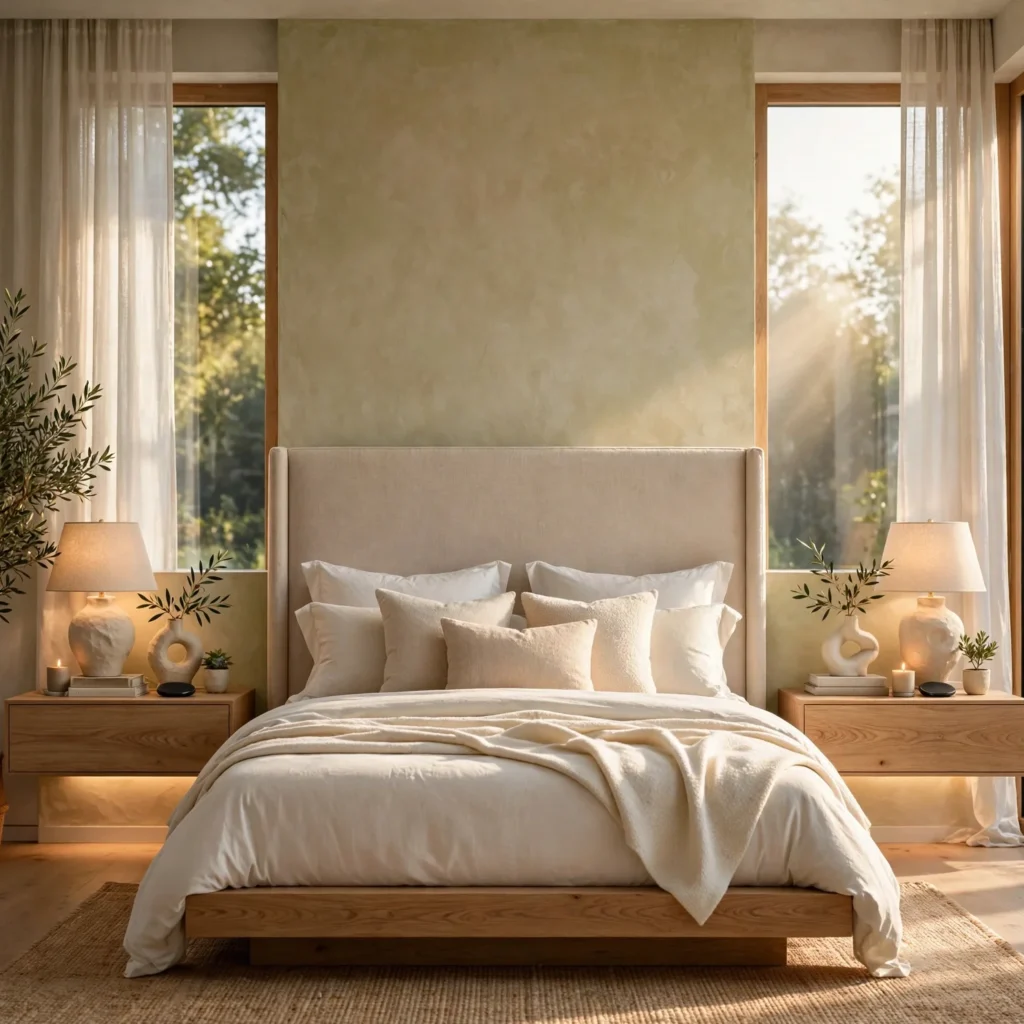
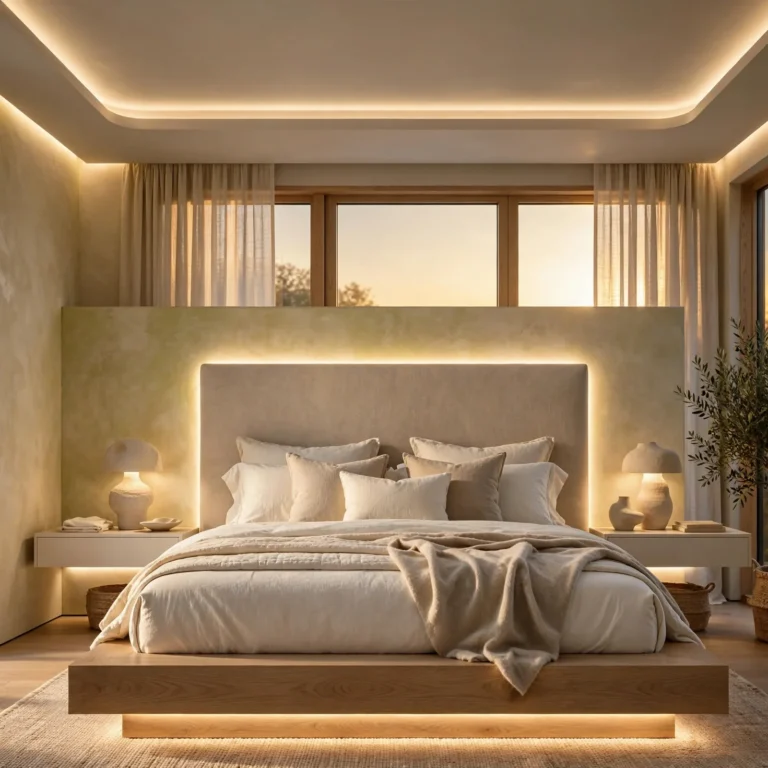
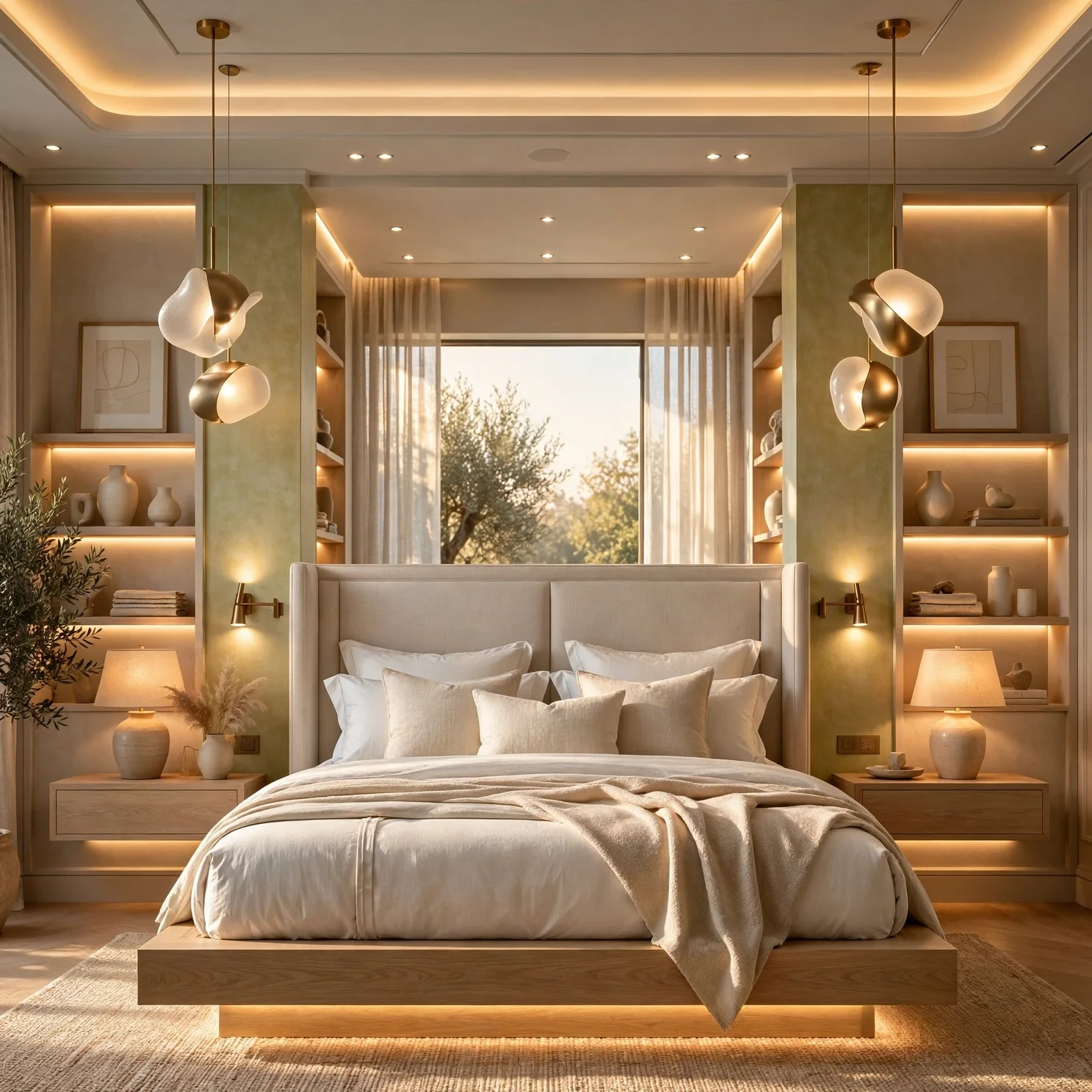
Wall-mounted nightstands sit above the floor instead of on it, which keeps the sightline to the baseboard open and makes the whole room read as more spacious. They’re a strong option for narrow bedrooms where a traditional nightstand would eat into walking space beside the bed. Choose a floating shelf with a small drawer for essentials, and mount it at mattress height so it’s still functional for a lamp, glasses, or a phone charger.
3. Wall-Mounted Shelving
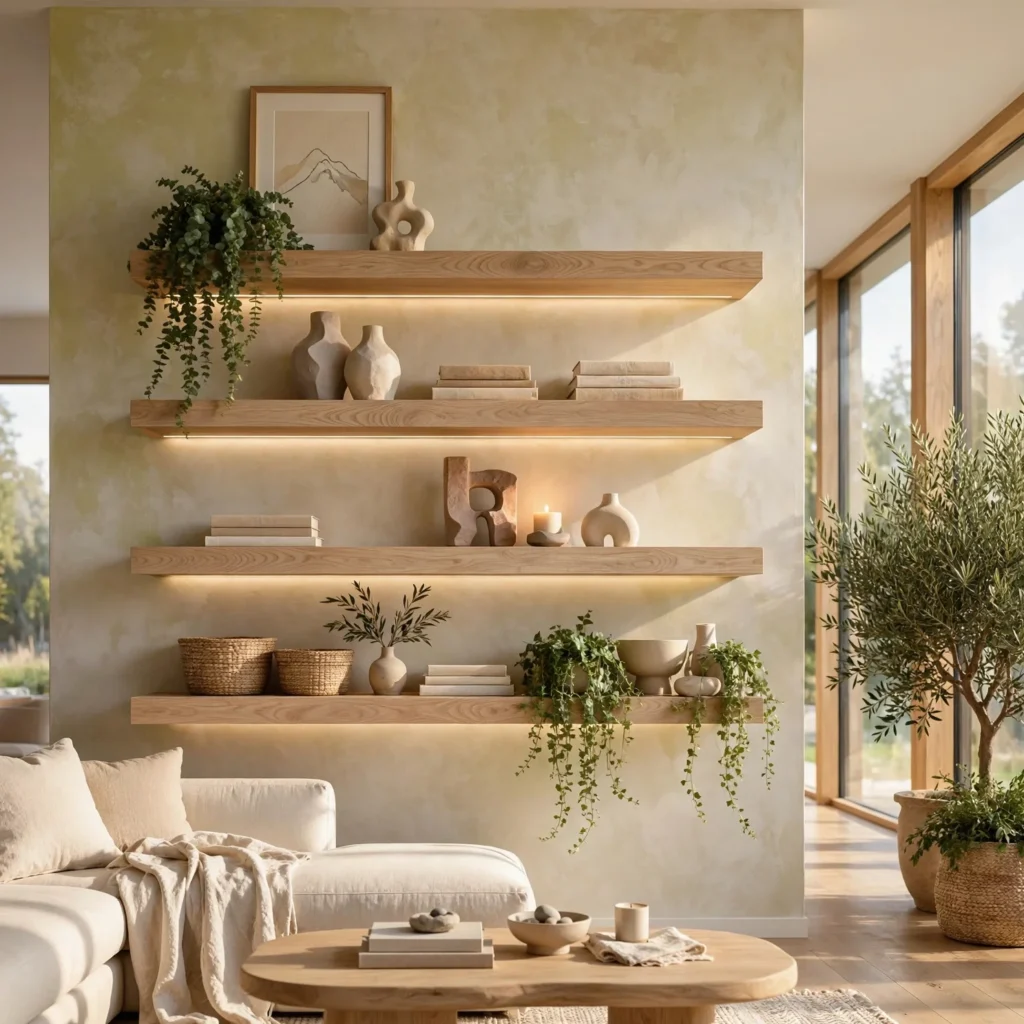
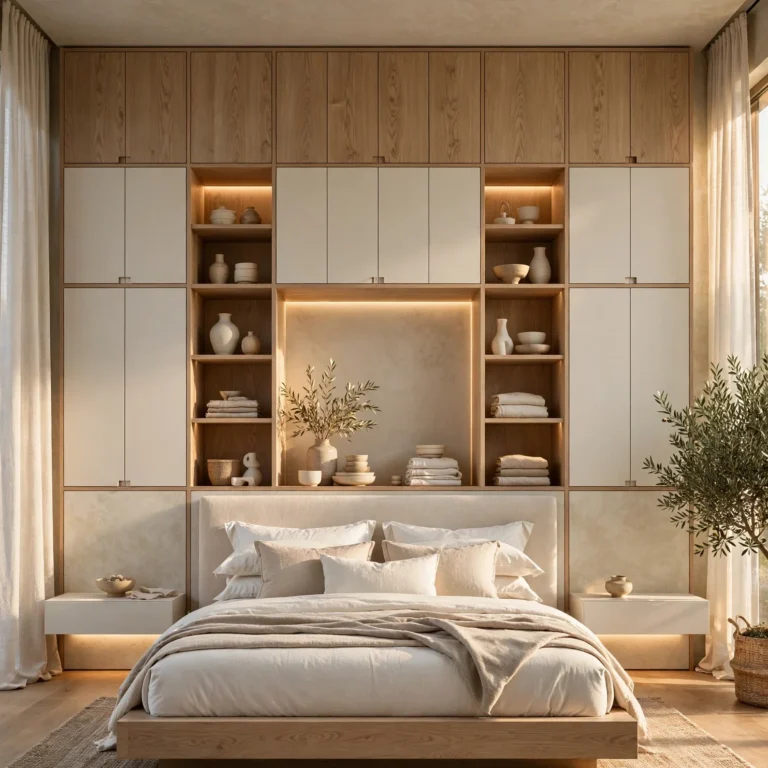
Open shelves installed above furniture or in unused corners give a small bedroom vertical storage without shrinking the usable floor plan. Books, folded sweaters, or decorative baskets can all live here instead of competing for space on a dresser top. Stick to two or three shelves at varying heights rather than a full wall of them, since too much shelving in a tight room can start to feel busy instead of organized.
4. Corner Desk Nook
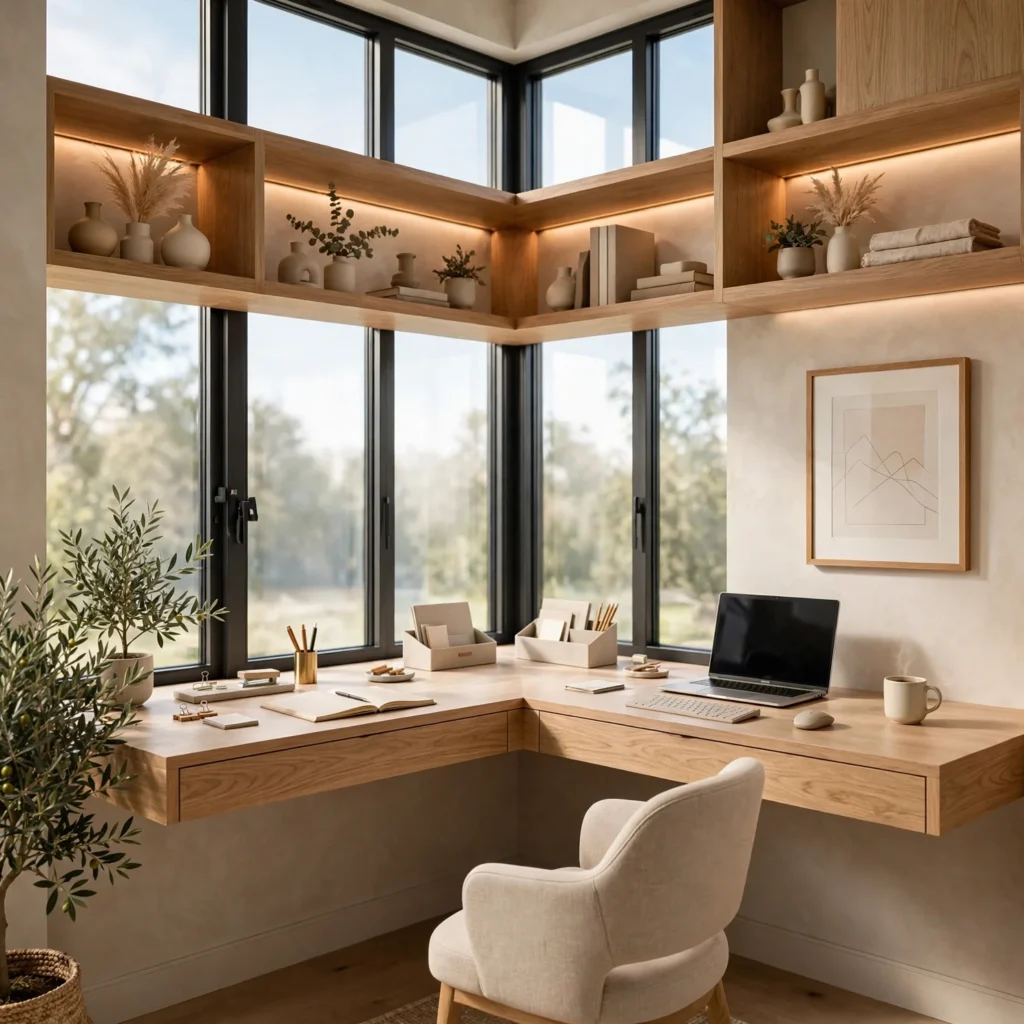
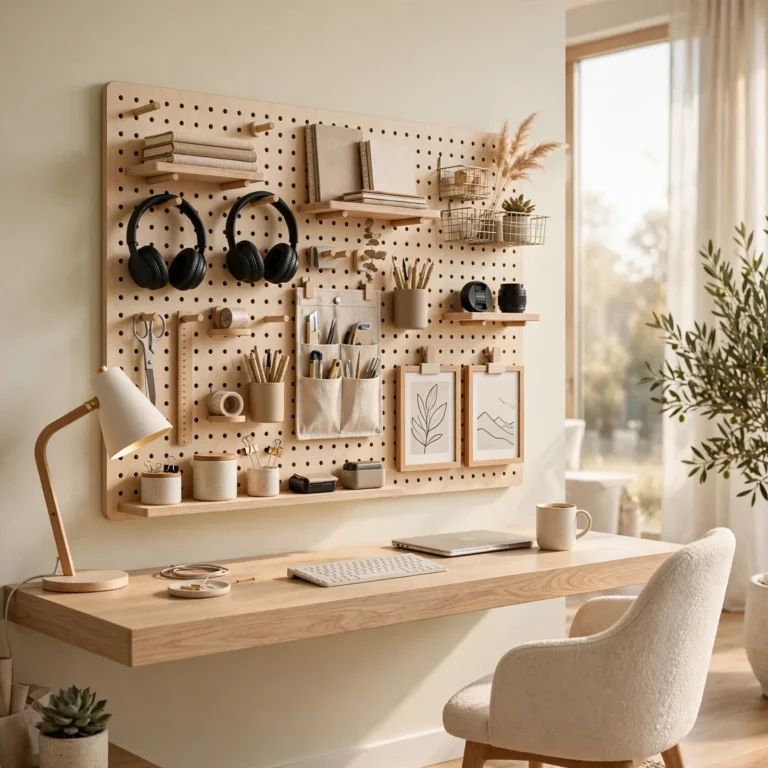
An L-shaped or triangular desk built into an unused corner claims space that would otherwise sit empty, which makes it one of the most efficient layout choices for a bedroom doing double duty as a workspace. Corner desks avoid interrupting the room’s main walking path the way a rectangular desk against a side wall often does. Pair it with a slim chair that tucks fully under the desk when not in use.
Brighten your space with our small guest bedroom ideas, featuring stylish lamps, pendant lights, and ambient lighting for a cozy atmosphere.
5. Daybed With Trundle
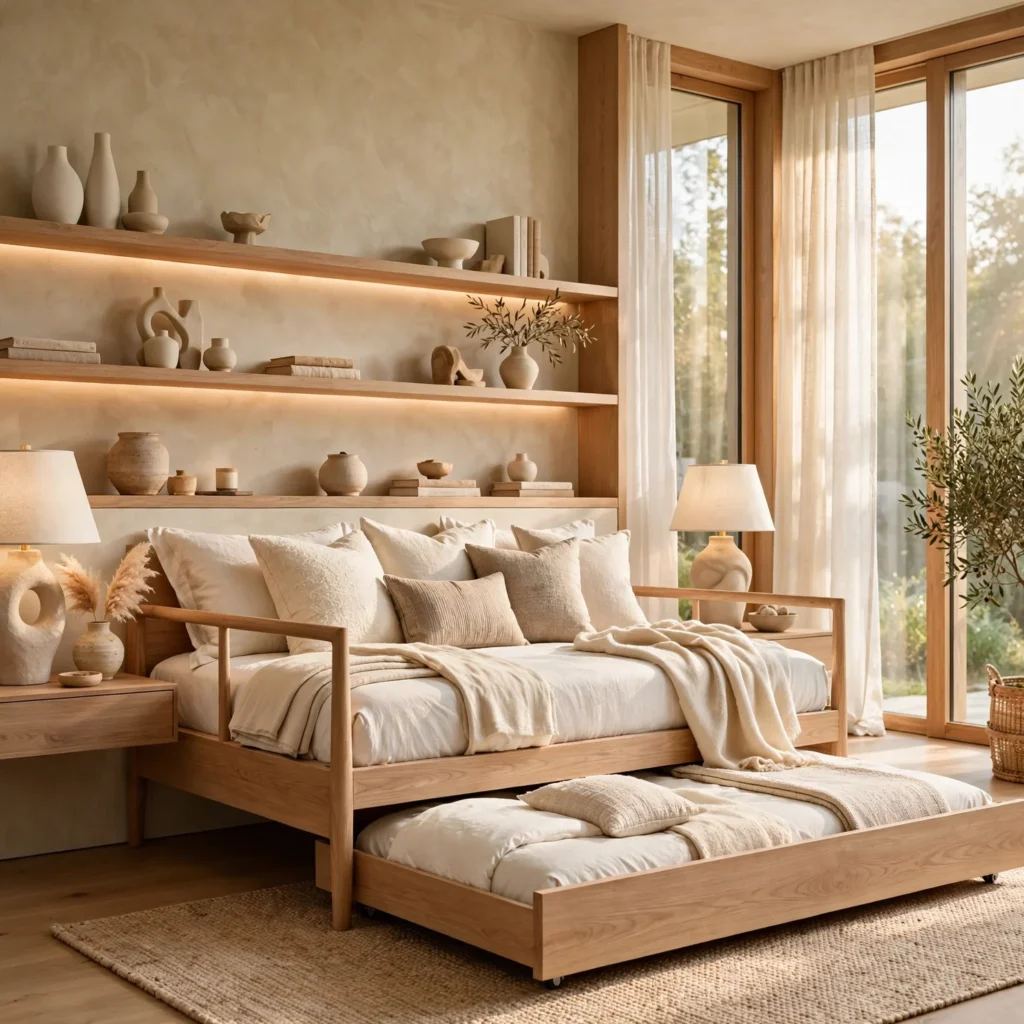
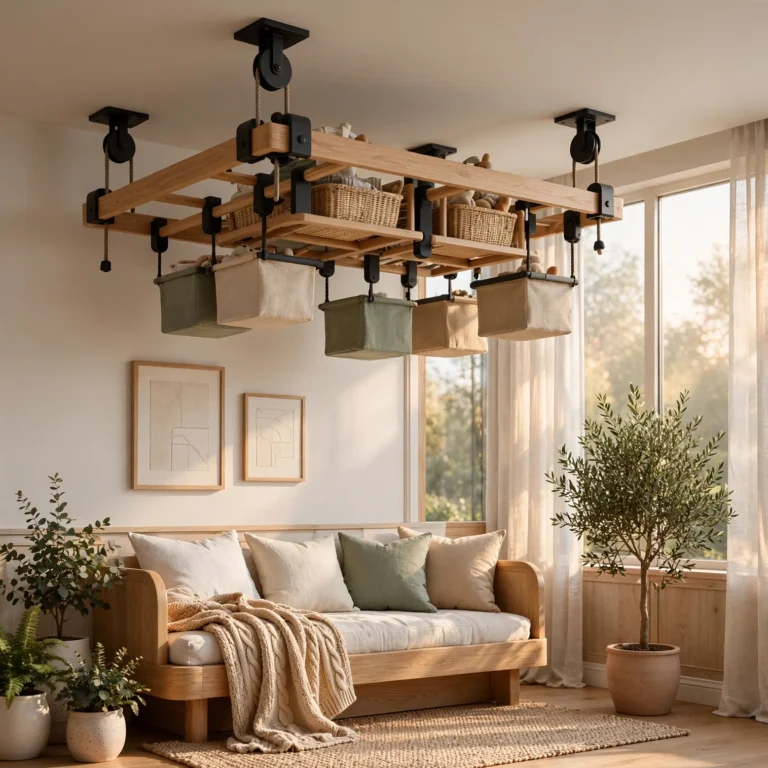
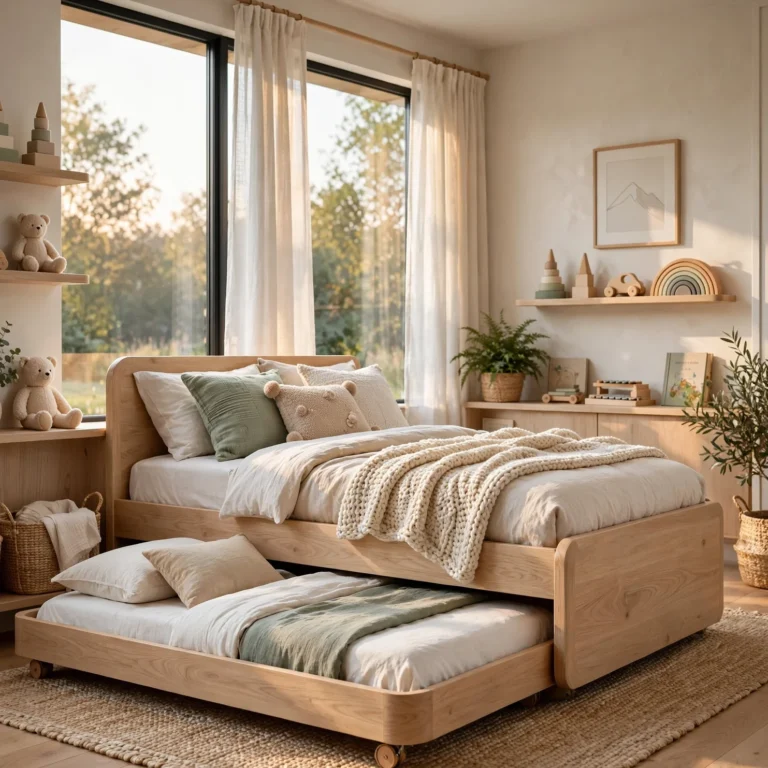
A daybed functions as both seating and a bed, and a trundle underneath adds a second sleeping spot that stays hidden until it’s needed. This is a practical choice for a small bedroom that occasionally hosts guests, since it removes the need for a separate guest room or a bulky sofa bed. Position the daybed against the longest wall so the trundle has room to slide out fully when guests do stay over.
6. Vertical Wardrobe
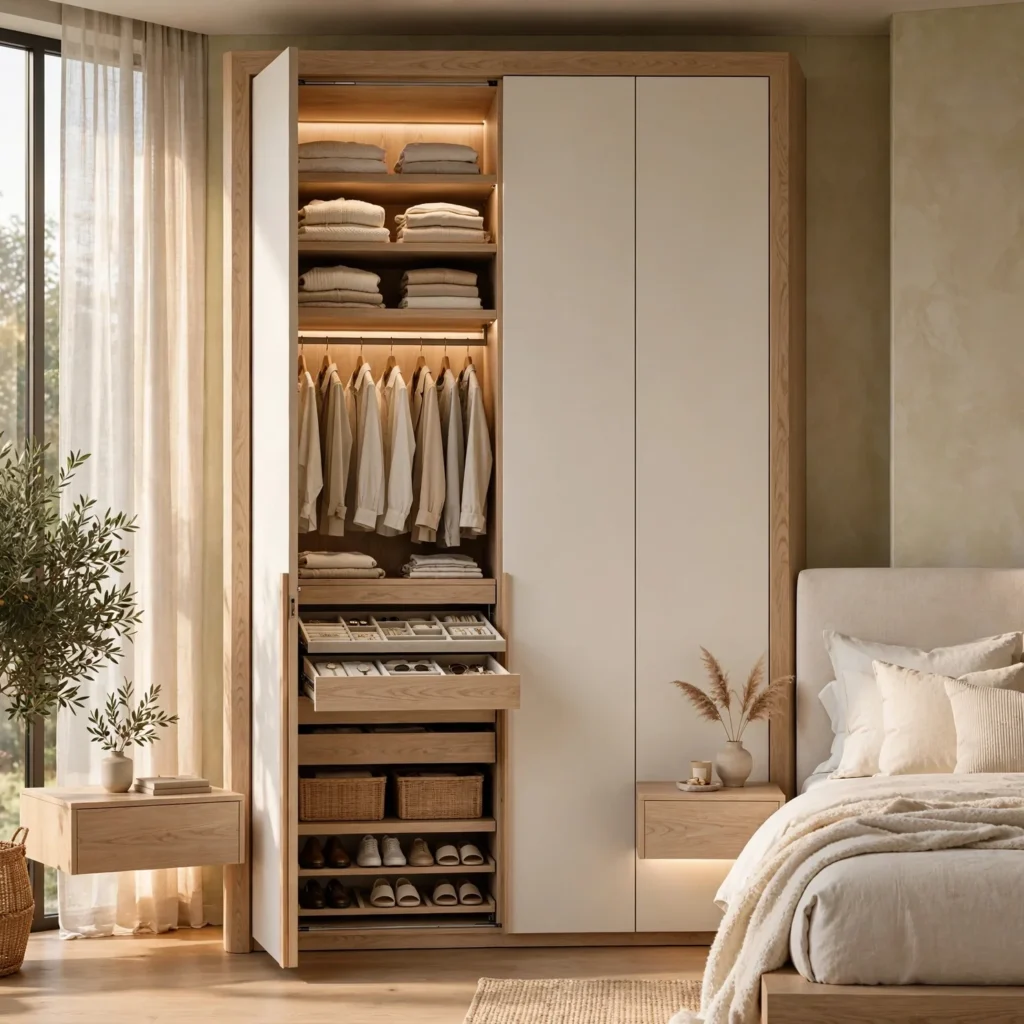
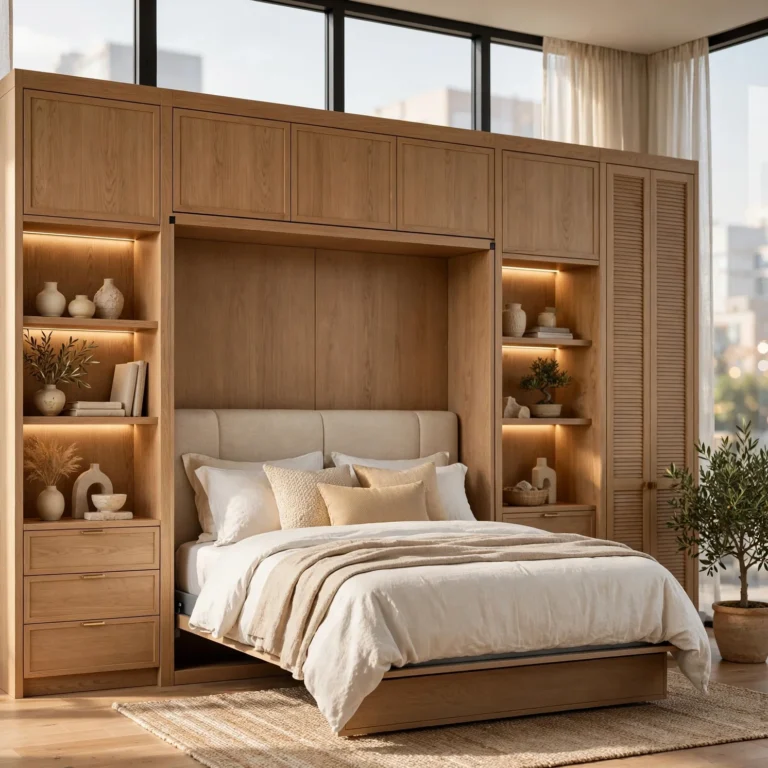
A tall, narrow wardrobe uses height rather than width, which matters in a bedroom where every inch of floor space is already spoken for. Vertical wardrobes typically include a hanging rod, a few shelves, and sometimes a drawer, consolidating what a dresser and closet would normally handle separately. Choose a slim-depth model where floor space is especially tight, since even a few extra inches of clearance can change how the whole room feels.
| Wardrobe Depth | Best Use |
| 16-18″ | Very small rooms, hallway-adjacent bedrooms |
| 20-22″ | Standard small bedrooms |
| 24″+ | Rooms with more flexible layouts |
7. Ceiling-Height Curtains
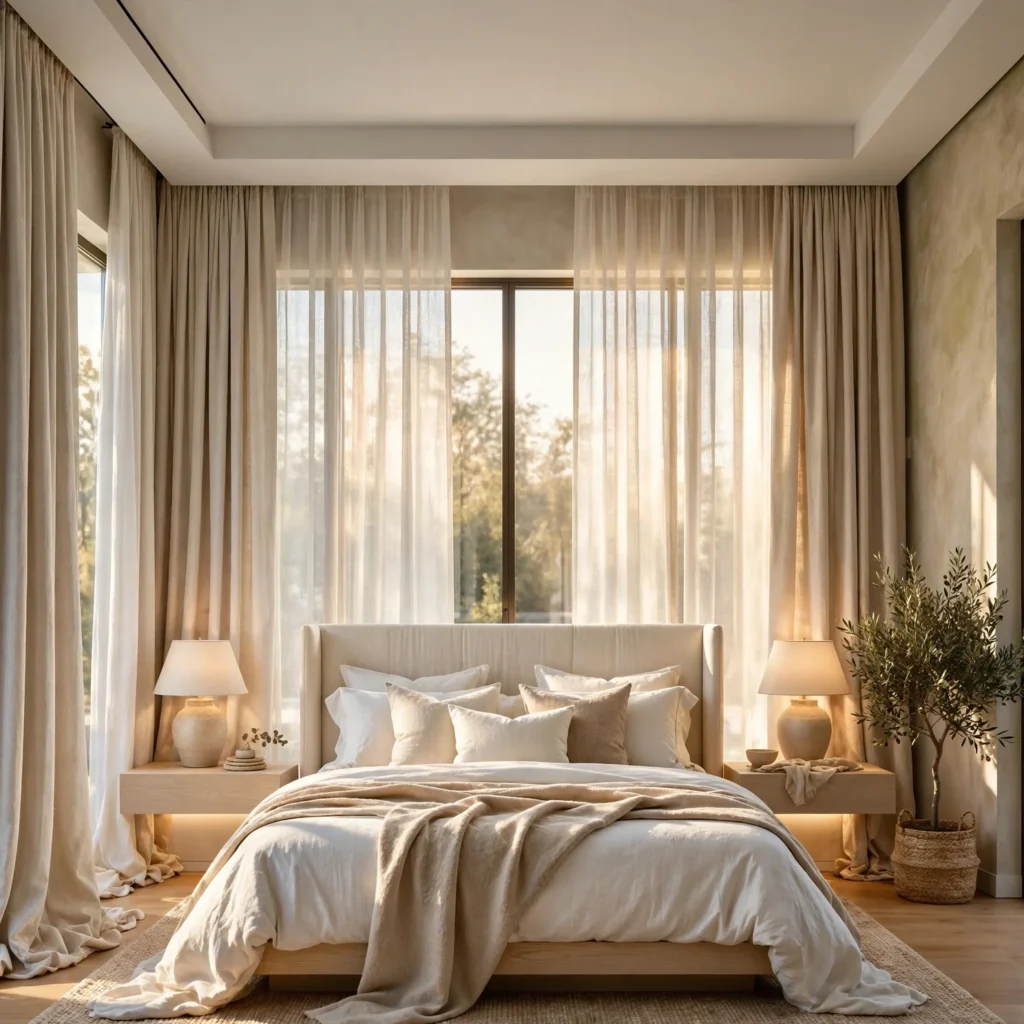
Hanging curtain rods just below the ceiling instead of directly above the window frame draws the eye upward and makes the walls appear taller than they are. This is a simple, low-cost change that has an outsized effect in a small bedroom, since window treatments are one of the first things the eye lands on when entering a room. Choose curtains that extend to the floor rather than stopping mid-wall for the full effect.
8. Oversized Wall Mirror
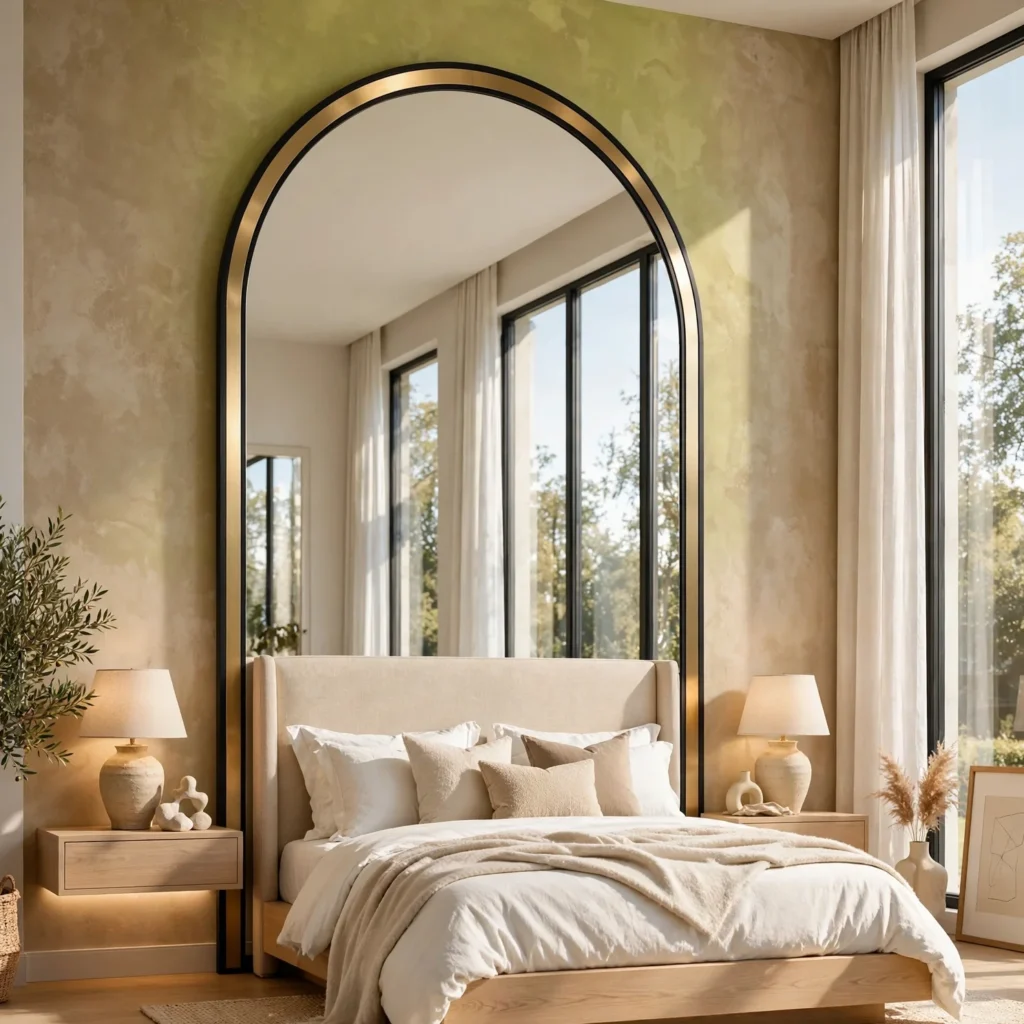
A large mirror placed across from the window reflects natural light back into the room, which can make a small bedroom feel noticeably brighter and more open by midday. Beyond the light benefit, a mirror also adds a sense of depth, since it visually extends the room rather than stopping the eye at the wall. Leaning a floor mirror against a wall works well where there isn’t space for a hanging piece.
9. Built-In Window Seat
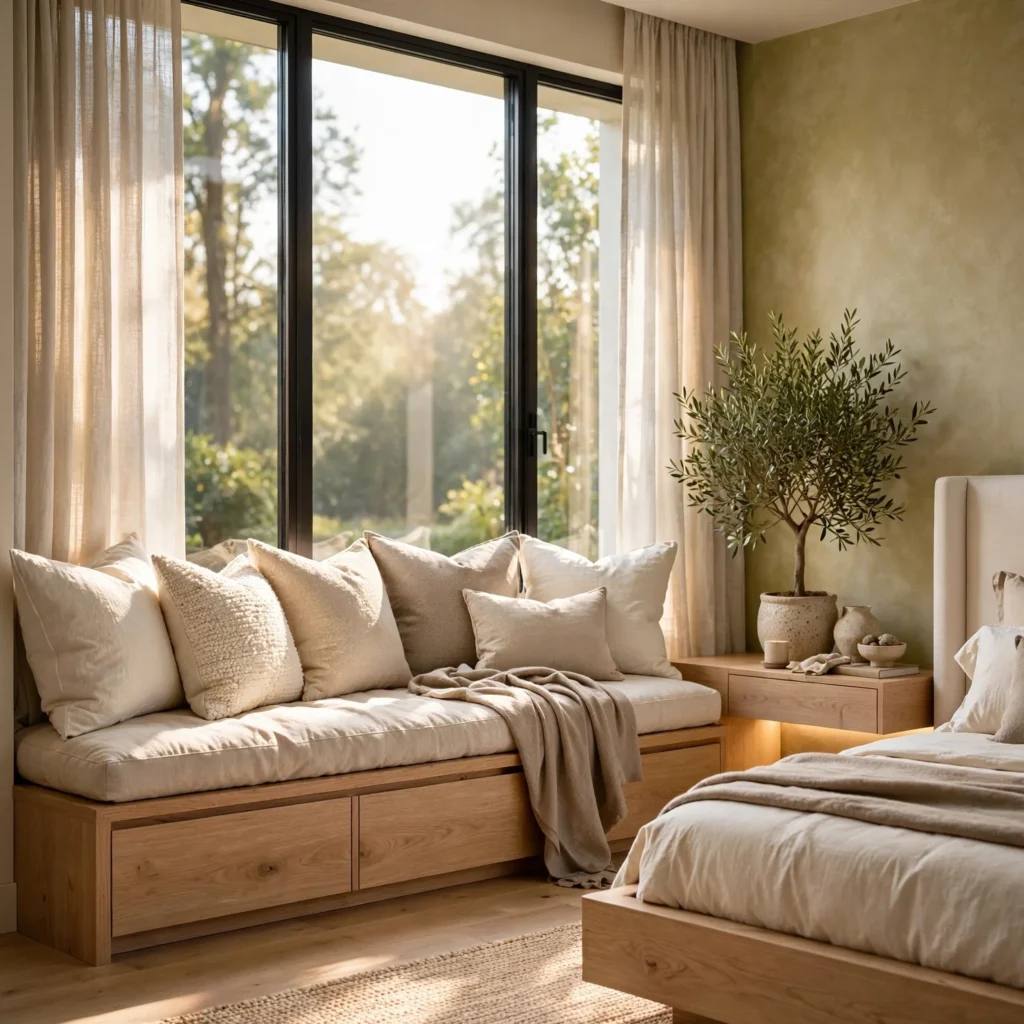
A window seat with storage underneath turns an underused stretch of wall into both a reading nook and a place to stash extra linens or out-of-season clothing. It works particularly well in bedrooms with a bay window or a wide sill, where a chair or bench would otherwise crowd the space. Add a cushion and two slim pillows rather than a full set, since oversized cushions can make the nook feel cramped again.
10. Fold-Down Wall Desk
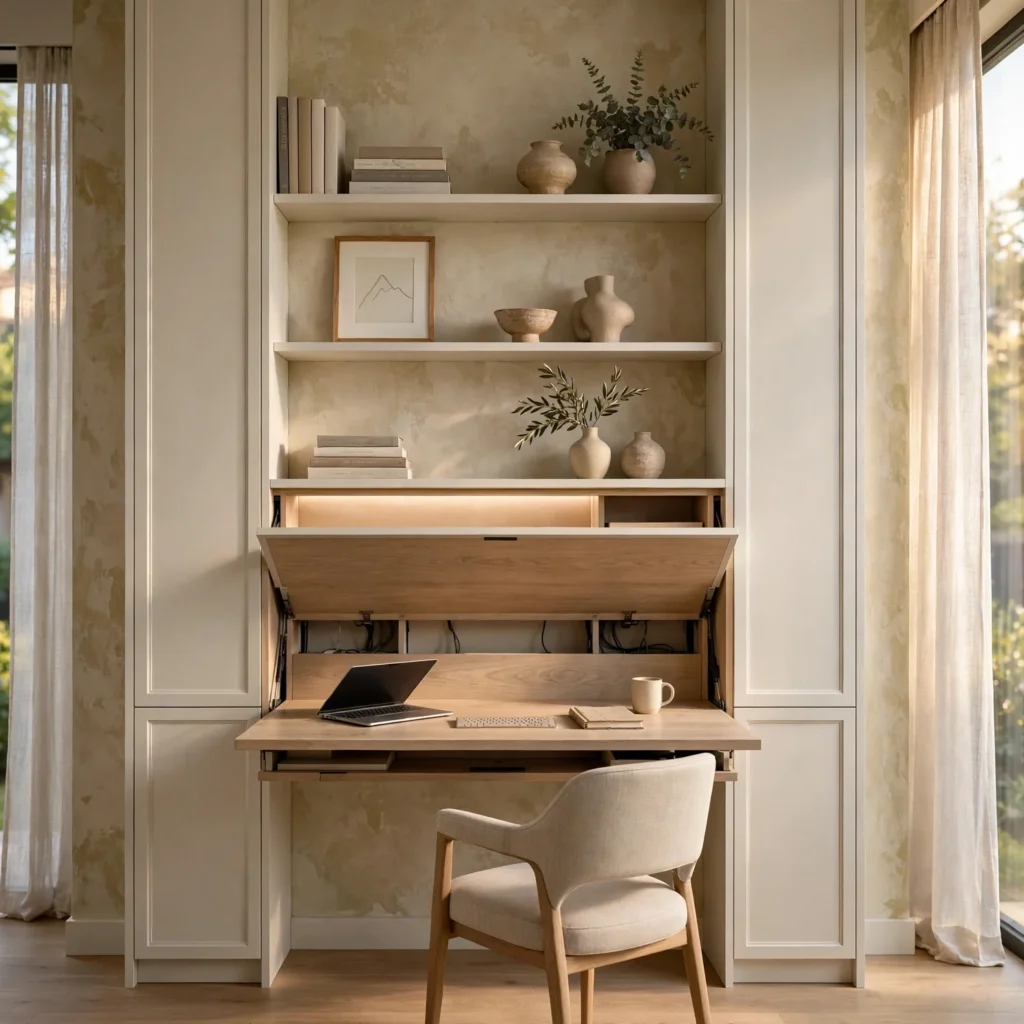
A fold-down desk mounts flat against the wall and folds up into a full work surface only when needed, then disappears again the rest of the time. This is one of the more dramatic space-savers on this list, since it eliminates the desk’s floor footprint entirely when it’s not in use. It’s a strong fit for a small bedroom that needs to function as an office only a few hours a day.
11. Layered Lighting Plan
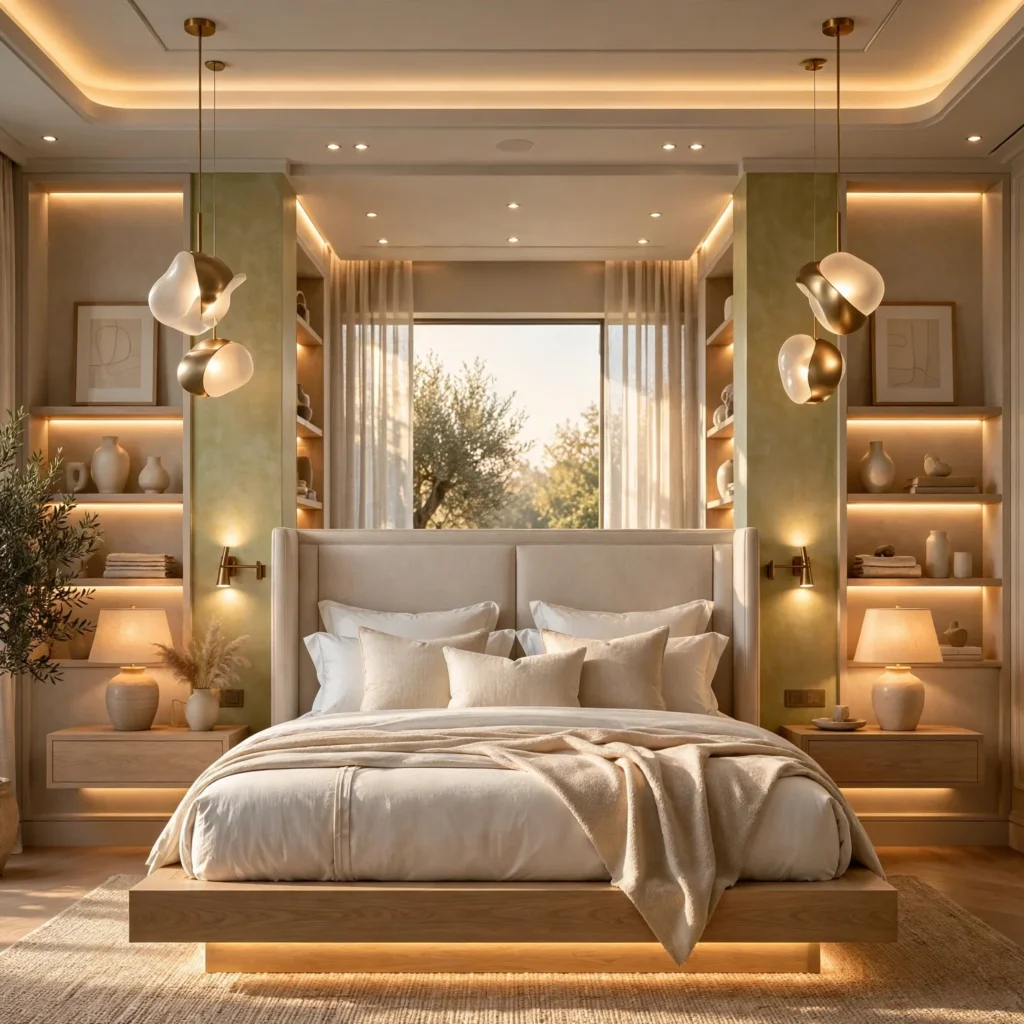
Relying on a single overhead light tends to flatten a small room, while layering in a wall sconce, a plug-in wall lamp, or LED strip lighting under a shelf adds depth without taking up any surface space. This matters more in small bedrooms than large ones, since there’s rarely a spare tabletop for a traditional lamp. Aim for at least two light sources at different heights to avoid harsh, single-point lighting.
12. Multi-Purpose Ottoman
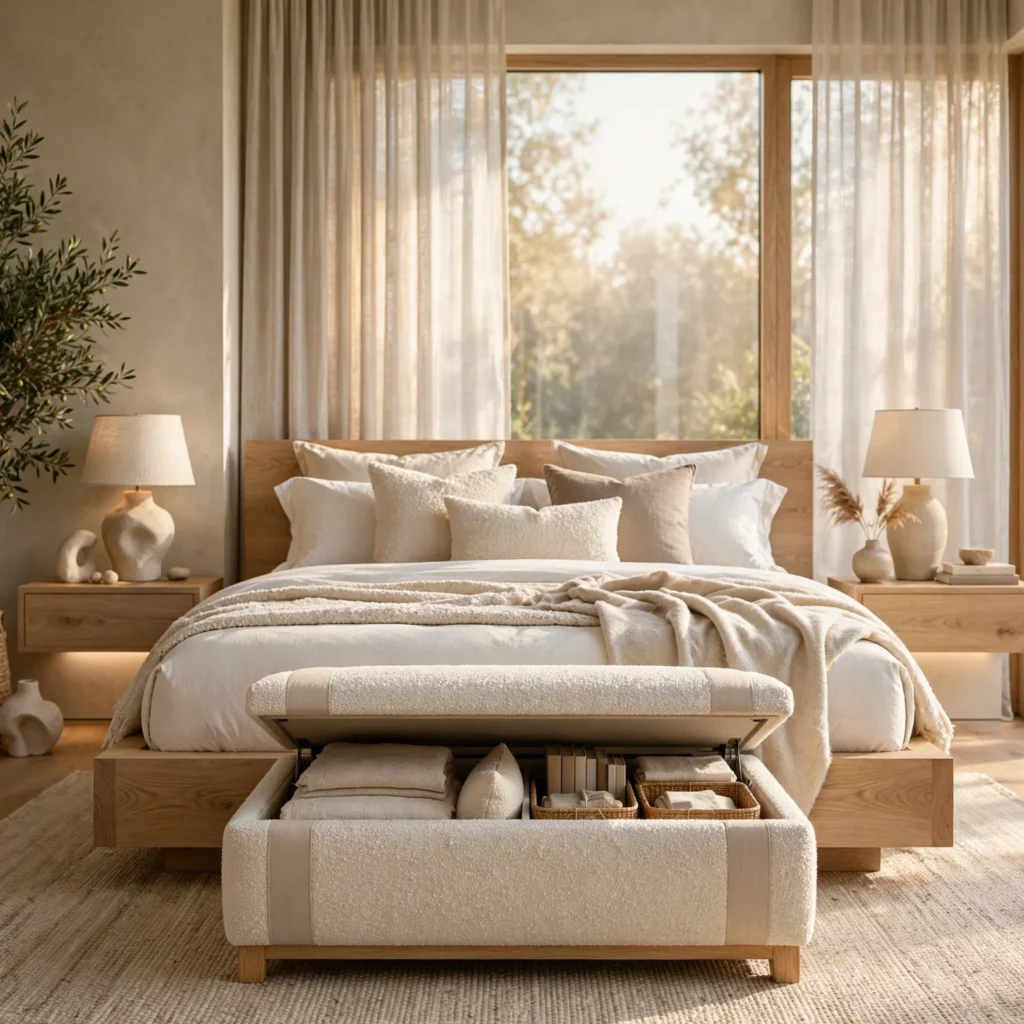
An ottoman at the foot of the bed works as extra seating, a footrest, or a surface for folding laundry, and many styles open up to hold blankets, off-season clothing, or shoes. It’s a flexible alternative to a bench in bedrooms too small for dedicated seating furniture. Choose a square or rectangular shape sized to the width of the bed frame so it doesn’t extend into the room’s main walking path.
Shop the Look
A platform storage bed in a light oak or matte white finish anchors the room without visual weight. Pair it with a slim floating nightstand in the same tone, a round mirror at least 30 inches wide leaned against the widest open wall, a woven storage ottoman at the foot of the bed, and a set of floor-length linen curtains hung just below the ceiling line to complete the layered, uncluttered look this style depends on.
Common Mistake to Avoid
The most common mistake in small bedroom design is buying furniture sized for the room’s square footage on paper rather than its actual walking paths. A bed and dresser might technically fit against opposite walls, but if there’s only a foot of clearance between them, the room will feel cramped no matter how well it’s decorated. Measure the clear floor space you need to move comfortably first, then choose furniture that fits around that path rather than the other way around.
Frequently Asked Questions
What is the best bed size for a small bedroom?
A full or queen bed generally works best for a small bedroom, depending on whether one or two people are sleeping in it. A king bed often leaves too little clearance to walk comfortably around three sides, even in a room that looks large enough on a floor plan. Measuring at least 24 to 30 inches of clearance on the sides you’ll walk through regularly is a more reliable guide than the room’s total square footage alone.
How can I make a small bedroom look bigger without renovating?
Light wall colors, an oversized mirror across from the window, and curtains hung near the ceiling are the three changes that make the biggest visual difference without any construction. Clearing the floor of loose items and switching to wall-mounted or floating furniture also helps, since visual clutter shrinks a room far more than its actual dimensions do. These changes can typically be made in a weekend for a modest budget.
Should I use a rug in a small bedroom?
A rug can still work in a small bedroom as long as it doesn’t cover the entire floor edge to edge, since leaving a visible border of flooring around the rug helps the room read as larger. A rug sized to sit just under the bed and nightstands, rather than one that reaches every wall, tends to look more intentional and keeps the space from feeling boxed in.
What furniture should I avoid in a small bedroom?
Bulky dressers, oversized armchairs, and furniture with thick, dark frames tend to overwhelm a small bedroom visually, even when they technically fit the floor plan. Pieces with exposed legs, lighter finishes, or built-in storage generally work better, since they either let light pass underneath or eliminate the need for a separate storage piece altogether. Avoiding matching bulky sets in favor of slimmer, mixed pieces also helps the room feel less crowded.
How do I add storage to a small bedroom without a closet?
A vertical wardrobe, a storage bed frame, and wall-mounted shelving together can replace most of what a closet would normally hold, from hanging clothes to folded items and shoes. Under-bed storage bins are another practical option for seasonal items that don’t need daily access. Combining two or three of these solutions usually covers what a single small closet would have provided.
Conclusion
None of these small room ideas bedroom updates require a renovation, just a willingness to rethink furniture, storage, and light one piece at a time. Start with one or two changes, like a storage bed or a well-placed mirror, and build from there as budget allows. If this was helpful, save it to Pinterest for later or check out our related guide on small space storage solutions for more room-by-room ideas.