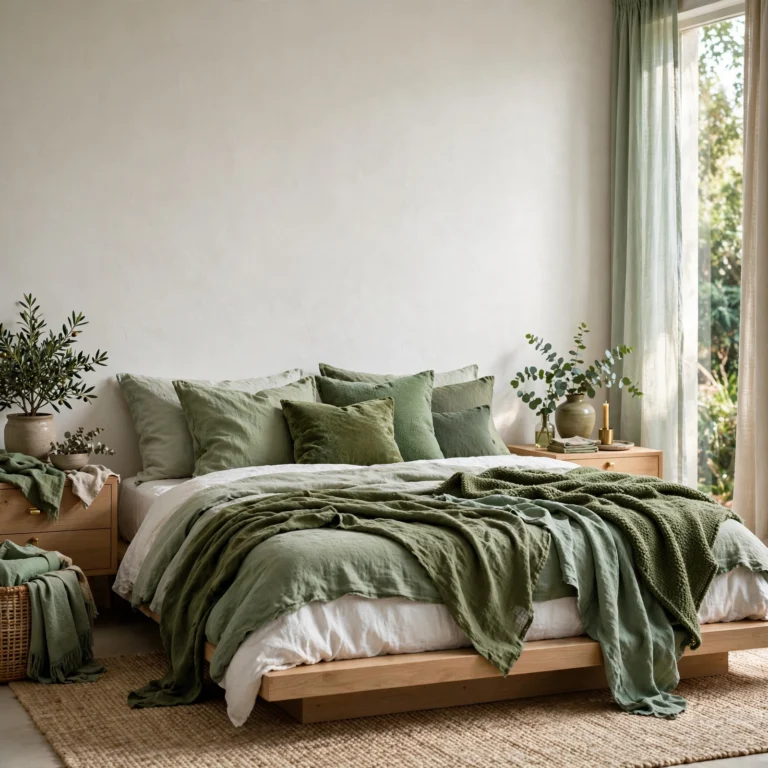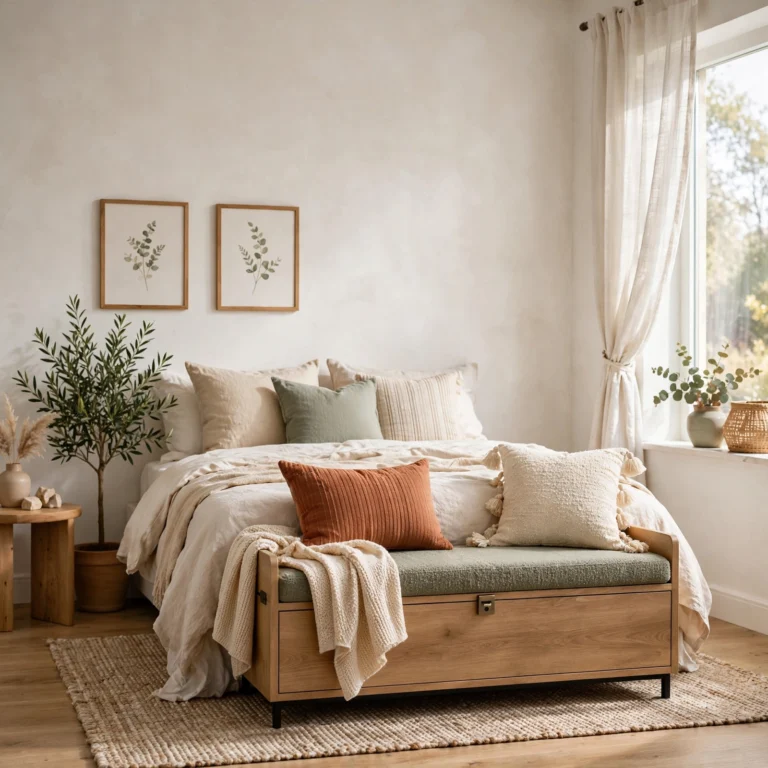
12 Trending Brown Bedroom Ideas for a Warm, Grounded Look
Brown has a reputation for being a safe, forgettable color, but used deliberately, it can bring genuine warmth and richness into a bedroom that a cooler neutral often can’t match. These twelve brown bedroom ideas cover full-wall commitments, smaller accent choices, and the material pairings that keep brown from reading as flat or dated. By the end, you’ll have specific shades and combinations suited to your room’s light, size, and overall style.
Trend & Background
Brown has moved back into favor in recent years after a long stretch where gray and white dominated bedroom palettes, driven partly by a broader shift toward warmer, more grounded interiors. Designers have leaned into layering several shades of brown together, from a pale sand to a deep espresso, rather than using a single flat tone across the whole room. This matters now because brown pairs naturally with the wood tones and natural materials already common in many homes, making it one of the easier colors to introduce without a full furniture overhaul.
Key Takeaways
- Brown bedroom ideas range from pale sandy tan to deep espresso, each shifting the room toward a lighter or more dramatic feel.
- Mixing multiple shades of brown, rather than one flat tone, keeps the palette from reading as dull or monotonous.
- Metal finishes and lighter accents prevent an all-brown room from feeling heavy or closed in.
- Natural materials like wood, leather, and rattan reinforce the warmth brown already brings into a space.
1. Warm Espresso Accent Wall
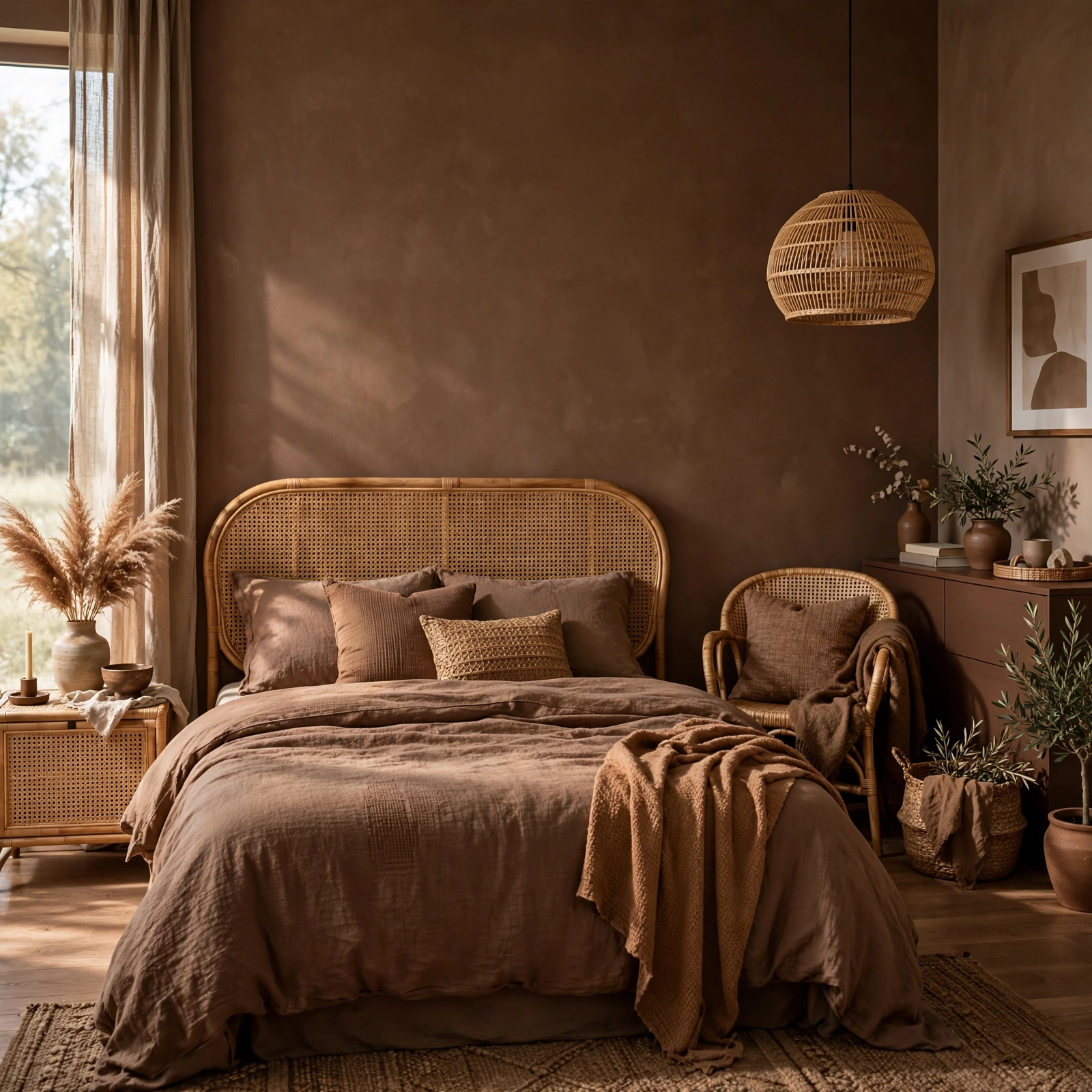
A single wall painted in a deep espresso brown adds richness and definition to a bedroom without the visual weight of covering the entire room in a dark color. Placed behind the headboard, it anchors the bed as the room’s focal point while the surrounding walls stay lighter and neutral. This pairing works especially well with brass or gold hardware, since the added warmth keeps a saturated brown from reading too heavy or cave-like.
| Brown Shade | Undertone | Best Light Exposure |
| Sand | Warm, pale | Any exposure |
| Camel | Warm, mid-tone | South or west-facing |
| Chestnut | Reddish-brown | North or east-facing |
| Espresso | Deep, cool-warm | South-facing |
2. Sandy Tan Walls
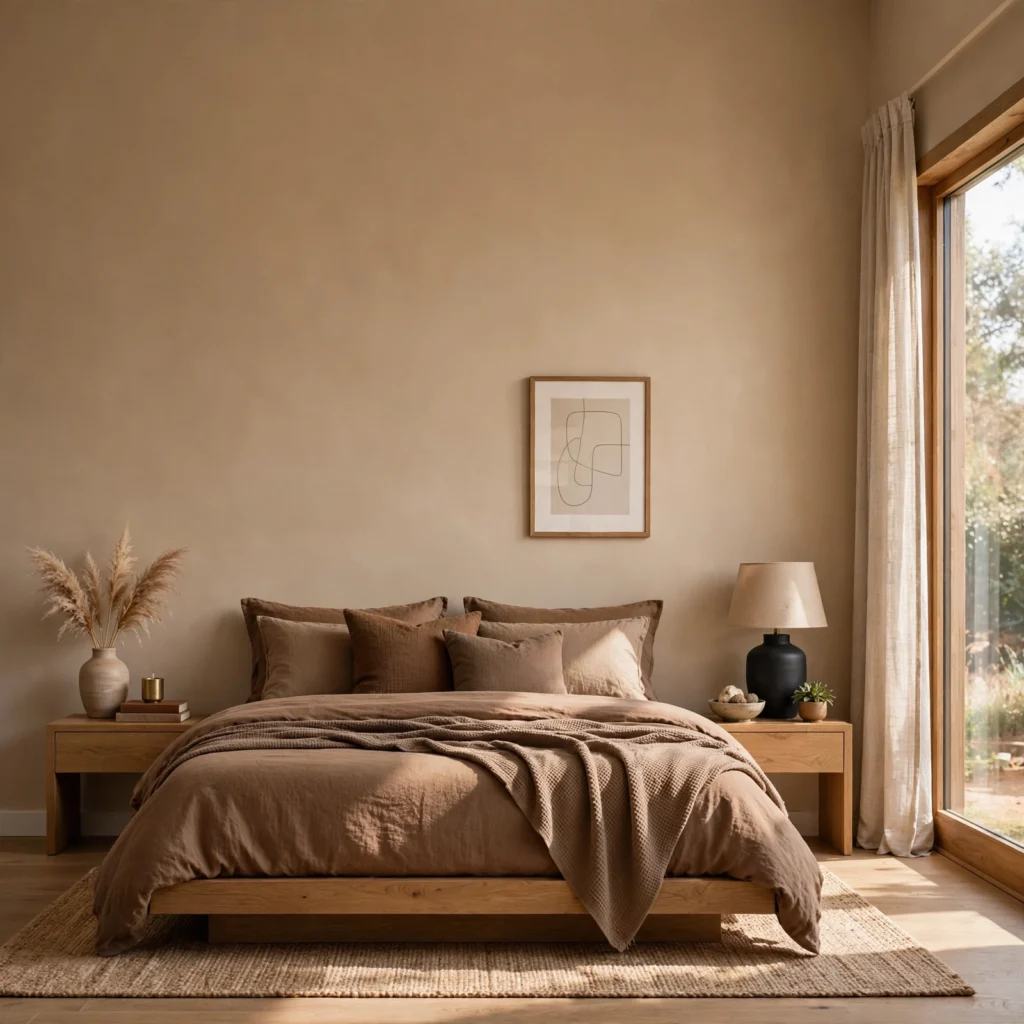
Sandy tan is pale and warm enough to work across an entire bedroom without overwhelming the space, making it one of the more forgiving brown shades for a full repaint. It reads differently depending on the room’s light, leaning slightly gray in north-facing rooms and warmer under direct afternoon sun. Because it’s so muted, sandy tan pairs easily with both white trim and darker wood furniture, making it a flexible starting point for a full brown bedroom.
Transform your sleeping space with these elegant bedroom lighting ideas that blend comfort, functionality, and timeless style.
3. Leather Upholstered Headboard
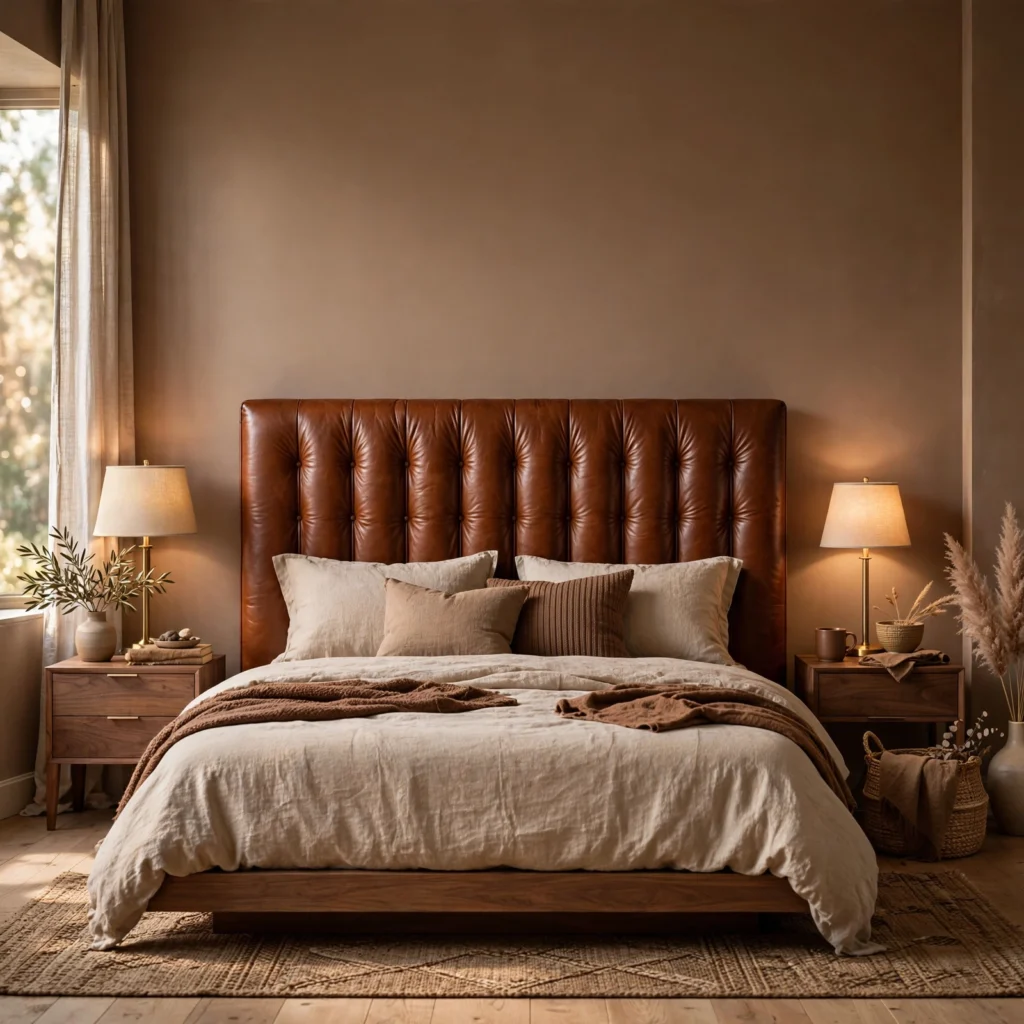
A headboard upholstered in brown leather or faux leather adds texture and a slightly more masculine, tailored quality to a bedroom. The material’s natural sheen and grain catch light differently than fabric, giving the headboard visual depth even in a single solid color. This works particularly well against a lighter wall color, where the leather headboard becomes the room’s main source of deeper brown tone.
4. Camel and Cream Palette
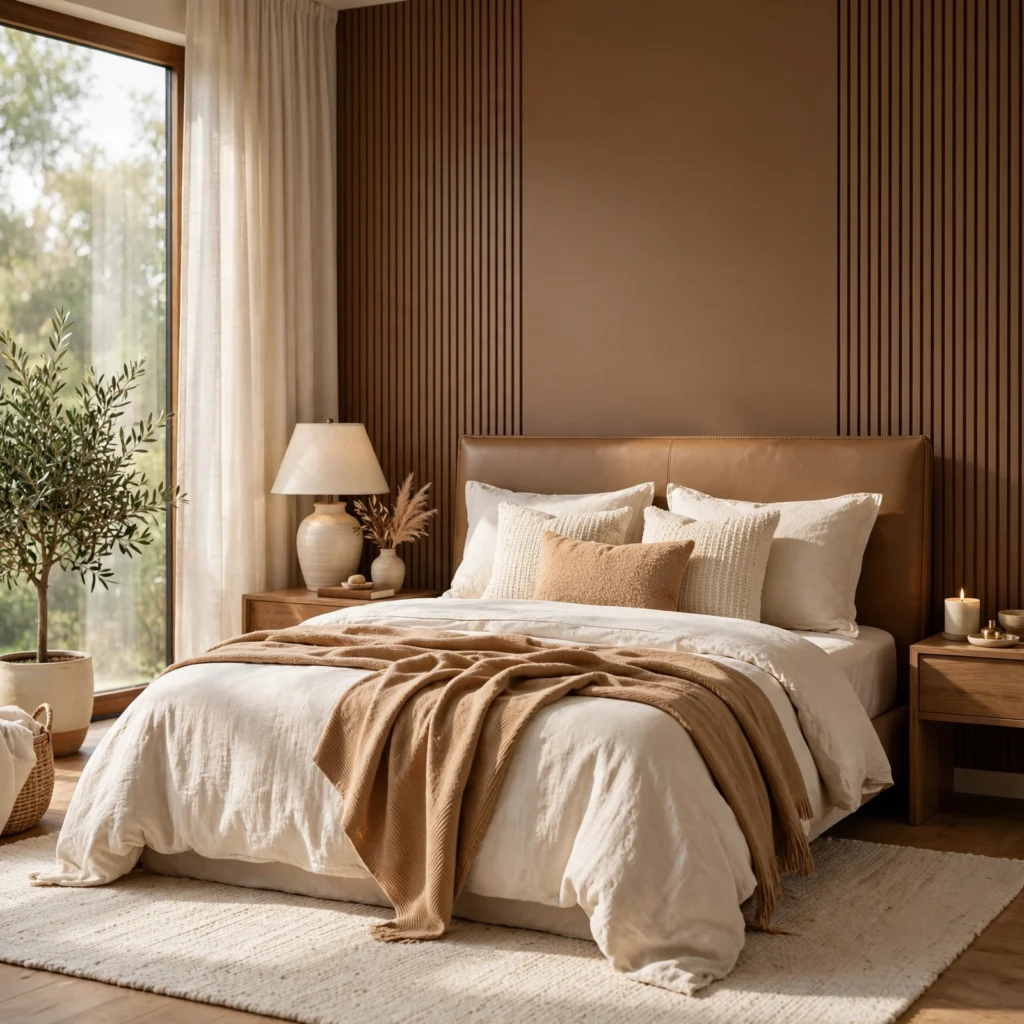
Pairing a warm, mid-tone camel with cream bedding and accents creates a soft, layered look that avoids the heaviness a full dark brown room can bring. A camel-colored throw blanket or upholstered bench against cream walls keeps the room feeling light while still grounded in warm tones. This combination also tends to photograph well under both natural and warm artificial light, since neither shade shifts dramatically across different lighting conditions.
5. Brass Hardware Accents
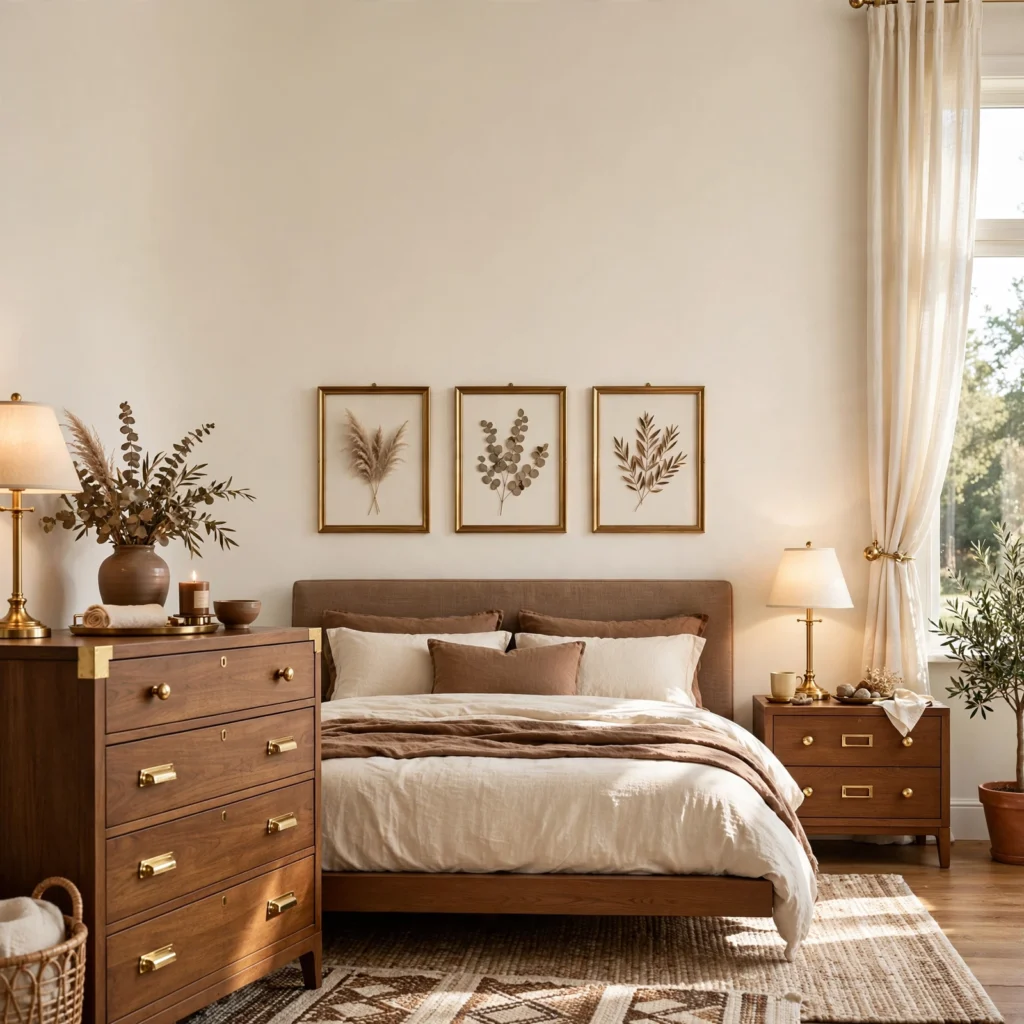
Brass fixtures, from drawer pulls to lamp bases, reinforce the warmth already present in a brown bedroom rather than fighting against it the way a cooler metal like chrome might. The tonal closeness between brass and lighter browns, like camel or chestnut, creates a cohesive look without much additional effort. Even small touches, like brass switch plates or a single brass picture frame, are enough to elevate the overall finish of the room.
6. Chestnut Wood Paneling
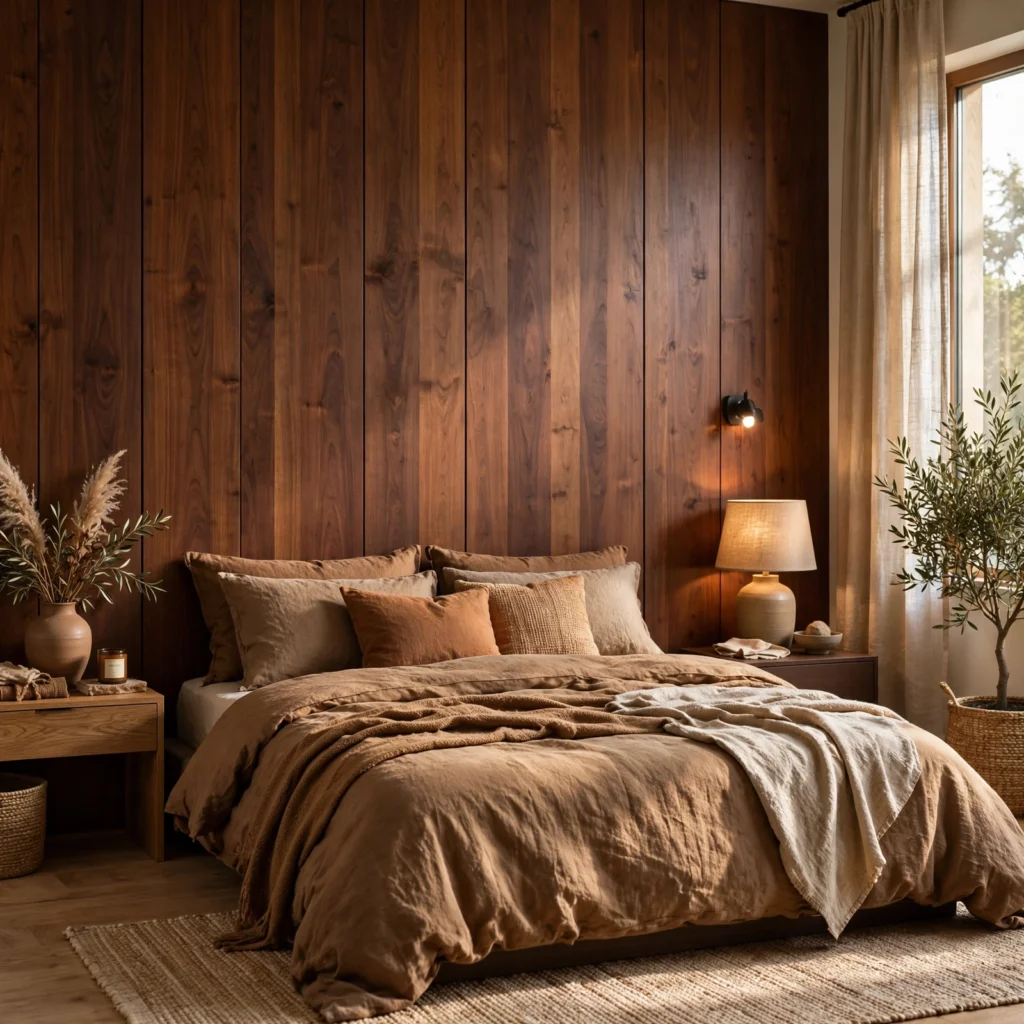
Vertical or horizontal wood paneling in a natural chestnut finish adds texture and dimension to a wall in a way flat paint alone can’t achieve. The grain and shadow lines in the wood catch light differently throughout the day, keeping a single-tone wall from feeling static. This approach works particularly well as a headboard-height treatment, stopping partway up the wall rather than covering it fully, which also keeps the cost lower than paneling an entire room.
7. Brown and Cream Striped Bedding
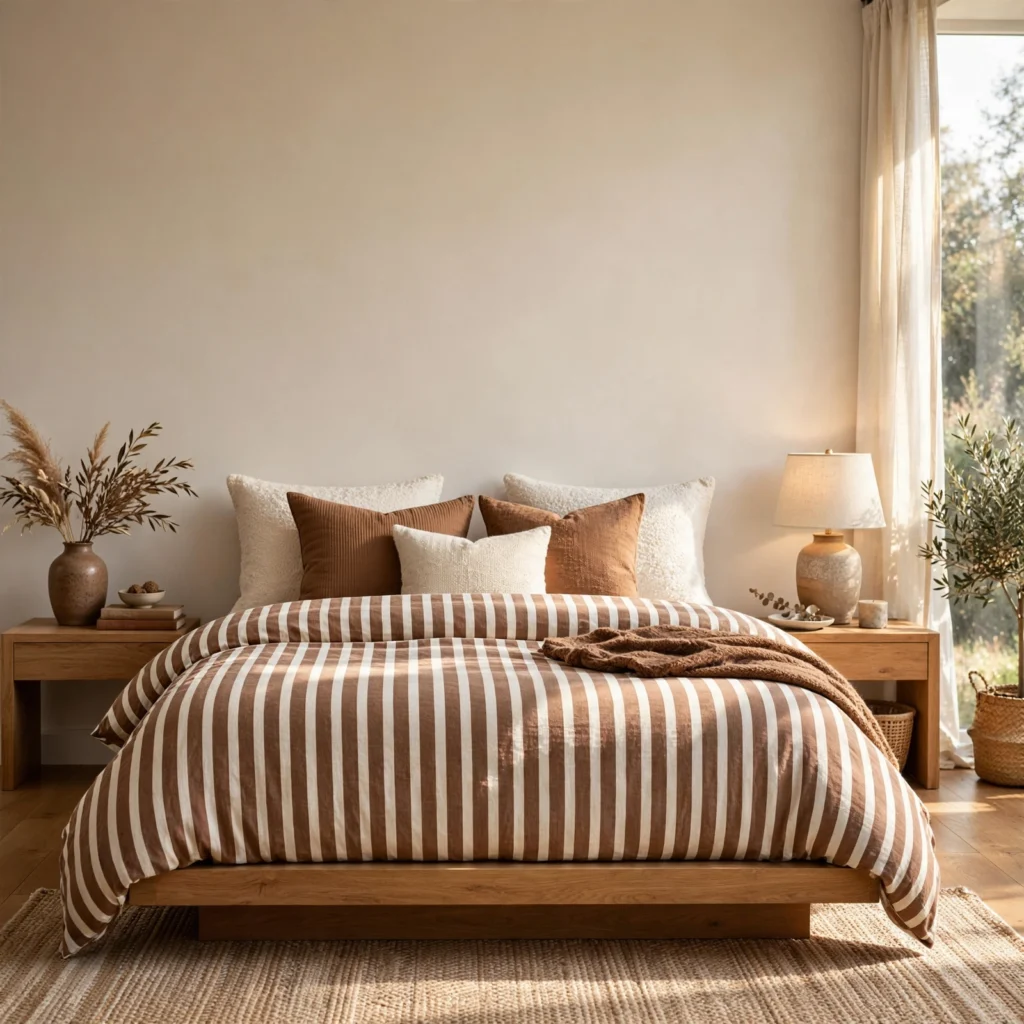
Bedding in a soft brown and cream stripe adds pattern directly to the bed without touching the walls or furniture, and it works as a lower-risk way to test a brown palette before committing further. A wider, more relaxed stripe reads as casual and warm, while a narrower pinstripe leans slightly more tailored. Pairing striped bedding with solid cream or espresso pillowcases keeps the overall look from feeling too busy.
8. Rattan Accents Against Brown
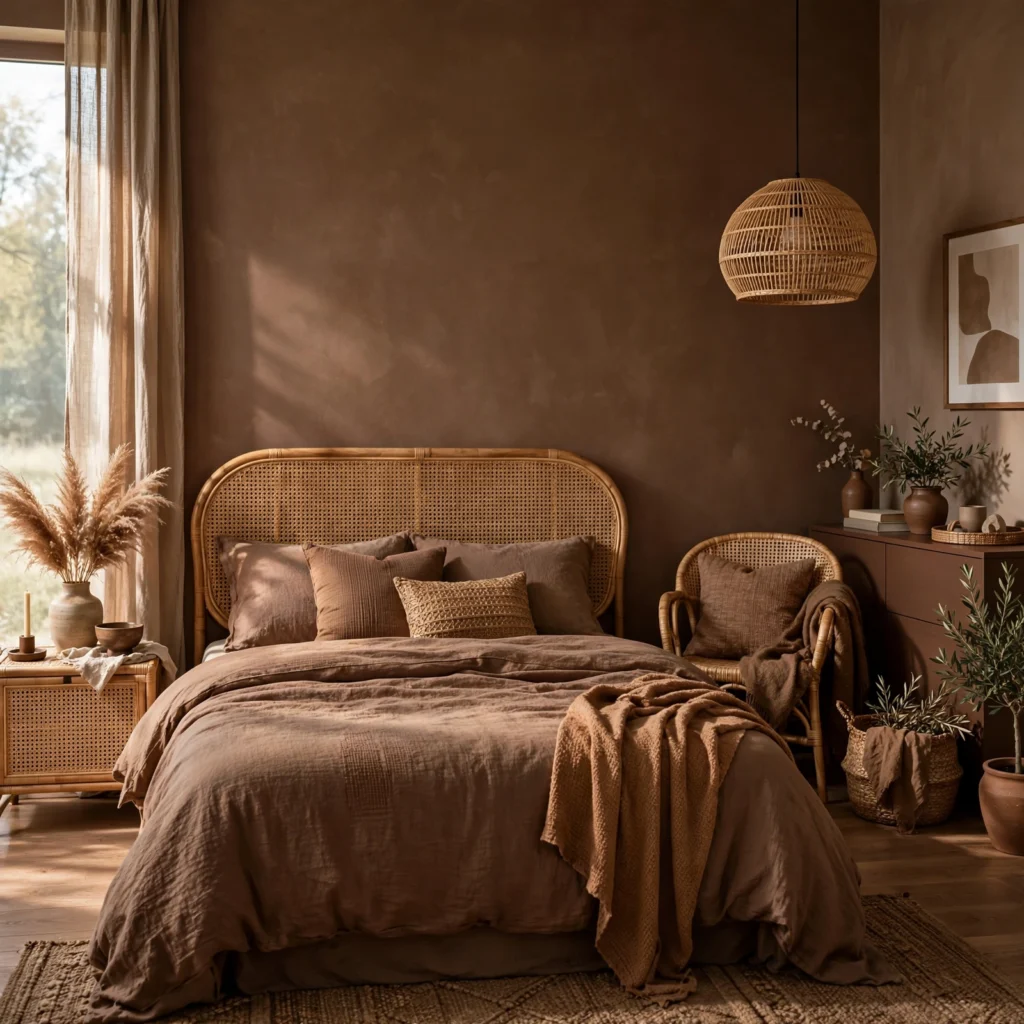
A woven rattan headboard or mirror pairs naturally with brown walls or bedding, since both draw from the same earthy, organic material palette. The open weave adds texture without adding visual weight, which keeps a brown room from feeling too dense or heavy, especially in smaller bedrooms. Rattan also tends to work across both pale sandy tans and deeper espresso tones, making it a flexible pairing regardless of the shade anchoring the room.
9. Two-Tone Brown Walls
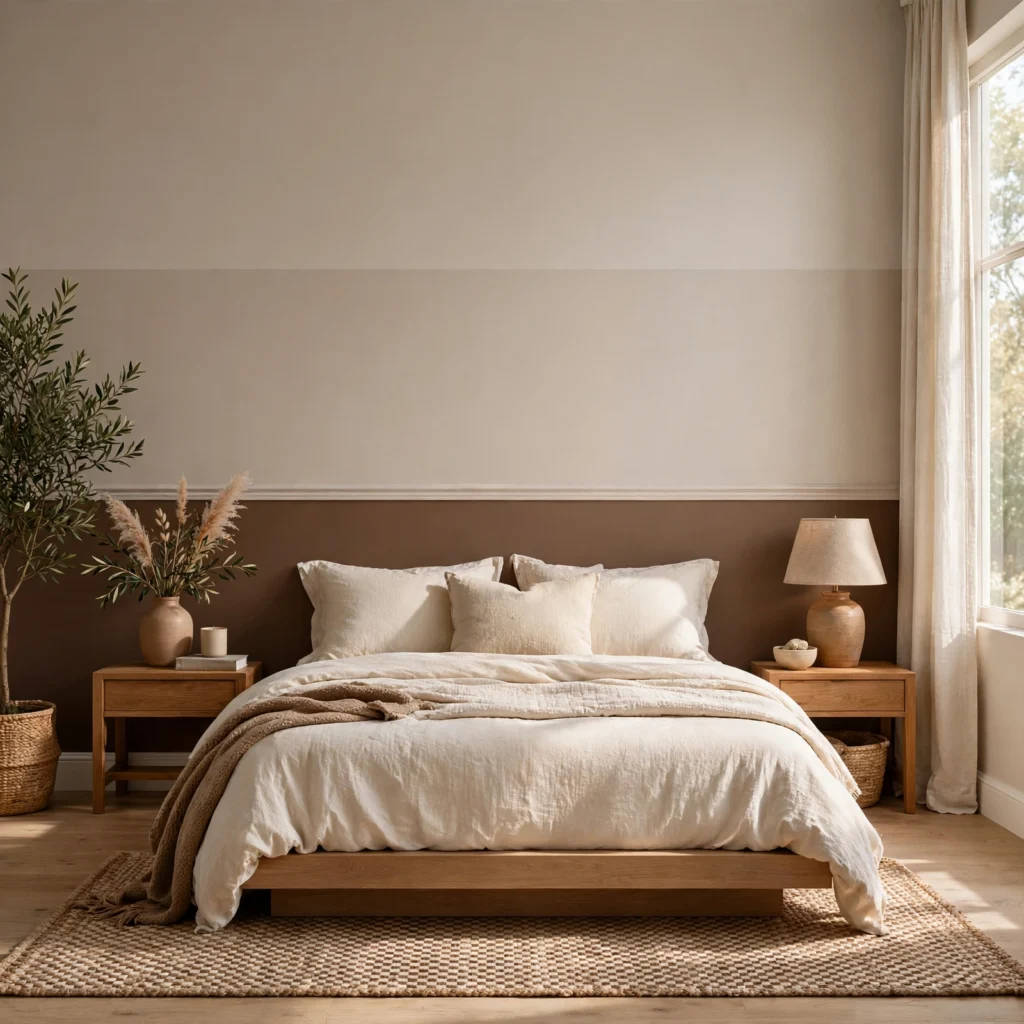
Splitting a wall into two shades of brown, with a lighter tone on top and a deeper tone below a chair rail or painted line, adds dimension without requiring a single bold color across the entire surface. This approach works particularly well in bedrooms with lower ceilings, since a darker lower half visually grounds the room while the lighter upper portion keeps it from feeling closed in. Choosing two shades from the same warm family keeps the look cohesive rather than choppy.
10. Layered Brown Textiles
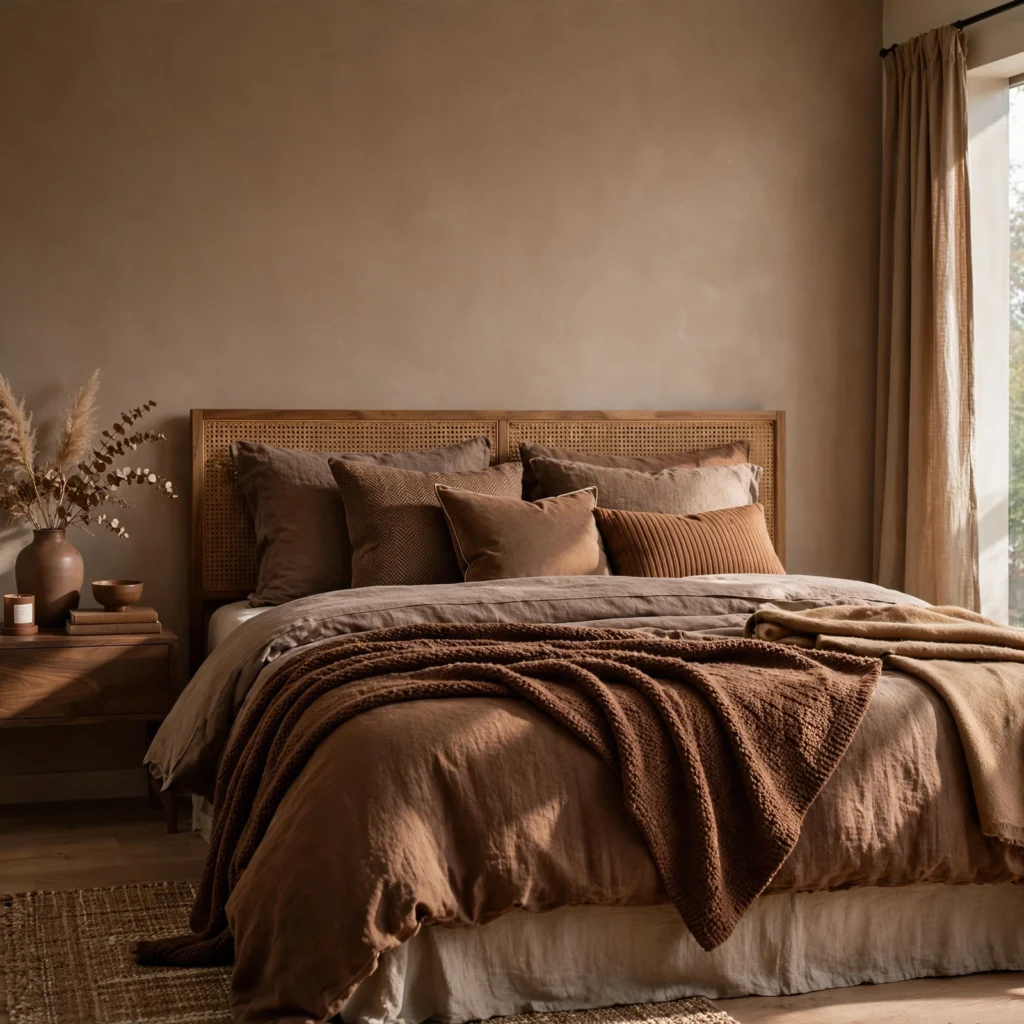
Combining several shades of brown across a throw blanket, accent pillows, and a window seat cushion creates depth without requiring any of the room’s larger surfaces, like walls or floor, to carry the color. Mixing a deeper chestnut pillow with a lighter camel throw, for example, avoids the flat look that comes from using a single shade across every textile in the room. This approach is especially useful in a rented space where painting isn’t an option but color variation is still desired.
11. Brown Ceiling Treatment
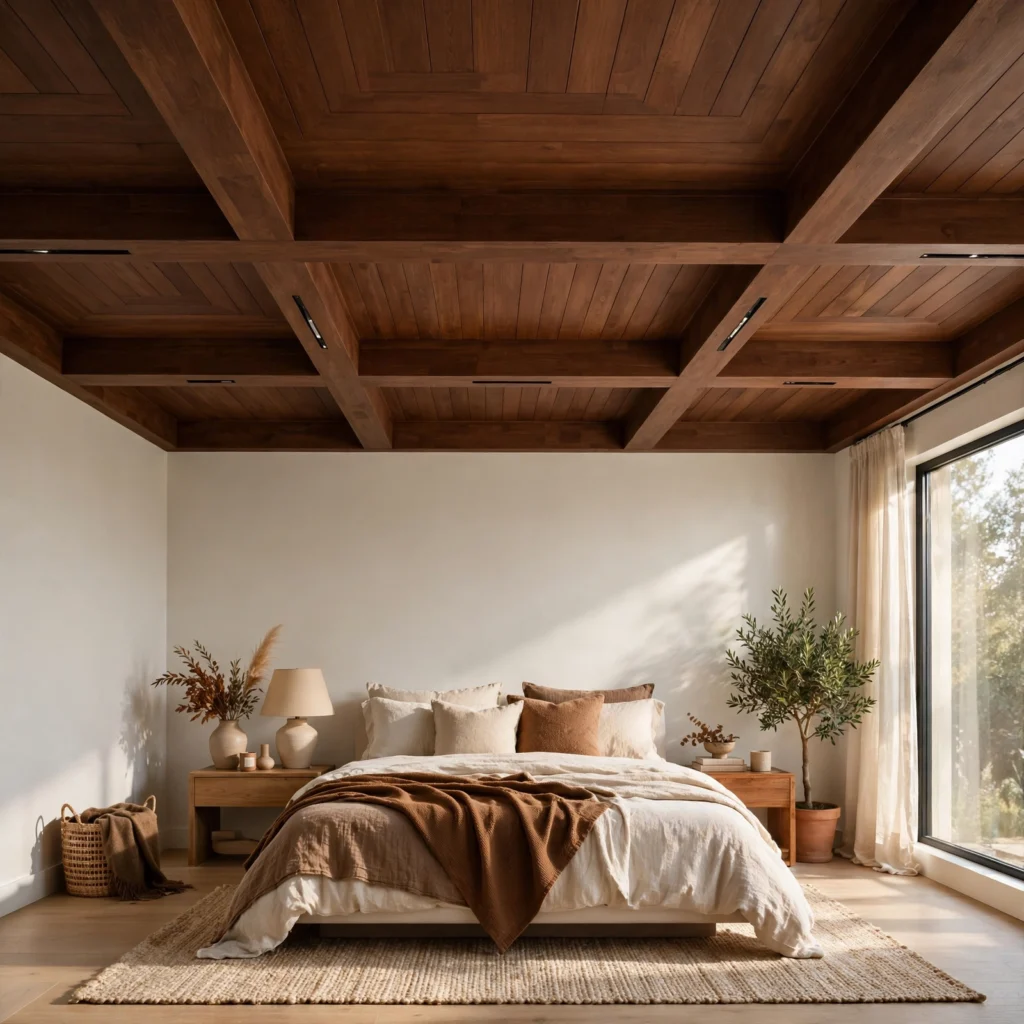
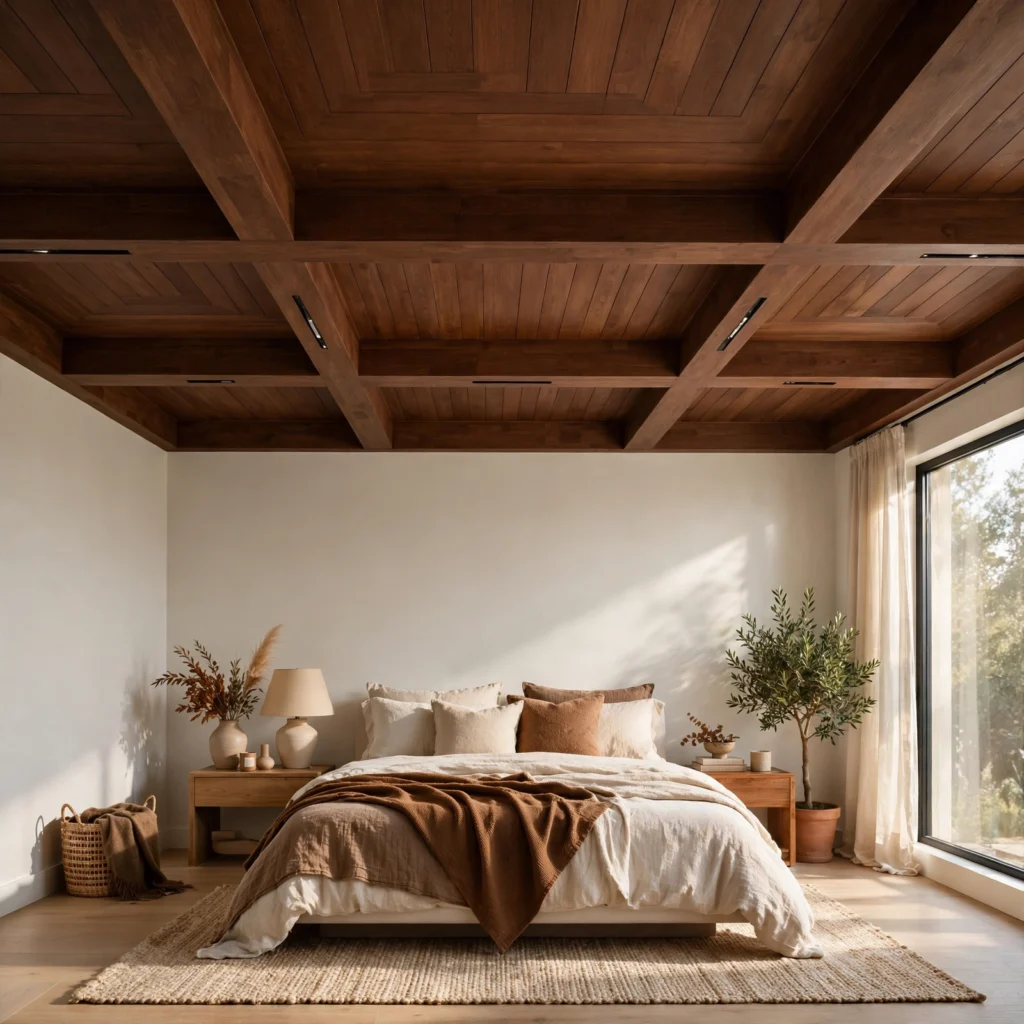
Extending a brown wall color up onto the ceiling, sometimes called color drenching, wraps the entire room in one continuous tone rather than stopping at the crown molding. This treatment works particularly well in bedrooms with lower ceilings, since it removes the visual break between wall and ceiling that can make a room feel shorter than it is. A slightly lighter shade of the same brown on the ceiling keeps the room from feeling like a solid box while still reading as one cohesive palette.
12. Cognac Leather Accent Chair
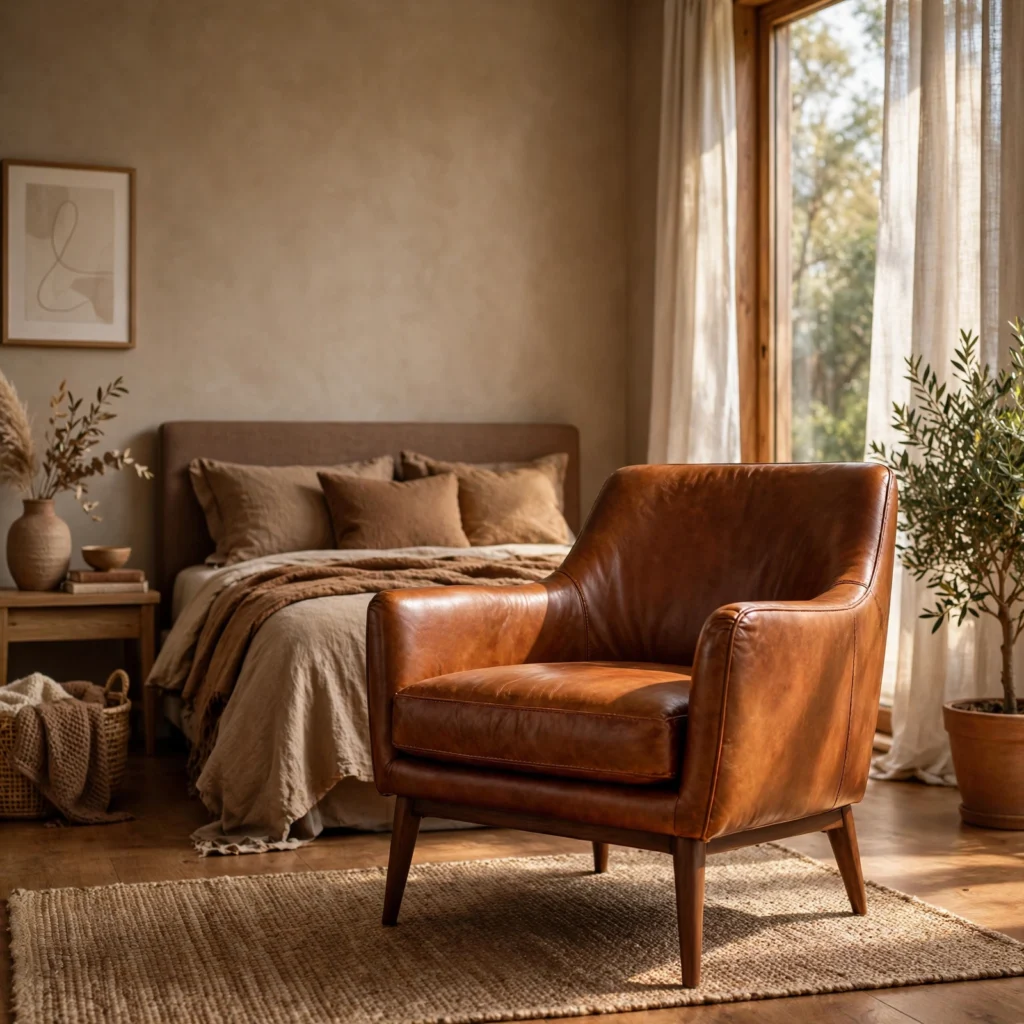
A single accent chair upholstered in cognac-toned leather adds a warm, tailored focal point to a corner or reading nook without requiring changes to the walls or bedding. The chair’s tone tends to bridge lighter camel walls and deeper espresso furniture, tying the room’s various brown tones together in one piece. This works particularly well in bedrooms with a mostly neutral base, where the chair becomes the room’s main source of deeper color and texture.
Shop the Look
A few specific pieces bring these ideas together well. Look for a matte espresso wall paint suited to bedrooms, a brown leather or faux leather upholstered headboard, camel-toned bedding in a brushed cotton or linen blend, a set of brass drawer pulls sized for a standard dresser, and a cognac leather accent chair.
Common Mistake to Avoid
The most common mistake with brown bedroom ideas is using a single flat shade of brown across the walls, bedding, and furniture, which can make the room feel dull or monotonous rather than warm and layered. Without variation between lighter and deeper tones, a brown palette loses the depth that makes it feel intentional. Mixing at least two or three shades, along with a lighter metal or cream accent, keeps the room from reading as one heavy, undifferentiated block of color.
FAQs
What color goes best with a brown bedroom?
Cream, warm white, and soft tan pair especially well with brown, since they lighten the palette without competing with its warmth. Brass and gold metal finishes also work particularly well against most brown shades, reinforcing the warmth rather than introducing a cooler contrast.
Is brown a good color for a bedroom?
Yes, brown is widely considered a grounding, restful color for a bedroom, often associated with comfort and stability. Lighter shades like sand or camel work well for a softer, more relaxed feel, while deeper tones like espresso or chestnut add drama and warmth without the coldness that can come from darker grays or blacks.
What shade of brown is best for a small bedroom?
Lighter, warmer shades like sandy tan or camel tend to work better in small bedrooms, since they reflect more light and avoid making the walls feel like they’re closing in. Deeper browns like espresso or chestnut can still work in a small space if used as a single accent wall rather than across the entire room.
Does brown bedroom paint make a room feel dark?
It can, particularly with deeper shades like espresso, but pairing the color with lighter accents, brass hardware, and adequate lighting helps offset that effect. Using a deep brown as a single accent wall rather than throughout the entire room also keeps the space from feeling overly enclosed.
How do you make a brown bedroom feel modern instead of dated?
Mixing in warm metals like brass, pairing brown with cream rather than heavier, more saturated colors, and layering multiple shades of brown together all help the palette feel current rather than dated. Avoiding an all-matched wood tone throughout the room, in favor of some variation between furniture pieces, also keeps the look from feeling stuck in an earlier design era.
Conclusion
These brown bedroom ideas work best when multiple shades and warm accents are layered together rather than relying on a single flat tone to carry the whole room. Whether you start with a full sandy tan repaint or a smaller leather headboard swap, each idea here scales to fit your space and how deep you want the color to read. Save this post to Pinterest for later, and check out our related guide on small bedroom storage solutions for more design inspiration.