15 Trending Classroom Decor Ideas That Support Real Learning
A classroom sets the emotional tone for an entire school year before a single lesson is even taught, and that tone comes largely from how the space looks and functions. This guide walks through fifteen classroom decor ideas covering seating, storage, wall displays, and lighting that work across elementary, middle, and high school settings. By the end, you’ll have practical options suited to different budgets, room sizes, and subject areas, along with sizing and spacing guidance to execute each one without disrupting instructional time.
Trend & Background
Classroom design has shifted away from rows of matching desks and wall-to-wall posters toward flexible, calmer environments built around natural materials, muted color palettes, and student-directed spaces like reading nooks or collaboration corners. This reflects a broader recognition that visual clutter can increase distraction and anxiety, particularly for students with sensory sensitivities, prompting many districts to favor fewer, more intentional displays over dense bulletin boards. It matters now because teachers are increasingly expected to support both academic and emotional needs within the same limited square footage, making thoughtful, functional decor choices more valuable than purely decorative ones.
Key Takeaways
- Functional decor, like flexible seating and labeled storage bins, does more for classroom management than decorative posters alone.
- Layering calming colors with organized visual systems helps students self-regulate and find materials independently.
- Budget-friendly options exist for nearly every idea here, from thrifted furniture to printable wall displays.
- Matching decor density to grade level prevents the most common mistake teachers make: overcrowding the walls.
1. Flexible Seating Zones
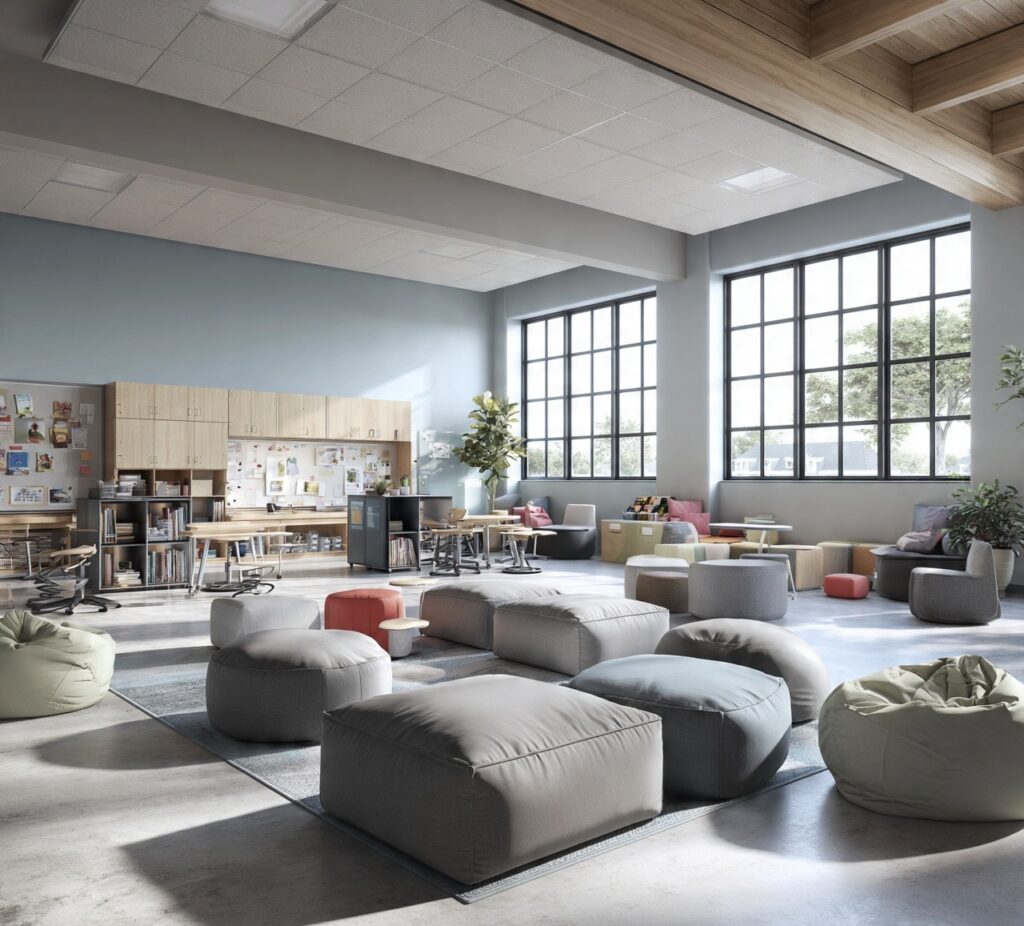
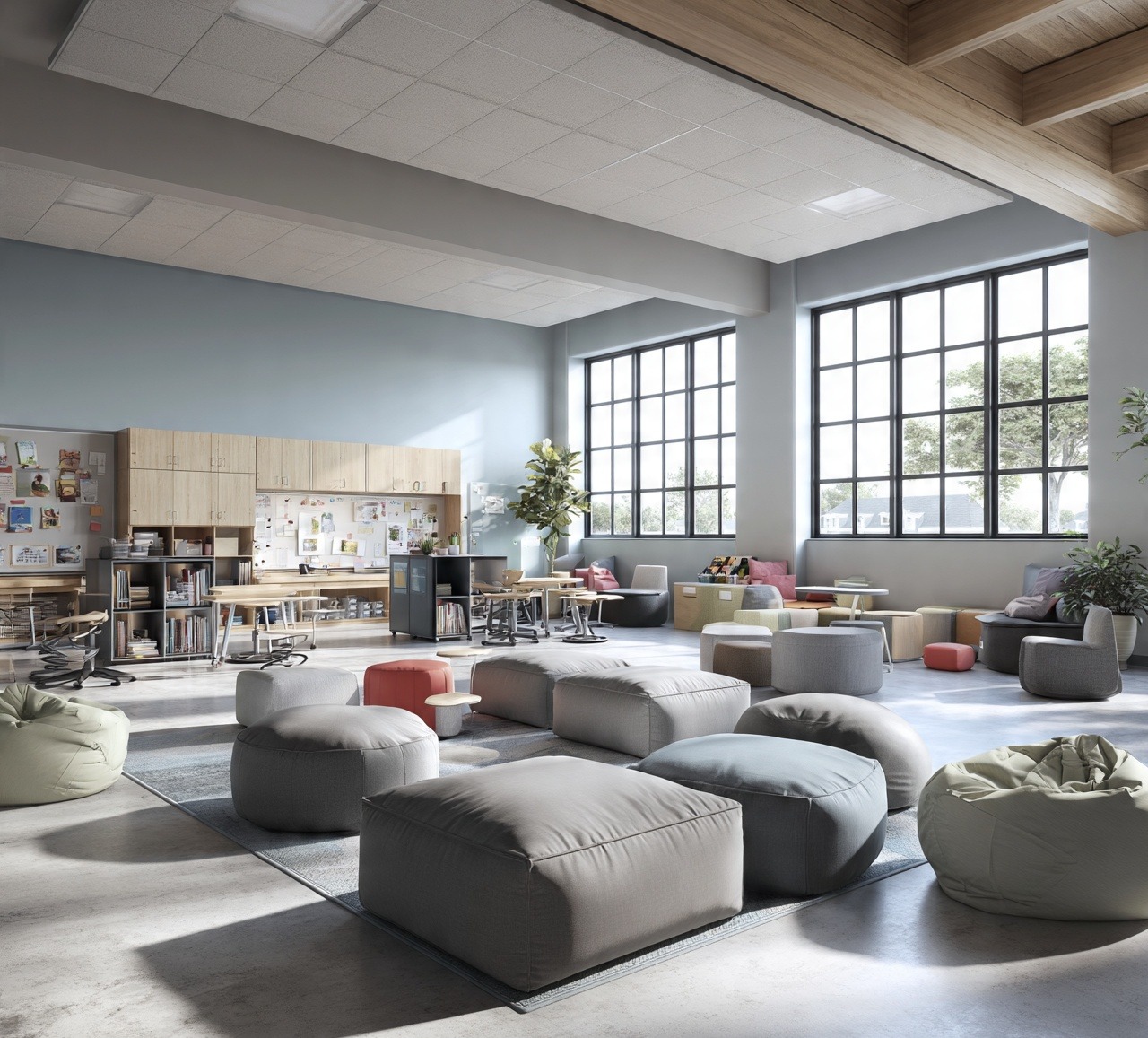
Flexible seating zones replace uniform desk rows with a mix of low tables, floor cushions, wobble stools, and standard chairs arranged into distinct areas of the room. This setup allows students to choose a seating style that matches their learning preference or current task, whether that’s quiet independent reading or a small group project. Zoning the room with a rug or furniture placement, rather than physical dividers, keeps sightlines open for the teacher while still giving each area a distinct visual identity.
2. Labeled Storage Bins
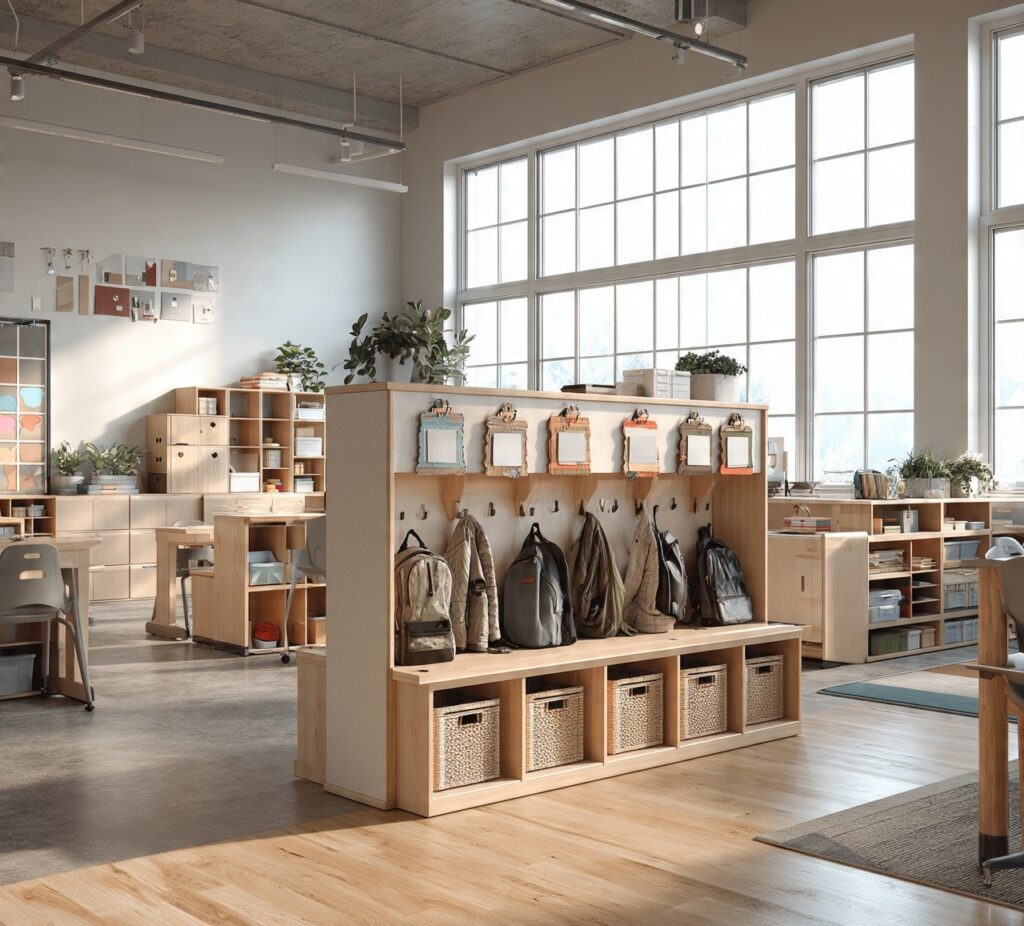
Labeled storage bins organize classroom supplies, from art materials to math manipulatives, into clearly marked containers that students can access without asking for help. Clear plastic bins work well for younger grades where visual recognition matters more than reading the label, while opaque bins with printed labels suit older students who read independently. Grouping bins by subject or activity type on open shelving, rather than scattering them across multiple cabinets, reduces the time lost during transitions between tasks.
| Bin Size | Best Use | Recommended Grade Level |
| Small (6–8 qt) | Individual supplies, flashcards | K–2 |
| Medium (12–16 qt) | Shared materials, art supplies | 3–5 |
| Large (20+ qt) | Group project materials, books | 6–12 |
3. Reading Nook Corner
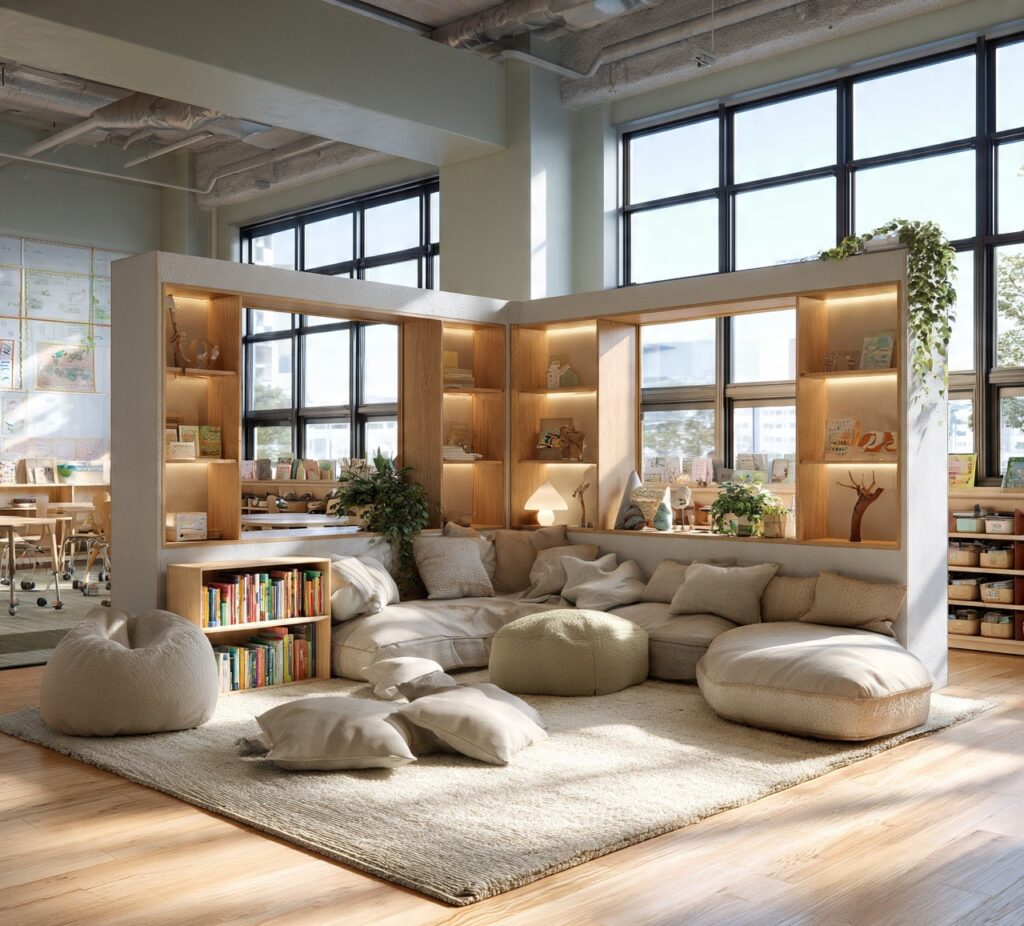
A reading nook corner uses a rug, floor cushions or a small loveseat, and a low bookshelf to create a defined, cozy space set apart from the rest of the classroom. Positioning the nook away from high-traffic areas like the door or pencil sharpener helps it stay quiet enough for actual reading rather than becoming a pass-through space. Soft string lights or a single warm-toned lamp, rather than overhead fluorescent lighting, reinforces the nook as a distinct zone within the larger room.
4. Classroom Decor With Neutral Color Palette
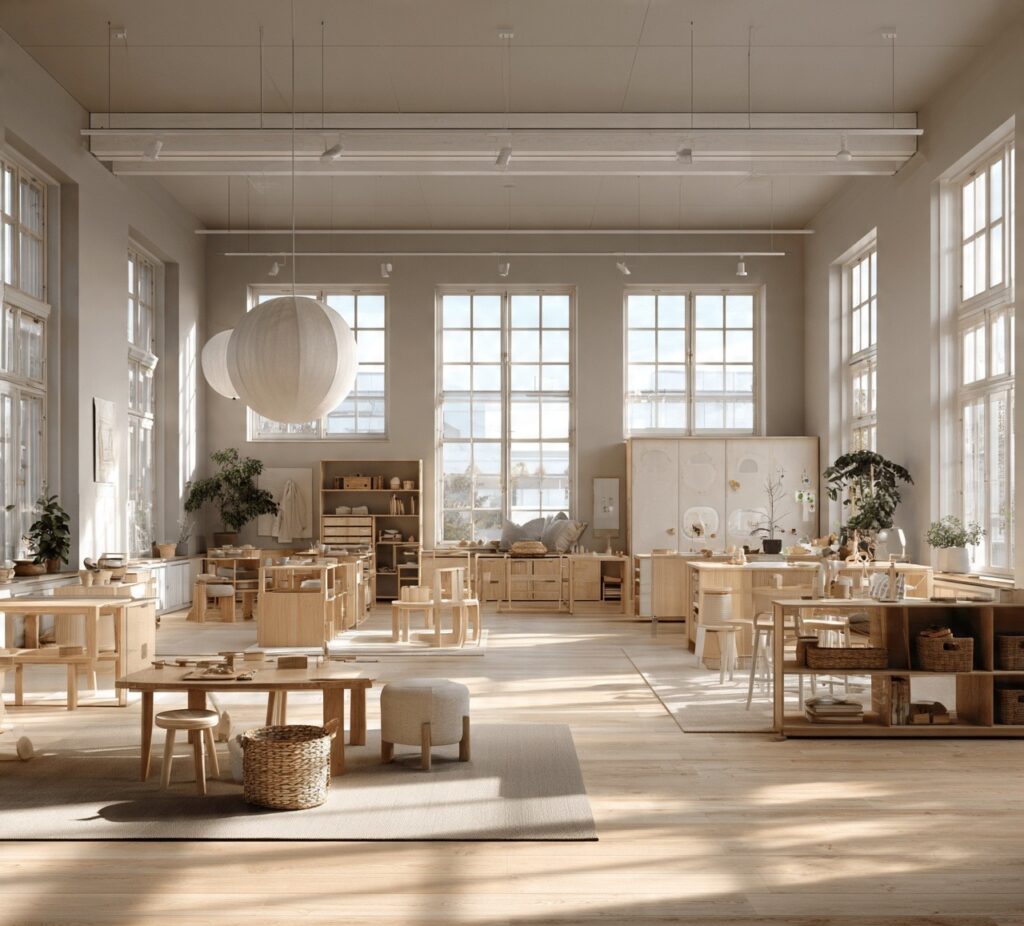
A neutral color palette built around soft sage, warm white, and muted terracotta replaces the primary-color scheme common in many elementary classrooms, creating a calmer visual environment that still feels warm and inviting. This classroom decor approach works particularly well in rooms serving students with sensory sensitivities, since it reduces the visual competition between wall colors and instructional materials. Accent colors can still appear through smaller elements like cushions or bulletin board borders, without overwhelming the room’s overall base tone.
5. Modular Whiteboard Panels
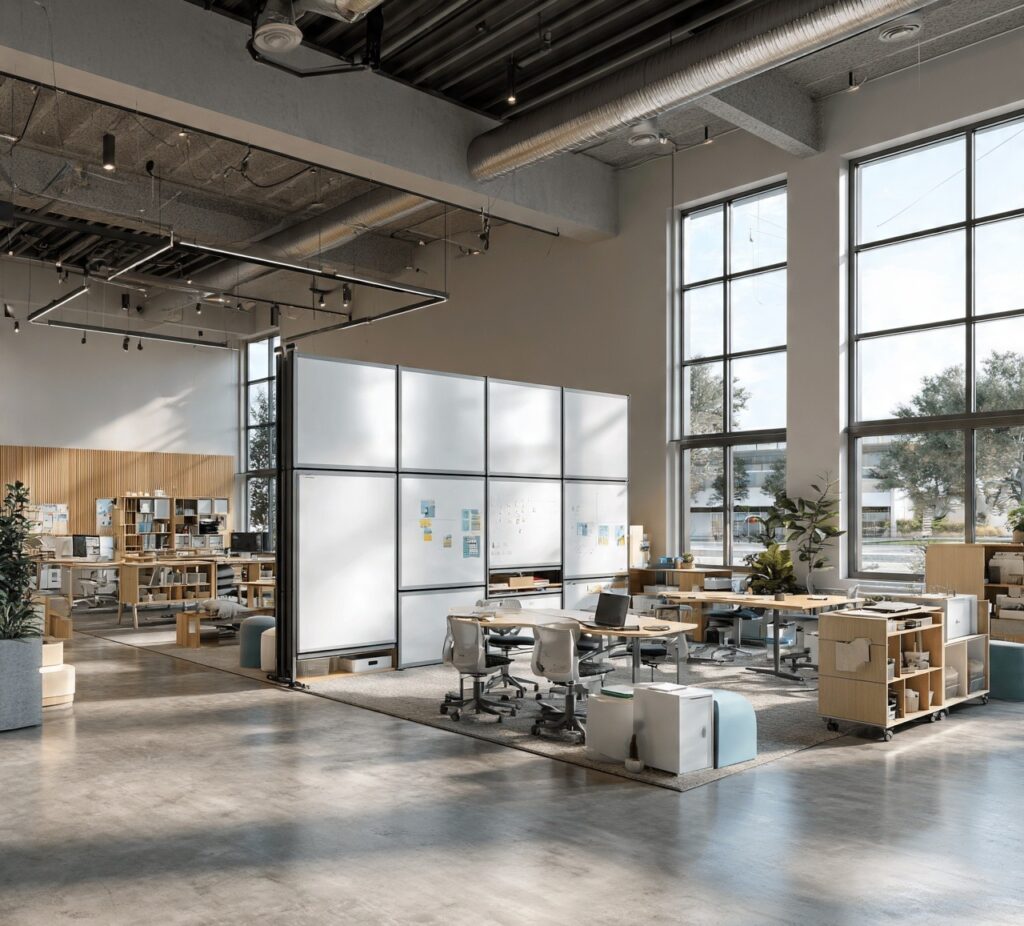
Modular whiteboard panels mount directly to the wall in individual sections, giving small groups of students their own dedicated writing surface for collaborative work without needing a single shared board. These panels typically come in 2-foot or 3-foot squares and can be arranged in a grid or scattered layout depending on available wall space. Because each panel is independent, damaged or heavily used sections can be replaced individually rather than requiring a full board replacement.
6. Vertical Plant Wall
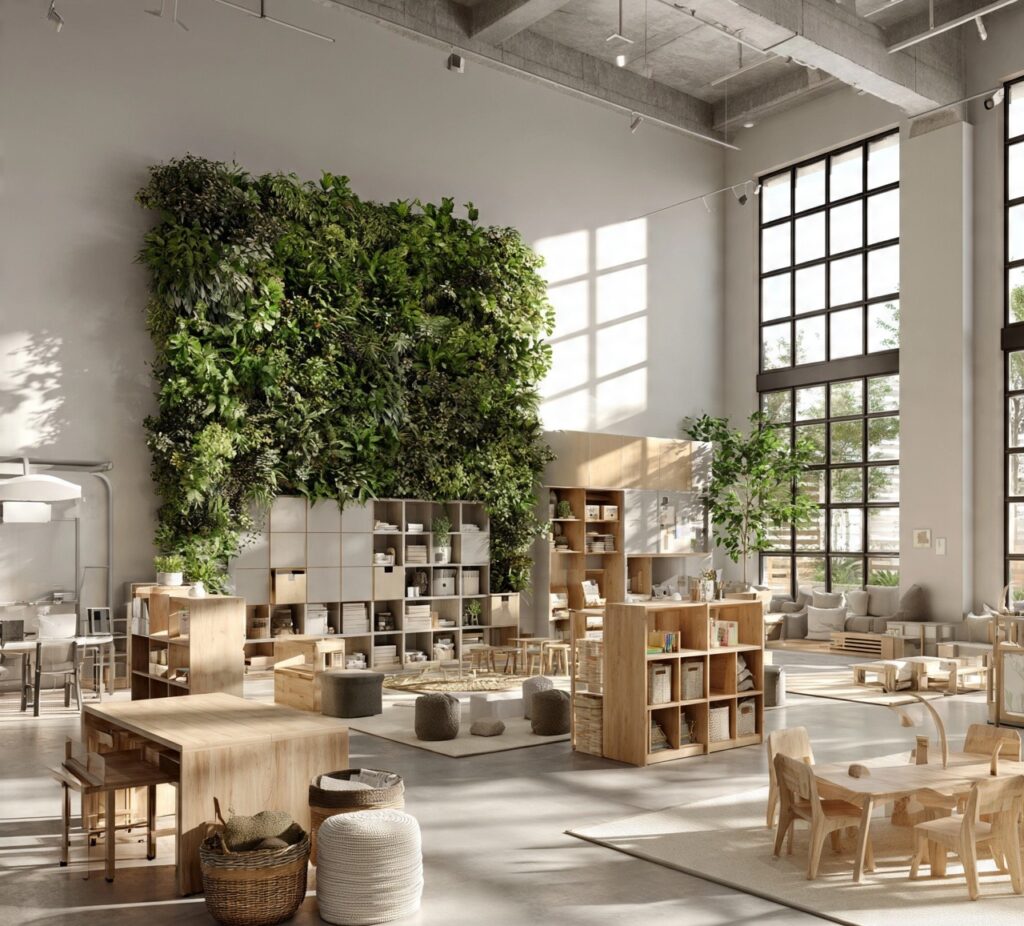
A vertical plant wall uses a tiered shelf or wall-mounted planter system to bring greenery into the classroom without consuming floor space needed for desks or seating. Low-maintenance plants like pothos, snake plants, or spider plants tolerate classroom lighting and inconsistent watering schedules better than more delicate species. Assigning plant care to a rotating student job also builds a small sense of ownership and responsibility into the room’s daily routine, beyond the decor itself.
7. Word Wall Display
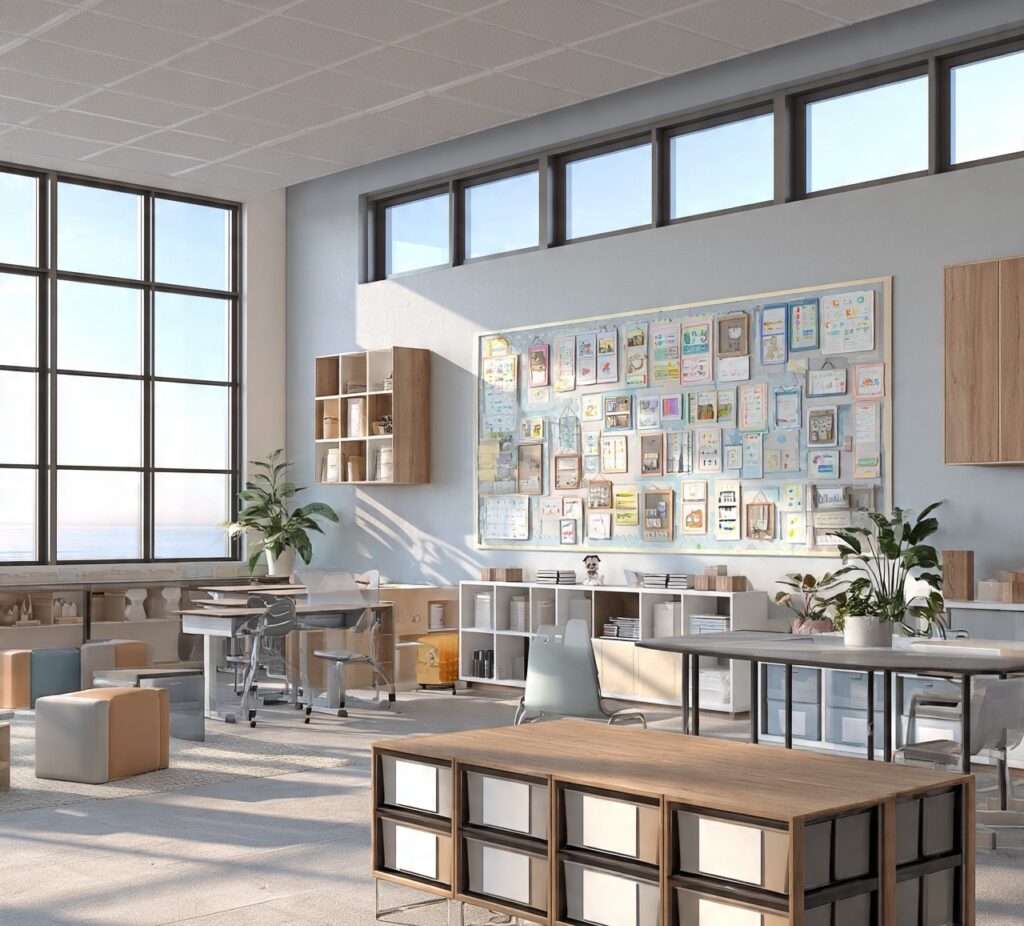
A word wall display organizes vocabulary words, sight words, or subject-specific terms alphabetically or by category on a dedicated section of wall space, giving students a consistent reference point throughout the year. Using consistent card sizing and a limited color palette, rather than mismatched printed sheets, keeps the display legible even as it grows over several months. Placing the wall at student eye level, rather than above head height, ensures the resource stays actually usable rather than purely decorative.
8. Cushioned Window Seat
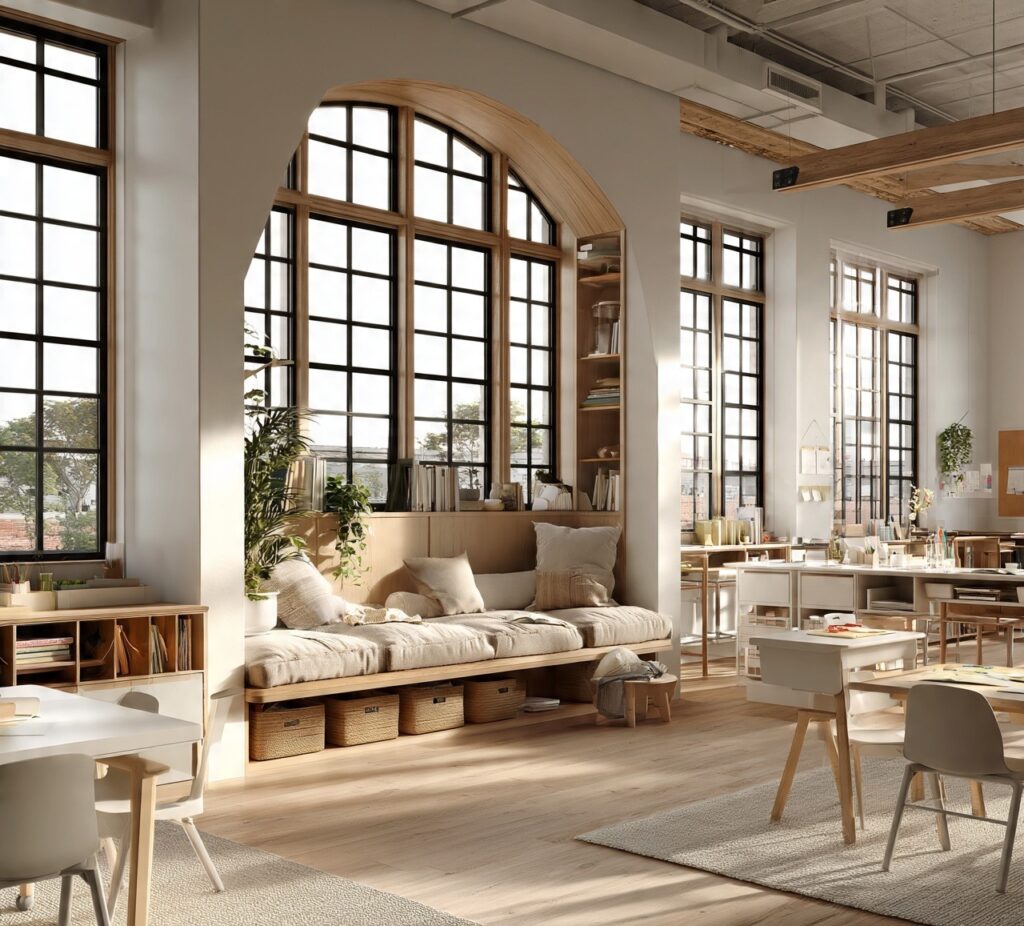
A cushioned window seat converts an existing window ledge or a built-in bench beneath a window into a soft seating option, using a fitted cushion and a few throw pillows in durable, wipeable fabric. This works particularly well in older buildings with deep window sills, and it adds seating capacity without requiring additional floor space for chairs or desks. Positioning small storage baskets beneath the bench, if the depth allows, adds function without cluttering the seating surface itself.
9. Bulletin Board Border Kit
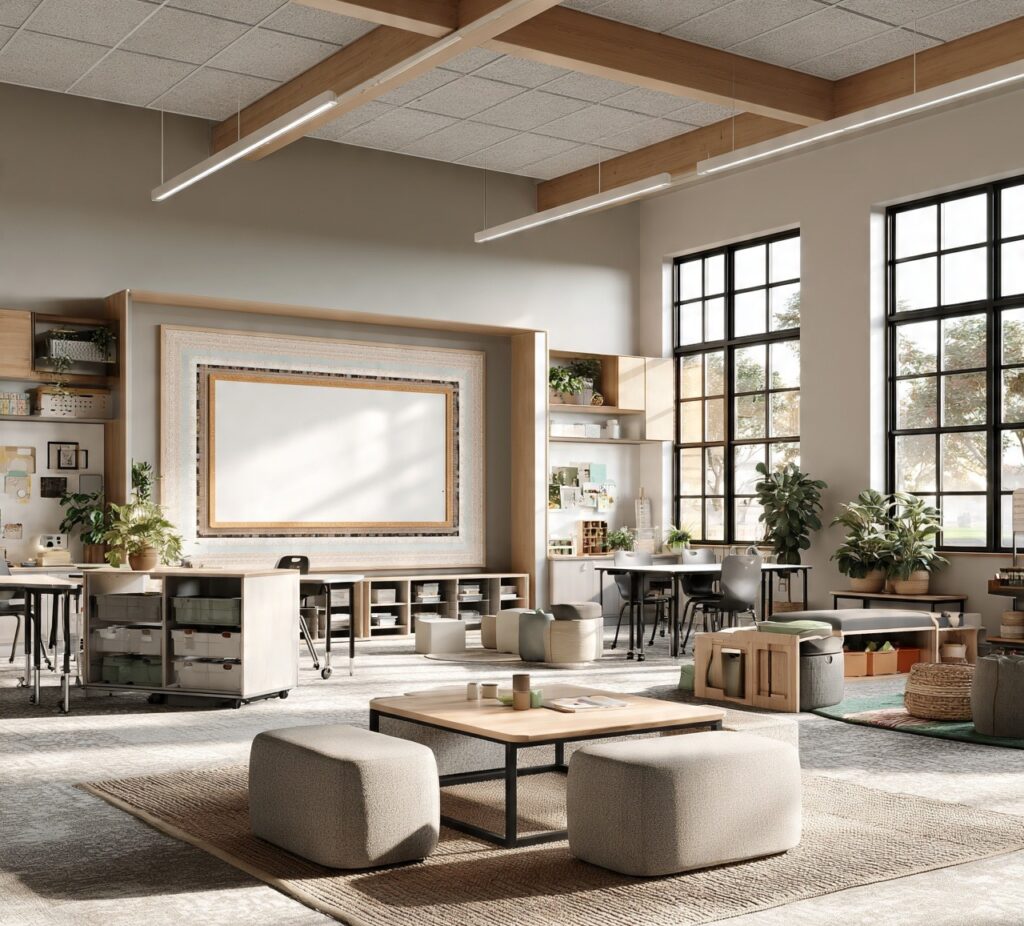
A bulletin board border kit uses coordinated paper strips, ribbon, or washi tape to frame student work, announcements, or seasonal displays with a cohesive, professional edge rather than bare cork board margins. Choosing a border pattern that matches the room’s broader color palette, rather than a mismatched trend-driven design, keeps the boards feeling intentional even as their content changes throughout the year. Rotating only the border’s seasonal accents, rather than the full border, saves setup time between units.
10. Rug-Defined Meeting Area
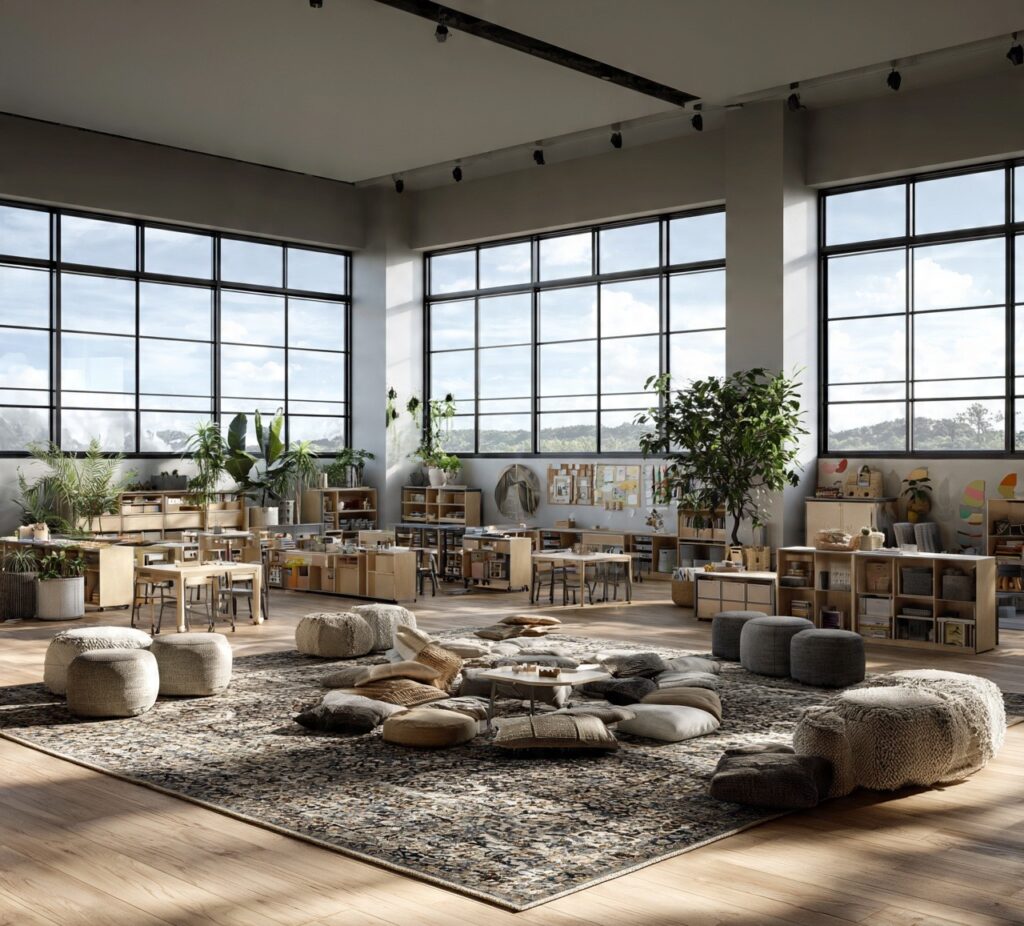
A rug-defined meeting area uses a large, patterned or solid-color rug to mark a central gathering space for whole-class instruction, morning meetings, or read-alouds. Sizing the rug to comfortably seat the full class in rows or a semicircle, typically at least 6 by 9 feet for a class of 20 to 25 students, prevents overcrowding during group time. A durable, low-pile rug in a commercial-grade material holds up better to daily foot traffic and occasional spills than a plush residential-style rug.
To see more optinons for diy room decor for teens CLICK HERE
11. Hanging Fabric Canopy
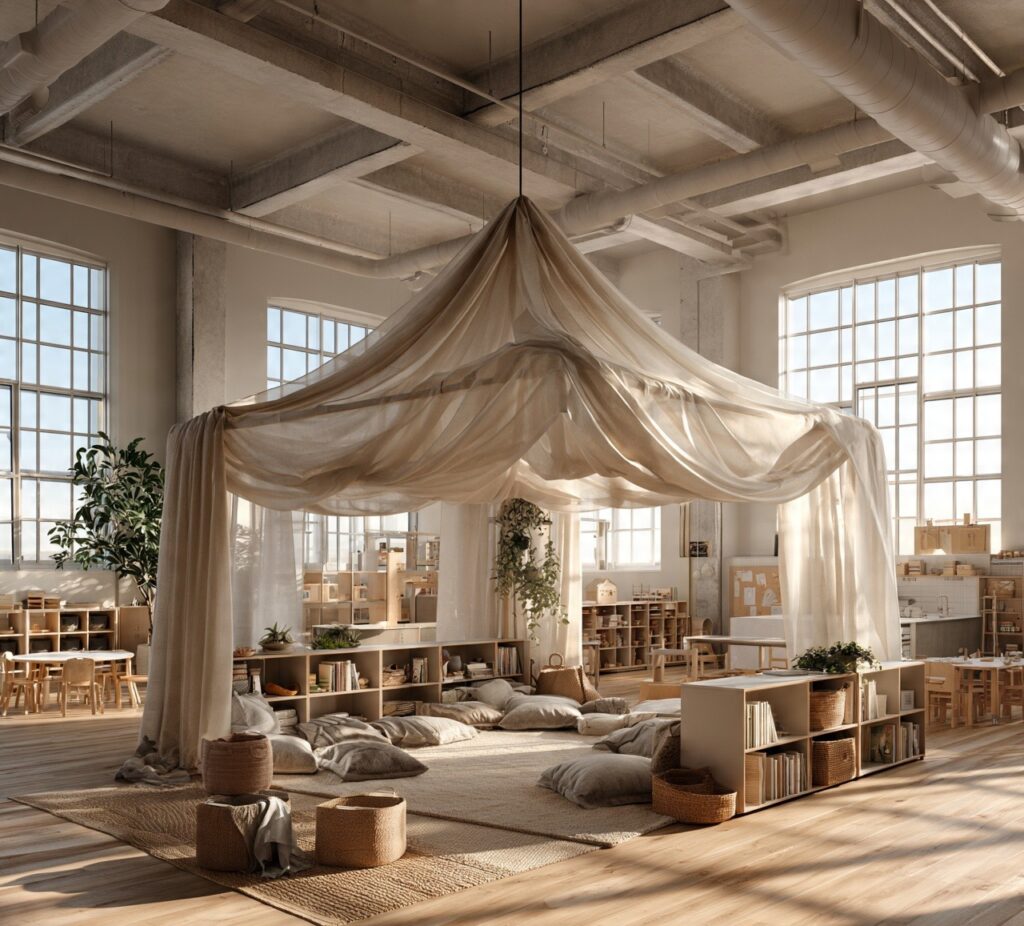
A hanging fabric canopy uses lightweight, fire-retardant fabric suspended from the ceiling above a reading nook or meeting area to create a softer, more enclosed feeling without permanent construction. This works well in classrooms with exposed or unfinished ceiling tiles, since the canopy also helps dampen overhead noise in that section of the room. Checking the fabric’s fire rating and the school’s specific policy on ceiling installations before adding this decor element is an important first step, since requirements vary by district.
12. Growth Mindset Wall
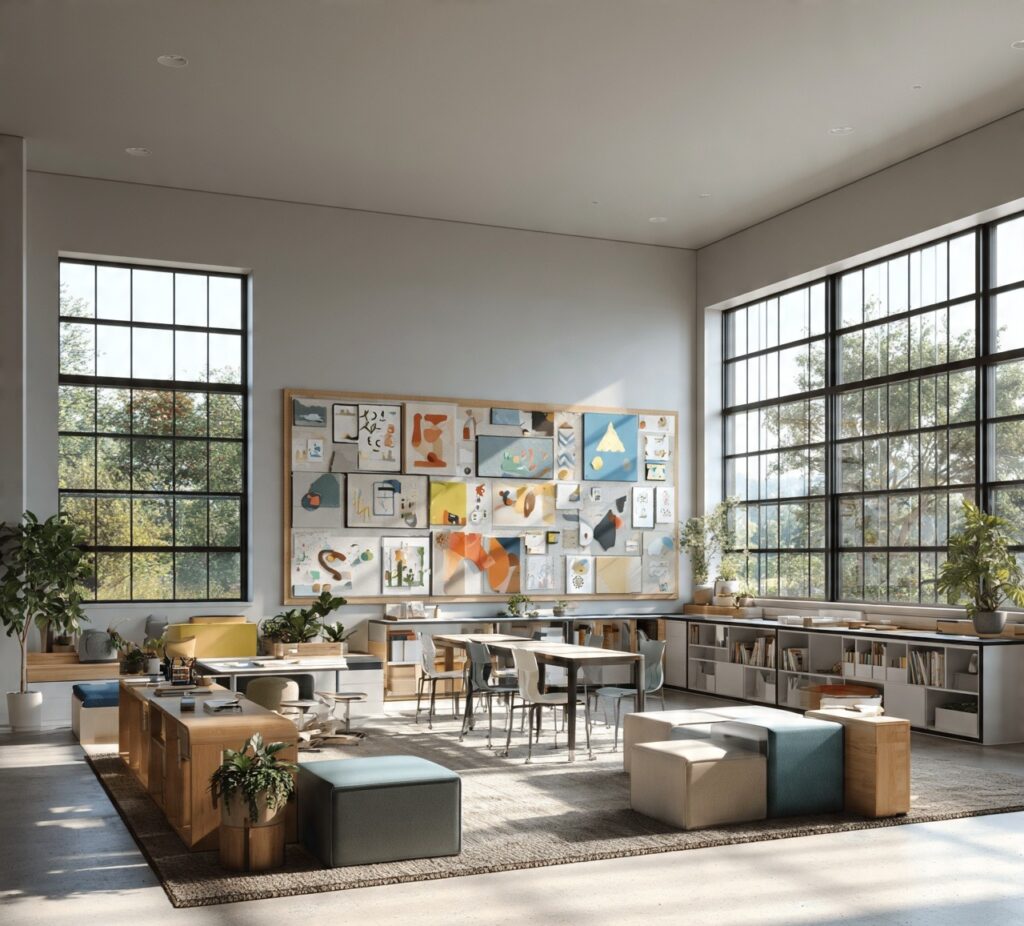
A growth mindset wall displays motivational phrases, student reflection prompts, or a visual tracker for class-wide goals in a dedicated section of the room, distinct from academic content walls like the word wall. Rotating the specific prompts or trackers every few weeks keeps the display relevant rather than becoming background noise students stop noticing. Keeping the color palette and font style consistent with the rest of the room’s decor prevents this wall from visually competing with instructional materials nearby.
13. Labeled Coat Hook Station
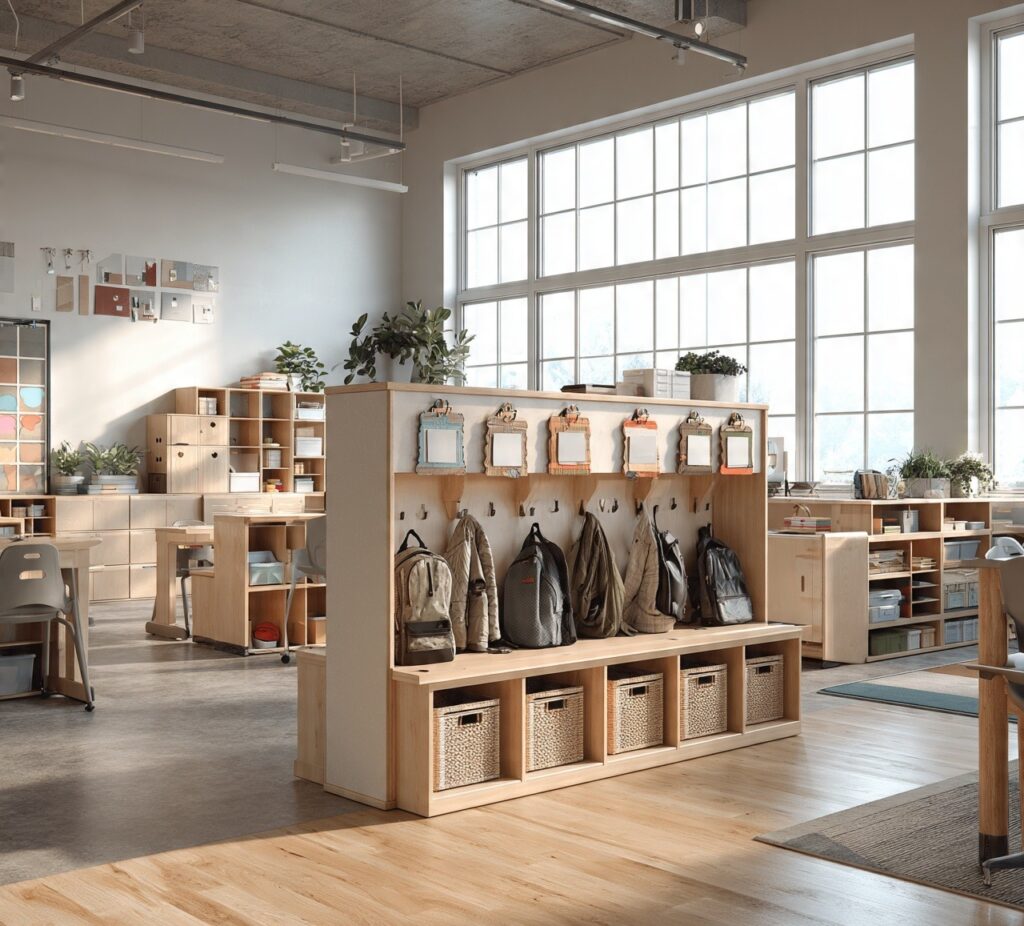
A labeled coat hook station assigns each student an individual hook, often marked with their name or a small photo, for backpacks, coats, and personal items near the classroom entrance. This reduces the daily scramble for space on a single shared rack and helps younger students build independence around managing their own belongings. Spacing hooks at least 8 inches apart prevents jackets and bags from tangling together, which matters more in classrooms with younger students still developing fine motor coordination.
| Grade Level | Recommended Hook Height | Hook Spacing |
| K–2 | 30–36 inches | 8–10 inches |
| 3–5 | 36–42 inches | 8–10 inches |
| 6–12 | 42–48 inches | 6–8 inches |
14. Student Work Gallery
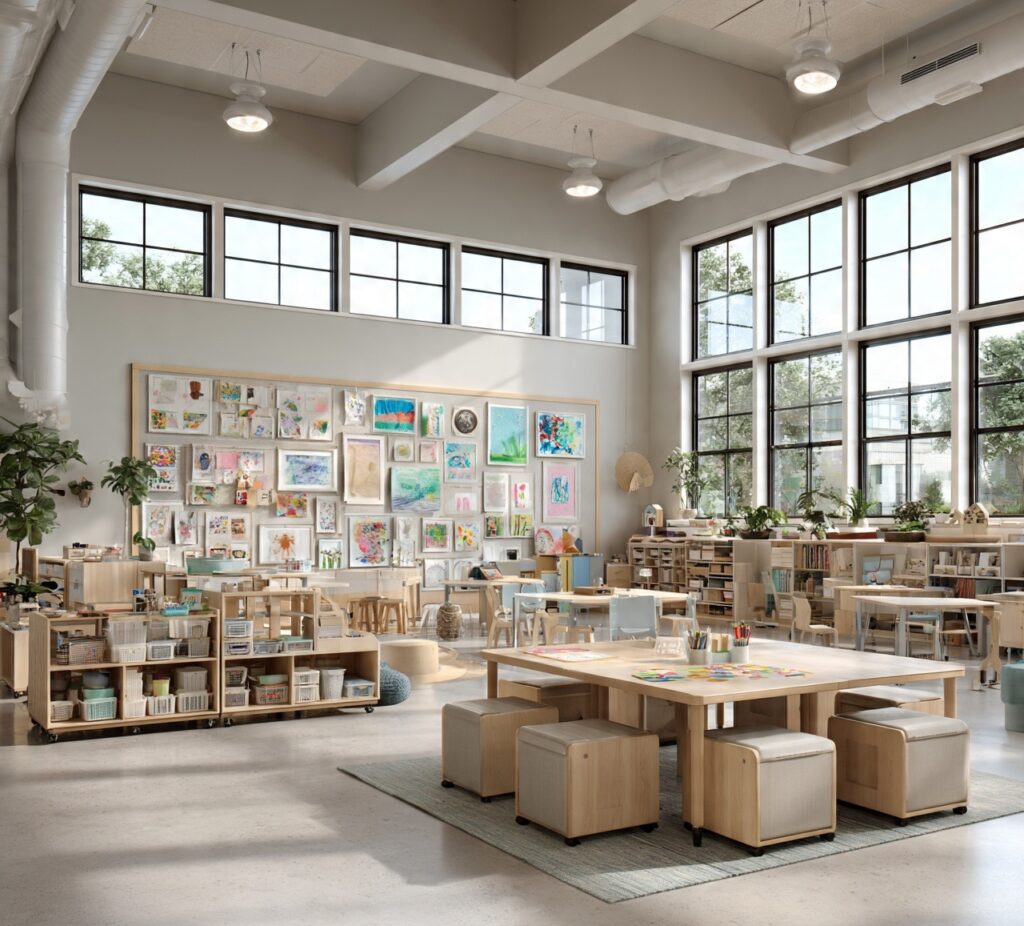
A student work gallery dedicates wall or bulletin board space specifically to displaying completed assignments, projects, or artwork, rotating the content regularly rather than leaving the same pieces up all year. Using simple, uniform frames or mats for displayed work gives even quickly completed assignments a more finished, gallery-style presentation. This idea also gives students a visible sense of ownership over the room, which tends to increase engagement more than teacher-created decor alone.
15. Task Lighting Add-On
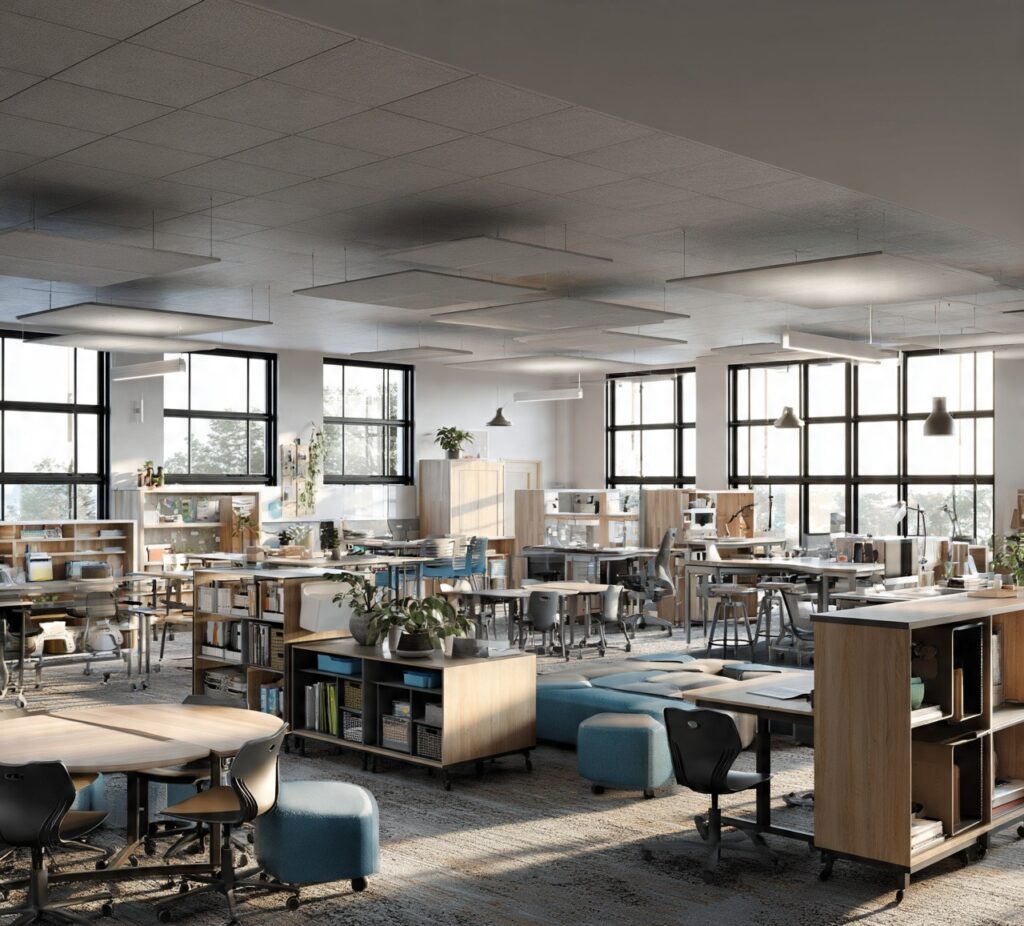
A task lighting add-on uses a few warm-toned floor or desk lamps placed in reading nooks, small group tables, or independent work areas to supplement the harsher overhead fluorescent lighting standard in most school buildings. This softer lighting reduces eye strain during longer independent work periods and helps define specific zones within an otherwise uniformly lit room. Checking the lamp’s cord length and the room’s available outlets before placement prevents tripping hazards, which matters especially in rooms with younger students moving through the space frequently.
Shop the Look
For this palette, look for a set of stackable wobble stools in a muted sage finish, clear labeled storage bins in small and medium sizes, a 6-by-9-foot commercial-grade rug for the meeting area, a low bookshelf paired with floor cushions for the reading nook, and a warm-toned floor lamp for the independent work zone. These pieces work together across several of the ideas above without requiring a full classroom furniture replacement in one pass.
Common Mistake to Avoid
The most common mistake is overcrowding the walls with too many overlapping displays, which can overwhelm students rather than support them, particularly in classrooms serving younger children or students with sensory sensitivities. Filling every available inch of wall space with posters, borders, and printed materials often makes it harder for students to locate the specific resource they actually need in the moment. Leaving some intentional blank wall space, and rotating displays regularly instead of layering new ones on top of old ones, keeps the room feeling organized rather than cluttered.
FAQs
What classroom decor ideas work best on a limited budget?
Labeled storage bins, a bulletin board border kit, and a rug-defined meeting area using an existing rug all work well on a limited budget, since they rely on organization and existing furniture rather than new purchases. Thrifted floor cushions or a secondhand bookshelf for a reading nook also keep costs low. Prioritizing function-first decor, like storage and seating, over purely decorative wall displays tends to stretch a limited classroom budget further across the full school year.
How much wall space should be used for classroom decor?
Most classroom design guidance suggests keeping roughly a third of total wall space intentionally blank or lightly decorated, reserving the remainder for a mix of instructional displays like a word wall and rotating student work. Covering every available surface with posters and borders can increase visual clutter and distraction, particularly for younger students or those with sensory sensitivities. Balancing dense areas, like a word wall, with calmer stretches of wall gives students visual rest points throughout the room.
What colors work best for classroom decor?
Muted, natural tones like sage green, warm white, and soft terracotta currently work well for classroom decor, since they create a calmer backdrop than the bright primary colors common in older classroom design trends. These neutral palettes still allow for color through smaller elements like cushions, storage bins, or bulletin board accents without overwhelming the room. Brighter colors still have a place in early childhood classrooms specifically, where high visual contrast can support developing recognition skills.
How do I create flexible seating without a big budget?
Flexible seating without a big budget typically starts with repurposing existing chairs and tables into distinct zones using rugs or tape lines, rather than purchasing new furniture immediately. Floor cushions, which cost less than wobble stools or bean bags, can create a low-seating option, while a single secondhand loveseat or bench adds a soft seating zone. Introducing one new seating type per semester, rather than overhauling the whole room at once, spreads the cost across the school year.
How often should classroom wall displays be rotated?
Classroom wall displays like a student work gallery or a growth mindset wall generally benefit from rotation every two to four weeks, keeping the content relevant to current units rather than becoming background noise students stop noticing. Reference displays like a word wall can stay up longer since their purpose is ongoing use rather than timely content. Setting a specific day each month for rotating displays helps this stay consistent rather than falling behind during busier parts of the school year.
Conclusion
These classroom decor ideas cover everything from low-cost organizational swaps to larger furniture investments, giving you options regardless of grade level, subject area, or budget. Start with one or two updates that address your room’s biggest gap, whether that’s storage, seating, or wall clutter, and build from there as the school year progresses. Save this guide to Pinterest for later, and check out our related post on small-space furniture layouts for more room-specific guidance.