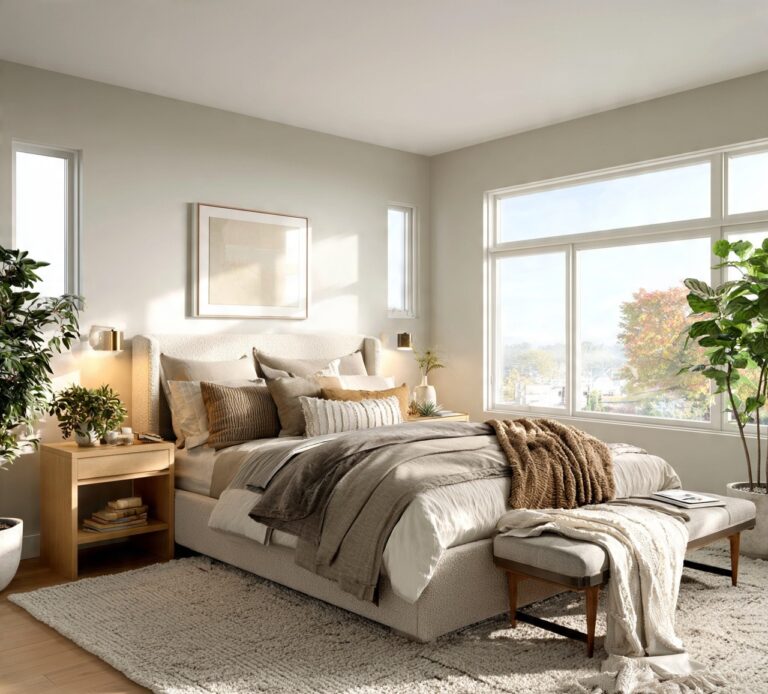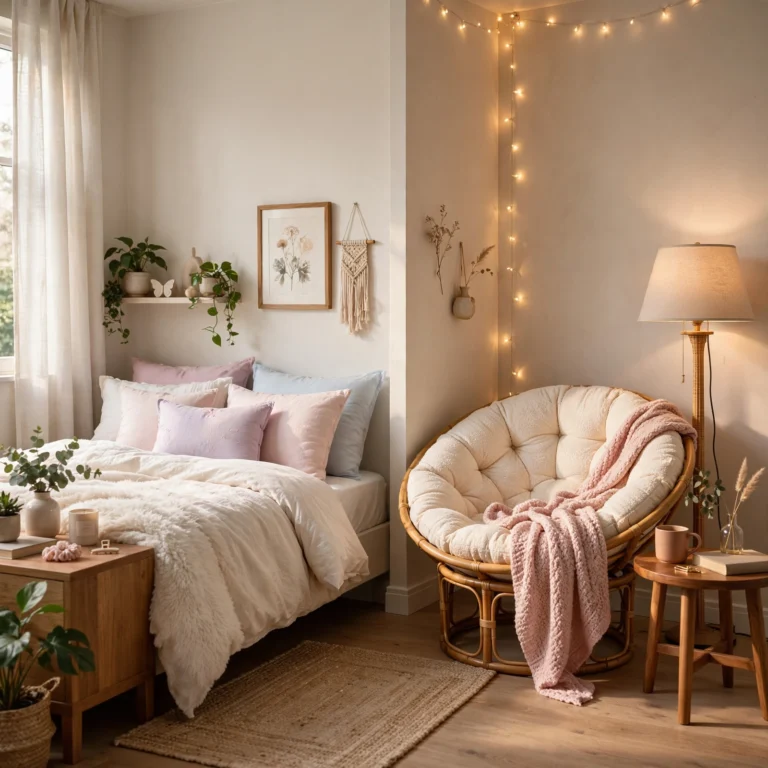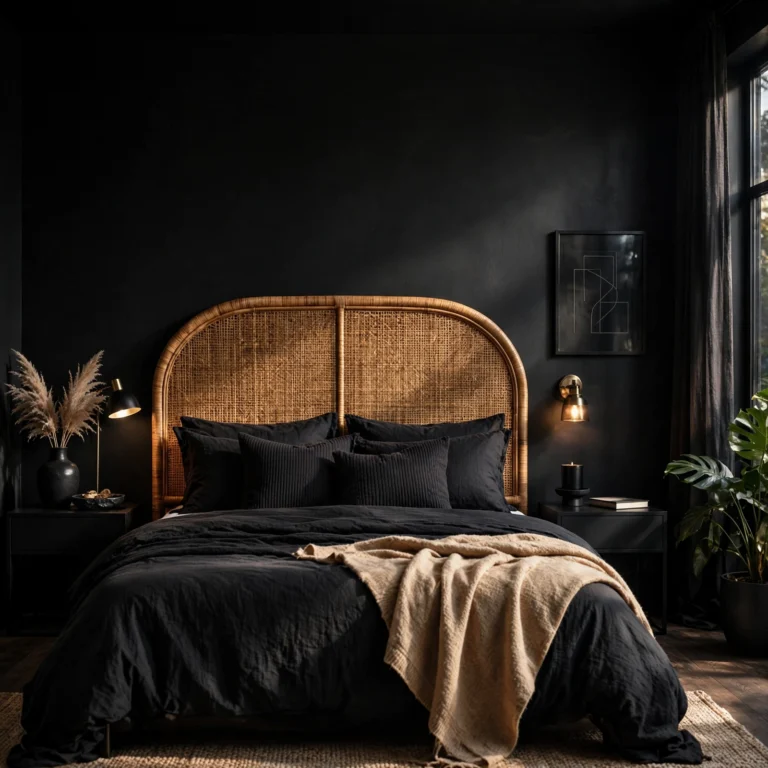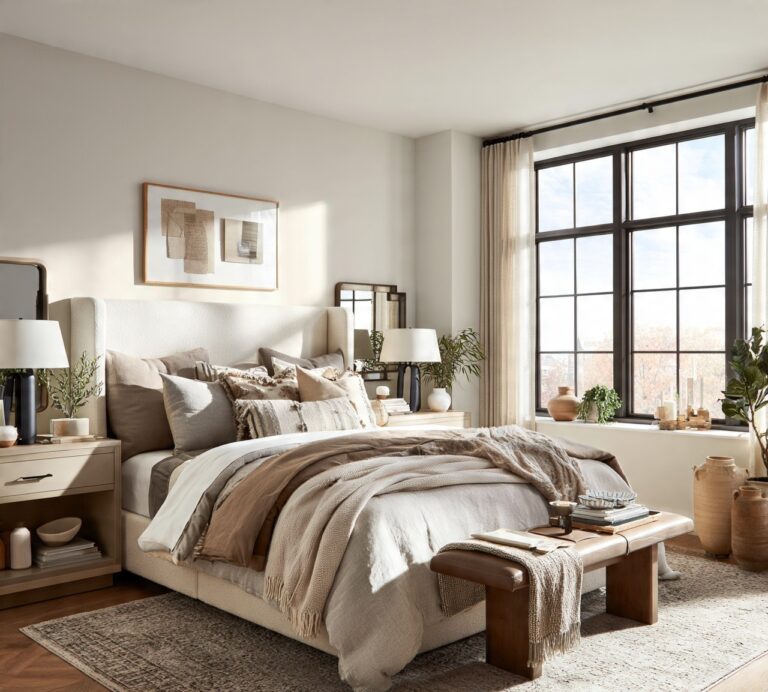
12 Trending Simple Bedroom Ideas for an Uncluttered Space
A simple bedroom isn’t about having less for its own sake, it’s about choosing fewer things more deliberately so the room feels calm rather than bare. These twelve simple bedroom ideas cover furniture, storage, and styling choices that pare a room down without leaving it feeling unfinished or cold. By the end, you’ll have specific updates that help you edit down an overcrowded room or build a new one with intention from the start.
Trend & Background
Simple bedroom design has grown alongside a broader interest in slower, more deliberate living, where fewer possessions and a calmer visual environment are treated as a benefit rather than a limitation. This has shown up in design through pared-back color palettes, furniture with fewer decorative details, and a general move away from filling every wall and shelf with objects. This matters now because a genuinely simple room takes more thought than an overstuffed one, and getting the balance right, enough texture and warmth without clutter, has become the real skill behind the style.
Key Takeaways
- Simple bedroom ideas focus on fewer, well-chosen pieces rather than filling every wall and surface with decor.
- A limited color palette and consistent materials keep a simple room feeling calm instead of empty.
- Hidden or built-in storage helps a simple bedroom stay uncluttered without sacrificing function.
- Natural light and a few intentional textures do most of the visual work in place of heavy decoration.
1. Platform Bed Without a Headboard
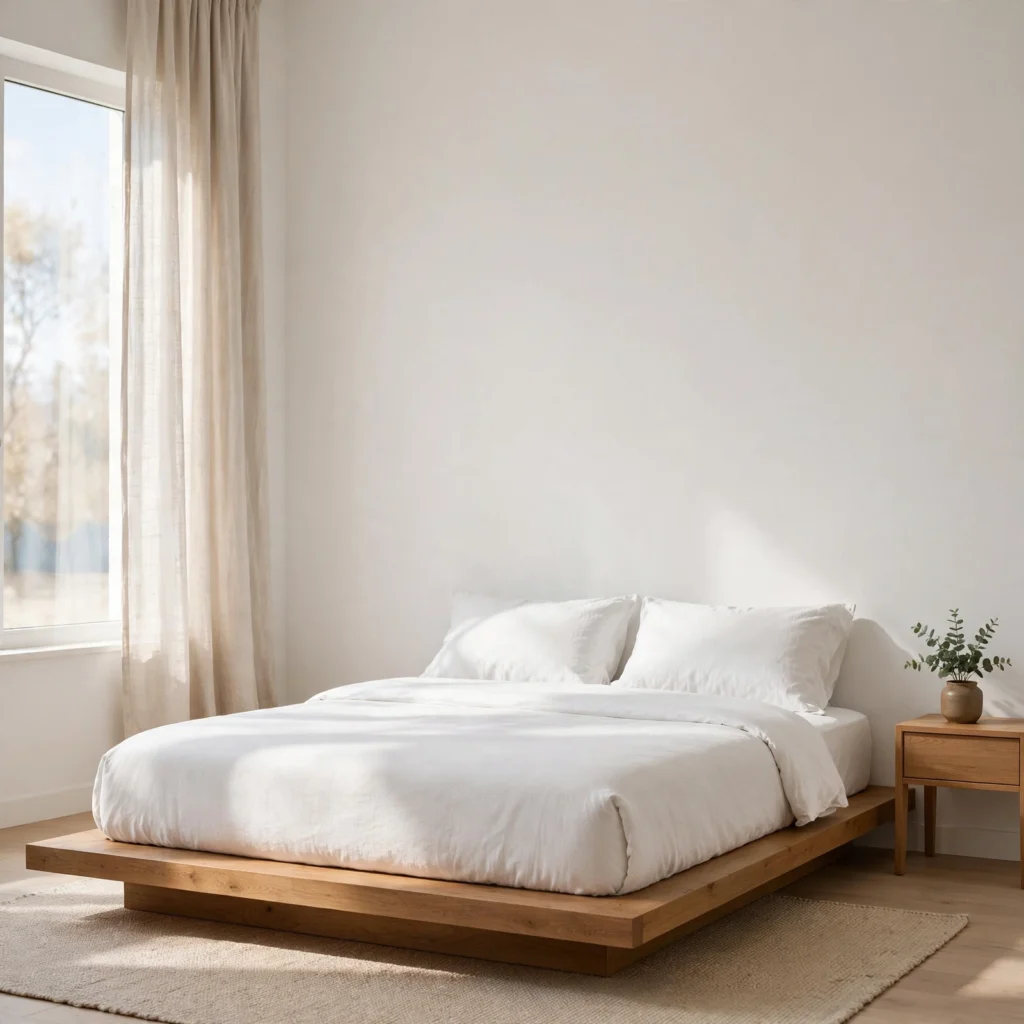
A platform bed frame without an attached headboard keeps the wall behind it open and uninterrupted, which reinforces the calm, uncluttered feeling central to a simple bedroom. The low profile also avoids the visual bulk of a taller frame, letting the room’s proportions feel more open overall. This works particularly well paired with a single piece of art or a plain painted wall behind the bed, rather than leaving the space entirely blank.
| Element | Simple Approach | Avoid |
| Bed Frame | Low platform, no headboard | Ornate carved frames |
| Wall Decor | One piece or none | Gallery walls, clusters |
| Storage | Built-in or hidden | Multiple open shelving units |
2. Single Neutral Color Palette
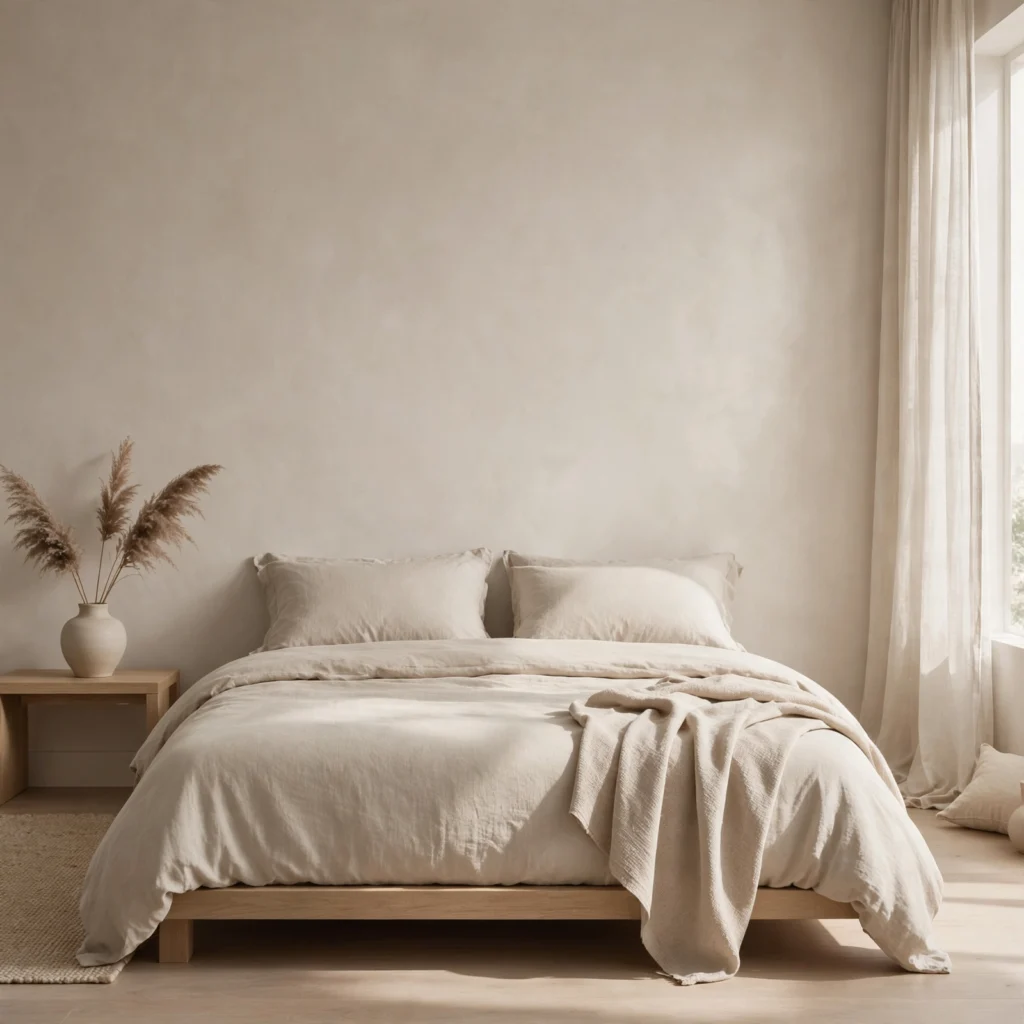
Choosing one neutral, like soft white, warm greige, or pale gray, for the walls and keeping furniture and textiles within a close tonal range removes the visual noise that comes from mixing several unrelated colors. This doesn’t mean every element matches exactly, but staying within a narrow range keeps the room reading as cohesive rather than busy. A single accent color, used sparingly through one pillow or a piece of art, is usually enough contrast without disrupting the overall simplicity.
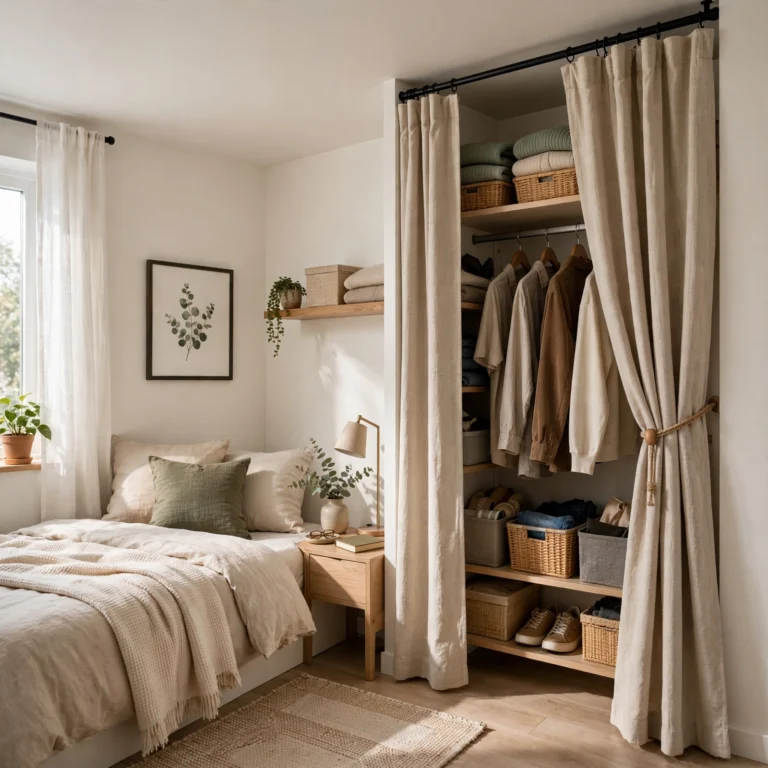
3. Built-In Closet Storage
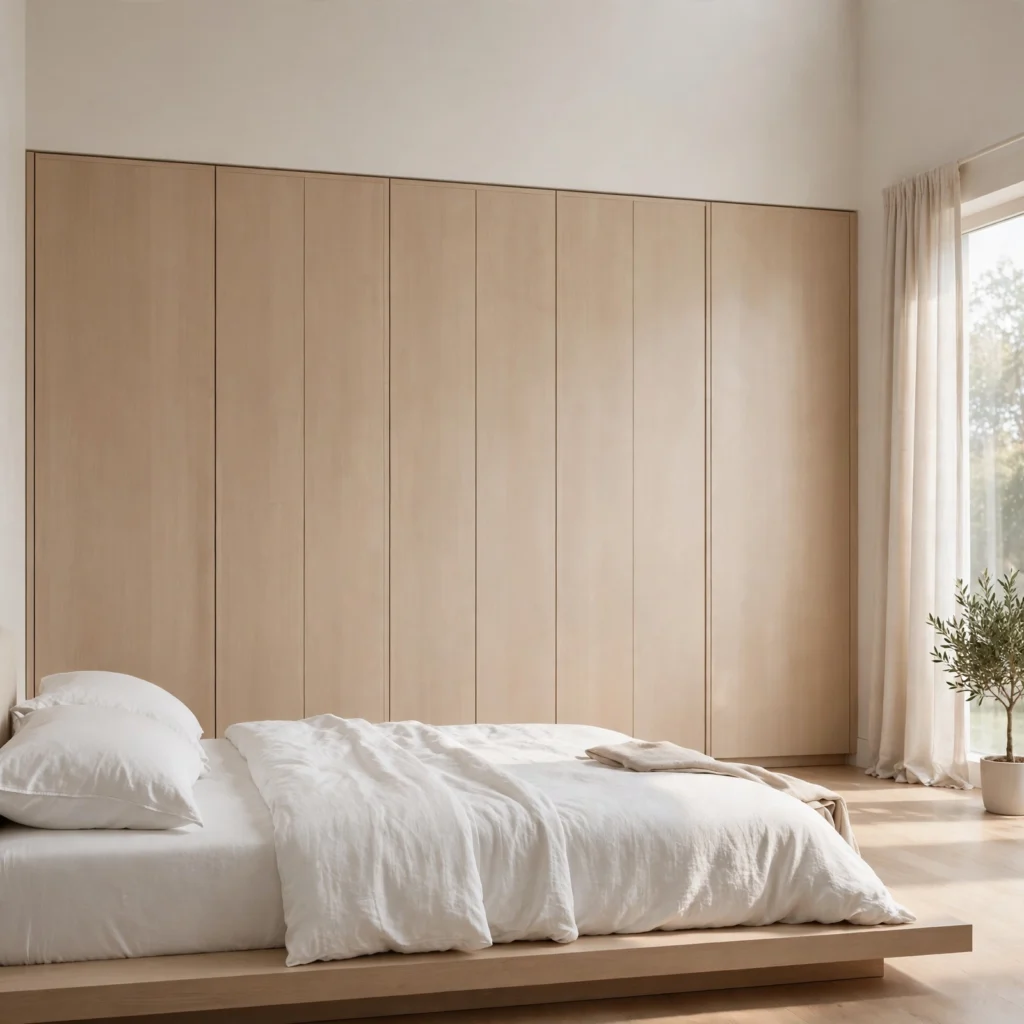
Replacing a freestanding dresser or wardrobe with storage built directly into an existing closet removes a large piece of furniture from the room’s floor plan entirely. This keeps the bedroom itself focused on the bed and a minimal amount of additional furniture, while clothing and folded items move out of sight. Sizing the shelves and rods to the closet’s actual dimensions makes better use of the space than a generic pre-made organizer would.
4. One Statement Piece, Nothing Else
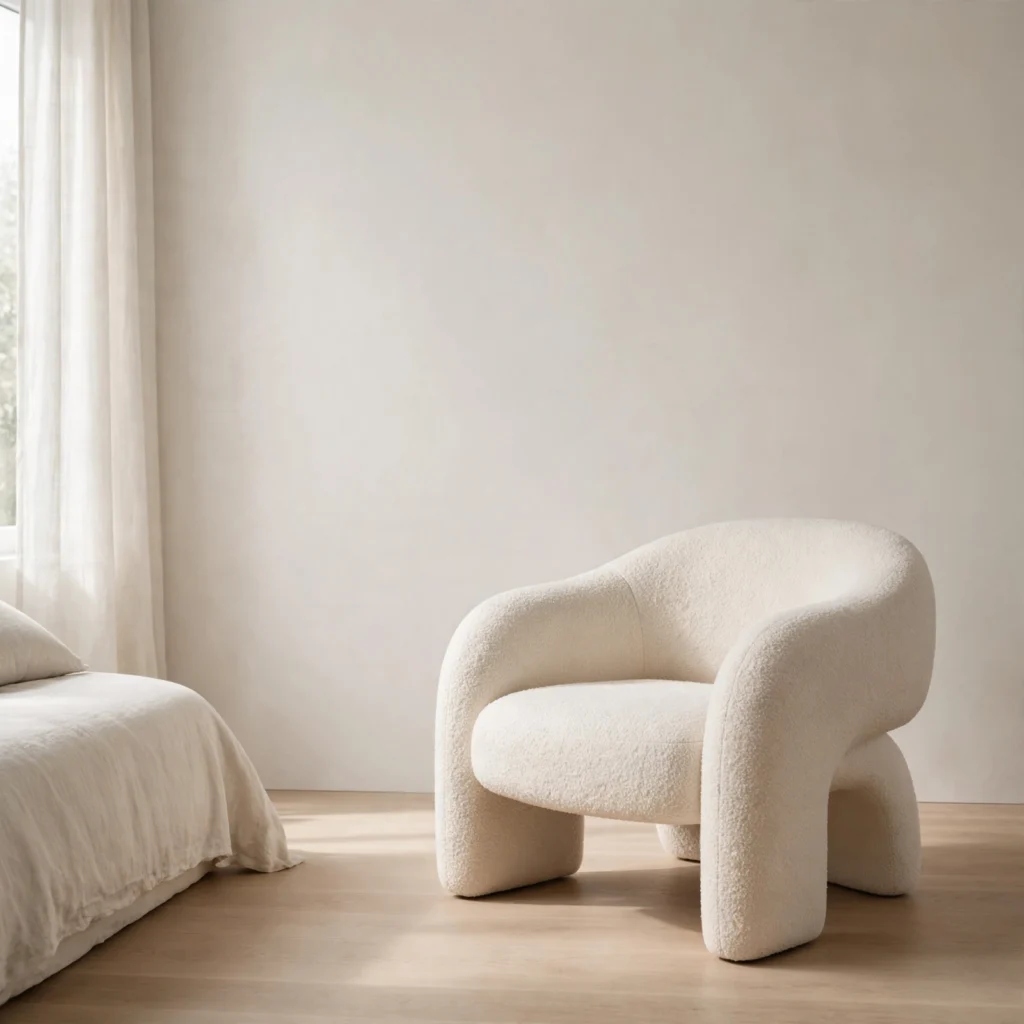
Choosing a single standout element, whether a textured headboard, a bold piece of art, or a sculptural light fixture, and keeping everything else in the room plain gives the space a clear focal point without competing details. This approach avoids the common trap of a simple room feeling empty, since one deliberate piece carries enough visual weight to anchor the space. The rest of the room’s furniture and decor should stay quiet enough to let that one piece stand out.
5. Floating Nightstand
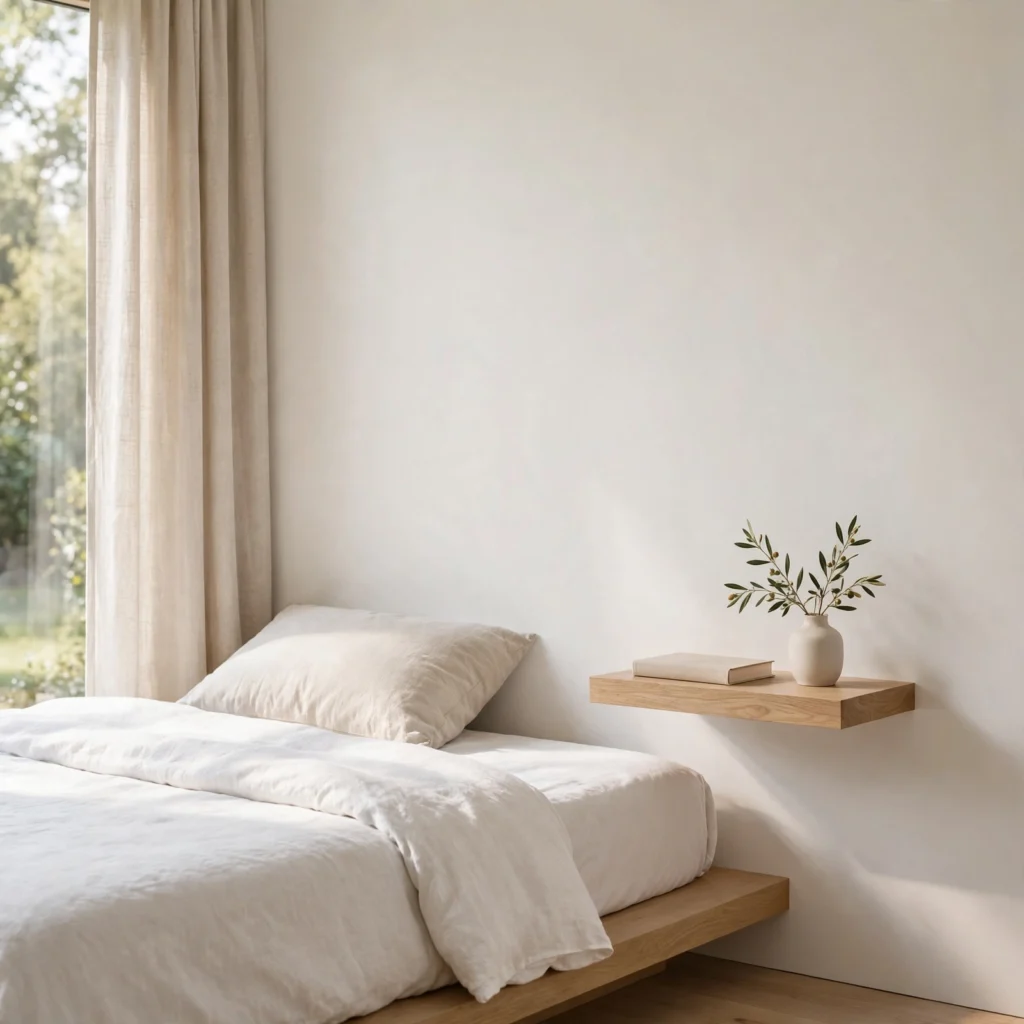
A single wall-mounted nightstand, rather than a boxier freestanding version, keeps the floor visible beneath it and reduces the overall furniture footprint in the room. This works particularly well paired with a platform bed, since both share the same low, grounded visual language. A small shelf is usually enough surface space for a lamp and a book, without needing drawers that add visual bulk.
6. Linen Bedding in a Single Tone
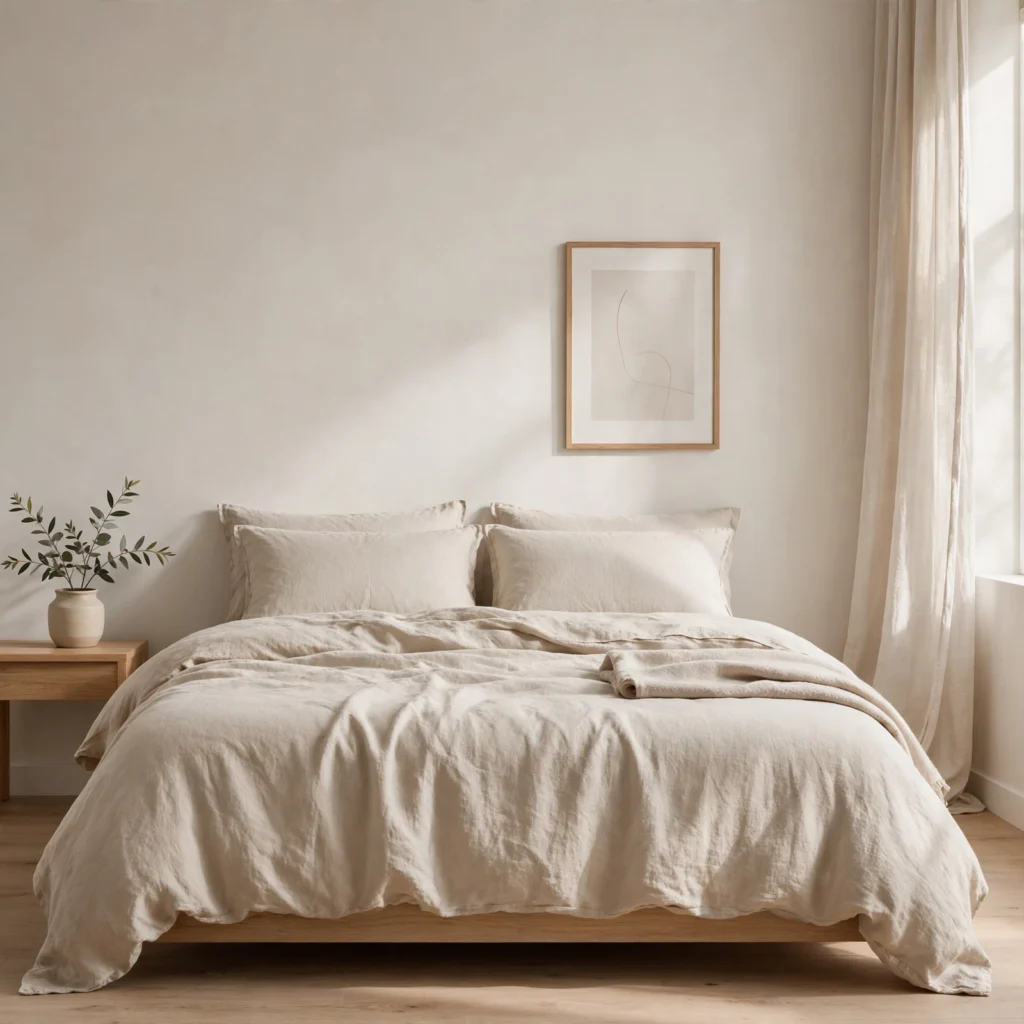
Bedding in one consistent color and material, like a plain oatmeal or white linen set, avoids the layered patterns and mixed textiles that can make a bed feel busy. Linen’s natural texture still provides visual interest on its own, even without additional pattern or color variation. This also simplifies the daily task of making the bed, since there’s no need to coordinate multiple contrasting pieces.
Whether you’re remodeling or decorating, our brown bedroom ideas will help you create a peaceful and inviting retreat.
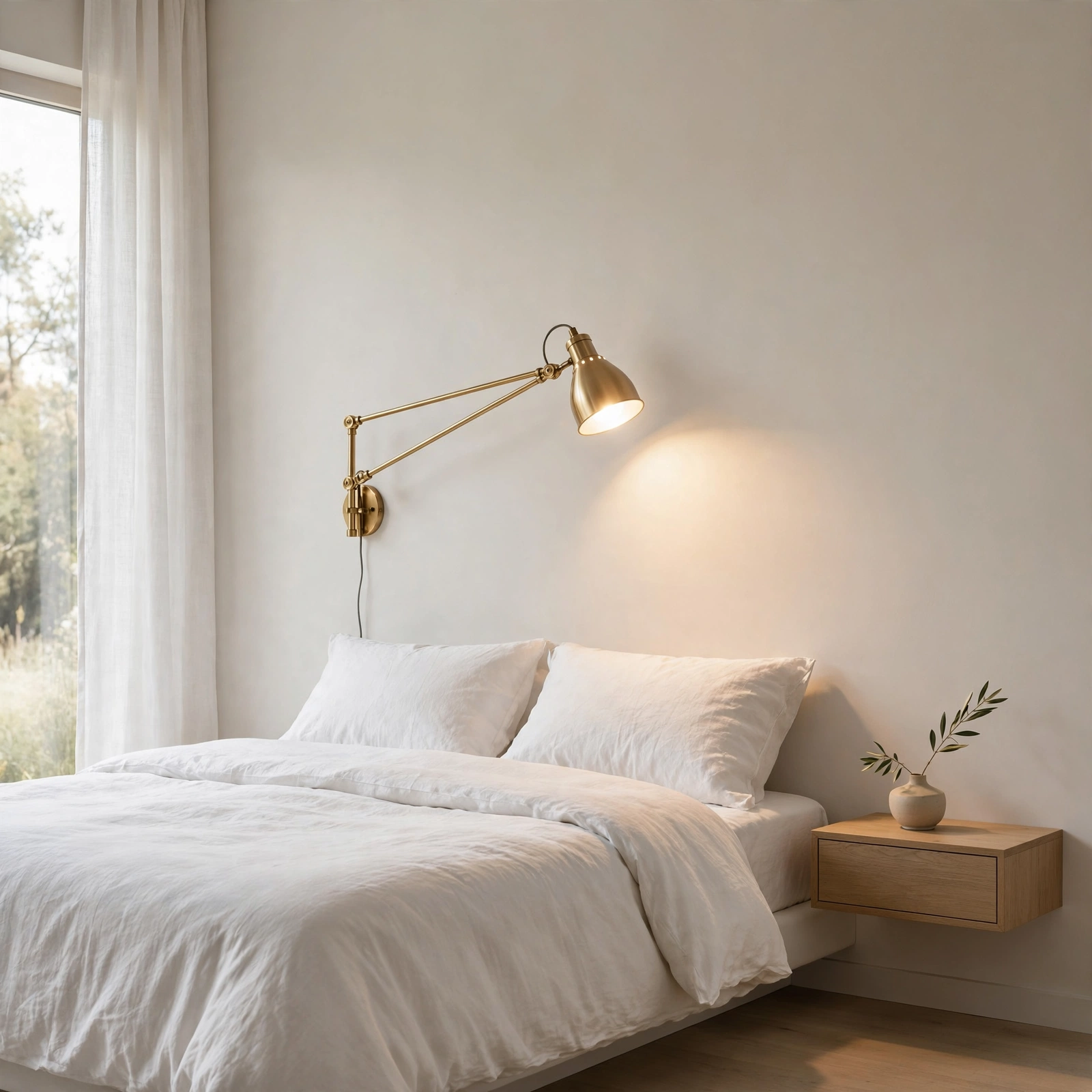
7. Wall-Mounted Reading Light
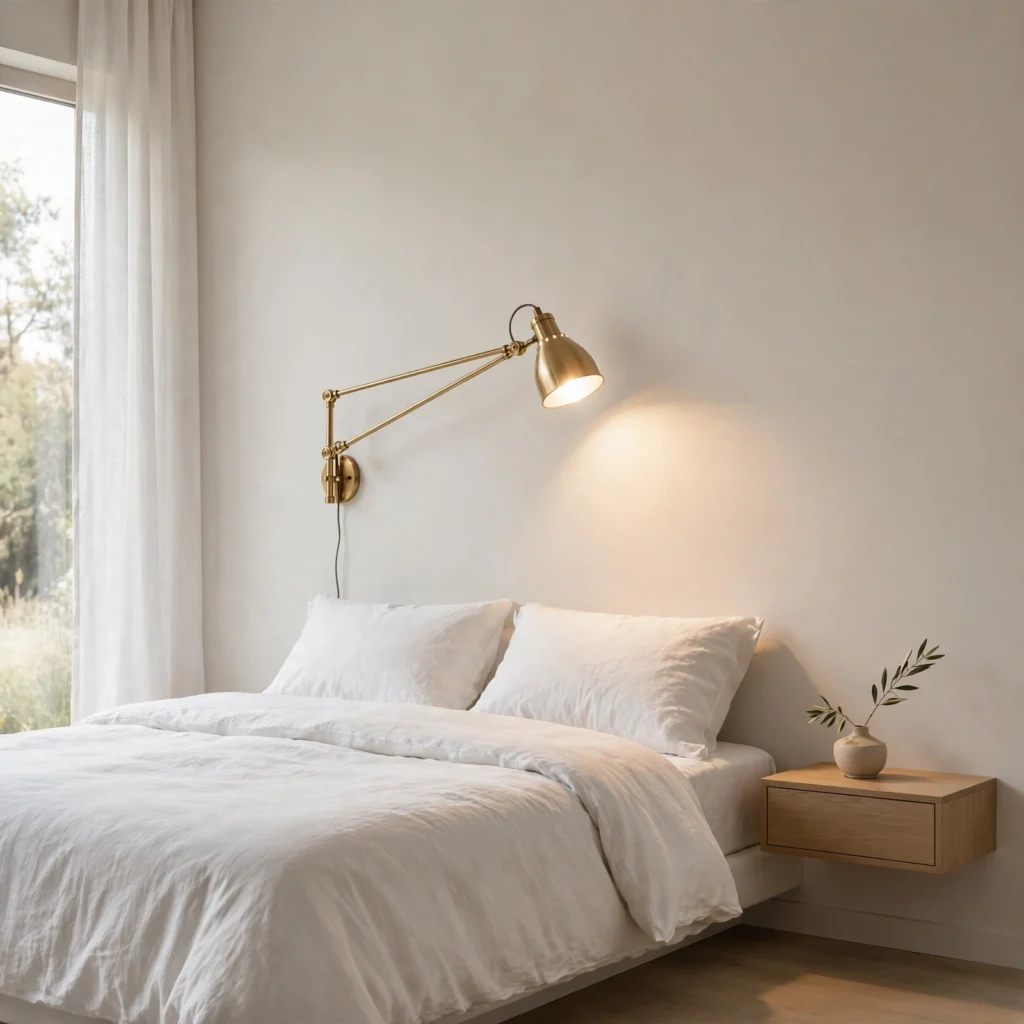
A single sconce mounted beside the bed removes the need for a table lamp, freeing up nightstand surface space and reducing the number of objects in the room. This keeps the area beside the bed visually clear while still providing functional task lighting for reading. Choosing a simple, unadorned fixture style keeps the light itself from becoming a decorative distraction.
8. Unlined Curtains in a Solid Color
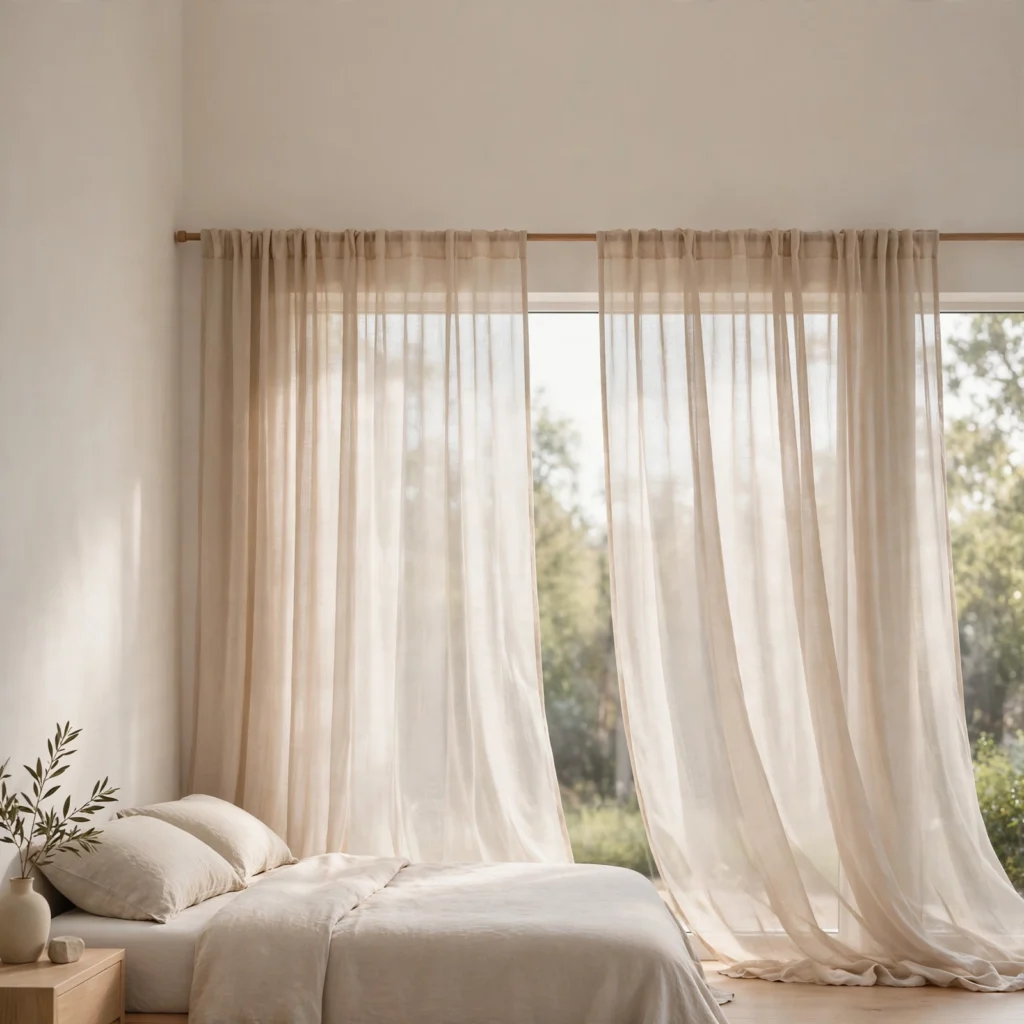
Simple, unpatterned curtain panels in a color close to the wall keep the window treatment from becoming a visual focal point on its own. This works particularly well in a room that already has one statement element elsewhere, since a busier curtain pattern would compete for attention. A lightweight, natural fabric like linen or cotton also keeps the panels from looking heavy or overly formal.
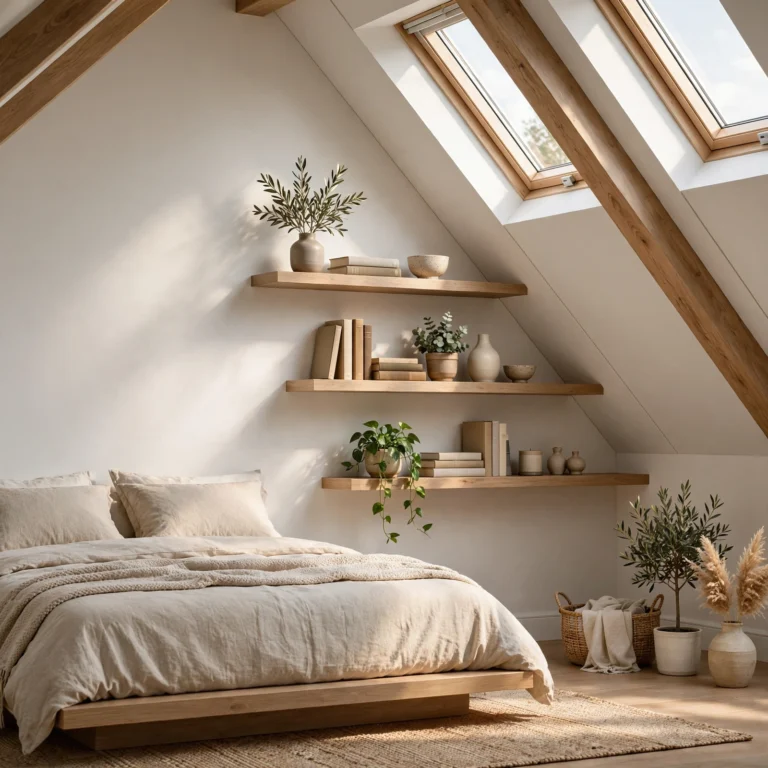
9. Empty Wall Space Left Intentional
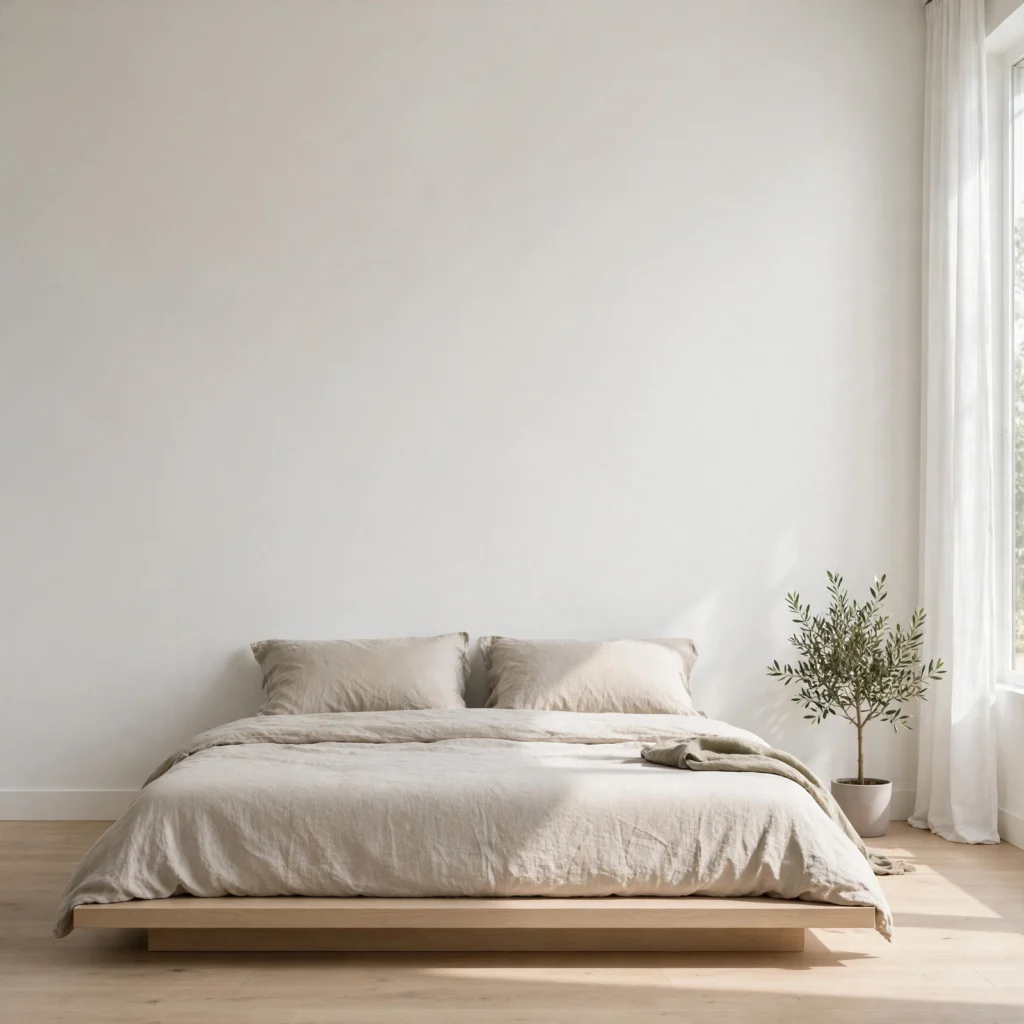
Leaving at least one wall in the room without any art, shelving, or decor gives the eye a place to rest and reinforces the overall sense of calm central to a simple bedroom. This is less about having nothing to hang and more about resisting the urge to fill every available surface. A room with one or two decorated walls and one left plain tends to feel more deliberate than a room where every wall carries equal visual weight.
10. Woven Textural Rug
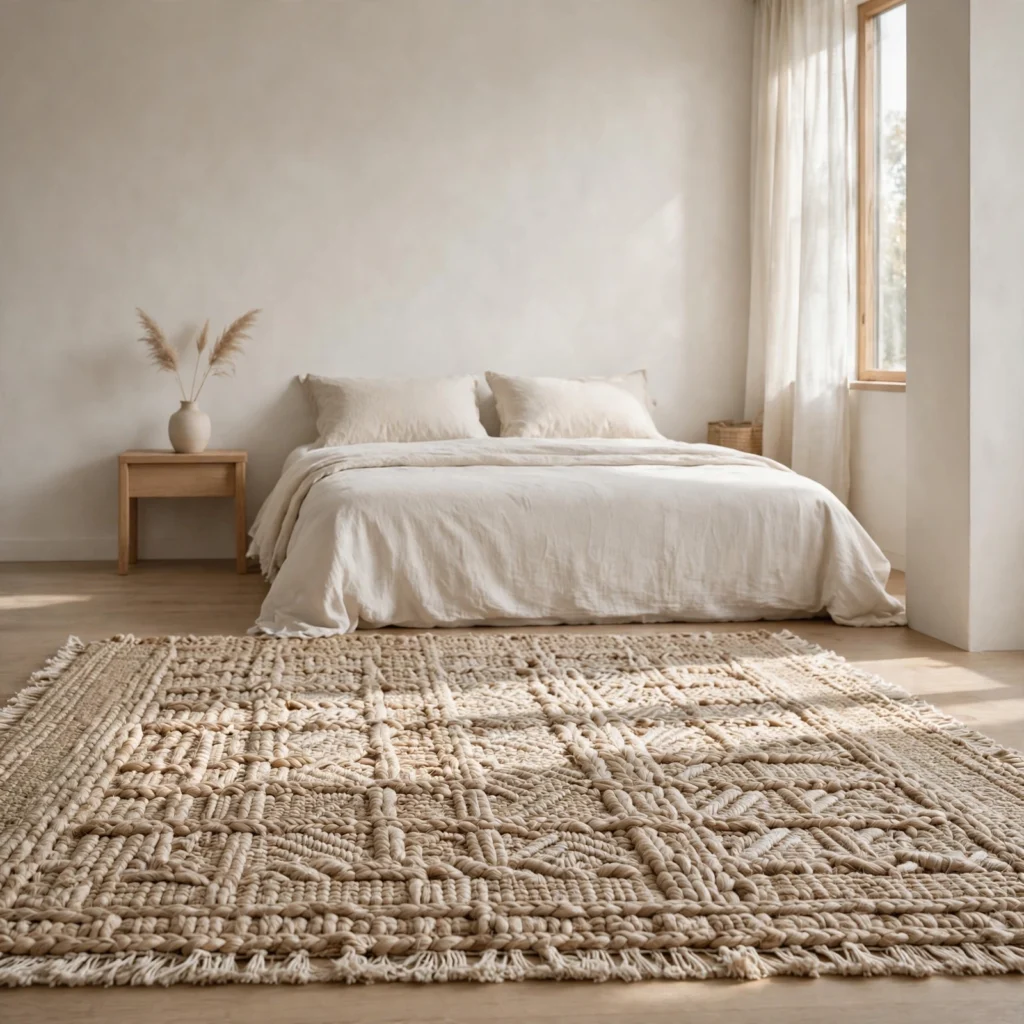
A single rug in a natural, undyed fiber like jute or wool adds texture underfoot without introducing pattern or additional color to the room. This provides enough visual interest to keep the floor from feeling flat, while still staying within the room’s overall restrained palette. Choosing a rug close in tone to the flooring itself, rather than a high-contrast option, keeps the look understated.
11. Hidden Cord and Cable Management
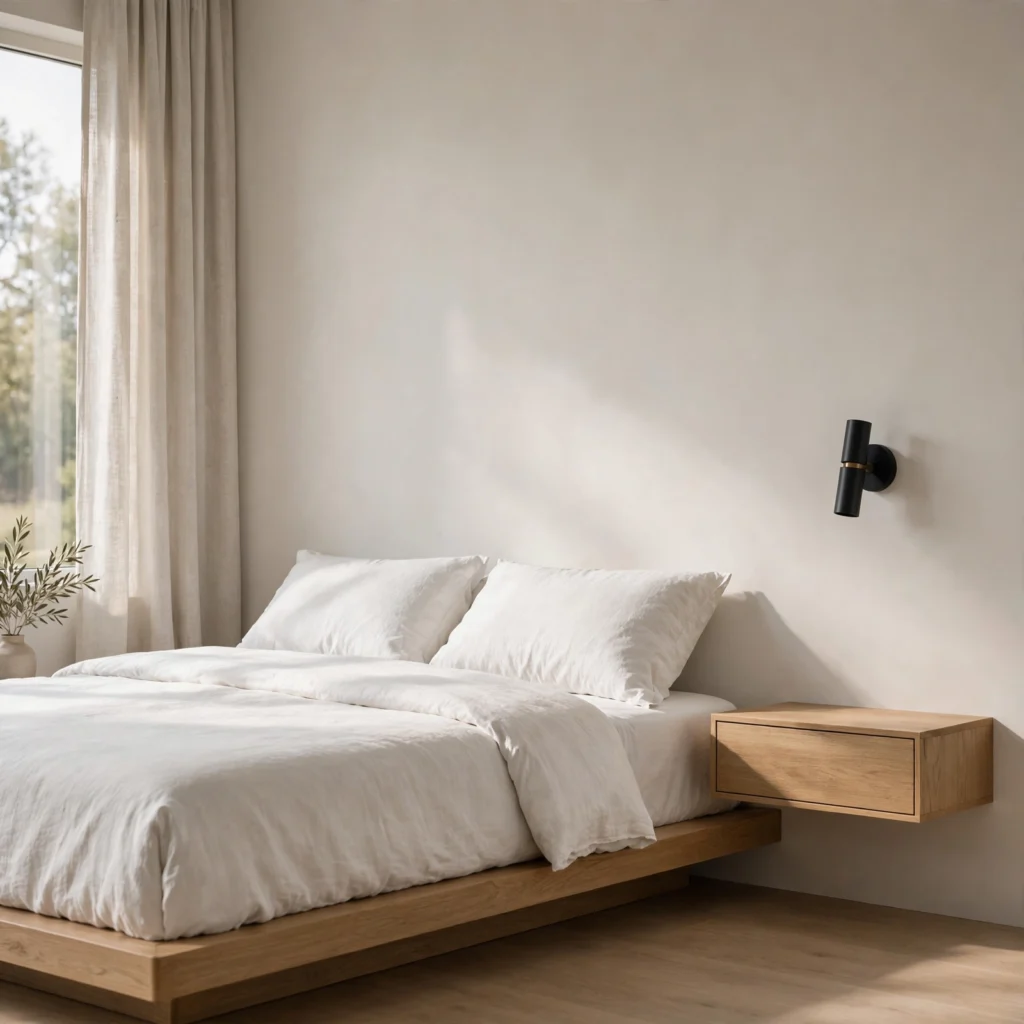
Routing lamp cords, phone chargers, and any visible cables behind furniture or through a cord management channel removes a small but persistent source of visual clutter that’s easy to overlook. This matters more in a simple room than a more layered one, since a stray cord stands out clearly against an otherwise clean space. A cord cover that matches the wall color keeps the fix nearly invisible.
12. Single Plant as the Only Greenery
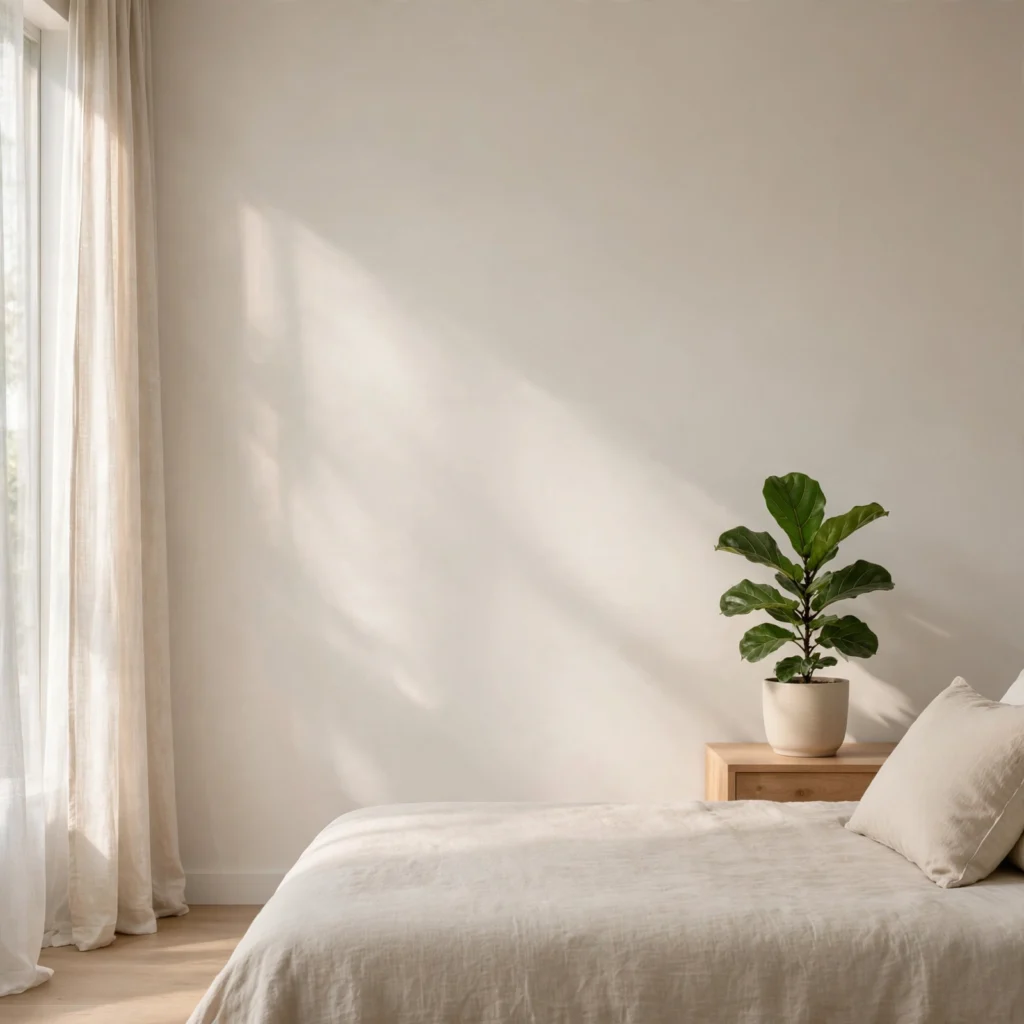
Adding one plant, rather than several scattered throughout the room, provides a touch of life and color without introducing the visual complexity of multiple pots, shapes, and leaf textures. A taller plant in a simple, unpatterned pot works well as a quiet accent in a corner or beside a window. This approach keeps the greenery from competing with the room’s other simple, deliberate choices.
Shop the Look
A few specific pieces make these ideas easier to put into practice. Look for a low-profile platform bed frame without an attached headboard, a wall-mounted floating nightstand, plain oatmeal or white linen bedding, a single wall-mounted reading sconce, and a jute or wool area rug in a natural undyed tone.
Common Mistake to Avoid
The most common mistake with simple bedroom ideas is removing too much at once and ending up with a room that feels empty or unfinished rather than calm and intentional. A bed with no textiles, bare walls, and no lighting beyond an overhead fixture tends to read as incomplete rather than minimal. Keeping at least one or two warm, textural elements, like a linen throw or a single plant, prevents the simplicity from tipping into a space that feels unlived in.
FAQs
How do I make my bedroom simple without making it feel empty?
Keeping one or two intentional details, like a textured rug or a single piece of art, while removing excess furniture and decor tends to strike the right balance. The goal is fewer, more deliberate choices rather than removing everything, since a completely bare room often reads as unfinished rather than calm.
What furniture is essential for a simple bedroom?
A bed, one or two nightstands, and enough storage to keep clothing and personal items out of sight are generally considered the essentials. Beyond that, additional furniture should be added only if it serves a clear function, rather than filling space for the sake of it.
What colors work best for a simple bedroom?
Neutral tones like soft white, warm greige, and pale gray are the most common choices, since they create a calm backdrop without competing for attention. A single accent color, used sparingly, can still be layered in without disrupting the overall restrained palette.
How do you add warmth to a simple, minimal bedroom?
Natural materials like linen, wood, and wool add warmth and texture without requiring additional color or pattern. Warm-toned lighting and at least one soft textile, like a throw blanket or a textured rug, also help keep a simple room from feeling cold or overly stark.
Is a simple bedroom the same as a minimalist bedroom?
They overlap significantly, though a simple bedroom generally allows more flexibility with texture and warmth, while a strictly minimalist room often follows more rigid rules about color, material, and quantity of objects. Both approaches share the same core idea of choosing fewer, more intentional pieces over a fully decorated space.
Conclusion
These simple bedroom ideas work best when a few deliberate choices, like one statement piece or a single warm texture, do the visual work that a fully decorated room would otherwise rely on many objects to achieve. Whether you start with a full declutter or a smaller update like swapping a table lamp for a wall sconce, each idea here scales to fit how minimal you want the final room to feel. Save this post to Pinterest for later, and check out our related guide on small bedroom storage solutions for more design inspiration.