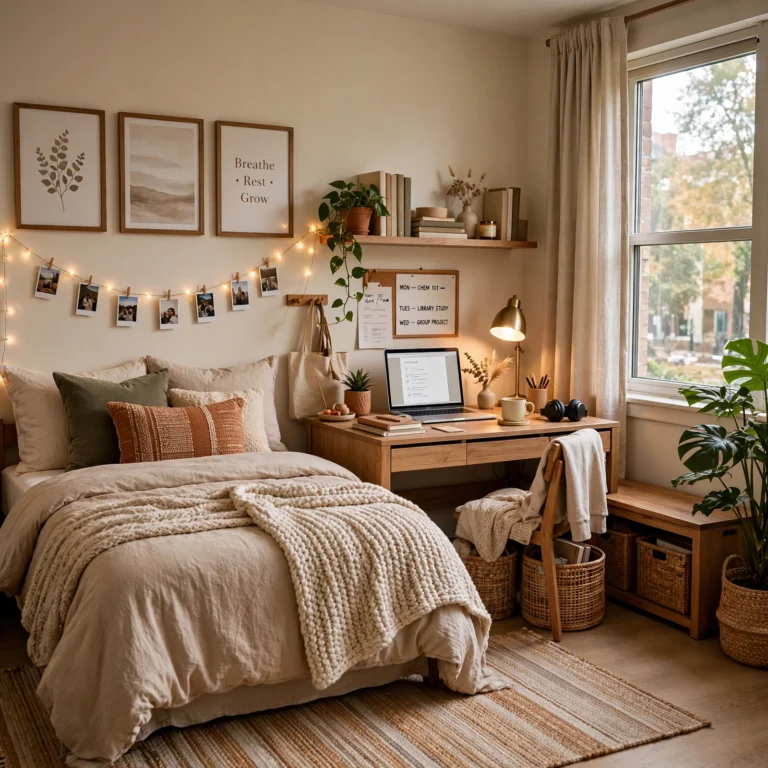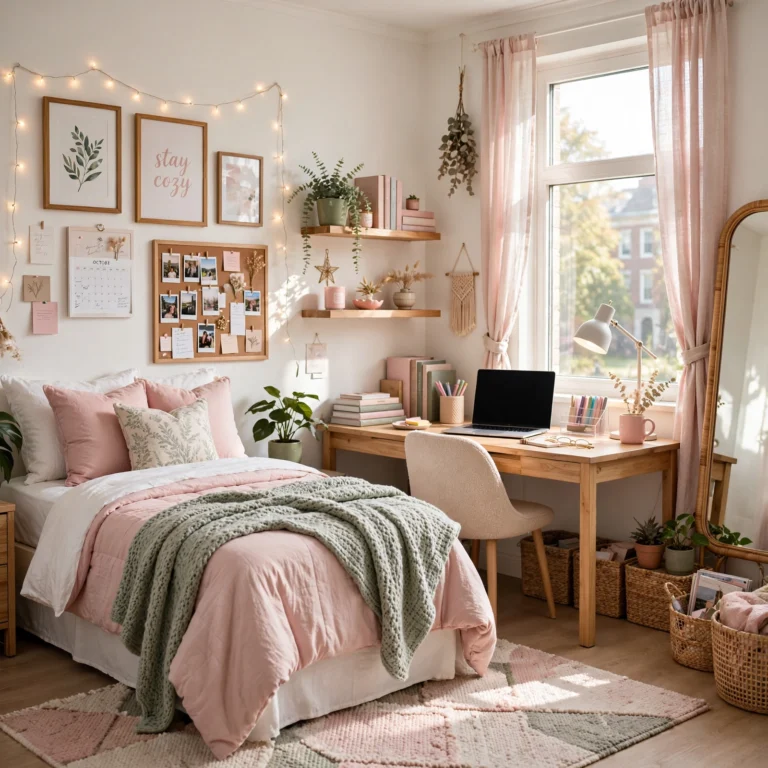
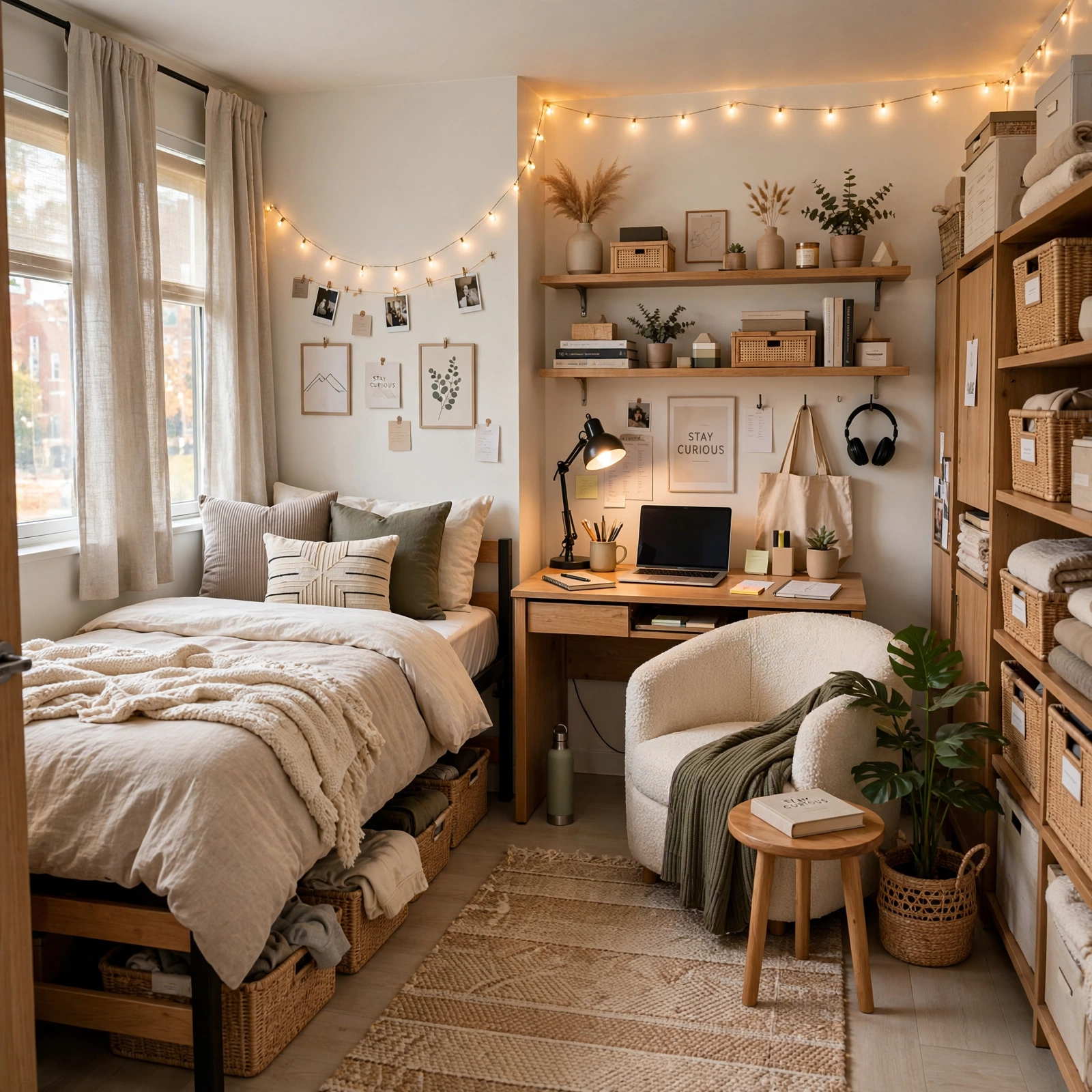
15 Modern Single Dorm Room Ideas to Make Your Space Feel Cozy, Stylish, and Completely Yours
A single dorm room gives you something rare in college housing: total control over every wall, corner, and surface without splitting decisions with a roommate. This guide walks through fifteen single dorm room ideas covering layout zoning, storage, lighting, and personalization details that take full advantage of having the whole space to yourself. By the end, you’ll have specific materials and layout suggestions to make a single room feel like a genuinely personal apartment rather than just a smaller version of a shared space.
Trend & Background
Single dorm rooms have grown in demand at many schools, with students increasingly valuing the privacy and control they offer over shared living arrangements, even at a higher housing cost. This has pushed more attention toward treating a single room as a true personal space rather than a stripped-down version of a double, with distinct zones for sleeping, studying, and relaxing built into a single small footprint. This matters now because students in single rooms tend to spend more solitary time in the space throughout the day, making a well-planned, fully personalized layout worth the extra thought compared to a room that will constantly need to accommodate someone else’s preferences.
Key Takeaways
- Having the full room to yourself means every wall and corner can serve a distinct purpose rather than splitting space with a roommate.
- Multi-zone layouts, like separating a sleep area from a study corner, matter more here than in a shared double.
- Removable, damage-free products still apply, since most single rooms fall under the same housing policy restrictions as any other dorm room.
- A single occupant can commit to one cohesive design direction without needing to negotiate style or color with anyone else.
1. Distinct Sleep and Study Zones
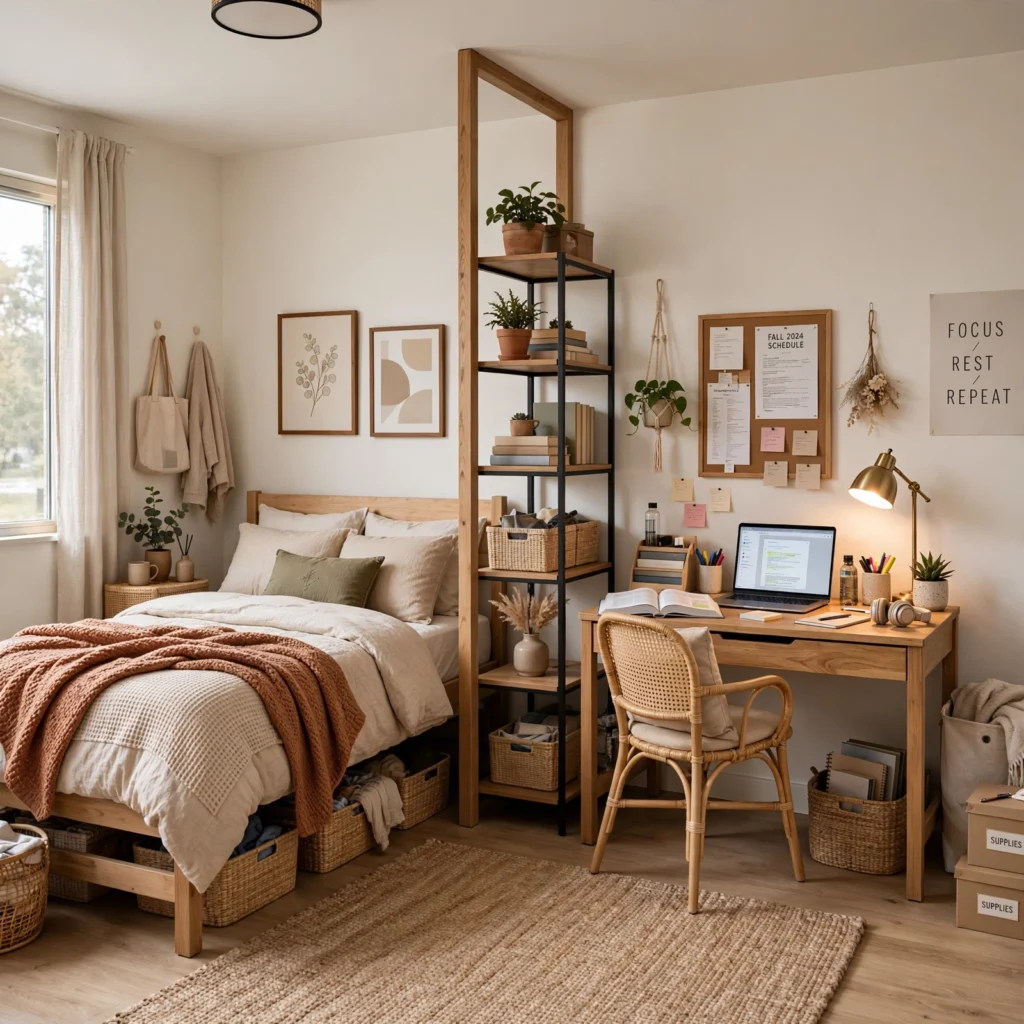
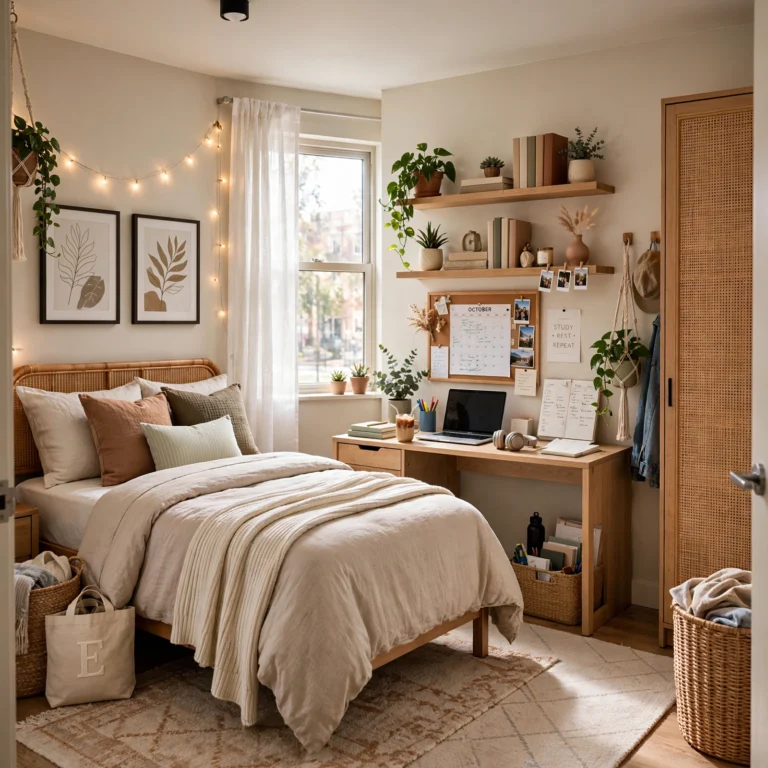
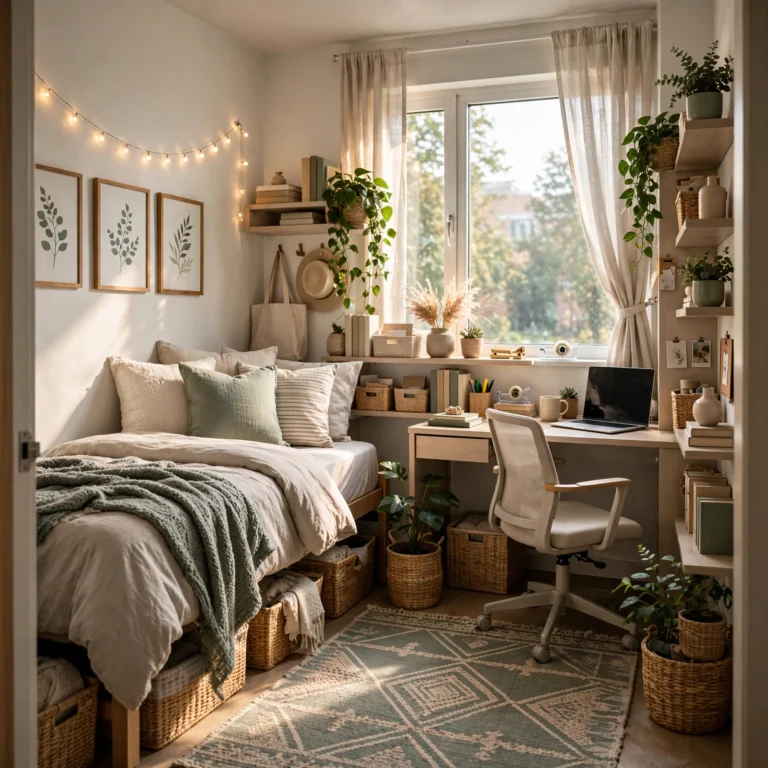
Distinct sleep and study zones use furniture placement, a rug, or a room divider to visually separate the bed area from the desk area, even within a single small room. Positioning the bed against the wall farthest from the door, with the desk closer to the entrance, creates a natural flow between the two zones without requiring any structural changes. This layout works especially well for a single occupant, since there’s no roommate’s furniture placement to negotiate around when planning the zones.
2. Lofted Bed With Full Under-Bed Office
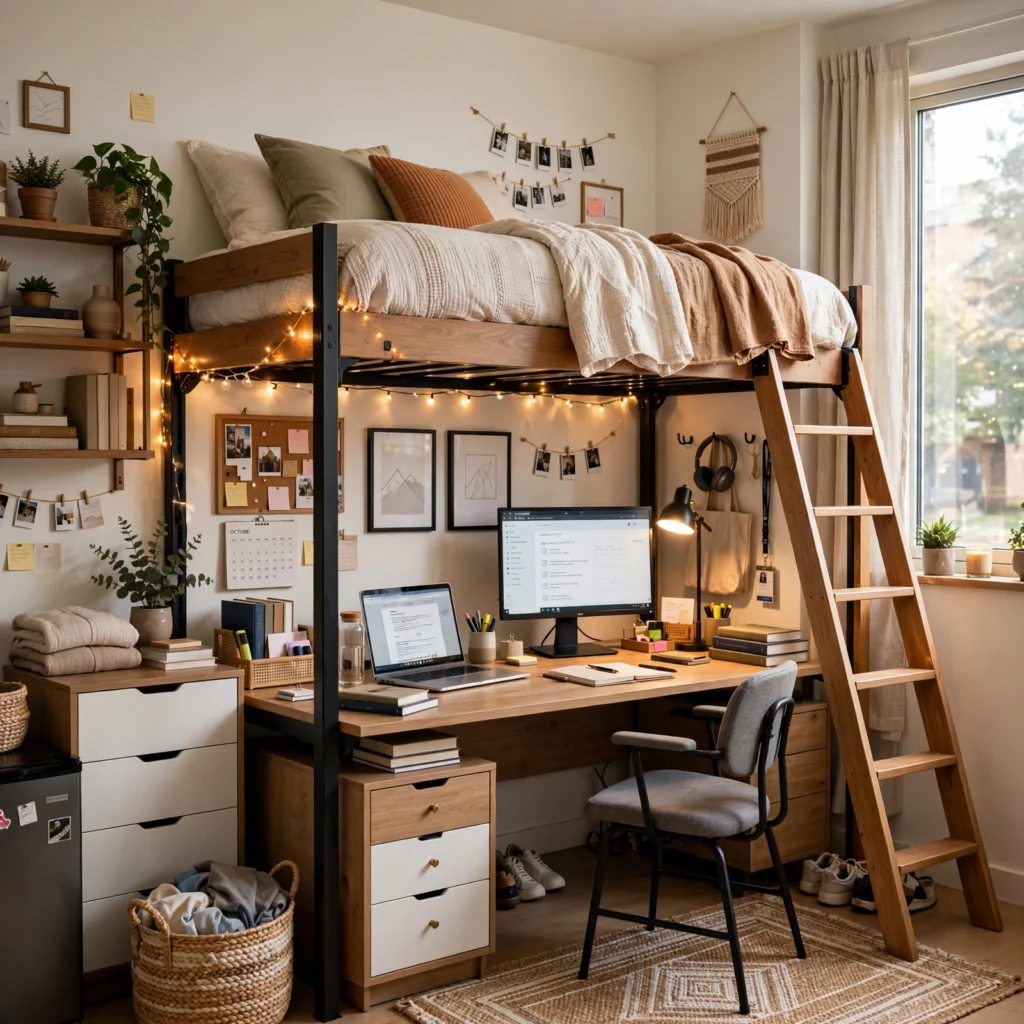
A lofted bed with a full under-bed office uses the entire footprint beneath a raised bed frame for a desk, chair, and storage setup rather than sharing that space with a second person’s furniture. This maximizes floor space in a single room more effectively than in a shared double, since the full under-bed area belongs to one person’s setup alone. Adding a small area rug beneath the desk zone helps visually anchor this area as distinct from the sleeping loft above it.
3. Single Dorm Room Ideas Reading Nook Corner
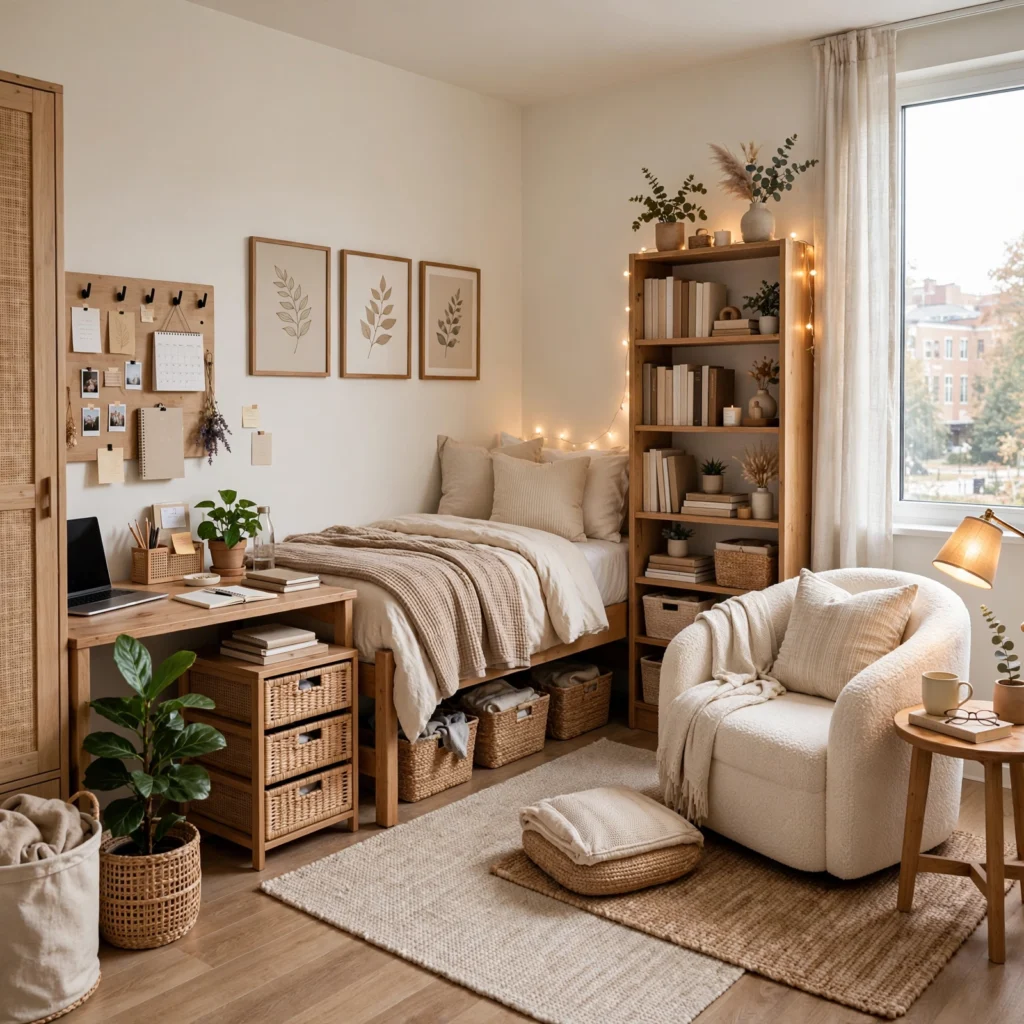
A reading nook corner claims an underused corner of the room for a small chair or floor cushion, a compact side table, and a warm-toned lamp, taking advantage of a single room’s flexibility to dedicate space to something beyond just sleeping and studying. This idea works particularly well in a single dorm room ideas layout, since a shared double rarely has enough spare corner space for a purely relaxation-focused zone. Adding a small bookshelf or a stack of books nearby completes the nook without requiring much additional furniture.
| Nook Element | Suggested Item | Approximate Footprint |
| Seating | Floor cushion or small chair | 2×2 feet |
| Surface | Compact side table | 1×1 feet |
| Lighting | Clip-on or small table lamp | Minimal footprint |
4. Full Wall Gallery Display
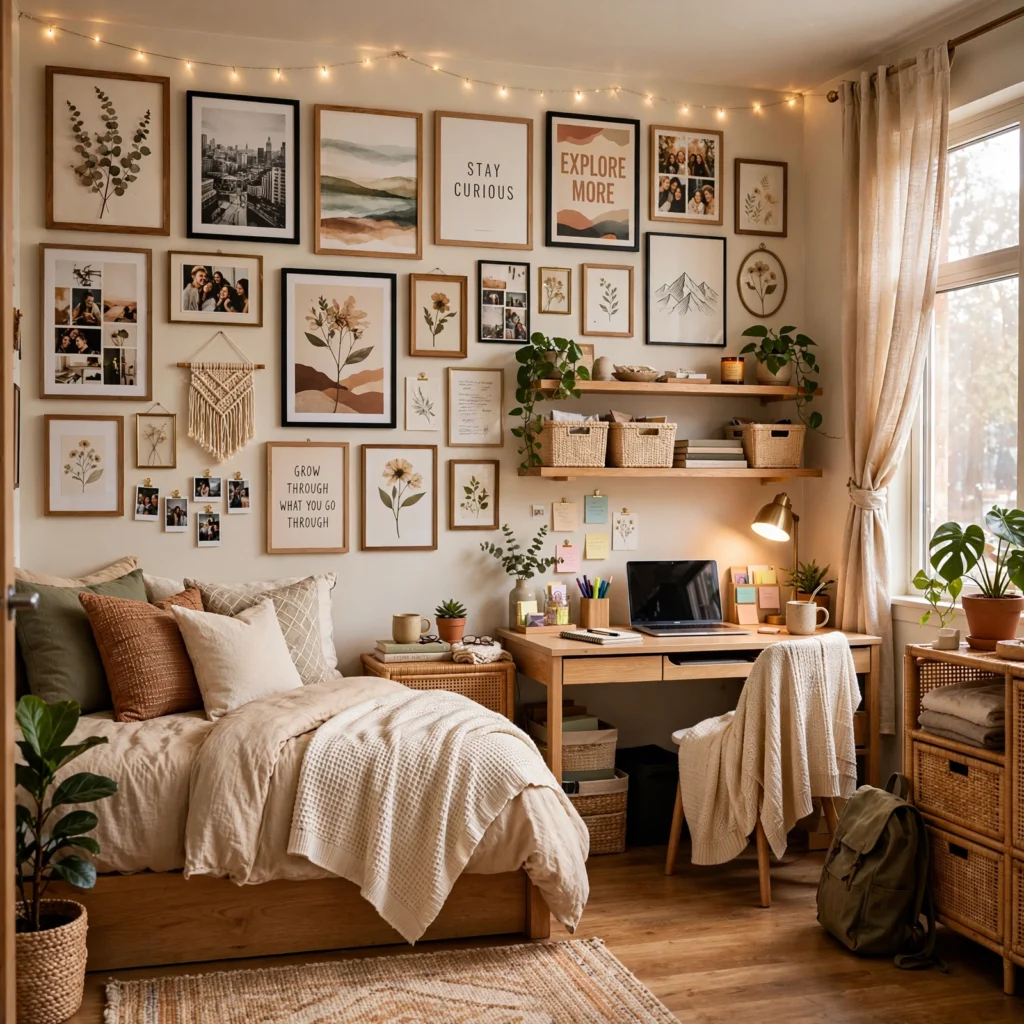
A full wall gallery display covers one entire wall with a mix of framed prints, photos, and small shelves, taking advantage of having no roommate’s belongings competing for that same wall space. Using command strips or adhesive hooks throughout keeps the whole display removable at the end of the year without wall damage. This idea works best in a single room specifically because the full wall stays dedicated to one cohesive collection rather than needing to be split or negotiated.
To see more options for guys dorm room ideas CLICK HERE
5. Personal Mini Fridge and Snack Station
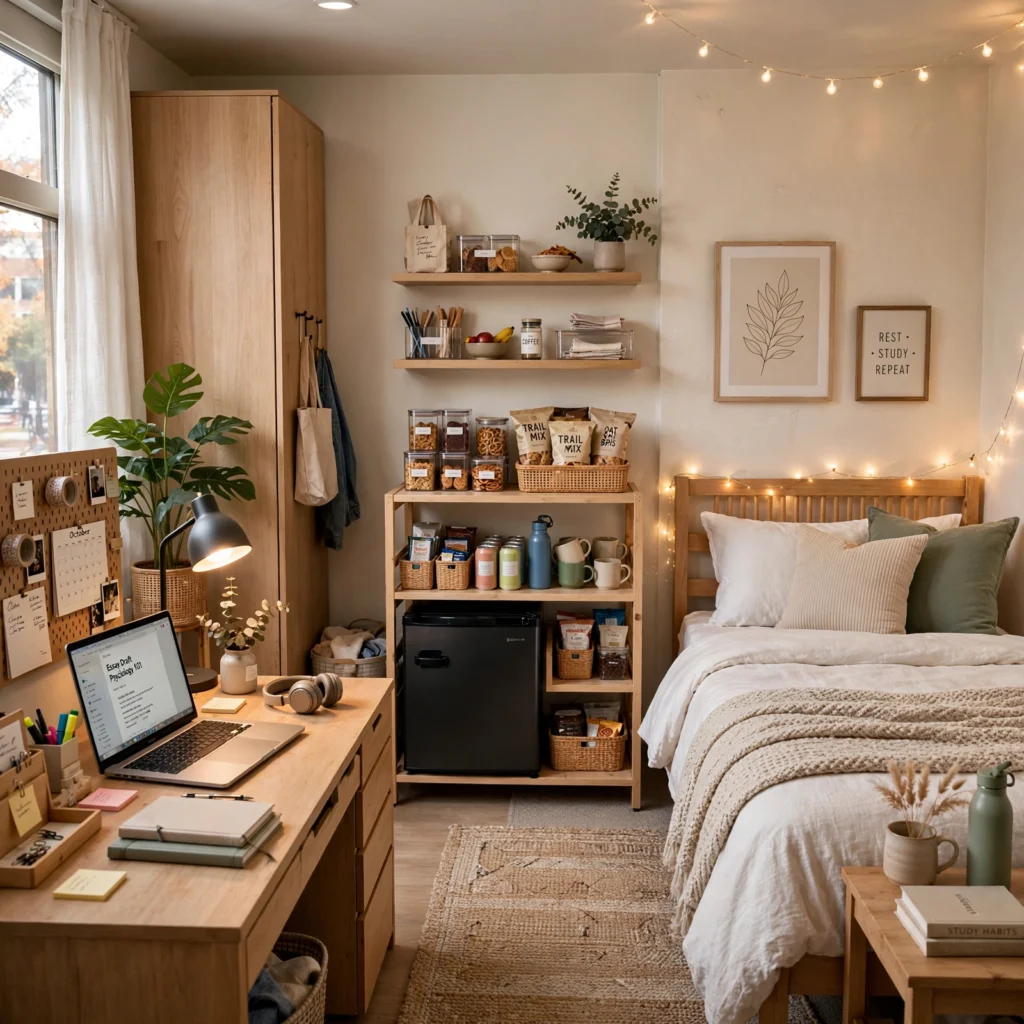
A personal mini fridge and snack station sets up a small counter or shelf near an outlet with a mini fridge, an electric kettle, and a basket of snacks, creating a self-contained kitchenette corner that a single occupant doesn’t need to share or negotiate access to. Choosing a fridge with a small footprint, generally under 3 cubic feet, keeps this station from overwhelming the room’s overall square footage. This setup reduces trips to a shared dining hall or kitchen, which matters more in a single room where there’s no roommate to split those responsibilities with.
6. Layered Rug Zoning
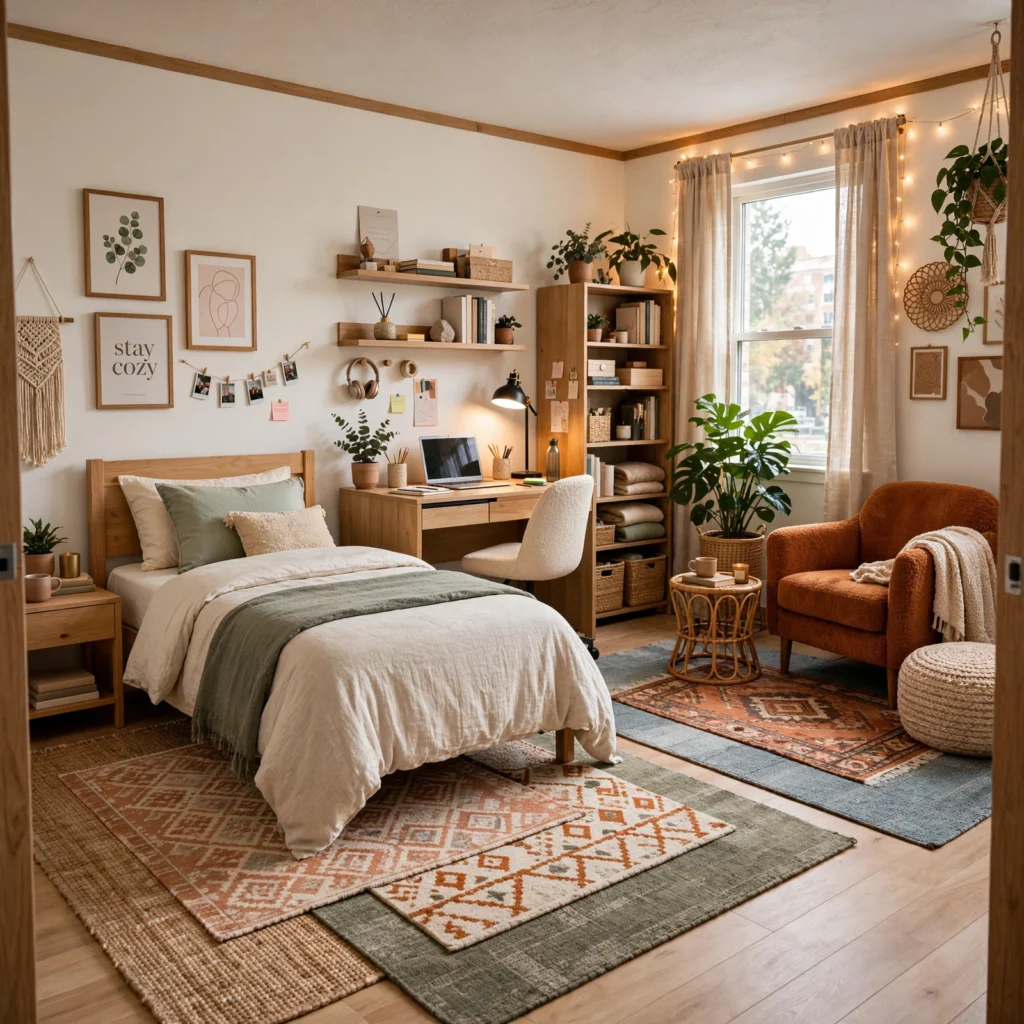
Layered rug zoning places two different area rugs, one beneath the bed and desk zone and another in a separate seating or entry area, using the flooring itself to define distinct sections of the room. This technique works particularly well in a single room, since there’s no need to coordinate rug choices or placement with anyone else’s preferences. Choosing a washable, low-pile rug for both areas keeps maintenance simple despite the added floor coverage.
7. Full-Length Curtain Room Divider
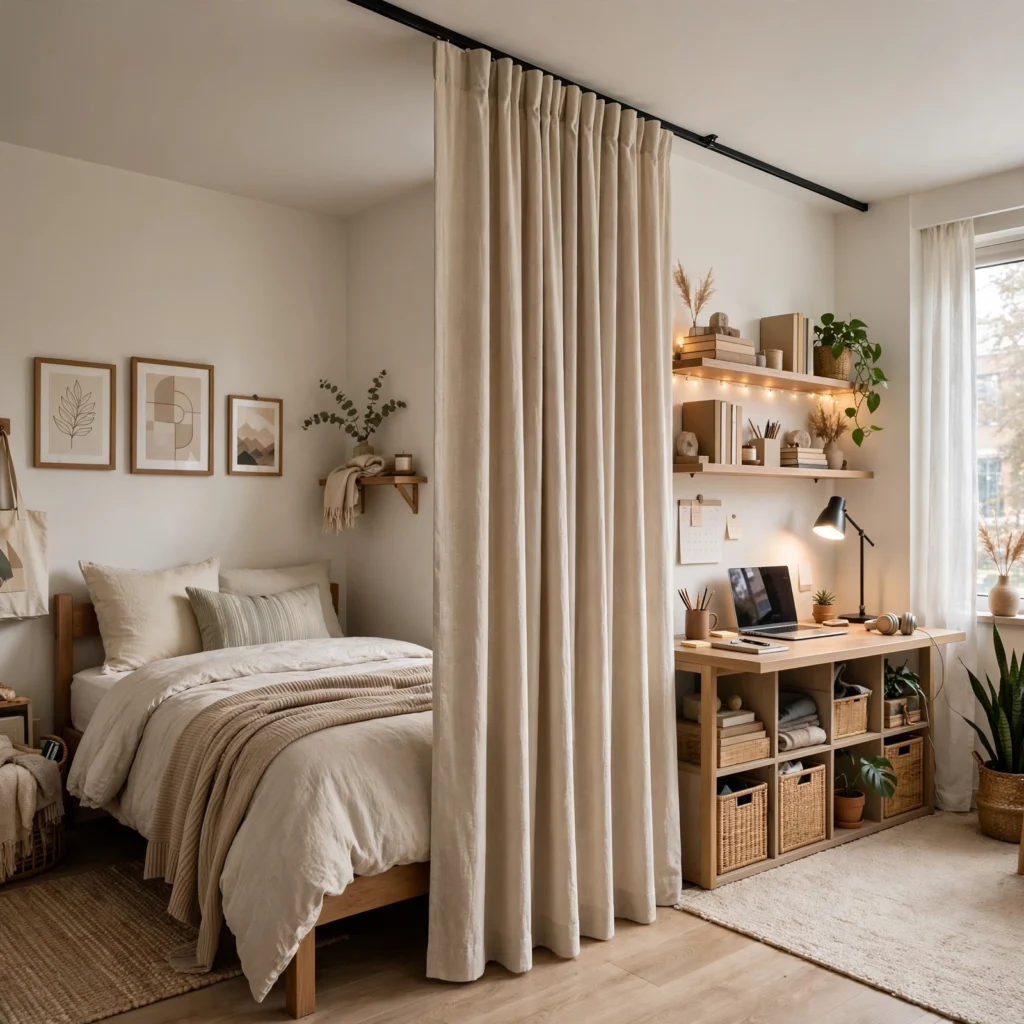
A full-length curtain room divider hangs from a ceiling-mounted track or a tension rod between two points in the room, creating a soft, removable partition between the sleeping area and the rest of the space. This gives even a single occupant a sense of separate rooms within one space, useful for visually distinguishing a sleep zone from a study or entertaining area. Choosing a heavier fabric, rather than a sheer panel, provides more complete visual separation when the curtain is drawn closed.
8. Personal Entertainment Corner
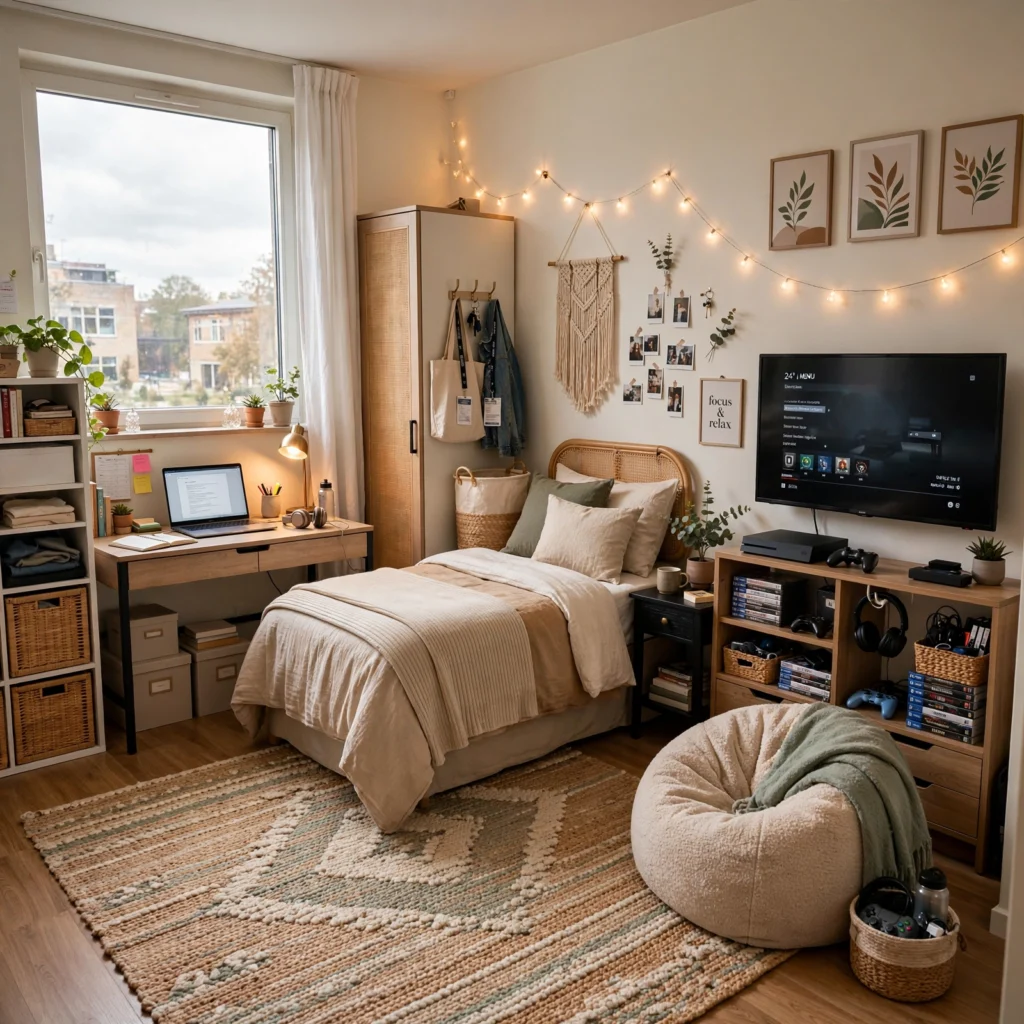
A personal entertainment corner sets up a small TV or monitor, a comfortable chair, and a set of gaming or streaming accessories in one dedicated area of the room, an amenity easier to justify and arrange in a single room without needing a roommate’s buy-in on shared equipment. Adding a string light or LED strip behind the screen creates a bias light that reduces eye strain during longer viewing sessions. This idea takes advantage of a single room’s flexibility to dedicate real space to leisure activities beyond just studying and sleeping.
9. Wall-Mounted Fold-Down Desk Extension
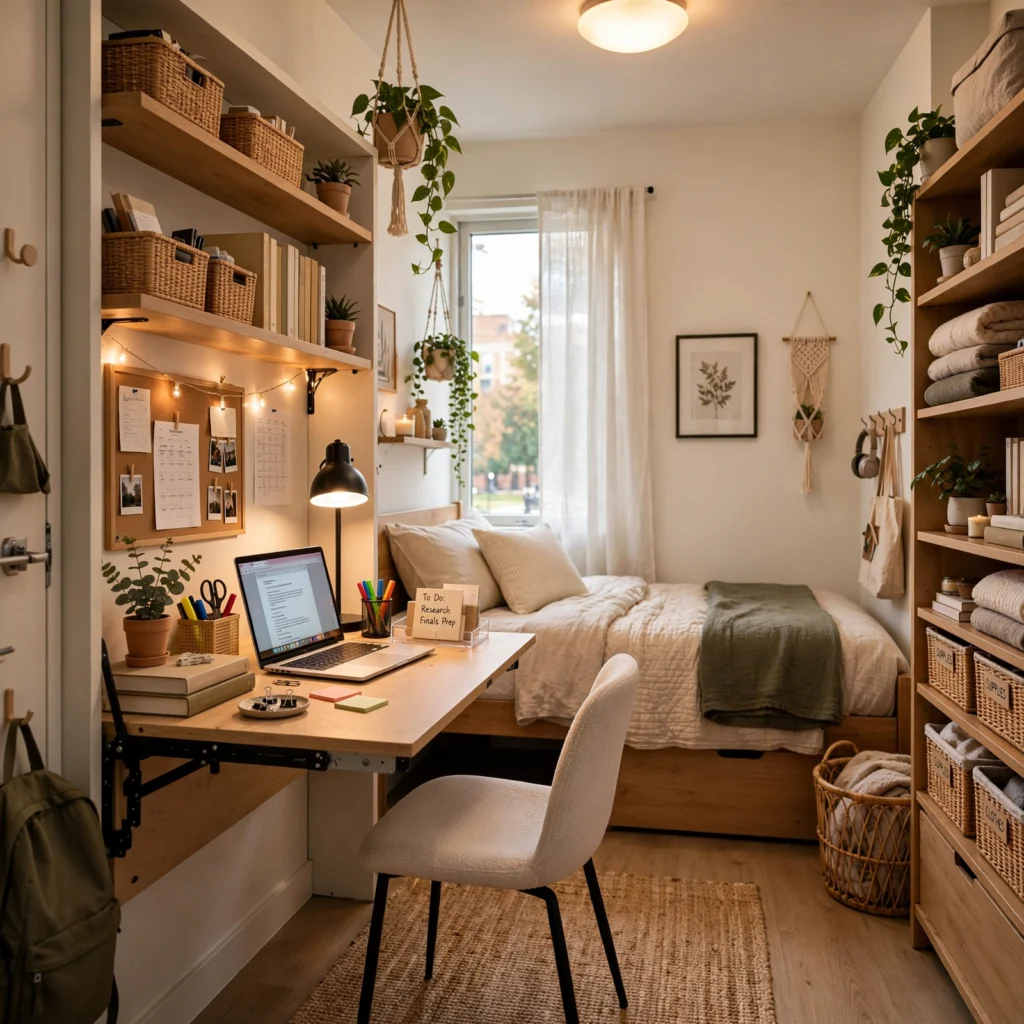
A wall-mounted fold-down desk extension adds a second folding work surface beside the main desk, using removable brackets rather than permanent mounting hardware, giving a single occupant more usable surface area for projects or a printer setup. This works well in a single room specifically because the extra surface doesn’t need to compete with a roommate’s belongings for the same wall space. Folding the extension flat when not in use keeps the room feeling open rather than permanently cluttered.
10. Personalized Closet Door Display
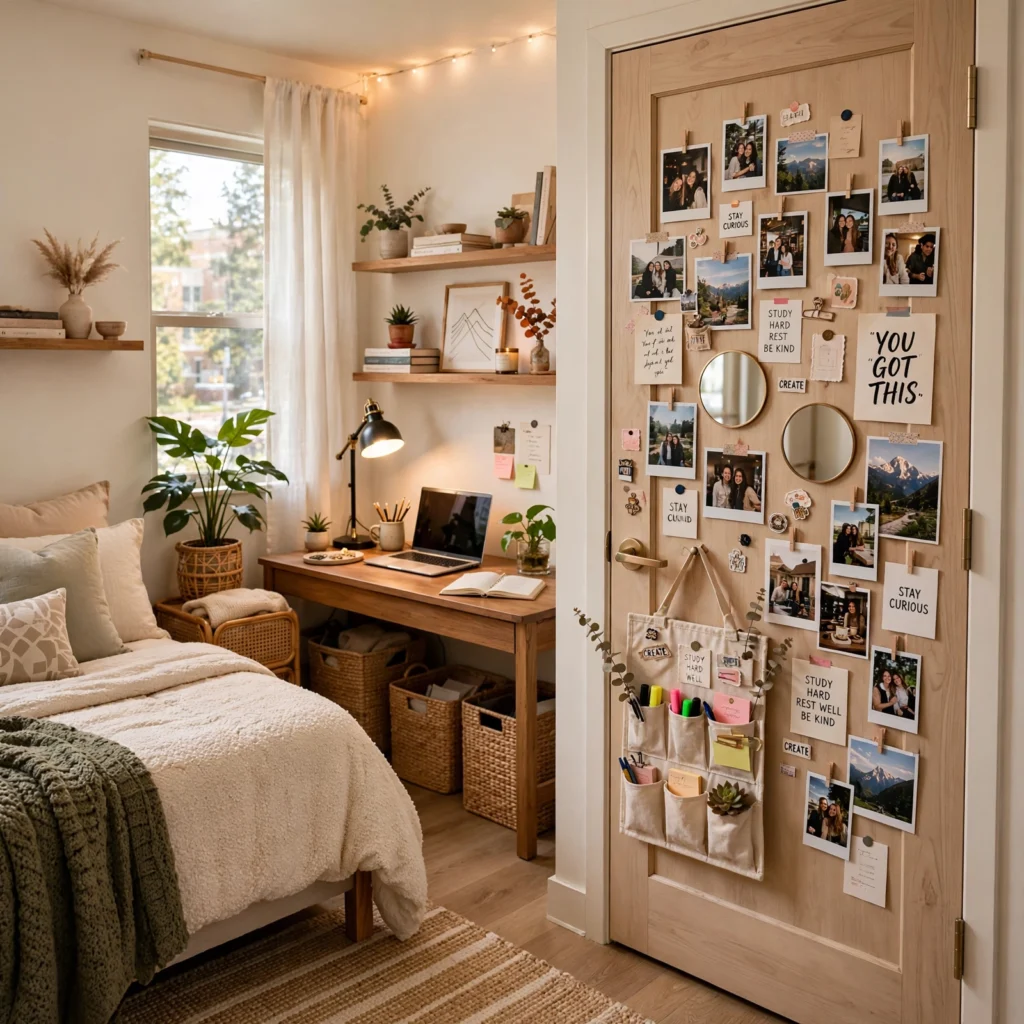
A personalized closet door display uses the inside of the closet door, an often-overlooked surface, for a mirror, a set of hooks, or a small corkboard, adding function to a spot that stays hidden when the door is closed. This idea works well in any dorm room, but a single occupant benefits from being able to fully personalize this space without a roommate’s belongings also needing storage there. Choosing adhesive-mounted accessories keeps the door’s original surface undamaged for move-out inspection.
11. Ambient Lighting Layering
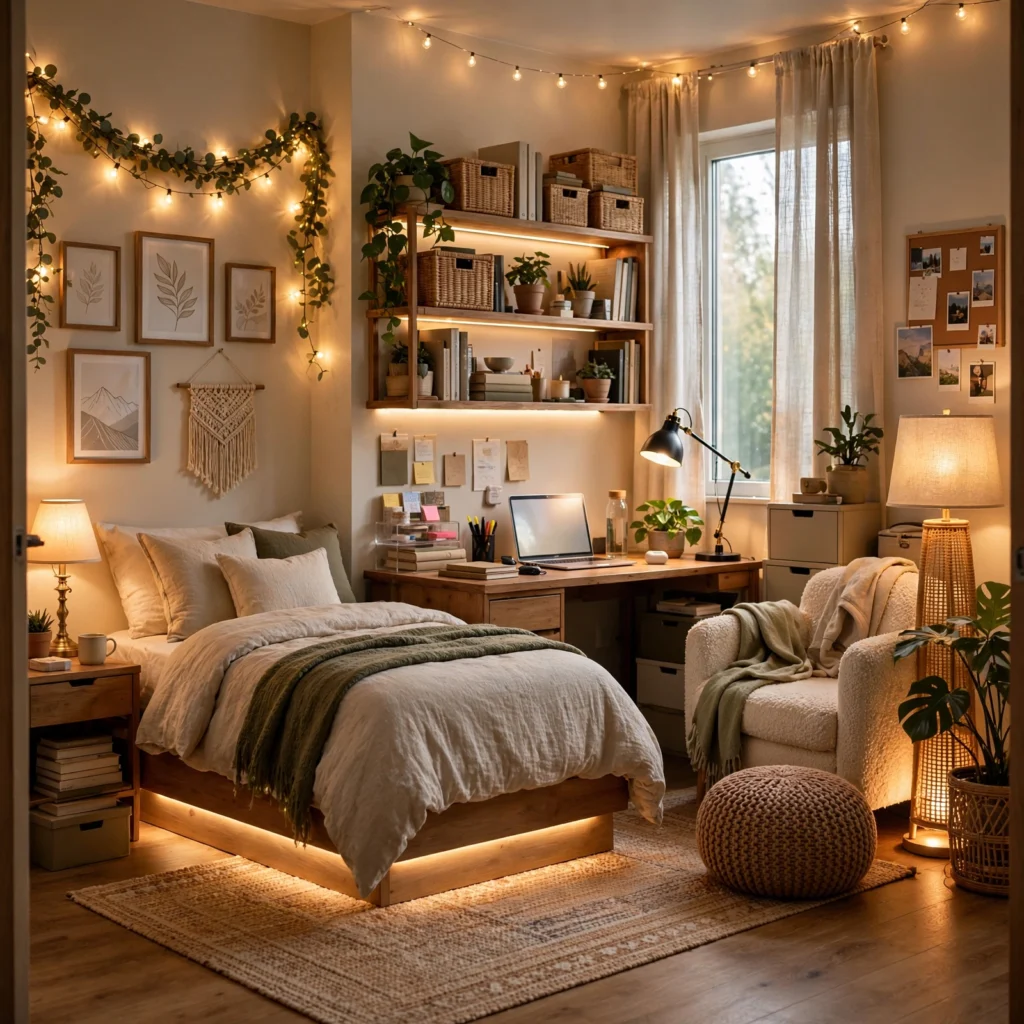
Ambient lighting layering combines a floor lamp, a desk lamp, and string lights placed around the room rather than relying solely on the harsh overhead fixture most dorm rooms come with by default. Because a single occupant controls when and how each light source gets used, this layering can be tailored specifically to personal study and sleep habits without needing to accommodate someone else’s lighting preferences. Choosing warm-toned bulbs around 2700K throughout keeps the various sources feeling cohesive rather than mismatched in color temperature.
12. Wall-Mounted Corkboard Command Center
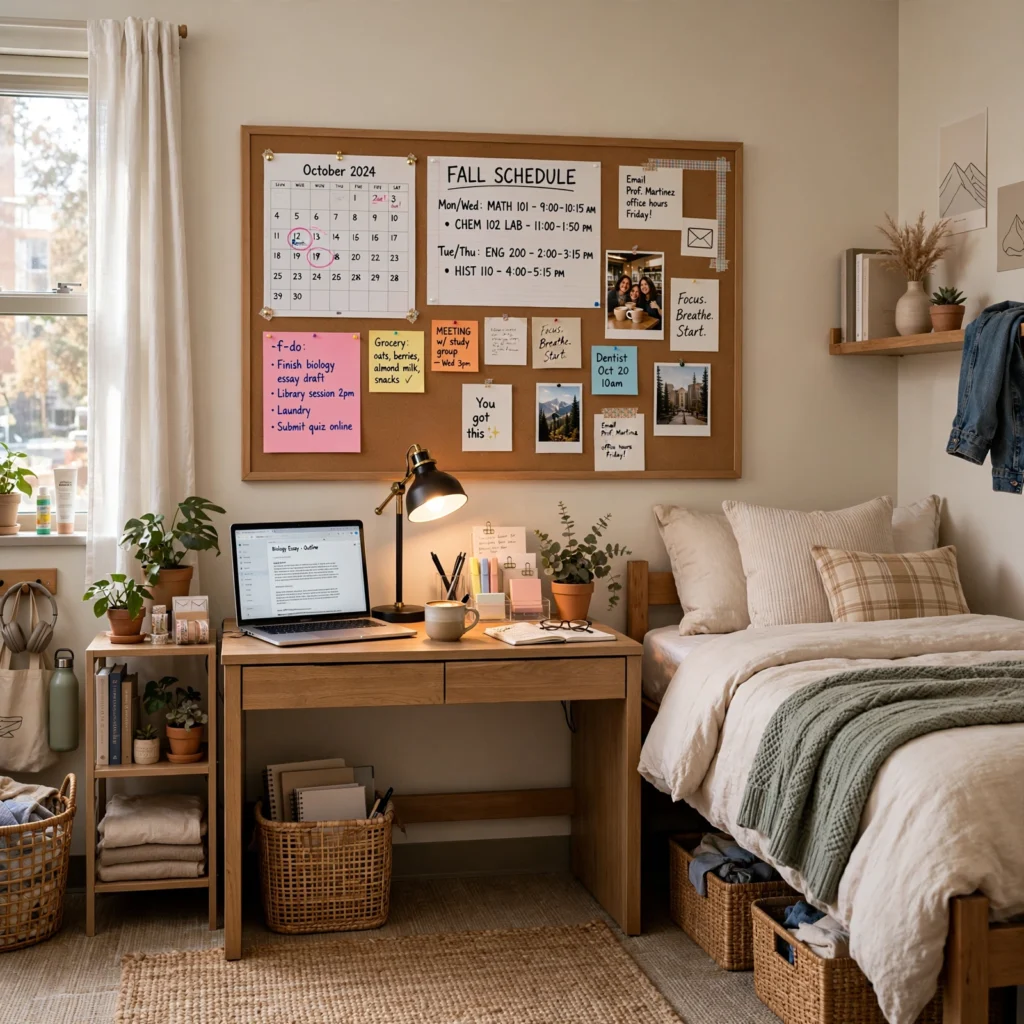
A wall-mounted corkboard command center groups a calendar, reminders, and small photos into one organized area near the desk, using adhesive strips to avoid any wall damage. This idea works particularly well in a single room, since the whole command center can be built around one person’s specific schedule and priorities without needing shared calendar space. Choosing a larger board than might fit in a shared room takes advantage of the extra wall space a single occupant typically has available.
13. Statement Area Rug as Room Anchor
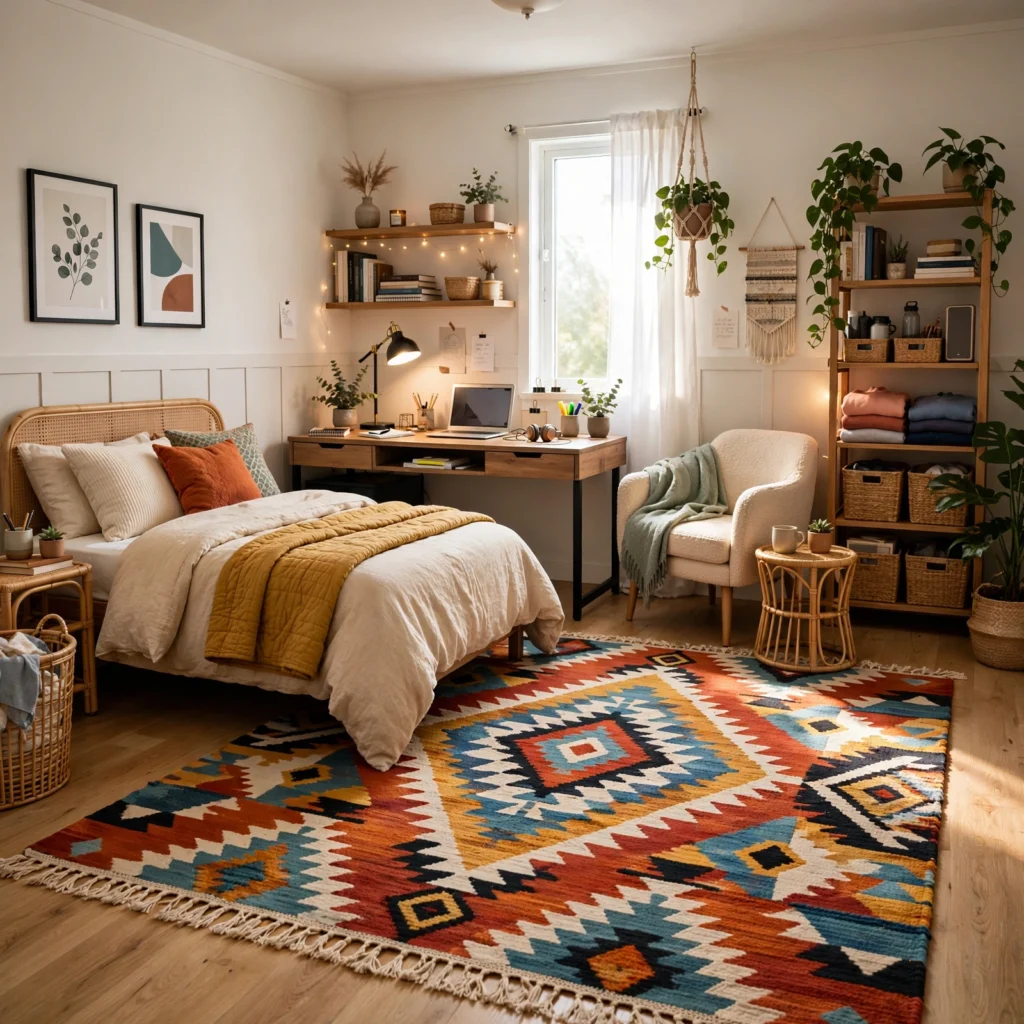
A statement area rug, sized to cover a large portion of the room’s floor rather than just a small accent beside the bed, anchors the whole space in one cohesive pattern or color rather than requiring negotiation over rug choice with a roommate. Choosing a rug large enough for the bed’s front legs and the desk chair to both sit on helps unify the different zones within the single room. This full-room approach works better in a single than a shared double, where a rug this size might not suit both occupants’ preferences.
| Room Size | Recommended Rug Size | Coverage Goal |
| Standard single (120–150 sq ft) | 5×7 feet | Covers most of open floor |
| Larger single (150+ sq ft) | 6×9 feet | Extends under bed and desk |
| Compact single (under 120 sq ft) | 4×6 feet | Anchors central walking area |
14. Personal Vanity or Grooming Station
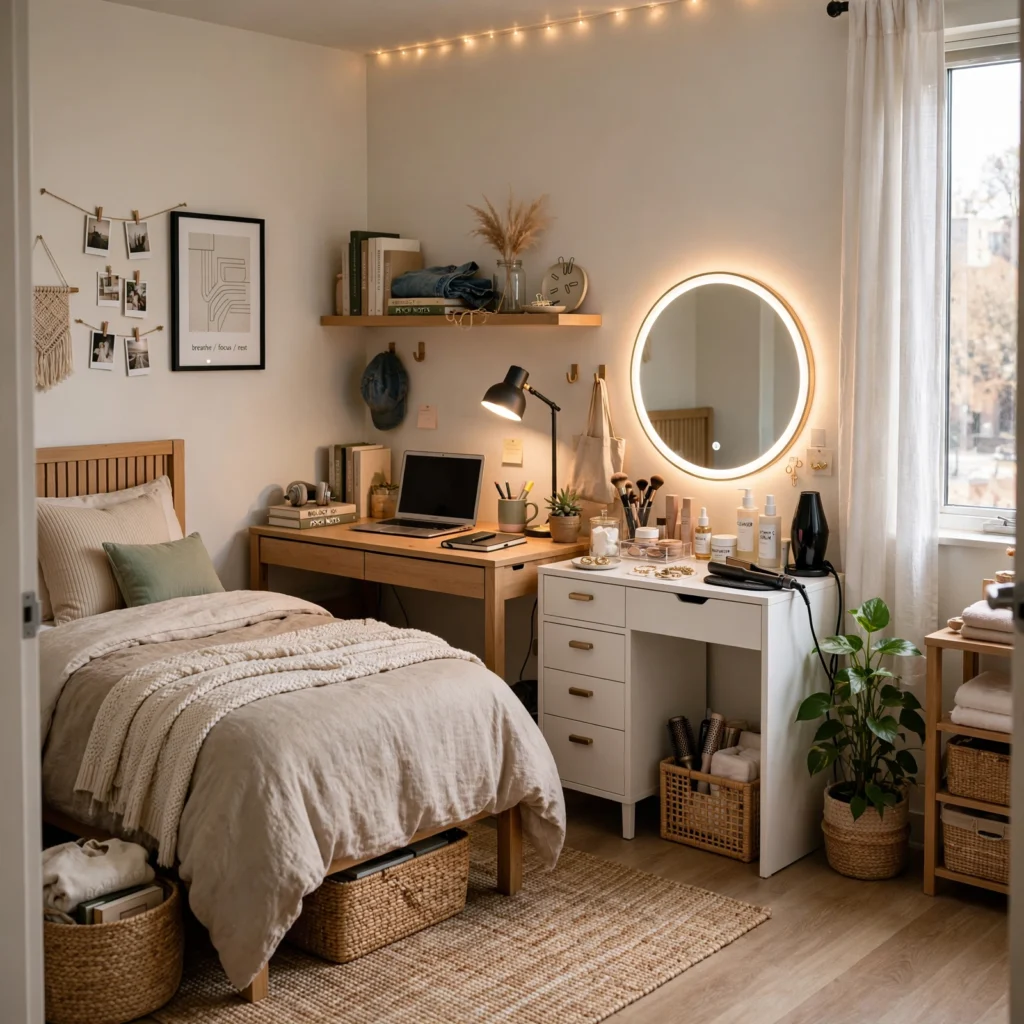
A personal vanity or grooming station dedicates a small section of the desk or a separate narrow table to a mirror, good lighting, and a small organizer for skincare or makeup, a setup easier to justify in a single room where the full desk surface doesn’t need to be shared. Adding a ring light or a set of vanity bulbs around the mirror improves the lighting quality for daily routines significantly compared to the room’s standard overhead fixture. This idea works particularly well combined with the reading nook or entertainment corner for a fuller personal-space layout.
15. Full Room Theme Commitment
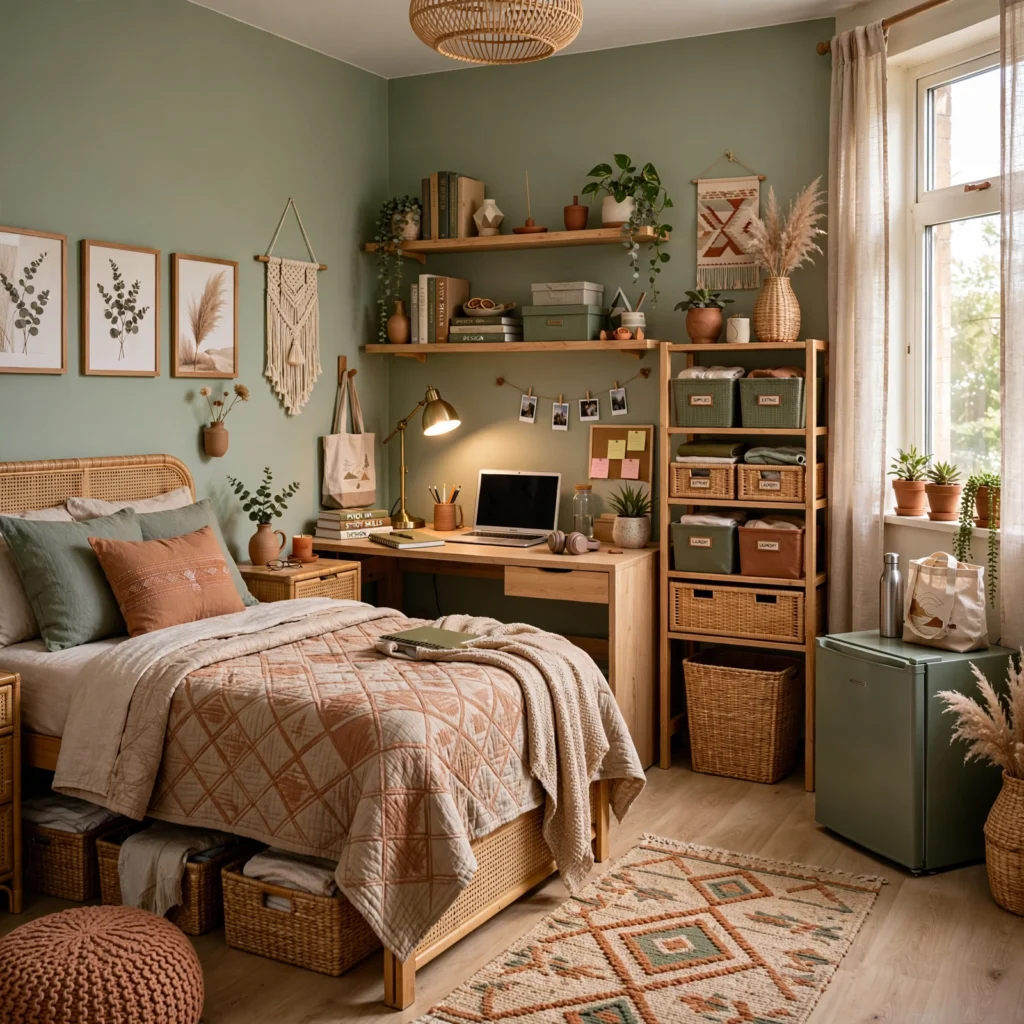
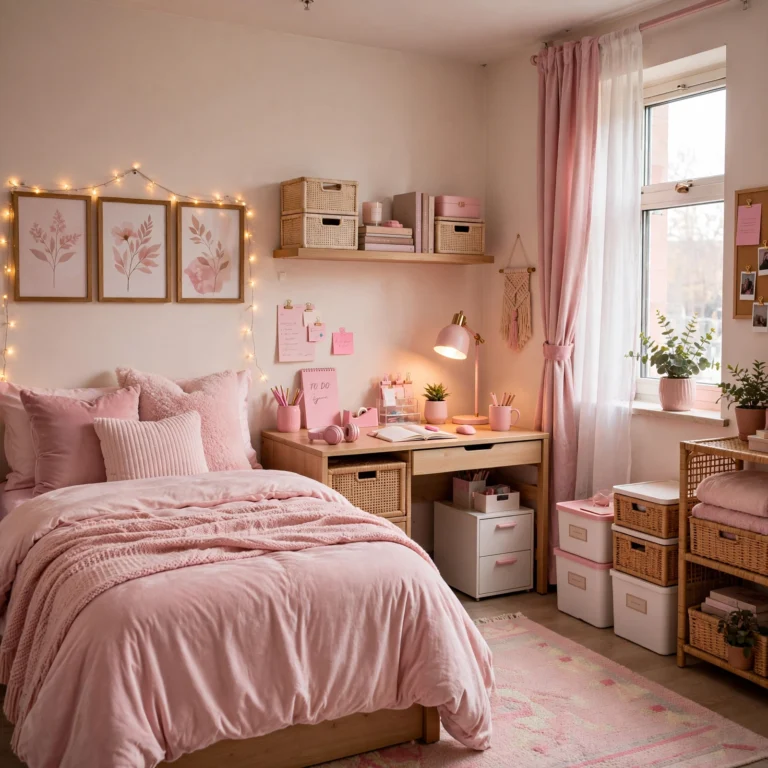
A full room theme commitment carries one consistent color palette, material choice, or aesthetic direction across every zone in the room, from bedding to wall art to any rugs, rather than mixing styles the way a shared double sometimes ends up doing between two people’s tastes. This works specifically because a single occupant can commit fully to one design direction without needing buy-in from anyone else sharing the space. Choosing two or three anchor colors at the very start of planning keeps every subsequent purchase easier to coordinate into the same overall look.
Shop the Look
For this palette, look for a large 5-by-7-foot area rug to anchor the room, a set of layered ambient lighting including a floor lamp and warm string lights, a compact mini fridge for the snack station, a full-length curtain divider on a tension rod, and a wall-mounted corkboard for the command center. These pieces work together across several of the ideas above without requiring any permanent installation.
Common Mistake to Avoid
The most common mistake in a single dorm room is treating the extra space as simply more room for the same shared-double furniture layout, rather than taking advantage of the opportunity to create distinct functional zones throughout the space. A single room with a bed, desk, and nothing else planned often ends up feeling underused despite the additional square footage compared to a shared room. Deliberately zoning the space for sleep, study, and relaxation, even in a small single, makes better use of the privacy and flexibility that comes with having the whole room to yourself.
FAQs
What single dorm room ideas make the best use of extra space?
Distinct sleep and study zones, a reading nook corner, and a personal entertainment corner all make particularly good use of the extra space a single room offers compared to a shared double. A full wall gallery display and a statement area rug also take advantage of not needing to negotiate wall or floor space with a roommate. Focusing on zoning the room into purposeful sections, rather than simply spreading the same furniture layout across more square footage, gets the most value out of a single room’s additional space.
How much does it cost to decorate a single dorm room?
A budget refresh using a corkboard command center, ambient string lighting, and a closet door display can run under $100 total, while adding a statement area rug and a reading nook setup typically pushes the range to $200–$400. Larger investments like a mini fridge station or a full curtain room divider system cost more depending on quality, often landing between $300 and $600 for a more fully zoned and personalized room.
Is a single dorm room worth the extra cost compared to a shared double?
Whether a single dorm room is worth the extra cost generally depends on personal preference for privacy, sleep schedule flexibility, and how much control matters over the room’s layout and decor, since a single removes the need to negotiate any of these details with another person. Students who value quiet study time or have irregular schedules often find the added cost worthwhile, while others prioritize the social aspect and lower cost of a shared double instead. There’s no universally correct answer, since it comes down to individual living preferences.
How do I zone a small single dorm room without walls?
Zoning a small single room without walls typically relies on furniture placement, rugs, and lighting to create visual boundaries between different areas, like positioning the bed against the farthest wall and the desk closer to the entrance. A curtain room divider on a tension rod offers a more literal separation if needed, without requiring any permanent construction. Layered rugs, one for the sleep and study area and a separate one for a reading or entertainment corner, also help visually distinguish zones within one open room.
What should I prioritize first when setting up a single dorm room?
Prioritizing the sleep and study zone layout first generally makes sense, since these two functions get the most consistent daily use and should be positioned before adding secondary zones like a reading nook or entertainment corner. Storage solutions, like under-bed bins or a corkboard command center, come next, since they keep the room functional as the semester progresses. Purely decorative elements, like a full wall gallery or a themed color palette, work best as a final layer once the functional layout is already settled.
Conclusion
These single dorm room ideas cover everything from a simple corkboard command center to a fully zoned layout with distinct sleep, study, and relaxation areas, giving you options regardless of your room’s exact size or your personal priorities for the space. Start by zoning the room’s core functions, then layer in personalization details like lighting and wall displays as the semester settles in. Save this guide to Pinterest for later, and check out our related post on dorm room ideas for more student housing guidance.