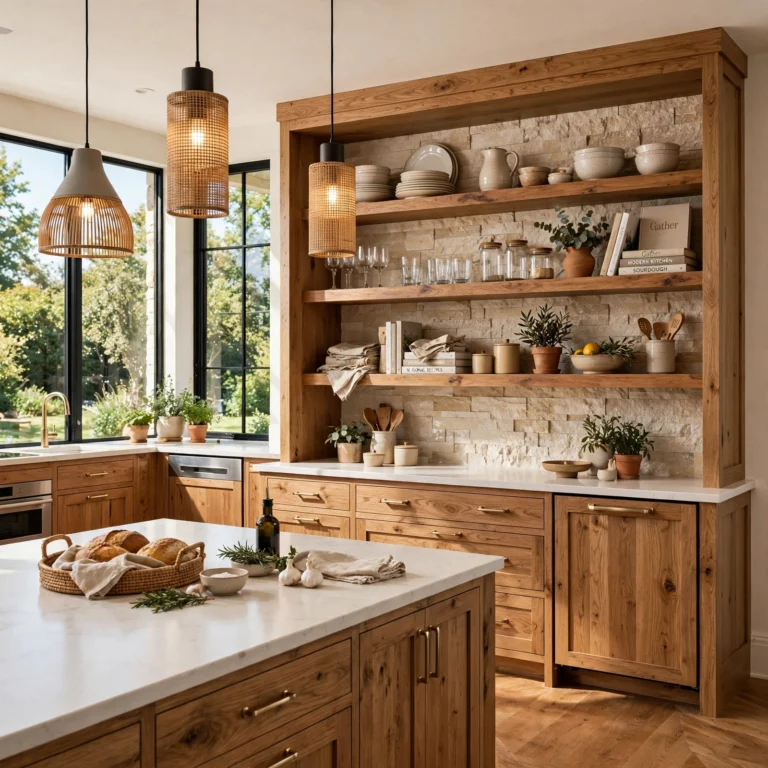
16 Trending Painted Kitchen Cabinets Ideas for a Fresh Kitchen Look
Painted kitchen cabinets remain one of the most reliable ways to transform a kitchen’s look without the cost of full replacement, yet many homeowners default to a single safe white rather than exploring the range of colors and techniques now available. This guide walks through sixteen distinct painted cabinet directions, each tied to a specific color, technique, or pairing so you can picture the finished kitchen before picking up a paintbrush. By the end, you’ll have a clear shortlist of ideas matched to your kitchen’s layout and existing fixed finishes.
Trend & Background
Painted cabinetry has grown as a preferred renovation choice over full replacement, largely because rising material and labor costs have made repainting existing cabinet boxes a far more budget-friendly way to achieve a significant kitchen update. This matters now because paint formulations designed specifically for cabinetry have improved considerably, offering better durability and a smoother factory-like finish than standard wall paint. Deep jewel tones like forest green and navy, along with warm neutrals like cream and greige, have overtaken the all-white kitchens of previous years as the leading painted cabinet choices.
Key Takeaways
- Painted kitchen cabinets offer one of the most cost-effective ways to update a kitchen without full replacement.
- Deep jewel tones and warm neutrals remain the most requested painted cabinet colors for 2026.
- Proper prep, including sanding and priming, matters more to the final result than the paint brand or color chosen.
- Two-tone painting and accent islands allow for bold color choices without repainting an entire kitchen.
1. Classic White Cabinet Refresh
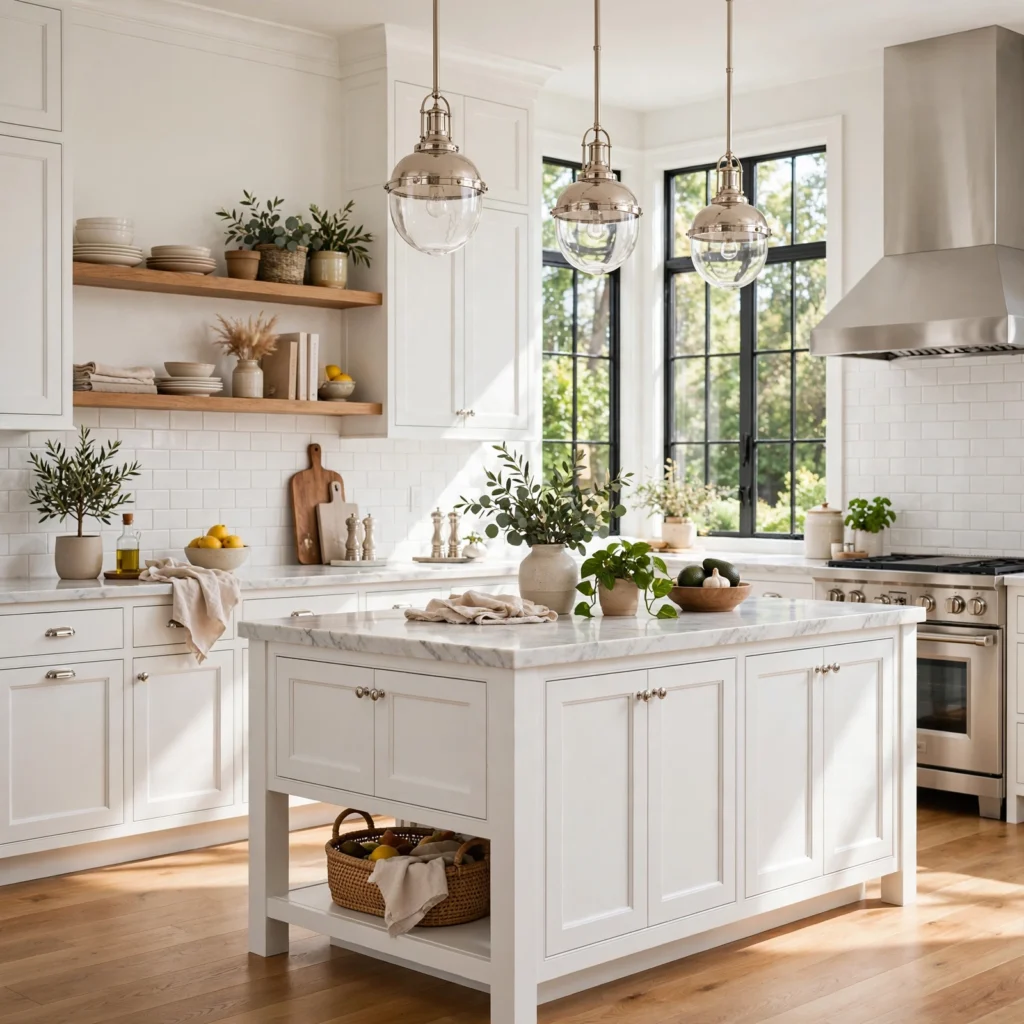
A classic white repaint remains one of the most reliable painted kitchen cabinet choices, brightening a space and creating a neutral backdrop that pairs with nearly any countertop or backsplash material. This approach suits kitchens with limited natural light, where white helps reflect what light is available. Choose a warm rather than stark white to avoid a cold, clinical feel, and apply the paint in a satin or semi-gloss finish for better durability against daily kitchen wear.
2. Deep Forest Green Cabinets
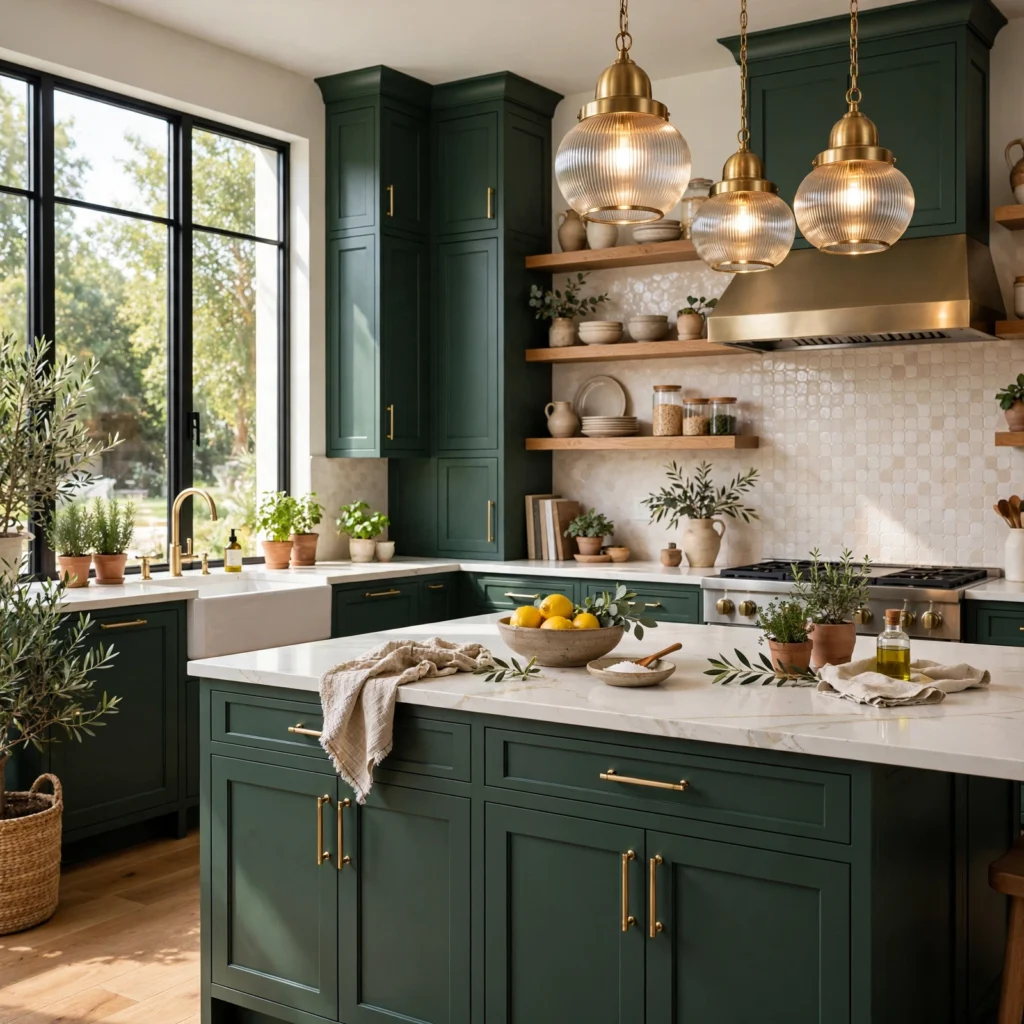
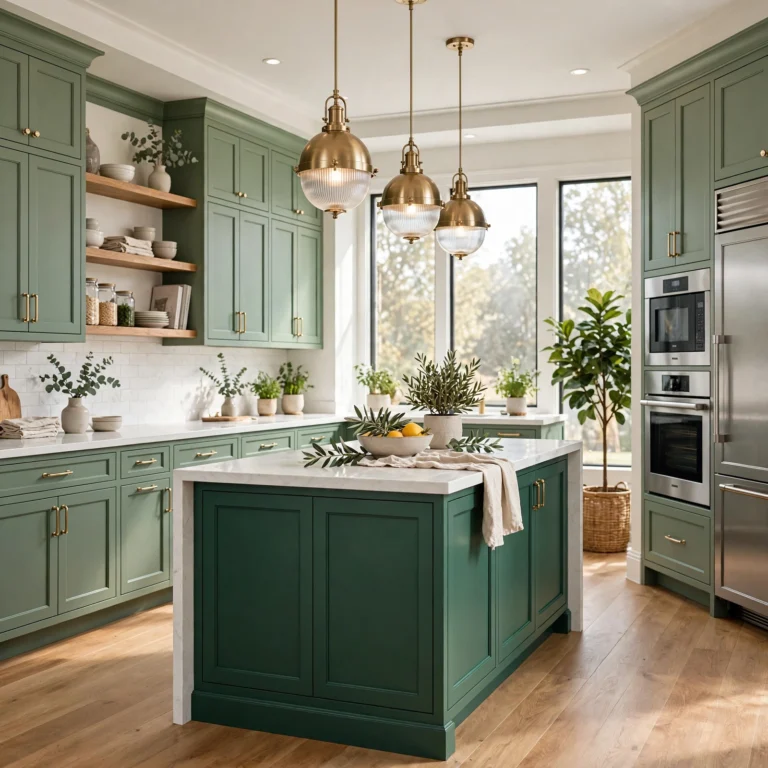
Deep forest green painted cabinets bring an earthy, sophisticated color statement that pairs particularly well with brass hardware and natural wood countertops. This approach suits kitchens wanting a bold color change without leaning into a trend that feels tied to a single passing year. Choose a matte or satin finish for the most current look, and consider applying the green only to lower cabinets or an island while keeping uppers a lighter neutral for balance.
3. Two-Tone Painted Combination
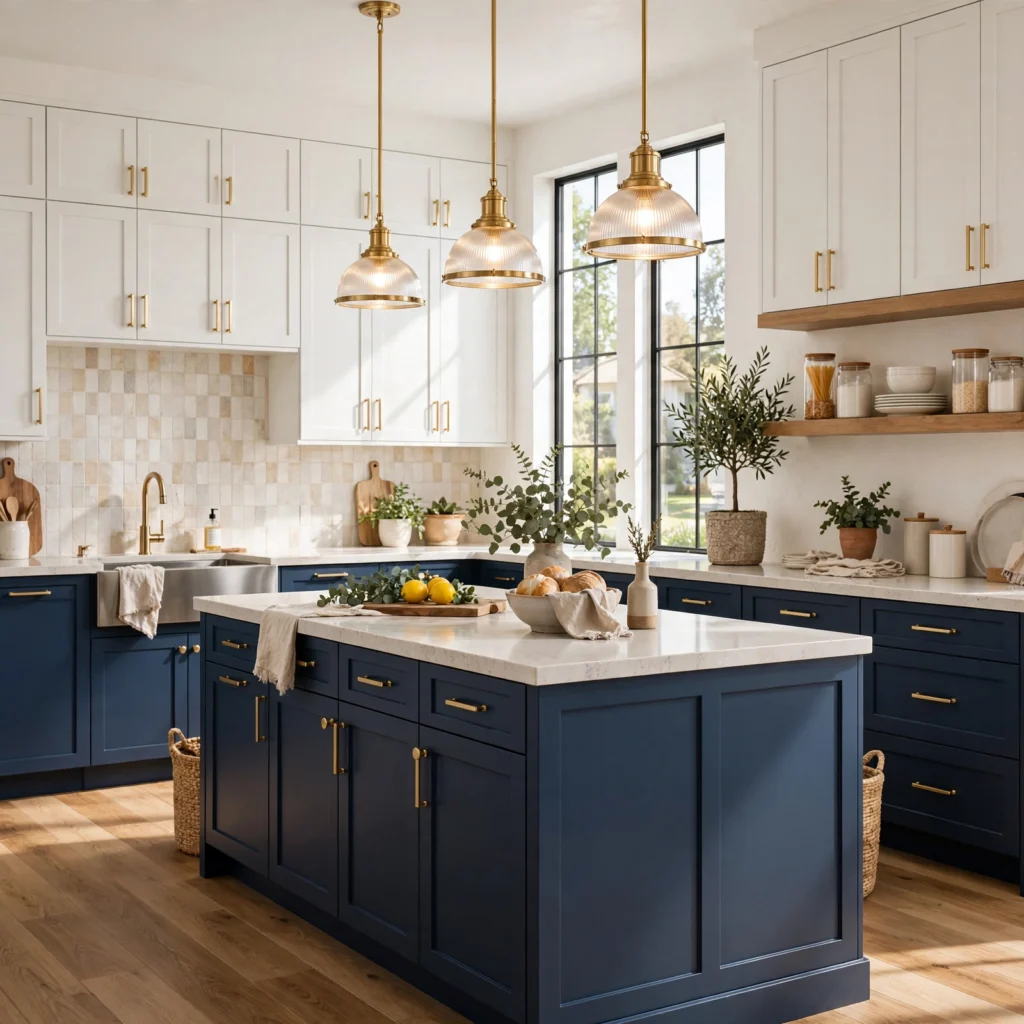
Painting lower cabinets a darker color while keeping upper cabinets a lighter neutral creates visual balance and prevents a kitchen from feeling flat or overly monochromatic. This approach suits kitchens of nearly any size, since the lighter uppers keep the space feeling open while the darker lowers ground the room. Choose a navy, charcoal, or forest green for the lowers, and keep the transition point consistent across the entire kitchen for a cohesive, intentional look.
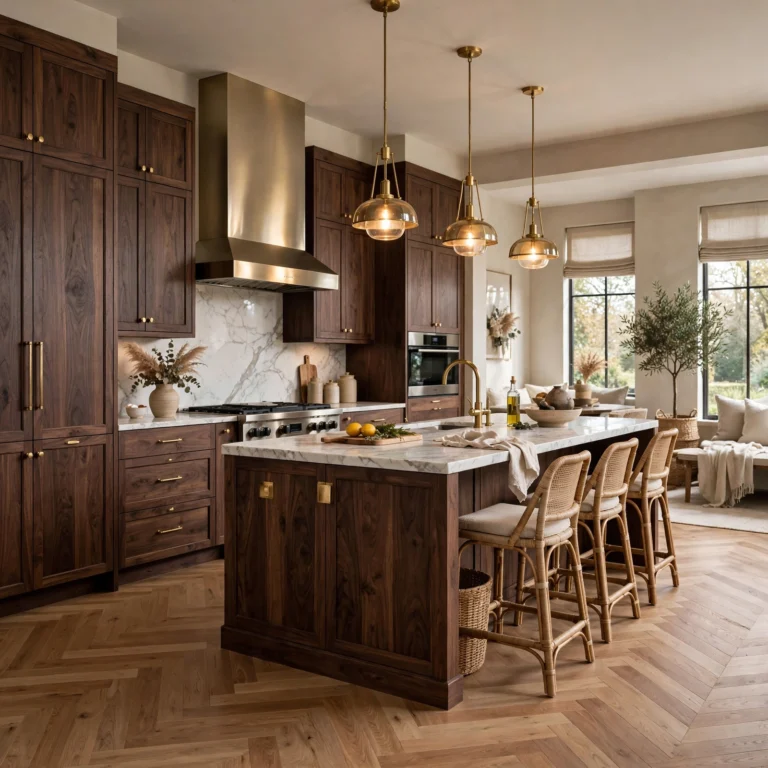
To see more options for walnut kitchen cabinets
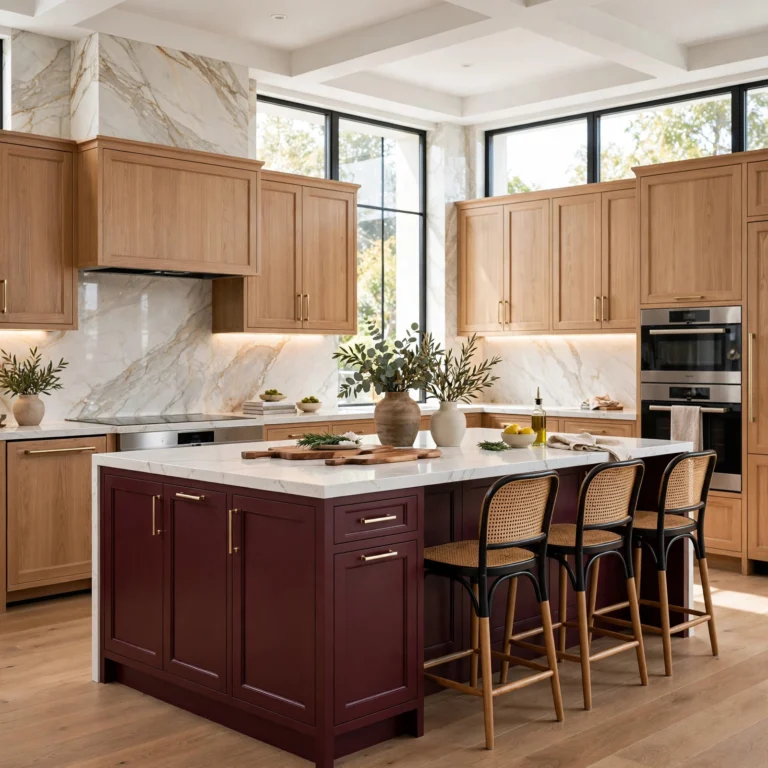
4. Statement Island Repaint
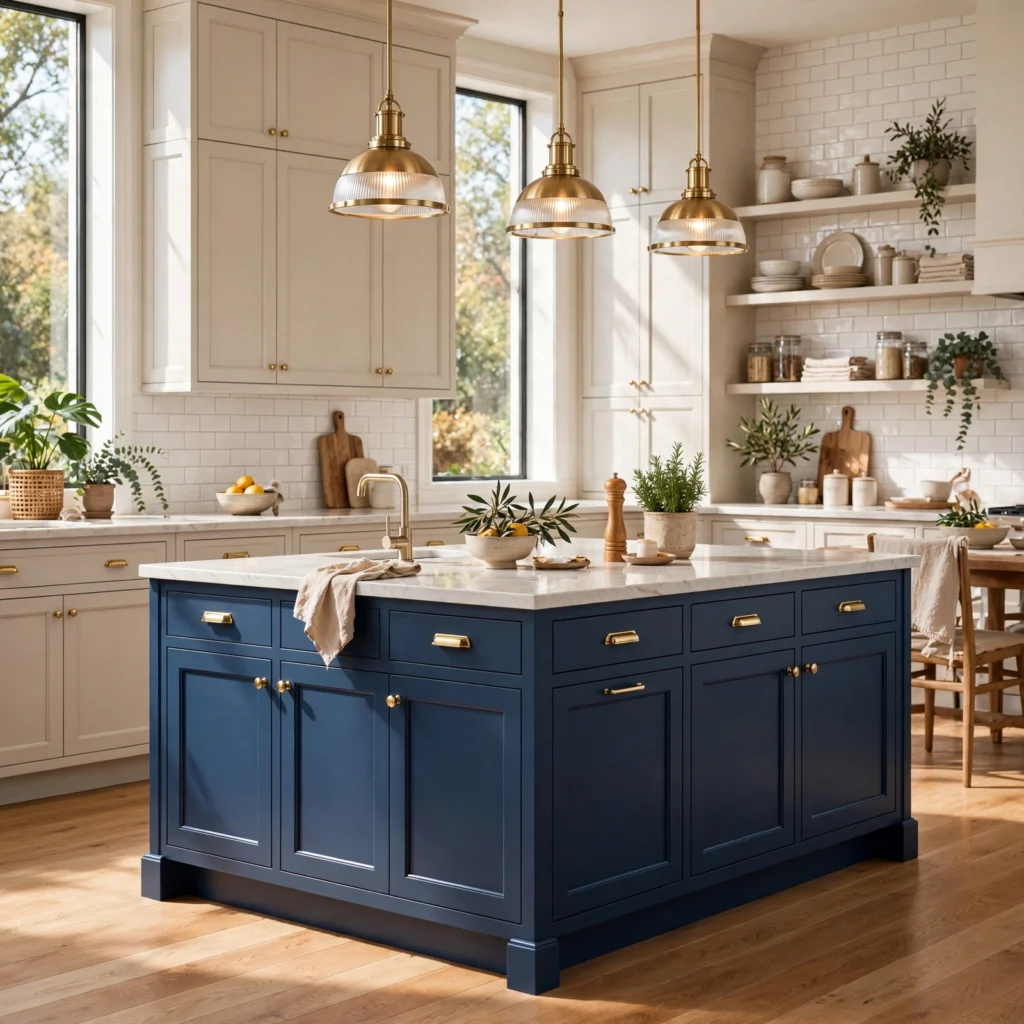
Painting only the kitchen island a bold or contrasting color, while keeping the surrounding perimeter cabinets a neutral tone, creates a focal point without the cost or time commitment of a full kitchen repaint. This approach suits kitchens where the island already serves as the central gathering space. Choose a color that contrasts moderately rather than clashes with the surrounding cabinetry, and match the island’s hardware finish to the accent color’s undertone for cohesion.
5. Warm Greige Cabinet Repaint
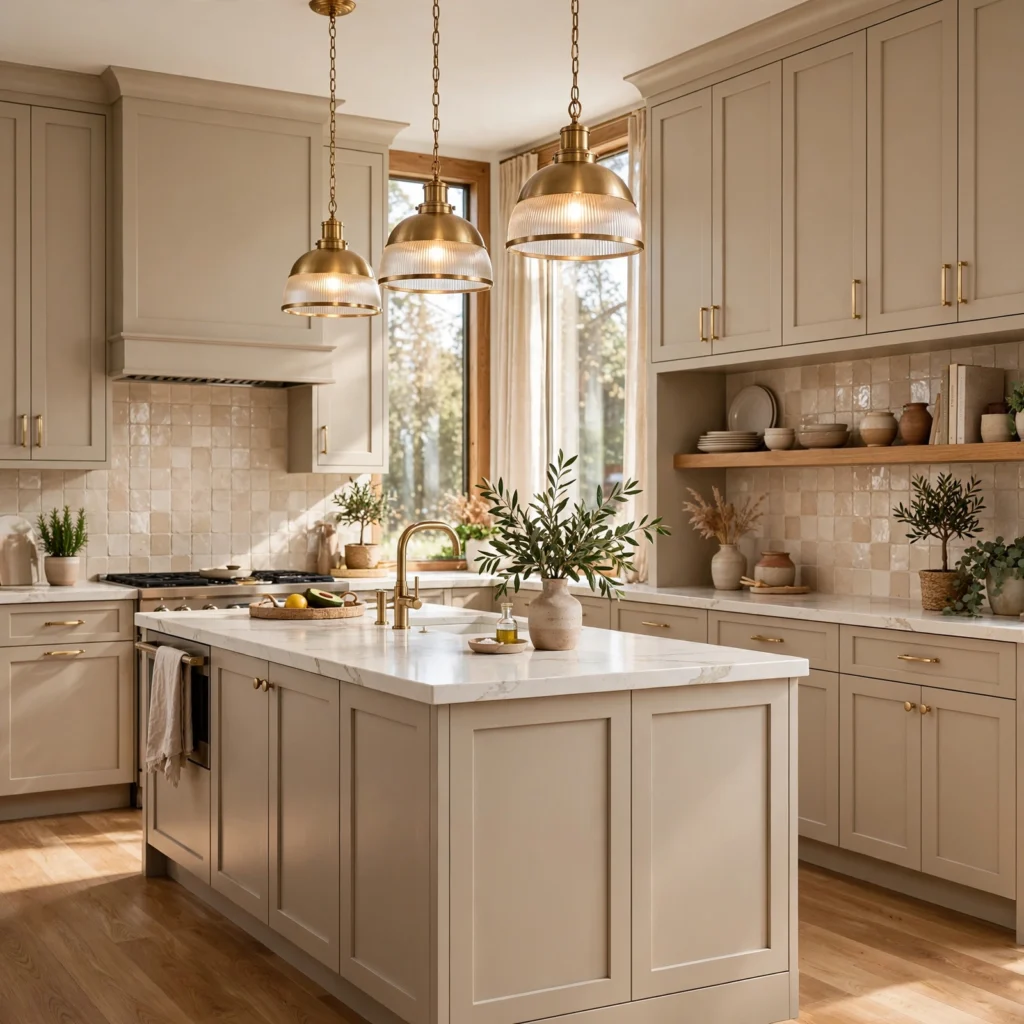
A warm greige repaint, balancing gray and beige undertones, offers a flexible neutral that suits both traditional and contemporary kitchen styles without feeling as cool as a pure gray. This approach suits kitchens wanting a departure from stark white without committing to a bold color. Choose a greige with a slightly warm undertone, and test the sample against existing countertops and flooring before committing, since greige can shift noticeably under different lighting conditions.
6. Navy Blue Lower Cabinets
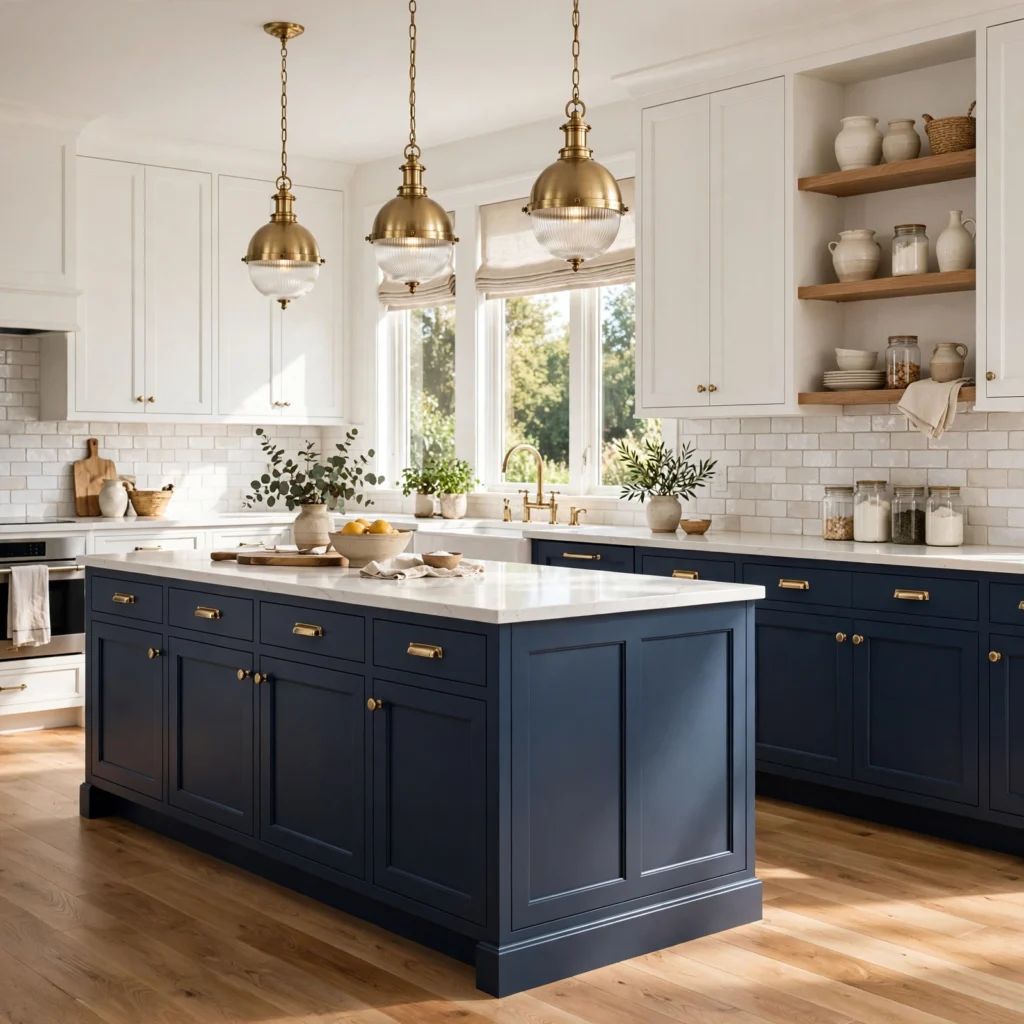
Navy blue lower cabinets, paired with white or marble countertops, create a rich, classic color contrast that has remained consistently popular across several years of kitchen design. This approach suits kitchens with ample natural light, where the navy reads as elegant rather than heavy or dark. Choose a matte or satin finish rather than high gloss, and pair the navy with brass or nickel hardware depending on whether the kitchen leans warm or cool overall. The table below compares common painted cabinet finishes by durability and best use.
| Finish | Durability | Best Use | Sheen Level |
| Satin | High | Full kitchen | Low-medium |
| Semi-gloss | Very High | High-touch areas | Medium |
| Matte | Medium | Accent island | Low |
| Eggshell | Medium | Low-traffic uppers | Low |
7. Terracotta and Clay Tone Cabinets
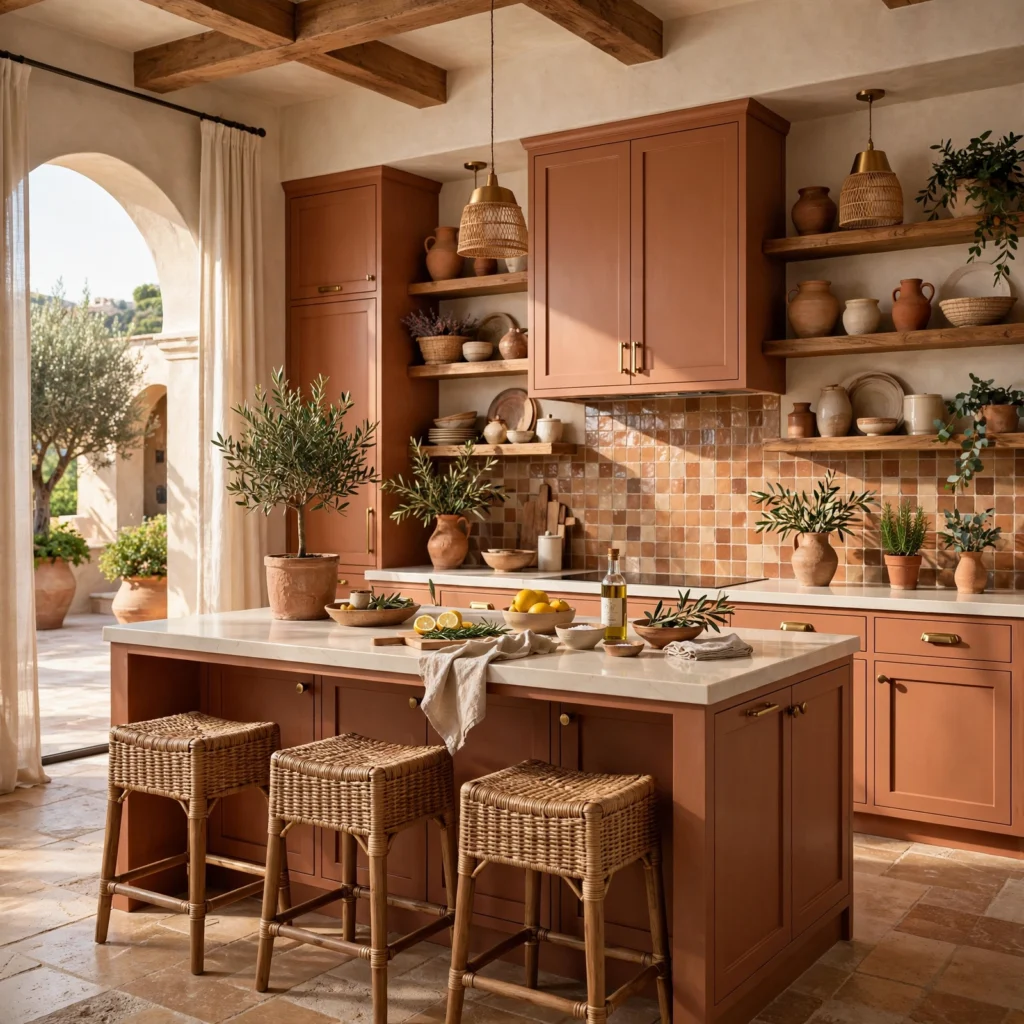
Painted cabinets in a terracotta or clay tone bring warmth and an earthy, Mediterranean-inspired quality to a kitchen that neutral tones cannot replicate. This approach suits kitchens with natural stone countertops or existing warm-toned flooring. Choose a matte finish to enhance the color’s organic, clay-like quality, and pair the cabinets with brass or aged bronze hardware to reinforce the warm, grounded palette throughout the space.
8. Cream and Off-White Cabinets
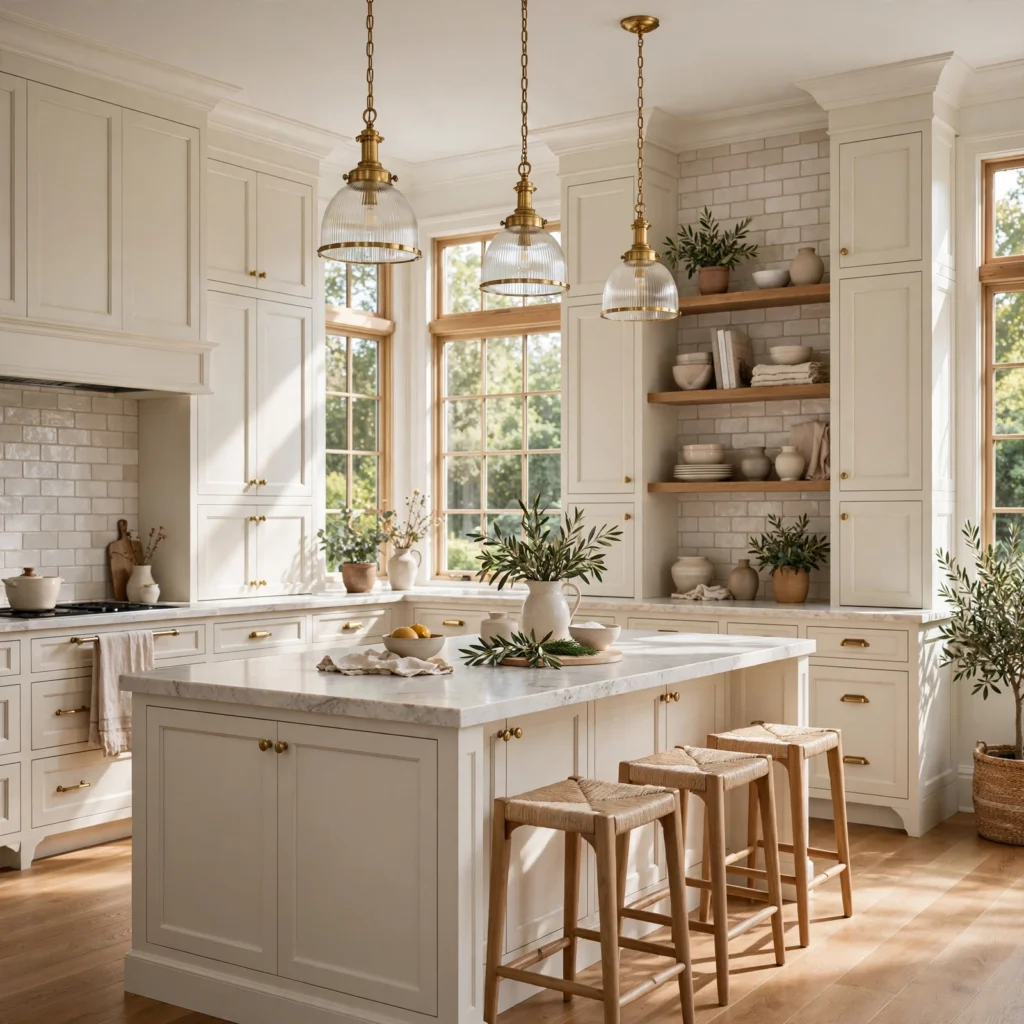
A cream or off-white repaint, rather than a stark cool white, brings warmth to a kitchen while keeping the space feeling light and open. This approach suits kitchens wanting a softer alternative to the high-contrast white kitchens common in previous years. Choose a warm-toned cream with a satin finish, and pair it with brass or brushed gold hardware to reinforce the overall warmth of the palette throughout the kitchen.
9. Charcoal Gray Cabinet Repaint
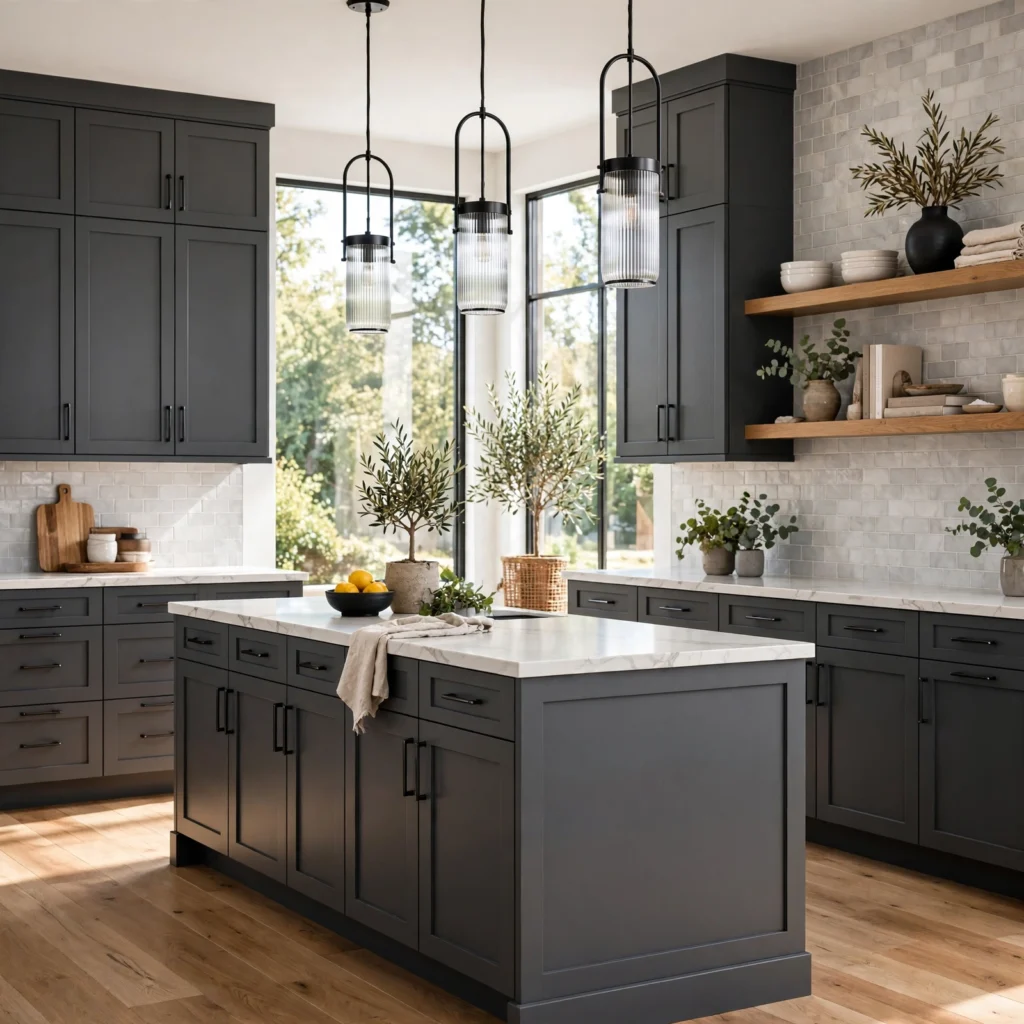
Charcoal gray painted cabinets create a moody, sophisticated look that suits kitchens with strong natural light, where the darker tone reads as intentional rather than closing in the space. This approach works particularly well in kitchens with white or marble countertops, which provide necessary contrast. Choose a satin finish for the best balance between durability and light reflection, and pair the charcoal with brass or matte black hardware depending on the kitchen’s overall metal palette.
10. Distressed or Glazed Cabinet Finish
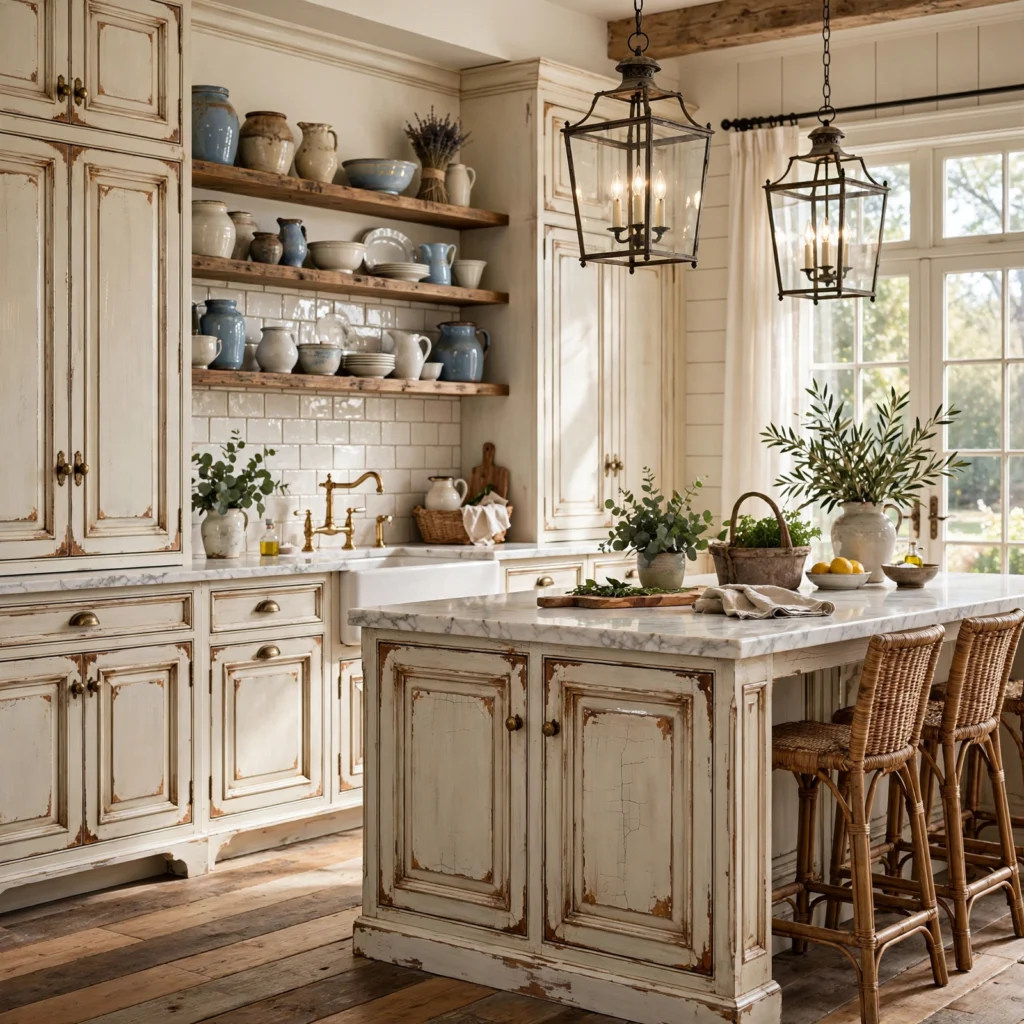
A distressed or glazed painted finish, where a secondary tone is applied and partially wiped away to highlight the cabinet’s grooves and edges, adds dimension and an aged, traditional quality to painted cabinetry. This technique suits farmhouse or traditional kitchen styles wanting more texture than a flat paint color alone provides. Apply the glaze in small sections and wipe away excess before it dries, working consistently across all doors to maintain an even, intentional distressed effect.
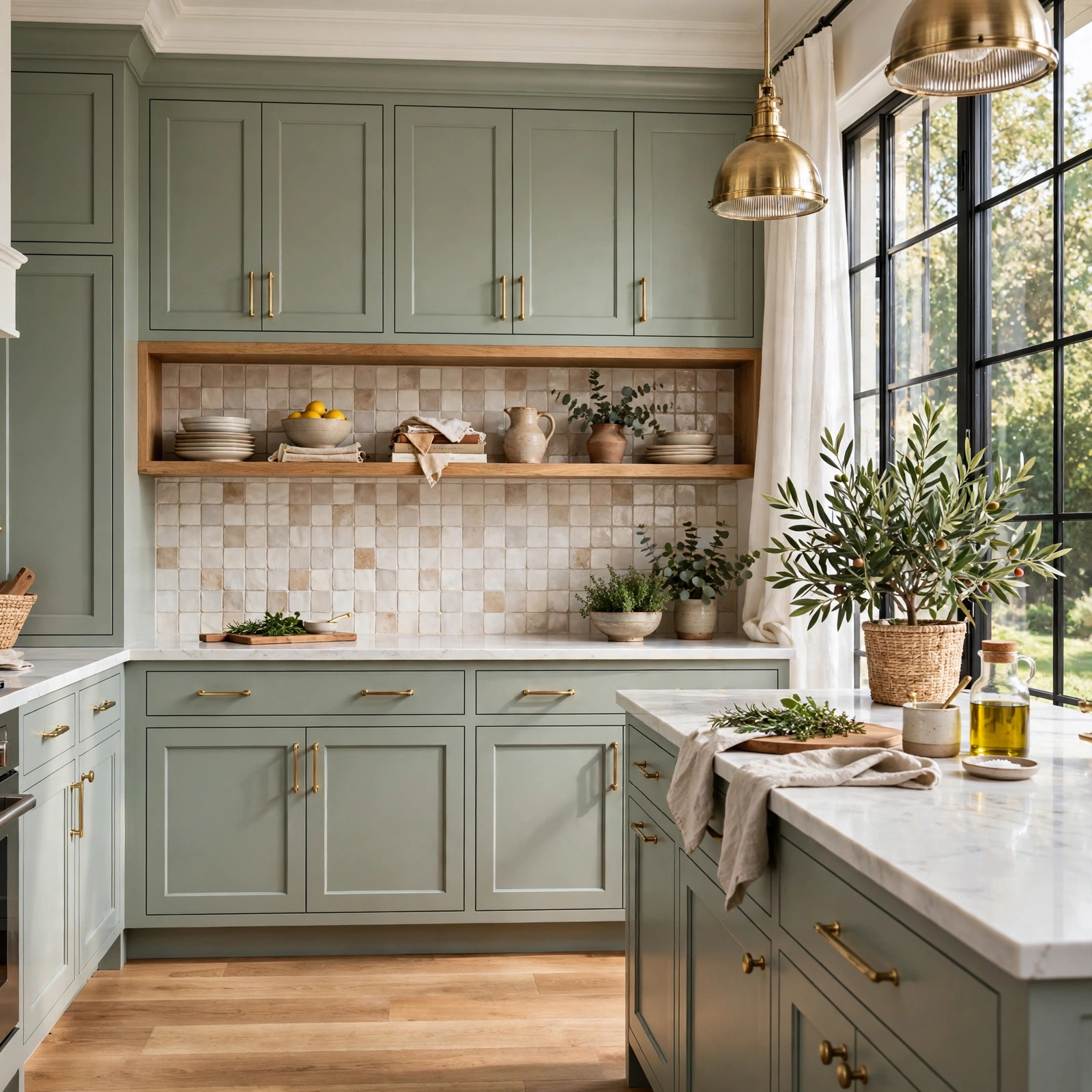
11. Sage Green Cabinet Repaint
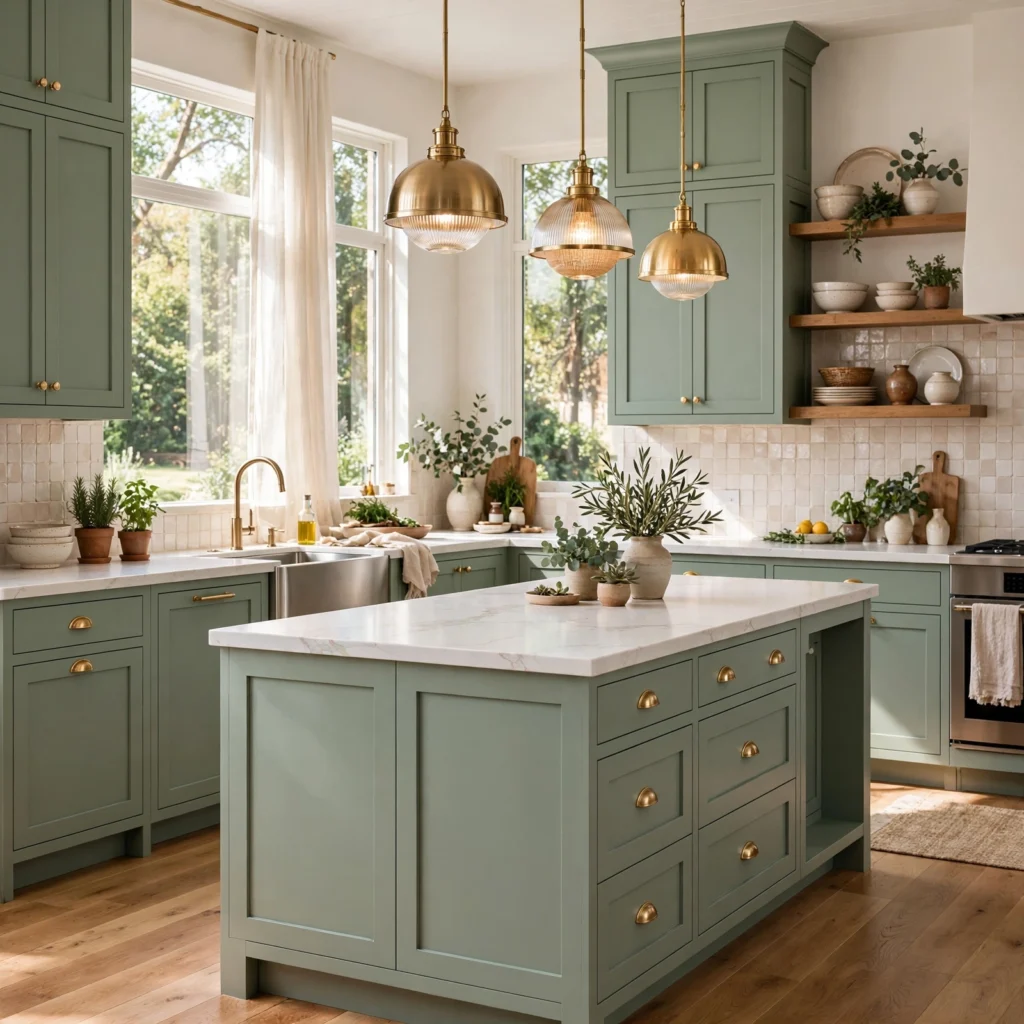
A sage green repaint offers a muted, calming alternative to bolder greens like forest or emerald, suiting kitchens wanting color without a heavy visual statement. This approach works well throughout an entire kitchen or limited to just the island for a subtler accent. Choose a matte or eggshell finish to enhance the color’s soft, muted quality, and pair the sage with brushed nickel or unlacquered brass hardware depending on the kitchen’s existing metal tones.
12. High-Gloss Statement Cabinets
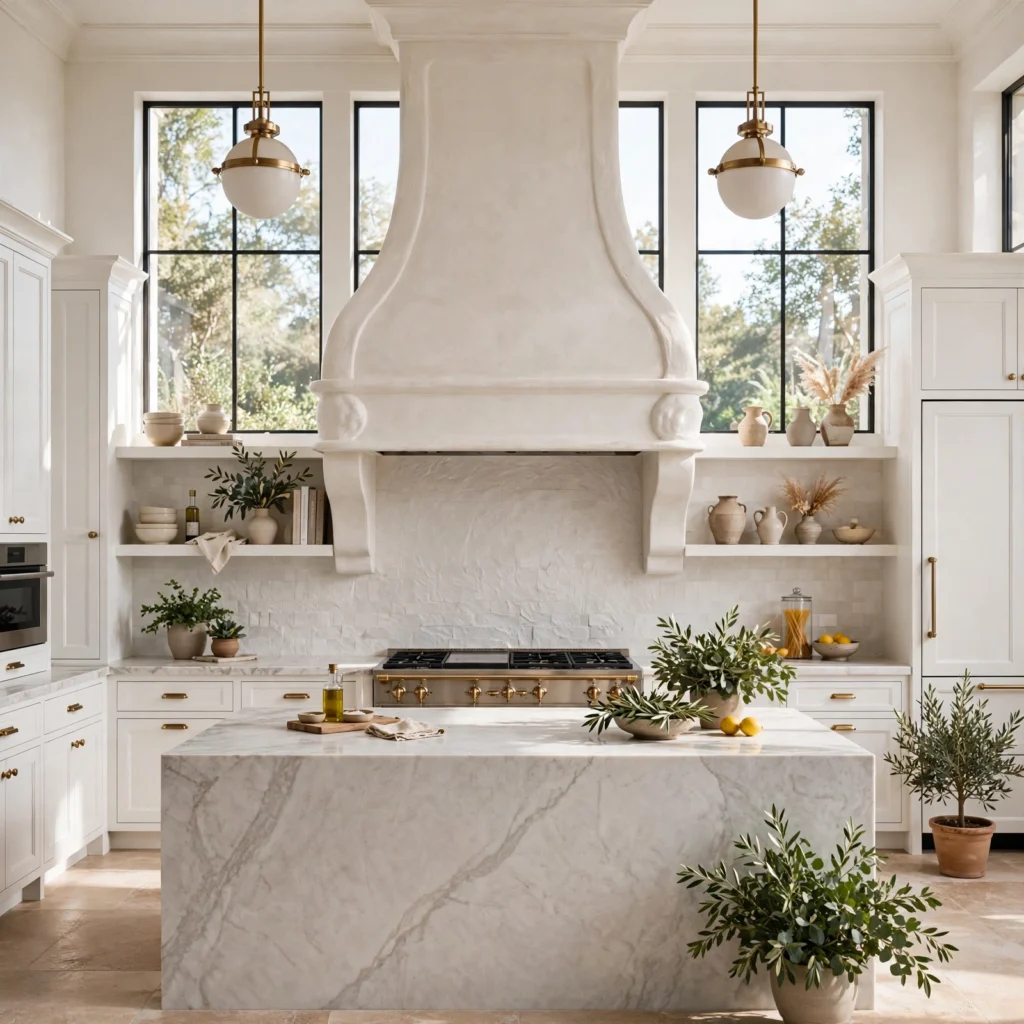
A high-gloss painted finish, applied in a bold color like emerald or deep red, creates a dramatic, reflective statement that suits modern and maximalist kitchen styles. This approach requires professional spray application for the smoothest possible finish, since brush application often shows visible strokes in high-gloss sheens. Choose a color that photographs well under the kitchen’s existing lighting, and pair the glossy cabinets with simple, minimal hardware to let the finish itself remain the focal point.
13. Black Cabinet Repaint
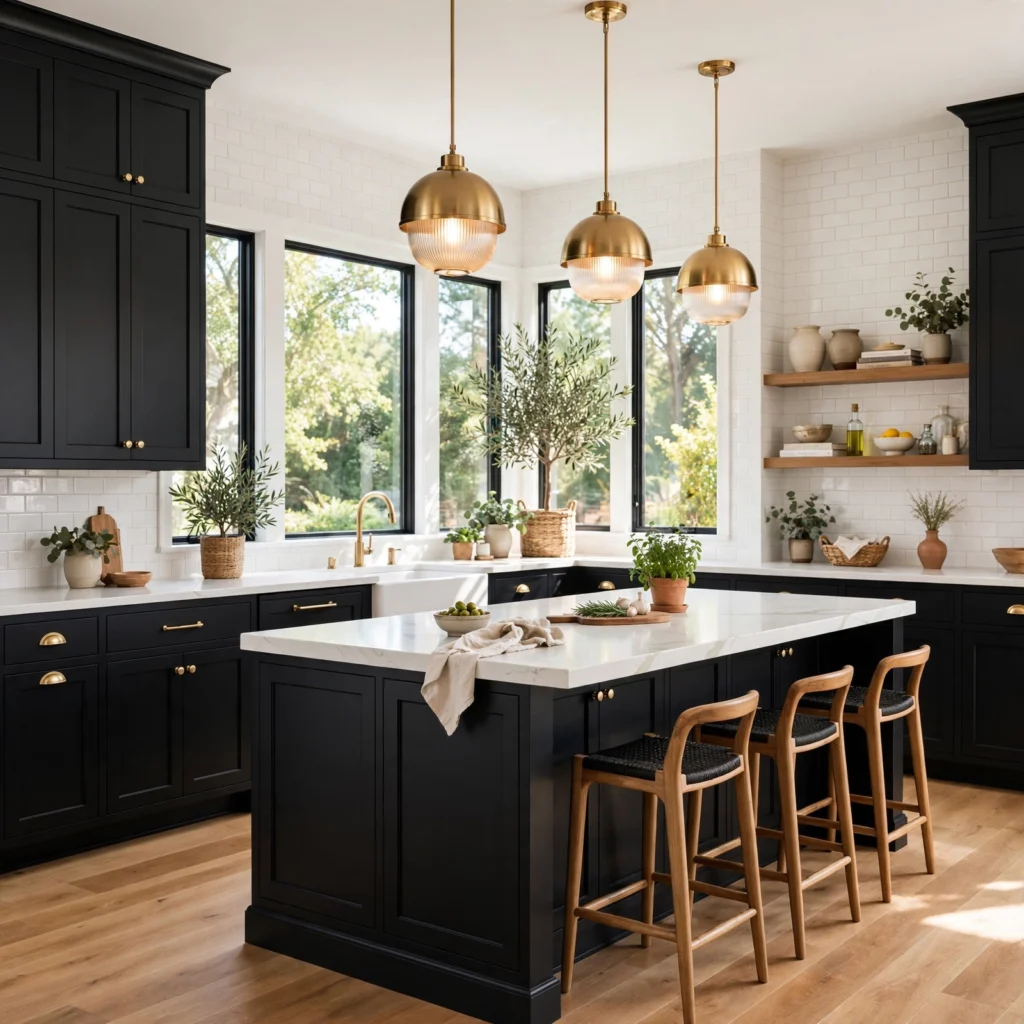
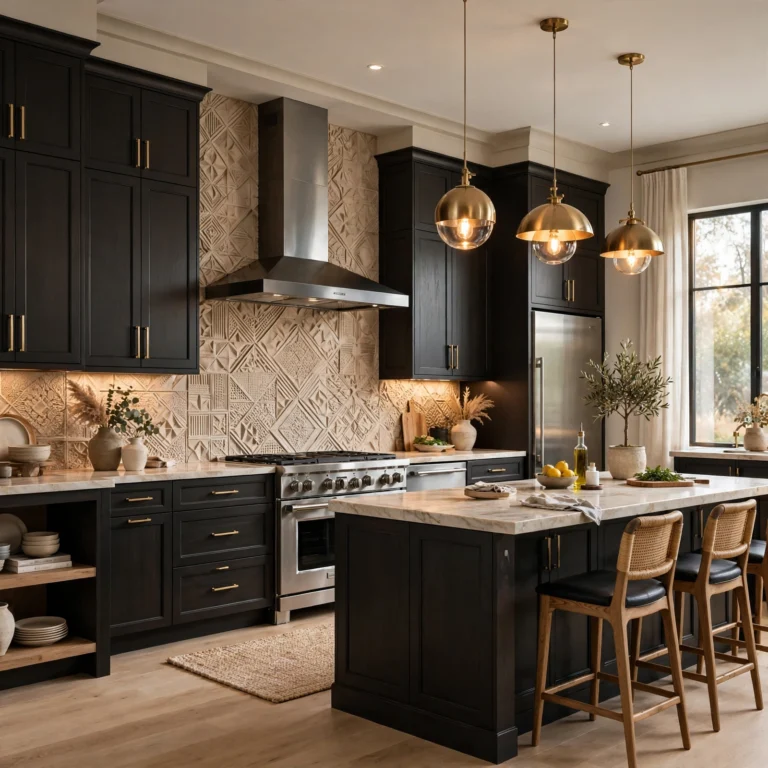
A matte black repaint creates a bold, dramatic kitchen that suits contemporary and industrial-leaning spaces wanting maximum contrast against white countertops or a light-colored backsplash. This approach works best in kitchens with strong natural or artificial lighting, since black cabinetry can make a poorly lit kitchen feel smaller. Choose a matte rather than glossy black finish to keep fingerprints and smudges less visible, and pair the cabinets with brass or gold hardware for warmth against the dark tone.
14. Blush Pink Accent Cabinets
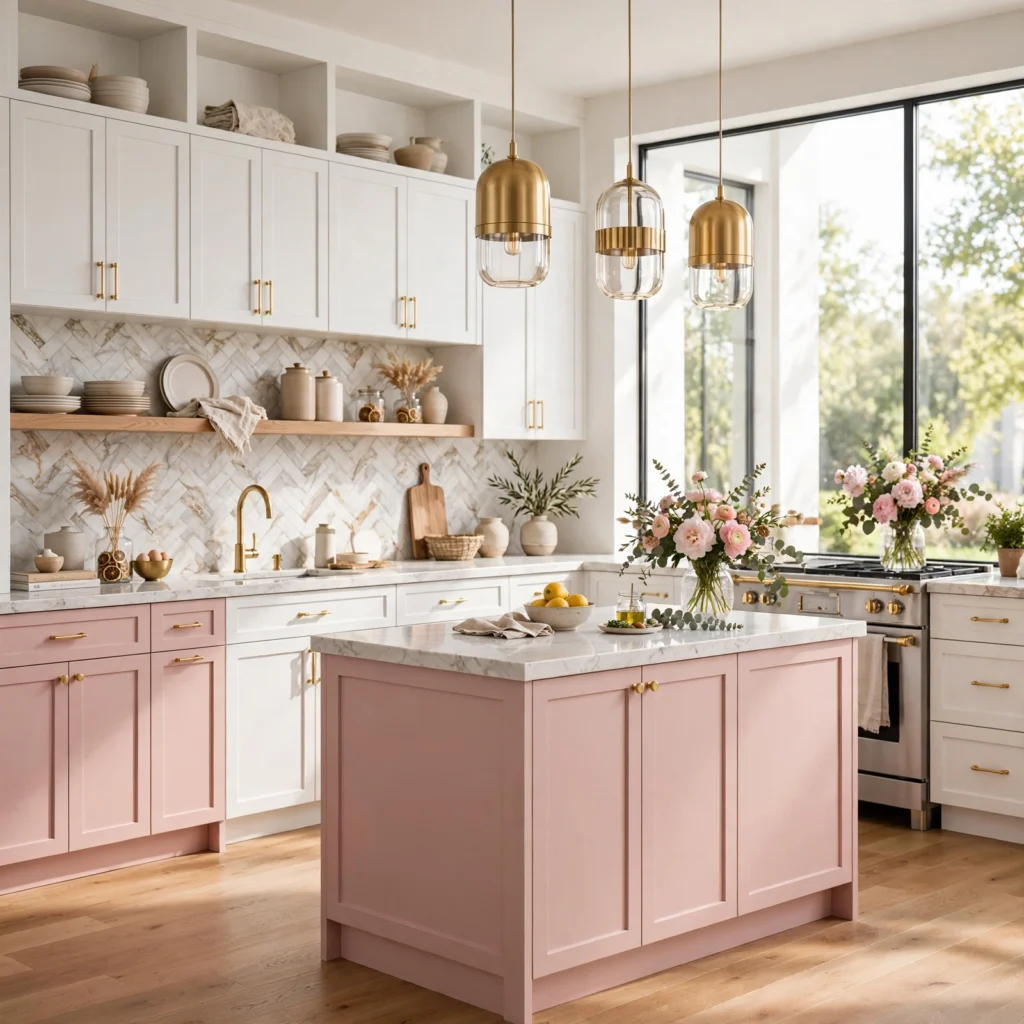
Blush pink, applied to a kitchen island or a small run of cabinets rather than the entire kitchen, introduces a soft, unexpected color accent that suits kitchens wanting a playful but still sophisticated update. This approach works particularly well paired with white perimeter cabinets and brass hardware. Choose a muted, dusty pink rather than a bright or pastel tone to keep the look elegant, and limit the color to one distinct section of the kitchen for the best visual impact.
15. Ombre or Gradient Cabinet Paint
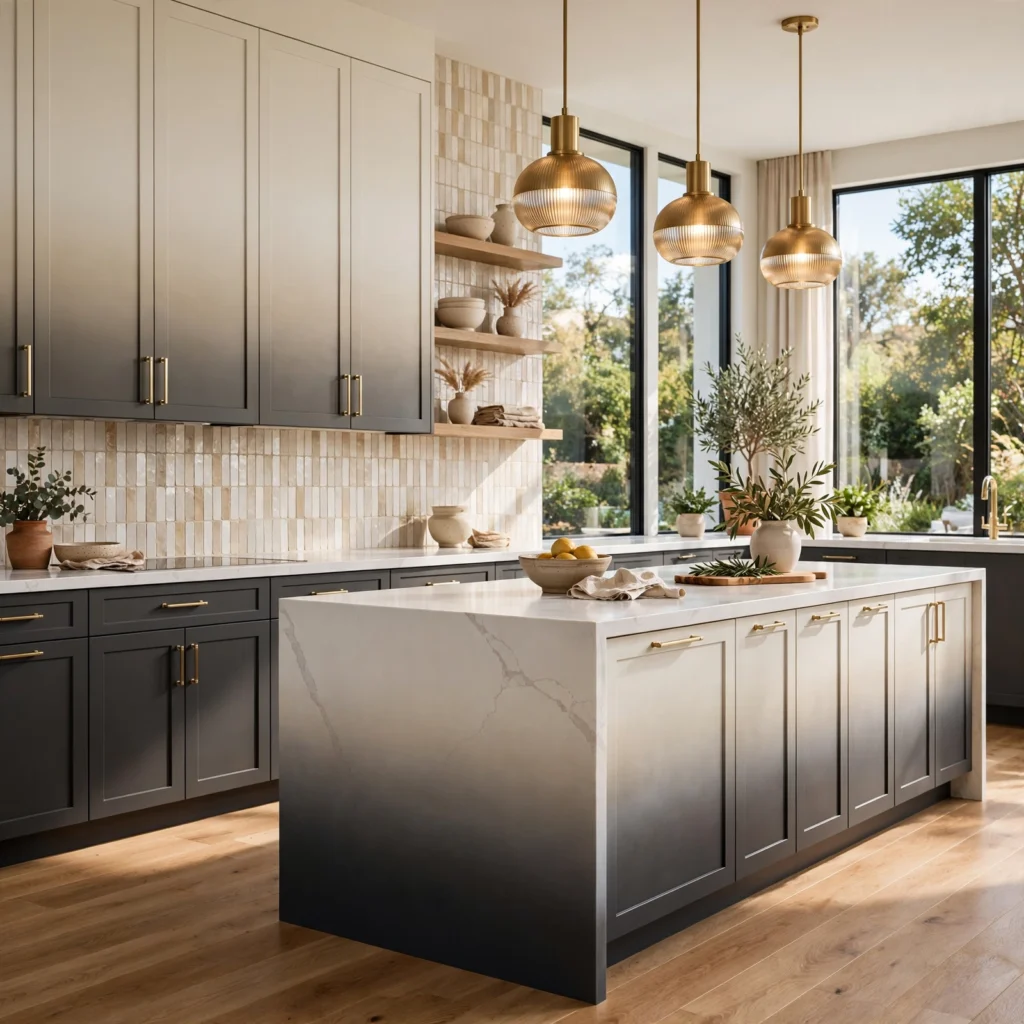
An ombre painted finish, transitioning gradually from a darker shade at the base cabinets to a lighter shade at the uppers, creates a custom, artistic effect that few standard kitchens feature. This technique suits homeowners wanting a distinctive, statement-making update rather than a single flat color throughout. Plan the gradient transition points carefully before starting, and consider hiring a professional painter experienced in ombre techniques to ensure smooth, even blending between shades.
16. Mixed Metal Hardware on Painted Cabinets
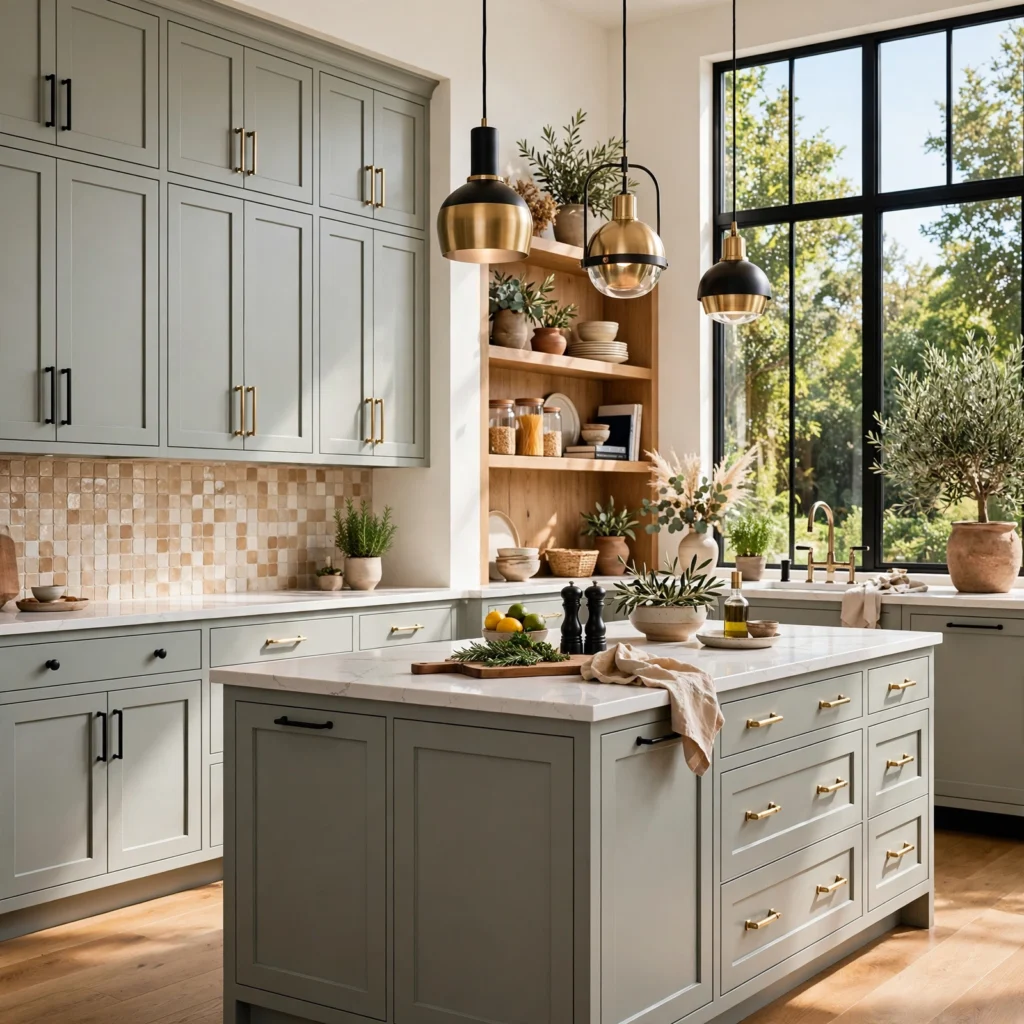
Pairing a single painted cabinet color with two different hardware finishes, such as brass on upper cabinets and matte black on lowers, adds intentional variation that reads as more custom than a single matched hardware set. This approach suits kitchens wanting subtle visual interest without introducing a second paint color. Keep the hardware split consistent by cabinet section rather than randomly distributed, and choose a single cabinet color versatile enough to pair well with both metal tones.
Shop the Look
For a forest green and brass kitchen, look for forest green cabinet paint in a durable enamel finish, brass cup pulls, and a butcher block or marble countertop. For a two-tone navy and white kitchen, navy cabinet paint, white upper cabinet paint, and brushed nickel bar pulls complete the pairing. Those pursuing a charcoal and marble look can start with charcoal cabinet paint, matte black hardware, and a honed white marble countertop.
Common Mistake to Avoid
The most common mistake with painted kitchen cabinets is skipping proper surface preparation, particularly sanding and priming, which leads to peeling, chipping, or an uneven finish within months regardless of how expensive the paint itself is. Thoroughly cleaning, sanding, and applying a quality primer designed for cabinetry before adding the topcoat significantly extends the life of a painted cabinet finish and prevents having to redo the entire project shortly after completion.
People Also Ask
What is the best paint finish for kitchen cabinets?
Satin and semi-gloss finishes are generally considered the best choices for painted kitchen cabinets, since both offer strong durability against daily wear, moisture, and cleaning compared to a flat or matte finish. Semi-gloss works particularly well on high-touch areas like handles and edges, while satin provides a slightly softer sheen suited to the rest of the cabinetry.
How much does it cost to paint kitchen cabinets?
Painting existing kitchen cabinets typically costs significantly less than full replacement, often ranging from a few hundred dollars for a DIY project to a few thousand dollars for professional spray application on a full kitchen. Cost varies based on kitchen size, the number of cabinet doors, and whether hardware is also being replaced as part of the update.
Do I need to sand cabinets before painting them?
Yes, sanding is a critical step before painting kitchen cabinets, since it removes the existing finish’s sheen and creates a surface the primer and paint can properly adhere to. Skipping this step is one of the most common reasons painted cabinets peel or chip prematurely, regardless of the paint quality used.
What color should I paint my kitchen cabinets if I want a timeless look?
Warm white, cream, and warm greige remain the most timeless choices for painted kitchen cabinets, since these neutrals pair easily with a wide range of countertops, flooring, and hardware finishes without feeling tied to a specific passing trend. Shaker-style cabinet doors in these colors further reinforce a classic, adaptable look that tends to age well.
Can I paint laminate kitchen cabinets?
Yes, laminate cabinets can be painted, though they require a bonding primer specifically formulated for slick surfaces to ensure the paint adheres properly, since standard primer often fails on laminate over time. Light sanding to slightly rough up the laminate surface before priming further improves paint adhesion and the finish’s overall durability.
Conclusion
Painted kitchen cabinets remain one of the most effective ways to transform a kitchen without the cost of full replacement, and any of these sixteen directions provides a solid starting point depending on your existing layout, countertops, and budget. Save this guide to Pinterest for reference while gathering paint and hardware samples, and check out our related post on choosing the right paint sheen for high-traffic rooms.
Author Expertise Note
Written by a design writer who has spent the last six years testing paint swatches, cabinet finishes, and hardware pairings in real client homes before recommending any painted cabinet approach in print.