12 Trending Luxury Kitchen Design Ideas Worth Copying
Kitchen renovation spending has stayed strong even as other home categories cooled, and designers report that clients are asking for fewer statement pieces and more overall material quality. The shift toward quiet luxury has pushed brushed brass, book-matched stone, and custom cabinetry to the front of client requests. Appliance brands have responded by making integration easier, which means a kitchen can look expensive through proportion and material choice alone, without a single visible logo or handle.
Key Takeaways
- Luxury kitchen design in 2026 leans on natural stone, mixed metals, and integrated appliances rather than ornate detailing.
- Waterfall islands, brass fixtures, and paneled refrigeration remain the most requested upgrades among high-end renovation clients.
- Layering textures like fluted wood, honed marble, and matte lacquer creates depth without visual clutter.
- Smart lighting layers and hidden storage are now considered standard in premium kitchen builds, not optional extras.
1. Waterfall Marble Island
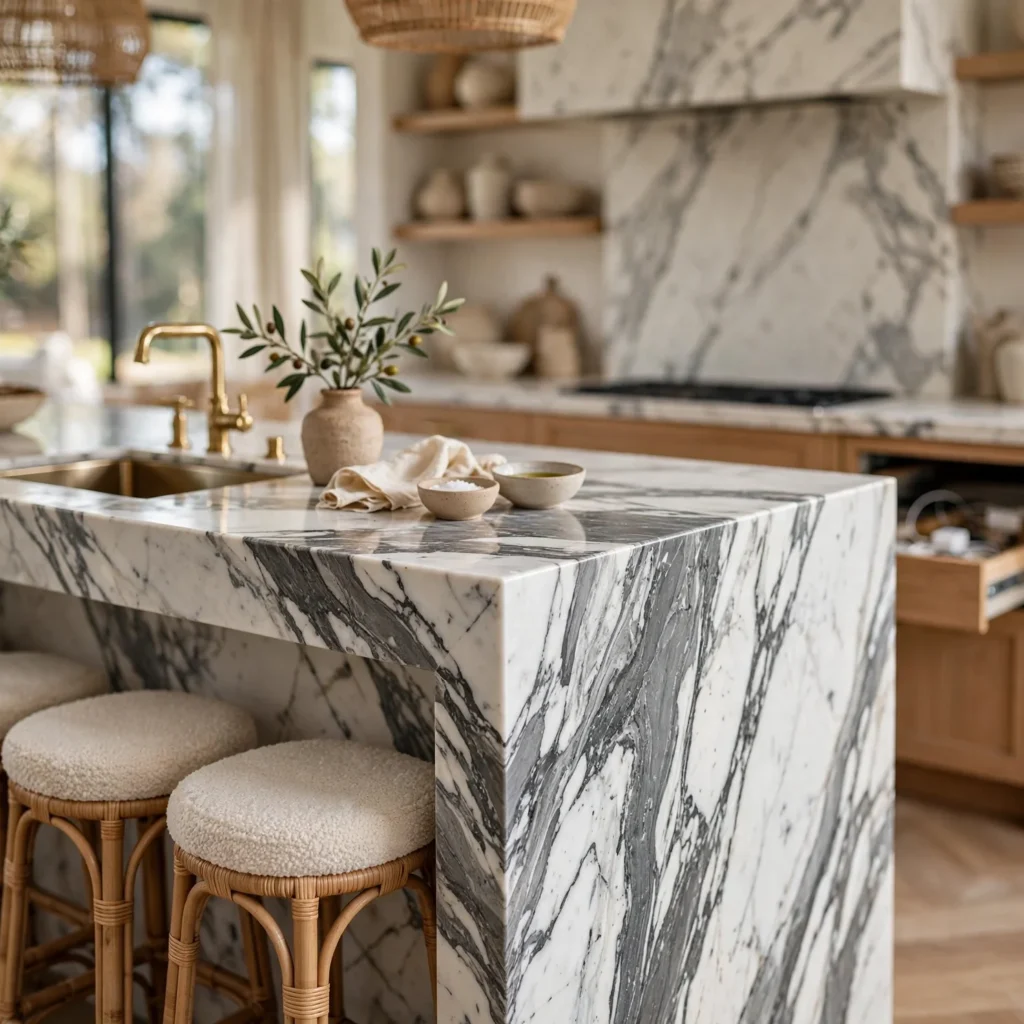
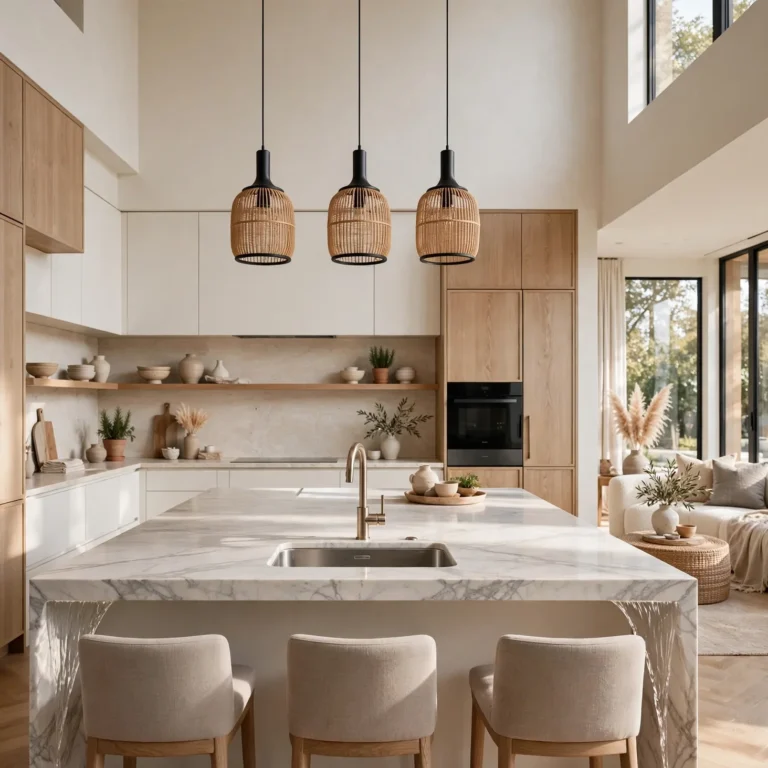
A waterfall island wraps the countertop material down both vertical sides instead of stopping at the edge, giving the piece a monolithic, sculptural look. Calacatta or Taj Mahal quartzite are the most requested stones for this treatment because their veining continues naturally down the sides. Execution matters here: slabs should be book-matched so the vein pattern lines up at the corner seam, which usually requires ordering two consecutive slabs from the same block rather than picking stone at random.
2. Brass Hardware Accents
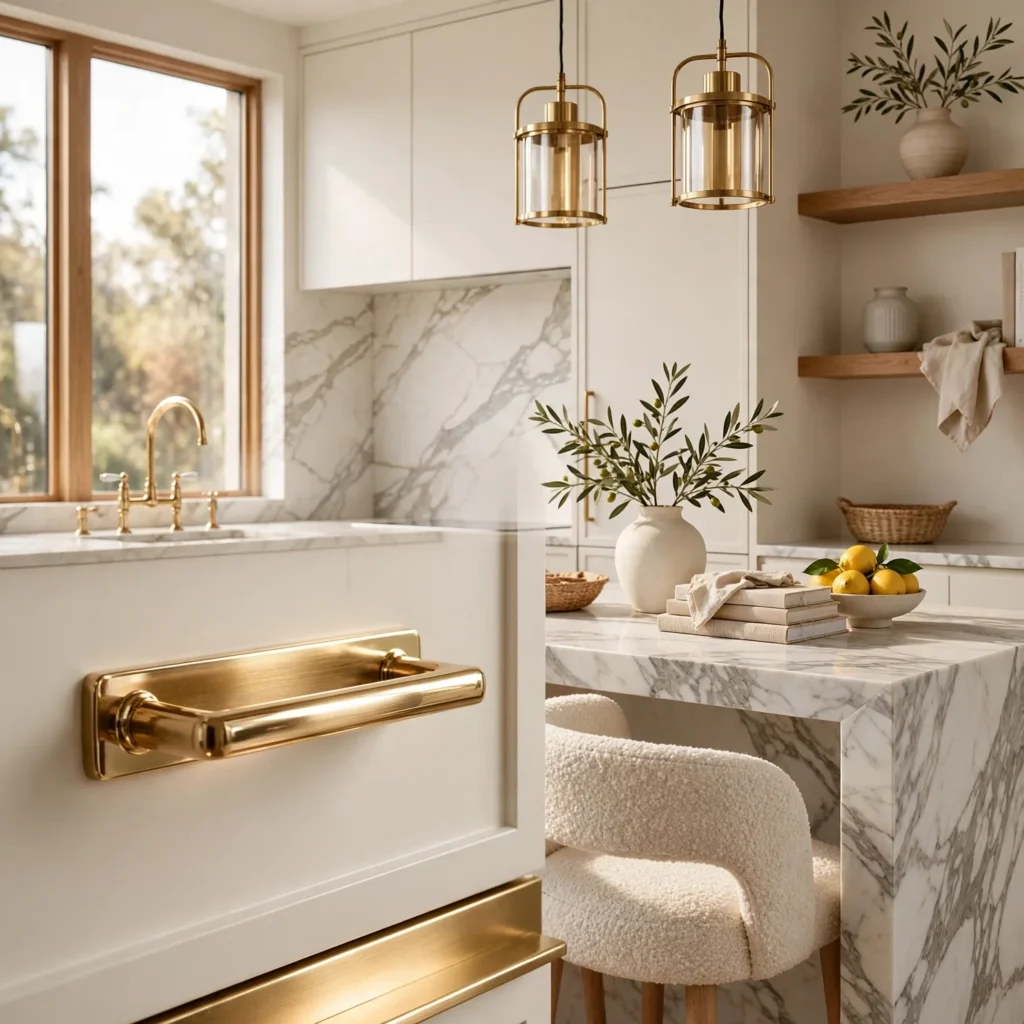
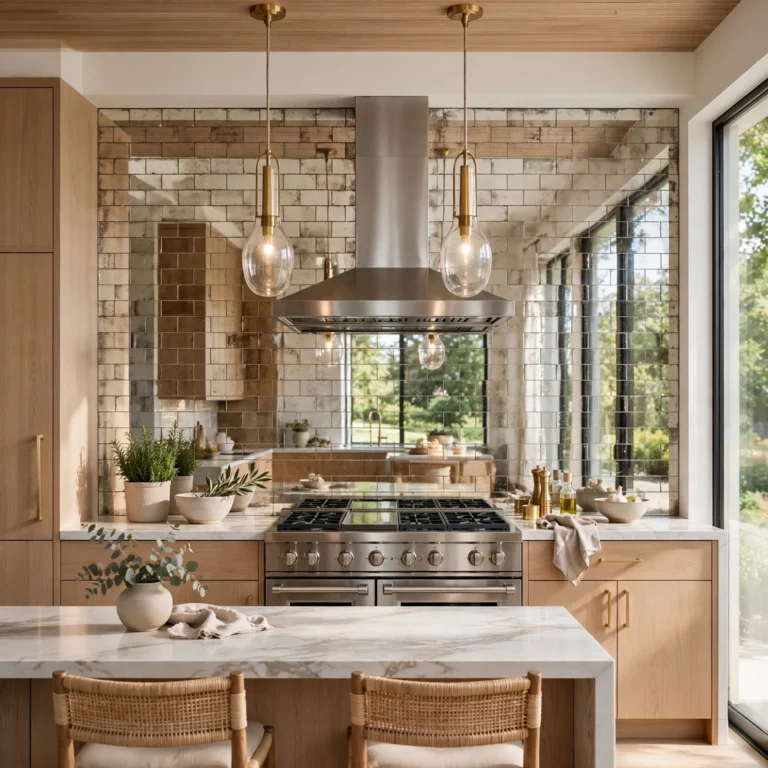
Unlacquered brass has replaced chrome and brushed nickel as the metal of choice in upscale kitchens because it develops a soft patina over time instead of looking worn out. It shows up on cabinet pulls, faucet fixtures, and pendant light housings, usually paired with black or navy cabinetry for contrast. Mixing brass with one secondary metal, like matte black, keeps the look intentional rather than mismatched, and most designers recommend committing to a single brass finish throughout the room.
3. Fluted Cabinet Fronts
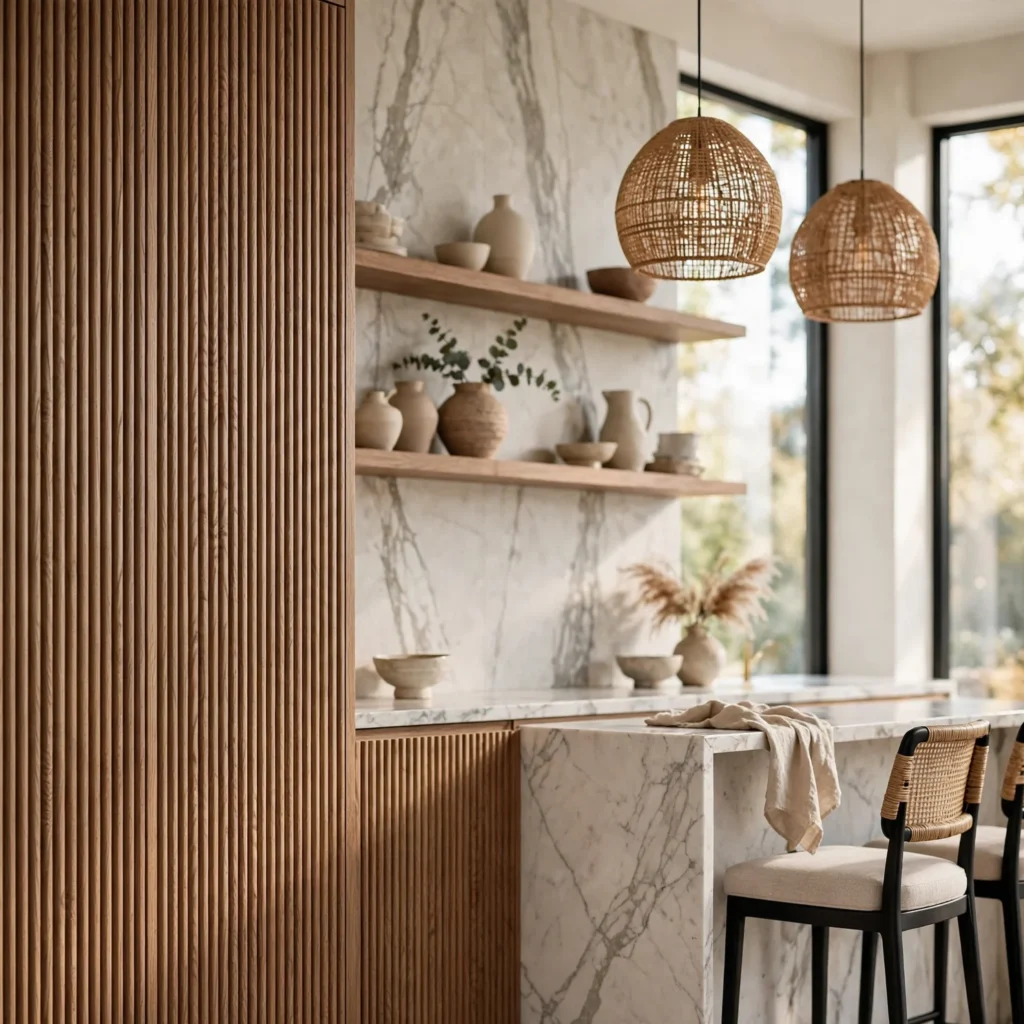
Fluted or reeded panel detailing adds a tactile, architectural texture to otherwise flat cabinetry, and it reads as custom millwork even when installed on a standard cabinet box. It’s most often used on island fronts, pantry doors, or a single accent wall of cabinetry rather than the entire kitchen, since too much texture flattens the effect. Oak and walnut are the two most common substrates, typically finished with a matte lacquer to keep the grain visible.
Looking for more inspiration? Browse our collection of open kitchen designs to discover stylish layouts, smart storage solutions, and timeless designs.
4. Integrated Panel-Ready Appliances
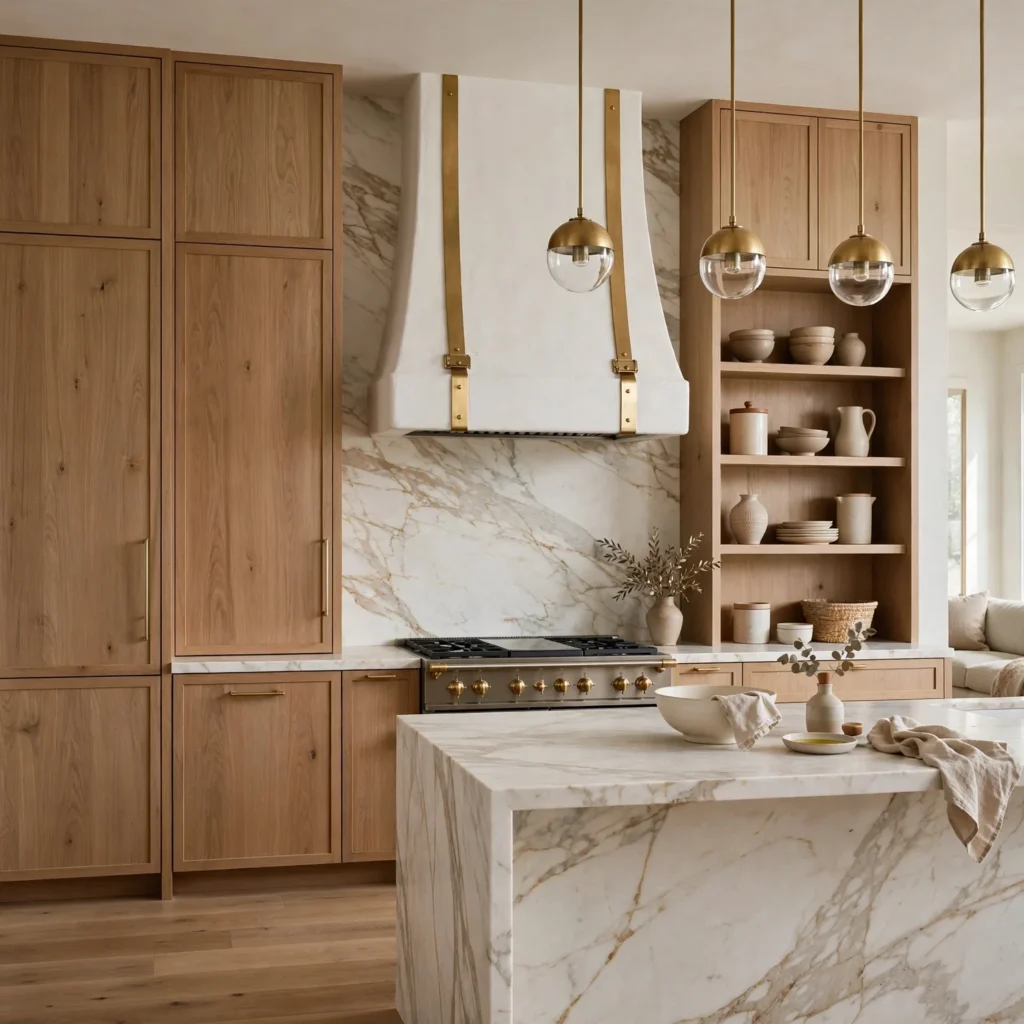
Panel-ready refrigerators, dishwashers, and even wine columns accept a custom cabinet front that matches the surrounding millwork, hiding the appliance entirely. This is one of the clearest signals of a high-end kitchen because it removes the visual break between cooking equipment and cabinetry. Buyers should budget separately for the panel kit, which is usually not included with the appliance purchase and can add a meaningful amount to the total project cost.
| Appliance | Typical Panel-Ready Surcharge |
| Refrigerator | $800–$1,500 |
| Dishwasher | $200–$400 |
| Wine Column | $300–$600 |
5. Statement Range Hood
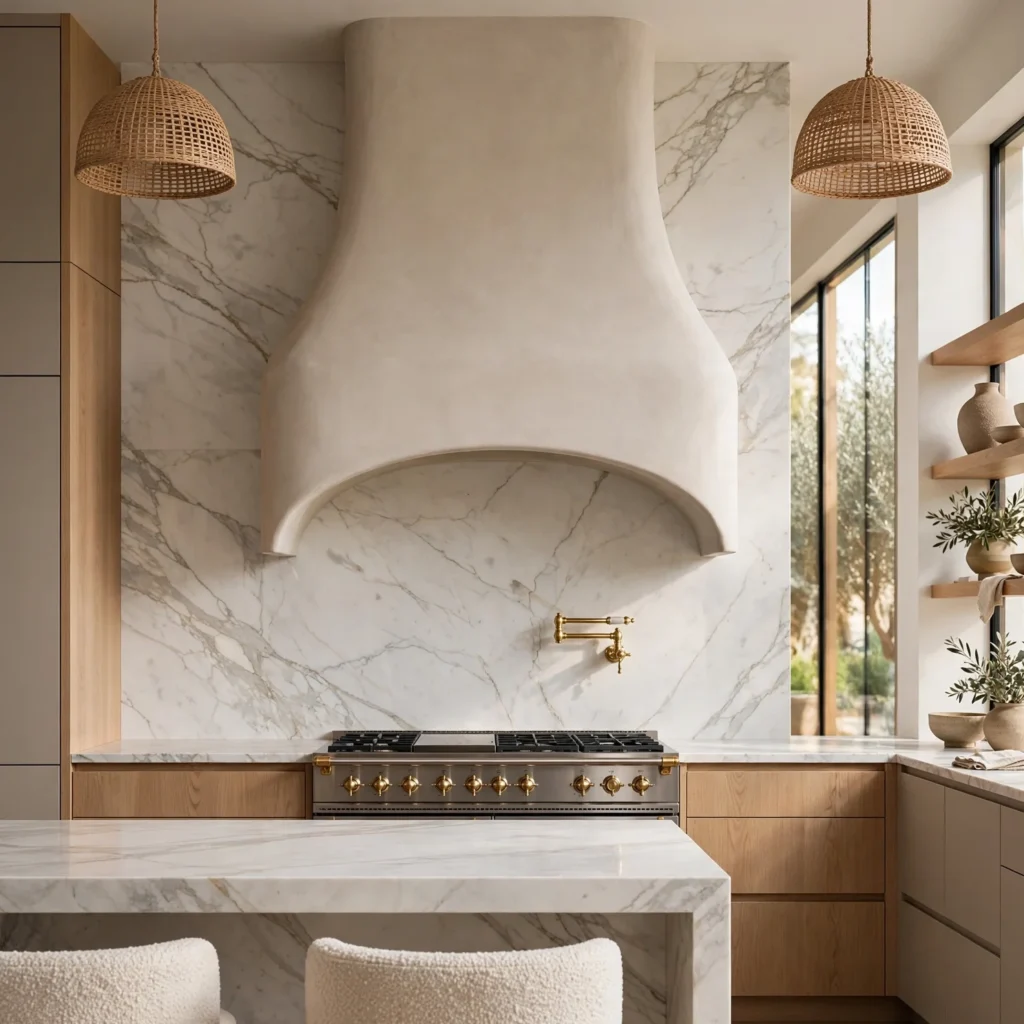
A plaster, brass, or blackened-steel range hood built as a custom architectural feature rather than a stock stainless unit has become one of the fastest ways to signal a high-end kitchen. Designers often shape these hoods to echo a home’s existing architecture, curving them in a Mediterranean-style house or squaring them off in a more modern build. Venting requirements should be confirmed early with an HVAC contractor, since custom hoods often need custom ductwork routing.
6. Book-Matched Stone Backsplash
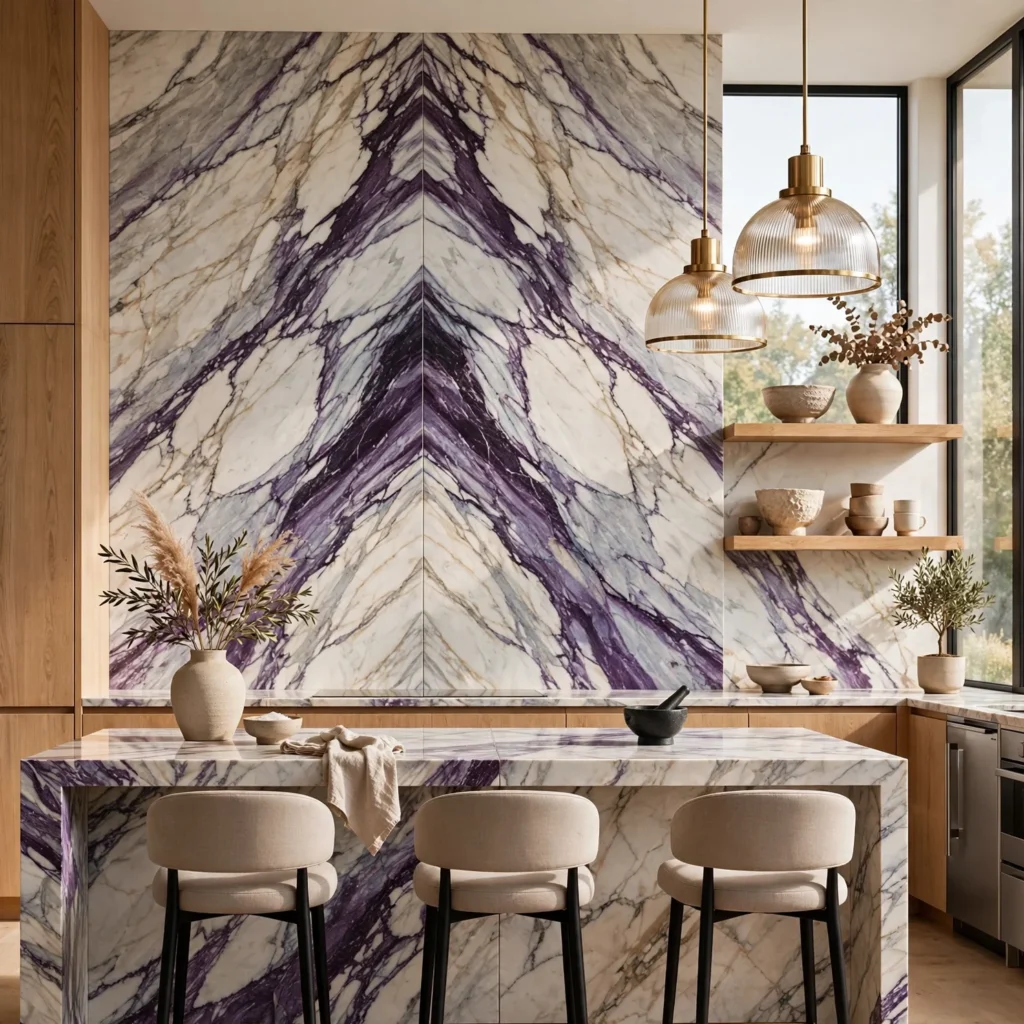
Extending a slab countertop material up the wall as a full-height backsplash, rather than switching to tile, creates a continuous, gallery-like surface behind the range. Book-matching two adjacent slab cuts so the veining mirrors itself at the seam is what separates this from a simple slab backsplash. This treatment works best with quartzite or marble that has strong, directional veining, since a busier stone pattern shows off the mirrored effect more clearly than a subtle one.
7. Hidden Butler’s Pantry
A butler’s pantry tucked behind a door or discreet cabinet panel keeps small appliances, prep mess, and everyday clutter out of the main kitchen entirely. Luxury builds increasingly treat this as a second working kitchen, complete with its own sink, dishwasher drawer, and open shelving for serving pieces. The space typically ranges from 40 to 100 square feet depending on the home, and it’s most effective when placed directly off the main kitchen rather than down a separate hallway.
8. Matte Lacquer Cabinetry
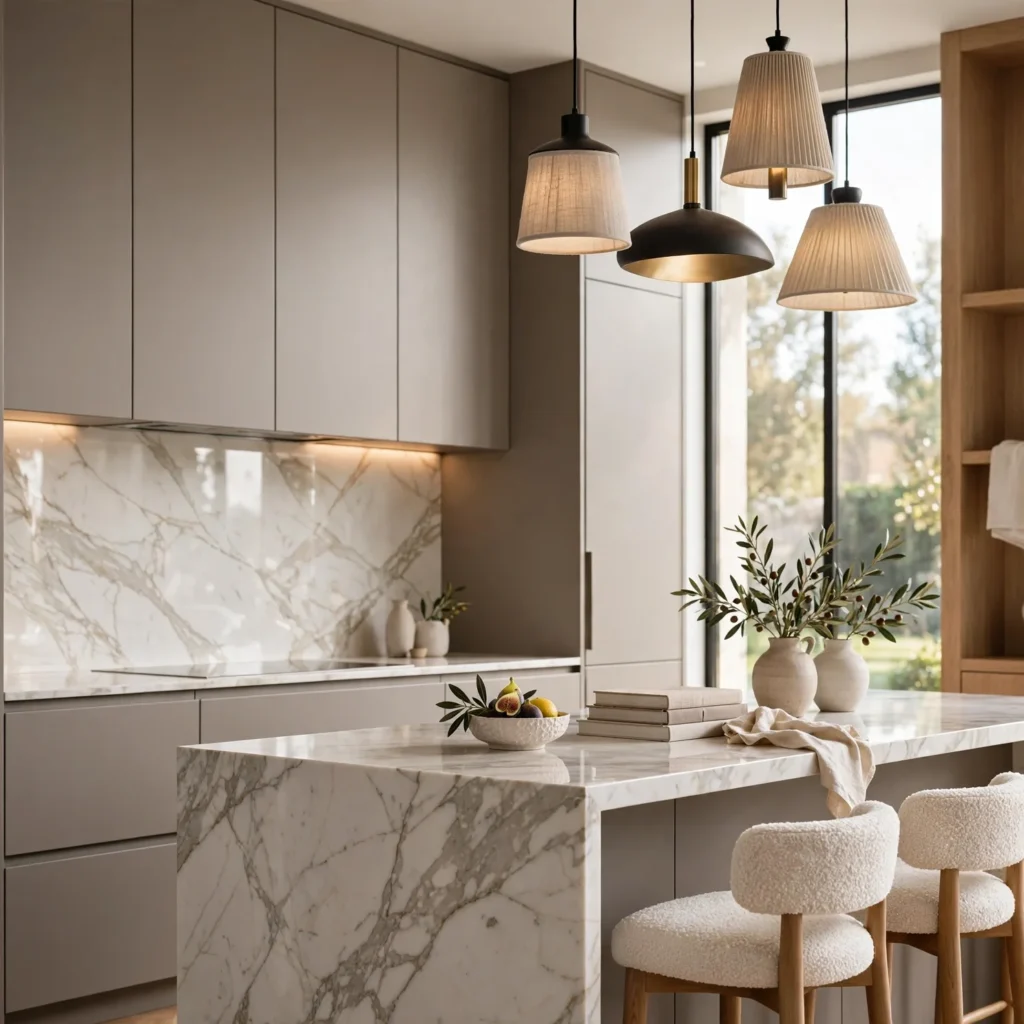
Matte or satin lacquer finishes have overtaken high-gloss cabinetry in premium kitchens because they hide fingerprints and light scratching better while still reading as polished. Deep tones like ink navy, forest green, and charcoal are the most requested colors, often paired with a lighter stone countertop to keep the room from feeling heavy. Lacquer finishes require a smooth substrate, usually MDF, so real wood grain won’t show through the paint.
9. Layered Lighting Design
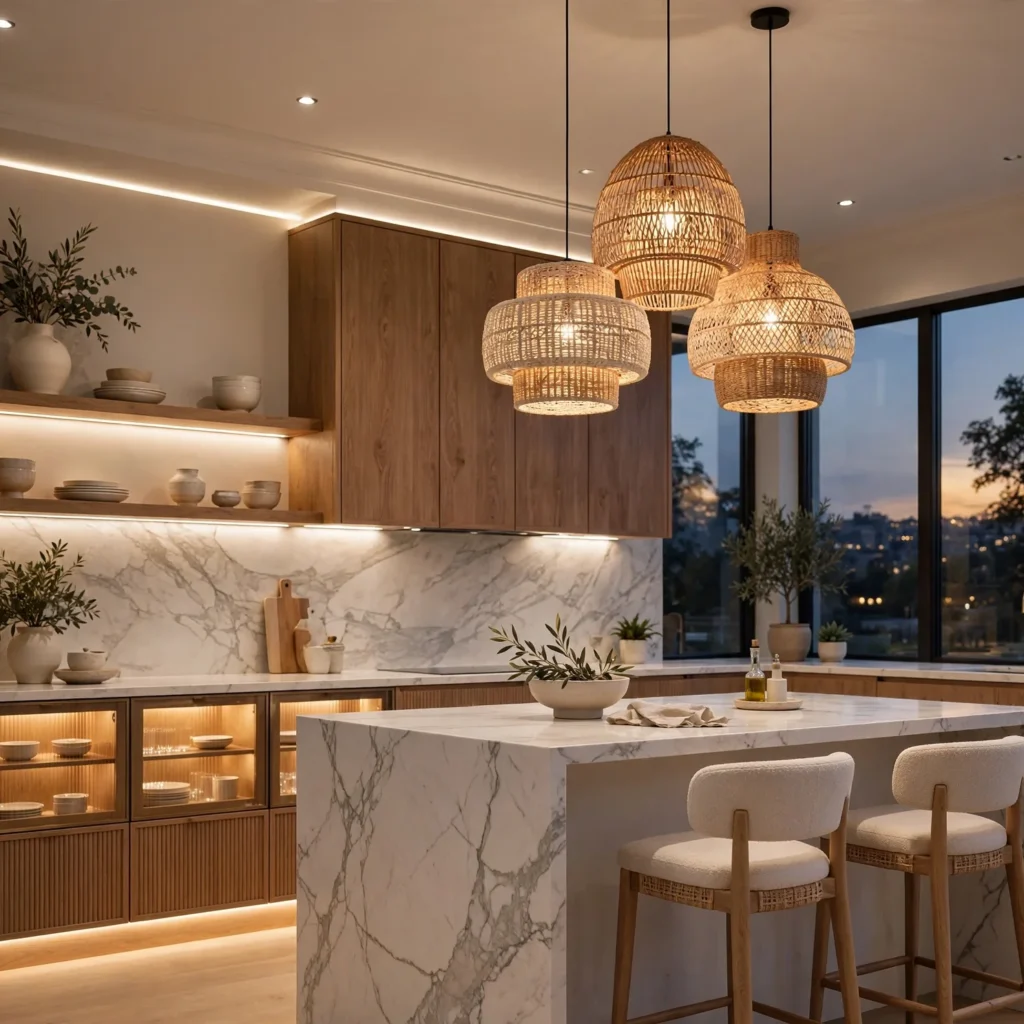
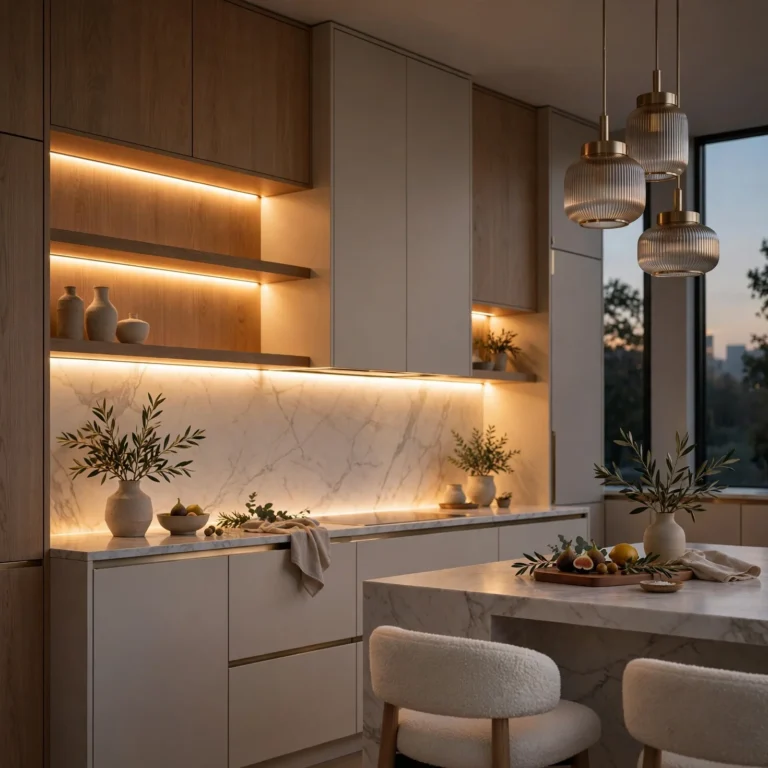
High-end kitchens now rely on at least three distinct lighting layers: recessed ambient lighting, task lighting under cabinets, and decorative fixtures over the island or dining area. Designers specify separate dimmer circuits for each layer so the room can shift from bright task lighting during cooking to a warmer, lower glow during entertaining. Skipping under-cabinet task lighting is one of the most common oversights in otherwise well-designed kitchens, since it directly affects usability at the counter.
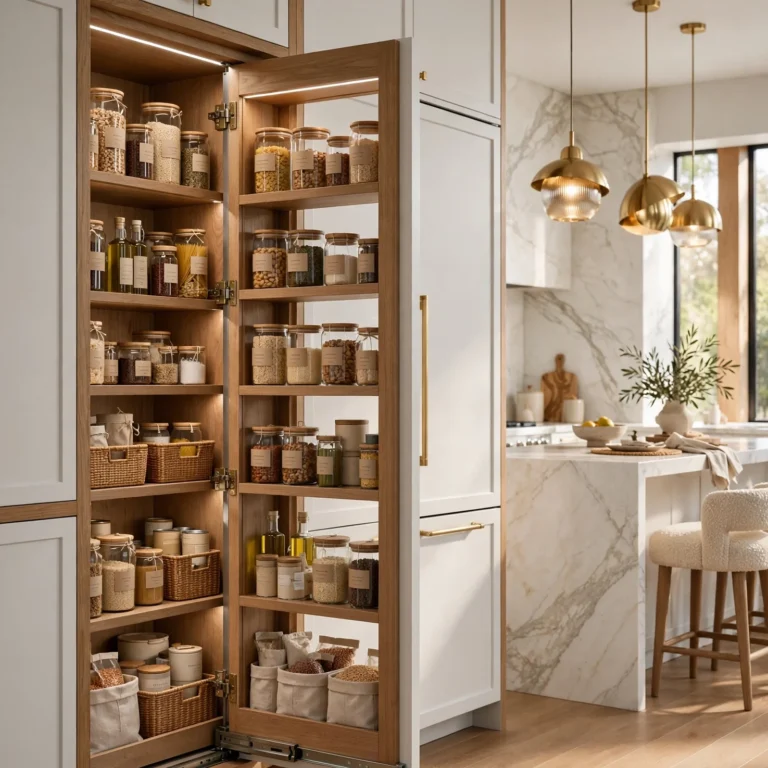
10. Concealed Storage Systems
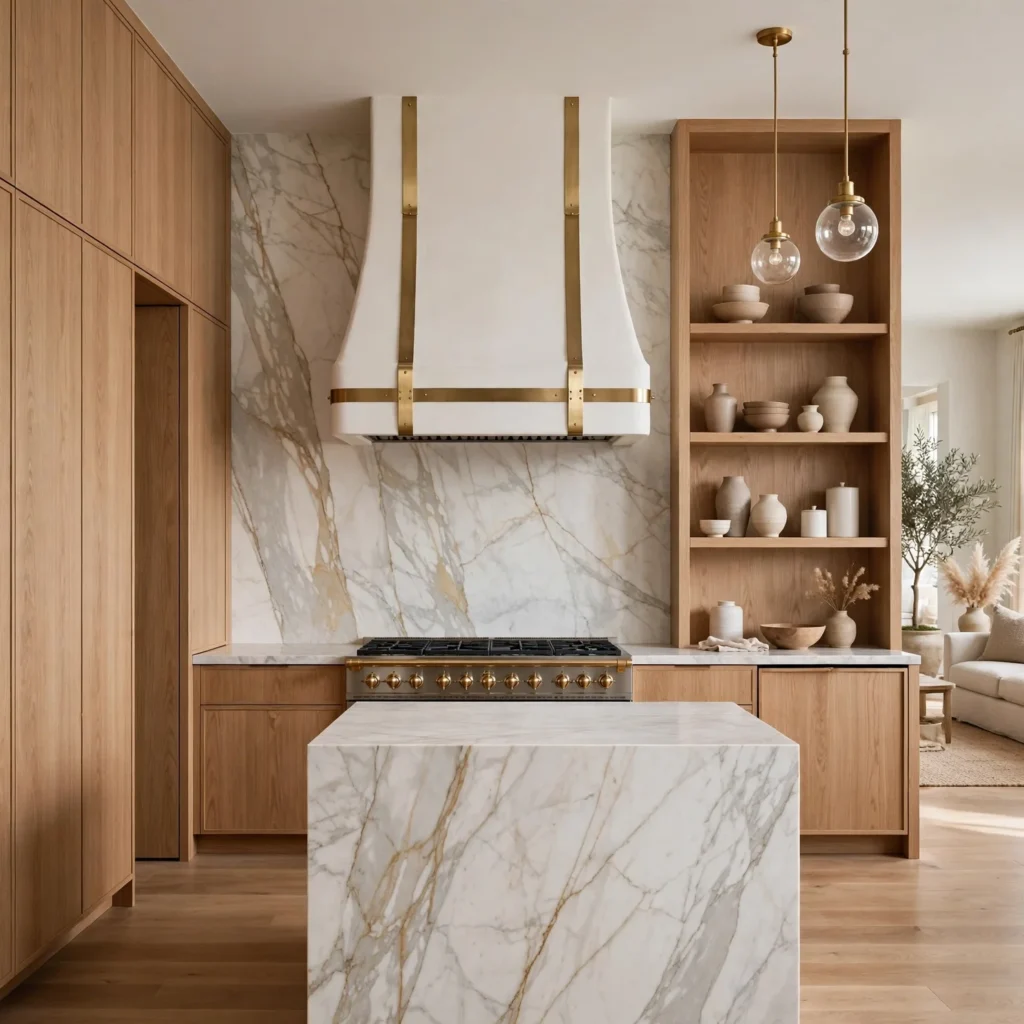
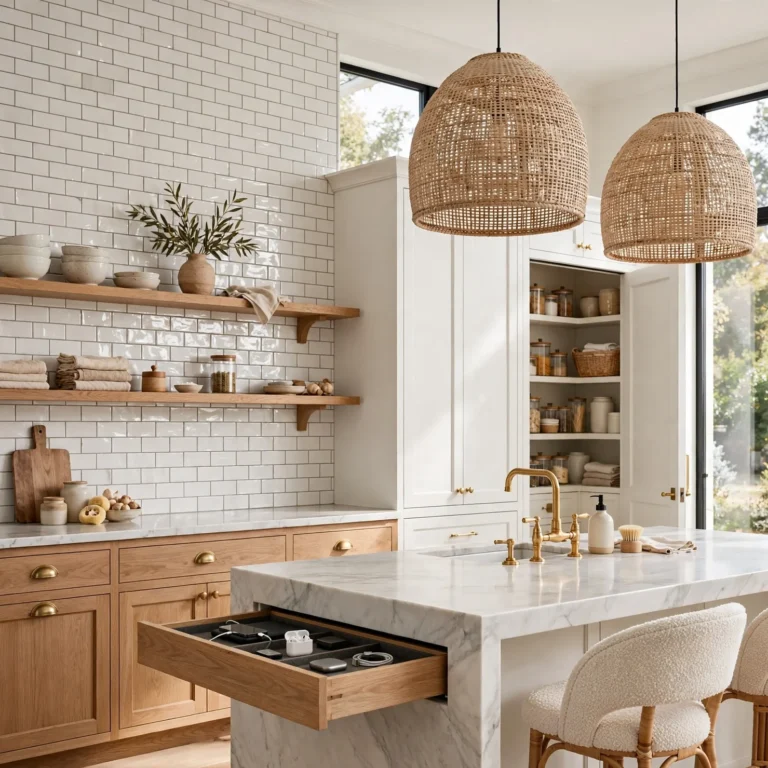
Luxury kitchen design puts real weight behind interior organization, not just the visible cabinet fronts. Pull-out spice drawers, built-in knife blocks, appliance garages with tambour doors, and vertical tray dividers keep counters clear while giving every tool a dedicated spot. This level of custom interior fitting is usually where a large portion of a high-end cabinetry budget actually goes, even though it’s the part guests never see.
| Storage Feature | Typical Added Cost |
| Appliance Garage | $600–$1,200 |
| Pull-Out Spice Drawer | $150–$300 |
| Tambour Door System | $400–$900 |
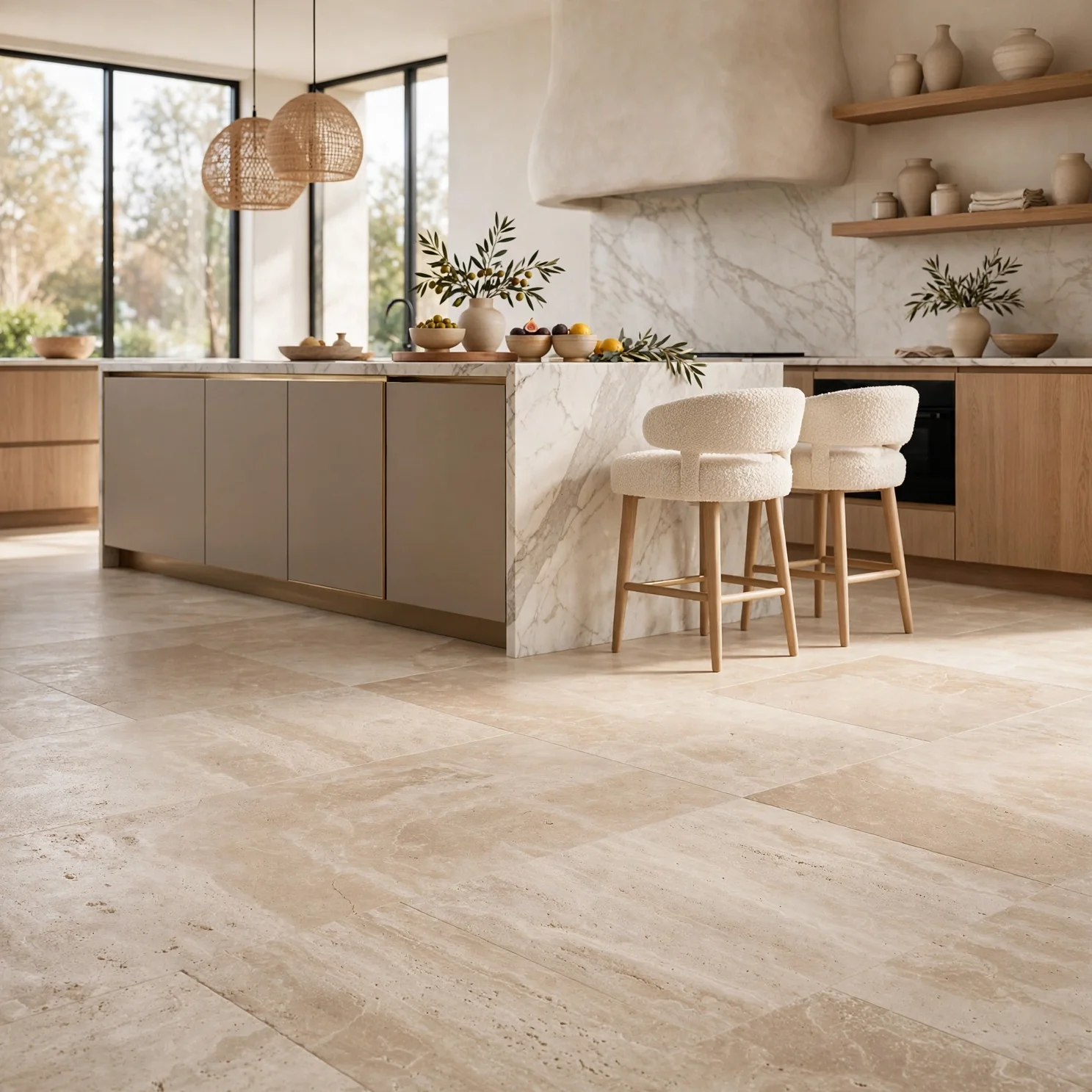
11. Natural Stone Flooring
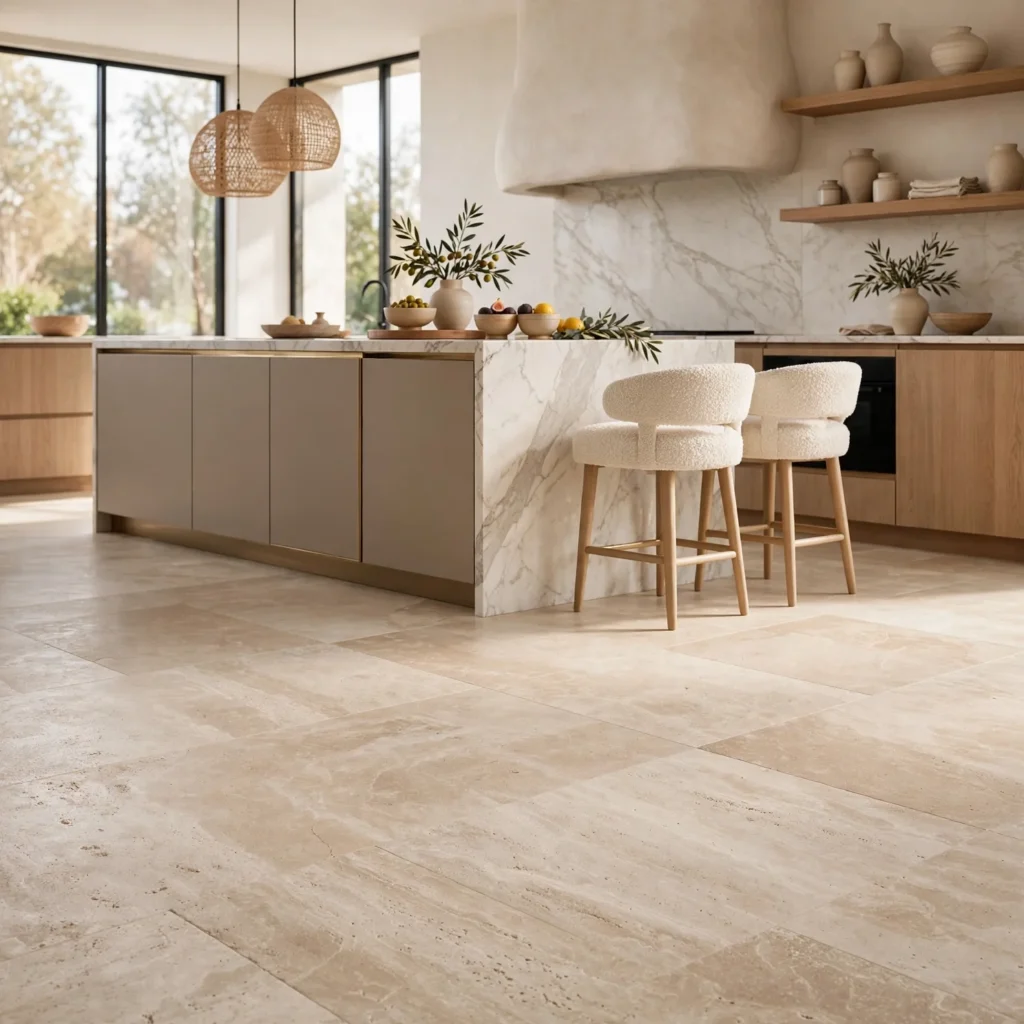
Large-format honed limestone or travertine flooring has become a common substitute for hardwood in luxury kitchens, especially in homes with strong indoor-outdoor flow. The honed, matte finish avoids the slippery look of polished stone while still reading as substantial underfoot. Because natural stone is porous, a penetrating sealer applied at installation and reapplied every one to two years is necessary to prevent staining from oil and wine.
12. Custom Range Wall Millwork
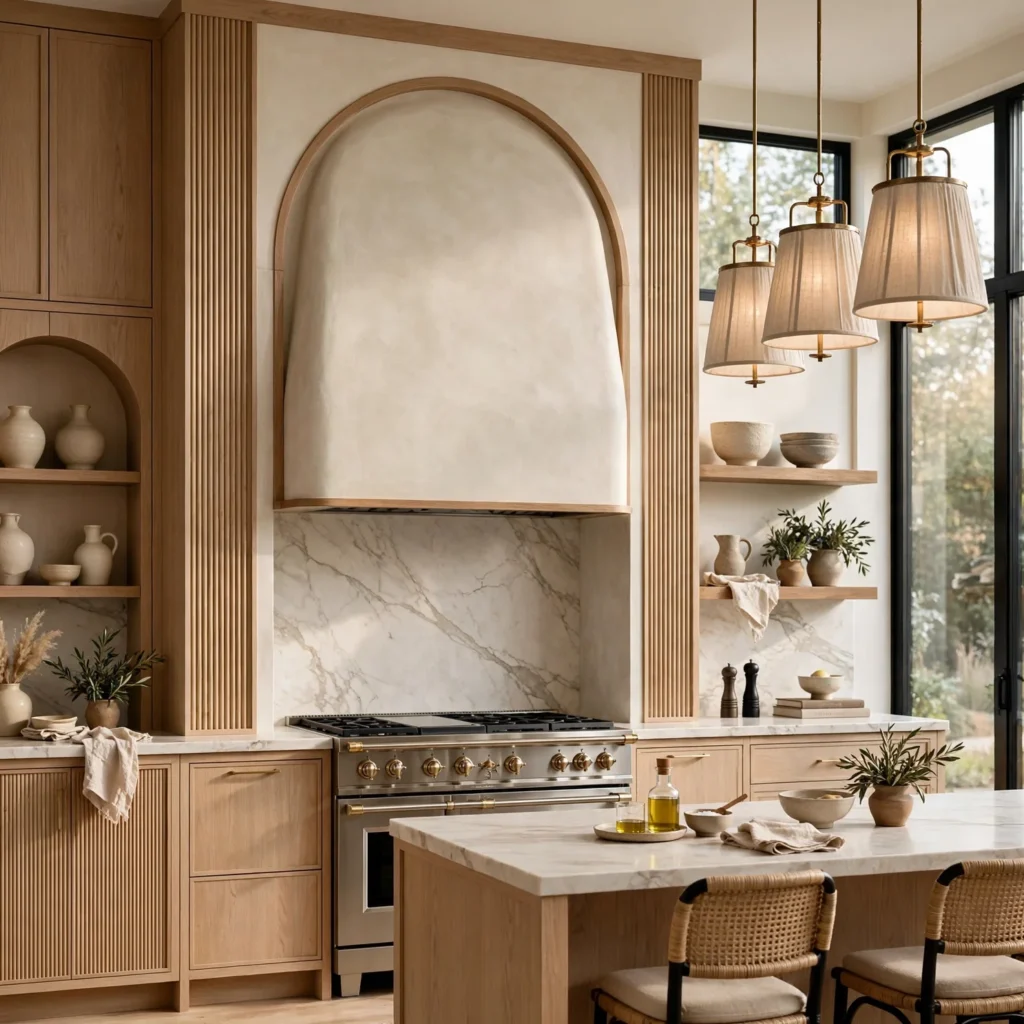
Instead of treating the range as a standalone appliance, many high-end kitchens now build a full millwork surround around it, integrating the hood, flanking cabinetry, and often a plaster niche into one cohesive wall. This turns the cooking zone into the visual anchor of the room rather than just another appliance run. It works especially well in kitchens with a strong architectural style already established, since the millwork can pick up existing trim details from the rest of the home.
Shop the Look
An unlacquered brass bridge faucet from a brand like Waterworks anchors the sink area with the warm, aging metal finish that defines this style. A honed Taj Mahal quartzite slab, sourced through a local stone yard for an in-person selection, works well for both the island and a matching backsplash. Fluted white oak cabinet fronts from a semi-custom cabinet line add texture without a full custom millwork budget. A three-light brass linear pendant over the island ties the lighting layer back to the hardware finish throughout the room.
Common Mistake to Avoid
The most frequent misstep is choosing a statement material, like a waterfall island or a full stone backsplash, without budgeting for the labor required to execute it properly, especially slab book-matching and seam work. Homeowners often price the stone itself but underestimate fabrication and installation costs, which can run 30 to 50 percent higher for book-matched or waterfall applications compared to a standard countertop install. This mismatch is what causes many luxury kitchen projects to stall mid-renovation.
FAQs
What makes a kitchen design look luxury rather than just expensive?
A kitchen reads as luxury when the material choices and proportions feel intentional and cohesive, not simply costly. This usually means a limited, well-coordinated palette of stone, wood, and metal finishes, paired with integrated appliances and custom millwork details rather than a collection of high-price individual pieces. Restraint and consistency across the room matter more than the price tag of any single element.
Is a waterfall island worth the extra cost?
For most high-end kitchens, yes, because it’s one of the most visually impactful upgrades relative to its footprint. The added cost comes mainly from extra slab material and precision fabrication for the mitered seam, but the sculptural result is difficult to replicate with a standard countertop edge. It’s most worth it when the stone itself has strong veining that benefits from the continuous, book-matched treatment.
What’s the most cost-effective luxury upgrade?
Unlacquered brass hardware and fixtures deliver a strong visual impact for a relatively modest cost compared to structural changes like custom millwork or slab work. Swapping cabinet pulls, a faucet, and pendant lighting to a coordinated brass finish can shift the entire feel of an existing kitchen without touching cabinetry or countertops. It’s often the first upgrade designers recommend for a budget-conscious refresh.
Do I need a butler’s pantry for a luxury kitchen?
It’s not required, but it solves a real problem in kitchens used for both daily cooking and entertaining. Without a secondary prep space, small appliances and everyday clutter tend to spill into the main kitchen, undercutting an otherwise polished design. In homes without extra square footage, a well-organized pantry with concealed storage can achieve a similar decluttering effect on a smaller scale.
How long does a full luxury kitchen renovation typically take?
Most high-end kitchen renovations take four to eight months from design finalization to move-in, depending on the extent of custom millwork and whether structural changes are involved. Custom cabinetry and stone fabrication are usually the longest lead-time items, often taking eight to twelve weeks before installation can even begin. Building in buffer time for these long-lead materials is essential to avoid a stalled project timeline.
Conclusion
Luxury kitchen design comes down to material discipline more than decoration, favoring a few well-chosen finishes like brass, honed stone, and integrated paneling over a room full of standalone statement pieces. Save this guide to Pinterest for reference during your renovation planning, and check out our related post on choosing kitchen countertop materials for a deeper look at stone options.