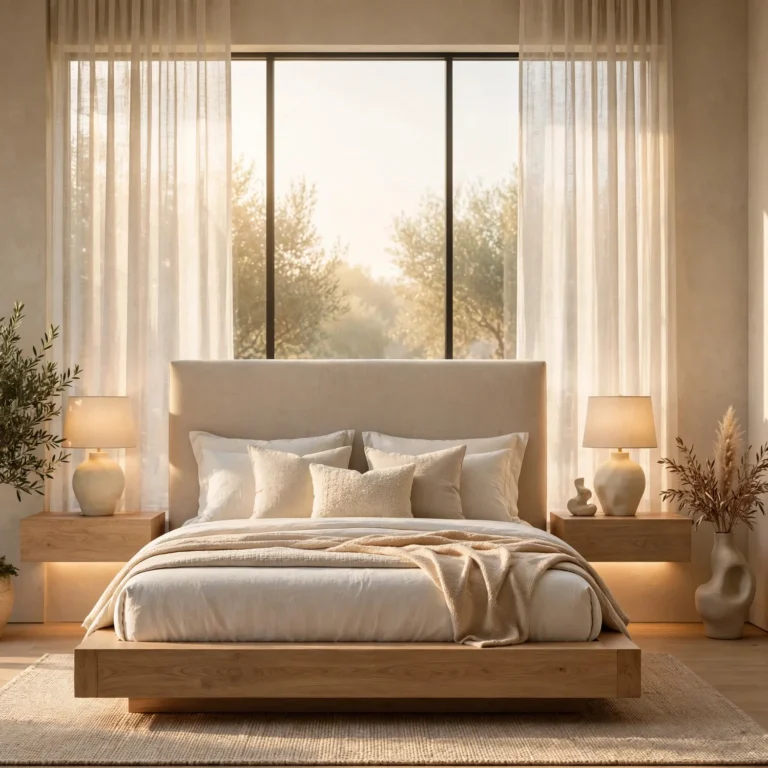
Small Kids Bedroom Ideas 12 That Grow With Them
Planning small kids bedroom ideas comes with a challenge parents of larger rooms don’t face, fitting sleep, storage, and play into a space that never seems to stretch quite far enough. The good news is that kids’ rooms are naturally forgiving of clever, compact solutions, since children tend to use floor space differently than adults do anyway. This guide walks through twelve practical ideas covering beds, storage, and layout that make a small kids bedroom function well now and adapt as they grow.
Why Small Kids Bedroom Design Matters Now
Shrinking home sizes and multiple children sharing bedrooms have made space-efficient kids’ room design a bigger priority than it was a decade ago. Parents are increasingly looking for furniture that can be reconfigured or resized as children grow, rather than replaced every few years, which has pushed convertible cribs, loft beds, and modular storage into the mainstream. There’s also been a shift toward calmer, more flexible color schemes over themed decor, since a neutral base room ages better and costs less to update over time.
Key Takeaways
- Bunk and loft beds free up the most floor space in a small kids bedroom, more than any other single change.
- Storage that kids can actually reach and use themselves cuts down on daily clutter better than closed cabinets alone.
- Flexible, neutral bones with swappable decor let the room age with the child instead of needing a full redo every few years.
- Play zones work best when they’re clearly defined, even in a tiny footprint, rather than left open and undivided.
1. Loft Bed With Desk Below
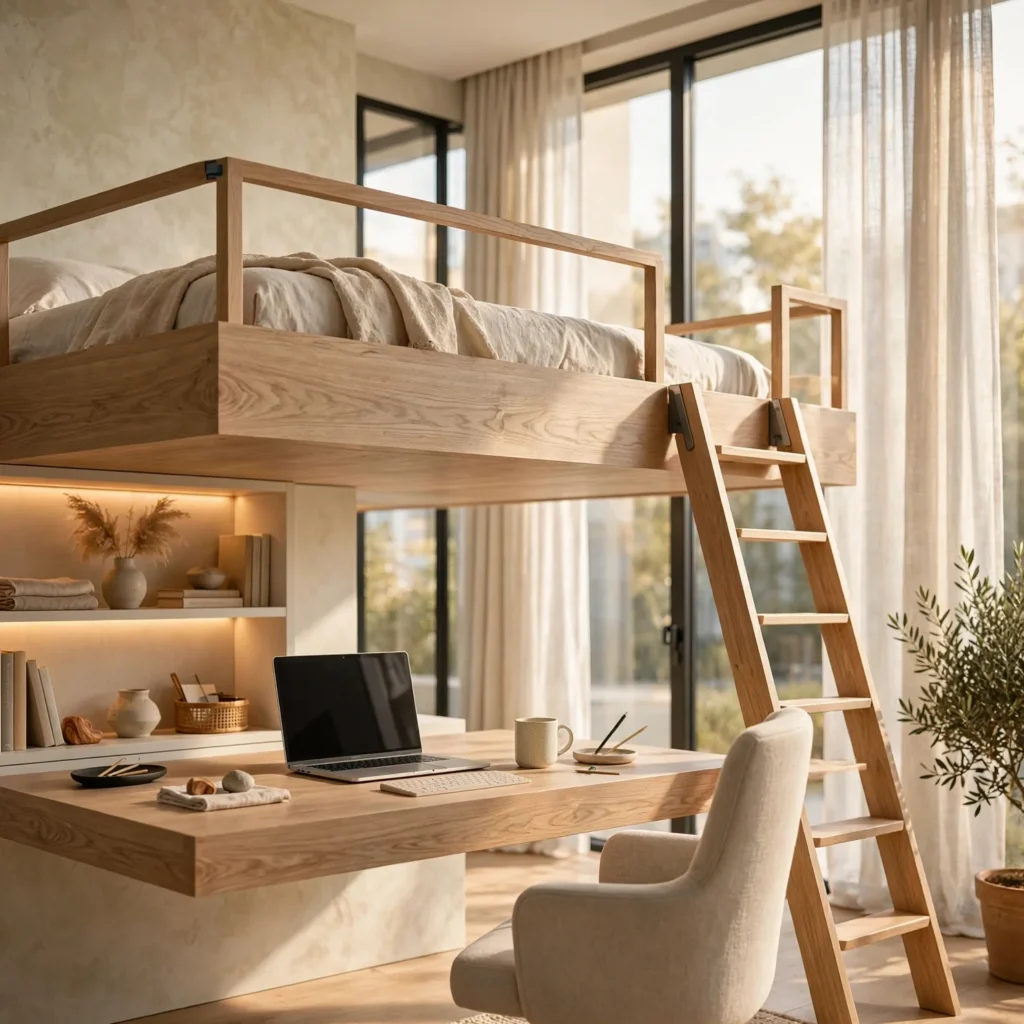
Raising the bed onto a loft frame and tucking a desk or reading nook underneath essentially doubles the usable square footage in a small kids bedroom. This layout works particularly well for school-age children who need a dedicated homework spot but don’t have room for a bed and desk side by side. Choose a loft frame with a full guardrail and a sturdy, wide ladder, and confirm the ceiling height leaves comfortable clearance for the child to sit upright underneath.
| Age Range | Recommended Bed Type | Notes |
| 2-5 years | Low toddler bed | Loft beds not safe yet |
| 6-9 years | Low loft or bunk | Supervised climbing |
| 10+ years | Full loft with desk | Independent use |
2. Built-In Bunk Nook
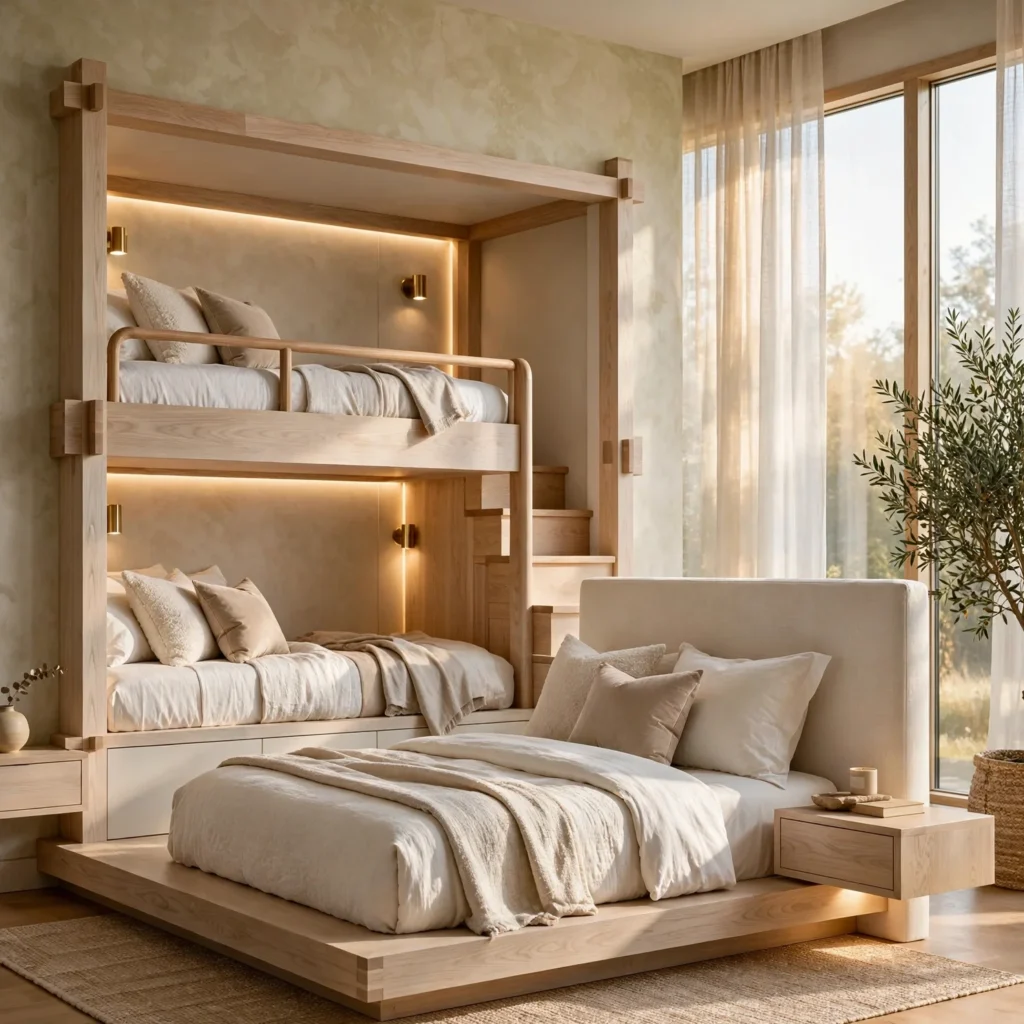
A bunk bed built into a wall alcove, rather than freestanding, saves the extra clearance a standalone bunk frame usually needs and gives the room a tucked-away, cabin-like feel. This is especially useful in a shared small kids bedroom where two beds need to fit without eating into play space. Add a curtain across the lower bunk opening for a bit of privacy, and include a small reading light built into the frame for each level.
3. Under-Bed Storage Bins
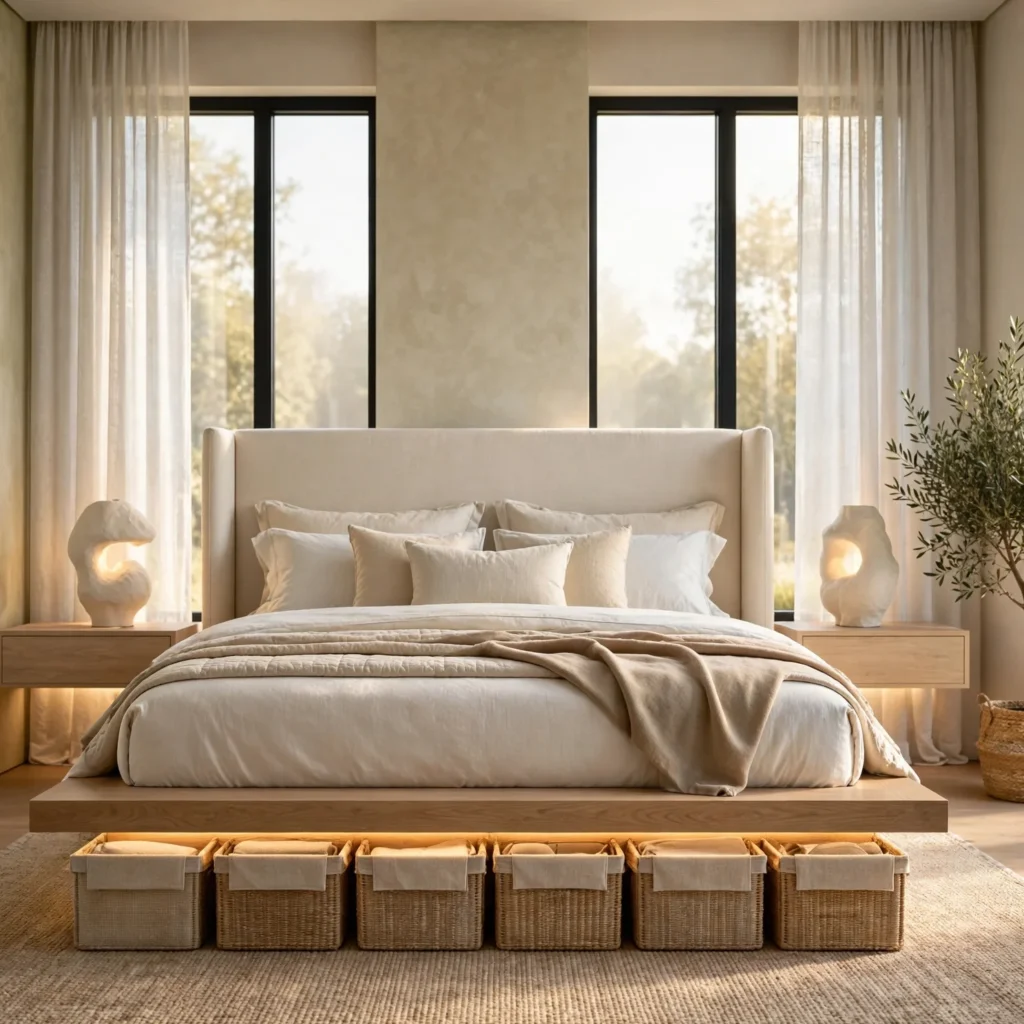
Rolling bins that slide under a standard bed frame give kids a place for out-of-season clothes, extra bedding, or toys that aren’t in daily rotation, all without taking up any closet or floor space. This is one of the simplest additions to a small kids bedroom since it works with almost any existing bed. Label bins clearly or use clear plastic ones so kids can find what they need without pulling every bin out first.
4. Wall-Mounted Toy Shelves
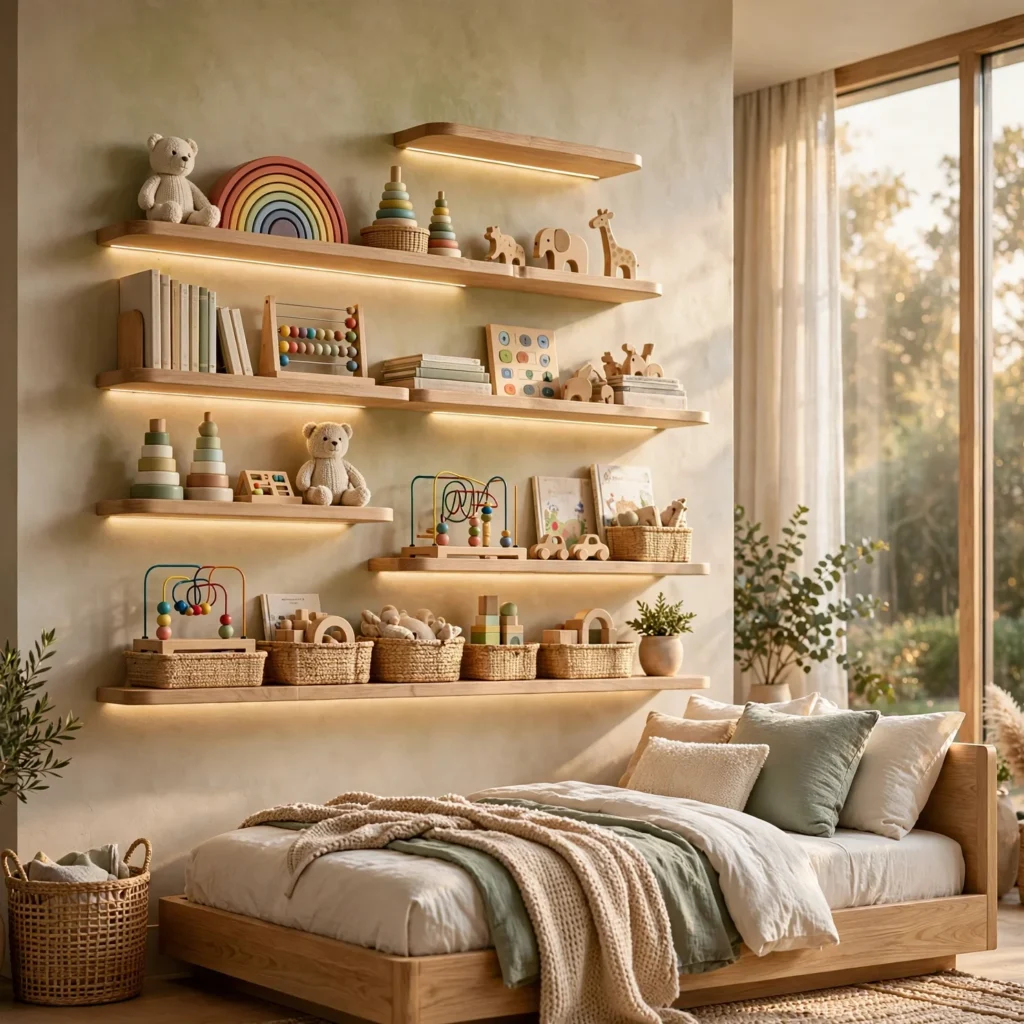
Shallow shelves mounted at a child’s height keep frequently used toys and books visible and within reach, while freeing up the floor for actual play space. In a small kids bedroom, this matters more than it does in a larger room, since floor space doubles as the main play area. Keep shelves no more than four to five feet high so kids can put things away themselves, and rotate toys onto the shelf in small batches rather than displaying everything at once.
Choose the perfect furniture with our small bedroom decor ideas, including multifunctional beds, compact wardrobes, and smart storage pieces
5. Fold-Down Play Table
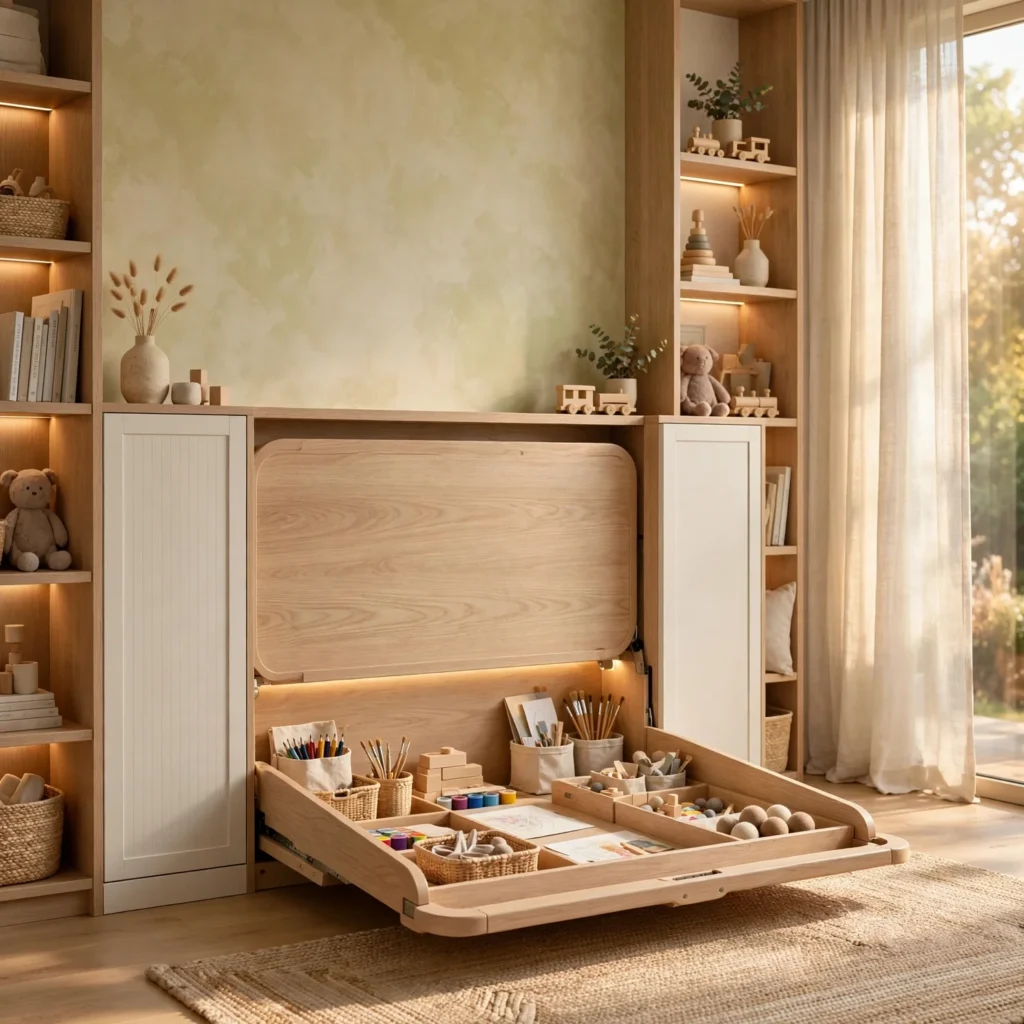
A small table mounted to the wall that folds flat when not in use gives kids a dedicated spot for drawing, puzzles, or building blocks without permanently claiming floor space. This works well in a small kids bedroom that needs to flex between play and open floor time throughout the day. Pair it with two lightweight stools that can be tucked under or stacked in a corner when the table is folded away.
6. Closet Organizer System
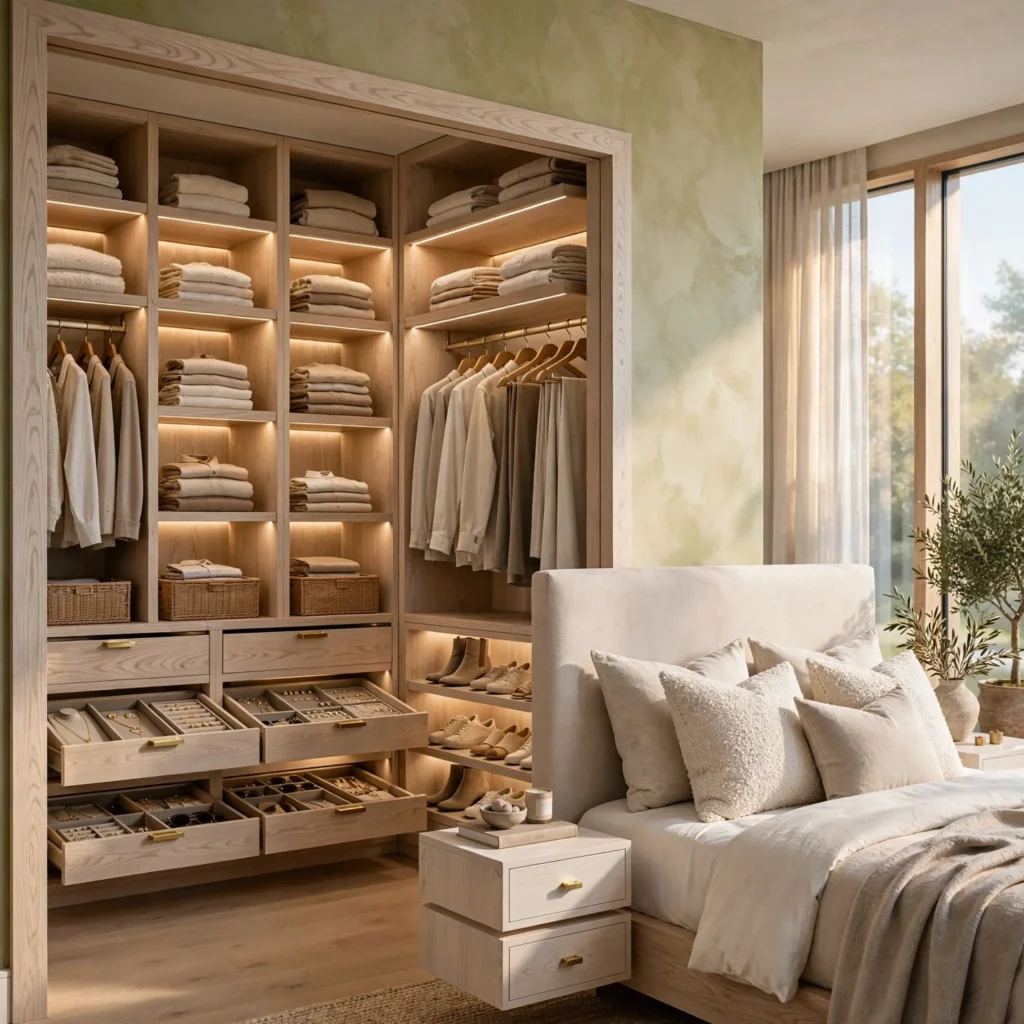
An adjustable closet system with a lower hanging rod, bins, and shelves lets a small kids bedroom’s closet do far more work than a single rod and shelf ever could. Lowering part of the rod to a child’s reach also encourages them to hang up their own clothes, which cuts down on floor clutter over time. Choose an adjustable system rather than a fixed one so the layout can shift as the child grows taller and their wardrobe changes.
7. Trundle Bed for Sleepovers
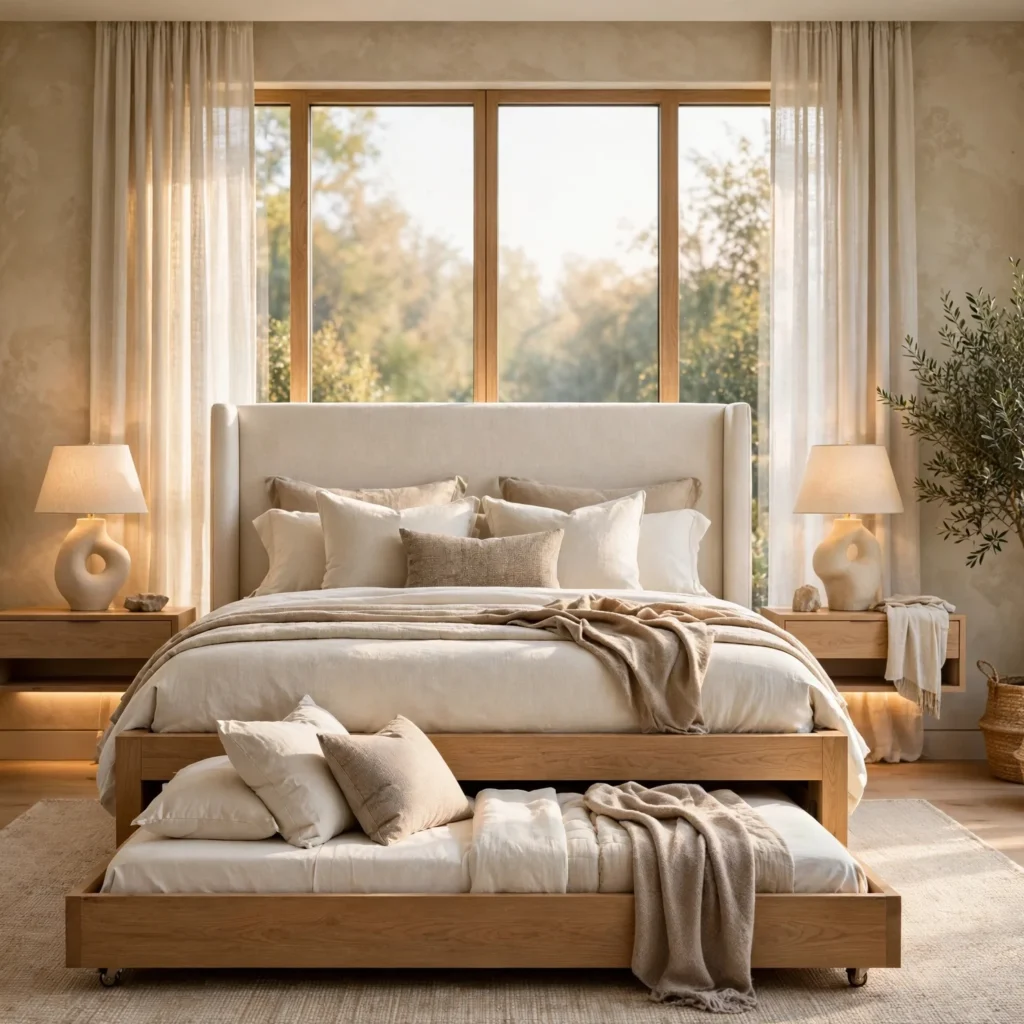
A trundle bed that rolls out from underneath the main bed provides a second sleeping spot for sleepovers or a younger sibling without permanently taking up floor space the rest of the time. It’s a practical alternative to a bunk bed in a small kids bedroom that only occasionally needs the extra sleeping space. Choose a trundle with wheels and a lightweight frame so a child can pull it out themselves without help.
8. Pegboard Wall Organizer
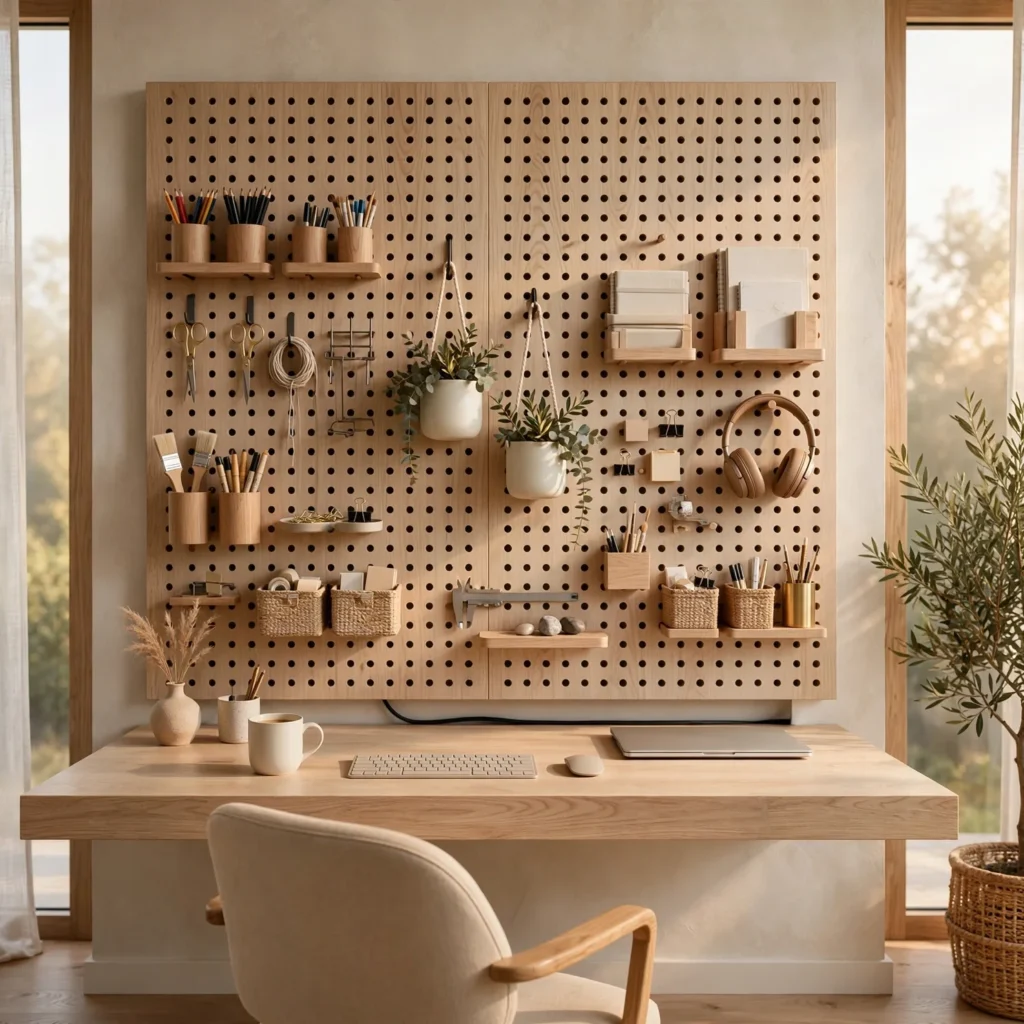
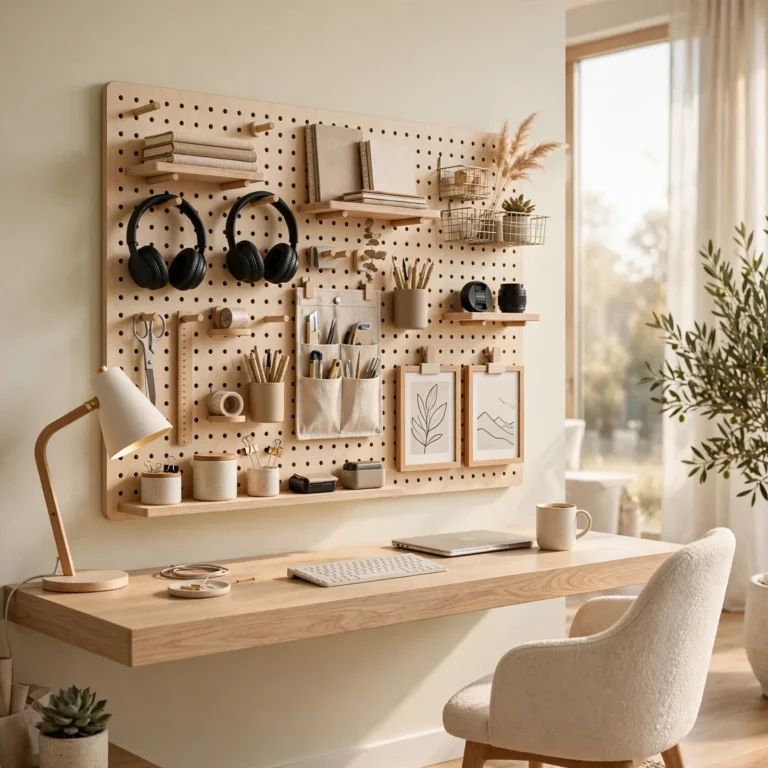
A painted pegboard panel mounted on the wall holds bags, hats, dress-up clothes, or art supplies on hooks and small shelves, keeping them off the floor and out of bins. In a small kids bedroom, this turns an otherwise flat, unused wall into functional storage that’s easy for kids to use independently. Arrange hooks at a height the child can reach without a step stool, and leave a few pegs empty for items that rotate in and out.
9. Corner Reading Tent
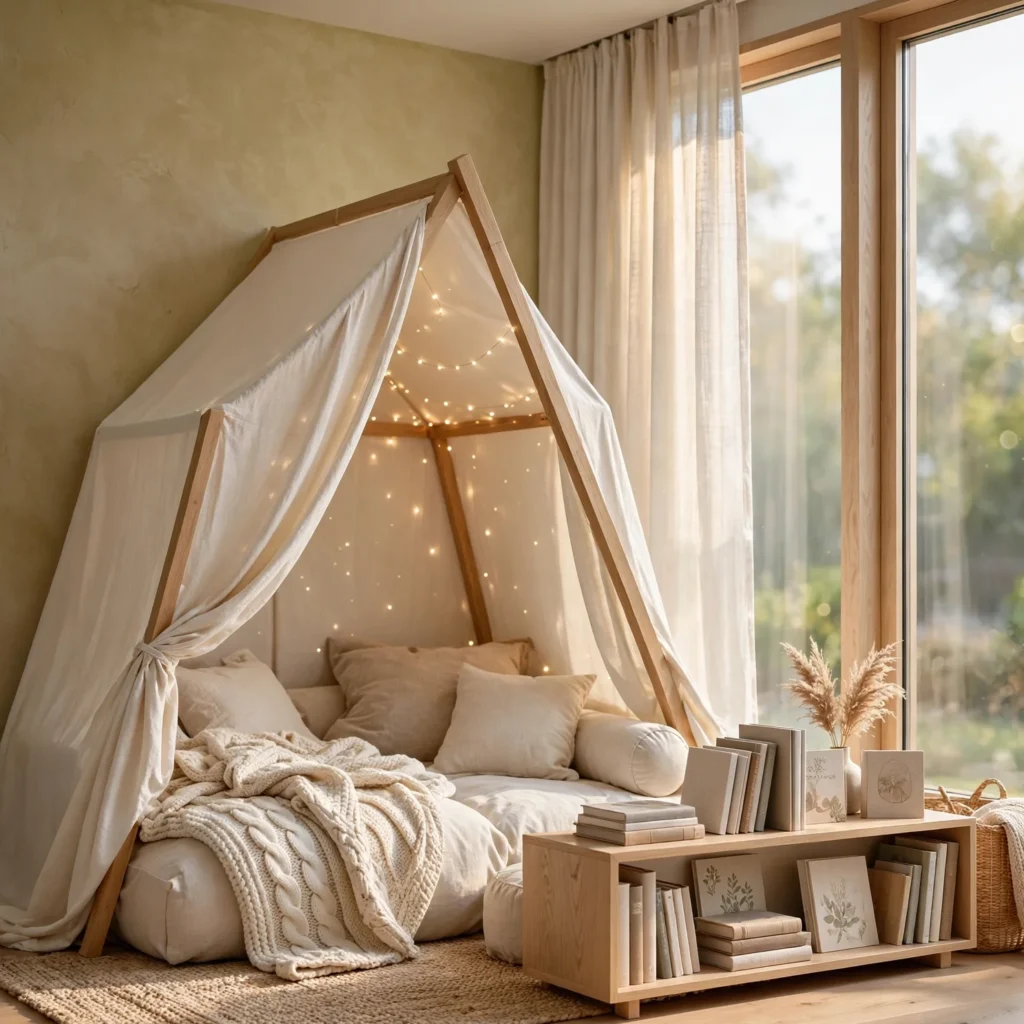
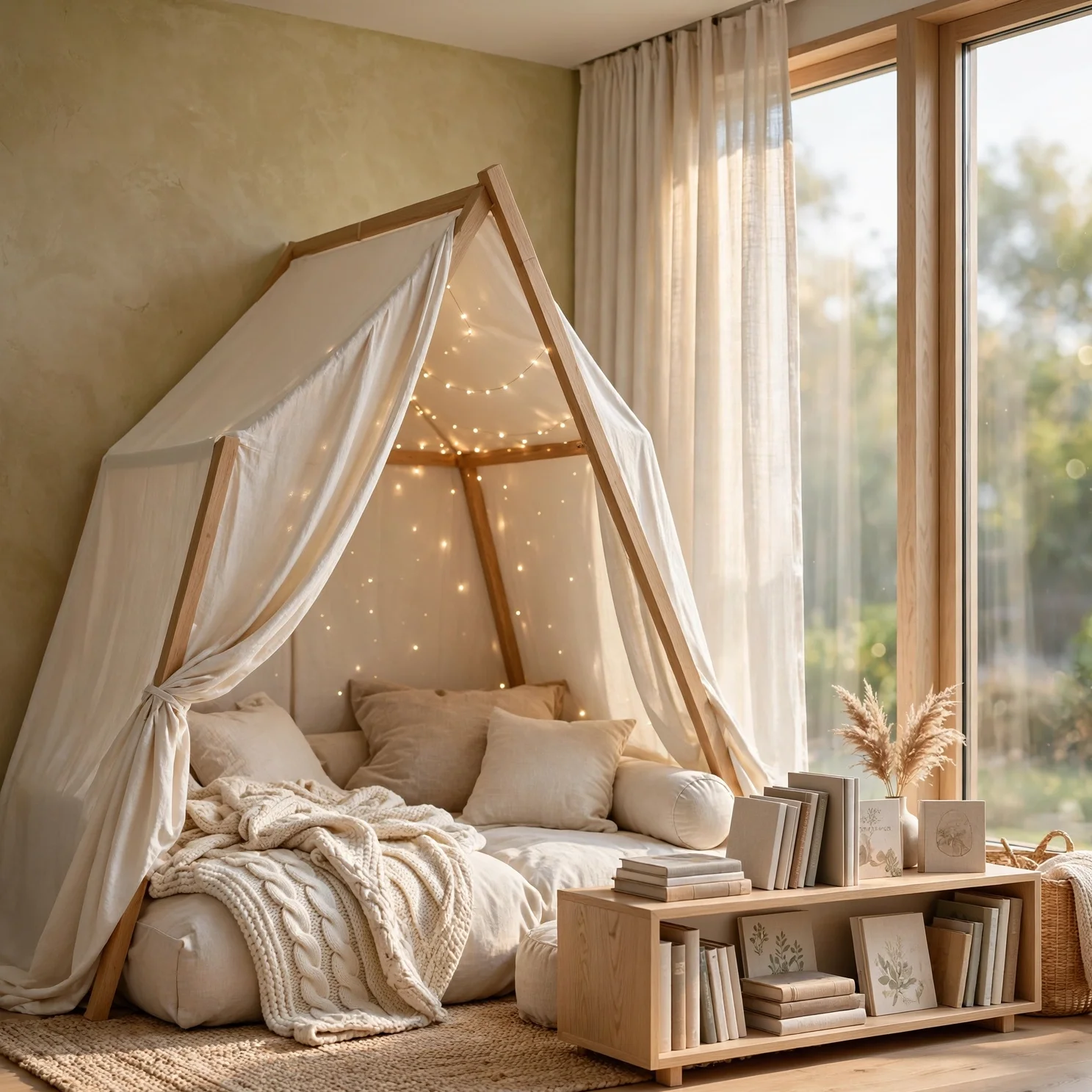
A small canvas tent or canopy set in an unused corner creates a defined reading or quiet nook without requiring an actual piece of furniture like a chair or bean bag. This works well in a small kids bedroom because it uses a corner that’s often otherwise wasted, while still giving the room a clear play zone. Add a small cushion and a soft light inside rather than a full lamp, since floor space around the tent should stay clear.
10. Vertical Growth Chart Decor
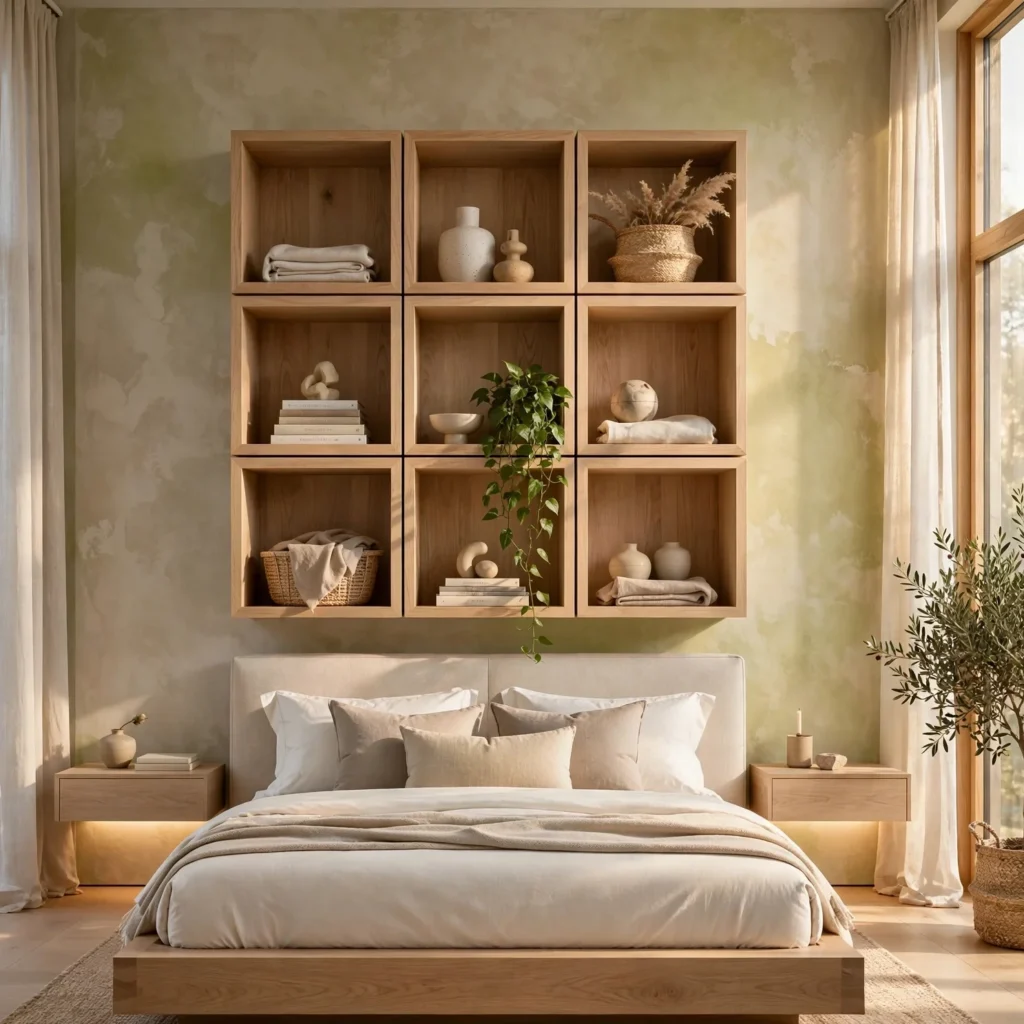
A wall-mounted growth chart, whether a printed ruler decal or a wood plank version, doubles as decor and a functional keepsake without taking up any floor or shelf space. It’s a small but meaningful addition to a small kids bedroom, since it adds personality to a bare wall while serving an actual purpose over the years. Mount it in a spot that stays accessible as furniture shifts around it, ideally near a doorway or closet.
11. Stackable Storage Cubes
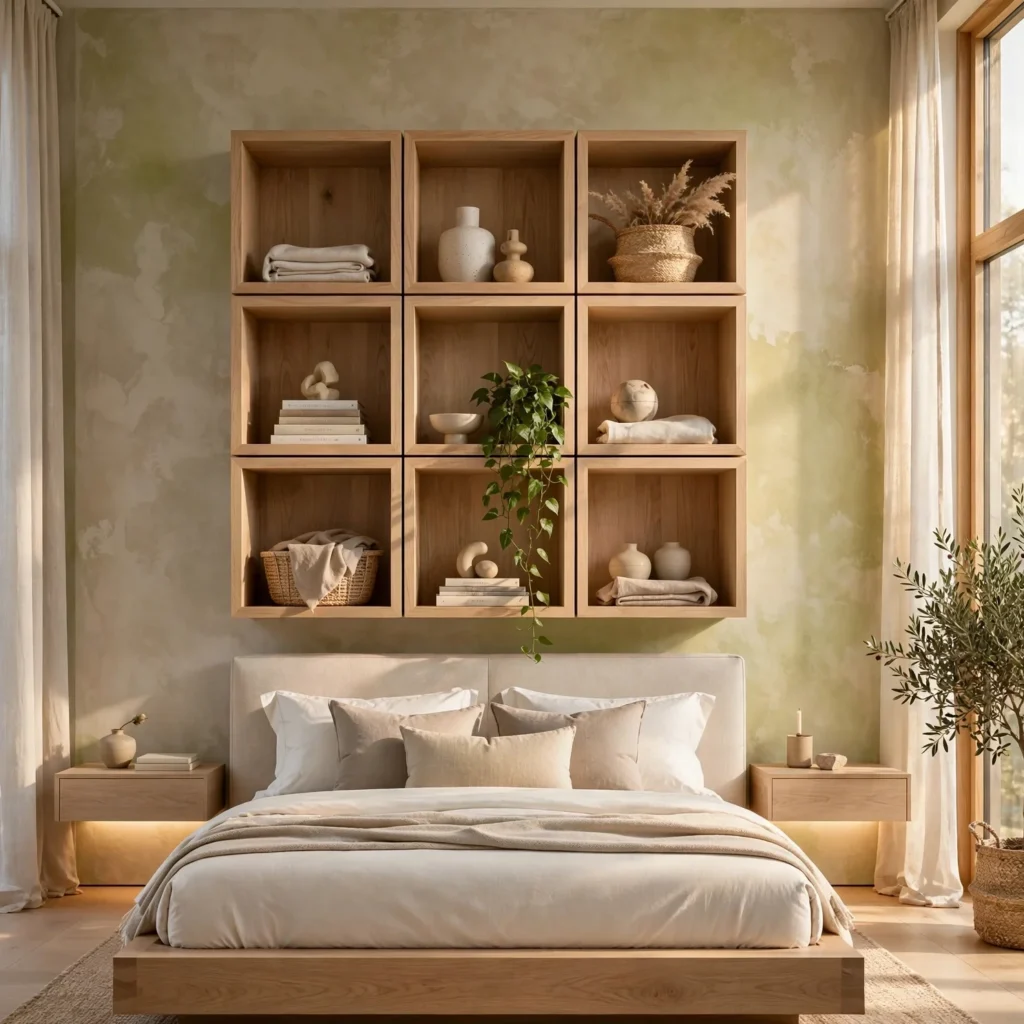
Modular fabric or wood cubes can be stacked, rearranged, or split into two smaller units as a small kids bedroom’s storage needs change over time. Unlike a fixed dresser or toy chest, cubes can adapt to a growing wardrobe or a shift from toys to books and games. Choose cubes in a size that doubles as a step stool or extra seating, so they serve more than one function in a tight room.
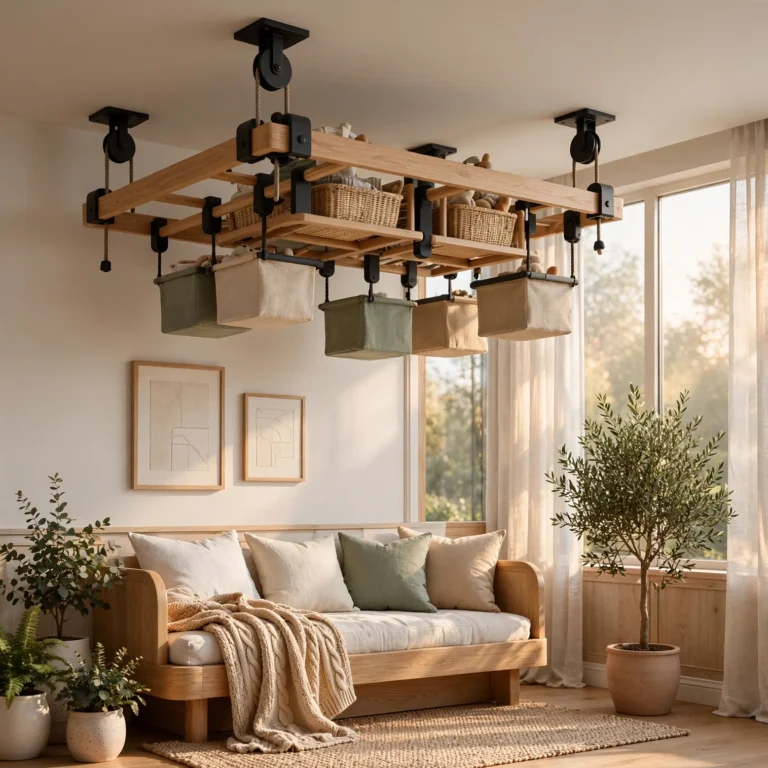
12. Rolling Toy Cart
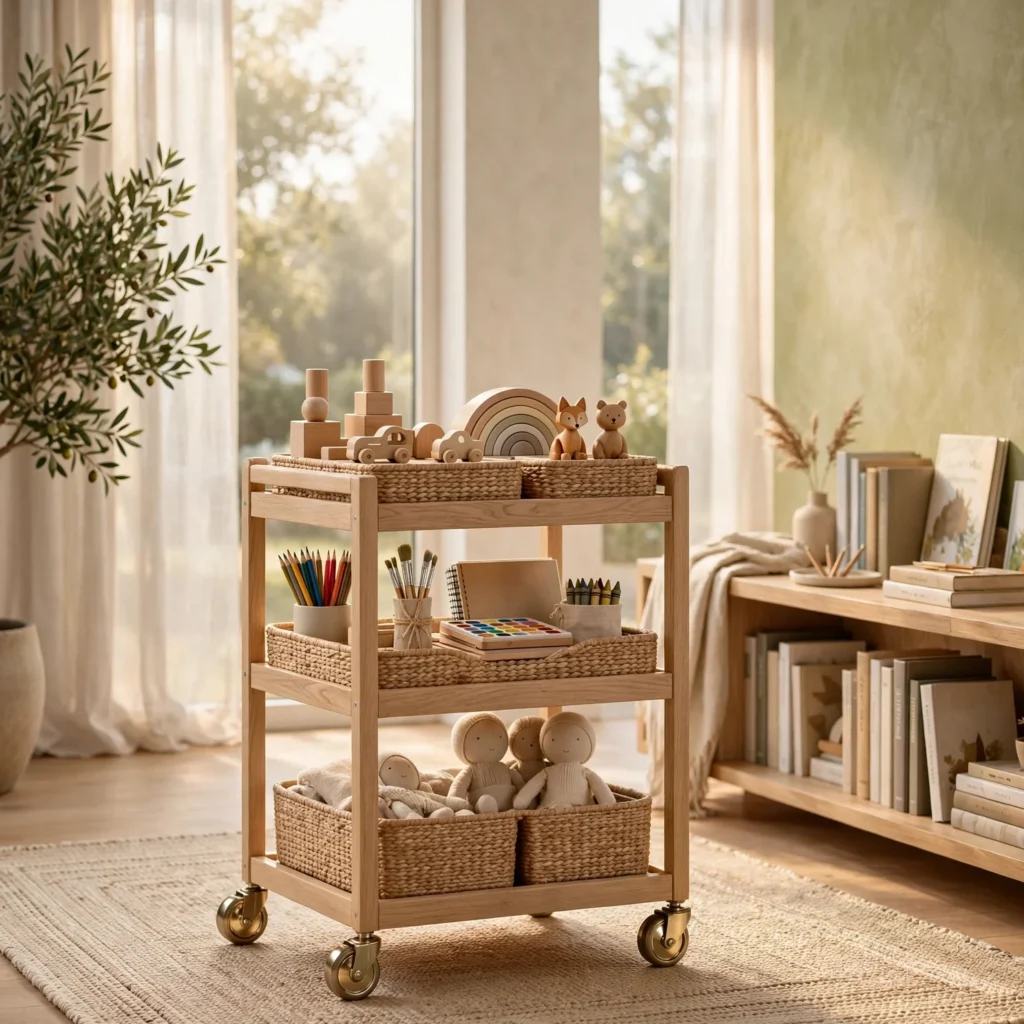
A narrow cart on wheels holds toys, art supplies, or books and can be tucked into a closet or corner when not in use, then rolled out for playtime. This flexibility makes it a strong fit for a small kids bedroom where a fixed toy chest would take up permanent floor space. Choose a cart with multiple tiers rather than one large bin, since smaller, sorted sections make it easier for kids to find and put away specific items.
Shop the Look
A low loft bed frame in painted wood pairs well with a compact desk sized to fit underneath. Add a set of labeled canvas storage bins for under-bed use, a shallow floating shelf mounted at child height for books and toys, and a small folding table with two stackable stools for a flexible play corner that can be cleared in minutes.
Common Mistake to Avoid
The most common mistake in small kids bedroom design is buying storage and furniture sized for a much younger child without planning for how quickly kids grow into new needs. A toy chest that made sense at age three often sits unused and in the way by age eight, while a fixed loft bed bought too early can be unsafe for a toddler who isn’t ready to climb. Choosing adjustable, modular pieces from the start avoids a full furniture replacement every few years.
Frequently Asked Questions
What is the best bed type for a small kids bedroom?
A loft or bunk bed is generally the most space-efficient option for a small kids bedroom, since it frees up floor space for a desk, play area, or second bed. Low loft beds work well for children as young as six, while full-height lofts with a desk underneath suit older kids better. A standard low bed with under-bed storage is a safer choice for toddlers who aren’t ready to climb a ladder.
How do I fit two kids into one small bedroom?
A bunk bed or a built-in bunk nook is usually the most effective way to fit two children into a small shared bedroom, since it keeps both sleeping areas within a single footprint. Splitting the remaining space into a shared play zone and separate, smaller storage areas for each child also helps avoid daily disputes over space. Labeling shelves or bins by name can make shared storage easier to maintain.
How much play space does a small kids bedroom need?
There’s no fixed minimum, but leaving at least a small, clear patch of floor, even just enough for a rug and a few toys, tends to matter more to kids than extra furniture does. Wall-mounted storage and loft beds free up exactly this kind of space by moving furniture off the floor and onto the walls or upward. Prioritizing one open area over multiple smaller furnished corners usually works better for actual daily play.
Should a small kids bedroom have a theme?
A themed room can work, but a neutral base with swappable decor, like removable wall decals, bedding, or art, tends to last longer and cost less than committing to a full theme in furniture and paint. Kids’ interests change quickly, so keeping big-ticket items like the bed frame and dresser neutral while updating smaller decor pieces over time is usually the more practical approach for a small room.
How do I keep a small kids bedroom organized long term?
Storage that kids can reach and use independently, like low shelves, labeled bins, and hooks at their height, tends to stay organized longer than closed cabinets or high shelves that require adult help. Rotating toys in small batches rather than keeping everything accessible at once also reduces daily clutter. Revisiting the storage setup every year or two as the child’s belongings change helps the system keep working as they grow.
Conclusion
The best small kids bedroom ideas combine smart furniture choices with storage that actually gets used, not just installed. Start with a space-saving bed frame and one or two organized storage solutions, then build in flexible decor that can shift as your child’s interests change. If this was helpful, save it to Pinterest for later or check out our related guide on small bedroom storage solutions for more ideas.