12 Innovative Garden Ideas That Turn a Backyard Into a Retreat
A backyard can feel like an afterthought until the right garden ideas turn it into the spot everyone wants to sit in. Whether the space is a sprawling quarter-acre or a narrow city lot, the right combination of structure, plants, and materials makes a measurable difference. This post walks through twelve practical, buildable garden ideas, from raised beds to pergolas, with real materials, spacing guidance, and layout tips a homeowner can act on this weekend or over a season.
Trend & Background
Outdoor living has moved from a summer luxury to a year-round priority, with homeowners investing in gardens the same way they once invested in kitchens. Rising grocery costs have pushed more people toward food gardening, while drought conditions across many regions have made native and low-water plantings a practical necessity rather than a style preference. At the same time, smaller lot sizes in new developments mean vertical gardening and multi-purpose layouts matter more than ever, making thoughtful planning essential before the first shovel goes in the ground.
Key Takeaways
- These garden ideas cover everything from raised beds to pergolas, fitting yards of any size or budget.
- Native plants and drip irrigation cut water use while keeping garden beds looking full for months.
- Vertical structures like trellises and living walls solve space problems in small or narrow yards.
- A mix of hardscaping and planting creates a garden that works for entertaining and everyday relaxing.
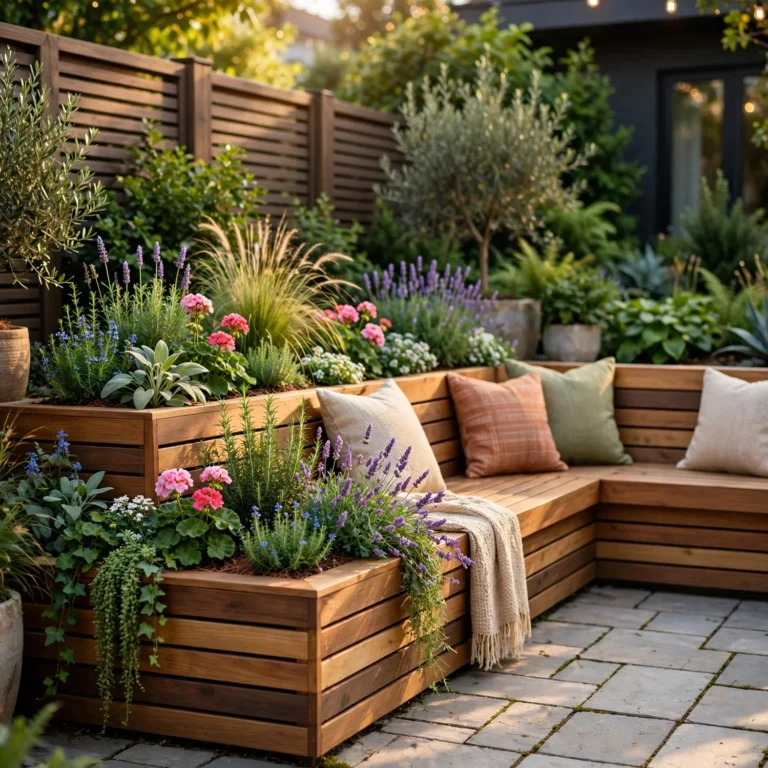
1. Raised Garden Beds
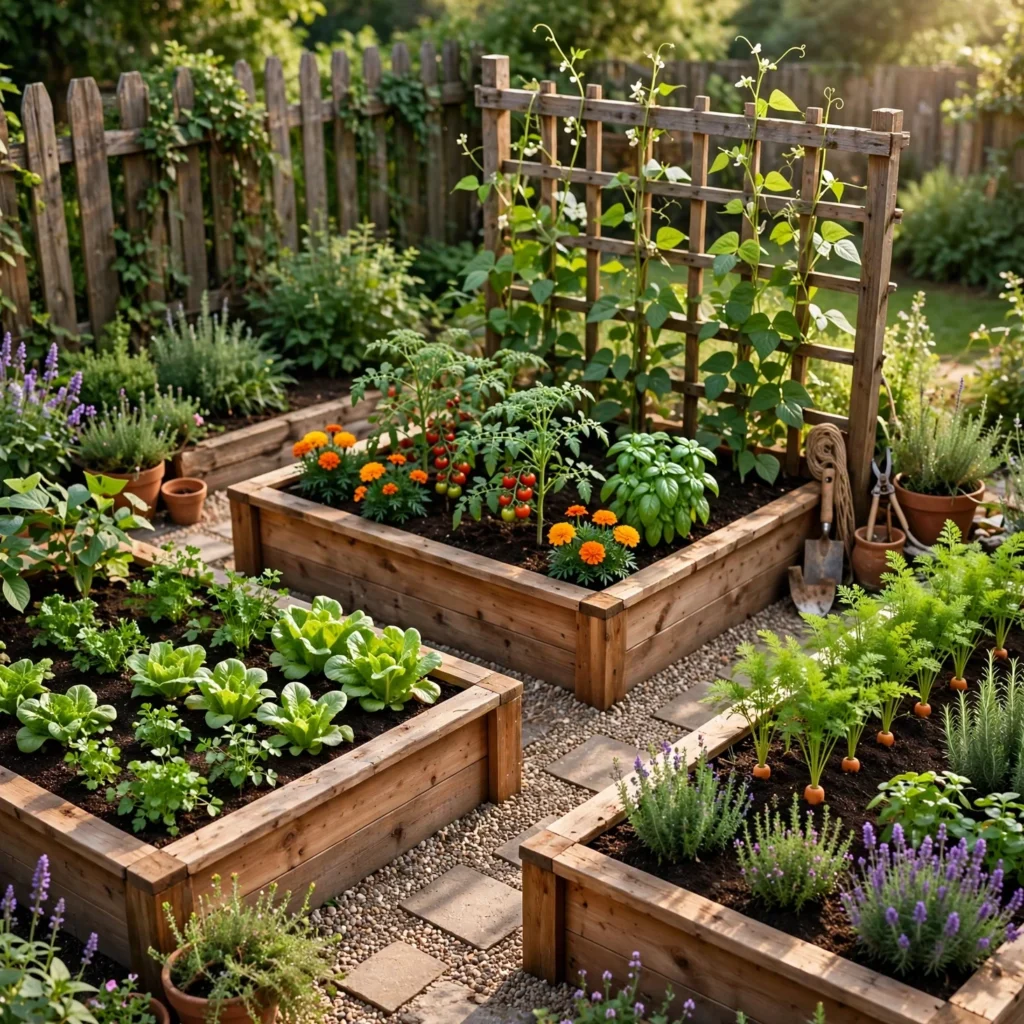
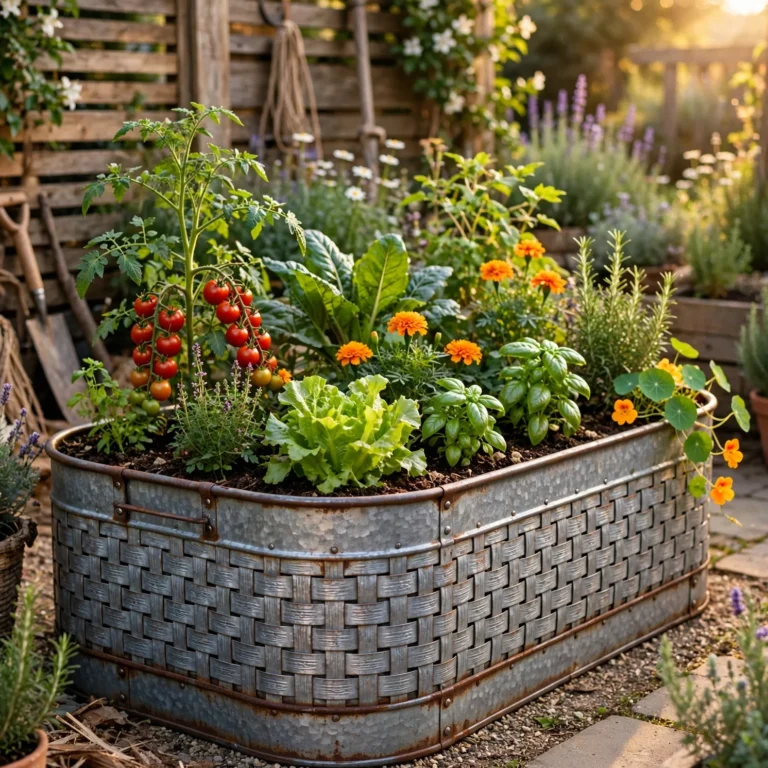
Raised beds solve drainage problems and give gardeners control over soil quality from day one, which matters most in yards with heavy clay or poor native soil. Cedar and redwood resist rot without chemical treatment, while galvanized steel beds last decades and heat up soil faster in spring. A depth of 12 to 18 inches suits most vegetables and perennials, and grouping three or four beds with 18-inch walking paths between them keeps the layout functional rather than cramped.
| Bed Material | Lifespan | Approx. Cost (4×8 ft) |
| Cedar | 10-15 years | $150-$250 |
| Galvanized Steel | 20-30 years | $200-$350 |
| Composite Lumber | 15-20 years | $250-$400 |
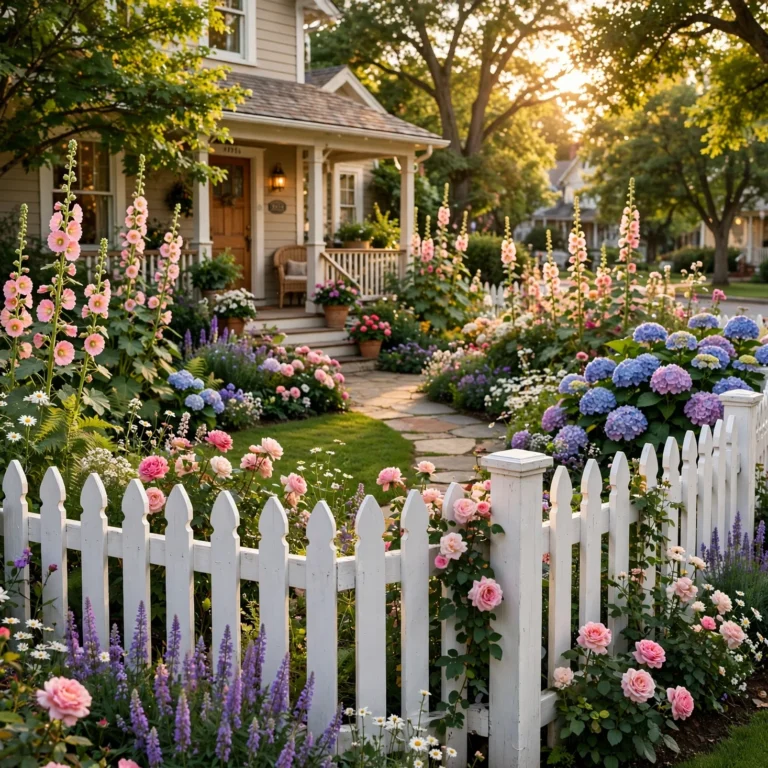
2. Native Plant Borders
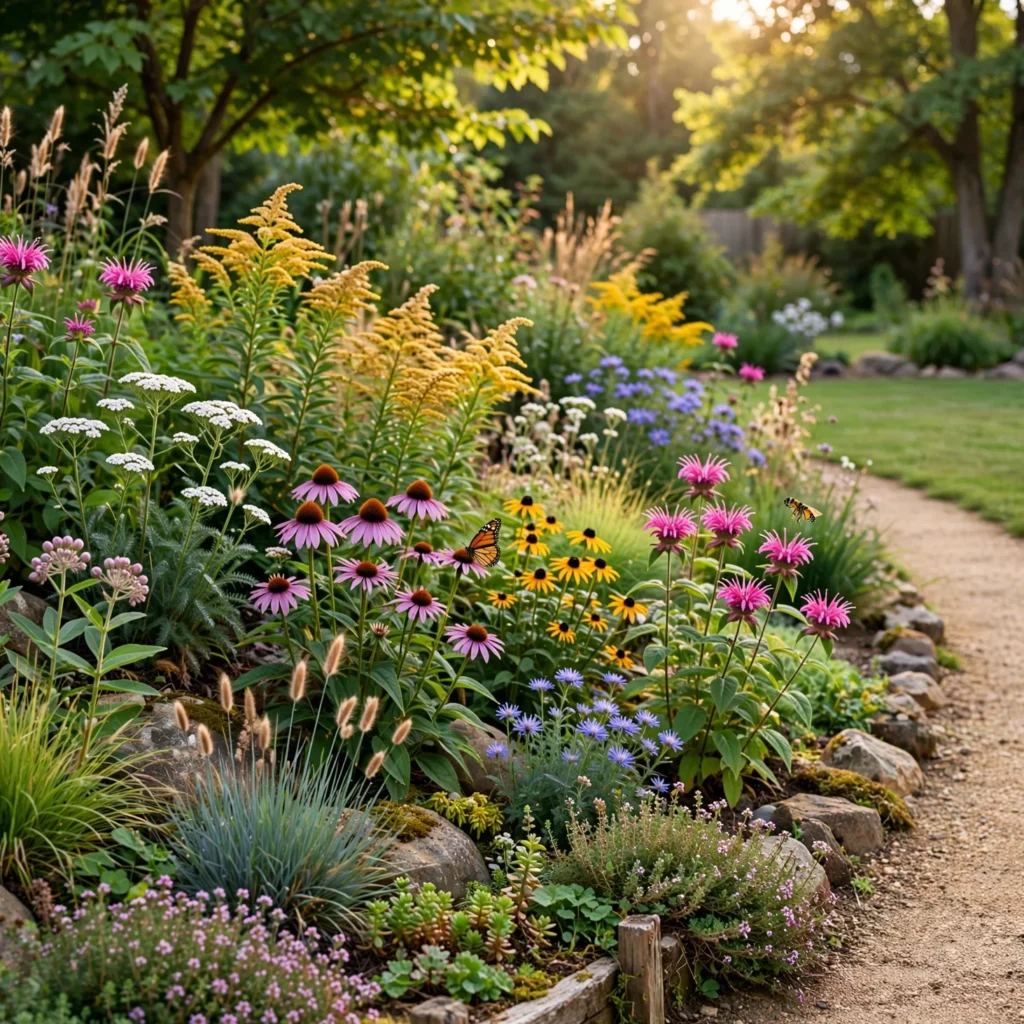
Native plant borders reduce watering and fertilizing needs because the species are already adapted to local rainfall and soil conditions. Coneflower, black-eyed Susan, and switchgrass work across much of the U.S., while regional nurseries can point to species suited to specific microclimates. Planting in drifts of five to seven of the same species rather than single specimens creates a more cohesive, professional look and gives pollinators a stronger visual target to find.
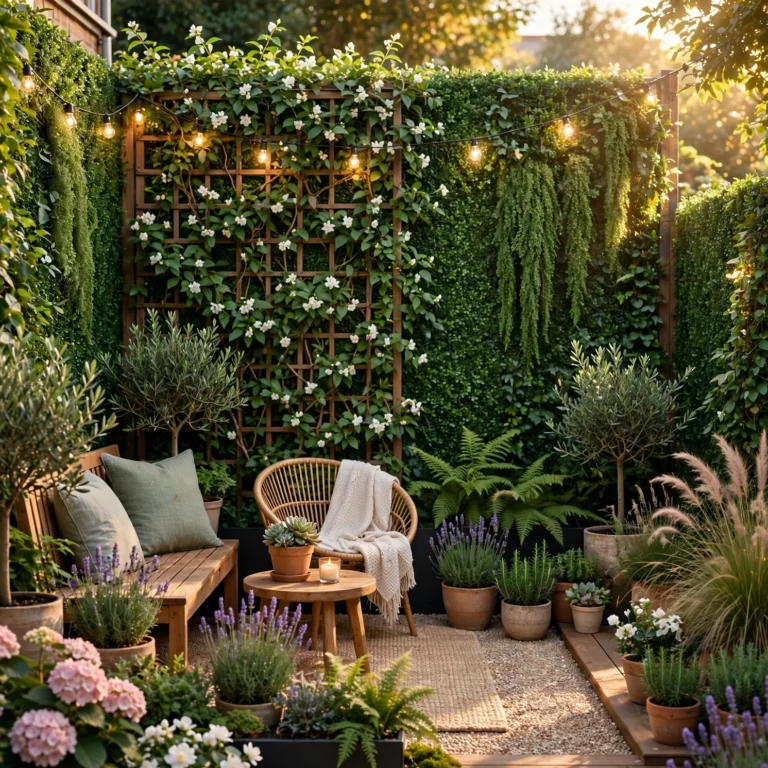
3. Pergola With Climbing Vines
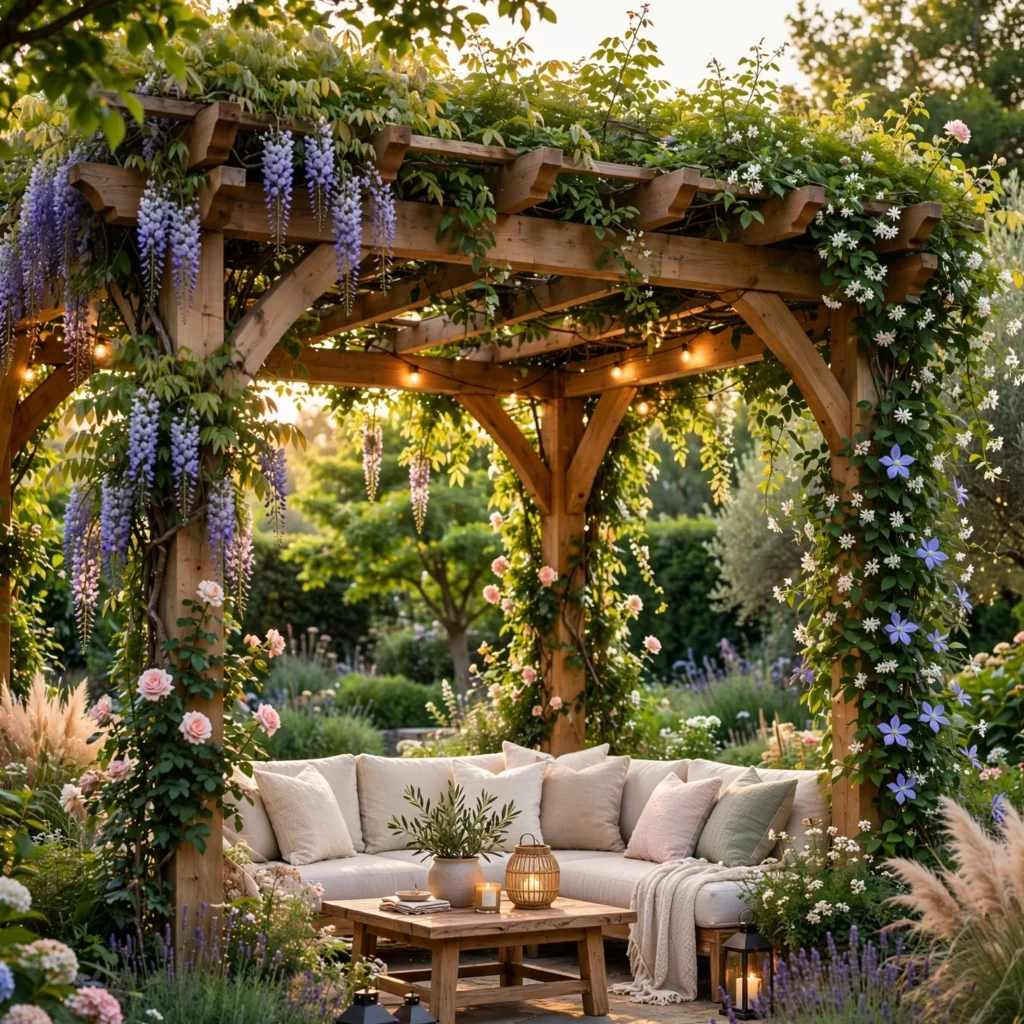
A pergola adds architectural height to a flat yard and, once climbing vines like wisteria or trumpet honeysuckle take hold, provides genuine shade within two to three growing seasons. Cedar and pressure-treated pine are the most common frame materials, with 8×10 feet being a comfortable footprint for a small seating area underneath. Positioning the structure to catch afternoon sun makes the shade functional rather than decorative.
Looking for affordable upgrades? Browse our Budget-Friendly Bedroom Makeover Ideas to transform your room without overspending.
4. Gravel Pathway
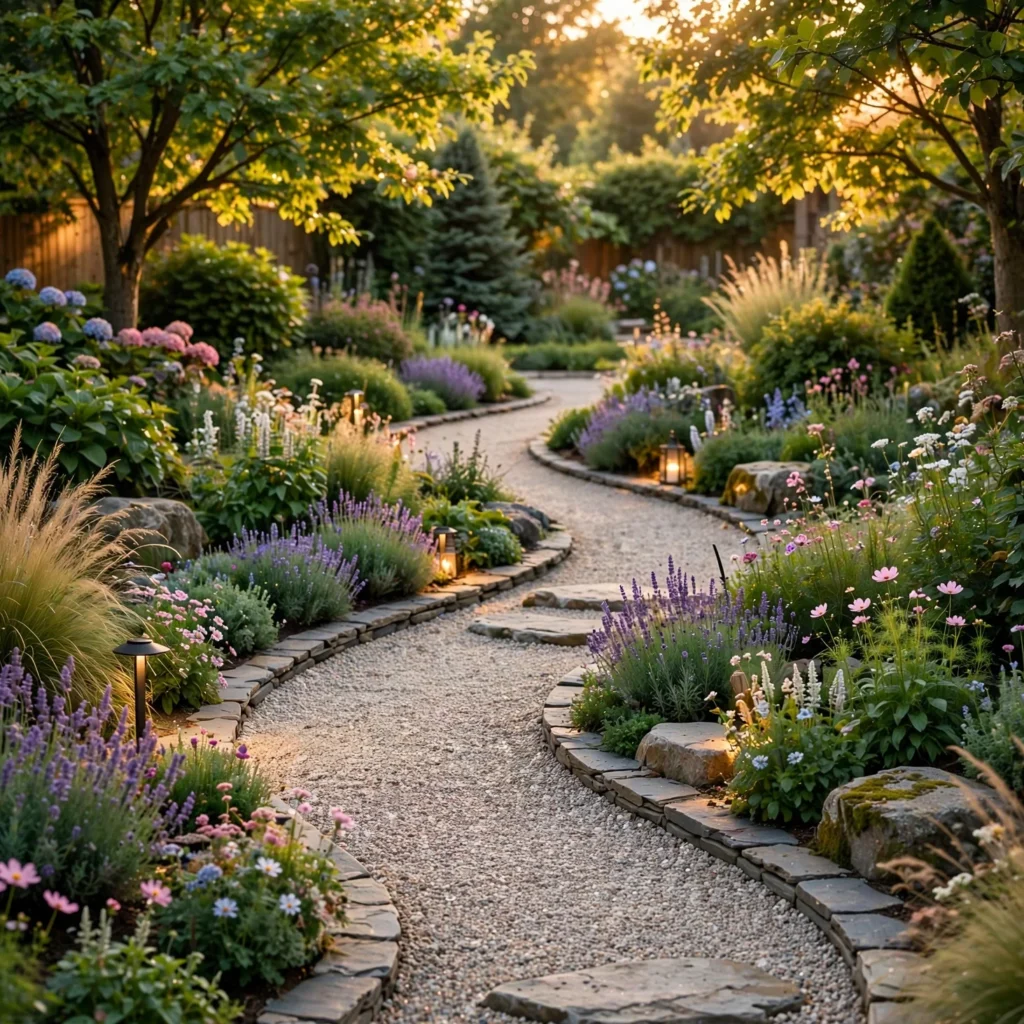
Gravel pathways cost less than pavers or poured concrete and drain well, which prevents the standing water that turns dirt paths to mud after rain. Pea gravel offers a softer look underfoot, while crushed granite compacts harder and holds its shape better under regular foot traffic. A steel or aluminum edging strip keeps the gravel contained and stops it from migrating into planting beds over time.
| Path Width | Best Use | Gravel Depth |
| 24 inches | Single-file garden path | 2 inches |
| 36 inches | Main walkway | 3 inches |
| 48+ inches | Entertaining/dual passage | 3-4 inches |
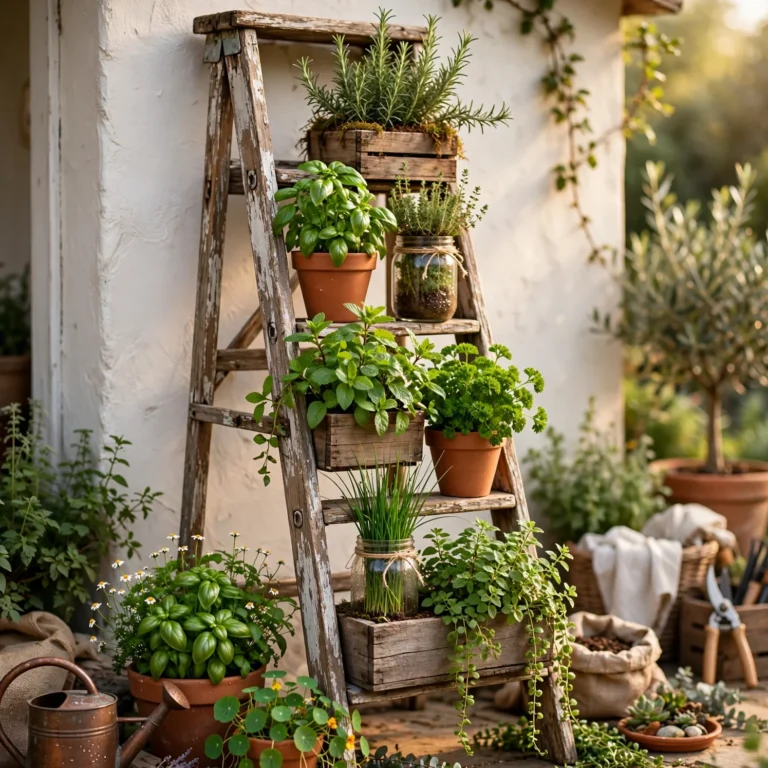
5. Vertical Herb Wall
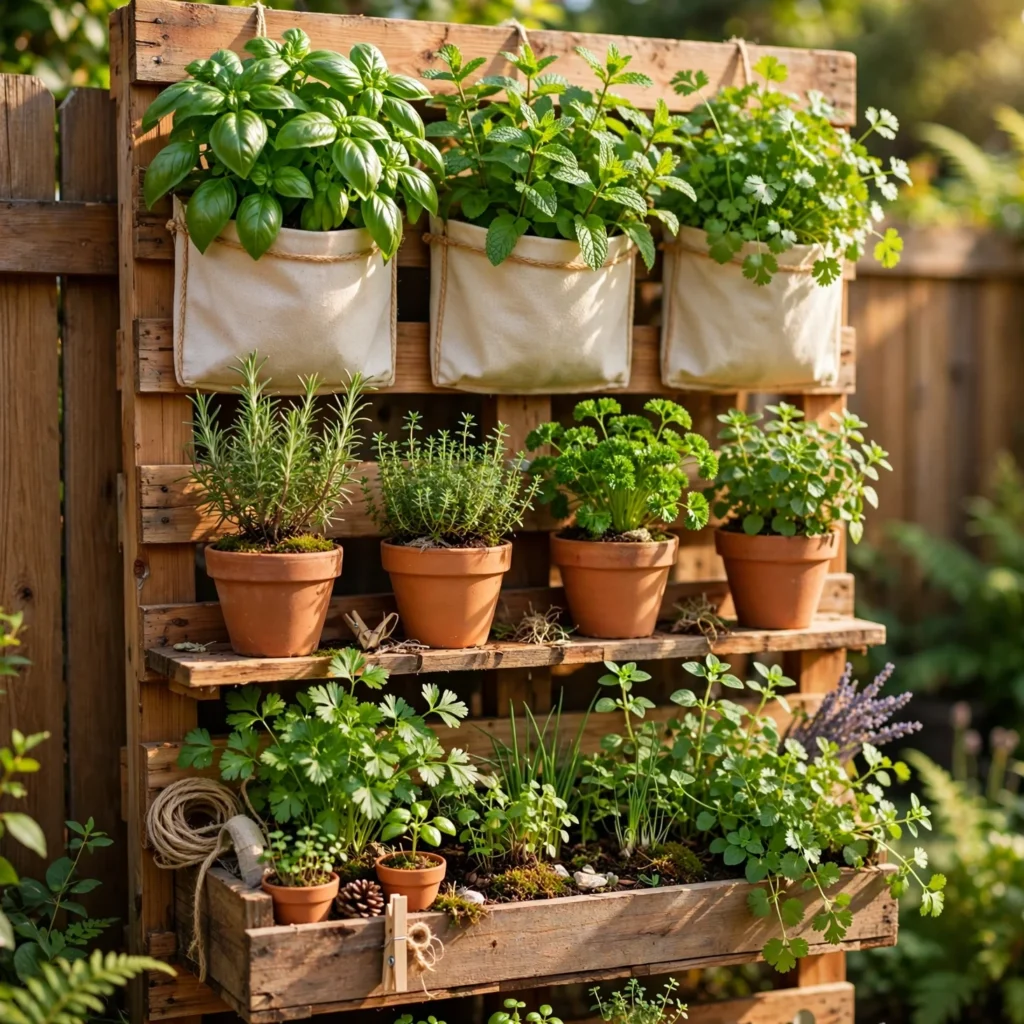
A vertical herb wall makes use of unused fence or wall space and keeps kitchen herbs within arm’s reach of the patio or back door. Modular felt pocket planters or repurposed wooden pallets both work, with basil, thyme, and chives tolerating the shallower soil depth these systems typically offer. Mounting the structure at counter height rather than ground level makes harvesting easier and keeps the herbs visible year-round.
6. Drip Irrigation System
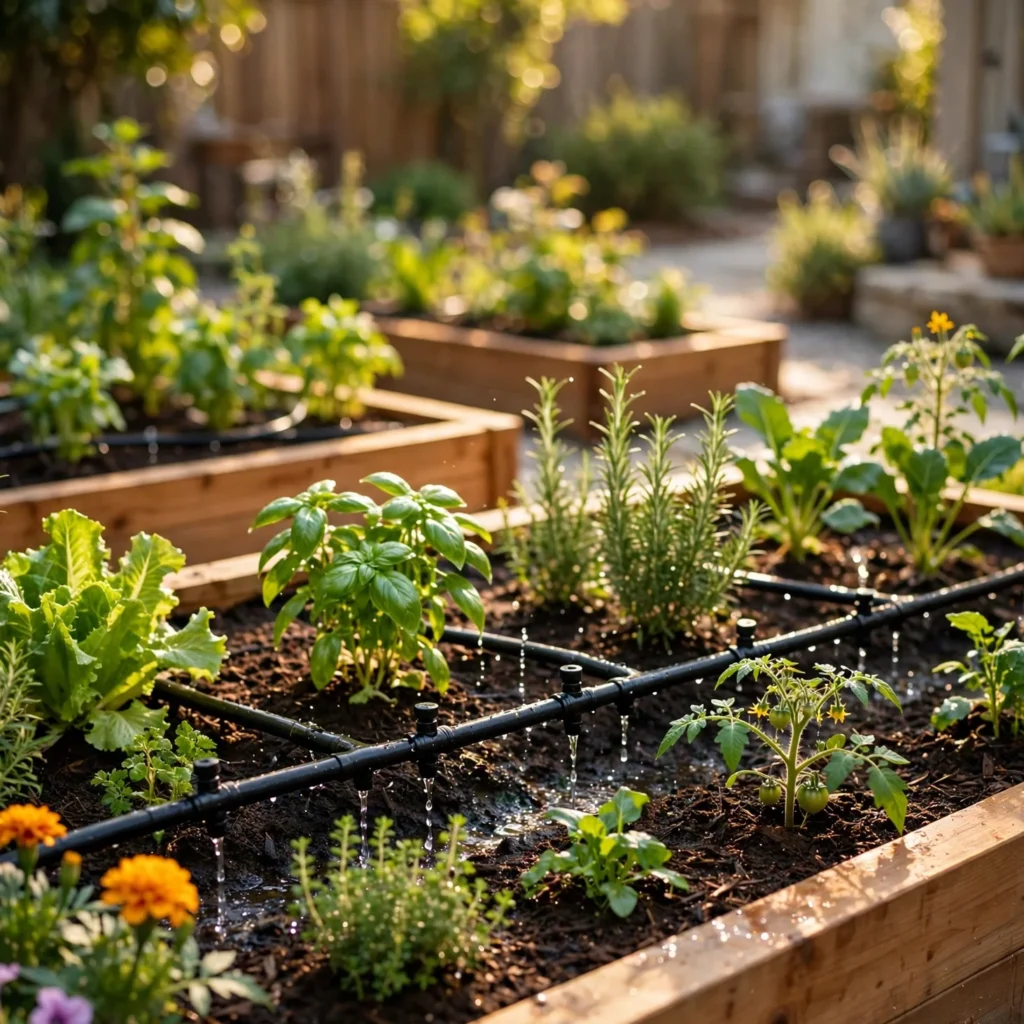
Drip irrigation delivers water directly to plant roots instead of spraying it across leaves and open soil, which cuts water waste significantly compared to sprinkler systems. A basic system built from half-inch poly tubing, emitters, and a battery-powered timer can be installed in an afternoon without professional help. Running the system early morning rather than midday reduces evaporation loss and keeps foliage drier, which lowers the risk of fungal disease.
7. Fire Pit Seating Area
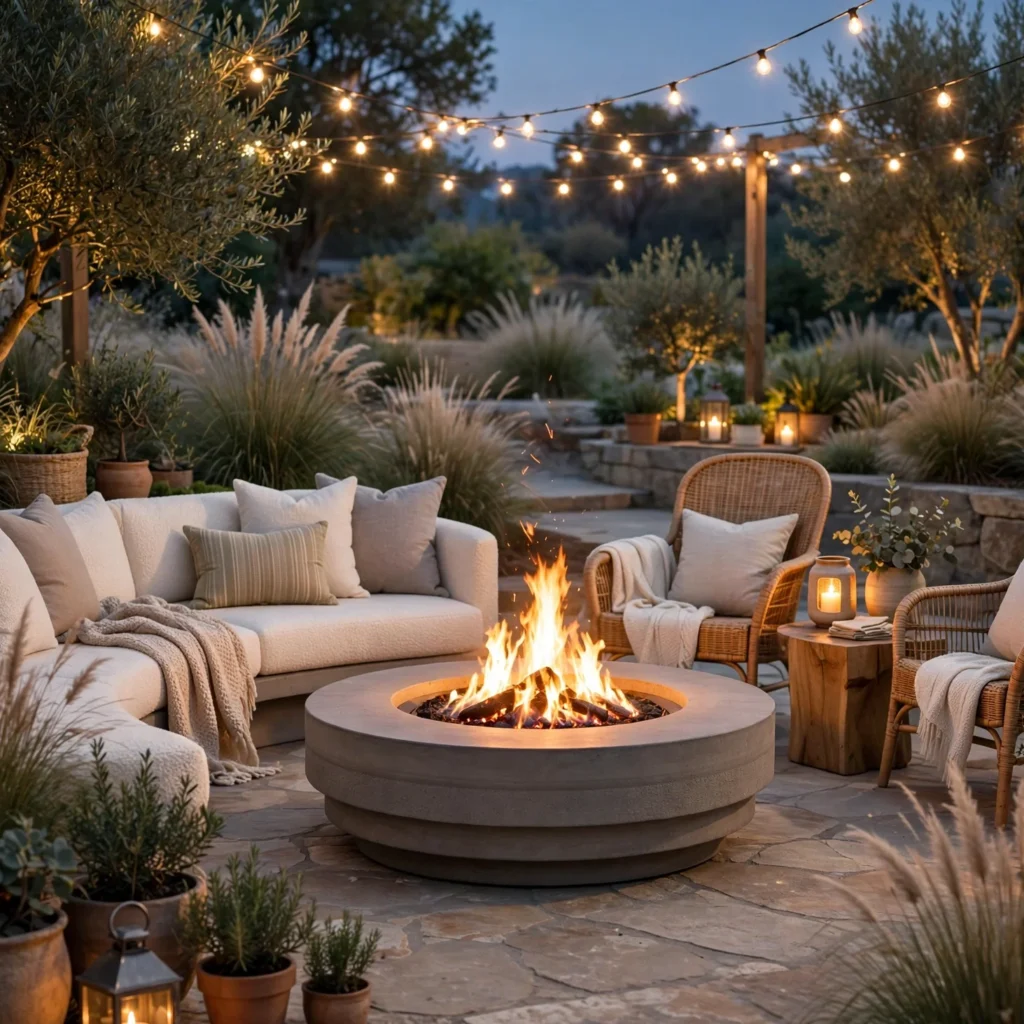
A fire pit seating area extends usable garden time well into fall and gives a backyard a natural gathering point beyond the patio table. A 36 to 44-inch diameter steel or stone-ringed pit paired with four to six feet of clearance on all sides keeps the space comfortable and safe. Gravel or paver flooring underneath the seating area holds up better than grass, which tends to die back from heat and foot traffic.
8. Cutting Garden Bed
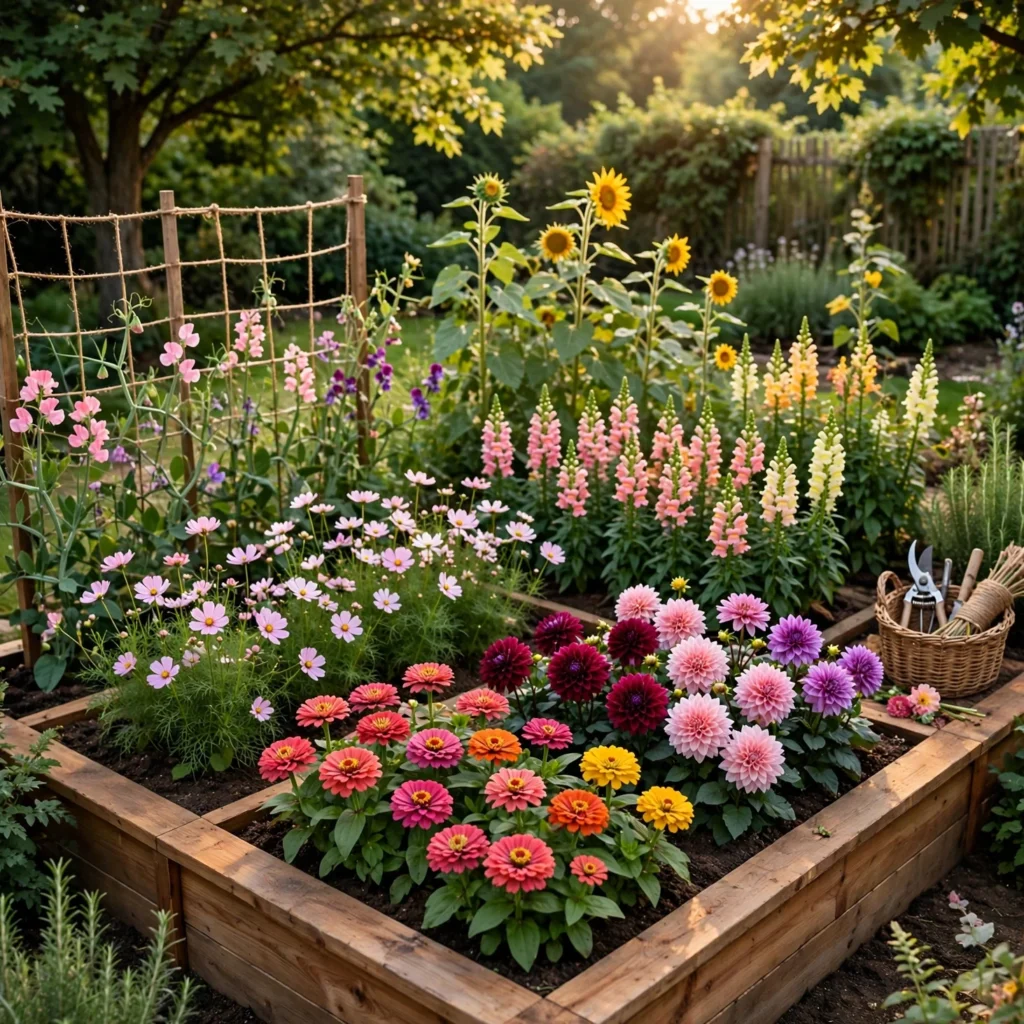
A dedicated cutting garden bed lets homeowners grow flowers specifically for indoor arrangements without disturbing ornamental beds near the house. Zinnias, dahlias, and cosmos are reliable, fast-blooming choices that respond well to regular cutting, which actually encourages more blooms rather than fewer. Rows spaced 12 inches apart with support netting for taller varieties keep stems straight and make harvesting faster.
9. Espaliered Fruit Tree
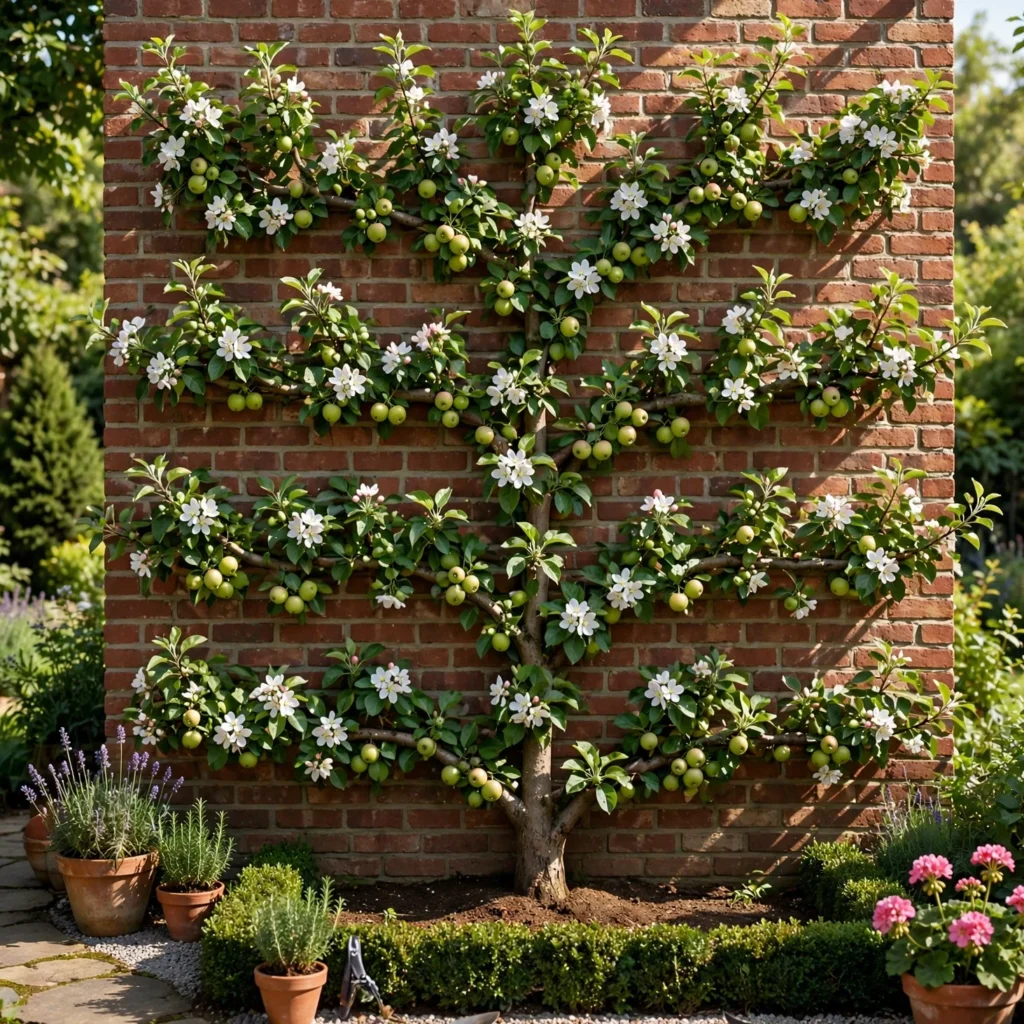
Espaliered fruit trees are trained flat against a wall or fence using wire supports, which makes them ideal for narrow side yards where a full-sized tree wouldn’t fit. Apple and pear varieties respond especially well to this training method and can be shaped into horizontal tiers over three to four years. Beyond the space savings, the flattened form makes pruning, spraying, and harvesting considerably easier than with a freestanding tree.
10. Rain Garden
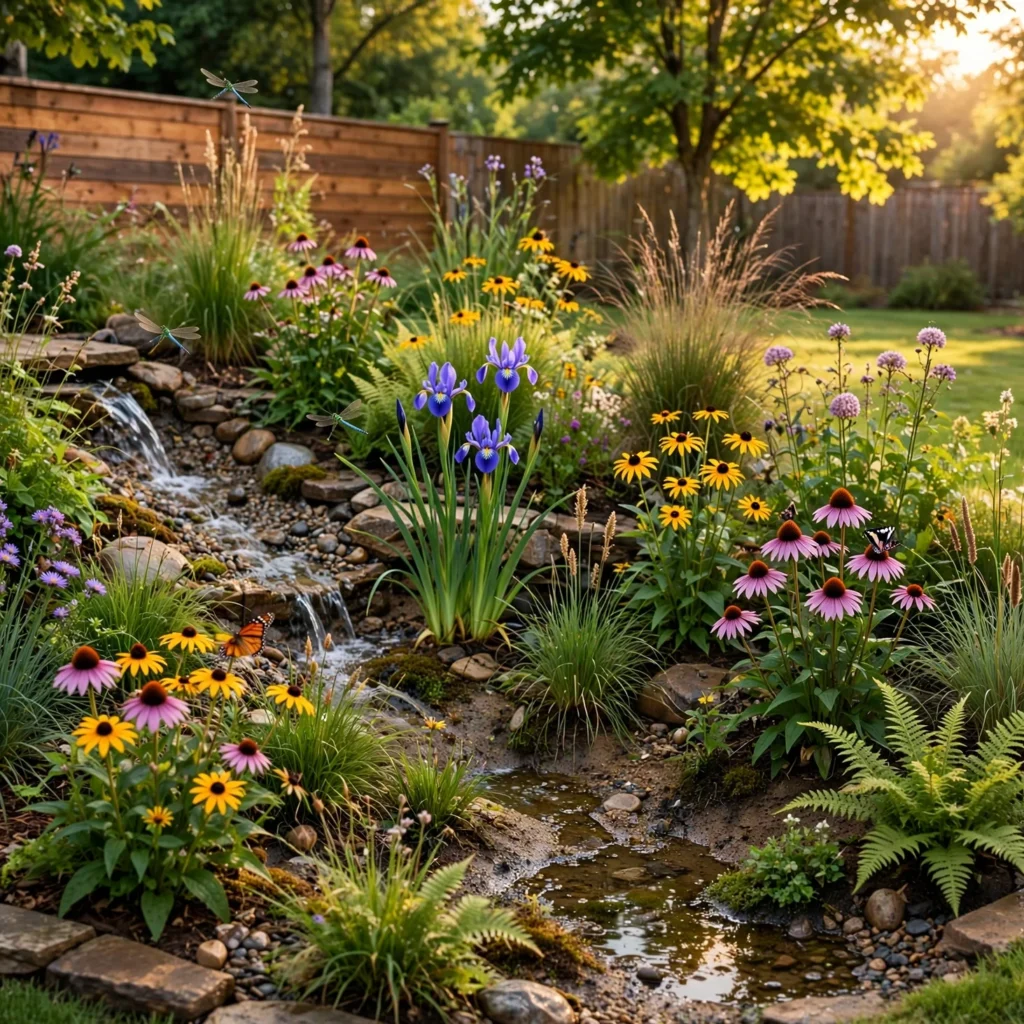
A rain garden is a shallow, planted depression designed to catch runoff from a roof or driveway and let it filter slowly into the soil instead of pooling or running into storm drains. Positioned at least 10 feet from the house foundation, the bed typically sits 4 to 8 inches deep and works best with moisture-tolerant natives like swamp milkweed or blue flag iris. This turns a drainage problem into a functional planting area rather than a patch of standing water.
11. Living Privacy Hedge
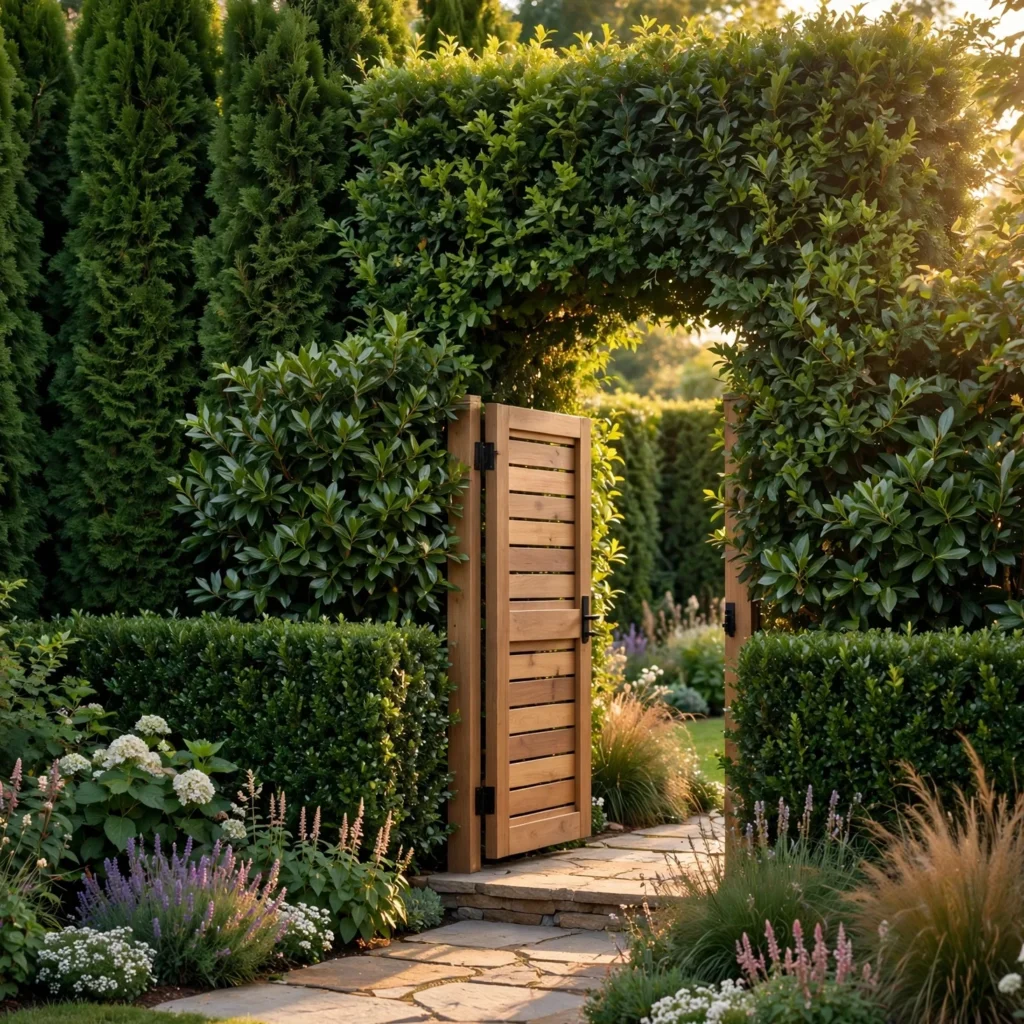
A living privacy hedge planted with arborvitae or boxwood creates a natural screen that improves with age instead of degrading like a wood fence. Spacing plants 3 to 4 feet apart depending on the mature width of the variety allows the hedge to fill in solidly within three to five years. Unlike a fence, a hedge also softens noise and filters wind rather than blocking it outright, which keeps garden beds behind it from drying out as fast.
12. Garden Ideas With a Potting Bench
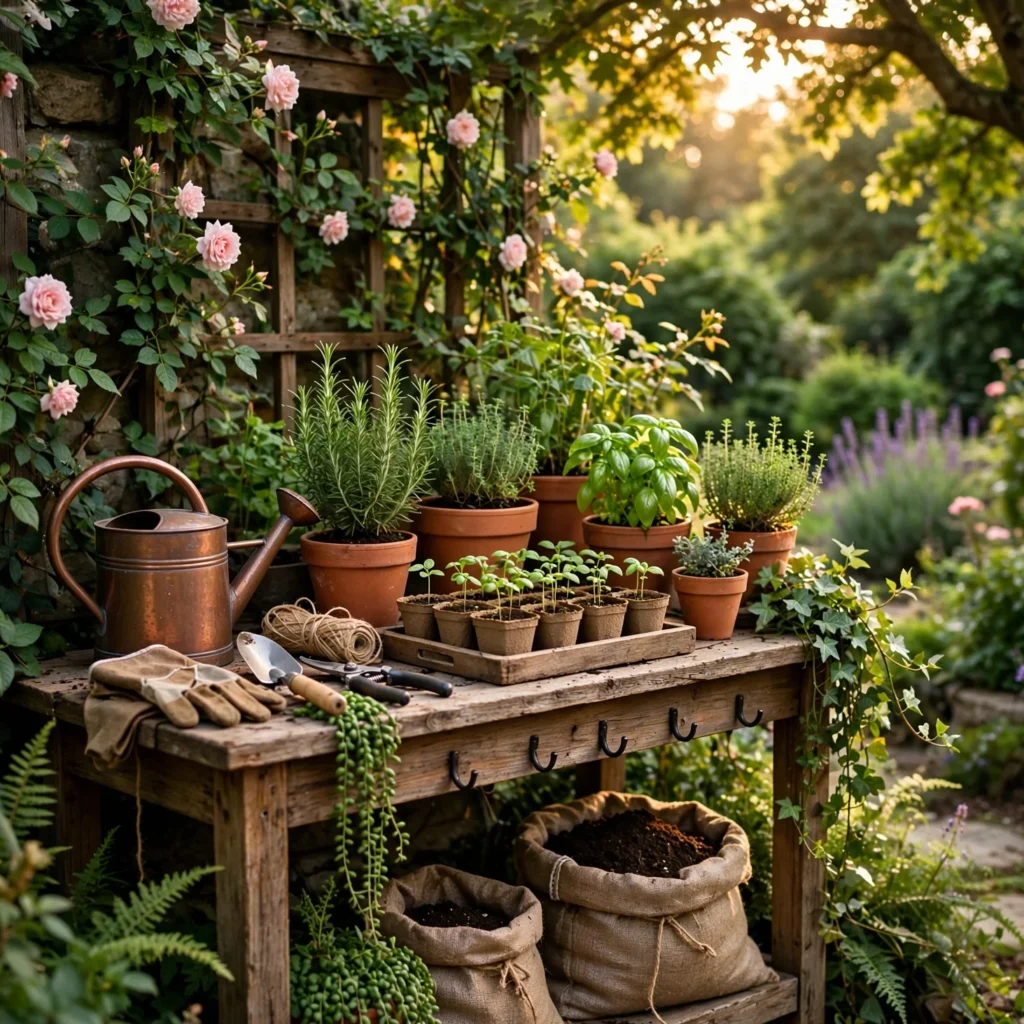
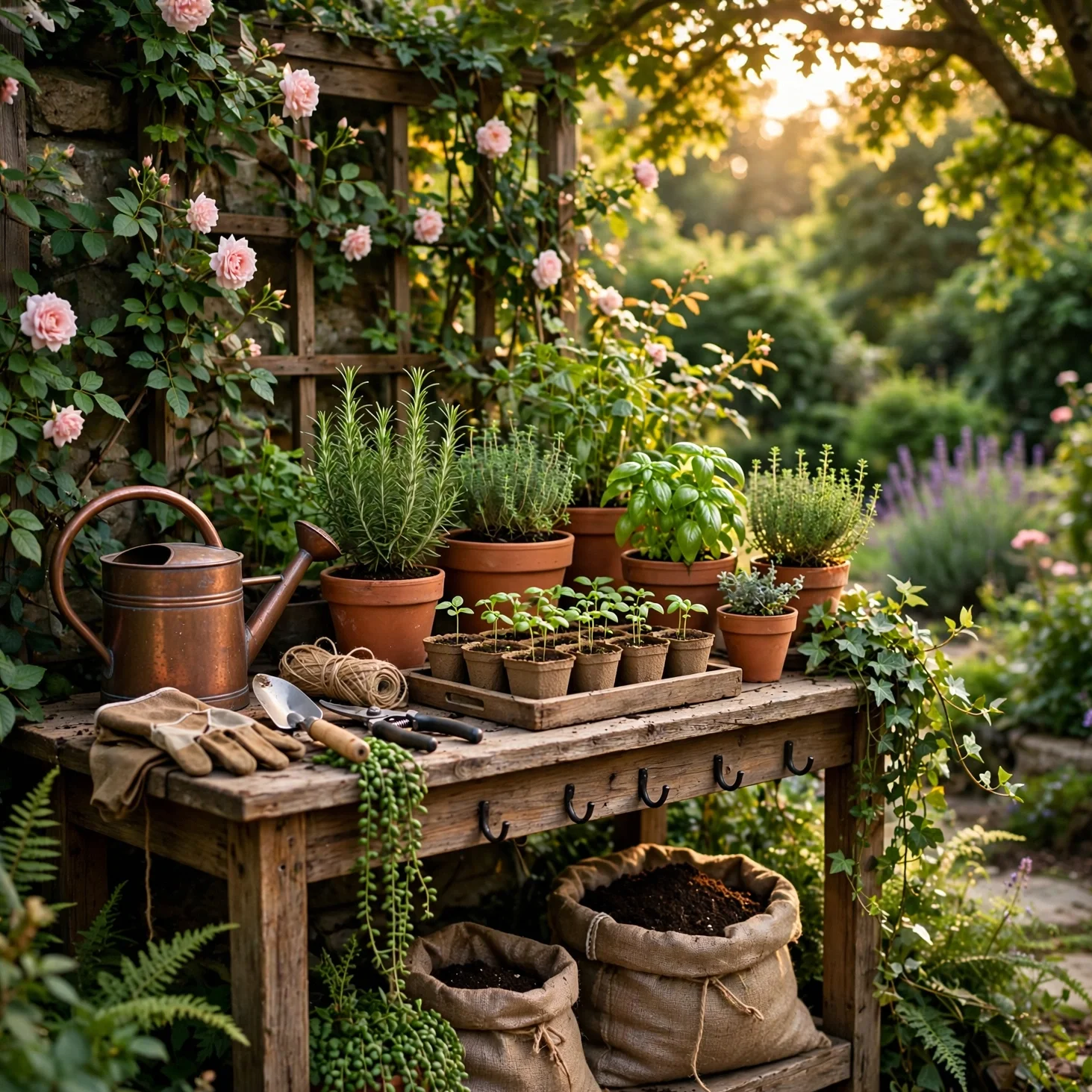
Among the most practical garden ideas for anyone who gardens seriously is a dedicated potting bench, which keeps soil, tools, and pots off the patio and organized in one spot. A simple cedar-frame bench with a lower shelf for bags of soil and a small sink or basin on top turns repotting from a kneeling chore into a standing task. Positioning it near a water spigot and in partial shade makes it far more likely to actually get used.
Shop the Look
A galvanized steel raised bed kit gives the vegetable garden a clean, modern edge without the upkeep of wood. A cedar pergola kit with pre-cut posts speeds up the pergola build significantly compared to framing from scratch. A battery-powered drip irrigation timer keeps watering consistent without running a line to an outdoor outlet. A powder-coated steel fire pit ring holds up to weather better than uncoated steel and won’t need replacing after a season or two.
Common Mistake to Avoid
The most common mistake is designing every element of the garden at once instead of phasing the work over a season or two, which usually results in overspending and mismatched materials as budgets tighten partway through. A gravel path started in spring might get swapped for pavers by summer once funds run low, leaving an inconsistent look. Planning the full layout first, then building it in stages using consistent materials, avoids this patchwork result and keeps costs predictable.
FAQs
What garden ideas work best for a small backyard?
Vertical elements make the biggest difference in small backyards, since they add growing space without taking up more ground area. A vertical herb wall, an espaliered fruit tree, and compact raised beds let a small yard function like a much larger one. Gravel paths also help visually, since they take up less width than paver walkways while still defining separate zones within a tight footprint.
How much does a basic garden makeover cost?
A basic garden makeover using raised beds, gravel pathways, and a drip irrigation system typically runs $800 to $2,500 depending on yard size and material choices. Adding structural elements like a pergola or fire pit pushes the budget toward $3,000 to $6,000. Phasing the project over two seasons, starting with beds and irrigation before adding hardscaping, spreads out the cost without sacrificing the final result.
What plants require the least maintenance in a garden?
Native plants require the least ongoing maintenance because they’re already suited to local rainfall, soil, and temperature swings without extra fertilizer or supplemental watering once established. Coneflower, switchgrass, and black-eyed Susan are reliable low-maintenance choices across much of the U.S. Grouping these species in the same bed as higher-maintenance plants like roses actually increases the overall workload, so separating beds by care level saves time.
How far apart should raised garden beds be spaced?
Raised garden beds should be spaced with at least 18 inches between them to allow comfortable walking room and space for a wheelbarrow if needed. Beds wider than 4 feet become difficult to reach into from both sides, so keeping width to 3 or 4 feet with pathways of 18 to 24 inches between rows is the standard layout most gardeners find workable long-term.
Do rain gardens attract mosquitoes?
A properly designed rain garden does not attract mosquitoes because it’s built to drain within 24 to 48 hours after rainfall, which is faster than the breeding cycle mosquitoes need. Standing water becomes a mosquito risk only when a rain garden is poorly graded or the soil doesn’t drain well enough. Testing drainage before planting and amending heavy clay soil with compost prevents this problem from developing.
Conclusion
These garden ideas range from weekend projects like a potting bench to season-long builds like an espaliered fruit tree, giving homeowners options at nearly any budget or skill level. Starting with one or two elements, like a raised bed and a drip irrigation system, builds momentum without overwhelming the yard or the wallet. Save this post to Pinterest for reference through the planting season, and check the related post on backyard patio layouts for pairing ideas.