12 Inspiring Garden Fence Ideas That Add Style and Structure
A garden fence does more than mark a property line, and the right garden fence ideas can turn a purely functional boundary into a real design feature that supports the planting around it. Material choice affects everything from maintenance frequency to how well climbing plants take hold, which makes the decision bigger than picking whatever looks good at first glance. This post covers twelve practical garden fence ideas, from classic picket to living willow, with real material and spacing guidance for building a fence that actually fits the garden it surrounds.
Trend & Background
Fencing has become a bigger part of garden design conversations as more homeowners treat backyard boundaries as an extension of their landscaping rather than a purely utilitarian structure installed once and ignored. Rising lumber costs have pushed a noticeable share of homeowners toward metal, composite, and mixed-material fences that cost more upfront but need far less ongoing maintenance than traditional wood. At the same time, interest in pollinator gardens and vertical growing has made fence lines increasingly doubling as trellis support, turning what used to be a flat boundary into functional growing space in its own right.
Key Takeaways
- These garden fence ideas cover materials ranging from classic wood picket to modern metal panel styles.
- Several options double as privacy screens, trellis support, or wind protection for planting beds.
- Fence height and spacing requirements vary by material and purpose, covered in the comparison table below.
- Most of these ideas work for full property boundaries as well as smaller garden bed enclosures.
1. Classic Picket Fence
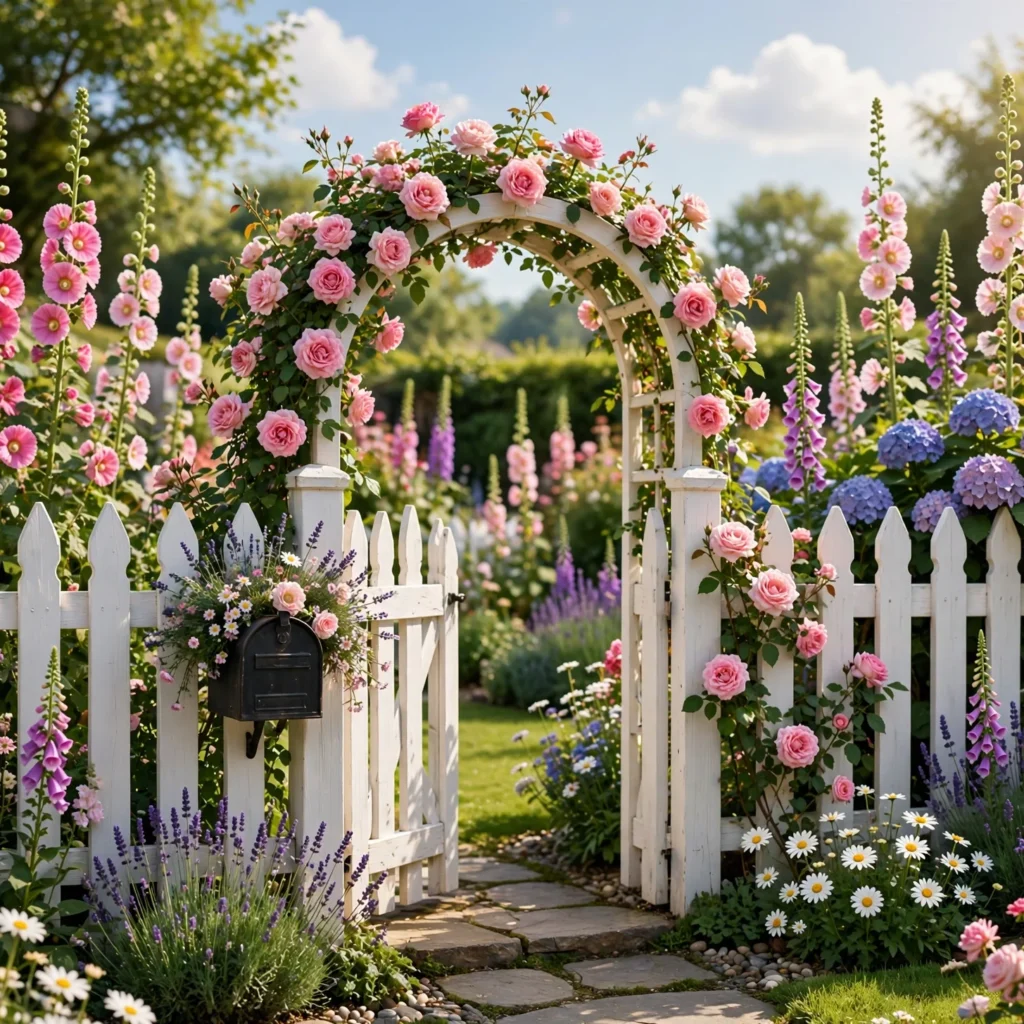
A classic picket fence remains one of the most recognizable garden boundary styles, combining evenly spaced vertical pickets with a horizontal rail structure that keeps sightlines open into the garden beyond. Painted wood in the 3 to 4-foot height range suits most front garden applications, since it defines a boundary without fully blocking the view of plantings behind it. Vinyl versions of the same style require far less maintenance than painted wood, though they cost more upfront.
2. Horizontal Slat Privacy Fence
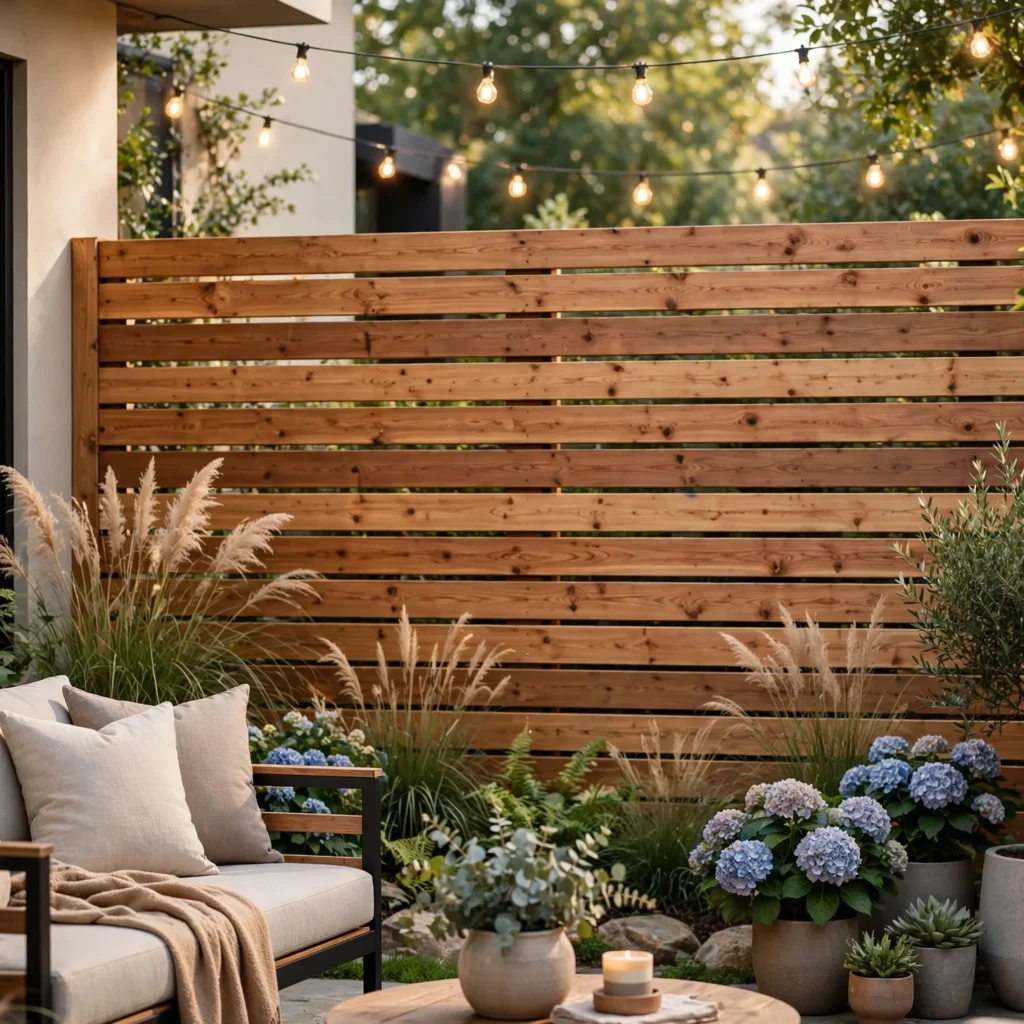
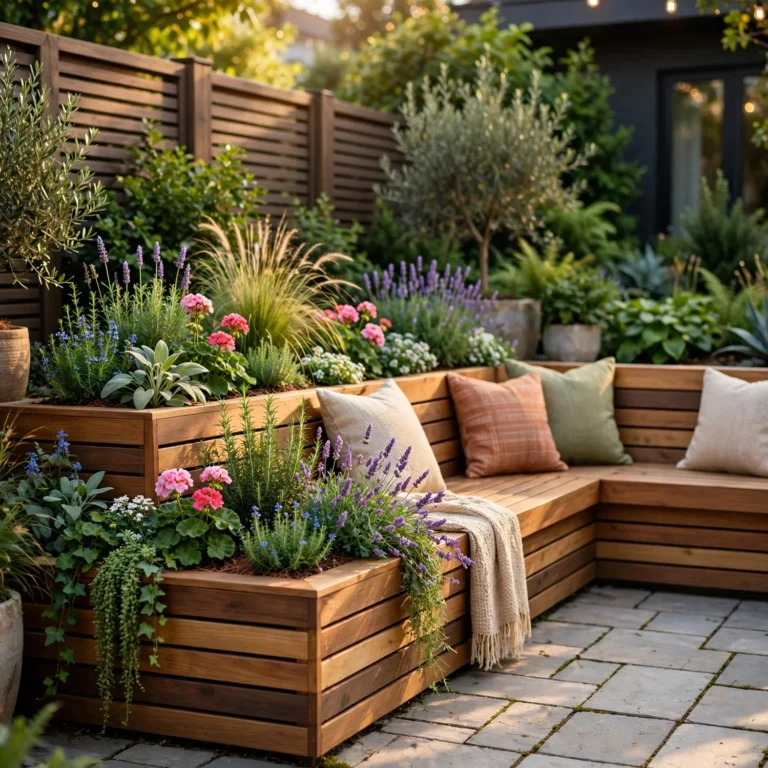
A horizontal slat fence uses wide, flat boards installed sideways rather than the vertical orientation of a traditional fence, giving a garden boundary a distinctly modern look. Cedar or thermally modified wood both resist warping better than standard pine in this orientation, since horizontal boards see more direct sun and moisture exposure across their length. A height of 6 feet with slats spaced a half-inch apart provides privacy while still allowing some airflow through the fence line.
| Fence Height | Typical Use | Common Materials |
| 3-4 ft | Boundary marking, front yard | Picket, split rail |
| 5-6 ft | Standard privacy | Horizontal slat, board-on-board |
| 6-8 ft | Full privacy, noise reduction | Solid panel, composite |
3. Split Rail Fence
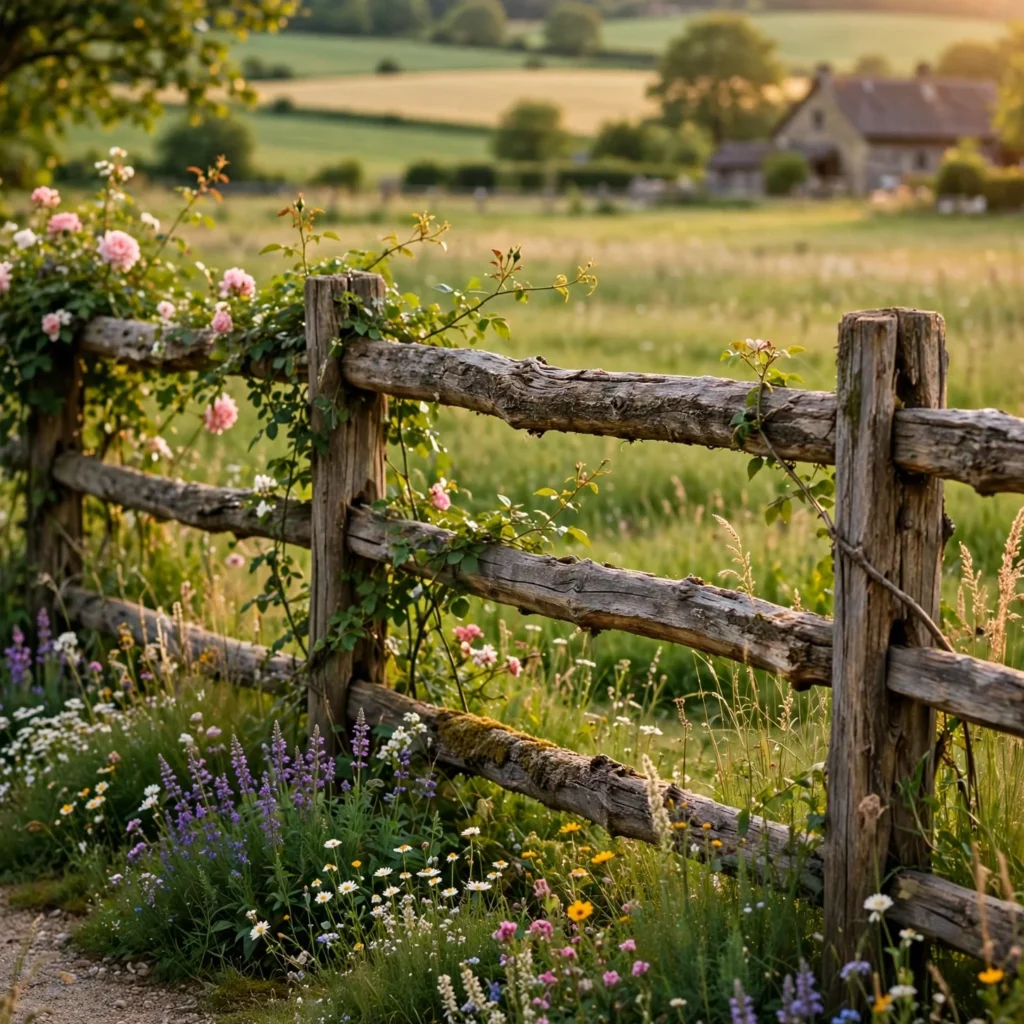
A split rail fence uses rough-hewn wood rails set into posts without any solid infill, giving a garden boundary a rustic, countryside look that suits informal or cottage-style plantings. Cedar or locust posts resist ground rot considerably longer than pine, which matters since the posts sit directly in soil rather than on a concrete footing in most installations. This style works better as a visual boundary than for actual privacy or security, since the open rail structure doesn’t block sightlines at all.
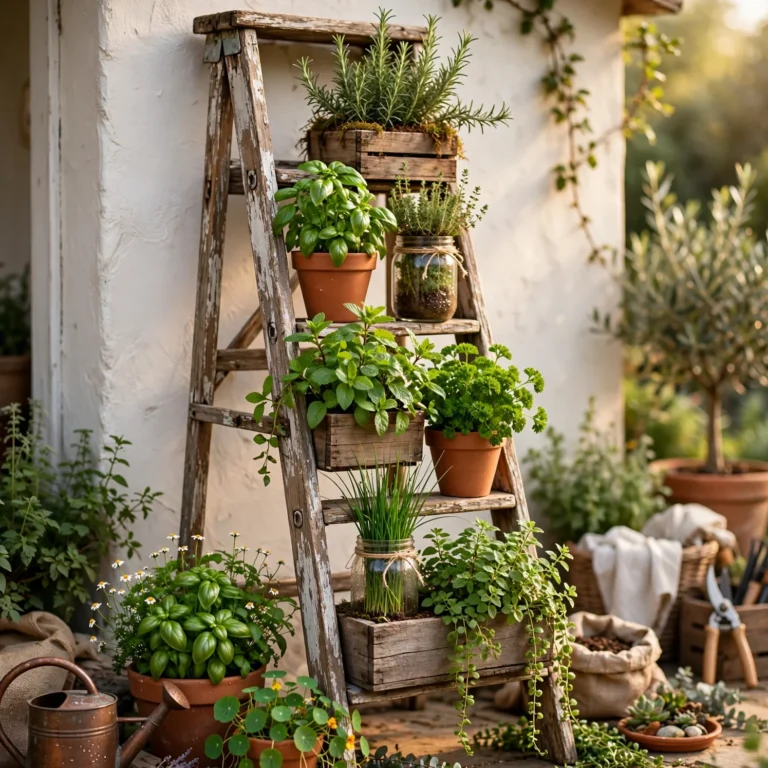
Grow fresh herbs and vegetables at home with our practical patio garden ideas, perfect for beginners and experienced gardeners alike.
4. Metal Panel Fence
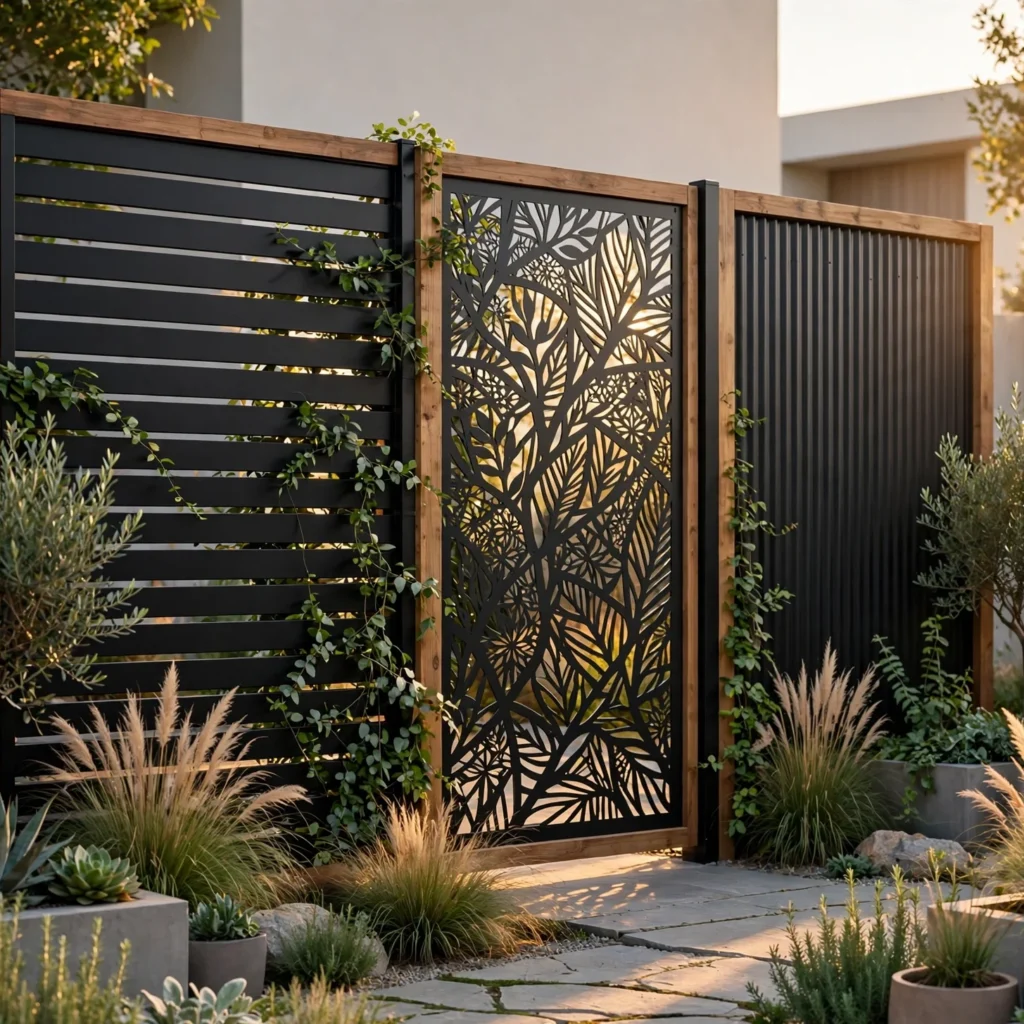
A metal panel fence, whether powder-coated aluminum or corten steel, gives a garden boundary a clean, contemporary look that holds up to weather with minimal upkeep compared to any wood option. Corten steel develops a stable rust patina over its first year that actually protects the metal underneath from further corrosion, which appeals to homeowners wanting an industrial aesthetic without ongoing maintenance. Aluminum panels stay lighter and easier to install but typically cost more per linear foot than steel.
5. Living Willow Fence
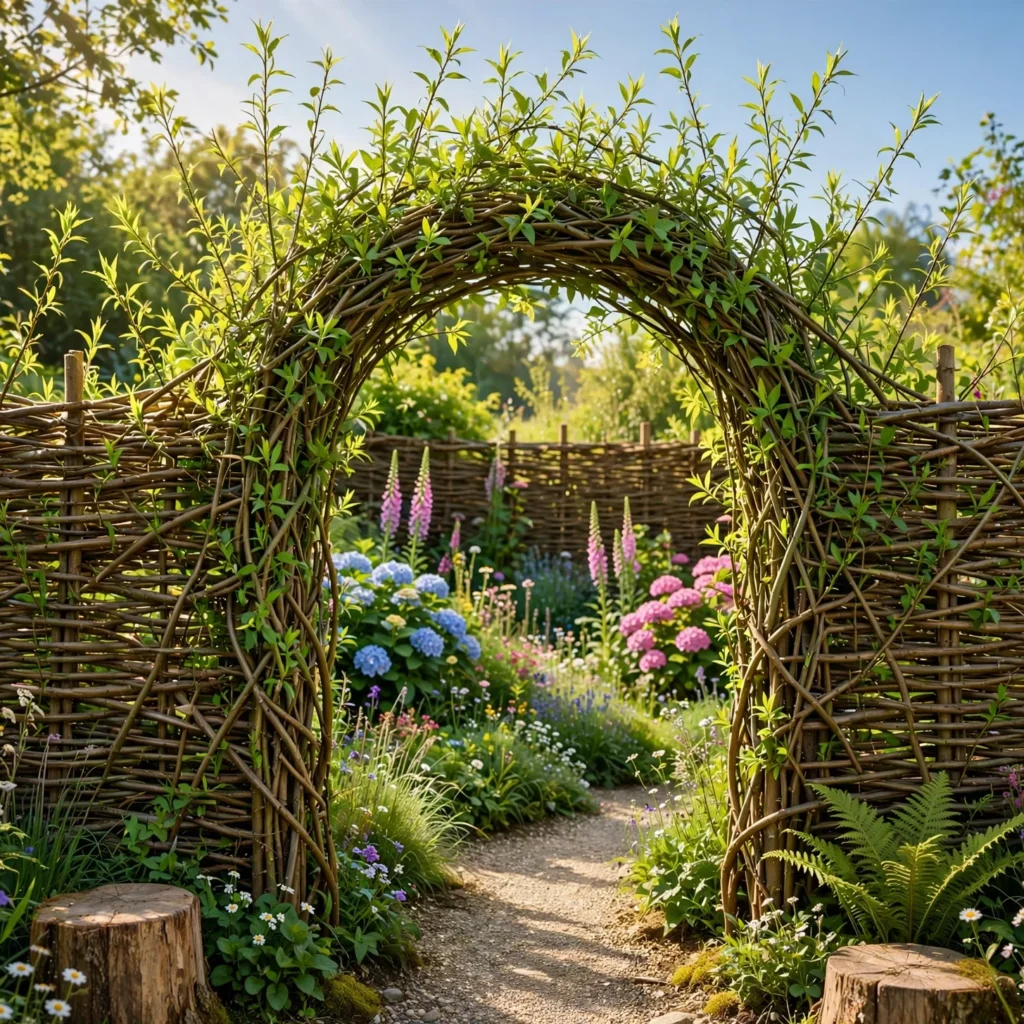
A living willow fence is woven from freshly cut willow whips that root directly into the ground, growing into a dense, textured living boundary over one to two seasons rather than standing as a static structure from installation. Planting whips 6 to 8 inches apart in a diagonal weave pattern gives the fence enough density to function as a real screen once fully leafed out. This approach requires more patience than any manufactured fence but delivers a boundary that keeps changing and filling in with age rather than staying fixed.
6. Board-on-Board Privacy Fence
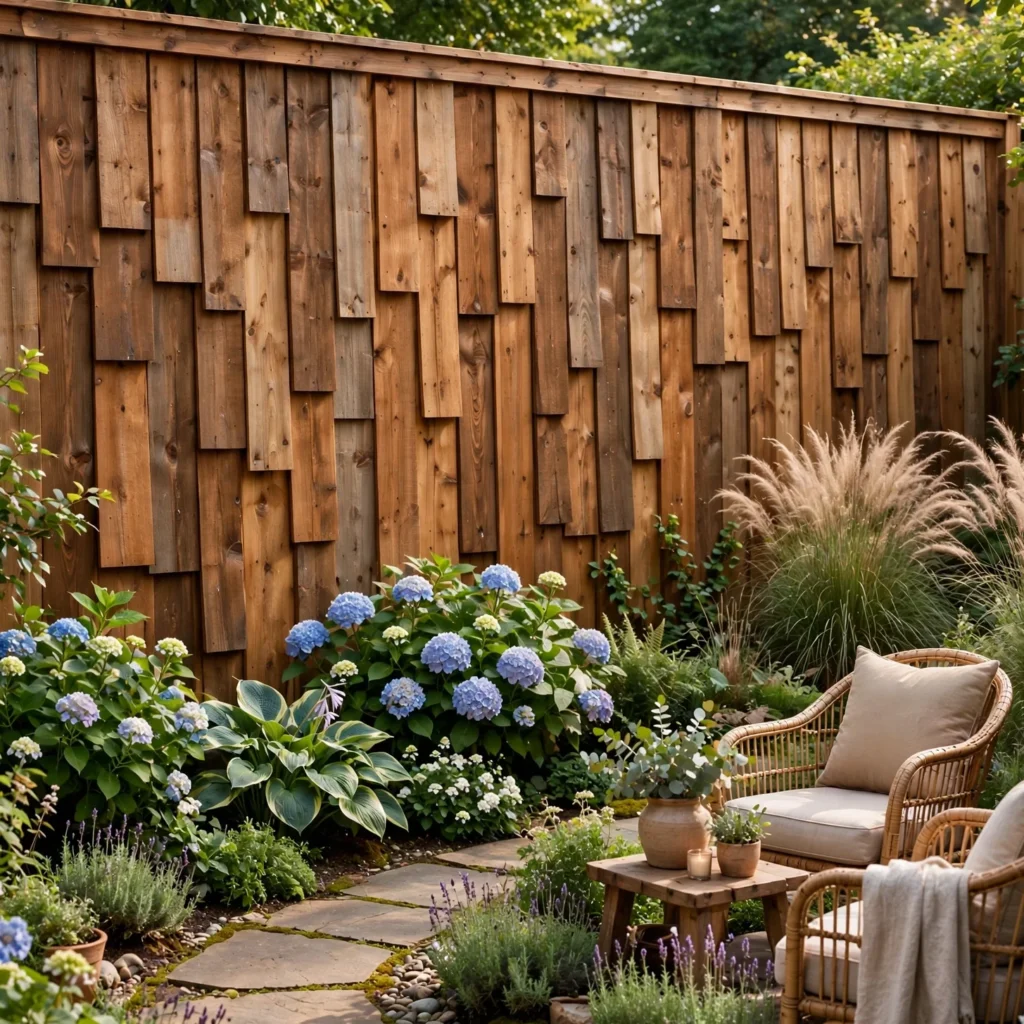
A board-on-board fence overlaps alternating vertical boards on either side of the rail structure, eliminating gaps entirely while still looking finished from both the inside and outside of the garden. This construction method costs more in lumber than a standard stockade fence since it uses roughly 30 percent more boards to achieve full coverage, but it avoids the gapped look that shrinking wood can create over time. A height of 6 feet is standard for this style, matching most residential privacy fence codes.
7. Bamboo Fence Panel
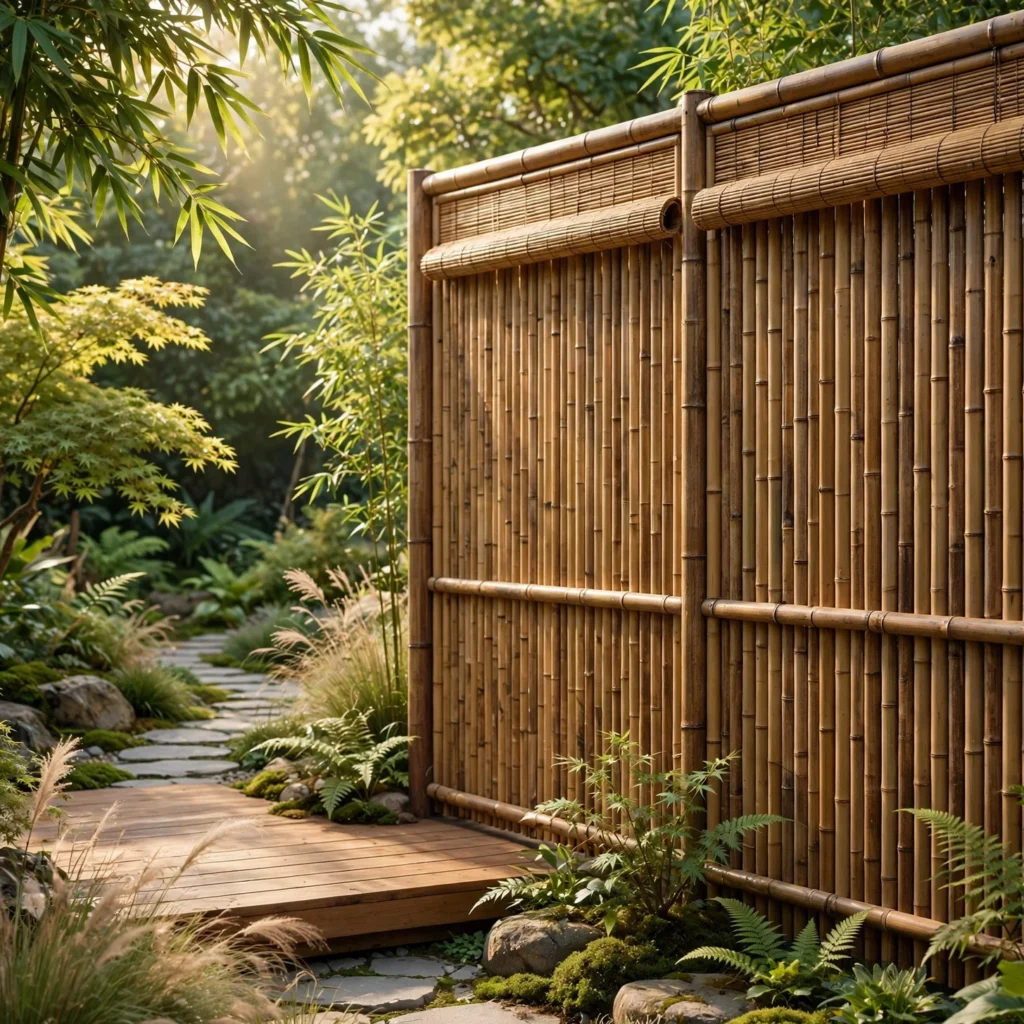
A bamboo fence panel brings natural texture and a distinctly different look than typical wood or metal options, working especially well in gardens leaning toward an Asian-inspired or tropical design theme. Rolled bamboo panels attached to a wood or metal frame install faster than individual cane construction while still delivering the same visual texture. Bamboo does require periodic sealing to prevent splitting from sun exposure, which matters more in this material than in most standard wood fence options.
8. Wire Mesh Fence With Climbing Vines
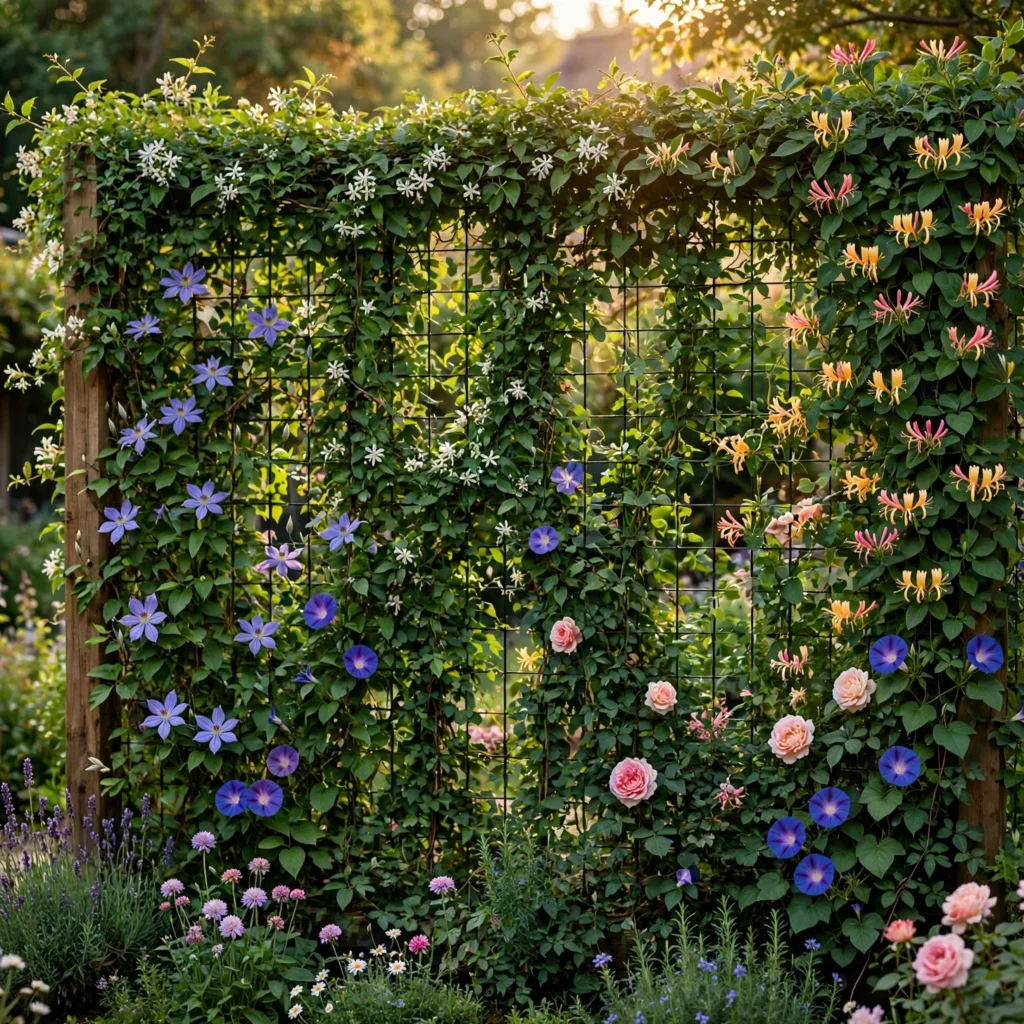
A wire mesh or hog panel fence gives climbing plants like clematis, sweet pea, or grapevine a support structure to grow through while still allowing full airflow and sightlines across the boundary. Galvanized steel mesh resists rust far longer than standard wire fencing, holding up well even with vines growing directly against it for years. This option costs considerably less than most solid fence styles, making it a practical choice for gardeners prioritizing plant growth over strict privacy.
9. Vertical Garden Fence Panel
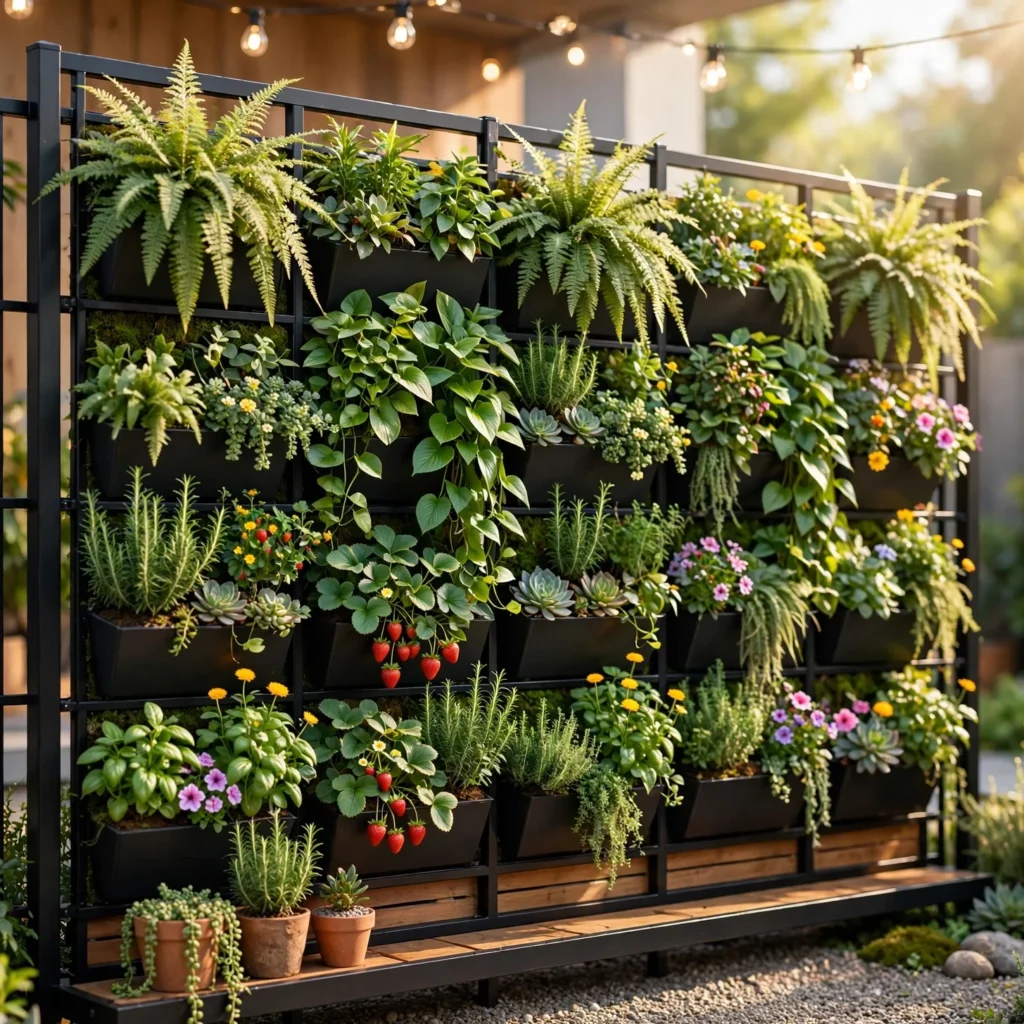
A vertical garden fence panel integrates built-in planting pockets or a trellis grid directly into the fence structure itself, turning what would otherwise be a flat boundary into active growing space from day one. Cedar frames with modular planting inserts work well for herbs and shallow-rooted annuals, while a simple grid of horizontal wires suits vining vegetables like beans or cucumbers instead. This approach makes the most sense along a fence line that already gets adequate sun, since the growing function fails if the location is too shaded.
10. Corrugated Metal Accent Fence
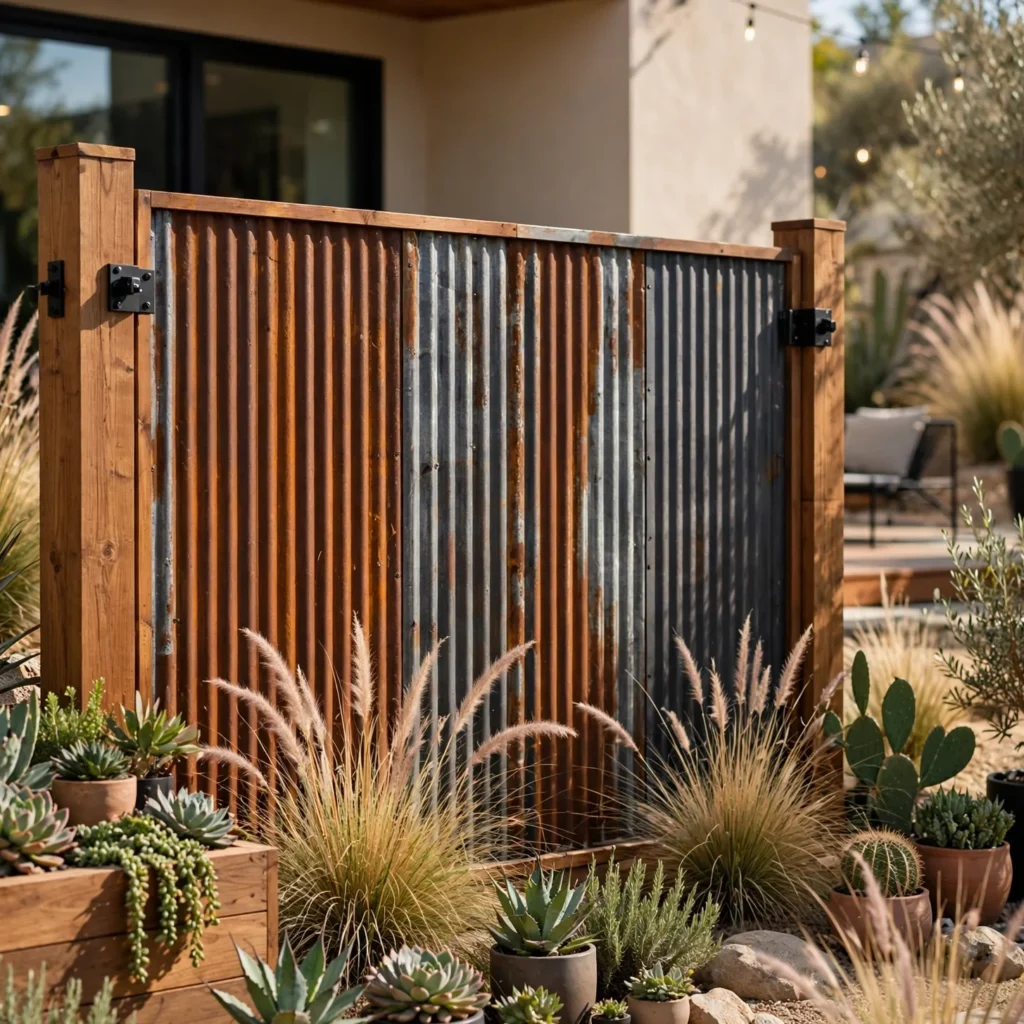
A corrugated metal accent fence uses galvanized or painted corrugated panels to create a boundary with strong horizontal or vertical texture lines, often paired with a wood frame for contrast. This material holds up exceptionally well to weather and requires almost no maintenance beyond an occasional rinse, making it a practical choice for gardeners wanting a low-upkeep modern look. Mixing corrugated panels with wood posts or a cedar cap rail softens what could otherwise read as an overly industrial boundary.
11. Low Garden Bed Border Fence
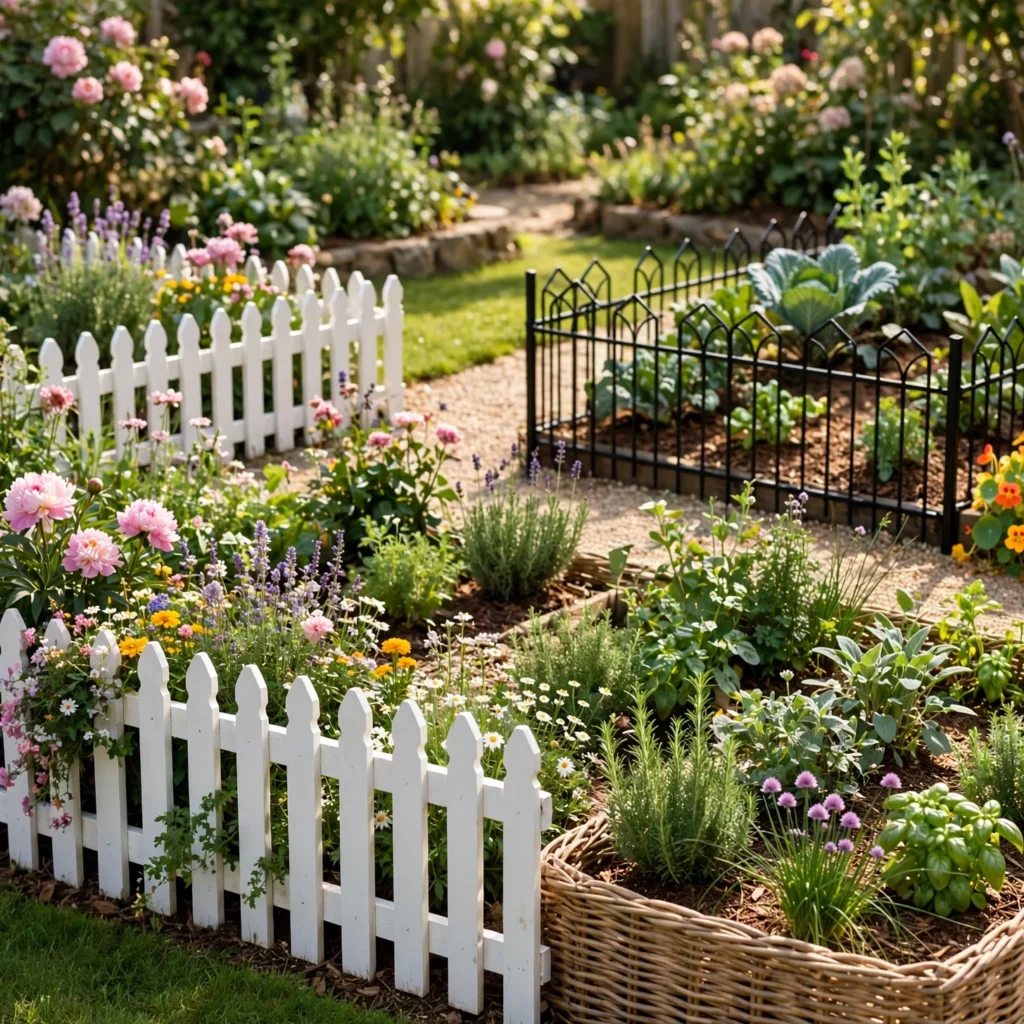
A low garden bed border fence, typically under 24 inches tall, defines individual planting beds within a larger garden rather than marking the property’s outer boundary. Woven willow or wattle hurdles give this style a cottage-garden character, while simple painted picket sections suit a more traditional layout. This scale of fencing works purely as a visual and light physical barrier, keeping foot traffic and pets out of beds without blocking any sightlines across the yard.
12. Garden Fence Ideas With a Trellis Topper
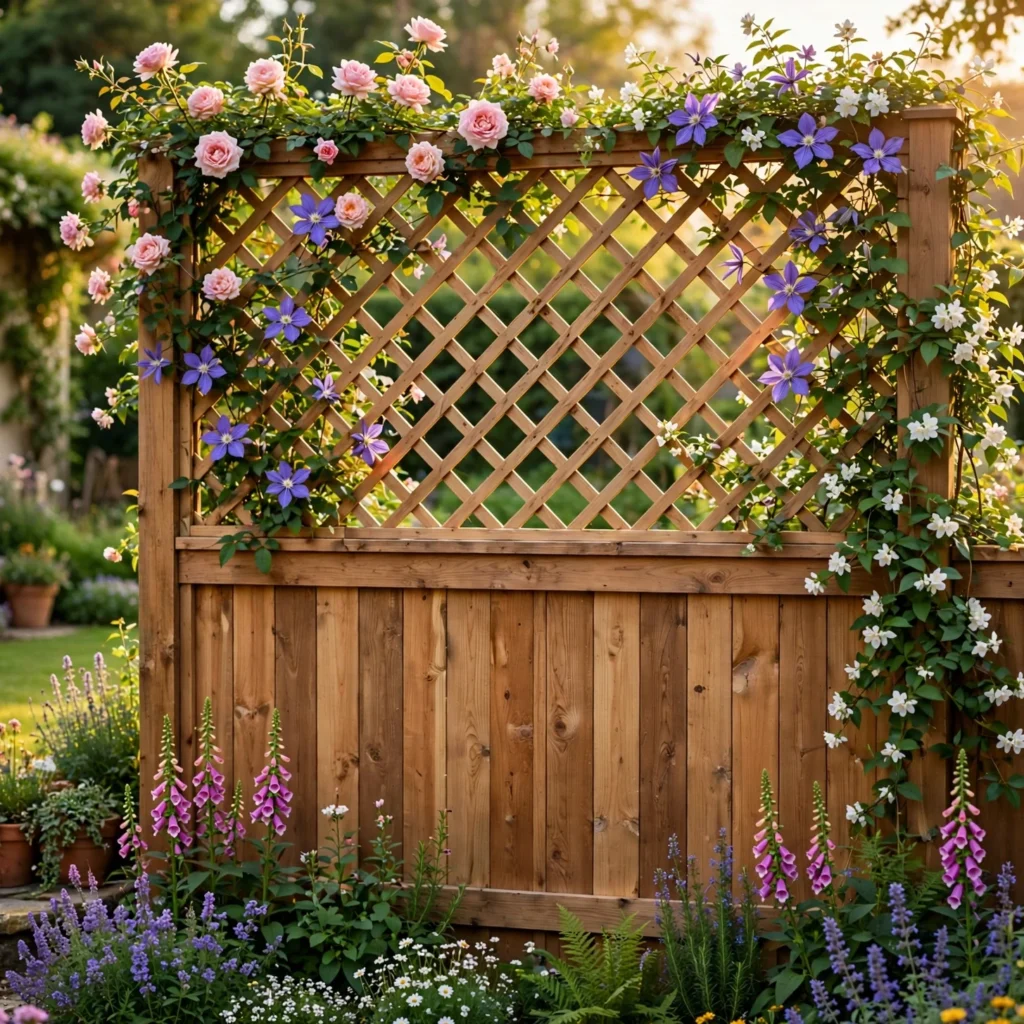
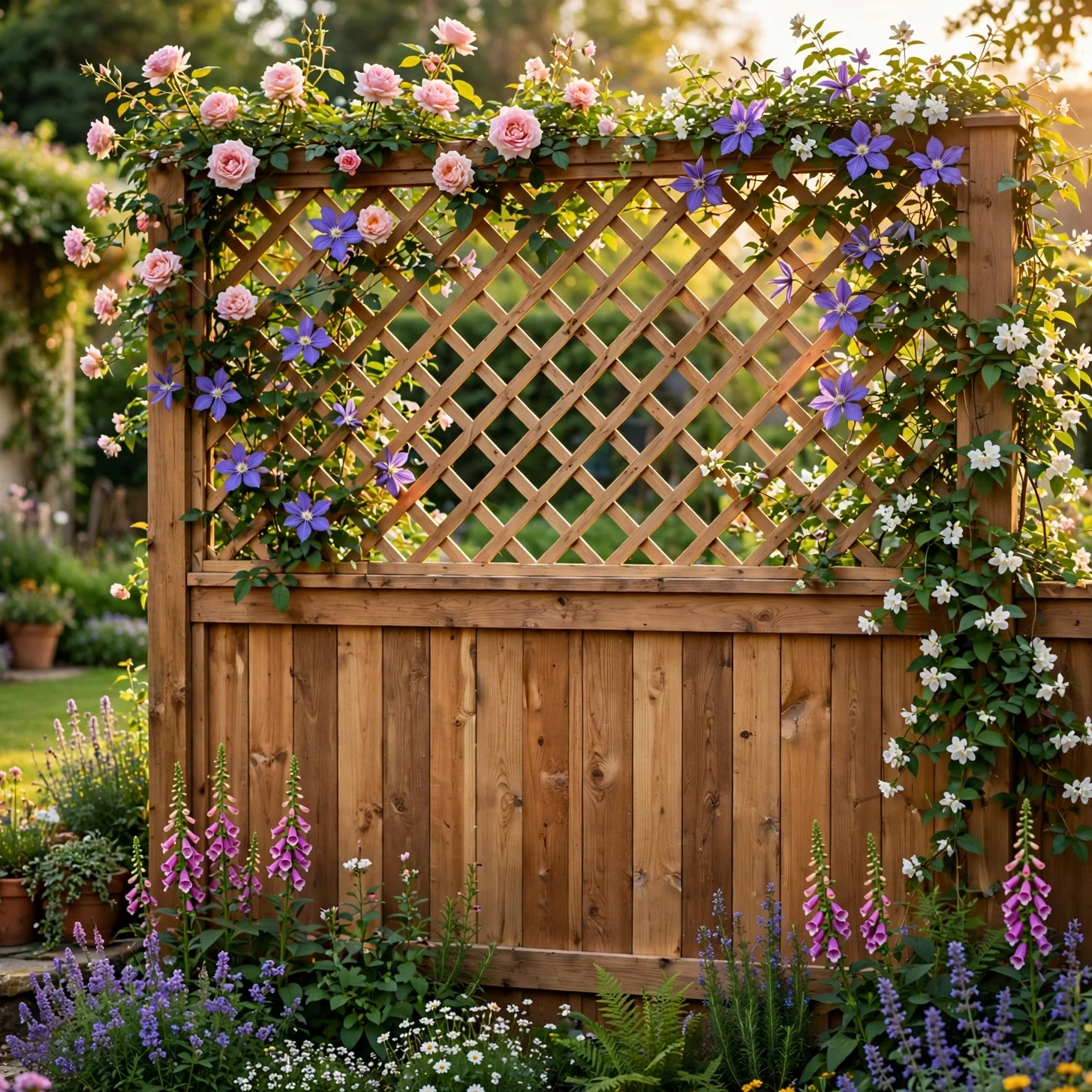
Among the more versatile garden fence ideas is adding a lattice or trellis topper section above a standard solid fence, extending the height for additional privacy while giving climbing plants something to grow into above the solid portion. A 12 to 18-inch lattice cap on top of a 6-foot solid fence reaches close to municipal height limits in many areas while still reading as a garden feature rather than a wall. Training a lightweight annual vine like morning glory into the topper section softens the transition between solid fence and open lattice considerably.
Shop the Look
A cedar horizontal slat fence panel kit gives a modern privacy boundary a finished look without custom fabrication. A roll of galvanized wire mesh fencing supports climbing vegetables and flowers along an open boundary line. A corten steel panel section adds an industrial accent without ongoing maintenance concerns. A cedar lattice fence topper extends existing fence height while giving climbing plants a structure to grow into.
Common Mistake to Avoid
The most common mistake in garden fence planning is choosing a material based purely on upfront cost without factoring in long-term maintenance, which often makes a cheaper wood fence more expensive over a ten-year span than a pricier metal or composite option. A basic pine picket fence might cost half what a powder-coated aluminum version does at installation, but repainting and board replacement every few years adds up considerably faster than most homeowners expect. Calculating a rough total cost over the fence’s realistic lifespan, rather than just the installation quote, gives a more accurate comparison between materials.
FAQs
What is the cheapest garden fence option?
Wire mesh or hog panel fencing is typically the cheapest garden fence option per linear foot, followed closely by basic pine picket sections before staining or painting. Split rail fencing also costs relatively little since it uses minimal lumber per section compared to solid privacy styles. Any of these budget options will need more frequent maintenance than pricier materials like metal or composite, which should factor into the true cost comparison over time.
How tall can a garden fence be without a permit?
Garden fence height limits without a permit vary significantly by municipality, but 6 feet is a common maximum for backyard fencing in many U.S. jurisdictions, while front yard fences are frequently capped lower, often around 3 to 4 feet. Corner lots and properties near intersections sometimes face additional height restrictions to preserve sightlines for traffic safety. Checking with the local building or zoning department before installation is the only reliable way to confirm the actual limit for a specific property.
What fence material lasts the longest with the least maintenance?
Metal fencing, particularly powder-coated aluminum or corten steel, generally lasts the longest with the least ongoing maintenance compared to wood, which requires periodic staining, sealing, or board replacement. Vinyl fencing also holds up well with minimal upkeep, though it can become brittle in extreme cold over many years. Composite materials fall somewhere in between, offering better longevity than raw wood while still needing less specialized care than solid metal.
Can I grow plants on any type of garden fence?
Most garden fence types support at least some plant growth, but open styles like wire mesh, split rail, and lattice-topped fences work best for actual climbing plants since vines need something to physically wrap around or attach to. Solid fences like board-on-board or horizontal slat require an added trellis or wire grid mounted to the surface before vines can climb effectively. Heavier vines like grape or wisteria also need a genuinely sturdy structure behind the fence surface, since their mature weight can pull looser lattice or thin wire away from its frame over time.
How far should a fence be from a property line?
Fence placement relative to a property line depends entirely on local zoning rules and any specific setback requirements for the municipality, which commonly range from directly on the line to several feet inside it. Many areas require a survey or at minimum a clear property marker before installation to avoid boundary disputes with neighbors. Confirming exact placement with a local permit office or a professional surveyor before building avoids the costly problem of having to move a completed fence later.
Conclusion
These garden fence ideas range from a low-cost wire mesh trellis fence to a fully living willow boundary, giving homeowners options across nearly every budget and maintenance preference. Starting with the fence’s primary purpose, whether that’s privacy, plant support, or simple boundary marking, narrows the material choice considerably before design details even come into play. Save this post to Pinterest for reference, and check the related post on front garden ideas for pairing inspiration.