12 Modern Small Garden Ideas That Make the Most of Limited Space
A limited footprint doesn’t have to mean a limited garden, and the right small garden ideas can make even a narrow side yard or apartment balcony feel intentional and full. Working within tight square footage actually forces better decisions about layout, plant choice, and materials than a sprawling yard often does. This post covers twelve practical, buildable small garden ideas, from vertical planters to multi-level layouts, with real spacing guidance for anyone working with a compact outdoor space.
Trend & Background
Shrinking lot sizes in new construction and the rise of townhome and condo living have pushed small garden design from a niche concern into a mainstream priority for a huge share of homeowners and renters. At the same time, more people are gardening for food as grocery costs climb, which means even a 6-by-8-foot patio needs to work harder than it used to. Vertical growing systems and modular containers have responded directly to this shift, letting gardeners produce a meaningful harvest or a full ornamental scene without ever touching more than a few square feet of ground.
Key Takeaways
- These small garden ideas focus on vertical growing, multi-purpose layouts, and space-efficient materials.
- Container gardening and raised beds solve soil and drainage problems common in tight urban yards.
- Mirrors, lighting, and light-colored hardscaping create the illusion of a larger space.
- Most of these projects fit patios, balconies, and narrow side yards as easily as full-sized backyards.
1. Vertical Pallet Planter
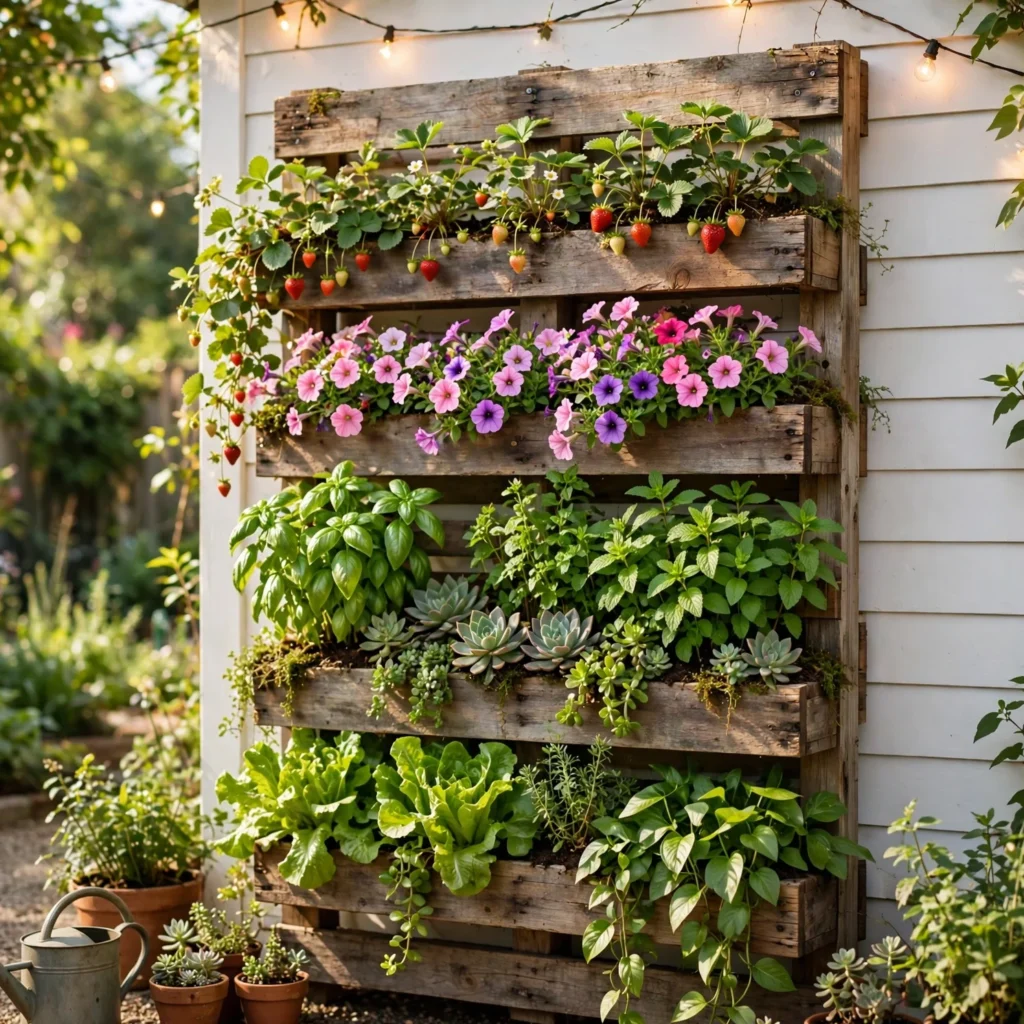
A vertical pallet planter leans against a fence or wall and turns unused vertical space into growing area without taking up any additional footprint. A standard wood pallet lined with landscape fabric and filled with potting soil can hold a full row of herbs, strawberries, or shallow-rooted annuals across its slats. Standing the pallet at a slight backward lean rather than fully upright keeps soil from spilling out while watering.
2. Tiered Container Garden
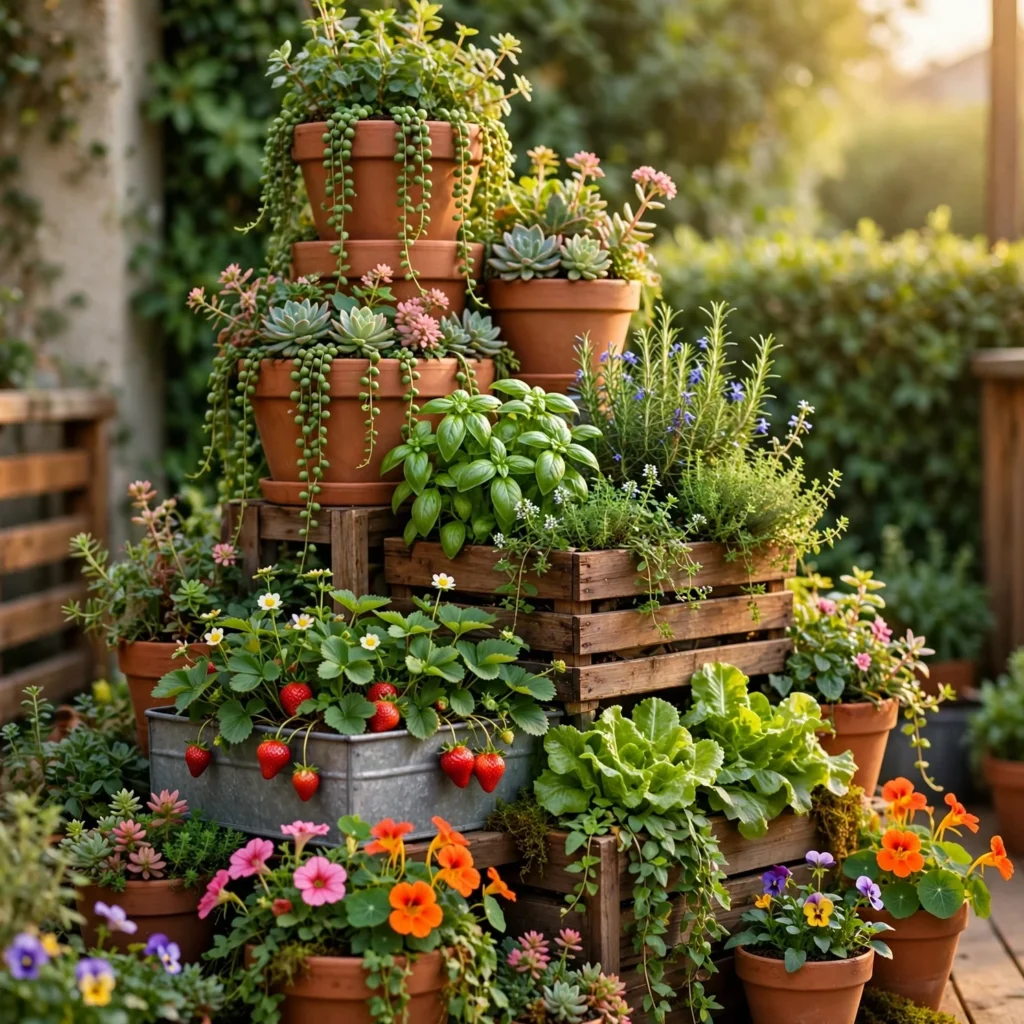
A tiered container garden stacks pots at different heights on a ladder-style stand or staggered shelving, which multiplies planting space within a single square footprint of floor area. Terra cotta and lightweight resin pots both work, though resin is easier to move on a balcony where weight limits matter. Placing taller, sun-loving plants on top and shade-tolerant trailing plants like ivy on lower tiers uses the natural light gradient to each plant’s advantage.
Discover the latest garden ideas to seamlessly connect your indoor style with a stunning outdoor garden.
3. Raised Bed With Trellis Backing
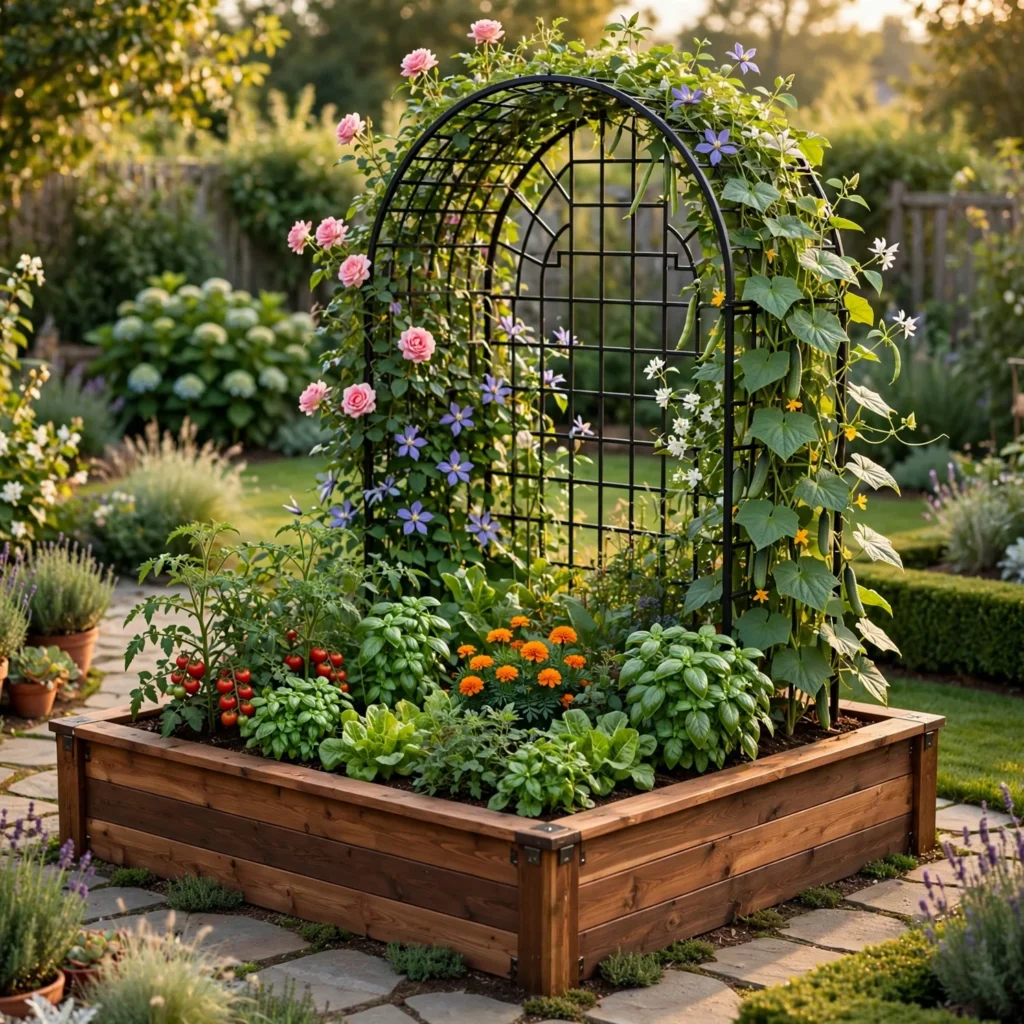
A raised bed with a trellis backing combines contained soil with vertical growing space, which is especially useful for small yards trying to grow vining vegetables like cucumbers or pole beans. A 4-by-4-foot bed with a 6-foot trellis mounted along the back edge keeps the growing footprint compact while doubling the usable planting surface. This setup also makes harvesting easier, since vining crops trained upward stay off the ground and out of the way of other plants.
| Bed Size | Trellis Height | Best Crops |
| 3×3 ft | 4-5 ft | Peas, small vining flowers |
| 4×4 ft | 6 ft | Cucumbers, pole beans |
| 4×8 ft | 6-7 ft | Tomatoes, squash |
4. Hanging Basket Wall
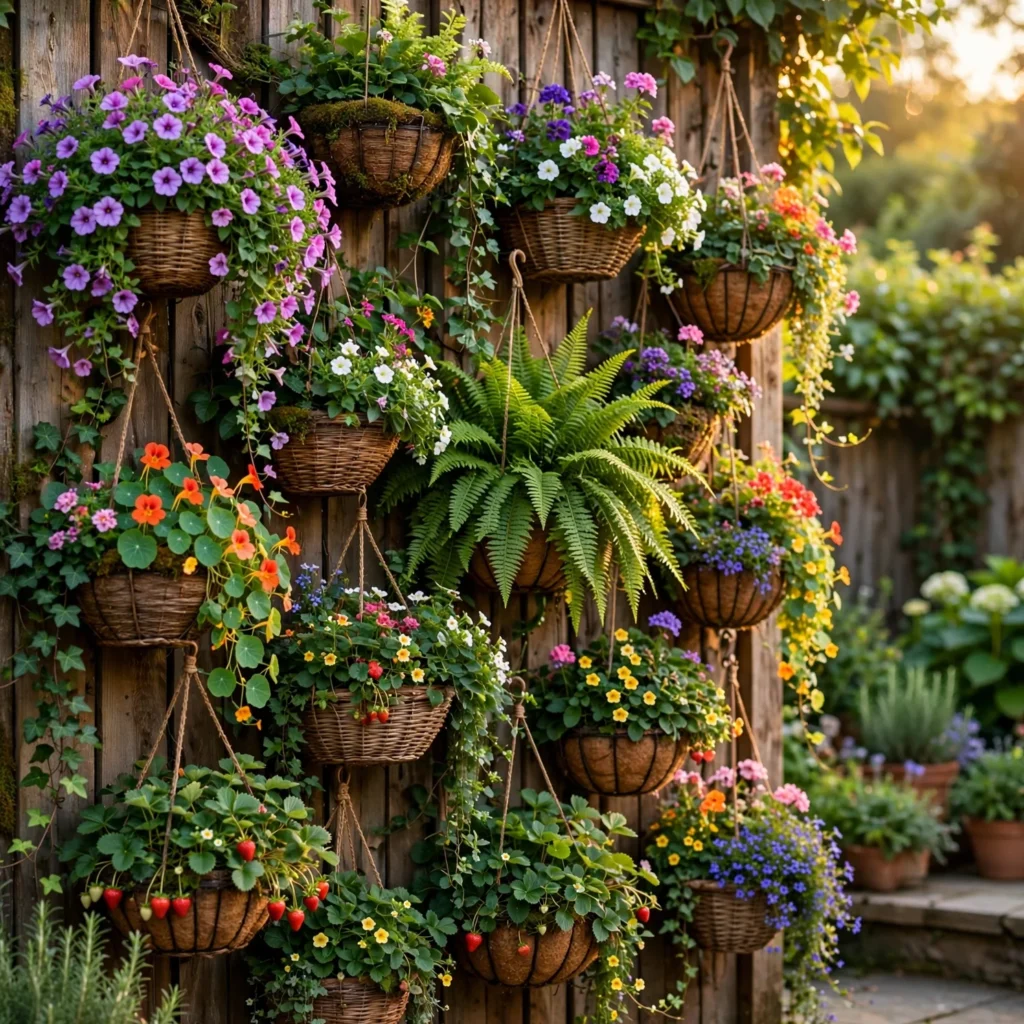
A hanging basket wall uses a series of brackets mounted along a fence or exterior wall to hold multiple baskets without using any ground space at all. Spacing brackets 18 to 24 inches apart prevents baskets from crowding each other as plants fill out over the season. Trailing plants like petunias or cherry tomato varieties bred for containers work especially well, since their growth habit complements the hanging format rather than fighting it.
5. Corner Garden Bed
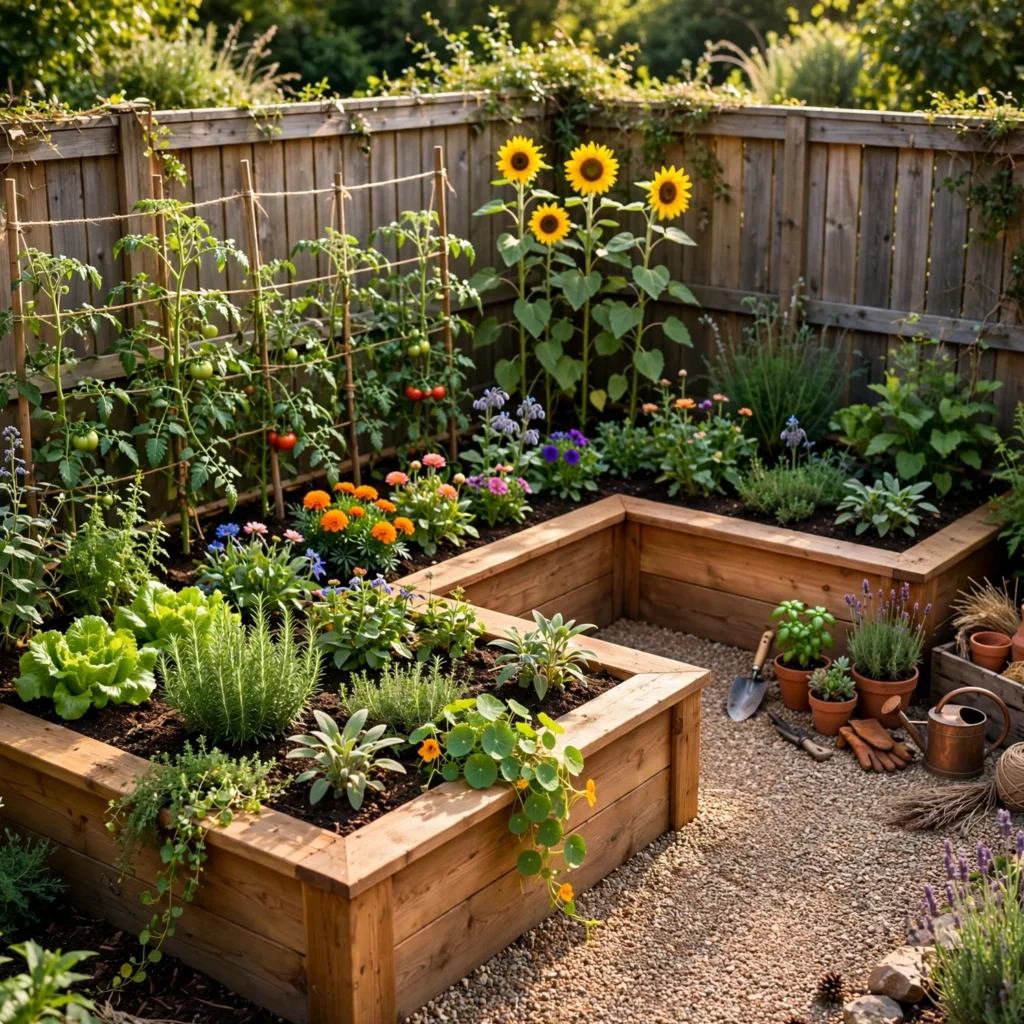
A corner garden bed makes use of the awkward, often wasted space where two fences or walls meet, which is frequently ignored in small yard layouts. An L-shaped or triangular bed fitted to the corner’s exact dimensions avoids the wasted gaps that a rectangular bed would leave behind. Taller plants placed at the back corner and shorter ones cascading toward the open front keep the bed from blocking sightlines across the rest of the yard.
6. Balcony Rail Planters
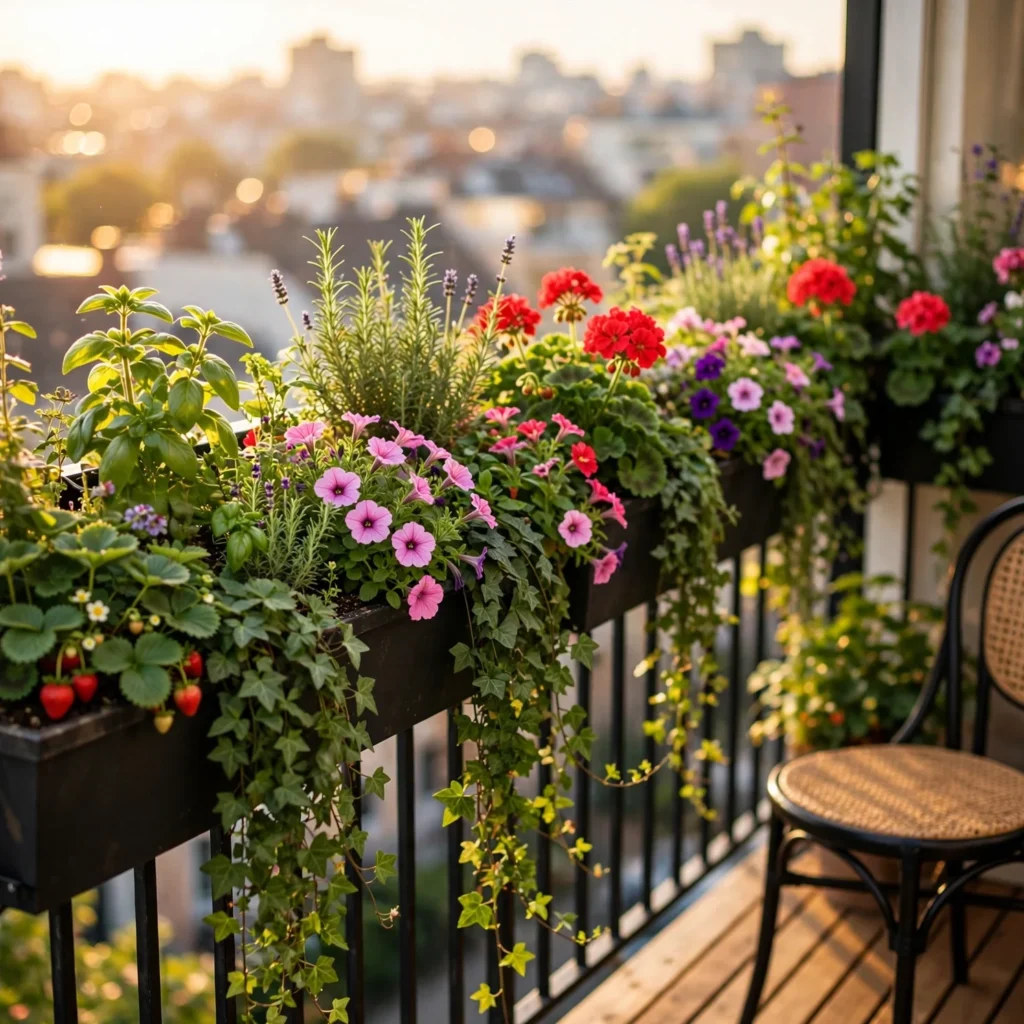
Balcony rail planters clip directly onto an existing railing, which adds growing space without using any floor area at all, making them one of the most efficient options for apartment gardening. Most rail planters accommodate rail widths between 3.5 and 5.5 inches, so measuring before buying prevents a mismatched fit. Herbs, lettuce, and compact flowering annuals all do well in the shallower soil depth these planters typically offer.
7. Gravel Patio With Container Groupings
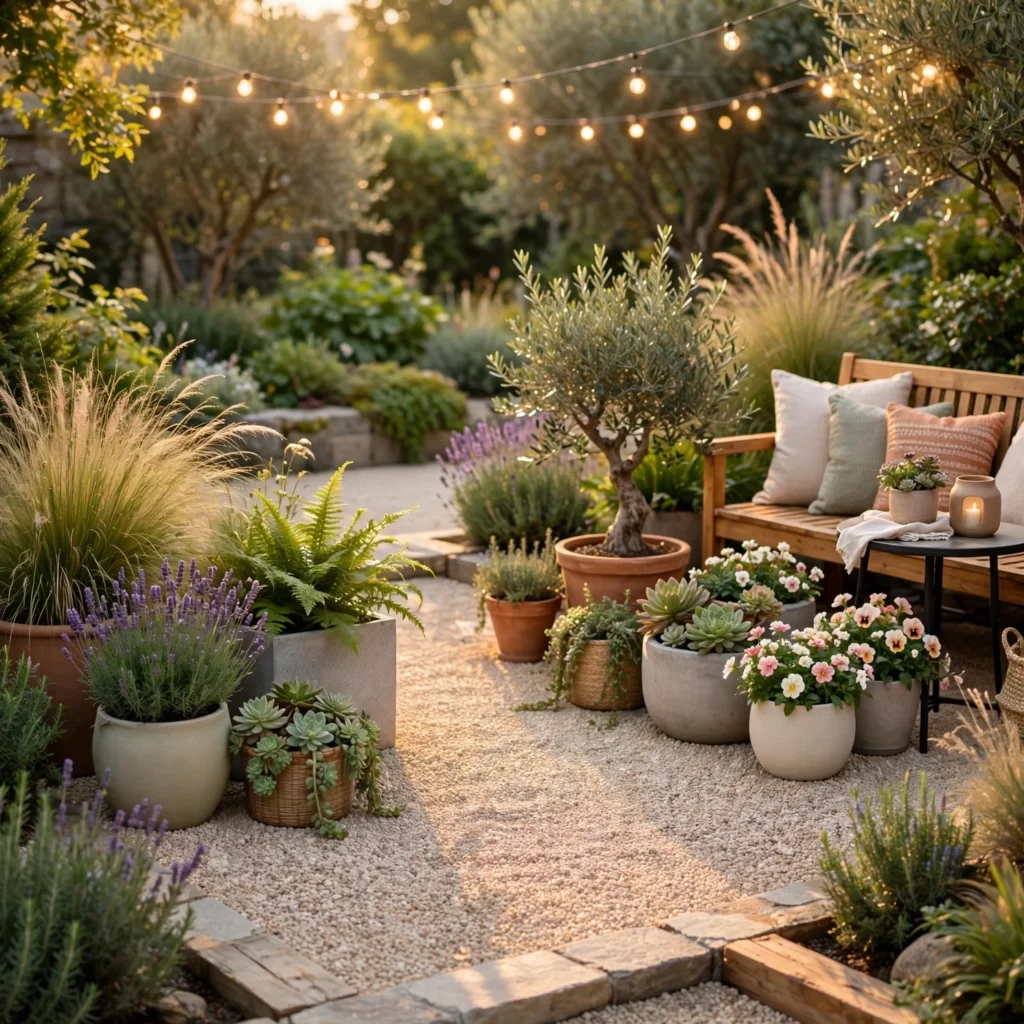
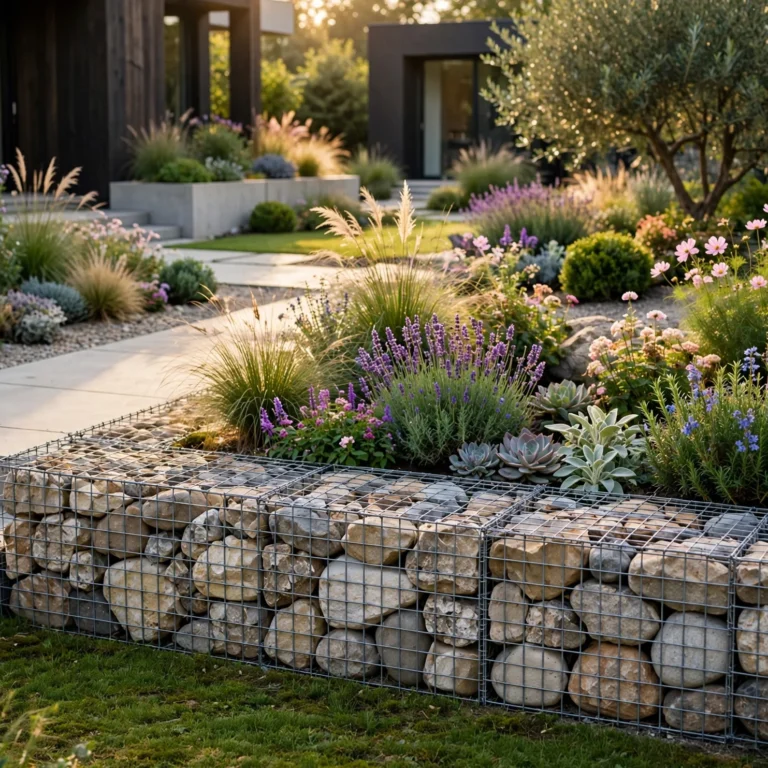
A gravel patio filled with grouped containers gives a small yard a defined seating area without the cost or permanence of poured concrete or pavers. Clustering three to five pots of varying heights in one corner reads as more intentional than scattering single pots around the perimeter. Crushed granite or pea gravel both drain well underfoot, which matters in small yards where standing water has nowhere else to go.
8. Living Wall Panel
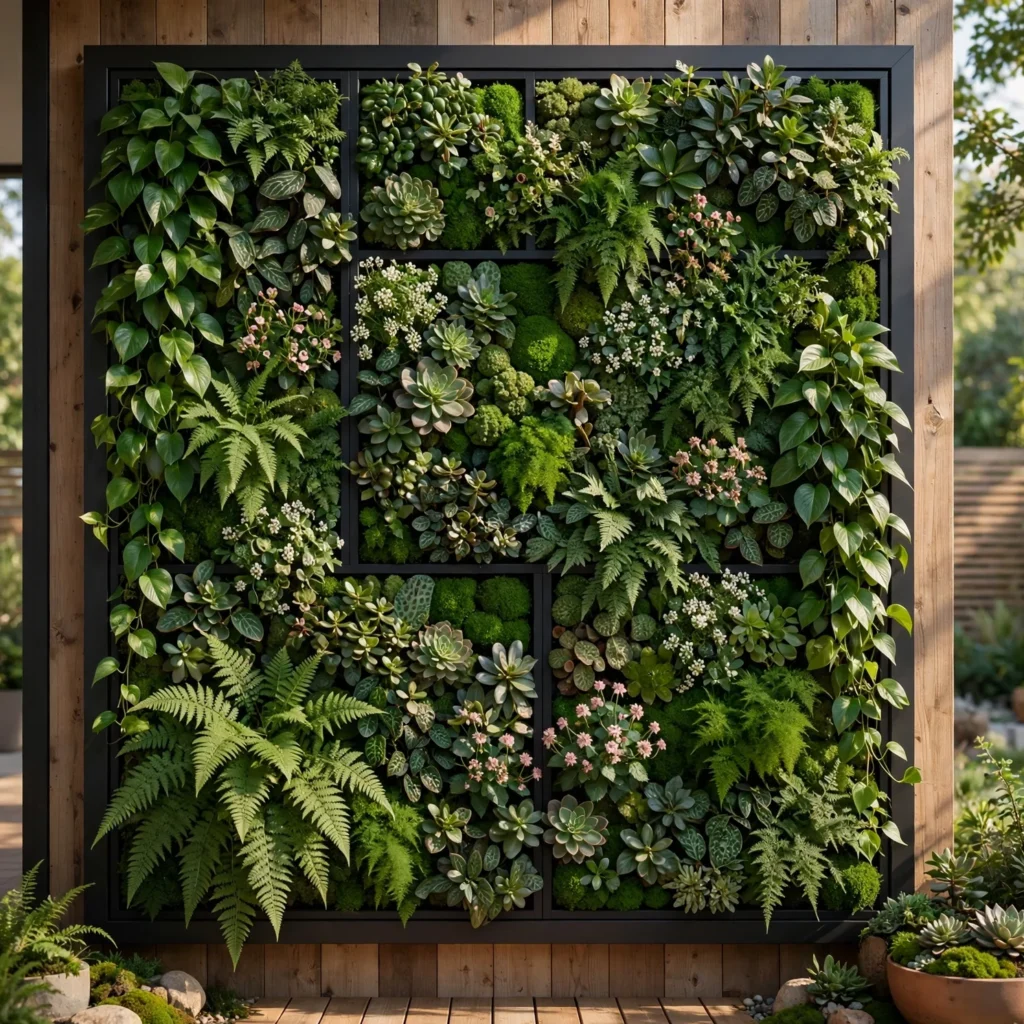
A living wall panel mounts modular planting pockets directly to a fence or exterior wall, turning a flat vertical surface into a dense, full garden display. Felt pocket systems and rigid modular panels both work, with felt being lighter and easier to install on wood fencing without additional framing. Succulents, ferns, and shallow-rooted herbs handle the limited soil depth in these systems better than deep-rooted vegetables.
9. Mirror Accent Wall
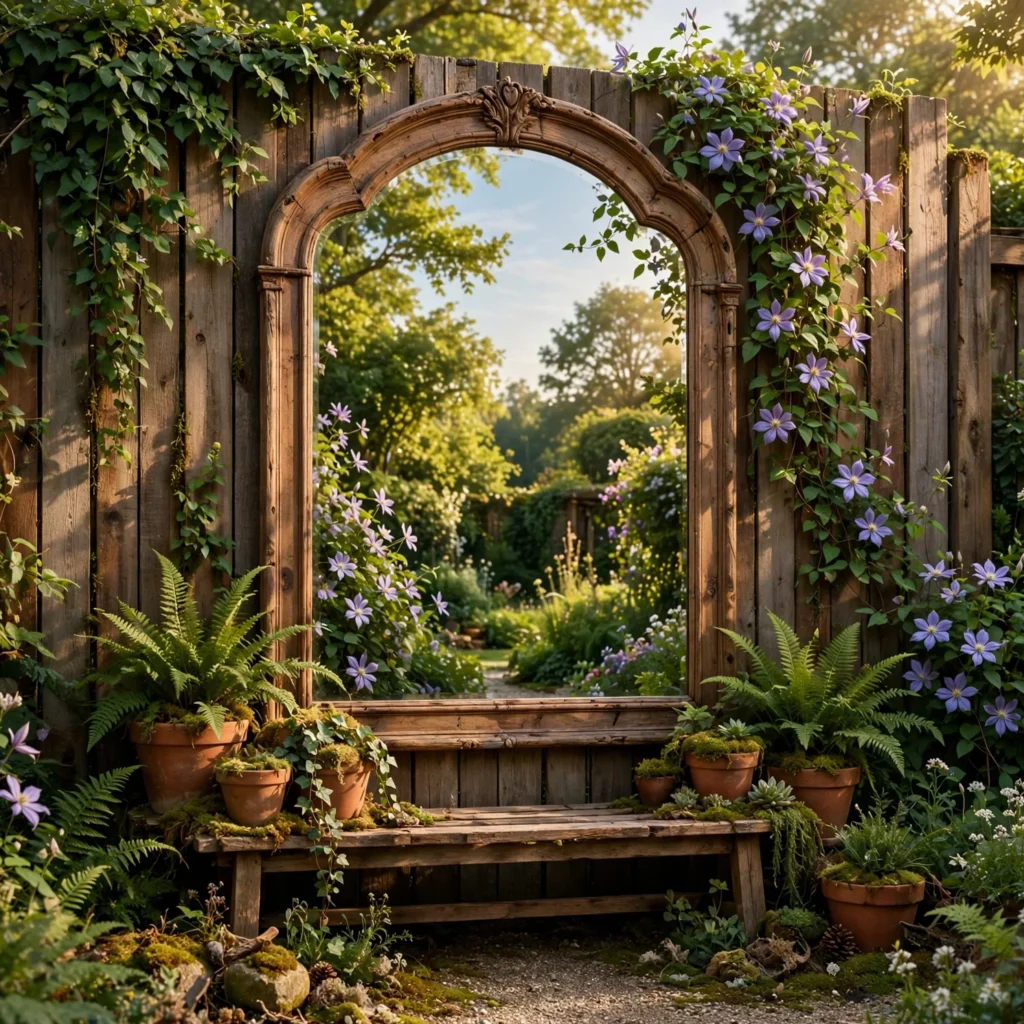
A mirror mounted on a fence or garden wall tricks the eye into reading the space as roughly double its actual size, which matters more in small gardens than almost any other single design trick. Weather-resistant acrylic mirror panels hold up better outdoors than glass, since they won’t shatter and are lighter to mount. Positioning the mirror to reflect a planting bed or a piece of art, rather than a blank fence, gives the reflection something worth doubling.
10. Narrow Side-Yard Path
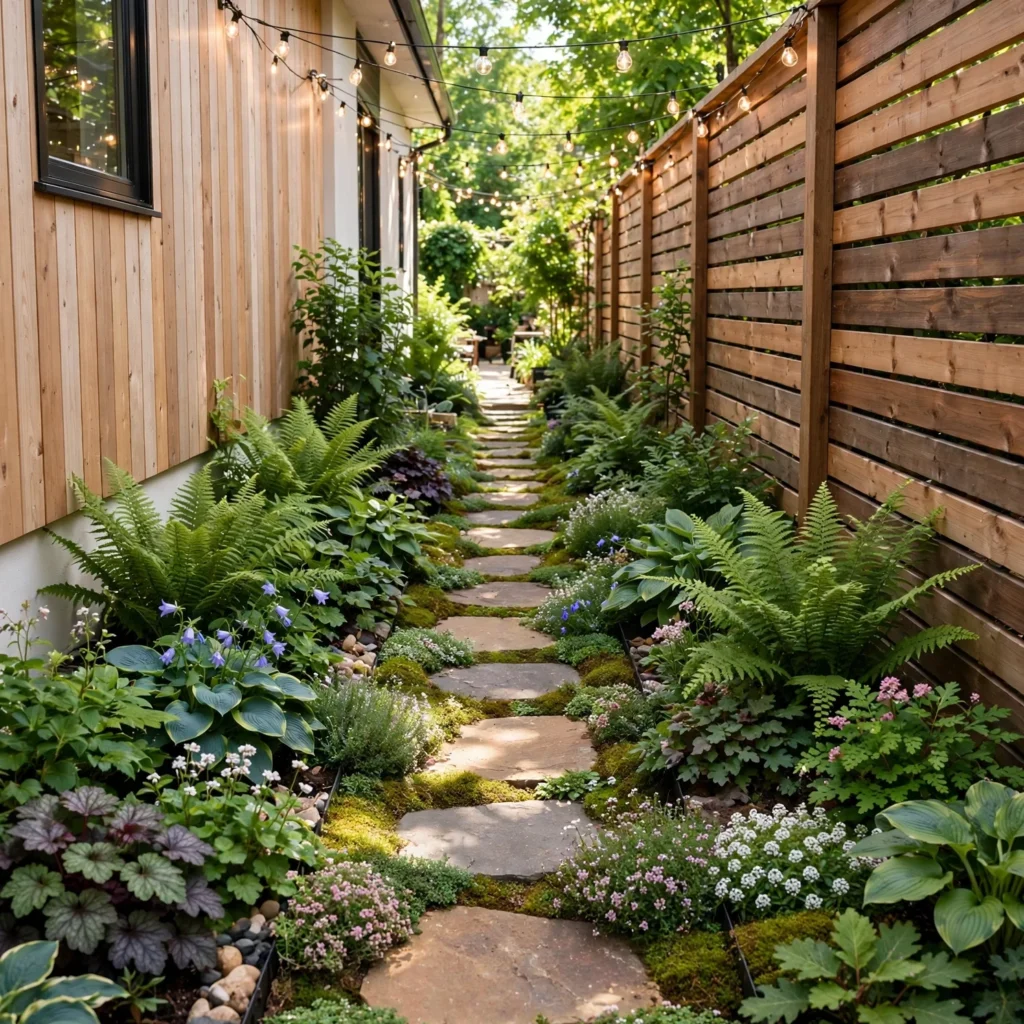
A narrow side-yard path turns dead space between two houses into a functional garden corridor instead of a forgotten gravel strip. A 24 to 30-inch-wide paver or gravel path leaves just enough room on either side for shade-tolerant plants like hosta or ferns, which tolerate the limited light most side yards get. Adding a single light fixture or two along the path makes the space feel deliberate rather than like leftover access space.
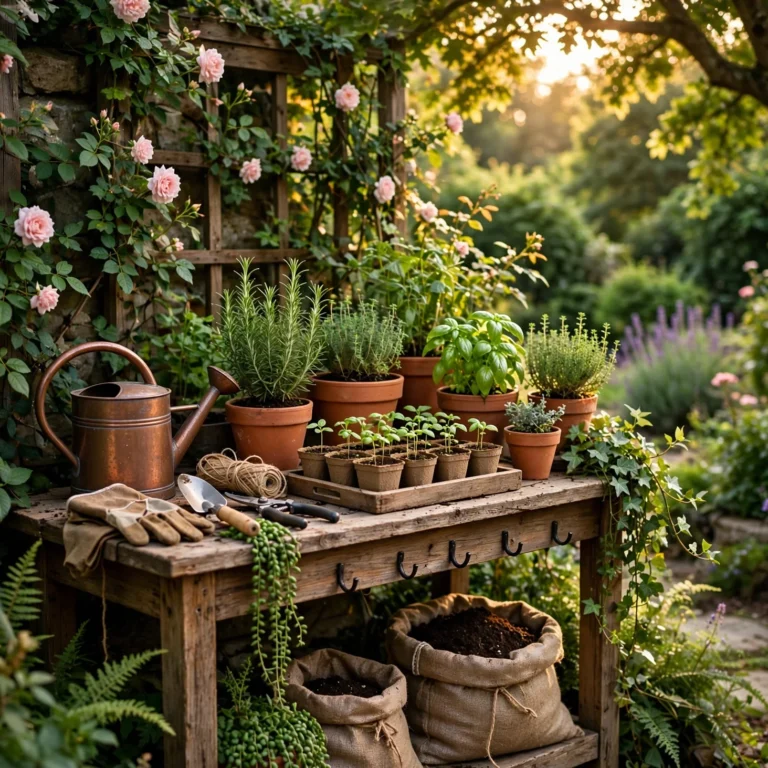
11. Compact Kitchen Herb Garden
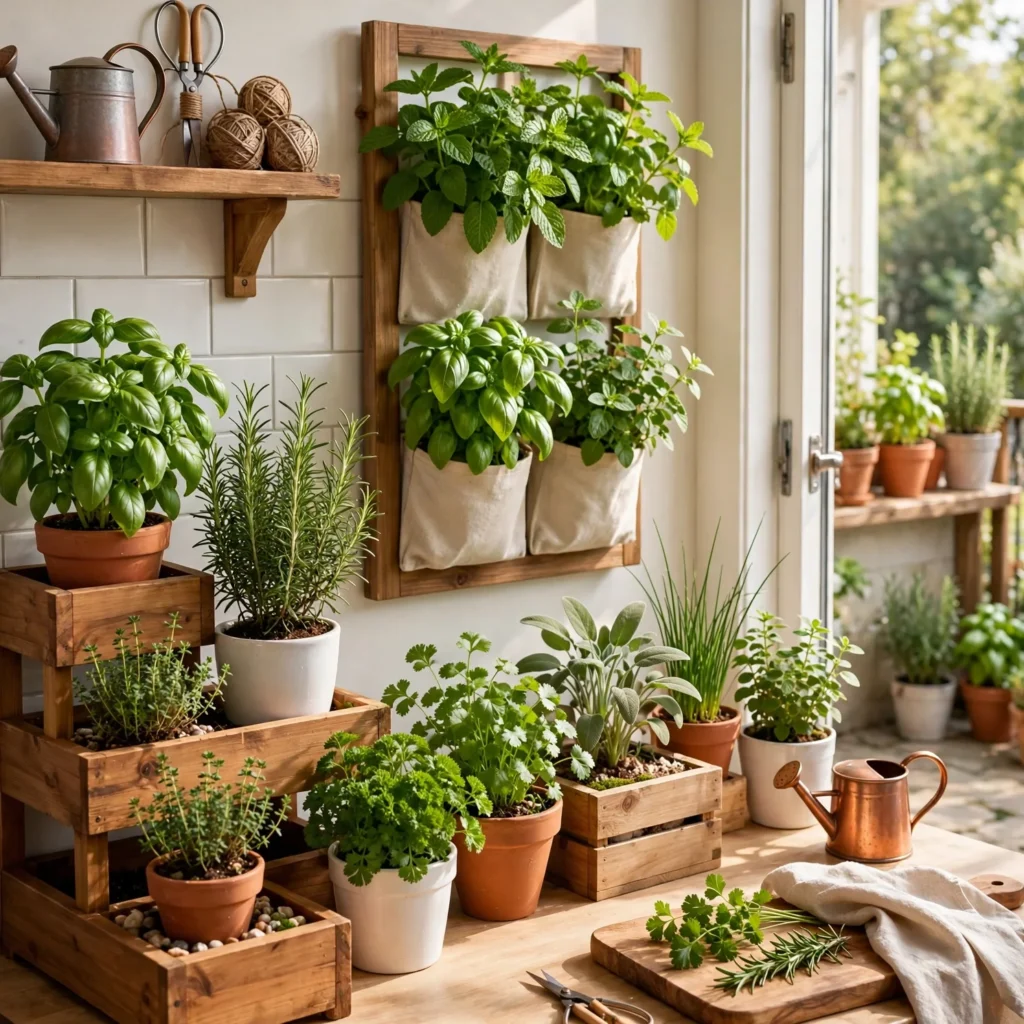
A compact kitchen herb garden fits into a space as small as a single window box or a 2-by-2-foot raised bed near the back door, keeping frequently used herbs within easy reach while cooking. Basil, chives, parsley, and thyme all tolerate close spacing of about 6 inches apart without competing too heavily for nutrients. Positioning the bed near a hose bib or under an eave that gets partial shade reduces how often it needs watering.
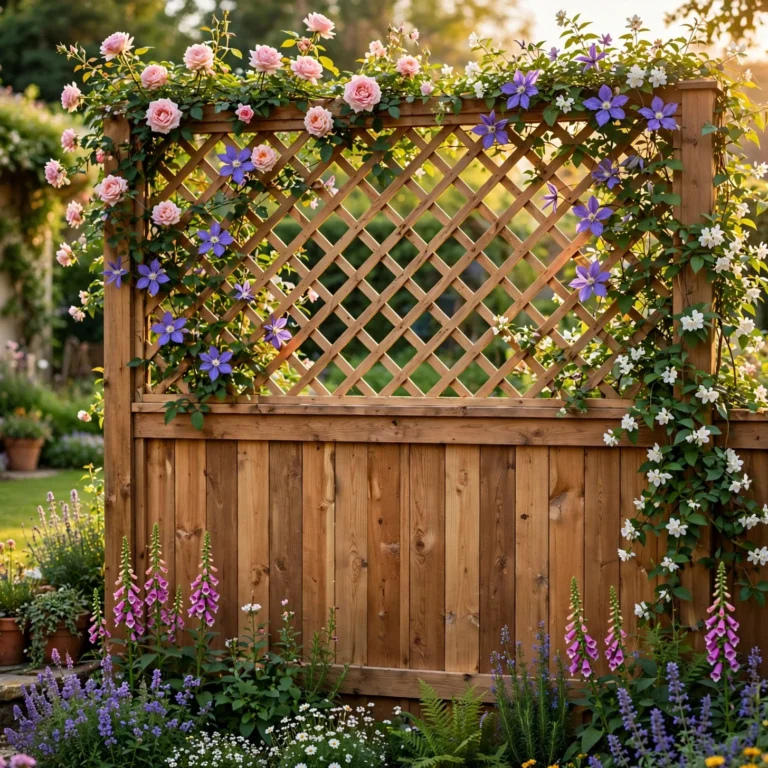
12. Small Garden Ideas With a Green Screen Trellis
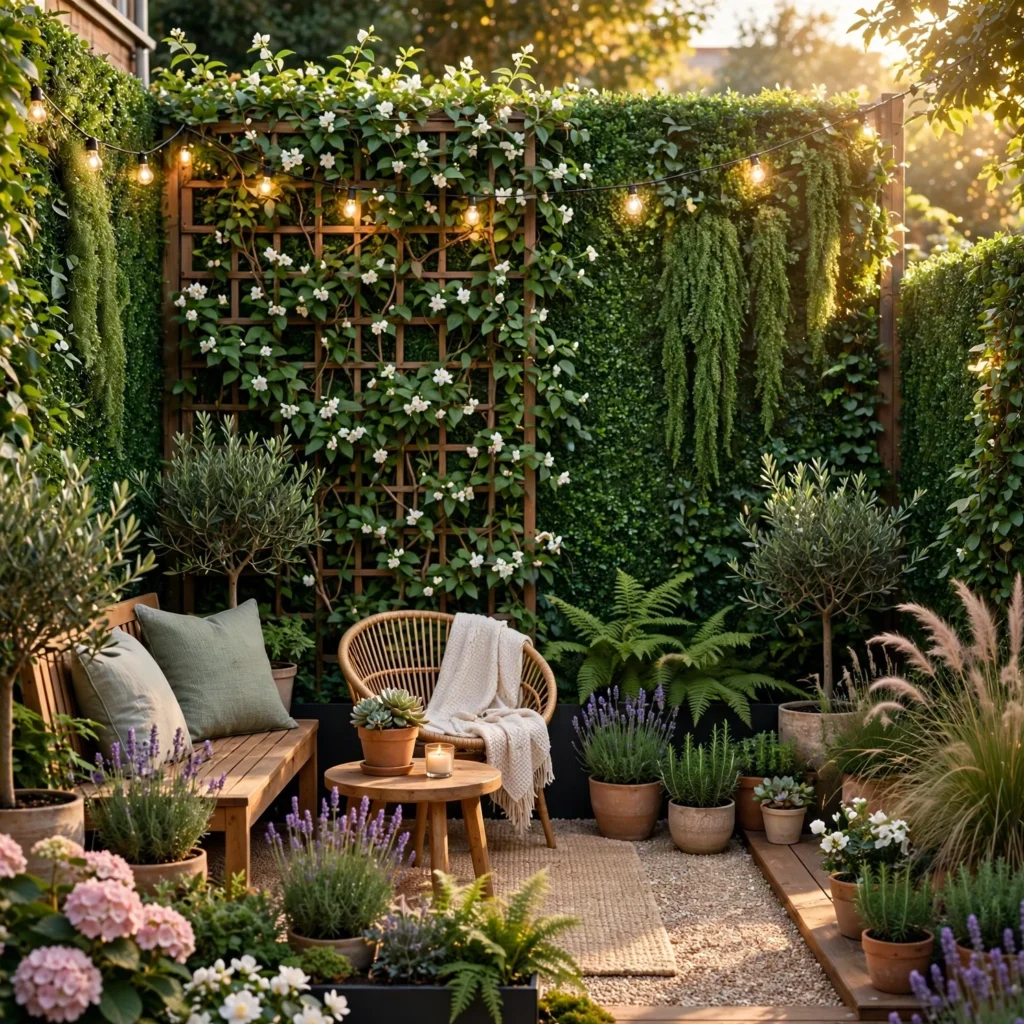
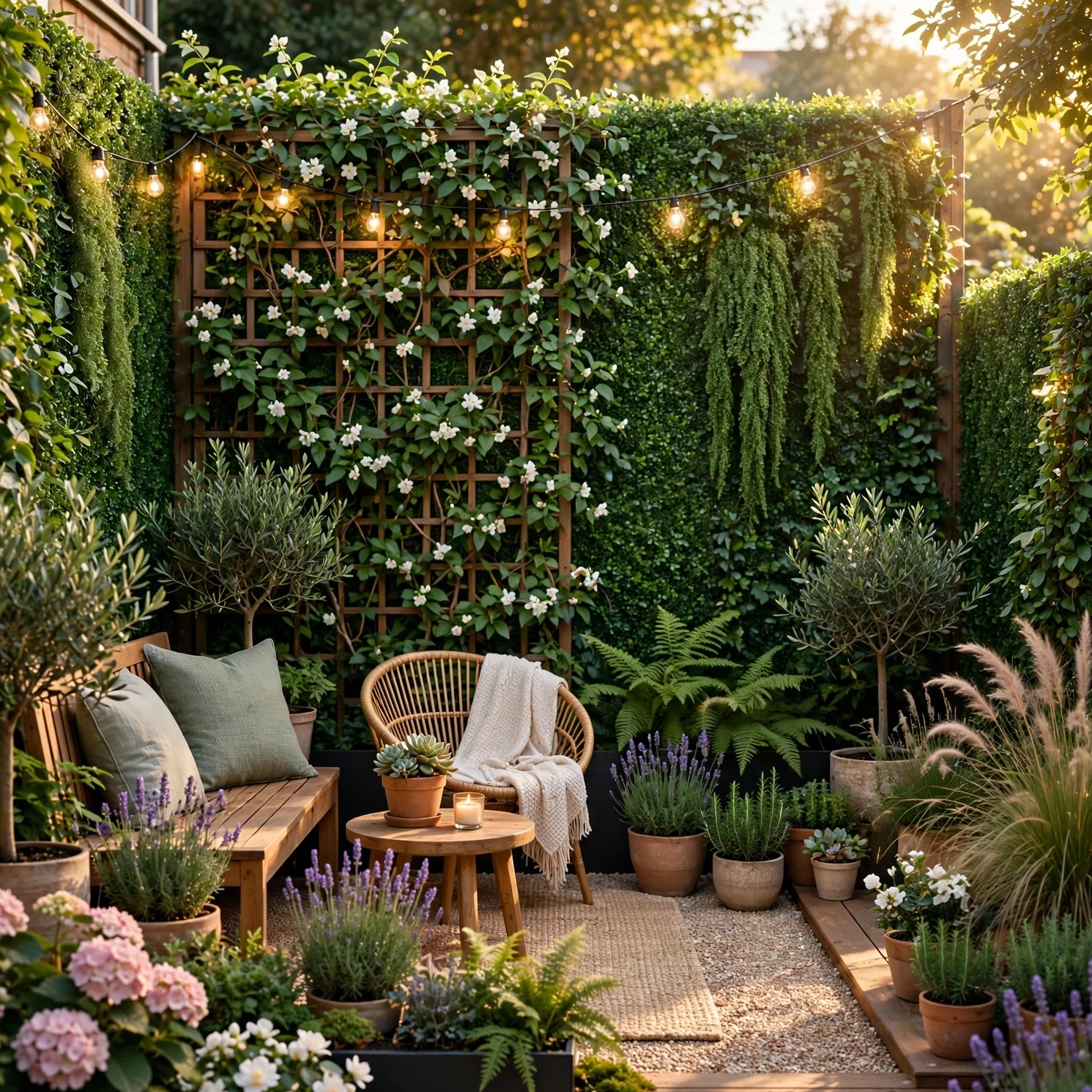
Among the most useful small garden ideas for privacy is a green screen trellis, a freestanding lattice or panel structure planted with fast-growing vines like clematis or star jasmine to block a sightline without the bulk of a full fence. A single 6-foot panel positioned to block a specific window or seating angle solves a privacy problem with a fraction of the footprint a hedge would need. This approach also lets light filter through in a way a solid fence doesn’t.
Shop the Look
A cedar vertical pallet planter kit gives a fence-line herb garden a finished look without building from a raw pallet. A tiered resin plant stand maximizes container space on a balcony without exceeding typical weight limits. A weather-resistant acrylic mirror panel adds the depth-doubling effect to a garden wall without the risk of shattering glass. A modular felt living wall panel turns a bare fence into a full planting surface in an afternoon.
Common Mistake to Avoid
The most common mistake in small gardens is choosing plants based on their appearance at purchase rather than their mature size, which leads to overcrowded beds within a single growing season. A gallon-pot shrub that looks proportional at checkout can outgrow a 4-by-4-foot bed within two or three years, crowding out everything planted around it. Checking mature spread before planting, and leaving what looks like excessive space at installation, prevents having to remove and replace plants later.
FAQs
What is the best layout for a small garden?
The best layout for a small garden usually combines vertical elements, like trellises or wall planters, with one or two multi-purpose zones rather than trying to fit in every feature a larger yard might have. Prioritizing a single seating area, a compact planting bed, and one vertical growing feature keeps the space functional instead of cluttered. Leaving at least one clear sightline across the yard also makes a small space read as larger than it is.
How do I make a small garden look bigger?
A small garden looks bigger through a combination of a mirror accent, light-colored hardscaping, and diagonal planting lines rather than straight rows running parallel to the boundary. Keeping the plant palette limited to two or three repeated species also reads as more spacious than a mix of many different plants competing for attention. Vertical growing structures draw the eye upward, which makes the ground-level footprint feel less cramped by comparison.
What vegetables grow well in a small garden?
Compact and vining vegetables grow best in a small garden, including bush beans, cherry tomatoes bred for containers, and cucumbers trained up a trellis rather than left to sprawl. Leafy greens like lettuce and spinach also work well since they can be harvested continuously from a small footprint rather than needing a large single harvest. Choosing dwarf or “patio” varieties bred specifically for container growing usually outperforms full-sized varieties squeezed into a small bed.
Do small gardens need less maintenance than large ones?
A small garden generally needs less overall maintenance time simply because there’s less square footage to weed, water, and prune, but the maintenance that is required tends to be more frequent since containers and raised beds dry out faster than in-ground plantings. Drip irrigation on a timer significantly reduces this watering burden in small container-heavy gardens. Choosing native or drought-tolerant plants also cuts down on the frequency of care a small garden needs.
Can you have a vegetable garden in a small backyard?
A vegetable garden is entirely possible in a small backyard using raised beds, vertical trellising, and container-grown dwarf varieties to maximize yield per square foot. A single 4-by-8-foot raised bed with a trellis can realistically produce tomatoes, cucumbers, beans, and a row of herbs in one season. Succession planting, where a fast-growing crop like lettuce is replaced with something else once harvested, further increases what a small vegetable garden can produce over a full growing season.
Conclusion
These small garden ideas prove that limited square footage isn’t a barrier to a full, functional outdoor space, whether that means a vertical pallet planter on a fence or a mirror-backed corner bed. Starting with one vertical element and one seating or planting solution, then building outward, keeps a small garden project manageable rather than overwhelming. Save this post to Pinterest for reference, and check the related post on patio layout ideas for pairing inspiration.