16 Trending House Interior Design Styles to Define Your Home and Make it Perfect
House interior design styles each offer a distinct set of colors, materials, and furniture choices that, taken together, give an entire home a clear, recognizable identity from room to room. This list walks through a range of established styles, from Scandinavian to Art Deco to Mediterranean, breaking down what defines each one and where it tends to work best. Whether you already have a style in mind or you’re comparing options for the first time, these ideas should help you figure out which direction actually fits your home’s architecture and your own personal taste.
Trend & Background
Naming and categorizing interior design styles has become considerably more common as design media and social platforms have made it easier to reference a specific, recognizable aesthetic rather than describing a general feeling or mood. This has helped homeowners communicate more clearly with designers, contractors, and even themselves about what direction they actually want, since searching a specific style name now returns a fairly consistent set of visual references. At the same time, this trend has encouraged more homeowners to commit to one clear, well-defined style throughout their home, rather than accumulating furniture and decor without any unifying direction.
Key Takeaways
- House interior design styles each come with a distinct color palette, material choice, and furniture silhouette, giving you a clear framework to build a whole home around.
- Some styles, like Scandinavian and Japandi, share overlapping qualities, making them easier to blend than styles built around opposing principles, like minimalist and maximalist eclectic.
- A home’s existing architecture often naturally suits certain styles better than others, so working with those bones tends to produce a more convincing result than fighting against them.
- Committing to one primary style, then borrowing select details from a complementary second style, generally works better than mixing several unrelated directions throughout a house.
1. Scandinavian Design
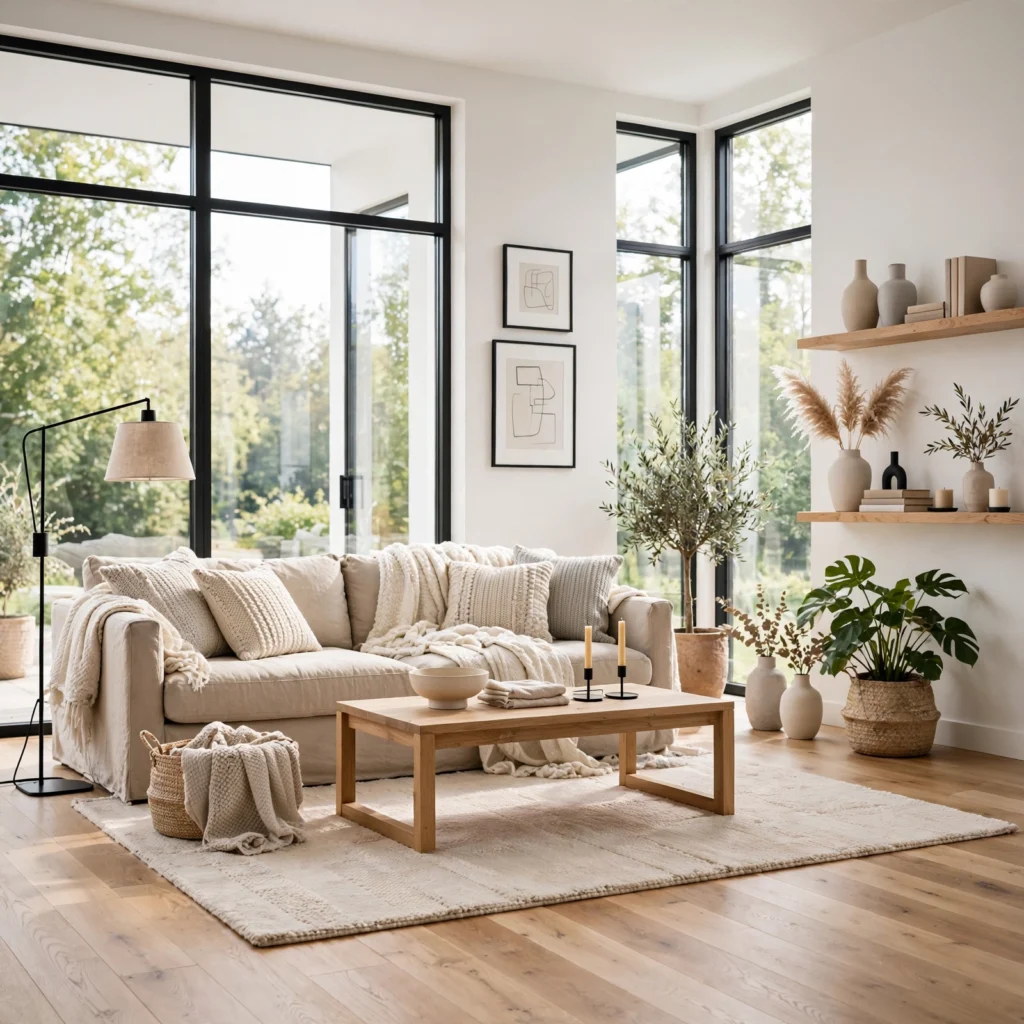
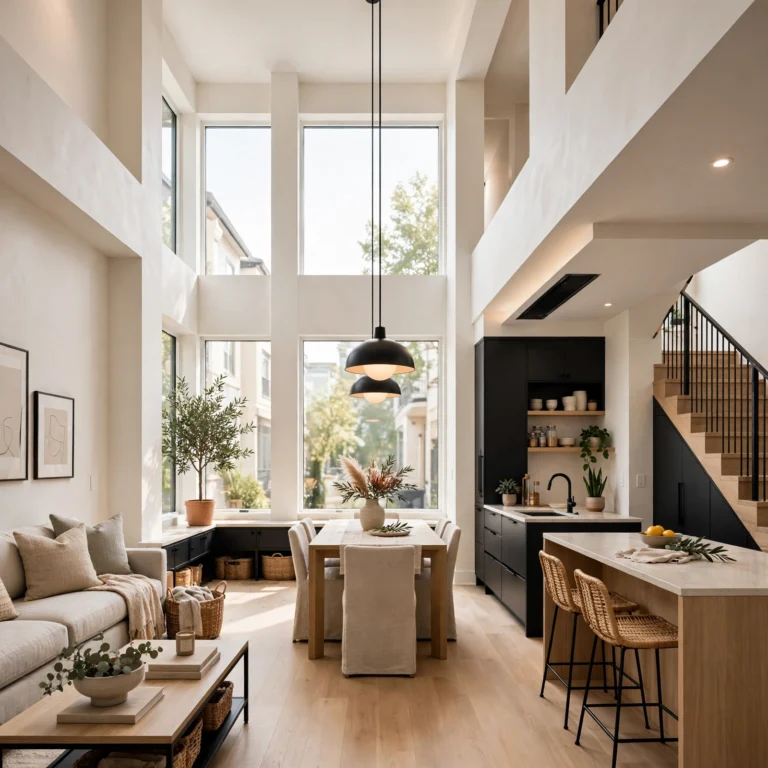
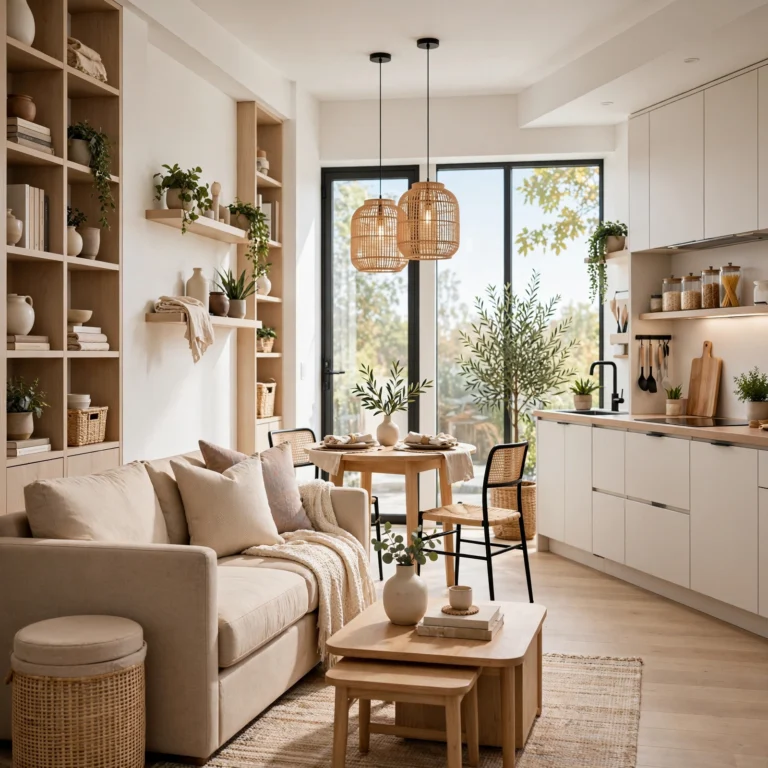
Scandinavian design relies on a light, neutral color palette, simple furniture silhouettes, and natural materials like pale wood and wool, creating a calm, functional look that prioritizes both beauty and everyday practicality. This style tends to favor clean lines over ornate detailing, with minimal clutter and a strong emphasis on natural light throughout the home. Scandinavian design works particularly well in a home with ample windows, since the style’s light palette depends on plenty of daylight to avoid feeling stark or cold.
| Style | Color Palette | Signature Material |
| Scandinavian | Light neutrals, white | Pale wood, wool |
| Industrial | Charcoal, black, raw metal | Exposed brick, steel |
| Traditional | Rich, warm tones | Dark wood, upholstered fabric |
2. Industrial Design
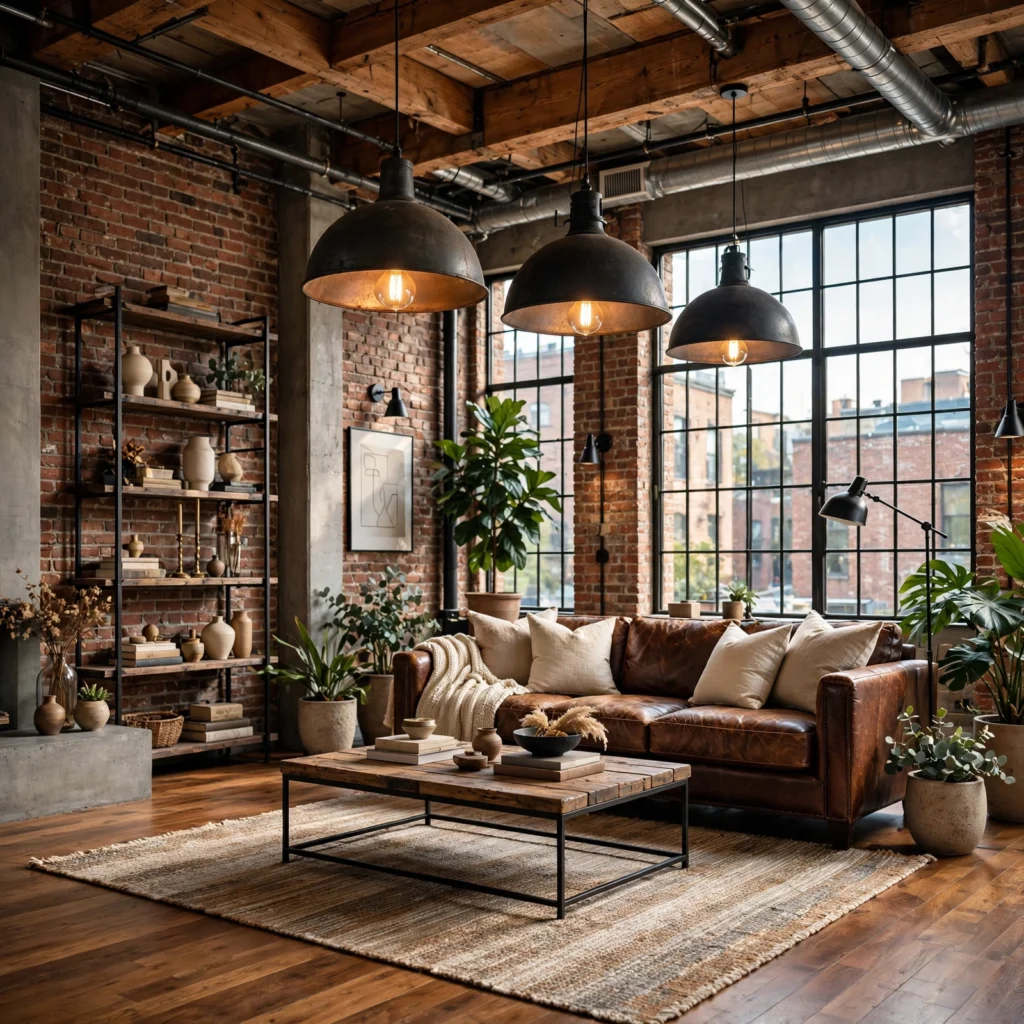
Industrial design draws inspiration from converted warehouses and factories, featuring exposed brick, raw steel, and concrete surfaces left intentionally unfinished rather than covered or polished smooth. This style favors a darker, more muted color palette, often built around charcoal, black, and warm rust tones, paired with vintage or reproduction factory-style lighting fixtures. Industrial design works especially well in a loft or a converted commercial space where these raw architectural elements already exist, though the look can also be introduced into a more standard home through furniture and finish choices alone.
In order to see more options for house interior decor CLICK HERE
3. Traditional Design
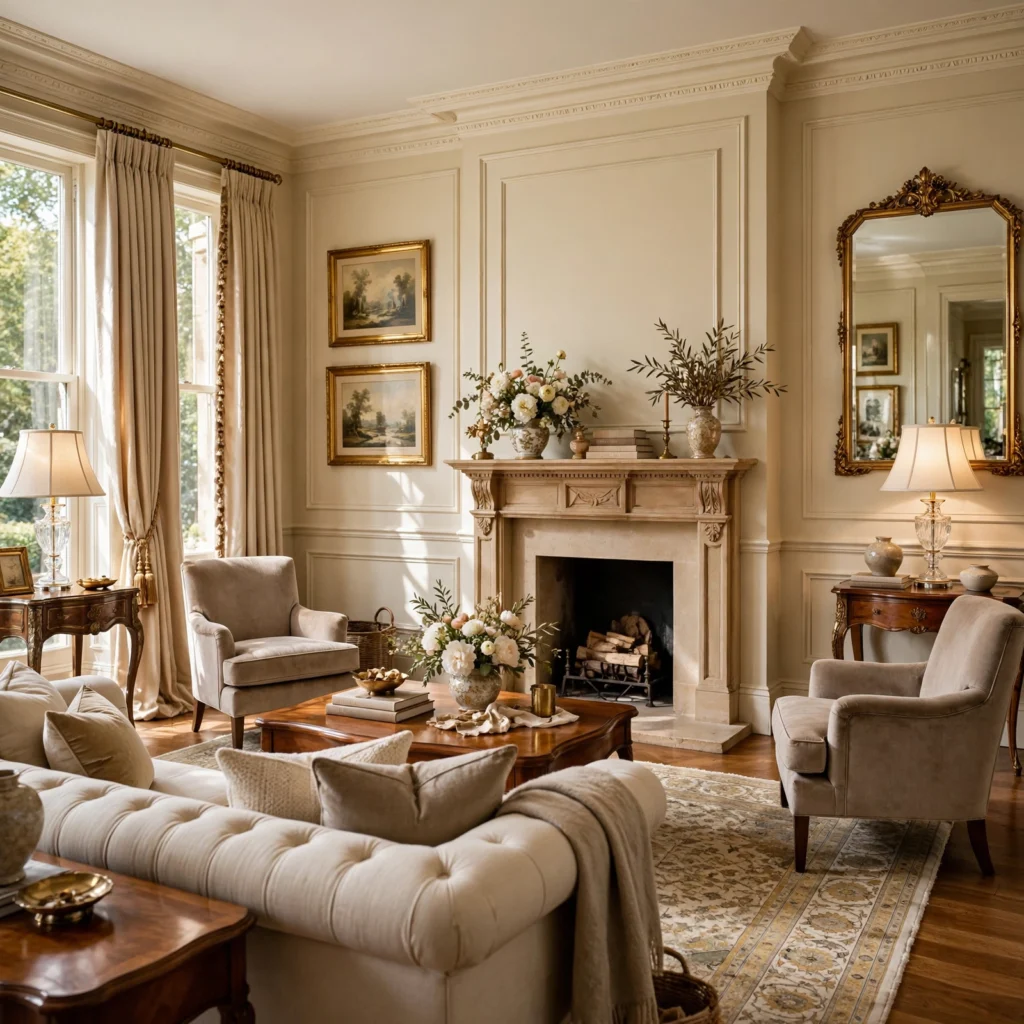
Traditional design draws on classic European furniture styles, rich wood tones, and symmetrical room arrangements, creating a formal, timeless look that has remained popular across many decades. This style favors more ornate details, like carved wood furniture legs, tufted upholstery, and elaborate window treatments, compared to the simpler lines found in more modern styles. Traditional design works particularly well in an older home with existing architectural details like crown molding and wainscoting, since the furniture and decor choices complement rather than compete with that existing formality.
4. Mid-Century Modern Design
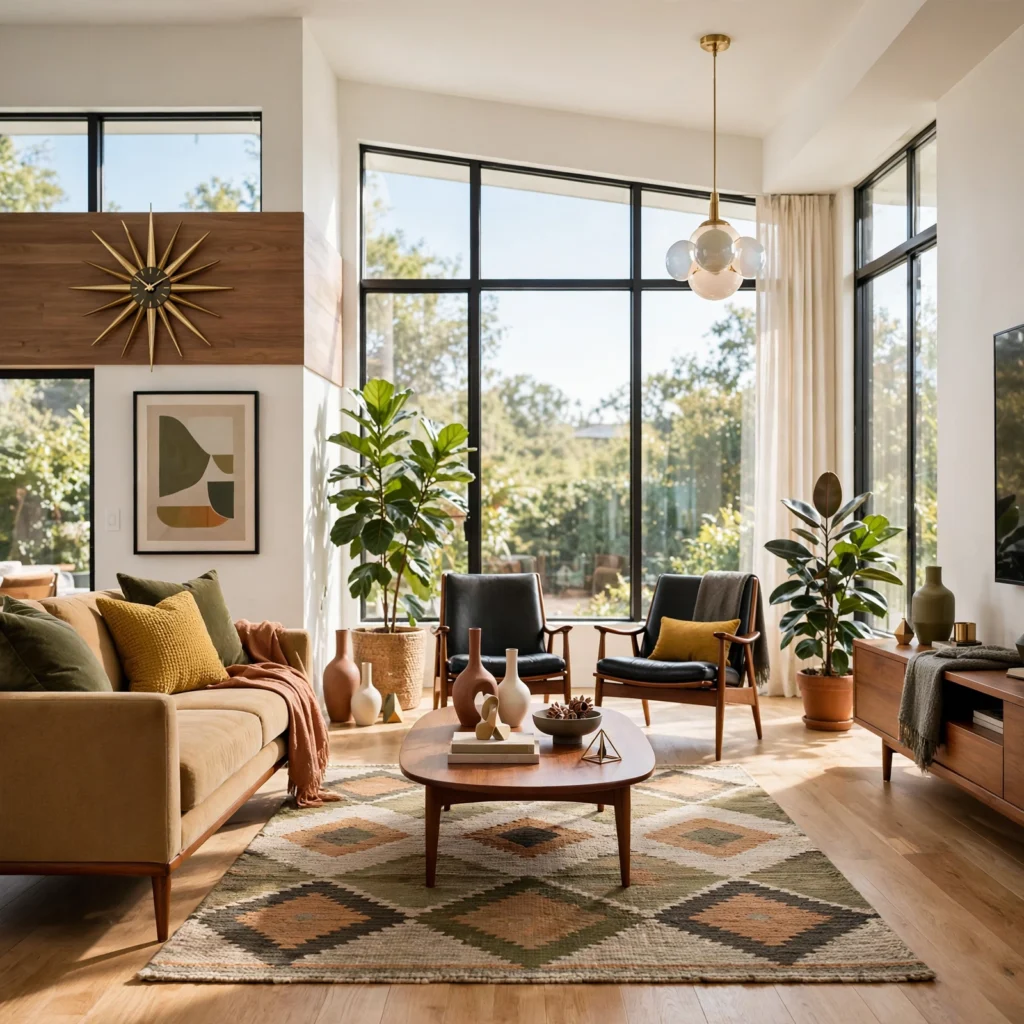
Mid-century modern design references furniture and architecture from the middle of the twentieth century, characterized by clean, organic lines, tapered wood legs, and a mix of warm wood tones with bold, saturated accent colors. This style favors function-driven furniture design, often featuring iconic, recognizable silhouettes from that specific era, paired with large windows and an emphasis on connecting indoor and outdoor living spaces. Mid-century modern design works especially well in a home actually built during that period, since the architecture and the furniture style share the same design language and proportions.
5. Contemporary Design
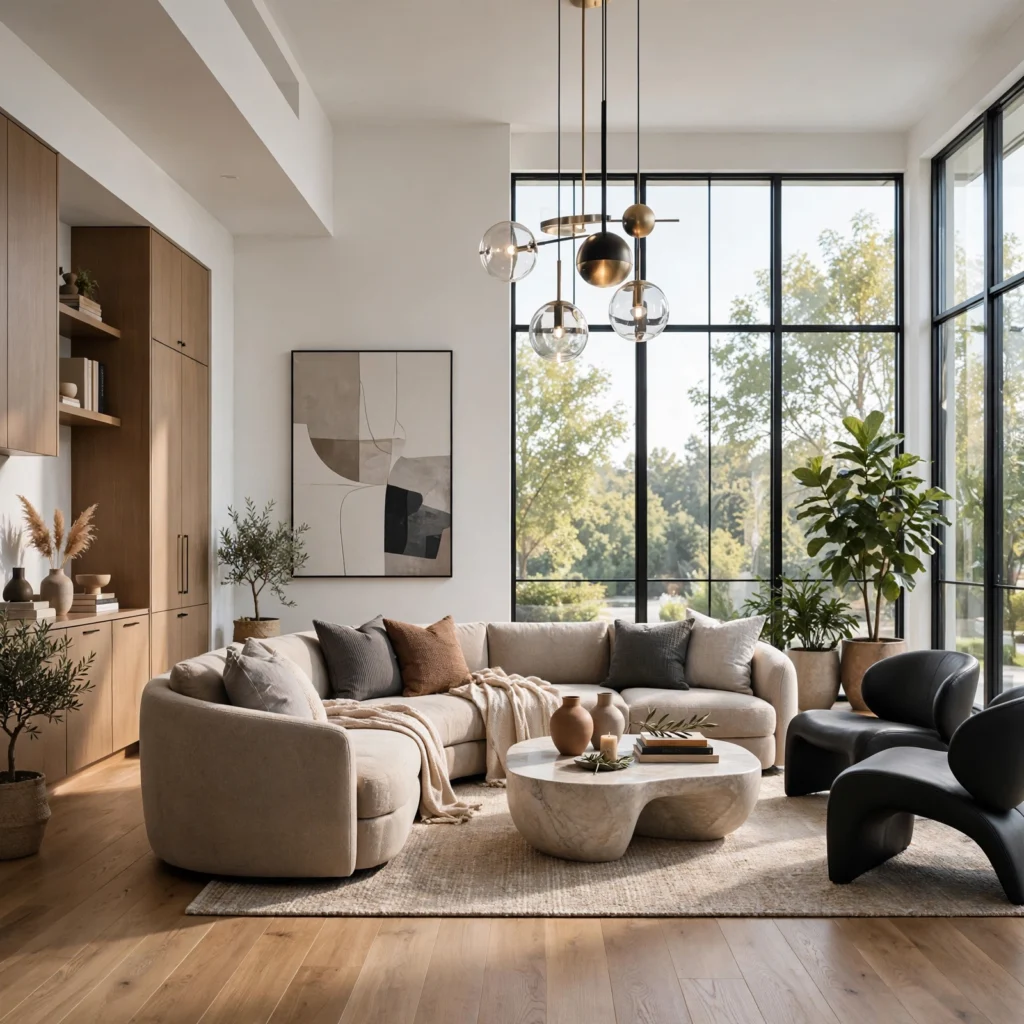
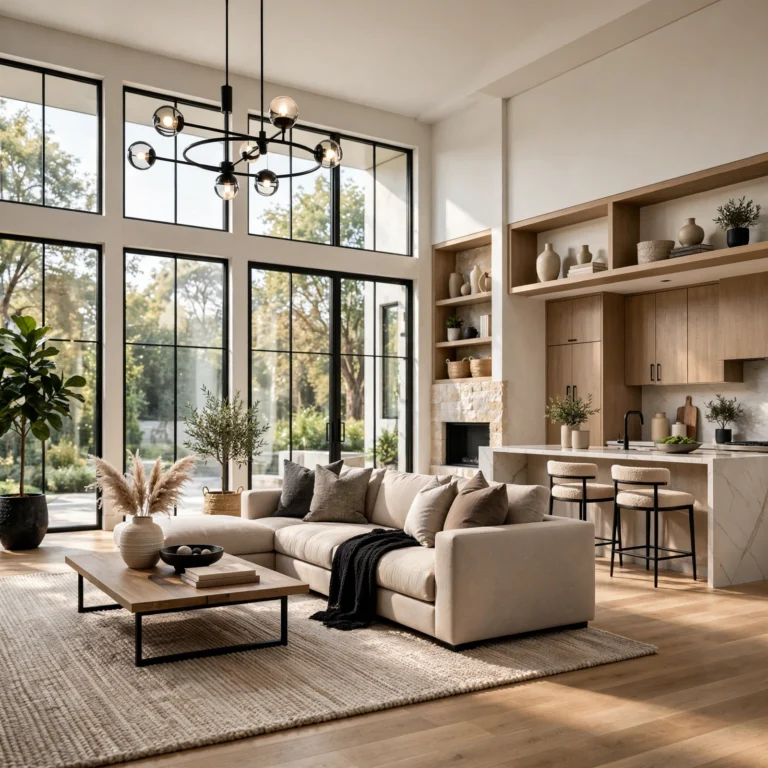
Contemporary design reflects whatever is currently popular and evolving, making it a more fluid style than others tied to a specific historical era, generally favoring clean lines, neutral colors, and a mix of materials like glass, metal, and polished stone. Because this style shifts over time, contemporary design in a home today looks noticeably different than it did several decades ago, unlike a fixed historical style like traditional or mid-century modern. This style works well for anyone who prefers to stay current with evolving trends rather than committing to one fixed historical reference point.
6. Farmhouse Design
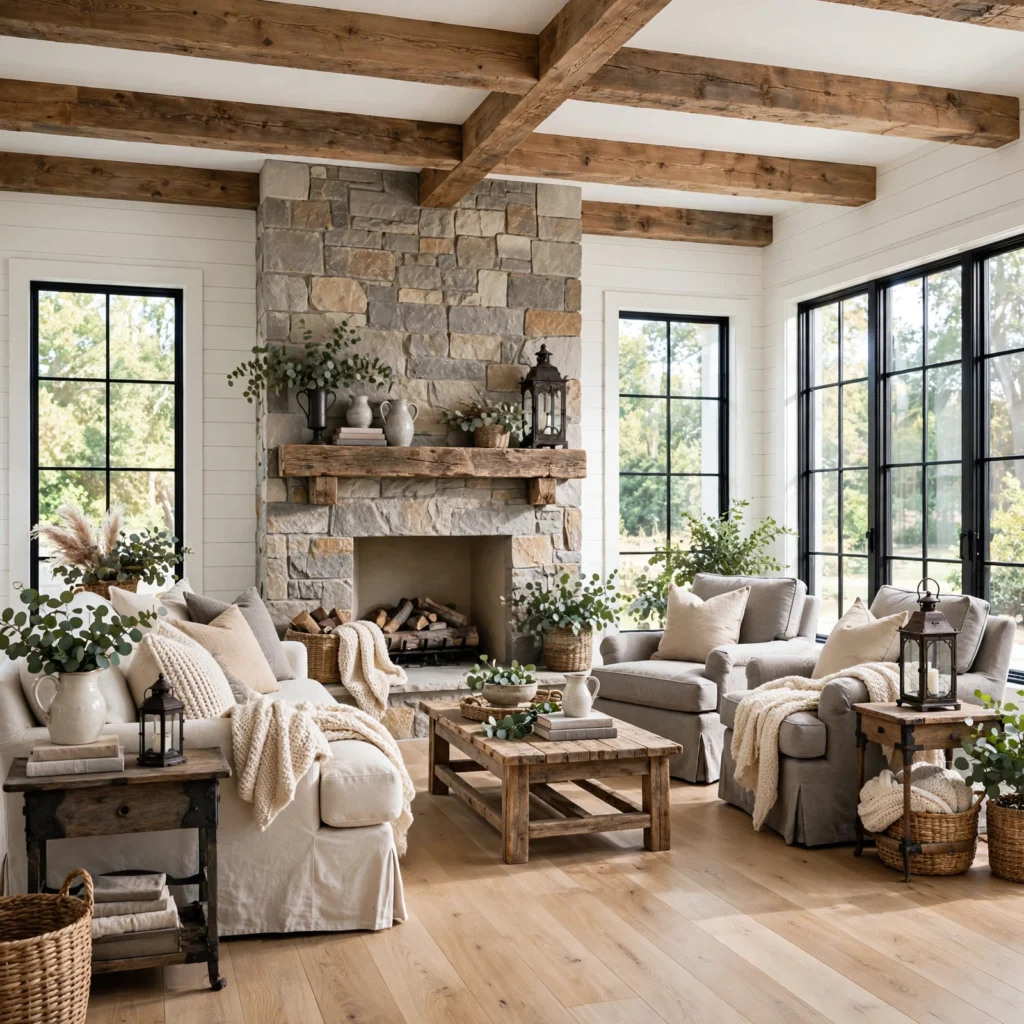
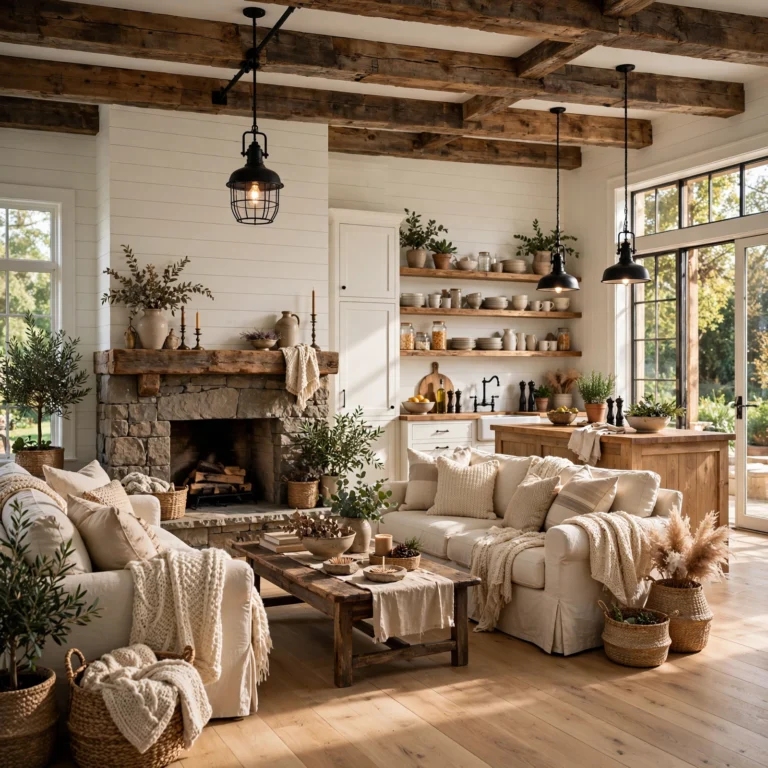
Farmhouse design combines rustic, reclaimed wood elements with a lighter, often white or cream color palette, creating a warm, welcoming look that references rural architecture and simple, functional furniture. Shiplap paneling, apron-front sinks, and black iron hardware are all signature details closely associated with this style. Farmhouse design works particularly well in a home with existing rural or agricultural architectural character, though it has also become popular in suburban and urban homes seeking that same warm, approachable feel.
| Style | Best Suited Architecture | Signature Detail |
| Farmhouse | Rural, converted barn | Shiplap, apron sink |
| Coastal | Beach house, waterfront | Light woods, blue tones |
| Mediterranean | Stucco, terracotta roof | Wrought iron, arched doorways |
7. Coastal Design
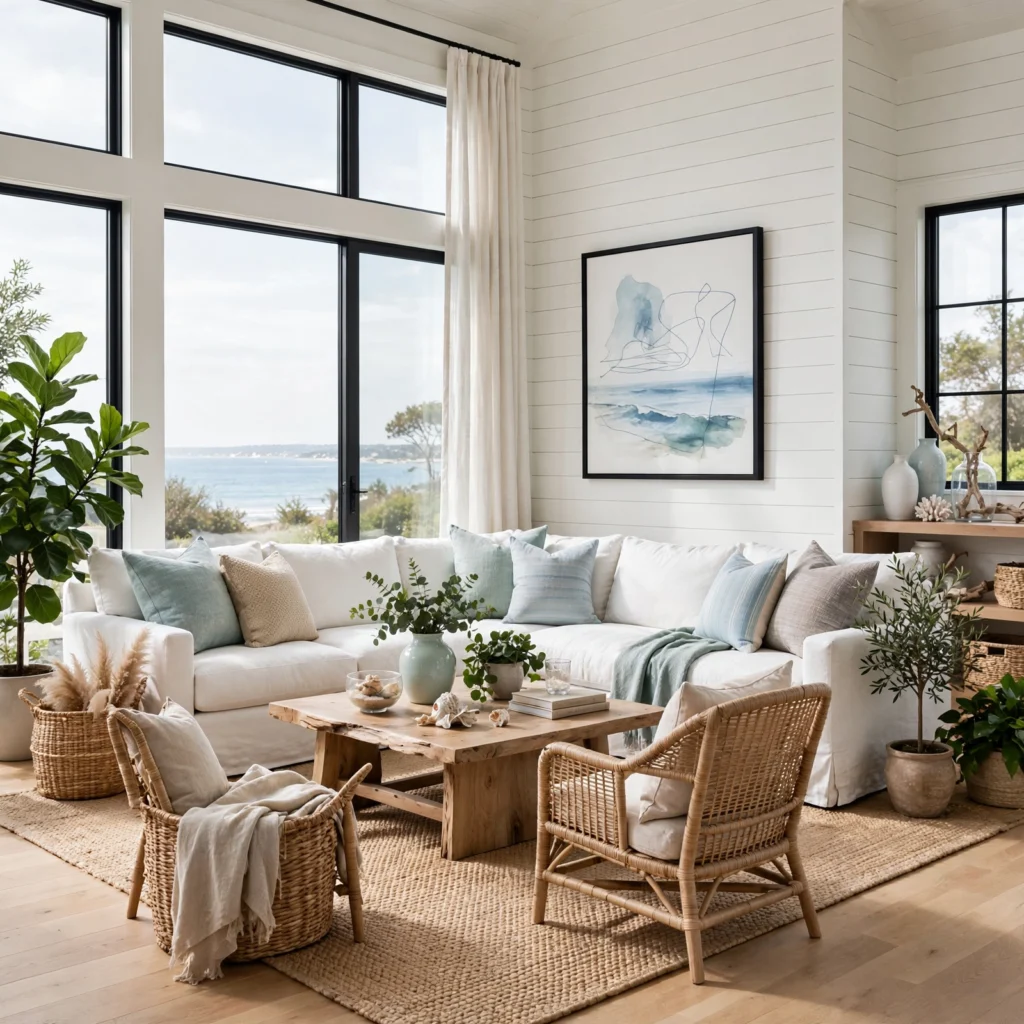
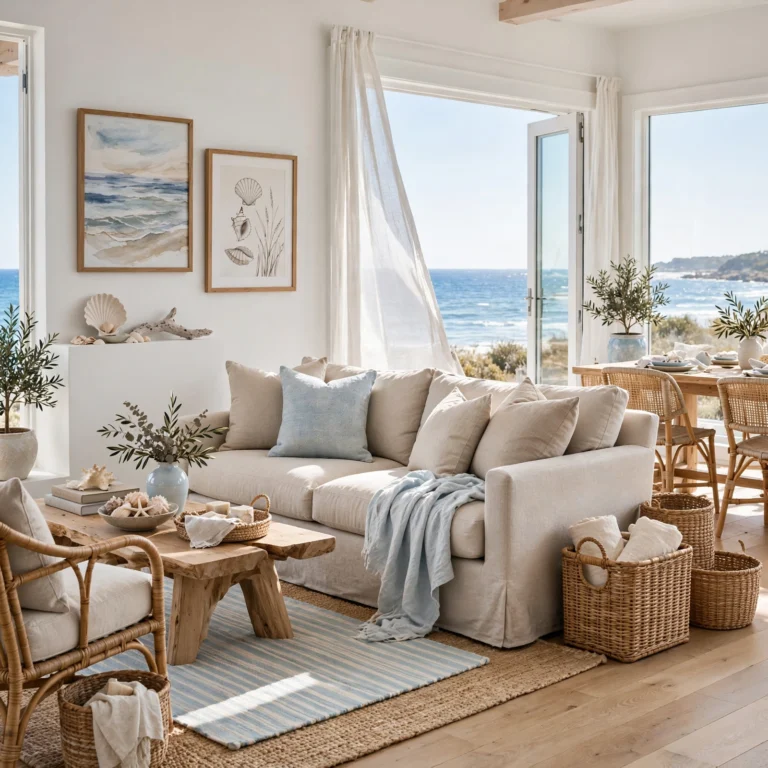
Coastal design uses a light, airy color palette built around whites, soft blues, and sandy neutrals, paired with natural materials like rattan, jute, and light woods to evoke a relaxed beach house feel. This style generally avoids anything overly literal, like nautical rope or anchor motifs, in favor of a more subtle, sophisticated reference to coastal living through color and texture alone. Coastal design works especially well in a home near water or in a climate with a longer warm season, where the light, breezy palette suits the surrounding environment.
8. Transitional Design
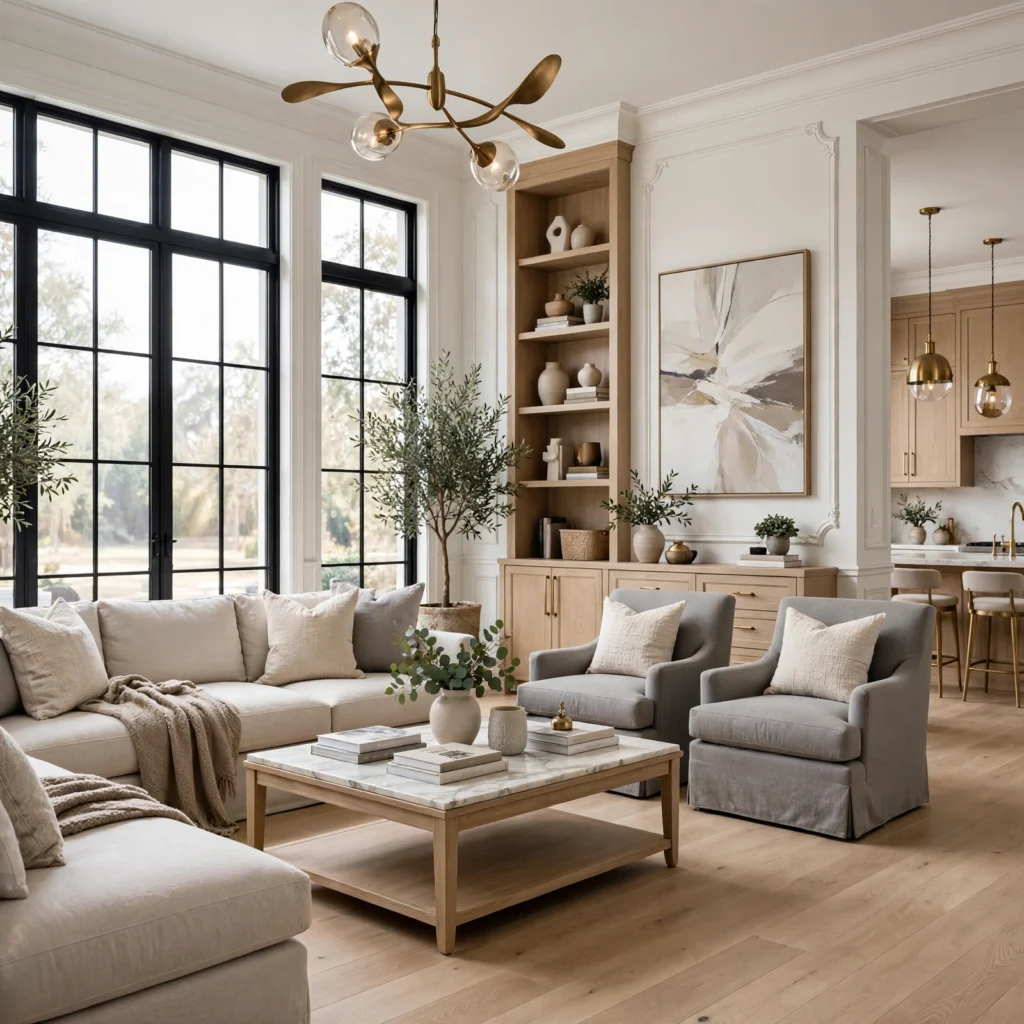
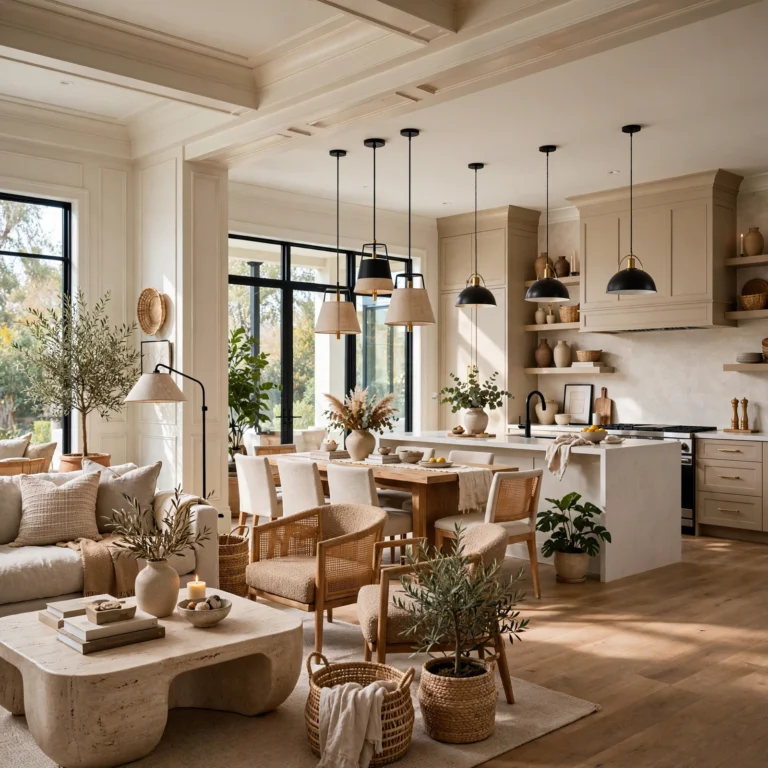
Transitional design blends elements of traditional and contemporary styles, softening traditional design’s more ornate details while adding warmth to contemporary design’s cleaner, sometimes colder lines. This style typically favors a neutral color palette with occasional bolder accents, paired with furniture that has simpler silhouettes than traditional pieces but more detail than a strictly modern design would include. Transitional design works well as a versatile middle ground for anyone who likes elements of both more classic and more current styles but doesn’t want to commit fully to either extreme.
9. Art Deco Design
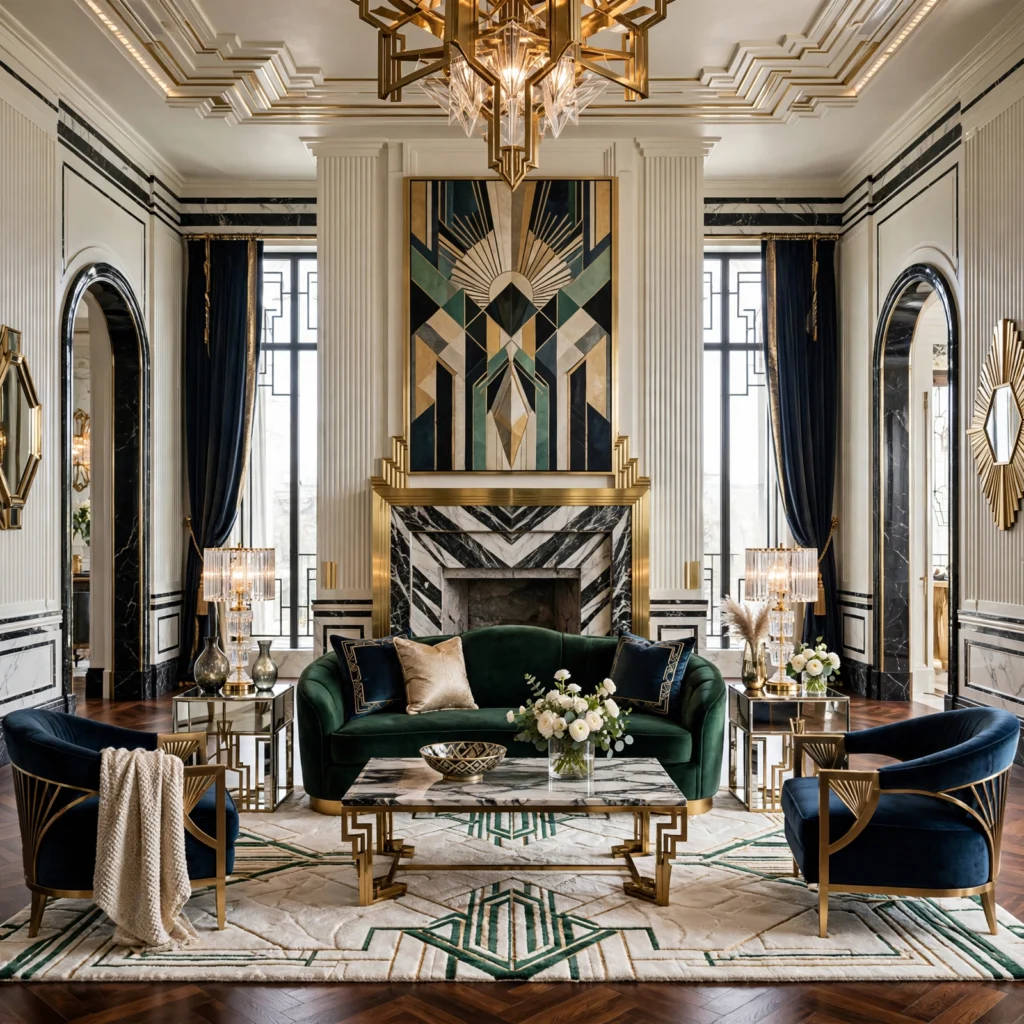
Art Deco design references the glamour of the early twentieth century, featuring bold geometric patterns, rich jewel tones, and lavish metallic accents in brass, chrome, or gold. This style favors dramatic, symmetrical layouts and statement lighting fixtures, often incorporating materials like lacquered wood, velvet upholstery, and mirrored surfaces. Art Deco design works particularly well in a smaller, more contained space like a powder room or a home bar, where its bold, glamorous details can make a strong statement without overwhelming an entire home.
10. Minimalist Design
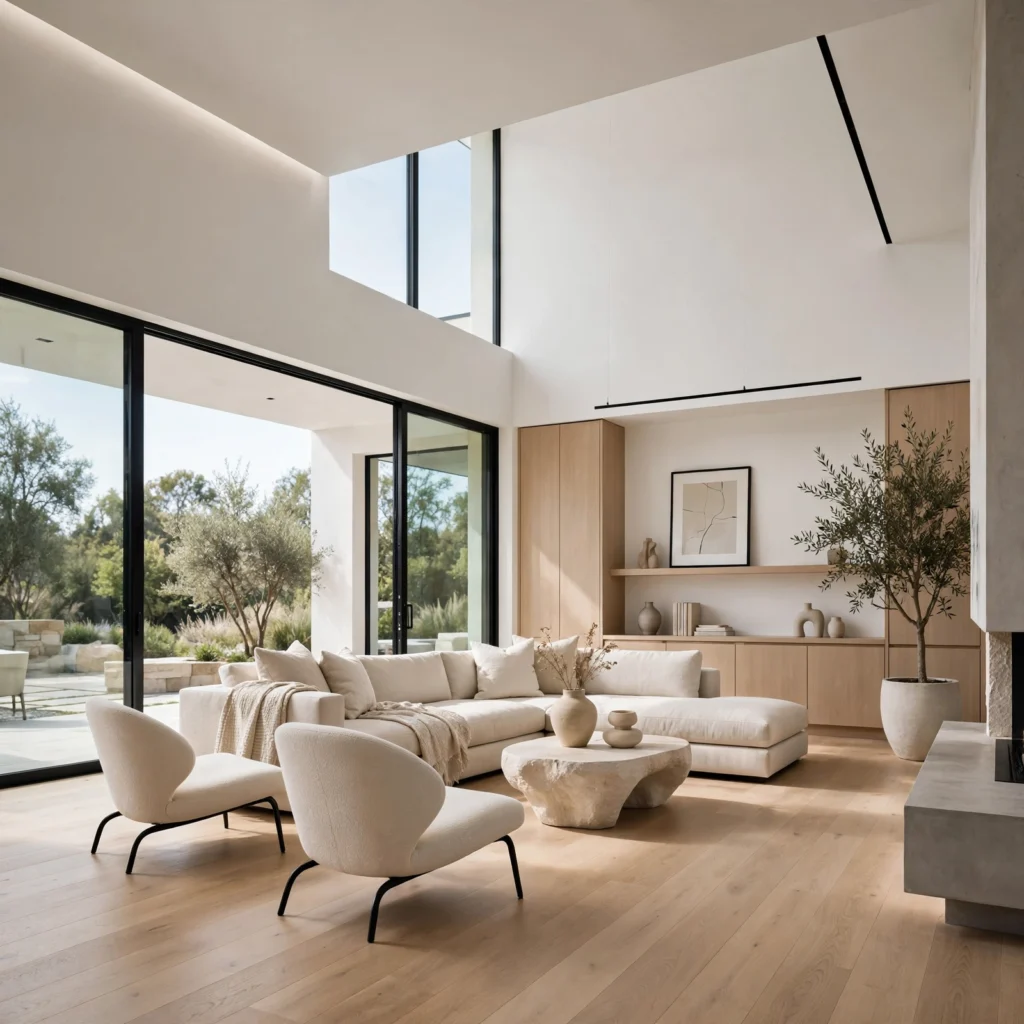
Minimalist design strips a home’s interior down to only what’s functionally necessary, using a restrained color palette, clean lines, and very few decorative objects to create a calm, uncluttered environment. This style depends heavily on quality over quantity, since every remaining piece needs to justify its place in a room with so few total objects on display. Minimalist design works especially well for anyone who finds visual clutter genuinely distracting or stressful, prioritizing negative space and simplicity over layered decoration.
11. Bohemian Design
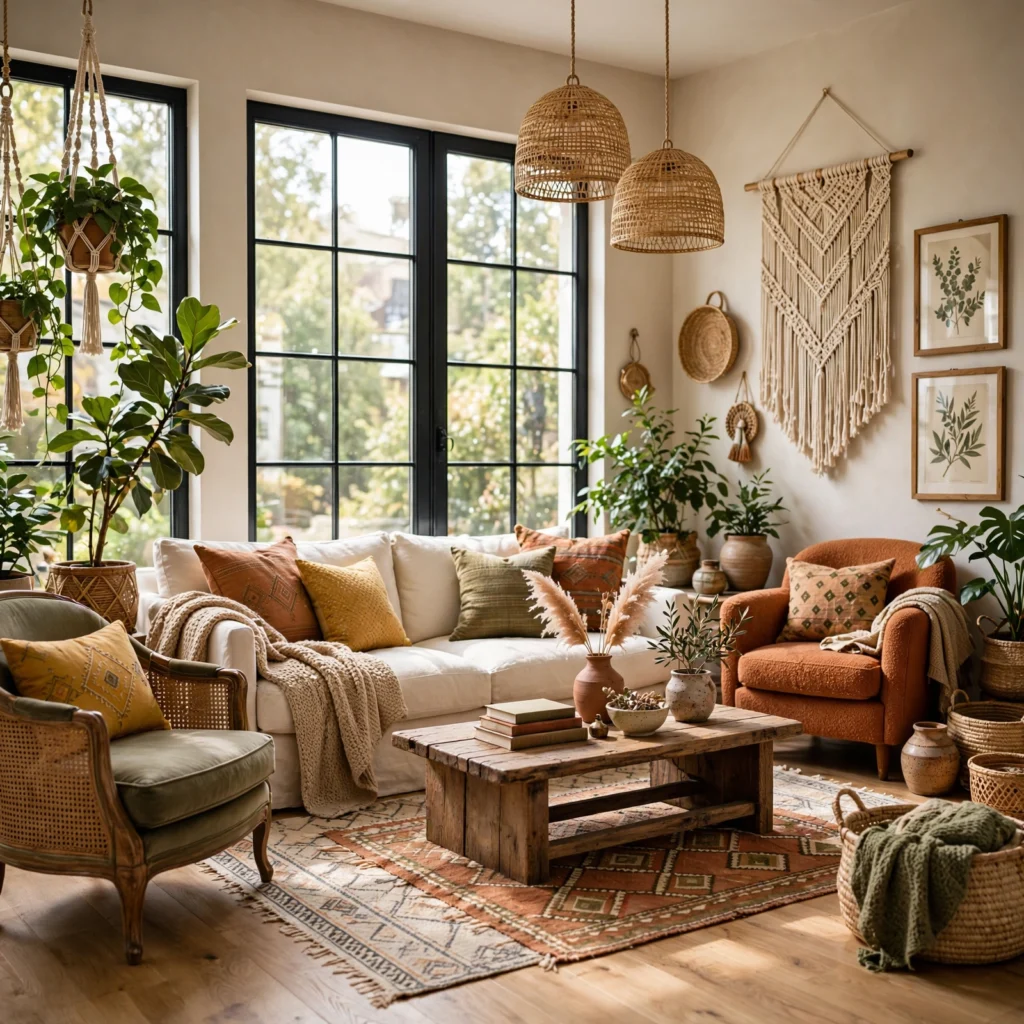
Bohemian design layers global textiles, natural materials, and a mix of vintage and handmade pieces into a relaxed, personal, and often colorful overall look that stands in direct contrast to a more restrained, minimalist approach. This style favors pattern mixing, warm earth tones, and plants throughout the home, creating a collected, lived-in feeling rather than a matched, uniform look. Bohemian design works well for anyone drawn to a more maximalist, textured aesthetic and willing to build the look gradually through sourced and collected pieces rather than a single furniture purchase.
12. Japandi Design
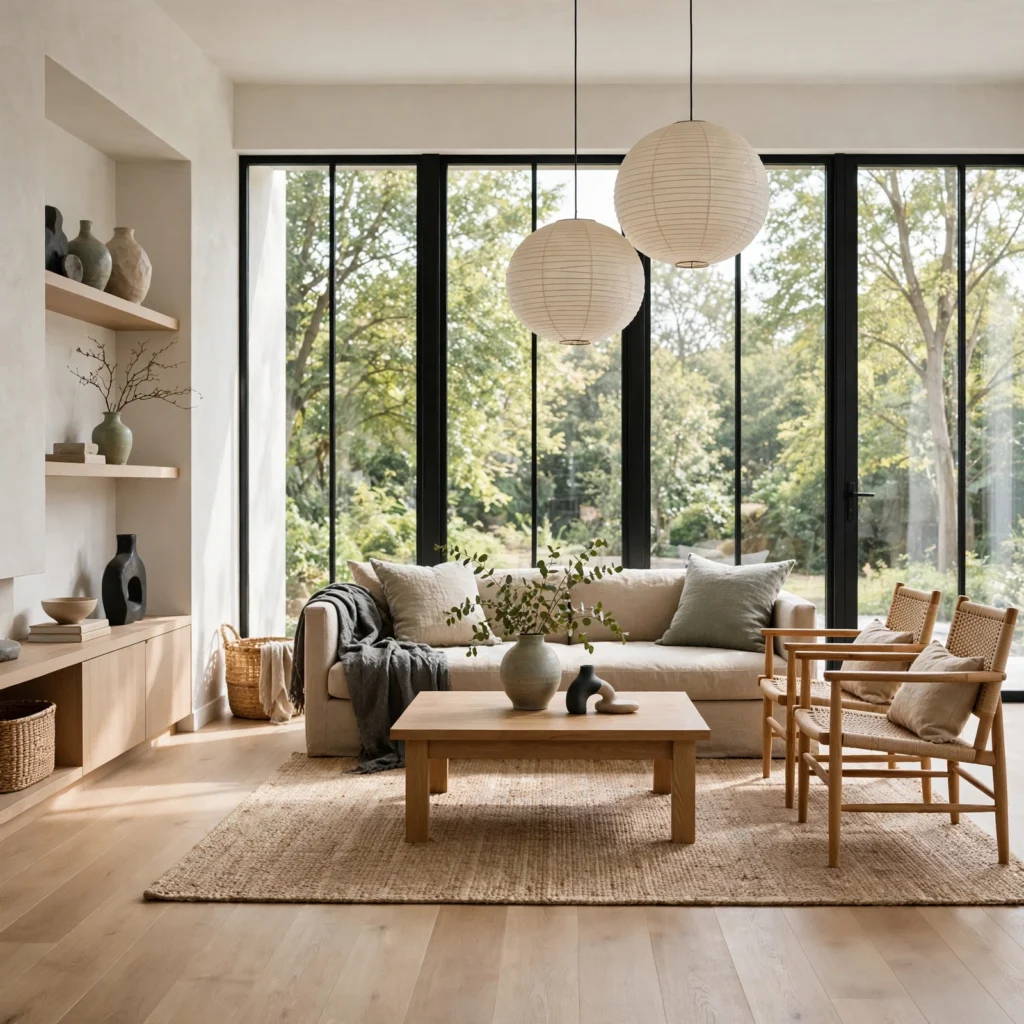
Japandi design blends Japanese minimalism with Scandinavian warmth, combining the restraint and simplicity of the former with the latter’s emphasis on natural materials and cozy, functional design. This style favors a muted, earthy color palette, low furniture profiles, and a strong connection to natural materials like wood and stone, avoiding both minimalism’s occasional starkness and bohemian design’s heavier layering. Japandi design works particularly well for anyone drawn to a calm, uncluttered home that still feels warm and inviting rather than sparse.
13. French Country Design
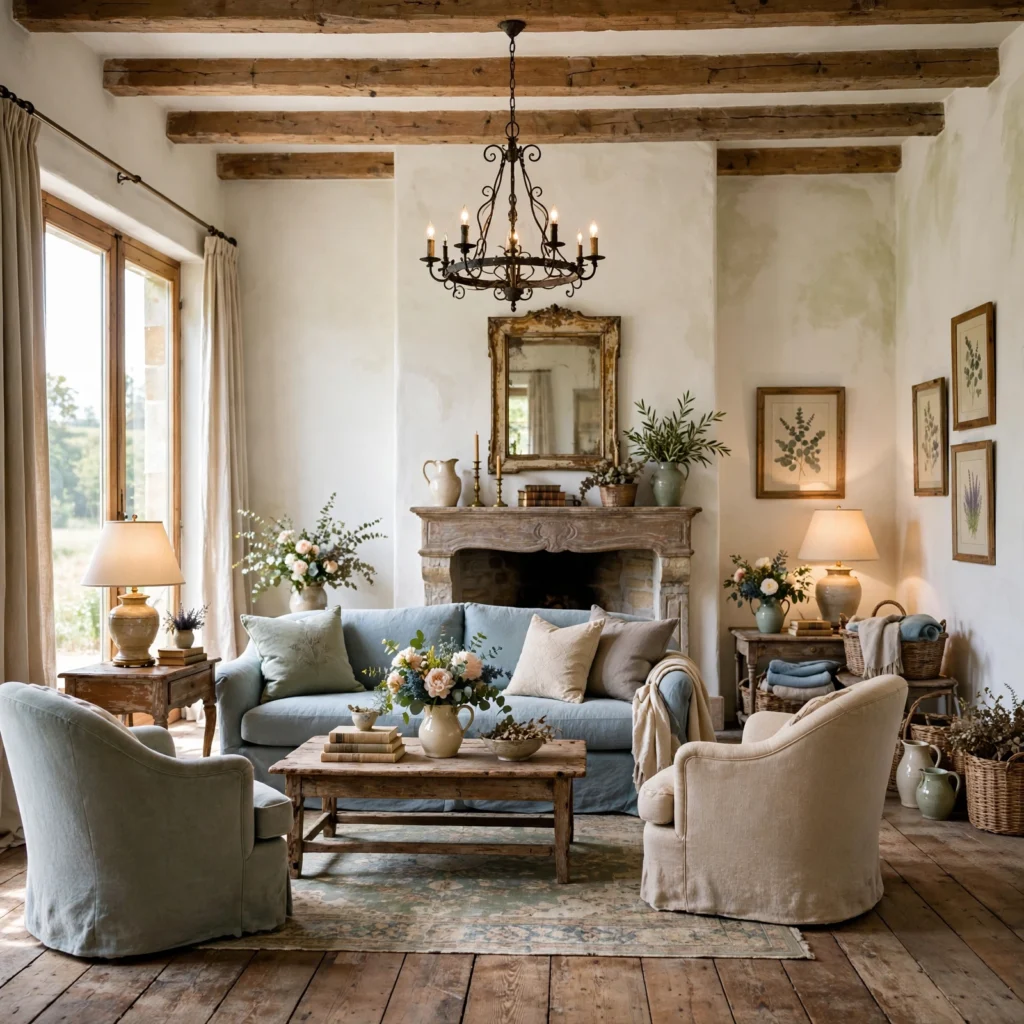
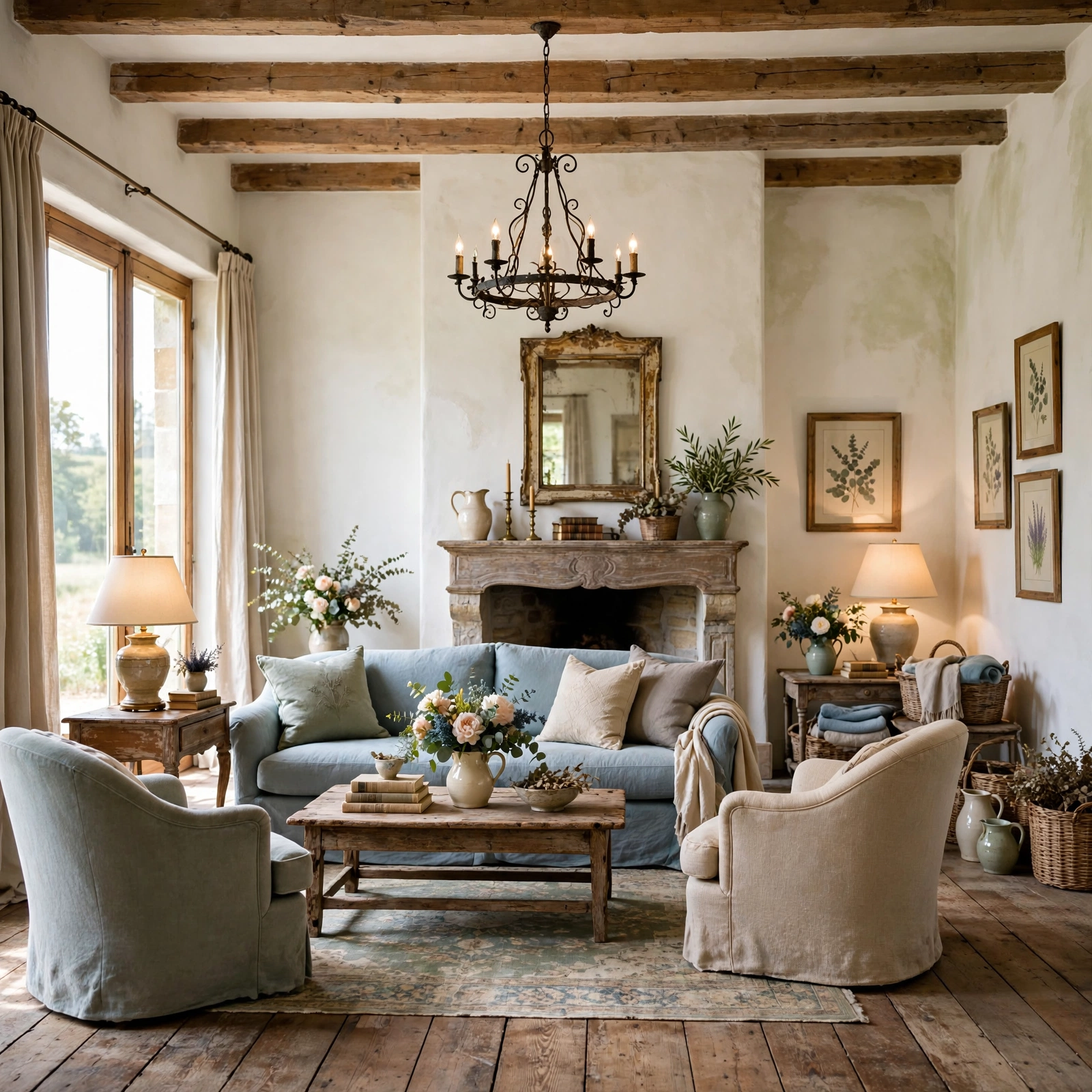
French country design combines rustic, weathered furniture with soft, romantic color palettes and floral or toile patterns, referencing the relaxed elegance of rural French homes. This style favors curved furniture silhouettes, distressed or whitewashed wood finishes, and a mix of both refined and rustic elements within the same room. French country design works particularly well in a home with existing traditional architectural bones, softened by this style’s more relaxed, less formal overall feel compared to strict traditional design.
14. Mediterranean Design
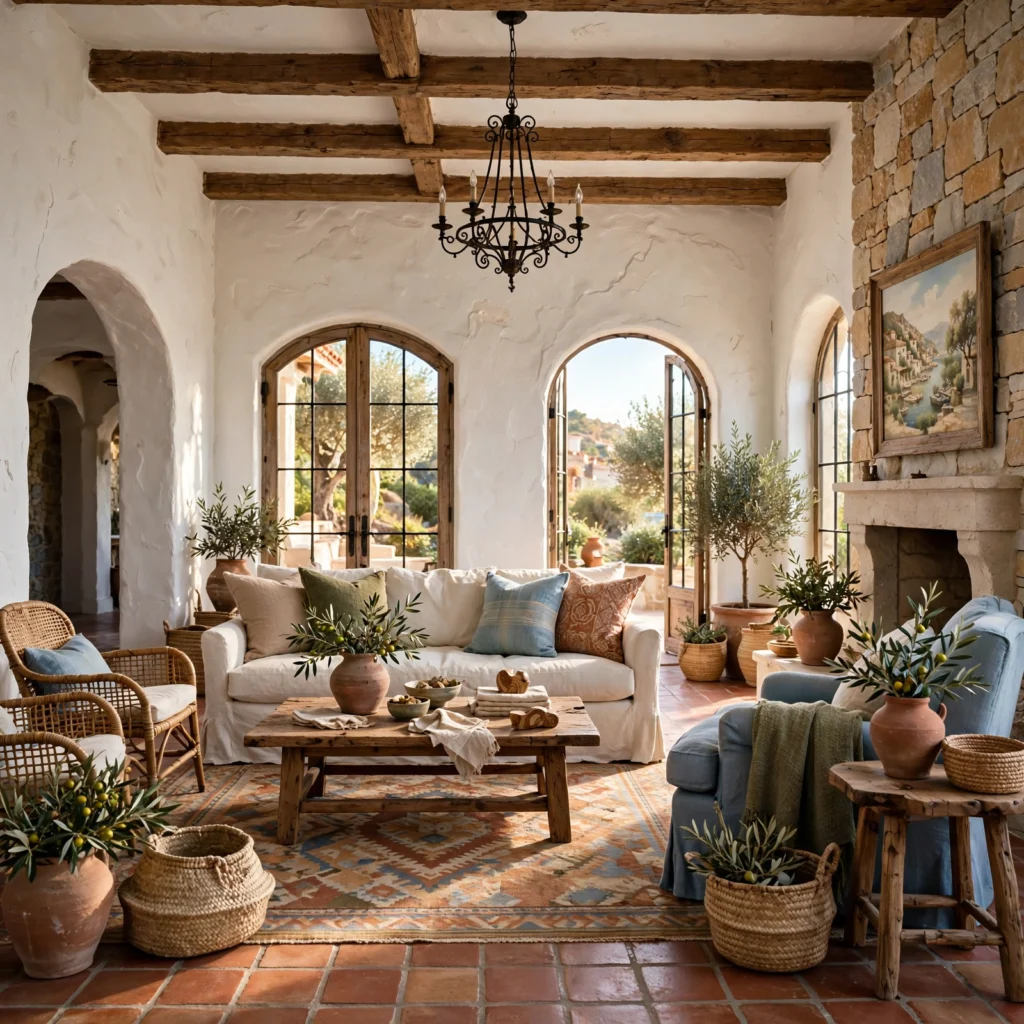
Mediterranean design draws on the architecture and color palette of coastal regions like Southern Italy, Spain, and Greece, favoring warm terracotta tones, wrought iron details, and archways that reference this region’s traditional building style. Stucco walls, exposed wood beams, and mosaic tile accents are all common details in this style. Mediterranean design works especially well in a home with existing stucco exteriors or a terracotta roof, since the interior style naturally extends the same architectural language already present outside.
15. Rustic Design
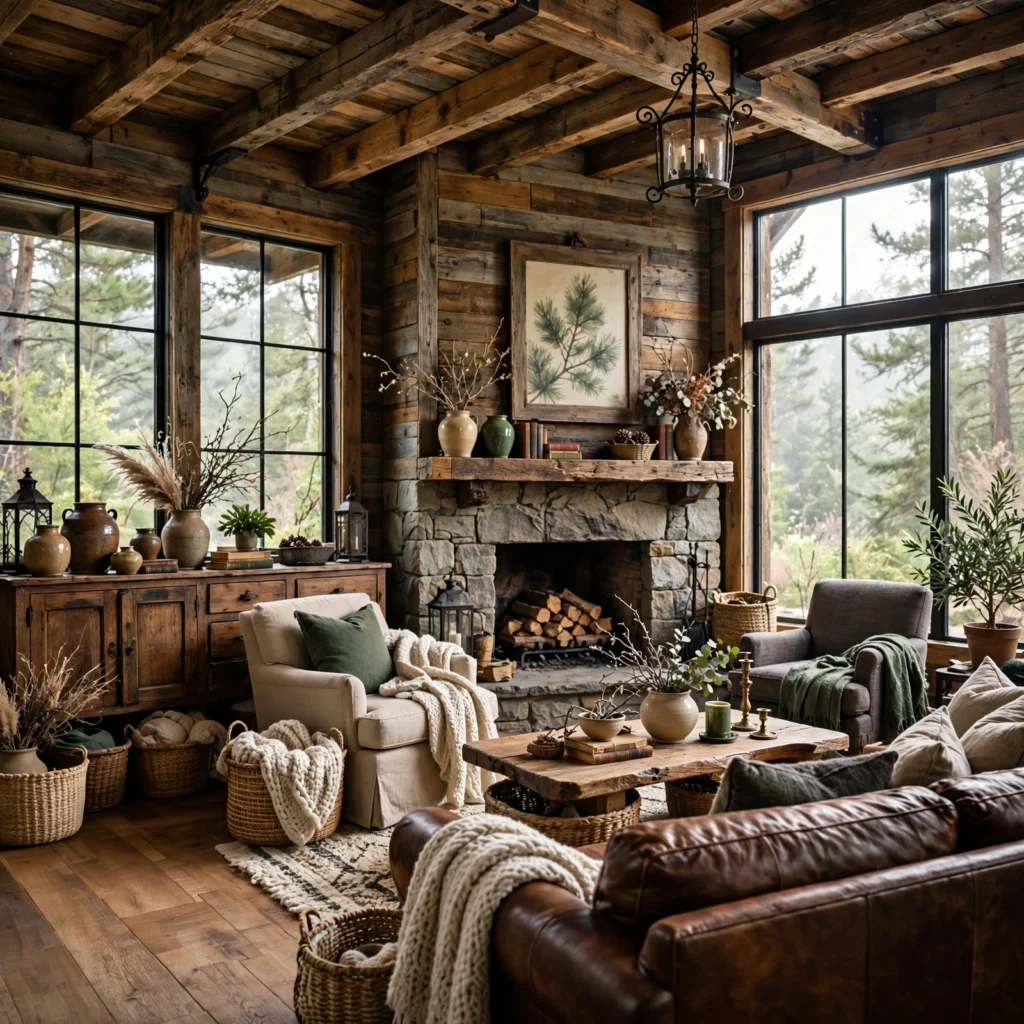
Rustic design emphasizes raw, natural materials left in their more unfinished, textured state, including exposed wood beams, stone fireplaces, and furniture with visible grain and imperfections rather than a highly polished finish. This style favors a warm, earthy color palette and often incorporates elements that reference a cabin or lodge aesthetic, regardless of the home’s actual geographic setting. Rustic design works particularly well in a home with existing natural material architecture, like exposed wood ceilings or a stone foundation, since the interior choices reinforce rather than compete with those existing features.
16. Eclectic Design
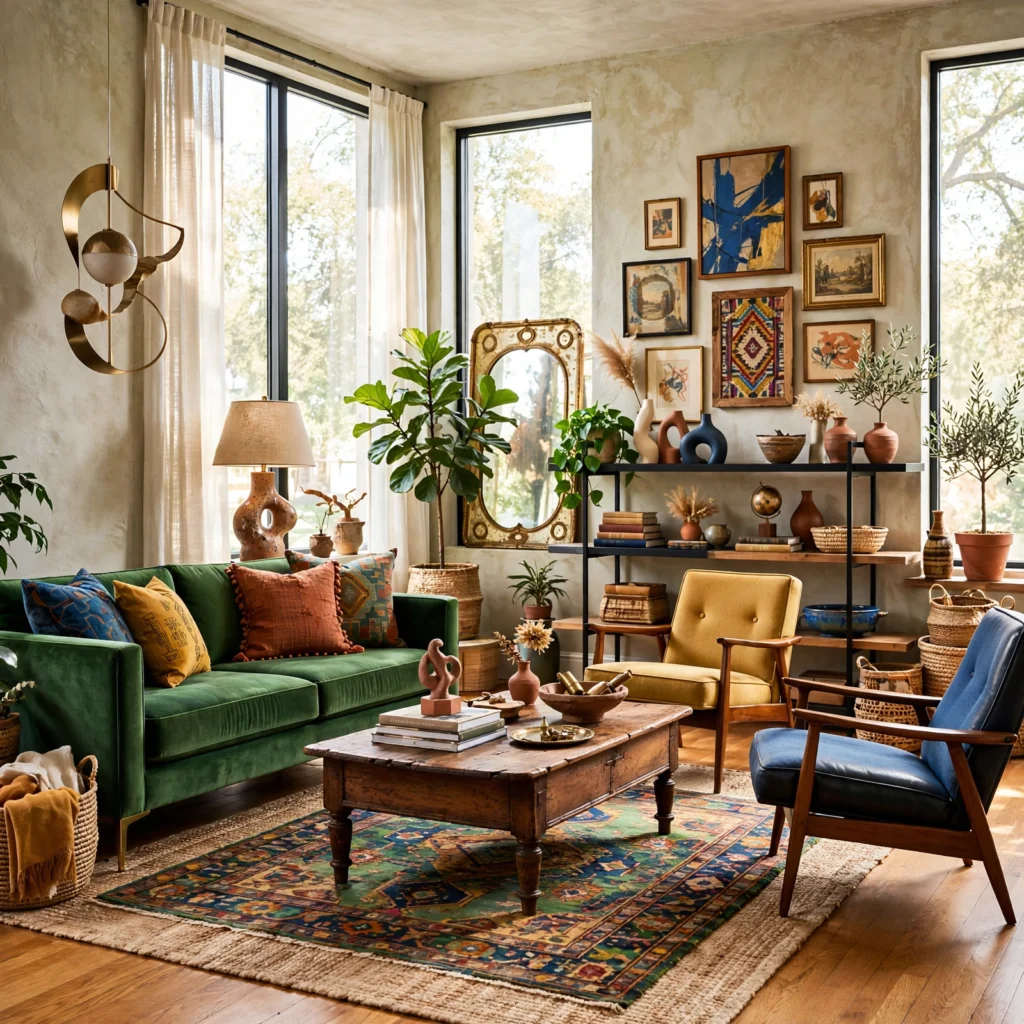
Eclectic design intentionally combines elements from multiple different styles throughout a single home, relying on the homeowner’s personal curation and a shared underlying color or material thread to keep the mix feeling cohesive rather than random. This style requires a more confident, developed eye than simply following one established style’s rules, since eclectic design depends on knowing which combinations genuinely work together. Eclectic design works especially well for a home built up gradually over many years, incorporating pieces collected during that time rather than furnished in a single decorating pass.
Shop the Look
Choosing a house interior design style typically starts with identifying which existing architectural elements your home already has, then selecting a style that complements rather than fights against those bones. A home with clean, simple architecture suits Scandinavian, minimalist, or Japandi styles particularly well. A home with existing traditional millwork and formal proportions leans naturally toward traditional, transitional, or French country design. A converted industrial space or a home with exposed brick and steel elements is a natural fit for industrial design without requiring significant architectural changes.
Common House Interior Design Mistake to Avoid
The most common mistake is choosing a style based purely on current trends or inspiration photos without considering whether it actually suits your home’s existing architecture, resulting in a mismatch that never quite looks as convincing as the original reference images. A strict, hard-edged industrial style applied to a home with soft, traditional architectural details, or a formal traditional style forced into a stark, modern new-build, both tend to feel less successful than a style choice that works with, rather than against, what’s already there. Evaluating your home’s existing bones honestly before committing to a specific style produces a considerably more convincing and cohesive result.
FAQs
How do I choose between two styles I like equally?
Looking at which style better complements your home’s existing architecture, and which one you can more easily picture living with daily rather than just admiring in photos, are both useful ways to break a tie between two equally appealing styles. Starting with a smaller test area, like a single room, before committing to a full-home application of either style also helps confirm which one genuinely suits your daily life better.
Can I combine two different interior design styles?
Combining two styles that share underlying qualities, such as Scandinavian and Japandi, which both favor natural materials and restraint, tends to work more smoothly than combining two styles built around opposing principles, like strict minimalism and heavily layered bohemian design. Choosing one style as the clear primary direction and pulling only select details from a second, complementary style is generally the safer approach for anyone wanting to blend styles.
Which interior design style works best for a small home?
Minimalist, Scandinavian, and Japandi styles all tend to work particularly well in a small home, since their reliance on restraint and a limited color palette helps a smaller space feel more open rather than visually crowded. Styles built around heavier layering and pattern, like bohemian or traditional design, can still work in a smaller home but require more careful editing to avoid feeling overwhelming in a limited footprint.
Do interior design styles go out of fashion?
Some interior design styles, particularly those tied to a specific historical era like Art Deco or mid-century modern, experience cycles of renewed popularity rather than fading permanently, while more foundational styles like traditional and Scandinavian design have remained consistently popular across many decades without major shifts. Choosing a style based on genuine personal preference, rather than purely current trend cycles, tends to produce a home that feels satisfying to live in for longer regardless of shifting broader popularity.
How much does it cost to fully commit to one interior design style?
Costs vary enormously depending on the specific style and scope of the project, since a style like minimalist design can actually reduce costs by limiting the total number of furniture and decor purchases, while a style like traditional or Art Deco design, which depends on more elaborate detailing and higher-end materials, tends to require a larger budget. Starting with the largest, most visible elements, like wall color and major furniture, before committing to a style’s smaller decorative details allows for a more gradual, budget-friendly transition.
Conclusion
These house interior design styles each offer a distinct, well-defined framework for building a cohesive look throughout your entire home, from Scandinavian simplicity to Mediterranean warmth to eclectic personal curation. Start by honestly assessing your home’s existing architecture, then choose the style that complements those bones rather than fighting against them. Save this post to Pinterest for your next design project, and check out our related post on house interior for more foundational ideas on flow and cohesion to apply within whichever style you choose.
This list draws on years of helping homeowners identify and commit to a specific design direction that suits both their personal taste and their home’s actual architectural character.