12 Trending Garden Bed Ideas for Every Yard Layout
A garden bed is the foundation everything else in a yard builds on, yet the decision often gets rushed into whatever shape and material happens to be convenient at the time. The right garden bed ideas account for soil quality, drainage, sun exposure, and long-term maintenance from the start, which saves considerable rework a few seasons down the line. This post covers twelve practical garden bed ideas, from raised cedar frames to sunken rain beds, with real depth and material guidance for building a bed that actually suits its specific spot in the yard.
Trend & Background
Raised bed gardening has grown substantially in popularity as more homeowners deal with poor native soil, whether that’s heavy clay, sandy fill from new construction, or contaminated urban lots where in-ground planting carries real risk. Modular and kit-based raised bed systems have made building a proper bed accessible to people without carpentry experience, which has pushed adoption well beyond the dedicated vegetable gardener. At the same time, interest in stormwater management has brought sunken and rain garden bed styles into mainstream residential design, turning a drainage problem into a planted feature instead of a hidden pipe solution.
Key Takeaways
- These garden bed ideas cover raised, in-ground, and container-based approaches for different soil and space conditions.
- Bed shape and depth matter as much as material choice for plant health and long-term maintenance.
- Several ideas solve specific problems like poor drainage, slope, or limited sun exposure.
- Mixing bed styles across a yard creates visual variety without sacrificing a cohesive overall look.
1. Cedar Raised Bed
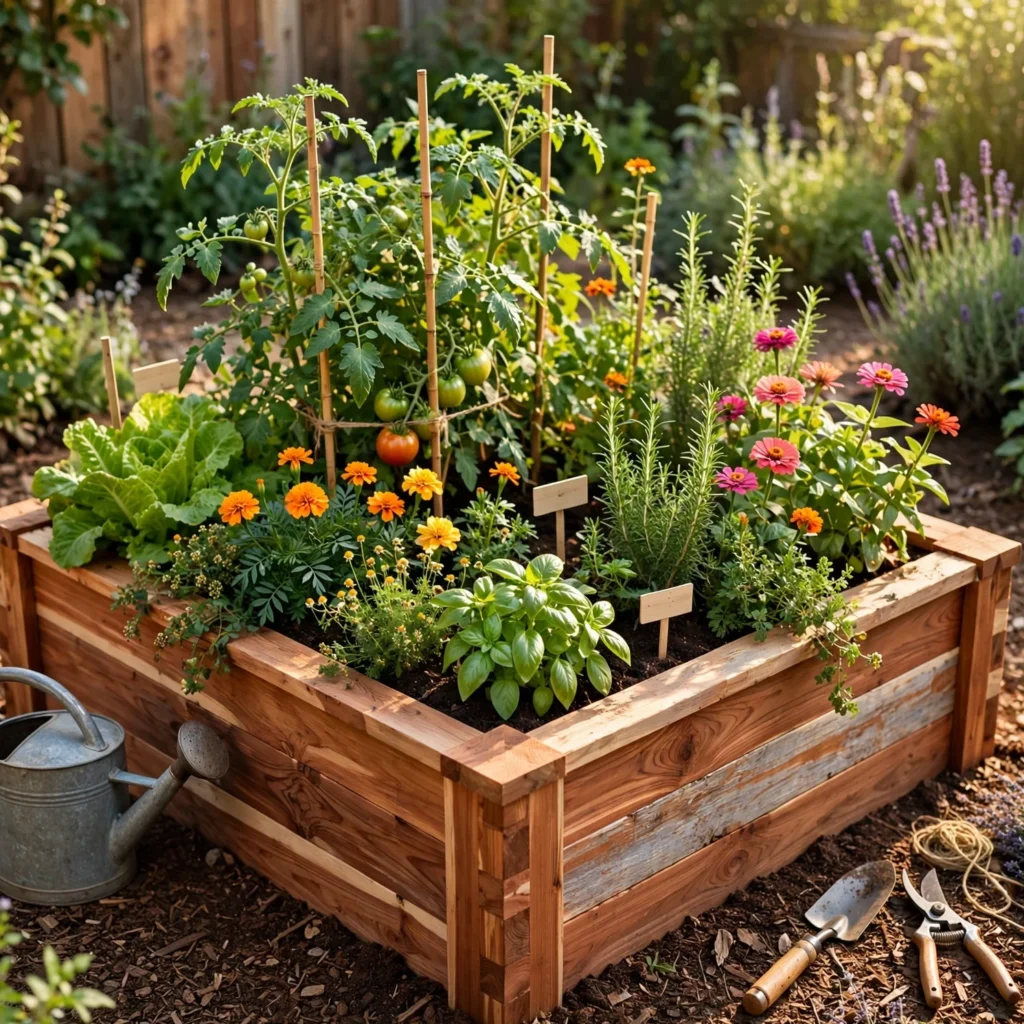
A cedar raised bed remains one of the most common garden bed styles, combining natural rot resistance with a warm, finished look that suits both vegetable and ornamental plantings. A depth of 12 to 18 inches suits most vegetables and perennials, while a width capped at 4 feet keeps the entire bed reachable from either side without stepping into the soil. Untreated cedar typically lasts 10 to 15 years before boards need replacing, longer than pine but less than composite alternatives.
2. Galvanized Steel Raised Bed
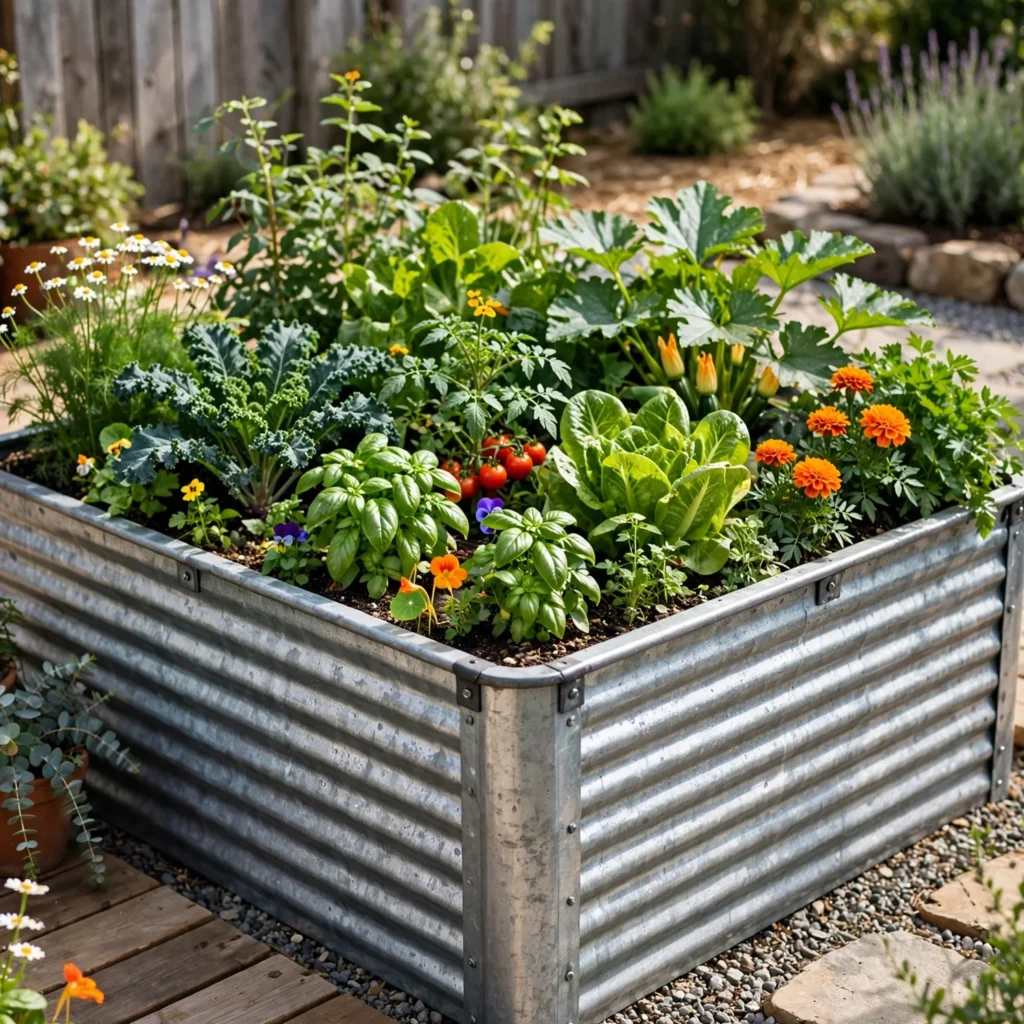
A galvanized steel raised bed holds up considerably longer than wood, often 20 to 30 years, while also warming soil faster in spring due to the metal’s heat conductivity. Corrugated steel panel kits assemble without specialized tools, making this a practical option for anyone wanting a durable bed without carpentry work. The metal sides do transfer more heat to the soil near the edges during peak summer, so lining the interior with a thin foam barrier helps protect roots from overheating in hot climates.
| Bed Style | Typical Depth | Best For |
| Standard raised | 12-18 in | Vegetables, perennials |
| Shallow raised | 6-8 in | Herbs, shallow-rooted annuals |
| Deep raised | 24+ in | Root vegetables, small shrubs |
3. Keyhole Garden Bed
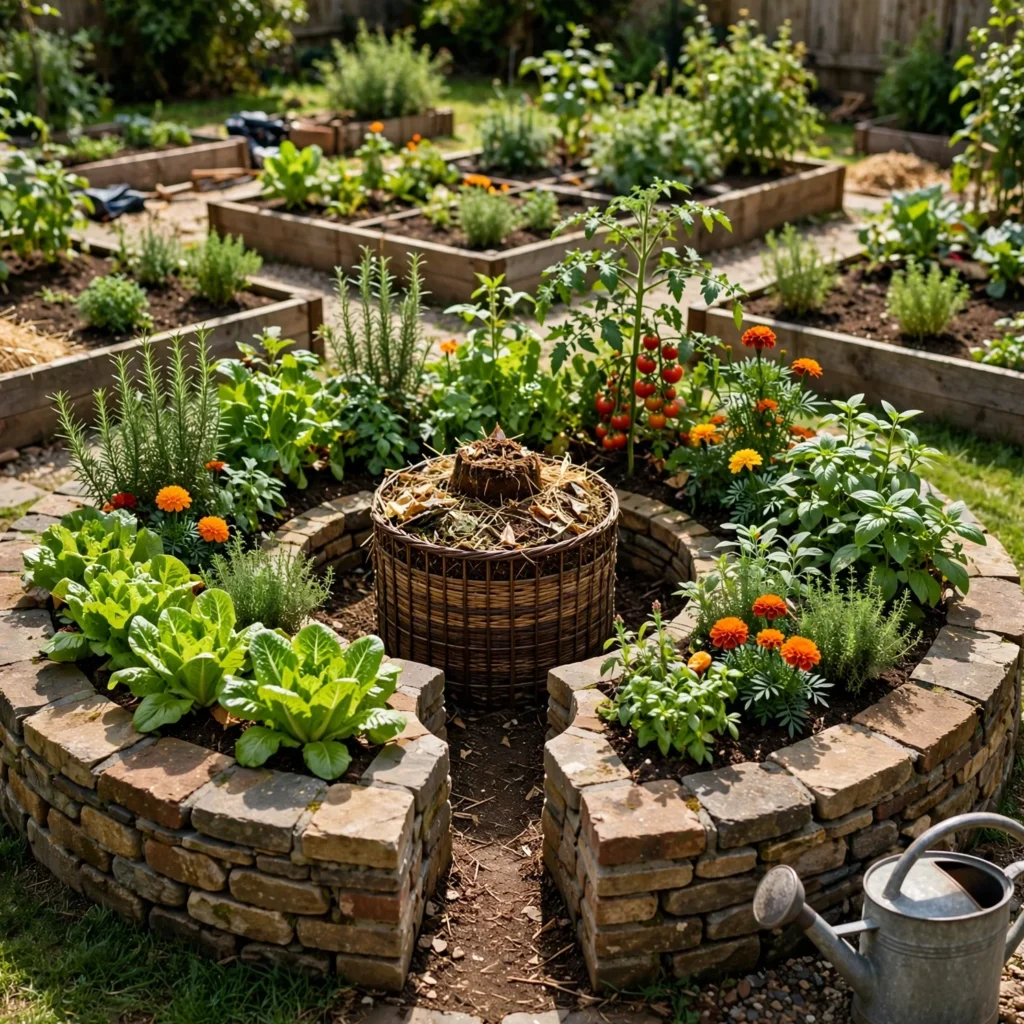
A keyhole garden bed uses a circular raised structure with a notch cut into one side, creating a walkway to a central composting basket that feeds nutrients directly into the surrounding soil as it breaks down. This design maximizes planting area relative to footprint, since every part of the circle stays within arm’s reach from either the outer edge or the central path. Originally developed for arid regions with poor soil, the style has since gained a following among gardeners wanting a built-in composting system integrated directly into the bed itself.
4. Sunken Rain Garden Bed
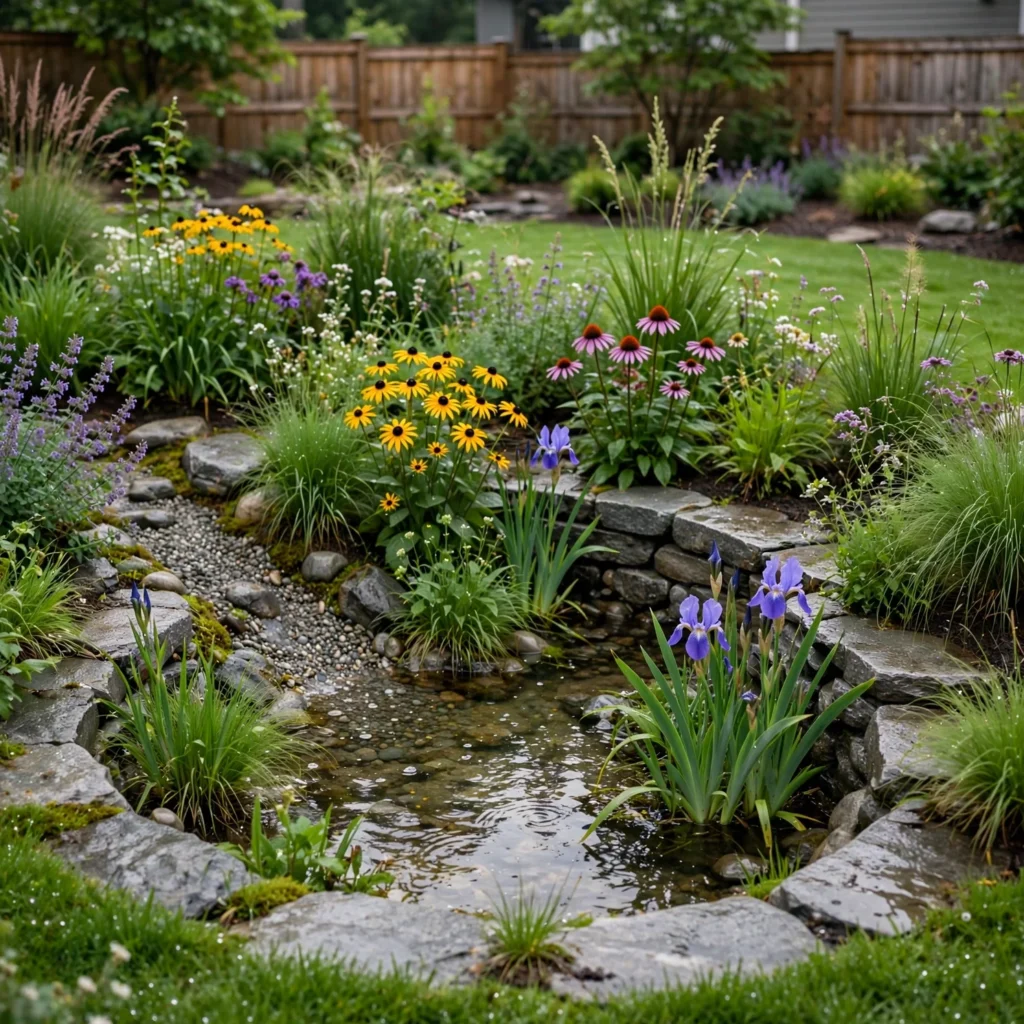
A sunken rain garden bed sits several inches below the surrounding grade, designed to catch runoff from a roof or driveway and let it filter slowly into the soil rather than pooling or running toward a storm drain. Positioned at least 10 feet from the house foundation, the bed typically sits 4 to 8 inches deep and works best with moisture-tolerant plants like swamp milkweed or blue flag iris. This approach turns a drainage problem into a functional planting area rather than a patch of standing water.
5. No-Dig Layered Bed
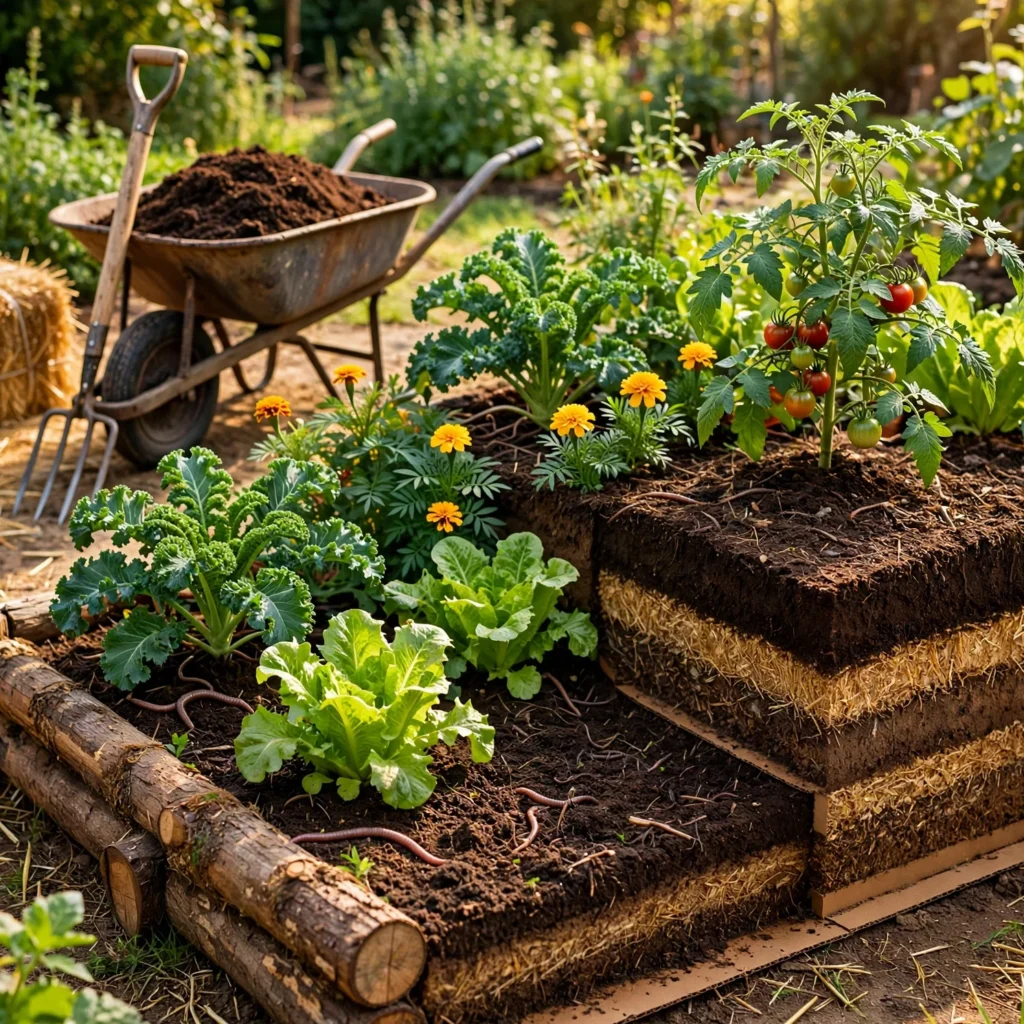
A no-dig layered bed, sometimes called lasagna gardening, builds soil in place using alternating layers of cardboard, compost, and mulch directly on top of existing grass or bare ground, avoiding the labor of tilling or removing sod entirely. The cardboard layer smothers grass and weeds beneath it while breaking down over several months to improve soil structure underneath. This method takes longer to become fully plantable than a traditional dug bed, often needing a full season to settle, but it requires far less physical effort to establish.
Maximize a compact outdoor area with our balcony garden ideas, featuring clever layouts, vertical gardening, and space-saving solutions.
6. Concrete Block Raised Bed
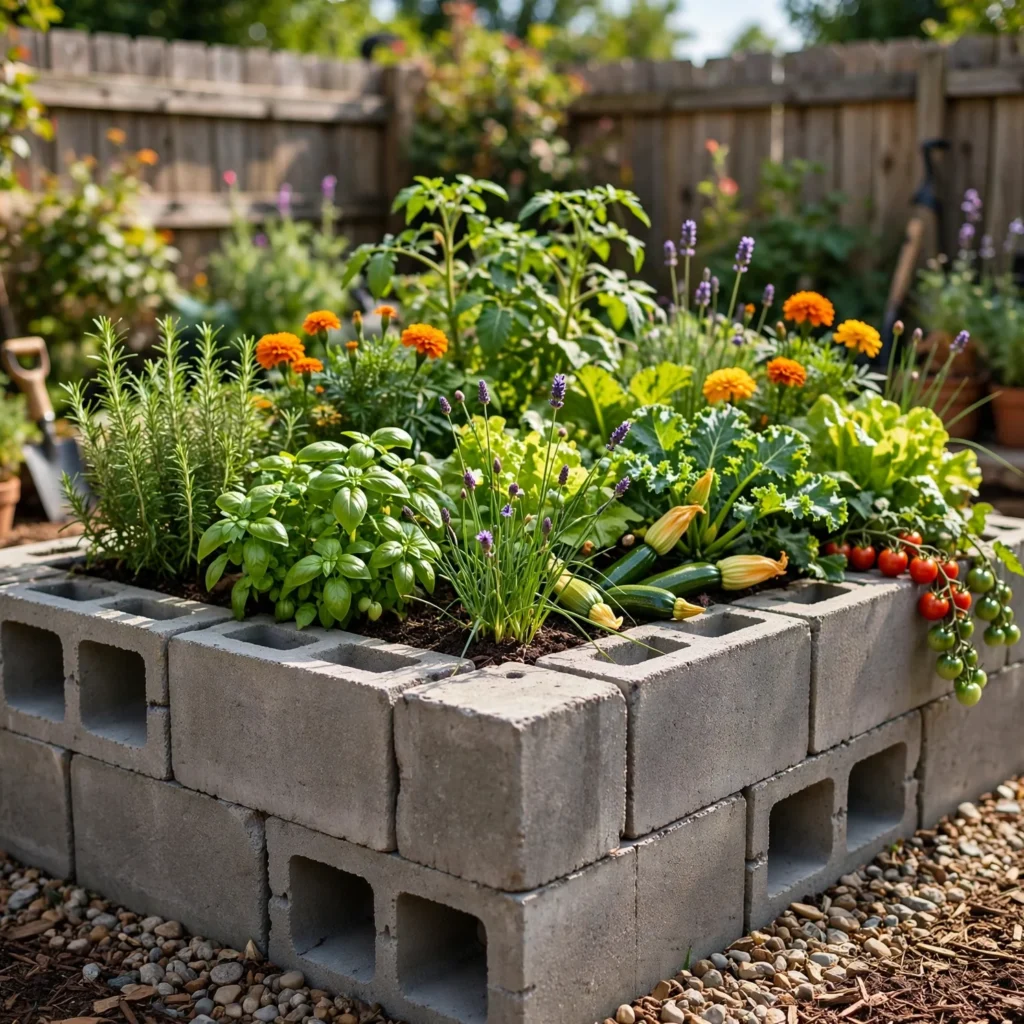
A concrete block raised bed uses standard cinder blocks stacked without mortar, creating a durable, low-cost structure where the hollow block cavities can double as small planting pockets for herbs or trailing flowers along the bed’s edge. This approach costs considerably less than cedar or steel for an equivalent size, though the blocks’ gray, industrial look suits some garden styles better than others. Painting or stuccoing the exterior surface softens the utilitarian appearance if it doesn’t match the surrounding design.
7. Hugelkultur Mound Bed
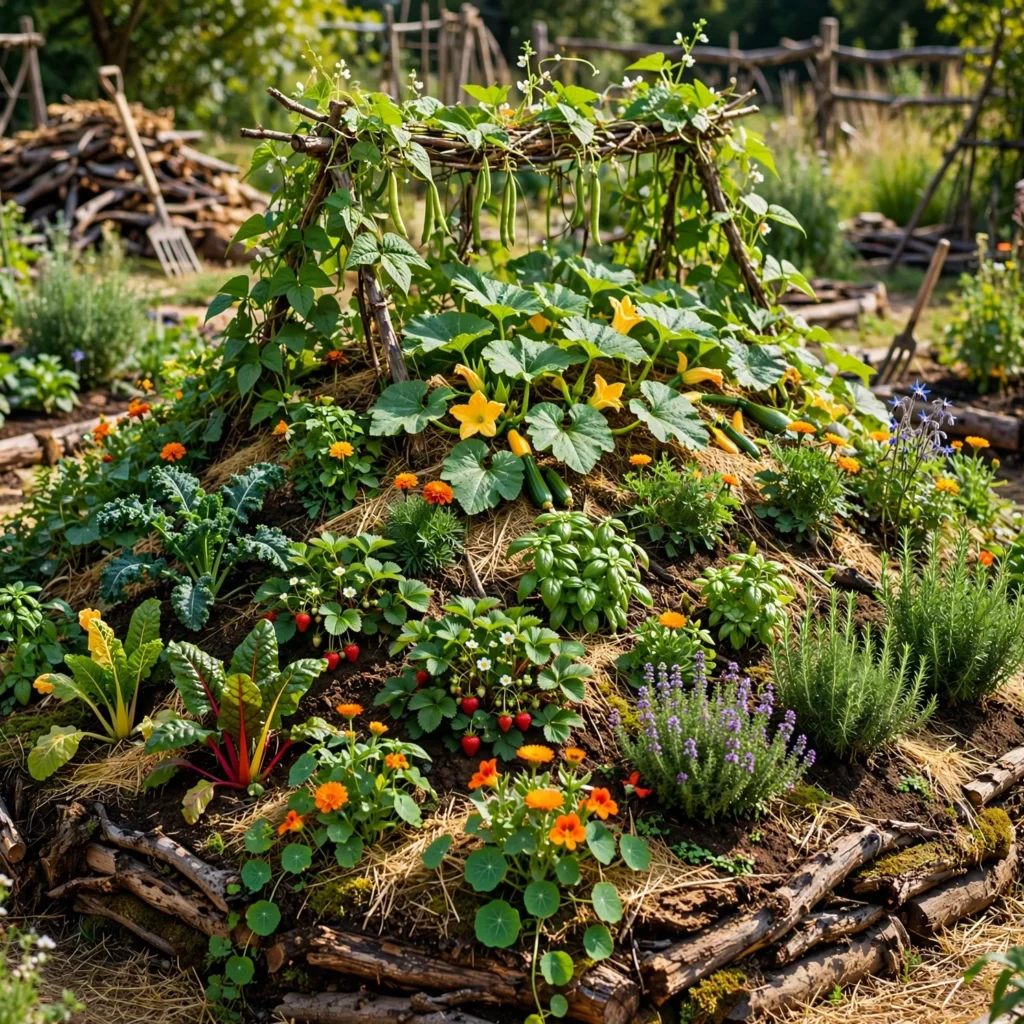
A hugelkultur mound bed buries logs and woody debris beneath layers of compost and soil, creating a raised, gently sloped bed that retains moisture and generates gentle warmth as the buried wood slowly decomposes over several years. This approach works especially well for gardeners with access to fallen branches or tree removal debris that would otherwise need hauling away. The mound’s sloped sides also increase total planting surface area compared to a flat bed of the same footprint, since both the top and angled sides can be planted.
8. Fabric Grow Bag Bed
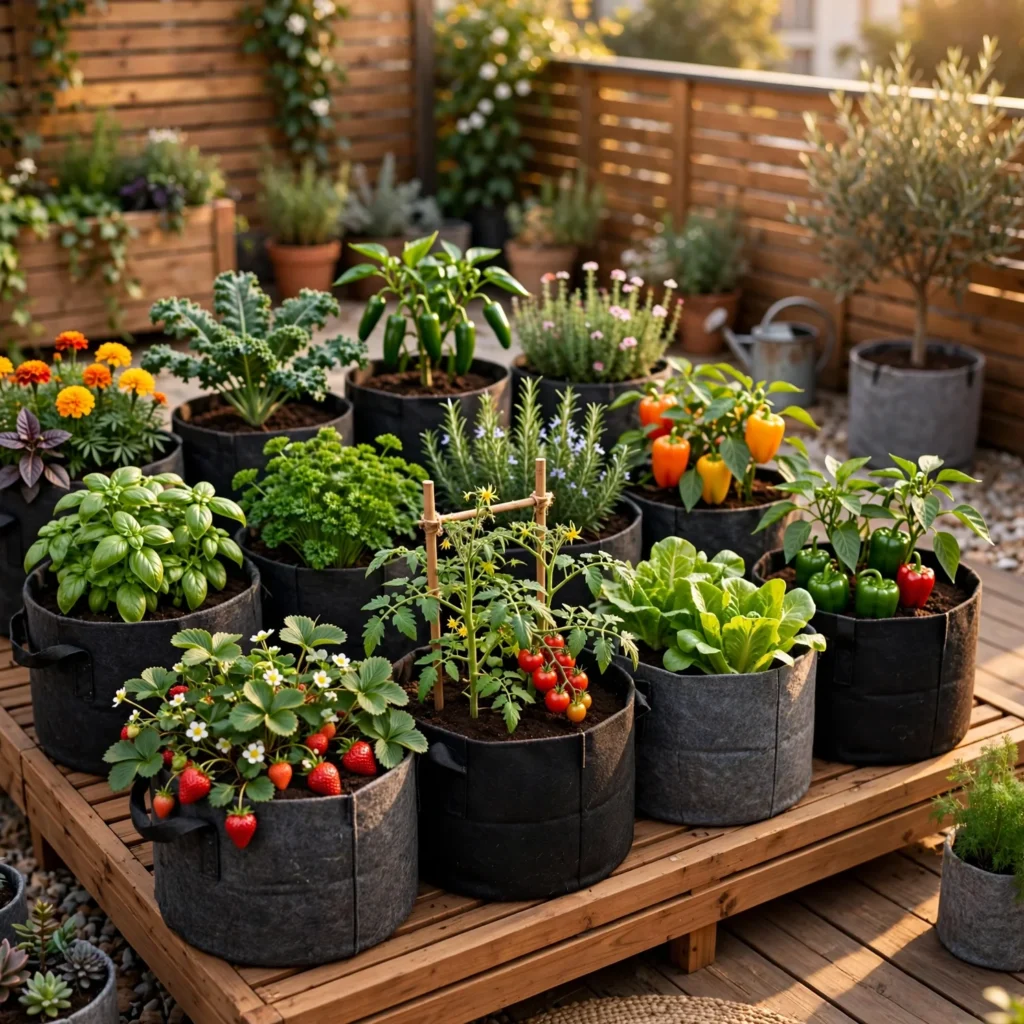
A fabric grow bag bed uses large breathable fabric containers instead of a rigid frame, offering a genuinely temporary bed option for renters or anyone uncertain about a planting location’s long-term suitability. The fabric material improves drainage and air pruning of roots compared to solid plastic containers, which tends to produce healthier root systems in vegetables like tomatoes and peppers. Grow bags in the 15 to 25-gallon range suit most vegetables, and the bags fold flat for storage when not in use at season’s end.
9. Wattle Fence Border Bed
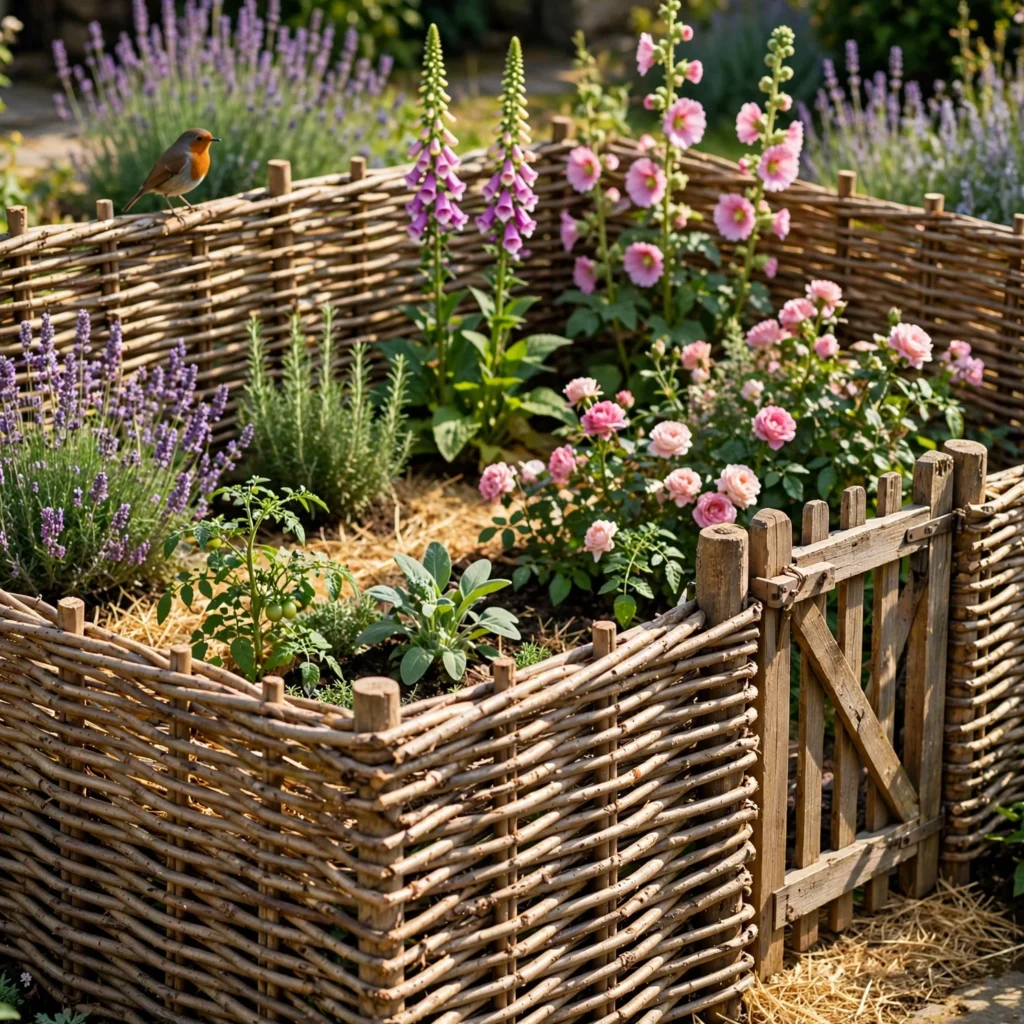
A wattle fence border, woven from flexible willow or hazel branches into a low basket-like wall, gives a garden bed a distinctly rustic, handmade edge that suits cottage-style or naturalistic plantings. This construction method costs very little beyond the harvested branches themselves, making it an appealing option for gardeners on a tight budget or those wanting a genuinely handcrafted look. The woven structure typically lasts three to five years before needing replacement, shorter than milled lumber but with a texture no manufactured material quite replicates.
10. Elevated Bed on Legs
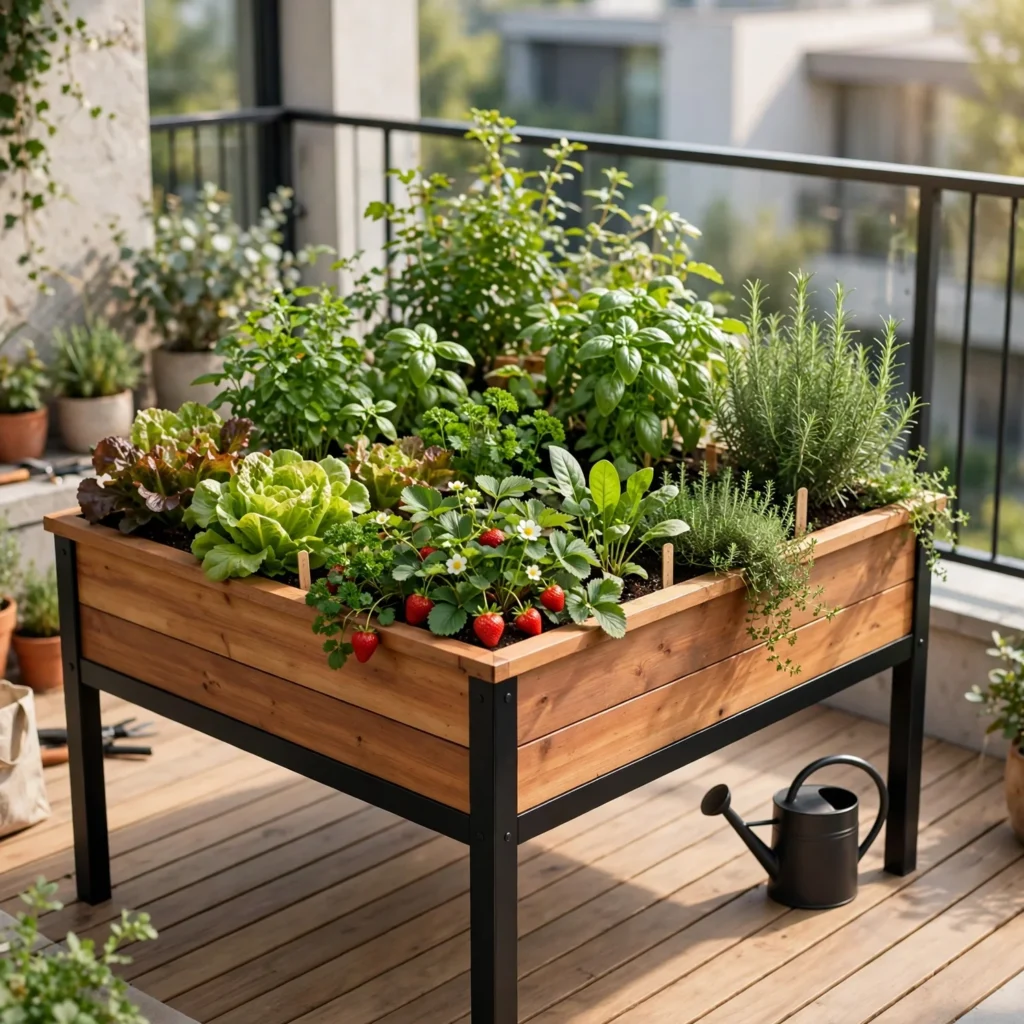
An elevated bed built on legs, typically standing 24 to 36 inches off the ground, removes the need to kneel or bend for planting and harvesting, making it a practical choice for gardeners managing mobility limitations or simply wanting less strain on their back. Cedar or composite construction on a sturdy leg frame supports the added soil weight without sagging over time. This style also keeps soil out of reach of rabbits and some other ground-level pests that a standard raised bed wouldn’t fully deter.
11. Circular Island Bed
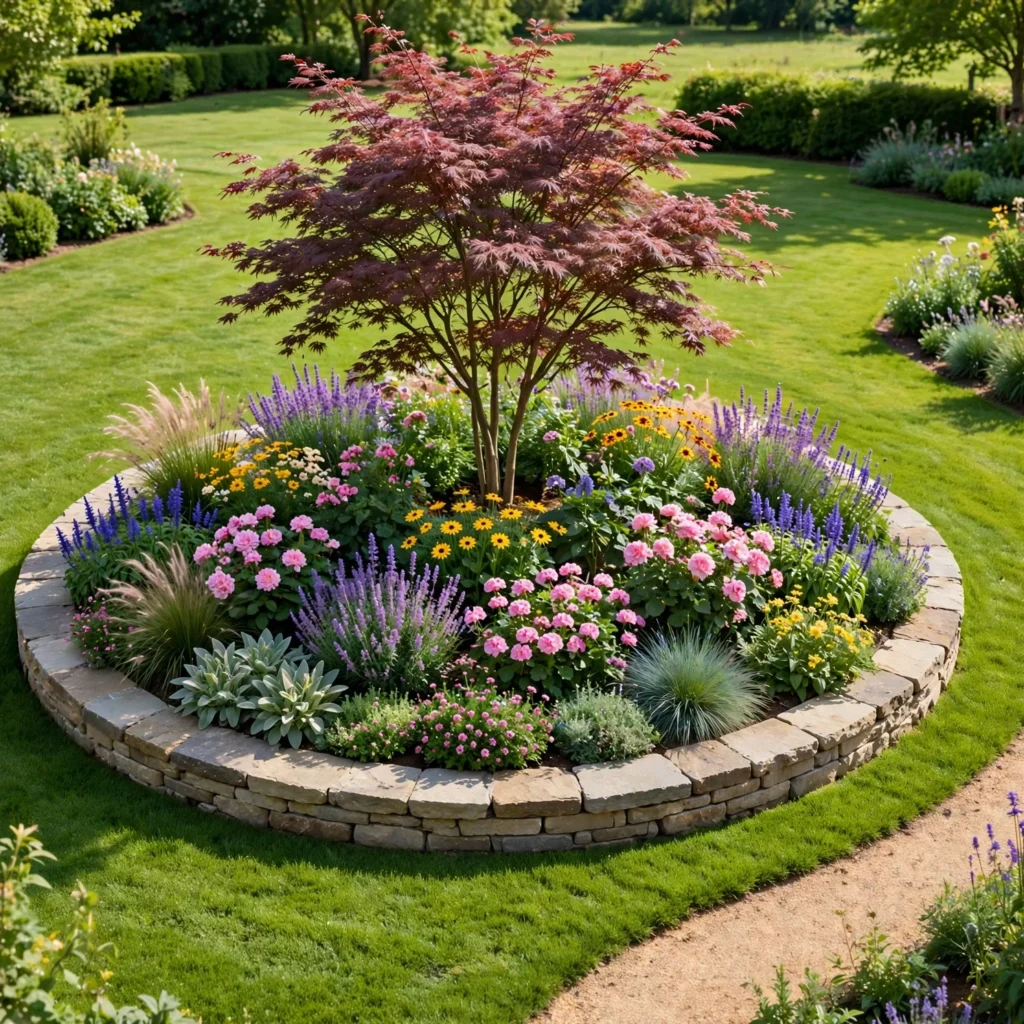
A circular island bed positioned as a standalone feature, rather than against a fence or wall, requires planning for viewing from all sides instead of just the front, which changes how plant height should be arranged within it. Taller plants belong at the center with progressively shorter varieties toward the outer edge, creating a mounded profile that reads well from any angle around the bed. This style works particularly well as a focal point at the center of a lawn or the middle of a circular driveway.
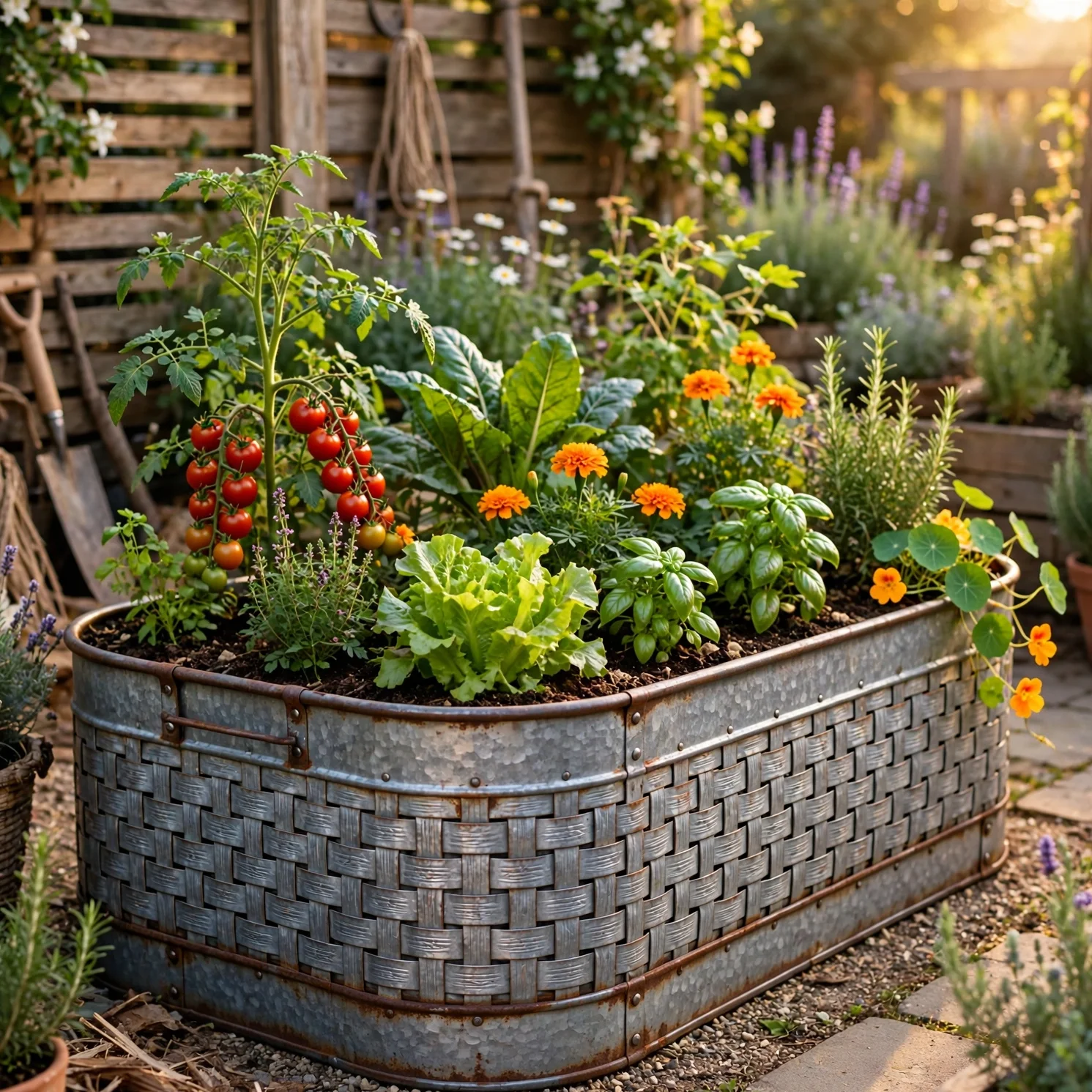
12. Garden Bed Ideas With a Woven Metal Trough
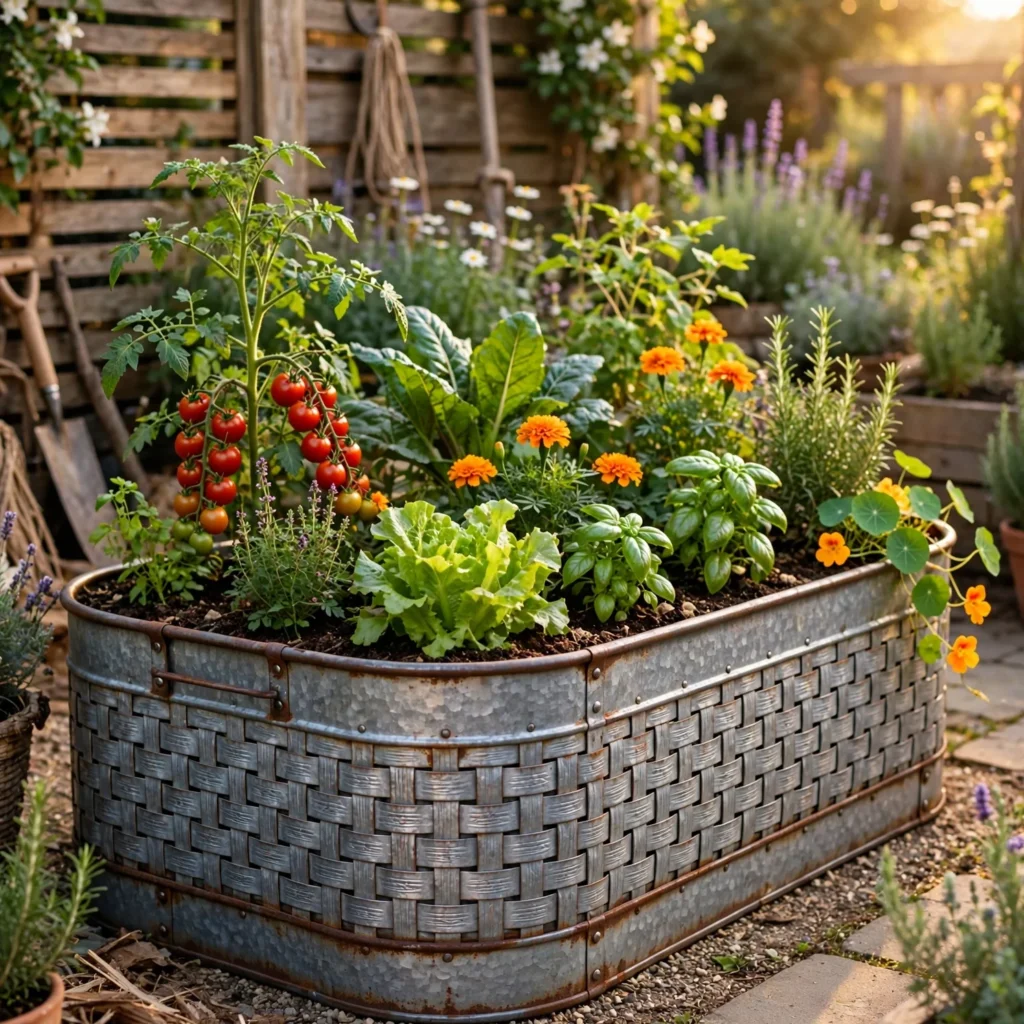
Among the more distinctive garden bed ideas is a galvanized stock tank or woven metal trough repurposed as a raised bed, giving a garden an industrial-farmhouse look while offering the same soil depth benefits as a built wood frame. Drilling several drainage holes in the base before filling is essential, since these containers are designed to hold water rather than let it pass through. This option installs in minutes compared to a built frame, since it arrives as a single finished container ready to fill with soil.
Shop the Look
A cedar raised bed kit with pre-cut corner brackets speeds up assembly without any specialized carpentry tools. A galvanized corrugated steel bed panel set holds up for decades with minimal maintenance. A set of breathable fabric grow bags offers a flexible, temporary bed option for renters. A galvanized stock tank planter delivers an industrial-farmhouse look with the same functional depth as a built frame.
Common Mistake to Avoid
The most common mistake in garden bed planning is building a bed wider than 4 feet when it’s only accessible from one side, which forces awkward reaching or stepping directly into the planted soil to reach the back, compacting soil that should stay loose for healthy root growth. A bed against a fence or wall should max out around 3 to 4 feet in width, while an island bed reachable from all sides can go somewhat wider since both edges stay within arm’s reach. Planning bed width around actual arm’s reach, rather than available space alone, keeps the bed usable long after installation.
FAQs
How deep should a garden bed be?
Most vegetables and perennials do well in a garden bed 12 to 18 inches deep, which gives roots enough room without requiring excessive soil to fill. Shallow-rooted plants like herbs and lettuce can manage with as little as 6 to 8 inches, while root vegetables like carrots benefit from 18 inches or more to develop properly. Matching bed depth to what’s actually being grown, rather than defaulting to one standard depth for everything, avoids wasting soil and money on unnecessary depth.
What is the best material for a raised garden bed?
Cedar and galvanized steel are generally considered the best materials for a raised garden bed, balancing durability against cost, with cedar offering a warmer natural look and steel lasting considerably longer with almost no maintenance. Concrete block and fabric grow bags both work well as more budget-conscious alternatives, though each comes with its own tradeoffs in appearance or bed permanence. Avoiding pressure-treated lumber for vegetable beds is worth considering, since some chemical treatments can leach into soil over time, though modern treatments are considerably safer than older formulations.
How do I fix poor drainage in a garden bed?
Fixing poor drainage in a garden bed typically starts with adding a layer of coarse gravel or sand beneath the soil to improve water movement, along with amending the soil itself with compost to break up heavy clay. Raised beds solve this problem more directly than in-ground beds, since elevating the growing area above grade lets excess water drain away rather than pooling around roots. For persistently wet spots, converting the area into a sunken rain garden bed with moisture-tolerant plants often works better than continuing to fight the drainage.
Can I build a garden bed without digging?
A no-dig layered bed, built by placing cardboard directly over existing grass and layering compost and mulch on top, avoids digging entirely while still creating a fully plantable bed within a season. This method works especially well for anyone dealing with a physically demanding dig site, whether from rocky soil or existing tree roots close to the surface. The tradeoff is patience, since a no-dig bed typically needs several months to settle and break down before it’s ready for anything beyond the most vigorous transplants.
How much soil do I need to fill a raised garden bed?
Calculating soil volume for a raised bed comes down to multiplying length by width by depth in feet, then converting to cubic yards for larger orders, since most bulk soil suppliers sell by the yard rather than the bag. A standard 4-by-8-foot bed at 12 inches deep needs roughly 1 cubic yard of soil, which is typically more economical to buy in bulk than in individual bags for anything beyond a very small bed. Mixing a portion of compost into purchased garden soil generally improves fertility beyond what bagged topsoil alone provides.
Conclusion
These garden bed ideas range from a simple fabric grow bag to a full hugelkultur mound built from reclaimed wood, giving gardeners options across nearly every soil condition, budget, and physical ability. Matching the bed style to the actual problem it needs to solve, whether that’s poor drainage, limited mobility, or simply wanting a defined planting area, matters more than choosing based on looks alone. Save this post to Pinterest for reference, and check the related post on rock garden ideas for pairing inspiration.