12 Creative Herb Garden Ideas for Fresh Flavor Year-Round
Fresh herbs make a bigger difference in everyday cooking than almost any other single garden addition, yet most herb gardens end up as an afterthought crammed into whatever space is left over. The right herb garden ideas plan for sun exposure, water needs, and proximity to the kitchen from the start, which keeps plants healthier and makes them more likely to actually get used. This post covers twelve practical herb garden ideas, from spiral beds to windowsill setups, with real spacing and plant grouping guidance for a garden that earns its place.
Trend & Background
Herb gardening has grown alongside broader interest in home cooking and reducing grocery costs, with fresh herbs being one of the most expensive items per ounce in a typical produce section relative to how cheaply they grow at home. Compact and dwarf herb varieties bred specifically for containers have made herb gardening realistic for apartment dwellers and anyone without in-ground growing space. At the same time, the herb spiral and other permaculture-influenced layouts have gained popularity for solving a problem unique to herbs: the fact that different species within the same garden often need very different water and sun conditions to thrive.
Key Takeaways
- These herb garden ideas cover container, raised bed, and vertical growing methods for any space size.
- Grouping herbs by water needs prevents the overwatering that kills Mediterranean varieties like rosemary.
- Several ideas keep herbs within easy reach of the kitchen for everyday cooking use.
- Indoor and windowsill options extend fresh herb access through winter in colder climates.
1. Herb Spiral Bed
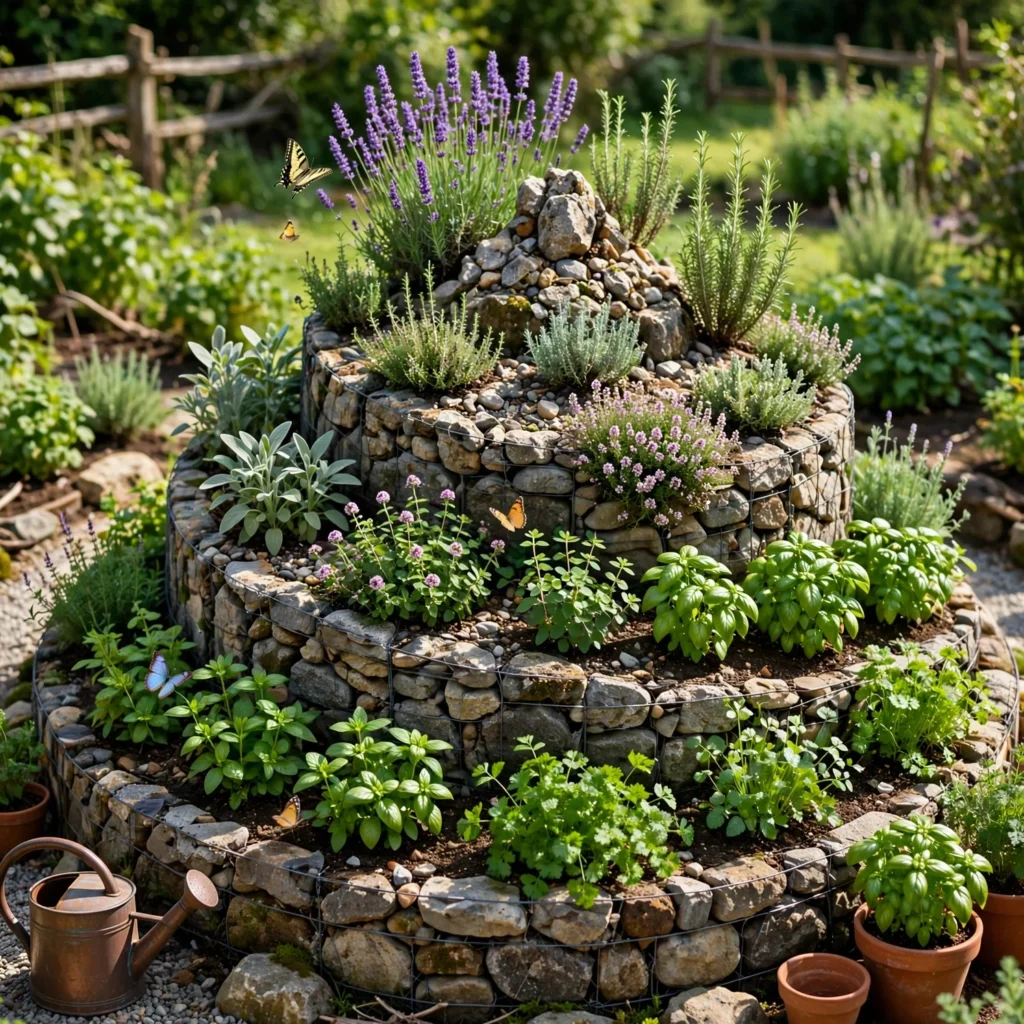
A herb spiral bed stacks stone or brick in a rising spiral shape, creating a range of microclimates within a single small footprint that suits herbs with very different needs. The top of the spiral drains fastest and gets the most sun, making it ideal for rosemary and thyme, while the base stays moister and cooler, suiting parsley and mint. A spiral roughly 6 feet in diameter and 3 feet tall at its peak fits a full collection of common culinary herbs in one compact structure.
2. Kitchen Window Herb Box
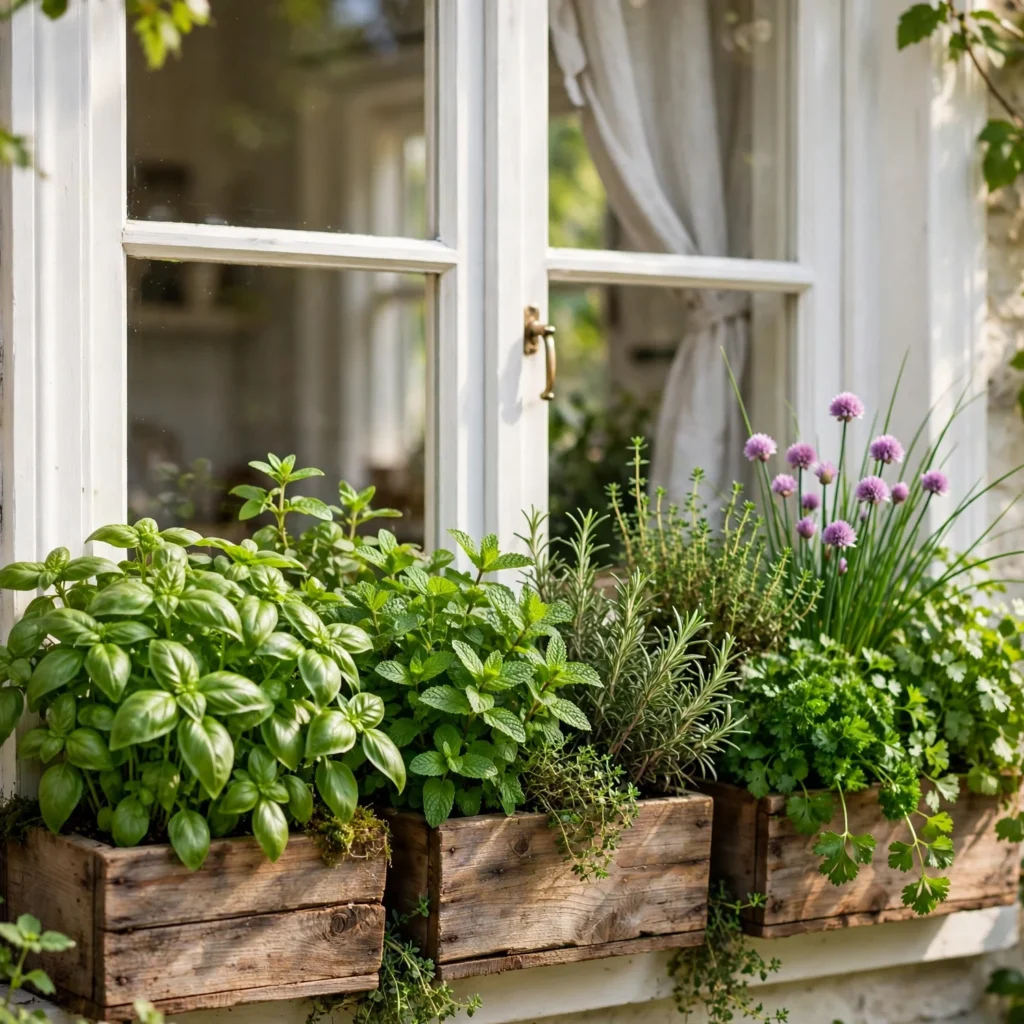
A window box mounted just outside the kitchen window keeps the most frequently used herbs within arm’s reach while cooking, cutting down on trips to a separate garden bed. Basil, chives, and parsley all tolerate the shallower soil depth typical of window boxes without much issue. Positioning the box on a south- or west-facing window ensures at least six hours of direct sun, which most culinary herbs need to produce strong flavor.
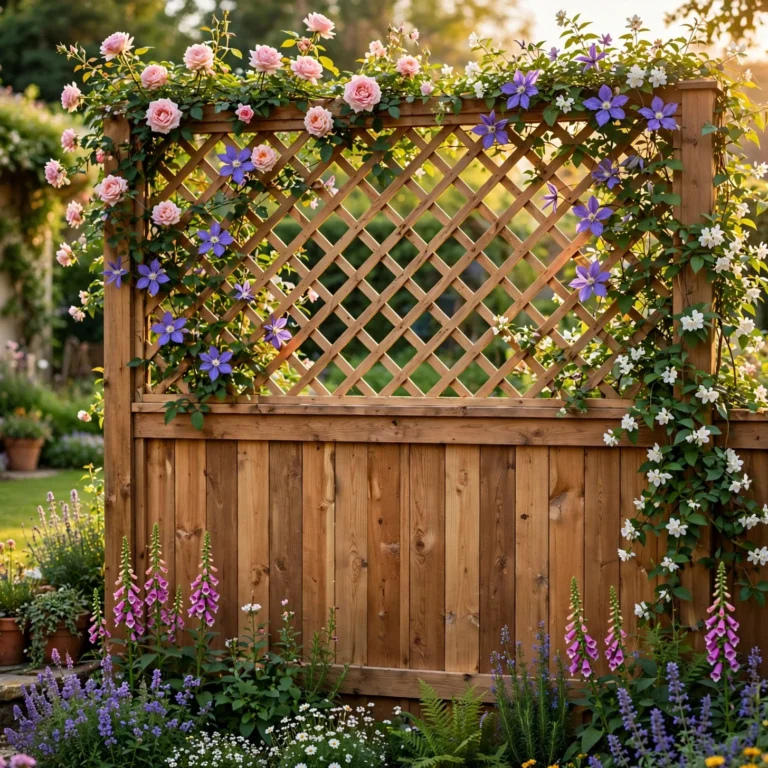
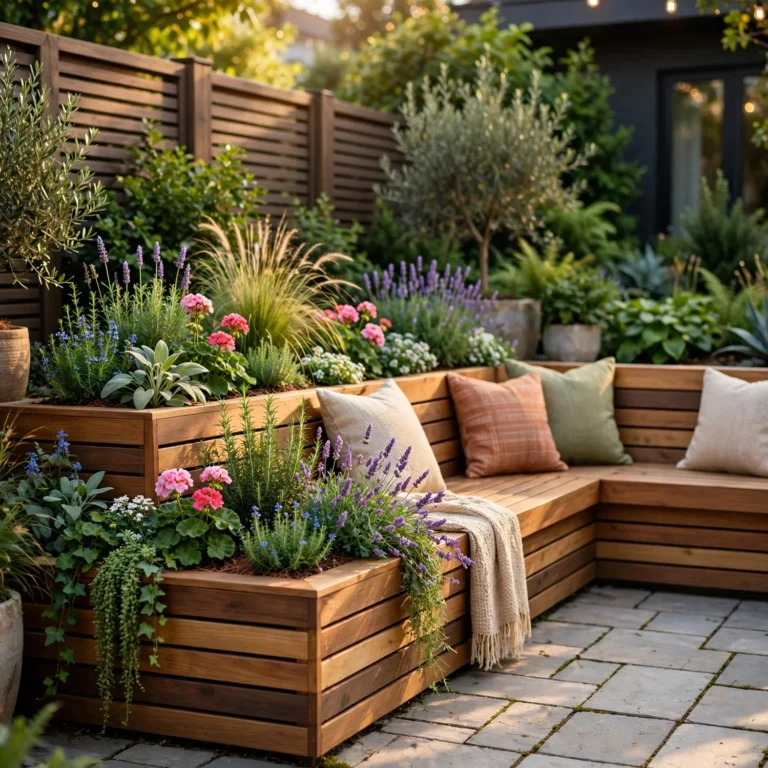
Maximize a compact outdoor area with our garden fence ideas, featuring clever layouts, vertical gardening, and space-saving solutions.
3. Raised Bed Herb Garden
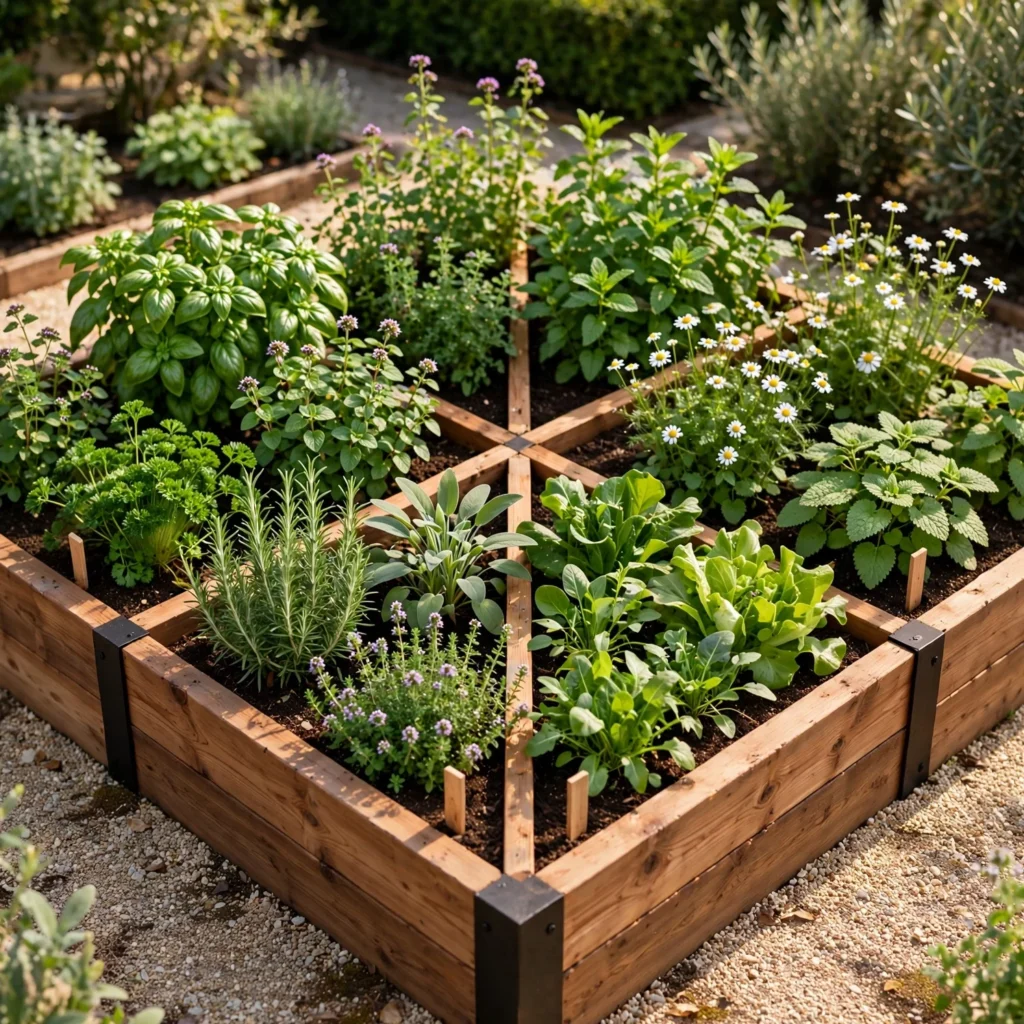
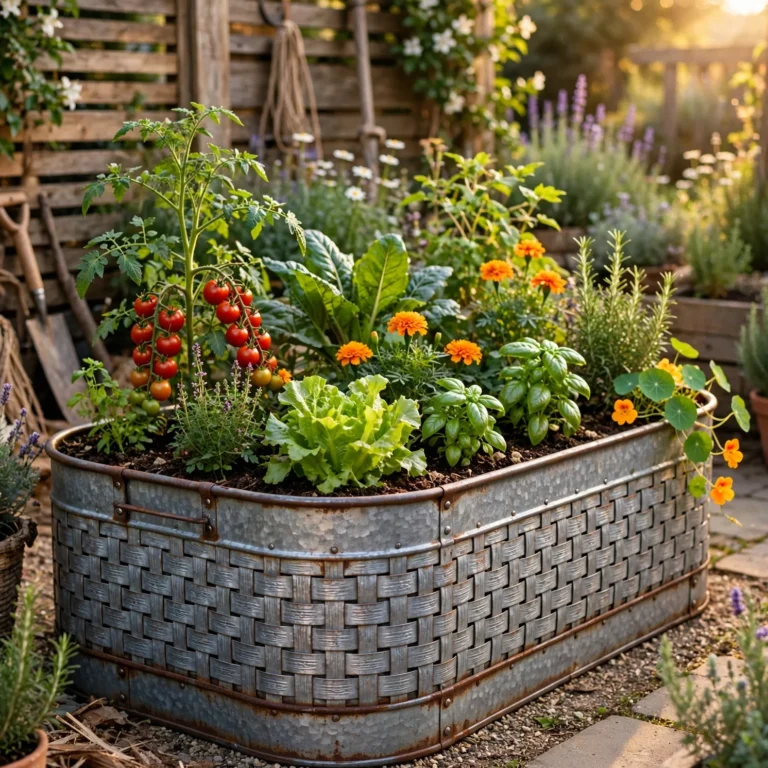
A raised bed dedicated entirely to herbs solves the drainage problems that kill many Mediterranean varieties in heavy or poorly draining native soil. A bed depth of 10 to 12 inches suits most herbs, since few varieties need the deeper root run vegetables like tomatoes require. Filling the bed with a fast-draining mix of potting soil and coarse sand better replicates the lean, well-drained conditions herbs like oregano and sage actually prefer over rich garden soil.
| Herb Type | Water Needs | Sun Requirement |
| Rosemary, thyme, sage | Low, drought-tolerant | Full sun, 6+ hours |
| Basil, cilantro, dill | Moderate, consistent moisture | Full sun, 6+ hours |
| Mint, parsley, chives | Moderate to high | Partial sun, 4-6 hours |
4. Vertical Pallet Herb Wall
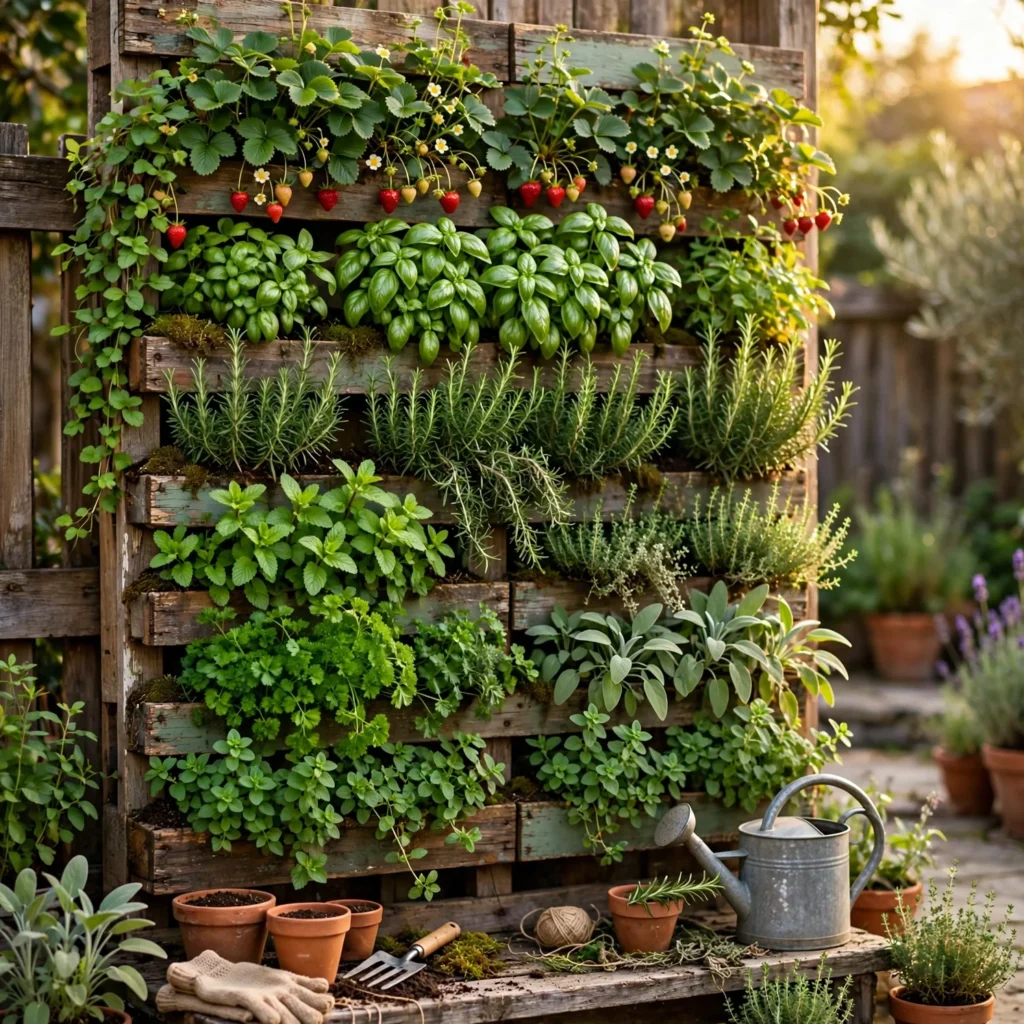
A vertical pallet herb wall turns a standard wood pallet into a full growing surface by lining it with landscape fabric and filling each slat gap with potting soil. This setup works especially well for mint, which spreads aggressively in open ground but stays contained within individual pallet pockets. Leaning the pallet at a slight backward angle rather than standing it fully vertical keeps soil and water from spilling out during regular watering.
5. Mint Containment Container
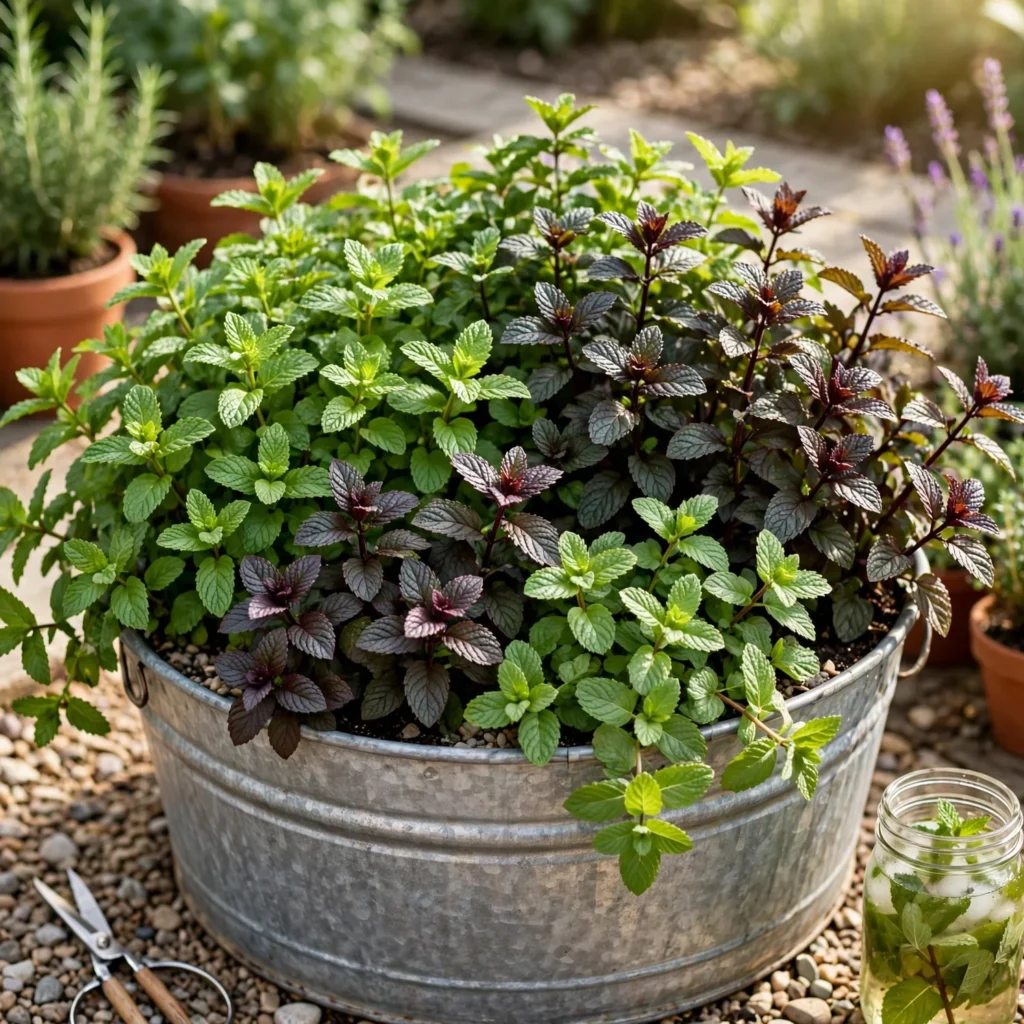
Mint containment in a dedicated container solves the single biggest problem with growing mint in a shared bed, since its rhizomes spread aggressively and can overtake neighboring herbs within a single season if left unchecked. A pot at least 12 inches wide, sunk into the ground with its rim slightly above soil level, prevents runners from escaping into surrounding beds while still letting the mint look integrated into the garden. This same containment approach works for other spreading herbs like tarragon or lemon balm.
6. Indoor Windowsill Herb Garden
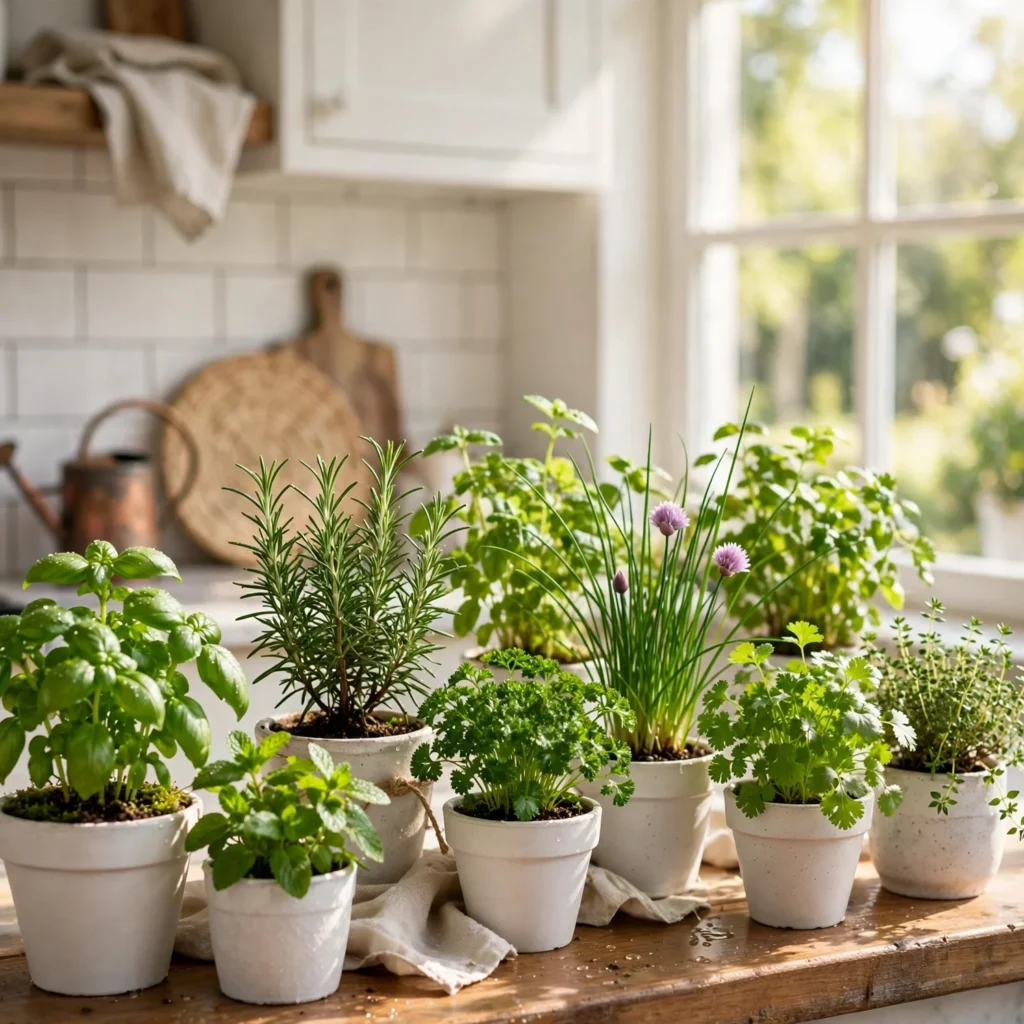
An indoor windowsill herb garden extends fresh herb access through winter in climates where outdoor growing shuts down for several months. Chives, thyme, and parsley all tolerate indoor conditions better than basil, which tends to struggle without the humidity and light intensity of an outdoor summer. A south-facing windowsill gets the most consistent light, though a small grow light easily supplements weaker winter sun in darker climates.
7. Herb Garden Border Along a Path
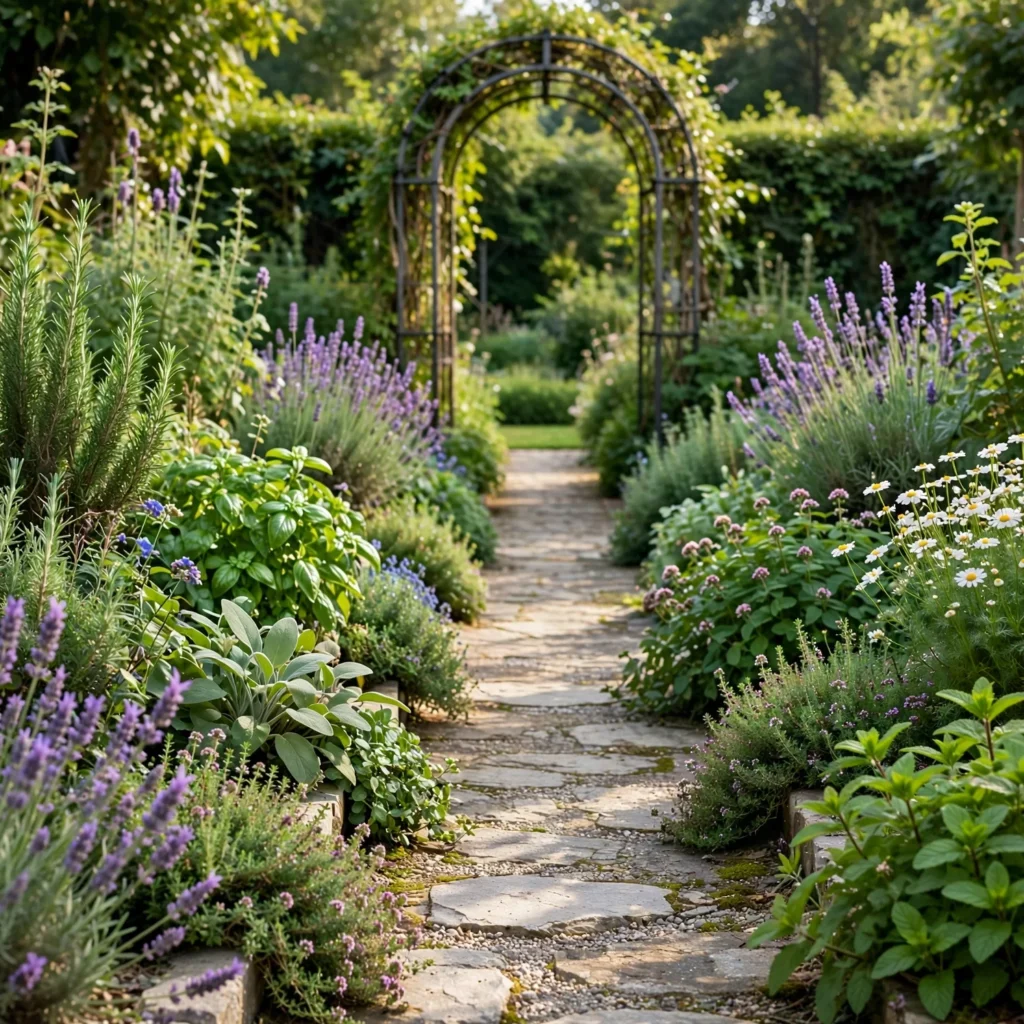
Lining a garden path with low-growing herbs like thyme, oregano, or chamomile creates a fragrant border that releases scent when brushed against while walking by. Creeping thyme in particular tolerates light foot traffic and can even be planted directly between stepping stones rather than only along the path edge. This approach makes efficient use of a narrow strip of soil that might otherwise sit empty alongside a walkway.
8. Tiered Herb Plant Stand
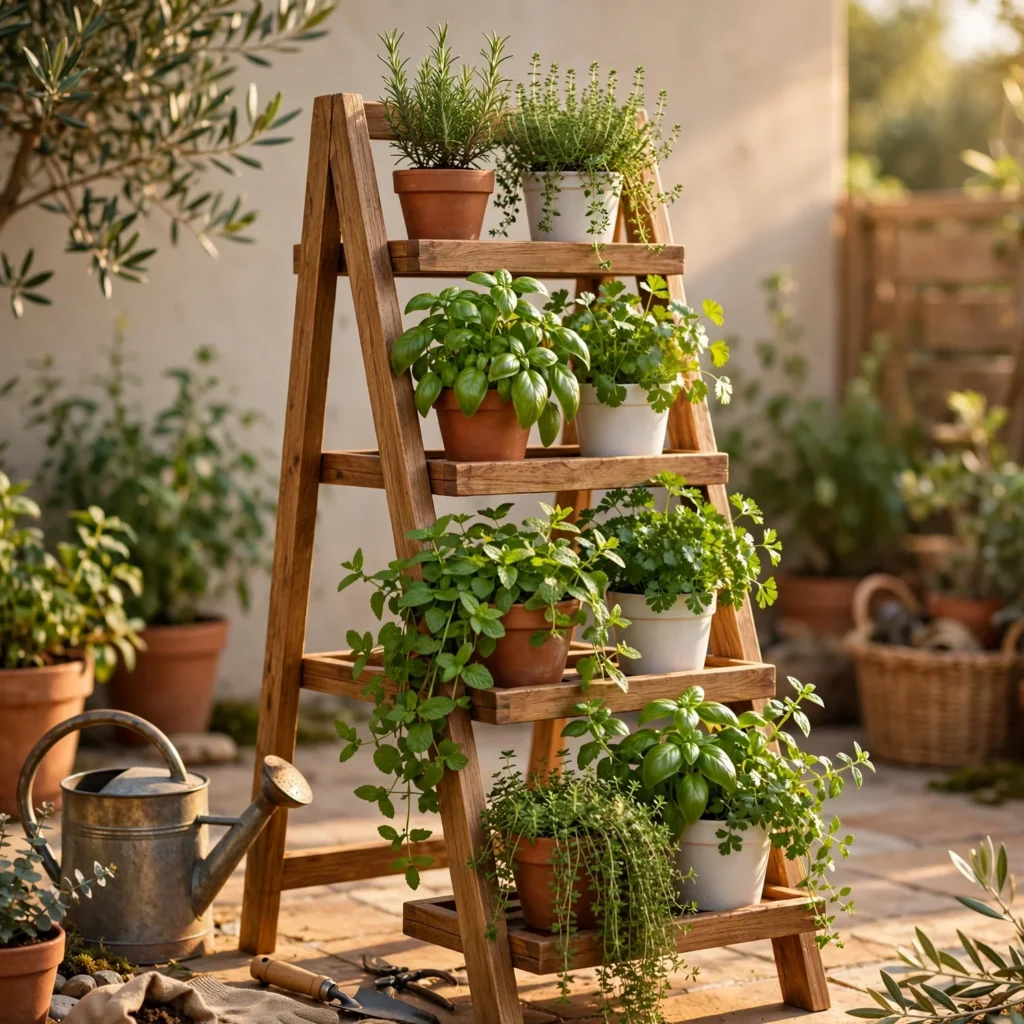
A tiered plant stand holds multiple pots at graduated heights, letting a full herb collection fit into a single narrow footprint of patio or balcony space. Placing sun-loving herbs like rosemary and oregano on the top tier and shade-tolerant options like parsley lower down takes advantage of the natural light gradient the stand creates. This setup works particularly well for renters or anyone without in-ground growing space at all.
9. Companion Planting Herb Bed
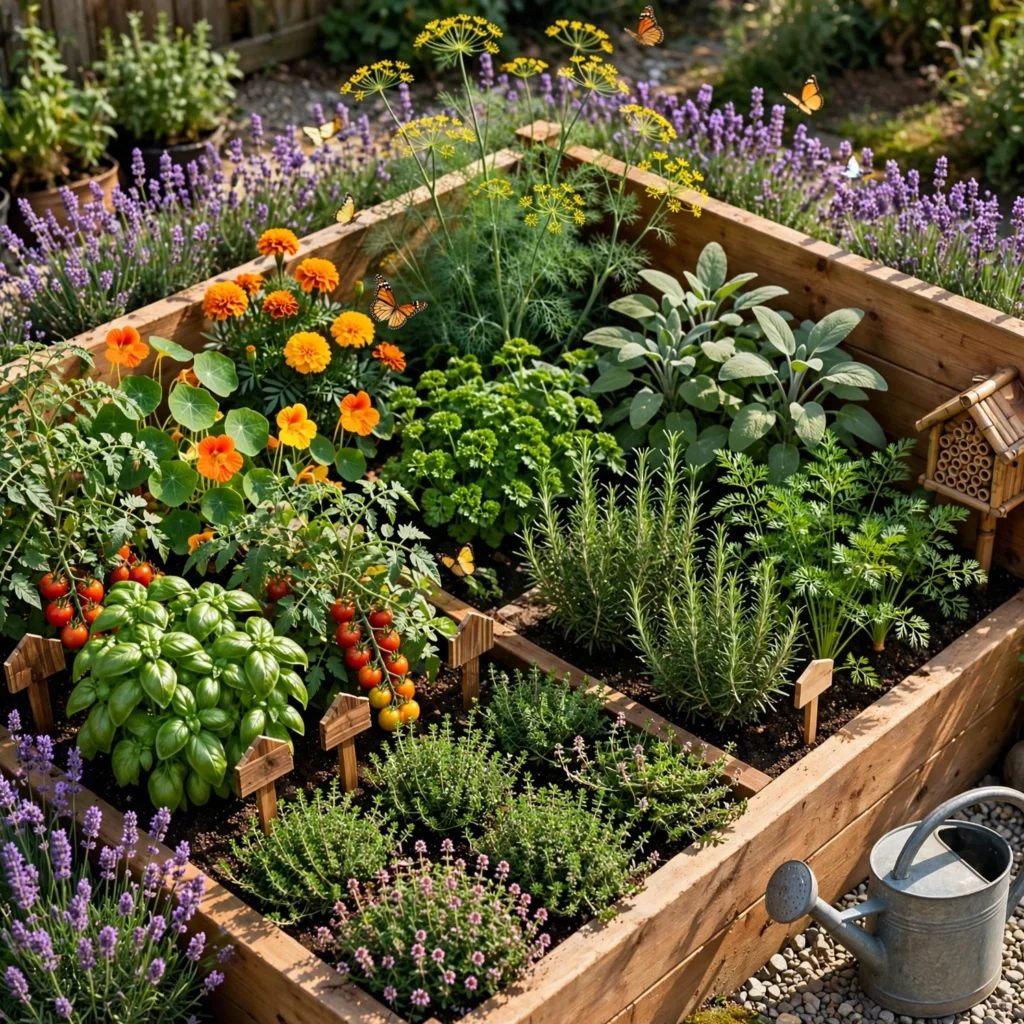
A companion planting herb bed pairs herbs with vegetables that benefit from their presence, such as basil planted near tomatoes to help repel certain pests, or dill positioned to attract beneficial insects that prey on aphids. This approach makes herbs functional within the broader vegetable garden rather than isolating them in a separate dedicated space. Spacing herbs close enough to interact with their companion vegetables, typically within 12 to 18 inches, matters more than exact placement within the bed.
10. Hanging Basket Herb Garden
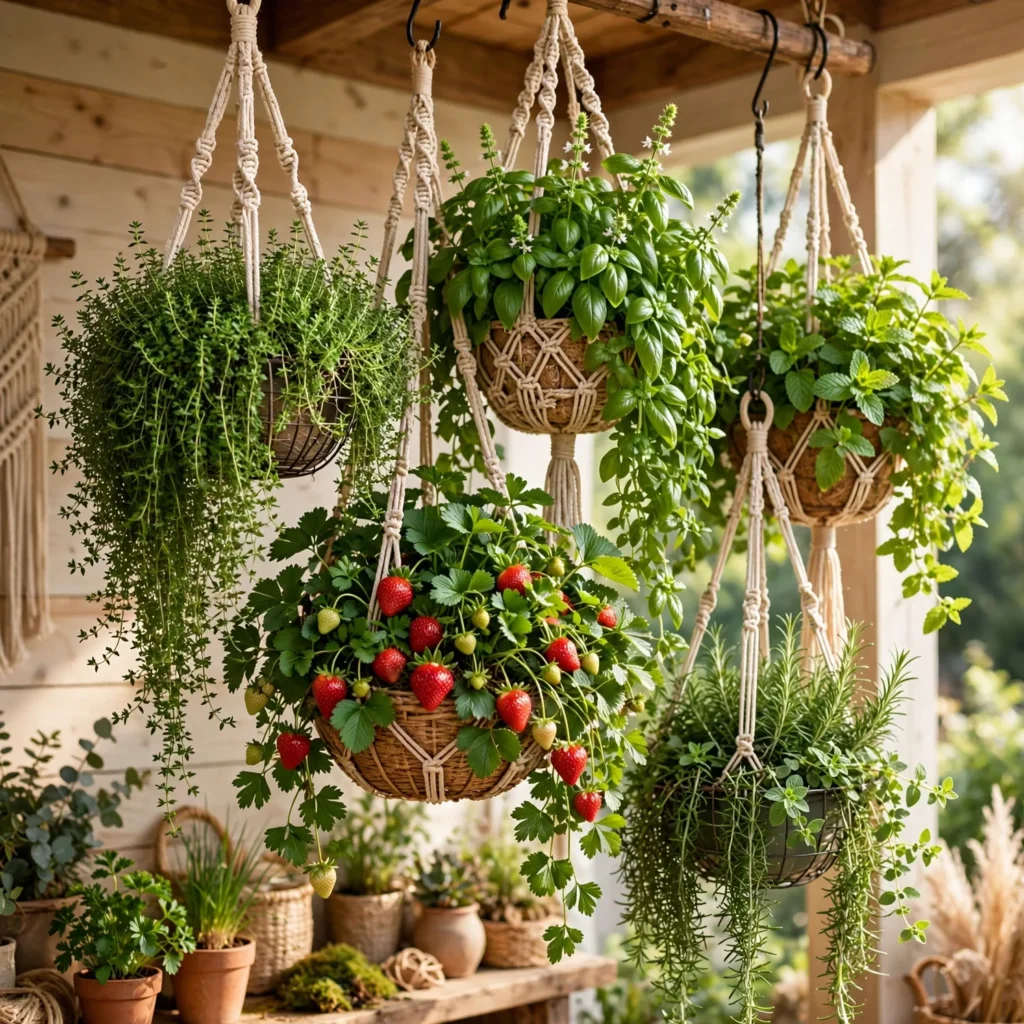
A hanging basket herb garden works well for trailing or compact varieties like oregano and thyme, adding growing space above a patio or porch without using any floor area. Baskets 12 to 14 inches in diameter give most herbs enough soil volume to avoid drying out too quickly between waterings. Positioning baskets where they get morning sun but some afternoon relief helps prevent the shallow soil from overheating during peak summer.
11. Raised Bed With Culinary Zone Divisions
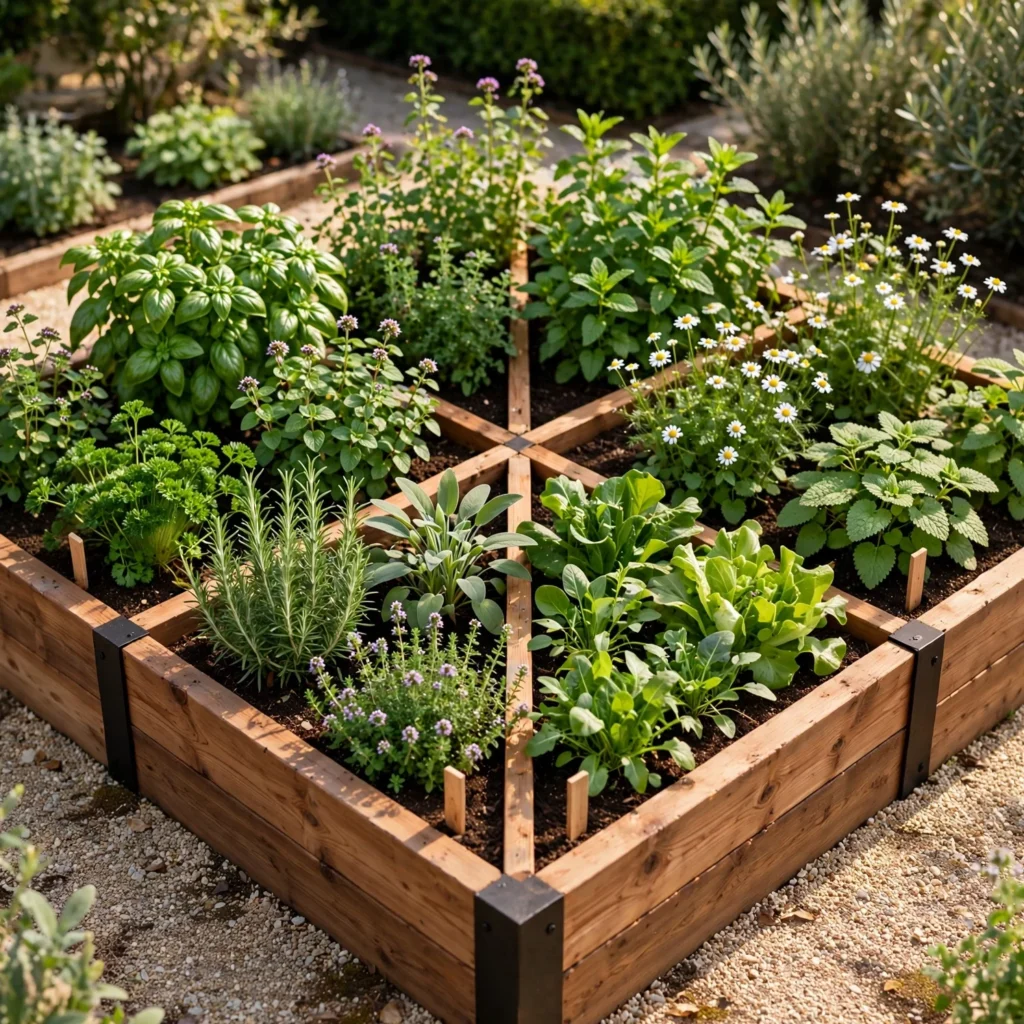
Dividing a larger raised bed into distinct zones by cuisine, an Italian section with basil, oregano, and rosemary, a section for Mexican cooking with cilantro and Mexican oregano, keeps the garden organized around how the herbs actually get used in the kitchen. This zoning also naturally groups herbs with similar water needs together, since most cuisine-based groupings share Mediterranean or moisture-loving characteristics. Labeling each zone with a small marker helps when harvesting quickly during meal prep.
12. Herb Garden Ideas With a Repurposed Ladder Planter
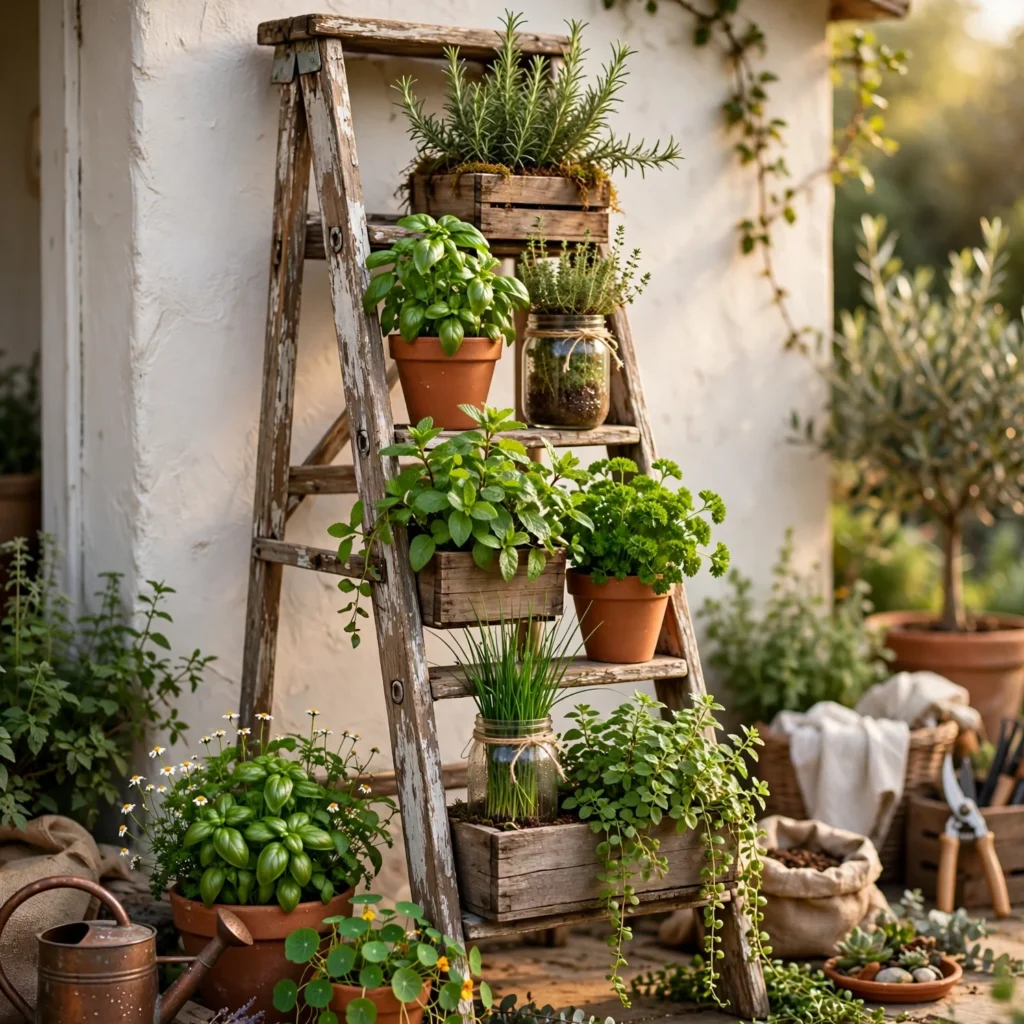
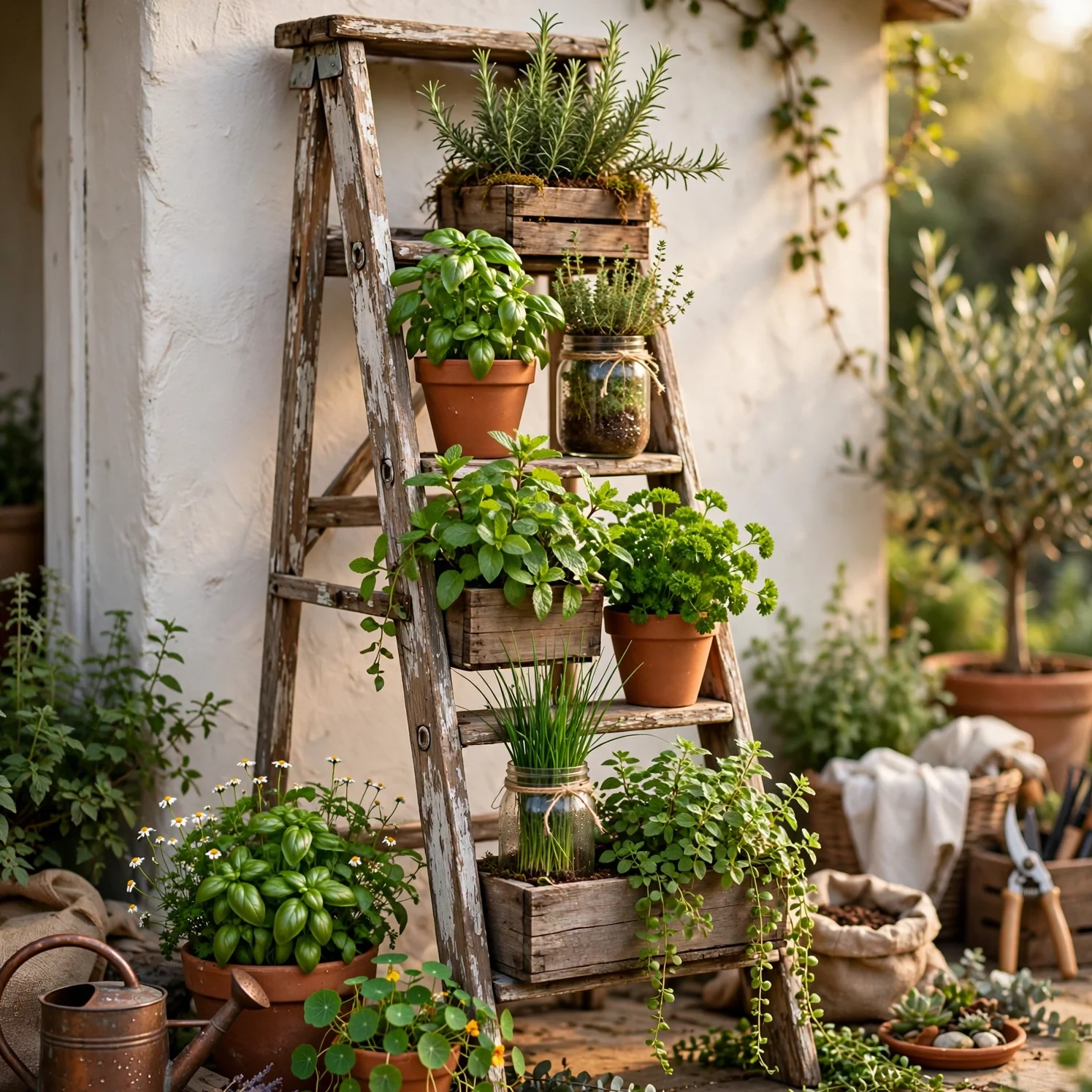
Among the more space-efficient herb garden ideas is repurposing an old wooden ladder as a plant stand, resting individual pots on each rung to create a tiered display that takes up a fraction of the footprint a traditional bed would need. This approach works particularly well on a patio or against a sunny wall where floor space is limited but vertical space is not. Leaning the ladder at a stable angle against a solid structure, rather than freestanding, keeps top-heavy pots from tipping in wind.
Shop the Look
A cedar herb spiral kit takes the guesswork out of building tiered microclimates from scratch. A modular felt vertical herb wall panel turns a bare fence or wall into growing space in an afternoon. A set of terra cotta window boxes keeps kitchen herbs within reach without permanent installation. A small LED grow light extends indoor herb growing through the darkest winter months.
Common Mistake to Avoid
The most common mistake in herb gardening is planting Mediterranean herbs like rosemary, thyme, and sage in the same bed or container as moisture-loving herbs like basil and mint, then watering the whole group on one schedule. Mediterranean herbs actually perform worse with frequent watering, often developing root rot, while basil and mint wilt quickly without it. Grouping herbs by water needs rather than by convenience of a single bed avoids this conflict and keeps every plant in the collection healthier.
FAQs
What herbs grow well together in the same garden?
Herbs with similar water and sun needs grow well together, such as rosemary, thyme, oregano, and sage, which all prefer dry soil and full sun. Basil, cilantro, and dill pair well in a separate grouping since they need more consistent moisture than the Mediterranean herbs. Mint should generally be kept in its own container regardless of grouping, since its spreading habit tends to crowd out slower-growing neighbors within a single season.
How much sun does an herb garden need?
Most culinary herbs need at least six hours of direct sun daily to develop strong flavor, with Mediterranean varieties like rosemary and thyme performing best in full, unobstructed sun. Parsley, chives, and mint tolerate partial shade better than most other common herbs, managing with as little as four hours of direct light. Herbs grown in insufficient light tend to produce leggy, weak growth with noticeably milder flavor than the same variety grown in full sun.
Can herbs be grown indoors year-round?
Herbs can be grown indoors year-round, though success varies significantly by species, with chives, thyme, and parsley adapting far more easily than basil, which tends to struggle without strong, consistent light and humidity. A south-facing window provides the most natural light, but a small supplemental grow light often makes the difference between thriving and merely surviving through winter months. Indoor herbs also need less frequent watering than their outdoor counterparts, since indoor soil dries out more slowly without direct sun and wind exposure.
What is the best container size for growing herbs?
Most individual herbs do well in a container at least 8 to 10 inches in diameter, while spreading varieties like mint benefit from something closer to 12 inches to reduce how often they need repotting. Larger perennial herbs like rosemary eventually need a container in the 14 to 16-inch range as they mature over several seasons. Undersized containers are a common cause of stunted growth and frequent wilting, since the soil volume simply can’t hold enough moisture between waterings.
How do I keep mint from taking over my herb garden?
Keeping mint from taking over an herb garden requires physical containment, typically a dedicated pot sunk into the ground or a fully separate container rather than open soil shared with other herbs. Mint spreads through underground rhizomes that can travel several feet in a single growing season if left unchecked in an open bed. Checking the containment barrier periodically for any runners that have escaped over the rim prevents the spread from restarting even after initial containment.
Conclusion
These herb garden ideas range from a simple kitchen window box to a full spiral bed with built-in microclimates, giving gardeners options at nearly any space or skill level. Starting with a small grouping of herbs matched by water needs, then expanding into a spiral or tiered layout, keeps an herb garden manageable while still delivering fresh flavor for the kitchen. Save this post to Pinterest for reference, and check the related post on small garden ideas for pairing inspiration.