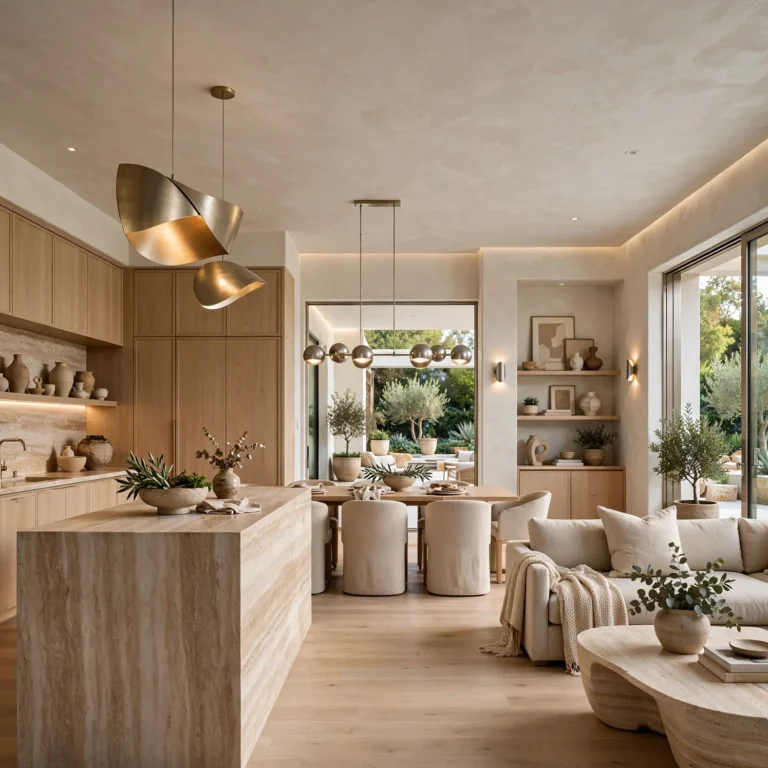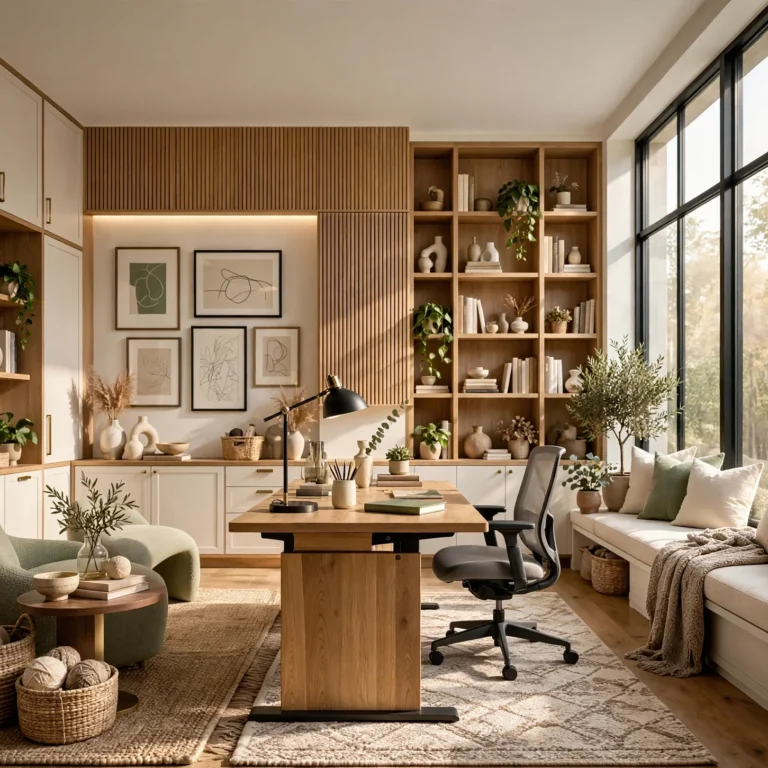
12 Trending Interior Design Living Room Ideas That Feel Curated
Interior design living room ideas often get reduced to a single sofa and coffee table pairing, without addressing how layout, lighting, and material layering actually shape how a room feels day to day. This post covers twelve specific design concepts, each with real materials and placement guidance, so you can plan a living room that reads as intentional rather than assembled from a single catalog page. Whether you’re furnishing a small apartment living room or a larger open-concept space, you’ll find sizing notes and comparisons to help you choose pieces that hold up to daily use.
Key Takeaways
- These interior design living room ideas cover layout, material, and lighting choices for spaces that feel both stylish and lived-in.
- Layered textures and warm materials are replacing the matched furniture sets popular in past living room trends.
- Several ideas include size, spacing, or budget comparisons to help you plan a layout before purchasing furniture.
- Small additions like a picture ledge or a floor lamp can shift how a living room feels without a full furniture overhaul.
Trend & Background
Living room design has shifted away from matched furniture sets and uniform color palettes toward a more layered, collected-over-time look that mixes materials, eras, and textures within a cohesive but not perfectly matched scheme. This reflects a broader move toward rooms that feel personal and functional rather than showroom-staged, with furniture chosen for genuine daily use, including families with kids or pets, rather than pure display. This matters now because a living room is one of the most frequently used rooms in a home, making the difference between a merely attractive space and a genuinely comfortable one significant for daily life.
1. Layered Lighting Plan
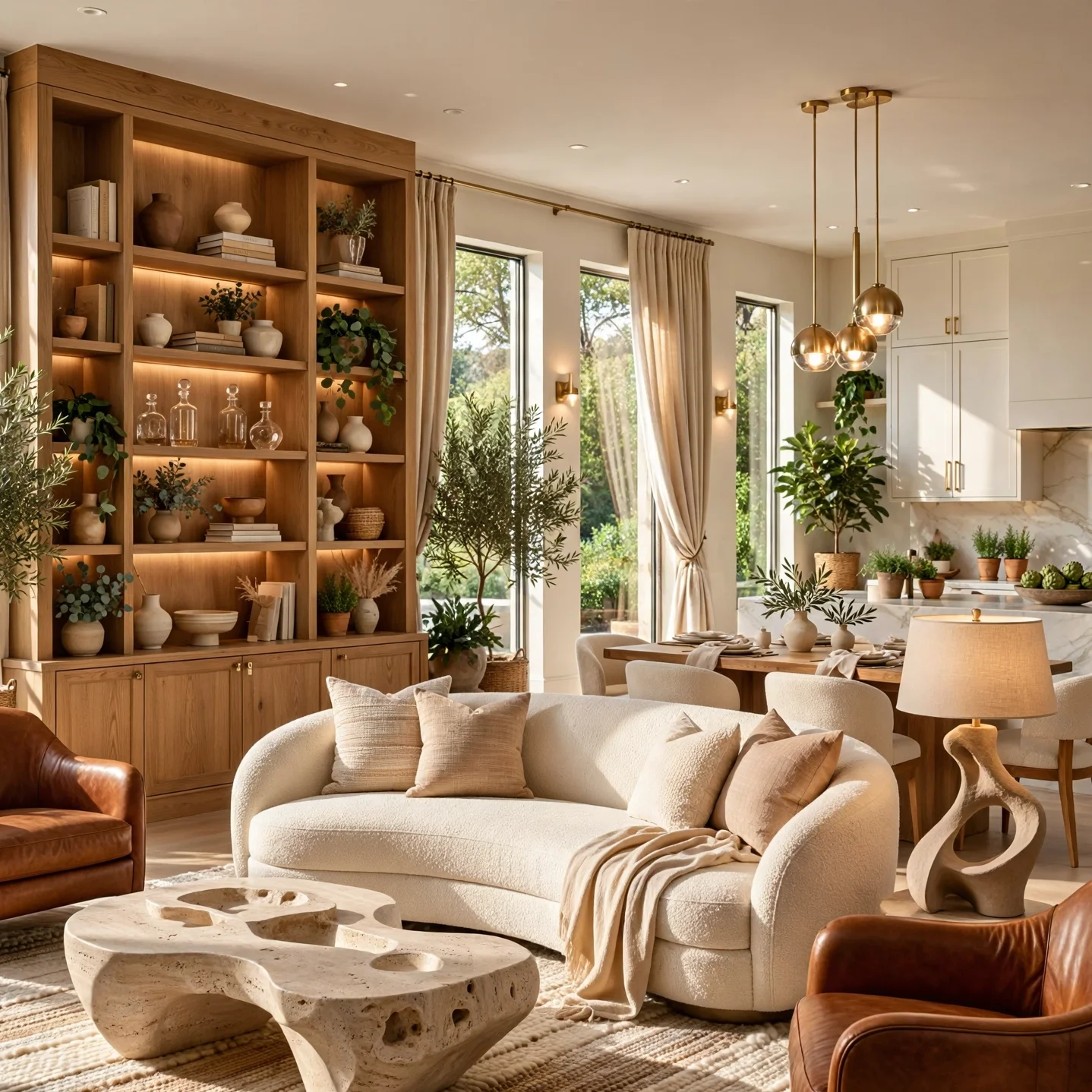
Rather than relying on a single overhead fixture, a layered lighting plan combines ambient ceiling light, task lighting from a floor or table lamp, and accent lighting from a picture light or sconce, giving the room flexibility for different times of day and activities. This matters particularly in the evening, when a single bright overhead light can feel harsh compared to a softer, layered combination. Placing at least one floor lamp near a reading chair and a table lamp near the sofa covers most of a living room’s functional lighting needs beyond the primary fixture.
| Light Type | Purpose | Common Placement |
| Overhead Fixture | General ambient light | Ceiling, centered |
| Floor Lamp | Task lighting, reading | Beside chair or sofa |
| Picture Light | Accent, focal lighting | Above art or shelving |
2. Area Rug Anchoring Furniture
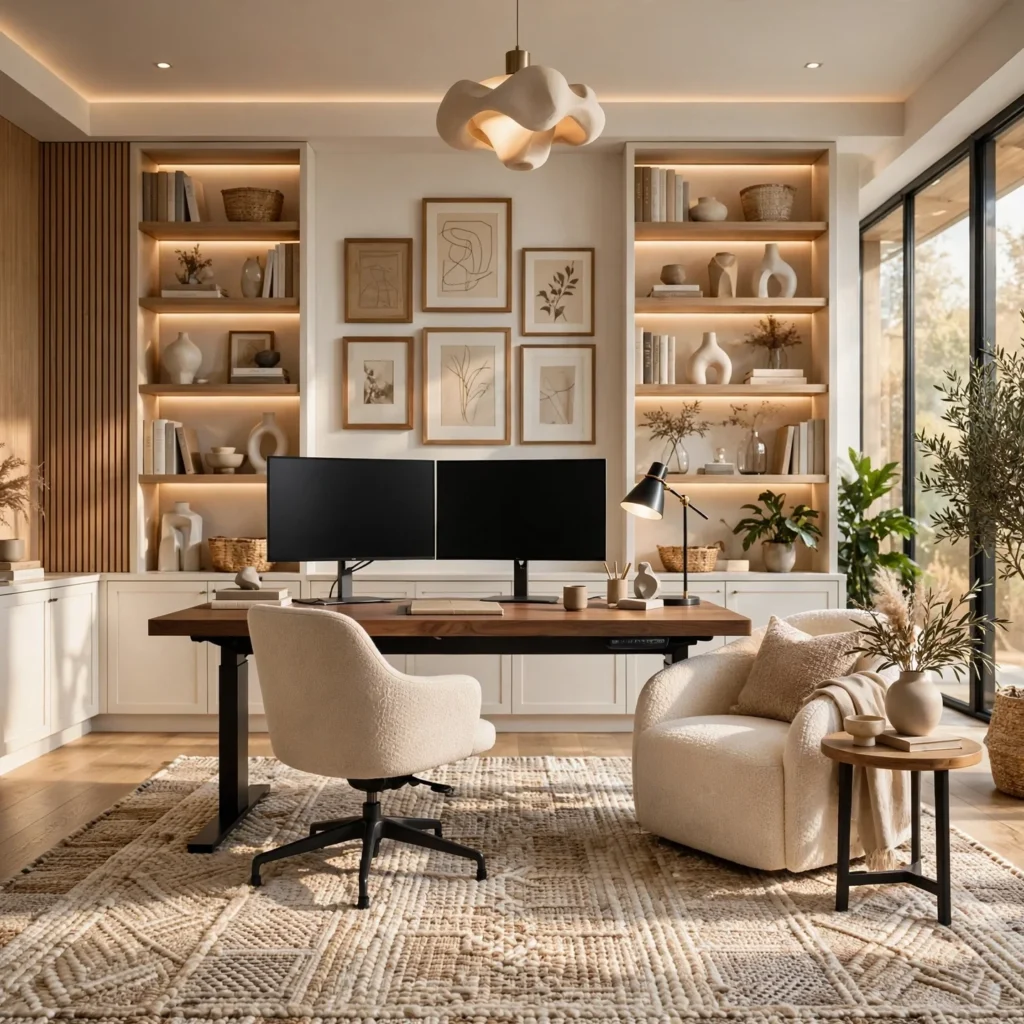
An area rug sized so that at least the front legs of all major seating pieces sit on it, rather than a small rug floating in the center of the room, helps visually anchor a furniture arrangement and keep it from feeling disconnected from the surrounding space. Rug size should generally extend a few inches beyond the outer edges of the seating group to read as intentional rather than undersized. Wool or a wool blend tends to hold up better to daily foot traffic than a lower-pile synthetic option, particularly in a room used frequently for both sitting and walking through.
3. Gallery Wall Arrangement
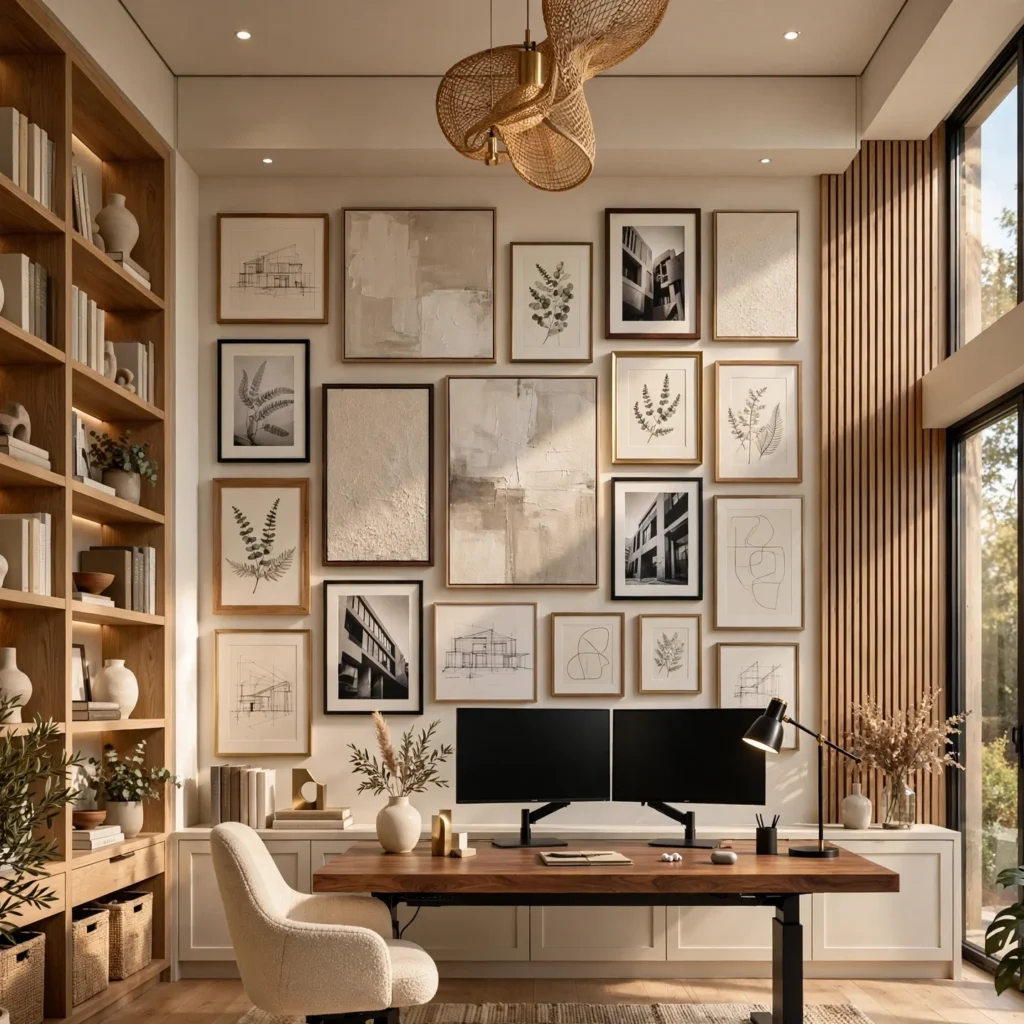
A curated gallery wall, mixing framed art, mirrors, and small shelves, adds personality and visual interest to a living room wall without requiring a full renovation or built-in construction. Keeping frame styles loosely consistent, even with varied artwork and sizes, helps the gallery wall read as intentional rather than randomly assembled. Planning the layout on the floor first, before hanging anything, helps avoid unnecessary nail holes and lets you adjust spacing before committing. This idea suits living rooms of nearly any size, since gallery wall scale can adjust to fit available wall space.
Transform your workspace with our Office Interior Design ideas featuring modern layouts, ergonomic furniture, and productivity-boosting décor.
4. Mixed Seating Materials
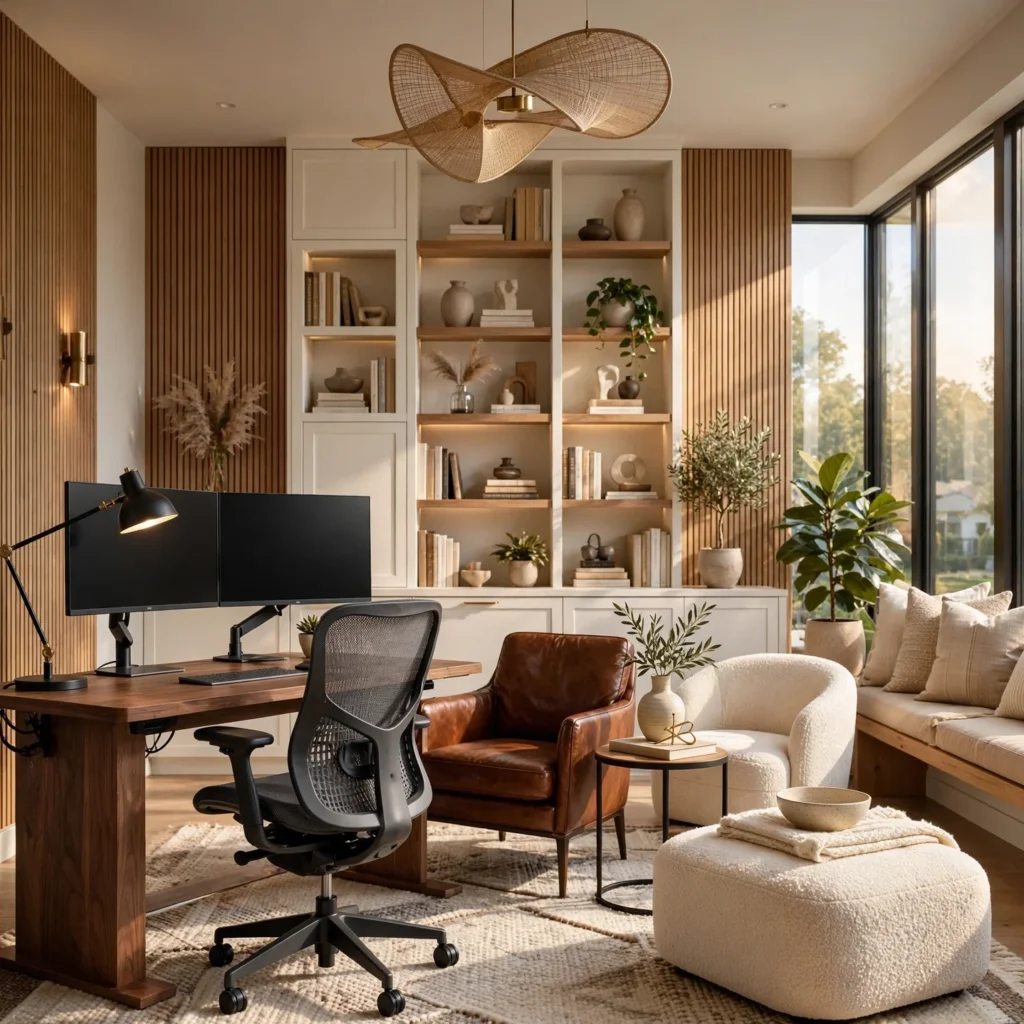
Rather than a single matched sofa and chair set, mixing seating materials, such as a linen or performance-fabric sofa paired with a leather or boucle accent chair, adds visual variety and texture to a living room’s primary seating area. This works particularly well when the mixed pieces share a complementary color palette even if the materials differ, keeping the room cohesive despite the variation. This idea also allows for practical material choices by piece, such as a more durable performance fabric for a family sofa paired with a more delicate accent chair used less frequently.
5. Sculptural Coffee Table
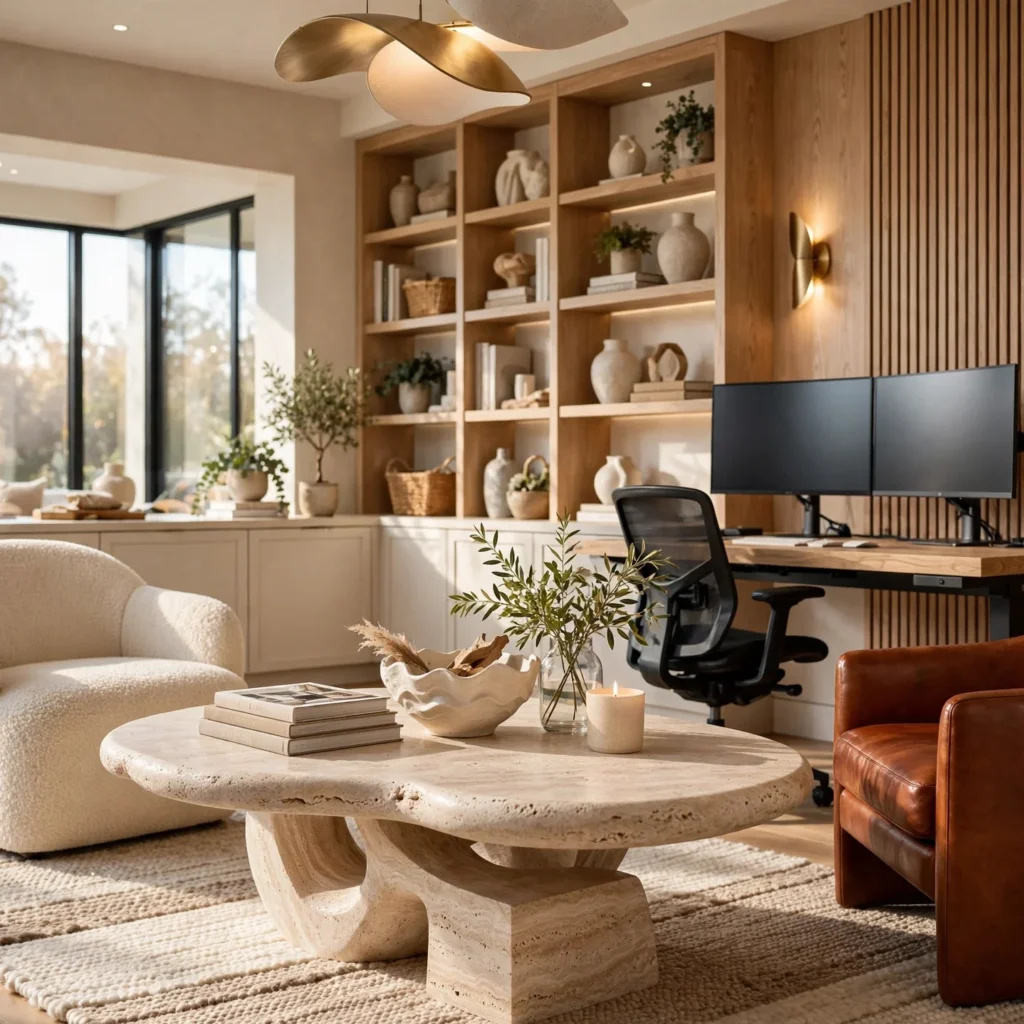
A coffee table with an organic, sculptural shape, rather than a standard rectangular or square silhouette, adds a design focal point to the center of a living room seating arrangement. Materials like travertine, live-edge wood, or a curved metal base all read as more intentional than a purely functional flat-top table. This works particularly well in rooms with otherwise simple, neutral seating, letting the coffee table serve as the room’s visual centerpiece. Clearance of at least 14 to 18 inches between the table and surrounding seating helps maintain comfortable walking space.
6. Built-In Media Wall
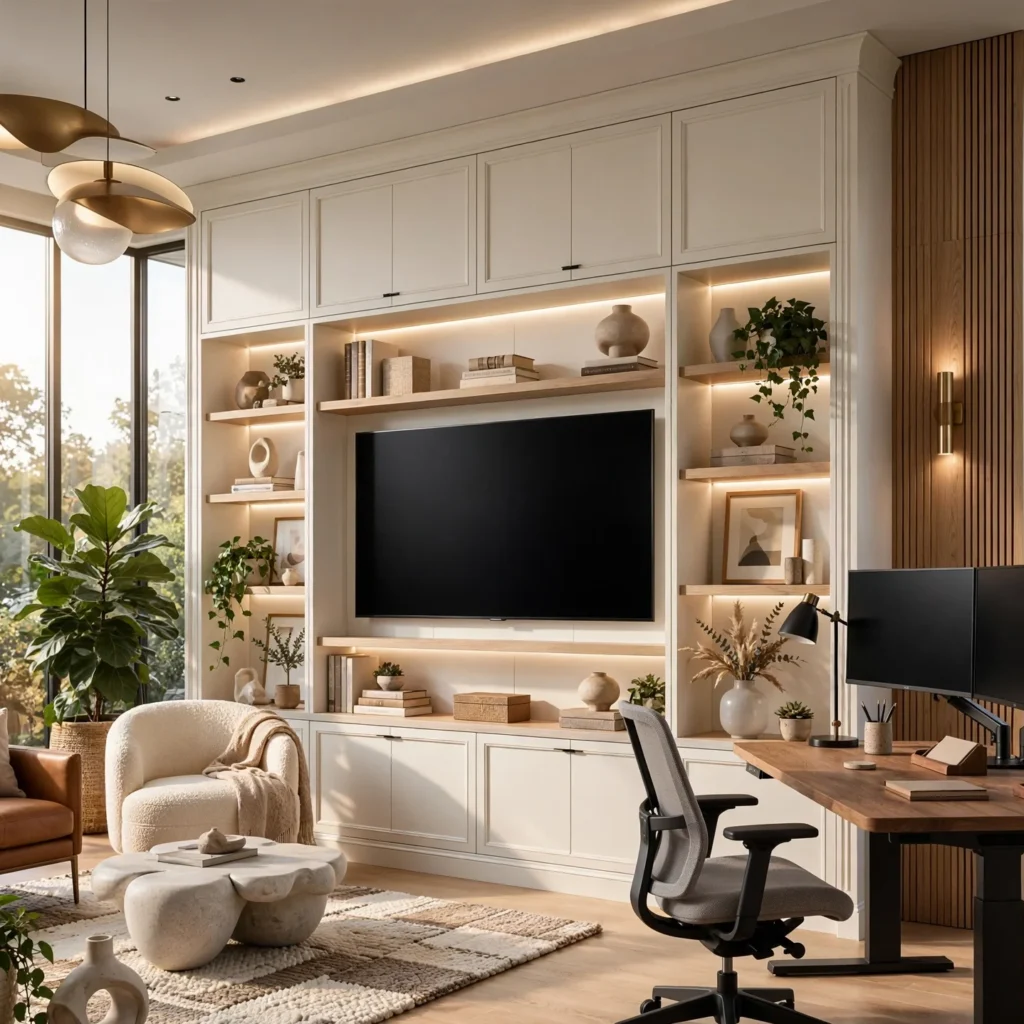
A built-in media wall, incorporating shelving, cabinetry, and a recessed space for a television, creates a more architectural focal point than a freestanding media console alone. Open shelving mixed with closed cabinet sections allows for both display of books or decor and hidden storage for media equipment and cables. This idea works particularly well in living rooms where the television needs to be a visual focus, since the built-in structure integrates it into the room’s design rather than leaving it as a standalone object.
7. Warm Wood Flooring
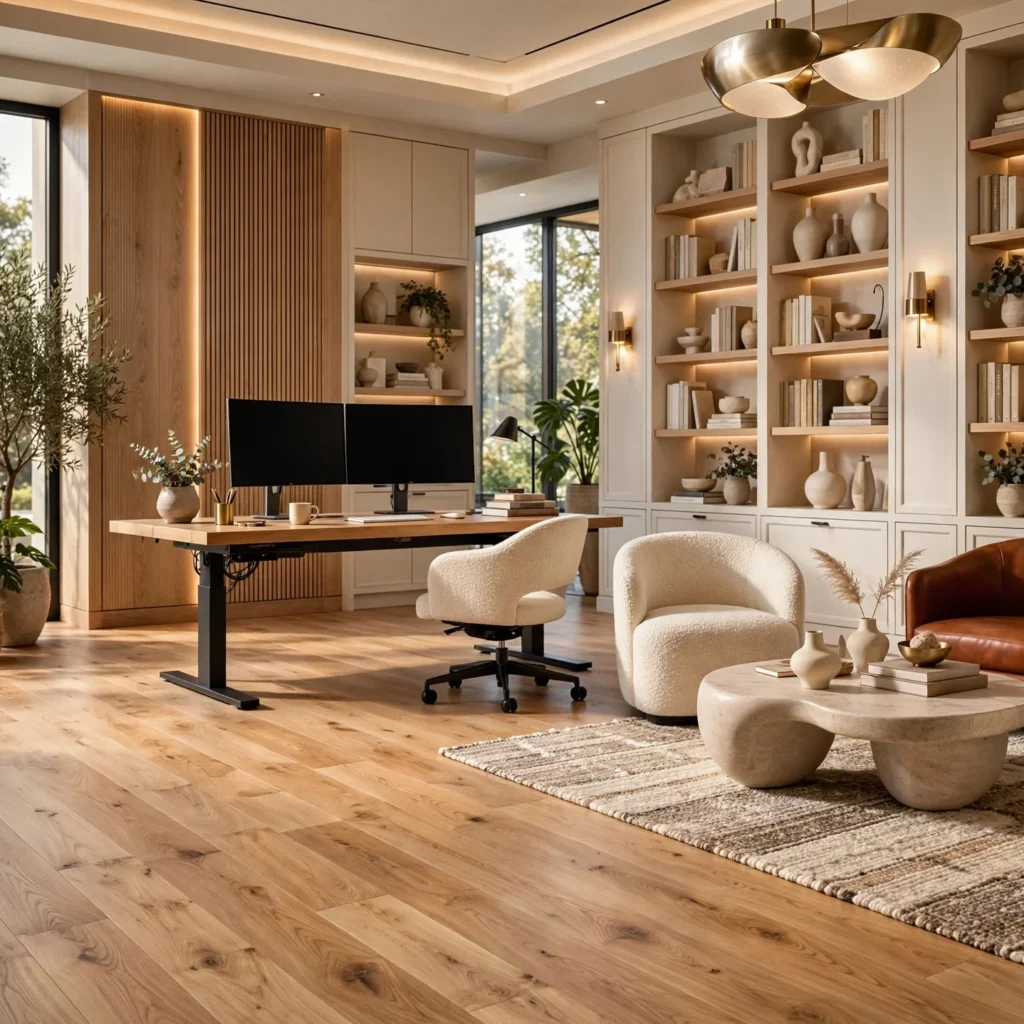
Warm wood flooring, particularly in a wide-plank white oak or walnut, adds visual warmth to a living room that might otherwise rely heavily on cooler materials like tile or polished concrete. This pairs well with a mix of natural fiber rugs and upholstered furniture, creating a cohesive material palette throughout the room. Matte or low-sheen finishes tend to show less wear over time than a high-gloss finish, particularly in a room that sees regular foot traffic. This idea suits living rooms aiming for a warmer, more textured overall feel.
| Flooring Finish | Wear Visibility | Best For |
| High-Gloss | High | Low-traffic formal rooms |
| Matte/Satin | Low-Medium | High-traffic living rooms |
| Hand-Scraped Texture | Very Low | Families with kids or pets |
8. Statement Drapery
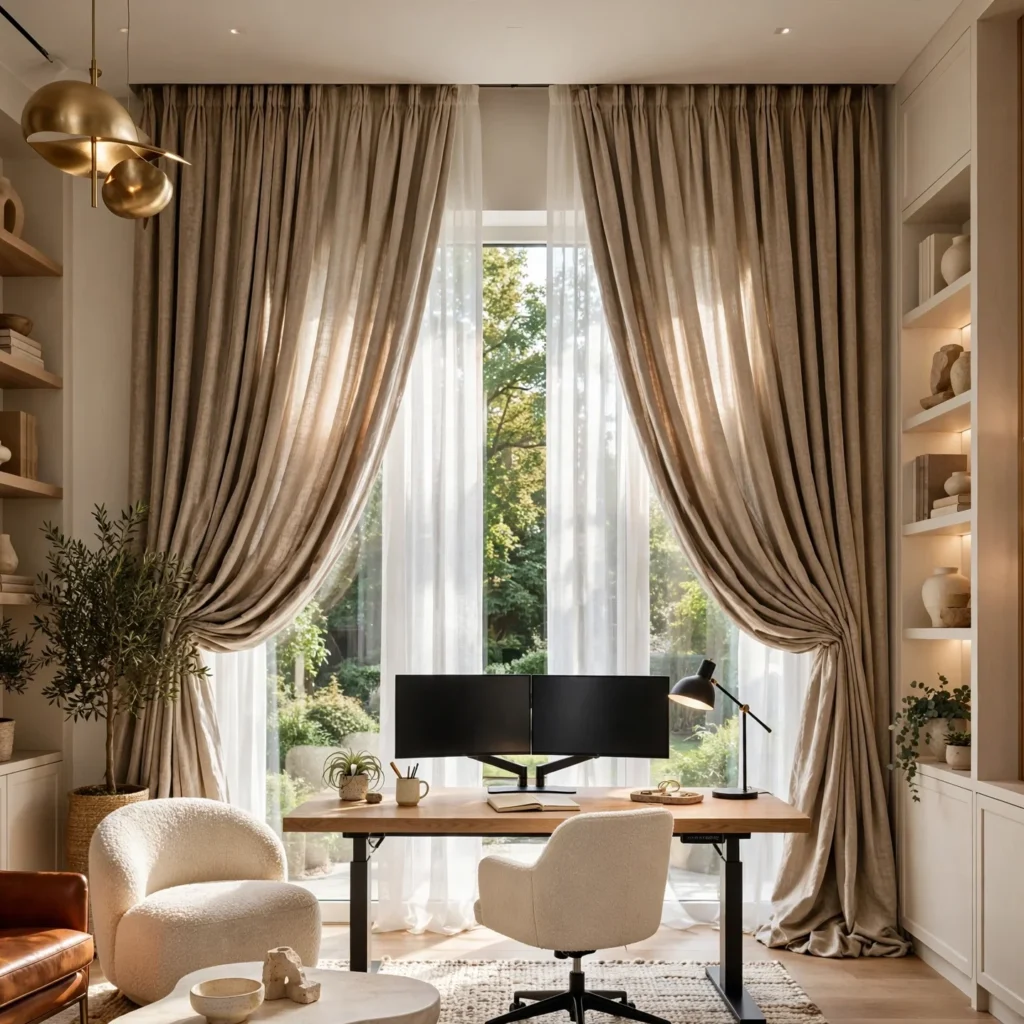
Floor-length drapery, hung close to the ceiling rather than just above the window frame, visually elongates a living room’s walls and makes ceilings feel taller than a shorter, window-hugging curtain would. Linen or a linen blend in a solid, muted tone tends to suit a wider range of living room styles than a heavily patterned fabric. This idea works particularly well in rooms with standard 8 to 9-foot ceilings, where the visual height trick of high-hung drapery has the most noticeable impact on the room’s overall proportions.
9. Open Shelving Display
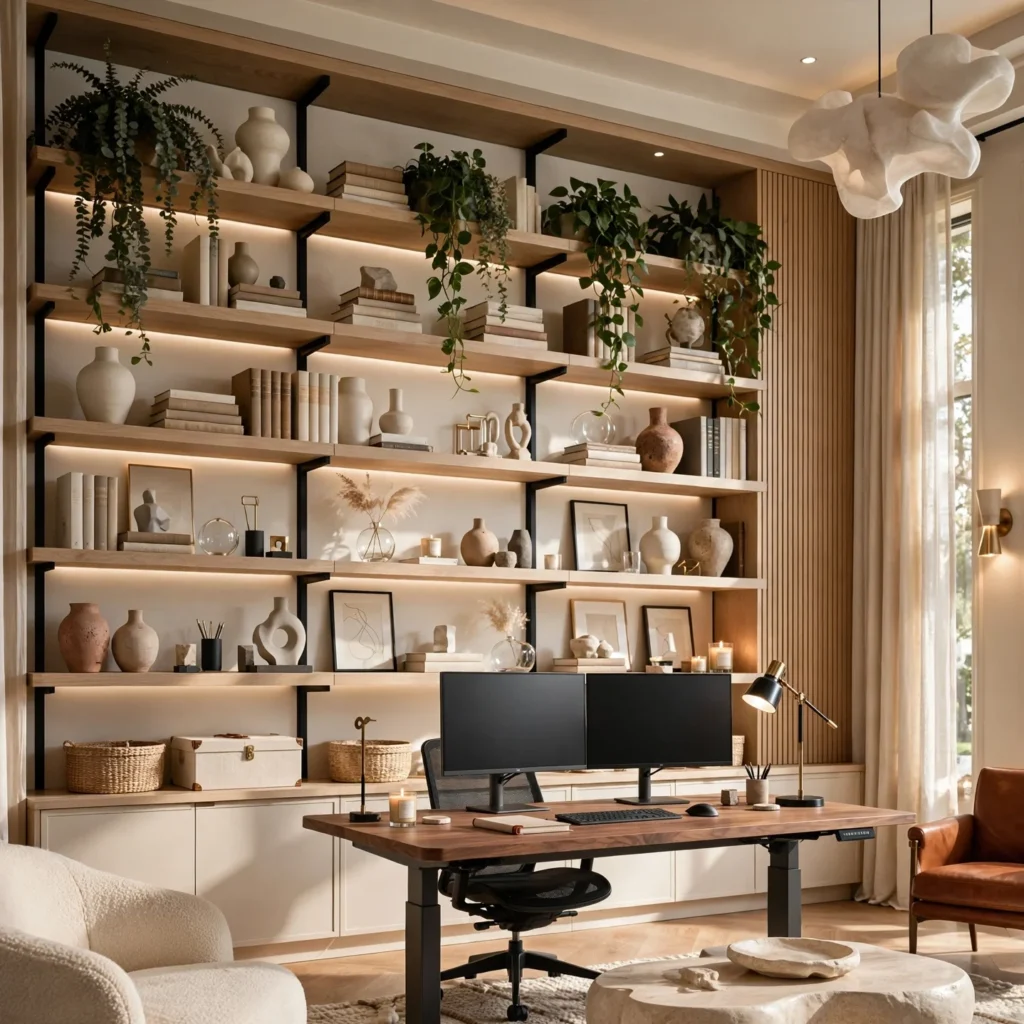
Open shelving, either built-in or freestanding, provides a spot for displaying books, art objects, and personal items without the visual bulk of closed cabinetry throughout the room. Styling shelves with a mix of items at varying heights, rather than perfectly even rows, tends to read as more curated and less rigid. This idea works particularly well flanking a fireplace or media wall, framing the room’s focal point with additional visual interest and function. It suits living rooms with at least a partial wall section available for shelving.
10. Textured Throw Pillows and Blankets
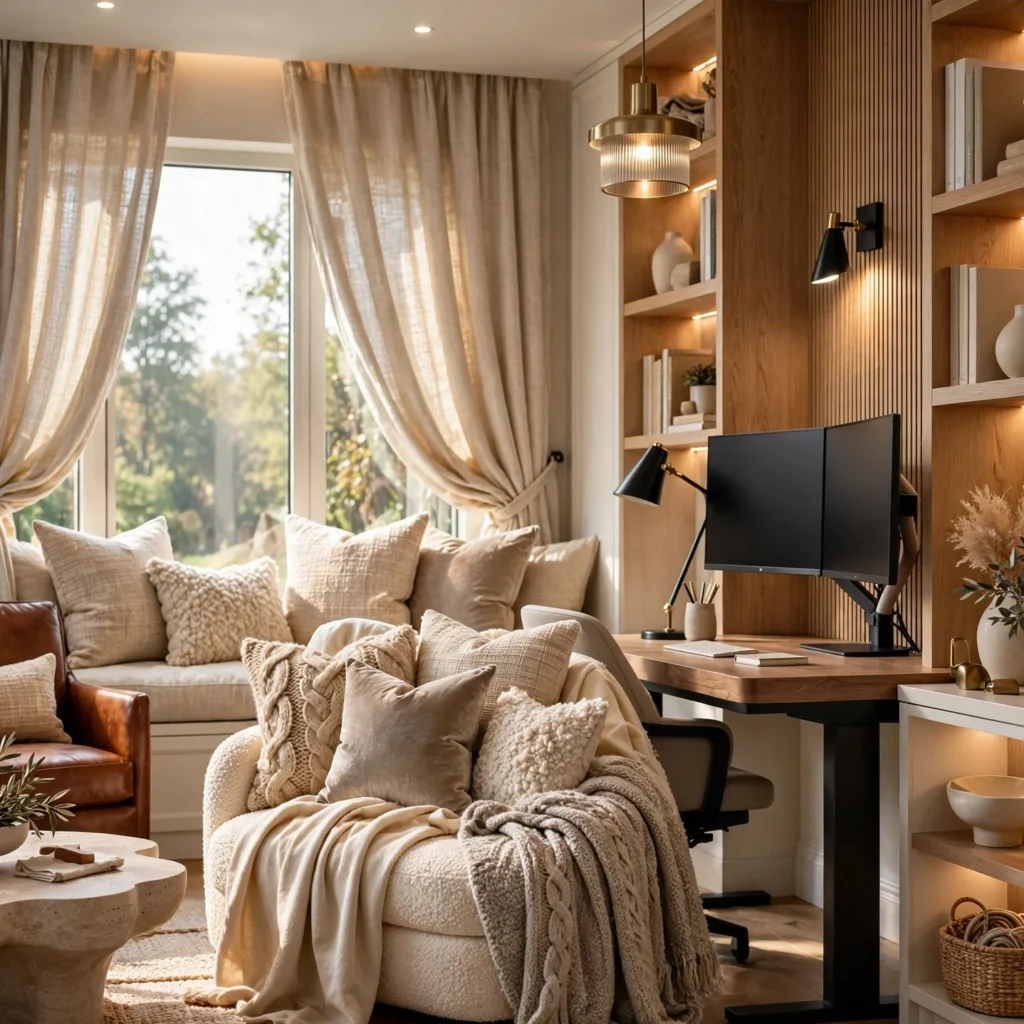
Layering a mix of textures, such as a boucle pillow paired with a linen or wool throw blanket, adds tactile variety to a living room’s seating area without requiring any furniture changes. Keeping the color palette relatively restrained, even while mixing textures, helps this layering read as intentional rather than cluttered. This is one of the lowest-cost updates on this list, making it a practical way to refresh a living room’s feel seasonally without a larger investment in new furniture.
11. Floor Lamp With Sculptural Base
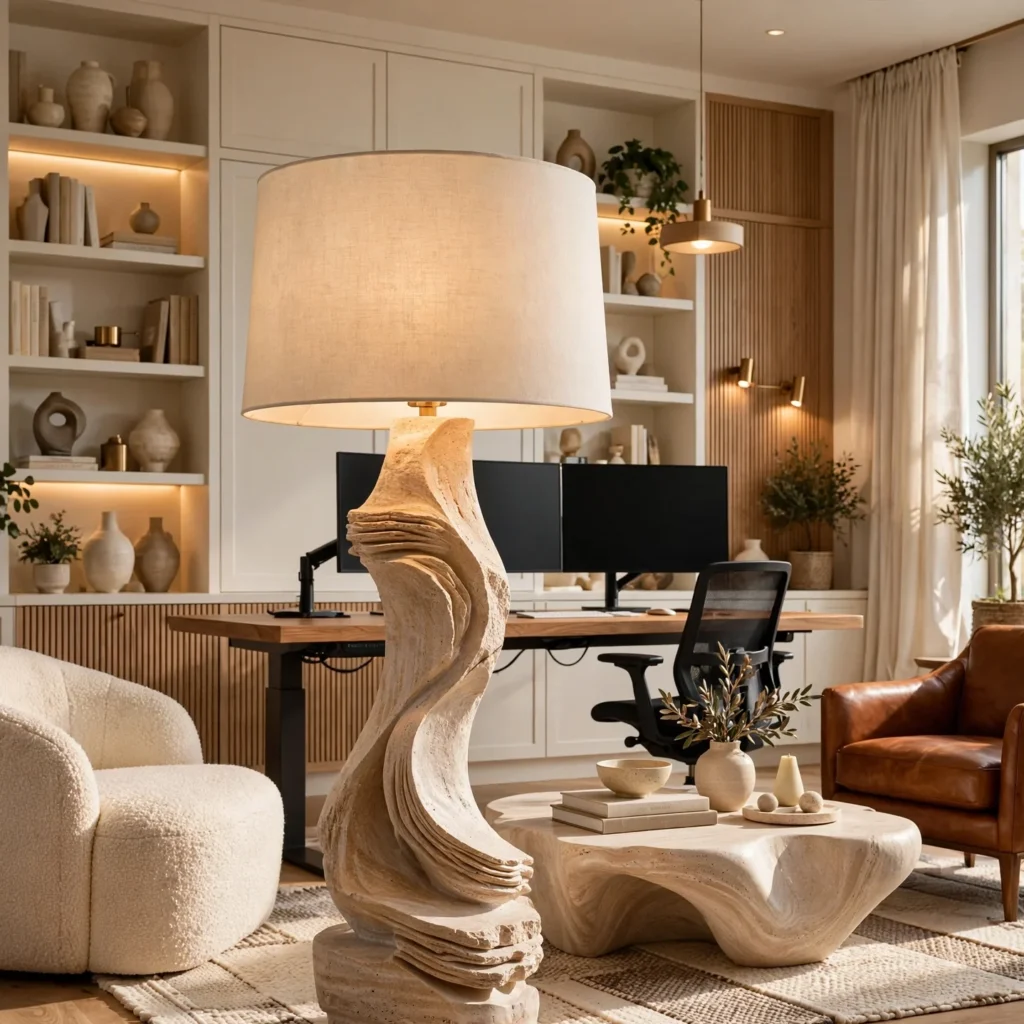
A floor lamp with a sculptural, architectural base, such as a curved arc design or a fluted ceramic column, serves as both a functional light source and a standalone design element within the room. Positioning it near a reading chair or in an empty corner helps fill visual gaps in a living room’s layout while also improving the room’s overall lighting layering. This idea works well as a focal piece in rooms with otherwise simple, neutral furniture, letting the lamp carry more visual weight than a purely utilitarian fixture would.
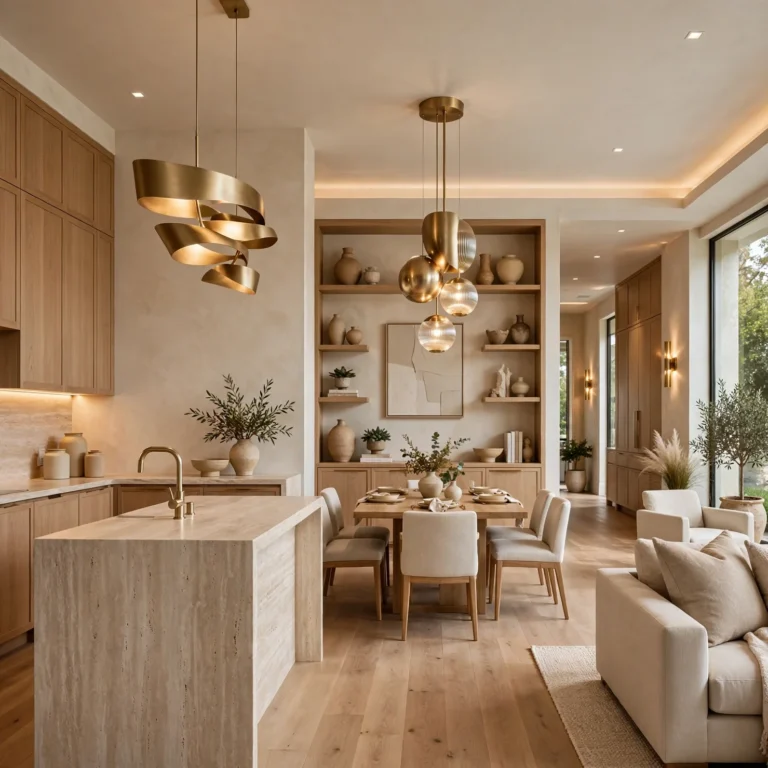
12. Interior Design Living Room Ideas for Open-Concept Spaces
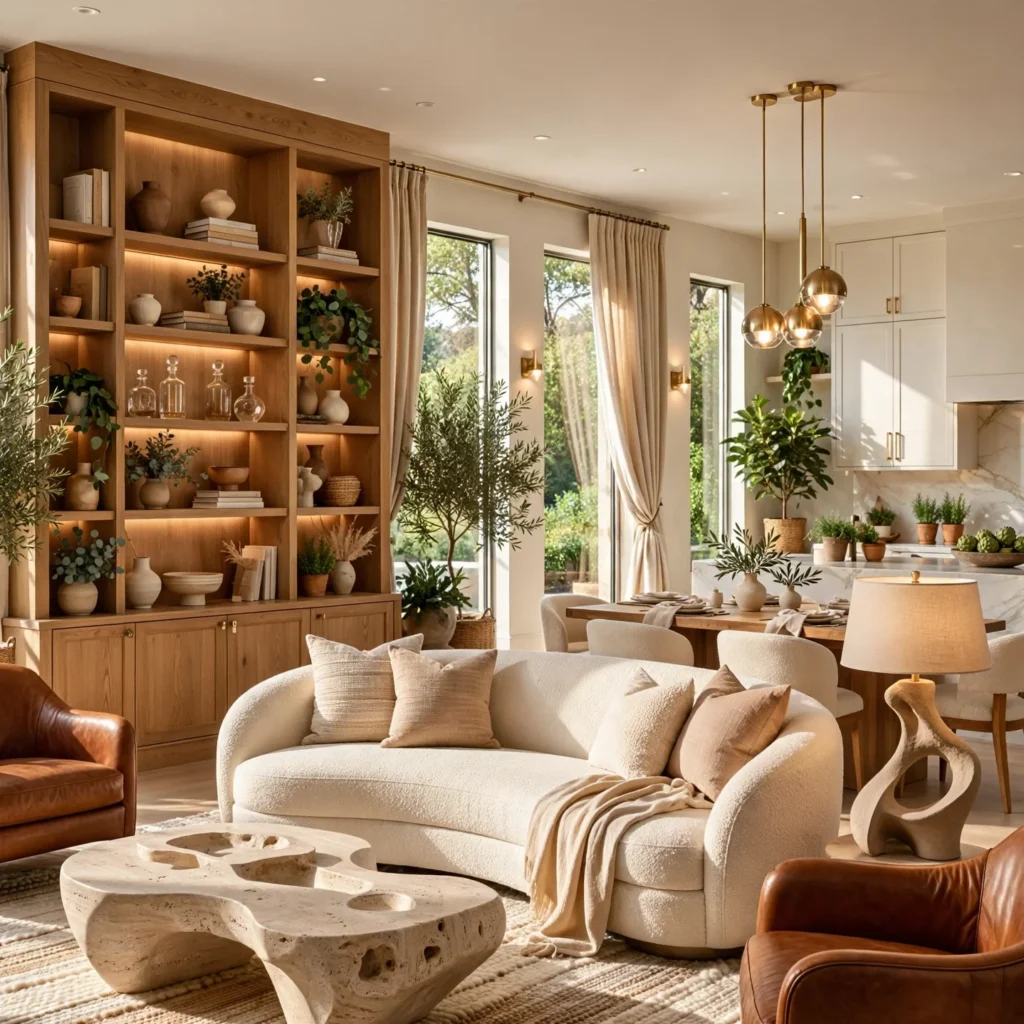
Among interior design living room ideas, open-concept spaces benefit most from defining the living room’s boundaries through furniture placement and rug anchoring rather than walls, since the room otherwise risks blending indistinctly into an adjoining kitchen or dining area. Positioning a sofa with its back partially toward the kitchen, paired with a rug that clearly outlines the seating area, helps establish the living room as a distinct zone within the larger open floor plan. This approach matters particularly in newer open-concept homes, where clear zoning through furniture and lighting becomes the primary tool for defining separate living areas.
Shop the Look
For a living room built around these ideas, look at a linen sofa from a brand like Article or West Elm, paired with a leather or boucle accent chair for material contrast. A travertine or live-edge wood coffee table serves as a sculptural centerpiece, while a wool area rug in a neutral tone anchors the seating arrangement. A floor lamp with a fluted ceramic or curved metal base rounds out the lighting layer, and linen drapery hung close to the ceiling completes the window treatment.
Common Mistake to Avoid
The most common mistake is choosing furniture and decor piece by piece without a cohesive material or color plan in mind, which often results in a living room that feels disjointed rather than intentionally layered. While mixing materials and textures is a core part of current design trends, it works best when guided by a consistent underlying palette, rather than each piece being selected independently without consideration for how it relates to the rest of the room. Establishing a core palette of two to three main tones before shopping for individual pieces helps keep the mixed materials feeling cohesive rather than random.
FAQs
What size rug works best for a living room?
A rug large enough for at least the front legs of all major seating pieces to sit on it, typically 8 by 10 feet or larger in a standard-size living room, tends to anchor a furniture arrangement more effectively than a smaller rug floating in the center of the room. A rug that’s too small can make a seating arrangement feel disconnected and visually float within the larger room, regardless of how well the furniture itself is chosen.
How do I make a living room feel less matched and more curated?
Mixing seating materials, such as pairing a fabric sofa with a leather or boucle accent chair, along with layering textures through throw pillows and blankets, tends to move a living room away from a matched showroom look toward a more collected, curated feel. Building a gallery wall with varied art pieces and incorporating open shelving for personal items also contribute to a room that feels assembled over time rather than purchased as a single set.
What is the ideal ceiling height for statement drapery?
Statement drapery works particularly well in rooms with standard 8 to 9-foot ceilings, where hanging curtains close to the ceiling rather than just above the window frame has the most noticeable visual impact on making the room feel taller. In rooms with already high ceilings, this technique still works but produces a less dramatic proportional shift than in a room with more standard ceiling height.
How can I define a living room in an open-concept layout?
Furniture placement and rug anchoring are the primary tools for defining a living room’s boundaries in an open-concept space, since walls aren’t available to separate the zones physically. Positioning a sofa with its back partially toward an adjoining kitchen or dining area, combined with a rug that clearly outlines the seating arrangement, helps establish the living room as a distinct zone within the larger floor plan.
What lighting works best for a living room used for both relaxing and entertaining?
A layered lighting plan, combining ambient overhead light, task lighting from a floor or table lamp, and accent lighting from a picture light or sconce, offers the most flexibility for a living room serving multiple functions throughout the day. Dimmable fixtures add further flexibility, allowing the same lighting layer to shift from bright and functional during the day to softer and more atmospheric during evening entertaining.
Conclusion
These interior design living room ideas range from low-cost updates like layered textiles to bigger investments like a full built-in media wall, giving you a starting point no matter your room’s size or your design budget. If one of these stood out, save this post to Pinterest for later, or check out our related guide on office interior design for more room-specific inspiration.