12 Trending Interior Design Styles to Help You Define Your Look
Sorting through interior design styles can be confusing since many share overlapping elements, like natural materials or neutral color palettes, making it hard to pinpoint exactly what separates one aesthetic from another. This post covers twelve distinct interior design styles, each with real material and color guidance, so you can identify which direction genuinely matches your taste rather than mixing elements from styles that don’t actually complement each other. Whether you’re starting a full home design from scratch or trying to name the look you’re already drawn to, you’ll find clear distinctions to help you shop and plan with more confidence.
Trend & Background
Interior design styles have become more fluid in recent years, with many homes blending elements from multiple aesthetics rather than adhering strictly to one named style throughout. Even so, understanding the defining characteristics of individual styles remains useful, since it helps clarify which specific materials, colors, and furniture shapes to prioritize when shopping, rather than making disconnected purchases that don’t add up to a cohesive look. This matters now because home design content across social media often blends style labels loosely, making it worth understanding what genuinely distinguishes one style from another before committing to purchases.
Key Takeaways
- These interior design styles range from minimal and restrained to layered and maximalist, covering a wide range of aesthetic preferences.
- Scandinavian and Japandi styles remain popular for their emphasis on function paired with warmth, rather than stark minimalism alone.
- Several ideas include material and color comparisons to help you distinguish between styles that can otherwise look similar at a glance.
- Small signature details, like a specific wood tone or textile choice, often define a style more than any single furniture piece.
1. Scandinavian
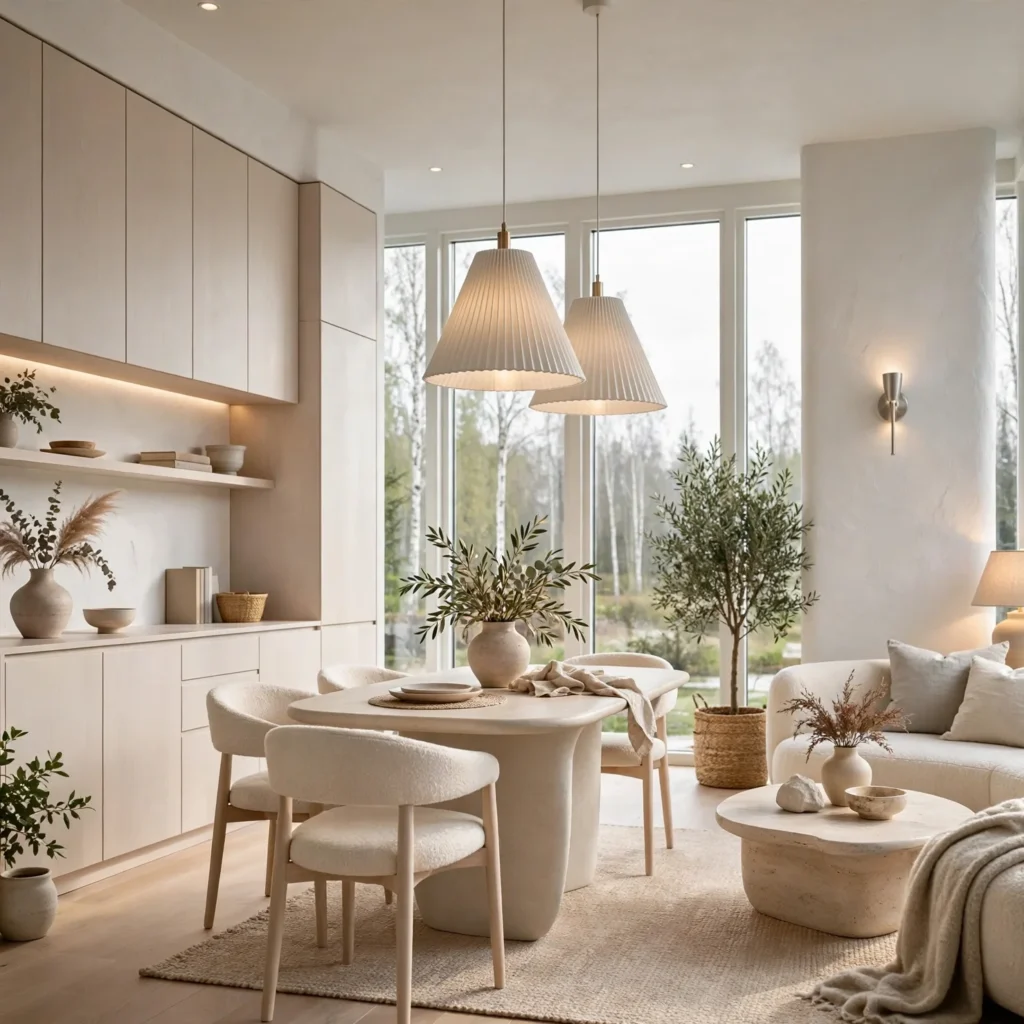
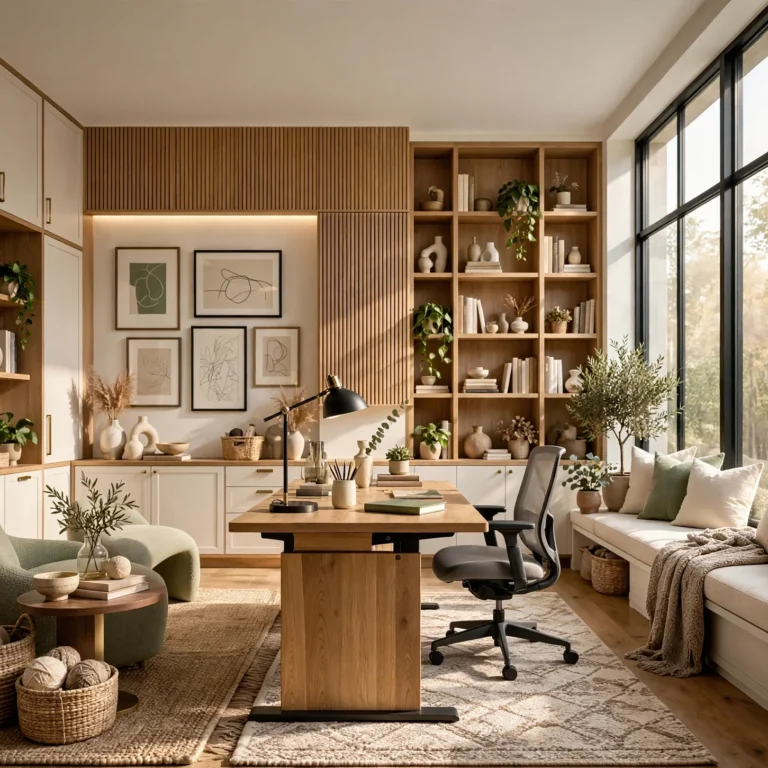
Scandinavian design emphasizes light wood tones, particularly pale ash or birch, paired with a mostly white or very light neutral color palette and simple, functional furniture forms without excessive ornamentation. This style prioritizes natural light, often using sheer or minimal window treatments, and incorporates cozy textiles like wool throws to soften what might otherwise feel like a stark, minimal space. Scandinavian design suits homes wanting a bright, calm aesthetic that still feels warm rather than cold, particularly in climates with limited natural daylight for much of the year.
2. Japandi
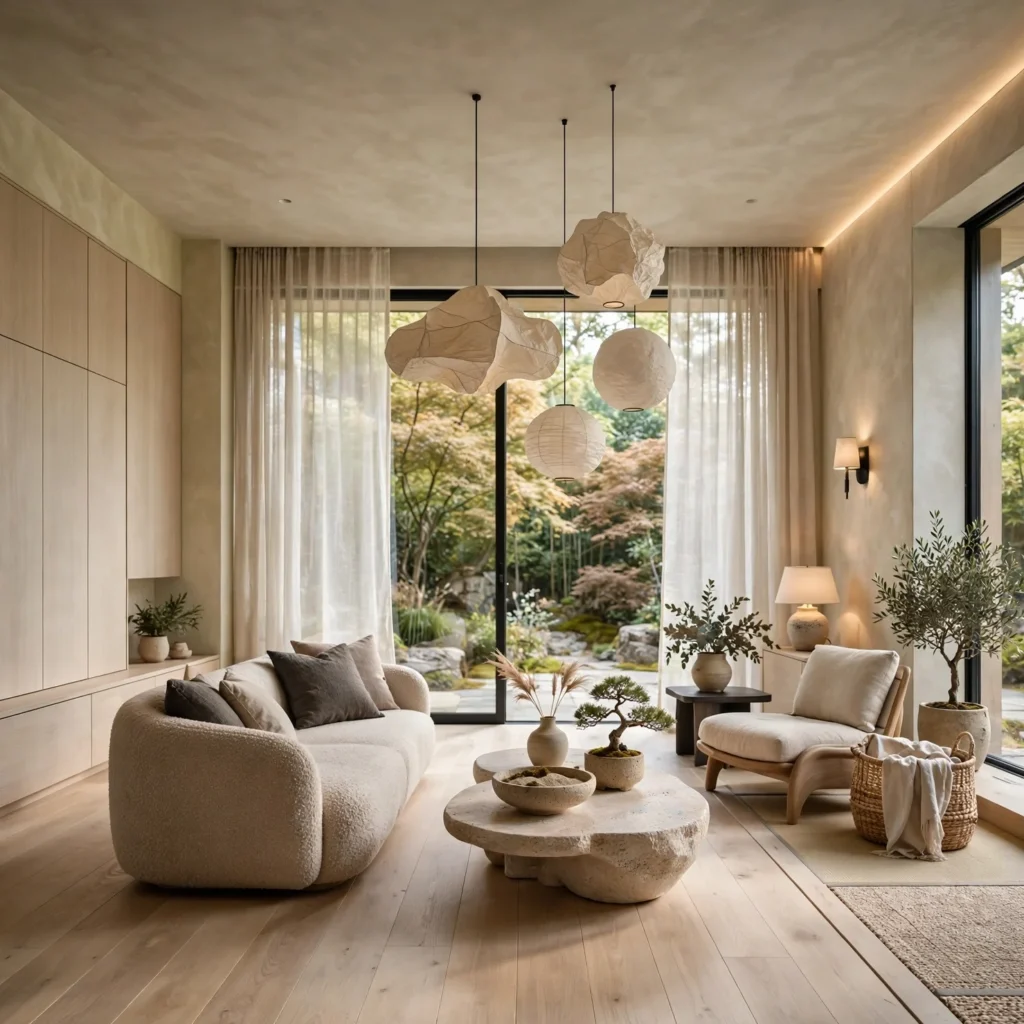
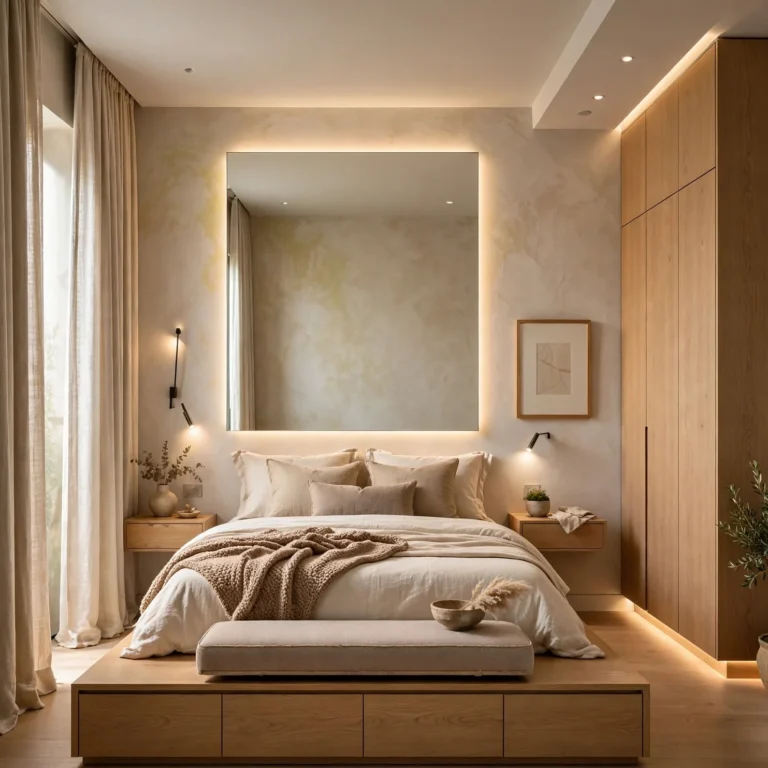
Japandi blends Japanese minimalism with Scandinavian warmth, resulting in a style that emphasizes natural materials, low-profile furniture, and a muted, earthy color palette rather than the brighter whites more common in pure Scandinavian design. Dark wood tones paired with lighter neutral textiles, along with an emphasis on negative space and few but intentional decorative objects, define this style’s core aesthetic. Japandi suits homes wanting a calm, uncluttered look with slightly more warmth and depth than a purely Scandinavian palette offers.
| Style | Wood Tone | Color Palette |
| Scandinavian | Light (ash, birch) | Bright white, light neutrals |
| Japandi | Dark to medium | Muted, earthy neutrals |
| Mid-Century Modern | Warm (teak, walnut) | Bold accent colors on neutral base |
3. Mid-Century Modern
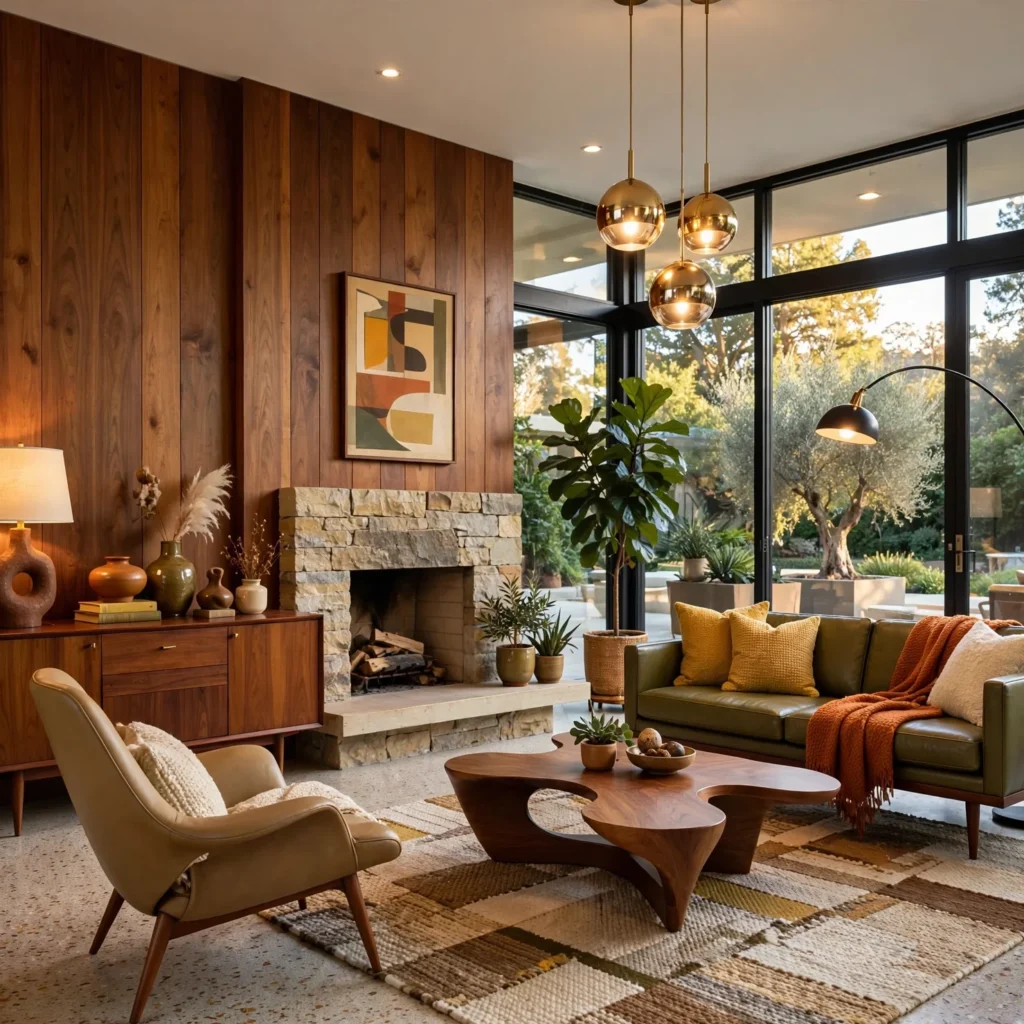
Mid-century modern design, rooted in furniture and architecture from the middle of the 20th century, features organic curved shapes, tapered furniture legs, and warm wood tones like teak or walnut, often paired with a bold accent color against an otherwise neutral base palette. This style emphasizes function and clean lines without the starkness of purely contemporary design, incorporating retro-inspired lighting and furniture silhouettes that remain recognizable and popular today. Mid-century modern suits homes wanting a warm, slightly retro aesthetic with strong, recognizable furniture shapes.
Discover the latest house interior design to give your home a fresh, timeless, and sophisticated look.
4. Bohemian
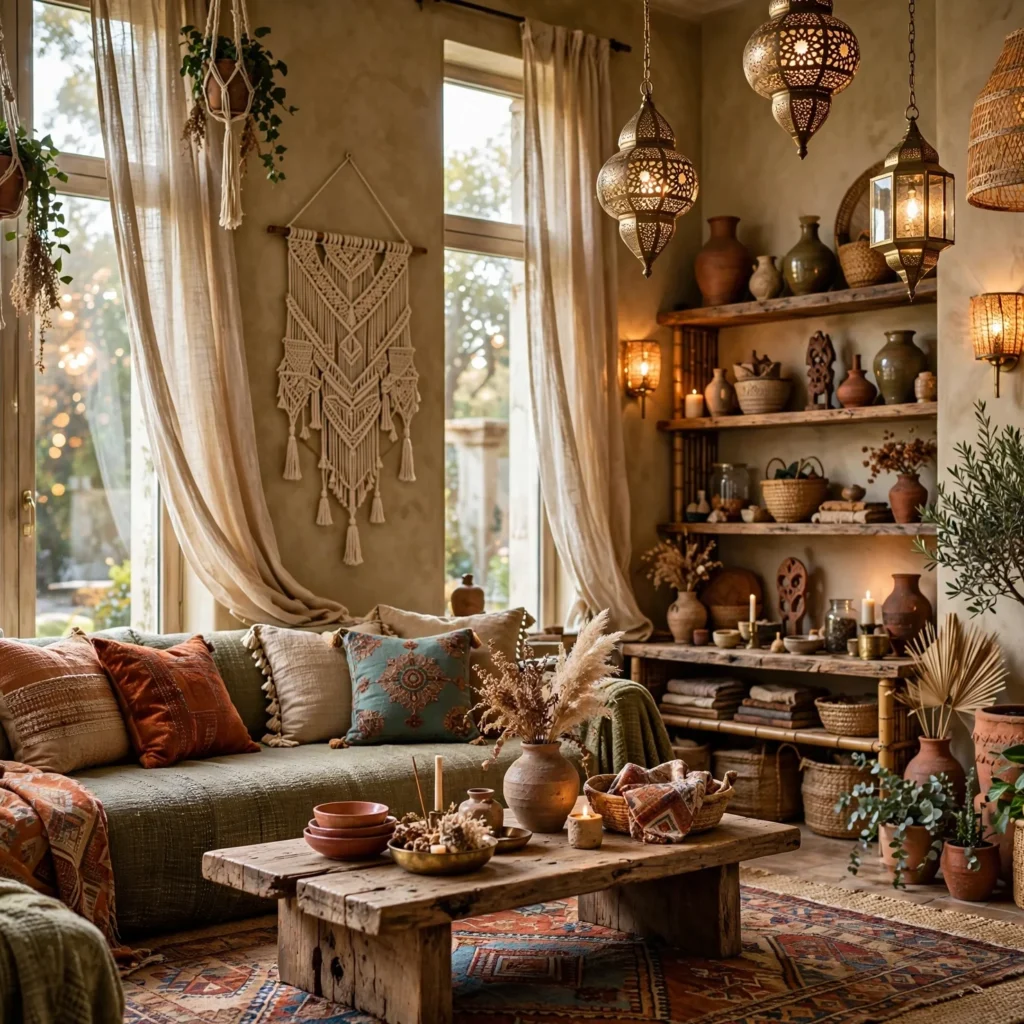
Bohemian, often shortened to boho, design layers multiple patterns, textures, and colors together, incorporating natural materials like rattan and jute alongside vintage or global textiles and a generally more maximalist approach to decor than most other styles on this list. Plants play a significant role in bohemian interiors, often displayed in abundance throughout a room rather than as a single accent piece. This style suits homes wanting a warm, personal, collected-over-time look rather than a more restrained or minimal aesthetic.
5. Farmhouse
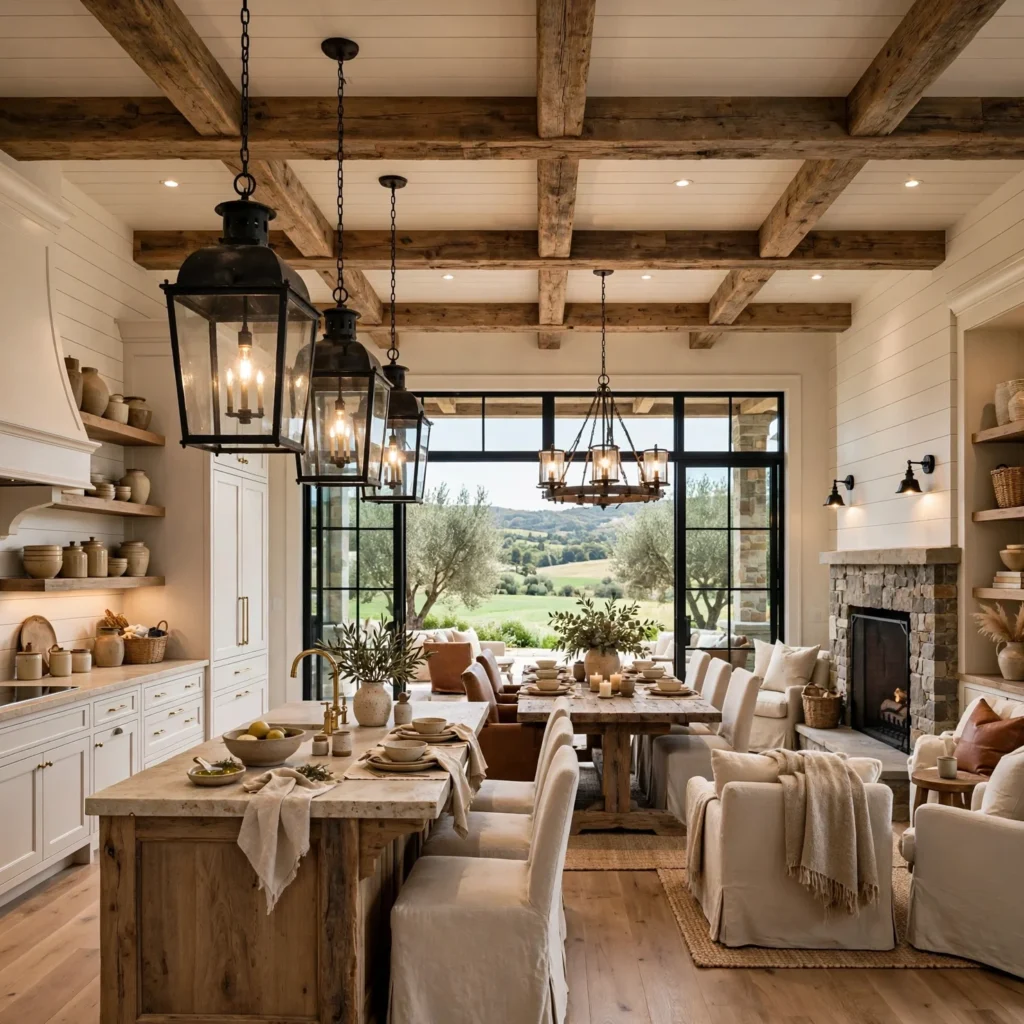
Farmhouse style incorporates rustic, sturdy furniture, often in painted or distressed wood finishes, paired with practical textiles and a generally neutral, warm color palette featuring whites, creams, and soft grays. Shiplap walls, apron-front sinks, and open shelving are common signature details associated with this style, reflecting its roots in rural and agricultural architecture. Farmhouse design suits homes wanting a cozy, approachable aesthetic without the more austere restraint of minimalist or Scandinavian styles.
6. Art Deco
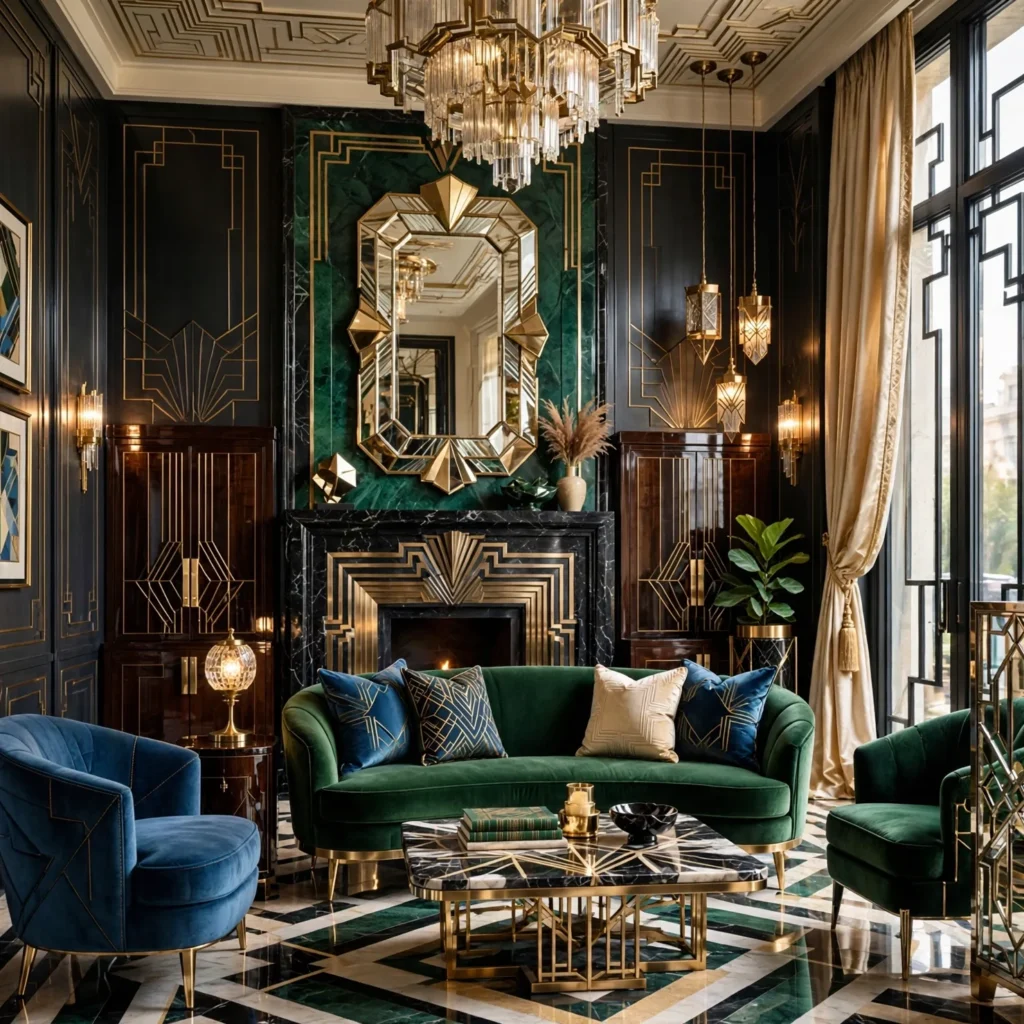
Art Deco design, drawing from the bold geometric patterns and glamorous materials popular in the early 20th century, features rich materials like brass, marble, and velvet, along with strong geometric shapes and often a more saturated, jewel-toned color palette than other styles on this list. Mirrored or lacquered surfaces and bold, symmetrical patterns are common signature elements. This style suits homes wanting a distinctly glamorous, statement-making aesthetic rather than a more understated or minimal approach.
| Style | Signature Material | Overall Feel |
| Art Deco | Brass, marble, velvet | Glamorous, bold |
| Coastal | Light wood, linen, rattan | Airy, relaxed |
| Industrial | Steel, exposed brick, leather | Raw, utilitarian |
7. Coastal
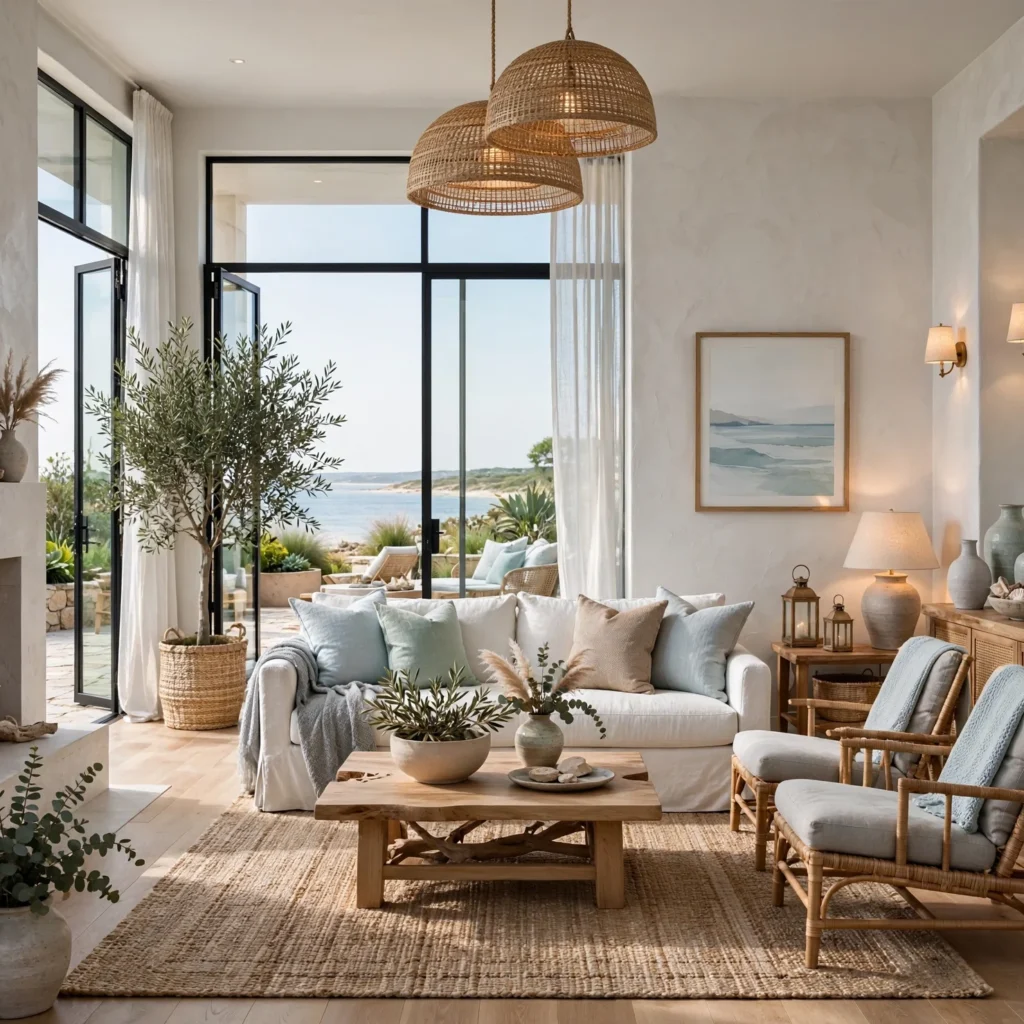
Coastal design uses a light, airy color palette dominated by whites, soft blues, and sandy neutrals, paired with natural materials like light wood, rattan, and linen textiles to evoke a relaxed, beach-adjacent atmosphere regardless of a home’s actual proximity to the ocean. This style tends to avoid heavy, dark furniture or dense pattern layering in favor of a breezier, more casual aesthetic. Coastal design suits homes wanting a light, vacation-like feel, particularly in climates or regions with strong natural light throughout much of the year.
8. Industrial
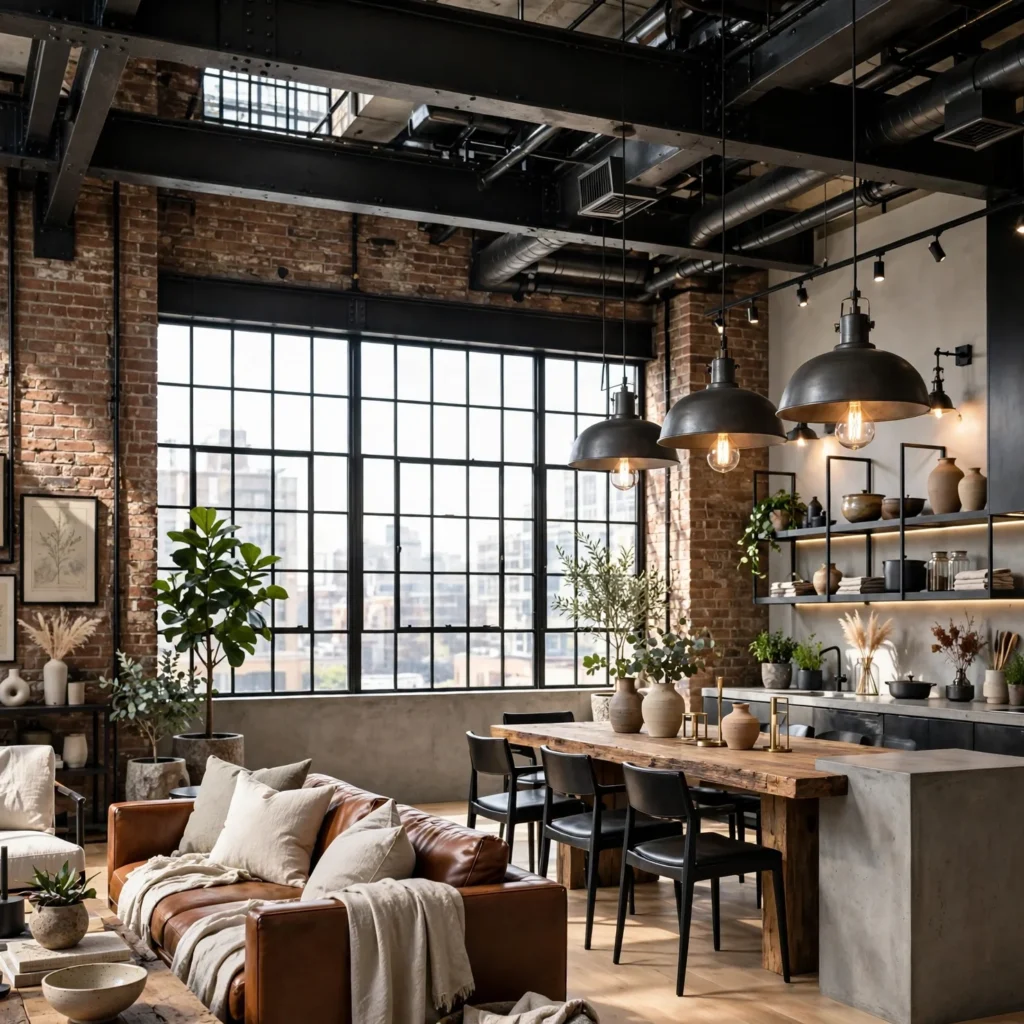
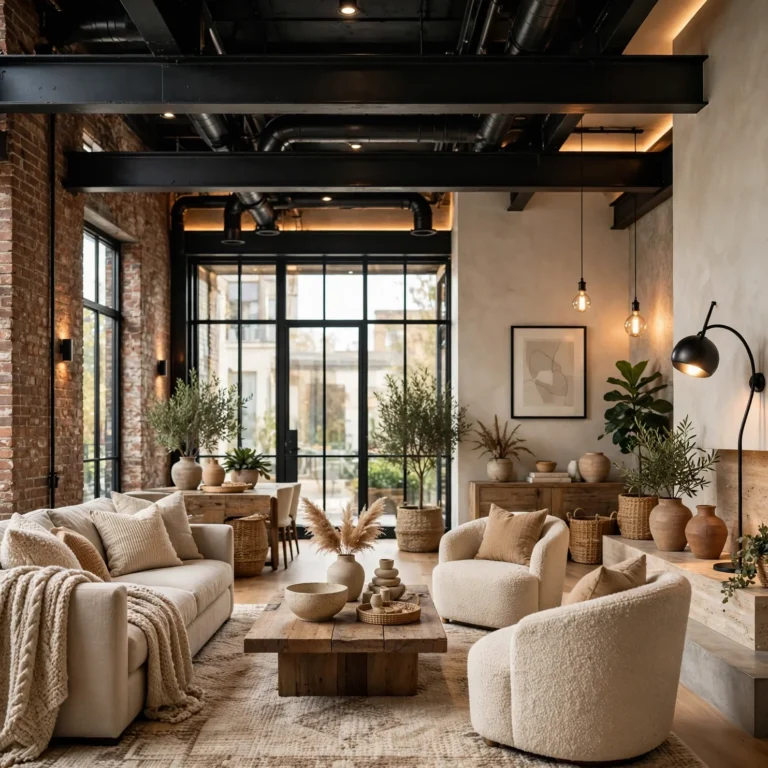
Industrial design incorporates raw, utilitarian materials like exposed brick, structural steel, and leather upholstery, reflecting the style’s origins in converted warehouse and factory spaces. Matte black metal fixtures and Edison bulb lighting are common signature details, along with a generally more masculine, unpolished aesthetic compared to more delicate or ornate styles. Industrial design suits homes, particularly lofts or converted commercial spaces, wanting a raw, architectural aesthetic balanced with enough warmth to avoid feeling cold.
9. Traditional
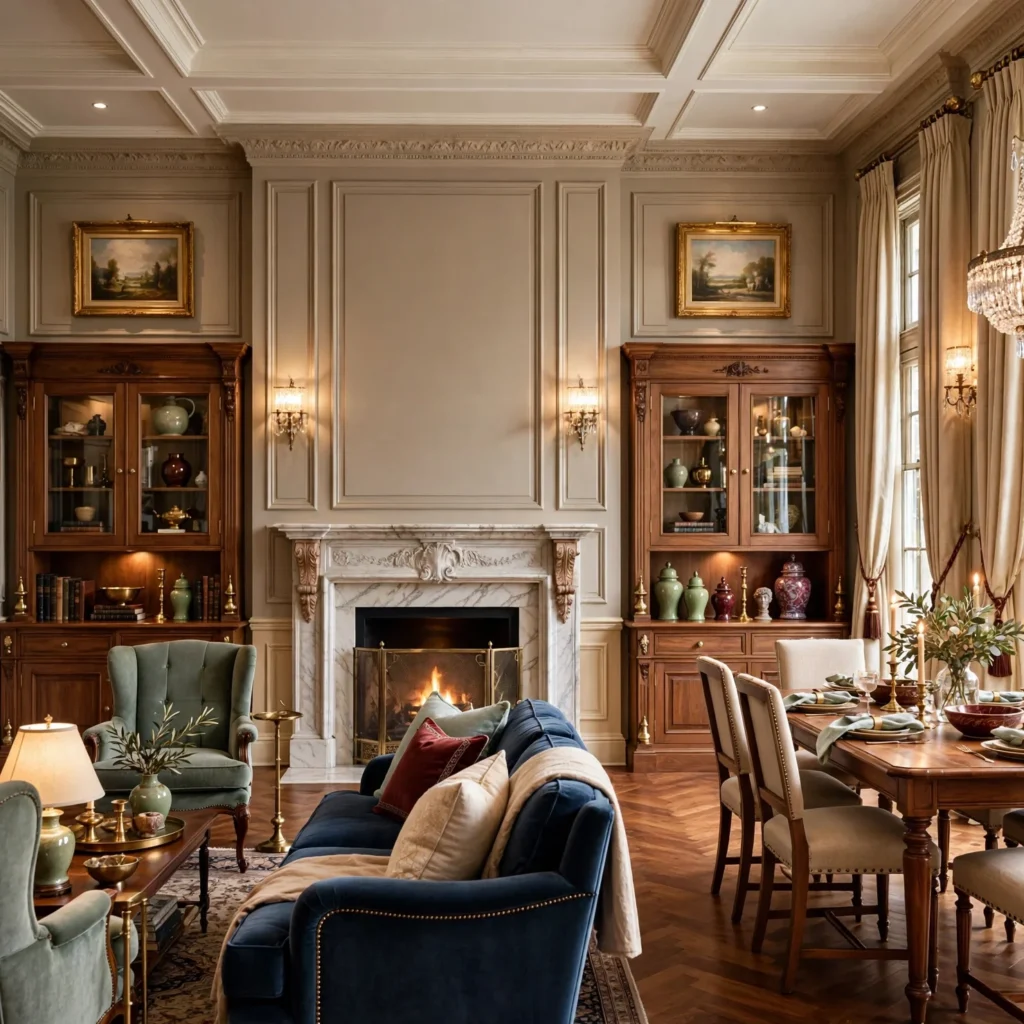
Traditional design draws from classic European furniture and architectural details, featuring more ornate furniture silhouettes, richer wood tones like mahogany or cherry, and formal, symmetrical room arrangements. Patterned upholstery, drapery, and rugs are more common in traditional interiors than in many of the more minimal styles on this list, along with a generally more formal overall atmosphere. This style suits homes wanting a classic, timeless aesthetic rather than a more contemporary or minimal approach.
10. Transitional
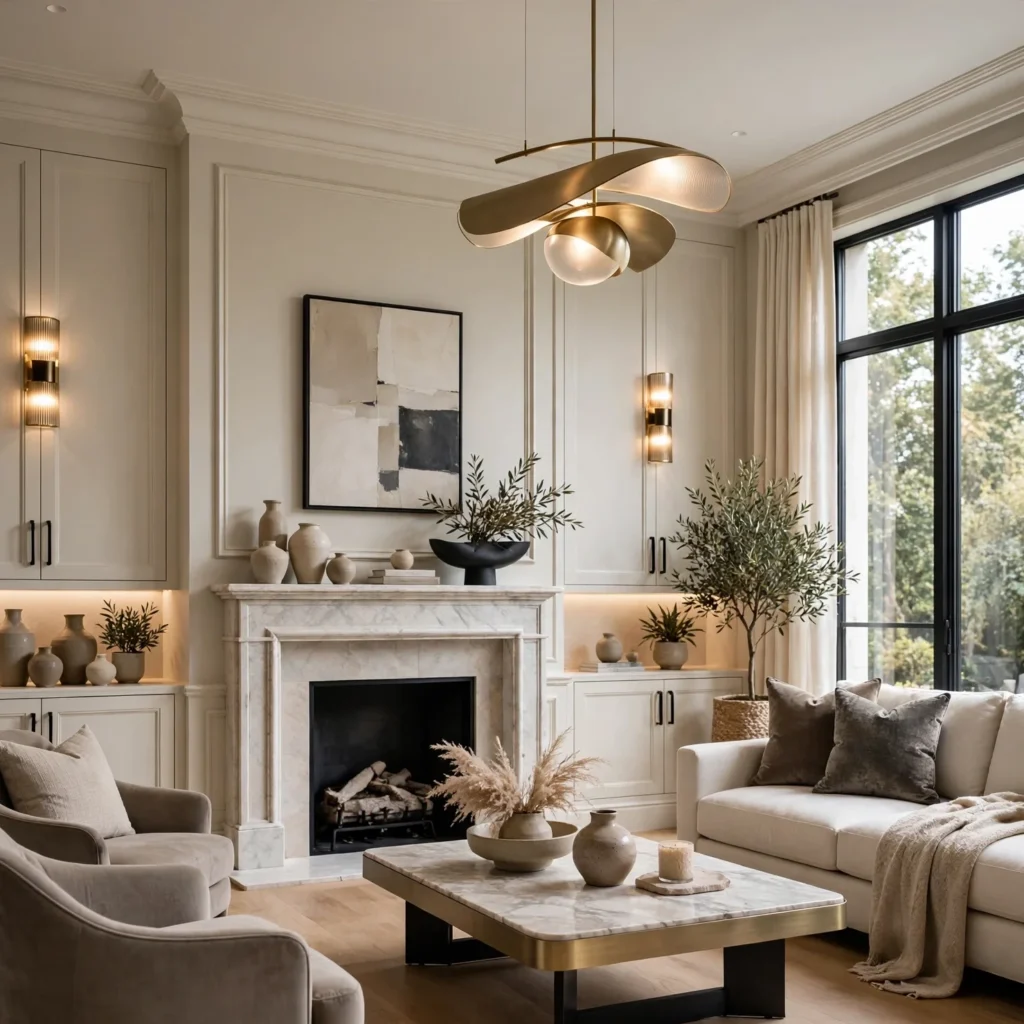
Transitional design blends elements of traditional and contemporary styles, using simpler furniture silhouettes than fully traditional design while retaining some warmth and detail that purely contemporary or modern design might omit. This style typically features a neutral color palette with subtle pattern or texture layering, avoiding both the ornate formality of traditional design and the stark simplicity of a fully modern aesthetic. Transitional design suits homes wanting a versatile, broadly appealing look that doesn’t commit fully to either historical or strictly contemporary design principles.
11. Minimalist
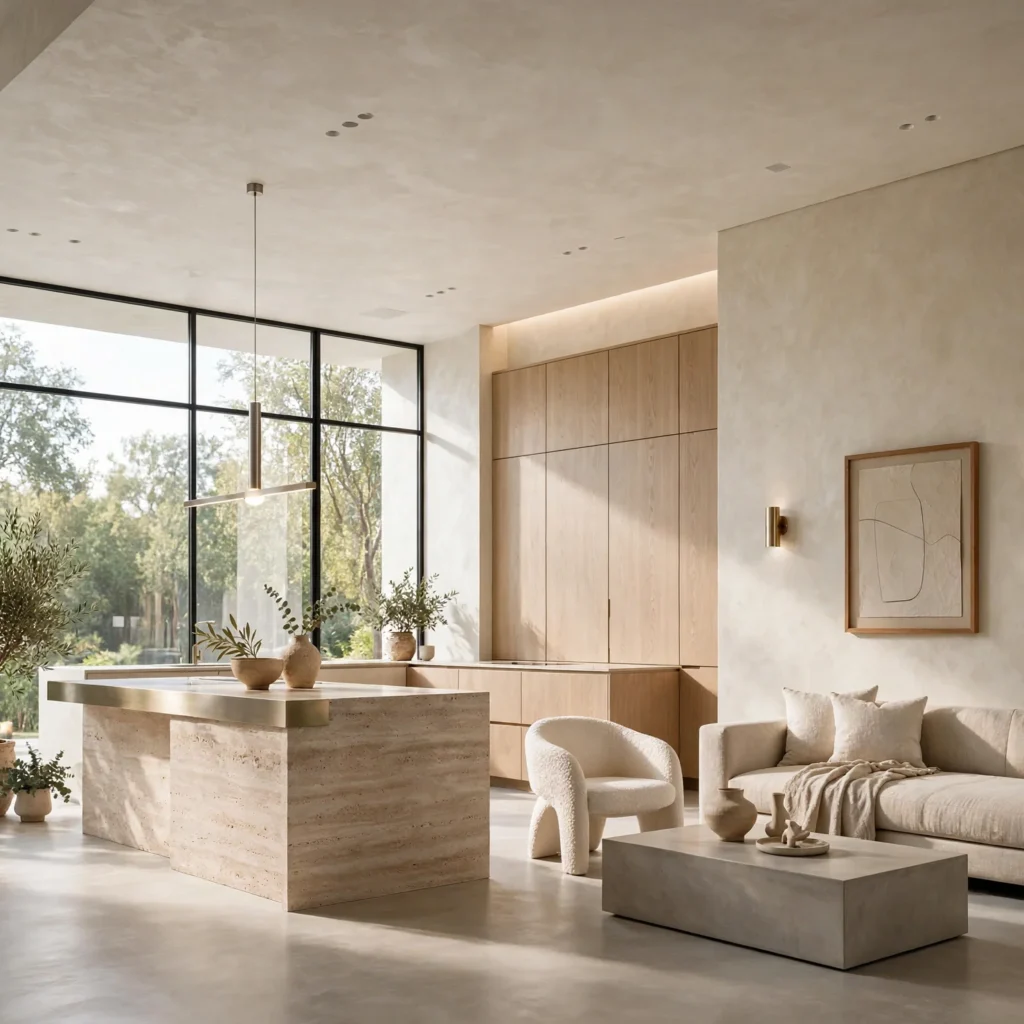
Minimalist design strips furniture and decor down to only what’s functionally necessary, emphasizing negative space, a restrained neutral color palette, and simple, unadorned furniture forms without additional decorative layering. This style requires significant restraint in both furniture selection and overall decor, since even a small amount of clutter can undermine the intended calm, uncluttered effect. Minimalist design suits homes wanting a very calm, distraction-free environment, though it requires more discipline in maintaining the look over time than more layered styles.
12. Interior Design Styles for Combining Multiple Aesthetics
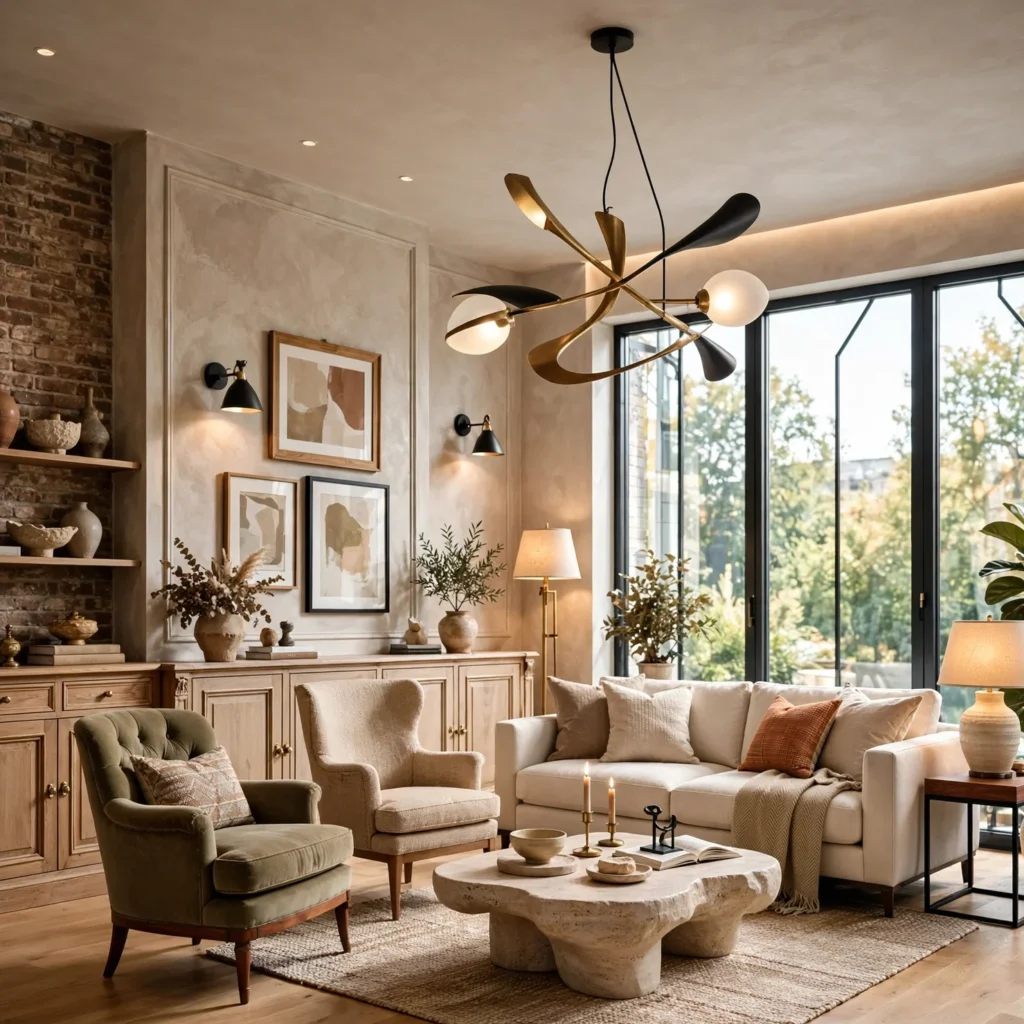
Among interior design styles, many successful homes actually blend elements from two or three styles rather than adhering strictly to just one, such as pairing Japandi’s restrained material palette with a few bohemian textile accents for added warmth and personality. This approach works best when the blended styles share some underlying compatibility, like a similar commitment to natural materials or a comparable level of visual restraint, rather than combining styles with fundamentally conflicting principles, like a highly maximalist bohemian aesthetic alongside strict minimalist furniture choices.
Shop the Look
For exploring these interior design styles, look at light ash or birch furniture from a brand like IKEA or Article for Scandinavian and Japandi-leaning spaces, or teak and walnut pieces from Design Within Reach for mid-century modern. Layered textiles and rattan furniture from a supplier like Anthropologie suit bohemian and coastal styles, while brass and velvet accent pieces from a brand like Anthropologie or CB2 work well for an Art Deco-inspired room. Identifying which materials and color palettes consistently appeal to you across multiple pieces tends to reveal your genuine style preference more reliably than any single item.
Common Mistake to Avoid
The most common mistake is mixing furniture and decor from fundamentally conflicting interior design styles without a clear organizing principle, resulting in a room that feels visually confused rather than intentionally eclectic. A bohemian, pattern-heavy textile paired directly against a starkly minimalist furniture piece, for instance, can create tension rather than an intentional contrast if there’s no shared material or color thread connecting the two. Identifying at least one common element, like a consistent wood tone or color palette, across mixed-style pieces helps maintain cohesion even when blending multiple aesthetics.
FAQs
How do I figure out my personal interior design style?
Collecting images of rooms and furniture pieces you’re consistently drawn to, then looking for common threads like wood tone, color palette, or furniture silhouette across those images, tends to reveal a genuine style preference more reliably than trying to choose a single named style upfront. Many people find their preference actually blends elements from two or three styles rather than fitting neatly into just one category.
What is the difference between Scandinavian and Japandi design?
Scandinavian design typically uses lighter wood tones and a brighter white color palette, while Japandi blends Japanese minimalism into the mix, resulting in darker wood tones and a more muted, earthy overall palette. Both styles share an emphasis on function and natural materials, but Japandi tends to read as slightly warmer and more subdued compared to Scandinavian design’s brighter, airier feel.
Can I mix multiple interior design styles in one home?
Mixing styles can work well, particularly when the combined styles share some underlying compatibility, like a similar commitment to natural materials or a comparable level of visual restraint. This works better than combining styles with fundamentally conflicting principles, such as a highly maximalist style alongside strict minimalism, which tends to create visual tension rather than an intentional, cohesive contrast.
Is farmhouse style still popular?
Farmhouse style has remained popular for an extended period, though its most heavily rustic, distressed-wood interpretation has evolved toward a more refined version sometimes called modern farmhouse, incorporating cleaner lines and less heavily distressed finishes while retaining the style’s characteristic warmth and approachability. The core elements, like shiplap and apron-front sinks, remain recognizable even as the overall execution has become somewhat more polished over time.
What interior design style works best for renters?
Styles that rely primarily on furniture, textiles, and decor rather than structural changes, such as bohemian, coastal, or Scandinavian design, tend to work particularly well for renters, since none of these styles require permanent alterations like exposed brick or built-in millwork to achieve their signature look. Removable wallpaper and freestanding furniture allow renters to explore most of these aesthetics without conflicting with a lease agreement’s restrictions on permanent changes.
Conclusion
These interior design styles range from restrained aesthetics like minimalism to more layered looks like bohemian design, giving you a starting point no matter which direction genuinely appeals to your taste. If one of these stood out, save this post to Pinterest for later, or check out our related guide on modern interior design for a deeper look at one of these styles specifically.